Alison Hancock/Shutterstock.com
Grassflowerhead/Shutterstock.com
"Gunkanjima island" by kentamabuchi is licensed under BY-SA 2.0.
Tijuana2014/iStock.com
"Michigan Central Station, Detroit" by Яick Harris is licensed under BY-SA 2.0.
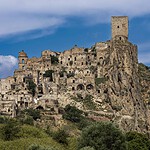
"Craco il paese fantasma" by Maurizio Moro5153 is licensed under BY-SA 4.0.
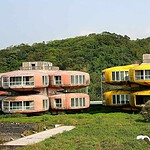
By Carrie Kellenberger from Banciao, Taiwan - San-Zhr Pod Village 17
Kenzos/Shutterstock.com
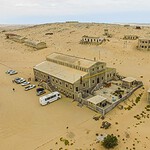
"Kolmanskop Ghost Town" by SkyPixels is licensed under BY-SA 4.0.
"Varosha, Famagusta, Chipre" by Pablo F. J. is licensed under BY 2.0.
Alison Hancock/Shutterstock.com
"Buzludzha Monument Auditorium" by Stanislav Traykov is licensed under BY 3.0.
Codyrt, CC BY-SA 4.0, via Wikimedia Commons
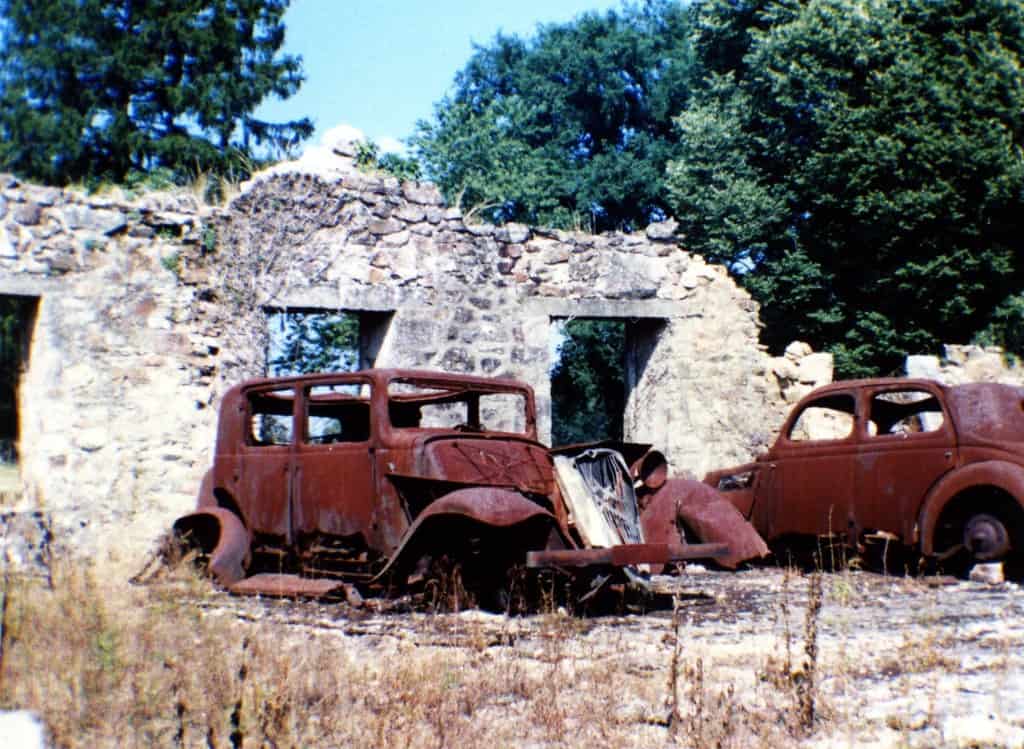
"Voitures brûlées - Oradour Sur Glane" by fred_v is licensed under BY 2.0.
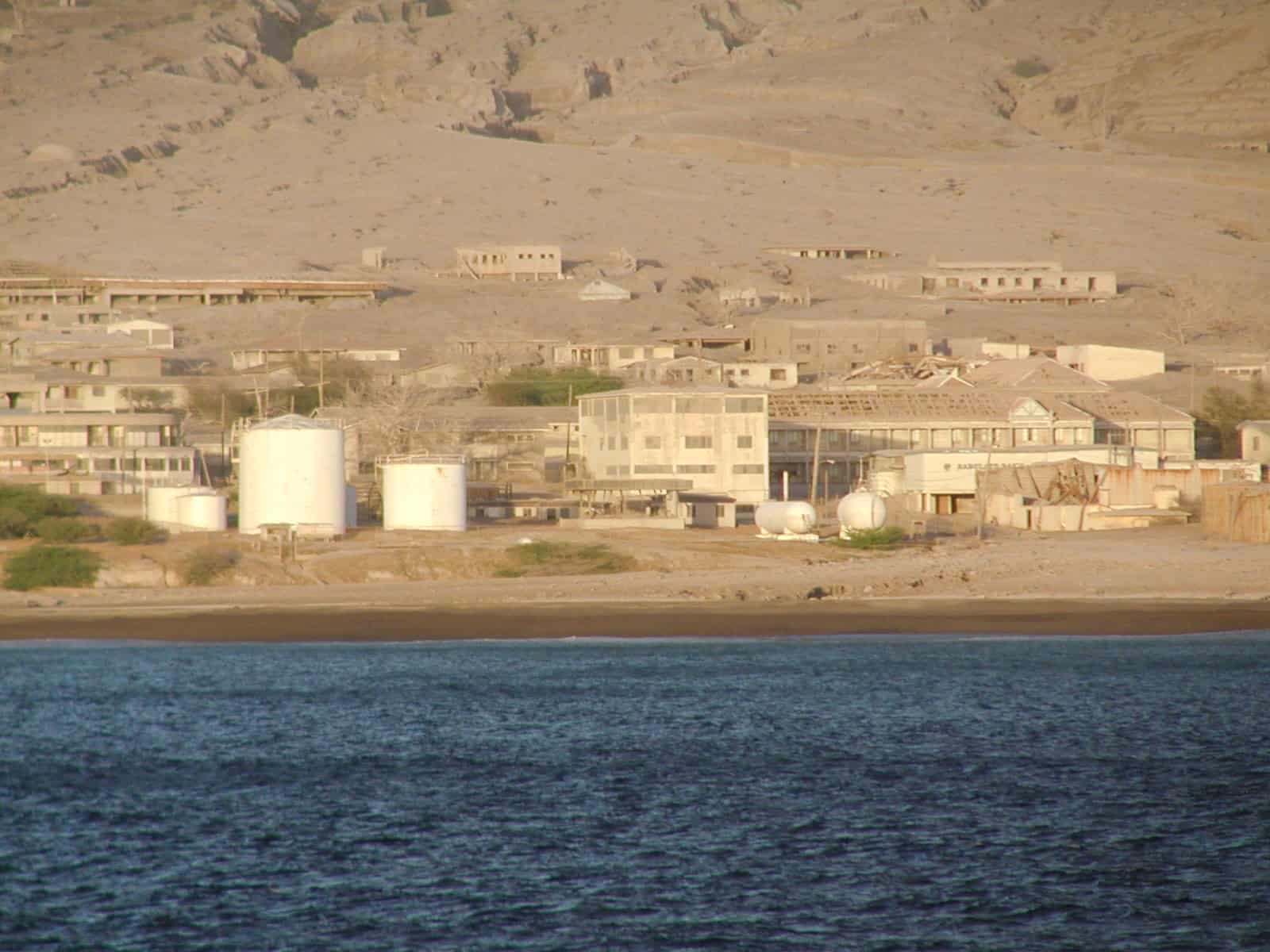
"Plymouth Montserrat 2003 a" by Mike Schinkel is licensed under BY 2.0.
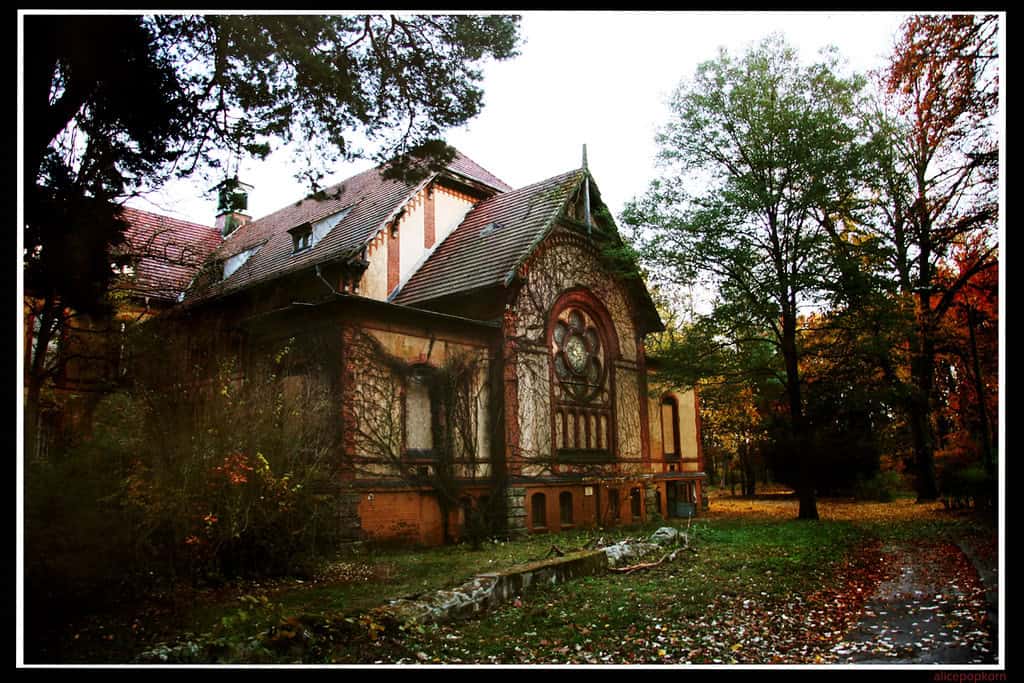
"Beelitz Heilstätten" by Cornelia Kopp is licensed under BY 2.0.
15 Photos of Abandoned Places and What Became of Them
There is something about an empty building that makes you wonder what happened there. A school with no students, a deserted resort, or an entire town left behind can tell you quite a bit about the people who once called it home. Sometimes the reason is as simple as a mine shutting down. Sometimes it's a disaster, a war, or a plan that never quite got off the ground.
But here's where these stories get interesting: not all abandoned places stay that way. A few are being restored, others are carefully preserved as historical sites, and some have disappeared completely. That distinction matters, especially when an old photograph makes it look as though a building is still sitting empty today.
These 15 photos explore places around the world that were abandoned, damaged, or left behind, and what happened next. You'll see ghost towns, ruined monuments, a former prison, and even a Detroit train station that got a remarkable second act. Two images show different views of Japan's Hashima Island, also known as Gunkanjima. The stories range from unusual architecture to genuine human tragedy, and each deserves to be told accurately.
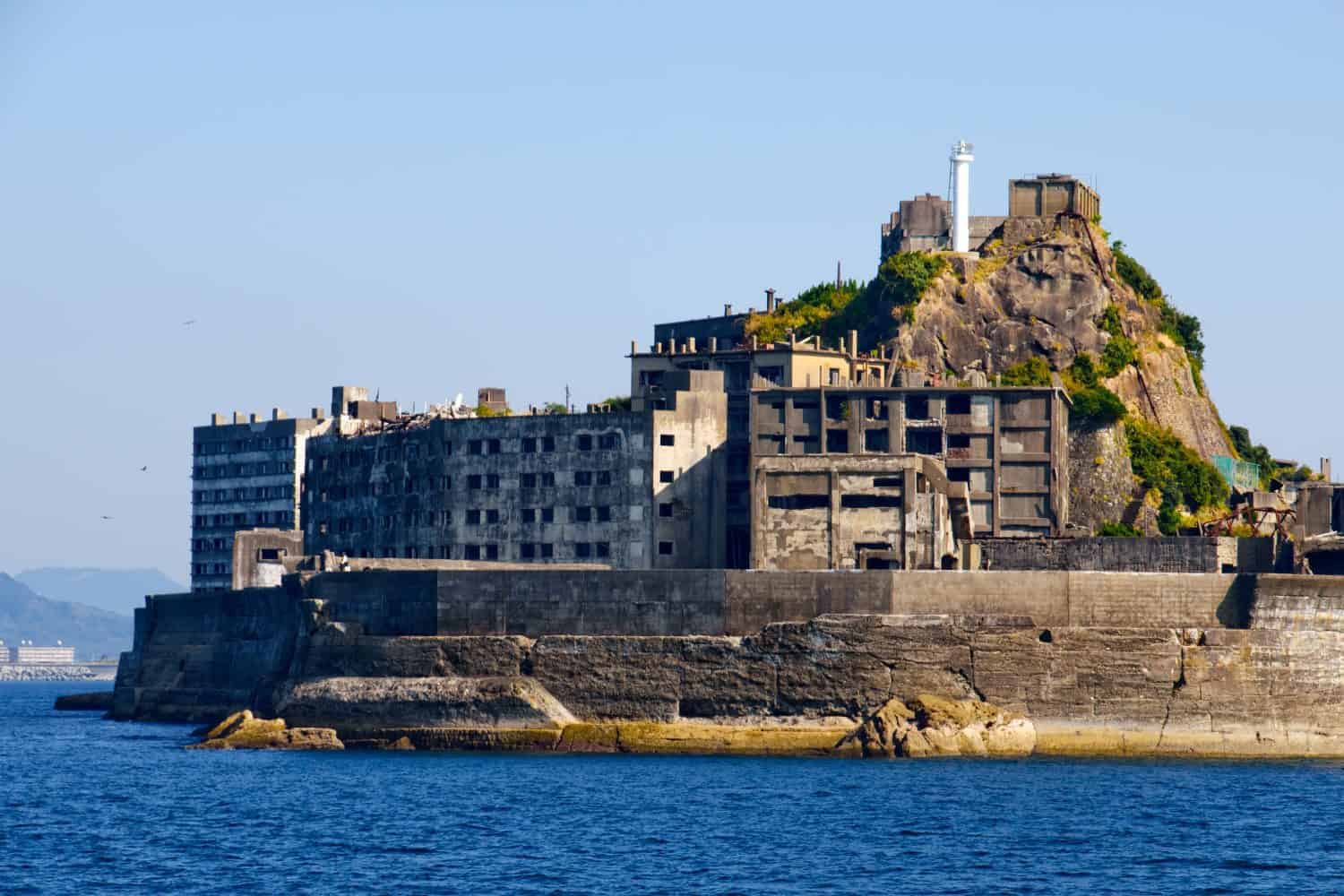
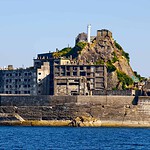
Hashima Island, Japan
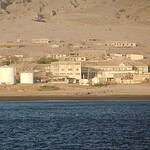
From a distance, Hashima Island looks almost like a concrete battleship floating off the coast of Nagasaki. That's where its nickname, Gunkanjima, or Battleship Island, comes from. Mitsubishi operated a coal mine here, and at its peak the tiny island housed more than 5,000 people in tightly packed apartments. The mine closed in 1974, and the residents left. The decaying buildings later helped inspire the villain's island hideout in the James Bond film Skyfall, although the film did not shoot those scenes on the island itself. Hashima became part of a UNESCO World Heritage listing in 2015.
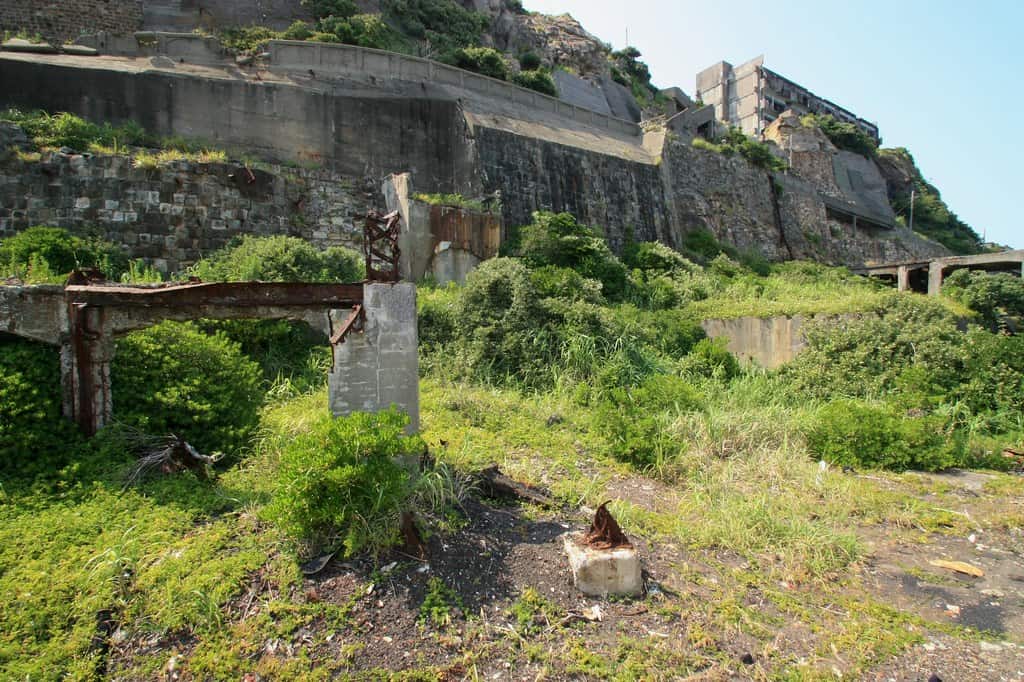
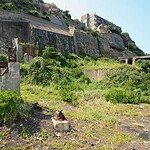
Hashima Island, Japan (continued)
This second view of Hashima, also called Gunkanjima, shows just how much was squeezed onto a small patch of land. Apartment buildings, schools, shops, and mining facilities once shared the island with thousands of residents. After everyone left in 1974, salt air, storms, and decades without maintenance took a heavy toll on the concrete structures. Sightseeing boats now visit from Nagasaki, and some organized tours can land when weather and safety conditions allow. Most ruined buildings are off-limits because of the risk of collapse. It's the same island shown earlier, seen from another angle, not a separate ghost town.
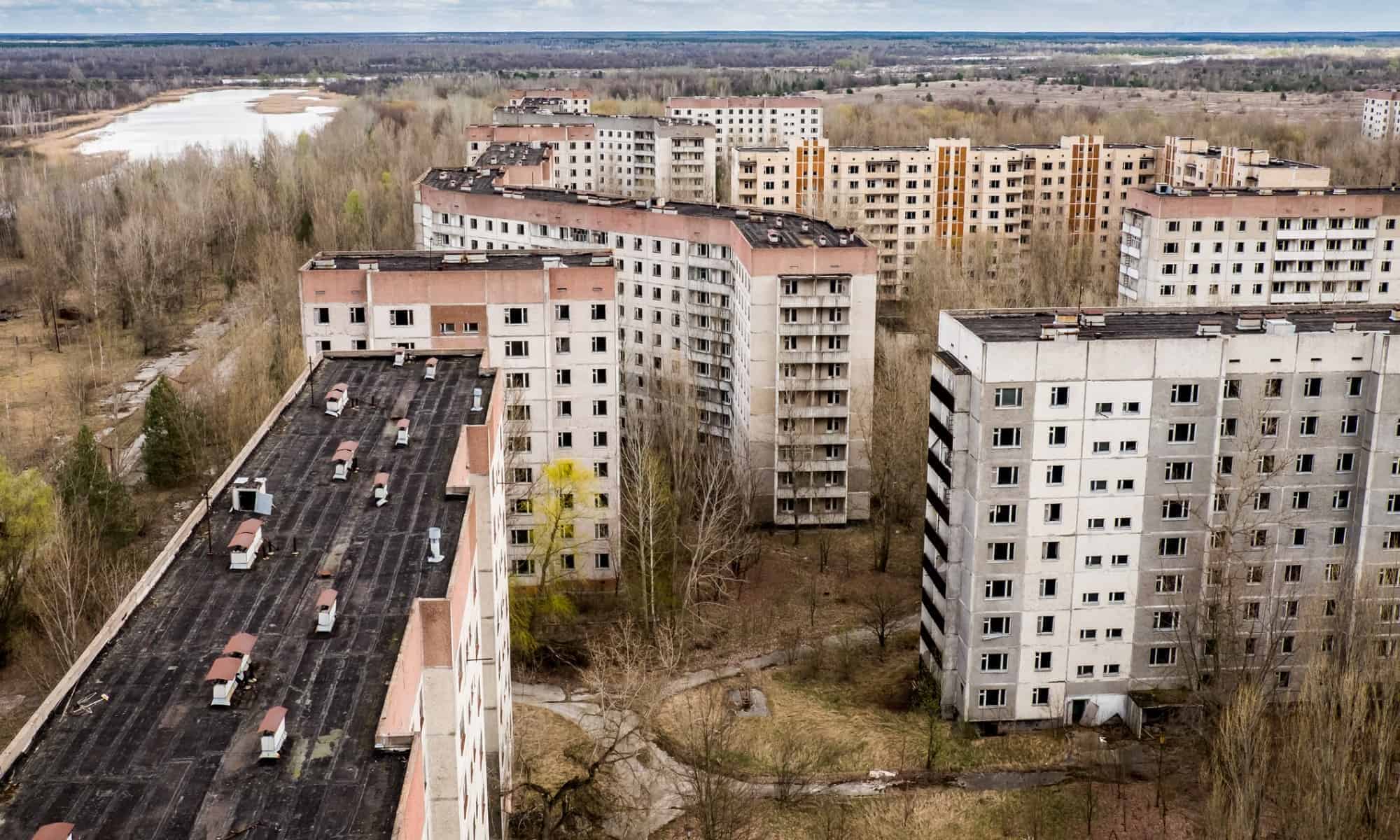
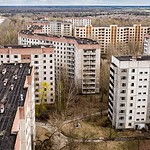
Pripyat, Ukraine
Pripyat was built in 1970 for workers at the nearby Chernobyl Nuclear Power Plant and their families. On April 27, 1986, the day after the reactor disaster, authorities evacuated the city. Its apartment towers, schools, and famous amusement park have stood largely empty ever since. Before Russia's full-scale invasion of Ukraine, the area attracted organized tours. Those visits have been suspended amid the war, and hazards now include both radioactive contamination in some locations and the dangers left by military activity. What looks like a town frozen in time has continued to deteriorate for four decades.
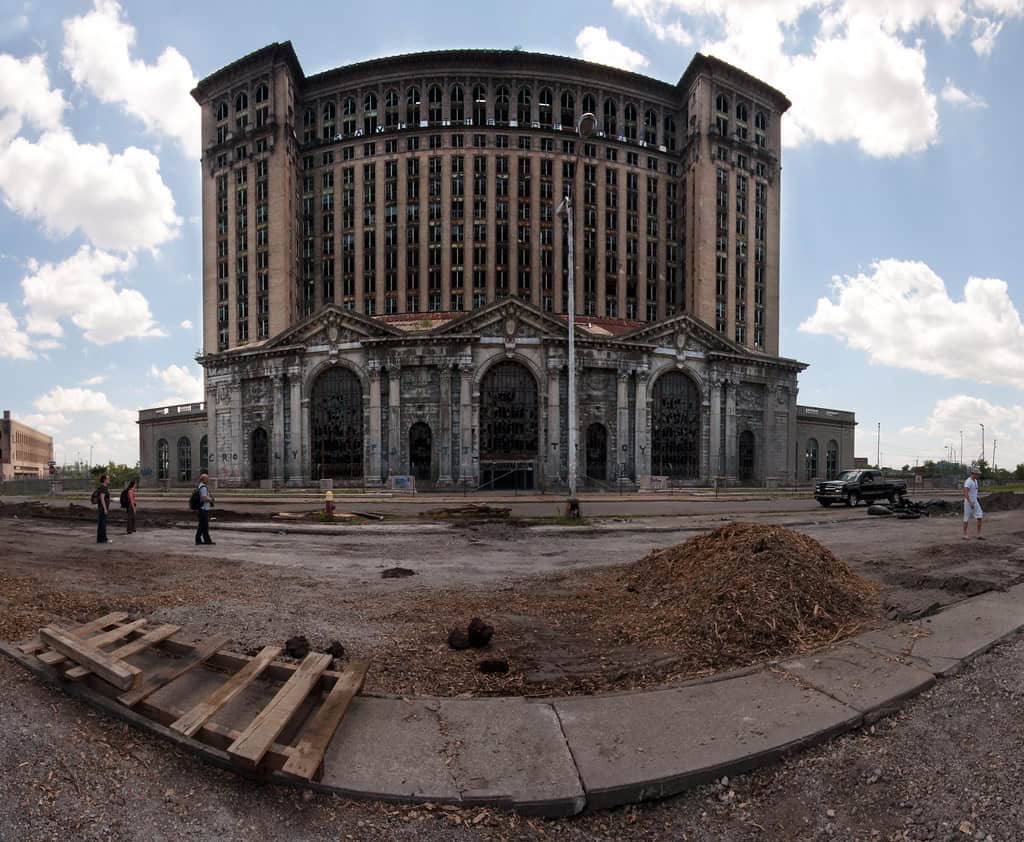
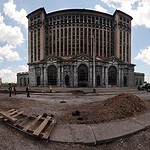
Michigan Central Station, Detroit, Michigan
For years, Michigan Central Station was one of Detroit's most recognizable abandoned buildings. The enormous train depot opened in 1913, but passenger service ended in 1988, leaving its once-grand halls empty and exposed to decades of damage. Here's the important update: this is no longer an abandoned landmark. Ford bought the property in 2018, spent six years restoring it, and reopened the station in June 2024 as the centerpiece of a technology and cultural district. The older photograph captures the building's neglected era, not its present condition. In a gallery full of places left behind, this one actually got a second chance.
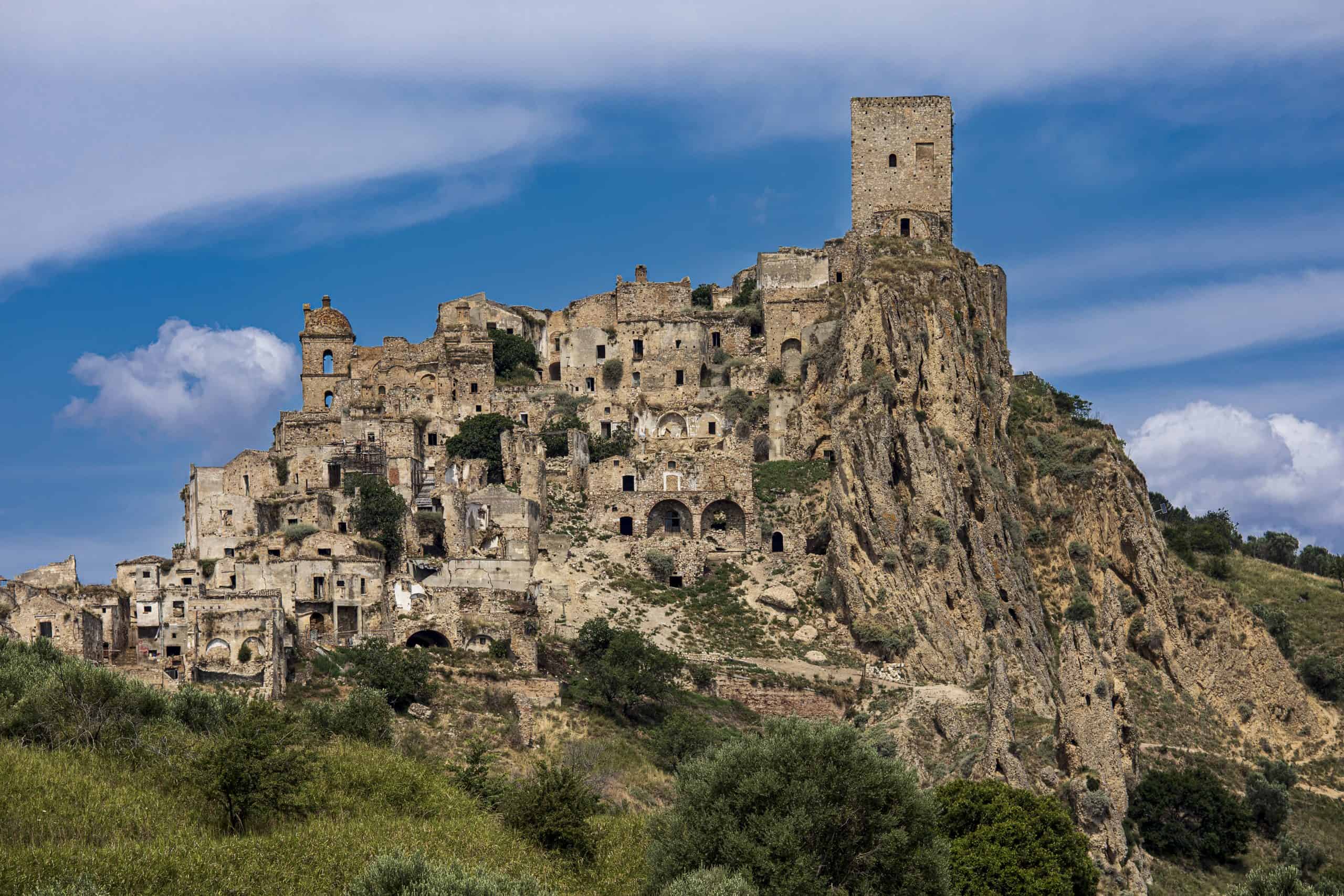
Craco, Italy
High on a rocky hill in southern Italy, the medieval village of Craco looks as though its residents simply walked away. The departure was more complicated than that. A major landslide in 1963 helped trigger a long relocation process, while continued instability and the 1980 earthquake made returning increasingly difficult. The old settlement is now largely uninhabited, with empty stone houses and narrow streets clinging to the hillside. It has appeared in films, but this isn't a place to wander through on your own: access to the historic ruins is managed through guided visits because the ground and buildings remain unstable.
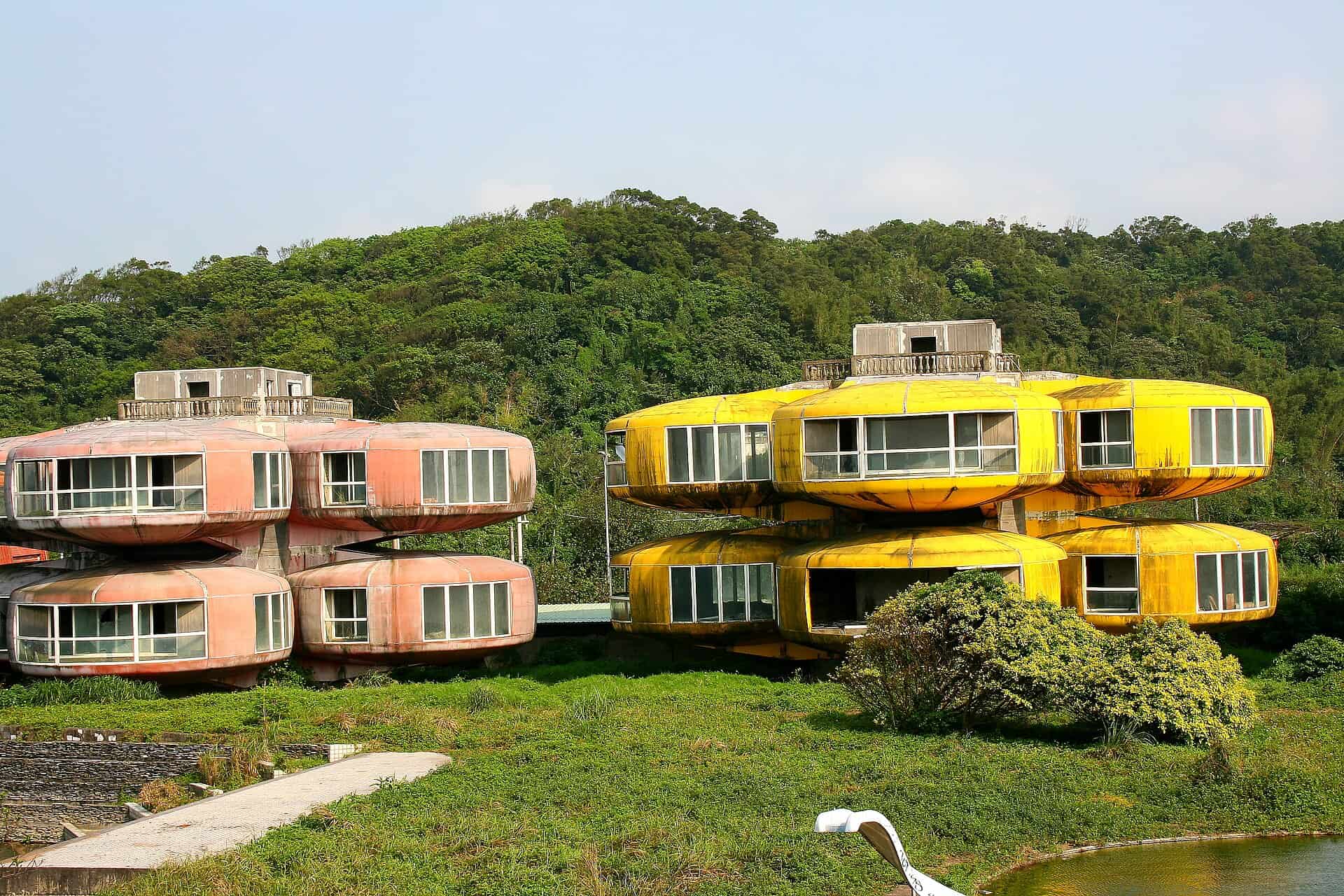
Sanzhi UFO Houses, Taiwan
These colorful, flying-saucer-shaped buildings were supposed to be part of a futuristic vacation development on Taiwan's northern coast. Built in the late 1970s, the project stalled and the pods were left to deteriorate. Their unusual appearance turned them into a favorite subject for photographers and a magnet for rumors about what went wrong. Stories about mysterious fatal accidents circulated for years, but they aren't a reliable explanation for the project's collapse. Demolition began in December 2008, and the structures were cleared in 2009. So, unlike many sites on this list, the Sanzhi UFO Houses survive mainly in photographs.
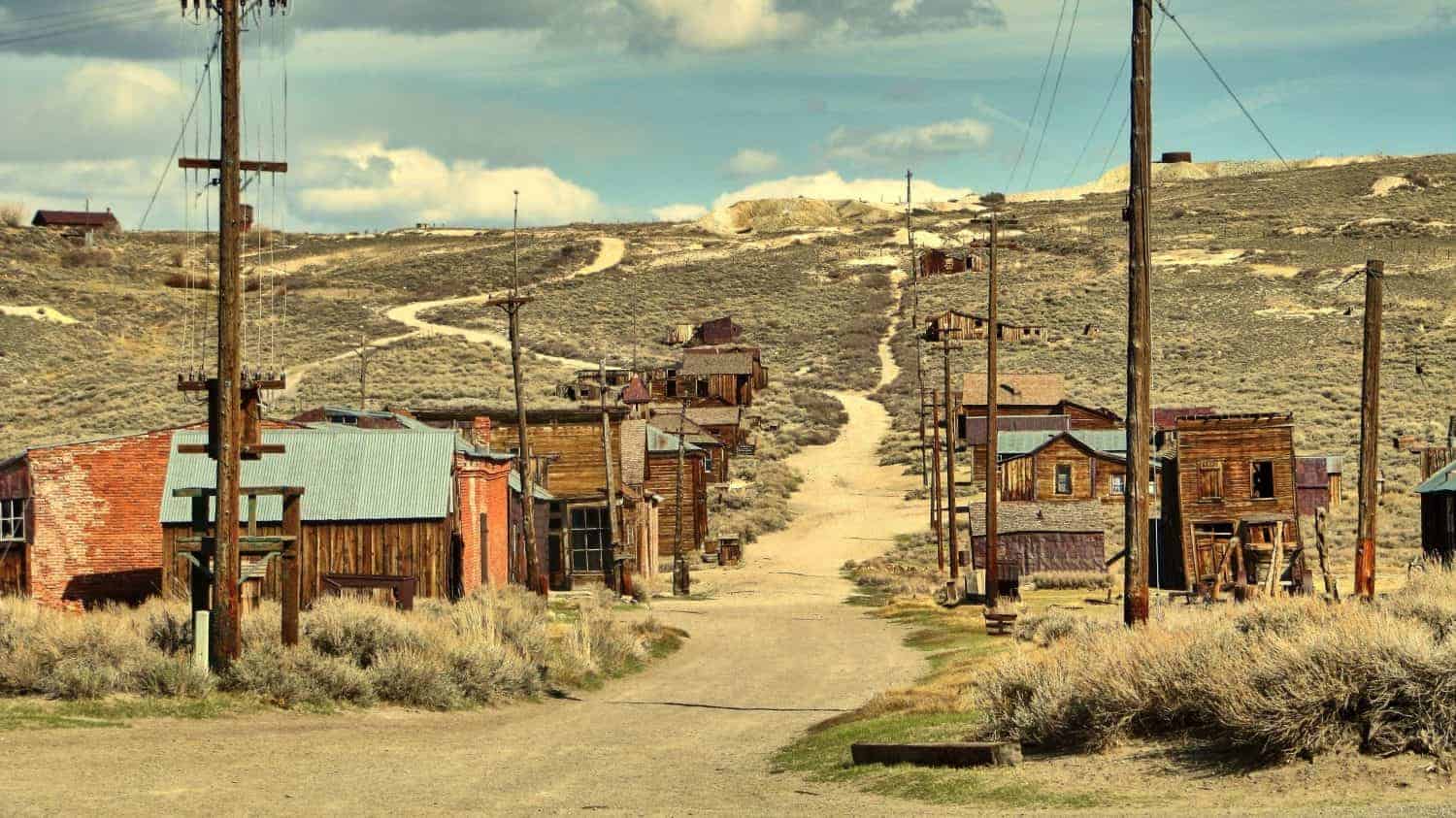
Bodie, California
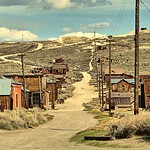
If you want an Old West ghost town that hasn't been turned into a theme park, Bodie is hard to beat. Gold mining made the remote California settlement a boomtown in the late 1800s, but the population declined as the mines lost their momentum. The surviving buildings became part of Bodie State Historic Park in 1962. Officials preserve the site in what they call a state of 'arrested decay,' stabilizing structures without making them look newly restored. Visitors can still walk the dusty streets and peer into homes and shops where objects were left behind. Just don't mistake that weathered appearance for a lack of preservation work.
Kolmanskop, Namibia
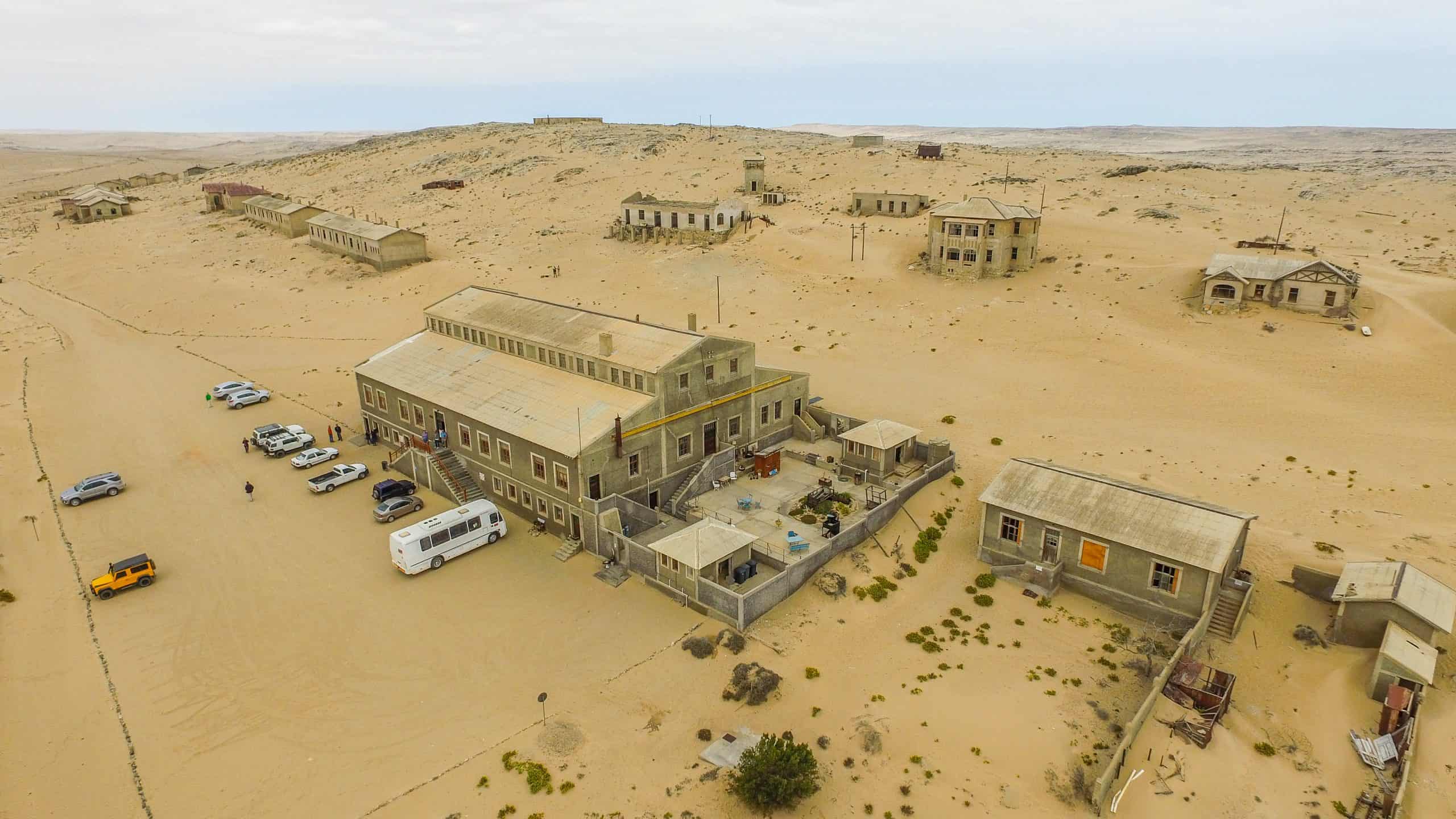
At first glance, the sand-filled houses of Kolmanskop look like a desert art installation. They were once part of a thriving diamond-mining settlement in what was then German-controlled South West Africa. Prosperity brought substantial buildings and amenities, but richer diamond deposits were discovered elsewhere, and people gradually moved on. By 1956, the town had been abandoned. Today, dunes spill through doorways and rise against interior walls, creating some genuinely surreal scenes. Parts of the site are maintained for visitors, though, so this is a preserved historic attraction rather than a completely forgotten place.
Varosha, Famagusta, Cyprus
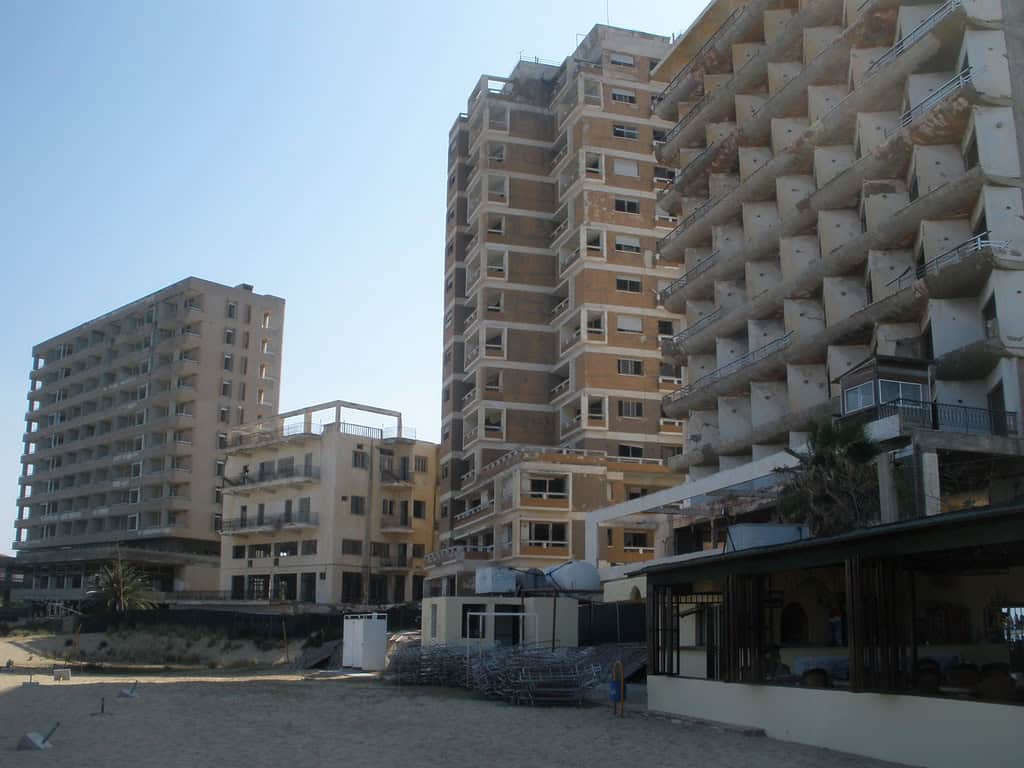
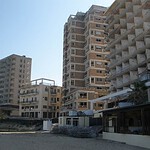
Varosha was once a busy seaside resort filled with hotels, shops, and holidaymakers. That changed during the events of 1974, when its Greek Cypriot residents fled amid Turkey's military intervention and the area was subsequently fenced off. For decades, much of the district remained inaccessible as buildings deteriorated behind barriers. Portions were opened to visitors beginning in 2020, but that does not mean the town has been returned to its former residents or rebuilt as a functioning neighborhood. Its status remains politically disputed, and the United Nations has objected to unilateral reopening measures.
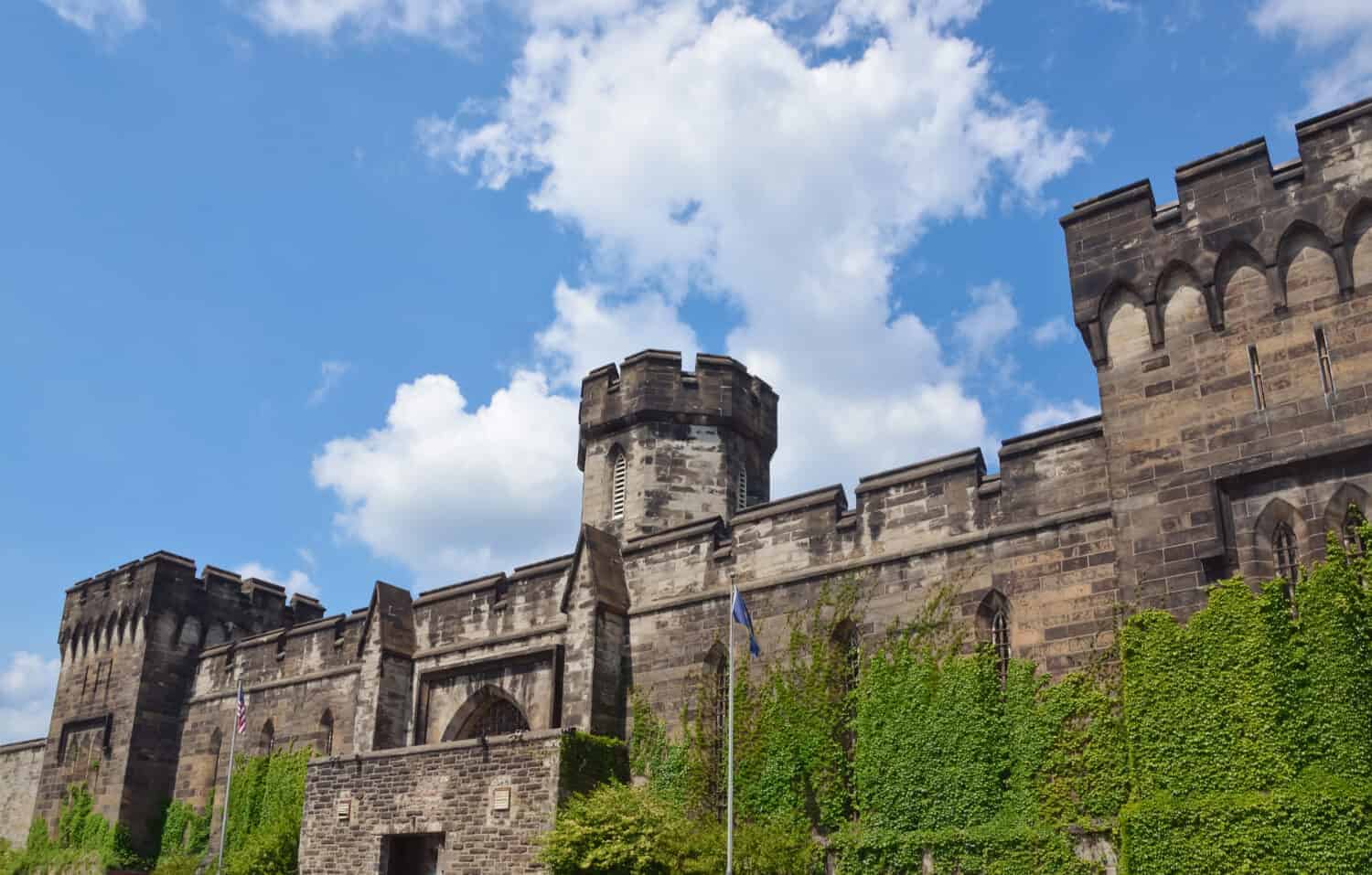
Eastern State Penitentiary, Philadelphia
Eastern State Penitentiary opened in 1829 with a radical idea for its time: prisoners would spend much of their lives in isolation, supposedly to encourage reflection and reform. The imposing prison later held inmates including Al Capone. It stopped operating as a state prison in 1970, was briefly used as a city jail in 1971, and then sat empty for years. Rather than demolish the crumbling cellblocks, preservationists turned the property into a historic site, which began offering tours in 1994. Today, visitors can explore the architecture and learn about the prison's history and the lasting consequences of solitary confinement.
Buzludzha Monument, Bulgaria
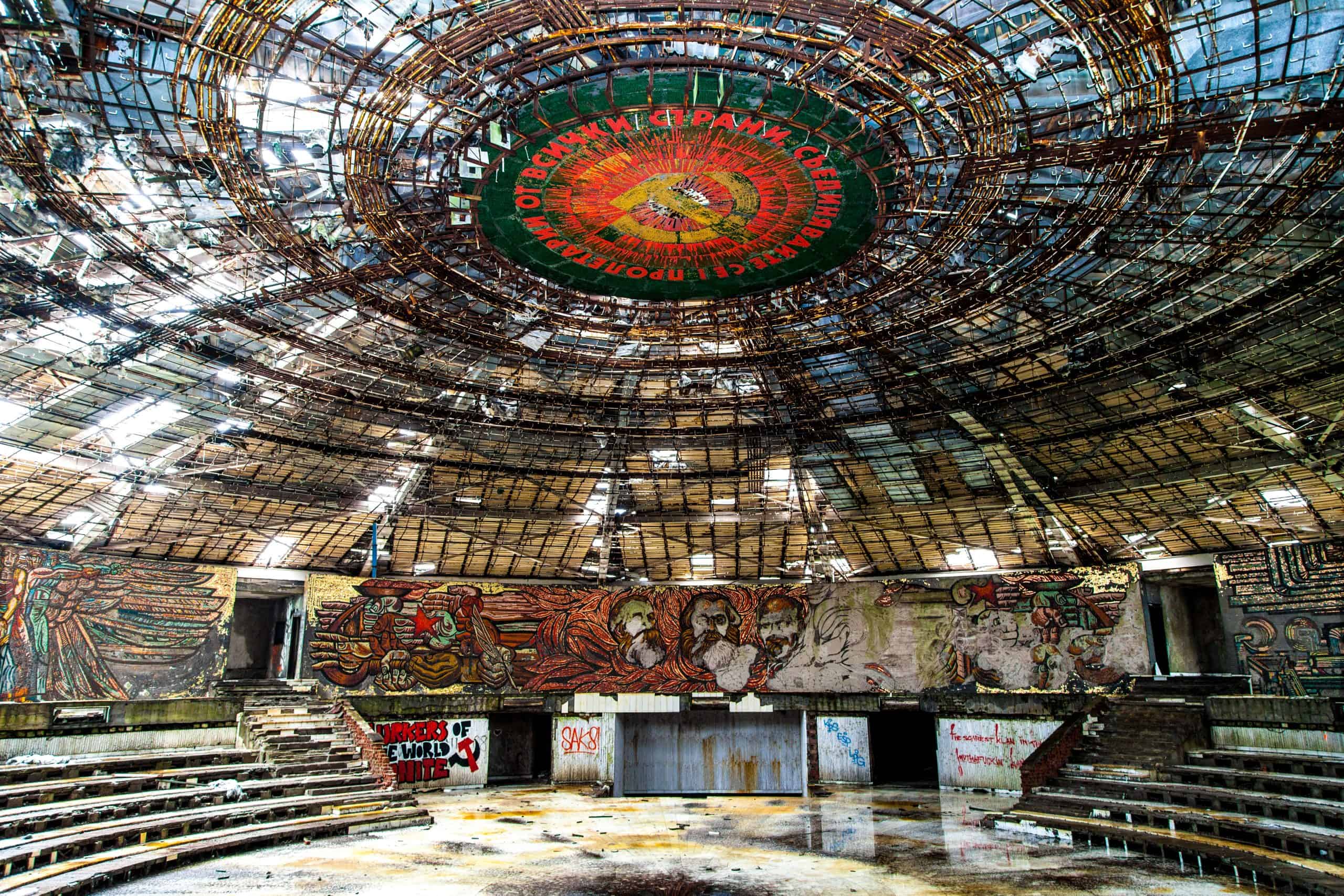
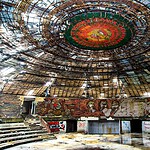
Perched on a Bulgarian mountaintop, the Buzludzha Monument looks like a flying saucer that made a very rough landing. The enormous concrete hall opened in 1981 as a ceremonial monument to Bulgaria's communist movement, with striking mosaics and a tall adjoining tower. After the political changes of 1989, it lost its purpose and funding. Years of theft, harsh weather, and neglect left the interior badly damaged. But the story isn't simply one of decay anymore. Preservation groups have been working to stabilize the mosaics and the building, with additional conservation plans advancing in 2025. The challenge now is deciding how to preserve a complicated piece of history.
Centralia, Pennsylvania
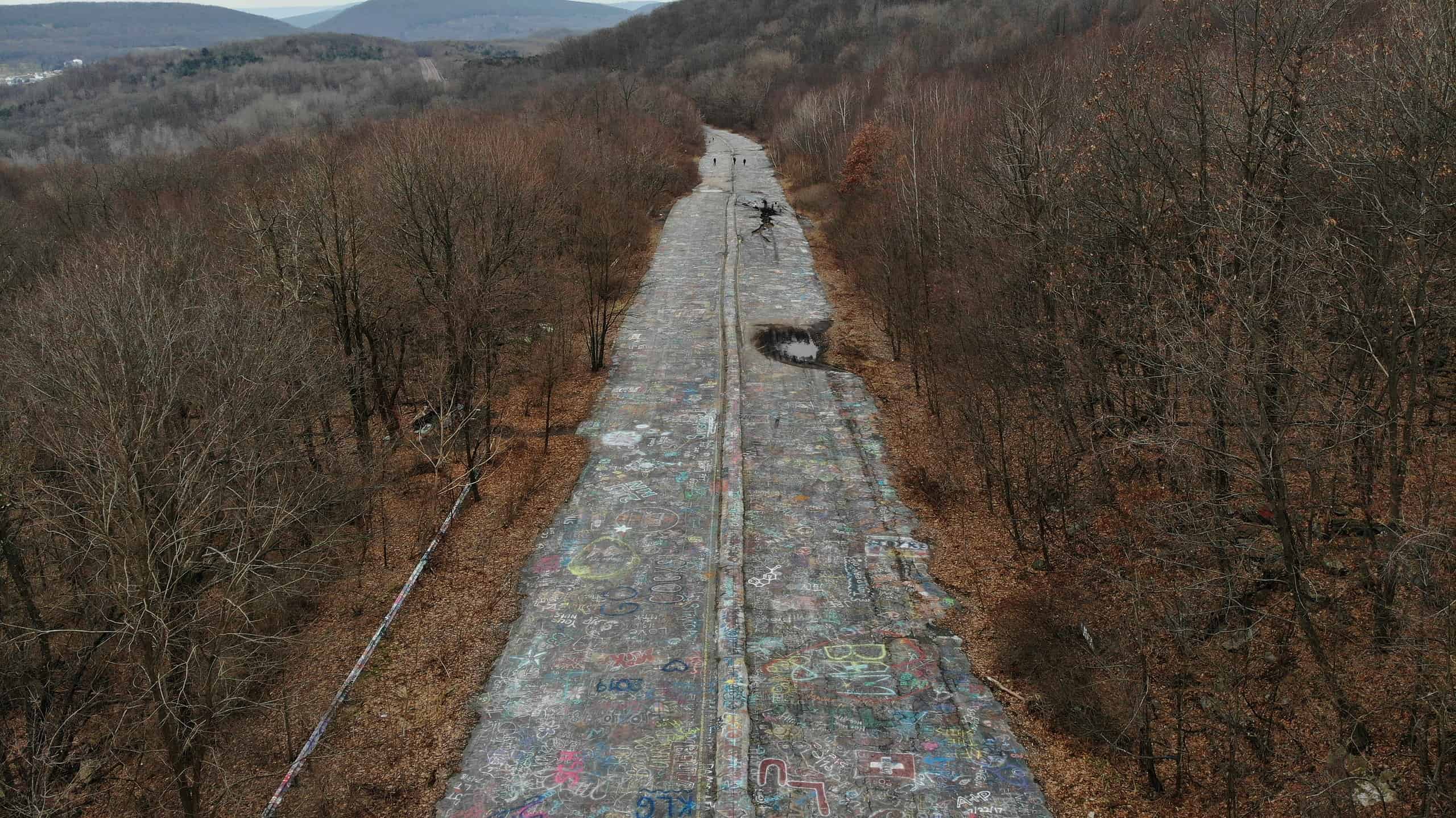
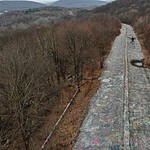
Centralia didn't empty because a company shut down or the local economy slowed. The trouble was underground. A coal-mine fire that began in 1962 spread through abandoned workings, creating risks from toxic gases and unstable ground. Government relocation programs moved most residents away during the 1980s and 1990s, and the fire continues to burn. The photo shows the old Graffiti Highway, a closed stretch of Route 61 that became an unofficial attraction. That colorful surface was covered with dirt in 2020, so the image no longer reflects what visitors would see. Pennsylvania officials strongly discourage entering the hazardous fire area.
Oradour-sur-Glane, France
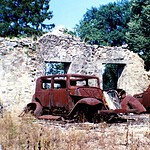
This village was not abandoned because its residents decided to move. On June 10, 1944, members of a Nazi Waffen-SS unit massacred 643 people in Oradour-sur-Glane and destroyed much of the settlement. After World War II, France chose to preserve the ruins as a memorial rather than rebuild the village on the same streets. Burned-out vehicles and damaged buildings remain as evidence of what happened. It's an extraordinarily powerful place, but it deserves a different kind of attention from the other locations in this gallery: these ruins are a memorial to victims, not simply an eerie backdrop for photographs.
Plymouth, Montserrat
Plymouth was the capital of Montserrat until the Soufrière Hills volcano changed life on the Caribbean island. Eruptive activity began in 1995, and the city was evacuated during a series of alerts, with the final evacuation taking place in 1996. In 1997, devastating pyroclastic flows reached Plymouth, burying parts of the town beneath volcanic material. Buildings that once housed businesses and government offices were left surrounded by ash and debris. Much of the former capital remains in a restricted area, and access is controlled for safety. Unlike a town that slowly faded away, Plymouth was overwhelmed by a natural disaster in a matter of years.
Beelitz-Heilstätten, Germany
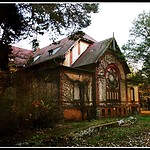
The Beelitz-Heilstätten complex outside Berlin began as a tuberculosis sanatorium around the turn of the 20th century and later served as a military hospital. Soviet forces used parts of the vast grounds for decades before their withdrawal in 1994, after which some buildings fell into disrepair. But it would be misleading to call the entire site abandoned today. Restored buildings house active medical services, and a treetop walkway lets visitors look across some of the historic ruins from above. The mix of decaying pavilions and renewed activity makes Beelitz an unusual example of a former institutional site finding several new uses.