M McBey / BY 2.0
railfan 44 / PDM 1.0
NevinThompson / BY-SA 4.0
M McBey / BY 2.0
TexasExplorer98 / BY 2.0
Kim Johnson Images / BY 2.0

Bobak Ha'Eri / BY 3.0
Ken Lund / BY-SA 2.0

Adam Jones, Ph.D. - Global Photo Archive / BY 2.0
Wikimedia
James St. John / BY 2.0
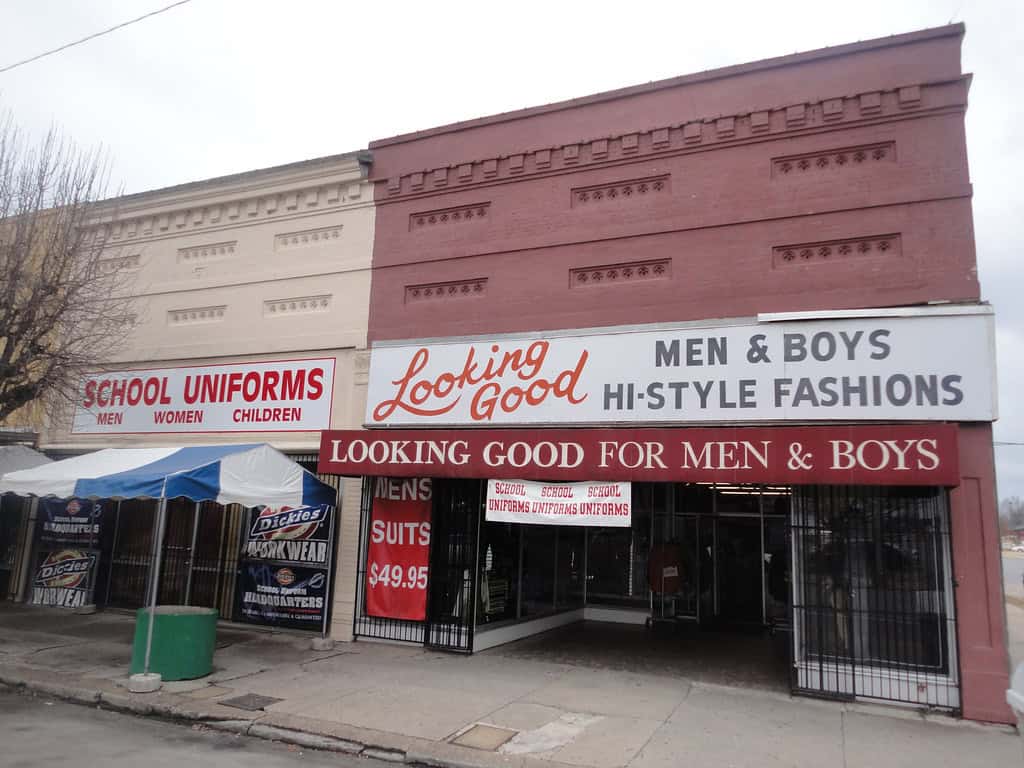
pasa47 / BY 2.0
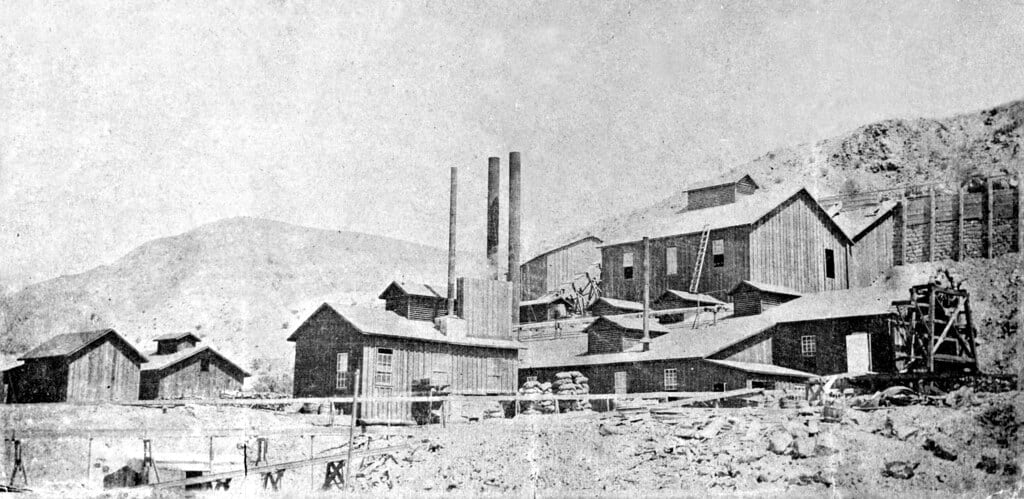
Orange County Archives / BY 2.0
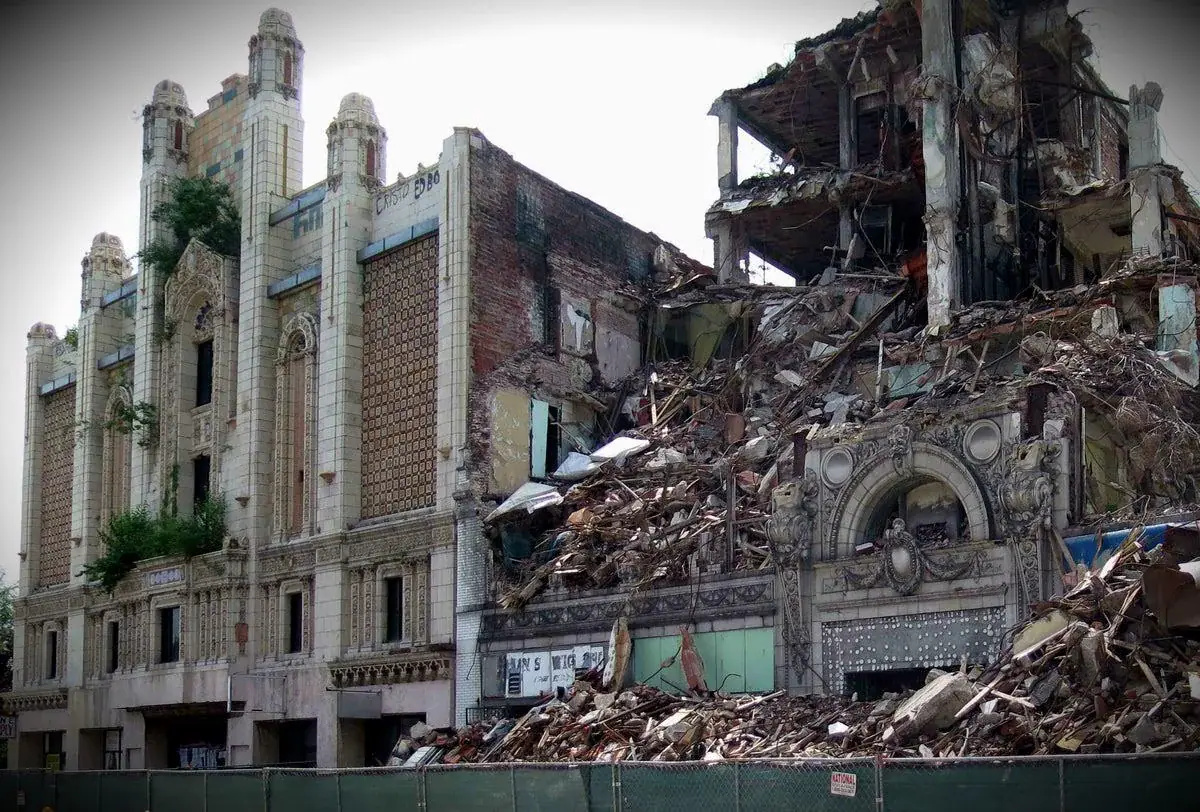
Wikimedia
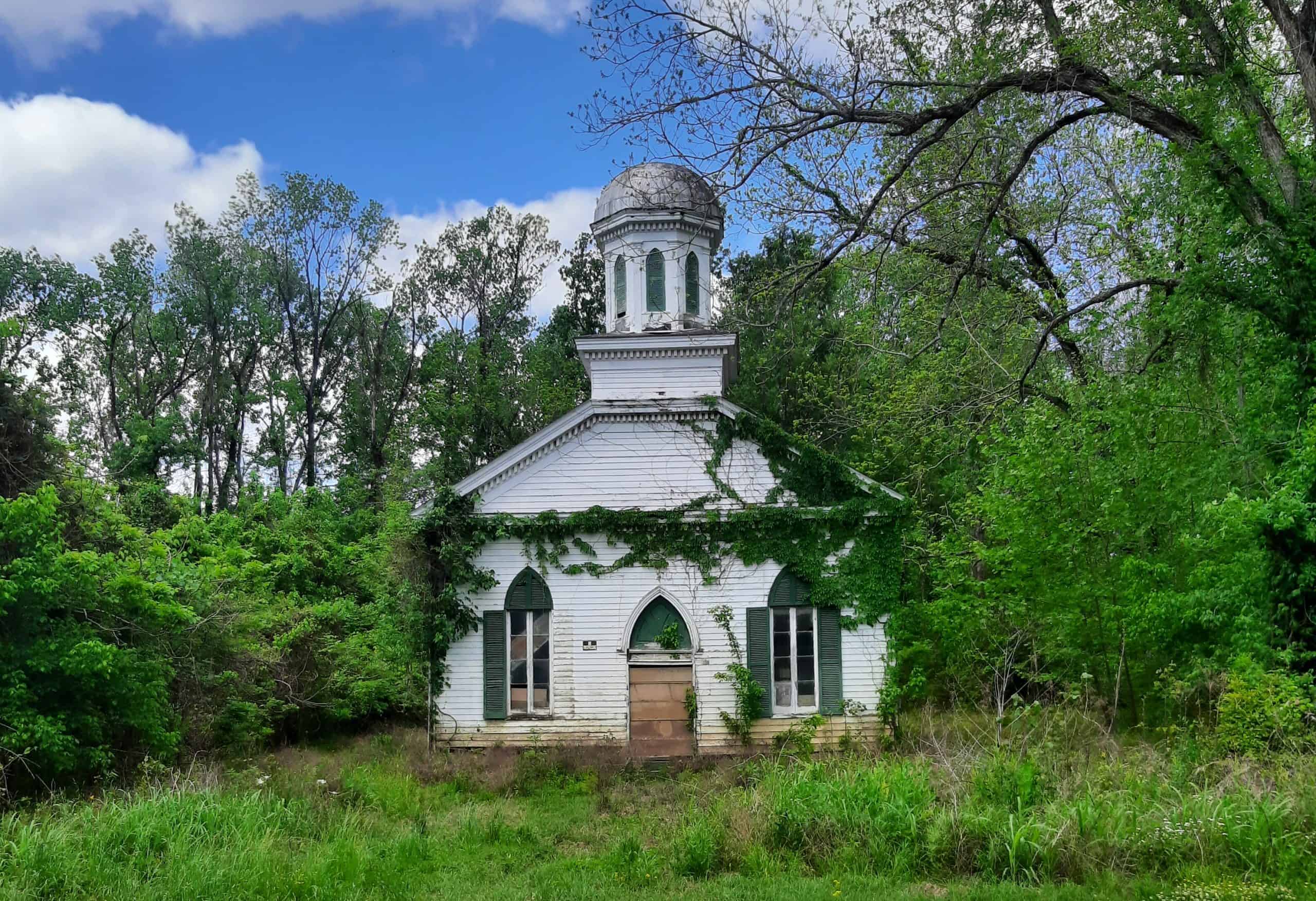
Rjjiii / BY-SA 4.0
afiler / BY-SA 2.0
Wikimedia
carlfbagge / BY 2.0
Beverly & Pack / BY 2.0
Wikimedia
Adam Jones, Ph.D. - Global Photo Archive / BY 2.0




20 American Communities Shaped by Boom, Bust, and Change
Some American communities are famous for the industries that built them. Others are remembered for what happened when those industries disappeared. And a few have turned their historic streets and buildings into reasons for people to visit again.
From preserved mining towns to busy cities trying to reinvent their downtowns, these 20 places reveal different sides of American history. Not all are ghost towns, and none deserve to have their living communities written off as places that time simply forgot. Here is what happened, what remains, and what has changed.
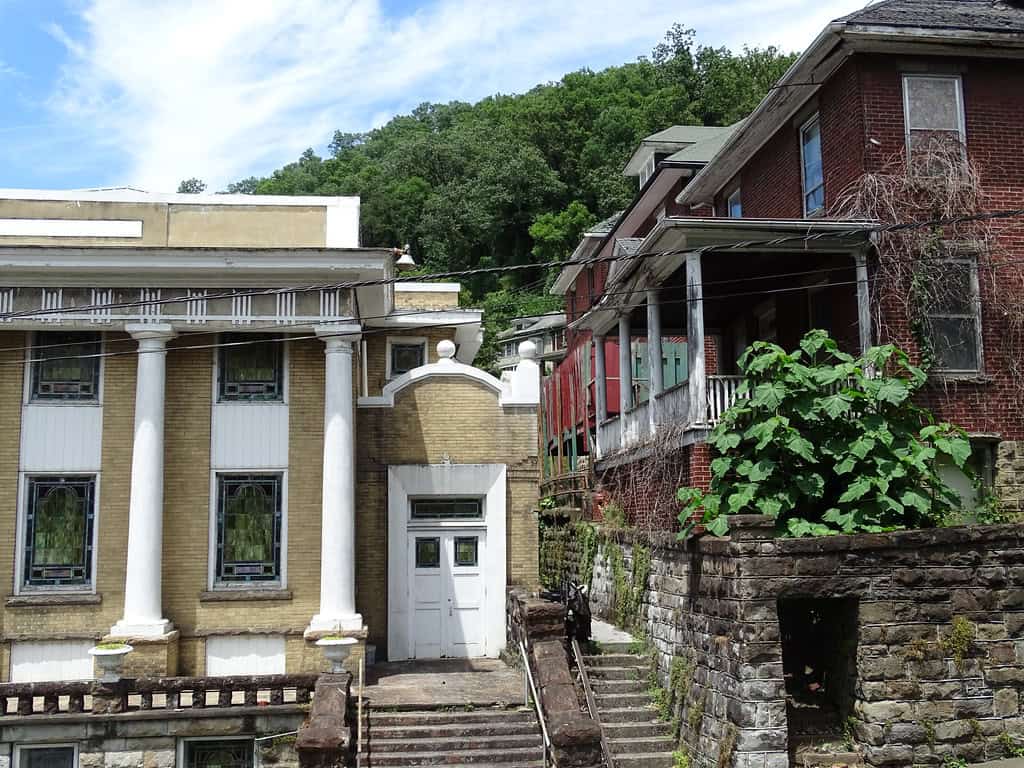
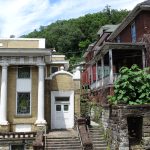
Grafton, West Virginia
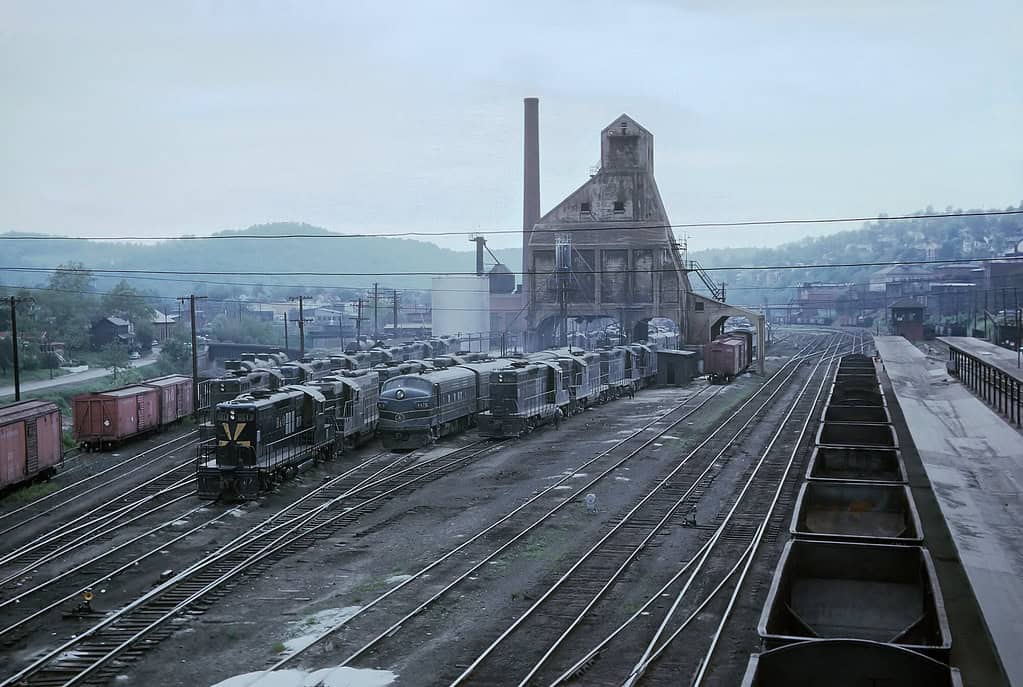
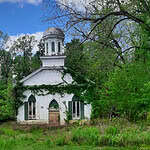
Grafton grew up around the Baltimore & Ohio Railroad, which once moved passengers, coal, and timber through this mountain town. The train traffic is quieter now, but its history is anything but forgotten. Grafton is home to the International Mother's Day Shrine, located in the church where a Mother's Day observance was held in 1908. Historic architecture remains downtown, and community celebrations continue. Its railroad-era buildings tell a story of changing industries, not a community that simply stopped living.
Picher, Oklahoma
Picher's story is much darker than the usual abandoned-main-street tale. Lead and zinc mining left behind enormous piles of contaminated waste and unstable underground workings. The Tar Creek area became a federal Superfund site, and a devastating 2008 tornado compounded the town's troubles. A government-supported buyout relocated most residents, while cleanup continues across the surrounding region. This is not a quirky roadside ghost town to explore: contaminated areas and subsidence hazards are serious concerns.
Bodie, California
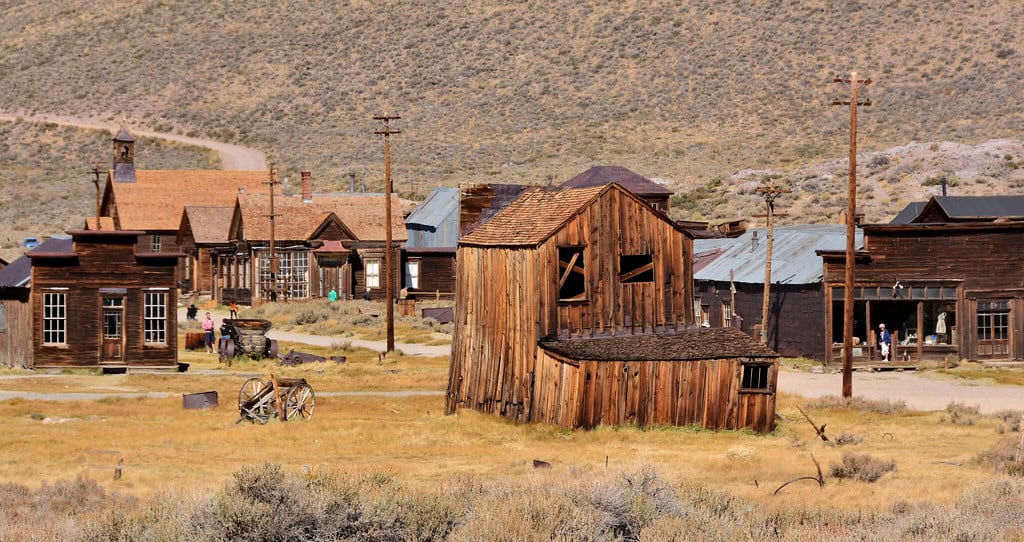
Gold put Bodie on the map in the late 1800s, and the end of mining eventually emptied it. But this isn't a town nobody remembers. California State Parks deliberately preserves its surviving buildings in a condition called 'arrested decay,' stabilizing them without making them look brand-new. Visitors can peer into furnished rooms and walk streets that once bustled with prospectors. The high-elevation site is a genuine ghost town, though winter snow can make the road inaccessible. Check conditions before planning the trip.
Jefferson, Texas
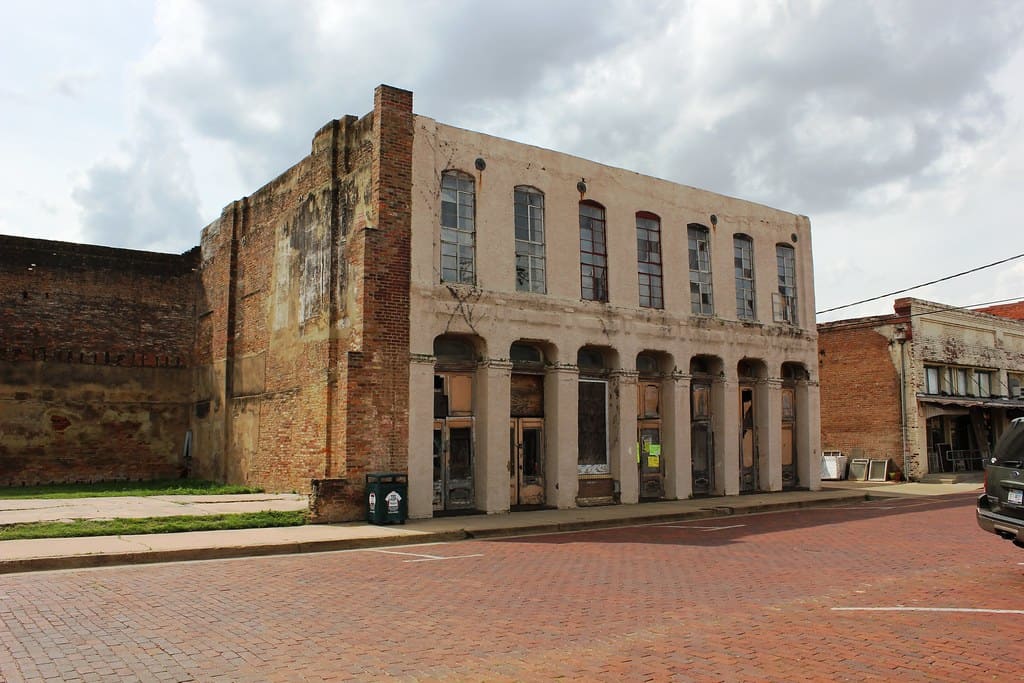
Jefferson was a powerhouse of river commerce in the 1800s, when steamboats navigated Big Cypress Bayou and brought goods and travelers into East Texas. Railroads and changing waterways eventually shifted the trade elsewhere. These days, though, Jefferson isn't sitting around waiting for the nineteenth century to return. Its historic streets support shops, lodging, and tours, and the old buildings are part of the appeal. Think preserved riverport atmosphere rather than a town abandoned by modern life.
Gary, Indiana
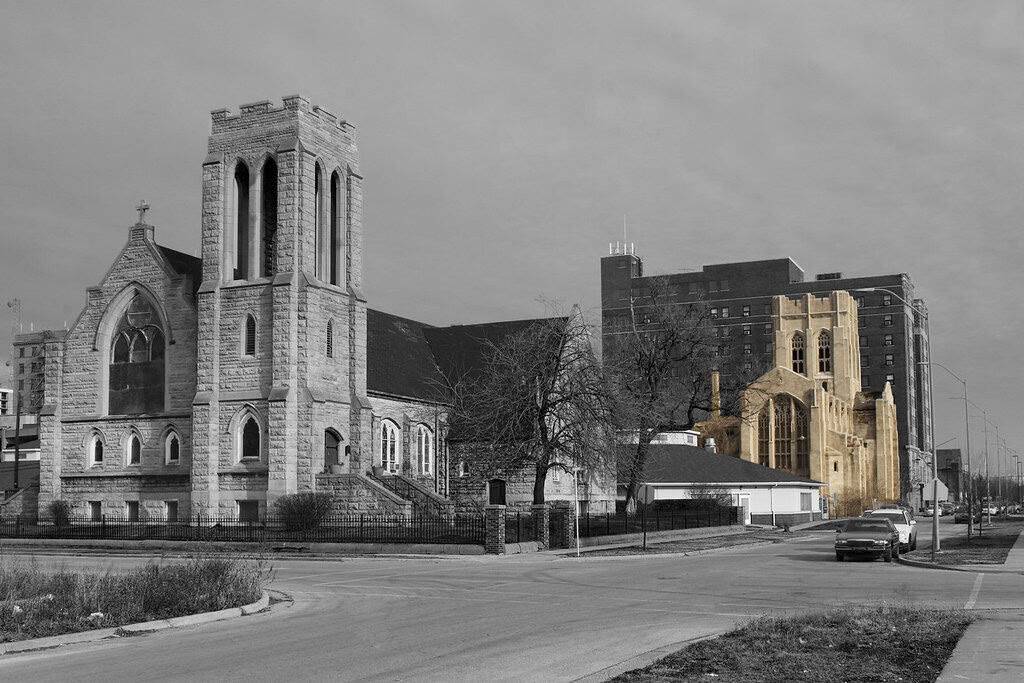
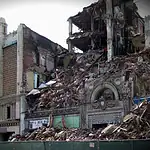
Gary was founded in 1906 by U.S. Steel and built a reputation around steelmaking and industrial muscle. Decades of automation, job losses, and population decline changed the city's landscape, leaving notable landmarks vacant. One of the most photographed is the former City Methodist Church. But Gary is not an empty city, and its future is actively being debated and rebuilt. In 2026, officials announced downtown demolition and redevelopment plans, including the church site. The story here is change, not suspended animation.
Allensworth, California
Founded in 1908, Allensworth was a remarkable effort to establish a self-governing Black community in California's Central Valley. Colonel Allen Allensworth and fellow founders envisioned a place where residents could build businesses, schools, and opportunities on their own terms. Water problems and economic setbacks undermined the original settlement. Today, Colonel Allensworth State Historic Park preserves important buildings and honors that vision. The surrounding community still has residents, so calling Allensworth an uninhabited ghost town misses the bigger picture.
Tonopah, Nevada
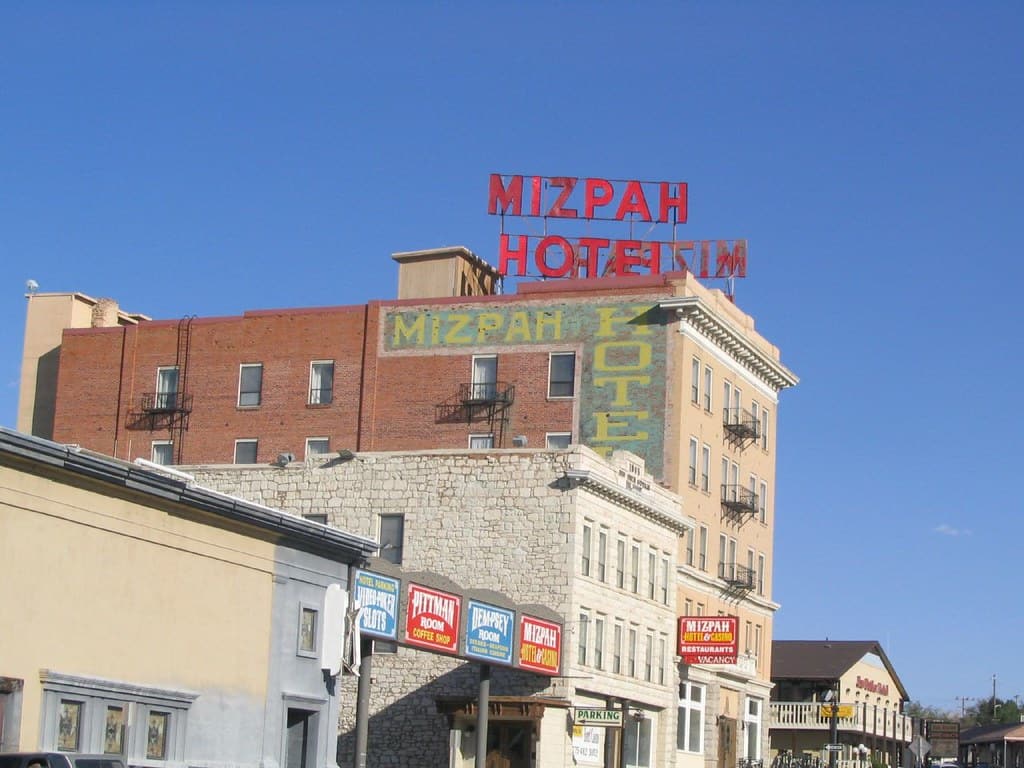
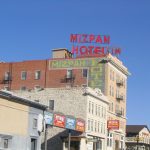
Tonopah exploded onto the map with a silver discovery around the turn of the twentieth century. It still looks like a mining town in places, with wide desert views and substantial old buildings. The Mizpah Hotel, which opened in 1907, is a good example: instead of crumbling into another empty landmark, it has been restored and welcomes guests. Visitors can also explore the area's mining heritage. Tonopah's boom years left a strong visual impression, but the town has found reasons to keep its doors open.
Thurmond, West Virginia
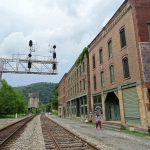
At the height of the coal era, Thurmond was a busy stop on the Chesapeake & Ohio Railway, with trains, banks, hotels, and businesses packed into a narrow stretch of the New River Gorge. As coal traffic declined and rail technology changed, most residents left. The streets are much quieter now, but the historic depot has been restored as a National Park Service visitor center and trains still use the line. It's one of those rare places where the railroad past is easy to picture without pretending the town vanished overnight.
Scottsburg, Indiana
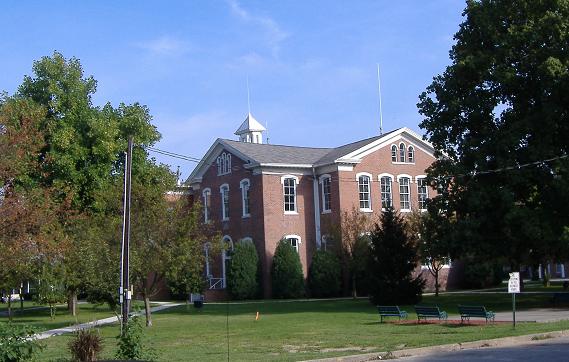
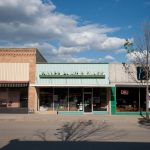
Scottsburg's courthouse square has the kind of architecture that makes a short downtown walk feel like a history lesson. The town grew around a railroad connection in the 1870s, and its historic district contains dozens of buildings from the late nineteenth and early twentieth centuries. There's a restored depot, too. What it isn't, however, is a dying town trapped in the 1960s. Census estimates show its population has grown since 2010. Old streets and preserved buildings are part of an active community, not evidence that progress passed it by.
Centralia, Pennsylvania
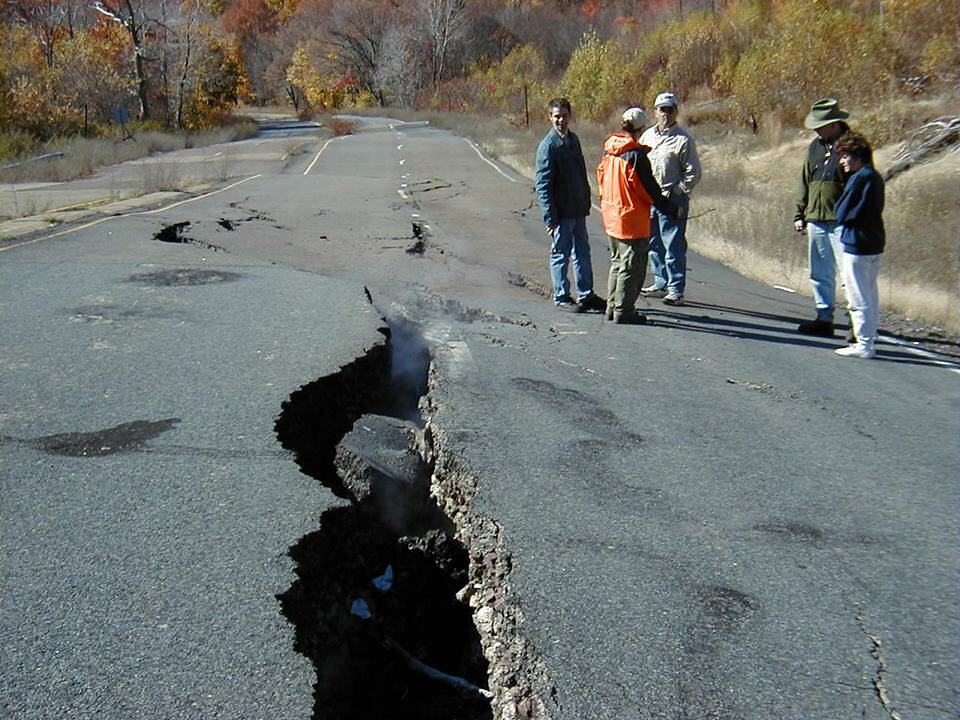
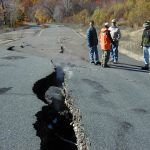
An underground mine fire that began in 1962 changed Centralia permanently. As the fire spread through old coal workings, dangerous gases and the risk of ground collapse prompted the relocation of most residents. A few people stayed, but much of the former borough has been cleared of buildings. Photos of cracked pavement helped make the place famous, although conditions have changed over time. Pennsylvania environmental officials strongly discourage visiting the fire area because the hazards are real, even when the ground looks ordinary.
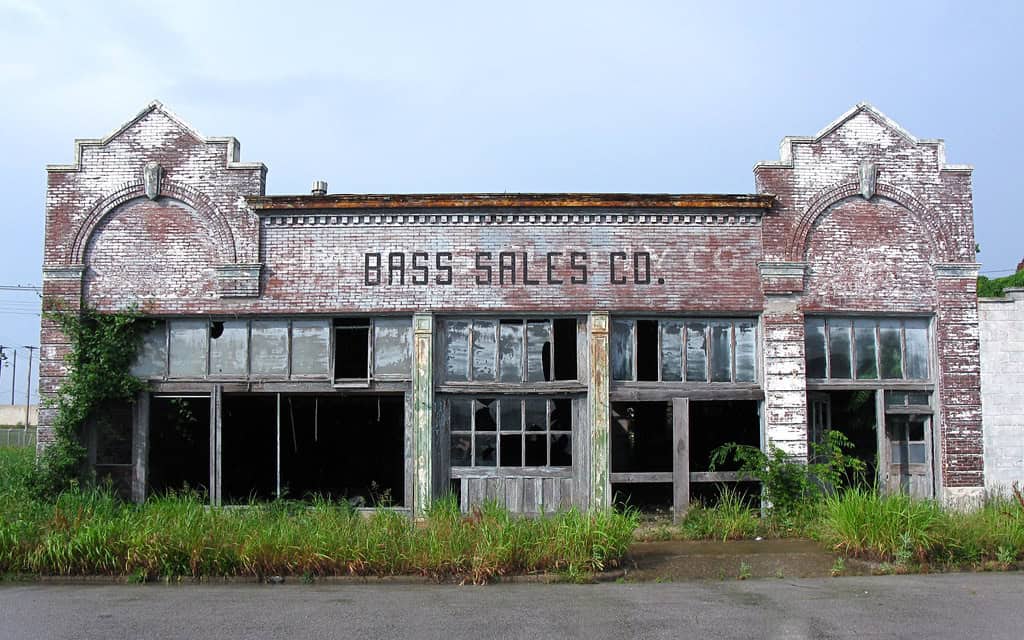
Pine Bluff, Arkansas
Pine Bluff became an important Arkansas center for agriculture, timber, and industry, with a lively downtown to match. Economic shifts and sustained population losses have left vacant buildings and tough questions about what comes next. The U.S. Census Bureau estimated about 38,200 residents in 2025, down from roughly 49,100 in 2010. Still, it's an operating city with institutions, neighborhoods, and people working on its future. The historic storefronts show what changed over decades; they don't tell the whole story of everyone who lives there today.
Calico, California
Calico was a silver-mining boomtown in the 1880s before falling ore prices and changing fortunes emptied its streets. The buildings visitors see today aren't all untouched relics. Walter Knott bought the property in the 1950s and restored or reconstructed much of the settlement to evoke its mining heyday. Now managed as a San Bernardino County park, Calico has shops, activities, and seasonal events. It's a fun stop for Old West history, as long as you understand that preservation and tourism helped create the experience.
East St. Louis, Illinois
East St. Louis grew into a major industrial and transportation center across the Mississippi River from St. Louis. Deindustrialization and decades of disinvestment took a heavy toll, leaving some once-impressive buildings vacant or deteriorating. Yet the city isn't standing still. In 2026, the rehabilitation of the historic Broadview Hotel received preservation honors after being converted into housing and community space. East St. Louis has serious challenges and ongoing projects, which makes 'forgotten by time' a pretty poor description of its people.
Rodney, Mississippi
Rodney once benefited from Mississippi River trade, but its fortunes changed when the river shifted away, a major fire struck in 1869, and railroads routed commerce elsewhere. A scattering of historic buildings and churches survives, including landmarks tied to Civil War history. Trees and quiet roads now occupy places where a thriving river town once stood. Rodney is closer to a genuine near-ghost town than many names on this list, though it still has local history advocates and a story that goes well beyond the ruins.
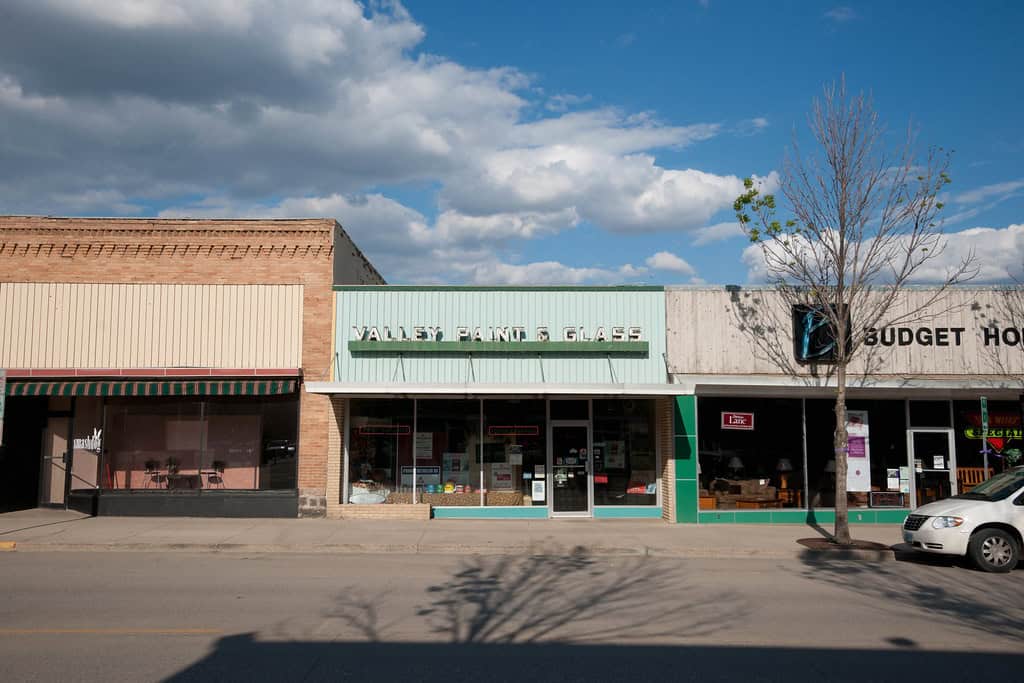
Valley City, North Dakota
Valley City owes much of its early growth to the railroad, and the bridges crossing the Sheyenne River still make that connection impossible to miss. The dramatic Hi-Line railroad bridge is one of the best-known sights, while older downtown buildings give the community its distinctive look. But don't mistake historic scenery for abandonment. Valley City remains a working college town and a regional center, with residents, businesses, and visitors. Its bridges tell the story of how transportation shaped North Dakota, not how the clock stopped.
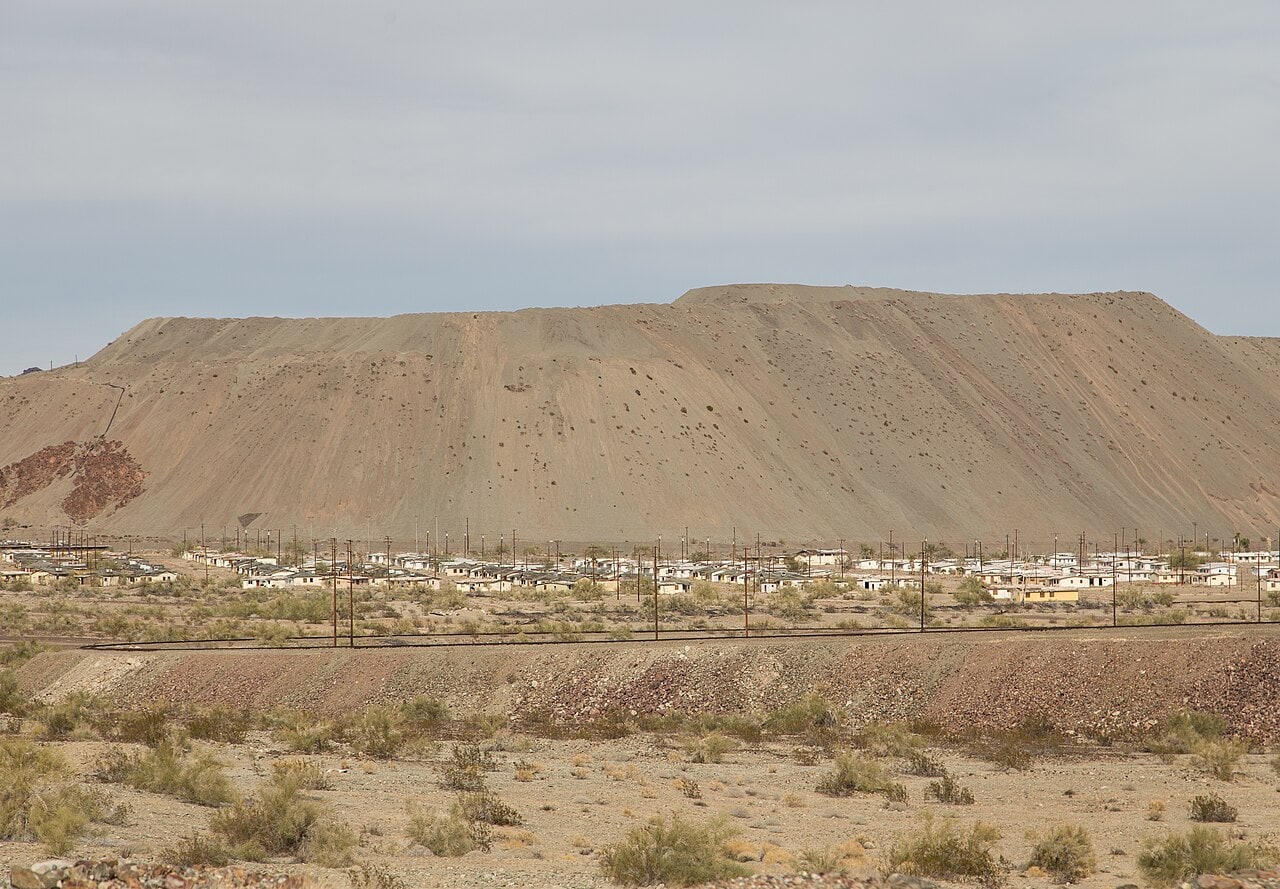
Eagle Mountain, California
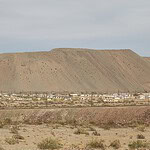
Built to support a large iron mine in the California desert, Eagle Mountain once had homes and services for mining families. The mine's decline eventually emptied the company town, leaving rows of abandoned buildings near massive tailings piles. In 2023, the property changed hands in a multimillion-dollar sale, adding a new chapter to its uncertain future. This is a genuine former company town, but it's private property, not a public ghost-town attraction. Aerial photos tell the story without requiring anyone to cross a fence.
Cairo, Illinois
Cairo sits at a remarkable spot where the Ohio and Mississippi rivers meet. In the nineteenth century, that made it a valuable port and transportation center. Changes in trade, industry, and population eventually left many downtown buildings vacant and entire blocks looking different from their heyday. The city's difficult history also includes racial conflict and disinvestment. Still, Cairo has residents, civic efforts, and proposals for renewal. Its old streets are a reminder of how fast a river town's fortunes can turn, not proof that it has no future.
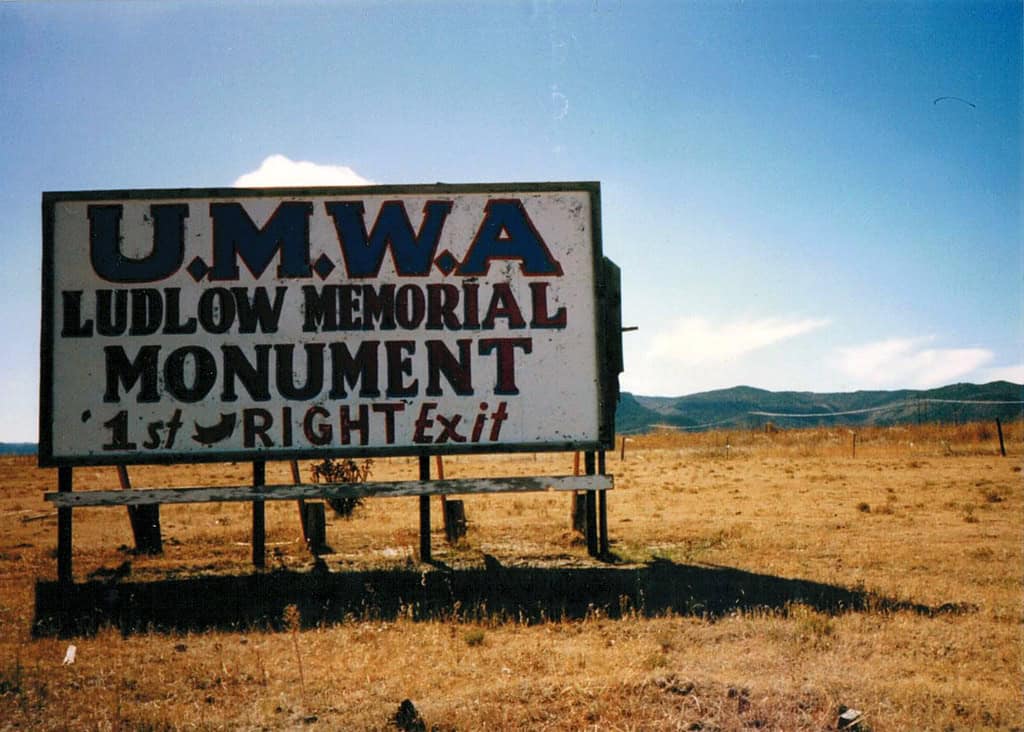
Ludlow, Colorado
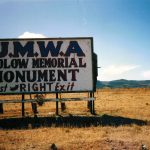
The former coal-mining community of Ludlow is best remembered for one of the darkest chapters in American labor history. On April 20, 1914, violence at a striking miners' tent colony killed women, children, and other participants, helping focus national attention on working conditions and labor rights. A memorial now marks the site. It isn't the sort of place to describe as a charming ghost town. What remains is a serious historical landscape that asks visitors to remember the families who lived and worked there.
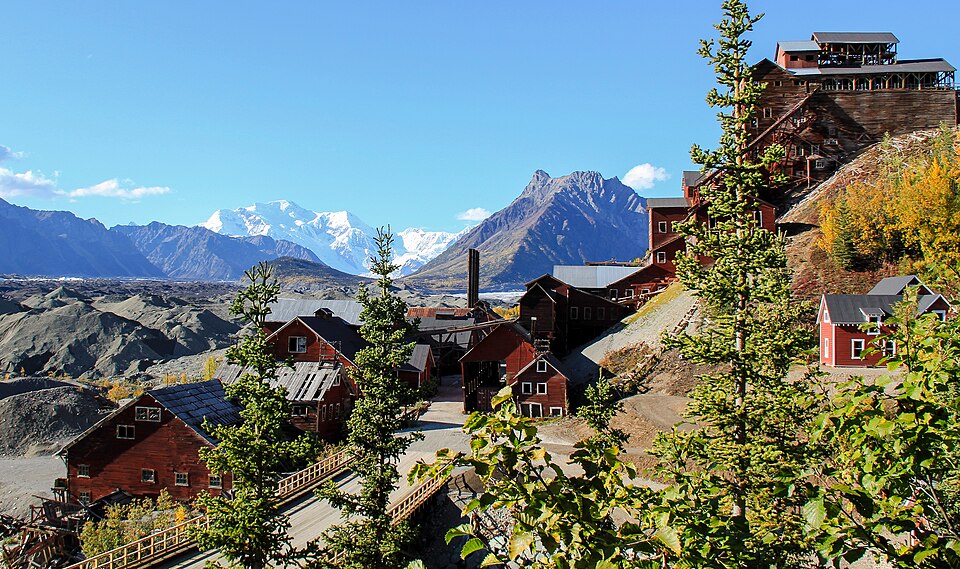
Kennecott, Alaska
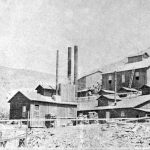
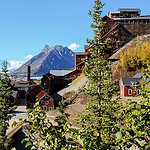
High in Alaska's Wrangell Mountains, Kennecott developed around one of the country's great early twentieth-century copper operations. The company processed ore there from 1911 until 1938, leaving an extraordinary cluster of red industrial buildings when the mine closed. Today, the National Park Service protects parts of the historic mill town within Wrangell–St. Elias National Park and Preserve. Restoration and guided interpretation help visitors understand how people once worked in such a remote landscape. Aniakchak, the original list's Alaska entry, is a volcanic area, not a town.
Welch, West Virginia
Welch was a busy center of the southern West Virginia coalfields, where mining wealth once supported crowded streets, stores, and substantial downtown buildings. As the industry employed fewer people, the community faced population loss and economic challenges. The historic facades still hint at a much busier era, but Welch is not an abandoned ghost town. County services, residents, and local businesses remain. Its story is about the long reach of coal's boom-and-bust cycle and the people adapting after it.