Famartin / CC BY-SA 4.0
In memoriam afiler / CC BY-SA 2.0
"Tichnor Quality Views," Reg. U. S. Pat. Off. Made Only by Tichnor Bros., Inc., Boston, Mass. / Public domain
Creative Commons
Creative Commons
Mpdoughboy153 / CC0 1.0
Smallbones / Public domain
Historic American Buildings Survey Cortlandt Van Dyke Hubbard, Photographer / Public Domain
Famartin / CC BY-SA 4.0
Creative Commons
Gayinspandex1 / CC BY-SA 4.0
littlenySTOCK/Shutterstock.com
TarnPisessith/Shutterstock.com
Andrew J Simcox/Shutterstock.com
13 Historic Places Where the Ghost Stories Won’t Rest in Peace
Ghost stories are easy to repeat and nearly impossible to prove. Give an old building a dark hallway, one unexplained noise, and a century of retelling, and the legend can become more famous than the people who actually lived there.
For this list, the history had to do more than decorate the haunting. We started with 34 allegedly haunted locations in five states and kept 13 places where the documented past is interesting, unsettling, or tragic even if every ghost took the night off. The supernatural details below are reports and local legends, not settled facts.
A final note for would-be investigators: Several of these places are private, closed, under construction, or no longer standing. This is a history list, not a permission slip to trespass.
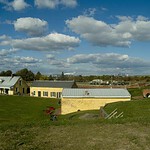
San Haven Site — Near Dunseith, North Dakota
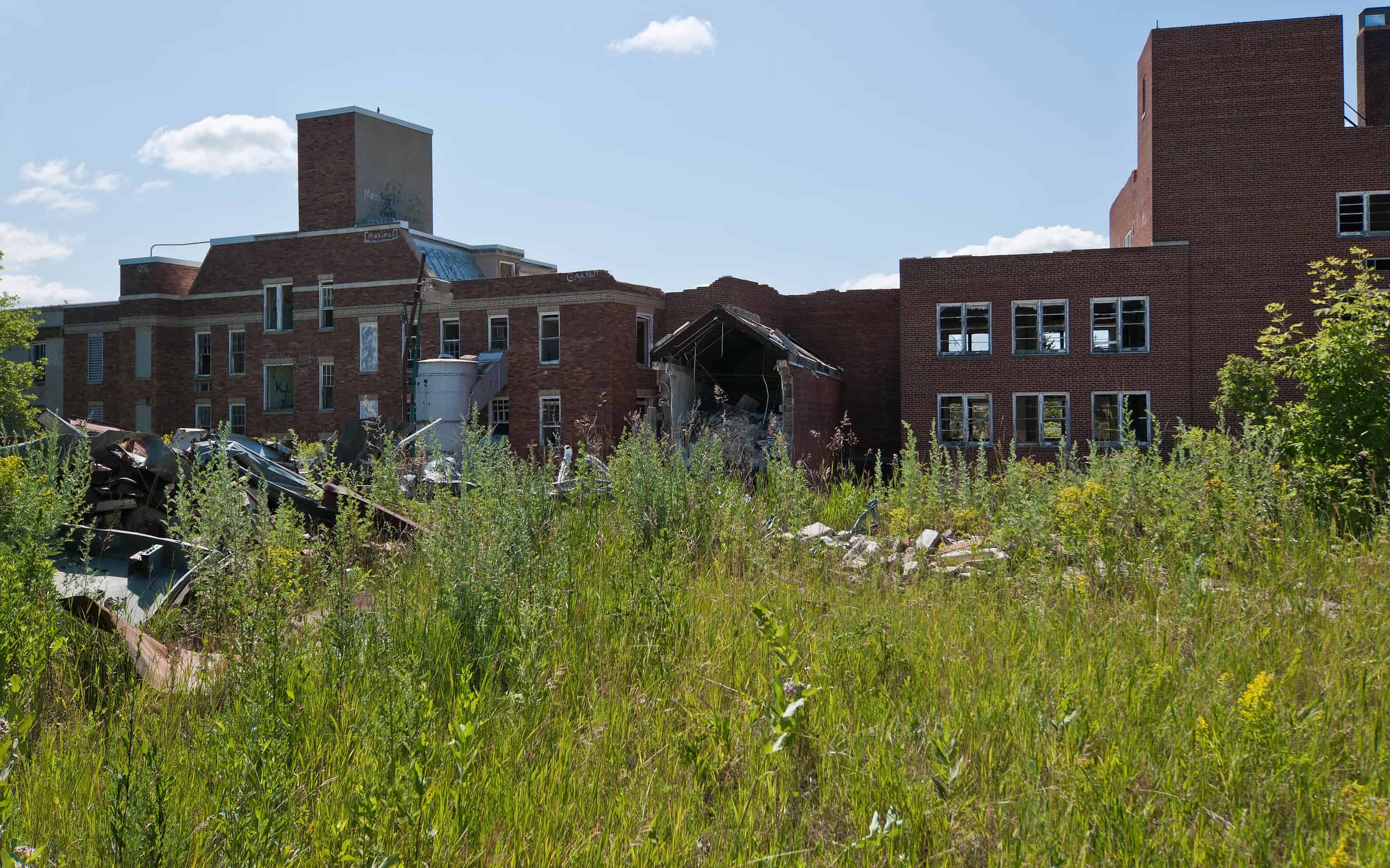
San Haven began as North Dakota's tuberculosis sanitarium, opening in 1912 after the state spent years trying to establish a dedicated facility. Its mission changed as tuberculosis treatment improved: By the late 1950s it was also caring for people with developmental disabilities and older residents. The state closed the institution in 1987 and vacated the property two years later. The Turtle Mountain Band of Chippewa Indians acquired it in 1992.
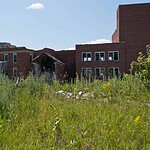
Decades of abandonment gave San Haven exactly the atmosphere ghost stories love. Visitors and former workers have described voices, footsteps, and shadowy figures, but the often-repeated claim that 1,000 people died there could not be confirmed in the official history. There is also a major update missing from older haunted-place lists: The deteriorated buildings were demolished during an environmental cleanup in 2025. What remains is a historically heavy site, not an abandoned hospital to explore.
Former St. Joseph's Hospital — Dickinson, North Dakota
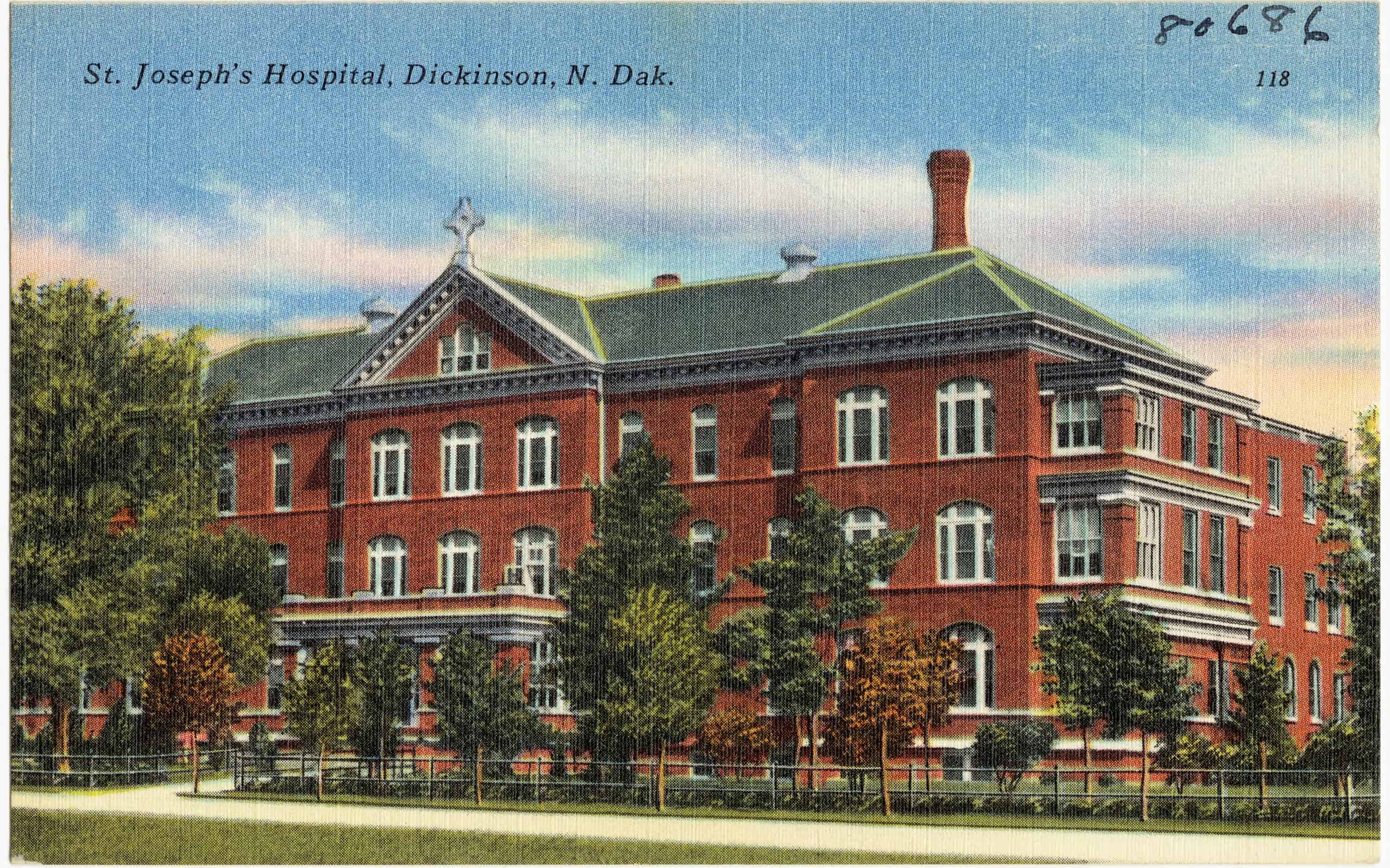
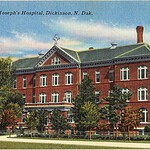
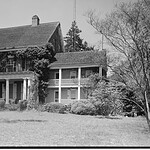
The hospital took shape in 1911, and six Sisters arrived in Dickinson the following year to find a building that did not yet have equipment. St. Joseph's treated its first patient in April 1912 and grew with the city. The original building shown here was replaced and demolished in 1967; a newer hospital complex served Dickinson until operations moved to the present medical campus in 2014. Parts of the former complex later became St. Joe's Plaza.
The ghost catalog attached to the later hospital is long: an elevator supposedly traveling to the morgue by itself, empty-room call buttons lighting up, and footsteps or voices in the basement and cafeteria. Those accounts are anecdotes, not hospital records. What can be documented is that organizers leaned into the reputation and ran a theatrical “Haunted Hospital” fundraiser in the old building in 2020 and 2021. In other words, some of the screams absolutely had a source.
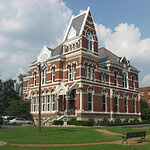
Willard Library — Evansville, Indiana
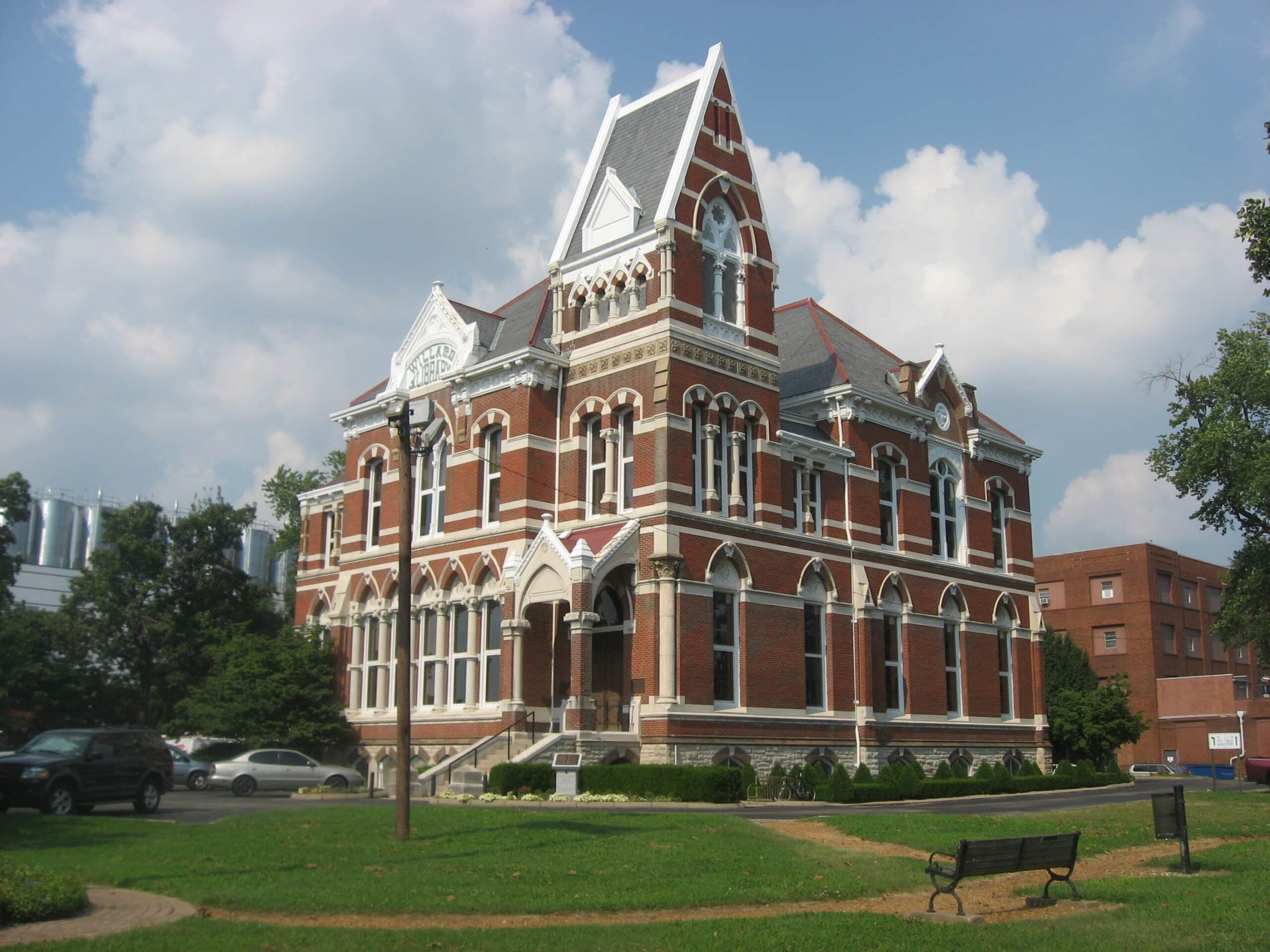
Willard Library opened in 1885 and remains the oldest continuously operating public library in Indiana. Its Victorian Gothic exterior already looks like it was designed with a ghost in mind, but the library's own account dates its most famous story to 1937. A custodian working in the basement reported seeing a woman in gray, and the “Grey Lady” acquired a remarkably durable library card.
Later staff and visitors have attributed cold spots, perfume, moving books, and unexplained footsteps to the same figure. The library does not hide the legend; it has hosted ghost tours, kept a collection of reports, and even trained cameras on possible hot spots. None of that proves a spectral patron is roaming the stacks, of course. It does make Willard a rare case where the institution carefully preserves both its architectural history and the folklore that accumulated inside it.
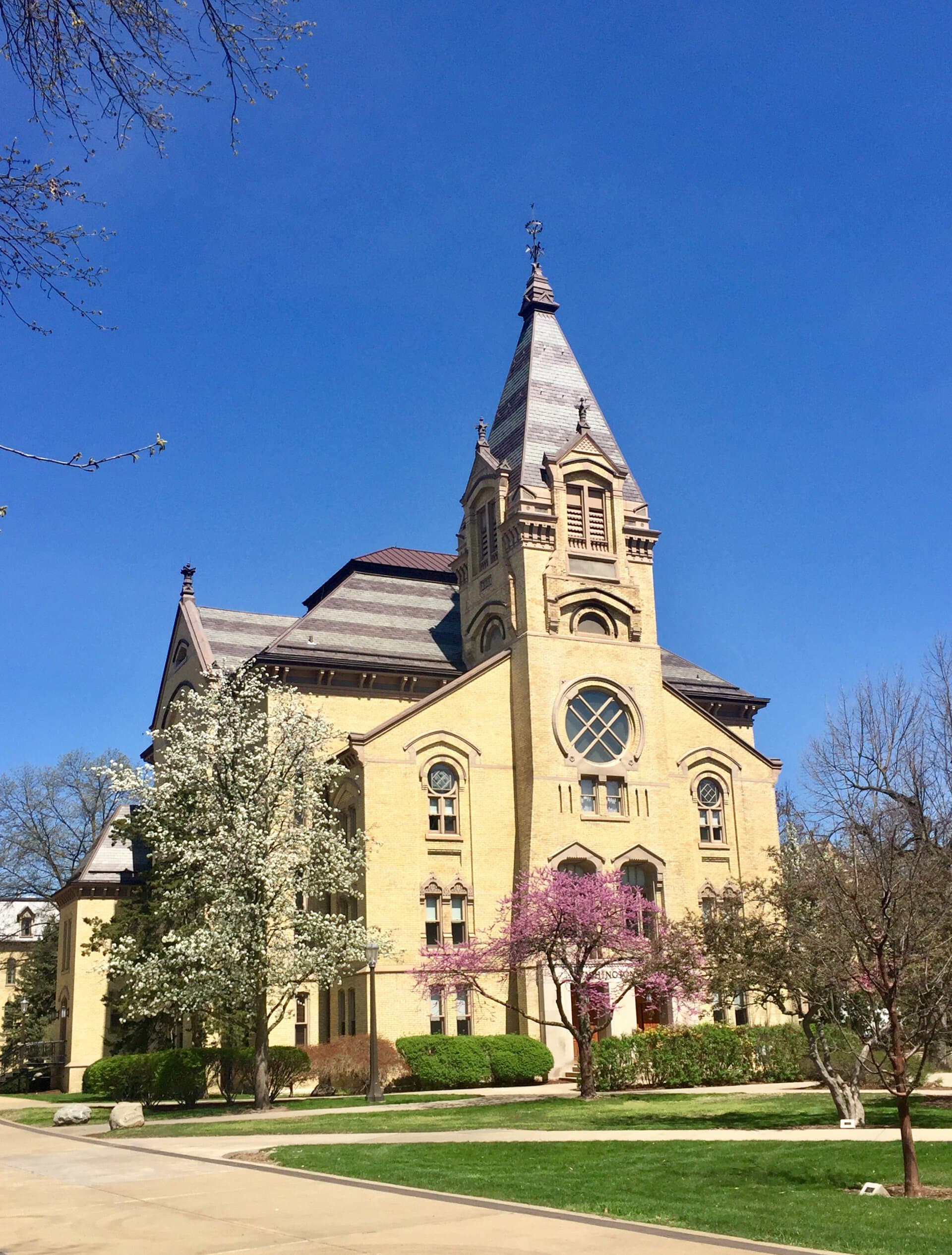
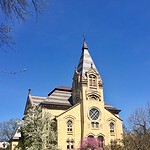
Washington Hall — Notre Dame, Indiana
Washington Hall has been a center of performance and campus life since the present building was completed in 1881. Its ghost story is usually pinned on George Gipp, Notre Dame's football star, who died in 1920 after an illness. Popular versions say Gipp caught his fatal sickness after sleeping on the hall's steps, then returned to haunt the building.
That is a great story with an inconvenient footnote: Notre Dame's own historians say there is no evidence Gipp slept outside or became ill that way. Reports of strange sounds in Washington Hall did begin around 1920, but early explanations included pranks and a musician practicing where no one could see him. The Gipp identification came later. The hall stays on this list because the documented campus history and the evolution of the legend are more interesting than a clean, made-for-TV answer.
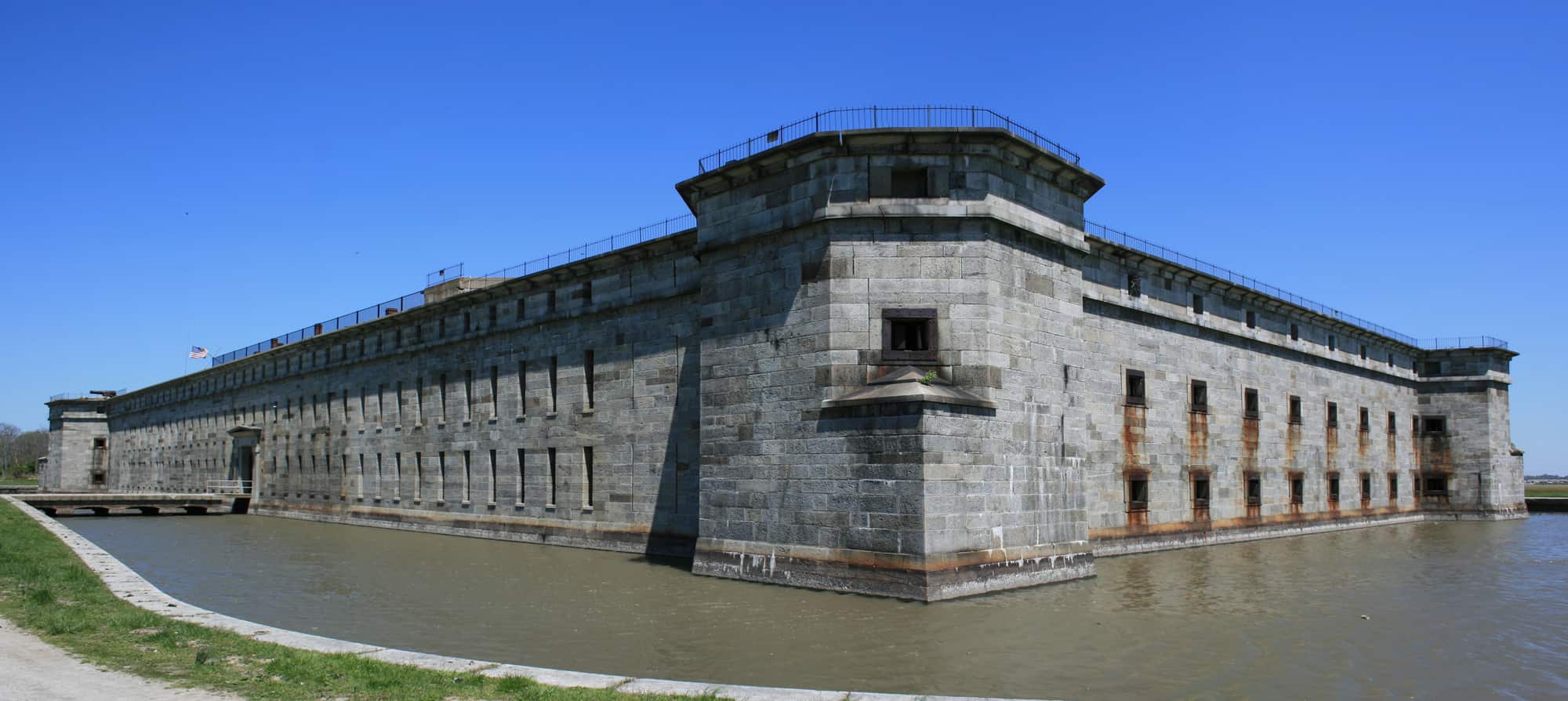
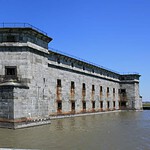
Fort Delaware — Delaware City, Delaware
Fort Delaware sits on Pea Patch Island in the Delaware River, where the United States built a massive coastal defense in the mid-1800s. During the Civil War it became a prison camp. More than 33,000 Confederate soldiers and political prisoners passed through the island, and roughly 2,400 died there, most from disease. That grim arithmetic gives the fort plenty of atmosphere before anyone mentions a ghost.
Visitors and staff have reported footsteps, voices, and figures in period clothing, while Delaware's parks department has offered organized paranormal programs at the fort. Those programs make it one of the better-documented haunted attractions in the source material, but they are not proof of the afterlife. The verifiable story is harsher: overcrowding, illness, and isolation in a river fortress that still feels cut off from the mainland.
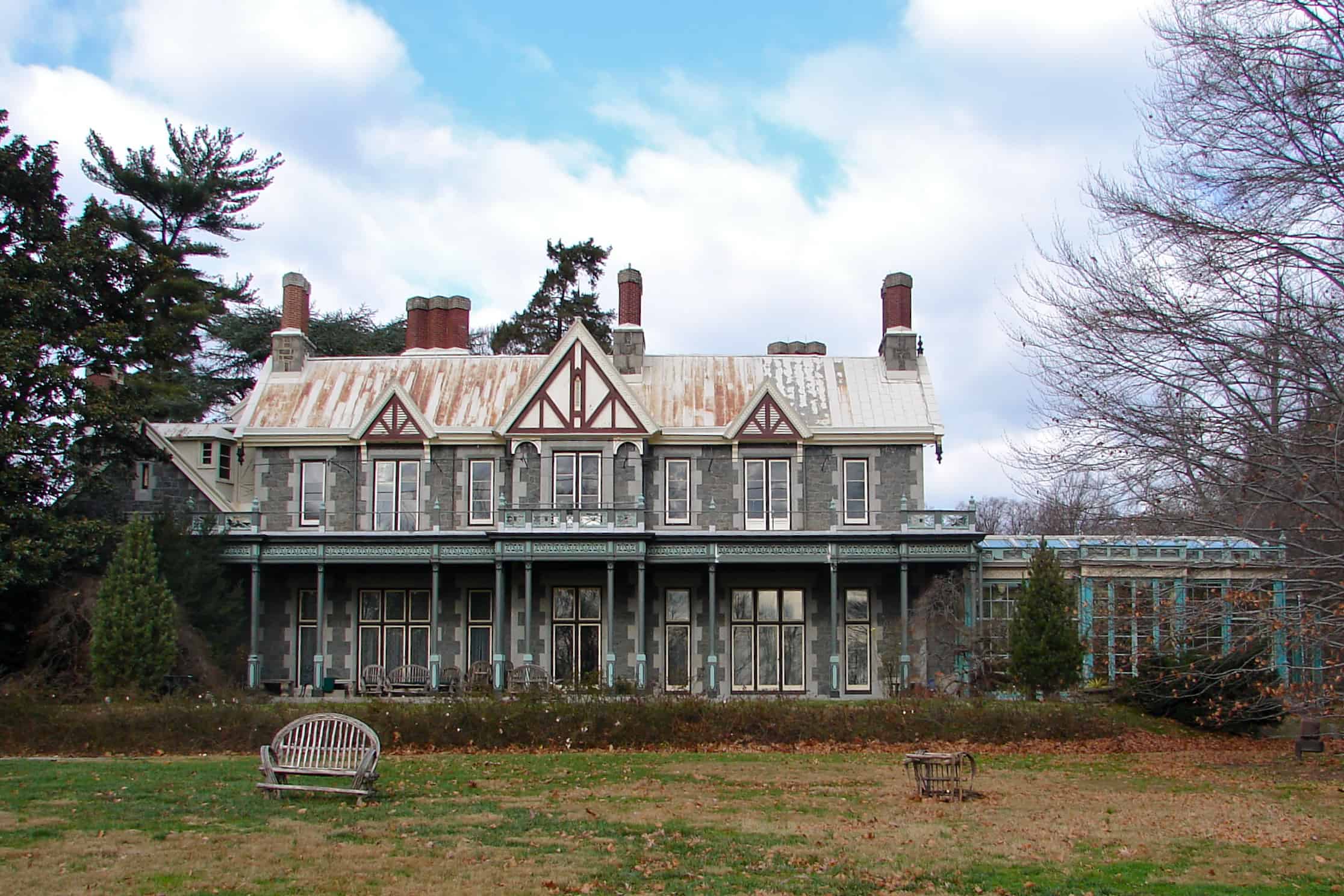
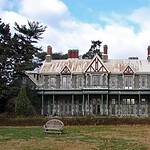
Rockwood Park & Museum — Wilmington, Delaware
Merchant banker Joseph Shipley built Rockwood in 1851 after years in Liverpool, bringing an English country-house sensibility back to Delaware. Generations of the family preserved the Gothic Revival mansion, its furnishings, and its grounds before the property became a county museum. That continuity makes Rockwood unusually good at collapsing the distance between a modern visitor and a 19th-century household.
It also gave later visitors plenty of people to imagine still occupying the place. Reported apparitions and unexplained sounds helped land Rockwood on paranormal television and inspired county-sanctioned ghost programming. The reports remain folklore, but the mansion is unquestionably authentic. One practical update: The county says the museum interior is closed for construction through fall 2027, although outdoor experiences continue. Check the official schedule rather than showing up with an EMF meter and optimism.
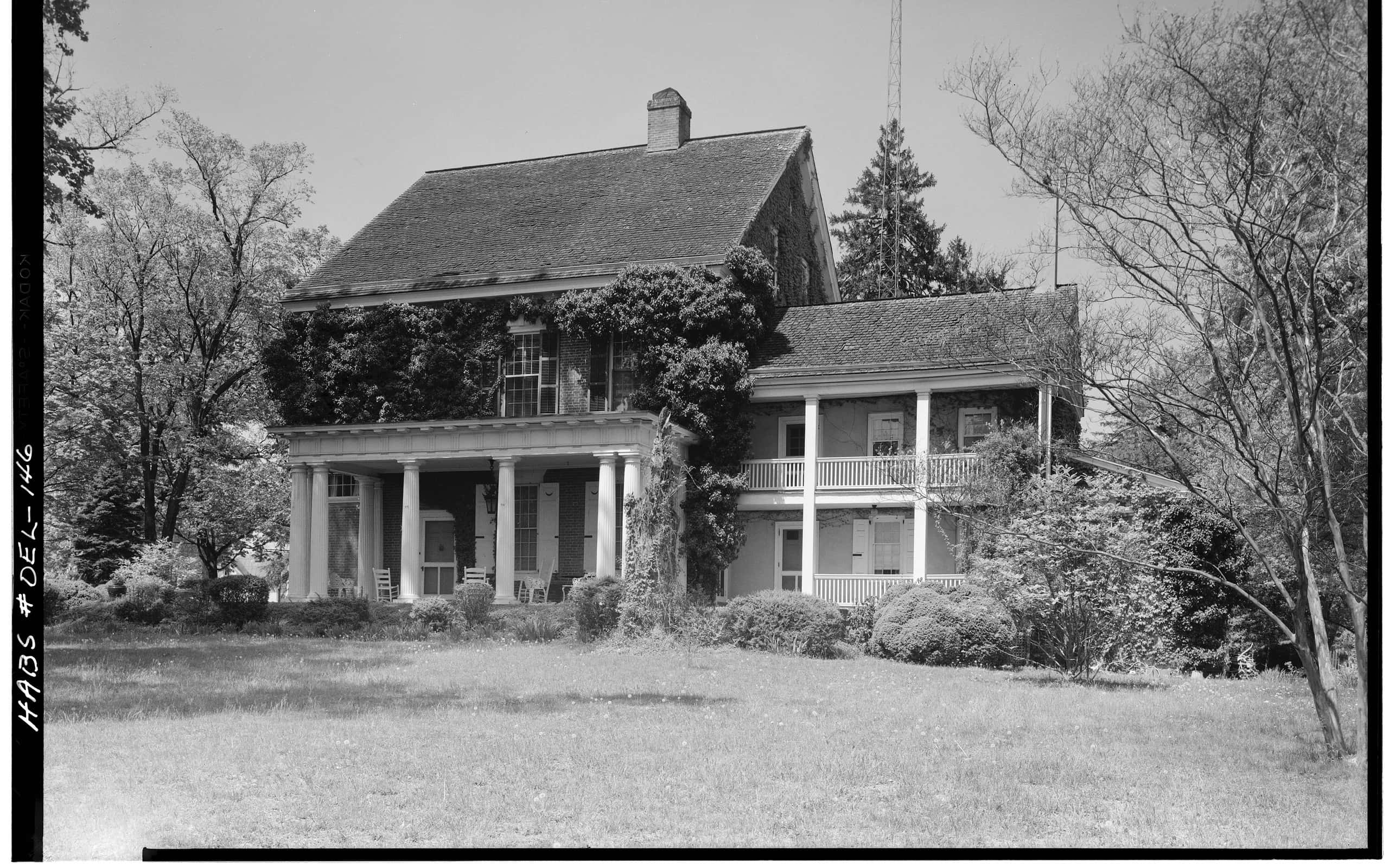
Woodburn — Dover, Delaware
Woodburn was built around 1798 and has served as Delaware's official governor's residence since 1965. Its best ghost story is older than state ownership. According to the account preserved by the governor's office, traveling preacher Lorenzo Dow was a guest around 1815 when he saw a man in a powdered wig standing near a tree. His hosts recognized the description as Charles Hillyard III, Woodburn's builder, who had died years earlier.
The official site also recounts later stories involving unexplained wine and a small girl seen around the house. “Official” in this context means the state preserves the legends, not that Delaware has certified its ghosts. Still, Woodburn earns its place because the earliest tale is attached to a named witness and was handed down with the house's history, rather than being reverse-engineered for a modern haunted tour.
Old Tonopah Cemetery & Clown Motel — Tonopah, Nevada
Old Tonopah Cemetery contains roughly 300 burials from 1901 to 1911, including miners killed in the 1911 Belmont Mine fire. The town has corrected one especially persistent tale: The cemetery was not filled by a mysterious 1902 plague. Pneumonia outbreaks did kill residents during Tonopah's boom years, but the neat “plague cemetery” version is folklore sanding down a messier record.
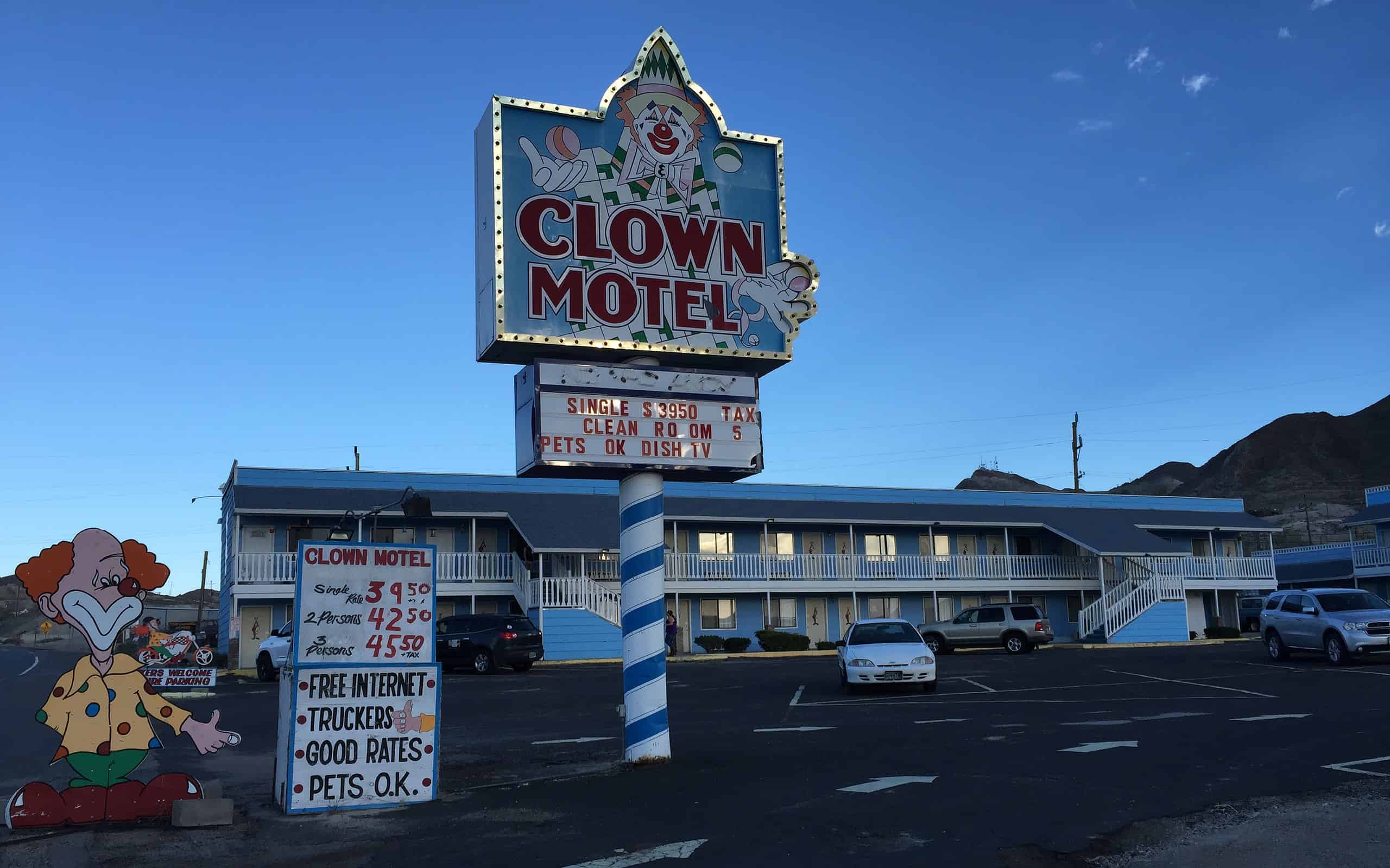
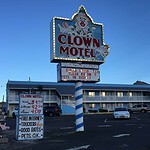
The Clown Motel next door is much newer. It opened in 1985, created by siblings who wanted to honor their late father and display his clown collection. Put hundreds of clowns beside an old mining cemetery, though, and you do not need a marketing meeting to find the angle. Guests report shadowy figures, voices, and moving objects. Whether that is paranormal activity or the entirely normal response to waking up under the gaze of several dozen clowns is between you and the night-light.
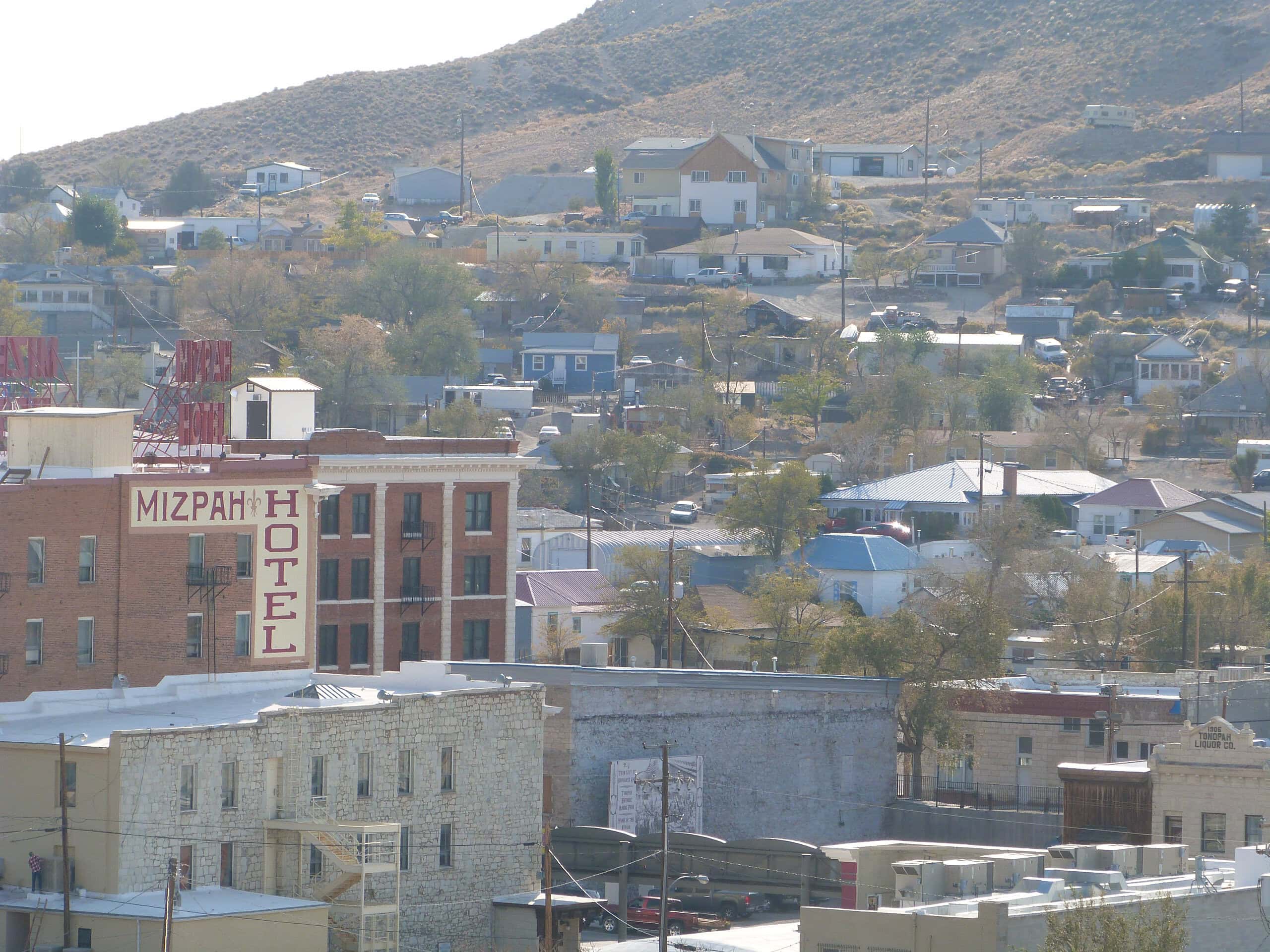
Mizpah Hotel — Tonopah, Nevada
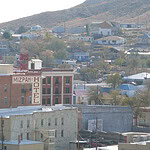
When the five-story Mizpah Hotel opened in 1907, it was a $200,000 monument to Tonopah's mining boom. It remains the town's architectural headliner and the home of Nevada's most famous hotel ghost, the “Lady in Red.” Guests have described perfume, whispers, or pearls left behind after an encounter, and the hotel has made the legend part of its identity.
The usual story says the woman was murdered by a jealous lover, but even Nevada's official tourism account acknowledges that her identity and origins have been lost to history. That means the killing should not be repeated as a verified event. The honest version is still plenty good: a genuine boomtown hotel, a century of travelers, and a mystery that became more specific as the documentation became less so.
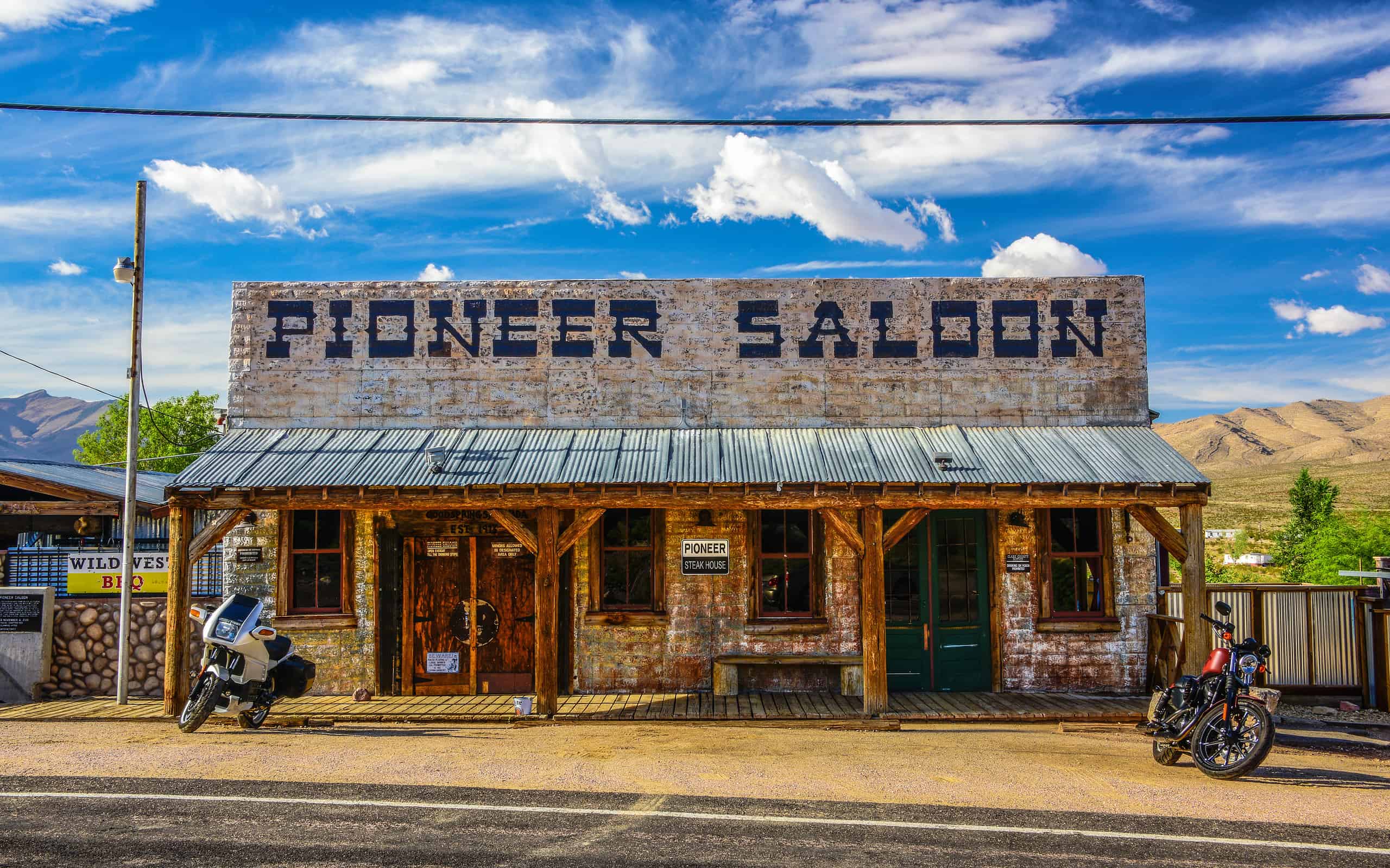
Pioneer Saloon — Goodsprings, Nevada
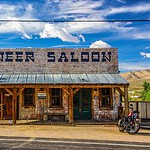
The Pioneer Saloon opened in 1913, and at least one piece of its violent reputation comes with paperwork. In 1915, Paul Coski was shot and killed by Joe Armstrong inside the saloon. A coroner's report records the death, and bullet holes remain in the pressed-tin wall. Later stories turned Coski into a resident ghost, though the murder is considerably easier to establish than the haunting.
The bar also has a documented Hollywood tragedy in its past. In 1942, Clark Gable waited there while search parties looked for the plane carrying his wife, Carole Lombard, which had crashed into nearby Mount Potosi. The saloon preserves that history along with reports of spectral figures and unexplained sounds. Here, the ghosts are optional; the room has already witnessed enough grief.
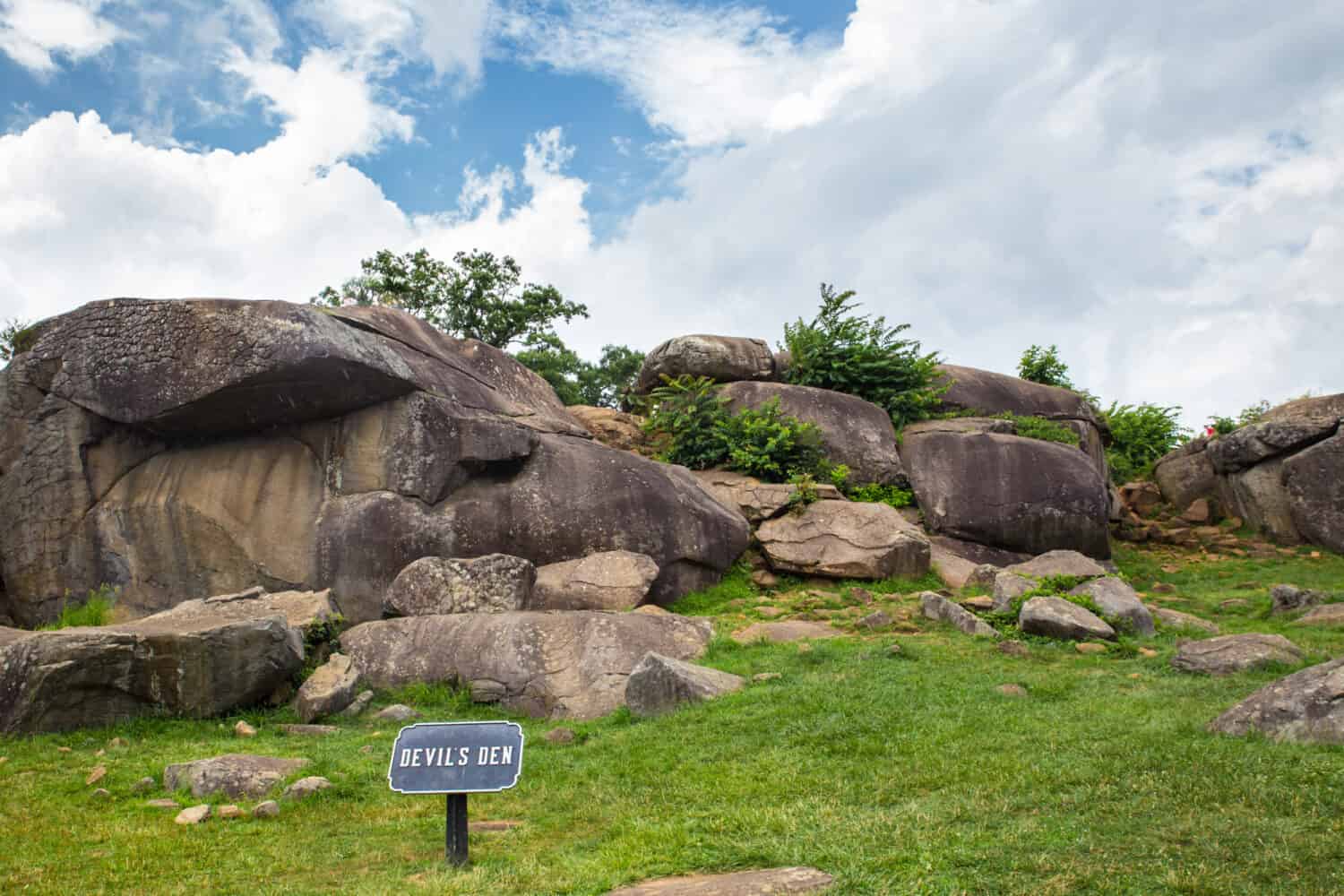
Gettysburg Battlefield — Gettysburg, Pennsylvania
The Battle of Gettysburg raged from July 1 through July 3, 1863, and produced an estimated 51,000 casualties. That number includes the killed, wounded, captured, and missing; it is often incorrectly repeated as a death toll. The fighting unfolded across farms, rocky ground, and the edges of town, leaving Gettysburg with a landscape where ordinary-looking places carry extraordinary weight.
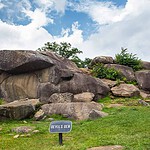
Stories of phantom soldiers, distant gunfire, drums, and voices have followed the battlefield for generations, particularly around sites such as Devil's Den. The National Park Service documents the battle, not the ghosts, so those experiences belong in the category of visitor lore. Gettysburg needs no supernatural embellishment to feel haunted in the broader sense. The names, photographs, letters, and graves make the human loss almost uncomfortably present.
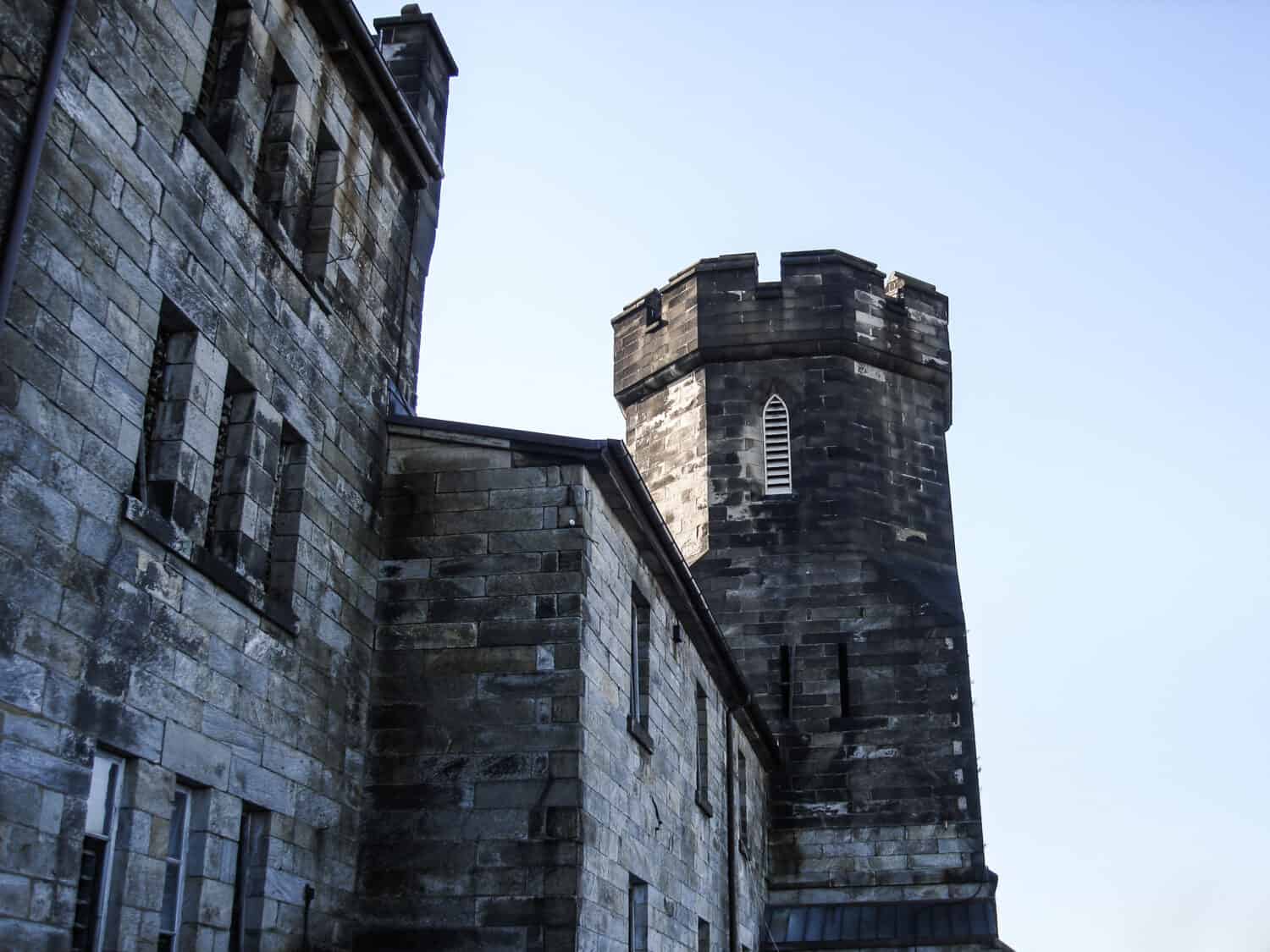
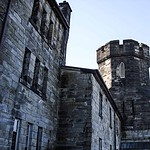
Eastern State Penitentiary — Philadelphia, Pennsylvania
Eastern State Penitentiary opened in 1829 with a radical plan: isolation, silence, and labor would push prisoners toward penitence. The radial cellblocks and solitary system influenced prison design around the world, but the psychological cost was severe. More than 85,000 people were incarcerated there before the prison closed in 1971, including Al Capone for a brief stretch.
Its decaying corridors have generated reports of whispers, shadow figures, and cold spots, and the historic site has long staged a separate Halloween attraction with actors and special effects. That distinction matters: The theatrical scares are entertainment; the ghost accounts are unverified; the history is real. Eastern State currently does not permit independent paranormal investigations, so the proper way to experience the building is through the site's authorized daytime and seasonal programming.
Fort Mifflin — Philadelphia, Pennsylvania
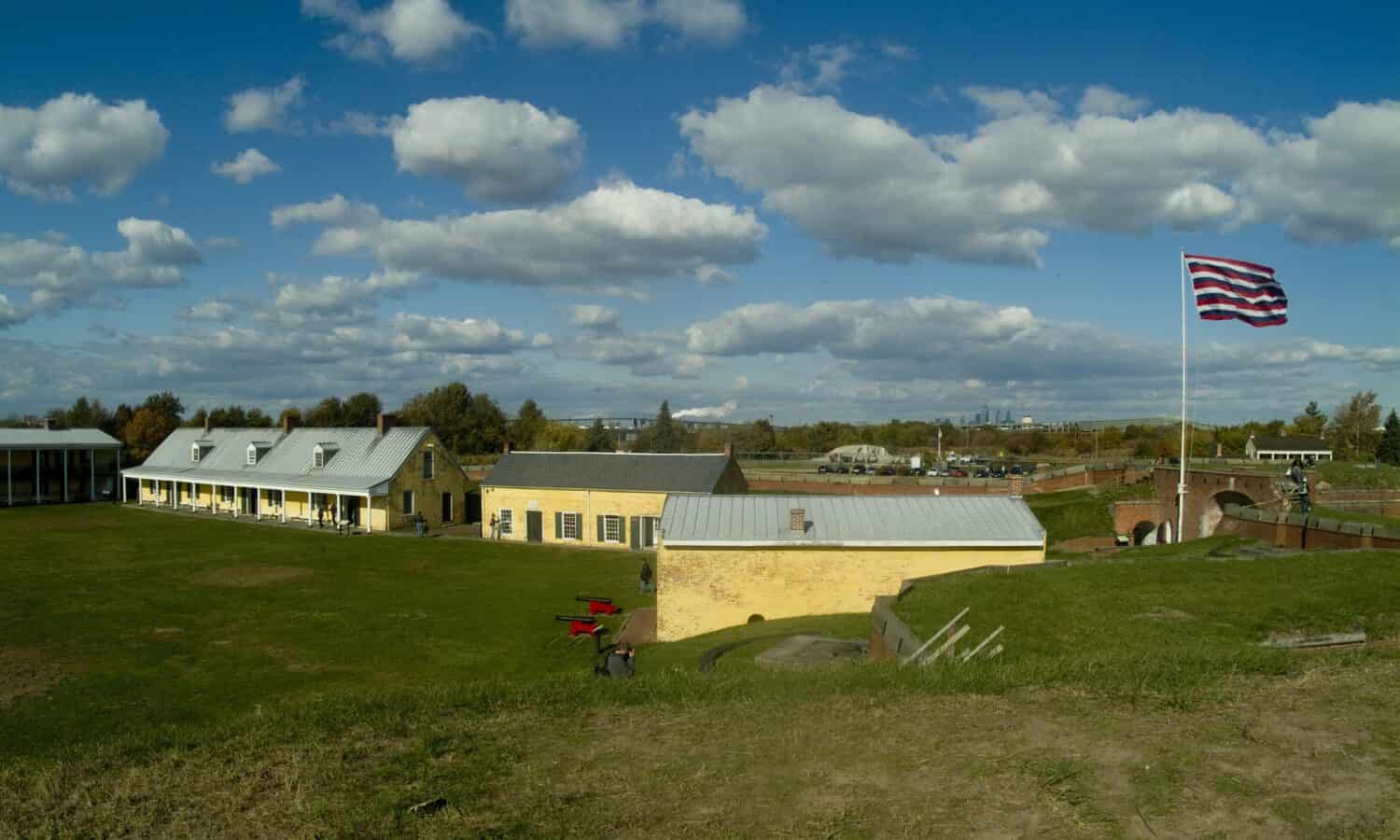
Fort Mifflin's documented history has enough drama for several hauntings. Commissioned in 1771, it endured an enormous British bombardment in 1777 while American defenders delayed the enemy's resupply of occupied Philadelphia. The fort later served as a Civil War prison. In 1864, Union prisoner William Howe was executed there for desertion and murder.
Modern witnesses have reported footsteps, figures, and a woman's scream so distinctive that the legend has its own name: the Screaming Woman. The fort openly embraces that side of its reputation with organized paranormal programs and overnight experiences. As always, a ticketed investigation is not scientific confirmation. It is, however, a legal way to spend the night inside one of the country's few surviving Revolutionary-era battle sites—which is quite enough tension for most of us.