Some of America’s most memorable attractions aren’t the ones plastered across postcards or featured in every travel guide. They’re the unusual museums, historic communities, natural wonders, and roadside oddities that can turn an ordinary road trip into something you’ll be talking about for years.
Of course, there’s nothing wrong with visiting the Grand Canyon, seeing the Statue of Liberty, or spending a few days exploring Yellowstone. Those places are famous for a reason. But every state has something a little different to offer, and sometimes the most interesting discoveries happen when you venture beyond the usual tourist destinations.
From a museum dedicated entirely to purses and a castle hidden in rural North Dakota to abandoned neon signs in Las Vegas and a sculpture garden in the Kansas countryside, we’ve rounded up 50 fascinating places worth knowing about, one from each state. Some are genuine hidden gems, while others are familiar attractions that deserve a closer look. Either way, there’s a good chance you’ll find a few places worth adding to your next adventure.
Alabama: Mobile Carnival Museum

When people think of Mardi Gras, New Orleans usually comes to mind. However, Mobile, Alabama, has a Carnival tradition that dates back to the early 18th century, long before the celebration became synonymous with Louisiana. The Mobile Carnival Museum offers visitors a colorful look at that history, with elaborate costumes, royal robes, decorative trains, and memorabilia from generations of Carnival celebrations. Housed in a historic mansion, the museum explores the traditions and organizations behind one of America’s oldest annual celebrations. It’s an entertaining stop for anyone interested in Southern history, elaborate costumes, or the stories behind Mardi Gras.
Alaska: Kenai Fjords National Park

Alaska is filled with spectacular scenery, but few experiences compare to seeing its glaciers and coastal wilderness from the water. Kenai Fjords National Park, near Seward, offers visitors the chance to explore a dramatic landscape shaped by glaciers, mountains, and the Gulf of Alaska. Boat excursions travel through coastal waters where visitors may spot sea otters, puffins, seals, whales, and towering walls of ice. Some tours approach tidewater glaciers, where enormous chunks of ice occasionally break away and crash into the sea. Conditions and wildlife sightings vary, but the scenery alone makes this one of Alaska’s most unforgettable destinations.
Arizona: Sedona

Arizona might be best known for the Grand Canyon, but Sedona offers a completely different kind of scenery. Surrounded by towering red sandstone formations, this northern Arizona community has become a destination for hikers, photographers, artists, and travelers looking to enjoy the outdoors. Popular landmarks such as Cathedral Rock and Bell Rock provide incredible views, while the town itself is filled with galleries, restaurants, and shops. Sedona also has a reputation for its supposed energy vortexes, although claims about their supernatural properties aren’t scientifically established. Whether you believe in those or not, there’s no disputing the beauty of the surrounding landscape.
Arkansas: ESSE Purse Museum

A museum dedicated to handbags might sound like an unusual attraction, but Little Rock’s ESSE Purse Museum offers considerably more than a collection of fashion accessories. Located in the city’s South Main neighborhood, the museum explores the changing experiences of American women throughout the 20th century using purses and their contents. From everyday necessities to changing fashion trends, the exhibits reveal how women’s lives, responsibilities, and opportunities evolved over the decades. It’s an interesting way to explore social history through objects that might otherwise seem ordinary, and a reminder that even the smallest personal possessions can tell a much larger story.
California: LEGOLAND California Resort

California has no shortage of famous theme parks, but LEGOLAND California Resort in Carlsbad offers a different experience from the massive entertainment complexes in Anaheim and Los Angeles. Designed primarily with families and younger children in mind, the park features LEGO-inspired rides, interactive attractions, and detailed miniature recreations of recognizable landmarks. MINILAND USA is especially impressive, with enormous displays constructed from millions of LEGO bricks. There are also themed play areas and additional resort attractions. It’s hardly an undiscovered destination, but for families traveling through Southern California, it can be a worthwhile alternative to the state’s biggest theme parks.
Colorado: Garden of the Gods

Colorado’s mountains tend to get most of the attention, but Garden of the Gods in Colorado Springs is a spectacular destination in its own right. This public park is known for its enormous red sandstone formations, some of which rise dramatically above the surrounding landscape. Designated a National Natural Landmark, the park features scenic drives, walking trails, and opportunities for photography, cycling, and permitted rock climbing. Pikes Peak provides a remarkable backdrop on clear days. Admission to the park is free, making it an appealing stop for visitors who want to experience Colorado’s scenery without committing to a major mountain expedition.
Connecticut: Gillette Castle State Park

Perched above the Connecticut River in East Haddam is one of New England’s more unusual historic homes. Gillette Castle was built for William Gillette, the American actor famous for portraying Sherlock Holmes on stage. Completed in 1919, the stone mansion looks like something from a medieval story, although its interior is filled with eccentric details and custom craftsmanship. Gillette personally influenced many of its design features, including intricate wooden doors and unusual built-in furnishings. Today, visitors can explore the grounds of Gillette Castle State Park and tour the historic residence when the interior is open to the public.
Delaware: DiscoverSea Shipwreck Museum
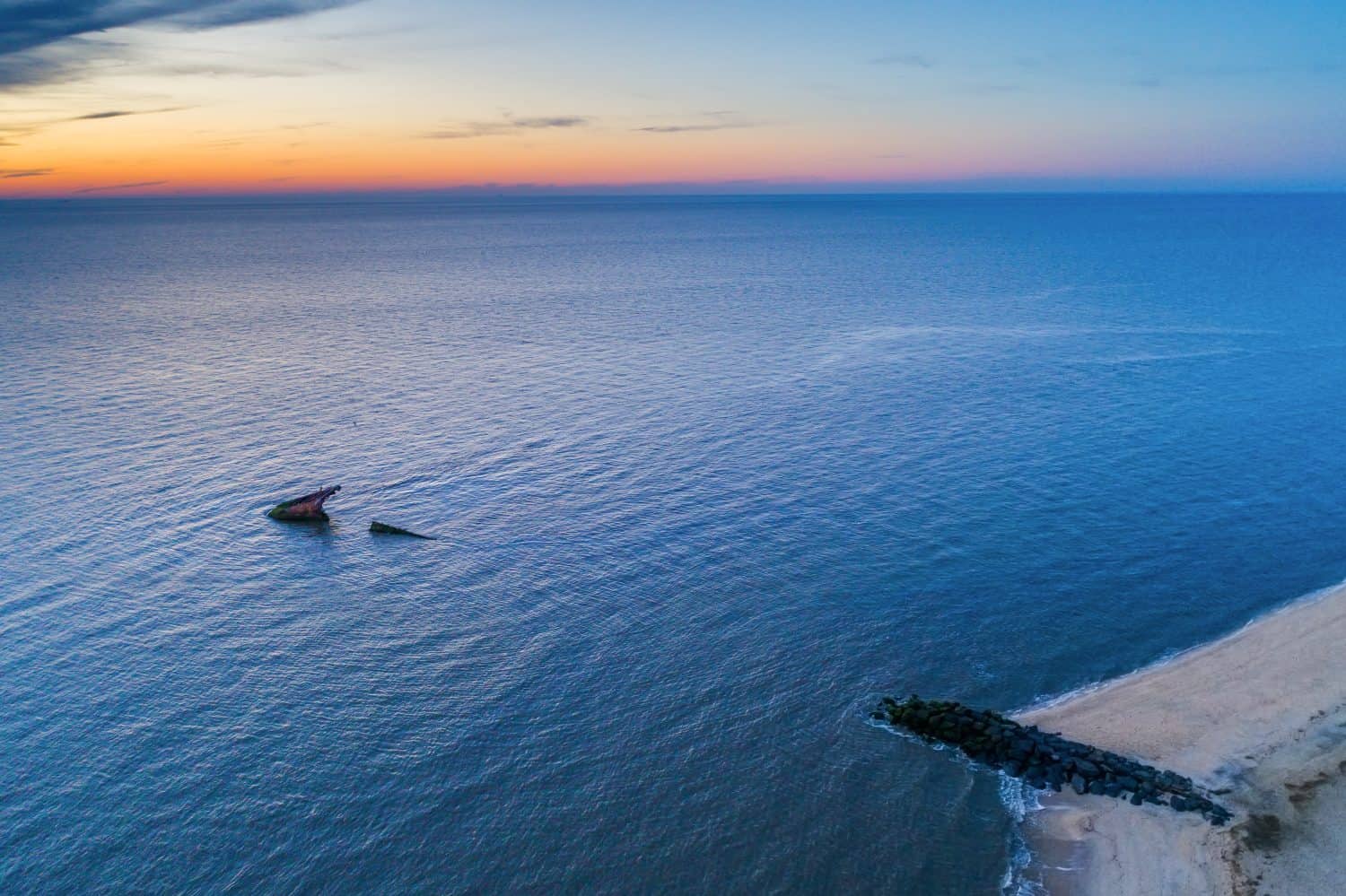
Delaware’s coastline has a long maritime history, and the DiscoverSea Shipwreck Museum in Fenwick Island offers visitors an opportunity to explore some of its more fascinating chapters. The museum houses a changing collection of artifacts recovered from shipwrecks, including coins, pottery, navigational equipment, weapons, and other objects that spent years beneath the ocean. Some pieces come from vessels that sailed the Atlantic centuries ago. The exhibits provide a glimpse into the dangers of maritime travel and the work involved in recovering lost historical objects. For anyone fascinated by shipwrecks, pirates, or maritime archaeology, it’s a worthwhile stop near Delaware’s beaches.
Florida: Crystal River National Wildlife Refuge

Florida has plenty of famous attractions, but one of its most memorable wildlife experiences is found in the waters around Crystal River. The Crystal River National Wildlife Refuge was established to protect the threatened Florida manatee, and the area’s warm freshwater springs attract these gentle marine mammals during cooler weather. Visitors can watch manatees from designated viewing areas or explore portions of Kings Bay by kayak or boat. Swimming and snorkeling are permitted in certain locations under strict wildlife protection rules, and guided excursions are available. However, visitors should remember that manatees are protected wild animals, not attractions to chase, touch, or disturb.
Georgia: Cumberland Island National Seashore

Just off Georgia’s southern coast lies Cumberland Island, a remarkable barrier island known for its undeveloped beaches, maritime forests, historic ruins, and free-roaming horses. Much of the island is protected as Cumberland Island National Seashore, and visitors typically arrive by ferry from St. Marys. Once there, hiking trails lead through forests draped in Spanish moss and past historic sites such as the ruins of Dungeness, a former Carnegie family estate. The island’s feral horses are among its most recognizable residents, although visitors should observe them from a safe distance. With limited transportation and visitor services, Cumberland Island feels worlds away from Georgia’s busier coastal destinations.
Hawaii: Hamakua Chocolate Farm
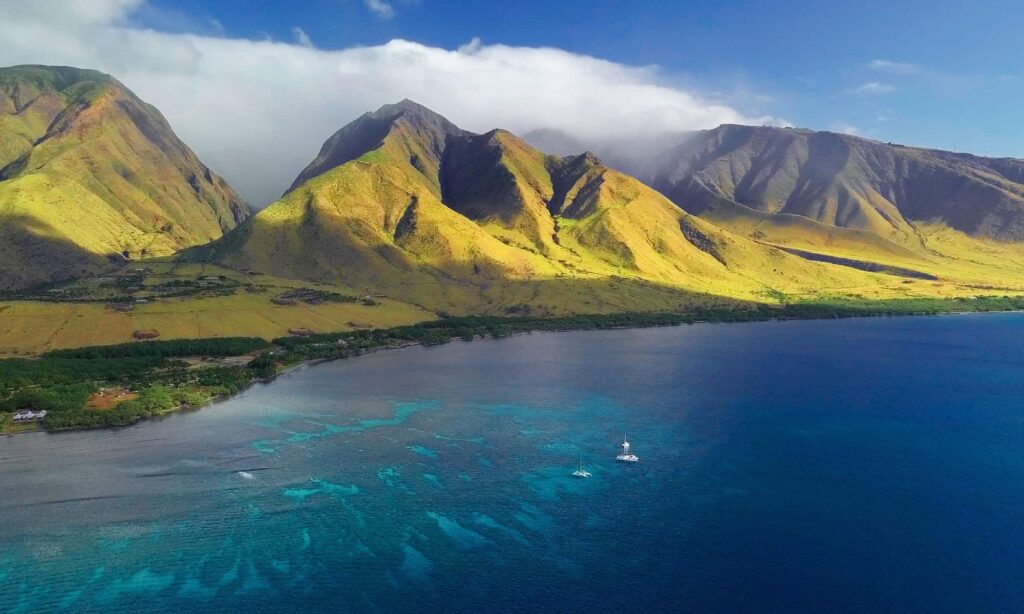
Hawaii’s beaches, volcanoes, and waterfalls are more than enough reason to visit, but the islands also have an agricultural side that many travelers overlook. On Hawaii Island, just north of Hilo, Hamakua Chocolate Farm introduces visitors to the process of growing cacao and turning it into chocolate. Its scheduled experiences include guided farm tours, chocolate tastings, and opportunities to learn about the cultivation and processing of cacao. Visitors can even discover what fresh cacao fruit tastes like before it becomes the chocolate most people recognize. Tours require advance reservations, and the farm is a particularly interesting stop for chocolate lovers exploring the Big Island.
Idaho: Old Idaho Penitentiary

For a fascinating and occasionally unsettling look at Idaho’s past, the Old Idaho Penitentiary in Boise is worth exploring. The prison opened in 1872, when Idaho was still a territory, and remained in operation until 1973. During that time, it housed thousands of inmates, including some of the state’s most notorious criminals. Today, the historic complex operates as a museum where visitors can explore former cell blocks, solitary confinement areas, and other preserved prison buildings. Exhibits examine the lives of prisoners, the development of the correctional system, and the conditions inside the facility. It’s an unusual way to experience more than a century of Idaho history.
Illinois: American Oddities Museum

Illinois has its share of unusual attractions, but the American Oddities Museum in Alton might be among the strangest. Previously associated with the Historic Museum of Torture Devices, this attraction now brings together exhibits covering everything from allegedly haunted objects and historical medical curiosities to funeral traditions, sideshow memorabilia, and unusual artifacts. It’s a collection designed to explore the darker and more peculiar corners of history. Located at 301 Piasa Street in Alton, the museum is a natural fit for visitors interested in the paranormal, true crime, and historical oddities. Some exhibits may be unsettling for younger visitors.
Indiana: Indiana Medical History Museum

Medical science has come a long way over the past century, and the Indiana Medical History Museum in Indianapolis offers a fascinating look at what healthcare once involved. The museum is housed in the former pathology building of Central State Hospital, which opened in 1896. Inside, visitors can see preserved laboratories, medical equipment, teaching spaces, and other features associated with the study and treatment of disease. The exhibits also explore the history of psychiatric care and how medical practices have changed over time. It’s an informative destination for anyone interested in medicine, science, or the sometimes troubling history of mental healthcare.
Iowa: Villisca Axe Murder House

Iowa’s quiet town of Villisca is home to one of the state’s most haunting historical landmarks. In June 1912, eight people, including six children, were murdered inside a modest family home. The crime remains unsolved and has inspired decades of speculation, investigations, and ghost stories. Today, the Villisca Axe Murder House operates as a historical and paranormal tourism attraction, offering guided visits and overnight experiences. The house has been preserved to reflect its early 20th-century appearance. While stories of supernatural activity are part of its reputation, the documented tragedy itself is more than enough to make this an unforgettable, and sobering, destination.
Kansas: Garden of Eden

Kansas is famous for its connection to The Wizard of Oz, but the small town of Lucas is home to something considerably stranger. The Garden of Eden is a remarkable collection of concrete sculptures and stone structures created by Samuel Perry Dinsmoor, a Civil War veteran and retired teacher. Beginning in the early 1900s, Dinsmoor transformed his property into an elaborate artistic statement reflecting his religious beliefs, political opinions, and views on society. The sculptures depict everything from biblical figures to symbolic representations of capitalism and labor. Visitors can explore this unusual example of American folk art and the remarkable vision of its creator.
Kentucky: Mammoth Cave National Park

Kentucky is known for bourbon, horse racing, and the Kentucky Derby, but one of its most remarkable attractions is hidden underground. Mammoth Cave National Park protects the world’s longest known cave system, with more than 400 miles of surveyed passages and additional discoveries continuing to expand that total. Guided tours take visitors into an enormous underground landscape of narrow tunnels, towering chambers, and unusual geological formations. The park also features hiking trails and opportunities to enjoy the surrounding forests and rivers. Mammoth Cave is a well-established destination, but its sheer scale and history make it one of the country’s most extraordinary natural landmarks.
Louisiana: Bayou Segnette State Park

New Orleans offers plenty of entertainment, from Bourbon Street and live jazz to some of the country’s most recognizable cuisine. But just across the Mississippi River in Westwego, Bayou Segnette State Park offers a completely different side of Louisiana. The park provides access to a landscape of marshes, waterways, and wetlands, with recreational opportunities that include camping, fishing, boating, and wildlife watching. Visitors can experience the natural environments that have shaped life in southern Louisiana for generations. It’s an appealing escape from the city’s crowds without having to travel far from the New Orleans metropolitan area.
Maine: Monhegan Island

Maine’s rugged coastline is filled with picturesque towns and fishing villages, but Monhegan Island offers something particularly special. Located roughly 10 miles offshore, the island is accessible by passenger ferry from several coastal communities. Its dramatic cliffs, wooded walking trails, historic lighthouse, and small village have attracted artists and visitors for generations. Much of the island remains undeveloped, offering a peaceful setting for hiking, photography, and exploring the coastline. With limited services and no typical tourist infrastructure, Monhegan isn’t the place for an action-packed vacation. Instead, its appeal lies in slowing down and enjoying one of Maine’s most distinctive island communities.
Maryland: Pride of Baltimore II

Baltimore’s maritime history comes alive aboard Pride of Baltimore II, a modern reconstruction inspired by the fast Baltimore clipper vessels of the early 19th century. These ships became famous for their speed and maneuverability, particularly during the War of 1812. Built in 1988, Pride of Baltimore II serves as an educational and cultural ambassador, traveling to ports and maritime events throughout the United States and abroad. When its schedule permits, visitors may have opportunities to tour the vessel or participate in public sailing experiences. Because the ship travels extensively, anyone planning a visit should check its current location and event calendar.
Massachusetts: Museum of Bad Art

Most art museums celebrate the world’s greatest masterpieces, but Boston’s Museum of Bad Art takes a very different approach. Dedicated to artwork that has gone spectacularly wrong in one way or another, the museum celebrates creative efforts that might never find a home in a traditional gallery. Its collection features paintings and other works that are unintentionally amusing, strangely compelling, or simply difficult to explain. The museum’s public exhibition space is located inside Dorchester Brewing Co. in Boston’s Dorchester neighborhood. Whether you’re an art enthusiast or someone who enjoys a good laugh, this unusual collection proves that memorable art doesn’t always have to be good.
Michigan: Higgins Lake

Michigan’s Great Lakes are among the state’s biggest attractions, but its smaller inland lakes deserve attention too. Higgins Lake, located in Roscommon County in the northern Lower Peninsula, is especially known for its remarkably clear water and attractive shoreline. The glacial lake offers opportunities for swimming, fishing, boating, and other water activities. North Higgins Lake State Park and South Higgins Lake State Park provide public recreation areas, with beaches and camping facilities. During the warmer months, the combination of blue water, sandy shorelines, and surrounding forests makes Higgins Lake a wonderful option for anyone looking to enjoy Michigan’s natural beauty away from its larger lakes.
Minnesota: Voyageurs National Park

Minnesota calls itself the Land of 10,000 Lakes, and Voyageurs National Park demonstrates why water plays such an important role in the state’s identity. Located near the Canadian border, the park protects an extensive landscape of interconnected lakes, forests, wetlands, and rocky shorelines. Much of the park is best explored by boat, making it an especially appealing destination for kayaking, canoeing, and fishing. Visitors may also encounter bald eagles, loons, and other wildlife. Winter brings opportunities for snowshoeing and other cold-weather activities. For travelers interested in experiencing northern Minnesota’s wilderness, Voyageurs offers scenery that feels far removed from everyday life.
Mississippi: McRaven House

Vicksburg is filled with Civil War history, but one of its more unusual landmarks is McRaven House. Parts of this historic residence date to the 1790s, with later additions reflecting different periods of American architecture. The property is closely associated with Vicksburg’s turbulent past, including the Civil War and the city’s lengthy siege in 1863. Over time, stories of unexplained noises, ghostly appearances, and other supposed paranormal activity have become part of the house’s reputation. Guided tours have explored both its documented history and the legends surrounding it. Whether you’re interested in historic architecture or ghost stories, McRaven House has a fascinating past.
Missouri: Ozark National Scenic Riverways

Missouri’s Gateway Arch might be its most recognizable landmark, but the Ozark National Scenic Riverways offers an entirely different experience. Established to protect portions of the Current and Jacks Fork rivers, this National Park Service site is known for its clear streams, freshwater springs, forests, and opportunities for outdoor recreation. Visitors can float along the rivers, explore hiking trails, visit historic sites, or enjoy the surrounding Ozark landscape. The region’s springs are particularly impressive, with enormous quantities of groundwater emerging from beneath the hills. For anyone who enjoys fishing, canoeing, or simply spending time outdoors, this is one Missouri destination worth discovering.
Montana: Miracle of America Museum

Montana is best known for its mountains, national parks, and wide-open spaces, but the town of Polson is home to one of the state’s more unusual museums. The Miracle of America Museum houses an enormous and varied collection of historical objects, ranging from vintage vehicles and military equipment to household items, farm machinery, and memorabilia from everyday American life. Spread across multiple buildings and outdoor displays, the museum offers visitors a chance to explore decades of technological and cultural change. It’s the kind of place where one unexpected discovery leads to another, and visitors interested in antiques, engineering, or American history could easily spend hours exploring.
Nebraska: The Durham Museum

Omaha’s Henry Doorly Zoo and Aquarium attracts plenty of attention, but the nearby Durham Museum deserves a place on the city’s must-see list. Located inside Omaha’s beautifully restored Union Station, the museum preserves an impressive example of Art Deco architecture while exploring the history of the city and the surrounding region. Visitors can see exhibits related to railroads, transportation, commerce, and life in the American Midwest. Historic train cars and recreated period settings help bring earlier generations to life. The building itself is part of the attraction, offering a reminder of the days when passenger rail travel connected communities throughout the country.
Nevada: The Neon Museum

Las Vegas has never been known for subtlety, and the Neon Museum offers visitors a fascinating look at the city’s colorful history. Located north of downtown Las Vegas, the museum preserves and displays historic signs that once illuminated casinos, hotels, restaurants, and other businesses throughout the city. Its outdoor Neon Boneyard is filled with enormous letters, elaborate designs, and relics from earlier generations of Las Vegas entertainment. Many displays tell the stories of businesses and landmarks that have disappeared as the city has evolved. Evening visits are especially memorable, offering a chance to experience the artwork and craftsmanship behind some of Las Vegas’s most recognizable signs.
New Hampshire: Portsmouth’s Haunted History Tours

Portsmouth, New Hampshire, is one of New England’s most charming historic cities, with centuries-old buildings, narrow streets, and a maritime past that stretches back to the colonial era. For visitors looking to experience that history from a different perspective, local haunted history walking tours offer a combination of storytelling, folklore, and historical sightseeing. Depending on the operator and route, these guided walks may explore old neighborhoods, historic buildings, and locations associated with Portsmouth’s ghost legends. You don’t have to believe in the supernatural to enjoy the experience. It’s an entertaining way to learn about the city’s past while exploring its historic streets.
New Jersey: Luna Parc

New Jersey’s beaches and boardwalks are familiar summer destinations, but deep in the state’s northwestern countryside is a place unlike just about anything else. Luna Parc, located in Sandyston, is the extraordinary home and artistic creation of Ricky Boscarino. The property is filled with colorful mosaics, sculptures, unusual architecture, and imaginative details that make the entire residence feel like a living work of art. Boscarino has spent decades transforming the property into an elaborate personal creation. Public access is limited to scheduled events and tours, so visitors should confirm availability before making the trip. For art lovers, it’s certainly one of New Jersey’s more memorable destinations.
New Mexico: Loretto Chapel

Santa Fe is filled with historic churches and distinctive architecture, but Loretto Chapel has attracted visitors for generations because of an unusual spiral staircase. Built in the late 19th century, the wooden staircase rises to the chapel’s choir loft and makes two complete turns without a conventional central support post. According to local tradition, a mysterious carpenter appeared after the Sisters of Loretto prayed for help, completed the staircase, and disappeared without payment. Historians have proposed more conventional explanations for its construction, and the miraculous account remains a matter of faith and folklore. Regardless of the legend, the staircase is an impressive example of craftsmanship.
New York: Tenement Museum

New York City is filled with famous museums and landmarks, but the Tenement Museum on Manhattan’s Lower East Side offers an especially personal look at American history. Rather than focusing on presidents, wealthy families, or major political events, the museum tells the stories of ordinary immigrants, migrants, and working-class residents who helped shape the city. Guided tours explore restored historic apartments and neighborhood locations, revealing what daily life was like for people navigating crowded housing, demanding jobs, and changing communities. The exhibits connect individual family experiences to larger chapters of American immigration and urban history. It’s a meaningful way to discover a different side of New York.
North Carolina: Country Doctor Museum
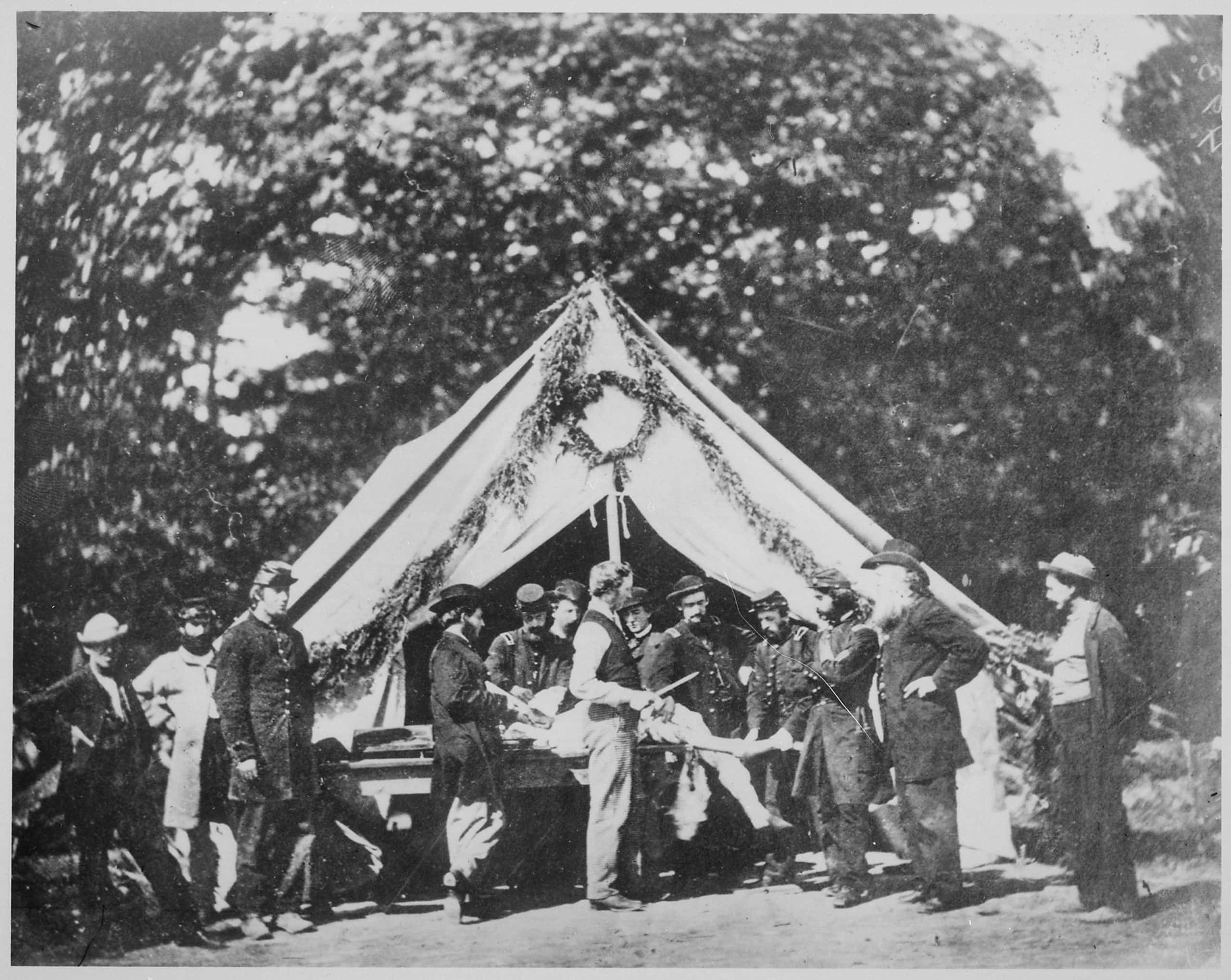
Modern medical care looks remarkably different from the days when rural physicians traveled long distances to visit patients in their homes. The Country Doctor Museum in Bailey, North Carolina, preserves that chapter of American history through collections of medical instruments, pharmaceuticals, vehicles, and other artifacts. Established in 1967, it describes itself as the oldest museum in the United States dedicated to the history of rural healthcare. Visitors can learn about the challenges faced by physicians and patients in isolated communities, as well as the remarkable changes in medical knowledge and technology. It’s a fascinating stop for healthcare professionals, history enthusiasts, and curious travelers alike.
North Dakota: Coghlan Castle

A castle probably isn’t the first thing you’d expect to find in rural North Dakota, but that’s exactly what makes Coghlan Castle so unusual. Located in Rolette County near Rolla, this imposing stone residence was built between 1906 and 1909 for Maurice Coghlan and his family. The large farmhouse was constructed using local stone and features architectural details rarely associated with the surrounding prairie landscape. Although the building eventually fell into disrepair, preservation efforts have sought to protect its historical significance. Coghlan Castle is located on private property and is generally best viewed from the public roadway or a designated viewing area. Visitors should not enter the grounds without permission.
Ohio: Historic Zoar Village

Ohio’s Historic Zoar Village offers visitors a glimpse into an unusual American social experiment. Founded in 1817 by German religious immigrants seeking freedom to practice their beliefs, Zoar became a communal society in which members shared property and worked together to support their community. That arrangement continued until 1898, when the communal system was dissolved. Today, several historic buildings have been preserved, allowing visitors to explore the community’s history and daily life during the 19th century. The village includes restored structures, gardens, and exhibits that help explain the beliefs and practical challenges behind this remarkable settlement.
Oklahoma: SKELETONS: Museum of Osteology

Oklahoma City is home to a museum that gets straight to the bones of the matter. SKELETONS: Museum of Osteology is devoted to the study of skeletal systems, displaying hundreds of specimens that demonstrate how bones support movement, survival, and adaptation in different animals. Exhibits feature skeletons from a wide variety of species, helping visitors compare the anatomy of mammals, birds, reptiles, and other creatures. The museum also explores topics such as evolution, animal behavior, and the relationships between different groups of animals. It’s an unusual educational attraction that combines science with plenty of fascinating visual displays.
Oregon: Tillamook Creamery

Oregon’s coast is filled with spectacular scenery, but one of its most popular stops has more to do with cheese than ocean views. Tillamook Creamery, located in the coastal town of Tillamook, offers visitors a behind-the-scenes look at one of the Pacific Northwest’s best-known dairy producers. Its visitor center features educational displays about the company’s history, cheesemaking, and the local dairy industry. Visitors can also watch portions of the production process from designated viewing areas and explore the creamery’s food offerings. For cheese lovers, it’s a worthwhile detour while traveling along the Oregon coast, particularly when combined with nearby beaches and scenic viewpoints.
Pennsylvania: Historic Ephrata Cloister

Pennsylvania has a rich history of religious communities, and the Historic Ephrata Cloister offers an especially interesting look at one of them. Founded in 1732 by Conrad Beissel, the Ephrata community developed around a religious movement emphasizing spiritual discipline, simplicity, prayer, and, for its celibate members, separation from traditional family life. The settlement also became known for its distinctive music, printing, and craftsmanship. Today, preserved buildings and exhibits tell the story of the people who lived there and the beliefs that shaped their daily routines. It’s a remarkable destination for visitors interested in colonial history, religion, architecture, and early American communal life.
Rhode Island: Green Animals Topiary Garden

Rhode Island might be the smallest state in the country, but it has no shortage of distinctive attractions. One of its most charming is Green Animals Topiary Garden in Portsmouth, where carefully trimmed shrubs and trees have been transformed into animals and other decorative figures. The historic estate overlooks Narragansett Bay and features gardens that have been cultivated for generations. Visitors can stroll among the unusual plant sculptures while enjoying the landscaped grounds and seasonal flowers. It’s a particularly appealing destination for garden enthusiasts, photographers, and families looking for something different from Rhode Island’s more familiar coastal attractions.
South Carolina: Congaree National Park

South Carolina is famous for its beaches and historic coastal cities, but Congaree National Park offers visitors a very different kind of natural beauty. Located near Columbia, the park protects an extraordinary floodplain forest containing some of the tallest trees in the eastern United States. Elevated boardwalks allow visitors to explore portions of the forest while learning about its unique ecosystem, and paddling routes provide another perspective on the landscape. The park is home to a variety of birds, reptiles, and other wildlife. Seasonal flooding can affect trail access, but for travelers who enjoy nature and quieter destinations, Congaree is well worth considering.
South Dakota: Porter Sculpture Park

South Dakota’s Mount Rushmore attracts visitors from around the world, but travelers crossing Interstate 90 can discover something considerably more unconventional near Montrose. Porter Sculpture Park is an outdoor collection of enormous metal sculptures created by artist Wayne Porter. The works range from whimsical figures to unusual abstract creations, including a massive bull’s head that towers above the prairie. Many sculptures incorporate recycled metal and other salvaged materials. Visitors can follow a self-guided walking route through the displays and experience an unexpected combination of art and rural scenery. The park operates seasonally, so it’s worth checking the opening dates before stopping.
Tennessee: Historic Rugby

Tennessee is famous for Nashville’s music scene and the attractions of the Great Smoky Mountains, but the small community of Historic Rugby has a very different story to tell. Founded in 1880 by British author and social reformer Thomas Hughes, Rugby was intended to become a cooperative settlement where people could build new lives away from the rigid social divisions of Victorian England. Although the original experiment struggled, several historic buildings survived. Today, visitors can explore the village’s preserved architecture, learn about its unusual origins, and enjoy the surrounding Cumberland Plateau landscape. It’s a charming destination with an interesting connection to both British and American history.
Texas: National Museum of Funeral History

Texas is filled with museums dedicated to everything from space exploration to Western history, but Houston’s National Museum of Funeral History explores a subject most people don’t usually associate with sightseeing. The museum examines funeral traditions, mourning customs, and the evolution of the funeral industry through a wide-ranging collection of historic objects and exhibits. Visitors can see elaborate hearses, antique funeral equipment, and displays explaining how different cultures commemorate the dead. Although the subject may sound somber, many exhibits are surprisingly informative and offer a thoughtful look at traditions shared across generations and cultures.
Utah: 17 Room Ruin

Utah is filled with spectacular national parks, but its archaeological sites offer another perspective on the region’s remarkable history. The 17 Room Ruin, located near the San Juan River in southeastern Utah, is a striking example of ancestral architecture built into a sandstone alcove. The site takes its name from the series of rooms constructed along the cliff face, offering a glimpse into how earlier communities adapted to the landscape. Located on Navajo Nation land, the site is culturally significant and should not be treated as an unrestricted hiking destination. Visitors interested in exploring the area’s archaeological heritage should consult current tribal access requirements and use authorized guides where appropriate.
Vermont: Ben & Jerry’s Flavor Graveyard

Ice cream lovers visiting Vermont might already have the Ben & Jerry’s Factory in Waterbury on their list, but one of its most entertaining features is found outside. The Flavor Graveyard is a playful collection of miniature tombstones commemorating ice cream flavors that have disappeared from the company’s regular lineup. Each marker features a humorous tribute to a discontinued creation, offering a look back at some of the company’s more unusual experiments. It’s a fun reminder that even successful brands have their share of products that don’t last. For visitors exploring central Vermont, the factory and its quirky graveyard make an entertaining stop.
Virginia: Chincoteague Island

Virginia’s Eastern Shore offers a quieter coastal experience than many of the state’s busier beach communities, and Chincoteague Island is one of its most appealing destinations. The town serves as a gateway to Chincoteague National Wildlife Refuge on neighboring Assateague Island, where visitors can explore beaches, marshes, trails, and wildlife habitats. The region is particularly famous for its Chincoteague ponies, which are associated with the barrier islands and the annual pony swim tradition. Birdwatching, cycling, fishing, and kayaking are also popular activities. For travelers looking to enjoy Virginia’s coastline with a little more nature and a little less commercial development, Chincoteague is worth exploring.
Washington: Maryhill Stonehenge Memorial

Travelers exploring the Columbia River Gorge might be surprised to discover a full-scale replica of England’s Stonehenge overlooking the river in southern Washington. Known as the Maryhill Stonehenge Memorial, the structure was commissioned by businessman Sam Hill as a monument to local service members who died during World War I. Rather than being an ancient archaeological site, the memorial is a modern interpretation inspired by the famous English landmark. Nearby, the Maryhill Museum of Art offers an unexpected collection of paintings, sculptures, and historical artifacts, including works by Auguste Rodin. Together, the two attractions make an unusual and worthwhile detour through the Columbia River region.
West Virginia: John Brown Wax Museum

Harpers Ferry is one of West Virginia’s most historically significant destinations, particularly because of abolitionist John Brown’s unsuccessful 1859 raid on the federal armory. The John Brown Wax Museum presents episodes from Brown’s life and the events surrounding the raid through a series of detailed wax figures and historical scenes. Although its presentation style is decidedly old-fashioned, the museum offers an unusual approach to one of the most consequential episodes leading up to the Civil War. Visitors can also explore Harpers Ferry National Historical Park, where preserved buildings and exhibits provide additional context about the raid, slavery, and the growing divisions that eventually led to war.
Wisconsin: International Clown Hall of Fame

Wisconsin’s connection to circus history runs deep, particularly in Baraboo, which was once home to the Ringling brothers and their famous circus. The International Clown Hall of Fame and Research Center celebrates that entertainment tradition through exhibits featuring costumes, props, photographs, memorabilia, and stories of influential performers. The museum explores clowning as a theatrical art form and recognizes entertainers who helped shape its history. Visitors may encounter familiar names alongside performers whose contributions are less widely known. Located in downtown Baraboo, the museum is an interesting stop for anyone curious about circus history, comedy, or the performers who spent their careers making audiences laugh. Seasonal hours and appointments should be checked in advance.
Wyoming: Hot Springs State Park

Wyoming’s Yellowstone and Grand Teton national parks attract millions of visitors, but the town of Thermopolis offers a more relaxed way to experience the state’s geothermal features. Hot Springs State Park is known for its natural mineral springs, colorful terraces, and warm water that flows through the landscape. Visitors can explore walking paths, enjoy views of the Bighorn River, and take advantage of designated bathing facilities. The park’s public bathhouse offers a way to experience the mineral-rich thermal water, with time and temperature limits for safety. For travelers exploring central Wyoming, it’s an appealing destination that combines natural scenery, local history, and a chance to unwind.