Andrew Clemente

Simon Dux Media / Shutterstock.com

Dougtone / BY-SA 2.0
Suchan/Shutterstock.com
jimbowen0306 / BY 2.0

Sean Pavone/Shutterstock.com
basykes / BY 2.0
Shooter_Sam / iStock via Getty Images
Kevin Timothy / BY 2.0
Mia2you/Shutterstock.com
Airwolfhound / BY-SA 2.0
shutterupeire
f11photo / iStock via Getty Images







12 Famous U.S. Tourist Attractions That Can Feel Overrated, and Where to Go Instead
There are certain places in America that seem to appear on every must-see list. Fame brings crowds, higher prices and expectations that even important landmarks cannot always meet. That does not make these attractions worthless; it simply means some travelers may enjoy a nearby alternative more. Here are 12 famous stops that can feel overrated, along with another place to consider when you are in the area.
Times Square, New York City
Go instead: The High Line
Times Square is undeniably iconic, but the crowds are not an exaggeration. The Times Square Alliance says the district regularly sees 200,000 to 250,000 pedestrians a day, with about 220,000 entering daily in 2024. Add the giant digital billboards, traffic and dense foot traffic, and the spectacle can become exhausting quickly if you were hoping for a relaxed New York experience.
For something entirely different, head to the High Line on Manhattan's West Side. The 1.45-mile public park was created from a former elevated freight rail line and runs through Chelsea toward Hudson Yards. The route mixes gardens, public art and elevated city views. It can get busy too, but it offers a very different pace from Times Square.
Walk of Fame, Hollywood
Go instead: Griffith Observatory
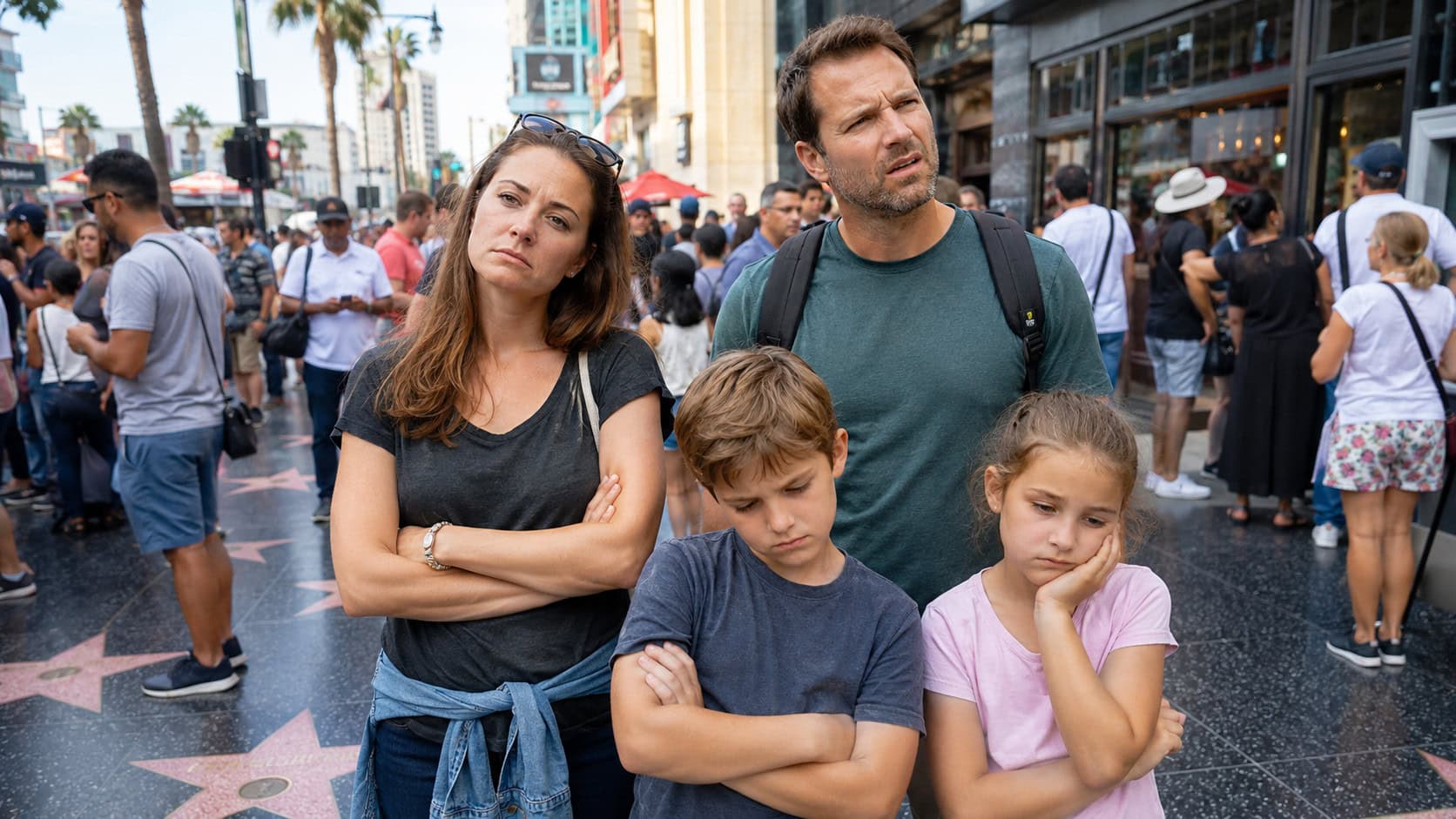
The Hollywood Walk of Fame now has more than 2,850 stars honoring figures from entertainment and related fields. The problem for some visitors is that the stars are spread along busy stretches of Hollywood Boulevard and Vine Street, so the experience is mostly walking the sidewalks and searching for familiar names. The City of Los Angeles has proposed a major renovation of the Walk of Fame that would restore the sidewalk and stars while adding more pedestrian space, landscaping, lighting and visitor amenities.
For a completely different Hollywood experience, head into the hills to Griffith Observatory. It has 60 exhibits, free public telescopes and sweeping views of Los Angeles and the Hollywood Sign. Even if you never look through a telescope, the setting gives you a much broader view of the city than the sidewalk below.
Plymouth Rock, Massachusetts
Go instead: Plimoth Patuxet Museums
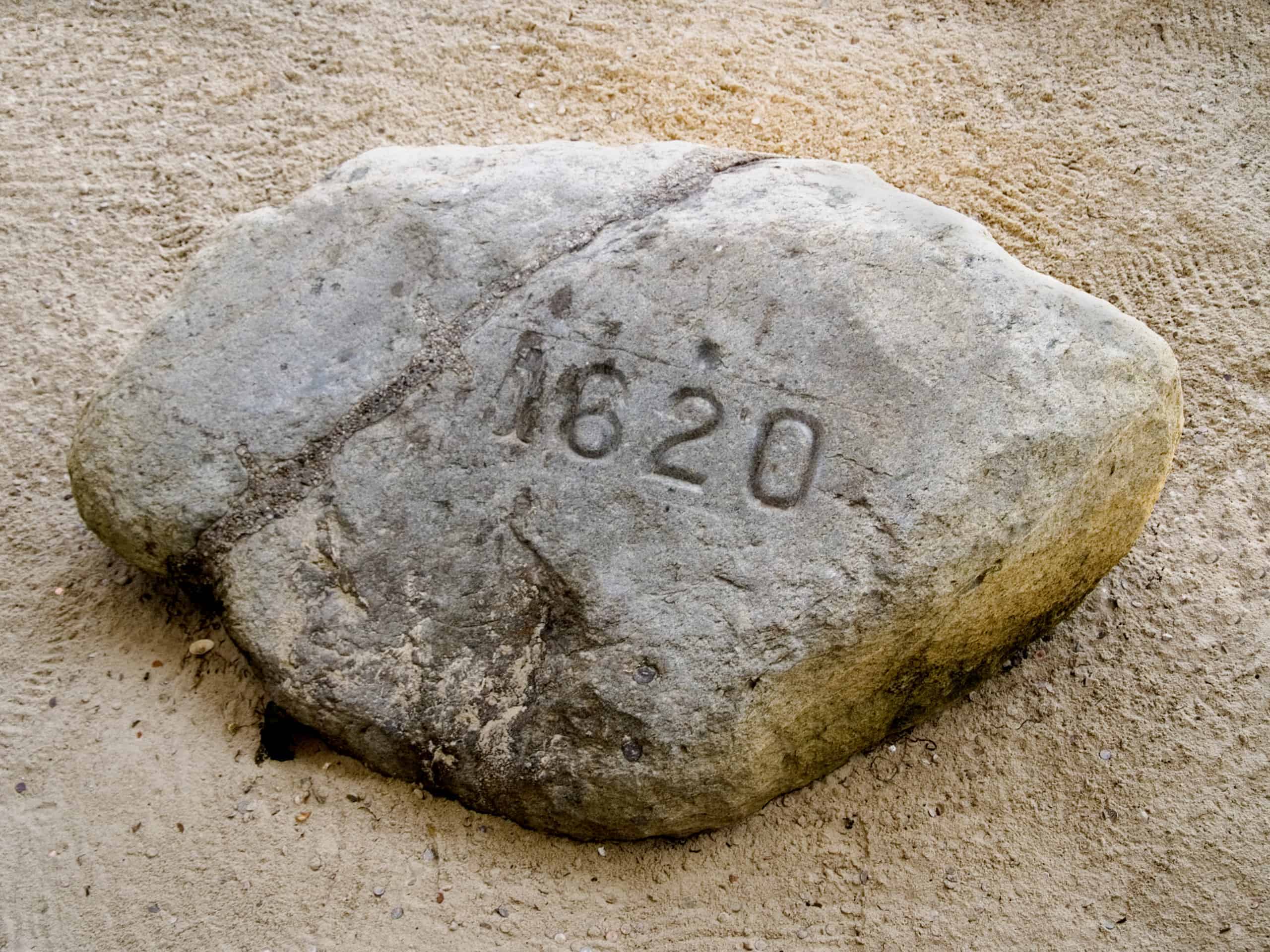
Plymouth Rock is one of those symbols whose fame is much larger than the surviving evidence. Neither William Bradford's account nor Mourt's Relation identifies a rock as the Pilgrims' landing place. The tradition was publicly associated with this boulder in 1741, when 95-year-old Plymouth church elder Thomas Faunce said his father had told him it was the spot. Pilgrim Hall Museum notes that the story cannot be definitively verified. The rock itself was later moved, split and chipped over generations before being placed beneath the columned portico visitors see today.
Nearby, Plimoth Patuxet Museums puts far more of the story into context. Its Historic Patuxet Homesite explores Wampanoag life and culture, while the 17th-Century English Village recreates the settlement established by the Mayflower colonists. Instead of one disputed landmark, you get a fuller look at the people and communities connected to Plymouth's history.
Mount Rushmore, South Dakota
Go instead: Badlands National Park
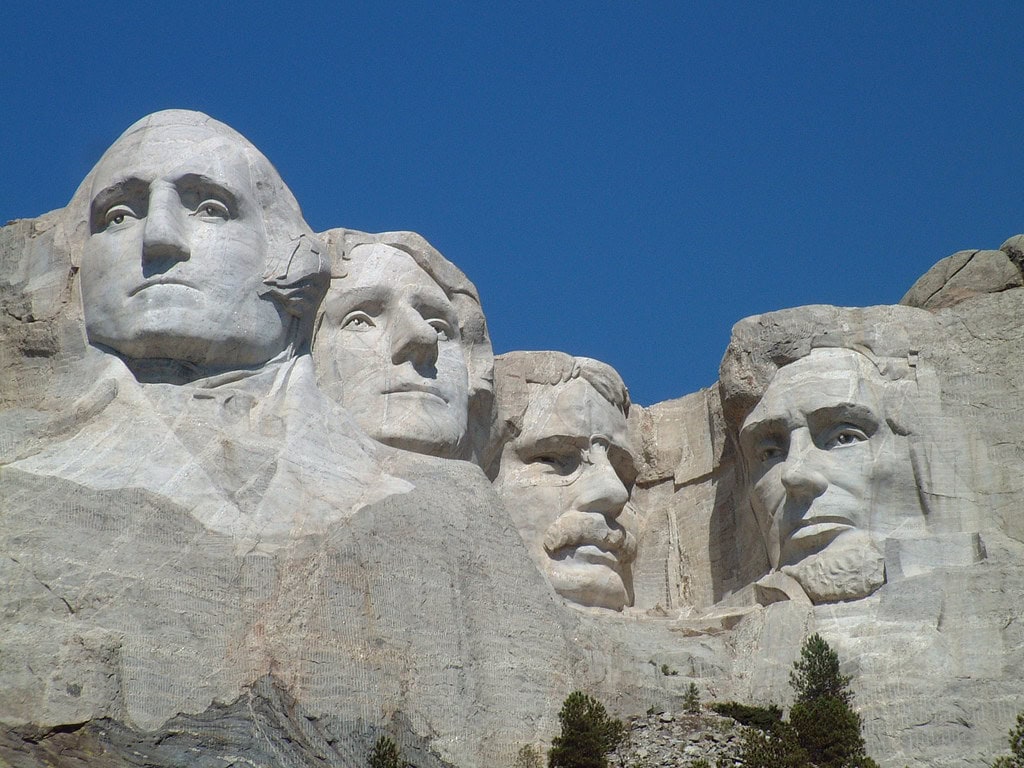
Mount Rushmore is an impressive feat of sculpture and engineering. Work on the four presidential faces began in 1927 and ended in 1941. There is more at the memorial than a viewing terrace, including trails, interpretive areas and visitor facilities, but the sculpture is still the main event. If you were expecting a full day of activities, the experience may feel smaller than the monument's fame suggests.
Badlands National Park offers a completely different reason to visit southwestern South Dakota. The park protects nearly 243,000 acres of sharply eroded formations and mixed-grass prairie, along with bison, bighorn sheep and some of the world's richest fossil beds. Established trails range from easy 0.26-mile boardwalks to the 10.2-mile Castle Trail, giving you far more room to turn the stop into an outdoor adventure.
The Alamo, San Antonio
Go instead: The San Antonio River Walk
The Alamo deserves its place in American history. The 13-day siege ended on March 6, 1836, with a Mexican victory, and "Remember the Alamo" became a rallying cry during the Texas Revolution. The site is also more extensive than the famous church facade suggests. Visitors can see the historic Church and Long Barrack as well as exhibits, artifacts, living-history programming and gardens. Even so, travelers expecting a sprawling fortress may be surprised by how compact the surviving historic structures feel in the middle of downtown.
A few blocks away, the San Antonio River Walk gives you much more ground to cover. The public River Walk extends 15 miles, including about five miles through downtown, with restaurants, museums, public art, shops and other attractions along its different sections. Walking the River Walk itself is free, although cruises, museums, dining and other activities can cost extra.
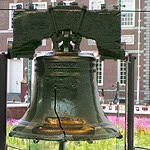
The Liberty Bell, Philadelphia
Go instead: Independence Hall
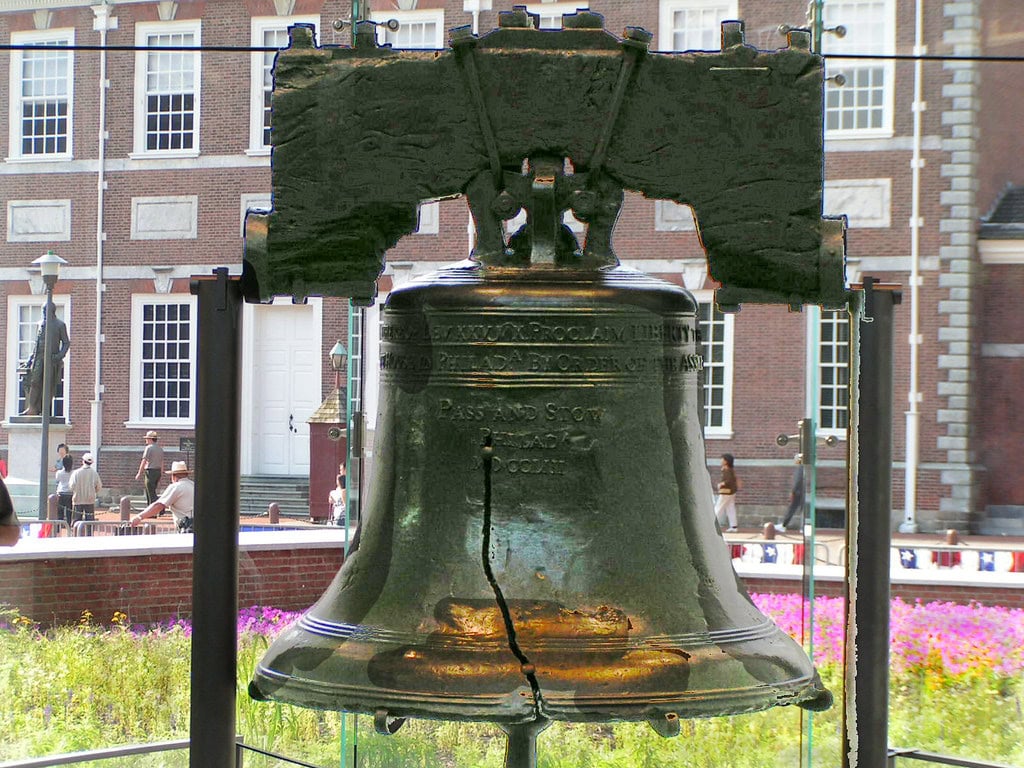
The Liberty Bell is one of the country's most recognizable symbols, but the visit itself is straightforward. The bell is displayed inside the Liberty Bell Center, where admission is free and no ticket is required. There are exhibits explaining how the bell became connected to abolition, women's suffrage and the civil rights movement, but if you arrive expecting a large attraction built around the bell, you may be finished sooner than expected.
Independence Hall, just across the street, puts visitors inside the rooms where the Declaration of Independence and the U.S. Constitution were debated and signed. Ranger-led tours enter the Assembly Room where both documents were signed. Tickets are required during much of the day and currently carry a $1 handling fee, while an early-morning open-house period does not require tickets.
The Empire State Building, New York City
Go instead: Top of the Rock
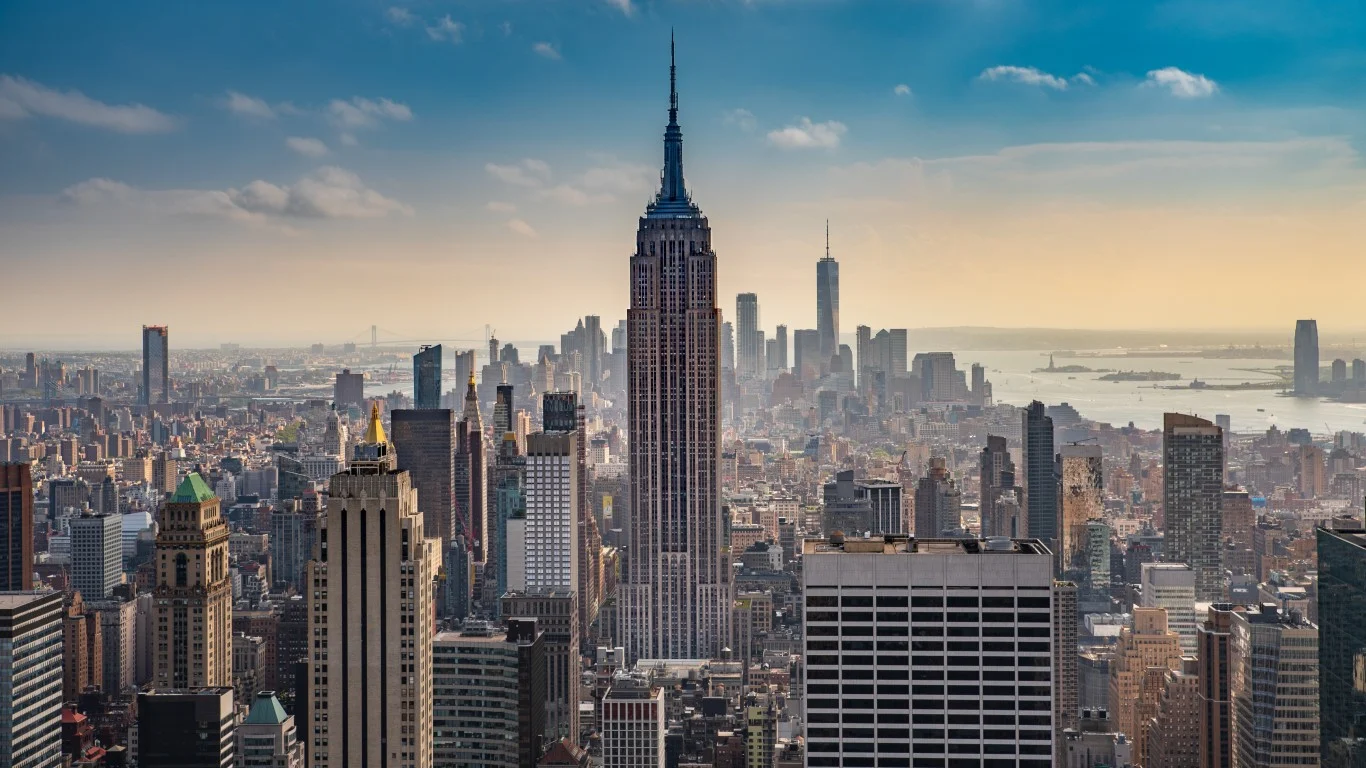
The Empire State Building's 86th-floor Main Deck remains one of New York's classic viewpoints, but it is not a cheap stop. Standard Main Deck tickets currently start at $44, and the attraction adds a $5 booking charge per transaction. Visits also require a timed reservation. The payoff is a spectacular skyline, although one very famous part of that skyline is obviously missing from the view: the Empire State Building itself.
Top of the Rock offers a different perspective from Rockefeller Center, including three floors of panoramic views and a clear look back toward the Empire State Building. Timed admission currently starts at $42. That is only a small difference in base price, so the better reason to choose it is the view and perspective rather than assuming it will always be cheaper or less crowded.
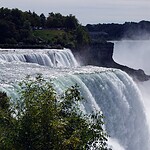
Niagara Falls, New York
Go instead: Watkins Glen State Park
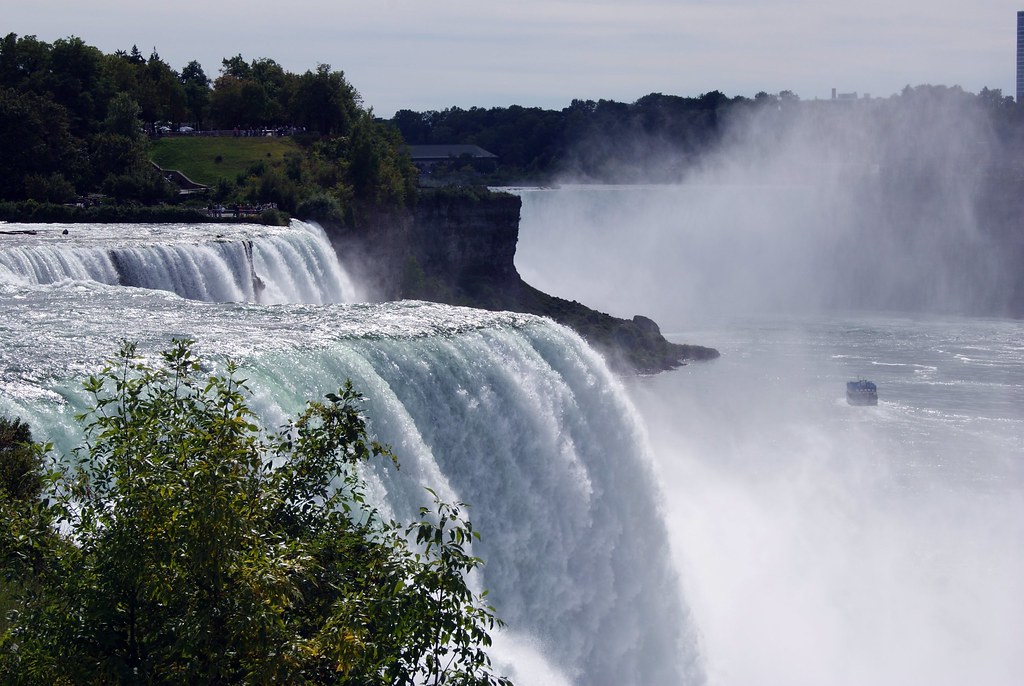
Niagara Falls itself is difficult to call overrated. Its power comes from the amount of water moving over the falls, not just their height. Niagara Parks says the American Falls receive only about 7% of the Niagara River's flow, with the rest going over the Horseshoe Falls. The part that can wear on some travelers is everything around such a famous destination: crowds, commercial development and competition for the same viewpoints.
For a smaller-scale waterfall experience, Watkins Glen State Park in New York's Finger Lakes offers a gorge filled with 19 waterfalls. The Gorge Trail passes all 19 in a one-mile stretch, while the stream drops about 400 feet within two miles of the glen. The 2026 vehicle entrance fee is $10. The Gorge Trail is seasonal, opening in spring and typically closing around mid-October, so check current conditions before making the trip.
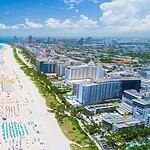
South Beach, Miami
Go instead: The Florida Keys
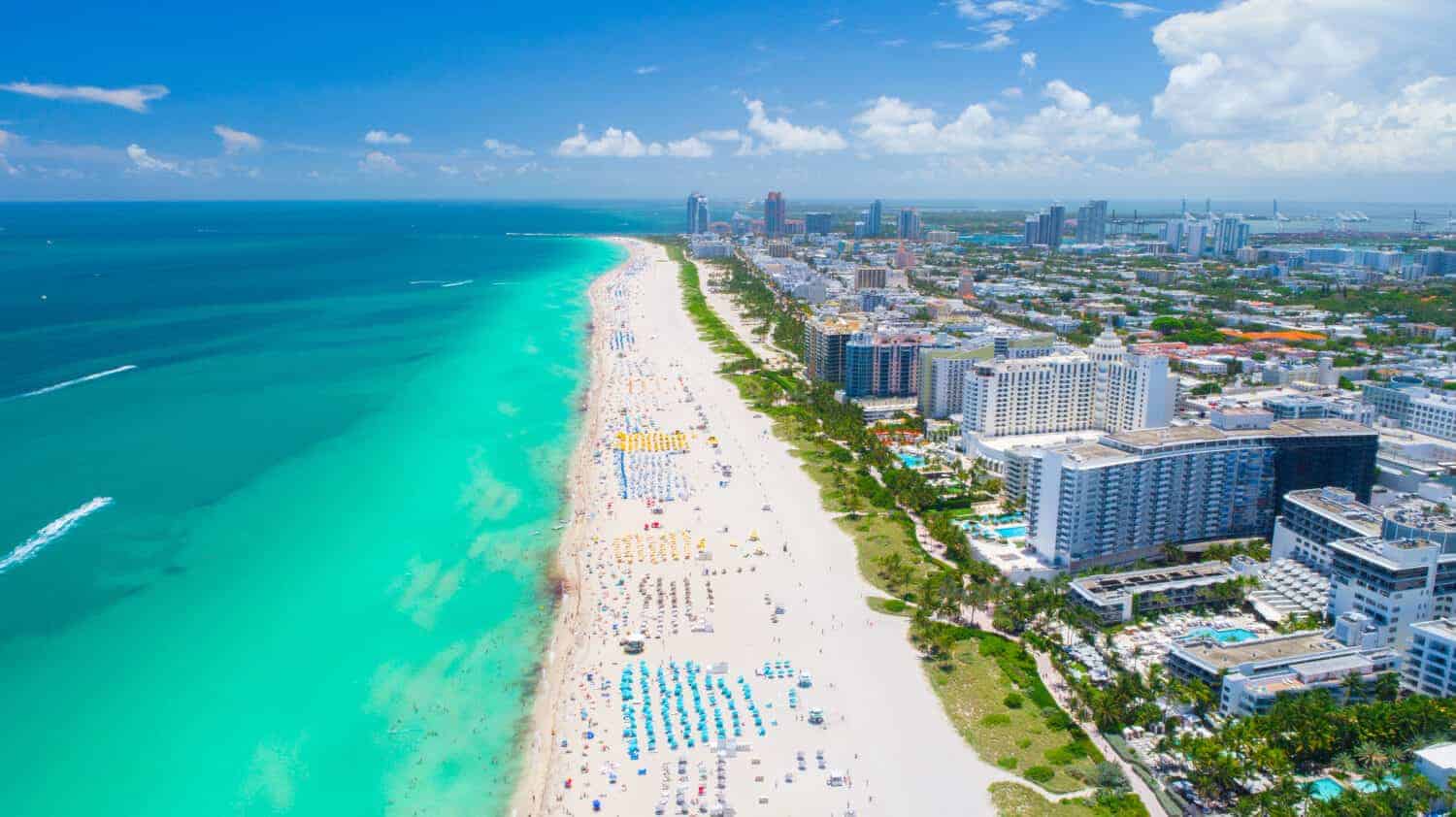
South Beach has plenty going for it: Art Deco architecture, sand, nightlife and one of the country's best-known beach scenes. That popularity also means traffic, crowds and prices that can make the experience feel more commercial than relaxing, especially during busy periods.
For a road-trip alternative, head toward the Florida Keys. Key Largo, the first major island in the chain, is about a 60-minute drive from Miami International Airport, while the rest of the Keys stretch much farther south. The Overseas Highway runs 113 miles from Key Largo to Key West and crosses 42 bridges. In Key Largo, John Pennekamp Coral Reef State Park is the country's first undersea park and covers about 70 nautical square miles, with snorkeling, scuba diving and glass-bottom boat trips offering access to its marine environment.
Four Corners Monument
Go instead: Monument Valley
Four Corners Monument really is the only place in the United States where four states meet at one point: Arizona, Colorado, New Mexico and Utah. And despite an old claim that the marker is in the wrong place, NOAA's National Geodetic Survey says the monument legally marks the exact four-state intersection. Modern measurements show a difference of up to about 1,800 feet from where the original surveyors intended a coordinate to fall, but that does not make the monument misplaced. The accepted survey monument defines the boundary.
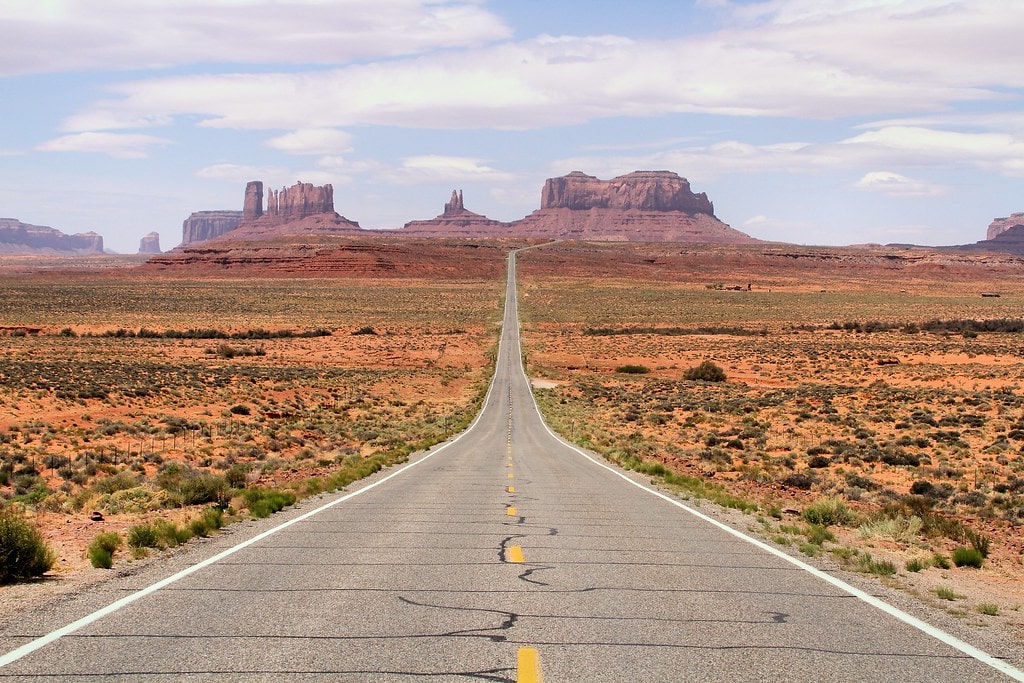
If standing in four states at once feels like too short an experience for the drive, Monument Valley Navajo Tribal Park offers a much bigger landscape to explore. The park sits along the Arizona-Utah border and is operated by Navajo Nation Parks and Recreation. Its 17-mile valley loop passes the famous sandstone formations, although park officials warn that the road can have very rough terrain and deep sand, especially during monsoon season.
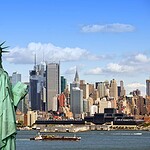
Statue of Liberty, New York City
Go instead: The Staten Island Ferry
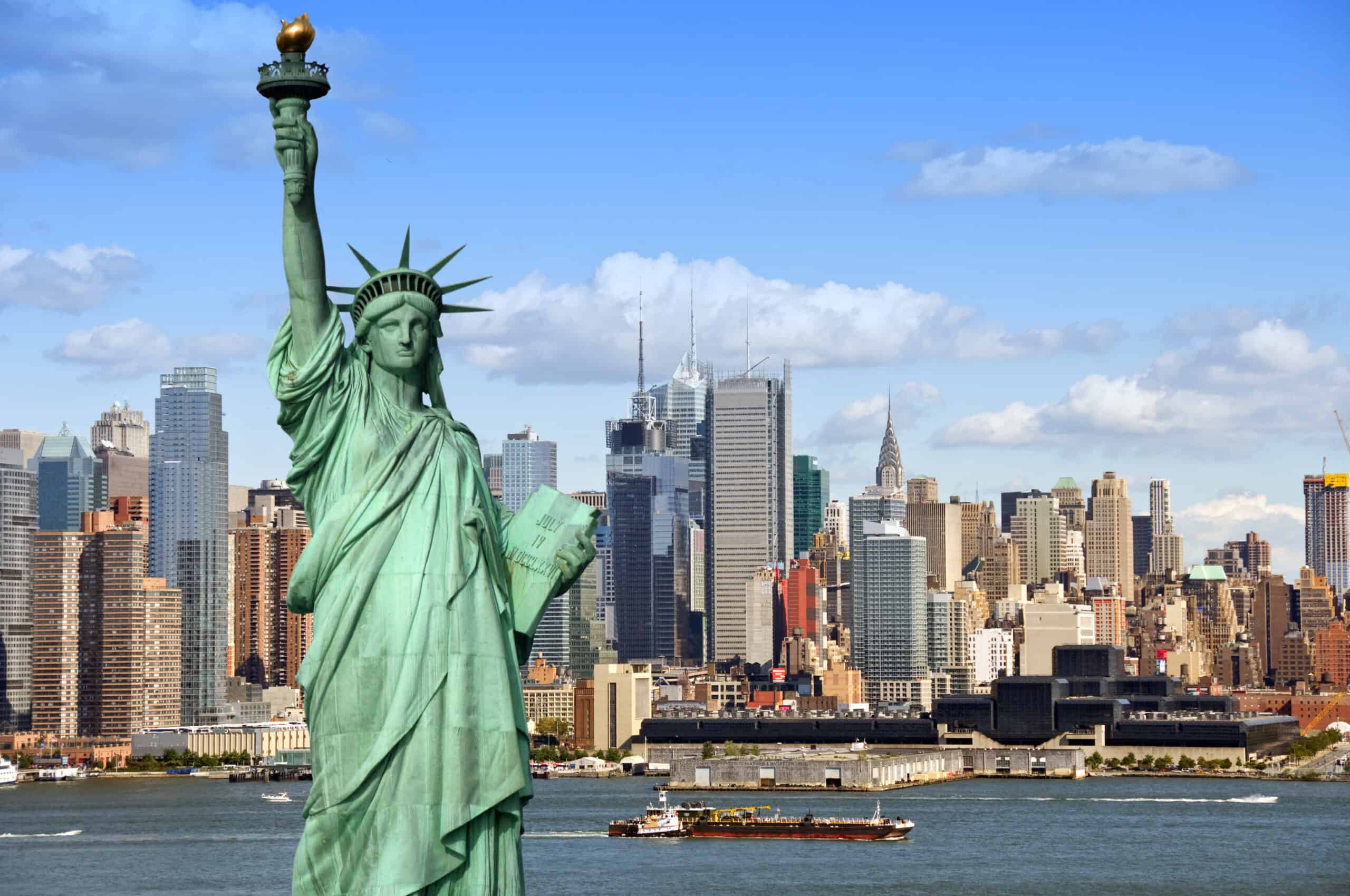
Visiting Liberty Island takes more planning than simply showing up at the waterfront. The National Park Service's authorized ferry ticket currently starts at $26 for adults ages 13 and older and includes access to Liberty Island, Ellis Island and their museums. Pedestal and crown access require separate limited reservations, and the National Park Service advises reserving crown tickets well in advance because they can sell out months ahead. During peak periods, security and ferry lines can also take an hour or more.
If what you really want is a harbor ride and a good look at the statue, the Staten Island Ferry is free. It runs between Whitehall Terminal in Lower Manhattan and St. George Terminal on Staten Island, with each crossing taking about 25 minutes. It does not stop at Liberty Island, so it is not a replacement for anyone who wants to enter the statue or museum, but it is an easy way to get out on New York Harbor without buying a ferry ticket.
The Las Vegas Strip, Nevada
Go instead: Red Rock Canyon National Conservation Area
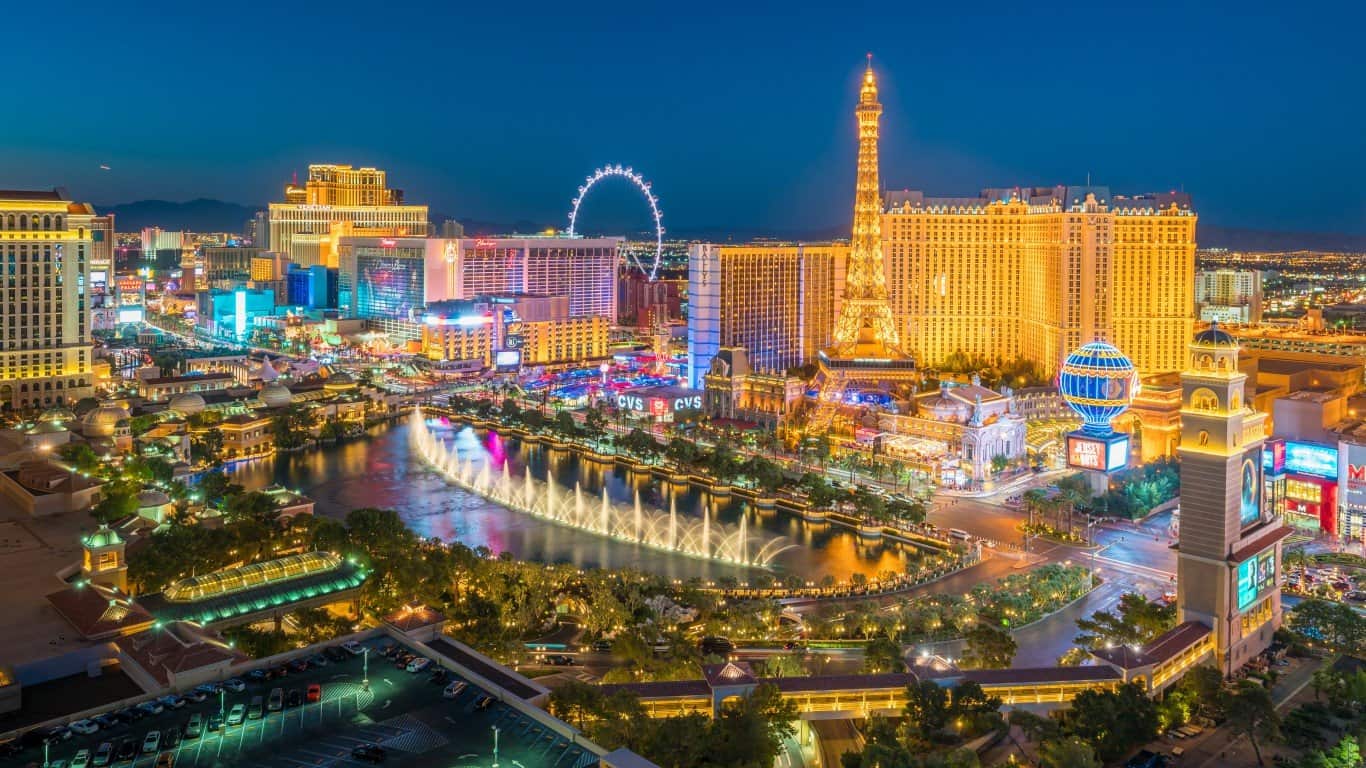
The Las Vegas Strip delivers exactly what it promises: resort hotels, casinos, restaurants, shows and a nearly nonstop stream of people and lights. That energy is the attraction, but it can also become exhausting if your idea of a vacation involves quiet, open space or anything resembling nature.
Red Rock Canyon National Conservation Area sits 17 miles west of the Strip and feels like another Nevada entirely. The Bureau of Land Management's 13-mile, one-way scenic drive winds through red and cream sandstone formations and provides access to trails ranging from quick walks to full-day hikes. From October 1 through May 31, timed-entry reservations are required for the Scenic Drive between 8 a.m. and 5 p.m., so plan ahead during the busiest part of the year.