Andrew Clemente
f11photo/Shutterstock.com
Sean Pavone / Shutterstock.com
GaudiLab / Shutterstock.com

Sean Pavone / iStock via Getty Images
Sean Pavone/Shutterstock.com
Mia2you/Shutterstock.com
f11photo / Shutterstock.com
Matt Anderson / iStock via Getty Images

Sean Pavone / iStock via Getty Images
Sean Pavone / iStock via Getty Images
SeanPavonePhoto / iStock via Getty Images
Kruck20 / iStock via Getty Images
Mike Holp/Shutterstock.com
f11photo / Shutterstock.com
Branson Missouri / BY-ND 2.0







15 U.S. Tourist Cities Travelers Say Don’t Live Up to the Hype
America may have some of the most iconic travel destinations on the planet, but not all of them are truly worth a visit. While bucket lists and decades of pop culture have built an image of certain cities, expectation and reality are behind each and every one of these overrated travel destinations.
The same complaints exist in all of these locations, regardless of the state: overcrowding and high prices, among very few authentic local experiences that might set these beloved cities apart. For many travelers, especially those visiting for the first time, these tourist destinations aren't quite what they had in mind, and here's why.
To put together this list of overrated tourism destinations, we drew on traveler review data, firsthand tourist accounts, visitor experience surveys, overtourism reporting, and tourism industry analysis on destinations that consistently leave visitors disappointed. These are the American cities that travelers say just aren't worth the trip.
Las Vegas, Nevada
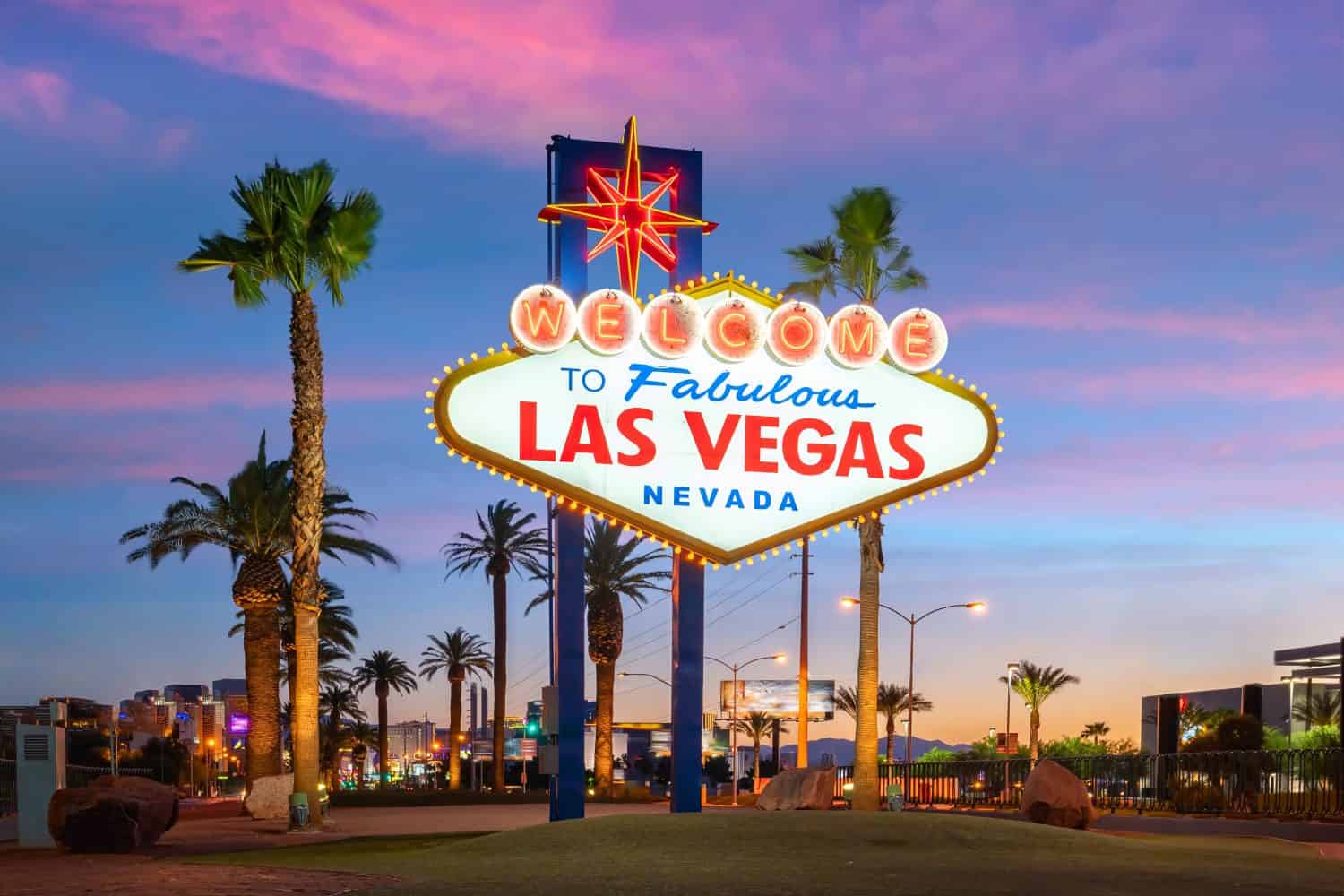
Sin City has long sold itself as a place where the fantasy never ends, but for a growing number of visitors, the fantasy never actually begins. Hidden resort fees at hotels routinely run $35 to $55 per night on top of supposedly discounted advertised room rates, and parking at major Strip casinos now costs extra at properties that once offered it free. The average Vegas add-ons can increase a mid-range hotel stay by 25% or more over its initial price, and the world-class dining and entertainment found here feels like it's only affordable to the true high-rollers.
Los Angeles, California
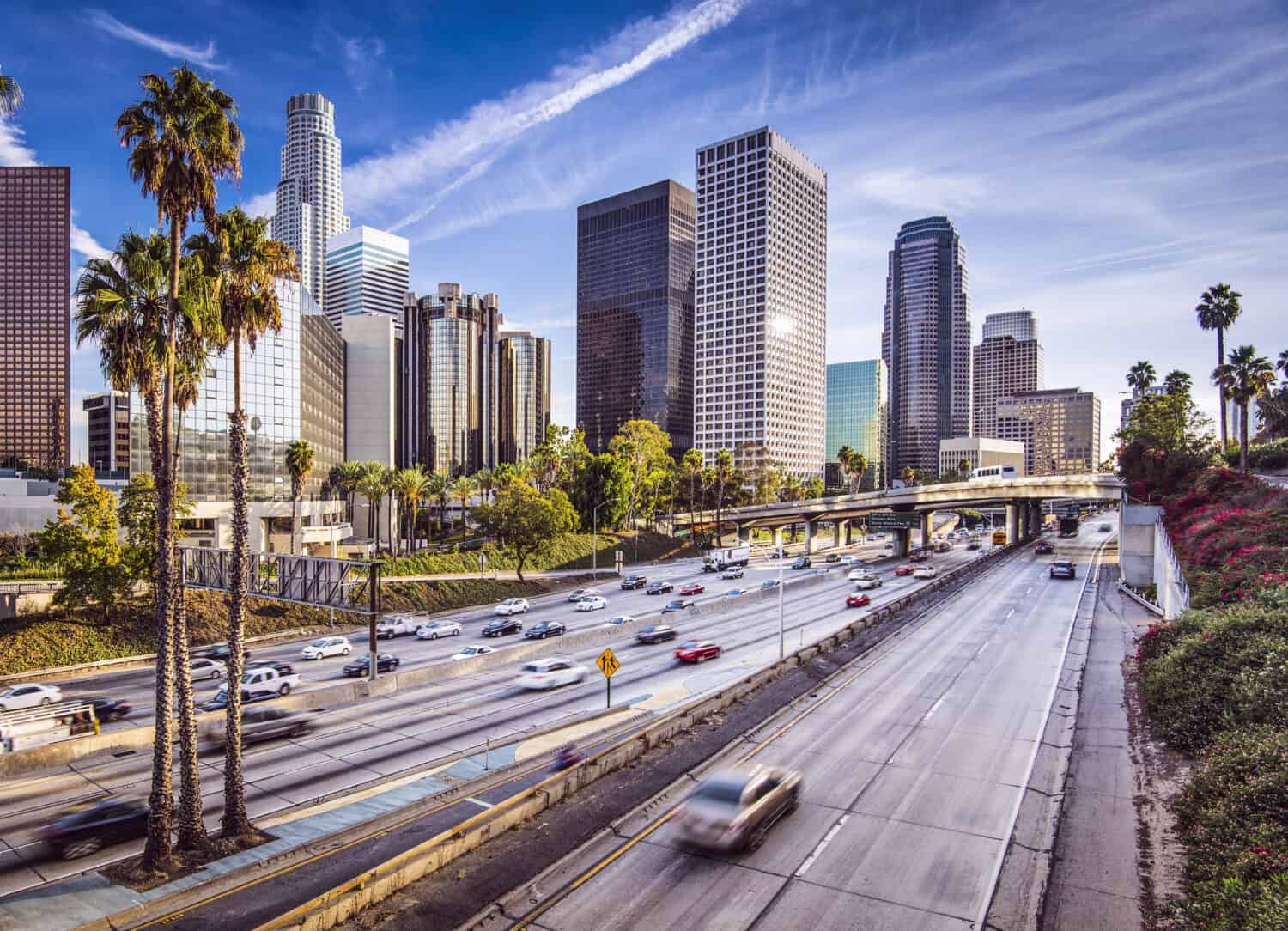
The promise of Hollywood fame and sun-soaked days has drawn both residents and tourists to Los Angeles for generations, but this bustling region isn't all it's cracked up to be. For example, the Hollywood Walk of Fame, one of the city's most-visited landmarks, was ranked the single worst tourist attraction in the world by a 2026 Stasher study, a study that weighted Google ratings and safety scores across global destinations. Traffic congestion also places L.A. among the five most gridlocked metro areas in the country, making even supposedly short journeys take no less than an hour.
New York City, New York
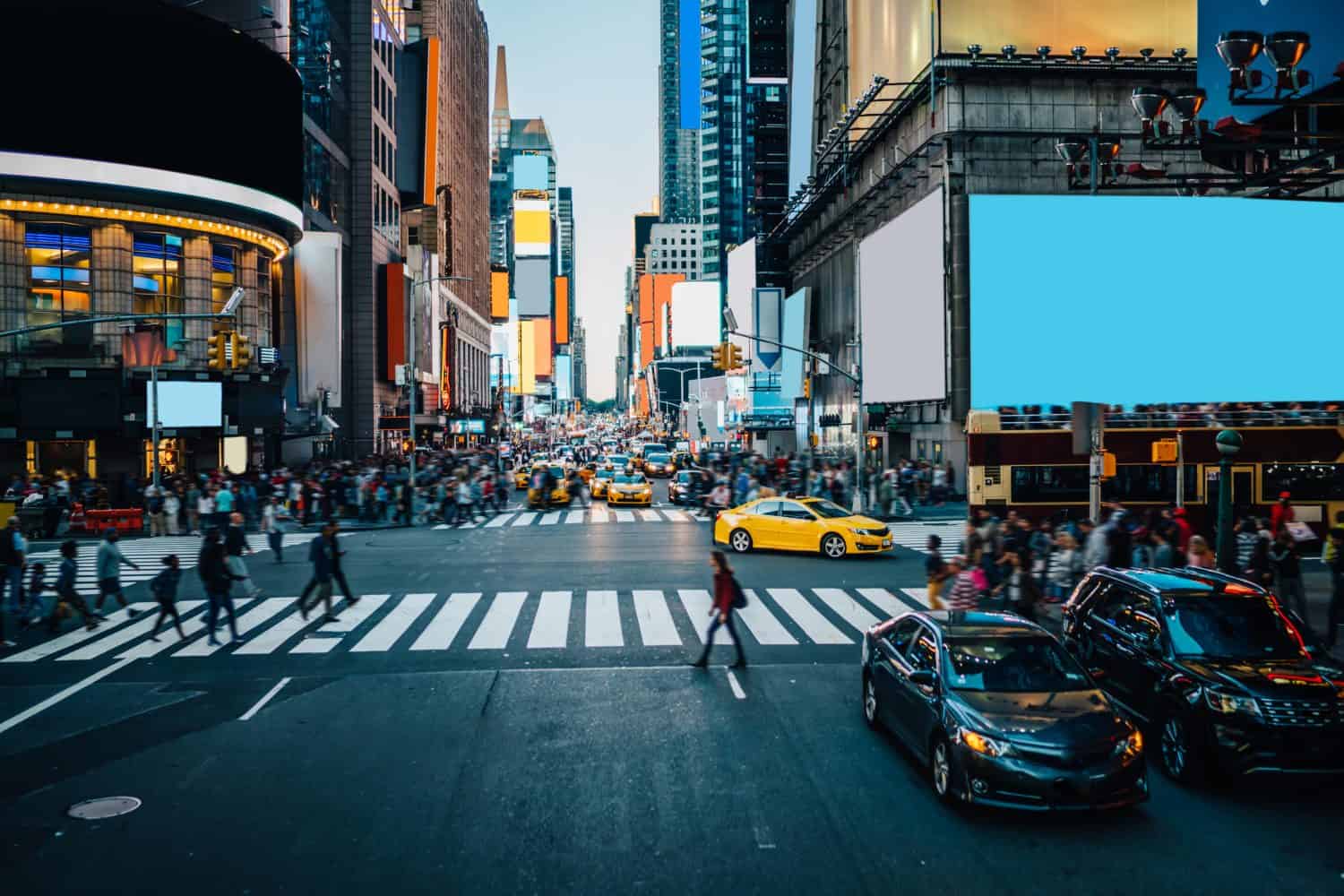
While NYC is a great place to visit, certain destinations within its borders are not. Few places on earth are more universally recognized than Times Square, but it isn't worth your time; it's recently been labeled as the world's most stressful tourist attraction. On peak days, this portion of Midtown sees upwards of 330,000 pedestrians, with chain restaurants charging Manhattan premiums for experiences you could find in any American suburb. The crowds and noise and spectacle can exhaust even enthusiastic visitors within an hour, which is why experienced Manhattan travelers redirect tourists toward other destinations, like the High Line, or Brooklyn. Again, NYC is well worth a trip; just don't bother with Times Square.
Orlando, Florida
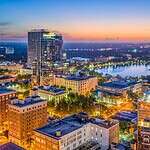
Without its theme parks, there isn't much to the entire city of Orlando, despite its popularity among tourists. There's reportedly very little authentic culture or local identity here, with Walt Disney World and Universal Studios remaining the only draws. However, their admission prices and in-park costs have escalated to the point that a family of four can easily spend $1,000 in a single day, and that's before their hotel stay. If you're looking for something to do outside a theme park to save money, you won't find much beyond hotels, chain restaurants, outlet malls, and highway interchanges; if you can't afford a multi-day theme park ticket, you may want to skip this city entirely.
Nashville, Tennessee
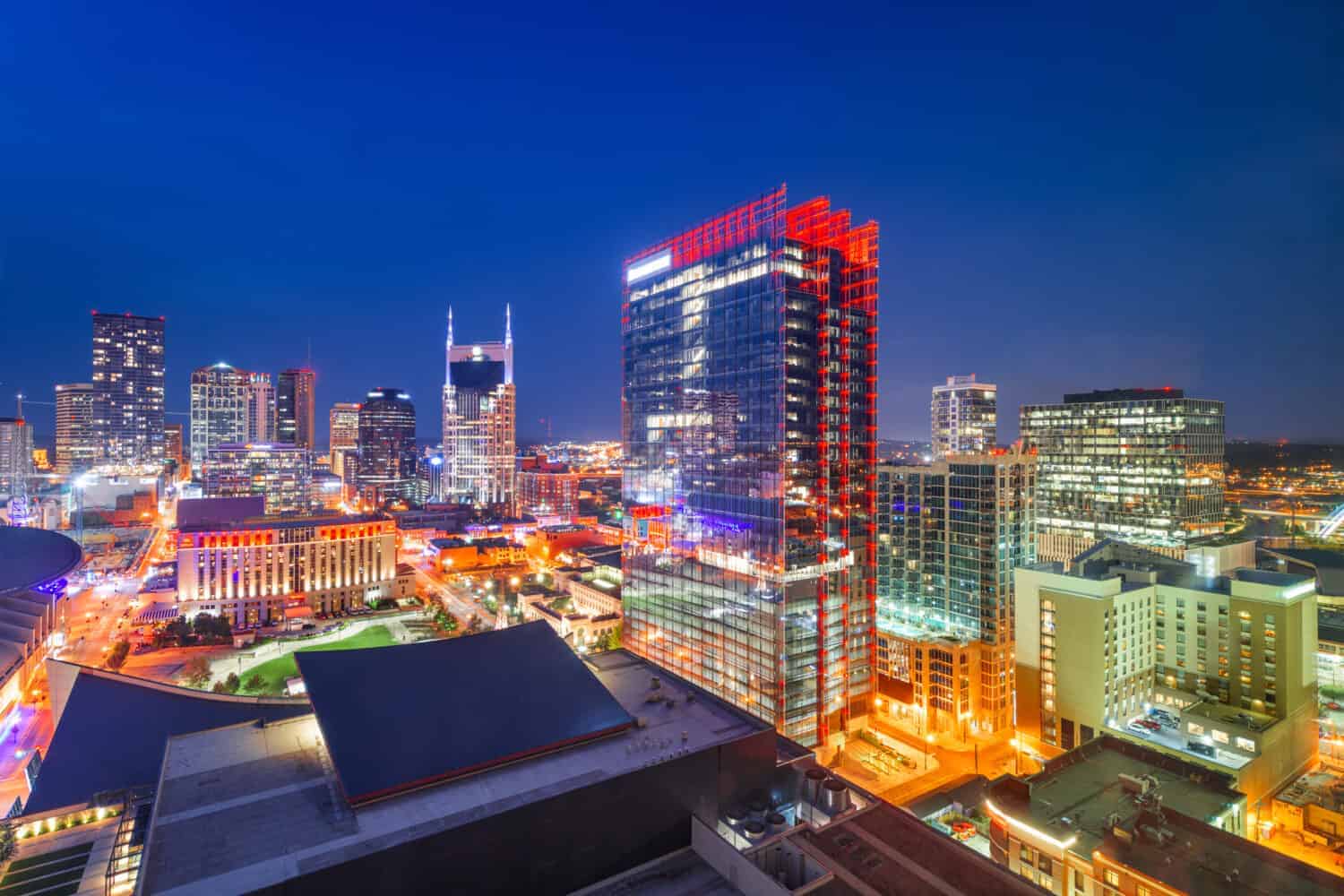
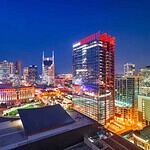
Broadway Street in Nashville's tourist core was once a fantastic gathering place for authentic country music; today, many locals describe it negatively. It's become a loud corridor of bachelorette parties and subpar cover bands, complete with overpriced drinks and return visitors noting that rapid commercialization has priced out any of the music venues that made Nashville worth visiting in the first place. The city also ranks poorly for walkability, with its tourism infrastructure concentrated in a narrow strip. It's a shame to see this music mecca fall prey to the same tourist trappings as so many other cities, but it can't be too much of a surprise.
Miami, Florida
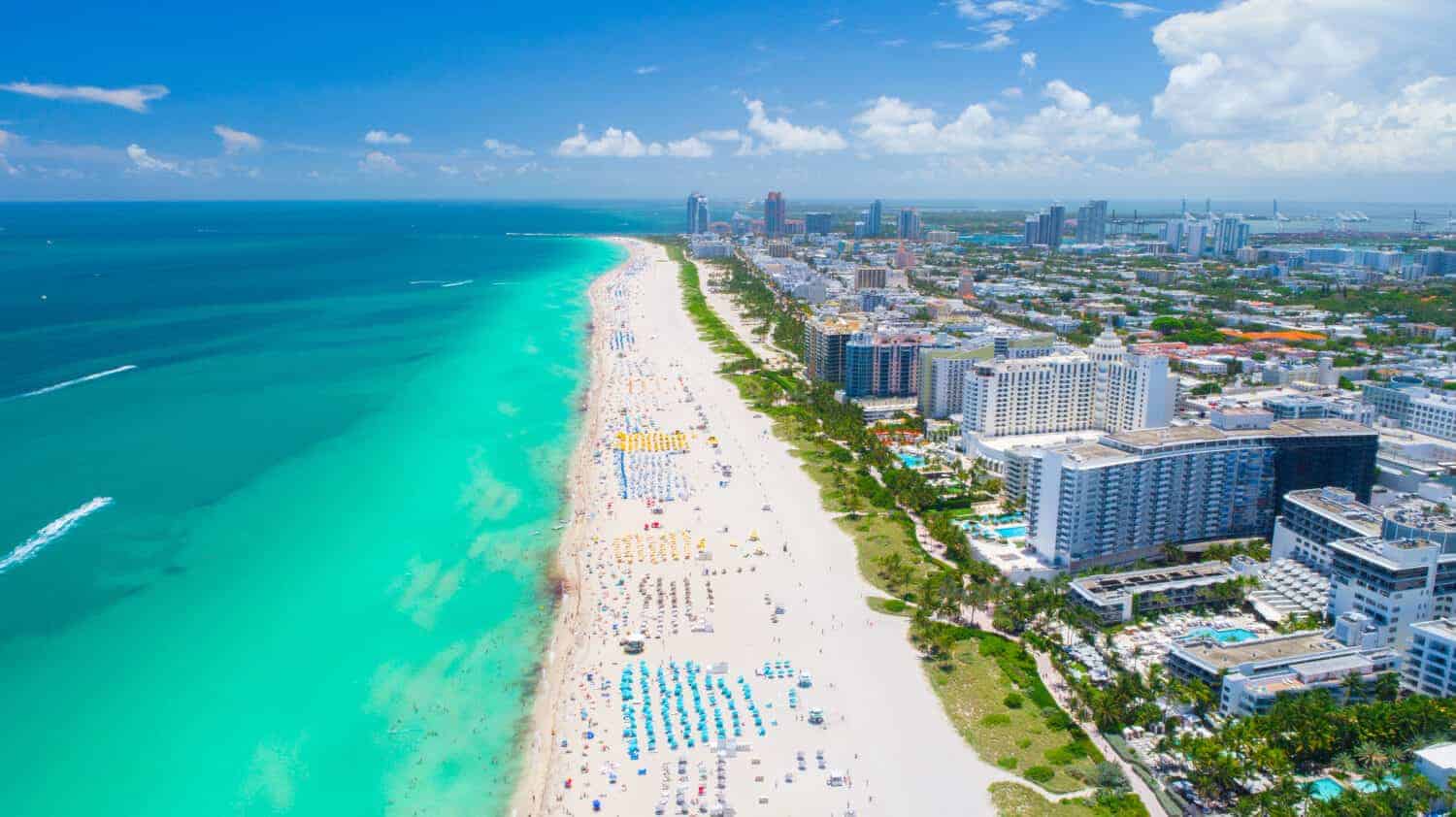
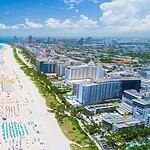
The idyllic image of South Beach has made Miami one of the most exciting destinations in the country, but travelers frequently report their disappointments in the experience. Traffic congestion ranks among the worst in the United States (which is surprising, given L.A.'s terrible rankings), and the humidity and heat can make any outdoor exploration genuinely uncomfortable, and for much of the year. Hotel and restaurant prices in popular neighborhoods have climbed steeply, with locals in visitor surveys often describing the city as cold and unwelcoming toward tourists, particularly those who are not part of the nightlife-and-luxury demographic the city's marketing targets. If all you're seeking is a warm, white-sanded beach, Florida has many other destinations for you to consider.
San Francisco, California
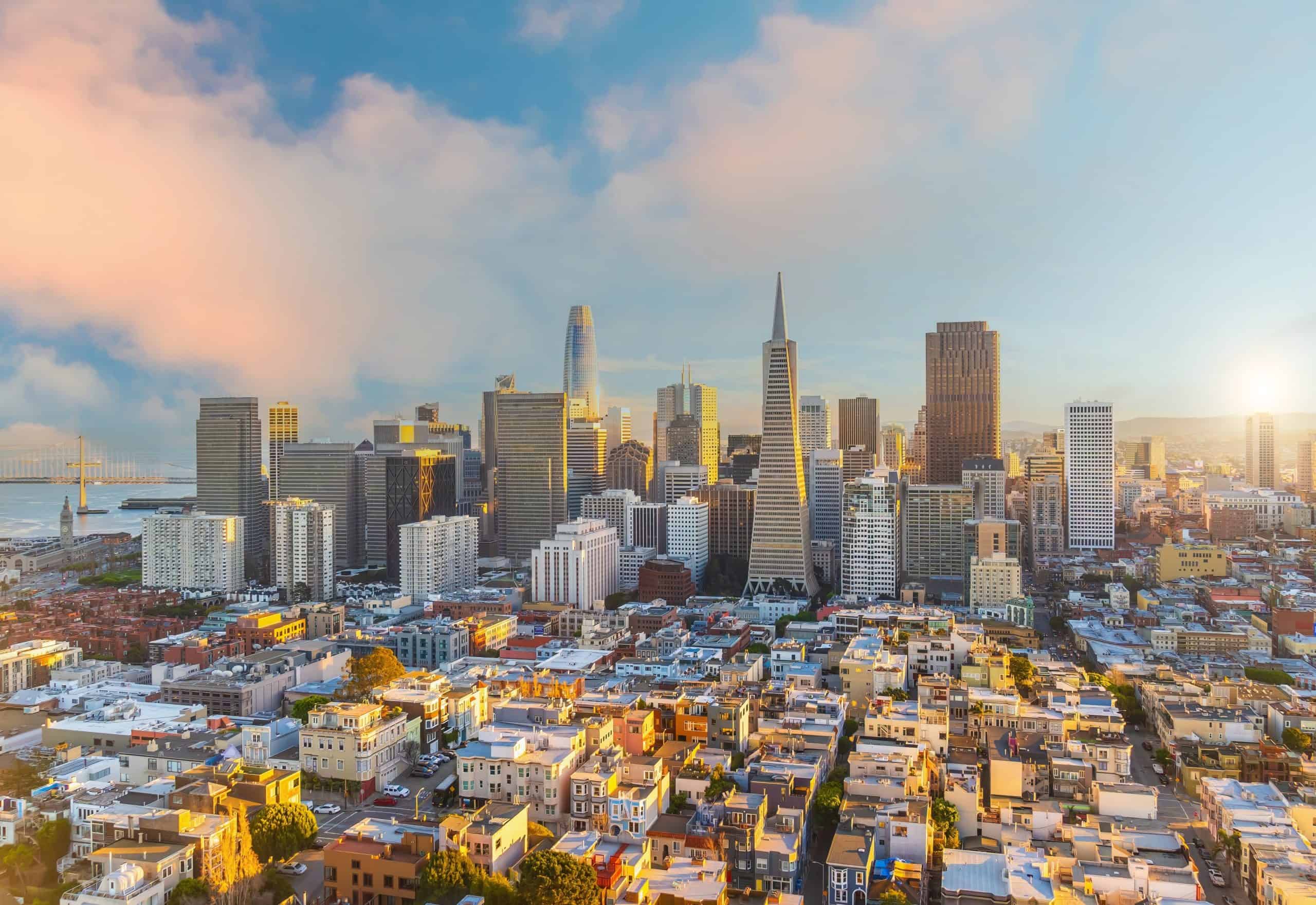
While San Francisco remains one of the most visually stunning cities in America because of its architecture, visiting here may not feel very impressive. Travelers consistently report visible homelessness and street disorder, especially concentrated in areas adjacent to popular tourist zones, which leaves many tourists feeling unsafe. Hotel rates are also among the highest in the country, and the cost of a sit-down meal at a mid-range restaurant has risen sharply in recent years. Fisherman's Wharf, the location most visitors beeline to on arrival, is consistently underwhelming, and San Francisco can prove difficult to enjoy unless you have a local who knows where to go.
Washington, D.C.
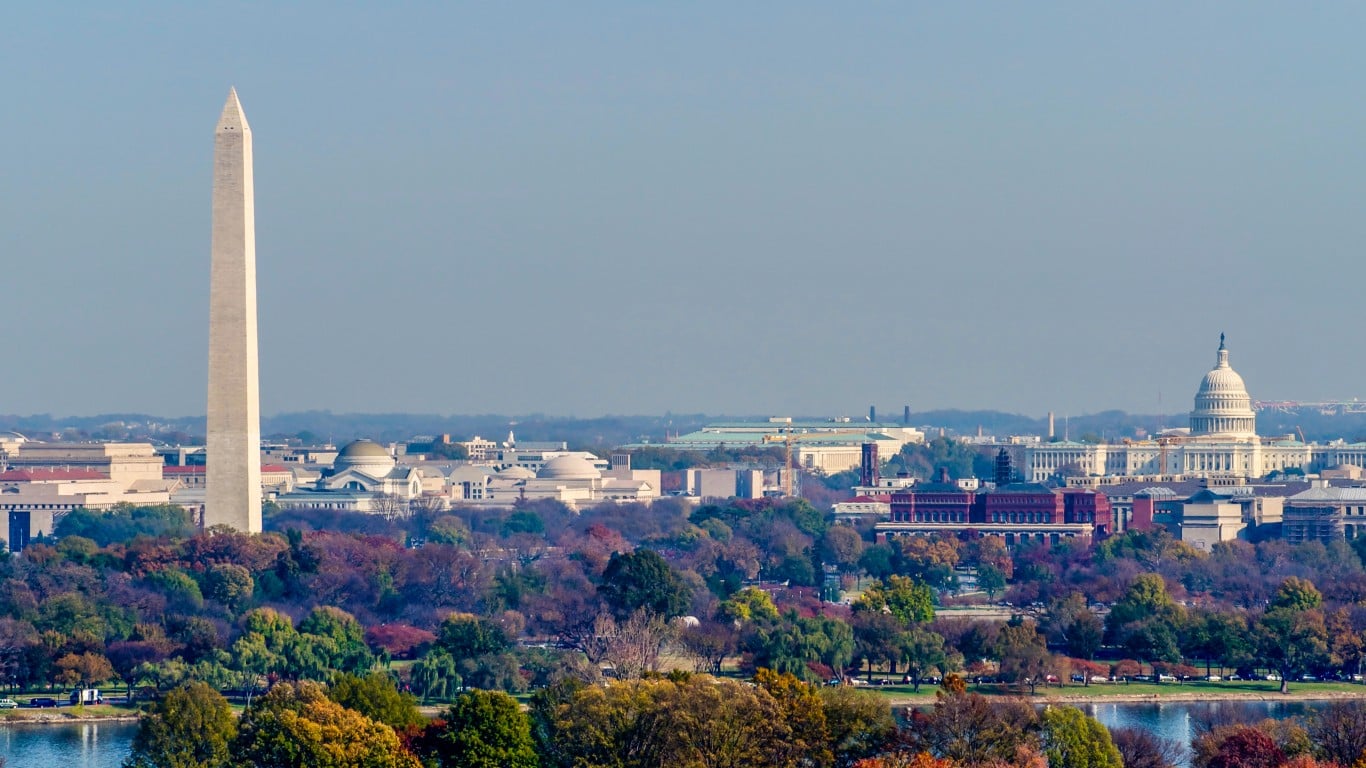
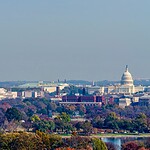
America's capital most definitely offers some of the finest free museums in the world, and the National Mall is always worth a visit, but the city's political identity can make it feel strangely sterile and unwelcoming to visitors. There are added security measures and restricted zones throughout the city, and the general atmosphere seems to create a kind of barrier between tourists and the city's actual, prime neighborhoods. When it comes to tourist attractions, getting to the top of the Washington Monument requires timed-entry tickets that must often be reserved far in advance, and the viewing experience itself frequently disappoints. Beyond the Mall, many travelers find the city's dining and nightlife options underwhelming compared to so many other metropolitan areas, so, unless you're an American history buff, you may consider another destination.
New Orleans, Louisiana
The city of New Orleans is full of things you can't get in just any American city: jazz, Creole cooking, historic mansions, and perhaps a few ghost stories. However, the reality of the French Quarter, which is where most tourists spend the majority of their time, has become a humid version of Las Vegas in many ways. Bourbon Street in particular receives consistently poor reviews from returning and new visitors alike, as the drinking and party scenes are becoming overwhelming. Summer heat and humidity are terrible, and safety concerns in certain areas are routinely flagged, both by police officials and observant tourists.
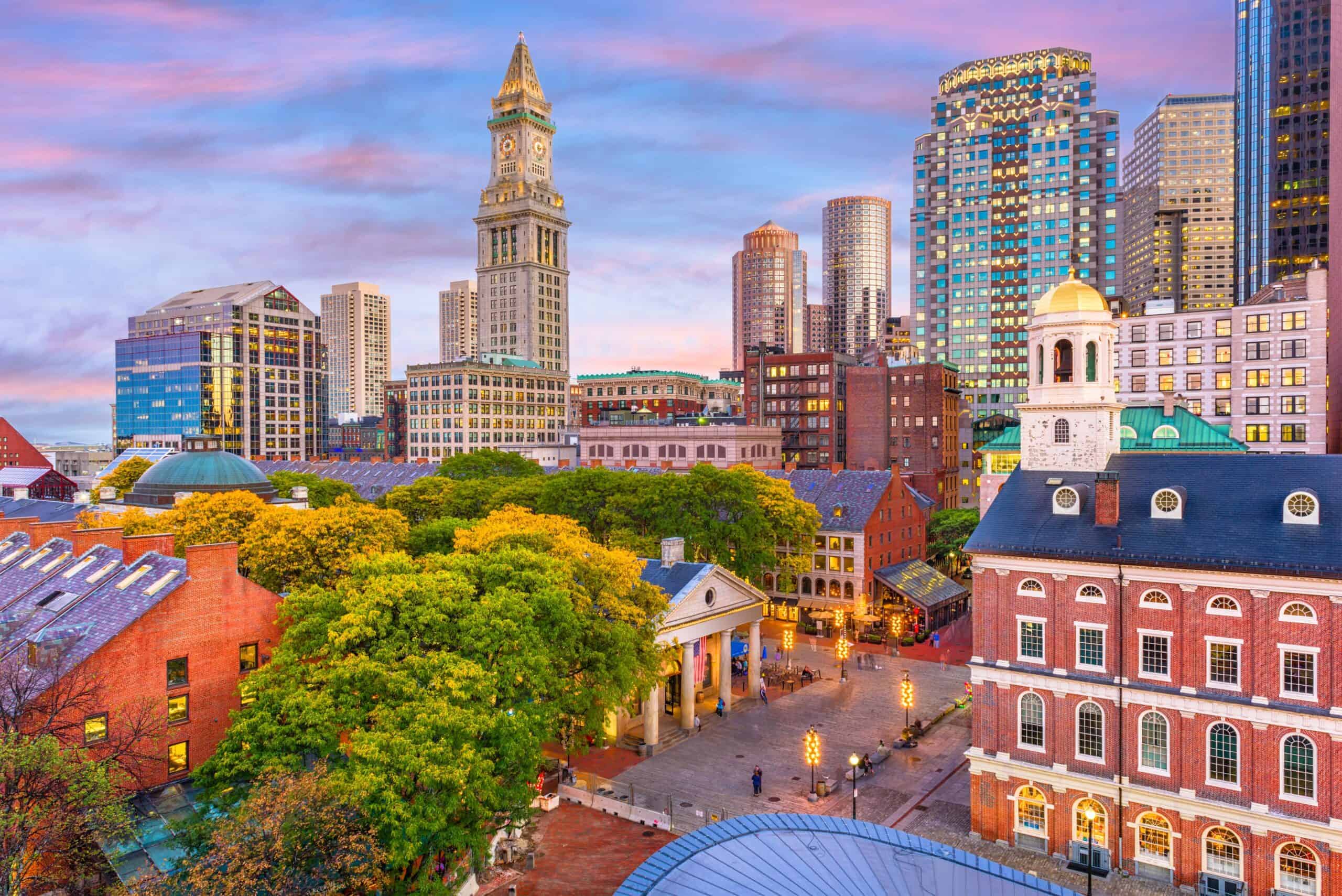
Boston, Massachusetts
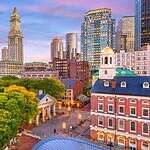
If D.C. isn't enough for the American history buff in your life, then Boston is your next best bet. However, the problem is that experiencing any of this city's history requires navigating one of the most notoriously confusing street layouts in America, as well as some of the worst urban traffic in the country. Plus, hotel prices and dining experiences place it among the least affordable destinations on the East Coast. The Freedom Trail itself, which connects 16 sites over a 2.5-mile route through downtown, runs directly through some of Boston's most tourist-heavy areas, sullying the city's historical atmosphere. Return visitors also note that the city's infamous local impatience is real, which may leave tourists feeling even more out of place and unwelcome.
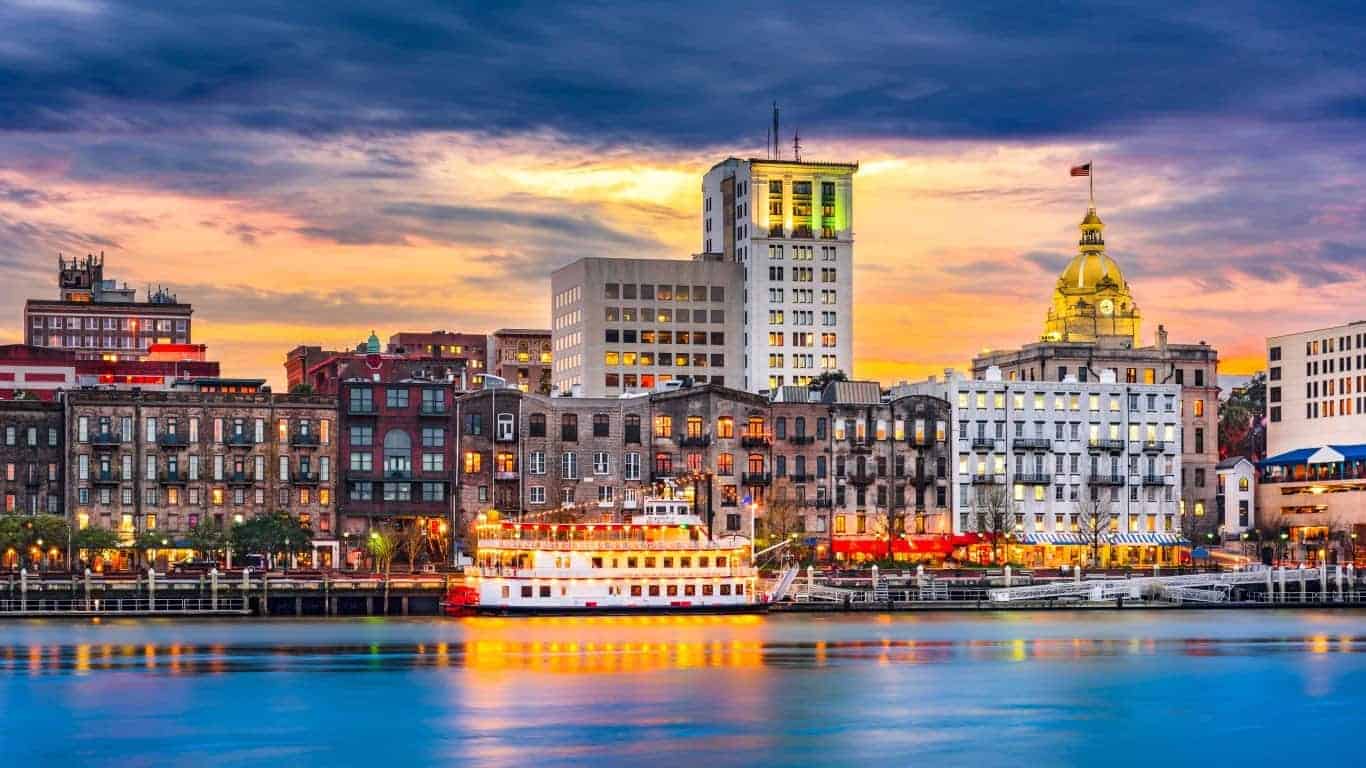
Savannah, Georgia
With lovely architecture and food, writers and tourists alike have spent years elevating Savannah's status among American travel destinations. What many visitors discover upon arrival, however, is a downtown experience that lets them down, especially once the most-photographed blocks have been walked. There are a handful of historically significant squares worth checking out, but they're surrounded by ghost tour companies and souvenir shops. The city is also extraordinarily car-dependent outside of this small and walkable historic core, and summer weather makes any extended outdoor time not worth it, all the way from June through September. Travelers who book extended stays in Savannah expect plenty of things to do, but that's rarely the case.
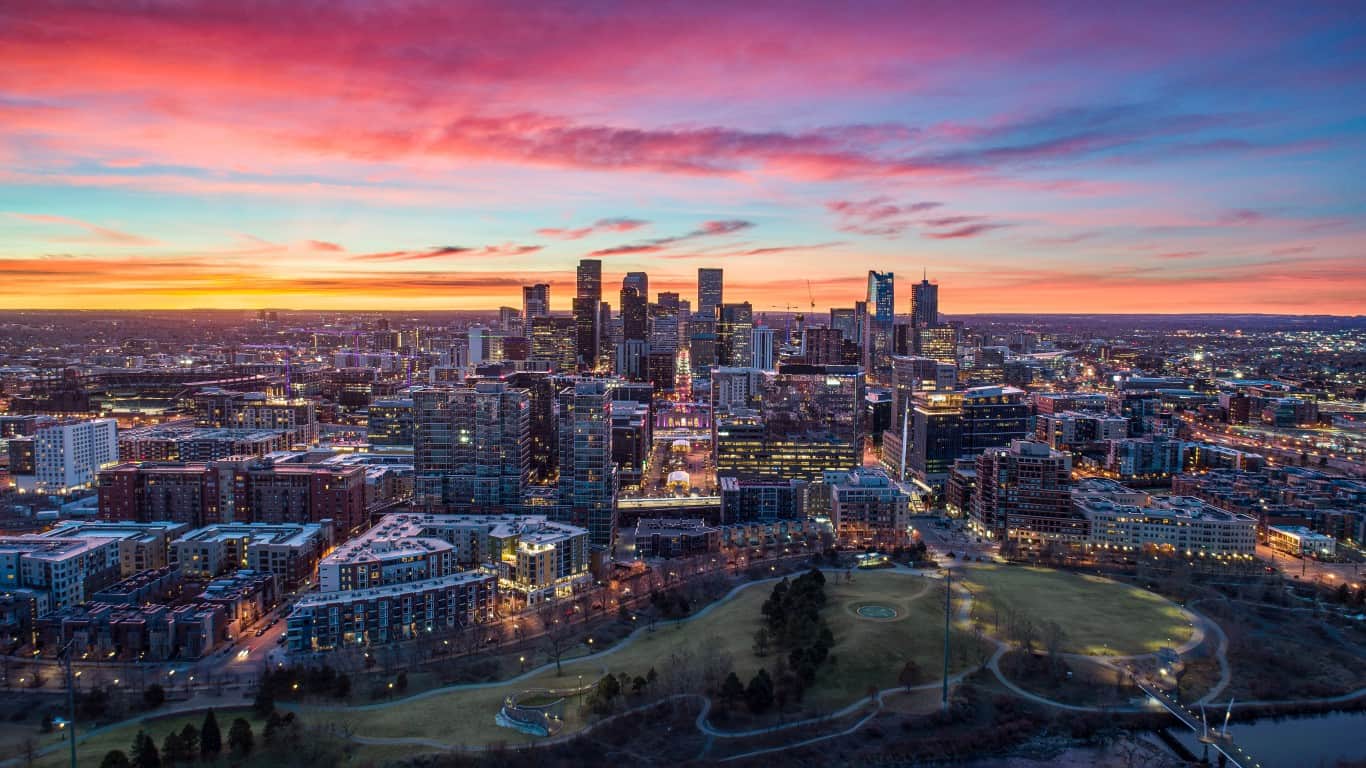
Denver, Colorado
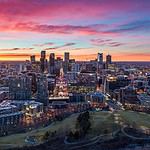
Denver markets itself as the gateway to the Rockies, but these iconic mountains are significantly further away than the city's branding implies. In practice, reaching most of Colorado's signature mountain destinations from downtown Denver requires 90 minutes to two hours of driving, unless you're simply content just looking at them from afar. Plus, given its ongoing popularity, Denver is overpriced, from its food to its lodgings, and altitude sickness, which can affect visitors who arrive from sea level, is a more significant issue than many travelers anticipate. Like Savannah, the city's walkable core is fairly compact, with nothing much to do unless you're willing to drive into the mountains for a day of hiking in the Colorado sun.
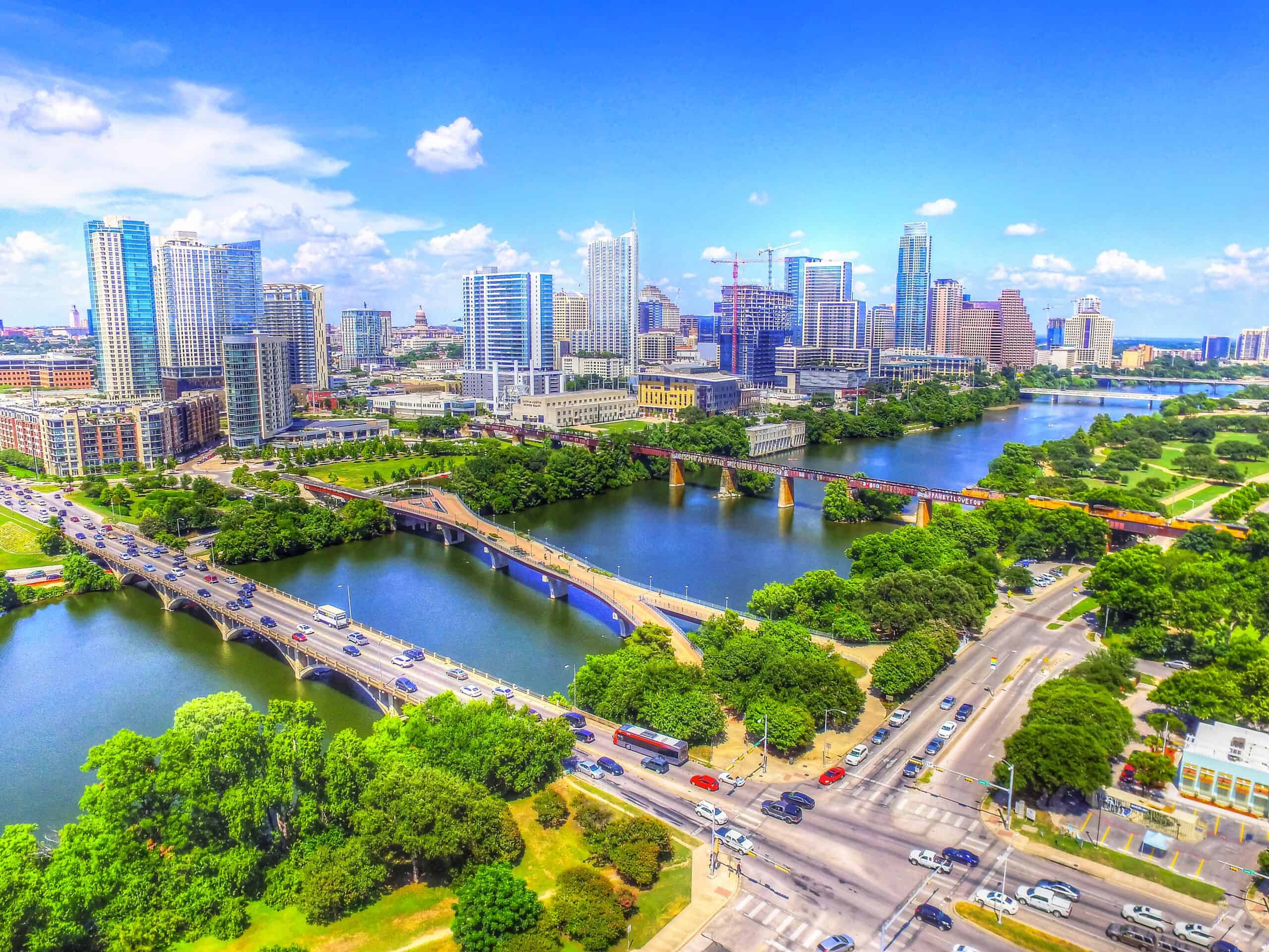
Austin, Texas
There's no denying Austin's popularity, but its rapid growth and tech-industry migration have changed much of what made the city wonderful in the first place. Longtime residents often state that the independent music venues, affordable restaurants, livable apartments, and neighborhood character that defined Austin have been displaced, with a crowd that prioritizes Instagram moments over authentic experiences partially to blame. The city is also intensely event-driven, which means that unsuspecting visitors who aren't arriving for SXSW, Austin City Limits, seasonal food fests, or any other major event may find far too many crowds that aren't worth battling, even for a brief slice of what once made Austin special.
Philadelphia, Pennsylvania
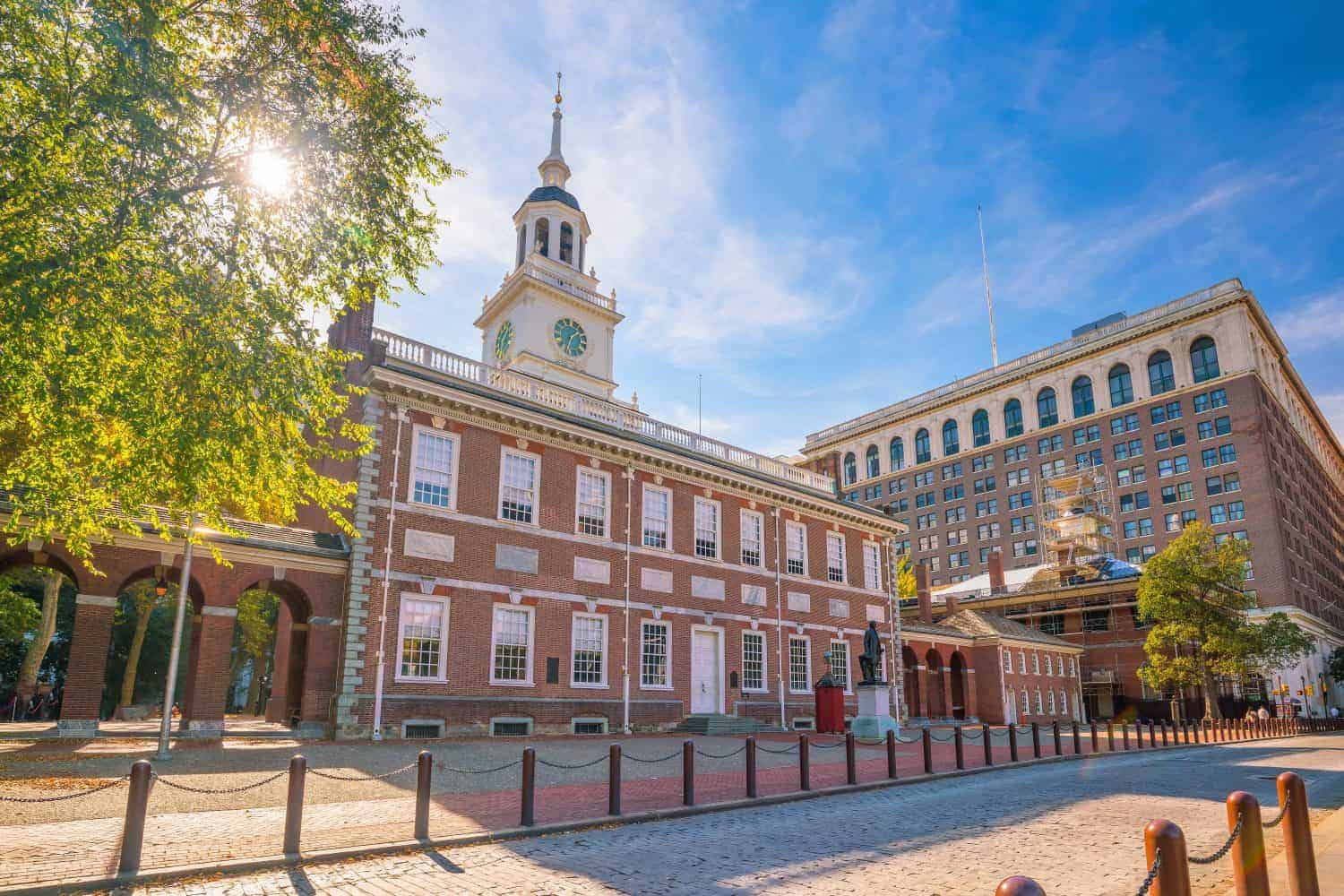
It's unfortunate that nearly every major U.S. history destination is on this list, but Philly isn't exempt. With the Liberty Bell and Independence Hall, the birthplace of the Declaration of Independence, drawing millions of visitors annually, the crowds are inevitable. Plus, what many find instead of solely crowds is a downtown area that struggles with cleanliness. There's also a difficult-to-find food scene if you don't know where to go, and Philly's compact historic district can be fully explored in a single afternoon. The Liberty Bell itself is described by many visitors as anticlimactic after the buildup and long lines. Ultimately, Philly is best visited if you don't live too far away already and only plan on spending a single night.
Branson, Missouri
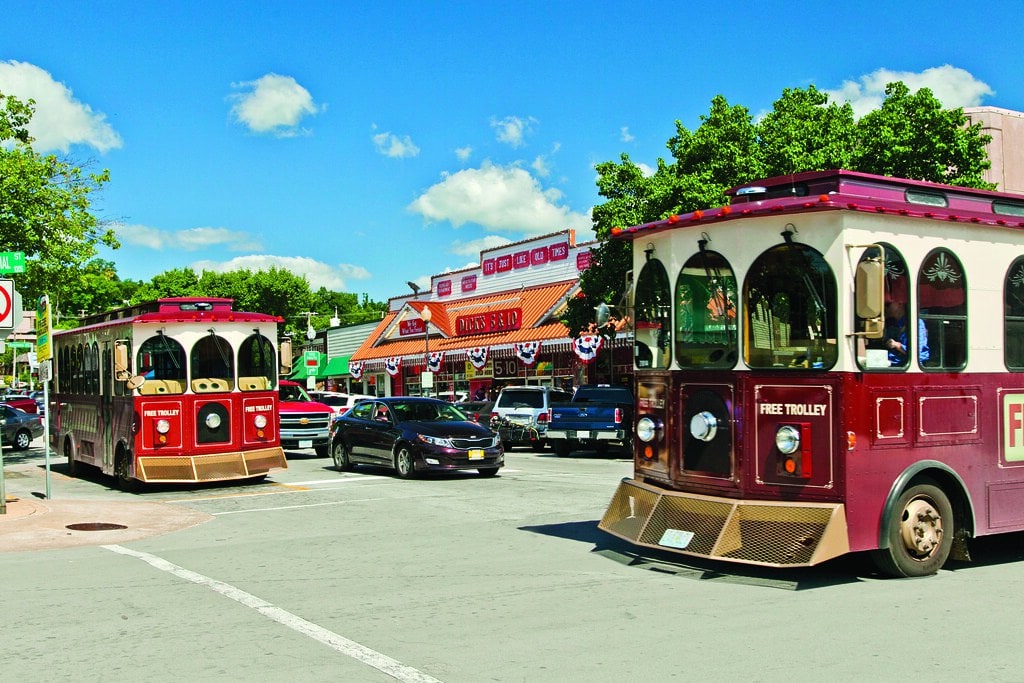
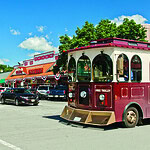
If you haven't heard of it, Branson has branded itself as a wholesome, affordable alternative to Las Vegas. It's a city full of family-friendly shows and country music theaters, with lakefront scenery a part of nearly every desirable resort. For a specific demographic, it's worth a visit; for younger travelers and those uninterested in the types of entertainment offered here, Branson can be an incredibly one-note tourist destination. Traveler reviews and forums frequently mention that local shows typically involve nostalgia acts and Christian-themed programming, and the city's layout (a long commercial strip with little pedestrian infrastructure) also makes casual exploration difficult. It's an oddball of a city, so definitely do your research before booking a visit.