Long before modern gyms, fitness apps, and workout influencers, women found creative ways to stay active and healthy. Old photographs give us a glimpse into past fitness routines, showing a range of activities from group calisthenics and home exercise equipment to outdoor daily workouts. These images capture a time when staying in shape was often woven into everyday life rather than scheduled into a gym session.
What makes these photos so interesting is how familiar and strange the routines look at the same time. While the clothing, tools, and social norms feel extremely dated, the goals of strength, health, flexibility, and overall well-being remain the same. This article looks at vintage photos that show how women stayed in shape years ago, reminding us of the ongoing commitment to fitness and how health trends continually evolve.
Cycling
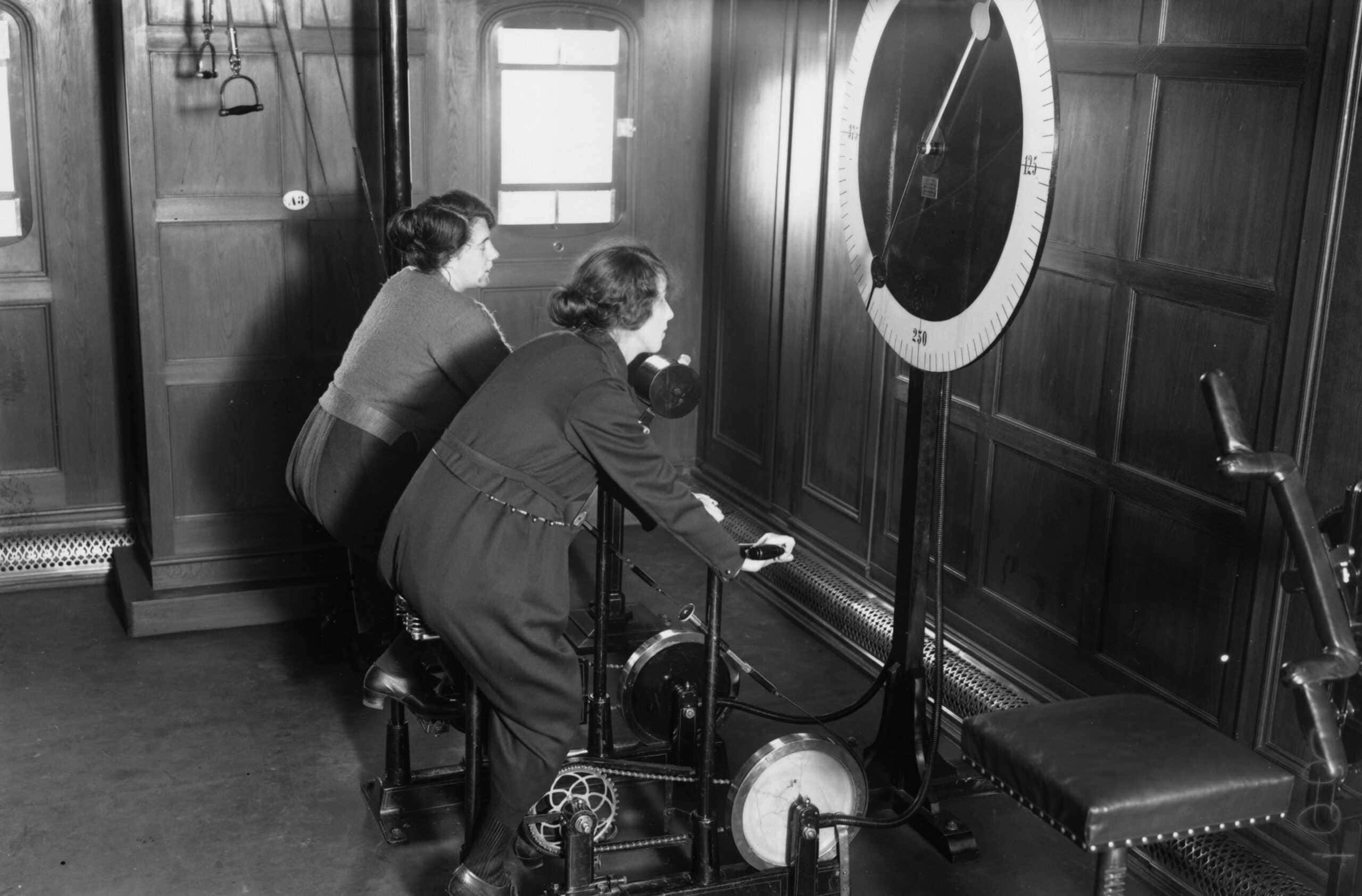
Long before there was SpinCycle or Peloton, there were cycling machines like those pictured here, circa 1922, in the gymnasium on the Homeric, a ship owned by White Star (the same company that operated Titanic). Cycling machines were commonly found in the fitness spaces on world-class ocean liners and were considered an activity primarily for the elite.
Rowing
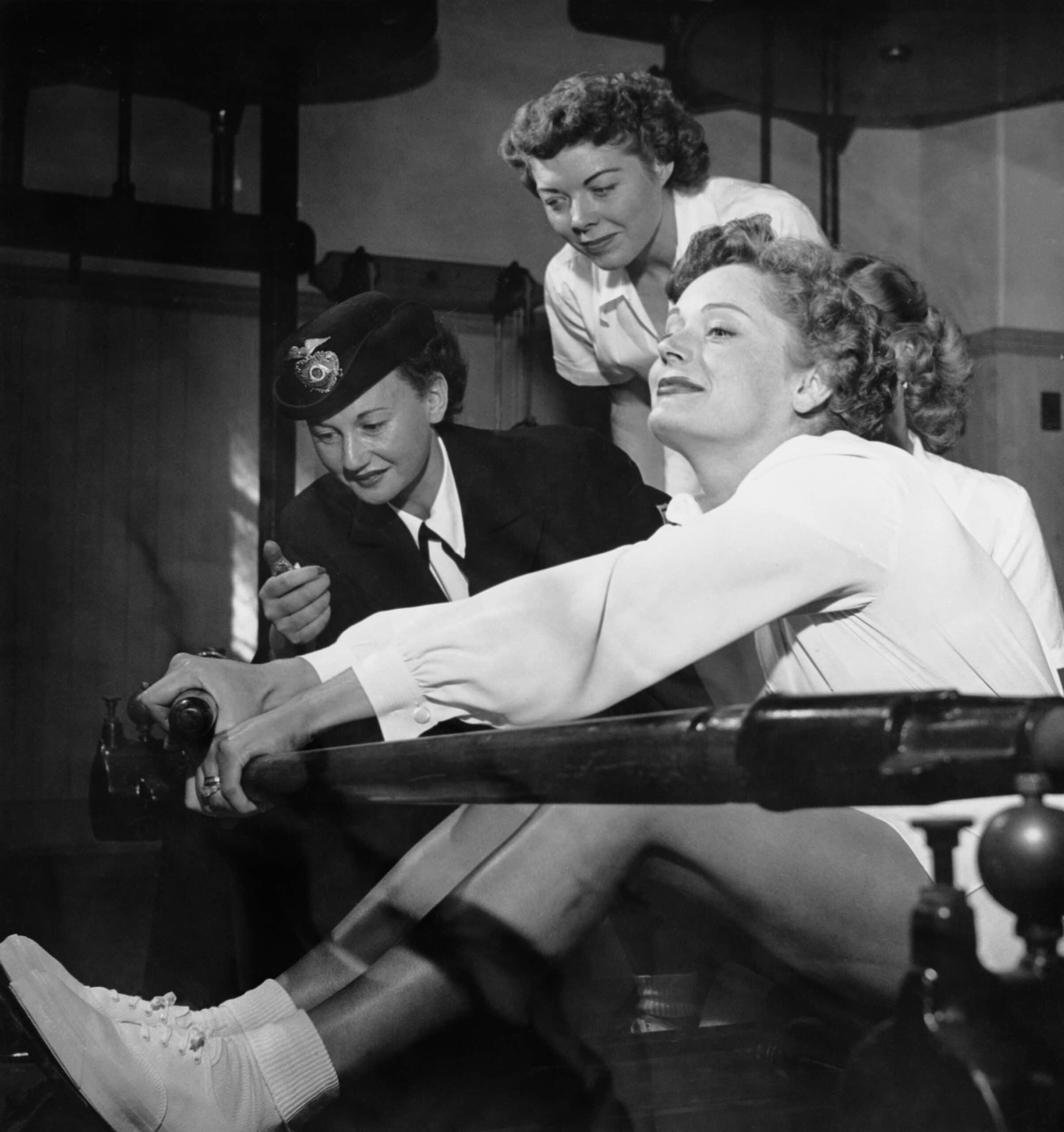
Actress and singer Alexis Smith is shown here getting in shape on a rowing machine in 1951. Smith was a film star first and closed out her career on stage, where she earned a Tony for her role in Follies. Fun fact: the rowing machine was invented in 1872.
Swim Bars
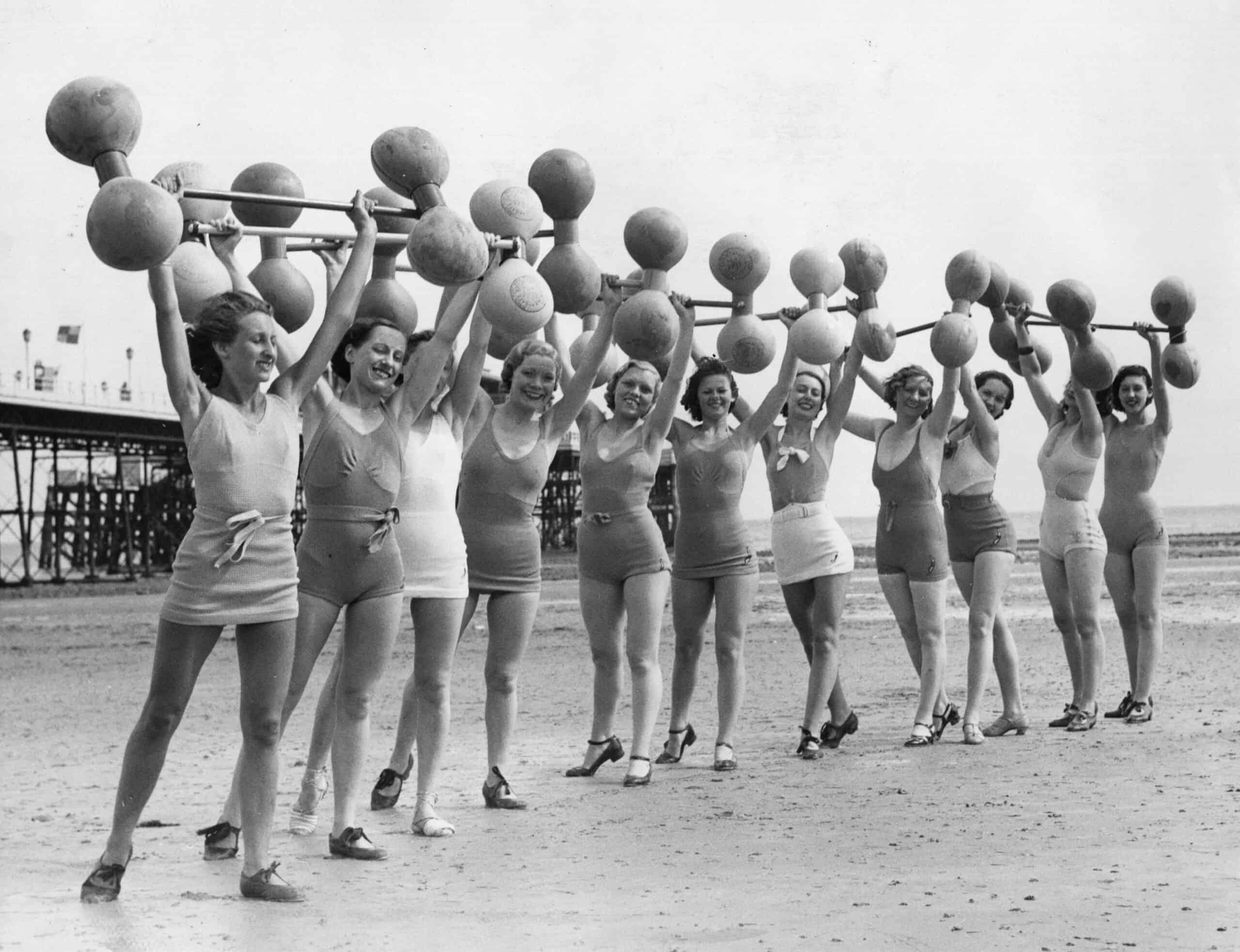
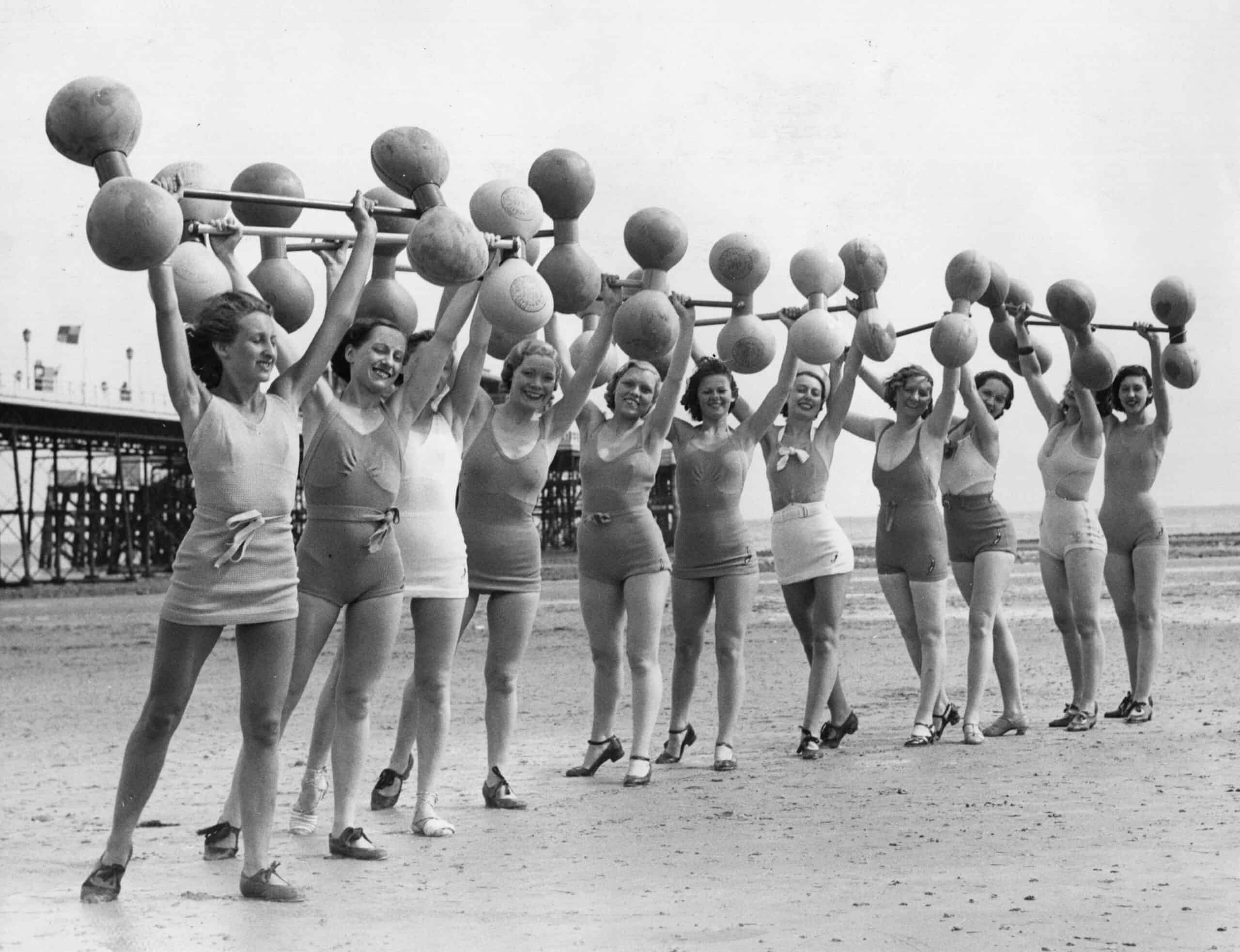
The ladies in this clip are demonstrating devices known as swim bars on a beach in 1935. You can still purchase swim bars today but they look a little different to these!
Tennis
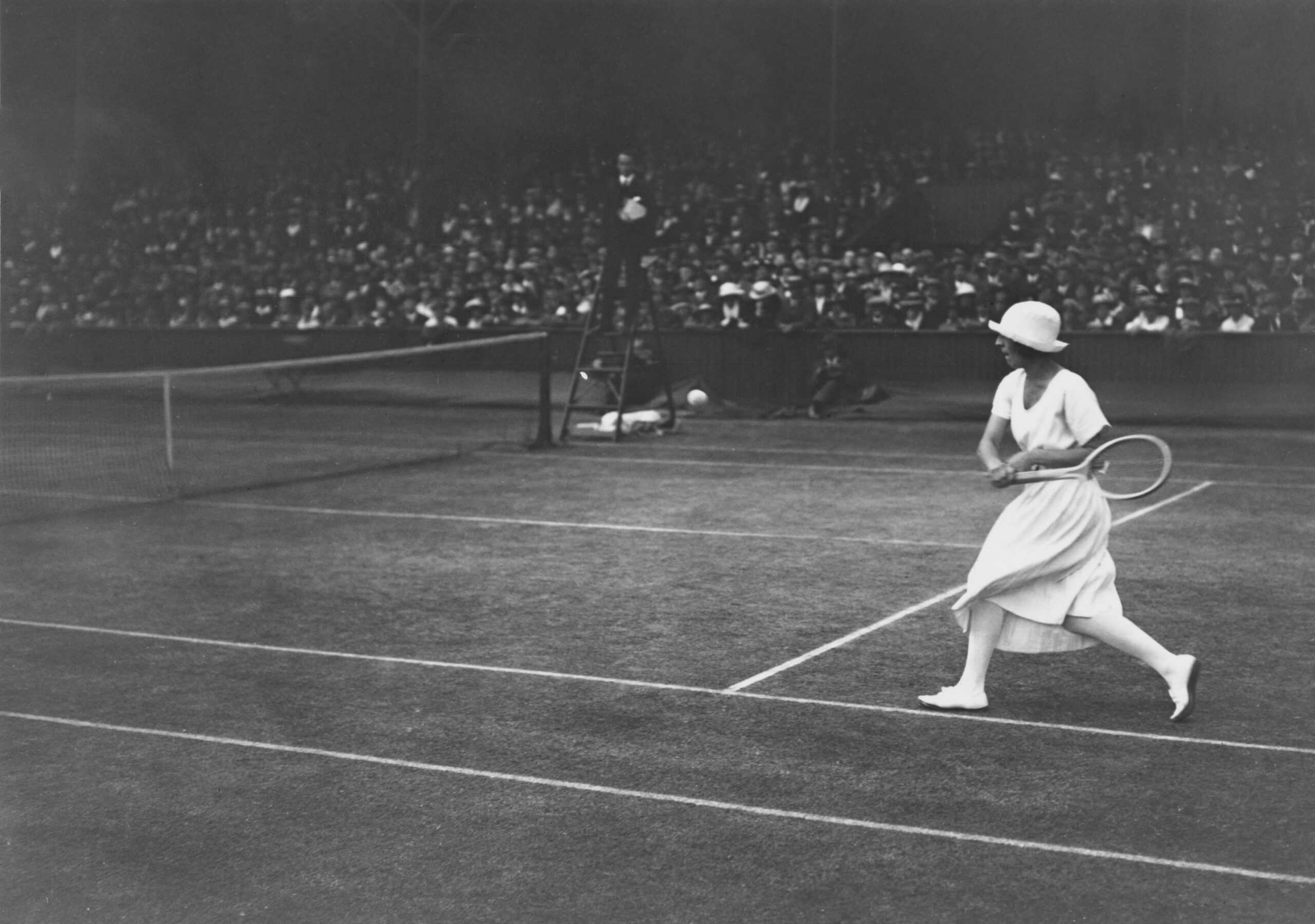
Back in 1919, French tennis player Suzanne Lenglen took the women’s singles title at Wimbledon — her first of five in a row. She was a maverick in the sport of women’s tennis as well as the fashions worn in play — her tennis outfit shown here was considered risque at the time, being called “indecent” by reporters.
Lacrosse
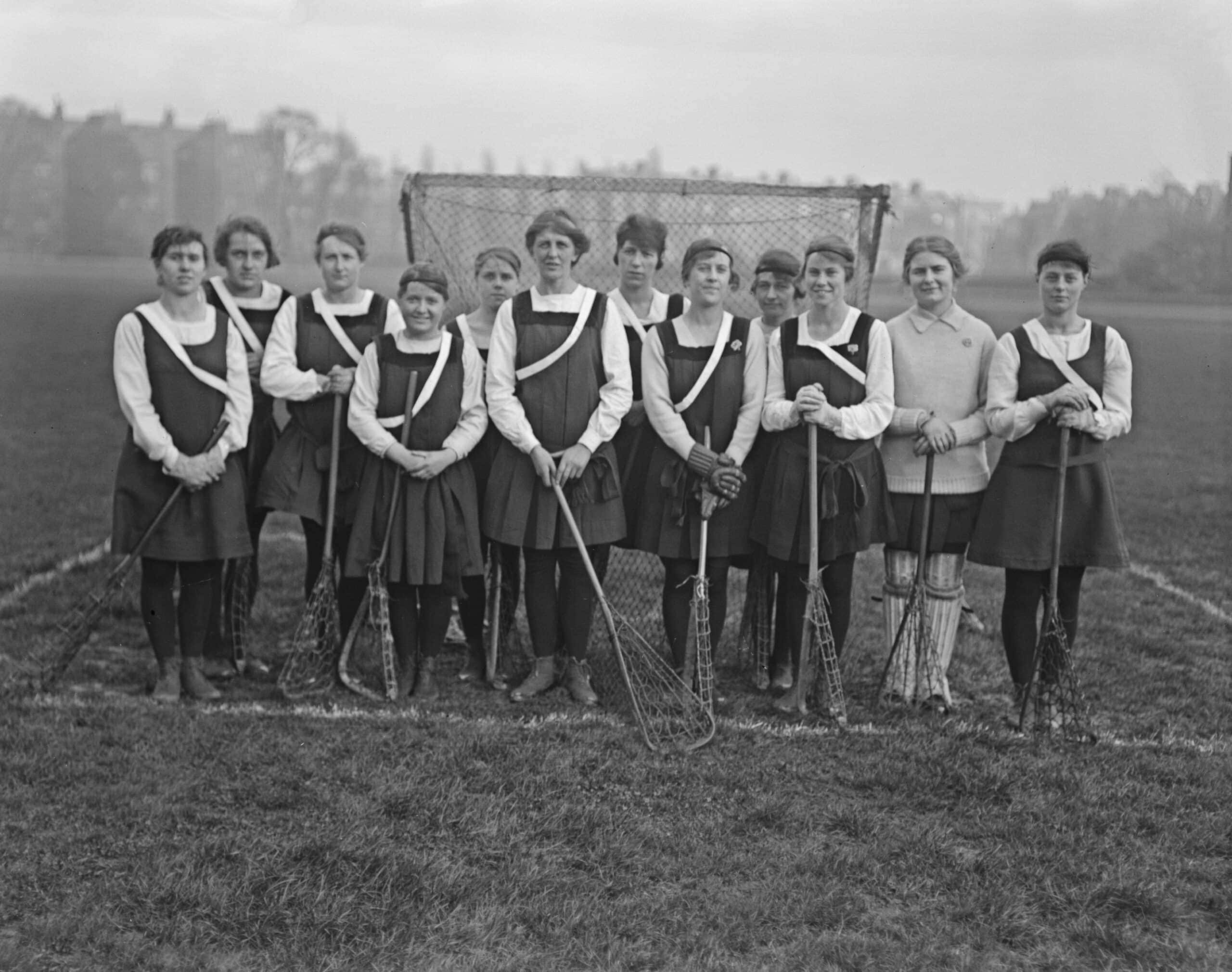
The Surrey Ladies lacrosse team, pictured here in 1920, wore uniforms that skewed more “masculine.” The trend at that time was for women’s lacrosse uniforms to look more like men’s, thereby elevating the status of the women’s version of the sport from merely recreational to competitive.
Football (Soccer)
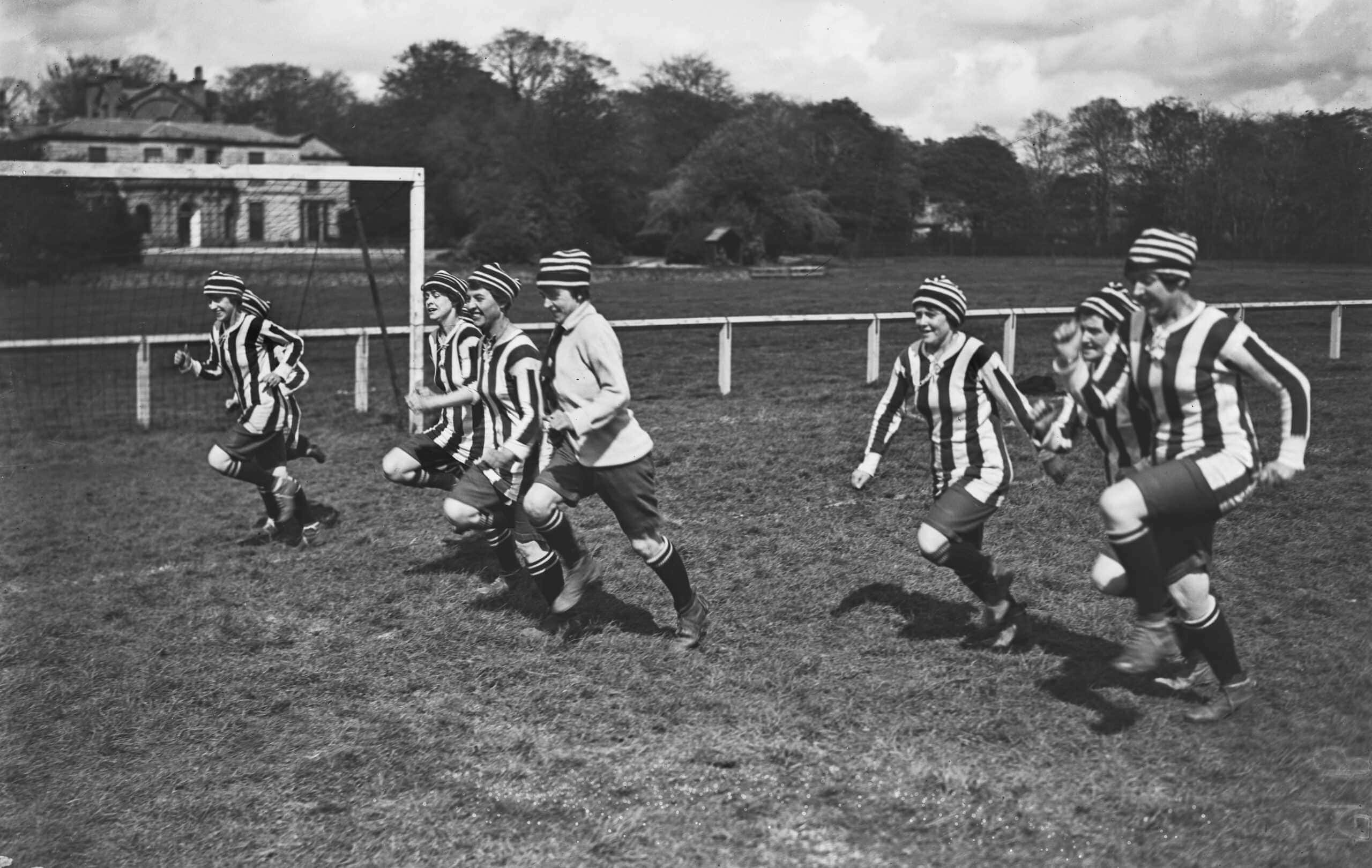
The Dick, Kerr Ladies Football Club players (a factory team pictured here in 1920) train in advance of a match. The following year, this club drew such large crowds and raised so much money that the Football Association (FA) and the political establishment took note of the rise in popularity of the women’s sport. With that popularity came power, and as such, the women’s sport was seen as problematic and a threat to the establishment.
That’s why women’s football was banned the following year. The FA’s consultative committee stated, upon the decision to ban the sport, “Complaints having been made as to football being played by women, Council felt impelled to express the strong opinion that the game of football is quite unsuitable for females and should not be encouraged.” The ban lasted for 51 years.
Golf
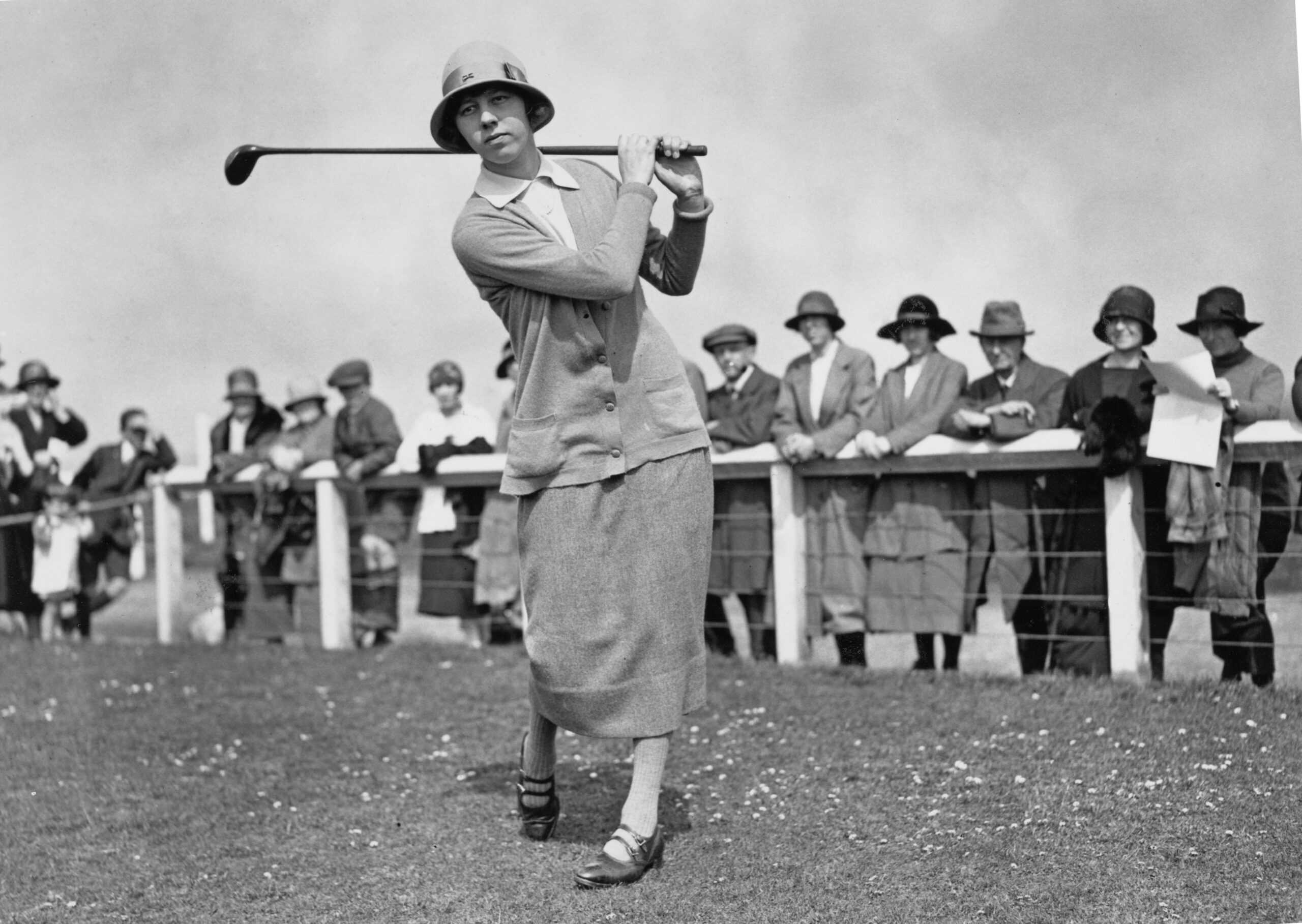
Featured here is the hugely successful female golfer, Joyce Wethered, who dominated the sport between the two World Wars. She won the British Ladies Amateur tournament four times and won the English Ladies’ Amateur Championship five years in a row.
Joyce was generally regarded as the greatest British women’s golfer of her age. Here, she is sporting the standard female golfing outfit of the time, namely a straight skirt worn with socks and rubber shoes.
Keep-Fit
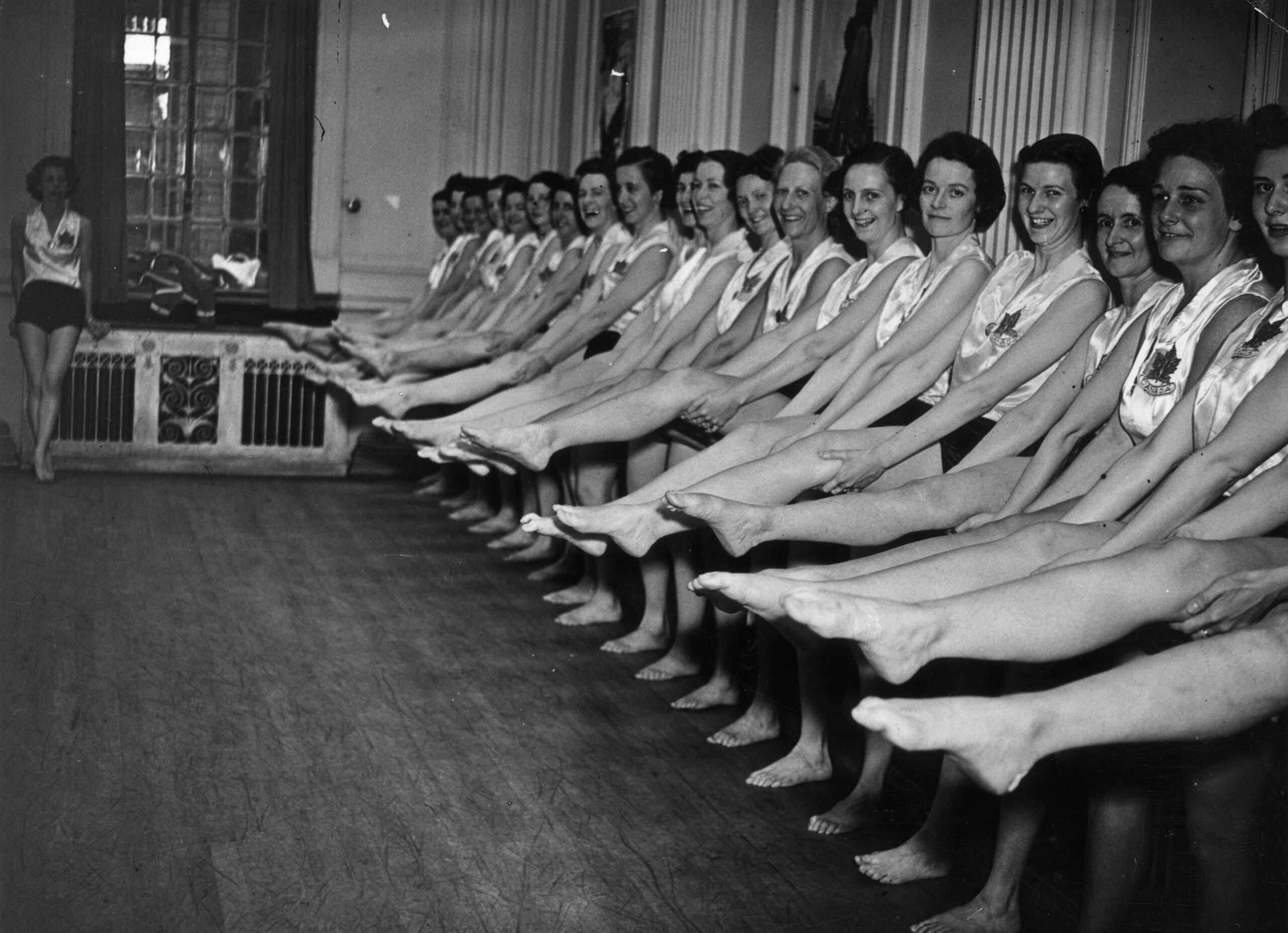
Members of the Women’s League of Health & Beauty show off their gams back in 1937. The league was formed by Mary Bagot Stack in 1930. It was called a “keep-fit system,” and its popularity spread throughout the world as interest in women’s physical recreation was on the rise.
Jump Rope
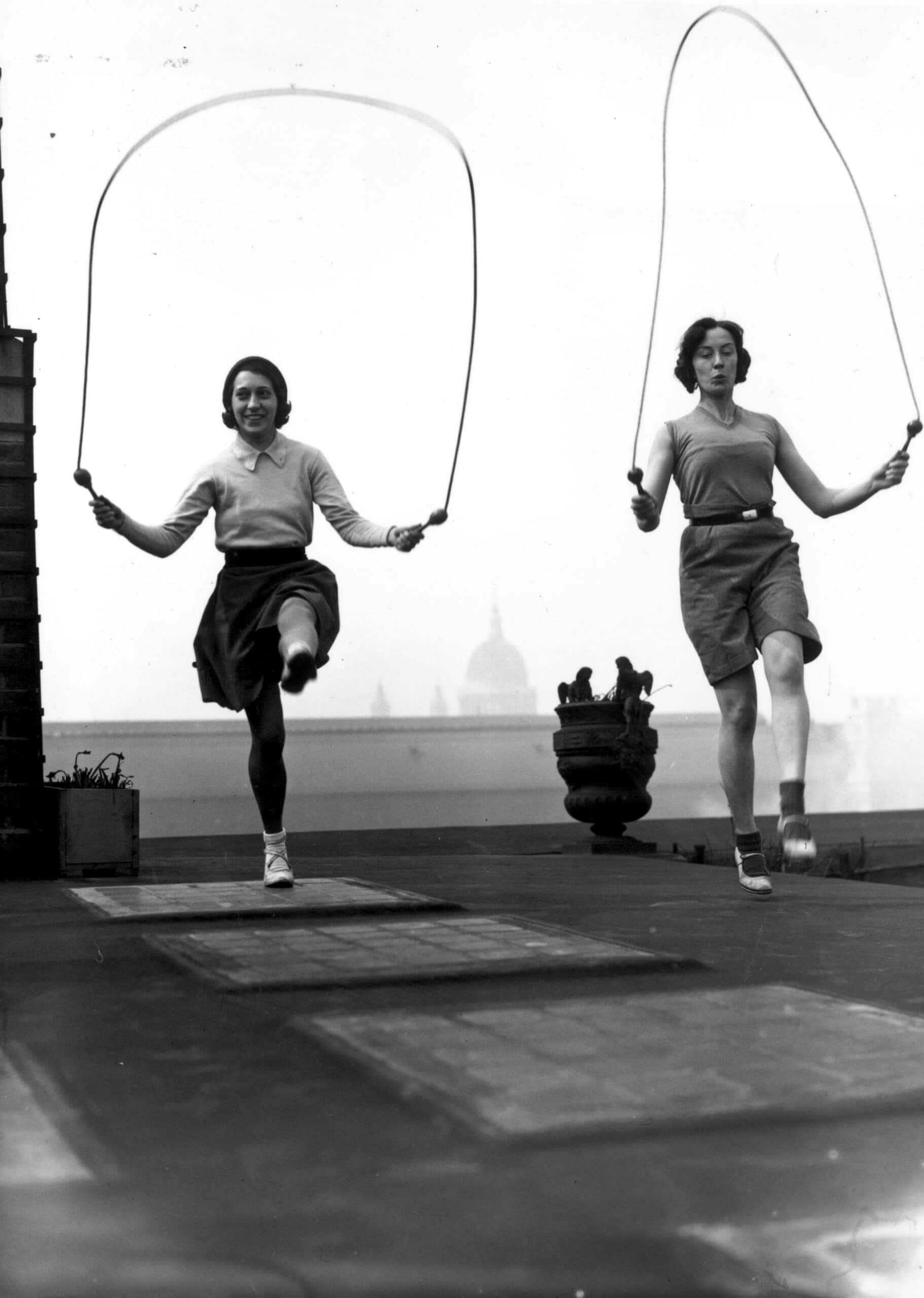
Skipping ropes are a popular game for kids but they are also very useful as a keep fit device. Boys were encouraged to use them from the 1600s but girls joining in was problematic because it showed their ankles! Here are two women enjoying skipping in 1932 without worrying about ankle exposure.
Exercise Class
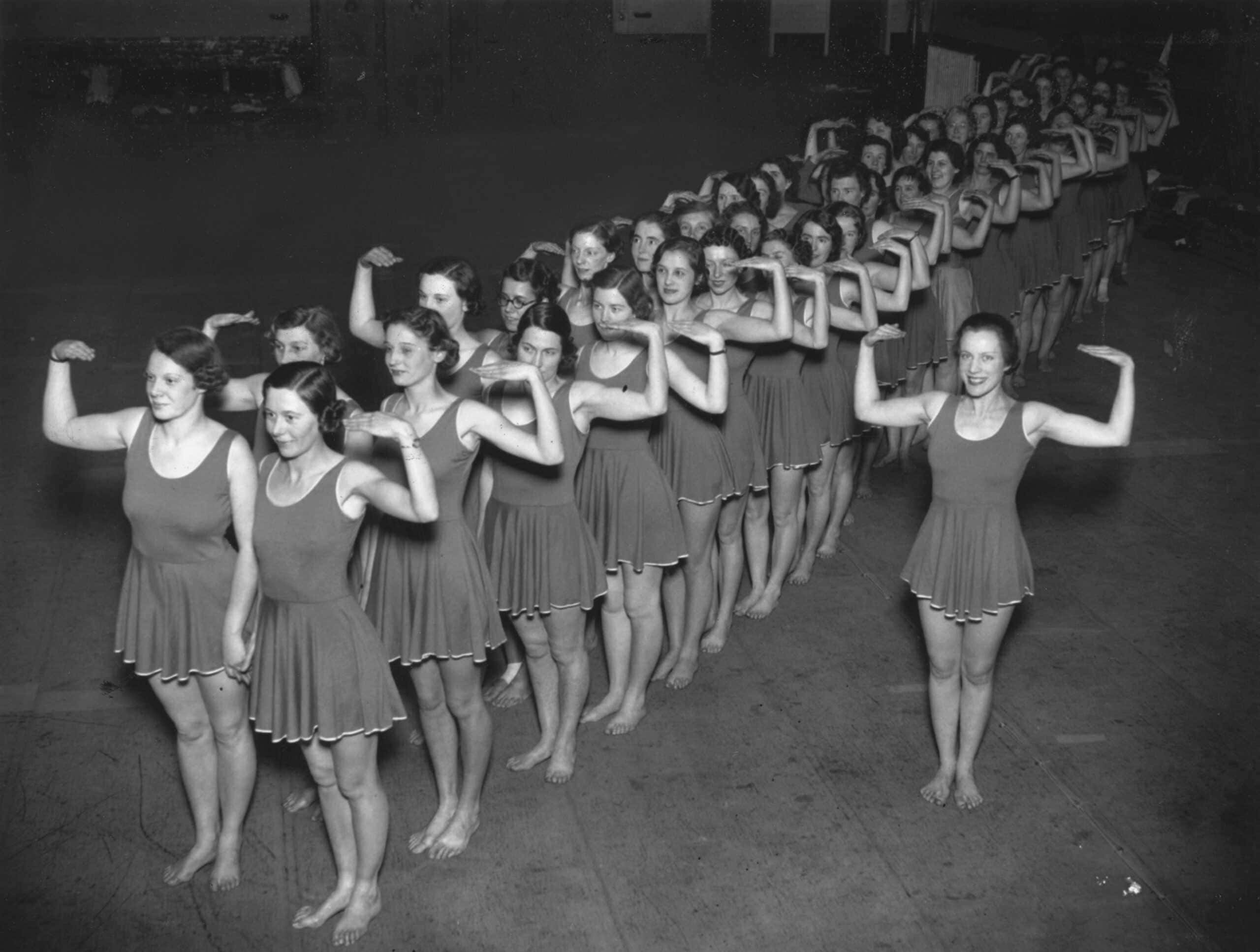
Uniformity was the name of the game in this 1937 group exercise class. Note that no footwear is worn and the skirts are remarkably short.
Pommel Horse
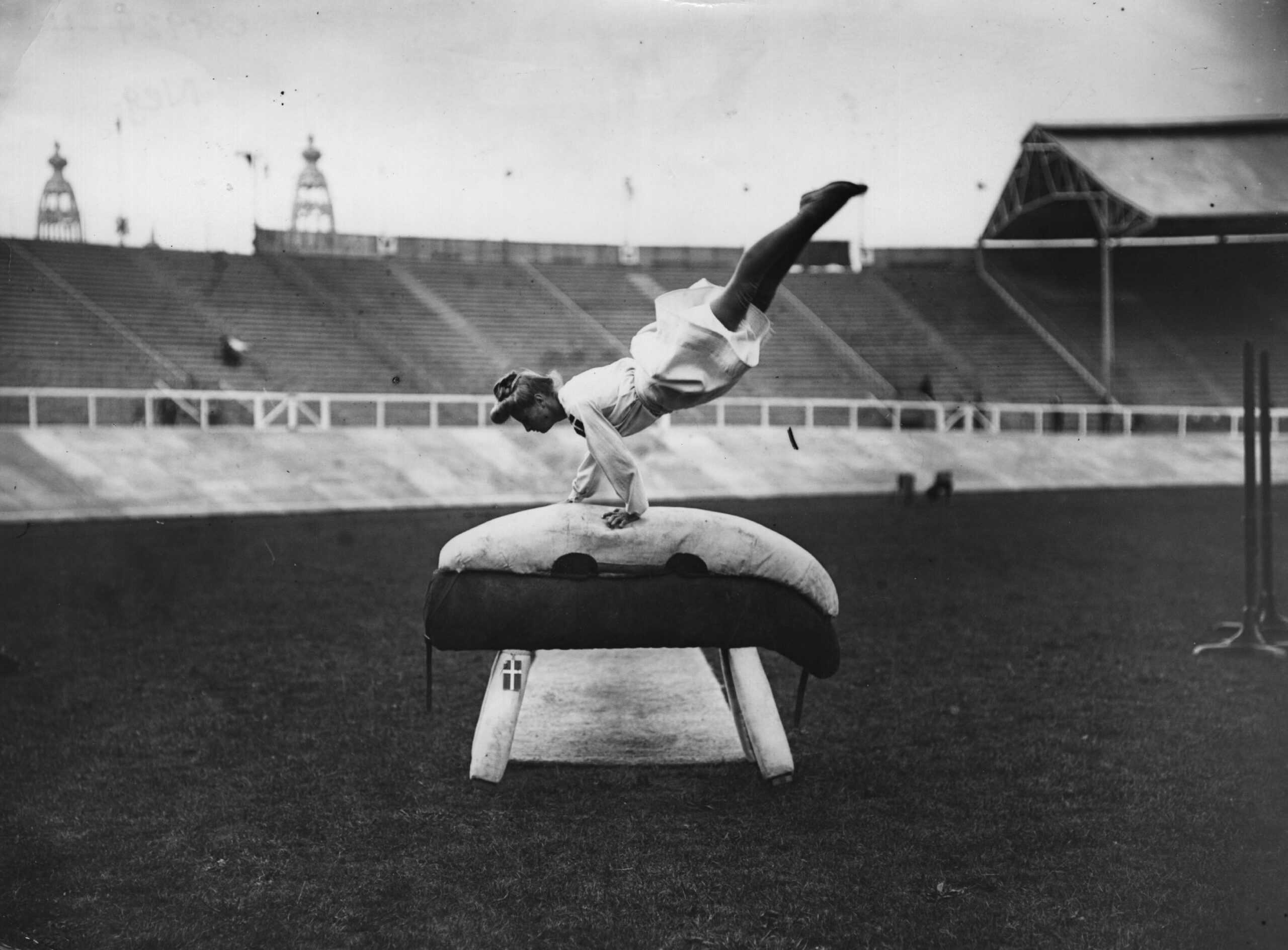
Here, a Danish gymnast performs on the pommel horse (now known as the vault) at the 1908 Summer Olympic Games in London. Women did not compete in gymnastics at the 1908 games; they only performed “gymnastic displays.”
Vibration Machine
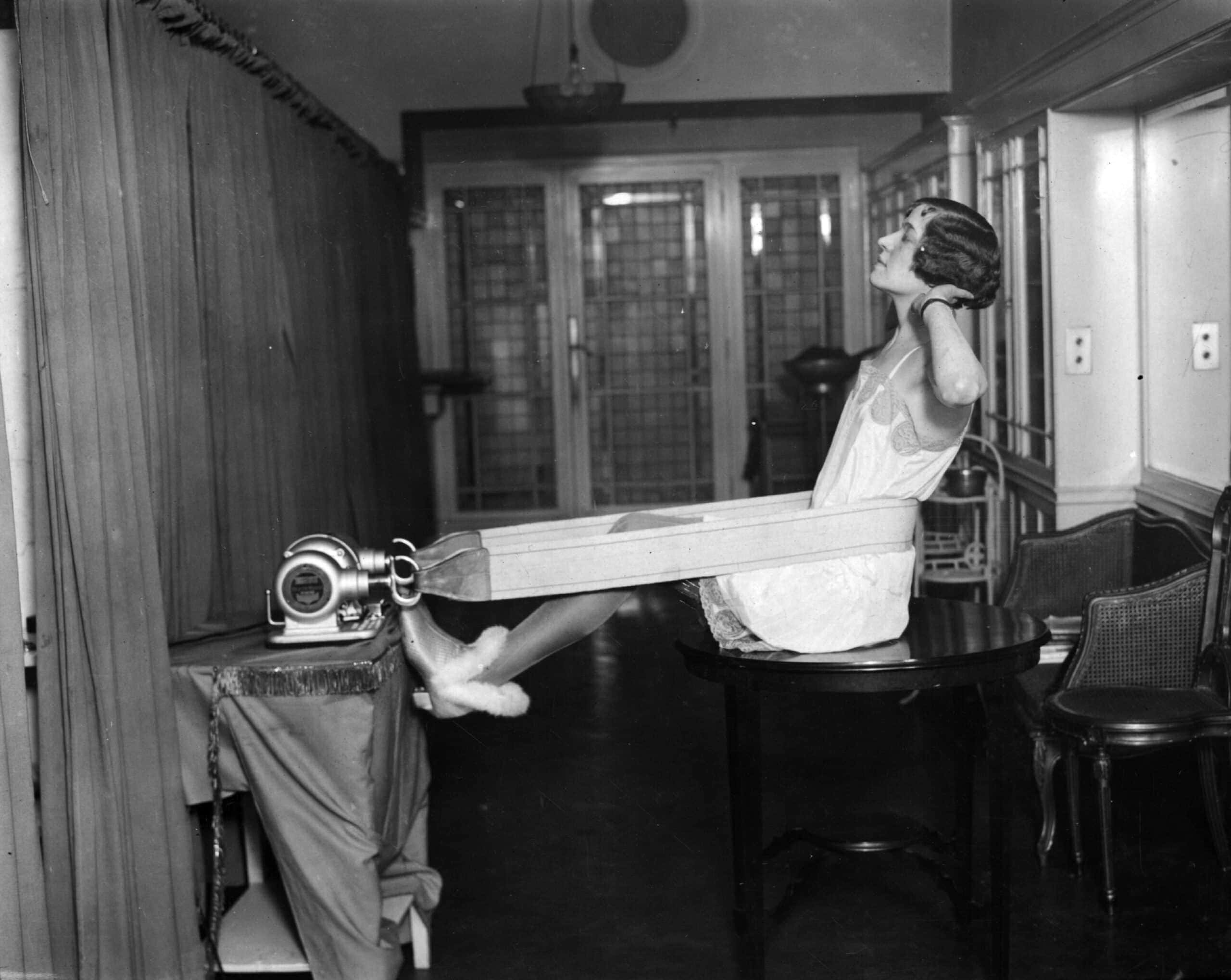
Exercising without having to put any effort in is universally appealing and that was also the case back in 1928. The lady in this picture is relaxing on a chair while the machine does all the work. The effectiveness of this approach to exercising is open to question!
Gym Class
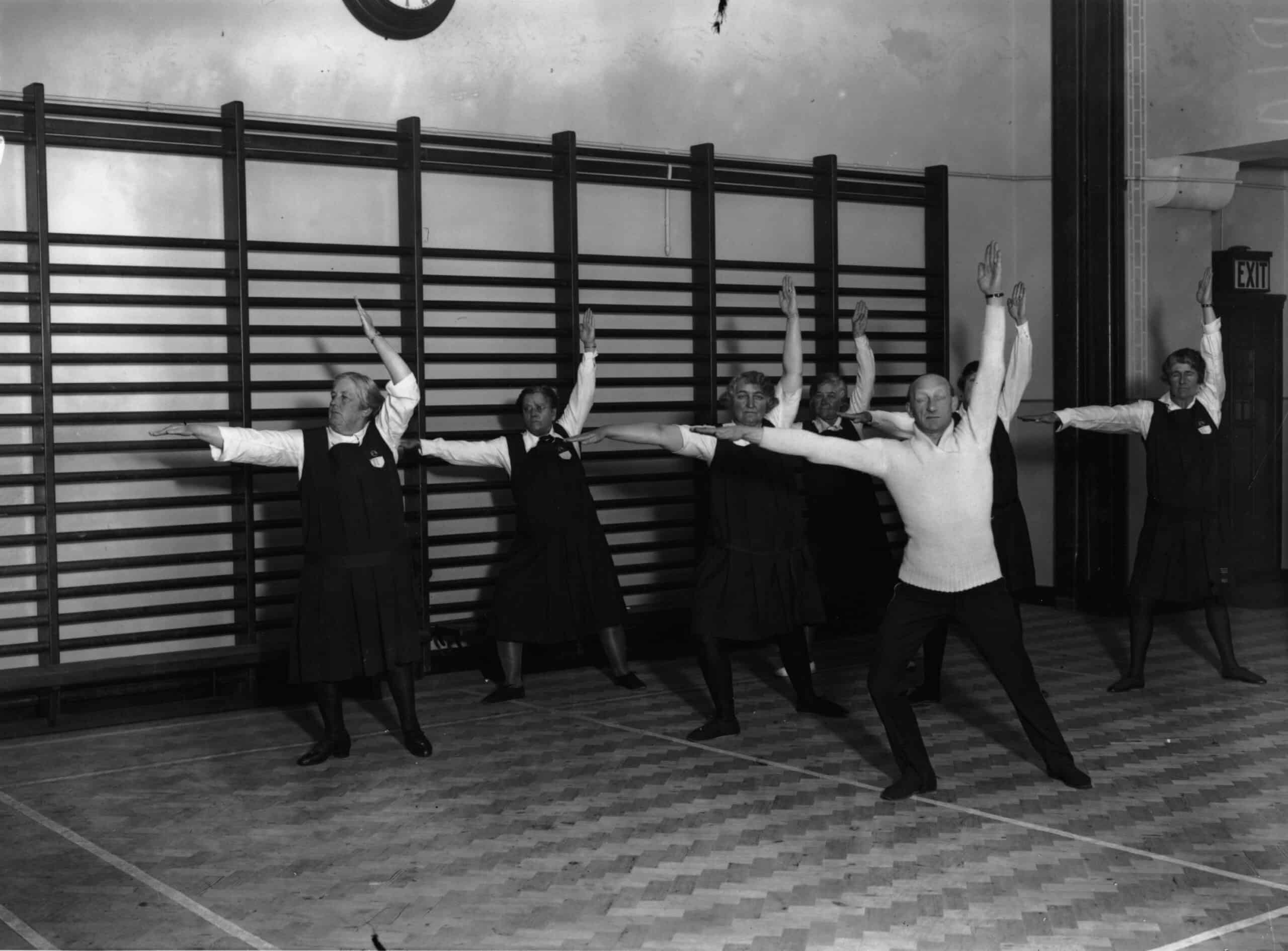
Don’t discount the elderly when it comes to fitness in the early 20th century. Here, a group of senior ladies take part in gym class in 1928. Some wore shoes, some did not. All, though, wear faces of grit and determination, admirable qualities for which women are still known today.
Spring Shoes
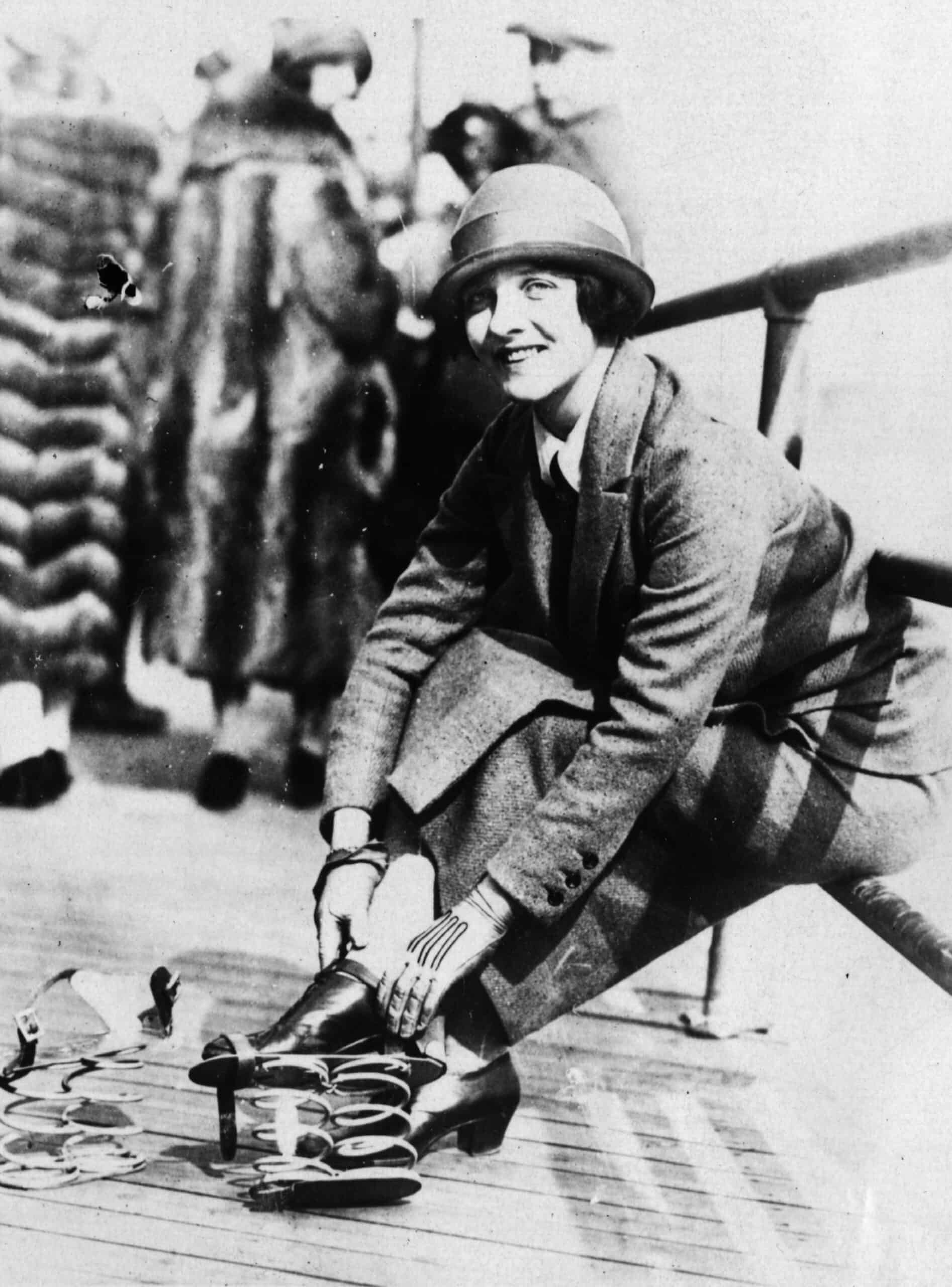
This is probably more of a novelty than a serious exercise activity and presented some risks – not least a sprained ankle. The lady here was captured giving the spring shoes a try out in 1925. Apparently, she could be spotted bouncing along the Atlantic City boardwalk.
Clubbing
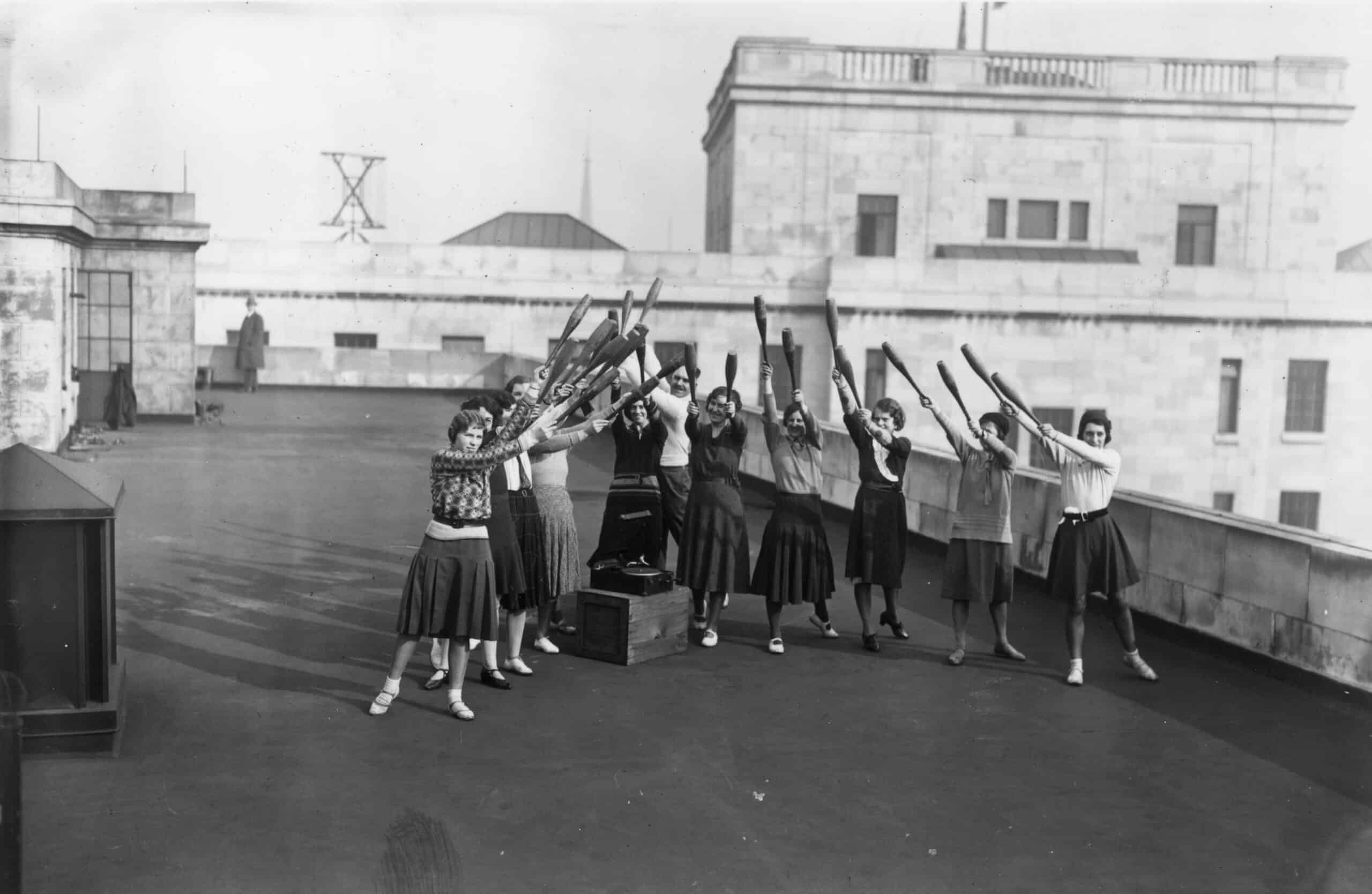
Long before women swung kettlebells at BootCamp class, they swung clubs, known at the time as “Indian clubs,” or meels. The apparatus, shown here in 1932, was available in a variety of sizes and weights and was designed for strength training. Some fitness pros claim still today that these are a superior form of strength training to dumbbells.
Snow Skiing
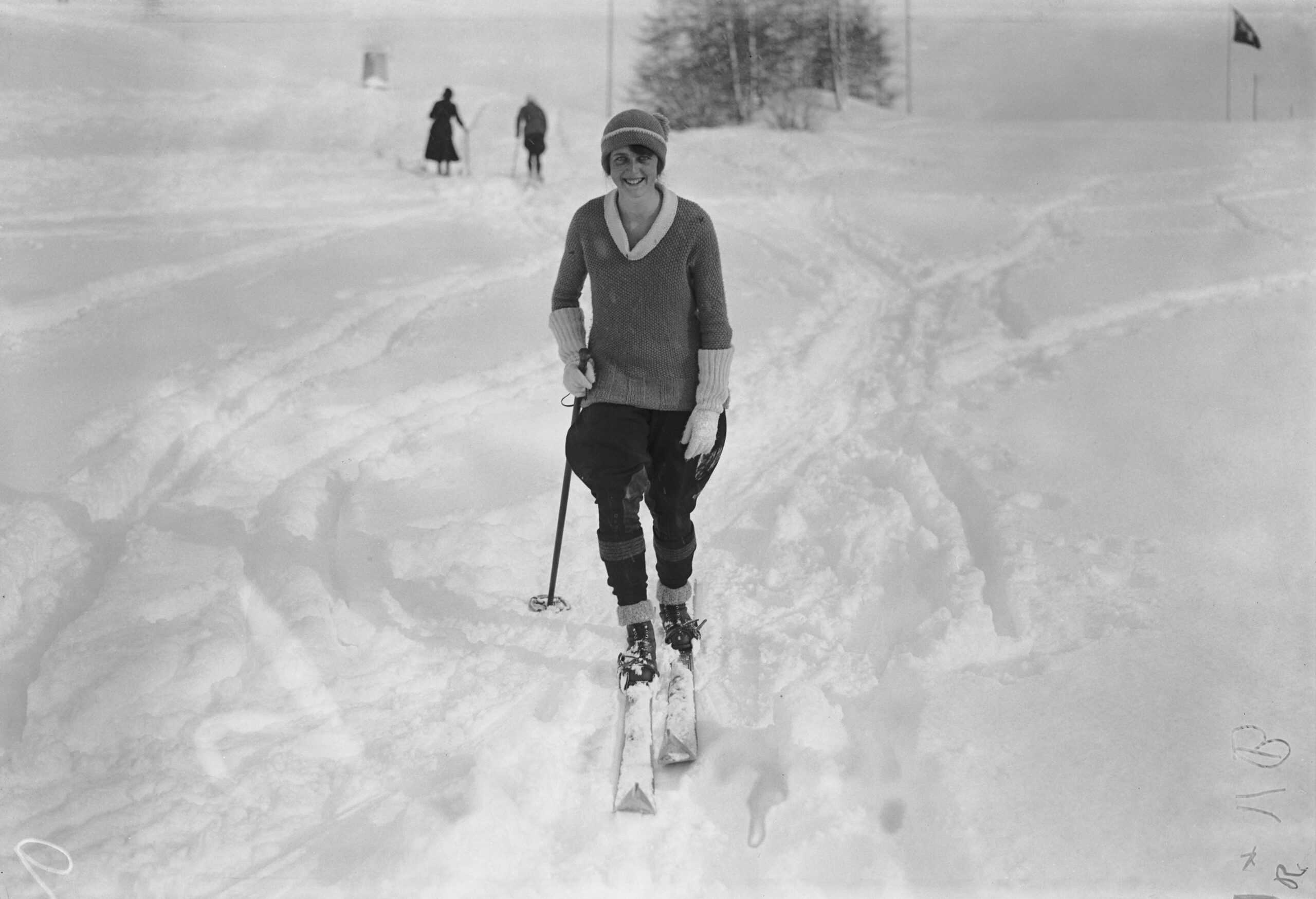
Back in 1921, women typically worse skirts to snow ski. This gal, however, bucked the fashion system and opted for a more traditional male outfit of pants and a sweater. Note the skirt-wearing lady in the background, though.
High Jump
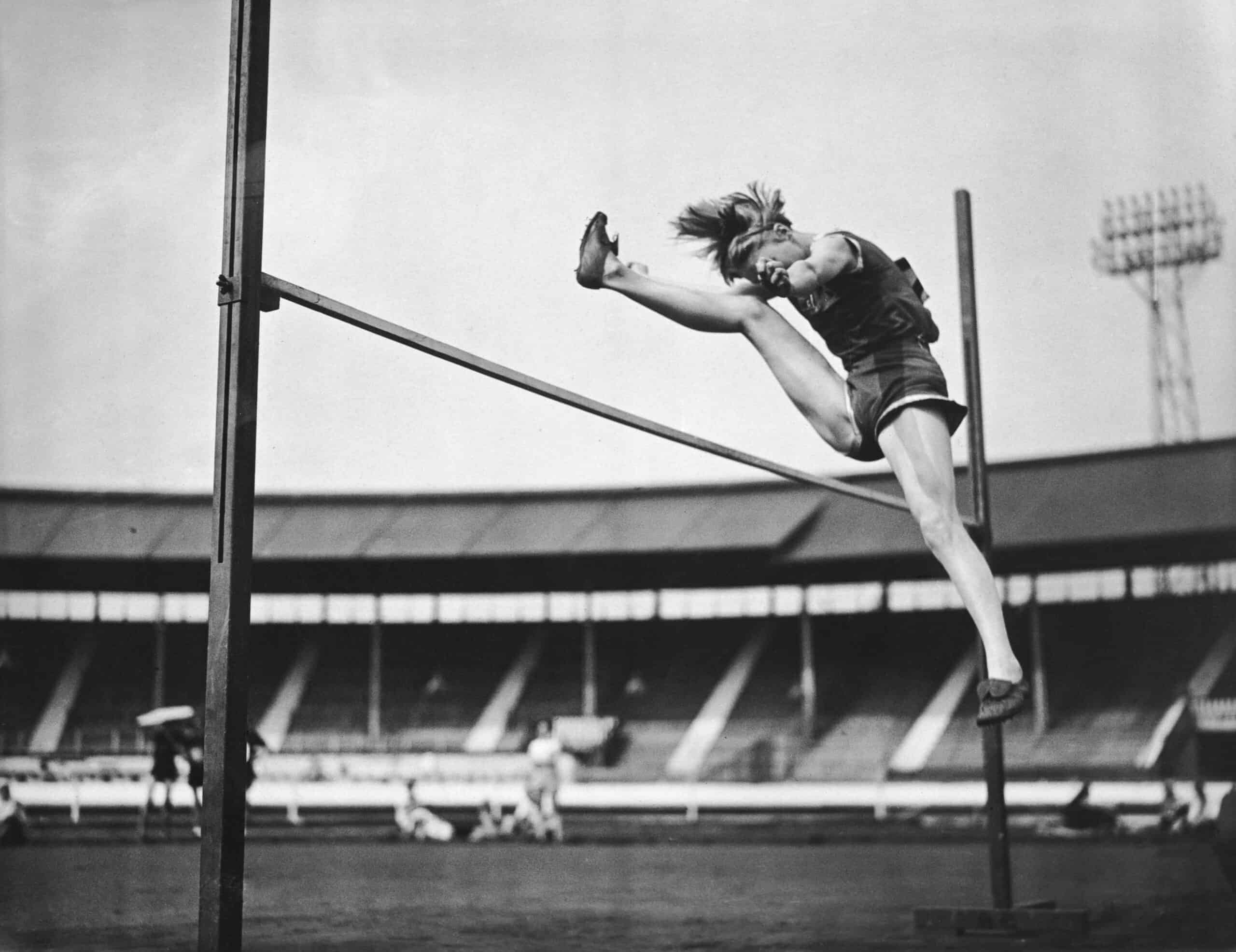
Dorothy Tyler-Odam was a British high jumper. She’s shown here competing at the 1937 Women’s AAA Championship. A year earlier, she took the silver at the 1936 Olympic Games, and she won silver again in the 1948 Olympics, making her the only woman to win a medal both before and after WW2.
Car Racing
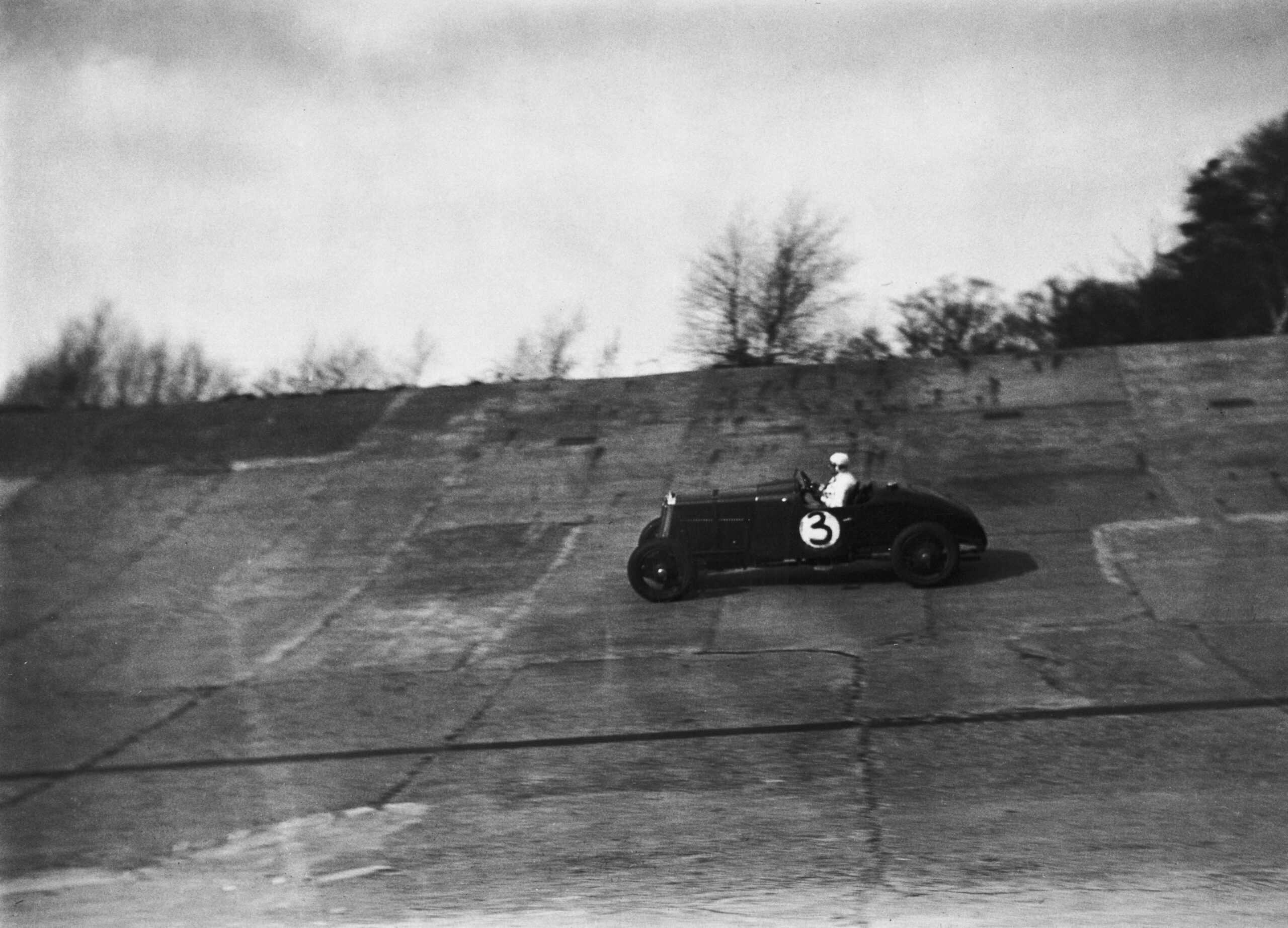
Nearly a century before Danica Patrick staked her claim in car racing history at 2008’s Firestone IndyCar 300 race, British racer Joan Chetwynd (known among fans as The Honourable Mrs. Chetwynd) carved out a space for women drivers. In fact, Chetwynd set a record in 1929, driving her Meadow-engine 1500cc Lea-Francis at an average speed of 82.98 mph. (To compare, Danica Patrick clocked 229.88 mph at practice for the Indy 500.)
Billiards
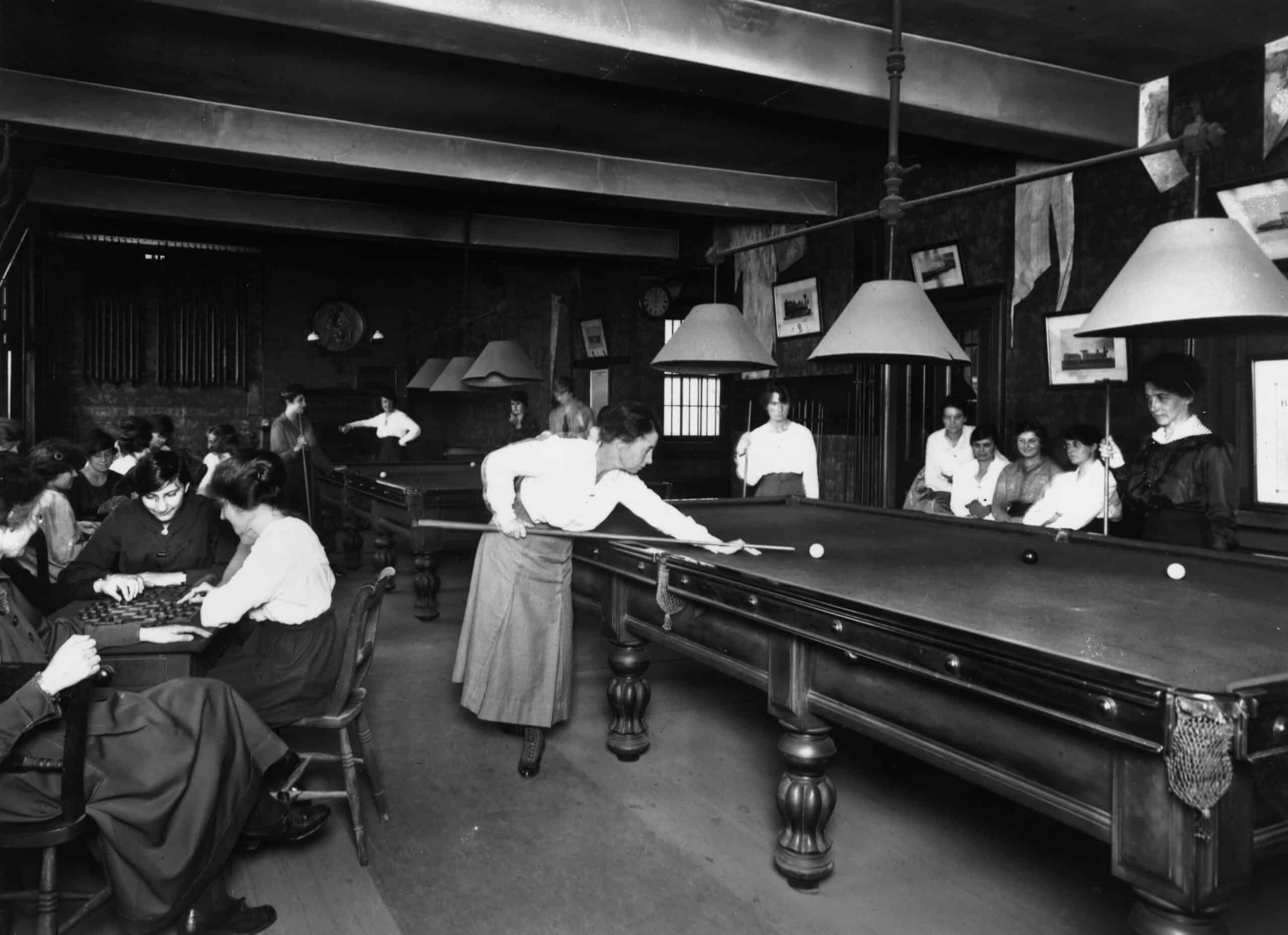
Though not competing, the women shown here simply enjoyed a game of pool back in 1918 at their local women’s club. That’s not to say women didn’t compete in billiards back then. In fact, there have been professional women billiards players since back in the late 19th century.
Archery
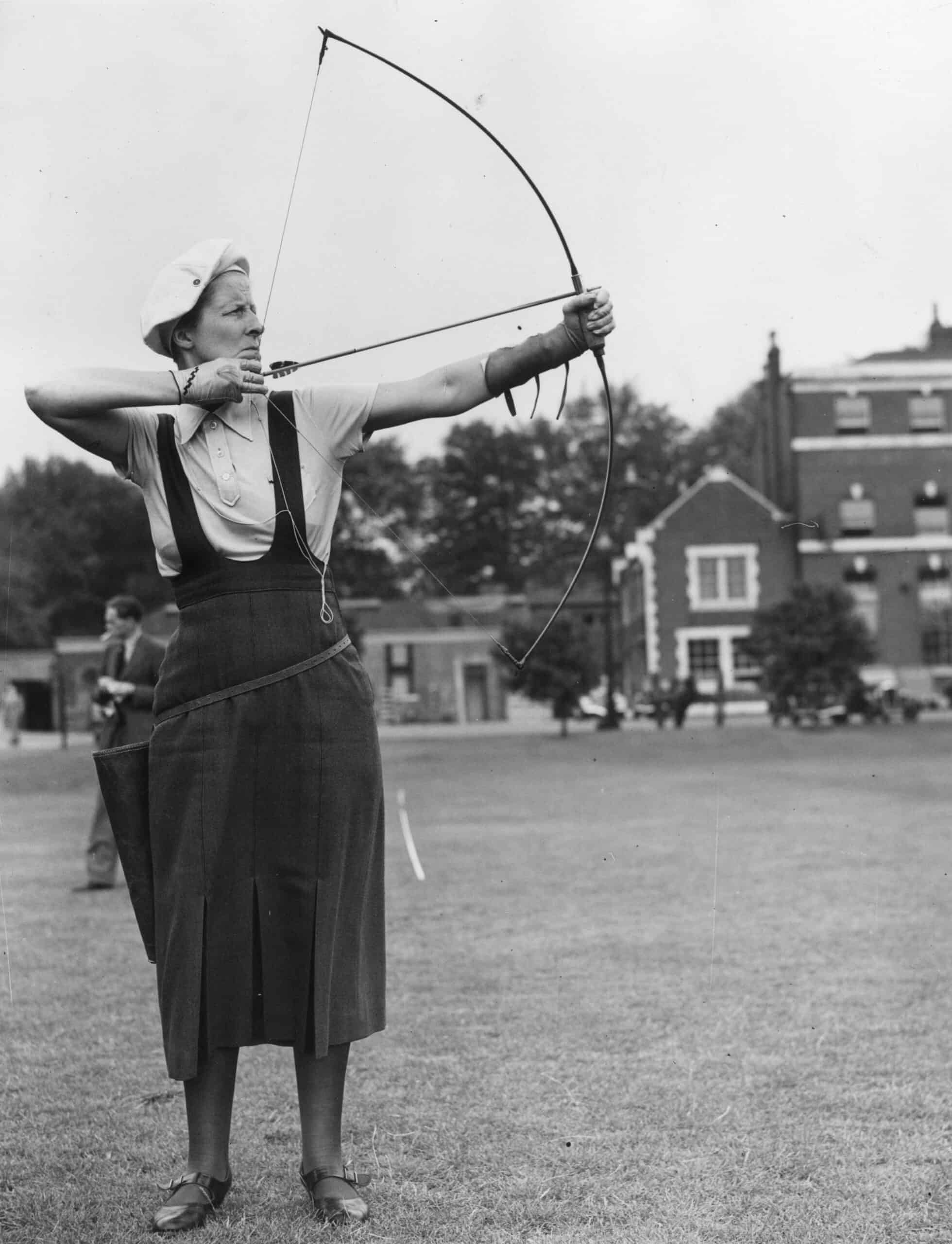
This serious archer has her game face on during a competition in 1938. Archery was one of the earliest sports to allow women to not only play but also to compete. There was a female archery event in the 1904 Olympic Games.
Motorcycle Racing
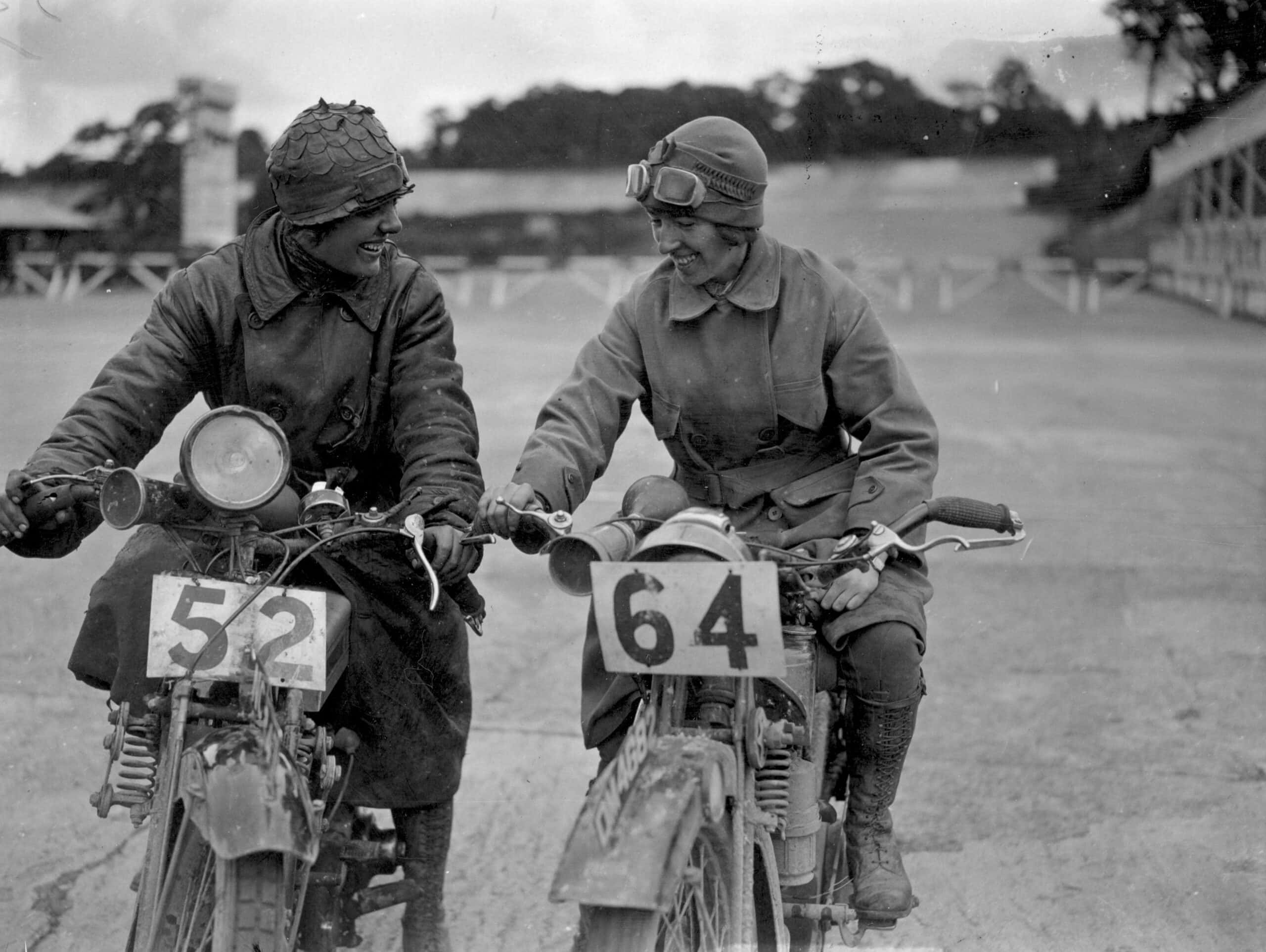
In 1925, these gals took to their cycles to compete at the International Six Days Reliability Trials. While that was no precursor to the X-Games, it IS the oldest off-road motorcycle race on the calendar of the Fédération Internationale de Motocyclisme, or FIM, which is the global governing body of motorcycle racing. Some records show women riding motorcycles in a non-competitive fashion as early as 1910.
Ice Dancing
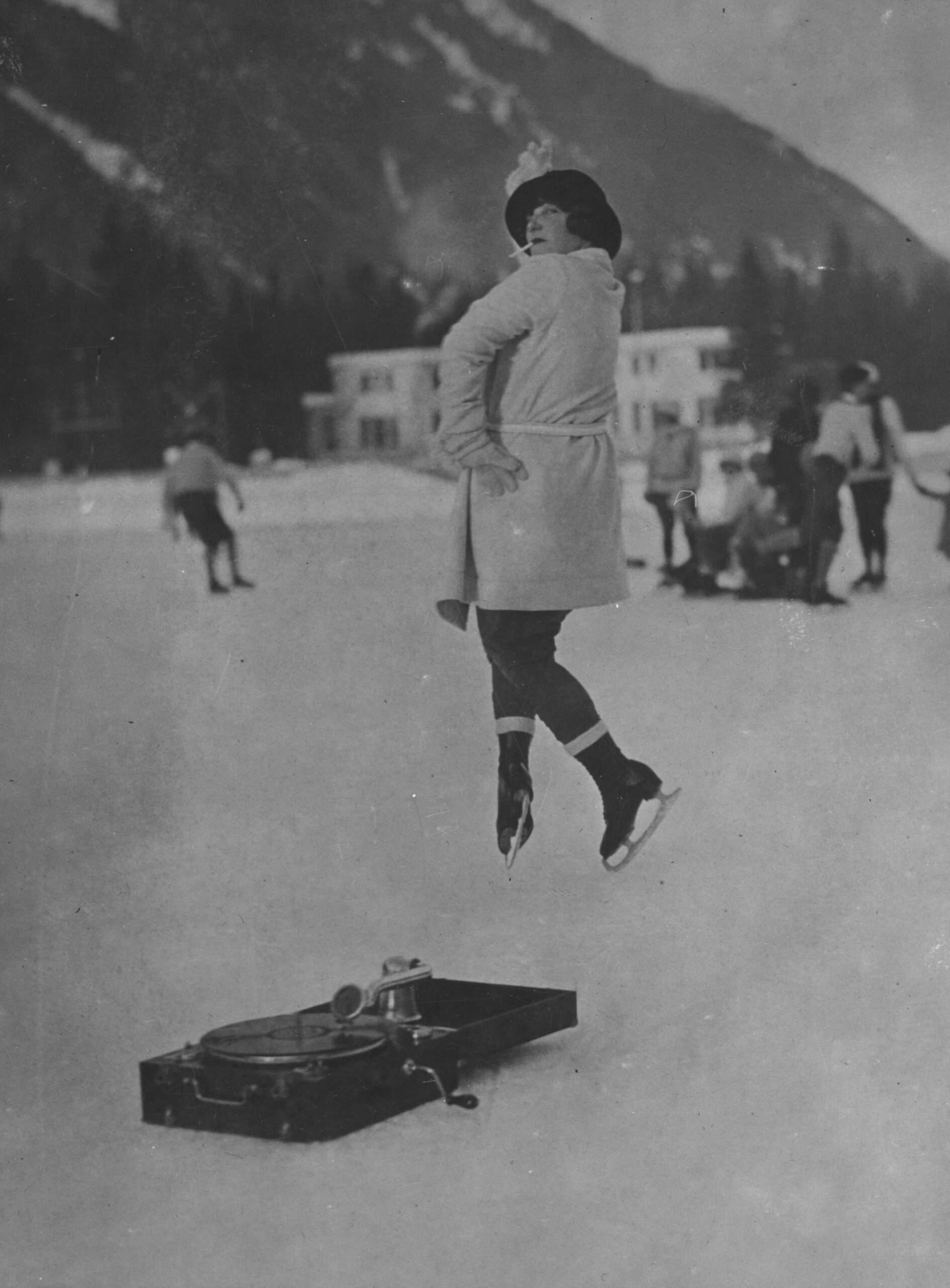
And finally, this ice dancer shows us that back in 1924, as long as you had a gramophone and a smoke, you could lace up your skates and show off your moves — on ice or anywhere else for that matter.