Andrew Clemente
Wesley Fryer / BY-SA 2.0

studio kacha / Shutterstock.com

Gorodenkoff / Shutterstock.com
Public Domain / Library of Congress, Prints & Photographs Division, Toni Frissell Photograph Collection, [reproduction number, e.g., LC-F9-1956-12-01, Frame 6]

Victoria Moloman / Shutterstock.com

Drazen Zigic / Shutterstock.com
US Army

skynesher / Getty Images

Drazen Zigic / Shutterstock.com
Jean-Claude Caprara / Shutterstock.com
usdoe / CC0 1.0

Christina Spicuzza / BY-SA 2.0

USDAgov / PDM 1.0
https://www.reddit.com/media?url=https%3A%2F%2Fpreview.redd.it%2F1980-my-mom-right-as-a-high-school-senior-on-a-smoke-break-v0-45hmbrxjiw751.png%3Fauto%3Dwebp%26s%3D158e1a4c4f12884413f970817331cda7d525670a

USAG-Humphreys / BY 2.0
IMLS DCC / BY 2.0

monkeybusinessimages / Getty Images

BLM Oregon & Washington / BY 2.0

Inside Creative House / Shutterstock.com
Maria Dryfhout / Shutterstock.com

Ermolaeva Olga 84 / Shutterstock.com
katmeresin / BY 2.0

Evgeny Atamanenko / Shutterstock.com
Leonard Zhukovsky/Shutterstock.com

monkeybusinessimages / iStock via Getty Images


















25 School Rules Every Kid Followed Back Then That Would Be Banned Today
Schools are full of rules, and for good reason. However, just how many rules have changed or fallen by the wayside as time’s gone on? There are multiple valid reasons for these rule changes: many of the strictures that once defined American education were discriminatory, harmful, illegal, or questionable and worth revising. What school rules once existed, and why were they eliminated in the long run?
To compile this list, we drew on multiple sources, including the U.S. Department of Education, the Pew Research Center, FindLaw, the National Coalition Against Censorship, and a range of historical education resources. These are the humorous and terrible rules that once prevailed in schools, for better or worse.
Paddles and Physical Discipline
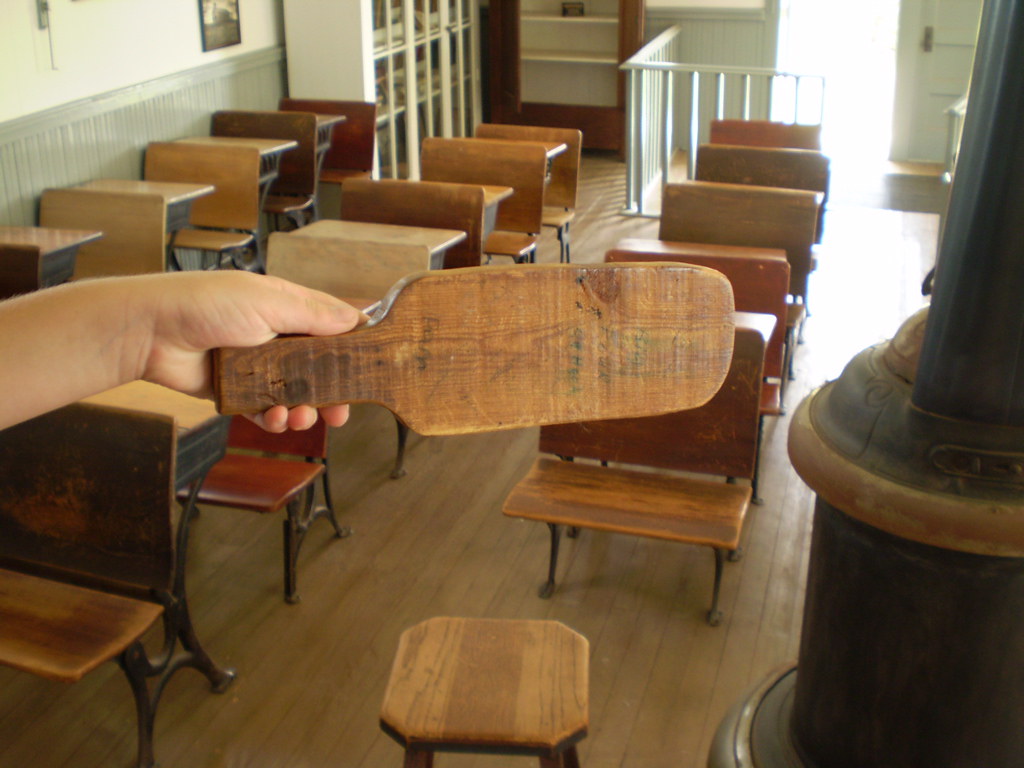
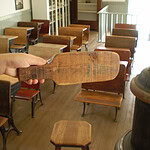
For most of America's educational history, physical discipline was part of policy. Teachers were routinely allowed to use wooden paddles, rulers, canes, and their own hands to punish misbehaving students, and it's still technically legal in some states today. New Jersey was the first state to ban this cruel practice, back in 1867, but physical punishment is still viable in public schools in 17 states, primarily in the Midwest and the South.
Left-Handed Punishments
For a long time, left-handed students were routinely forced to switch to their right hand. Why? This was a practice rooted in centuries-old superstition, as lefties were thought of as morally lacking or even under some type of demonic influence. It was common practice for teachers to tie a child's left hand behind their back, and even refuse to accept any work written with this hand. Research saved the day, connecting this cruel retraining to increased rates of anxious stuttering and developmental difficulties.
Morning Prayers
All the way back in the colonial era and lasting through the early 1960s, the American school day routinely opened with teacher-led prayer and Bible readings. It ultimately took two Supreme Court cases in the 60s to declare that prayer and Bible reading in public schools violated the Establishment Clause of the First Amendment. While voluntary, student-initiated prayer remains protected, mandatory participation does not.
Mandatory Gendered Dress Codes
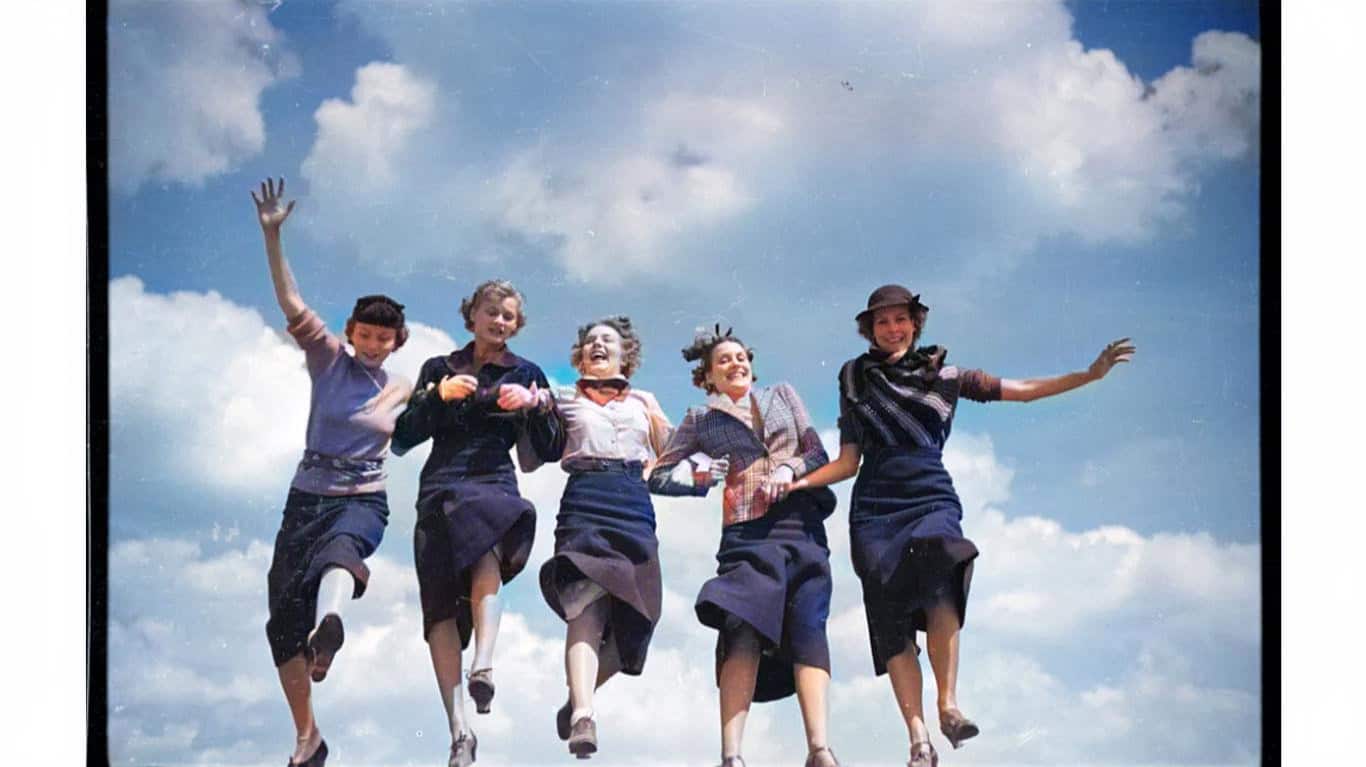
If mandatory prayer meetings are discouraging enough, gender-based dress codes were also standard in American schools for most of the 20th century. These mandates required girls to wear skirts or dresses of a specific length and boys to wear collared shirts, ties, and slacks. Jeans were also typically banned, as denim was widely associated with rebellious countercultures. Dress codes began loosening in the 1970s and 1980s as courts started scrutinizing gender-based policies under Title IX, a rule that prohibits sex discrimination in education programs receiving federal funding.
Pregnant Students Faced Expulsion
Could you imagine expelling a pregnant student? They were routinely expelled from high schools and even colleges, regardless of their marital status, and pregnant teachers were fired as well, under the guise of a lack of professionalism. The very same Title IX eventually made it illegal to discriminate against students on the basis of pregnancy, and they were allowed to participate the same way as non-pregnant students (and teachers!).
Married Women Couldn't Continue Teaching
Throughout much of the 19th and early 20th centuries, female teachers were required to be unmarried and faced termination the second they got married. The reasoning? Single women were thought to need teaching income more than married women, and the age-old assumption that a married woman's primary duty was to her household, not to her classroom prevailed. These rules held on all the way into the postwar era, until civil rights and sex discrimination laws changed things for the better.
Segregated Schools
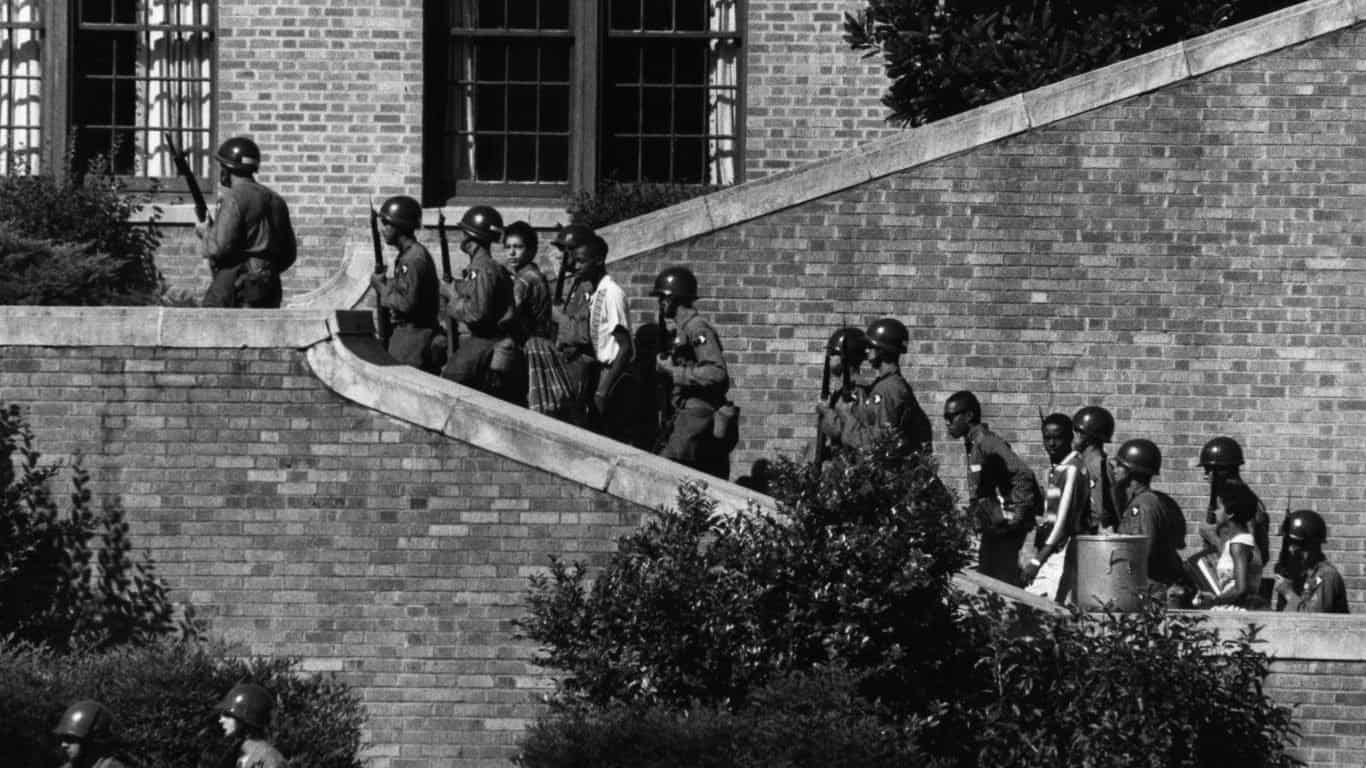
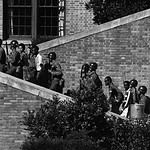
One of the most damning school rules to exist was mandated racial segregation, particularly in the South. Separate schools for Black and white students were enforced by state laws, until Brown v. Board of Education in 1954 declared segregated public schools unconstitutional. Despite this legal ruling, the desegregation process was slow, and many schools required federal troop intervention in order to get anywhere close to integration.
Teaching Evolution Was Illegal
In the 1920s, several states passed laws that banned the teaching of evolution in public schools. The Supreme Court finally struck down these ridiculous laws in Epperson v. Arkansas in 1968, ruling that banning the teaching of evolution violated the Establishment Clause by making a religious viewpoint the foundation for a law.
Students With Disabilities Were Turned Away
Children with physical or cognitive disabilities were frequently denied admission to public schools, and it was once completely legal to do so. However, a 1971 Pennsylvania case challenged this unfair ruling, and the court found the discrimination unconstitutional. Because of this, the Individuals with Disabilities Education Act was born, passed in 1975, and established for the first time that students with disabilities are entitled to free, meaningful public education.
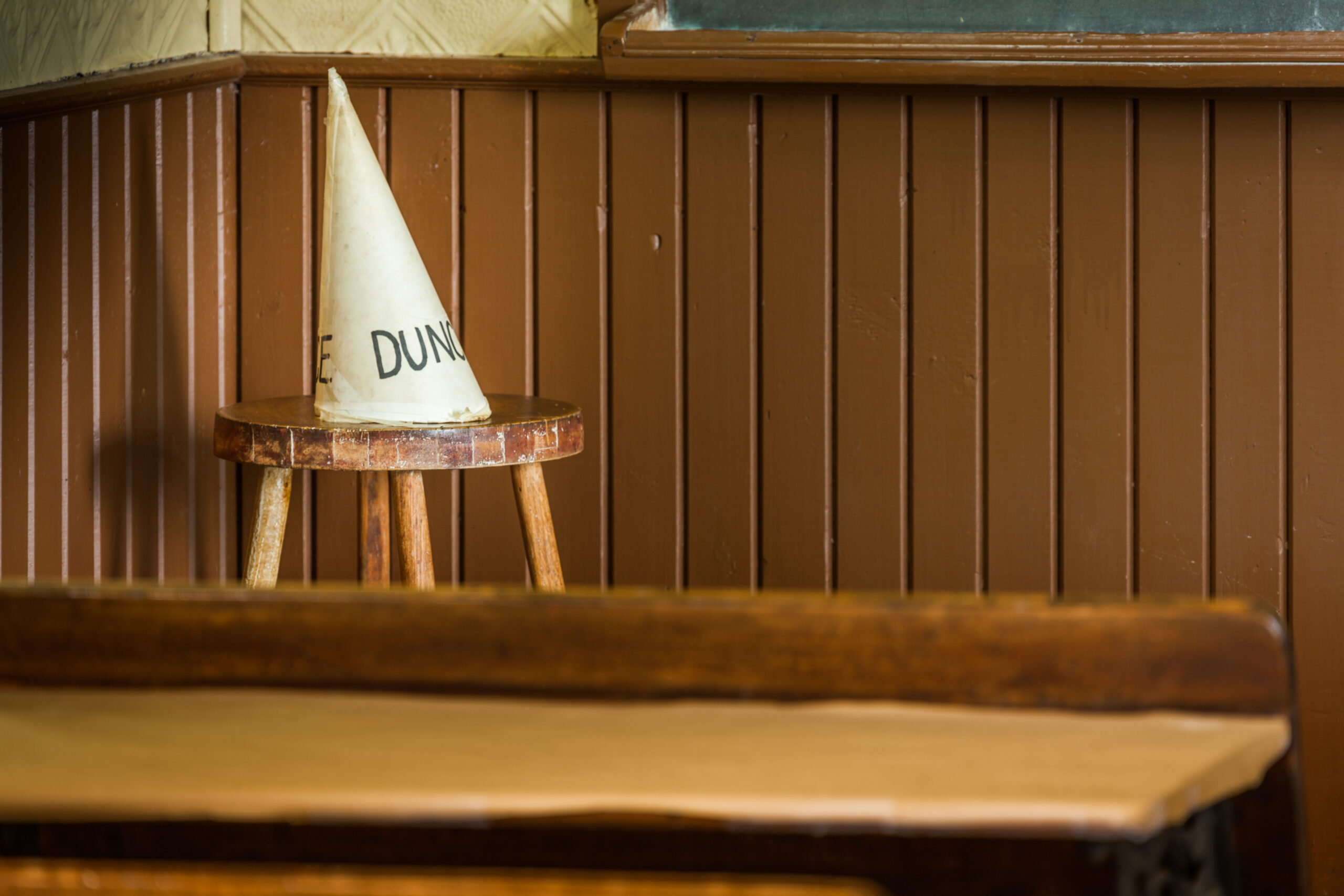
The Dunce Cap
Did you ever have to wear a Dunce Cap? This tall, conical hat was placed on misbehaving students, who then had to sit in the corner facing the wall. This was once a standard classroom humiliation tool from roughly the Victorian era and into the early 20th century, specifically designed to embarrass students into compliance. Teachers also applied it to slow learners and any students deemed insufficiently attentive. Today, the humiliation of the Dunce Cap counts as emotional abuse under child protection statutes.
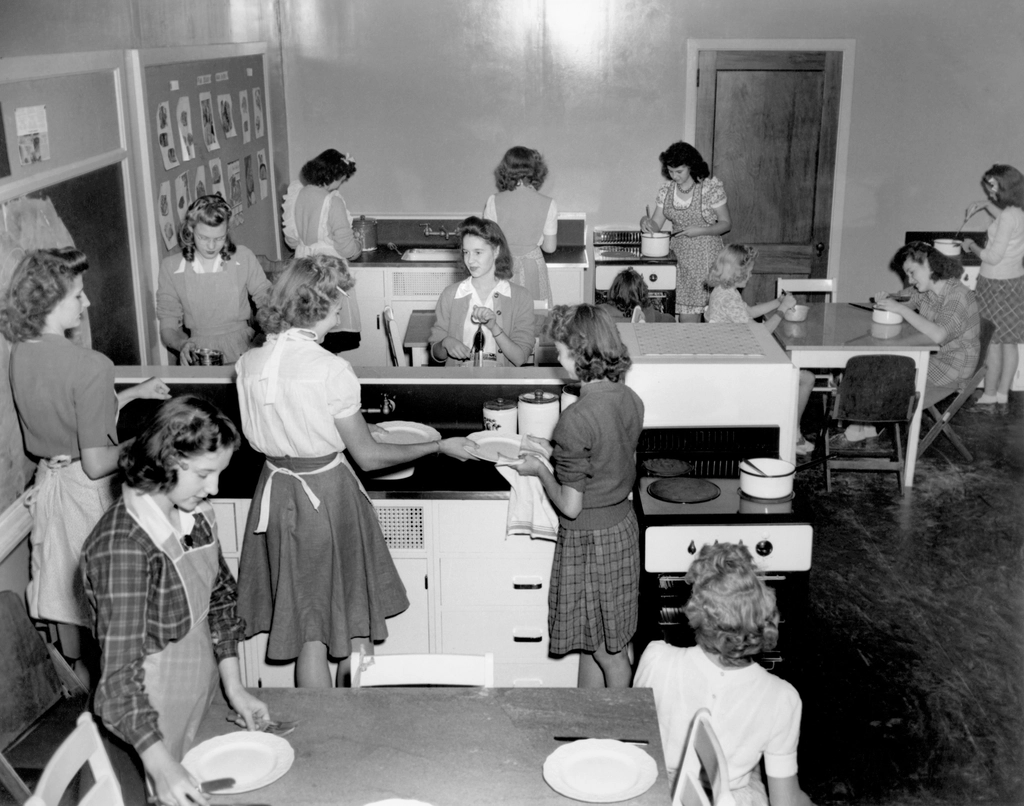
Grading Girls on Homemaking
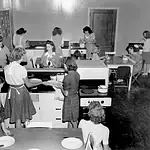
Through the 1950s and 1960s, girls were required to take home economics courses that taught ironing, cooking, sewing, table-setting, and cake-baking, ultimately graded on how well they performed these tasks. Boys did not have to take homemaking, but more on their extracurricular options in a moment. The homemaking curriculum was designed so that girls were trained for domestic life instead of academics or viable careers. Thankfully, by the 1970s and 1980s, schools were required to make all classes equally available to all genders.
No Water in Class
No matter where they resided, students were not permitted to drink water during class for much of the 20th century. Plus, many schools didn't provide access to water fountains between lessons either; there were limited, unhygienic fountains, and they were only accessible during designated breaks. The 1990s and early 2000s proved that hydration can directly affect cognitive function and focus, so carrying water bottles became the norm.
Silent Lunches
In many American schools throughout the 1950s-60s, lunch was silent. Students were expected to eat without speaking, with talking at the table often resulting in punishment. The disciplinary practice was abandoned as society learned how important socialization, peer interaction, and mealtime conversation can be in children's lives.
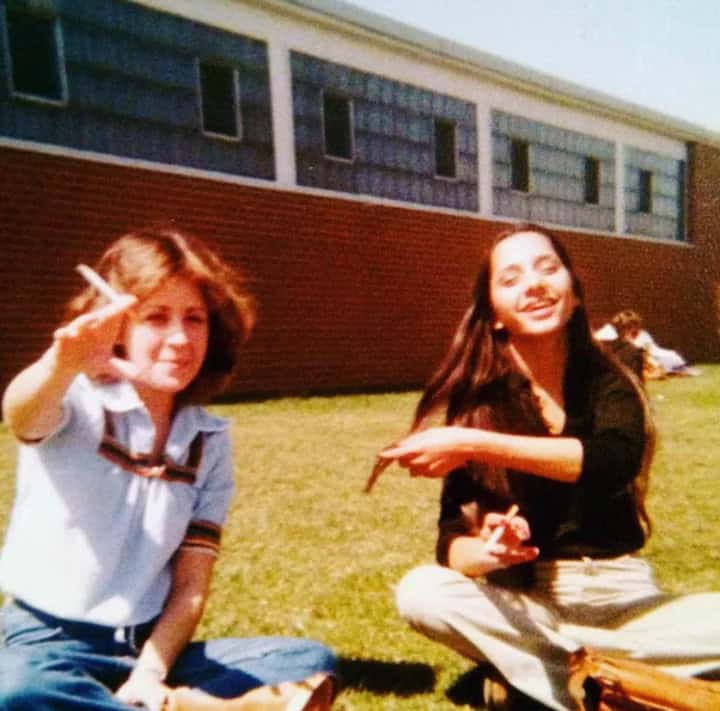
Smoking On Campus
As late as the 1980s, many American high schools had designated smoking areas directly on campus. Tobacco didn't have the notorious reputation back then that it has today, and smoking was considered an acceptable adult activity that older teenagers could easily pick up. However, no-smoking policies became standard in the late 1980s into the 90s, as we learned more about the harmful side effects of nicotine and tobacco.
Girls and Sports
Before Title IX, girls were not thought of as people who could participate in sports. In fact, at many schools, female students had no organized sports programs at all. If they did exist, girls' teams were expected to hold bake sales and other gendered fundraisers to pay for their own uniforms and travel, while boys' programs were fully funded by the school from the get-go. Since Title IX's enforcement, the number of girls participating in high school sports rose from roughly 300,000 in 1972 to about 2 million by 1978, and female sports have continued climbing ever since.
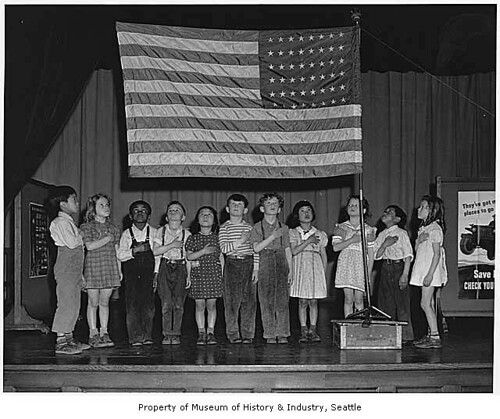
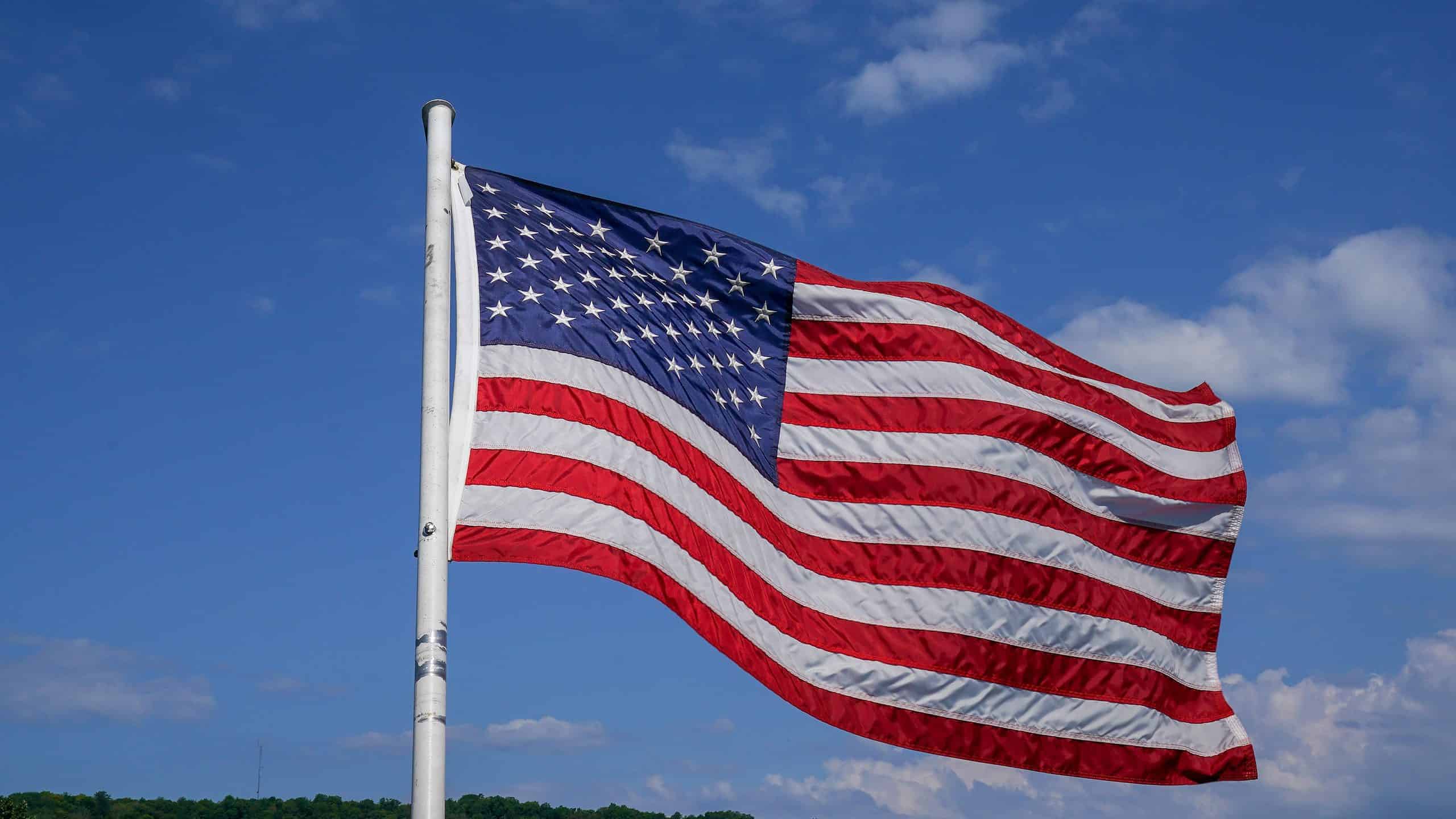
Saluting the Flag
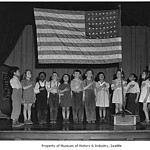
Students were required to stand and face the flag every single morning in schools, with no opt-out options. Any students who refused, including Jehovah's Witnesses, whose religious beliefs prohibited pledging loyalty to a governmental symbol, were expelled. The Supreme Court ruled on this long-standing routine in 1943, stating that saluting the flag or pledging allegiance violated their First Amendment rights.
Uniform Inspections
It was once the norm for teachers to routinely inspect students' uniforms at the start of the school day. Any deviation could mean you were sent home for the day: dirt, wear, improper fits, tears, or even alterations. Real academic consequences existed for students who couldn't maintain their uniforms, something that wouldn't stand today. However, it's difficult to say whether or not some private schools still maintain these rigorous standards.
Boys and Shop Class
We mentioned we'd get to the gendered issues surrounding boys in school, and we've arrived! Just as girls had to take home ec, boys had to enroll in shop class or other vocational training courses. Girls who wanted to learn a trade (or simply use power tools) were turned away. Because vocational training courses led to careers with real earning potential, this gendered segregation had lasting economic consequences for women. Plus, what about the boys who just wanted to learn how to make a darn good cake?
Monitored Interracial Friendships
In segregated schools, the separation of students due to race extended into extracurricular activities and campus recesses, ensuring that friendships across racial lines couldn't naturally form. Even following Brown v. Board, social interactions were often informally policed by school administrators. The Civil Rights Act of 1964 worked to stop this, but the cultural feelings surrounding interracial friendships stubbornly remained for some time afterward.
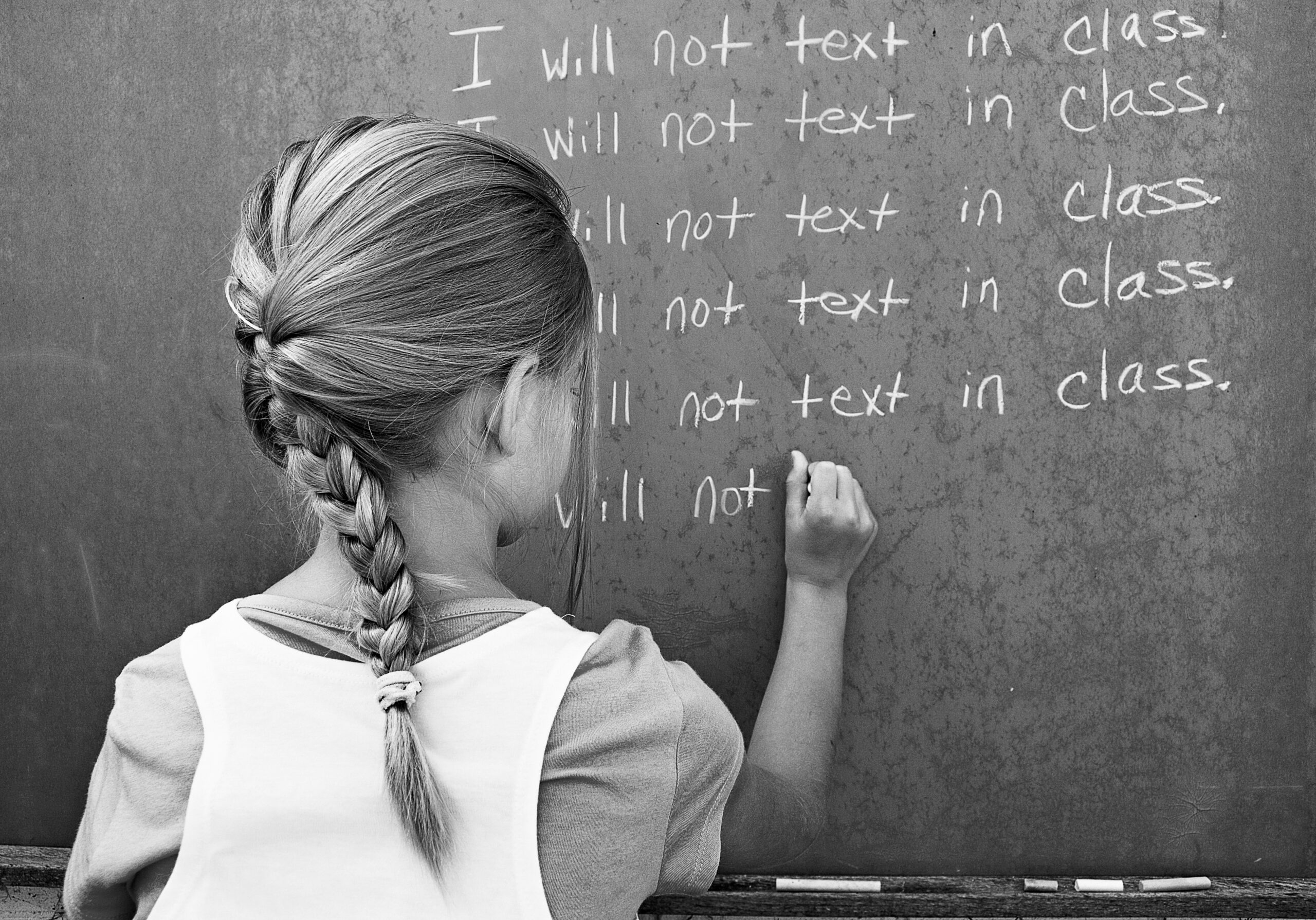
Writing Lines On the Board
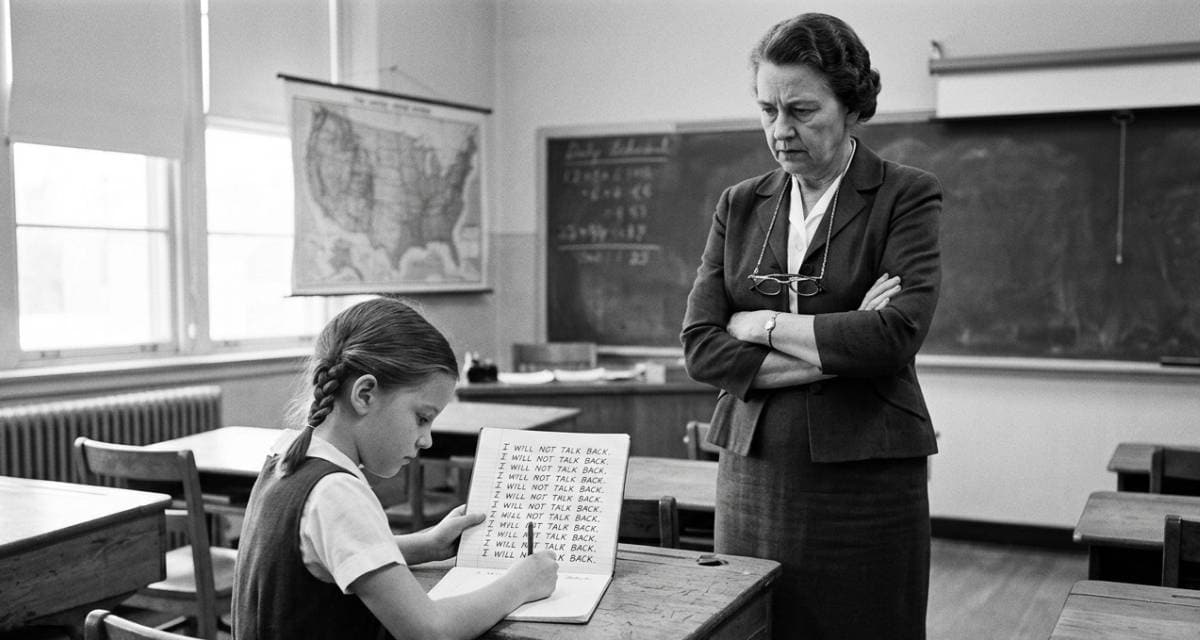
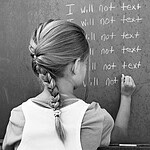
It was standard for misbehaving students to write repeated lines on the classroom chalkboard, often 100 times or more. This was a standard punishment across American and even British schools for well over a century, with the belief that it would make students compliant. A single mistake in your writing could mean starting over from the beginning, and the tedious practice remained well into the 1990s, despite no proof it helped students at all.
Isolating Disabilities
Even after schools could no longer turn disabled students away, decades passed with these students placed in isolated special education rooms, separated from the general school population for the entirety of the school day. This meant they were never exposed to mainstream academic expectations, nor did they have the opportunity to make friends outside of their limited classroom. Thankfully, today's model of supporting students within general education classrooms whenever possible exists to defy the divide that once prevailed.
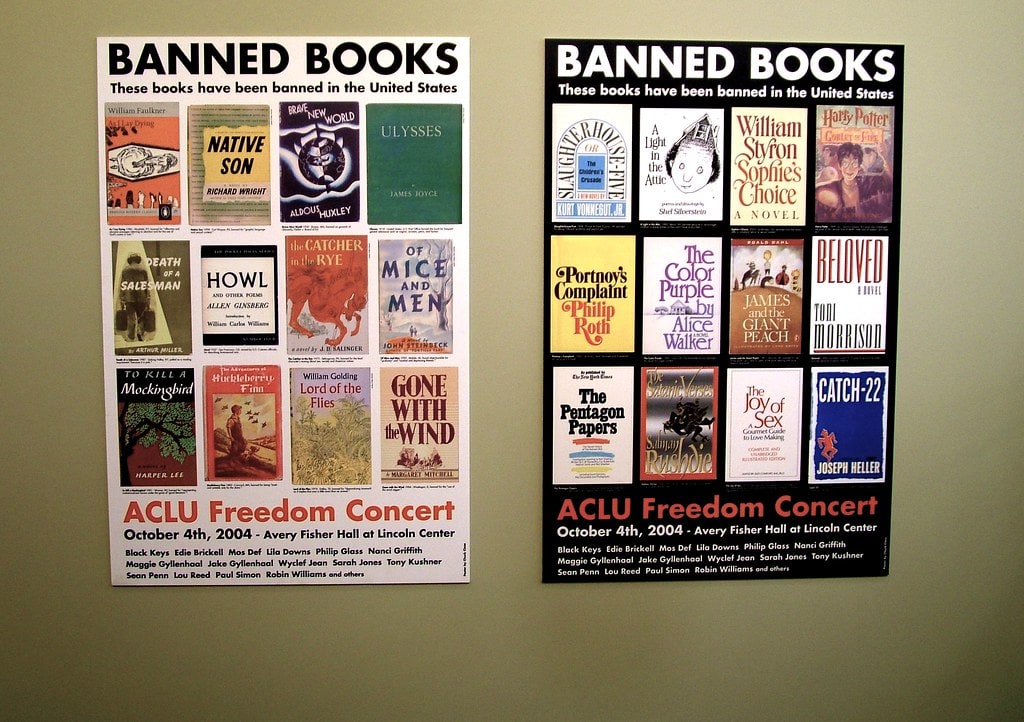
Book Banning
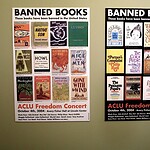
It's been a common occurrence for school administrators to remove books from classrooms and libraries with little to no formal process, with everything from community pressure to a single parent's complaint acting as valid enough reasons. Books of all types were pulled from public school shelves anytime someone decided they were immoral, mature, politically suspect, or religiously offensive. The Supreme Court addressed this in Board of Education v. Pico in 1982, ruling that school boards can't just remove books from libraries because they disagree with the ideas inside them. However, this ruling was narrow enough that book removal controversies continue to this day.
Girls and Advanced Academics
While girls were allowed to take advanced math, science, history, and college preparatory courses, social pressures and discouragement at every level functioned as effective bans. Teachers routinely told female students that these subjects were for boys, and the broader culture of the time taught that intellectual ambition in women was both unnecessary and unfeminine. In 1970, only 11% of U.S. medical students were women; today, women make up more than half of American medical school enrollment, thank goodness.
The Pledge of Allegiance
We touched on students saluting the flag every morning, but what of the Pledge of Allegiance? When it was originally written in 1892, it actually contained no reference to religion; the phrase under God was added by Congress in 1954 during the Cold War, which is also why daily recitation of the Pledge was enforced. However, a case in 2000 challenged that the phrase violated the Establishment Clause, but to no avail. The case wasn't resolved or legally unsettled, which is why the Pledge continues in many schools today.
Do Students Have the Right to Express Themselves?
For so much of American history, students were meant to surrender their constitutional rights the moment they walked through their public school door. It was the norm for administrators to suppress student speech or publications, and they could even punish political expression with no legal ramifications.
A landmark 1969 Supreme Court case named Tinker v. Des Moines happened after students were punished for wearing black armbands to protest the Vietnam War, establishing that students should be allowed to maintain their constitutional rights. While that ruling didn't end the tension between student expression and institutional authority, it gave students the legal standing to fight back.