Andrew Clemente
Ken Lund / BY-SA 2.0
Rudy Balasko / Shutterstock.com
Kit Leong / Shutterstock.com
Volodymyr TVERDOKHLIB / Shutterstock.com
Ken Lund / BY-SA 2.0
Sean Pavone / Shutterstock.com
Brent Coulter / Shutterstock.com
Sean Pavone / Shutterstock.com
Robert Harding Video / Shutterstock.com
Mihai_Andritoiu / Shutterstock.com
Engel Ching / Shutterstock.com
Charles Knowles / Shutterstock.com
pom'. / BY-SA 2.0
Trodel / BY-SA 2.0
IEW MEDIA / Shutterstock.com






15 States Americans Say Have Changed the Most Over the Last 20 Years
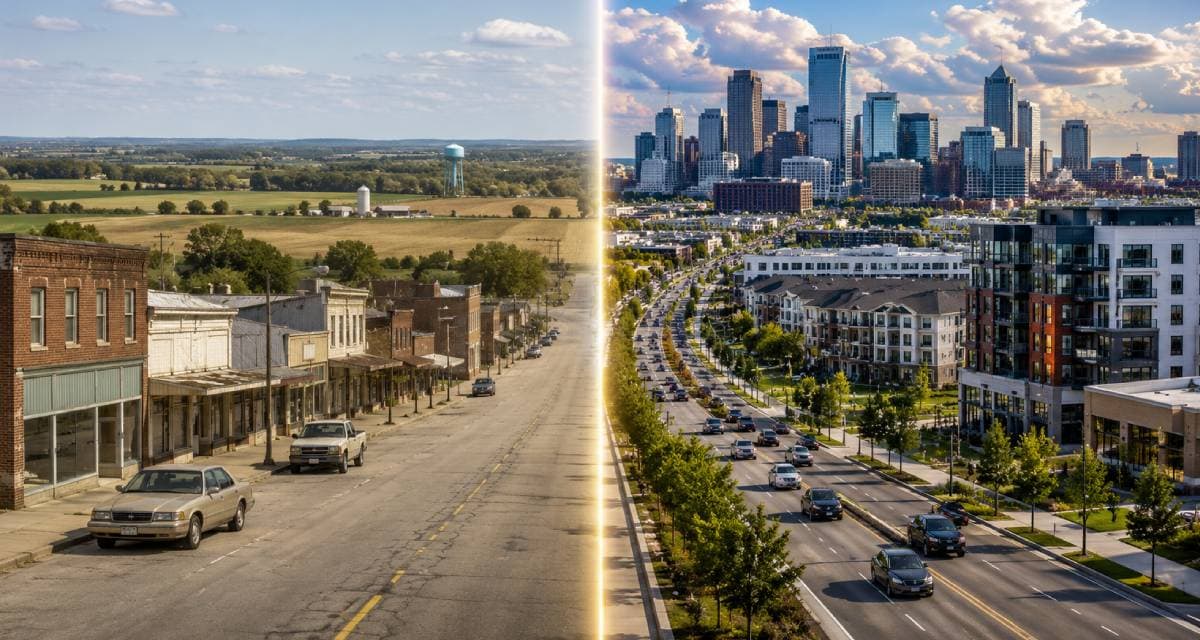
Time flies by so quickly that sometimes you forget about it until you stop and notice that the world has changed around you. You come home but don't recognize your childhood streets, although the address is correct. Physically, it's the same place, but the vibe has changed.
The familiar cafe has turned into an organic juice bar, the rent prices have skyrocketed, and there's now a rooftop pool where the hardware store used to be. Small changes, but they usually happen due to bigger transformations happening across the state.
Throughout its history, America has managed to reinvent itself multiple times, and the last 20 years have passed in leaps and bounds. But when people start thinking about how different everything looks compared to the old times, the same names usually come to mind. So today, we are going to take a look at the 15 states Americans say have changed the most in the last 20 years.
Texas
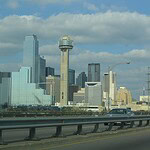
Texas has seen one of the biggest demographic shifts in the country's history over the last 20 years. Millions of newcomers from California, New York, and beyond have moved to the state, leaving their mark on everything from state politics to the restaurant scene.
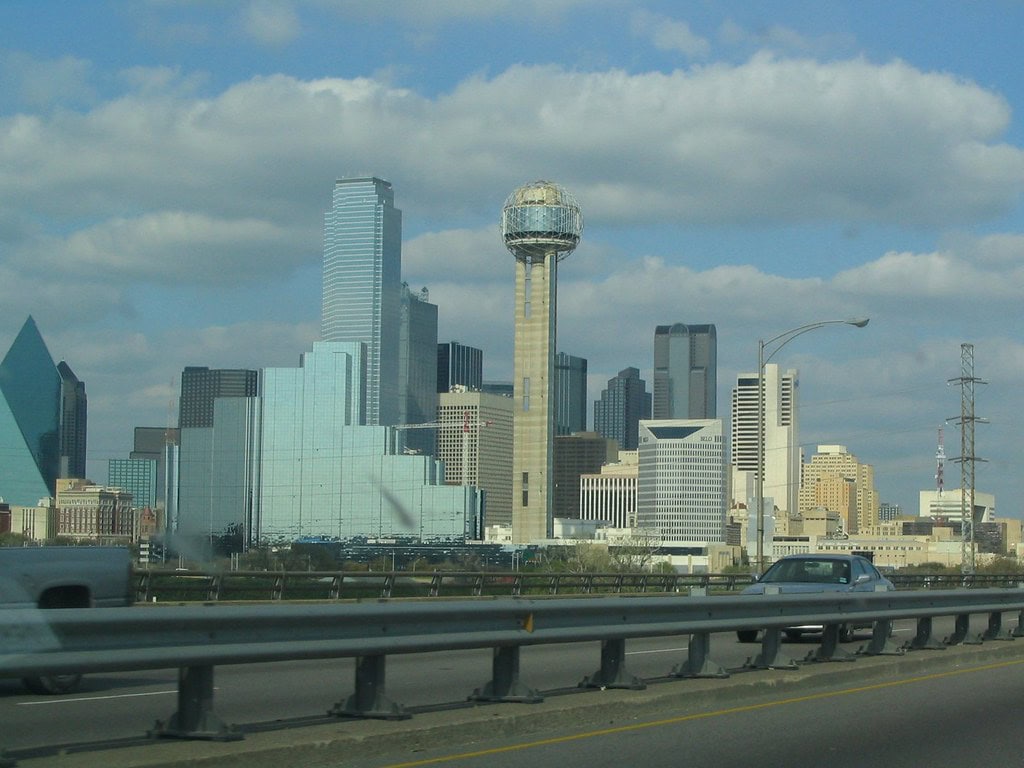
Austin went from a college town with affordable rent and a thriving local music scene to a growing tech hub where once-cheap studio apartments now cost at least $1,800. Dallas and Houston have also changed in similar ways. The state still has its distinctive character, but it’s evolving at a pace that would have been hard to predict 20 years ago.
Tennessee
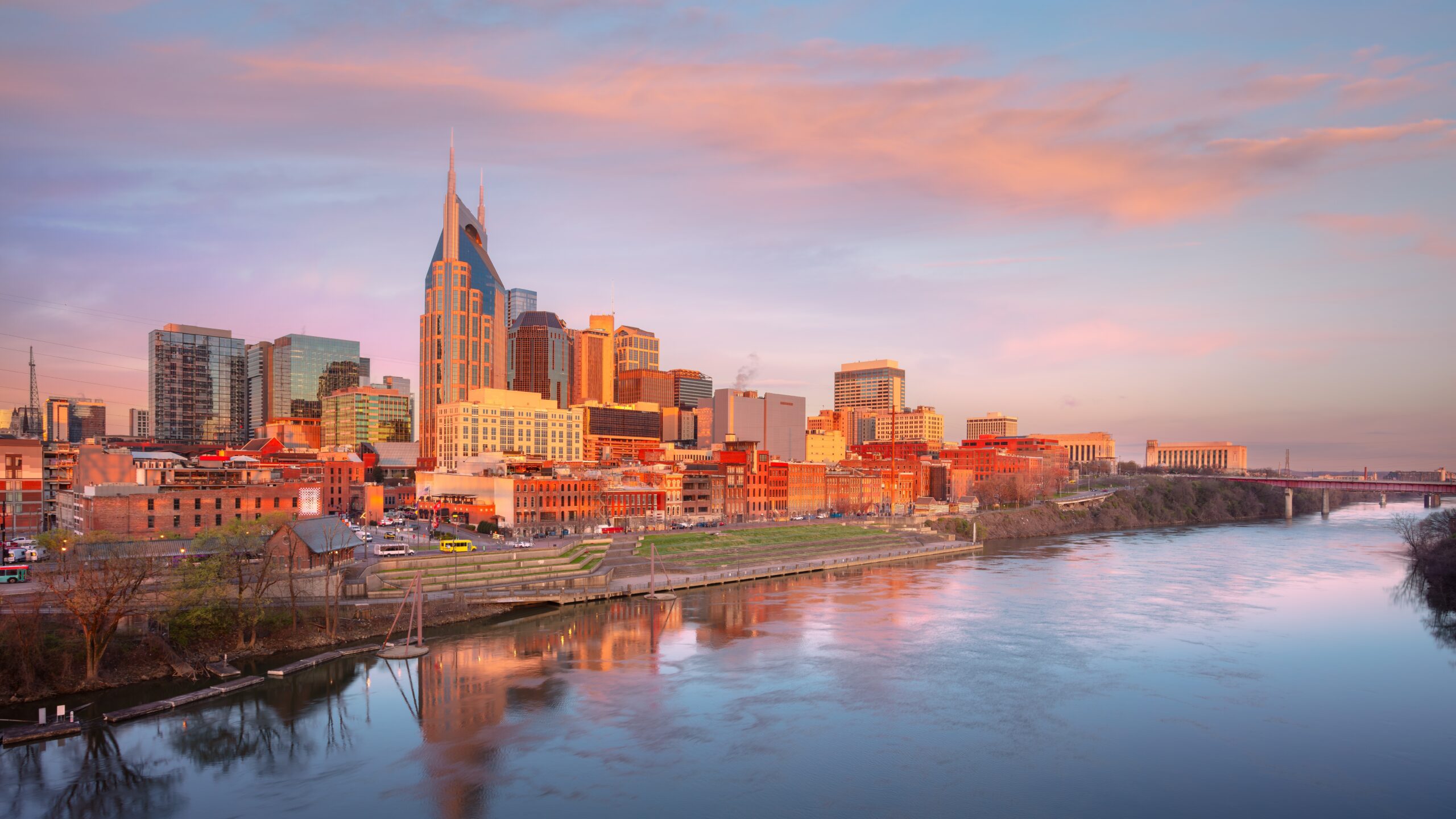
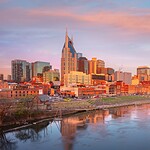
Tennessee has changed in ways that would have been very difficult to predict 20 years ago. Nowhere is that more visible than in Nashville. Corporate relocations and a wave of newcomers have transformed the city's economy and pushed up the cost of living. The Lower Broadway bar scene exploded along with it, and Nashville has seen its identity as the capital of country music diluted as it became the country's top destination for bachelorette parties.
Nashville is the most visible symbol of the shift, but rising costs and the same wave of arrivals have reshaped communities all across the state, including Knoxville, Chattanooga, and the smaller towns in between.
Colorado
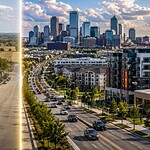
Colorado has been welcoming newcomers for decades, but the legalization of recreational marijuana in 2014 has transformed it in ways few expected. Denver went from a mid-sized Western city to a progressive urban destination, attracting cannabis tourists drawn by the novelty, along with younger professionals and remote workers.
The new influx of people has made it hard for the housing market to keep up. Home prices have skyrocketed faster than in nearly any other state. While some of its traditions are still intact, including skiing and mountain tourism, the Colorado that natives used to know for its affordable lifestyle and outdoor activities is largely a thing of the past.
Florida
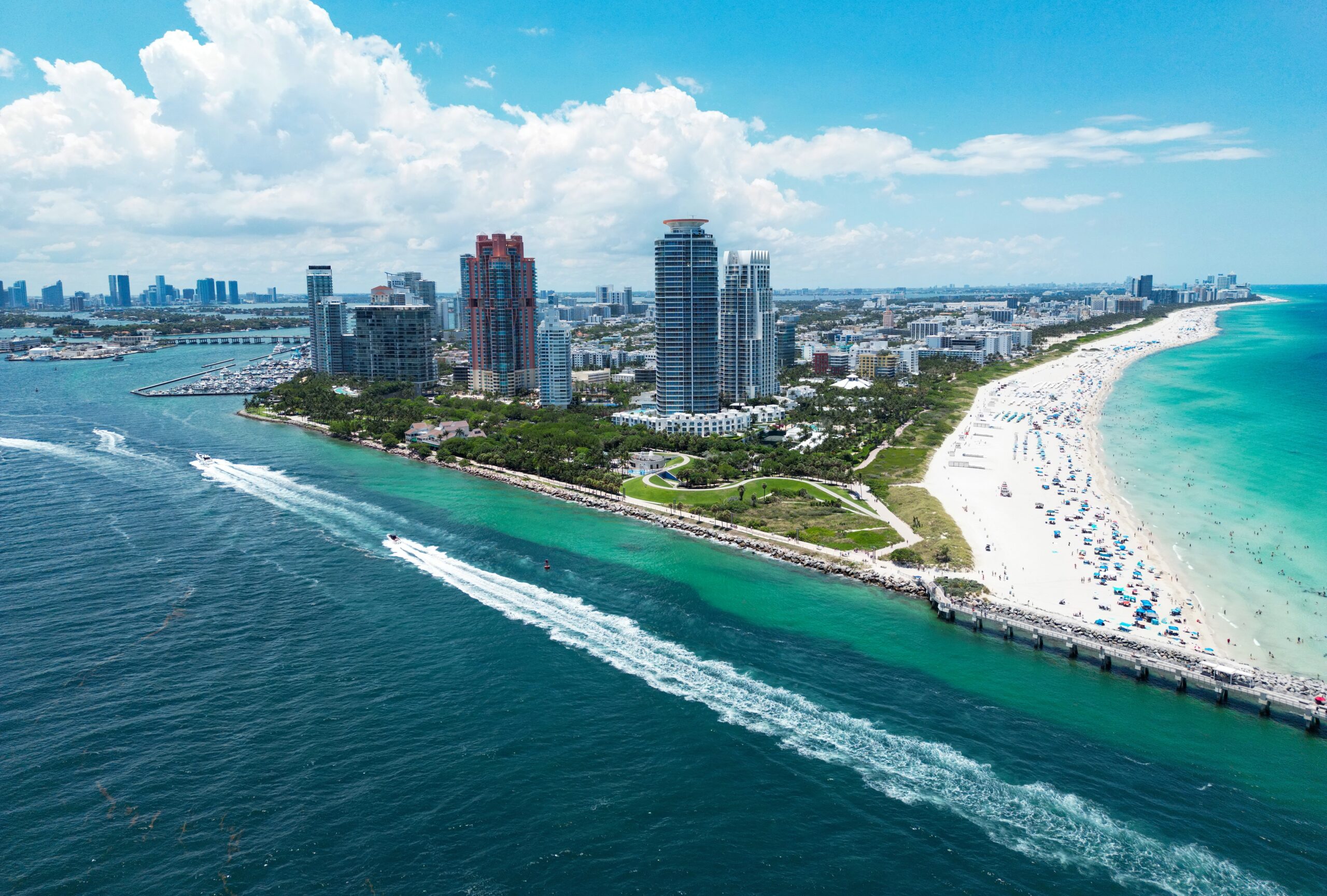
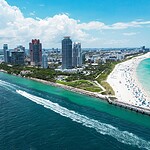
Florida has always been a prime destination in the U.S., a place where people move to from all over the country. However, in the last 20 years, it started to attract a different kind of newcomer. The state has seen a wave of remote workers and tech entrepreneurs arrive in numbers that reshaped entire cities.
The new residents are drawn by a combination of factors: no state income tax, relatively lower living costs, and a political climate that suited many of the people leaving the blue states. Miami has felt it the most, with locals now describing it as a smaller version of Manhattan with high real estate prices to match.
Nevada
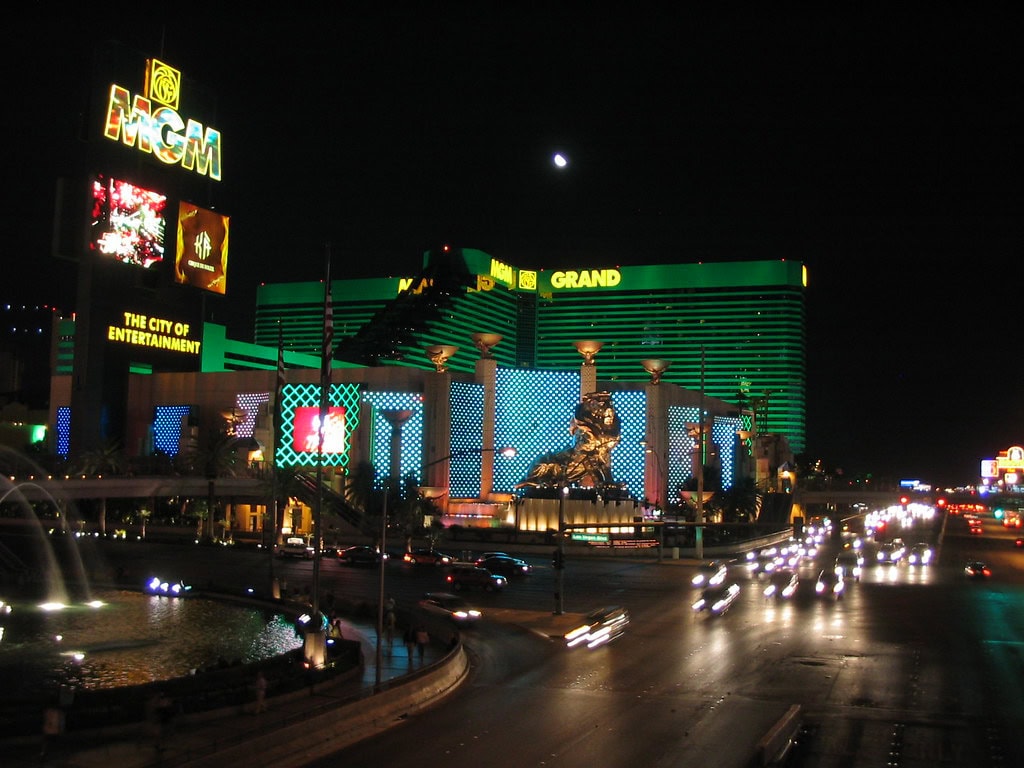
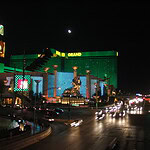
Partially fueled by the iconic status of Las Vegas, Nevada has undergone a dramatic transformation that goes well beyond the Strip. In the last two decades, the state has become one of the most diverse in the country by birthplace, drawing people from across the U.S. and internationally.
Henderson and the suburbs surrounding Las Vegas have become genuine family towns, not just extensions of the casino district. Reno has also reinvented itself as a tech and manufacturing destination, attracting data centers and fostering a small yet growing startup culture. Nevada used to be a place you would occasionally visit, but increasingly, it's becoming home for many.
Georgia
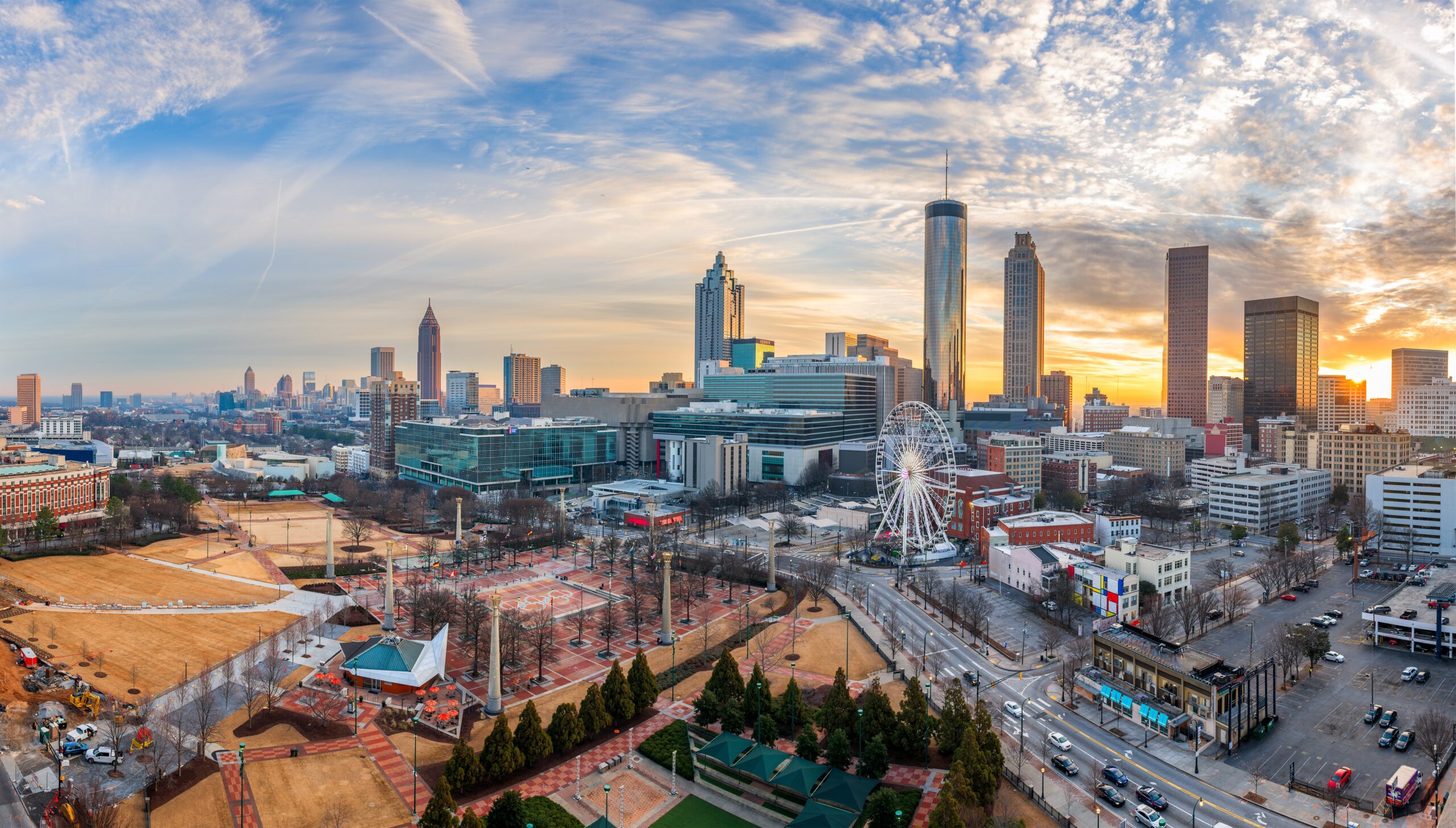
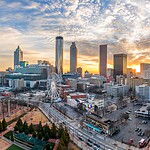
Atlanta's rise as both a cultural and economic hub has reshaped the identity of Georgia in ways that would have surprised most people two decades ago. The shift has been largely fueled by the film industry, which turned the area around the city into one of the busiest production zones in the country. Tech companies and corporate headquarters have followed suit.
The political landscape has shifted just as visibly. Georgia went from a reliable red state to a purple one, an unexpected transformation that received national attention during the 2020 election.
Arizona
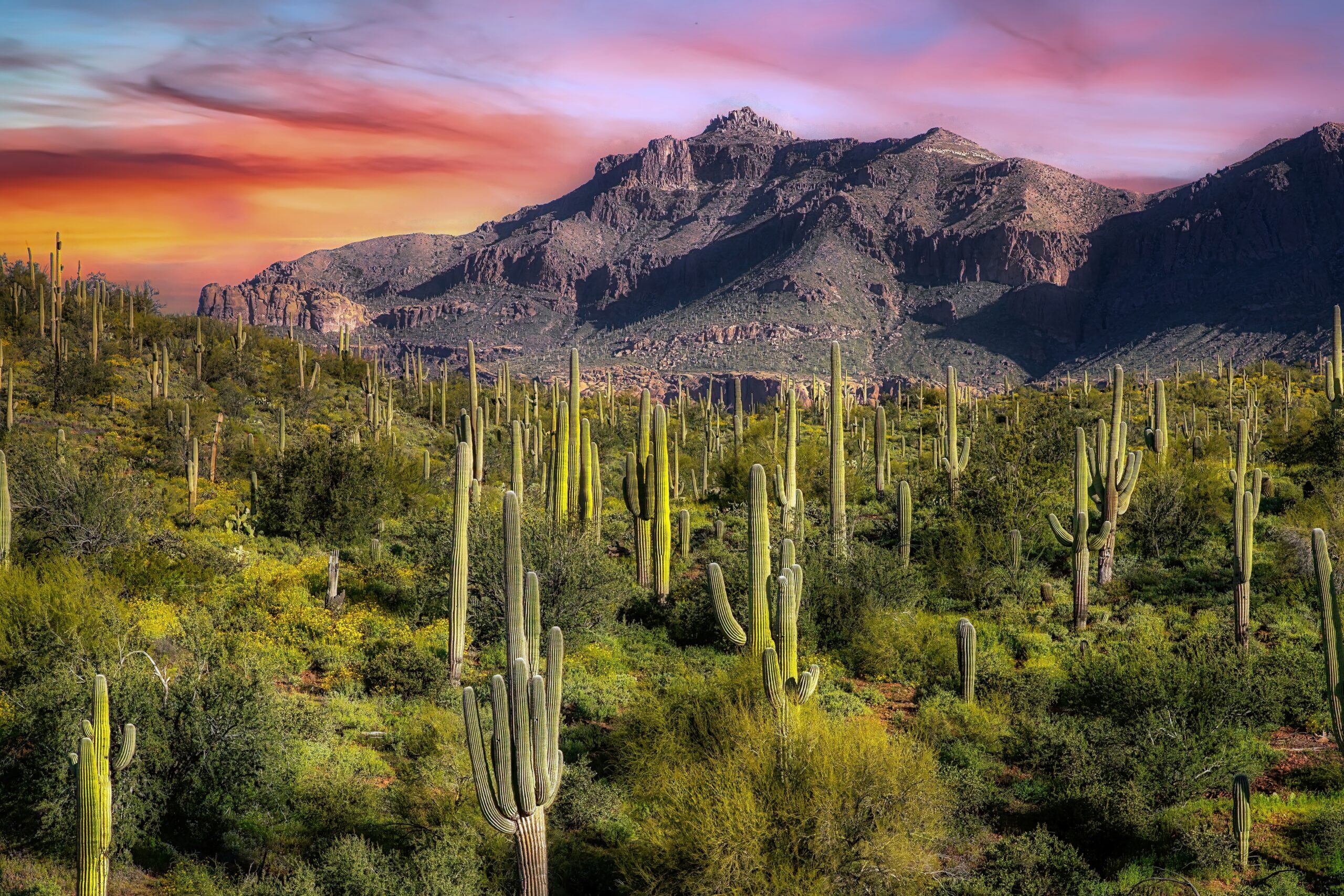
Phoenix and its surrounding suburbs were already growing quickly 20 years ago. However, the pace picked up quickly as Arizona absorbed a large chunk of the domestic migration during the recent pandemic. People left their home states, looking for lower costs and warmer winters, and found them in Arizona.
The growth goes well beyond Phoenix. Scottsdale evolved into a luxury destination, while Tempe and Mesa have become more densely populated than ever before. The increase in Arizona's population has raised concerns both from residents and outsiders, as the Colorado River that supplies much of the state's water has been shrinking for years, and the population growth show no signs of slowing down.
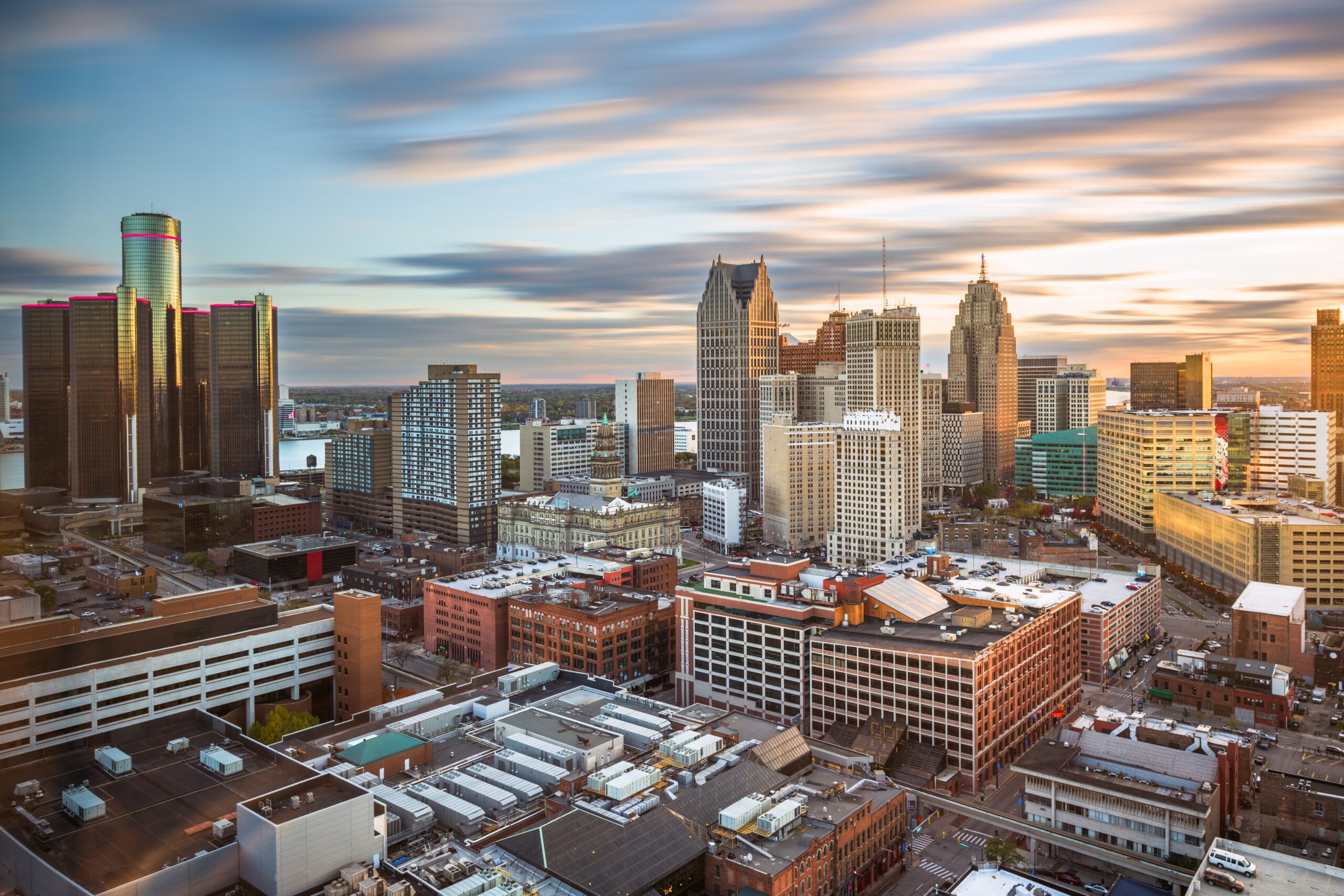
Michigan
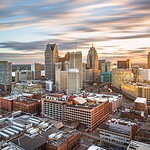
Michigan's story over the past 20 years is one of the most complex on this list, and Detroit is its most dramatic chapter. The city declared the largest municipal bankruptcy in U.S. history in 2013 and has been rebuilding ever since. Parts of the city have made a visible comeback in the last decade, with new investments, restaurants, and revived cultural energy.
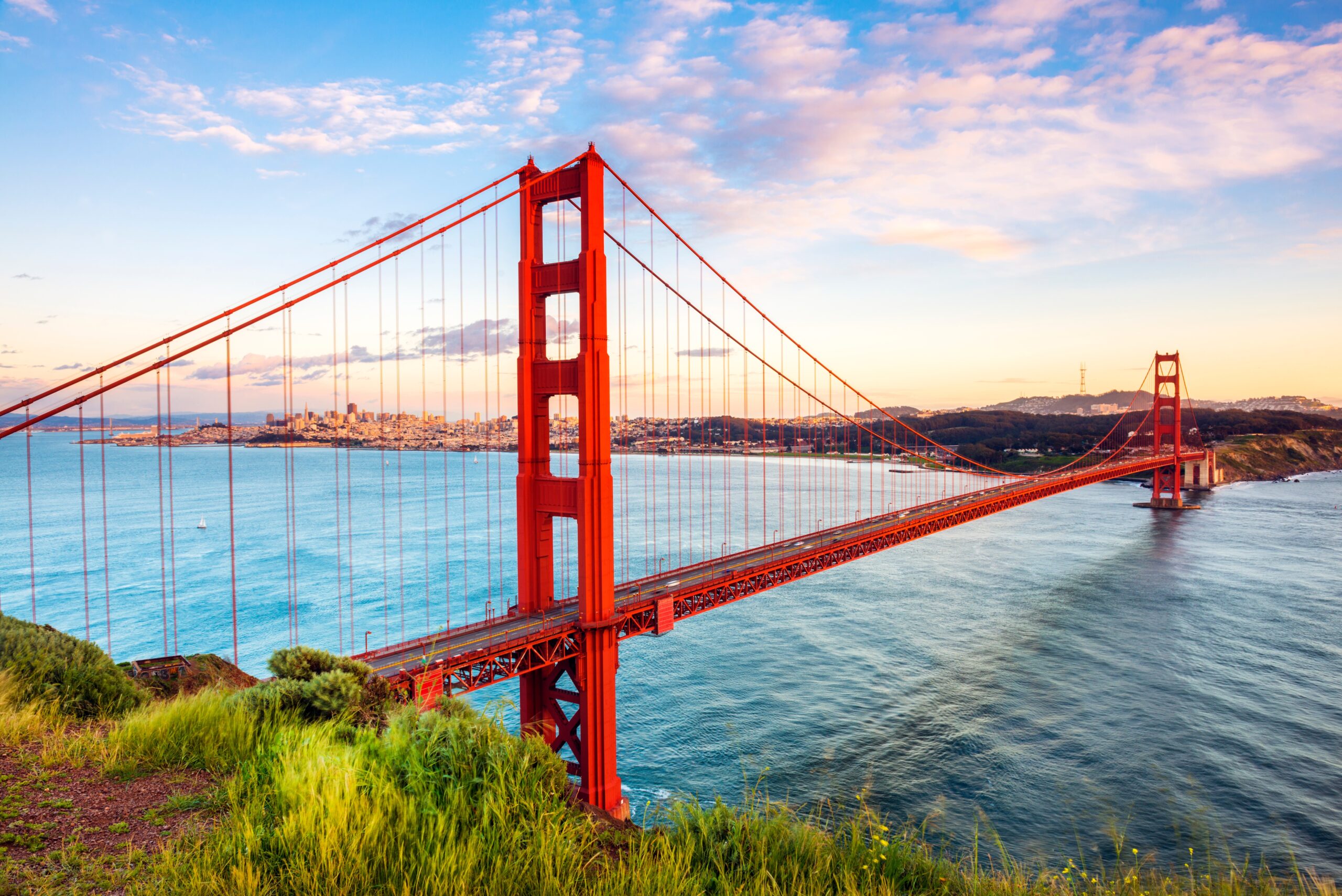
California
While most entries on this list are about states that have seen a massive population influx, California is the state people have been leaving en masse. The population has dipped significantly as middle-income families and retirees move to states like Texas and Arizona. In the meantime, a wealthier America has been consistently moving in.
California used to be a place where most people could afford a nice house in a decent neighborhood. That vision is mostly gone, and what is left is a state so expensive that leaving it behind has become the only viable option for a large portion of middle-class residents.
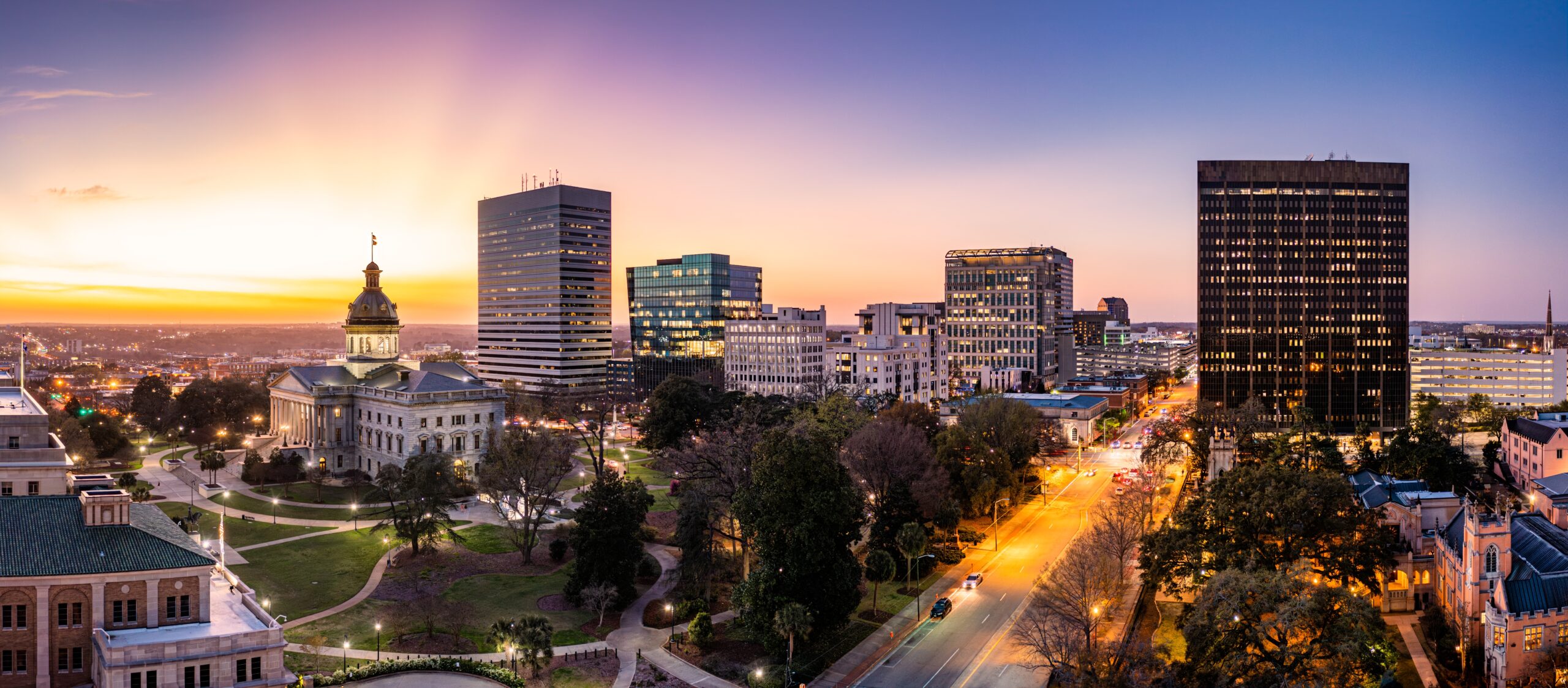
South Carolina
South Carolina has grown steadily over the last 20 years, surprising even its own residents. Charleston has evolved from a cozy historic city into a premium destination with rising property prices. The coastal areas have also been attracting retirees and remote workers at a pace that local infrastructure has struggled to keep up with.
The state has ranked among the top destinations for domestic migration repeatedly, drawing people from colder and more expensive states looking for space and a lower cost of living.
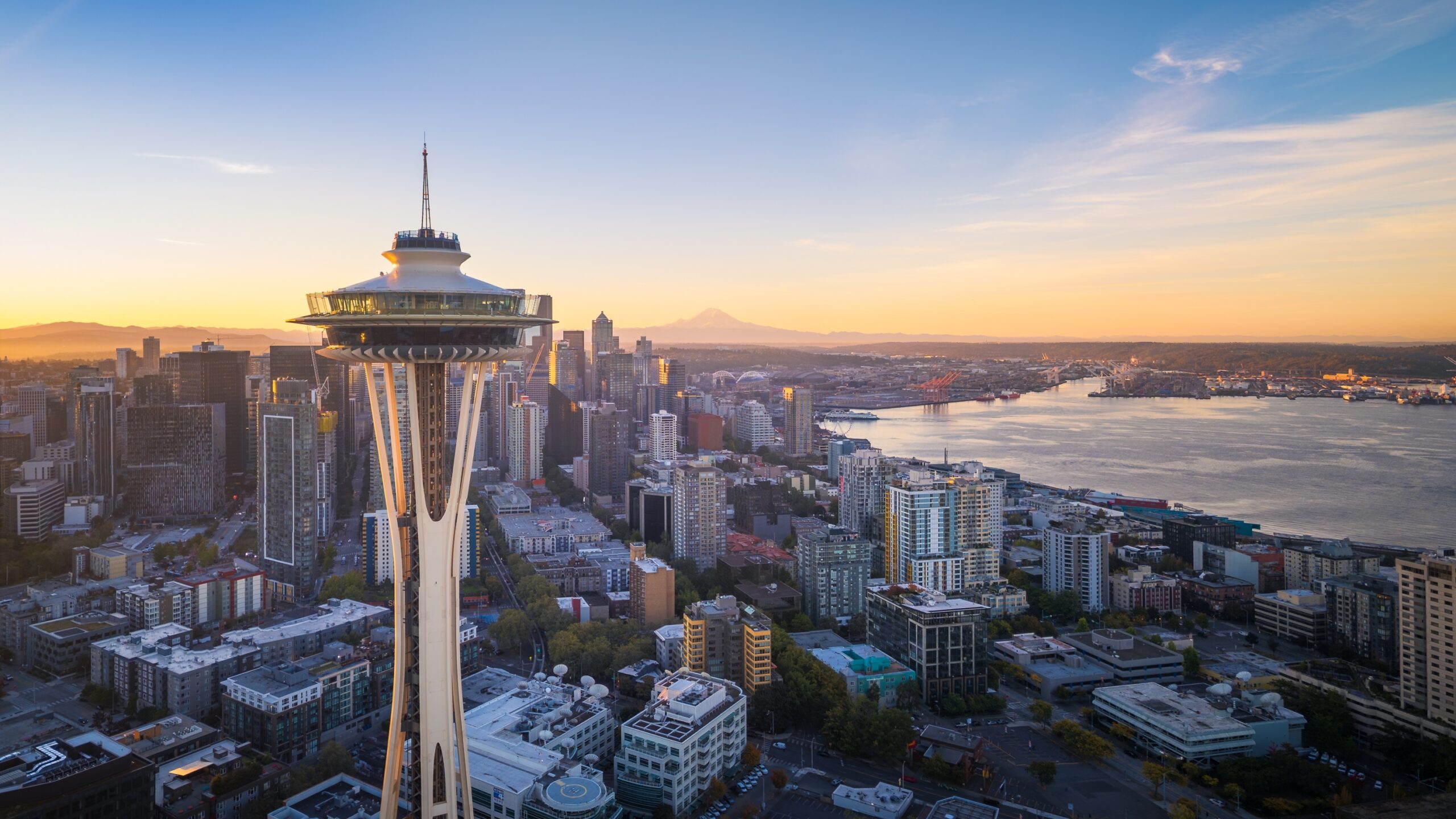
Washington
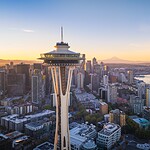
Washington has changed significantly over the last two decades, and nowhere is that more visible than in Seattle. The city already had a strong tech presence 20 years ago, but Amazon's expansion has turned it into a full-blown tech hub. The city and its suburbs have absorbed tens of thousands of high-wage workers, pushing longtime residents further out into adjacent areas.
Seattle's transformation has been the most visible, but the ripple effects of rising costs and an influx of high earners have been felt across Tacoma, Bellevue, and the smaller communities in between.
Idaho
Idaho's growth, particularly that of the Boise area, caught a lot of people off guard, including its own residents. The state was consistently among the fastest-growing states in the country in the early 2020s, and the rise of remote work during the pandemic brought a wave of newcomers from other states.
Boise used to be an affordable mid-sized city with a good quality of life, and while the latter still holds up, home prices rose sharply as newcomers arrived. The gap between what locals earn and what the market is now demanding is becoming hard to ignore. It is a pattern that has played out across the state, from the northern panhandle to the rural communities.
Illinois
Illinois has seen a steady decrease in population, losing more residents than almost any other state over the past decade. The middle class has been migrating in numbers, mostly looking for lower taxes and affordable housing.
The shift in the state’s demographic has reshaped Illinois in ways that took years to fully understand. Nowhere is that more visible than in Chicago, a city that has spent 20 years dealing with population decline and fiscal pressure. While the city remains a cultural hub, the conversation about what is driving people away has become harder to ignore.
Oregon
Oregon's transformation has largely played out in Portland, though the rest of the state has also felt it. The city experienced a boom that turned it into a progressive urban destination. It later went through a rougher stretch involving visible homelessness and social unrest and has never truly recovered.
While the Oregon coast and the rural interior remain much as they were, Portland's identity has changed substantially in the last two decades
Ohio
Ohio tells a different story from most states on this list. It lost a large chunk of its population and congressional seats as manufacturing employment declined. This has been particularly visible in cities like Cleveland and Youngstown for longer than 20 years now.
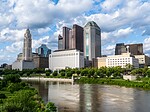
Columbus has been the exception to the rule. It has managed to become a Midwest success story, built on a major university and a diversified economy.