Kenzos/Shutterstock.com
Altairisfar (Jeffrey Reed) / BY-SA 3.0
James St. John / BY 2.0
M McBey / BY 2.0
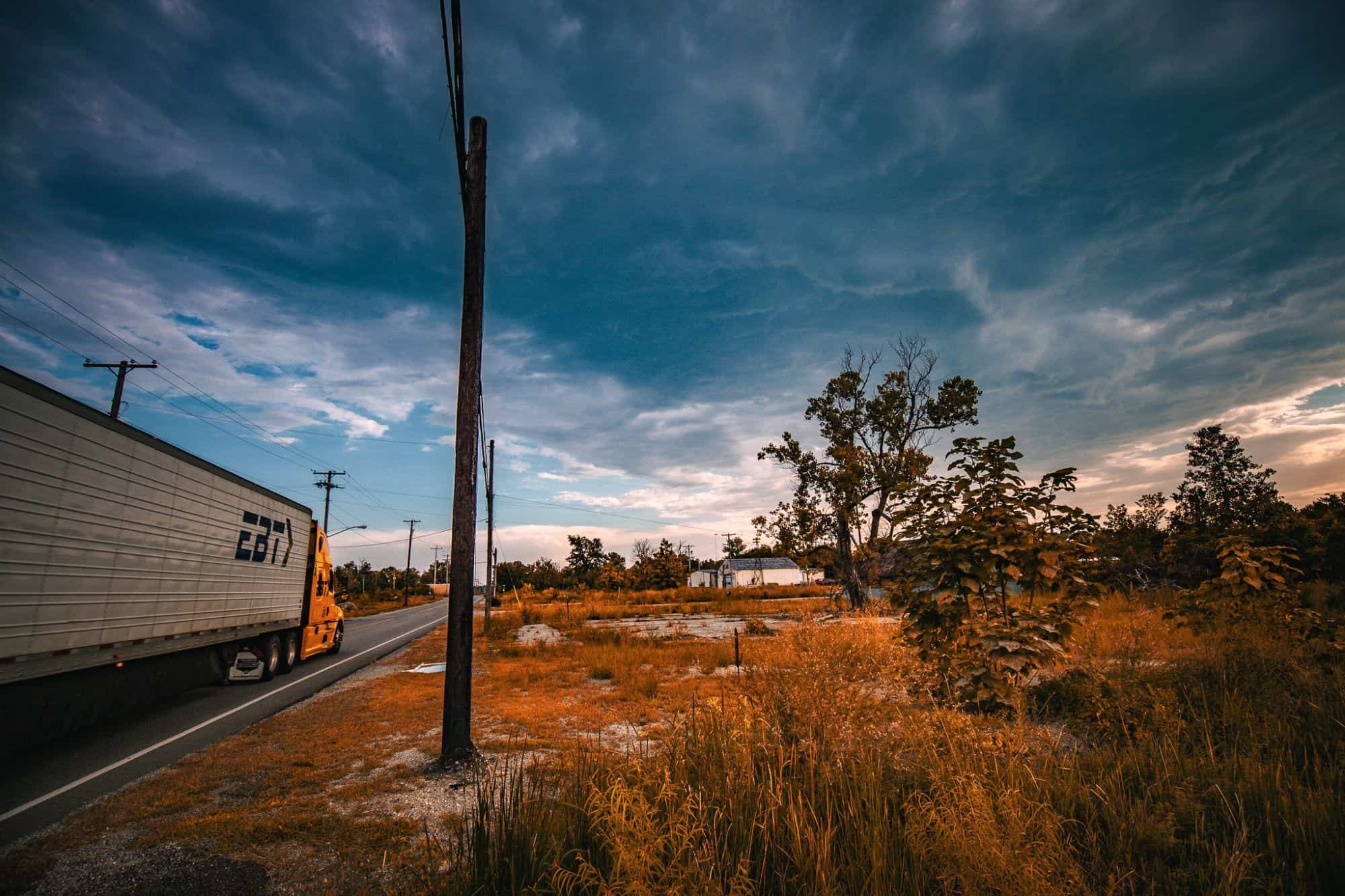
NevinThompson / BY-SA 4.0

Adam Jones, Ph.D. - Global Photo Archive / BY 2.0

Jeffrey Beall / BY 4.0

KFD129 / BY-SA 3.0
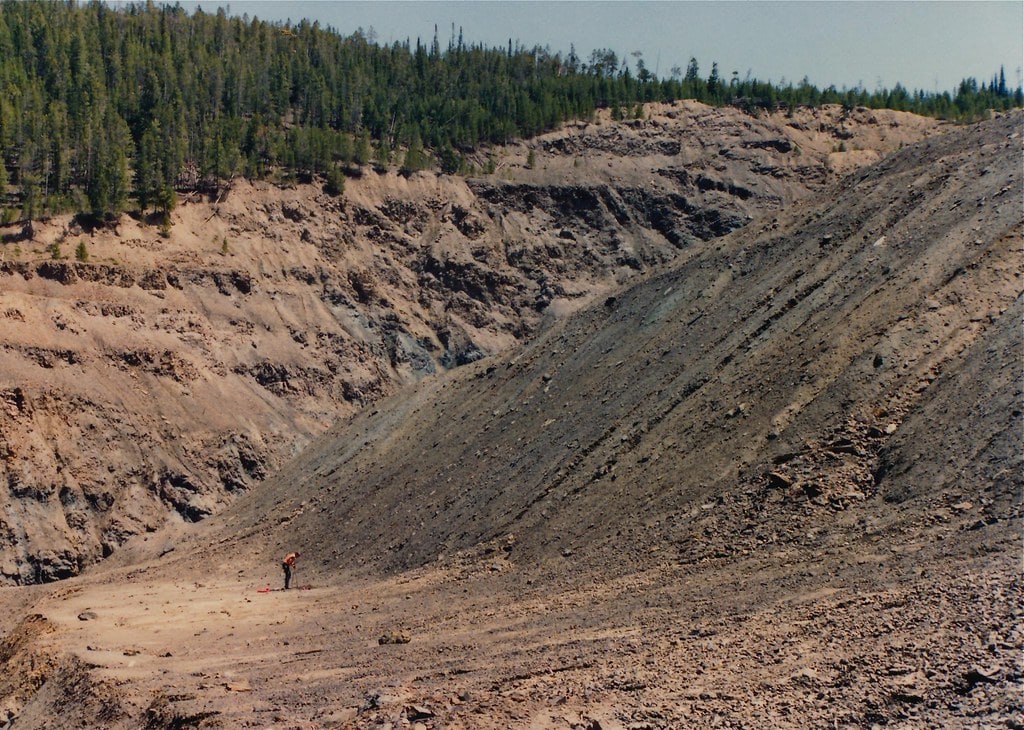
roy.luck / BY 2.0
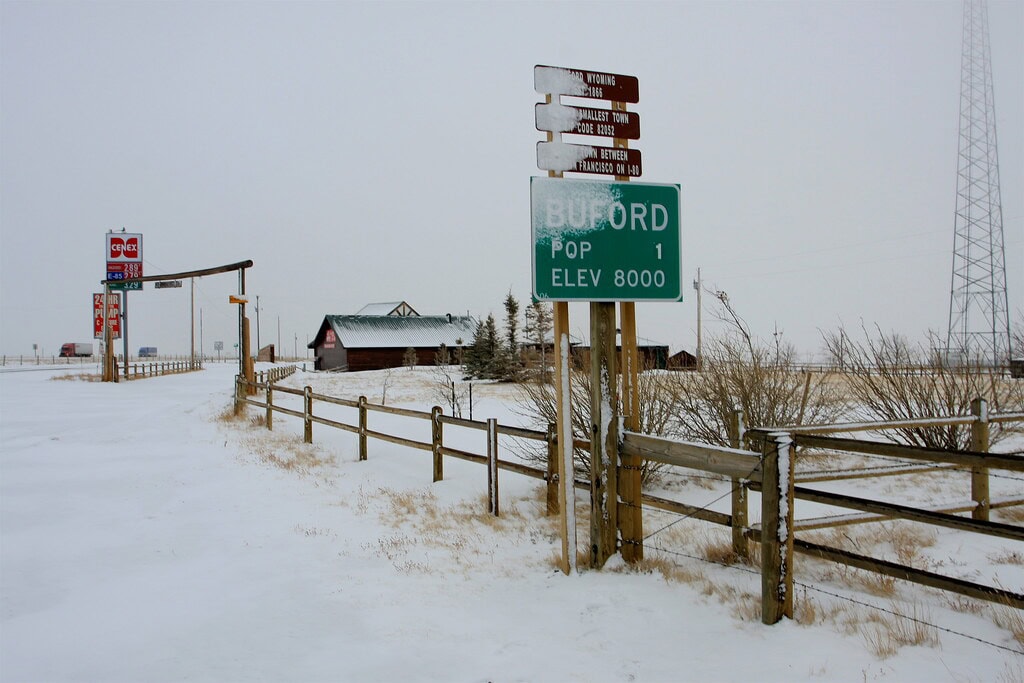
TravelingOtter / BY-SA 2.0

Northfielder / BY 2.0
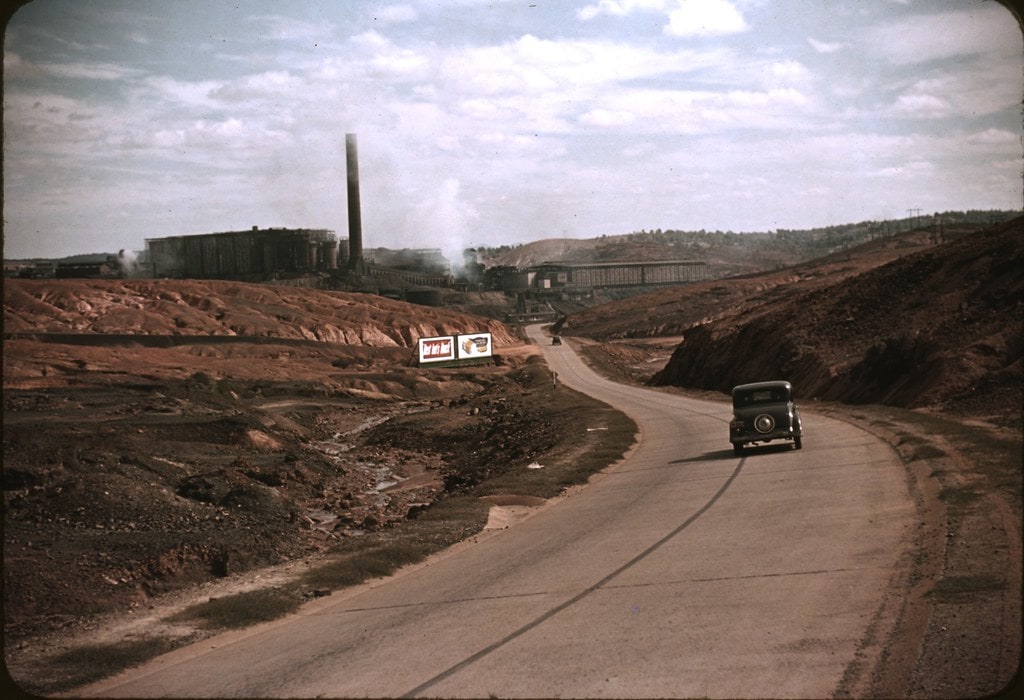
polkbritton / PDM 1.0

amanderson2 / BY 2.0

jaygannett / BY-SA 2.0
Ken Lund / BY-SA 2.0

Andrew Balet / BY 3.0

Wrangell-St. Elias National Park / BY-SA 2.0






16 Once-Thriving American Towns That Are Nearly Empty Today
So many towns in America were once full of purpose, but no longer. There were reasons for all of these places to begin, whether they were conveniently located or centralized around a particular resource. While these were places where people lived, worked, raised families, and built something that felt permanent, these are the towns that could not remain forever.
Why did these towns face declines that they couldn't bounce back from? What remains of these towns today, and does anything remain within them to indicate their once thriving pasts? We've rounded up 16 American towns that had their heydays but seem more like ghost towns in our modern world. We'll discuss what happened to them, including why they grew in the first place, ultimately showcasing the tragedies of time and specific events that led to their downfalls.
This is a record of how America grew, and ultimately what it left behind. Let's take a tour of these 16 small and empty towns now.
Cahaba, Alabama
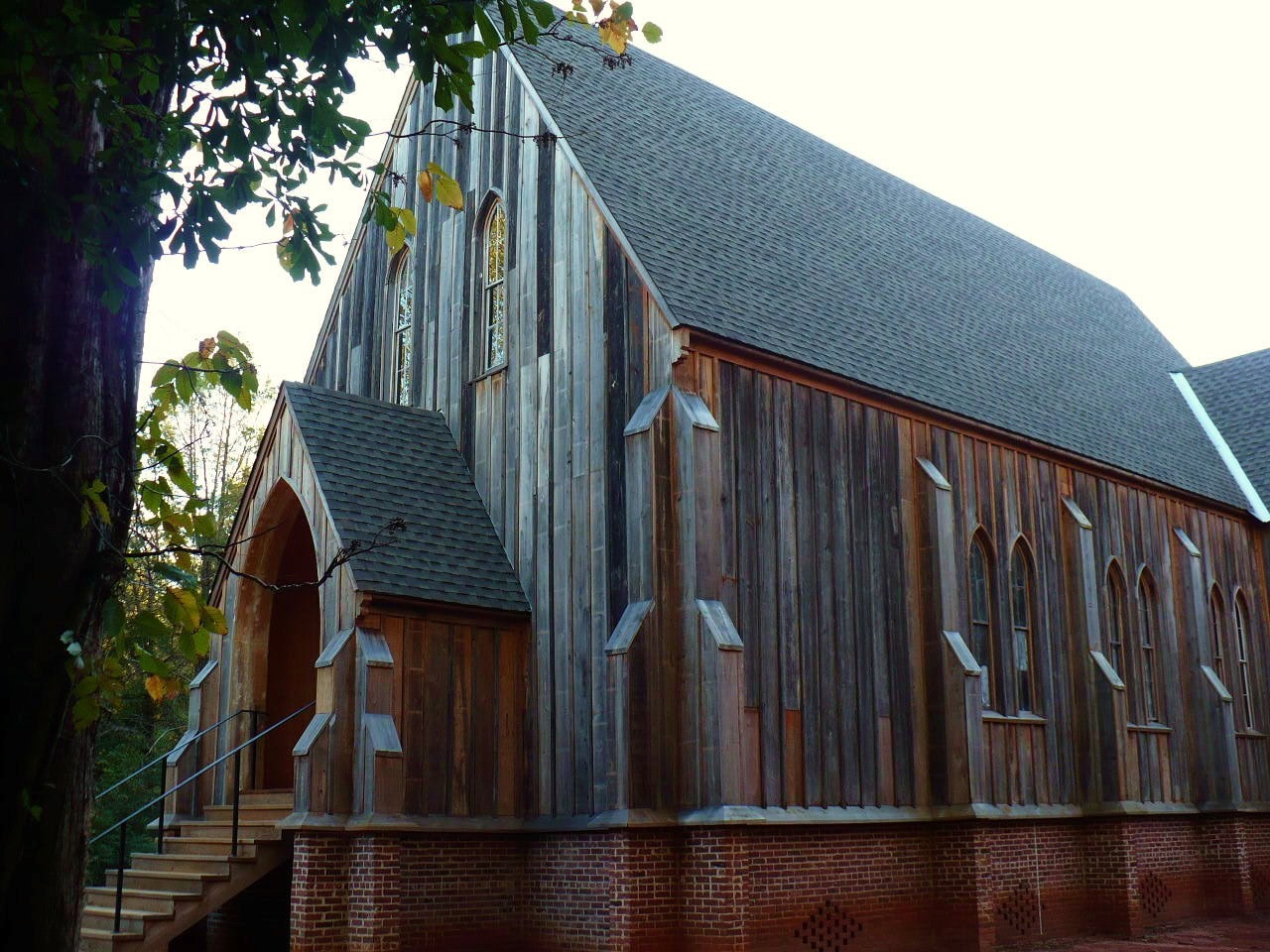
Technically the first permanent capital of Alabama, Cahaba was a prosperous river town that unfortunately suffered from repeated flooding from the Alabama and Cahaba rivers. This made life unpredictable and dangerous for Cahaba's residents, which is why, when the state capital moved to Tuscaloosa in 1826, most of the population moved with it. The Civil War also greatly altered Cahaba, with most families having packed up and relocated to nearby Selma by the late 1800s. Today, Cahaba is an archaeological site managed by the Alabama Historical Commission, where foundations and a preserved, intricate church prove this is where a functioning city once stood.
Centralia, Pennsylvania
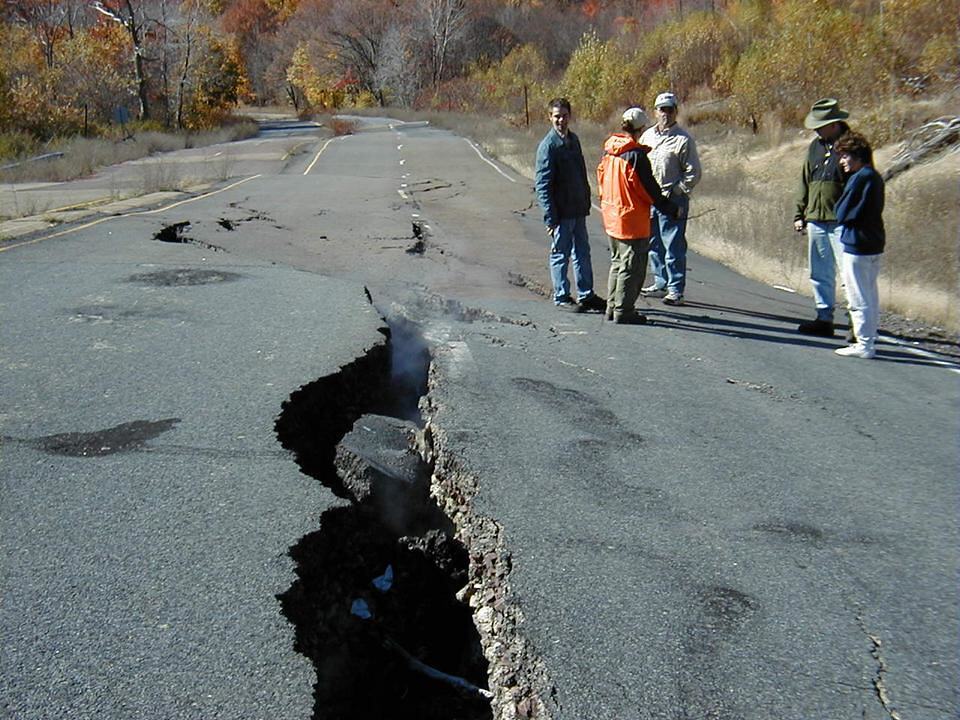
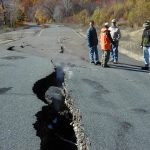
You've likely heard of Centralia, a town with an eerie enough history that it inspired the setting for the film version of the popular horror game, Silent Hill. Nestled in the anthracite coal country of eastern Pennsylvania, it was a working-class mining town for many decades. However, in 1962, a fire ignited in a coal seam beneath the town, and it never actually went out, sending smoke through cracks in the ground and making the land above it uninhabitable and prone to collapse or worse. The government bought out Centralia's residents over the following decades for their own safety, and the population that once topped a thousand had dwindled to a handful of holdouts by the 2010s. Most of the streets are gone now, cracked and smoking to this day, making Centralia one of the clearest, devastating examples of industrial consequence in America.
Bodie, California
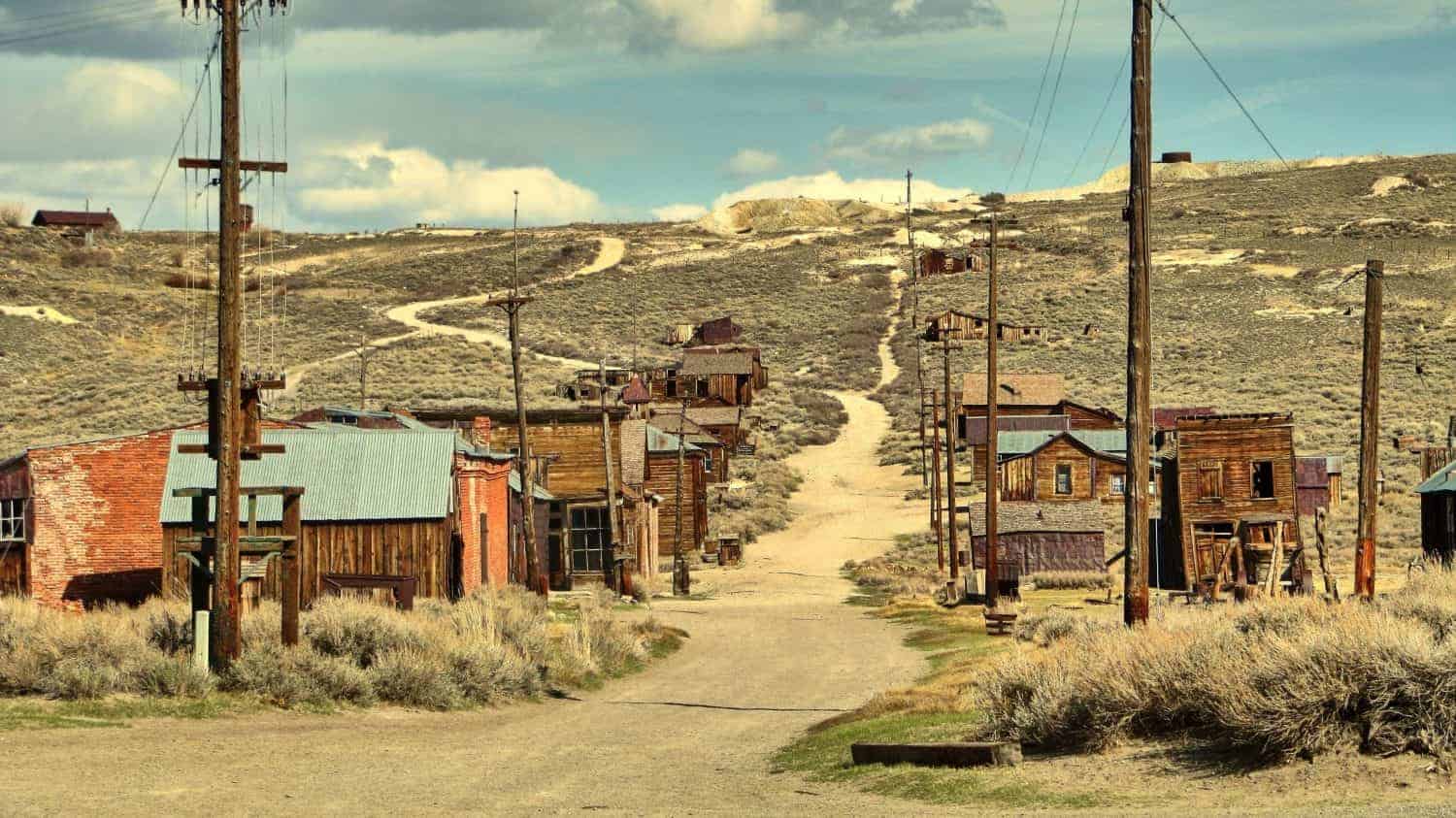
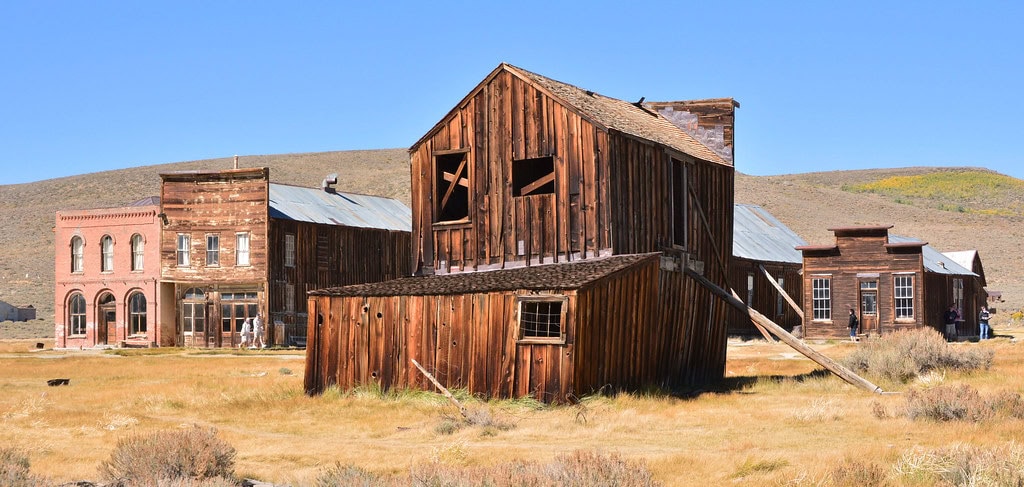
Like many California towns, Bodie boomed after gold was discovered in its nearby hills in the 1870s. Growing quickly into a rough mining settlement with thousands of residents, it appeared as if Bodie would survive anything, despite its rough and tumble past. However, when gold findings thinned and costs rose, miners and merchants left in waves, and by the 1940s, only a singular caretaker remained. To preserve what remained, California eventually designated Bodie a state historic park, with buildings left as they were rather than restored. Unlike Cahaba, which was mostly reclaimed by nature, Bodie's structures are frozen in time, complete with furniture and household goods. It's well worth a visit, especially if you're a ghost town or Gold Rush history buff.
Picher, Oklahoma
Spending decades at the center of one of the country's most productive lead and zinc mining operations, Picher was a huge community anchor in the Tri-State Mining District. But mining rarely comes without a cost: the mines left behind piles of waste rock and groundwater so contaminated with heavy metals that the government classified the area as one of the most toxic places in the entire country. By 2009, a government buyout program and a tornado that same year emptied the town, and any remaining residents were relocated. Picher is now regularly cited alongside other environmentally collapsed towns like Centralia, with the mined waste rock piles still dotting the landscape.
Thurmond, West Virginia
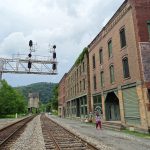
A major railroad hub in the New River Gorge, Thurmond was integral for moving coal and passengers through a key stretch of West Virginia. However, like many other locations in America, the railroad's dominance faded as trucking and highways expanded, and the town shrank with each passing decade until only a handful of permanent residents remained. The post office is still technically in operation, serving one of the smallest populations of any incorporated place in the United States. Nowadays, the National Park Service manages much of Thurmond as part of the New River Gorge National Park, and the train depot has been carefully restored, making it another great stop to observe America's fascinating history.
Gilman, Colorado
On a cliff above the Eagle River in the Colorado Rockies, this zinc and lead mining town saw its mining operations end in 1984 after the EPA found groundwater contamination. It was a serious enough issue to force a full evacuation of Gilman, and the town has been fenced off and privately owned ever since. The buildings remain largely intact, eerie and visible from the highway below, taking on a similar history as Picher, a history where environmental findings sent its townsfolk away for good.
Kennett, Missouri
The declining town of Kennett was once a regional center for cotton farming, benefiting from government drainage projects in the early 20th century, projects that made that corner of the state into productive agricultural land. Its population peaked during the mid-century, until the same modern mechanization that destroyed farm towns across the rural South began. While Kennett still exists and retains some services, its population has declined steadily for decades, with next to no farms, but there's still more residents living here compared to any other town on this list.
Cobalt, Idaho
Another mining town, Cobalt was, as its name suggests, a cobalt and copper mining settlement in the Salmon River Mountains of central Idaho. It was dependent on ore extraction to exist, which is why, when the mines closed, the economic basis for the town disappeared, and residents left as soon as their jobs did. Like Gilman, Cobalt is another example of how single-resource towns have no safety nets when that resource runs out or becomes uneconomical. Plus, the remote location and difficult terrain mean that repurposing or revitalizing the site faces obstacles that more accessible ghost towns do not, and the town has largely stayed abandoned without the benefit of tourism or preservation interest because of this.
Buford, Wyoming
Buford was once considered the smallest incorporated town in the United States, with a population of only one, even all the way back in the day. Originally a station along the Union Pacific Railroad and later a small community along Interstate 80, Buford's permanent residents dwindled to a single owner who ran a trading post for decades. The entire town and its infrastructure were auctioned in 2012 and sold to a Vietnamese investor, attracting international media attention, but no concrete future investments. Buford is a novelty now, with a potential Vietnamese coffee shop in the works... someday.
Cahokia, Illinois
This site, near modern Collinsville, was once the largest pre-Columbian city north of Mexico, and home to as many as 20,000 people at its peak around 1100 CE. It's a different type of ghost town compared to so many on this list, abandoned before European contact, with the reasons behind the migration debated among archaeologists. Climate stress is one theory, alongside the usual suspects of resource depletion. Today, Cahokia is a UNESCO World Heritage Site, even though no written record of the society survives. It's a curious location worth visiting!
Copperhill, Tennessee
Located along the Tennessee-Georgia border, Copperhill was part of a, you guessed it, copper-producing region, a region whose industrial fumes were so toxic that they stripped the surrounding hills of all vegetation by the early 20th century. The altered landscape became nationally known and even attracted visitors, given how bizarre it looked. Environmental restoration work has slowly restored plant cover since the mines and smelters closed, but the community never recovered to its former glory. While Copperhill still exists as a small town, the population is a fraction of its industrial-era size, with an odd history accompanying it forevermore.
Lowell, Arizona
Lowell is technically absorbed into Bisbee, AZ, now, but it was once a separate working neighborhood in the Warren Mining District, built around copper extraction. However, when the notorious Lavender Pit mine expanded and literally consumed part of old Lowell as the open-pit operation grew, it displaced streets and structures along its path. What remains of the original Lowell district has taken on an artistic and vintage character, including old cars parked in front of storefronts as a touristy display. It isn't fully abandoned, but maintains Bodie's frozen-in-time quality alongside a functioning community.
Glenrio, Texas/New Mexico
Straddling the Texas-New Mexico state line along what was once Route 66, Glenrio was built almost entirely for travelers. When Interstate 40 bypassed Route 66, the traffic that kept Glenrio alive stopped, and businesses closed one by one. Glenrio wasn't the only place to face this fate: dozens of small Route 66 towns met similar ends, but Glenrio stands as one of the most photogenic examples. It includes a Main Street that still has its diner and motel signs intact, with additional remnant signage making it a stop for photographers and road-trip enthusiasts. If only it was enough to sustain a population once again.
Rhyolite, Nevada
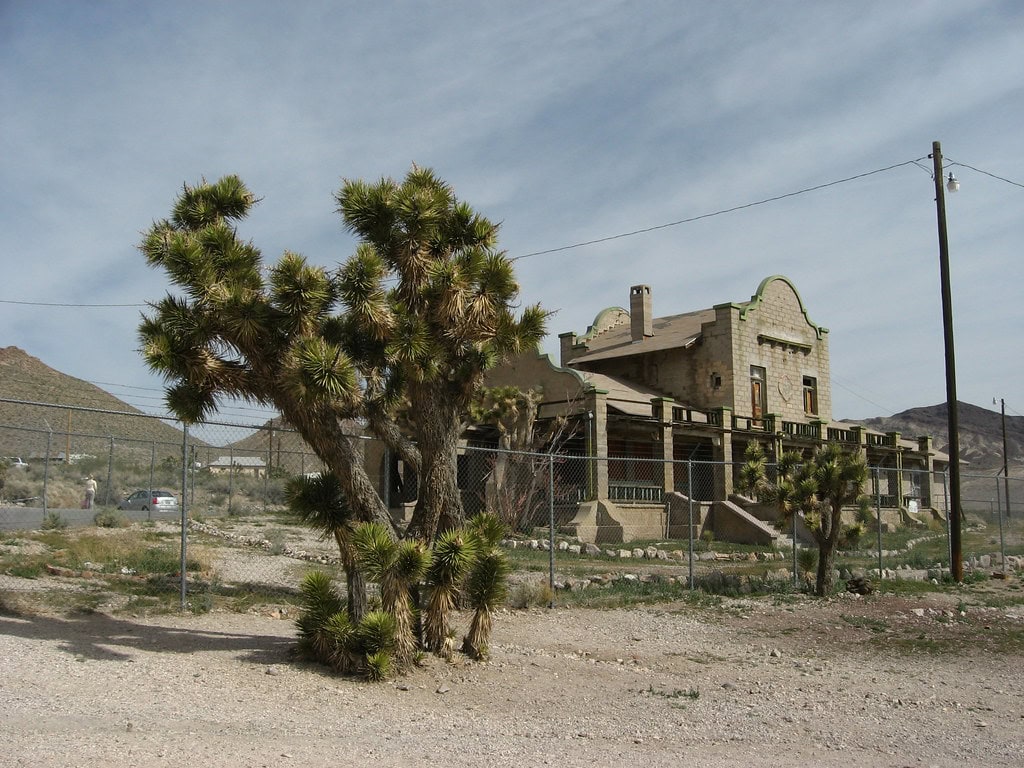
Rhyolite grew quickly after a gold strike in 1904, earning electric lights, a stock exchange, and even an opera house within its first couple of years in operation. However, when the mines underperformed and the financial panic of 1907 dried up any hope of investment, the town was effectively empty by 1920. Today, Rhyolite is a popular tourist stop due to the quality of its ruins: the shell of the three-story bank building and the bottle house constructed from thousands of glass bottles have survived, making it a photographer's dream, as well as a lost dream to all of those who saw Rhyolite's promising beginnings.
Ste. Genevieve, Missouri
Founded by French colonists in the early 18th century, Ste. Genevieve never disappeared entirely. However, it never grew into what its early position suggested it might become, with St. Louis absorbing the regional economic role that Ste. Genevieve might have claimed. This led to the town's growth stalling, and it functions as a heritage tourism destination today. It technically has more French Creole structures than anywhere else in North America, representing a time capsule town that could've been so much more.
Kennecott, Alaska
Kennecott shares a similar story to other mining towns on this list, resting in the wilderness of Alaska. It was once a copper mining complex that operated from 1903 until 1938, but the population left almost overnight when the ore ran out. It was such an abrupt migration that personal belongings and equipment were abandoned in place, creating a site that feels as preserved as Bodie, but in a far more remote setting. The National Park Service now manages Kennecott as a National Historic Landmark within the Wrangell-St. Elias National Park, but reaching it requires either a small plane or a long drive on a gravel road. It's worth visiting, especially if you're already in this gorgeous area, but don't expect it to be a quick stop!