Rjjiii / BY-SA 4.0
carlfbagge / BY 2.0
James St. John / BY 2.0
OregonDOT / BY 2.0
Ken Lund / BY-SA 2.0
fusion-of-horizons / BY 2.0
NevinThompson / BY-SA 4.0
Kim Johnson Images / BY 2.0
TexasExplorer98 / BY 2.0
railfan 44 / PDM 1.0
M McBey / BY 2.0
KatmaiNPS / BY 2.0
afiler / BY-SA 2.0

Adam Jones, Ph.D. - Global Photo Archive / BY 2.0
Orange County Archives / BY 2.0
pasa47 / BY 2.0
Rjjiii / BY-SA 4.0
TravelBakerCounty / BY-ND 2.0

Bobak Ha'Eri / BY 3.0
Beverly & Pack / BY 2.0
Adam Jones, Ph.D. - Global Photo Archive / BY 2.0










20 American Towns That Father Time Forgot
It is no secret that many American towns have changed dramatically over the decades, shaped by new technology, shifting economies, and growing urban centers. Yet a handful of towns have remained almost untouched, frozen in time for reasons that range from industrial decline to geographic isolation. These places serve as vivid reminders of what happens when progress moves on without a community.
In some towns, factories shut down and never came back. In others, new highway routes redirected traffic and opportunity elsewhere. Once-thriving industries also faded away, leaving residents to adapt as best they could. Across the country, these are the towns where little has changed, creating the feeling that time itself has simply moved on without them.
To highlight these enduring places, 247 Tempo drew from sources such as the U.S. Census Bureau, Atlas Obscura, Only In Your State, and local tourism boards, along with regional reporting from NPR, The Washington Post, and The New York Times. Here is a closer look at these remarkable towns and the histories that shaped them.
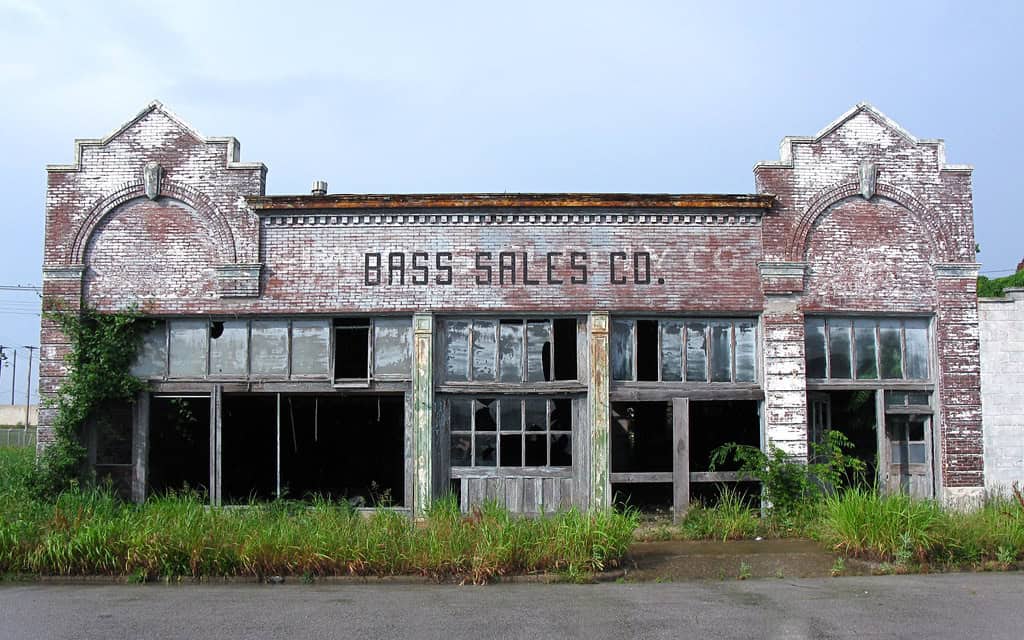
Cairo, Illinois
Cairo once thrived as a strategic river port at the junction of the Ohio and Mississippi Rivers. After a devastating mix of racial unrest, political corruption, and economic downturn in the mid-20th century, the town spiraled into decay. Today, many of its streets are lined with abandoned buildings and empty lots, and, despite its historical significance, Cairo receives little attention or investment.
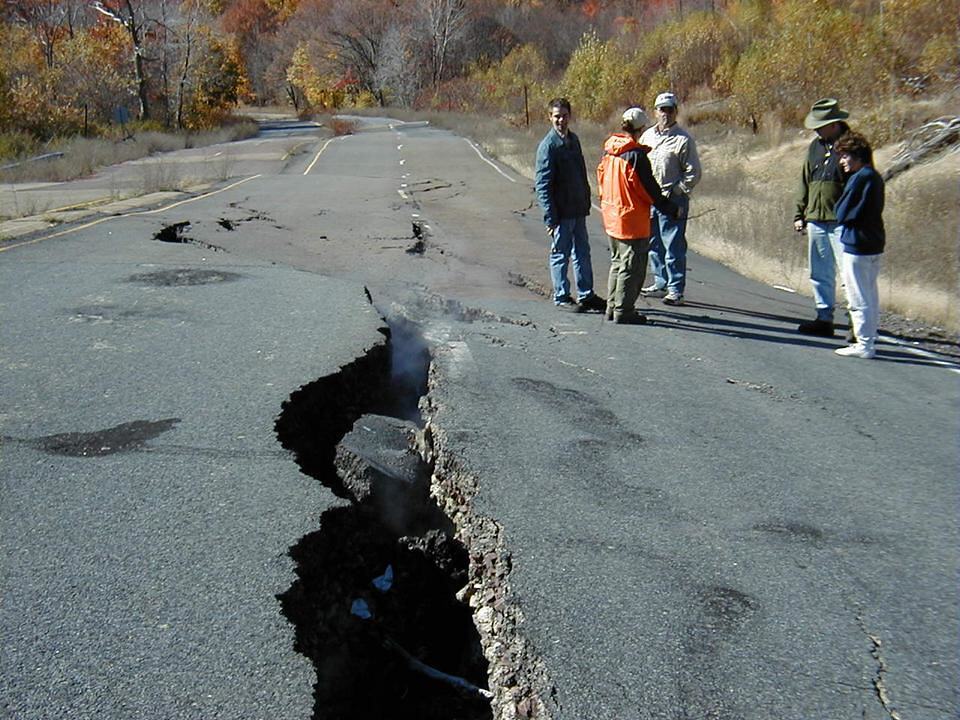
Centralia, Pennsylvania
Centralia has been burning since 1962 due to an underground coal fire that still smolders today. Nearly the entire population was relocated, and the government seized most of the town via eminent domain. Only a few residents remain in what looks like a post-apocalyptic landscape, a location that actually inspired the popular "Silent Hill" franchise. With streets leading to nowhere and smoke rising from the ground, Centralia feels truly abandoned by time.
Scottsburg, Indiana
Once supported by manufacturing jobs, Scottsburg has struggled since factories closed decades ago. Many storefronts are vacant, and new development is minimal. Locals often leave in search of better opportunities, further accelerating the decline. The downtown area looks nearly the same as it did in the 1960s.
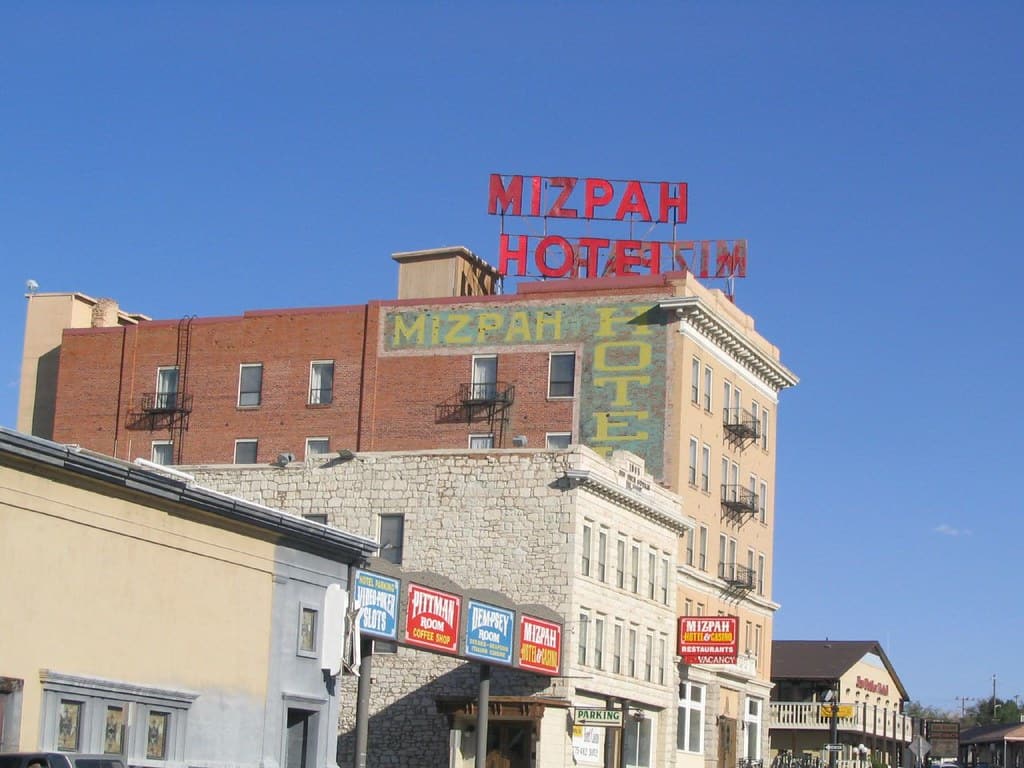
Tonopah, Nevada
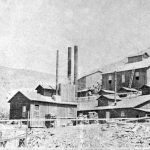
Tonopah was once a booming mining town during the silver rush. However, after the mines closed, the population dwindled and businesses shuttered. Many of the original structures still stand, weathered and largely untouched. The eerie silence and antique architecture give it the feeling of a ghost town still clinging to the past.
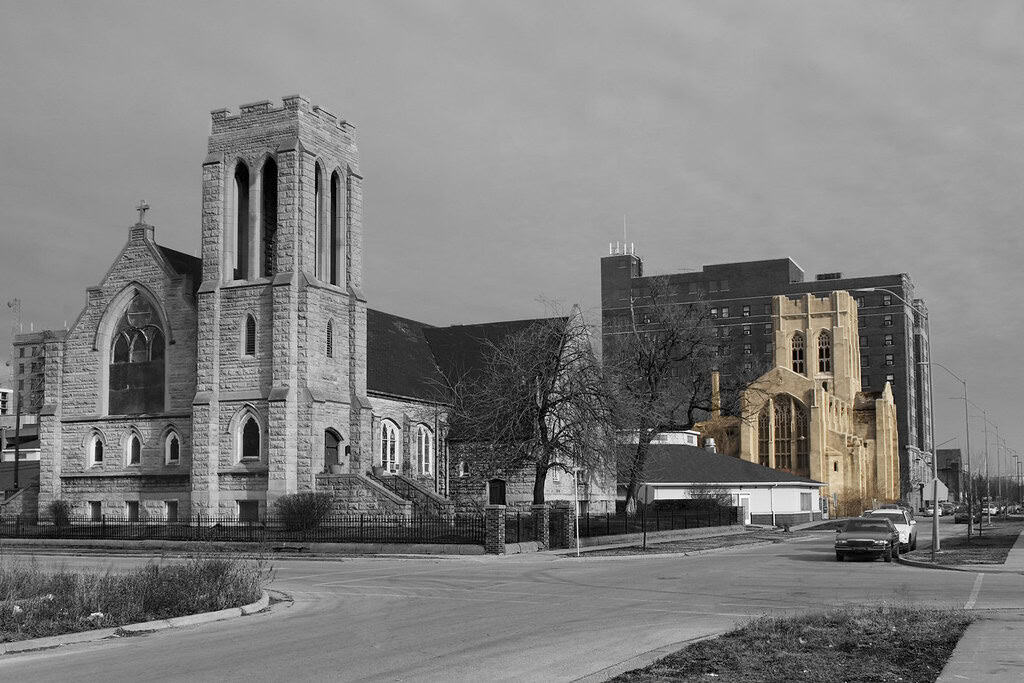
East St. Louis, Illinois
East St. Louis was once a major industrial hub with a thriving community. Decades of disinvestment, crime, and political mismanagement led to widespread poverty and decay. Infrastructure crumbled and businesses fled, leaving hollow shells of former prosperity. Today, it remains one of the most economically distressed cities in the U.S. despite the rest of St. Louis maintaining moderate success.
Picher, Oklahoma
Picher was once a leading center of lead and zinc mining, but it became one of the most toxic towns in America. The Environmental Protection Agency declared it a Superfund site, and residents were bought out and evacuated. Sinkholes, contaminated water, and toxic dust left it uninhabitable. Today, Picher is a ghost town visited only by urban explorers and environmental scientists.
Gary, Indiana
Founded by U.S. Steel in 1906, Gary boomed with industrial growth but declined just as rapidly. As steel production moved overseas, thousands of jobs disappeared, and the population plummeted. Today, abandoned schools, theaters, and homes dot the cityscape. Despite some attempts at revitalization, Gary still feels like a city time forgot.
Jefferson, Texas
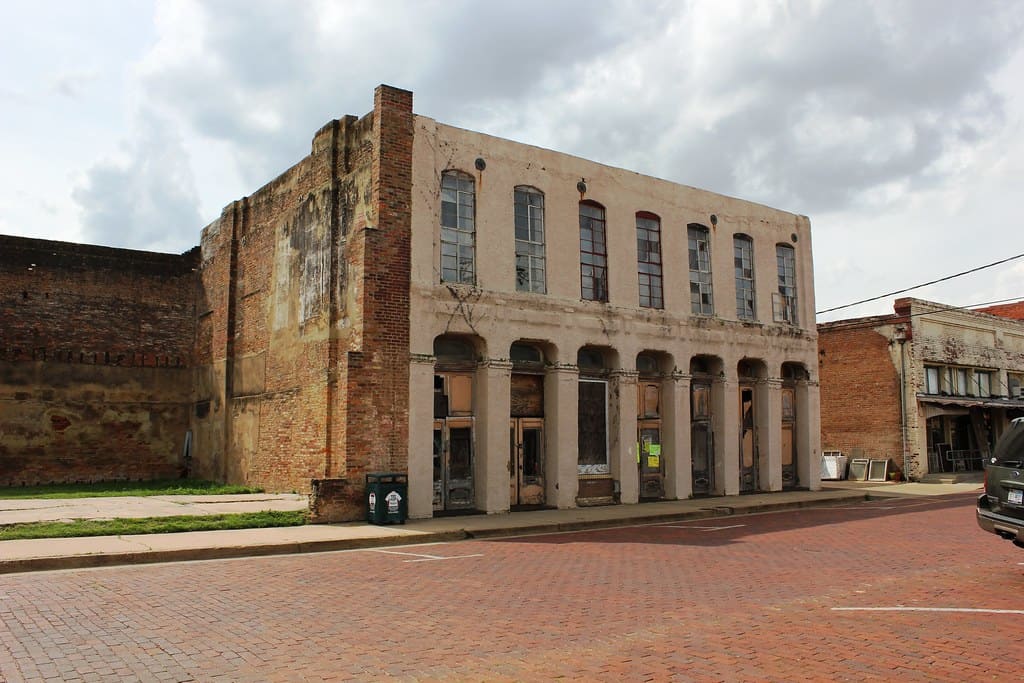
This once-bustling riverport town faded after steamboat routes dried up in the late 19th century. Jefferson’s historic district remains largely unchanged, with old buildings and gas lamps still around. Many locals celebrate the town’s old-world charm, but little modern development has occurred. It’s a Southern time capsule stuck between tourism and economic stagnation.
Grafton, West Virginia
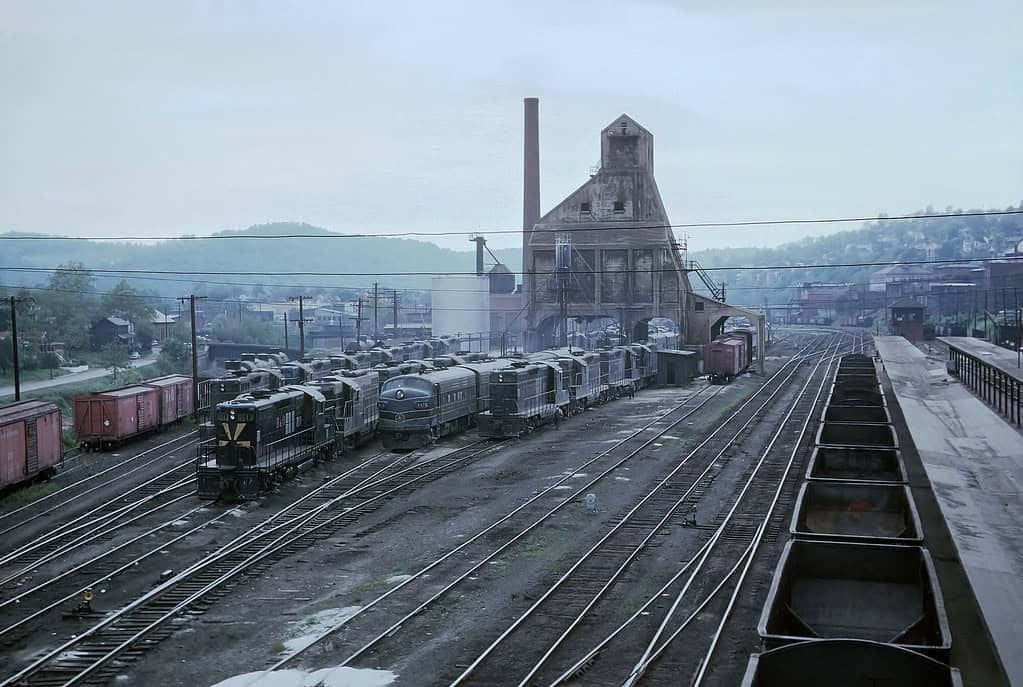
Grafton once thrived as a railroad and manufacturing hub. Since the decline of coal and industry in the region, it has suffered from widespread job loss and aging infrastructure. Downtown businesses have shuttered and buildings sit crumbling. The community remains proud, but it hasn’t seen meaningful revitalization in decades.
Bodie, California
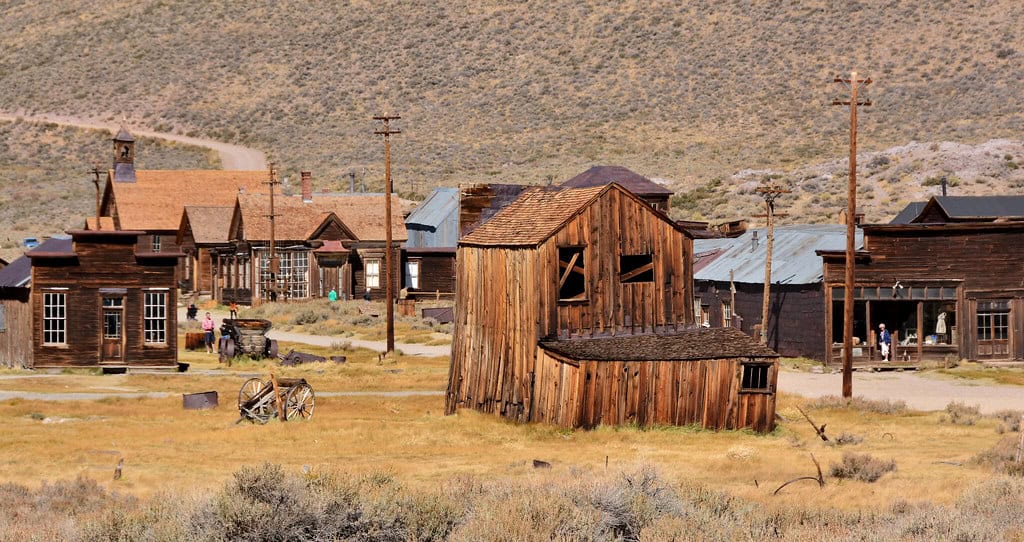
Bodie is a true ghost town, preserved in a state of 'arrested decay' as a California State Historic Park. It was a gold mining boomtown in the late 1800s, then rapidly declined by the early 20th century. The wooden buildings and dusty streets remain almost exactly as they were left. Visitors walk among relics that look as if the residents just vanished overnight.
Aniakchak, Alaska
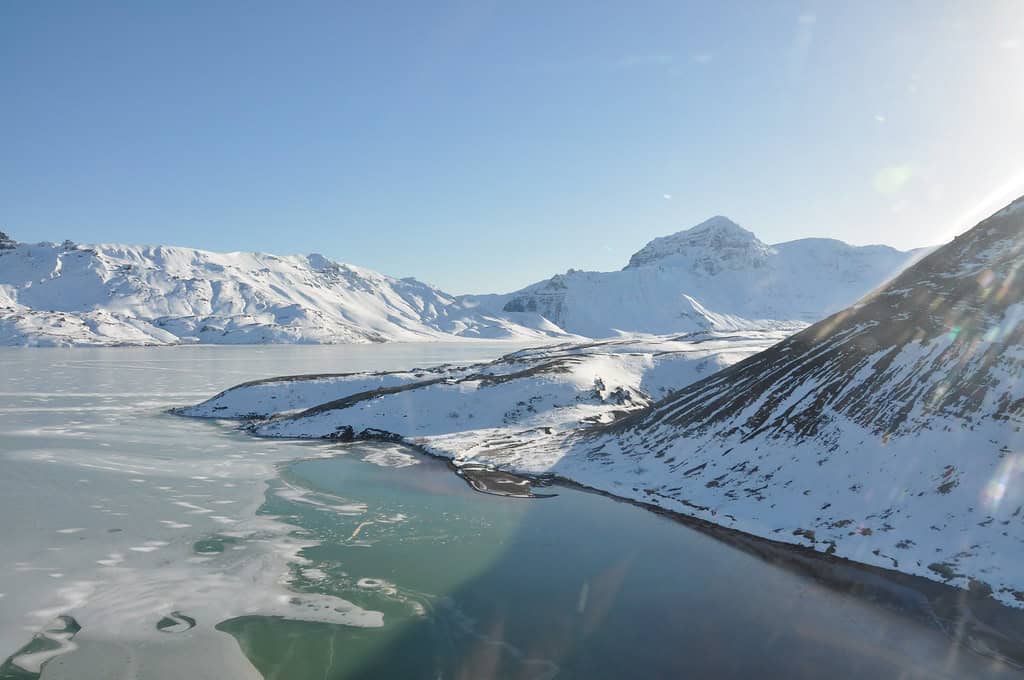
Located within a massive volcanic crater, Aniakchak is among the most remote and inaccessible places in the U.S. It once had small outposts, but harsh conditions and isolation led to abandonment. There are no roads leading in or out, and it's mostly visited by scientists or adventurous travelers. The area now feels like an untouched frontier stuck in a prehistoric past.
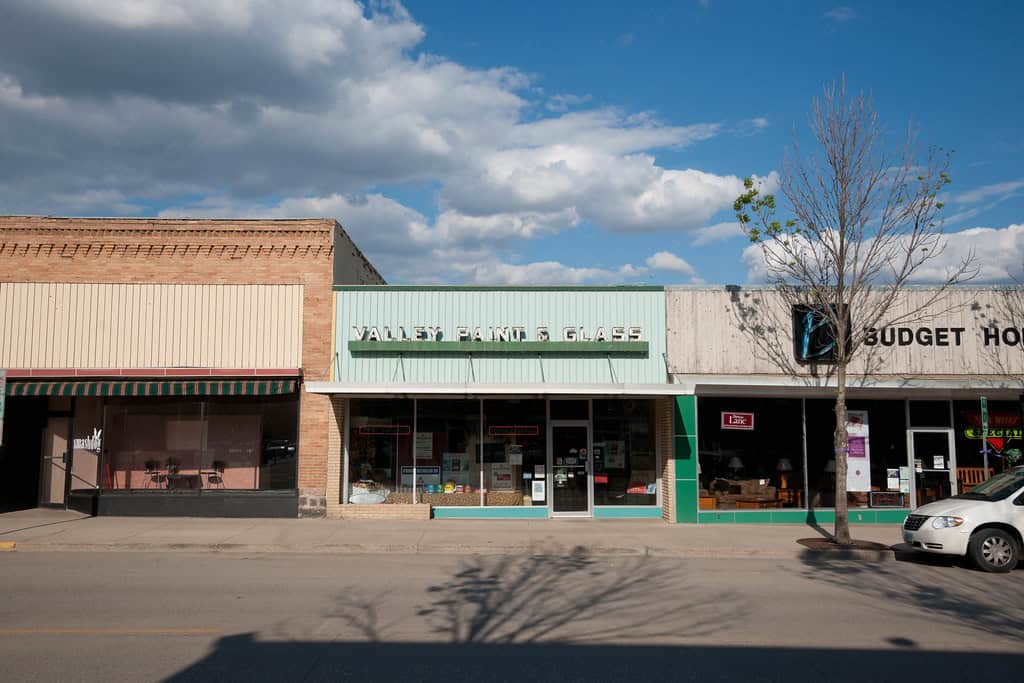
Valley City, North Dakota
Once a key railway stop, Valley City has seen its fortunes decline as railroad traffic dwindled. Its ornate bridges and classic Main Street remain, but population loss has slowed growth to a trickle. Efforts to preserve its historic charm are visible, but it still feels locked in the 1950s. Locals take pride in the old-fashioned feel that some outsiders view as stagnation.
Thurmond, West Virginia
Thurmond is a near-ghost town with only a handful of residents remaining. It was once a bustling railroad town and banking center during the coal era. The historic depot and homes are now part of a National Park site. With no modern amenities and few updates, Thurmond appears preserved in time.
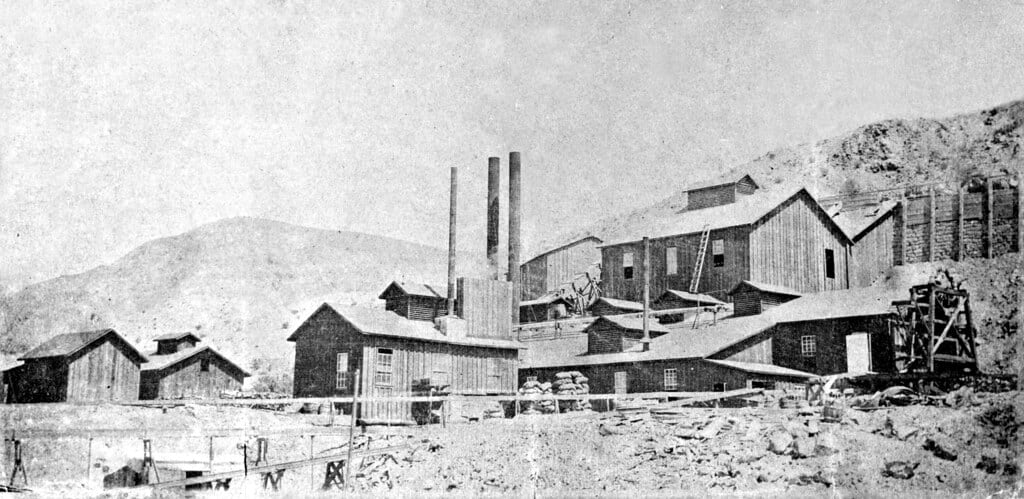
Calico, California
Calico boomed in the 1880s as a silver mining town, then declined sharply when the mines dried up. Today, it's a tourist attraction, but the buildings are largely preserved in their original style. Walking through Calico feels like stepping into a Wild West movie set. Despite the staged feel, its isolation and historic structures capture the essence of a bygone era.
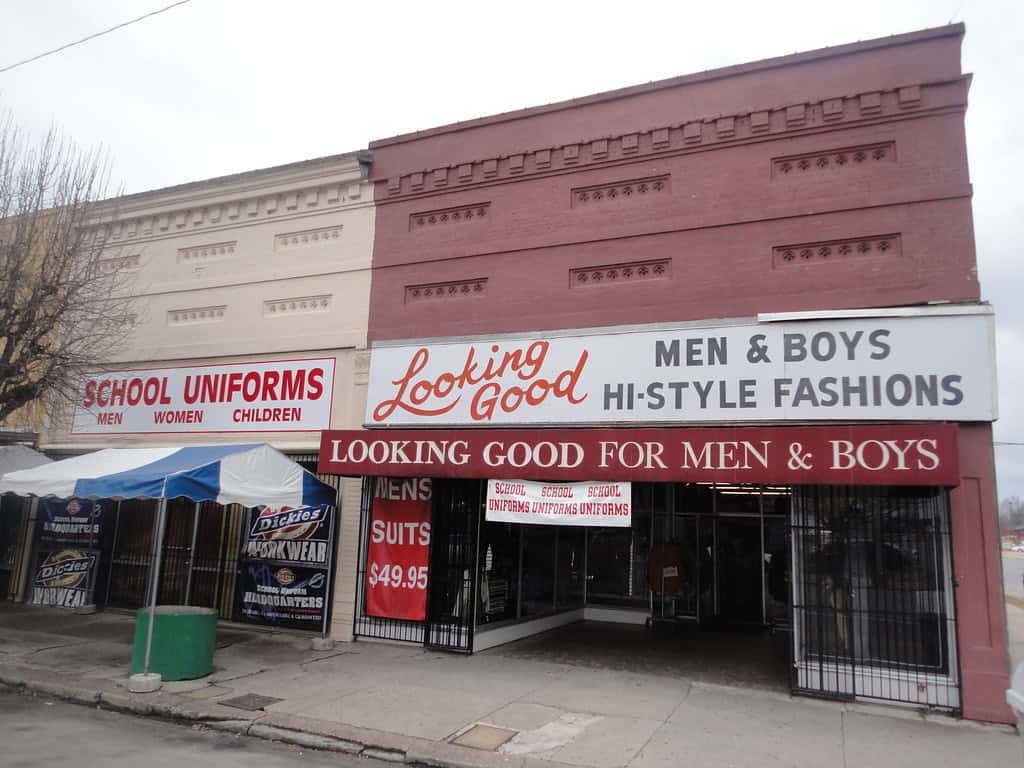
Pine Bluff, Arkansas
Pine Bluff has experienced decades of economic and population decline. Many businesses downtown are boarded up, and infrastructure repairs are long overdue. Once a major agricultural hub, it's struggled to attract new industry or tourism. It remains a stark example of how entire cities can be left behind by economic shifts.
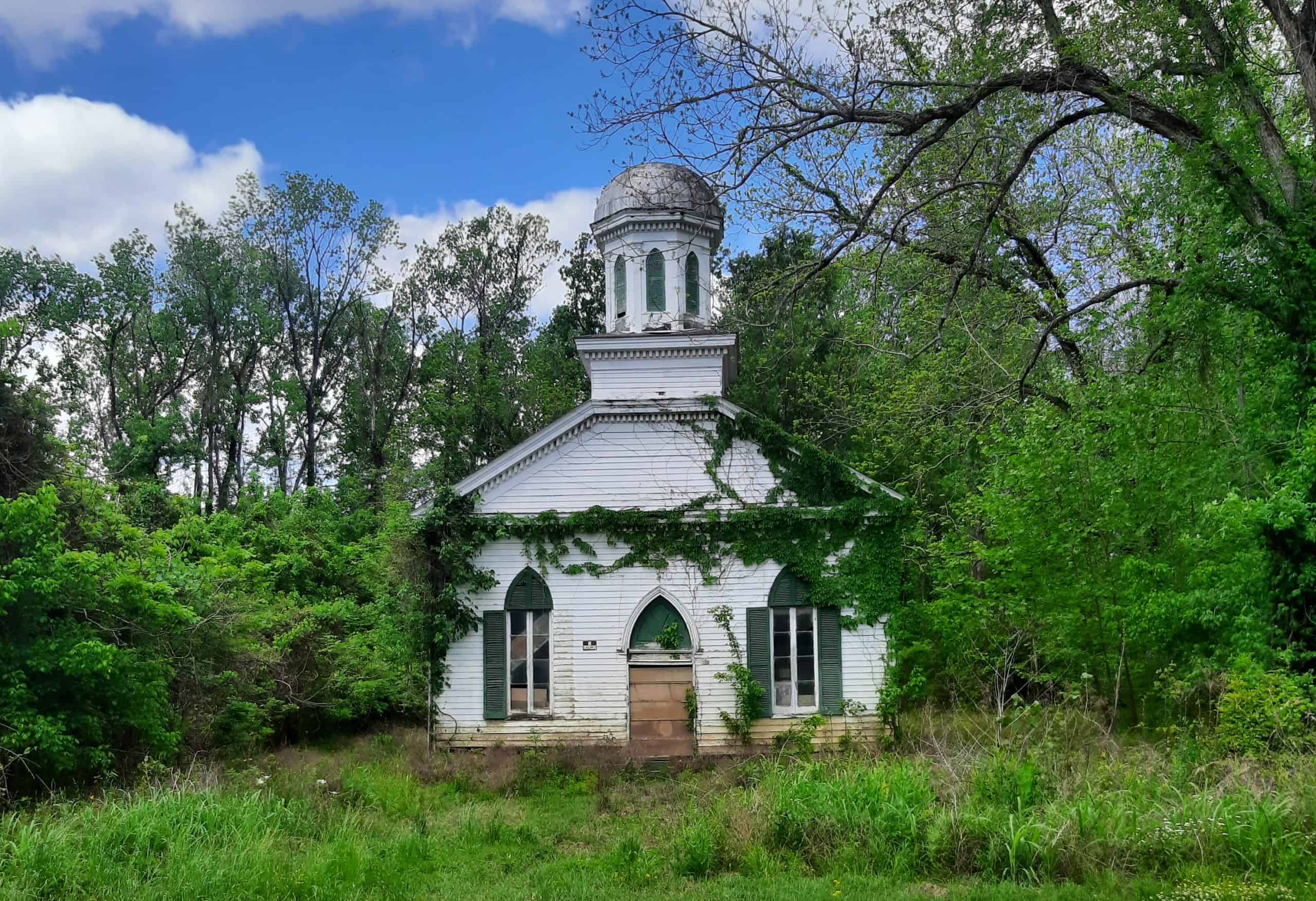
Rodney, Mississippi
Rodney was once nearly named the capital of Mississippi before being bypassed by the railroad. It slowly declined after flooding and economic hardship wiped out much of its development. Today, a few churches and houses stand amid dense vegetation and ruins. The town feels like a relic barely clinging to memory.
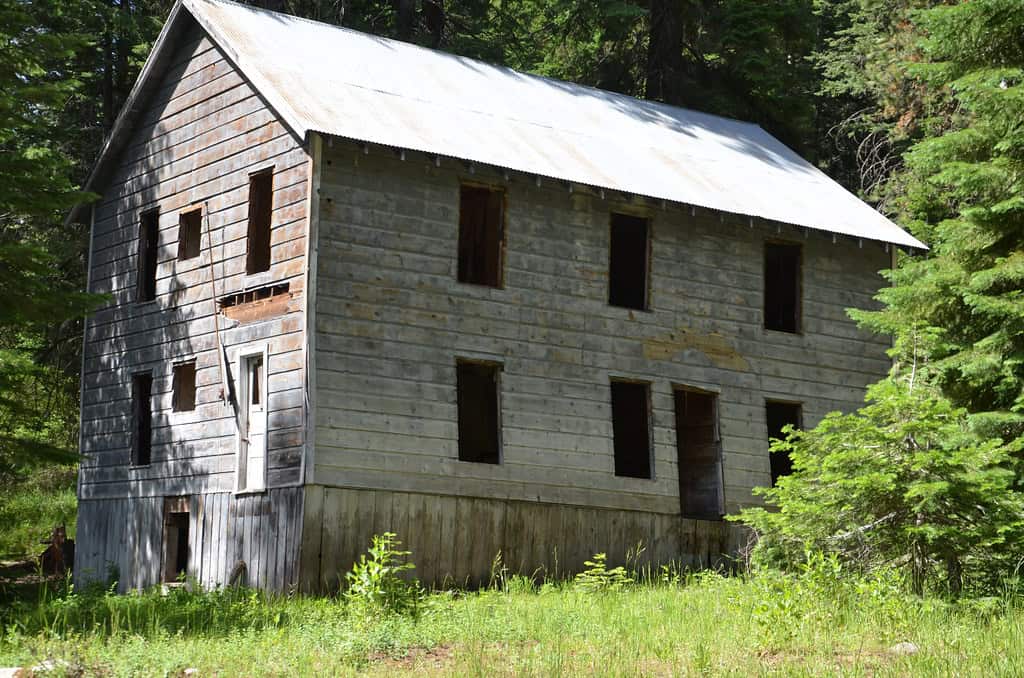
Eagle Mountain, California
Founded in the 1940s as an iron mining company town, Eagle Mountain was abandoned in the 1980s. It sits in the California desert with decaying schools, homes, and shopping centers. Once home to thousands, it is now surrounded by silence and sand. The eerie emptiness makes it one of California’s most surreal ghost towns.
Allensworth, California
Another California ghost town, Allensworth was founded in 1908 by African American settlers aiming to build a self-sufficient community. It thrived briefly before falling victim to water access issues and state neglect. Now preserved as a state historic park, it has no permanent population. It stands as a haunting memorial to Black ambition halted by systemic barriers.
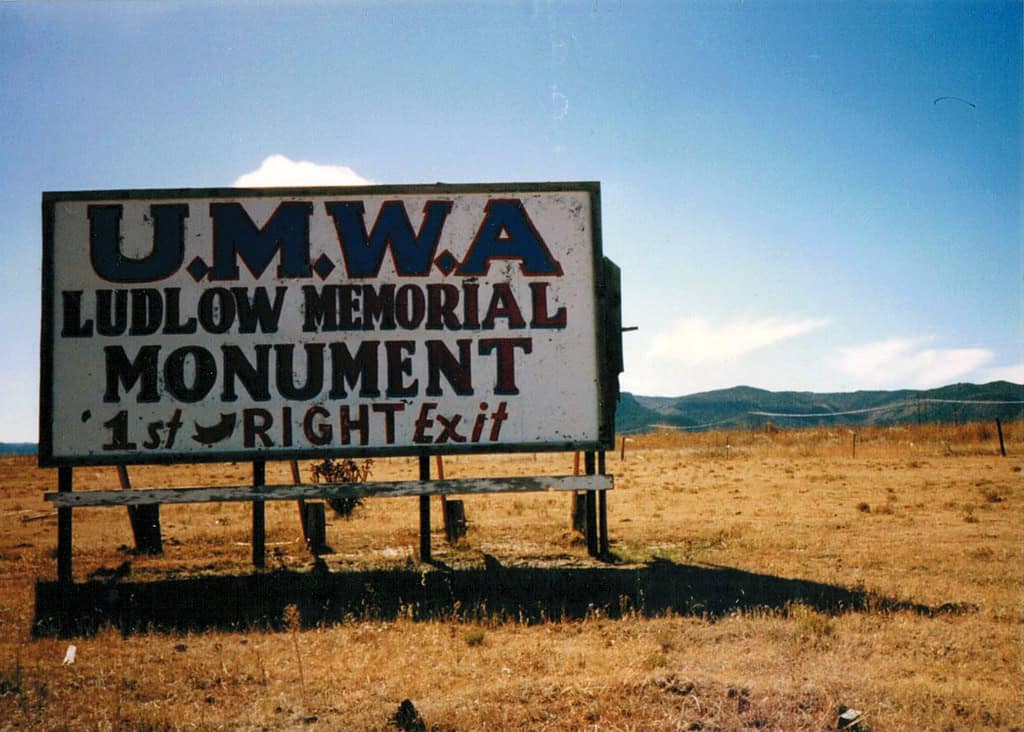
Ludlow, Colorado
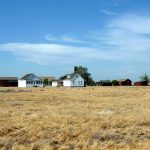
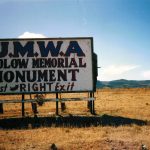
Ludlow is remembered mostly for the 1914 massacre during a coal miners' strike. The town never fully recovered from the tragedy and economic fallout. Today, remnants of buildings and a memorial mark the land where families once lived. It’s a solemn place that history seems to have bypassed for a long time.
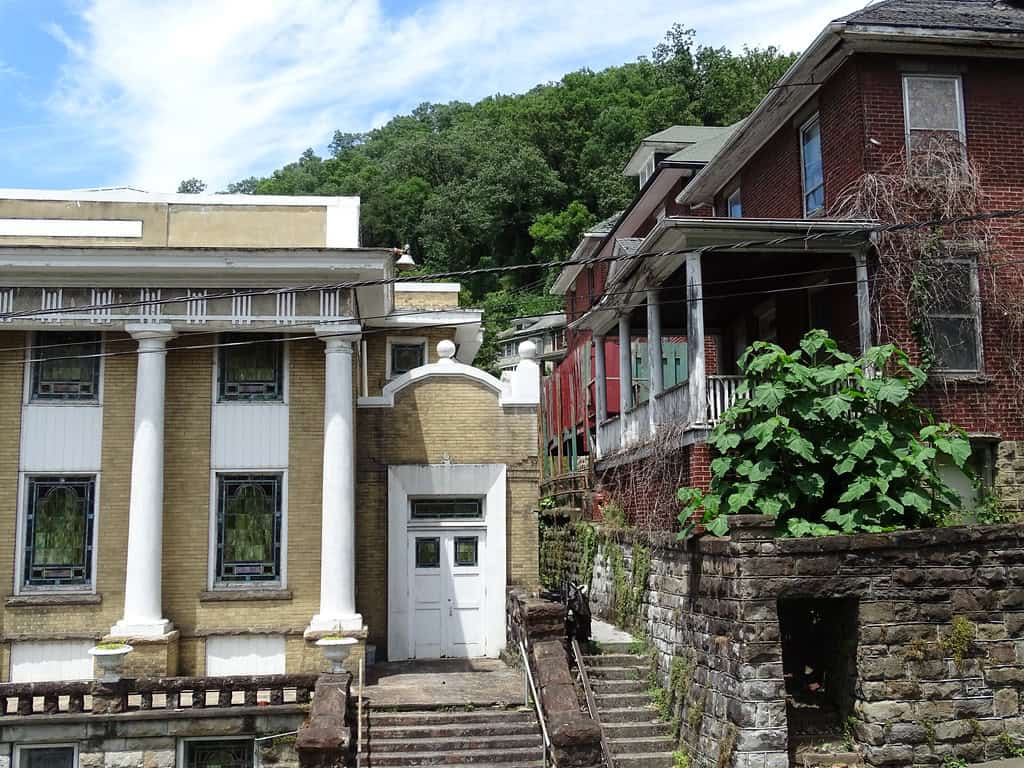
Welch, West Virginia
Welch was once called 'Little New York' for its bustling energy and architecture. The collapse of the coal industry devastated the town and its economy. Today, its empty buildings and sagging infrastructure tell the story of industrial abandonment. Residents remain proud, but the town feels like it’s decades behind the rest of the country.