
Veselukha Anastasiia / Shutterstock.com

Latitud4 Photography / Shutterstock.com

foqus / BY 2.0

Gorodenkoff/Shutterstock.com

Phillip Foster / Shutterstock.com

rafa jodar / Shutterstock.com

Ian Waldie / Getty Images News via Getty Images

Zack Frank / Shutterstock.com

Inked Pixels / Shutterstock.com
Wikimedia

Nicholas Haydu / Shutterstock.com
TripAdvisor
Ghost Tours

Nicole Glass Photography / Shutterstock.com
Wikimedia
Wikimedia

SkizoTV / Shutterstock.com
Bilanol / Shutterstock.com
Wikimedia








6 Eerie American Landmarks With Dark Histories and Legends
Abandoned buildings have a way of making even ordinary history feel unsettling. Empty windows, crumbling walls, and rusting equipment can turn places that once held thousands of people into scenes that look like they belong in a horror movie.
But some places do not need ghost stories to make them disturbing. Former prisons and institutions on this list have documented histories of overcrowding, neglect, abuse, and death. Others became infamous because real events were mixed with decades of legends and paranormal claims.
From a deserted West Virginia amusement park to the remains of a notorious institution outside Washington, D.C., these six American landmarks have histories that are every bit as fascinating as their eerie appearances.
Lake Shawnee Amusement Park
The story of Lake Shawnee in West Virginia began long before anyone built a Ferris wheel there. Mitchell and Phoebe Clay settled the property in the 1770s, during a period of violent conflict between expanding European American settlements and Indigenous nations in the region. In 1783, a Shawnee raiding party attacked the Clay homestead. Historical accounts say two of the Clay children, Bartley and Tabitha, were killed, while their brother Ezekiel was captured and later killed near Chillicothe in what is now Ohio.
Lake Shawnee Amusement Park (Continued)
Entrepreneur Conley Snidow purchased the property in 1926 and developed Lake Shawnee Amusement Park as a recreation destination for families in Mercer County. It eventually included a Ferris wheel, swing ride, swimming areas, a dance hall, concessions, cabins, and other attractions. The park's history also included several fatal accidents, including drownings and the death of a girl involving the swing ride. Lake Shawnee's original run ended in the 1960s, with widely cited accounts placing its closure in 1967 after a failed health inspection.
Lake Shawnee Amusement Park (Continued)
The property changed hands before former employee Gaylord White acquired it in the 1980s. Archaeological work by teams associated with Marshall University and Concord College uncovered Indigenous artifacts and human burials on the site, adding a much older layer to its history. Lake Shawnee eventually became famous for alleged paranormal activity, although ghost sightings remain folklore rather than established fact. The property is still privately owned and offers scheduled daytime tours and overnight experiences by appointment.
Tennessee State Prison
Tennessee State Prison looked imposing from the moment it opened outside Nashville on Feb. 12, 1898. The fortress-like penitentiary contained 800 small cells designed for one prisoner each. Somehow, overcrowding began on day one. According to the Tennessee Historical Society, 1,403 prisoners were admitted when the facility opened, nearly twice the number of cells available. That problem would follow the prison for much of the next century.
Tennessee State Prison (Continued)
Conditions could be punishing. Early prisoners were expected to perform physical labor, and within two years some inmates were working as long as 16 hours a day while living in poorly heated and ventilated quarters. The prison later endured escapes, fires, riots, and decades of overcrowding. James Earl Ray, convicted of assassinating Martin Luther King Jr., was among its most notorious inmates. Long after prisoners left, its dramatic architecture found a second life on screen, including appearances in movies such as "The Green Mile" and "Walk the Line."
Tennessee State Prison (Continued)
The old penitentiary finally closed in June 1992 after years of litigation over prison conditions. As part of the settlement of a class-action case, a federal court permanently prohibited Tennessee from housing inmates there again. The state still owns the property, which is generally off-limits to the public. Its already decaying buildings suffered another major blow in March 2020 when a powerful Nashville tornado tore through the complex, damaging walls, roofs, and other structures.
Athens Lunatic Asylum
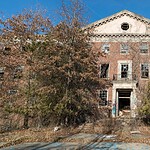
The institution once known as the Athens Lunatic Asylum opened in Ohio in 1874 and operated under a long list of names until its final patients left in 1993. Its original Kirkbride-style design reflected what was then considered a progressive approach to psychiatric treatment, emphasizing fresh air, natural light, outdoor activity, and a calmer setting. Patients also worked on the grounds, which eventually included farms, gardens, livestock, orchards, and greenhouses.
Athens Lunatic Asylum (Continued)
Over time, those early ideals collided with a very different reality. By the 1950s, roughly 1,800 patients were being treated there, nearly three times the population envisioned for the original hospital. Treatments used during the era included hydrotherapy, electroconvulsive therapy, and lobotomy, procedures that reflected the psychiatric medicine of their time but can be disturbing to modern readers. The arrival of psychiatric medications and the broader move away from large institutions eventually reduced the population dramatically.
Athens Lunatic Asylum (Continued)
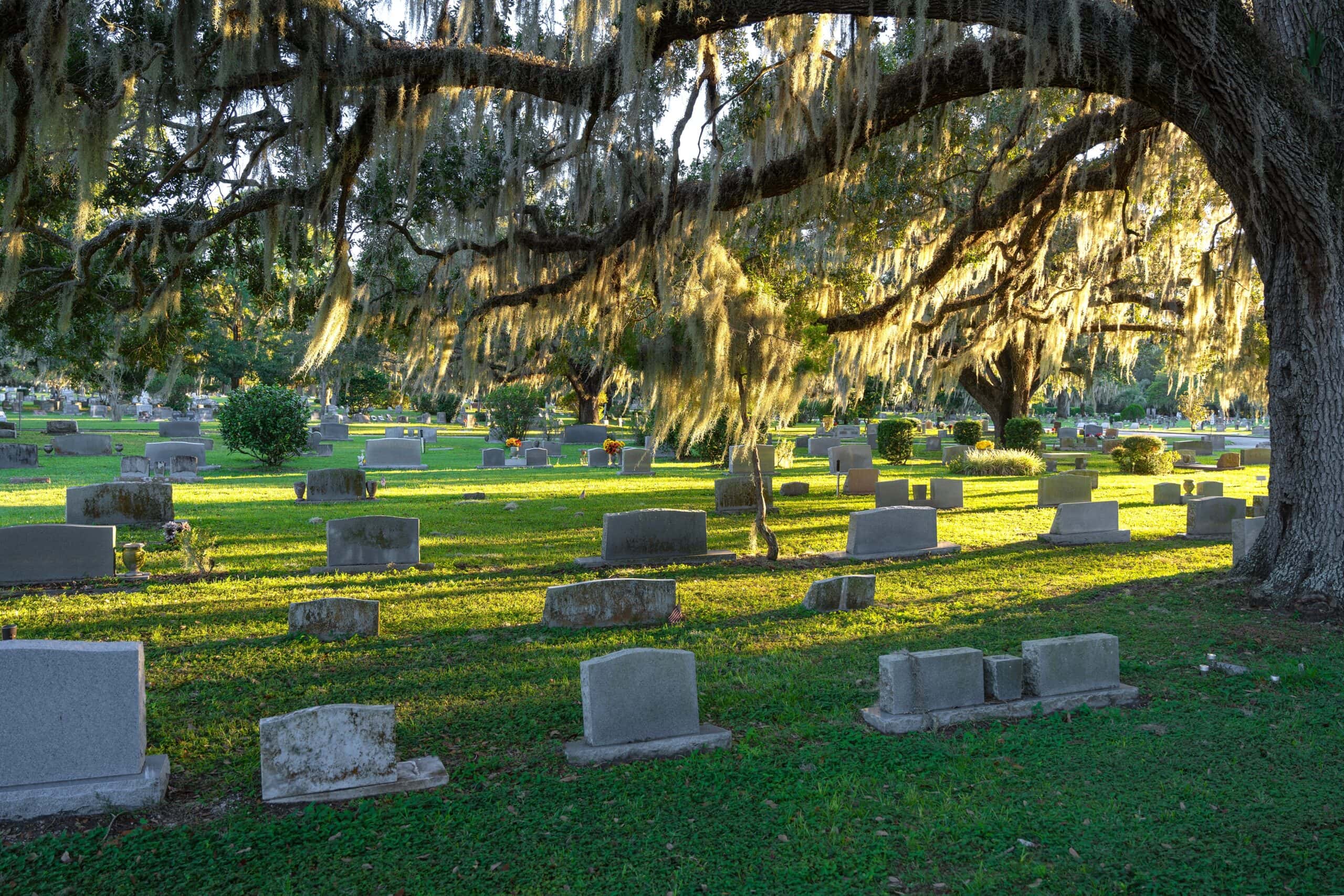
More than 1,900 former patients are buried in three cemeteries on the property, many originally identified only by numbered grave markers. The old hospital has also accumulated plenty of ghost stories, although those belong to local legend rather than documented history. One thing that has changed is the idea that the entire complex is abandoned. Ohio University owns The Ridges today, and several historic buildings have been restored for classrooms, offices, research facilities, and the Kennedy Museum of Art. Other unused buildings are now part of an ongoing redevelopment plan.
Letchworth Village
Letchworth Village opened in Rockland County, New York, in 1911 as a residential institution for people with developmental disabilities. The sprawling campus eventually grew to more than 130 buildings spread across roughly 2,000 acres. Its original design was meant to create a village-like community where residents could live, learn, and work away from the crowded institutions that had come before it. The ideal did not last long.
Letchworth Village (Continued)
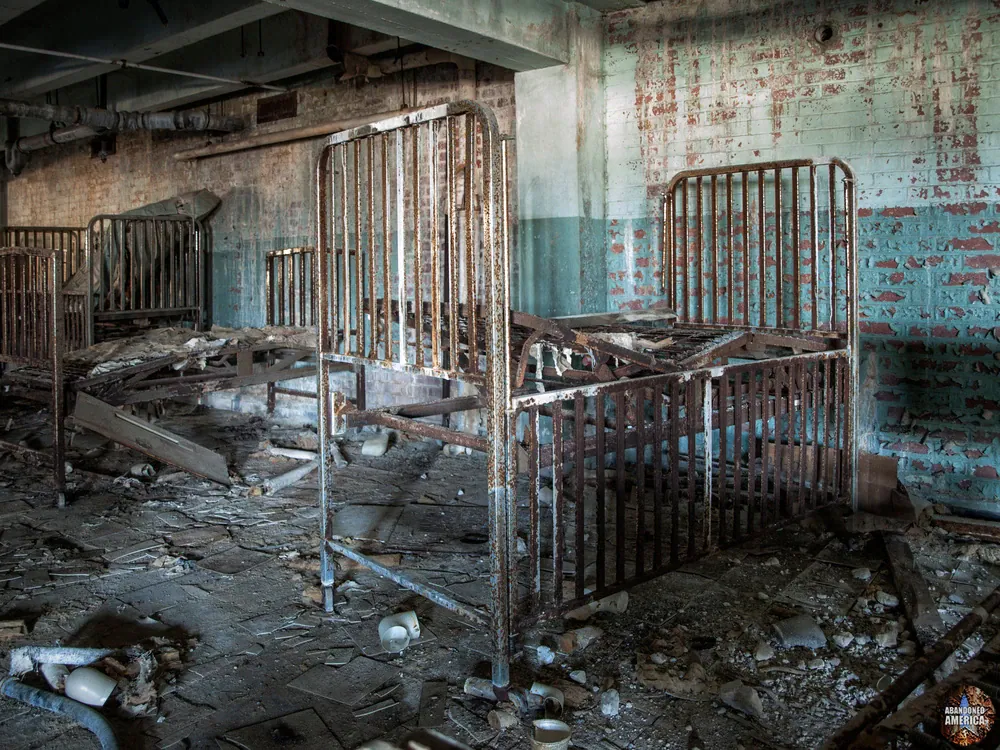
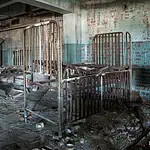
Reports of overcrowding, inadequate funding, neglect, and inhumane treatment appeared surprisingly early. Rockland County's own historical material notes that by 1921 Letchworth was already overcrowded, with nearly 1,200 residents and dormitories containing as many as 70 beds. Visitors described some children as sick or malnourished, while historical accounts also document residents being used in medical research. By the 1950s, the institution's population had climbed to roughly 4,000.
Letchworth Village (Continued)
Photographer Irving Haberman documented Letchworth's overcrowded and deteriorating conditions during the 1940s, helping expose a side of institutional life that officials preferred the public not see. Letchworth remained open for decades afterward before finally closing in 1996 as New York moved residents into smaller community settings. Parts of the enormous property have since been reused, including land incorporated into Patriot Hills Golf Course and municipal facilities, while numerous old institutional buildings have remained vacant or deteriorating.
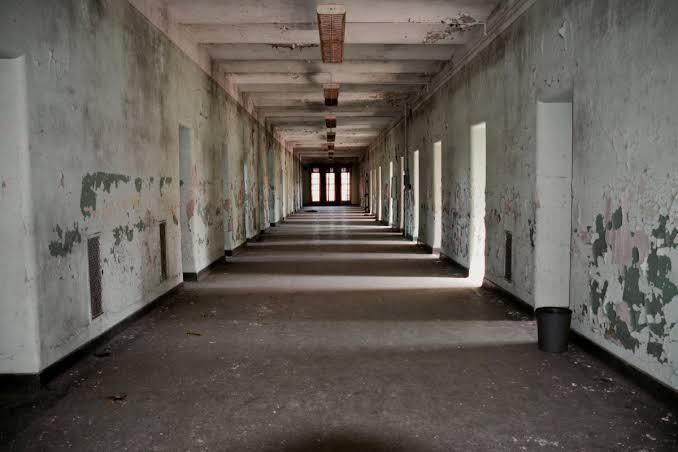
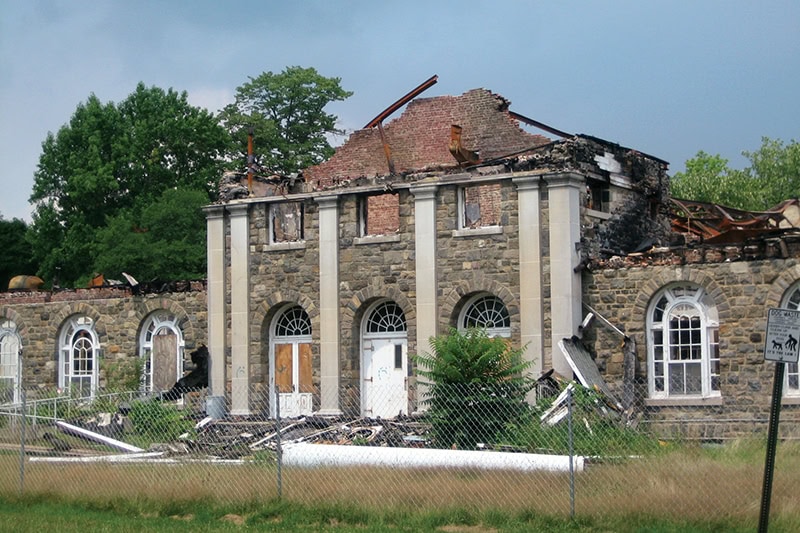
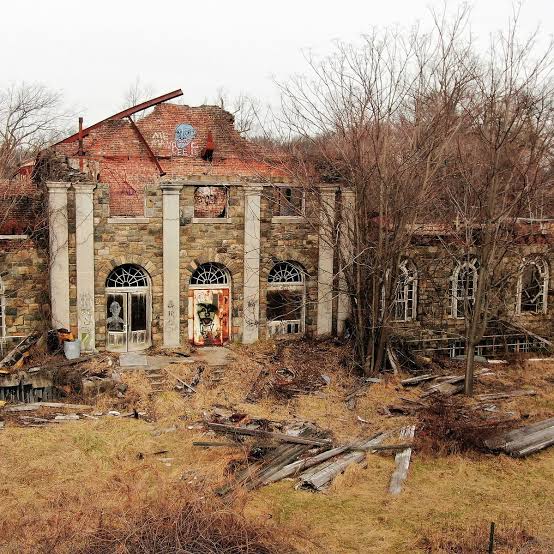
Forest Haven
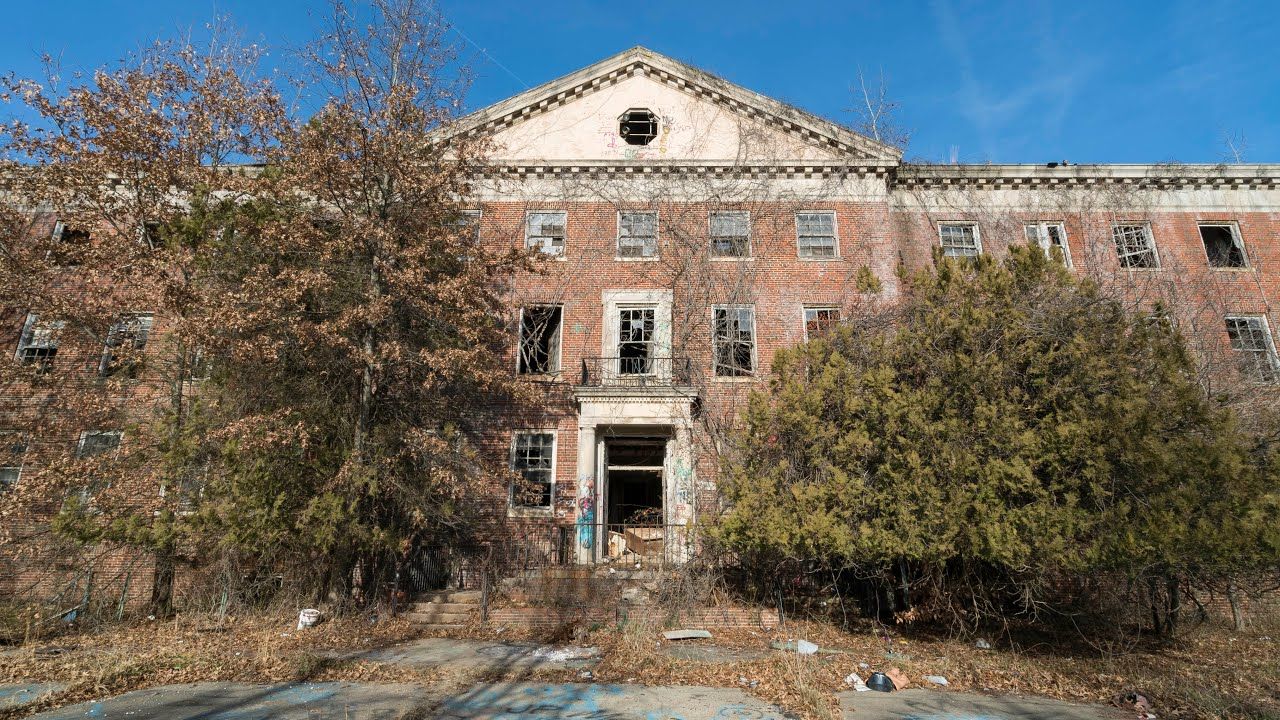
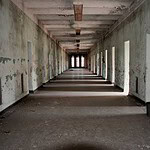
Forest Haven opened near Laurel, Maryland, in 1925 as an institution operated by the District of Columbia for people with intellectual and developmental disabilities. The large rural campus was originally promoted as an alternative to crowded city institutions, with residents receiving education, medical care, and vocational training. Instead, Forest Haven eventually became one of the country's most notorious examples of institutional neglect.
Forest Haven (Continued)
A class-action lawsuit filed in the 1970s accused the District of violating residents' constitutional rights, and the U.S. Justice Department later intervened in the case. Accounts documented filthy conditions, improper restraints, physical abuse, inadequate medical care, and serious staffing problems. Federal scrutiny intensified again between 1989 and 1991 after multiple residents died from aspiration pneumonia. Families alleged that unsafe feeding practices and failures to provide adequate treatment contributed to several of those deaths.
Forest Haven (Continued)
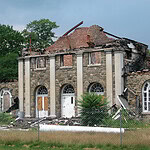
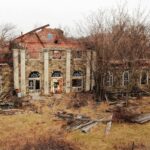
A federal judge had ordered Forest Haven toward closure years earlier, but the last residents were not moved out until 1991. The property's cemetery contains a memorial naming 389 people associated with burials there, many of whom originally had no individual headstones. In 1994, the District agreed to a $1.075 million settlement with families of six former residents whose deaths had been blamed on inadequate care. The former institutional buildings remain closed and deteriorating today, and entering the restricted property without permission is prohibited.
Maxdale Bridge and Cemetery
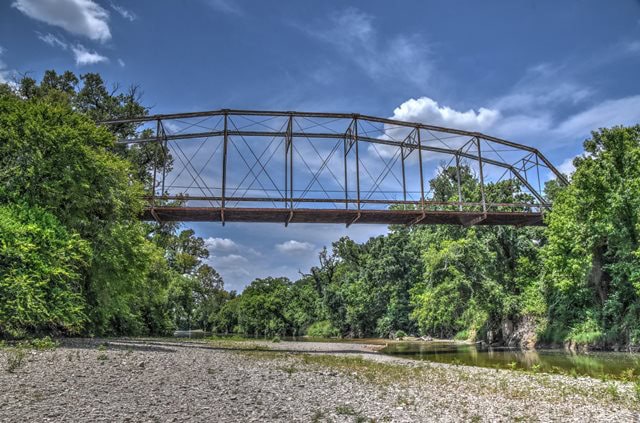
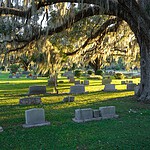
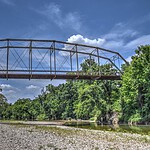
Maxdale Cemetery near Killeen, Texas, dates to the 1860s and is one of the oldest cemeteries in Bell County. The earliest documented original burial dates to 1867, and the cemetery became the resting place of pioneer settlers and veterans of the Civil War, World War I, World War II, and the Korean War. The nearby Maxdale Bridge came later. After an earlier bridge under construction was destroyed by flooding, the surviving Parker truss bridge was completed across the Lampasas River in 1914.
Maxdale Bridge and Cemetery (Continued)
The bridge's truly frightening reputation came mostly from stories told long after it was built. Local legends describe a suicide victim hanging from the bridge, ghostly children's handprints appearing on cars, mysterious figures near the cemetery, and even a school bus plunging into the river. Those stories have been repeated for decades, but there is no solid historical evidence for the most dramatic versions. What is real is the cemetery, the century-old bridge, and the generations of ghost stories that grew around them.
Maxdale Bridge and Cemetery (Continued)
The Maxdale Bridge was designated a Recorded Texas Historic Landmark in 1990, but age and vandalism have taken their toll. Bell County's historical commission has described the unused bridge as deteriorating and has worked with county officials to prevent people from entering it because of safety concerns. Barriers and fencing now restrict access to the bridge itself. The neighboring cemetery remains an authentic piece of Central Texas history, while most of the supernatural reputation surrounding the site belongs firmly in the category of legend.