Roller Coaster Philosophy / BY 2.0
Dougtone / BY-SA 2.0
Forsaken Fotos / BY 2.0
Joe Shlabotnik / BY 2.0
Kevin Timothy / BY 2.0
Ron Cogswell / BY 2.0
SportSuburban / BY 2.0
edk7 / BY-SA 2.0
Allie_Caulfield / BY 2.0
zrfphoto / iStock via Getty Images
photoquest7 / iStock via Getty Images
Roller Coaster Philosophy / BY 2.0
InSapphoWeTrust / BY-SA 2.0
dconvertini / BY-SA 2.0
Chris Szwedo / Getty Images
Prayitno / Thank you for (12 millions +) view / BY 2.0
ExaMedia Photography/Shutterstock.com
Sam Howzit / BY 2.0
spierson82 / BY-SA 2.0


18 Vacation Spots That Look Very Different From the 1980s
Travel in the 1980s had a look and feel all its own. Honeymoon resorts leaned hard into heart-shaped tubs, theme parks competed with bigger and stranger attractions, roadside stops could become destinations in their own right, and a few places built entire tourism economies around casinos, water-ski shows, Western movie sets, or marine parks.
Some of those places disappeared completely. Others survived but reinvented themselves, while a few are still popular for reasons that would have surprised travelers 40 years ago. These 18 vacation spots and attractions were part of the American travel landscape in the 1980s, but none of them looks quite the same today.
Atlantic City, New Jersey
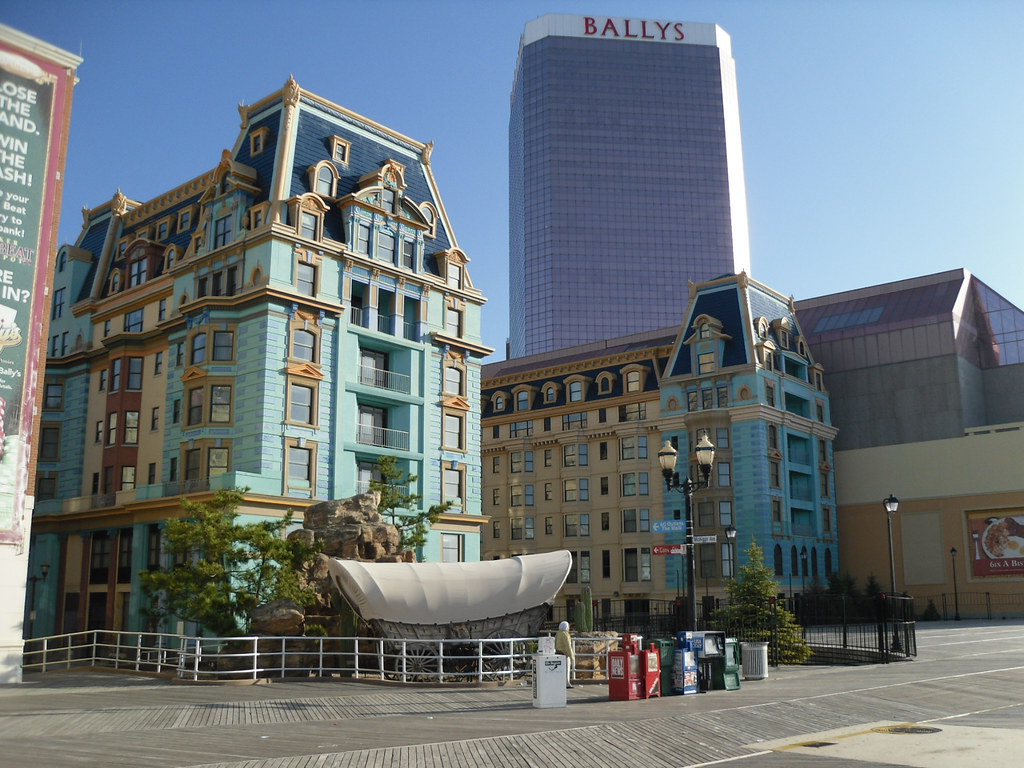
New Jersey voters approved casino gambling in Atlantic City in 1976, and Resorts International opened the city's first legal casino in May 1978. At the time, Nevada was the only other state with legal casino gaming, giving Atlantic City a tremendous head start. Casinos transformed the Boardwalk through the 1980s as new resorts opened and visitors poured in from around the Northeast. That exclusivity did not last. Casino gambling expanded across the country in the decades that followed, including major tribal casinos in Connecticut during the 1990s. Atlantic City still has casinos, hotels, beaches, and its famous Boardwalk, but it no longer owns the East Coast gambling market the way it once did.
The Poconos, Pennsylvania
The Pocono Mountains became synonymous with honeymoons in the decades after World War II. Cove Haven introduced its famous heart-shaped tub in 1963, and in 1984 it took things another step with a seven-foot-tall champagne-glass whirlpool. Resorts such as Cove Haven and Mount Airy Lodge helped turn romance into a regional industry. The old model began changing in the 1990s as several longtime resorts closed and travelers gained many more vacation options. Mount Airy Lodge closed in 2001 and was later demolished, although a new Mount Airy Casino Resort opened on the property in 2007. The Poconos themselves never disappeared. The region successfully expanded into skiing, outdoor recreation, family resorts, and enormous indoor water parks, while some of those gloriously over-the-top honeymoon tubs are still around.
Action Park, Vernon, New Jersey
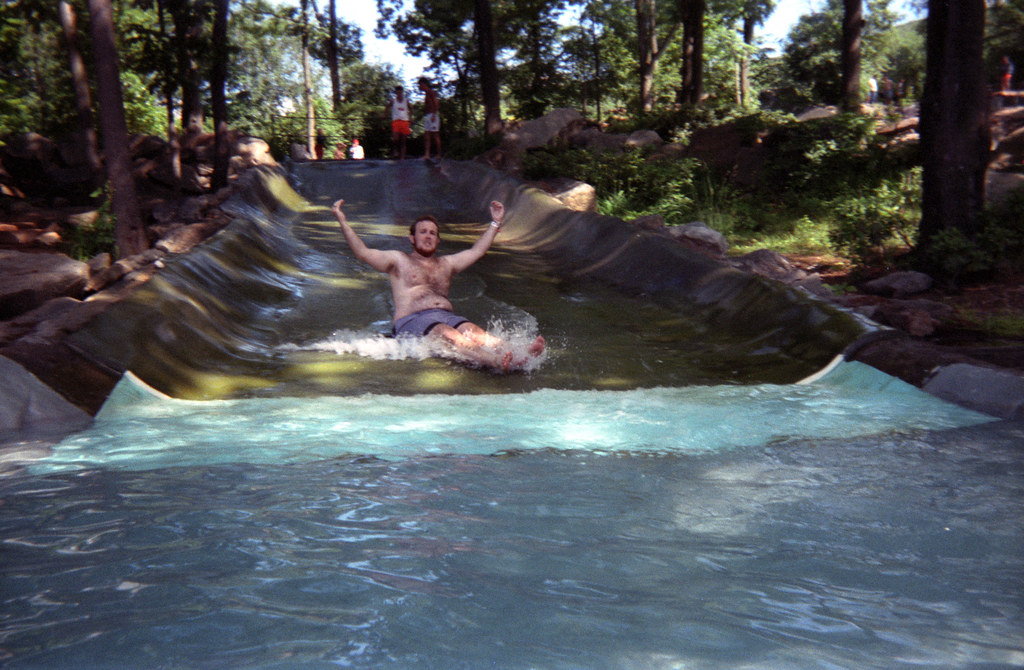
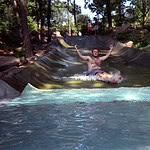
Action Park opened in Vernon in 1978 and became one of New Jersey's most notorious summer attractions during the 1980s. Its Alpine Slide, enormous wave pool, water slides, and unusually hands-on rides attracted huge crowds, but the park also developed an alarming safety record. Six people died in incidents connected with the park between 1978 and its 1996 closing, and injuries were common enough that the nickname "Traction Park" followed it for years. Action Park's owner eventually entered bankruptcy after years of financial problems, lawsuits, and mounting scrutiny, and the original park did not reopen after the 1996 season. The property later became Mountain Creek Waterpark under different ownership.
Niagara Falls, New York
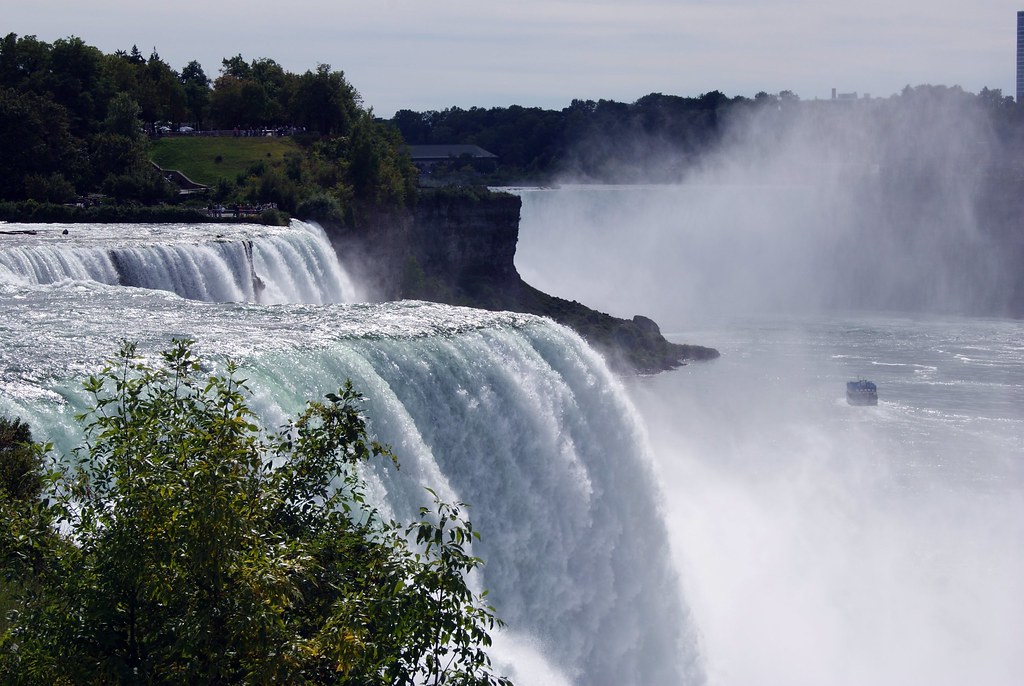
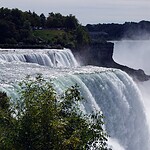
Niagara Falls had been drawing honeymooners long before the 1980s. By the late 19th and 20th centuries, the area was widely known as the "Honeymoon Capital of the World," and that romantic identity remained firmly attached to it when the 1980s arrived. What changed was the broader travel market. Couples gained easier access to beach resorts, cruises, and international destinations, while the old roadside honeymoon aesthetic gradually became less dominant. Niagara Falls itself is hardly a forgotten vacation spot. Both the American and Canadian sides continue attracting visitors from around the world, and Niagara Falls still actively markets itself as a honeymoon and romantic getaway destination.
Opryland USA, Nashville, Tennessee
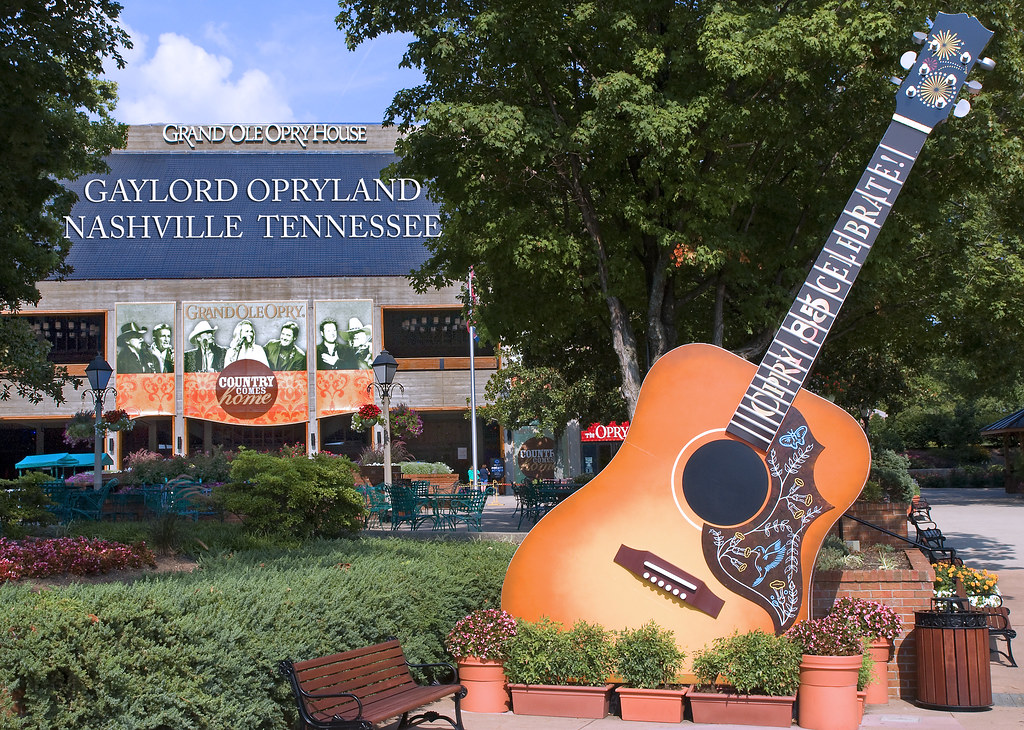
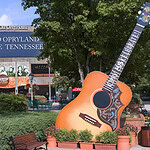
Opryland USA combined roller coasters and amusement rides with live country, gospel, bluegrass, and pop performances, giving Nashville a theme park that actually felt like Nashville. During the late 1980s, attendance approached 2.5 million visitors a year, and Opryland ranked among the city's biggest attractions. Gaylord Entertainment announced the park's closure in 1997 as part of a redevelopment agreement with the Mills Corporation, and Opryland closed for good on December 31 of that year. Most of the park was demolished, and Opry Mills opened on the site in 2000. Years later, Gaylord executives acknowledged that closing the theme park had been a mistake. Nashville tourism certainly recovered, but for generations of local families, a shopping mall was never quite the same replacement.
AstroWorld, Houston, Texas
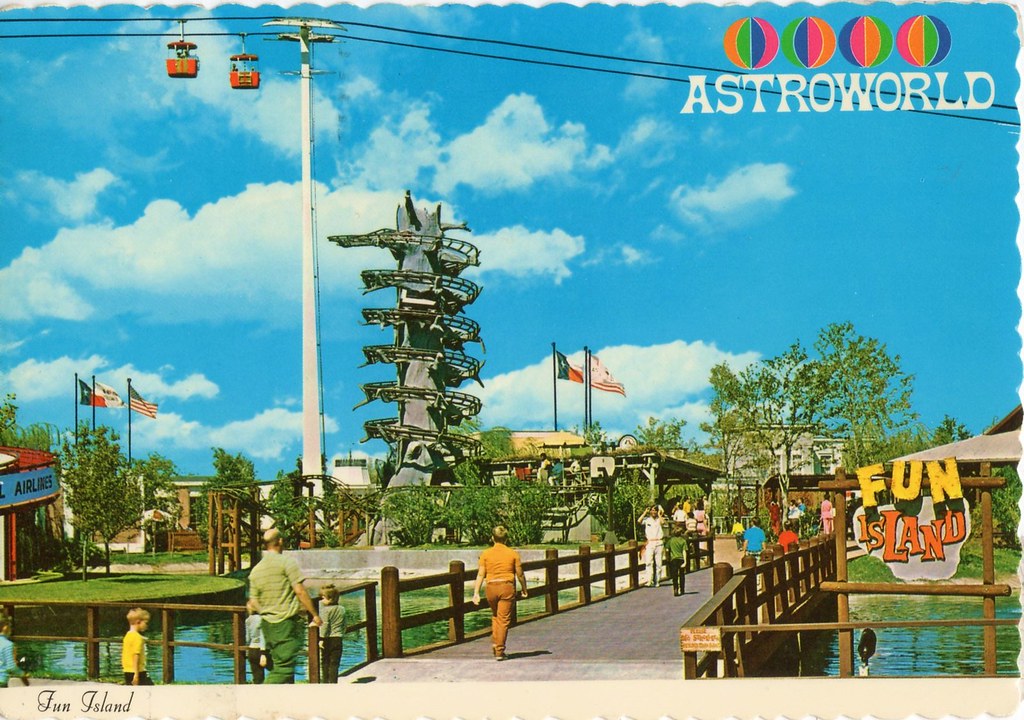
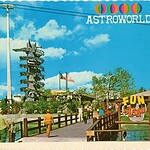
AstroWorld opened across from the Astrodome in 1968 and spent 37 seasons as one of Houston's defining family attractions. By the 1980s and 1990s, its roller coasters and rides were a familiar part of the city's summer landscape. Six Flags closed AstroWorld after the 2005 season, citing declining attendance, rising property values, and complications involving parking near what is now NRG Stadium. The park was dismantled and demolished soon afterward. Six Flags expected the land to fetch as much as $150 million but ultimately sold the cleared property for $77 million. Today, portions of the former site are used for parking and storage associated with major events at NRG Park and the Houston Livestock Show and Rodeo.
Marineland of the Pacific, California
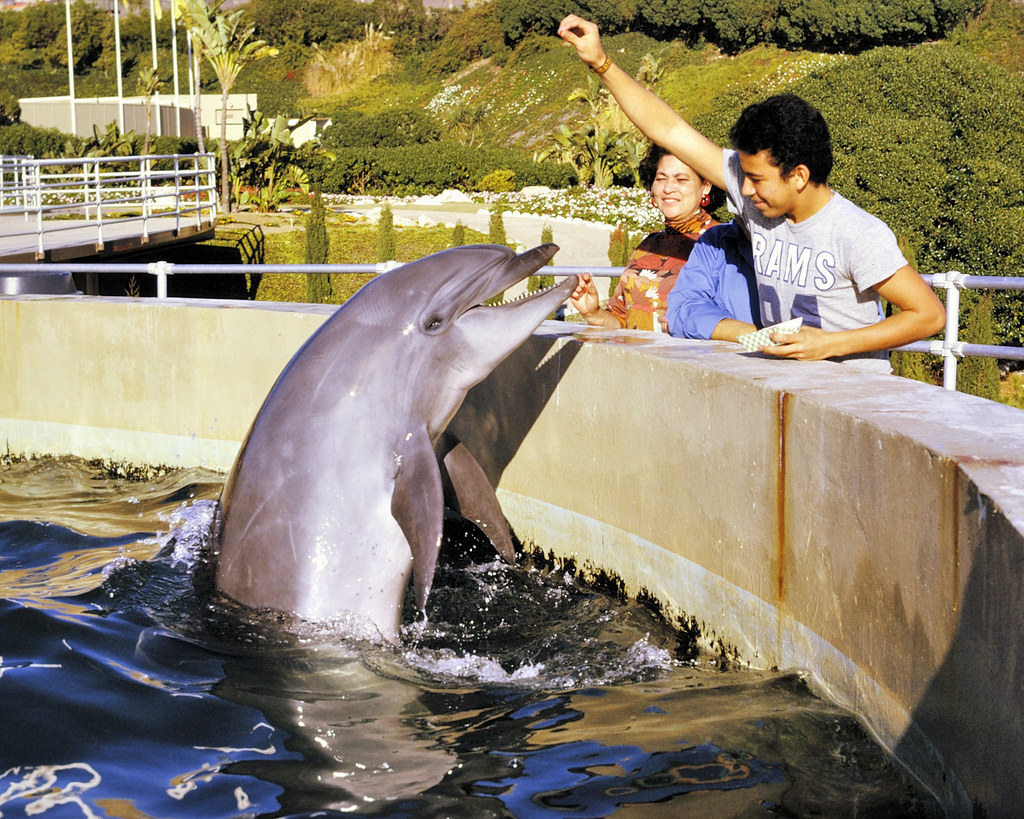
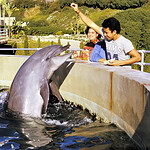
Marineland of the Pacific opened on the Palos Verdes Peninsula in 1954, a decade before SeaWorld San Diego, and became known for performances featuring dolphins, pilot whales, and orcas. It was still a familiar Southern California attraction when the 1980s began, but its ending came quickly. Harcourt Brace Jovanovich, which owned SeaWorld, bought Marineland in late 1986. In January 1987, its two famous orcas, Orky and Corky, were moved to SeaWorld San Diego. Just 22 days later, on February 11, Marineland was abruptly closed and roughly 300 employees lost their jobs. The shutdown angered local residents and former visitors, but the oceanarium never reopened.
Wildwood, New Jersey
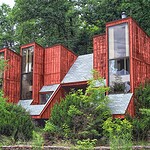
The Wildwoods became famous for a concentration of flashy midcentury motels built mostly during the 1950s and 1960s. Neon signs, sweeping rooflines, dramatic angles, tropical themes, and kidney-shaped pools created an architectural style the area eventually dubbed "Doo Wop." Motels such as the Caribbean and Pan American were still part of the classic family Shore experience in the 1980s. Development pressure later took out many of the old properties, but others survived, and preservationists began treating the architecture as something worth saving. The Caribbean Motel is now listed on the New Jersey and National Registers of Historic Places. Wildwood itself never stopped being a major beach destination. What became endangered was the unmistakable motel landscape that once went with it.
Hot Springs, Arkansas
Hot Springs had been attracting travelers to its thermal water for generations before the 1980s. Congress set aside the springs and surrounding land as Hot Springs Reservation in 1832, and the area became Hot Springs National Park in 1921. The grand bathhouses reached their real peak much earlier in the 20th century, and the bathing industry was already declining by the 1960s. That decline accelerated into the 1980s: the Quapaw and Superior closed in 1984, followed by the Lamar in 1985, leaving the Buckstaff as the only operating traditional bathhouse on Bathhouse Row. The story did not end there. The National Park Service eventually helped restore and repurpose the historic buildings, and visitors today can once again soak in thermal water, tour the old bathhouses, and walk through one of the country's more unusual national parks.
Reno, Nevada
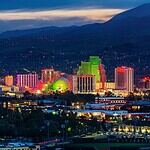
Reno built much of its 20th-century tourism identity around legal gambling, casino hotels, entertainment, and its earlier reputation as a place to obtain a quick divorce. Nevada legalized gambling in 1931, and for decades Reno offered something most American cities simply could not. That advantage weakened as gambling expanded elsewhere. Native American gaming grew significantly after the federal Indian Gaming Regulatory Act of 1988, and California's expansion of tribal casino gaming during the 1990s created much closer competition for Northern Nevada. Reno still has casinos, but it now sells a much broader experience built around events, restaurants, the Truckee River, nearby mountains, and access to Lake Tahoe. The Biggest Little City did not disappear. It just had to become more than a place to gamble.
SeaWorld Ohio, Aurora, Ohio
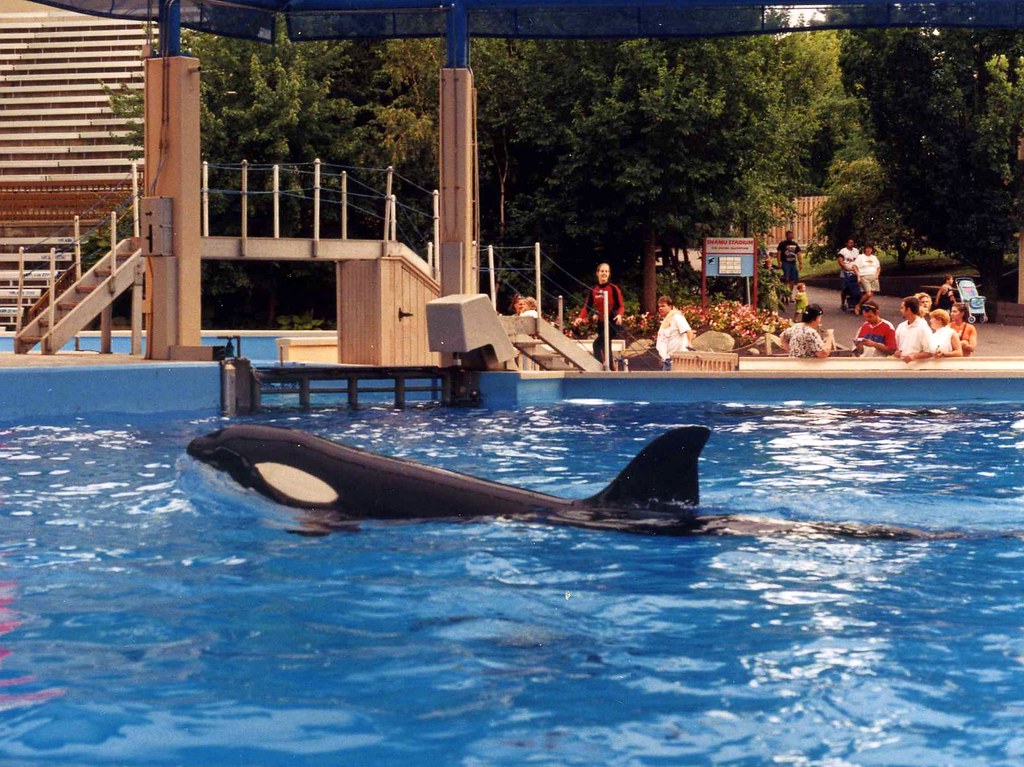
SeaWorld Ohio opened in Aurora in 1970 and brought the marine-park formula to the Midwest, complete with dolphins, orcas, sea lions, and large stadium shows. For families across Ohio and neighboring states, it became a familiar summer trip through the 1970s, 1980s, and 1990s. SeaWorld operated the park through the 2000 season before Six Flags bought it for $110 million in 2001 and combined the property with neighboring Six Flags Ohio to create Six Flags Worlds of Adventure. SeaWorld's orcas and dolphins were not included in the sale and were transferred elsewhere. Cedar Fair acquired the combined complex in 2004 and restored the Geauga Lake name. The amusement park closed after the 2007 season, while the Wildwater Kingdom water park on part of the former SeaWorld property lasted until 2016.
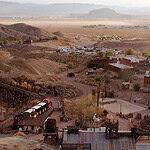
Calico Ghost Town, California
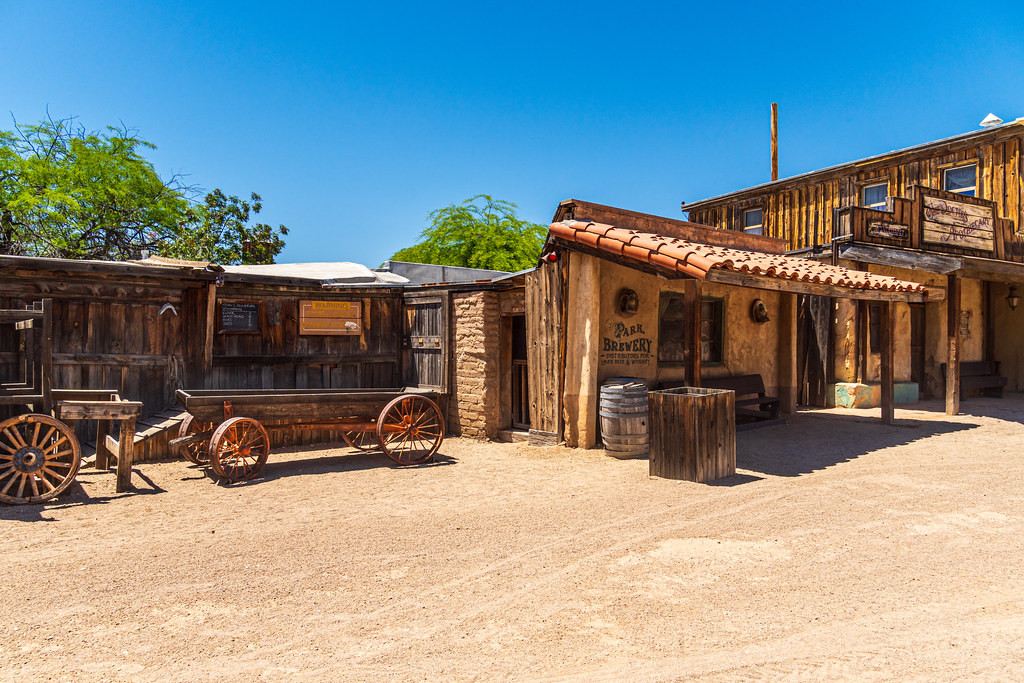
Calico began as a silver-mining town in 1881 and was largely abandoned by the mid-1890s after silver prices collapsed. The version road trippers encountered in the 1980s, however, was already a restored tourist attraction rather than an untouched ghost town. Walter Knott, who later became famous for Knott's Berry Farm, purchased Calico in the 1950s and restored most of its buildings to resemble the town during its mining years. Today, Calico remains open as a San Bernardino County regional park, complete with historic buildings, mine attractions, shops, and Old West entertainment. If anything, it is one of the rare roadside attractions from that era that stubbornly refused to disappear.
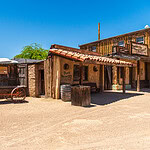
Old Tucson Studios, Arizona
Old Tucson began in 1939 when Columbia Pictures built a replica of 1860s Tucson for the Western Arizona, starring Jean Arthur and William Holden and released in 1940. The property later developed into both a working film location and a Western-themed tourist attraction, giving visitors a chance to wander through sets used in movies and television shows. A devastating fire in April 1995 destroyed a large portion of the complex, including numerous historic sets and irreplaceable memorabilia. Old Tucson rebuilt and reopened in 1997. It closed again during the COVID-19 pandemic in 2020, but that was not the end either. New management reopened Old Tucson in 2022, and the property continues operating as a Western attraction and filming location.
Lake Havasu City, Arizona
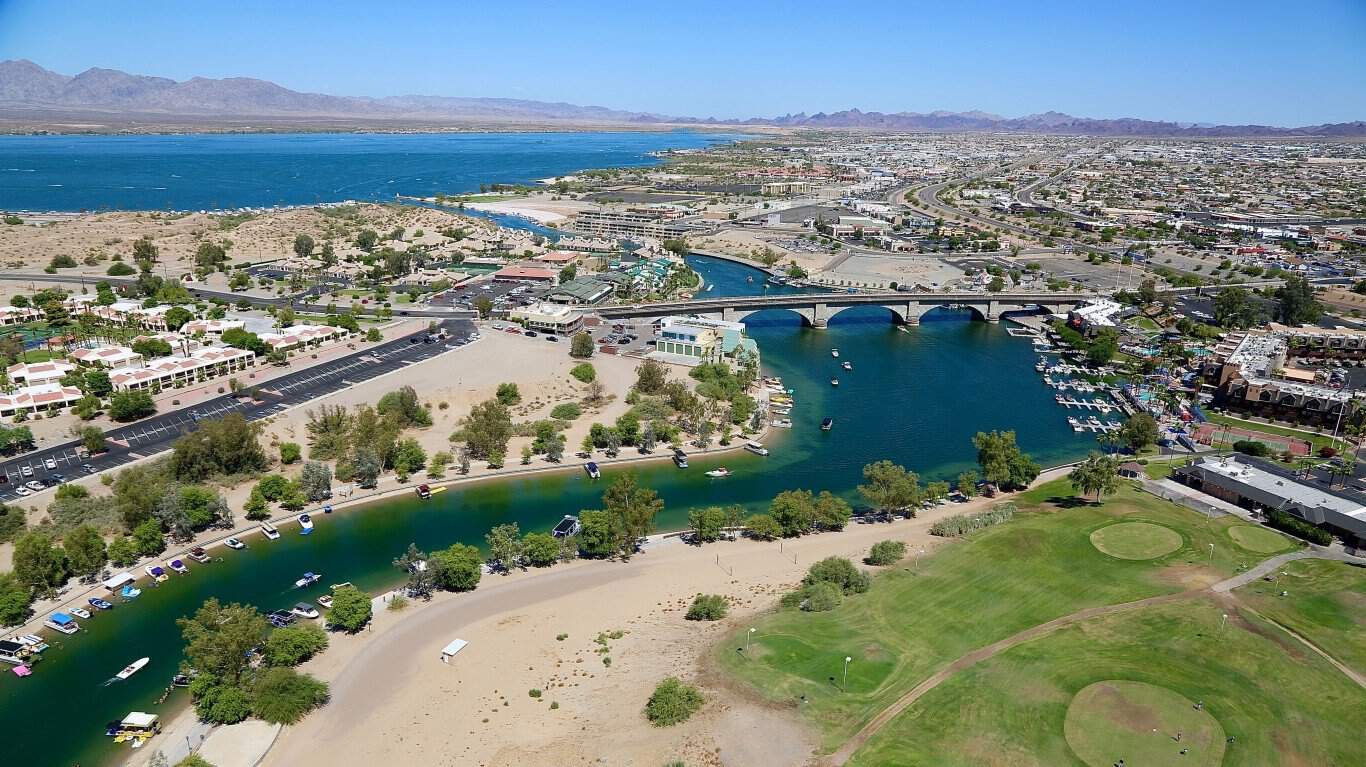
Lake Havasu City had one of the strangest tourism hooks in America by the time the 1980s arrived: an actual piece of London. Developer Robert McCulloch bought the 19th-century London Bridge in 1968 for $2.46 million, shipped its granite facing stones to Arizona, and reconstructed the bridge over what became Bridgewater Channel. It was formally dedicated in 1971 and quickly put the young city on the tourism map. Lake Havasu's reputation as a major college spring-break destination came later than is sometimes remembered. College students were already visiting during the 1980s, but the party scene exploded in the early 1990s and gained national attention when MTV brought its Spring Break coverage there in 1995. The city has since moved away from that anything-goes reputation, but tourism is hardly fading: Lake Havasu City now reports more than 835,000 visitors annually.
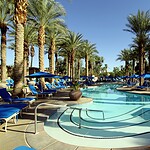
Palm Springs, California
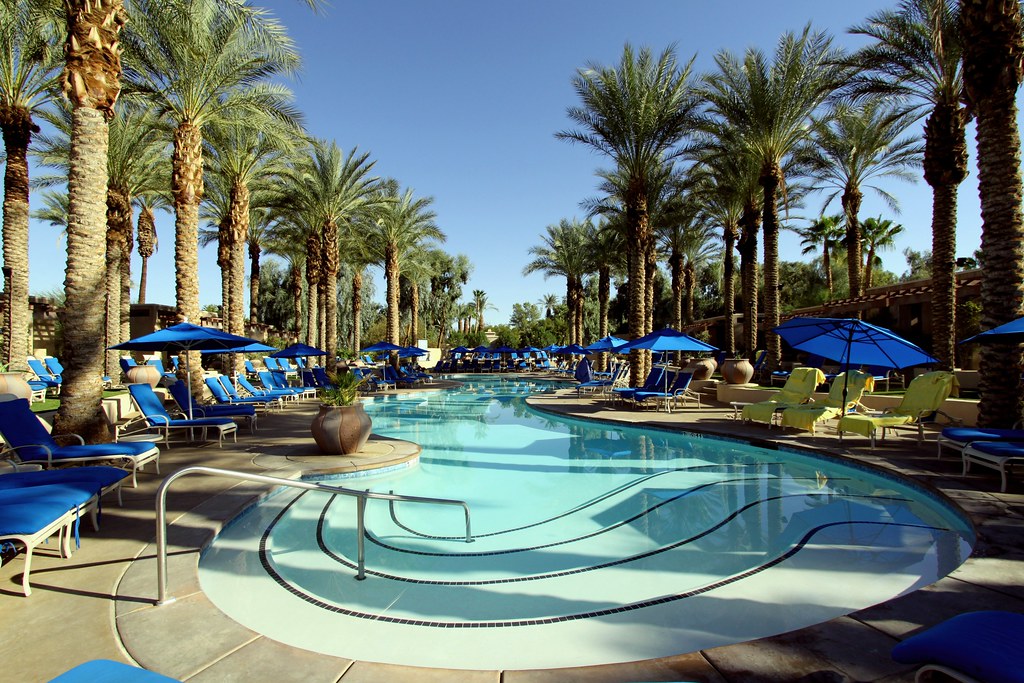
Palm Springs had long been associated with Hollywood celebrities, swimming pools, golf, and desert resorts, but the 1980s also brought a much rowdier identity. Easter Week and spring break packed Palm Canyon Drive with young visitors, cruising cars, motorcycles, and increasingly unruly crowds. After a serious disturbance in 1986 and years of complaints, city leaders began cracking down. By the early 1990s, Palm Springs was actively trying to shed the spring-break image and redirect younger party crowds elsewhere. At roughly the same time, preservationists and new residents began rediscovering the city's neglected midcentury architecture. That revival eventually became one of Palm Springs' biggest modern draws. The city is not a shadow of its former self at all. It simply traded one version of fashionable for another.
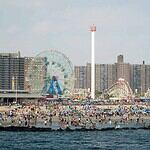
Coney Island, Brooklyn, New York
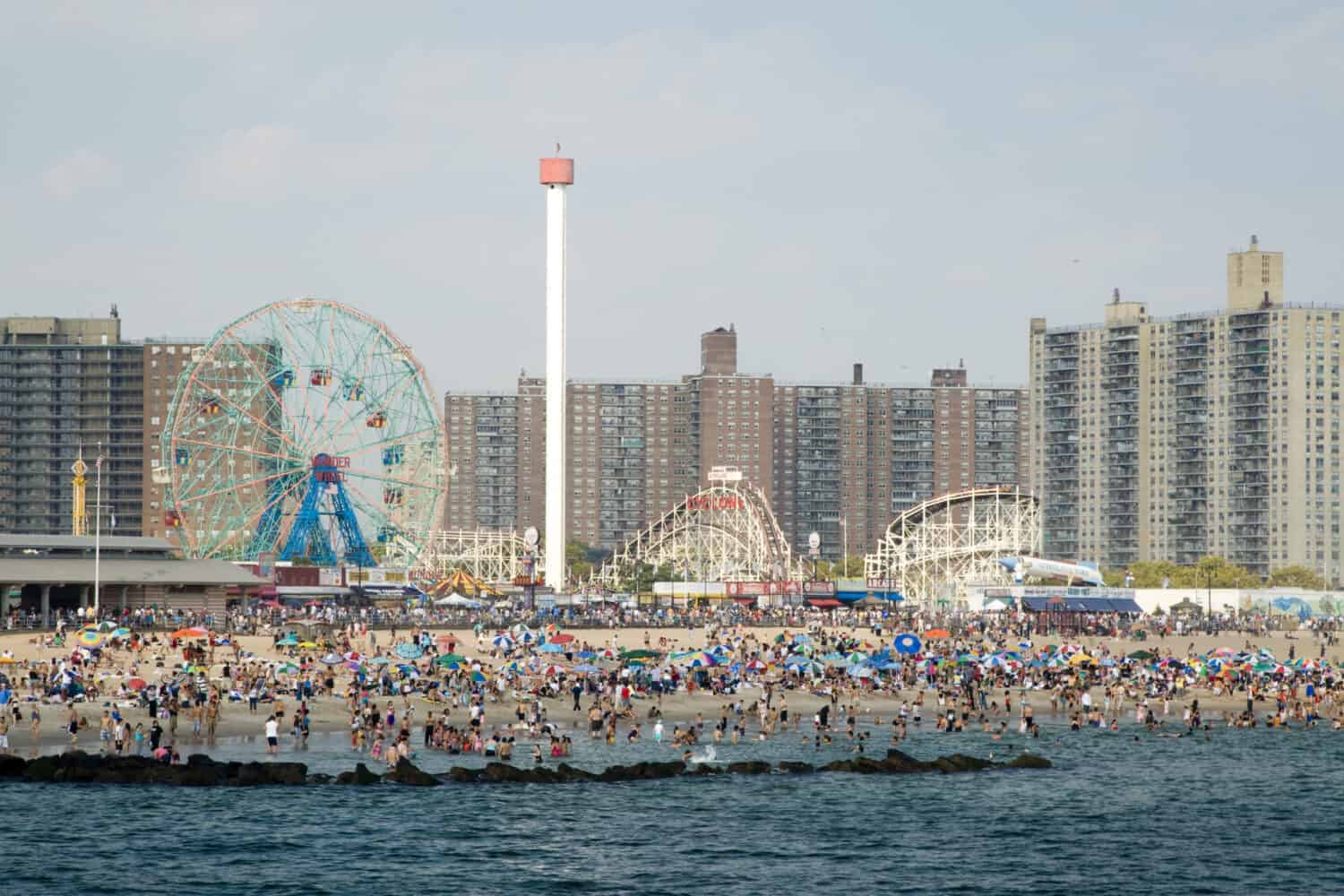
By the 1980s, Coney Island was already more survivor than fashionable vacation resort. Its golden age had come decades earlier, and much of the area had suffered through years of decline. Astroland, which opened in 1962, helped keep the amusement tradition alive alongside landmarks such as the Cyclone and Wonder Wheel. For New Yorkers, it remained something especially valuable: a beach and amusement trip reachable by subway. Astroland finally closed after the 2008 season, but Coney Island did not go with it. Major redevelopment followed, new amusement operators arrived, and the Boardwalk remains very much alive. The vanished part is that slightly worn, wonderfully strange version of Coney Island that generations remember from before the redevelopment.
Tiki and Polynesian-Themed Motels
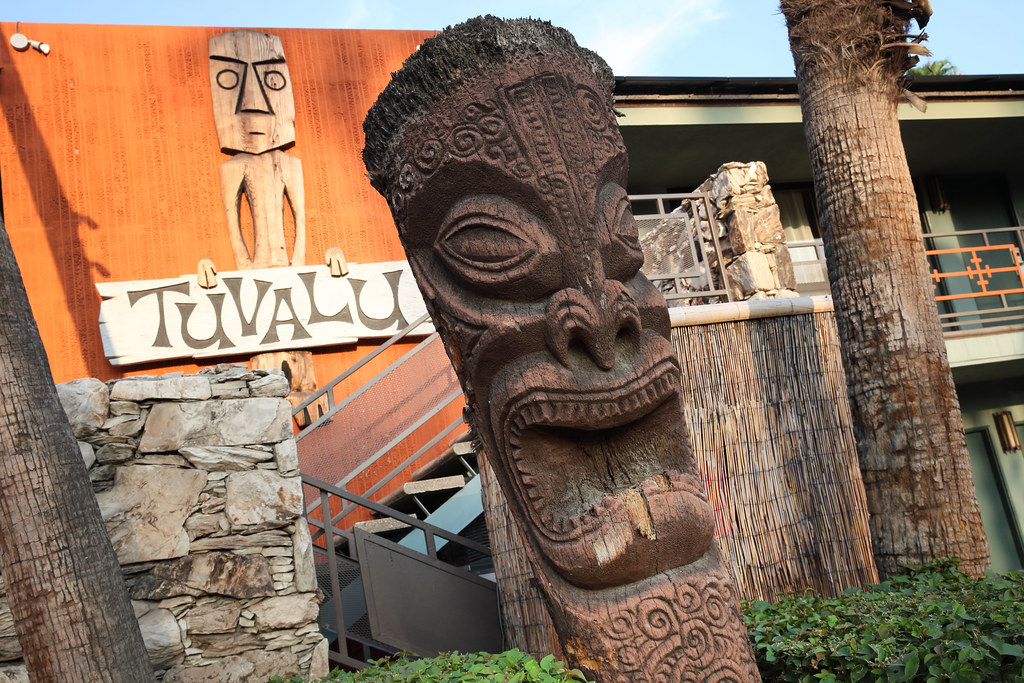
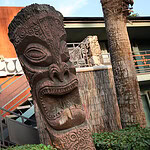
By the 1980s, tiki and Polynesian-themed motels were already survivors of a travel style that had exploded in popularity during the postwar decades. Roadside properties across the country borrowed an exaggerated version of South Pacific imagery, adding carved tikis, tropical landscaping, dramatic signs, thatched roofs, and themed pools to otherwise ordinary motel stays. As roadside motels aged and national hotel chains expanded, many were demolished, remodeled, or stripped of their original themes. The surviving examples are now more likely to be appreciated as pieces of midcentury architecture and American pop culture than as somebody's idea of an exotic getaway.
Wisconsin Dells' Tommy Bartlett Show, Wisconsin
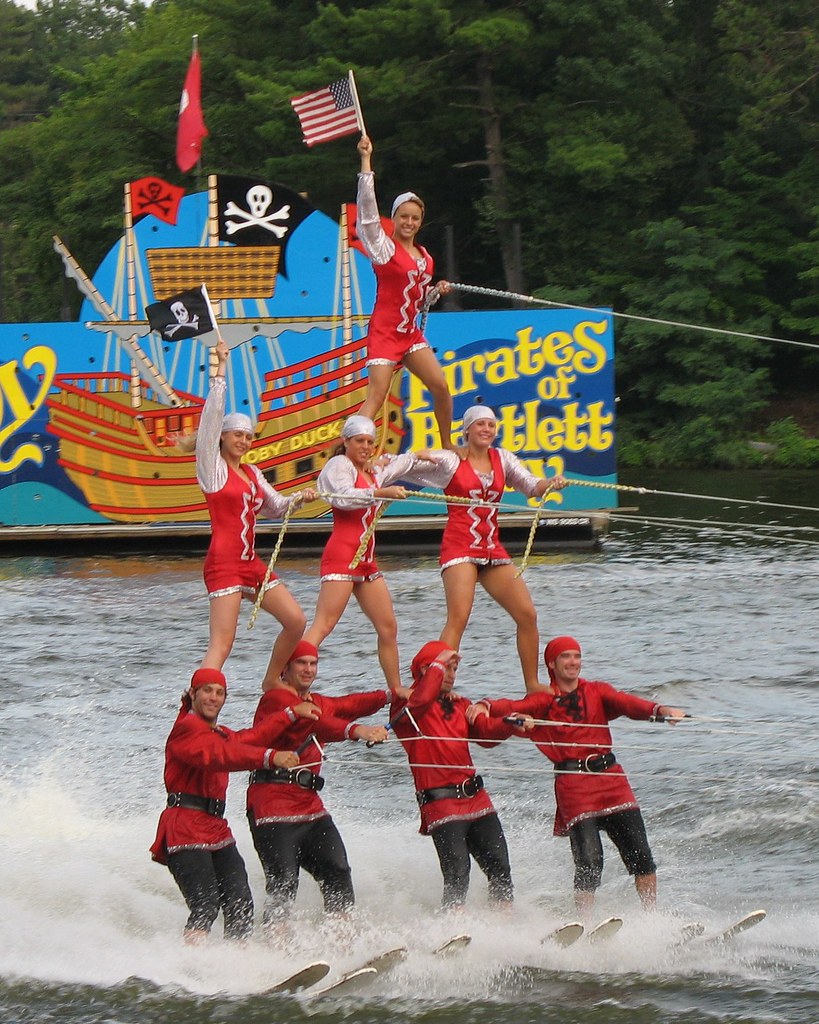
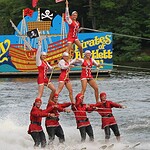
The Tommy Bartlett water-ski show became a Wisconsin Dells institution after establishing a permanent home on Lake Delton in 1953. By the 1980s, its elaborate water-ski stunts, boat maneuvers, comedy, and stage acts were already a long-running part of the Dells vacation experience. The company expanded in a different direction in 1982 by opening Tommy Bartlett's Robot World, which evolved into the hands-on Tommy Bartlett Exploratory science center. The ski show itself lasted for 68 seasons. It did not open in 2020 because of the COVID-19 pandemic, and its owners later announced that the financial loss and uncertainty made reopening in 2021 too risky. The show permanently closed, but the Exploratory survived. Ripley's Believe It or Not! World Entertainment purchased the Exploratory and former show property in 2025, and the science attraction remains open in 2026.