
Garun Studios / Shutterstock.com

Art Wager / E+ via Getty Images

Steven Noroian / Shutterstock.com

bluejayphoto / iStock via Getty Images

Jacob Boomsma / iStock via Getty Images

Andrew Bertuleit / iStock via Getty Images
Patty Ballay / Shutterstock.com

FotosForTheFuture / Shutterstock.com

Sean Pavone / Shutterstock.com

LoweStock / iStock via Getty Images

DenisTangneyJr / E+ via Getty Images

DenisTangneyJr / iStock via Getty Images

SeanPavonePhoto / iStock via Getty Images
Ultima_Gaina / iStock via Getty Images

BruceBlock / iStock via Getty Images

Jacob Boomsma / iStock via Getty Images
DenisTangneyJr / iStock via Getty Images

Sean Pavone / iStock via Getty Images

Robert Young / iStock via Getty Images

DenisTangneyJr / E+ via Getty Images
ferrantraite / E+ via Getty Images













20 States That Are the Most Expensive to Retire In Right Now
If you’ve run the numbers on your upcoming retirement savings and felt your heart sink, you’re not alone. Retiring on a fixed income has gotten incredibly difficult, especially in places where housing, insurance, and everyday costs keep climbing. Some states are consistently harder on retirement budgets, with expensive cities that make it impossible for even the most fervent planners. What are some of the most expensive states for retirees? We've found them for you.
To build this list, 247 Tempo used each state’s latest annual expenditures for people 65+ after Social Security and selected the 20 highest-cost states. We then added context for what tends to drive expenses in each place, and also provided you with example cities from these states where costs are especially steep.
A few notes while you review our selections: insurance premiums have jumped in some coastal and wildfire-exposed markets, which hits retirees who own homes. Also, keep in mind that, even in states with tax perks, high housing and service costs can overpower these benefits. If you’re comparing options, look beyond taxes to the full picture, all of which can make or break a retirement budget. With these things in mind, here are the most expensive states in the U.S. to retire in right now.
Hawaii
Avg income needed: $89,128
Expensive cities: Honolulu, Kailua (O‘ahu), Kīhei (Maui).
Housing, groceries, and utilities in Hawaii command premiums, and much of what residents need is shipped in. Retirees also contend with high healthcare and long-term care costs relative to the mainland.
Tourism-driven demand keeps rents and service prices elevated in popular areas, even outside peak season. For fixed incomes, the combination of high everyday expenses and costly housing makes budgeting especially tight.
Massachusetts
Avg income needed: $64,493
Expensive cities: Boston, Cambridge, Newton.
Greater Boston’s salaries push housing prices and rents well above national averages, which is why you're better off avoiding the state entirely. Property taxes and services add up quickly in many suburbs, and winter utilities can spike.
On the upside, access to world-class hospitals comes with higher medical costs and insurance premiums, but at least you're getting what you pay for here. Cultural amenities are also superb, but day-to-day costs can strain a retirement budget.
California
Avg income needed: $63,832
Expensive cities: San Francisco, San Jose, Santa Monica.
Real estate dominates budgets in California, regardless of the city you opt for. Homeowners' insurance has also become harder and more expensive to secure in wildfire-prone regions.
State income taxes can affect certain retirement withdrawals depending on the source. Everyday expenses, like dining, transportation, and basic services, tend to be priced higher in California compared to the U.S. average.
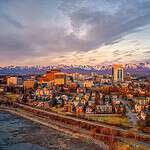
Alaska
Avg income needed: $51,213
Expensive cities: Anchorage, Juneau, Sitka.
While it may seem like an affordable route, remote logistics and long winters keep groceries, utilities, and travel costs elevated in the state of Alaska. Heating bills and seasonal price swings can also be tough to predict on a fixed income.
Healthcare access often requires ample travel, adding to out-of-pocket expenses and anxieties should you have a medical emergency. Housing costs also vary by community, so you could get lucky and find an affordable spot, but many retirees still pay a premium for convenience and services.
New York
Avg income needed: $50,913
Expensive cities: New York City, White Plains, Garden City.
Metropolitan New York sets a high baseline for housing, taxes, and services. Even outside the city, desirable Hudson Valley and Long Island towns carry expensive property taxes and maintenance.
Healthcare networks are extensive but costly, and supplemental insurance can add up, especially if you're supporting a spouse. Entertainment and transportation options are abundant, yet day-to-day prices remain steep, making it difficult to enjoy all of the fun things that make New York so special.
Maryland
Avg income needed: $46,106
Expensive cities: Bethesda, Potomac, Chevy Chase.
Proximity to Washington, D.C., keeps housing and professional service costs high in Maryland's suburbs. Property taxes, HOAs, and insurance are also significant line items for many retirees.
Healthcare quality is indeed strong, but premiums and co-pays reflect big-metro pricing, regardless of where you choose to settle. Commuter conveniences and amenities are excellent, albeit at a premium. Is it a premium you're willing to pay?
New Jersey
Avg income needed: $45,685
Expensive cities: Hoboken, Jersey City, Short Hills.
New Jersey's property taxes are among the nation’s highest, especially in its affluent communities. Housing near New York and Philadelphia commands premium pricing. Insurance, tolls, and everyday services also add friction to fixed budgets. Retirees often balance tax considerations with access to top-tier healthcare and transit, but it's up to you to decide if it's worth it.
Vermont
Avg income needed: $45,565
Expensive cities: Burlington, Stowe, Shelburne.
Scenic small towns in Vermont may be idyllic, but they come with a limited housing supply and strong second-home demand. Cold winters mean substantial heating costs and higher utility bills. Groceries and services tend to be expensive in rural areas thanks to long supply routes. Still, many retirees choose Vermont for lifestyle, but the carrying costs are real.
Washington
Avg income needed: $45,445
Expensive cities: Seattle, Bellevue, Kirkland.
Seattle-area housing and rents remain elevated, with plenty of spillover to its nearby suburbs. There’s no state income tax in Washington, which many retirees see as a blessing. However, sales taxes and high service rates raise total living costs.
Home insurance and HOA dues in some areas have also climbed alongside property values. Healthcare access is excellent, yet premiums and out-of-pocket costs track big-city rates, even in Washington's forgotten, rural areas.
New Hampshire
Avg income needed: $44,484
Expensive cities: Portsmouth, Hanover, Bedford.
With no broadly-based income or sales tax, New Hampshire would be attractive, save for the fact that property taxes are substantial in many towns. Desirable lakes and mountain communities see strong second-home demand and much higher prices. For retirees, budgeting here will ultimately hinge on smart housing choices and knowing your municipal tax rates.
Connecticut
Avg income needed: $44,303
Expensive cities: Greenwich, Westport, Stamford.
Affluent coastal and commuter suburbs linked to New York drive housing costs higher and higher in Connecticut every single year. Property taxes and insurance can rival a mortgage payment, especially near Long Island Sound. Downsizing or relocating inland is a common strategy to manage expenses, but it often means sacrificing something else.
Rhode Island
Avg income needed: $44,243
Expensive cities: Newport, Barrington, Providence.
Waterfront living is part of Rhode Island's allure, and it’s priced accordingly. Property taxes and insurance costs are especially notable in historic and coastal neighborhoods. Everyday costs, from dining to parking, tend to be higher in this state's most desirable areas; even rural zones can struggle in Rhode Island when it comes to inflation.
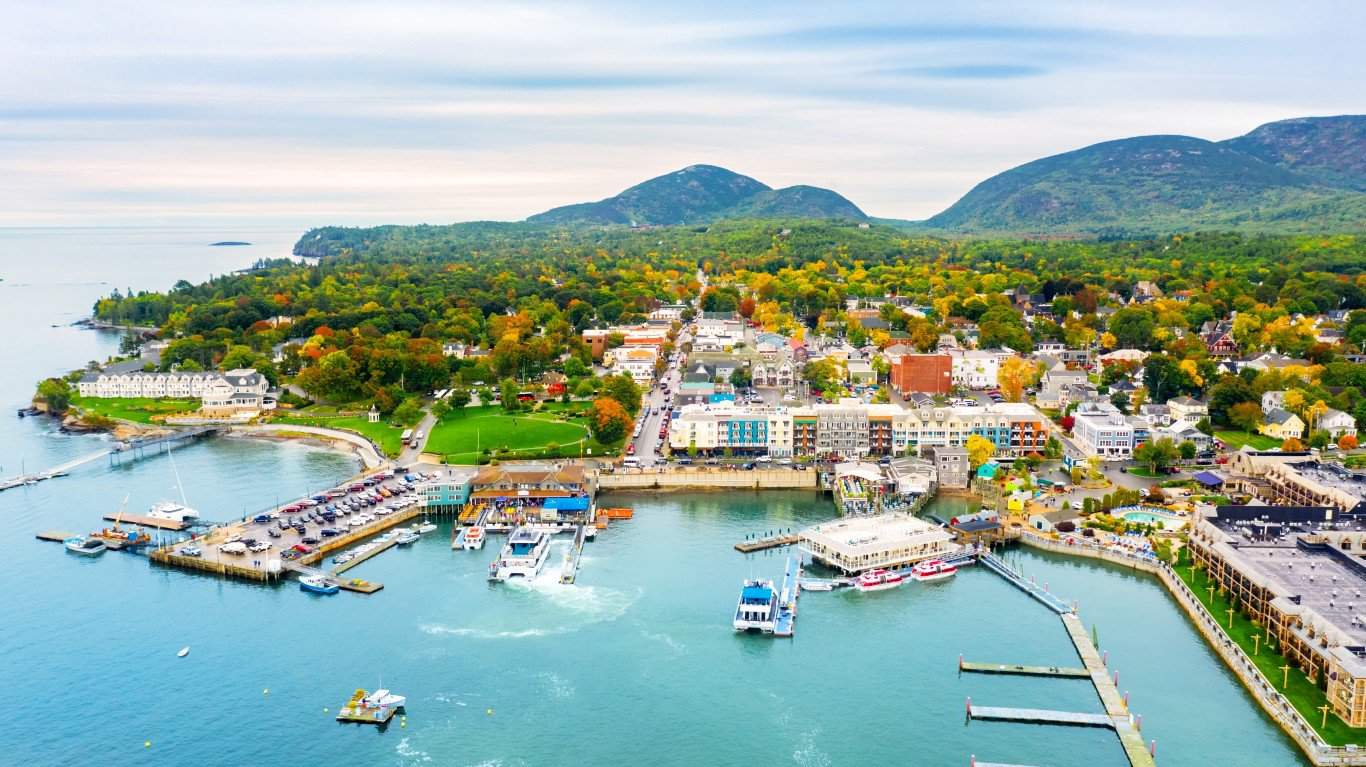
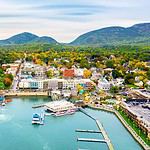
Maine
Avg income needed: $44,183
Expensive cities: Portland, Camden, Bar Harbor.
Picturesque towns attract second-home buyers looking to make some money on Airbnb listings, lifting prices and rents throughout Maine. Long winters and rural distances push up everything involving heating, transportation, and delivery costs.
Healthcare access is improving within this state, but you may still need to travel for specialist referrals. Retirees value the quality of life that Maine has to offer, yet the basics can be pricier than expected.
Oregon
Avg income needed: $44,123
Expensive cities: Portland, Bend, Lake Oswego.
Portland-area housing, plus resort towns like Bend, has raised statewide averages into almost unrecognizable rates. State income taxes here can also affect withdrawals from traditional retirement accounts.
Utilities and services have climbed alongside population growth and housing demand, especially in areas of Oregon known for wildfire activity. Many retirees hedge their costs by choosing smaller cities, but prices remain elevated in hot markets and pockets of the state.
Arizona
Avg income needed: $43,823
Expensive cities: Paradise Valley, Scottsdale, Sedona.
While Arizona has long been seen as affordable, resort communities that retirees essentially built now carry premium pricing. HOA dues, golf memberships, and rising insurance in fire-prone areas add to costs. Seasonal population swings also affect prices in popular snowbird destinations, as Arizona has become a hot-ticket destination for all walks of life.
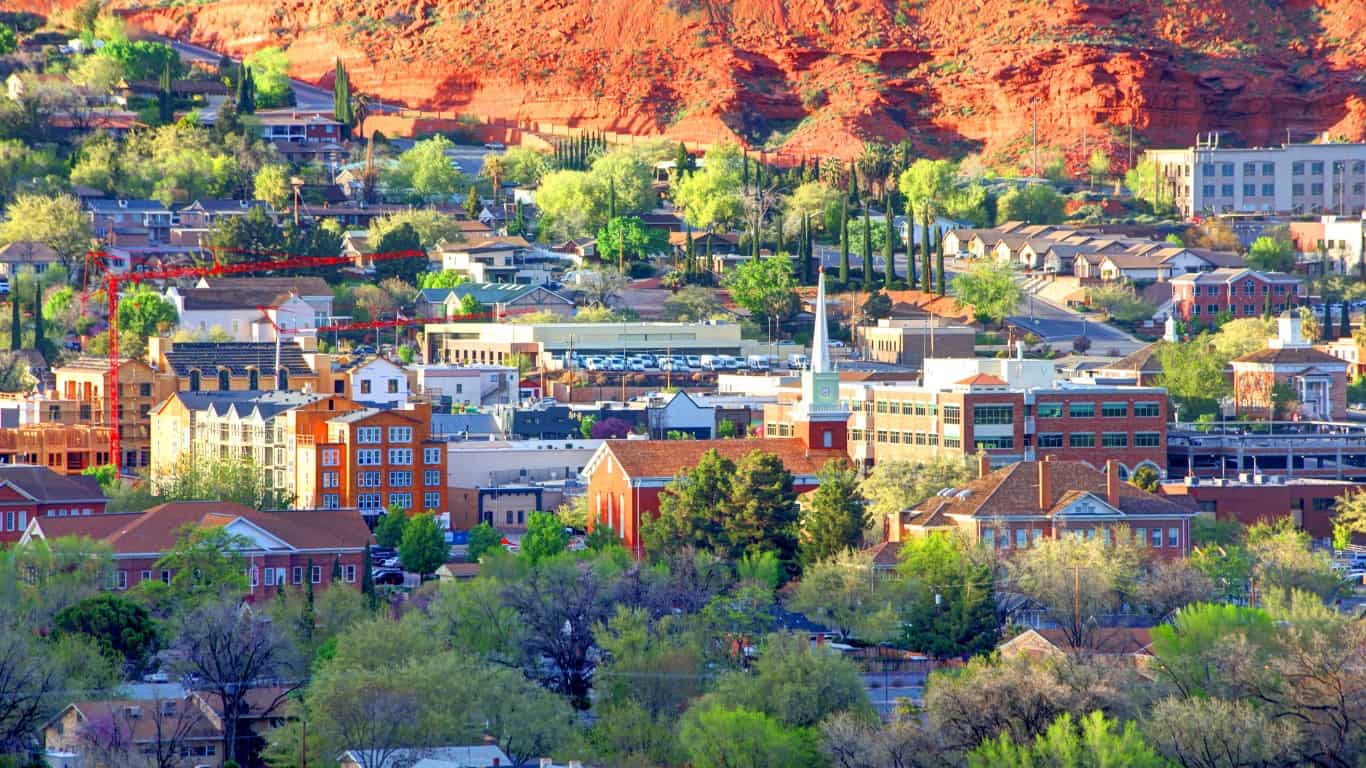
Utah
Avg income needed: $39,857
Expensive cities: Park City, Salt Lake City, Moab.
Rapid growth along the Wasatch Front has pushed housing and rents up sharply in Utah. Resort markets like Park City are among the priciest in the Rockies and have been for decades; however, these high costs keep creeping outward, into smaller towns.
Utilities remain moderate, but property taxes and insurance vary widely by county. Retirees need to weigh proximity to family against the premium for these lifestyle towns, which is an unfortunate sacrifice they shouldn't have to make.
Florida
Avg income needed: $38,595
Expensive cities: Naples, Palm Beach, Key West.
Home and flood insurance premiums have surged in Florida, especially in its most desirable coastal counties. Popular retirement hubs come with HOA fees, assessments, and seasonal pricing. One saving grace? Taxes are still favorable, yet housing and insurance can dominate the budget. Weigh your options carefully.
Colorado
Avg income needed: $38,114
Expensive cities: Aspen, Boulder, Vail.
Mountain resort towns and Front Range cities in Colorado keep housing costs dicey. Property taxes are moderate on paper, but assessments and insurance can easily climb with wildfire fluctuations. However, recreation opportunities are superb and well worth it; just budget for this state's high cost of living.
Delaware
Avg income needed: $37,393
Expensive cities: Rehoboth Beach, Wilmington, Lewes.
State taxes in Delaware are relatively friendly for retirees, but coastal towns and beach communities are extremely expensive. Insurance and HOA dues rise the closer you get to the water, and, while healthcare access is improving, specialty care sometimes requires trips to nearby metros. Retirees often pay a premium for walkable, amenity-rich beach towns, but less developed areas of the state may still be affordable.
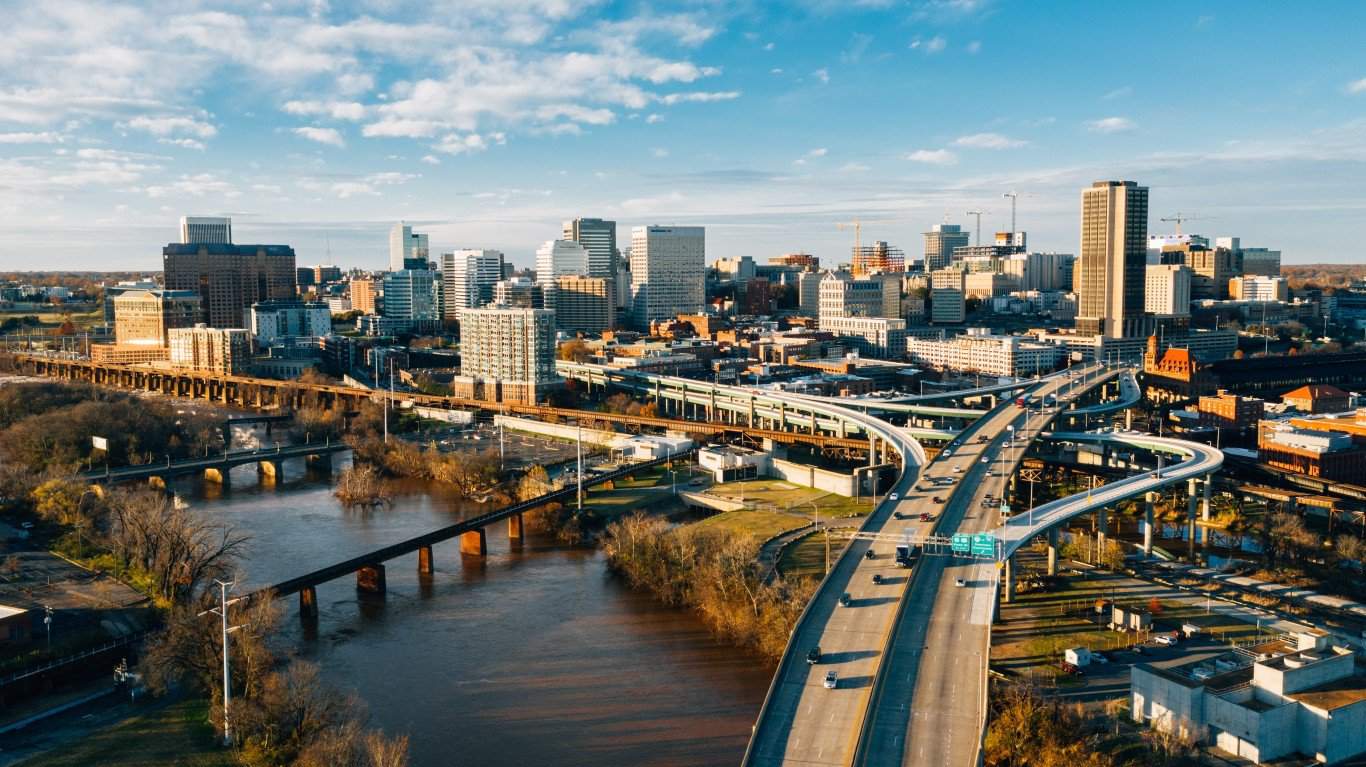
Virginia
Avg income needed: $37,333
Expensive cities: Arlington, Alexandria, McLean.
Northern Virginia’s housing market is tied to D.C.-area salaries, keeping prices impossible once you've retired from your day job. Many retirees reduce expenses in this state by moving farther from the Beltway trade-offs. However, are you sacrificing too many amenities and medical care facilities in order to save a couple of bucks? The trade-off is up to you.