
Art Wager / E+ via Getty Images

eFlexion / Shutterstock.com

MargaretW / iStock via Getty Images
SeanPavonePhoto / iStock via Getty Images

FilippoBacci / E+ via Getty Images
Uladzik Kryhin/Shutterstock.com

Davel5957 / iStock via Getty Images

SeanPavonePhoto / iStock via Getty Images

Wikipedia

Art Wager / E+ via Getty Images

SeanPavonePhoto / iStock via Getty Images

Art Wager / E+ via Getty Images

Nancy Pauwels/Shutterstock.com
JoeInSouthernCA / BY-ND 2.0

LoweStock / iStock via Getty Images

BCFC / iStock via Getty Images

Mihai_Andritoiu / Shutterstock.com

Sean Pavone / Shutterstock.com

f11photo / iStock via Getty Images
BruceBlock / iStock via Getty Images

Davel5957 / E+ via Getty Images














20 U.S. Cities Where Rent Can Feel Hard to Justify
“Overpriced” is subjective, but high rent is not. Some cities simply make it harder to feel like you’re getting your money’s worth once you factor in space, convenience, transportation, weather, and everyday costs.
Using current rent data from Zumper, we looked at 20 cities where housing costs can feel especially hard to justify. This isn’t a strict ranking of America’s most expensive places. It’s a look at where rent may feel steep for what you get, along with a few practical ways to make living there feel more worthwhile.
1. New York City, NY
New York sits at the top of Zumper’s August 2026 national rent table, with a median one-bedroom at $4,500 and a two-bedroom at $5,410. That one-bedroom figure is nearly three times the national median. At those prices, it can feel like you are paying heavily for location and access before you even start thinking about how much space you are getting.
The upside is that New York gives many residents the option to build daily life around public transit instead of a car. If your routine allows it, that is one of the cleanest ways to claw back some value. Paying New York rent is painful enough without also layering on car payments, parking, tolls, and other driving costs.
2. San Francisco, CA
San Francisco is right behind New York on one-bedroom rent and well ahead of it on two-bedrooms. Zumper’s August report puts the median one-bedroom at $4,300 and the two-bedroom at $6,120, the highest two-bedroom figure in the report. That is an enormous housing bill before the rest of your monthly expenses even enter the picture.
The city makes more financial sense when you are actually using what the location buys you. A walkable neighborhood or a shorter trip to work can offset some transportation costs and save time. Paying a premium rent while still dealing with a long, expensive commute makes the value proposition much harder to defend.
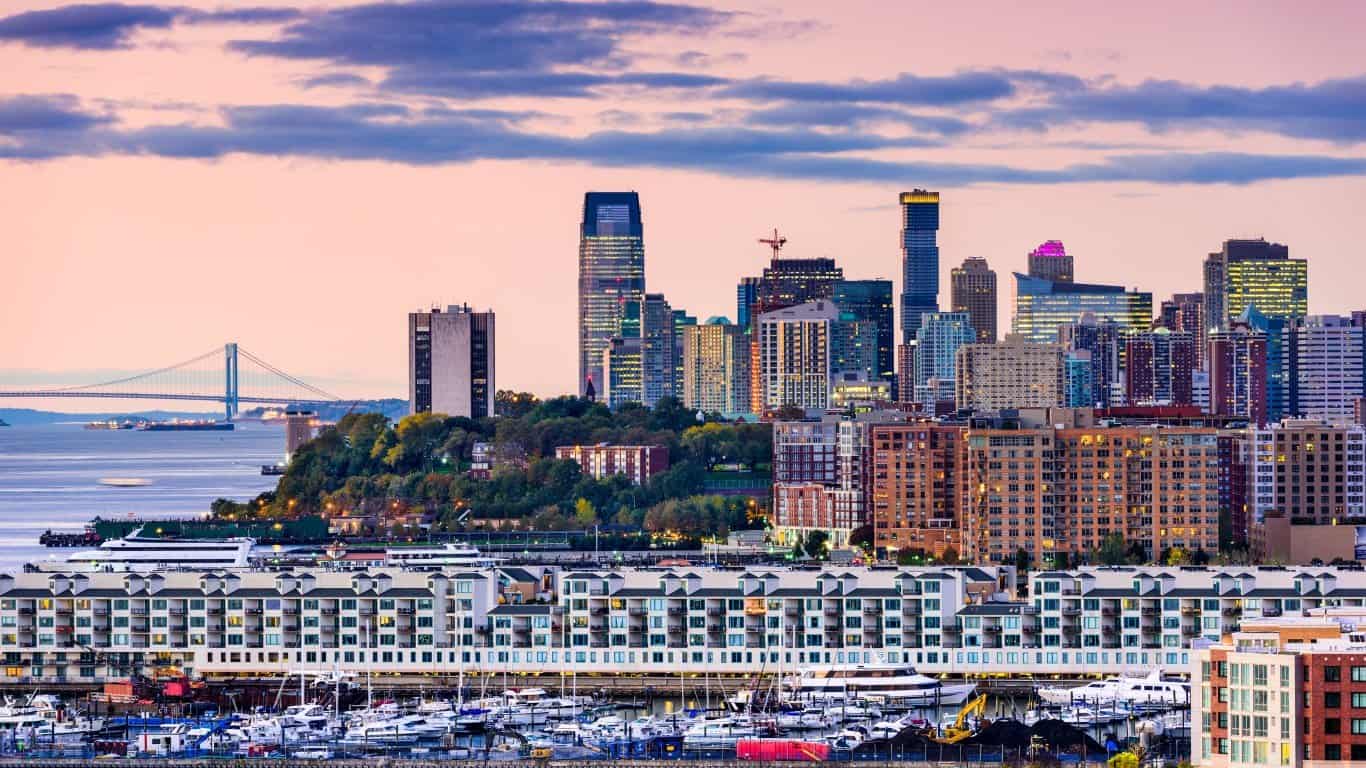
3. Jersey City, NJ
Jersey City can look like the obvious cheaper alternative to New York, but “cheaper” is doing a lot of work here. Zumper’s August report lists the median one-bedroom at $2,830 and the two-bedroom at $3,100, both well above the national medians. PATH does provide direct connections between Jersey City stations and Manhattan, which is a major part of the appeal. If Manhattan access is why you are there, compare the full rent-and-commute cost rather than assuming New Jersey automatically means a bargain.
4. Boston, MA
Boston remains one of the country’s most expensive major rental markets. Zumper’s August report puts a median one-bedroom at $2,960 and a two-bedroom at $3,550. That is a steep entry price, especially for someone who wants to live near work or in a central neighborhood. Roommates are not glamorous, but splitting a larger unit can change the math considerably if location matters more to you than having the place to yourself.
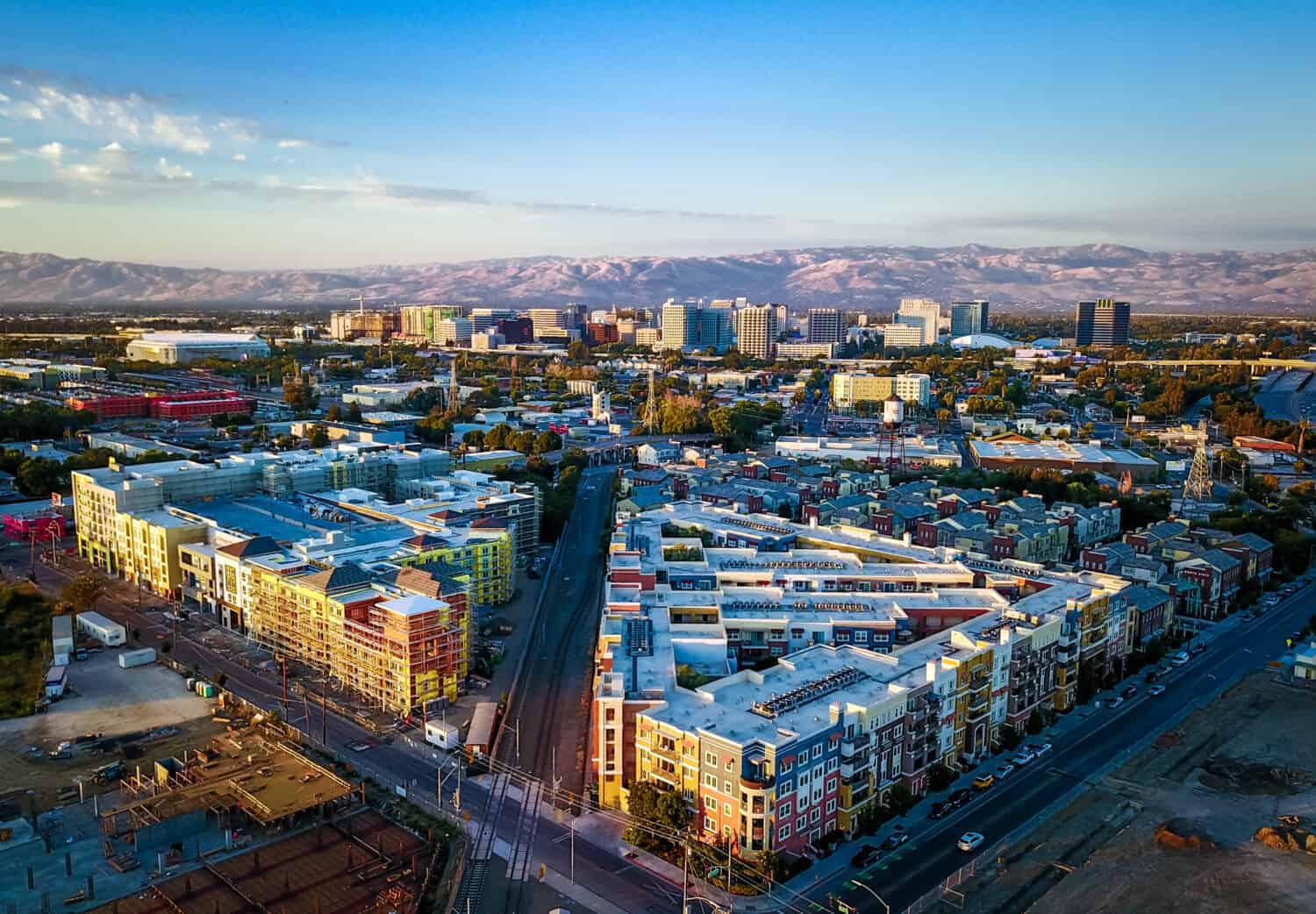
5. San Jose, CA
San Jose is another Bay Area market where the rent alone can be enough to make you question the value. Zumper lists the median one-bedroom at $2,880 and the two-bedroom at $3,660 in August 2026. Before paying that premium, it is worth deciding exactly what you want from the location. If the job, commute, or neighborhood is not giving you a clear benefit, comparing nearby cities can make more sense than paying Bay Area prices by default.
6. Miami, FL
Miami’s August rent numbers remain high even after some recent cooling. Zumper lists a median one-bedroom at $2,550 and a two-bedroom at $3,330, while both were down from a year earlier. The city can still feel like a constant upcharge if housing, parking, dining out, and entertainment all hit the same budget. One practical fix is to pick the things you truly want to splurge on and let the rest of your routine stay ordinary. Living there does not have to mean spending like you are on vacation every week.
7. Arlington, VA
Arlington is a potentially surprising addition, but the numbers are not cheap. Zumper’s August report lists a median one-bedroom at $2,390 and a two-bedroom at $3,300. The premium can make more sense if you are taking advantage of the area’s proximity to Washington and its transit options. If you are paying Arlington rent but still taking on a costly commute or rarely using the location advantages, the price gets harder to justify.
8. Los Angeles, CA
Los Angeles remains expensive, although its rents have cooled from a year ago. Zumper’s August report puts the median one-bedroom at $2,170 and the two-bedroom at $2,960. In a city this spread out, the cheapest apartment is not always the cheapest life if it leaves you with a punishing commute. One of the best ways to make the rent feel less wasteful is to choose your neighborhood around the places you actually go most often rather than trying to treat the entire city as your backyard.
9. San Diego, CA
San Diego is priced remarkably close to Los Angeles in Zumper’s latest national report. The median one-bedroom is $2,200 and the two-bedroom is $3,010. The weather and coastline are real parts of the appeal, but they do not make the housing bill disappear. If you are paying a premium to live there, make use of the things that do not require another big monthly charge: beaches, parks, neighborhood walks, and the outdoor lifestyle are where much of the value can come back.
10. Washington, DC
Washington, D.C., carries a sizable housing premium, with Zumper listing a median one-bedroom at $2,220 and a two-bedroom at $3,000 in August 2026. One way to get more value from that rent is to use what the city already gives you. Smithsonian entry is free unless otherwise noted, and transit can reduce the need to build your life around a car. If central D.C. pricing still feels excessive, comparing nearby neighborhoods and suburbs can open up more options.
11. Urban Honolulu, HI
Urban Honolulu is not cheap by national standards. Zumper’s August report lists a median one-bedroom at $2,290 and a two-bedroom at $2,980, with both still well above the national medians. The value question here is straightforward: if you are paying an island premium, make sure the lifestyle is actually the reason you want to be there. Beaches, outdoor time, and a simpler routine can make the location feel more worthwhile without constantly adding another paid activity to the budget.
12. Anaheim, CA
Anaheim is less expensive than the cities at the top of this list, but it still carries a Southern California premium. Zumper’s August report lists the median one-bedroom at $2,030 and the two-bedroom at $2,660. That puts both above the national medians. If you are living there for work, family, or access to the wider Orange County area, the location may earn its keep. If not, comparing nearby cities before signing a lease can reveal whether you are paying for access you barely use.
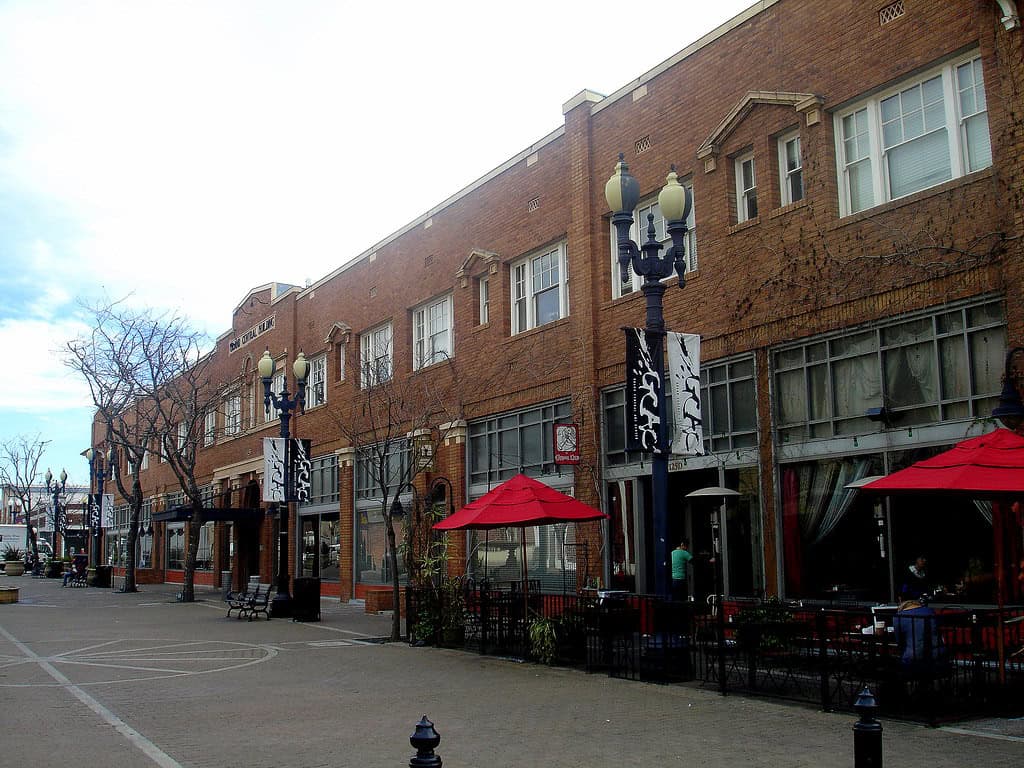
13. Santa Ana, CA
Santa Ana has moved into the same general rent territory as several better-known expensive cities. Zumper’s August report lists a median one-bedroom at $2,200 and a two-bedroom at $2,890. That one-bedroom figure is higher than Anaheim’s current median, so the idea that Santa Ana automatically offers a major discount does not hold up. The practical move is to compare neighborhoods and total transportation costs rather than choosing solely by the city name on the address.
14. Seattle, WA
Seattle’s median one-bedroom sits at $1,930 in Zumper’s August report, with a two-bedroom at $2,720. The one-bedroom is not in New York or San Francisco territory, but the jump to a larger unit is substantial. Seattle makes more sense when your routine takes advantage of the neighborhoods, waterfront, parks, and outdoor access you are paying to live near. If you spend most of your time indoors wishing you were somewhere sunnier, the same rent can feel much harder to justify.
15. Scottsdale, AZ
Scottsdale is another city where the word “overpriced” depends heavily on what you want from the lifestyle. Zumper’s August report lists a median one-bedroom at $1,800 and a two-bedroom at $2,500, both above the national medians but nowhere near the top of the national table. If the restaurants, golf, resorts, or desert setting are why you chose Scottsdale, the premium may feel reasonable. If those things are not part of your routine, a nearby alternative can make the same housing budget go further.
16. Denver, CO
Denver is where this list becomes much more subjective. Zumper’s August report puts the median one-bedroom at $1,540, almost identical to the $1,515 national median, while a two-bedroom is $2,150. One-bedroom rent was also down 8.3% from a year earlier. In other words, Denver is not currently one of America’s highest-rent cities by this measure. If it feels overpriced to you, the argument has to be about what you are getting for the total cost, not the one-bedroom rent alone.
17. Austin, TX
Austin is the clearest example of why this cannot be treated as a pure rent ranking. Zumper’s August report lists a median one-bedroom at $1,260 and a two-bedroom at $1,610, both below the national medians. One-bedroom rent was also down 16.6% from a year earlier, the largest annual decline in Zumper’s report. Austin can still feel like a bad value for someone who does not love the heat, traffic, or lifestyle, but the current rent data does not support calling it one of America’s most expensive rental markets.
18. Nashville, TN
Nashville’s current rent data also needs some perspective. Zumper lists a median one-bedroom at $1,520, almost exactly in line with the $1,515 national median, while the two-bedroom median of $1,780 is below the national figure. One-bedroom rent was down 10.1% from a year earlier. If Nashville feels overpriced, it is more likely to be because the overall lifestyle is not giving you enough value for what you spend, not because its current asking rents rank among the country’s highest.
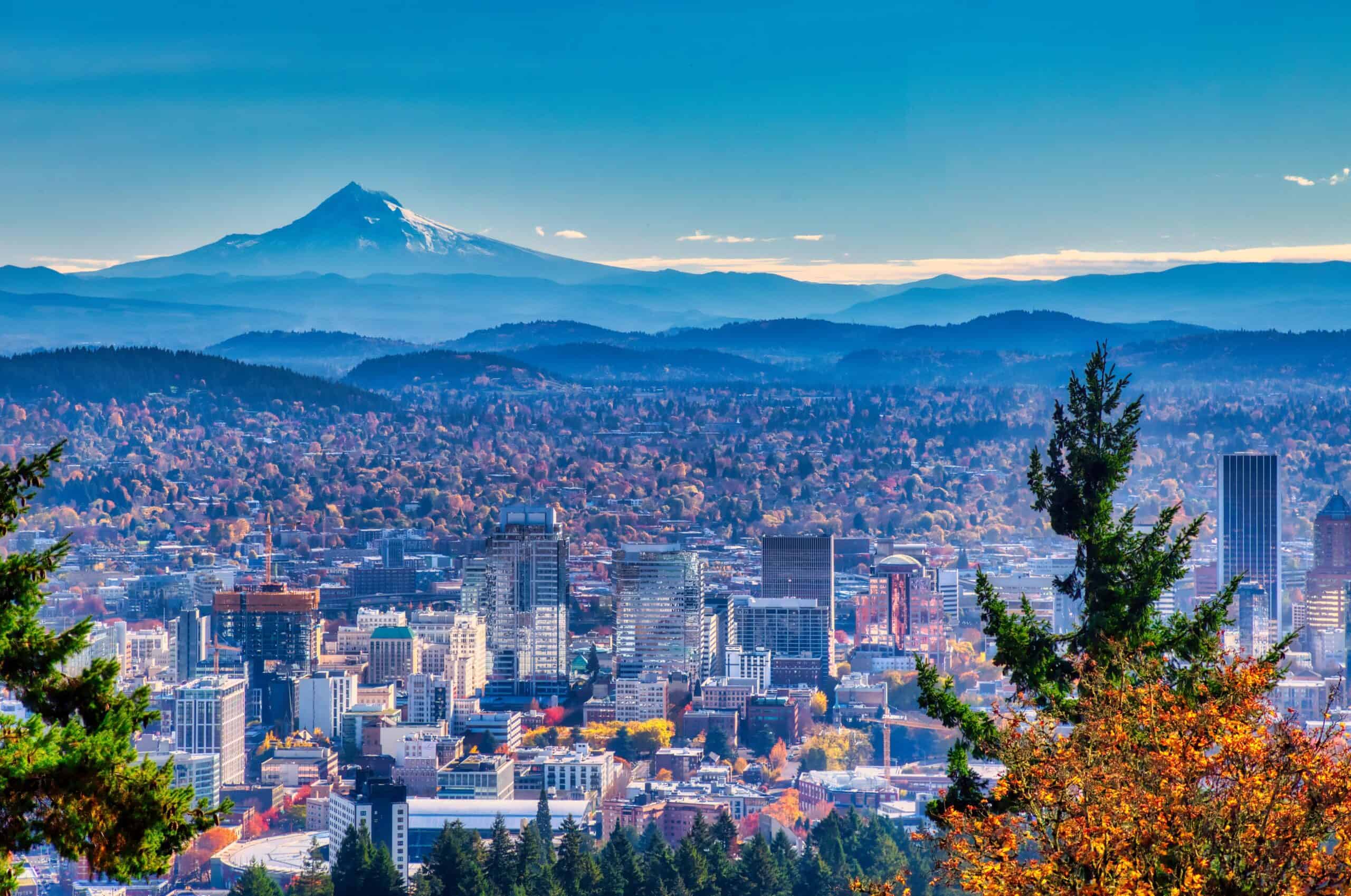
19. Portland, OR
Portland is another city that does not qualify as especially expensive on rent alone right now. Zumper’s August report lists a median one-bedroom at $1,400 and a two-bedroom at $1,710, both below the national medians. That does not mean every Portland apartment is cheap, and neighborhood prices can vary considerably. But if Portland feels overpriced, the case has to come from the tradeoffs you personally dislike. Parks, walking, riverfront areas, and access to outdoor recreation can help the city deliver more value without adding another expensive activity to the weekend.
20. Minneapolis, MN
Minneapolis also looks much less expensive in the current data than many of the cities near the top of this list. Zumper’s August report lists a median one-bedroom at $1,280 and a two-bedroom at $1,750, both below the national medians. That makes it difficult to argue that Minneapolis belongs here because of rent alone. The real value question is whether the city’s climate and your own winter routine add costs or inconvenience that make the housing price feel less attractive.
Minneapolis can still be a bad deal for a particular renter even when the headline rent is reasonable. If winter means constant ride-shares, paid indoor entertainment, or frequent trips away, those expenses can change the personal math. On the other hand, someone who likes the city, embraces the season, and keeps those add-on costs under control may see the same rent as a solid value. That is exactly why “overpriced” is better treated as a personal judgment than a hard ranking.