Sean Pavone / iStock via Getty Images

Robert Harding Video / Shutterstock.com

pom'. / BY-SA 2.0
4kodiak / E+ via Getty Images

Tregoning / BY 2.0

Ken Lund / BY-SA 2.0
Ken Lund / BY-SA 2.0
Sean Pavone / Shutterstock.com
Kevin Ruck/Shutterstock.com
Sean Pavone/Shutterstock.com
Volodymyr TVERDOKHLIB / Shutterstock.com

Medioimages/Photodisc/ via Getty Images

okimo / iStock via Getty Images
Padmanaba01 / BY-SA 2.0
Sean Pavone / Shutterstock.com
Kruck20 / iStock via Getty Images













15 States That Don’t Quite Live Up to the Hype
Every state has a sales pitch. California has the beaches. Colorado has the mountains. Florida has sunshine and no personal income tax. Texas has jobs, space, and plenty of swagger. The problem comes when the reputation gets polished enough that the tradeoffs disappear. In a 2023 Home Bay survey of 1,000 Americans conducted with Allied Van Lines, California, New York, Florida, Texas, and Washington were named the five most overrated states. Several also ranked among the country's most desirable, which tells you something important: people can badly want to live somewhere and still think the hype gets carried away.
That does not make any of these bad places to live, and this is not a ranking of America's "worst" states. Each has legitimate strengths. But housing costs, taxes, weather, insurance, crowding, infrastructure, and other realities can make everyday life look quite different from the version people imagine before they arrive. These 15 states have some of the biggest reputations in America, along with a few tradeoffs worth knowing about.
California
California pulled off an impressive contradiction in that 2023 survey: Americans named it both the most desirable state and the most overrated. That actually makes sense. The weather, coastline, national parks, entertainment industry, and economic opportunities are real. So is the cost of getting through the front door. Census data for 2020 through 2024 put the median value of an owner-occupied home in California at $734,700 and median gross rent at $2,036 a month.
That is where the California dream gets complicated. Plenty of people still want it, but housing costs have made the state increasingly difficult for middle-income households to afford, particularly in its major coastal markets. California has not suddenly stopped being beautiful or desirable. The problem is that enjoying the full version of the lifestyle increasingly requires a very healthy housing budget.
Illinois
Illinois has an easy case to make for itself, especially when Chicago enters the conversation. The city delivers world-class architecture, museums, neighborhoods, sports, and one of America's best food scenes. The financial picture is less flattering. Illinois had an effective property tax rate of 1.88% on owner-occupied homes in 2024, the second-highest rate in the country. The state's five retirement systems also entered fiscal 2025 with roughly $143.5 billion in combined unfunded liabilities.
The state's population story is more complicated than the familiar "everyone is fleeing Illinois" line suggests. The Census Bureau estimated 12.72 million residents in 2025, about 0.8% below the state's 2020 population base but slightly higher than in 2024. Illinois still has plenty going for it. The frustration is that residents can enjoy all of those strengths while also receiving regular reminders that decades of fiscal problems did not magically disappear.
Arizona
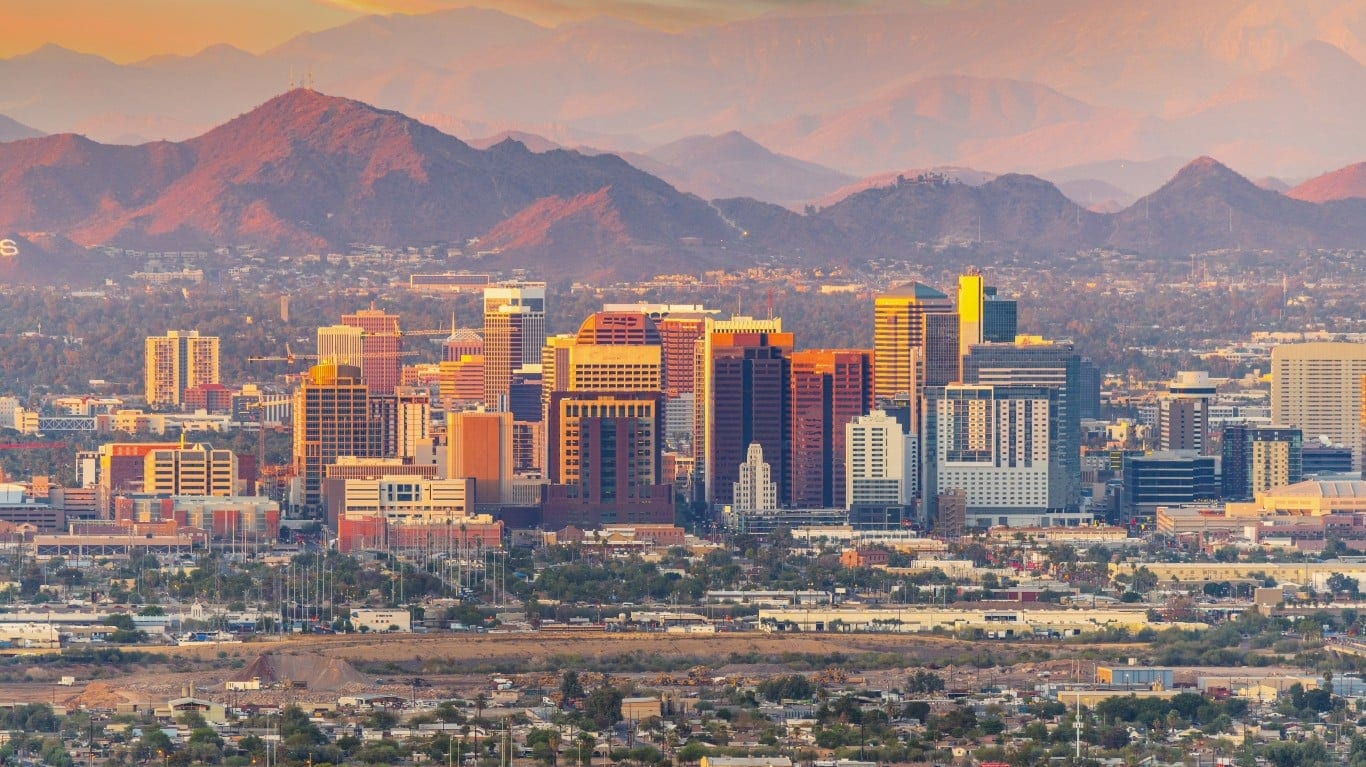
Arizona's appeal is easy to understand in January. Sunshine, desert scenery, golf, and relatively mild winters have drawn generations of newcomers. July is another story. Phoenix averages 21 days a year at or above 110 degrees based on 1991 through 2020 climate normals, and recent years have gone far beyond that. The city recorded a staggering 70 days at or above 110 degrees in 2024.
Water is the longer-term concern. The Colorado River supplies about 40% of Arizona's water, and the Arizona Department of Water Resources says the river system has endured severe drought conditions since 2000. Arizona has spent decades building a sophisticated water-management system, so this is not a matter of the taps suddenly running dry. But extreme heat and long-term water planning are very real parts of living in the desert, even if they tend to get less space in the relocation brochure than the winter forecast.
Washington
Washington's reputation is built on some very real advantages: mountains, islands, coastline, forests, a powerful technology economy, and access to outdoor recreation that would make plenty of states jealous. It was also one of the five states Americans called most overrated in the 2023 Home Bay survey. Housing helps explain the disconnect. The statewide median value of an owner-occupied home was $564,600 in Census data covering 2020 through 2024.
That cost is especially relevant around Seattle and Puget Sound, where much of the state's economic growth has been concentrated. Washington is also far more geographically varied than the stereotype suggests. Eastern Washington is considerably drier than the famously gray western side. The scenery never stopped delivering. What changed for many households is the price of living close enough to enjoy the most heavily marketed version of it every day.
Nevada
Nevada's sales pitch usually starts with Las Vegas and ends with the fact that the state has no individual income tax. Both are legitimate attractions. Living there, however, is very different from spending four nights on the Strip. The median value of an owner-occupied home in Las Vegas reached $427,900 in Census data for 2020 through 2024, while the city's population has continued growing.
Then there is water. Southern Nevada gets about 90% of its water supply from the Colorado River, and the Southern Nevada Water Authority describes the drought affecting the basin since 2000 as the worst in its recorded history. Aggressive conservation and water reuse have helped Las Vegas reduce demand, but living in one of America's fastest-growing desert metros still comes with constraints that are easy to overlook when the first thing most outsiders picture is a casino floor.
Texas
Texas has one of the strongest relocation pitches in America. It has no individual state income tax, its population grew nearly 9% between 2020 and 2025, and U.S. News ranked it the country's No. 1 state economy in 2026. Statewide housing also remains cheaper than in many coastal states, with a median owner-occupied home value of $283,800 in Census data for 2020 through 2024. The catch is that Texas is enormous, and the statewide number can hide what has happened in its hottest markets.
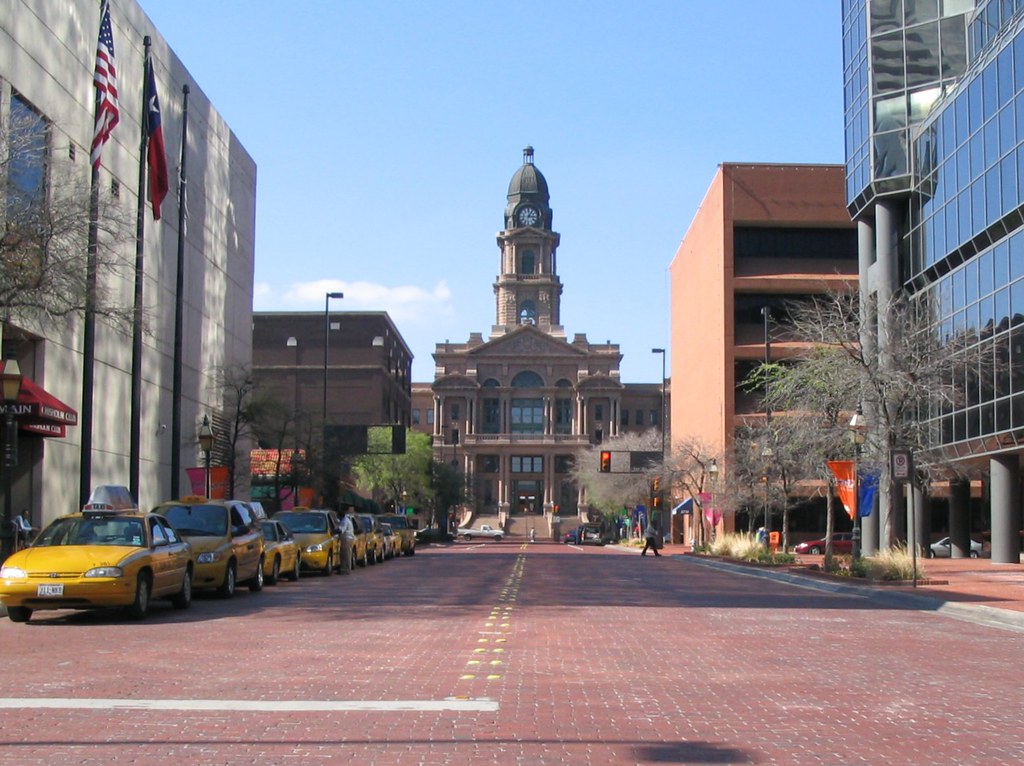
Austin is the obvious example. Its median owner-occupied home value was $555,300 over the same period, nearly twice the statewide figure. And while Texas has no individual income tax, that does not mean residents somehow escaped taxes altogether. Its effective property tax rate on owner-occupied housing was 1.40% in 2024, the seventh-highest in the country. The Texas bargain is still real in plenty of places. It just depends heavily on which Texas you are talking about.
Georgia
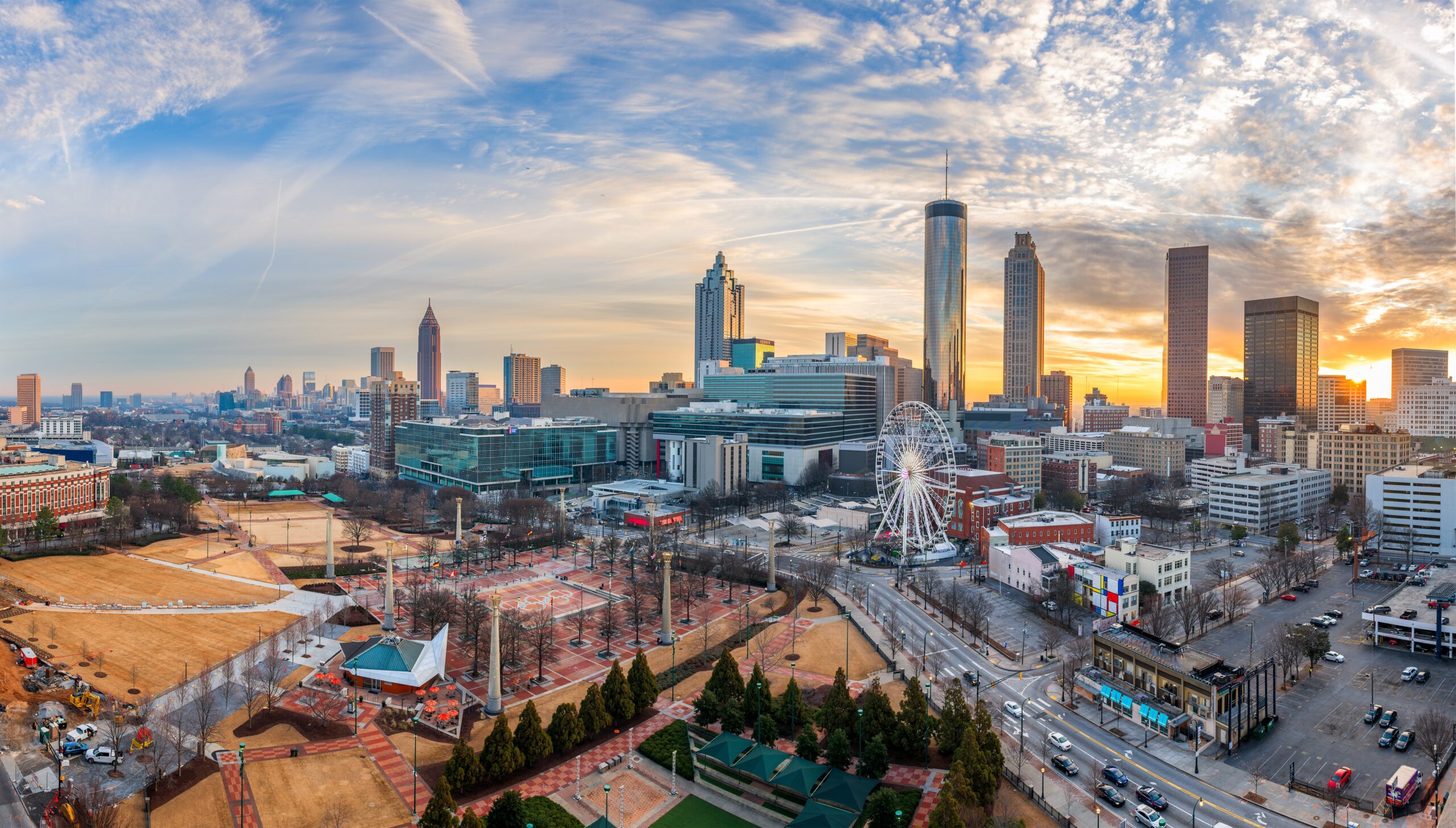
Georgia still makes a pretty convincing affordability argument compared with many of America's biggest coastal markets. The statewide median value of an owner-occupied home was $303,300 in Census data for 2020 through 2024. But the Atlanta area tells a different story about what rapid growth can do to a bargain. Atlanta's population increased 6.1% between 2020 and 2025, and the city's median owner-occupied home value reached $439,600.
Atlanta remains one of the South's major business, transportation, entertainment, and cultural centers, and Georgia continues attracting new residents. That success is part of the tradeoff. More people competing for housing and moving through a sprawling metro means the old image of inexpensive big-city living does not fit as neatly as it once did. Georgia can still be affordable. You just cannot assume Atlanta will be simply because it is in Georgia.
Colorado
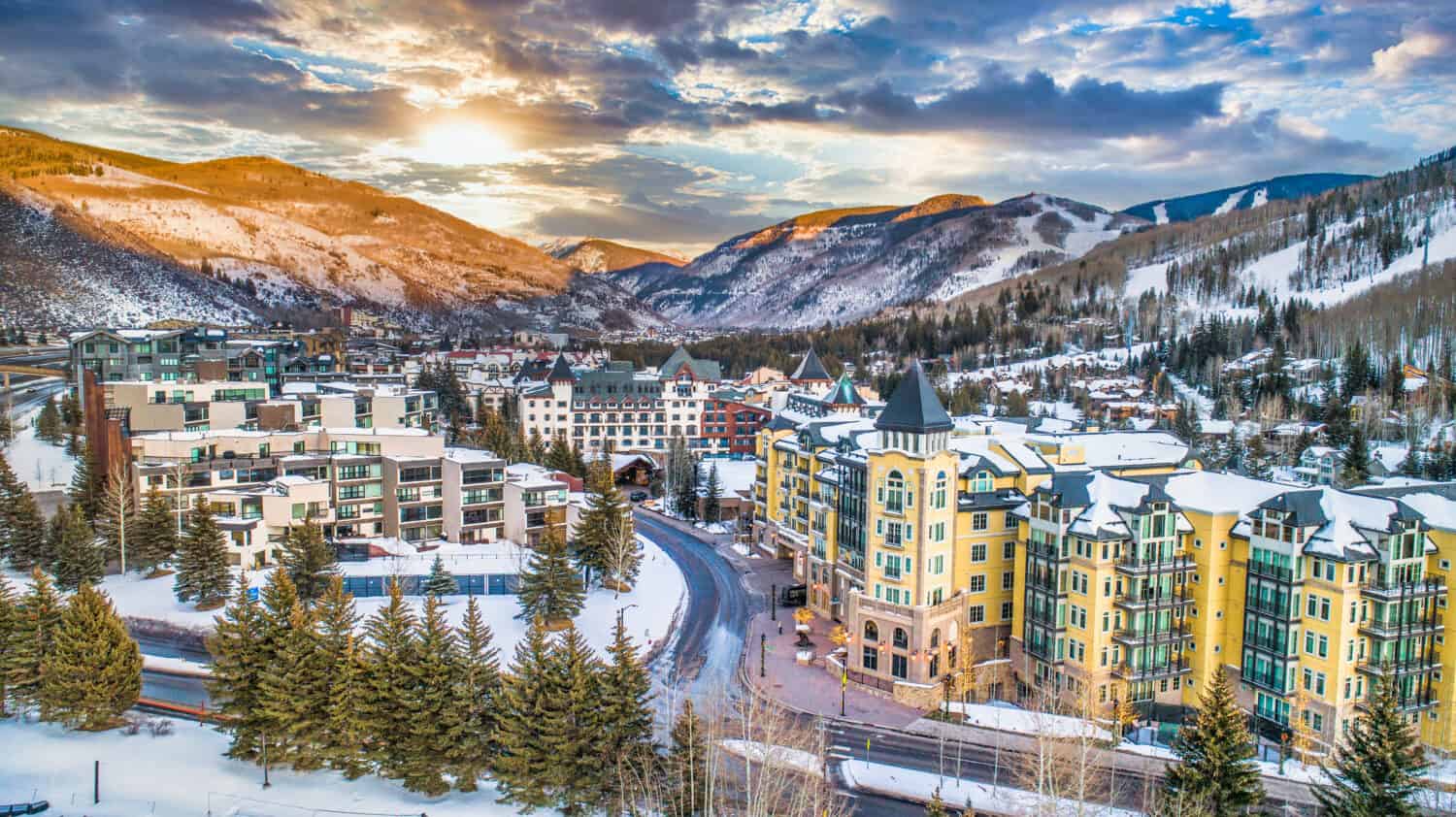
Colorado may be one of America's clearest examples of a place being loved almost too successfully. The mountains, skiing, hiking, sunshine, and outdoor culture are exactly what people were promised. Enough people wanted them that affordability became part of the problem. The statewide median value of an owner-occupied home reached $539,400 in Census data covering 2020 through 2024.
The squeeze is much more extreme in the mountain communities. Colorado's June 2026 economic forecast reported that the average single-family home in its Mountain Region was selling for about $1.7 million, while the average townhome or condo was above $1.3 million. State economists said homes there remained unaffordable to all but the wealthiest buyers. The mountains are still spectacular. Finding a way to live anywhere near some of them is increasingly the expensive part.
Utah
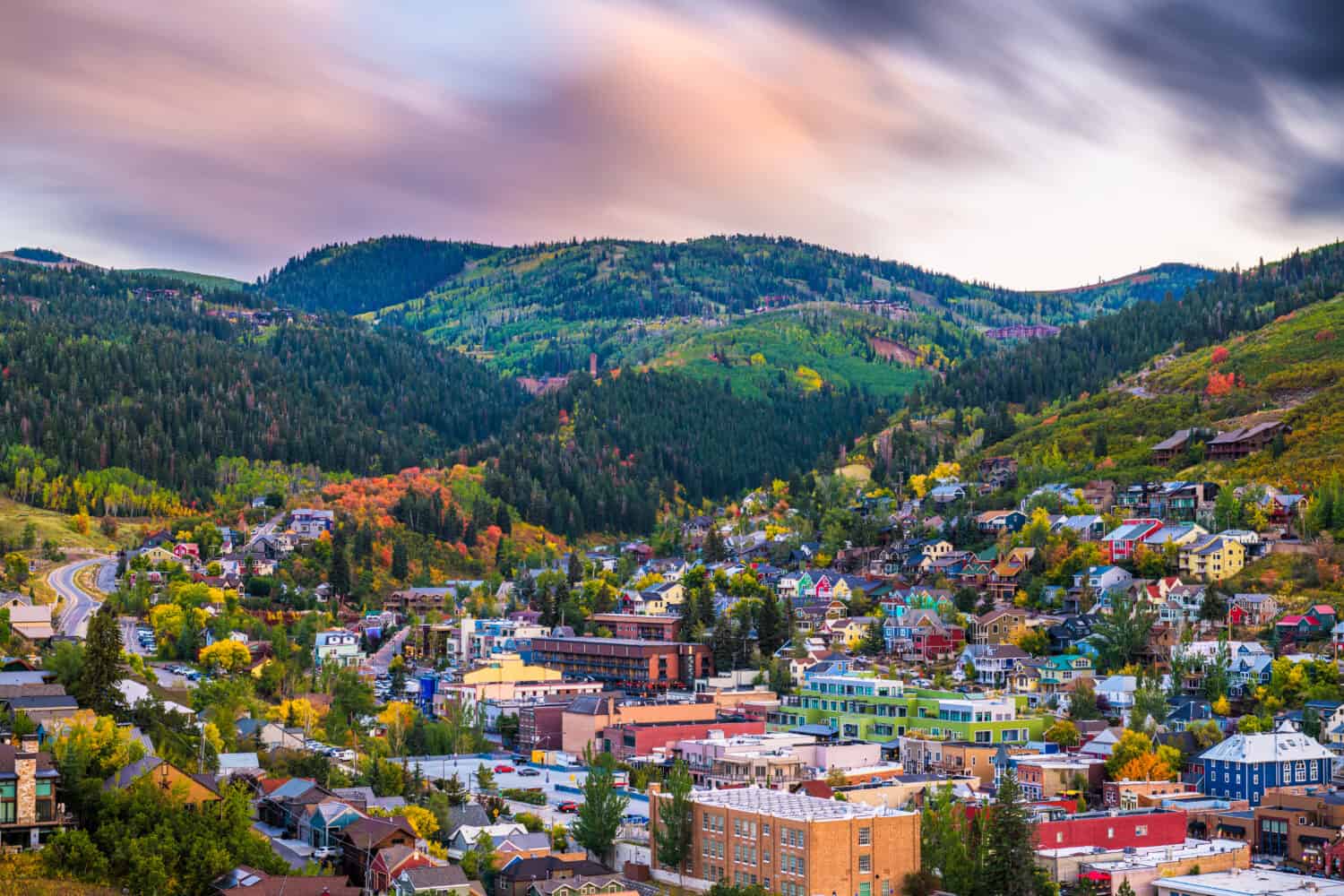
Utah's reputation is not just marketing. U.S. News ranked it the No. 1 state in America for the fourth consecutive year in 2026, with especially strong scores for its economy, fiscal stability, and infrastructure. Its natural attractions need even less introduction. Zion National Park alone recorded nearly 5 million recreational visits in 2025, making it the second-most-visited national park in the country.
Popularity comes with friction. The median value of an owner-occupied Utah home was $489,400 in Census data for 2020 through 2024, and the state's most famous outdoor destinations regularly deal with heavy visitation. Northern Utah also has an air-quality problem that is very real during winter inversions. The state Department of Environmental Quality says a typical winter brings five or six multi-day inversion episodes and an average of 18 days when fine-particle pollution exceeds the federal standard. Utah can deserve the high rankings and still have problems the rankings cannot make disappear.
Florida
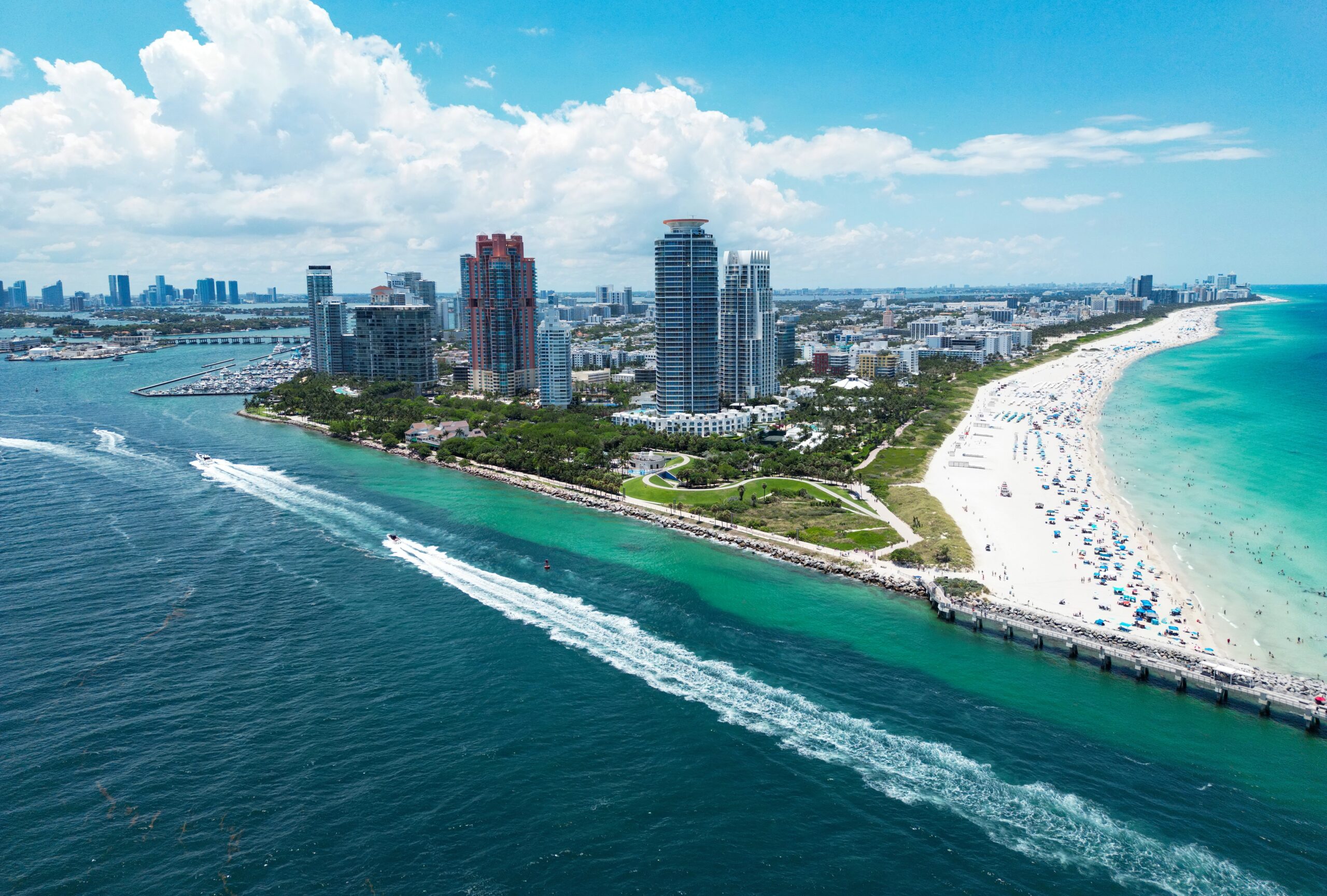
Florida's pitch practically writes itself: warm winters, beaches, no personal state income tax, and a seemingly endless supply of places built around enjoying the outdoors. Americans still buy into it, too. Florida ranked as both the second-most-desirable and one of the five most-overrated states in the 2023 Home Bay survey. Housing is part of the tension. The statewide median value of an owner-occupied home was $359,000 in Census data for 2020 through 2024, well above the Florida many longtime residents remember.
Property insurance adds another complication because Florida homes face substantial hurricane and wind risk. There are signs of improvement: Citizens Property Insurance Corporation, the state's insurer of last resort, received approval for an average 8.8% reduction in homeowners multiperil rates for 2026. That is welcome news, but it does not make hurricane exposure, premiums, deductibles, flood risk, or rising housing costs disappear. Florida can still be paradise. Paradise just has more line items on the budget than the postcards suggest.
Massachusetts
Massachusetts has no shortage of things worth bragging about, from its universities and hospitals to Boston's history, jobs, museums, and sports culture. Living close to all of it comes at a steep price. The statewide median value of an owner-occupied home was $562,100 in Census data for 2020 through 2024, while Boston itself reached $731,700 and a median gross rent of $2,147. Add New England winters to that bill and Massachusetts is a state where the quality-of-life argument can be strong, but nobody should mistake it for a bargain.
Hawaii
There is not much point pretending Hawaii's beauty is overhyped. The beaches, mountains, tropical climate, and landscapes are exactly why people dream about living there. The price of doing it is another matter. The Missouri Economic Research and Information Center's first-quarter 2026 cost-of-living index put Hawaii at 184.8, meaning overall costs were about 85% above the national benchmark. Housing was the largest outlier, and Census data put the state's median owner-occupied home value at $839,100 for 2020 through 2024.
You will sometimes hear residents refer to those costs as the "paradise tax," but that is just an informal expression, not an actual tax or government fee. It describes the premium residents pay for housing, groceries, utilities, transportation, and other necessities in an isolated island economy. Hawaii's estimated population in 2025 remained about 1.5% below its 2020 base. Whatever the individual reasons people stay or leave, the basic tradeoff is obvious: the scenery is extraordinary, and so is the cost of building an ordinary life around it.
New York
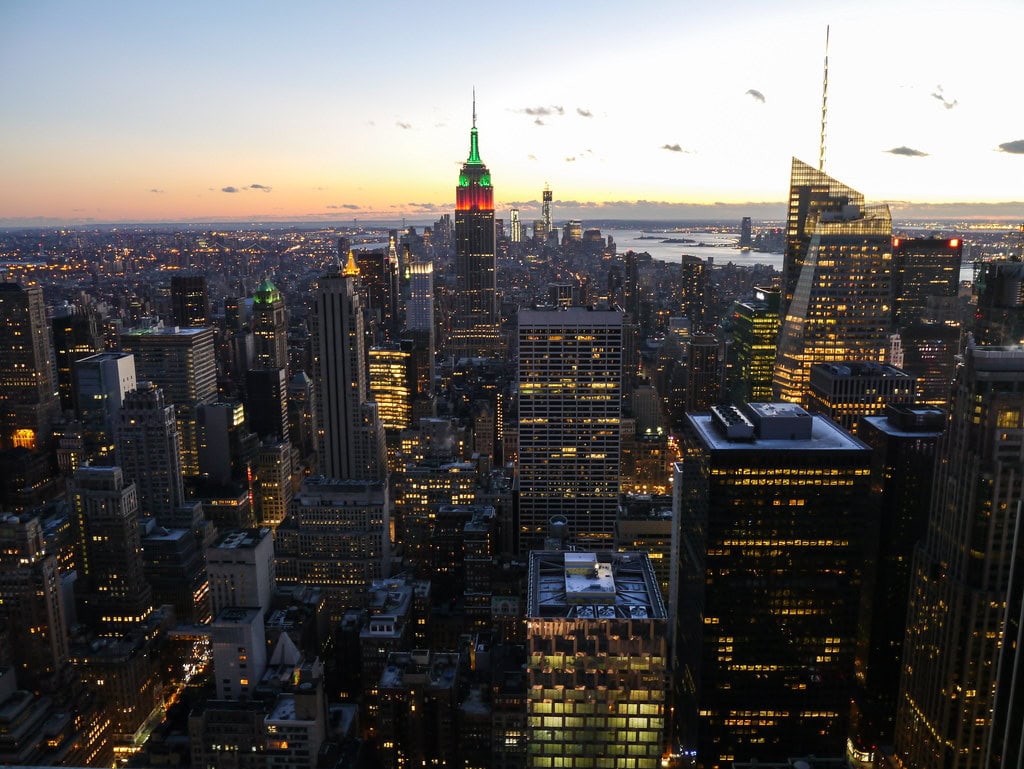
New York has the same love-it-and-complain-about-it quality as California. In the 2023 Home Bay survey, Americans ranked New York as the third-most-desirable state and one of the five most overrated. Most of that national image is inevitably shaped by New York City, even though the state also contains the Hudson Valley, Adirondacks, Finger Lakes, Catskills, Great Lakes shoreline, and plenty of communities that bear little resemblance to Manhattan.
Still, the cost issue is not imaginary. The median value of an owner-occupied home statewide was $423,800 in Census data for 2020 through 2024, with median monthly owner costs of $2,555 for households carrying a mortgage. New York City operates on another level of expensive entirely, even while remaining one of the world's great cultural and economic centers. The excitement is real. So is the bill. Both things can be true at the same time.
Oregon
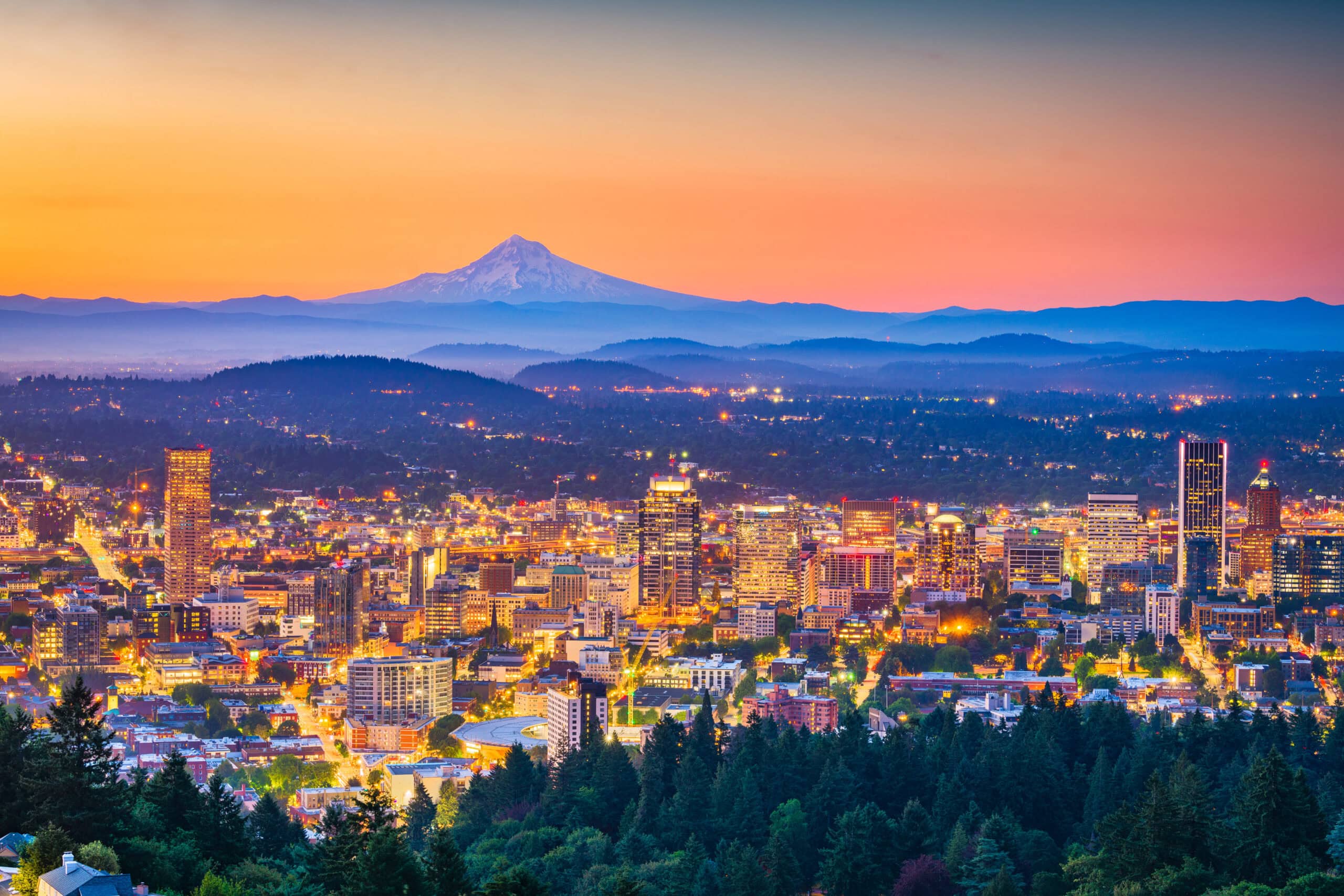
Oregon spent years looking like the quieter, slightly cheaper alternative to California and Washington. The forests, coastline, mountains, food, wine, and famously quirky Portland culture made the state easy to romanticize. Cheap is much harder to argue now. Census data for 2020 through 2024 put Oregon's median owner-occupied home value at $477,600. In Portland, it was $581,500.
The state itself acknowledges the housing problem. Oregon's Housing Needs Analysis was created to measure shortages, affordability, and the number of homes communities will need over the next two decades. None of that takes away from what makes Oregon appealing. It does mean the old idea of simply heading northwest for beautiful scenery, an interesting city, and an easy housing market has aged considerably faster than the scenery.
North Carolina
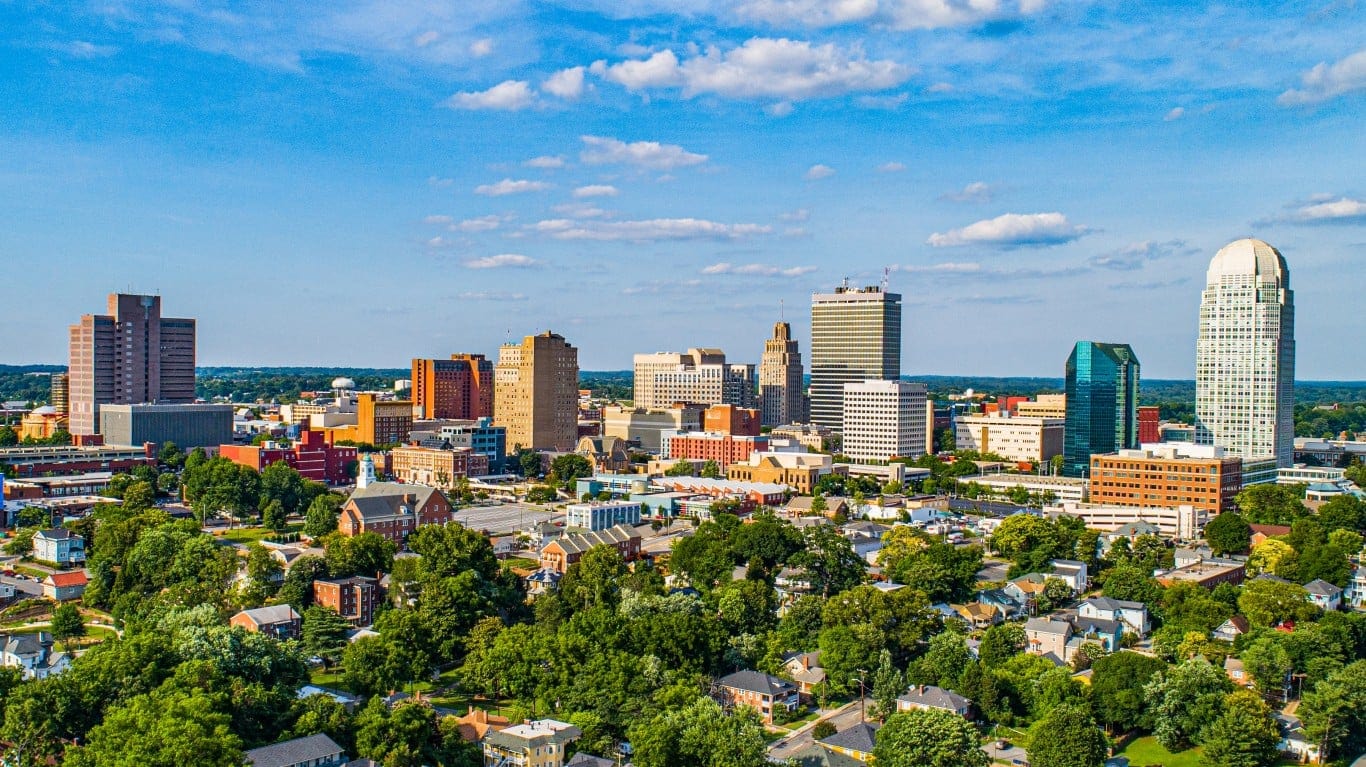
North Carolina keeps showing up on relocation shortlists for good reasons. It offers major employment centers, universities, mountains, beaches, and housing that is still relatively affordable statewide. Apparently plenty of people agree: the state's population grew 7.2% between 2020 and 2025. The median value of an owner-occupied home was $288,900 in Census data for 2020 through 2024.
The catch is that the places newcomers hear about most are considerably more expensive than that statewide number. The median owner-occupied home value was $415,800 in Raleigh and $385,700 in Charlotte over the same period. North Carolina has not stopped being an attractive alternative to pricier states, but rapid growth is gradually changing the bargain that helped make it attractive in the first place. That tends to happen once everybody discovers the "affordable" place at roughly the same time.