Suncoast Aerials / Shutterstock.com

Sean Pavone / iStock via Getty Images
The Villages, FL
Derek Olson Photography / Shutterstock.com
BCFC / iStock via Getty Images
Sean Pavone / iStock via Getty Images
*rboed* / BY 2.0

Ken Lund / BY-SA 2.0
Onasill - Bill Badzo - 149 Million Views - Thank Y / PDM 1.0

Isogood_patrick/Shutterstock.com
Sean Pavone / iStock via Getty Images
Connor D. Ryan / Shutterstock.com

jdross75 / Shutterstock.com







12 Overrated Retirement Towns in the US
Some places seem almost designed for retirement. They have warm weather, beautiful scenery, golf courses, restaurants, beaches, mountain views, or downtowns that look like they belong on a postcard.
But spending a week somewhere and living there year-round are two very different things. A dream destination can come with expensive housing, extreme summer temperatures, flood or wildfire risk, heavy tourism, rapid growth, or recurring costs that are easy to overlook while you are still imagining the view from the patio.
None of the places below are automatically bad choices. In fact, many people happily retire in them. These are simply 12 popular retirement destinations where it pays to look beyond the scenery before deciding to make the move.
Santa Fe, New Mexico
Santa Fe has a personality that is hard to duplicate. Historic adobe architecture, galleries, museums, restaurants, mountain scenery, and a strong arts culture give retirees plenty to do without requiring life in a huge city. About 26.2% of residents are 65 or older, so retirees already make up a significant part of the population. The bigger surprise is how expensive Santa Fe has become. Census estimates put the median owner-occupied home value at $444,900, while the city says home prices jumped 80% between 2016 and 2026. New Mexico offers some retirement-related tax breaks, but the days of Santa Fe being an inexpensive Southwestern hideaway are becoming harder to remember.
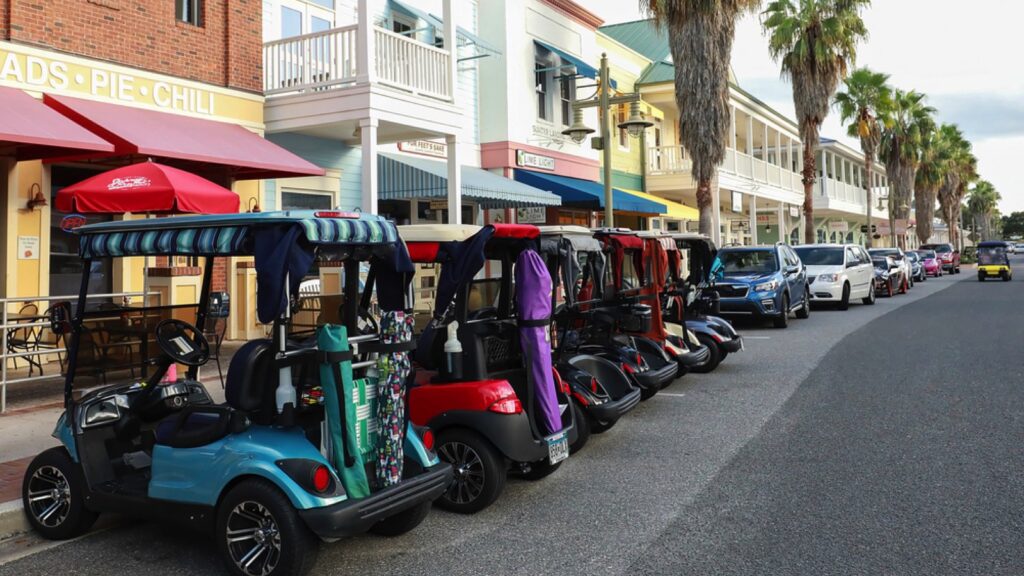
The Villages, Florida
If golf, pickleball, pools, clubs, and an enormous built-in social scene sound like retirement heaven, The Villages has an obvious appeal. Census data shows an extraordinary 85.2% of residents are 65 or older. The catch is that you are buying into an entire lifestyle, not simply purchasing a Florida house. The community advertises a $204 monthly amenity fee, and some properties also carry maintenance and infrastructure-related assessments. With a median owner-occupied home value of $400,100, buyers need to look beyond the purchase price and understand the recurring costs that come with one of America's most famous retirement communities.
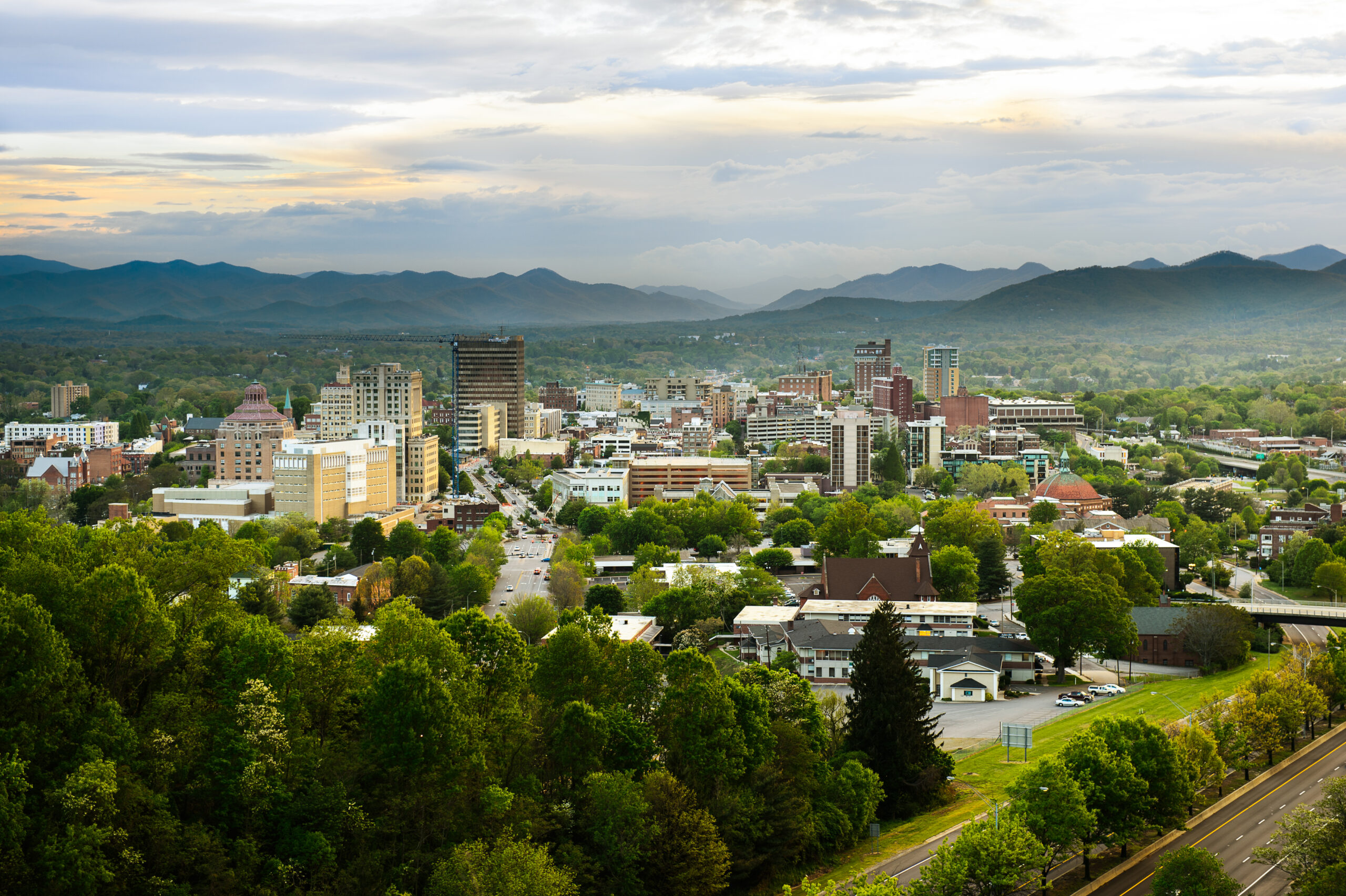
Asheville, North Carolina
Asheville combines Blue Ridge Mountain scenery with restaurants, breweries, arts, outdoor recreation, and four distinct seasons. That combination has made it a favorite on relocation and retirement lists, and roughly one in five residents is 65 or older. What Asheville is not anymore is a cheap mountain escape. The median owner-occupied home value reached $440,000 in Census estimates for 2020-2024. Tropical Storm Helene also showed how vulnerable the region can be to severe flooding and landslides. As of September 2026, the city was still working on nearly 200 storm-recovery sites. Asheville remains beautiful, but the practical side of mountain living deserves more attention than the scenery usually gets.
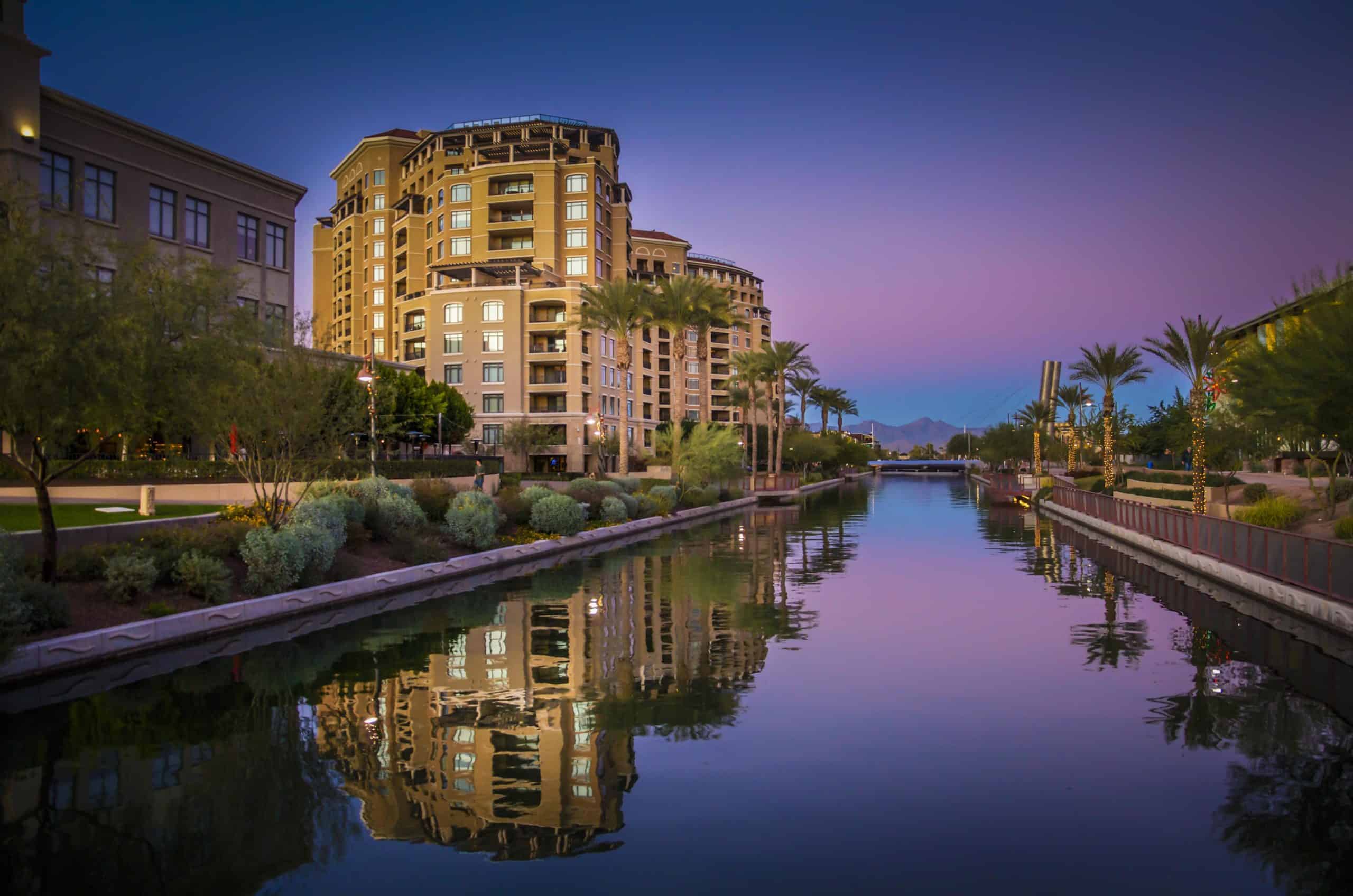
Scottsdale, Arizona
Scottsdale delivers a polished version of desert retirement, with golf, resorts, restaurants, shopping, healthcare, and striking Sonoran Desert scenery. About 26.4% of residents are 65 or older. The idea that moving to the desert automatically means inexpensive living, however, does not fit Scottsdale very well anymore. Census estimates put the median owner-occupied home value at $789,800 and median rent above $2,000. Then there is summer. Heat warnings in 2026 included stretches with forecast highs around 105 to 115 degrees. Scottsdale can be an excellent place to retire, but buyers are paying a premium and need to be comfortable spending a substantial portion of summer working around the heat.
Myrtle Beach, South Carolina
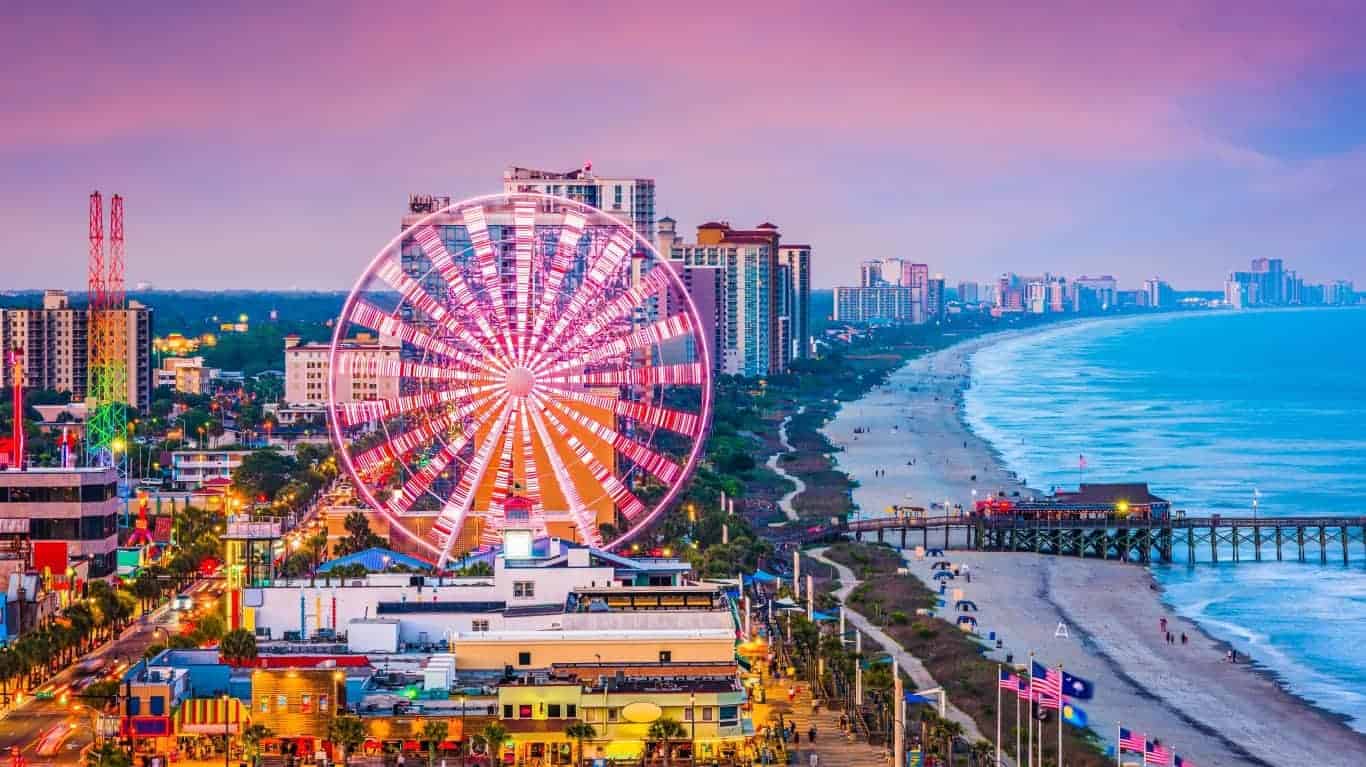
Myrtle Beach still offers something many famous coastal retirement towns no longer do: a somewhat attainable path to living near the ocean. The median owner-occupied home value was $388,800, well below places such as Naples and Hilton Head, and 23.7% of residents are 65 or older. The trade-off is living year-round inside one of America's busiest vacation destinations. The city's population grew 14.7% from 2020 to 2025, while tourism, seasonal traffic, development, and hurricane planning remain part of everyday life. Myrtle Beach can absolutely work for retirees who enjoy activity and entertainment, but permanent vacation can feel different once you are sitting in the traffic every week.
Naples, Florida
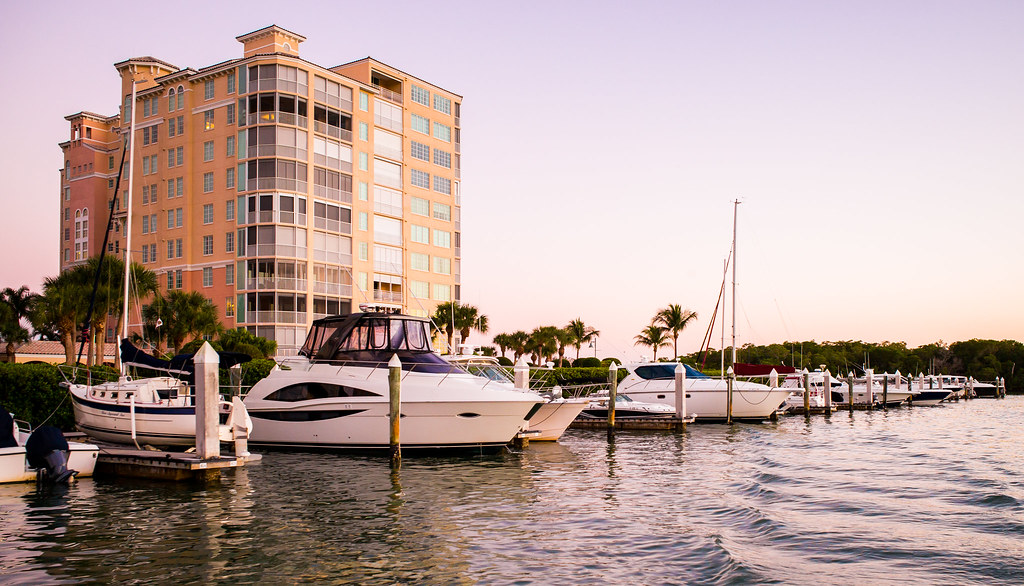
Naples looks a lot like the retirement dream people have in mind when they picture Florida. There are Gulf beaches, golf courses, warm winters, restaurants, and no state personal income tax. More than half of city residents, 55.8%, are already 65 or older. The difficult part is paying for it. Census estimates put the median owner-occupied home value at an eye-popping $1,525,600, with median gross rent at $2,305. Naples is also particularly exposed to flooding and storm surge because of its low elevation and waterfront geography. For retirees with substantial resources, the lifestyle can be fantastic. Anyone counting on Florida to stretch a fixed budget may have a very different experience.
Prescott, Arizona
Prescott attracts retirees who like Arizona but are not interested in spending every summer afternoon in Phoenix-area heat. The mile-high city offers mountain scenery, outdoor recreation, sunshine, and noticeably cooler temperatures. More than 40% of residents are 65 or older. The surprise comes when you look at housing. Census estimates put the median owner-occupied home value at $564,100, far above the national figure for the same period. Prescott is also surrounded by national forest, making wildfire preparedness an ongoing part of life. It may still be cheaper than Scottsdale, but that does not make it the inexpensive Arizona retirement town some people remember.
Charleston, South Carolina
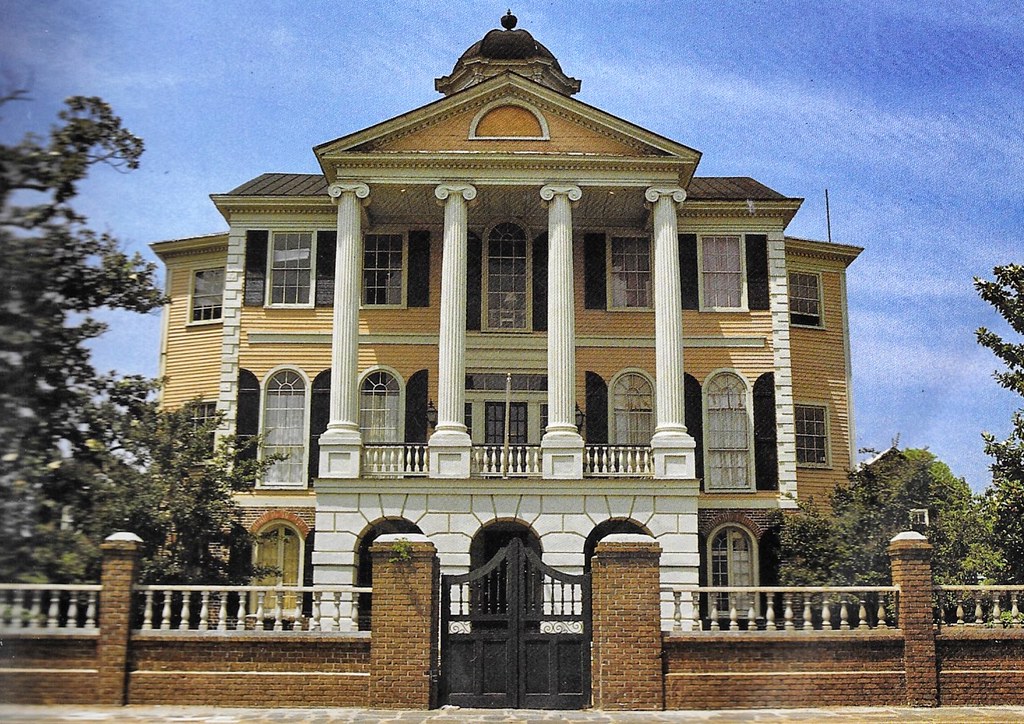
Charleston has almost everything needed to make a retirement brochure look irresistible: historic architecture, excellent restaurants, nearby beaches, beautiful neighborhoods, and relatively mild winters. Interestingly, only 16.4% of city residents are 65 or older, which is below the national share. Housing is one reason the city may be a tougher retirement move than it first appears. The median owner-occupied home value was $509,700, and Charleston is increasingly spending time and money dealing with flooding. The city says flooding has become more frequent, while local planning also has to account for rising sea levels. Charleston's charm is real. So are the challenges that come with owning property there for the long haul.
Palm Springs, California
Palm Springs has midcentury architecture, restaurants, golf, dramatic mountain views, and decades of history as a warm-weather escape. More than 35% of residents are 65 or older, so its retirement appeal is hardly theoretical. The problem arrives every summer. National Weather Service data for July 2026 showed an average daily high of 109.5 degrees, with a monthly high of 117. The city even operates cooling centers during periods of extreme heat. Housing is pricey as well, with a median owner-occupied home value of $604,000. Palm Springs works best for retirees who truly enjoy desert living and can afford to organize their lifestyle around months of extreme temperatures.
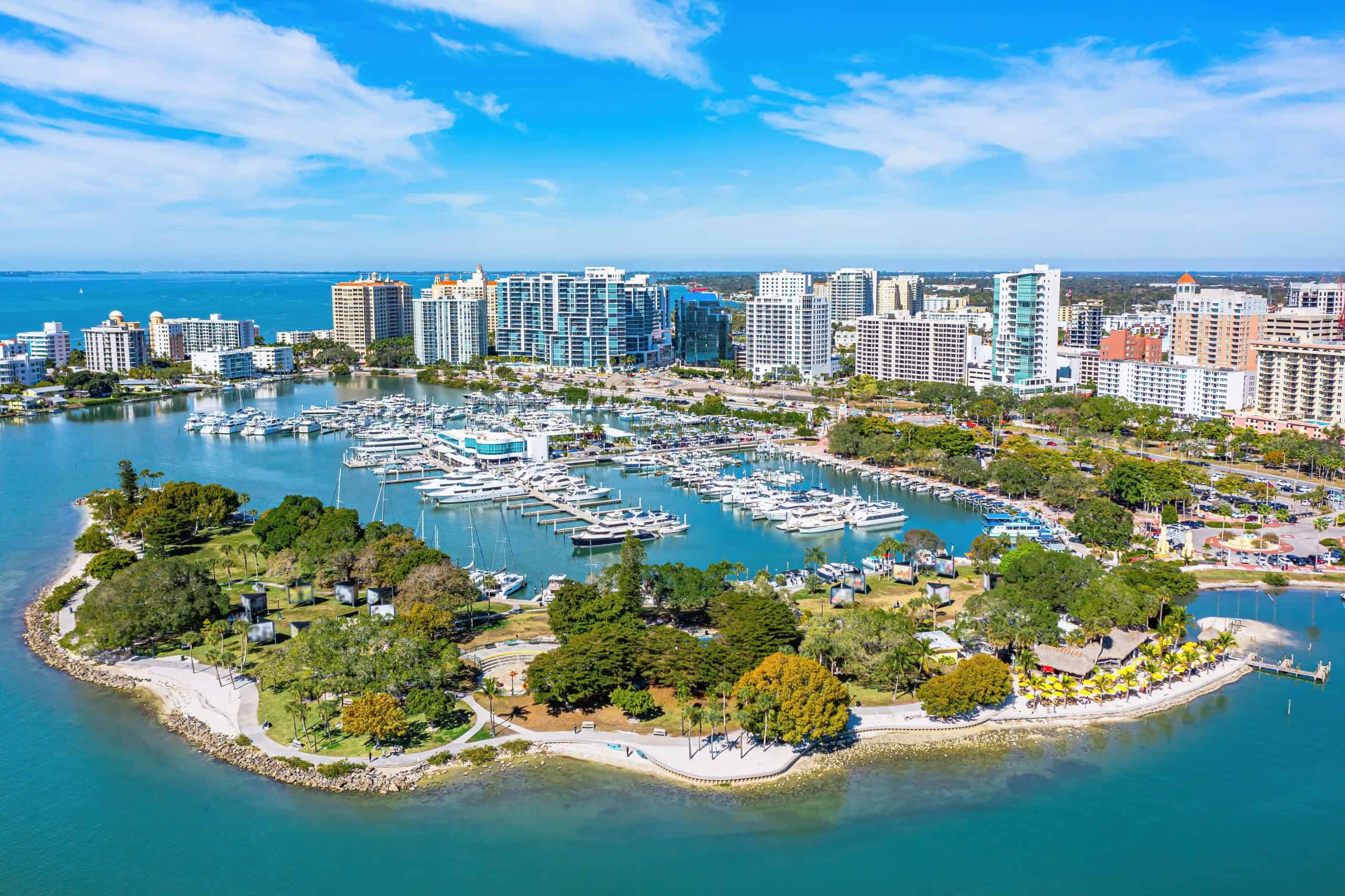
Sarasota, Florida
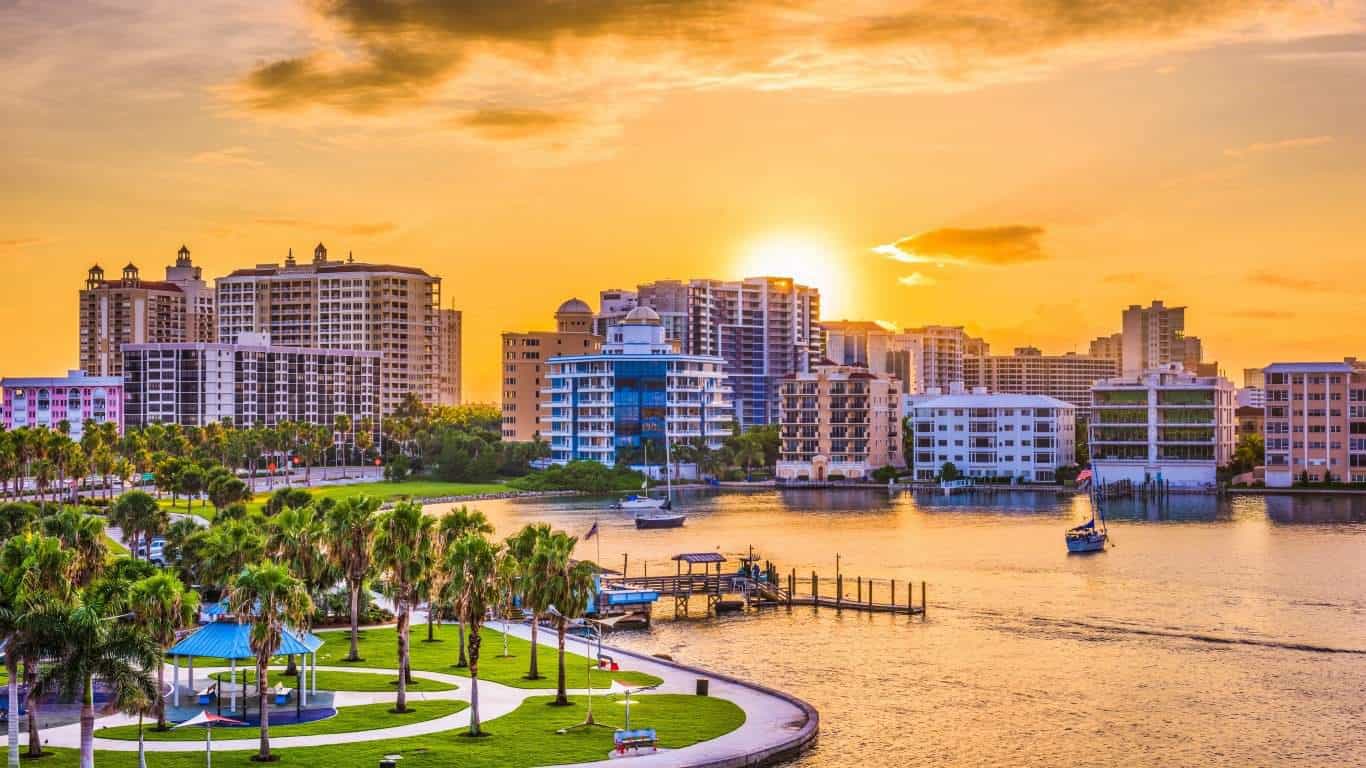
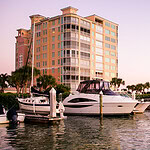
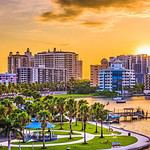
Sarasota gives retirees easy access to Gulf Coast beaches, a respected arts scene, warm winters, restaurants, and Florida's lack of a personal state income tax. Nearly 30% of residents are 65 or older. What has changed is the cost. Census estimates put the median owner-occupied home value at $463,000 and median gross rent at $1,684. The city is also dealing with the realities of coastal living, including updated flood maps and areas vulnerable to waves and storm surge. Add population growth of 6.6% from 2020 to 2025, and Sarasota looks less like the quiet, inexpensive Florida retirement town some people still picture.
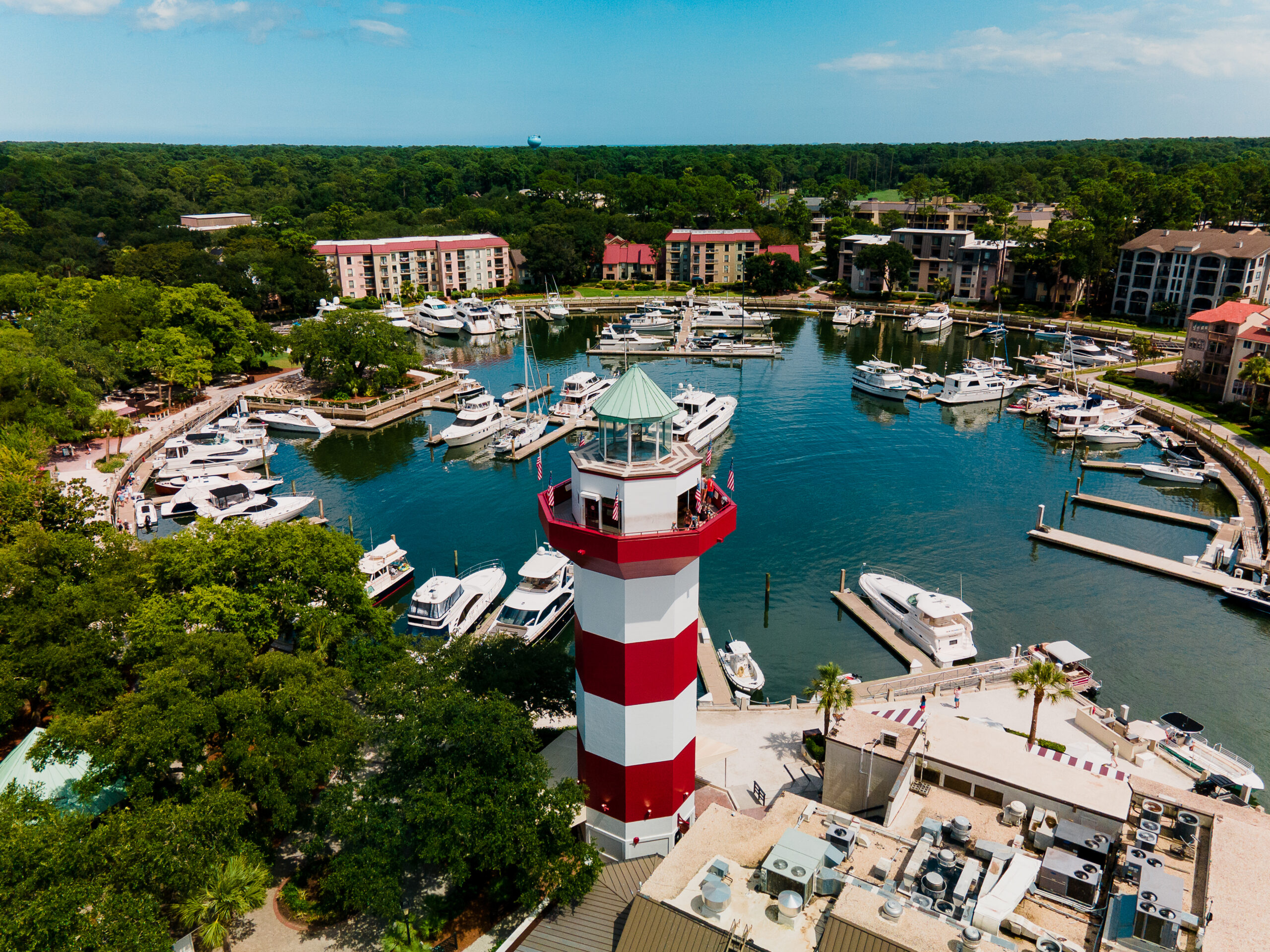
Hilton Head Island, South Carolina
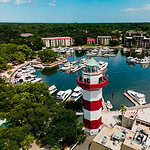
Hilton Head Island makes a convincing argument for coastal retirement. Beaches, golf, bike paths, warm weather, and carefully maintained communities have helped make nearly 40% of residents age 65 or older. That lifestyle comes with a significant price tag. Census estimates put the median owner-occupied home value at $687,400, more than twice the national figure for the same period. Flood exposure matters too, with parts of the island located in high-risk coastal flood zones. Hilton Head can be an outstanding choice for someone who wants resort-style living every day. It is simply important to recognize that the resort-level experience often comes with resort-level costs and risks.
Sedona, Arizona
Sedona might be one of the easiest places in America to fall in love with during a visit. The red-rock landscape, hiking trails, galleries, restaurants, and smaller-town atmosphere are spectacular, and 35.5% of residents are 65 or older. Living there full-time is a little more complicated. Census estimates put the median owner-occupied home value at $786,800, while millions of visitors pass through the area during a typical year despite the city's population being under 10,000. Wildfire is another reality of life in the region. Sedona is undeniably beautiful, but retiring in one of America's most famous vacation landscapes means sharing your hometown with tourists and accepting some risks that rarely make it into the postcard.