iip-photo-archive / Flickr

Ken Lund / BY-SA 2.0

Tim Kiser (w:User:Malepheasant) / BY-SA 2.5
denisbin / BY-ND 2.0
James Willamor / BY-SA 2.0

Belinda Hankins Miller from U.S.A., upload by Herrick 10:33, 15 November 2007 (UTC) / BY 2.0
Charles Delano of LouisvilleUSACE - Louisville District of the US Army Corp of Engineers / BY 2.0

Ken Lund / BY-SA 2.0

cyanocorax / BY-SA 2.0
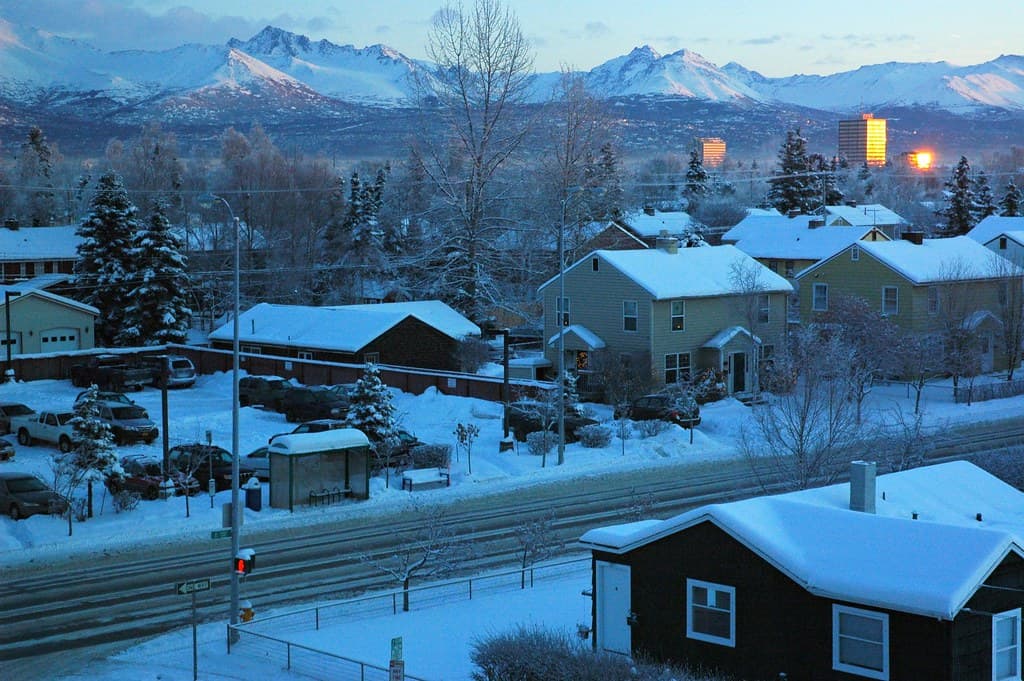
Wonderlane / BY 2.0

SNEHIT PHOTO / Shutterstock.com

Kit Leong / Shutterstock.com
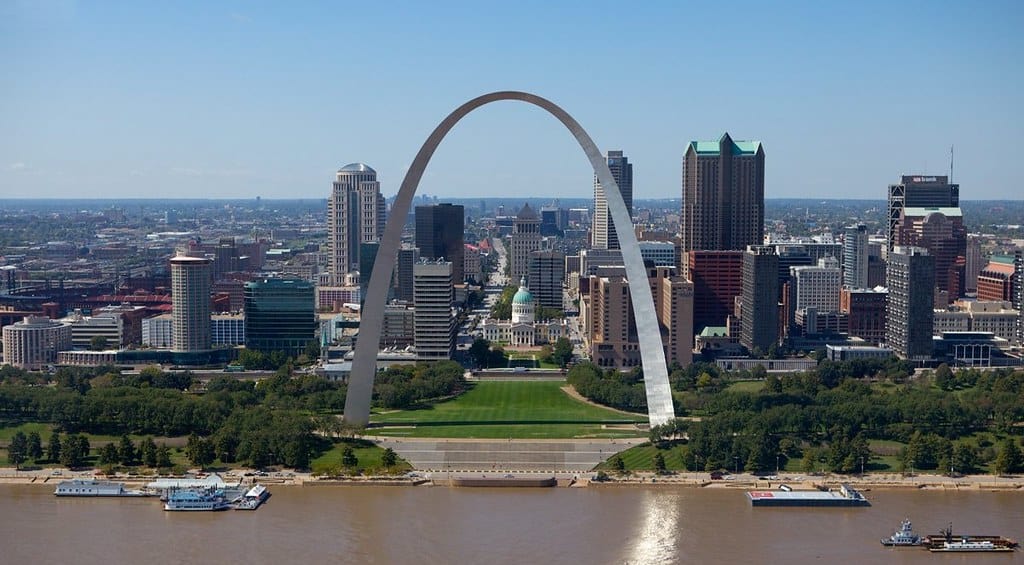
Arch_Sam / BY 2.0

Tim Pearce, Los Gatos / BY 2.0

Mihai_Andritoiu / Shutterstock.com

szeke / BY-SA 2.0










15 States Where the Tradeoffs of Living There Are Hard to Ignore
There is no objective answer to the question of which states are the "worst" places to live. A great fit for one person can be miserable for someone else, and everything from family ties and career options to weather, housing costs, taxes, health care, and access to the outdoors can completely change the equation.
State-level data can still reveal some meaningful tradeoffs. The places below face measurable challenges in one or more areas, including higher poverty, lower household incomes, gaps in health coverage, population loss, natural-hazard exposure, limited services, or geographic isolation. Those problems do not affect every community or resident equally, but they are worth understanding before making a move.
To assemble this list, 24/7 Tempo reviewed recent U.S. Census Bureau data along with information from federal agencies including the CDC, EPA, NOAA, and Bureau of Reclamation. This is not a ranking from worst to best. Instead, these are 15 states where prospective residents may want to take a closer look at some of the challenges behind the scenery, culture, and other reasons people choose to call them home.
Mississippi
Mississippi's biggest challenges show up clearly in the economic data. Census Bureau estimates for 2020 through 2024 put the state's median household income at $56,447, compared with $80,734 nationwide. About 17.8% of Mississippi residents live below the poverty line, versus 10.6% nationally. Mississippi has plenty going for it, including relatively inexpensive housing in many communities, but lower household incomes can leave residents with less room to absorb rising costs or financial emergencies.
West Virginia
West Virginia combines economic pressure with a long-running demographic problem. Median household income was $59,608 in the Census Bureau's latest five-year estimate, while 16.7% of residents lived in poverty. The state's estimated population also fell 1.5% between the 2020 population base and July 2025. West Virginia continues to carry a particularly heavy drug-overdose burden as well. For smaller communities, losing population can make it harder to maintain everything from local businesses to health care and other services.
Louisiana
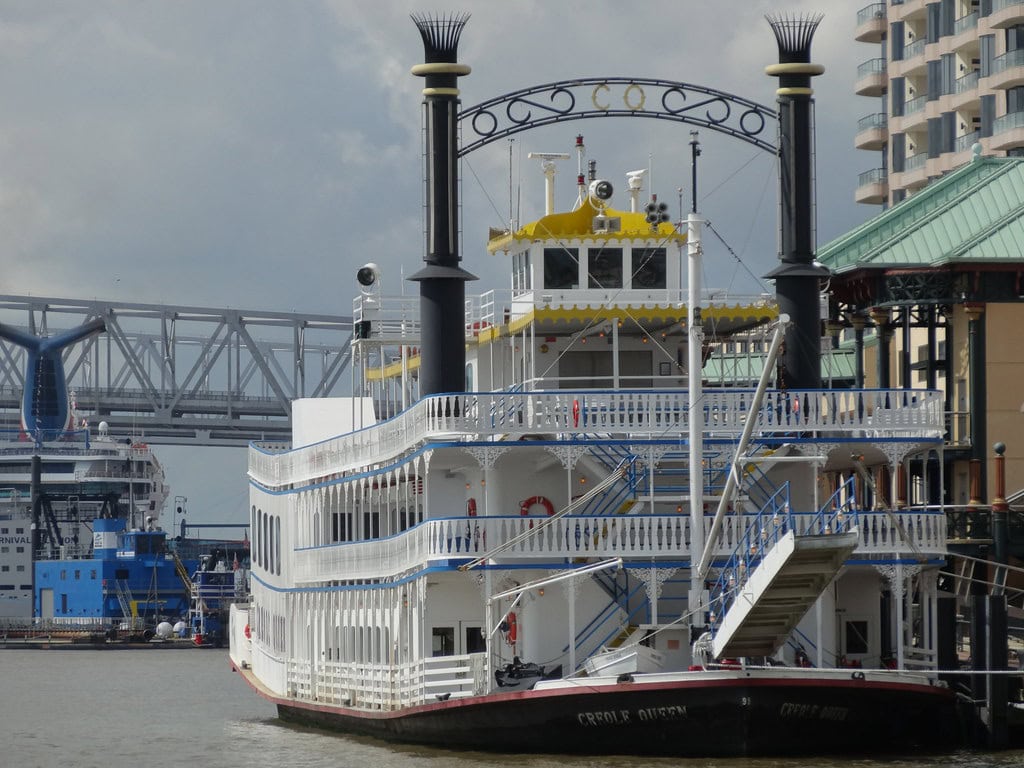
Louisiana offers a culture that is hard to duplicate anywhere else, but the economic and environmental tradeoffs are substantial. About 18.7% of residents live in poverty, one of the highest rates among the states on this list, and median household income is $60,756. Flooding is another major consideration. NOAA's U.S. Climate Resilience Toolkit describes Louisiana as the nation's most flood-prone state, with coastal, river, and rainfall flooding all posing risks. Where you live within Louisiana matters enormously, but prospective homeowners need to understand that exposure before falling in love with an address.
Alabama
Alabama remains relatively affordable in many areas, but household finances trail the national picture. Median household income was $63,999 in the Census Bureau's 2020 through 2024 estimate, nearly $17,000 below the U.S. figure. The state's poverty rate was 15.2%, compared with 10.6% nationally. Those statewide averages hide plenty of prosperous communities, but they also show why economic opportunity and access to services can look very different depending on which part of Alabama you call home.
Arkansas
Arkansas has mountains, lakes, relatively inexpensive housing, and some fast-growing pockets, but the statewide income picture remains challenging. Census estimates put median household income at $60,773 and the poverty rate at 15.5%. Both trail the national figures by a wide margin. Educational attainment has also historically run below the U.S. average, which can affect the kinds of industries and higher-paying jobs available in some communities.
Kentucky
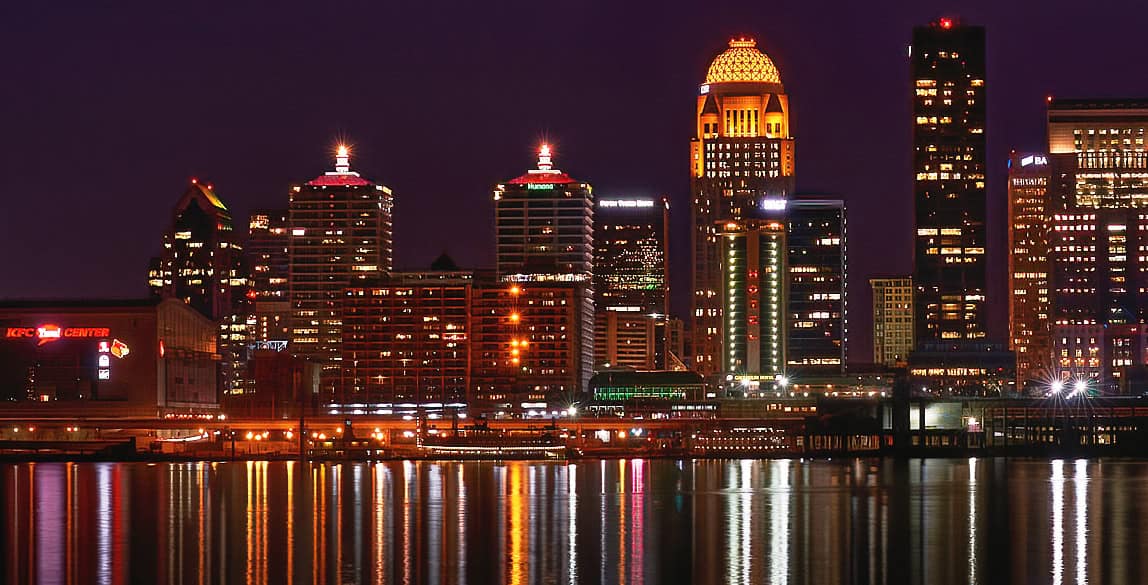
Kentucky's statewide poverty rate stands at 15.6%, while median household income is $63,726. Educational attainment is another notable gap: 27.6% of residents age 25 and older hold at least a bachelor's degree, compared with 35.7% nationally. Those figures do not describe Louisville, Lexington, or every smaller community equally, but parts of eastern Kentucky in particular have spent decades trying to build new economic opportunities as coal employment declined.
New Mexico
New Mexico's landscapes are spectacular, but several basic economic indicators remain difficult. About 16.4% of residents live in poverty, while median household income is $64,059. Health coverage is another consideration: 12.4% of residents under age 65 lack health insurance, compared with 9.6% nationally. The state's enormous size and low population density can also mean long distances between services in rural communities, something that is easy to underestimate until you actually need them.
Indiana
Indiana is a more mixed case than a simple "worst states" label would suggest. Its population grew an estimated 2.8% from the 2020 base through July 2025, and its 12.2% poverty rate is only modestly above the national rate. The tradeoff is that median household income, at $71,957, remains below the U.S. figure. Conditions also vary considerably between Indianapolis, growing suburban communities, older industrial cities, and rural counties, so statewide averages only tell part of the story.
Alaska
Alaska does not belong on this list because of low income or unusually high poverty. Its median household income is actually $92,788, and its 10.2% poverty rate is slightly below the national figure. The challenge is geography. Alaska averages only about 1.3 residents per square mile, and many communities are separated from the state's larger service centers by enormous distances. The share of residents under 65 without health insurance, 12.7%, is also above the national rate. For anyone considering Alaska, the real question is how comfortable you are trading convenience for extraordinary space and scenery.
Michigan
Michigan's economic picture varies enormously from one community to another. Statewide, median household income is $72,875 and 13.4% of residents live in poverty. The Flint water crisis also remains part of Michigan's recent history, but it needs current context: EPA lifted its emergency drinking-water order in May 2025 after determining that Flint had completed the order's requirements and its water system was meeting federal lead standards. Michigan still has significant lead-service-line replacement work underway statewide, so aging water infrastructure remains an issue in some communities without making Flint's past crisis the condition of the entire state today.
Oklahoma
Oklahoma combines relatively affordable housing with some tougher household-level statistics. Median household income is $65,039, while 14.9% of residents live in poverty. Health coverage is another concern: 13.7% of Oklahomans under age 65 lack health insurance, compared with 9.6% nationally. Only 28.3% of adults age 25 and older hold at least a bachelor's degree, also below the national rate of 35.7%. Those gaps are worth weighing against the state's lower costs and growing metropolitan areas.
Missouri
Missouri's numbers are not as dire as some states on this list, which is another reason to avoid treating this as a definitive ranking. Its poverty rate is 12.3%, and median household income is $70,702. About 32.4% of adults age 25 and older have a bachelor's degree or higher, somewhat below the 35.7% national rate. The larger point is that Missouri contains very different economies, from the Kansas City and St. Louis metro areas to small rural communities, and statewide averages can hide as much as they reveal.
Nevada
Nevada is another state where the numbers do not support an easy "worst place to live" label. Median household income is $78,260 and the poverty rate is 11.6%, both fairly close to national levels. Water is the more unusual long-term consideration. The Bureau of Reclamation declared a Tier 1 shortage on the lower Colorado River for 2026, reducing Nevada's basic Colorado River apportionment by 13,000 acre-feet. Southern Nevada has built an aggressive conservation program around that limited supply, but anyone planning for decades in the desert should understand how central water management is to the region's future.
South Carolina
South Carolina has been attracting new residents, particularly around Charleston, Greenville, and the coast, so describing the whole state as undesirable misses a fairly obvious trend. There are still measurable challenges. Median household income is $69,324, and 13.3% of residents live in poverty. Coastal residents also have hurricane, storm-surge, and flooding exposure to consider. The tradeoff can look very different inland, where housing and insurance pressures may bear little resemblance to what residents face near the ocean.
Illinois
Illinois is probably the clearest example of why this should not be treated as a straight "worst states" ranking. Its median household income is $83,390, slightly above the national figure, and its 11.6% poverty rate is only modestly higher than the U.S. rate. One measurable concern is population: the Census Bureau estimates Illinois had about 0.8% fewer residents in July 2025 than its April 2020 population base. But Chicago, its suburbs, college towns, and downstate communities offer wildly different costs and opportunities. Anyone considering Illinois needs a city-level comparison far more than a sweeping statewide verdict.