
perfectlab / Shutterstock.com

4kclips / Shutterstock.com

Gabriele Maltinti / Shutterstock.com

f11photo / iStock via Getty Images

Sean Pavone / Getty Images
Wirestock Creators / Shutterstock.com
Sean Pavone / iStock via Getty Images

Jacob Boomsma / Shutterstock.com

Thomas Kelley / iStock via Getty Images

SeanPavonePhoto / iStock via Getty Images

f11photo/Shutterstock.com
CampPhoto / iStock via Getty Images
Sean Pavone / iStock via Getty Images

Susan Vineyard / iStock Editorial via Getty Images

Jonathan Ross / iStock via Getty Images

Art Wager / E+ via Getty Images




15 States Where the Middle Class Is Feeling the Squeeze
How many times have you heard that America's middle class is disappearing? The phrase may sound dramatic, but the long-term trend is real. According to the Pew Research Center, 61% of Americans lived in middle-income households in 1971. By 2023, that share had fallen to 51%.
That doesn't mean everyone who left the middle class became poorer. Over the same period, the share of Americans living in lower-income households rose from 27% to 30%, while the upper-income share climbed from 11% to 19%. In other words, the middle has been squeezed from both directions.
Defining "middle class" is also trickier than it sounds. Pew generally defines middle-income households as earning between two-thirds and twice the national median, with adjustments for household size and local cost of living. For a three-person household in 2022, that worked out to roughly $56,600 to $169,800 nationally.
For the state income ranges below, 24/7 Tempo used a 2026 SmartAsset analysis based on 2024 U.S. Census Bureau data. SmartAsset applies a similar two-thirds-to-double-the-median formula to each state's median household income. We also looked at Pew Research Center, MoneyGeek, Census data, and local and regional reports to highlight places where the middle class is under particular pressure.
California
Yes, you can make $200,000 a year in California and still land within a commonly used definition of middle class. Based on 2024 household income data, the statewide range is about $66,766 to $200,298. Of course, California is enormous, and what feels comfortable in one part of the state can feel very different in Los Angeles or the Bay Area. MoneyGeek also found that Yorba Linda was among the California cities with one of the steepest declines in its share of middle-income households from 2017 to 2022.
New York
New York's 2024 median household income was $85,820, putting a statewide middle-class range based on the two-thirds-to-double formula at roughly $57,213 to $171,640. New York City has faced another problem: middle-wage jobs have been slow to recover from the pandemic. One analysis found the city had more than 76,000 fewer middle-wage jobs in 2023 than in 2019, a decline of nearly 5%.
Louisiana
Louisiana remains a relatively low-income state, so the amount needed to qualify as middle class is much lower than it is in places like California or Massachusetts. The current statewide range is about $40,657 to $121,972, based on a median household income of $60,986. That lower entry point doesn't necessarily make middle-class life easy, especially when household costs rise faster than income.
Massachusetts
Massachusetts sits at the opposite end of the spectrum. Its median household income reached $104,828 in 2024, and SmartAsset's 2026 analysis puts the state's middle-class range at about $69,885 to $209,656. That's the highest upper threshold of any state in the study, showing just how far a six-figure salary may have to stretch in one of the country's higher-income states.
West Virginia
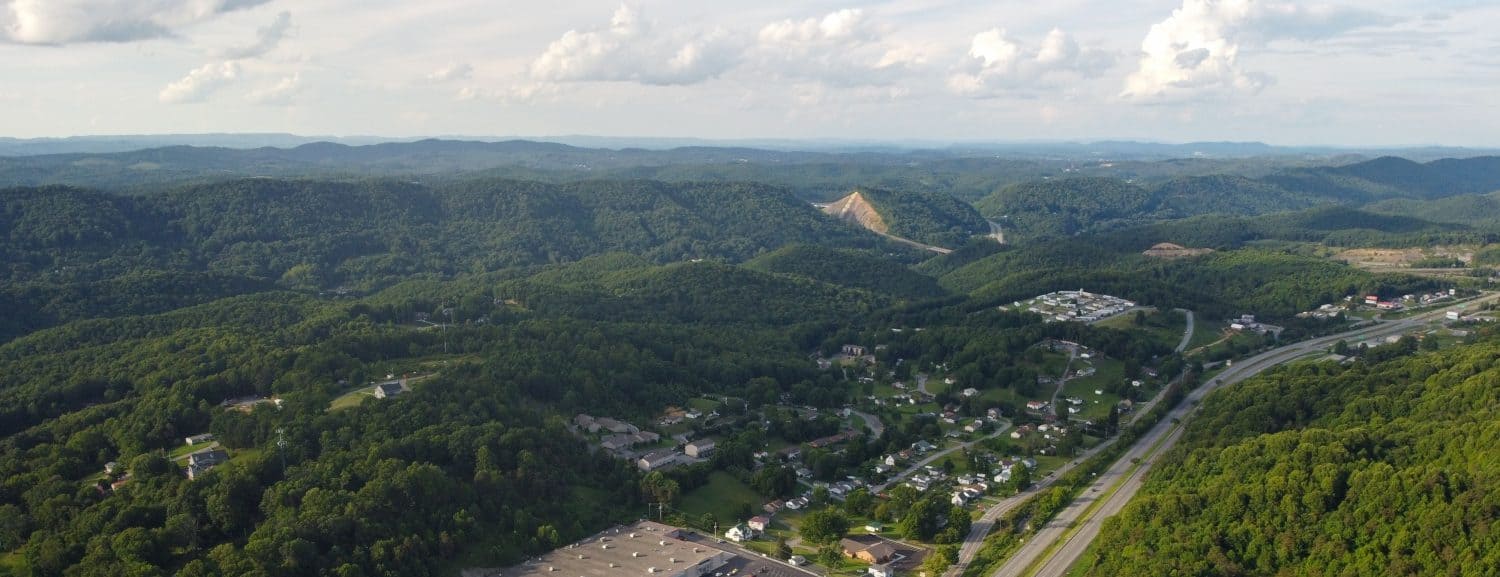
West Virginia has one of the lowest median household incomes in the country, at $60,798 in 2024. That puts its middle-class income range at roughly $40,532 to $121,596. The numbers illustrate an important point: earning enough to qualify as middle class can look radically different depending on where you live.
New Mexico
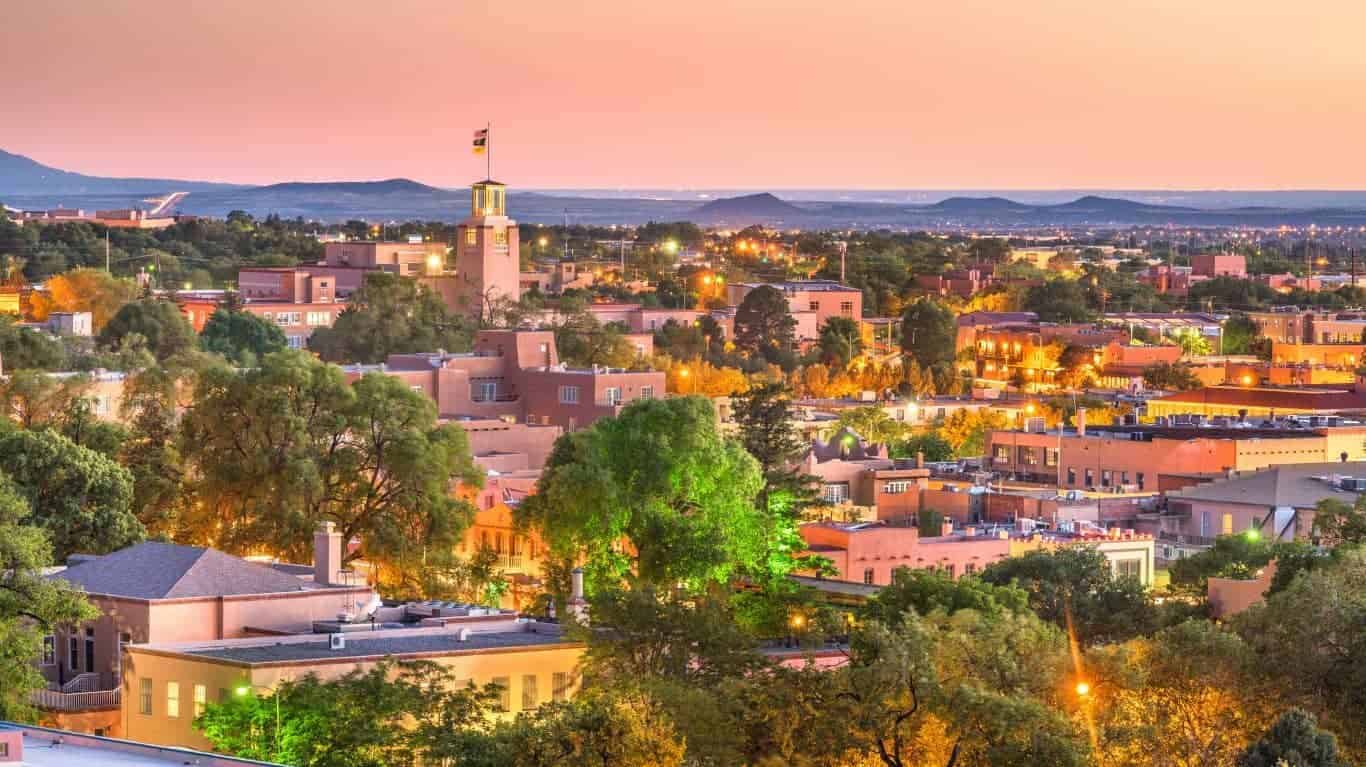
New Mexico's median household income rose to $67,816 in 2024, but it remains below the national median. Using the same middle-class formula, households earning roughly $45,211 to $135,632 fall within the state's middle-income range. That relatively low threshold reflects New Mexico's lower household income base rather than an absence of financial pressure.
Alabama
Alabama is still one of the states where the income needed to reach the middle class is comparatively low. With a 2024 median household income of $66,659, the state's middle-class range works out to about $44,439 to $133,318. Alabama's median income did rise from 2023 to 2024, but households can still feel squeezed when necessities such as housing, food, insurance, and utilities climb alongside it.
Kentucky
Kentucky also has one of the lower middle-class income thresholds in the country. Its 2024 median household income was $64,526, putting the middle-income range at approximately $43,017 to $129,052. Lower headline costs can help, but they don't automatically make life comfortable for households dealing with rising everyday expenses.
Georgia
Georgia's median household income reached $79,991 in 2024, which puts the statewide middle-class range at roughly $53,327 to $159,982. The challenge is that Georgia contains very different local economies. A middle-class paycheck in a smaller community may go much further than the same income in the fast-growing Atlanta area.
Maryland
Maryland is one of the highest-income states in the country. Its 2024 median household income was $102,905, putting the middle-class range at about $68,603 to $205,810. But even within a wealthy state, the middle can lose ground. In Montgomery County, the middle-income share of the population fell by five percentage points from 2005 to 2022, while the low-income share rose by five points and the high-income share remained just above 50%.
Florida
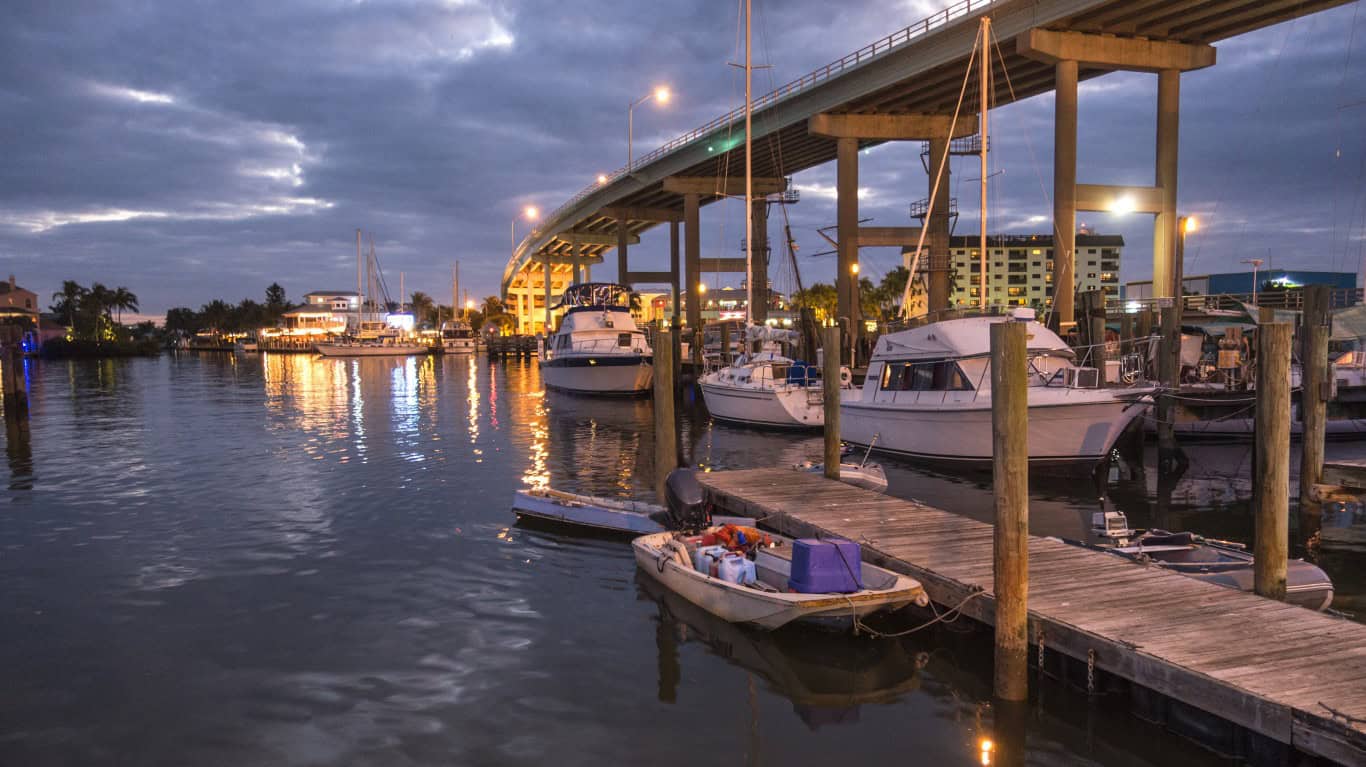
Florida's rapid growth has changed the financial math for plenty of households. The state's median household income was $77,735 in 2024, putting its middle-class range at approximately $51,823 to $155,470. That statewide number can hide huge local differences, particularly between Florida's less expensive inland communities and its increasingly costly coastal and metro areas.
Arkansas
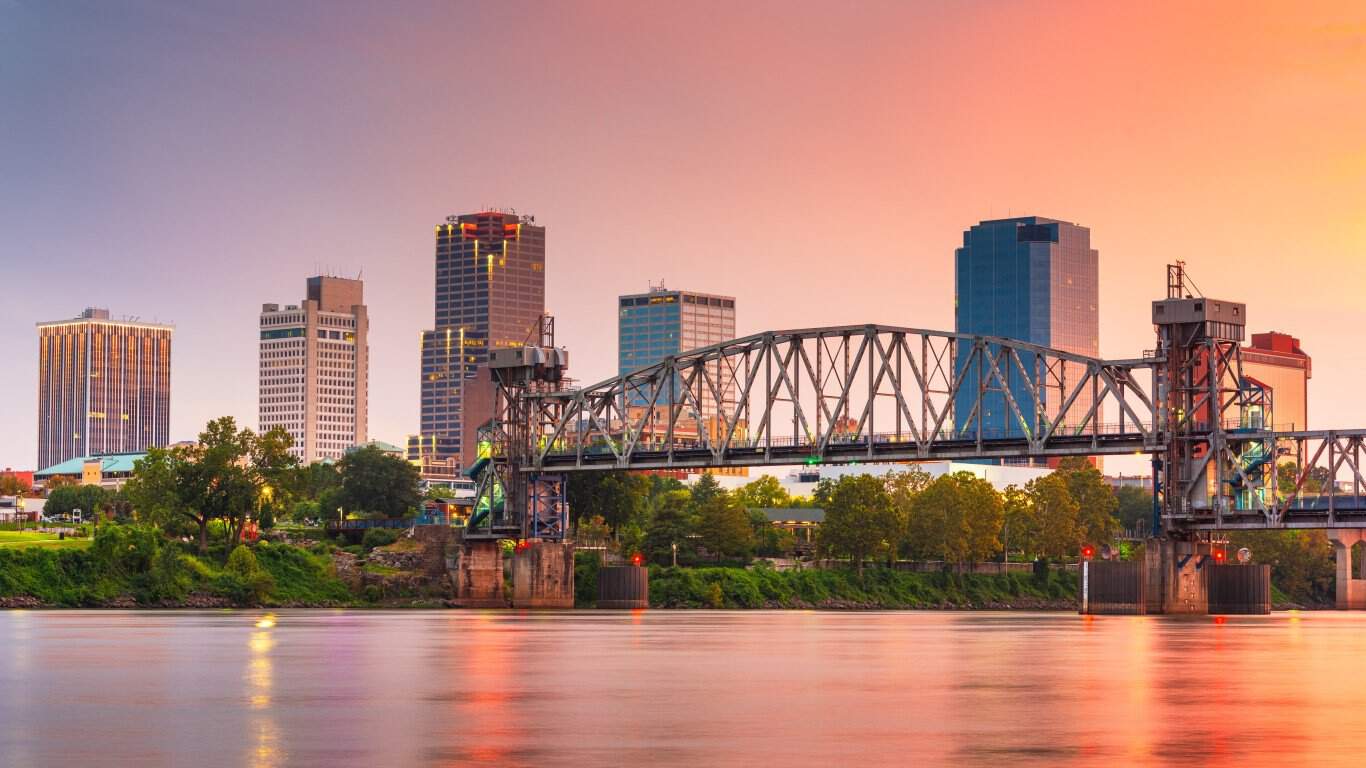
Arkansas has one of the lowest statewide middle-class thresholds, with a range of roughly $41,404 to $124,212 based on its 2024 median household income of $62,106. But some Arkansas communities have still seen the middle shrink. In MoneyGeek's analysis of changes from 2017 to 2022, Springdale posted the largest decline among the cities studied, with its middle-class share falling by about 12 percentage points.
Indiana
Indiana's median household income was $71,959 in 2024, giving the state a middle-class range of about $47,973 to $143,918. At the local level, some affluent communities have seen a noticeable shift. MoneyGeek found that Carmel's middle-class share fell by about 10.7 percentage points between 2017 and 2022, one of the steepest declines among the cities it studied.
Texas
Texas is so large and economically varied that a single statewide number only tells part of the story. Its 2024 median household income was $79,721, putting the middle-class range at roughly $53,147 to $159,442. What that income buys in Houston, Dallas, Austin, or a smaller Texas community can vary considerably, and MoneyGeek found that The Woodlands saw a sizable decline in its middle-class share from 2017 to 2022.
Hawaii
Hawaii combines high incomes with some seriously expensive housing. Its 2024 median household income was $100,745, putting the statewide middle-class range at roughly $67,163 to $201,490. Zillow's typical Hawaii home value was about $833,340 as of August 2026, more than eight times the state's median annual household income. That helps explain why even a solidly middle-class salary can feel stretched thin in paradise.