
Andrew Clemente
IvyJW0821 / Shutterstock.com

Roman Samborskyi / Shutterstock.com

FOTOGRIN / Shutterstock.com

Vitalii Vodolazskyi / Shutterstock.com

Montypeter / Getty Images

Julia Zavalishina / Shutterstock.com

Cozine / Shutterstock.com

FrankHH / Shutterstock.com

bangoland / Shutterstock.com

NDAB Creativity / Shutterstock.com

Vitalii Vodolazskyi / Shutterstock.com

PeopleImages / Shutterstock.com

dee karen / Shutterstock.com

Lee Charlie / Shutterstock.com

KatMoys / Shutterstock.com














15 Ways the Government Still Has Its Hand in Your Pocket After You Retire
Retirement can make your finances feel simpler, but federal rules still determine how much of your money stays in your pocket. Social Security benefits can be taxed, Medicare premiums can jump after a high-income year, required minimum distributions can create taxable income, and even the way you hold cash at a bank can affect how much is federally insured. Other rules can help, including a new senior deduction, a higher SALT cap, and Medicare's prescription-drug spending limit.
The tricky part is that many of these rules turn on specific ages, income thresholds, filing statuses, and deadlines. Missing one can mean a smaller Social Security deposit, a higher Medicare bill, or an unexpected tax. Here are 15 federal rules worth knowing in 2026, with the current numbers and what they can mean for retirees.
Social Security Benefits Can Be Taxable
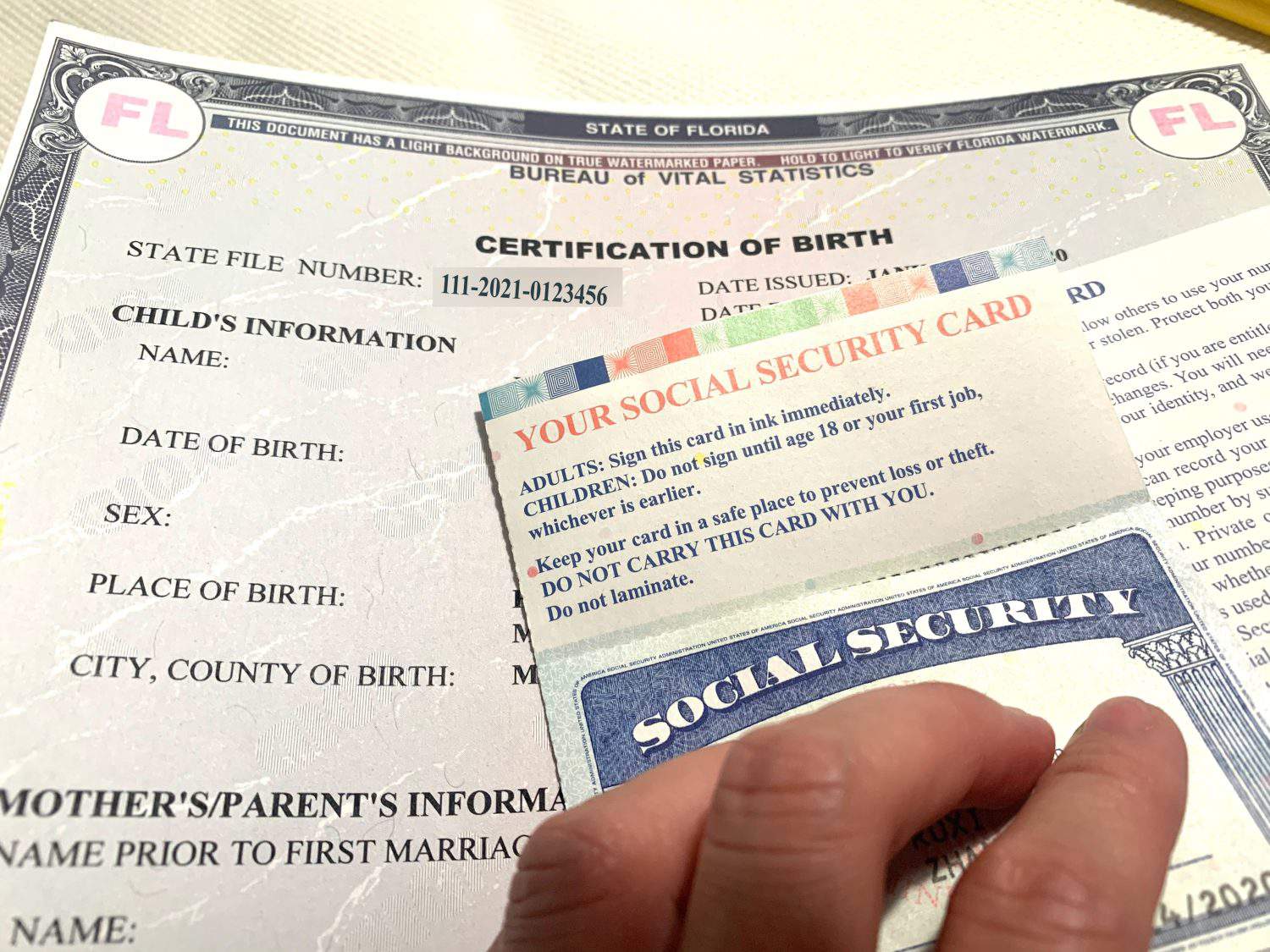
Retirement does not automatically make Social Security tax-free. Under federal rules, benefits may become taxable when combined income, which generally includes adjusted gross income, tax-exempt interest, and half of Social Security benefits, exceeds $25,000 for a single filer or $32,000 for a married couple filing jointly. Up to 85% of benefits can be included in taxable income at higher income levels. Taxable traditional IRA withdrawals, pensions, dividends, interest, and realized capital gains can all affect the calculation.
Working Before Full Retirement Age Can Temporarily Reduce Benefits
If you claim Social Security before full retirement age and keep working, the earnings test can temporarily withhold benefits. In 2026, the annual limit is $24,480 if you are under full retirement age all year, with $1 withheld for every $2 earned above it. In the year you reach full retirement age, the limit is $65,160, with $1 withheld for every $3 above the limit before the month you reach full retirement age. Starting that month, the earnings test ends, and SSA later recalculates benefits to account for months when payments were withheld.
The 2026 COLA Is 2.8%, but Medicare Can Eat Into It
Social Security's 2026 cost-of-living adjustment is 2.8%. SSA estimated the average retired-worker benefit at about $2,071 a month in January, up from roughly $2,015 before the adjustment. Meanwhile, the standard Medicare Part B premium rose from $185 in 2025 to $202.90 in 2026, an increase of $17.90. For retirees who have Part B premiums deducted from Social Security, that higher Medicare charge can absorb part of the COLA before the money reaches their bank account.
A High-Income Year Can Raise Medicare Premiums Two Years Later
Medicare's income-related surcharge, known as IRMAA, can make a high-income year more expensive later. For 2026, higher Part B premiums begin when 2024 modified adjusted gross income exceeds $109,000 for most individual filers or $218,000 for married couples filing jointly. The standard Part B premium is $202.90, while the highest income tier pays $689.90 a month. SSA generally uses 2024 tax-return information for 2026 premiums, although qualifying life-changing events such as stopping or reducing work, divorce, or the death of a spouse can support a request for a new determination.
Medicare Part D Caps Covered Drug Spending at $2,100
The 2026 Medicare Part D out-of-pocket threshold is $2,100. Once an enrollee reaches it, there is no additional cost sharing for covered Part D drugs in the catastrophic phase. Cost sharing for a month's supply of each covered insulin product is also capped at the lowest of $35, 25% of the drug's negotiated price, or, when applicable, 25% of its Medicare-negotiated maximum fair price. Those protections can make prescription costs more predictable for retirees with expensive medications.
Medicare Enrollment Can End Your HSA Contribution Eligibility
You cannot contribute to an HSA for any month you are enrolled in Medicare. This matters especially for people who delay Medicare past 65: premium-free Part A can be retroactive for up to six months, but not earlier than the first month you were eligible. Medicare's 2026 handbook says people who apply six or more months after turning 65 can generally avoid a tax penalty by stopping HSA contributions six months before the month they apply. Money already in the HSA remains available for qualified medical expenses.
RMDs Can Force Taxable Money Out of Retirement Accounts
Required minimum distributions eventually apply to traditional IRAs and many workplace retirement plans. Under current law, people born from 1951 through 1959 generally reach their RMD starting age at 73, while those born in 1960 or later generally reach it at 75; older retirees may already be taking RMDs under earlier starting-age rules. Roth IRAs and designated Roth accounts in workplace plans do not have lifetime RMDs for the owner. You can delay a first RMD until April 1 of the following year, but doing so can mean taking two taxable RMDs in the same calendar year.
Missing an RMD Can Trigger a 25% Excise Tax
Missing all or part of an RMD can be expensive. The amount not withdrawn may be subject to a 25% federal excise tax. That rate can fall to 10% if the shortfall is corrected within the IRS correction window, generally no later than the end of the second tax year after the year of the miss, and the required return is filed. The IRS may also waive some or all of the tax for reasonable error when the taxpayer takes reasonable steps to fix it and files Form 5329 with an explanation.
A QCD Can Satisfy an RMD Without Adding Taxable Income
For charitably inclined retirees, a qualified charitable distribution can be especially useful. Once you are at least age 70 1/2, an eligible IRA can send money directly to a qualifying charity. The distribution can count toward an RMD and, when the rules are met, stay out of taxable income. The 2026 QCD exclusion limit is $111,000 per eligible taxpayer. You cannot also claim a charitable deduction for the portion excluded as a QCD.
A New $6,000 Senior Deduction Is Available Through 2028
For tax years 2025 through 2028, eligible taxpayers age 65 or older can claim an additional federal deduction of up to $6,000 per person, or $12,000 for a married couple when both spouses qualify. It is available whether you itemize or take the standard deduction. The deduction starts phasing out when modified adjusted gross income exceeds $75,000 for an individual or $150,000 for joint filers, and married taxpayers must file jointly to claim it.
The SALT Deduction Cap Is $40,400 in 2026
Retirees who itemize and pay substantial state income or sales taxes and property taxes have a much larger federal SALT deduction cap than they did a few years ago. For 2026, the overall cap is $40,400, or $20,200 for married taxpayers filing separately. It begins to shrink when modified adjusted gross income exceeds $505,000, or $252,500 for separate filers, but cannot fall below $10,000 or $5,000 respectively. The larger cap only matters if itemizing produces a better result than taking the standard deduction.
Capital-Gains Rates Make the Timing of a Sale Matter
For 2026, most net long-term capital gains can fall into the 0% federal bracket when taxable income is no more than $49,450 for single filers or $98,900 for married couples filing jointly. The 15% bracket runs up to $545,500 for single filers and $613,700 for joint filers before the 20% rate generally applies to gains above those thresholds. Because pensions, taxable IRA withdrawals, and other income affect taxable income, the same investment sale can produce a different tax result depending on when it happens.
Investment Income Can Trigger an Extra 3.8% Federal Tax
Higher-income retirees can owe the 3.8% Net Investment Income Tax even without wages. For individuals, the tax is generally 3.8% of the lesser of net investment income or the amount modified adjusted gross income exceeds the applicable threshold: $200,000 for single and head-of-household filers, $250,000 for married couples filing jointly, and $125,000 for married people filing separately. The thresholds are not indexed for inflation, and net investment income can include interest, dividends, capital gains, rental income, and other passive investment income.
The 2026 Estate Tax Exclusion Is $15 Million Per Person
Federal estate and gift taxes affect a relatively small share of households, but the thresholds matter for anyone doing substantial legacy planning. For 2026, the federal basic estate and gift tax exclusion is $15 million per person, while the annual gift-tax exclusion remains $19,000 per recipient. Giving someone more than $19,000 in a year does not automatically create a tax bill; for many gifts, the excess instead uses part of the lifetime exclusion and requires a Form 709 gift-tax return. Separate rules apply to certain gifts, including qualifying tuition and medical payments.
FDIC Coverage Is $250,000 Per Depositor, Per Bank, Per Category
The standard FDIC insurance amount is $250,000 per depositor, per FDIC-insured bank, for each ownership category. Deposits in multiple accounts within the same category at the same bank are generally added together, while deposits held in different ownership categories can qualify for separate coverage. Certain retirement deposits, including bank IRAs, have their own category. Stocks, bonds, mutual funds, annuities, crypto assets, and other investment products are not FDIC-insured deposits.