Emma Rogers/Shutterstock.com

Manamana/Shutterstock.com
The original uploader was Lordkinbote at English Wikipedia / CC BY-SA 2.5
Gary Gilardi/Shutterstock.com
Explorer1940
Uwe Bergwitz/Shutterstock.com
akphotoc/Shutterstock.com
Wirestock/iStock via Getty Images
Kyle Moon/ via Getty Images
MichalKrata/Shutterstock.com
9 Alaska National Historic Landmarks Worth Seeing at Least Once
Alaska has plenty of places where the scenery alone can stop you in your tracks, but some of the state's most interesting destinations are hiding thousands of years of human history underneath all that wilderness. National Historic Landmarks are properties recognized for their exceptional importance to American history and culture, and the National Park Service currently lists just over 2,600 across the country. Alaska has 50 of them.
That list stretches from ancient Indigenous settlements to Russian Orthodox churches, Gold Rush routes, copper mines, and an old sternwheel steamboat that once helped connect communities before roads reached much of the state. Some of these places are easy to visit. Others require a boat, a permit, or a willingness to travel considerably farther than the nearest interstate exit. Here are nine Alaska National Historic Landmarks that are especially worth knowing about.
1. Amalik Bay Archeological District National Historic Landmark
The Amalik Bay Archeological District is within the vast Katmai National Park and Preserve.
The Amalik Bay Archeological District sits inside Katmai National Park & Preserve and preserves evidence of human settlement stretching back more than 7,000 years. Archaeologists have identified 28 pre-contact sites in the district, including remains of villages, middens, and stone tools. The people who lived along this remote Gulf of Alaska coastline became highly skilled at using marine resources, fishing and hunting sea mammals while gathering food from the intertidal zone. It is one of Alaska's remarkable windows into life long before written history reached the region.
2. Russian Bishop’s House
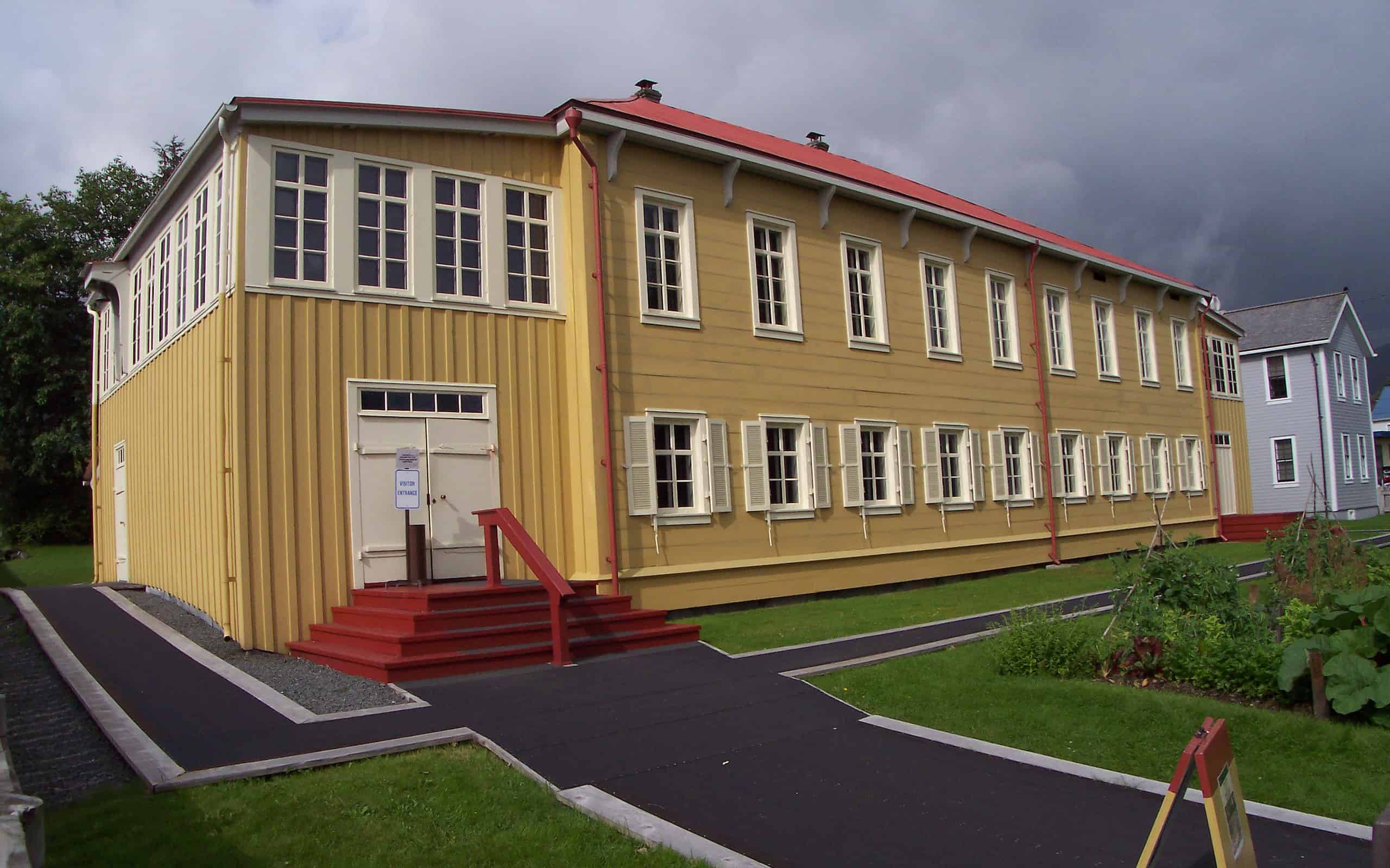
The Russian Bishop’s House in Sitka, Alaska, provides a history of Russian Orthodox practices.
Completed in 1842, the Russian Bishop’s House is one of the few surviving examples of Russian colonial architecture in North America. It served as the residence of Ivan Veniaminov, the first Orthodox Bishop of Alaska, and became an important center of Russian Orthodox missionary work. The National Park Service acquired the badly deteriorated building in 1973 and spent roughly 16 years restoring it to its mid-19th-century appearance. Today, visitors can explore exhibits on the first floor, while guided tours take visitors through the restored second-floor residence and chapel.
3. St. Michael’s Cathedral
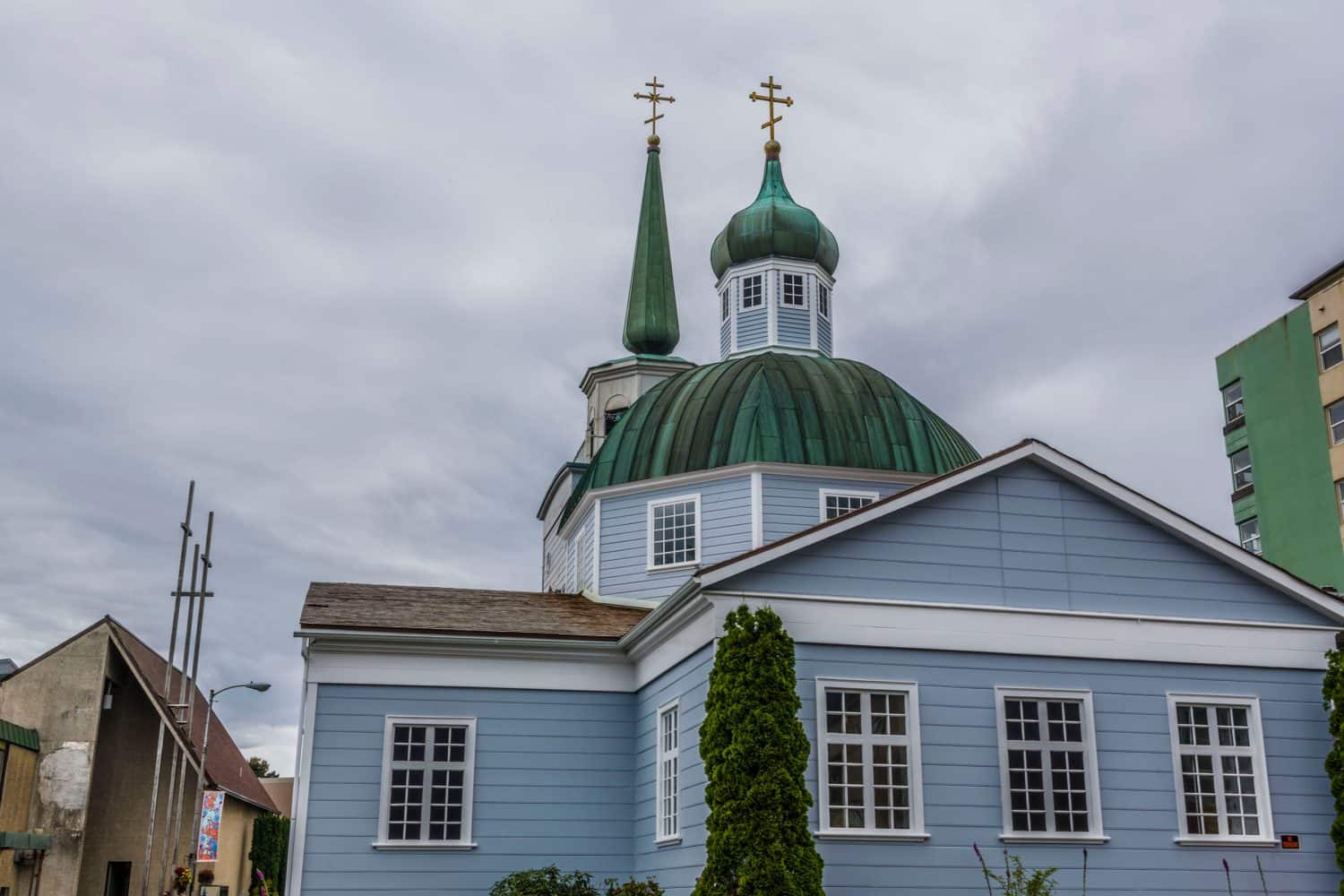
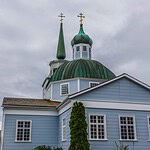
The public can tour St. Michael’s Cathedral, a National Historic Landmark in Sitka, AK.
Also in Sitka, St. Michael’s Cathedral was originally built between 1844 and 1848 under Bishop Innocent Veniaminov. The log cathedral stood for more than a century before a devastating fire destroyed it in January 1966. Residents managed to save many of its icons, religious objects, royal doors, and chandelier before the building was lost. The cathedral was then carefully reconstructed using measurements and drawings prepared by the Historic American Buildings Survey. The replica uses concrete and steel for greater fire resistance while closely reproducing the appearance of the original Russian Orthodox church.
4. SS Nenana
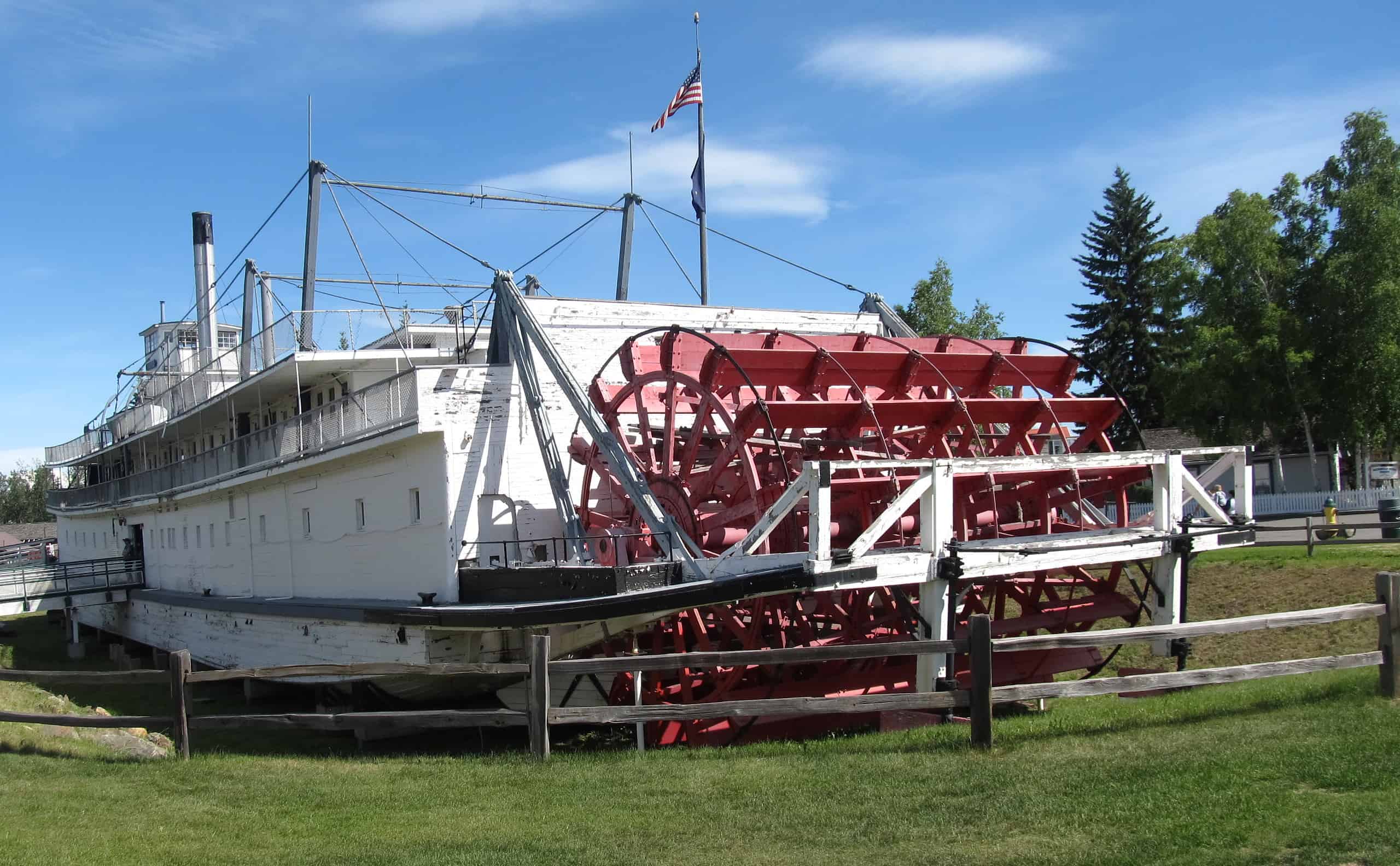
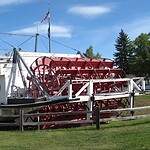
The SS Nenana sternwheel paddle ship at Pioneer Park is a reminder of when rivers were used as main transportation routes.
The SS Nenana is one of only three steam-powered passenger sternwheelers of any kind left in the United States, according to the National Park Service, and the only remaining large wooden one. Built in 1933 for the Alaska Railroad, it carried passengers and cargo along the Yukon, Nenana, and Tanana rivers when waterways were essential transportation corridors across Interior Alaska. The ship even carried military cargo during World War II before retiring in 1955. It now sits at Pioneer Park in Fairbanks, where it preserves a very different chapter of Alaska transportation history.
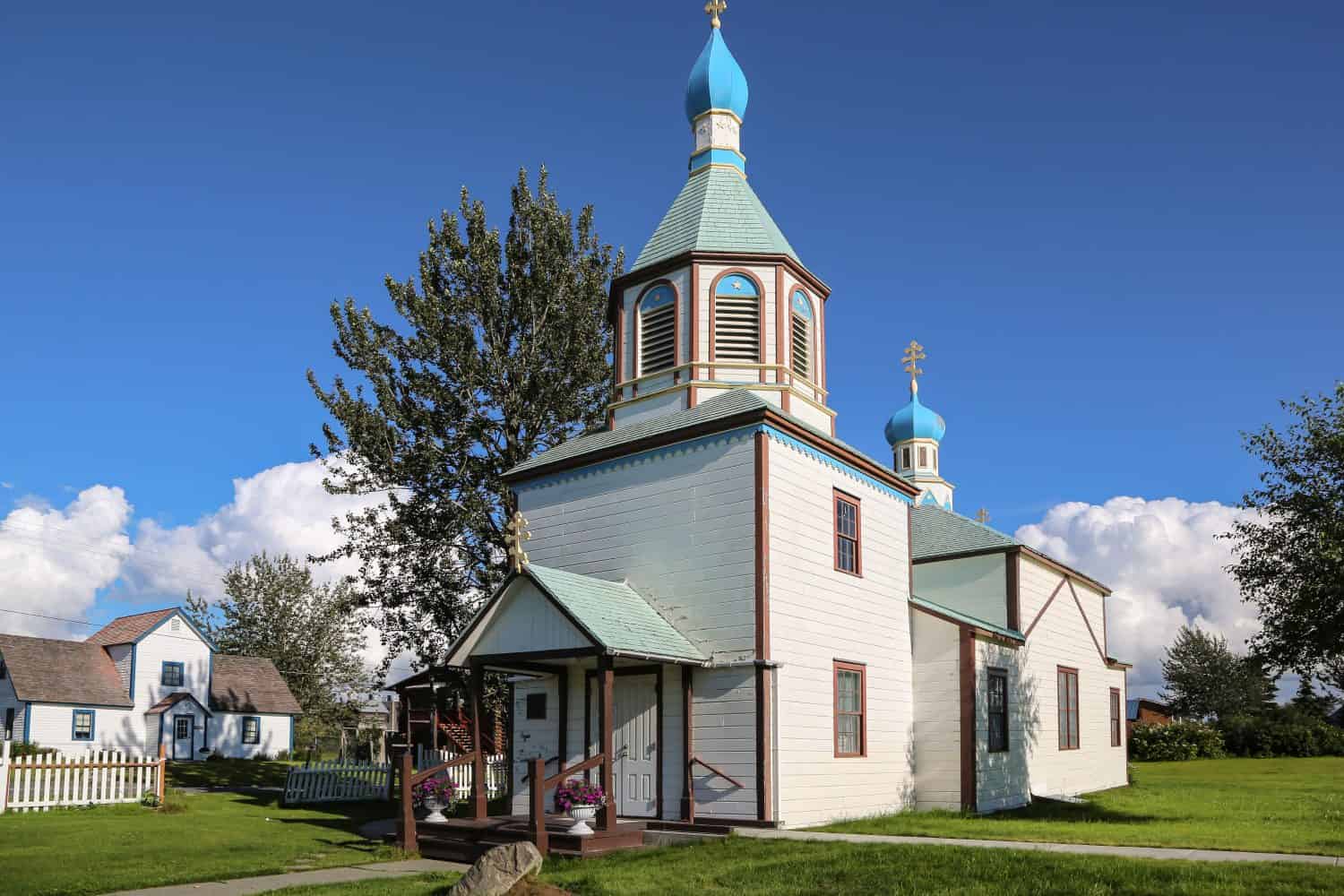
5. Holy Assumption Russian Orthodox Church
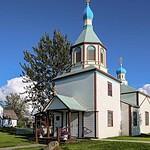
The Holy Assumption Russian Orthodox Church has stood for well over 100 years.
The current Holy Assumption Russian Orthodox Church in Kenai was built in 1895 and 1896, replacing an earlier church that served the community during the 19th century. The National Park Service describes it as one of Alaska's oldest surviving Russian Orthodox churches and an important reminder of Russian cultural influence in Southcentral Alaska. Its log construction and distinctive Pskov-style design have survived remarkably well. The property remains under the Diocese of Alaska, although the National Park Service currently lists the landmark itself as not open to the public, so visitors should not assume they can simply walk inside.
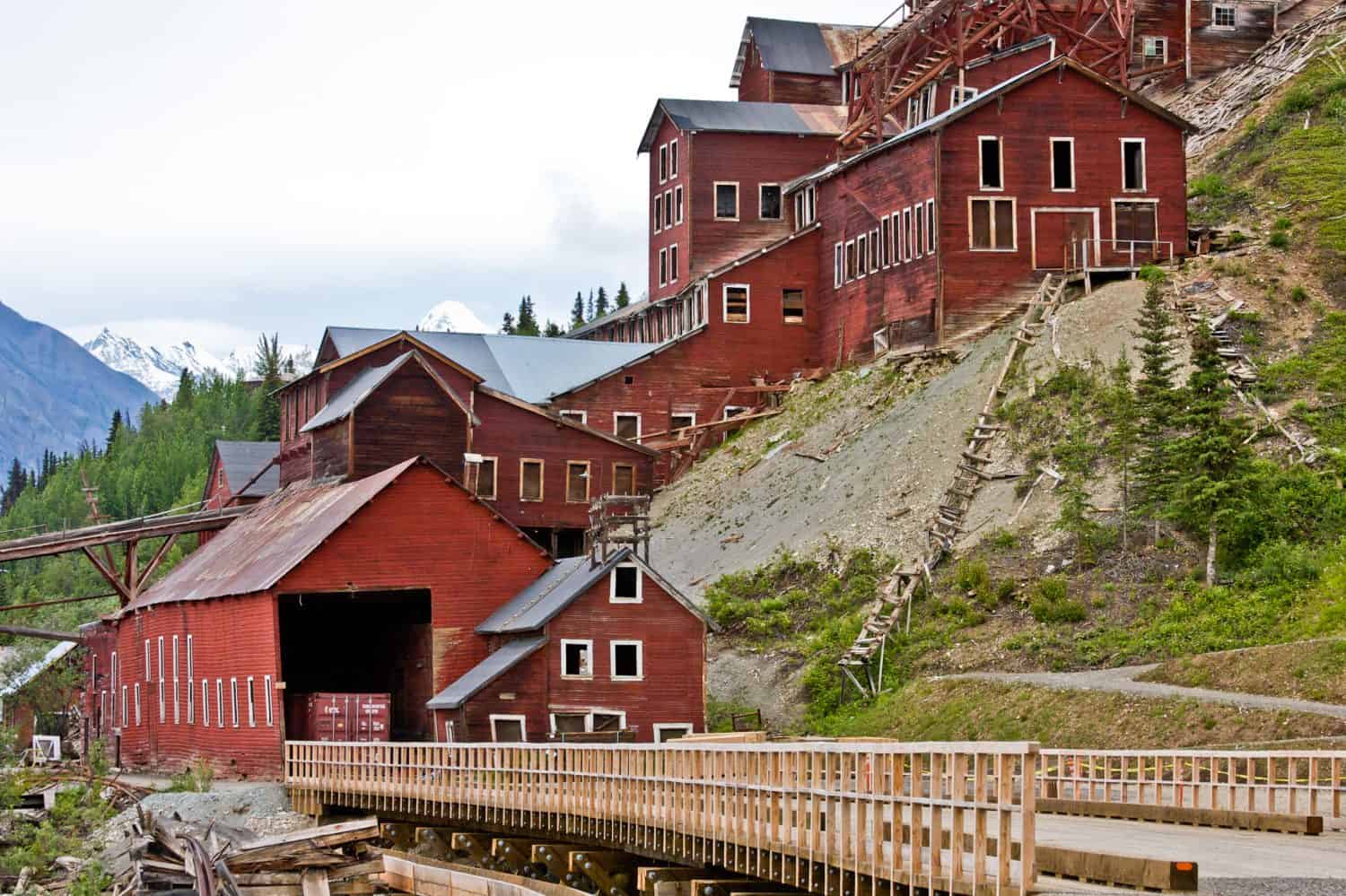
6. Kennecott Mines
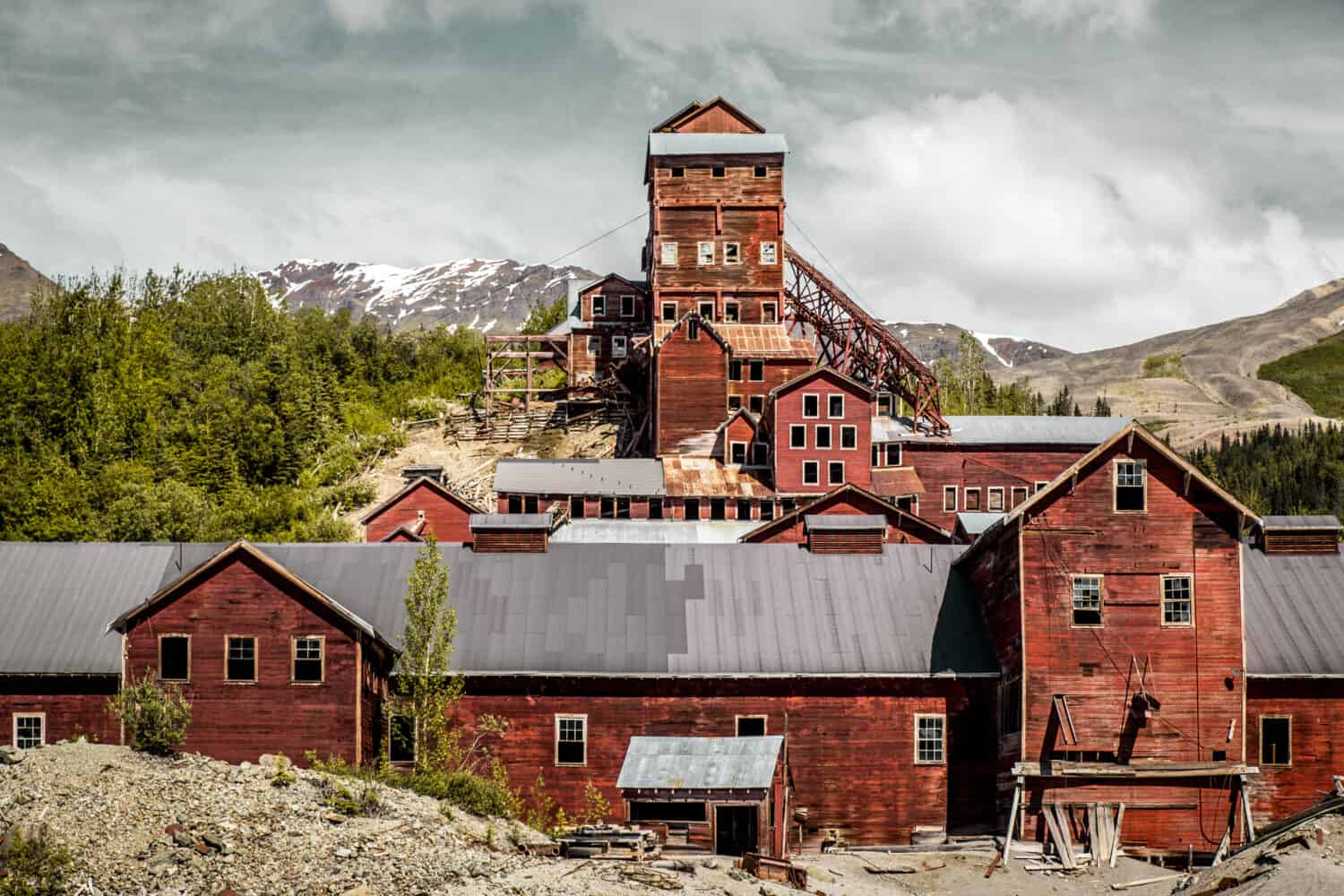
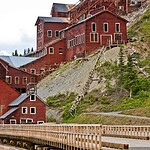
The giant red mill building from the old Kennecott Copper Company is an iconic site near the town of McCarthy.
Deep inside Wrangell-St. Elias National Park & Preserve, the Kennecott Mines preserve one of the country's best remaining examples of early 20th-century copper mining. From 1911 through 1938, nearly $200 million worth of copper was processed here before declining high-grade ore, falling profits, and rising railroad costs helped bring the operation to an end. Many buildings remain, and visitors have both guided and unguided access to portions of the old mill town. Some areas are more restricted, however. The National Park Service notes that a guided tour is required to enter the enormous Concentration Mill and Leaching Plant.
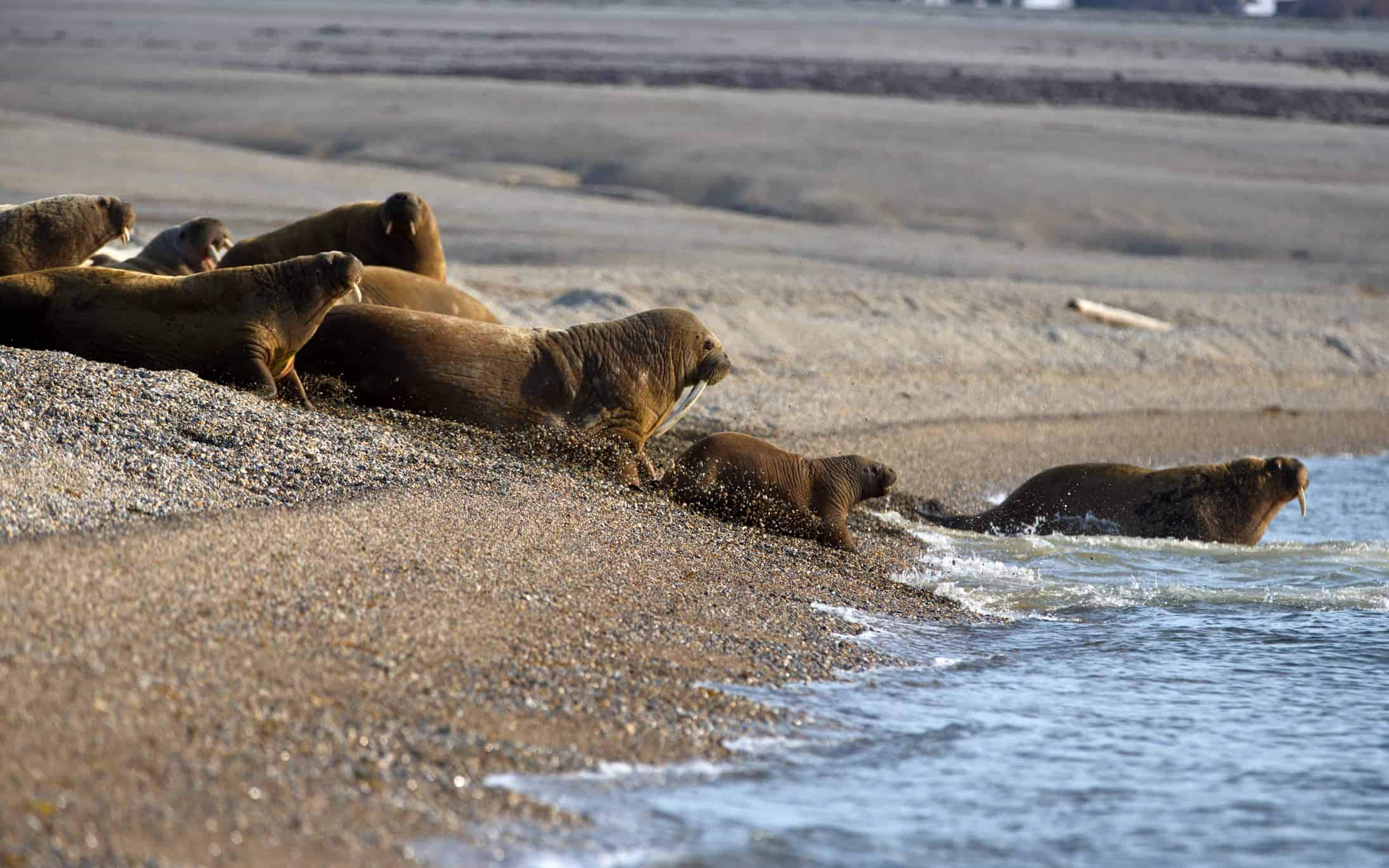
7. Walrus Islands Archeological District
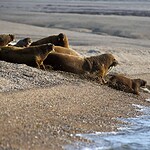
Up to 14,000 walrus have been counted daily on Round Island, one of the seven Walrus Islands.
The Walrus Islands are seven remote islands in Bristol Bay where archaeological evidence shows people have visited and lived for at least 6,300 years, dating back to around 4300 BCE. People were hunting walruses here roughly 6,000 years ago, making the district especially important for understanding early coastal life in southwestern Alaska. Round Island is still famous for its walrus haulout, with as many as 14,000 animals counted there in a single day historically. Visiting takes planning. Round Island access generally requires an Alaska Department of Fish and Game permit between May 1 and August 15, while rules for the sanctuary's other islands differ.
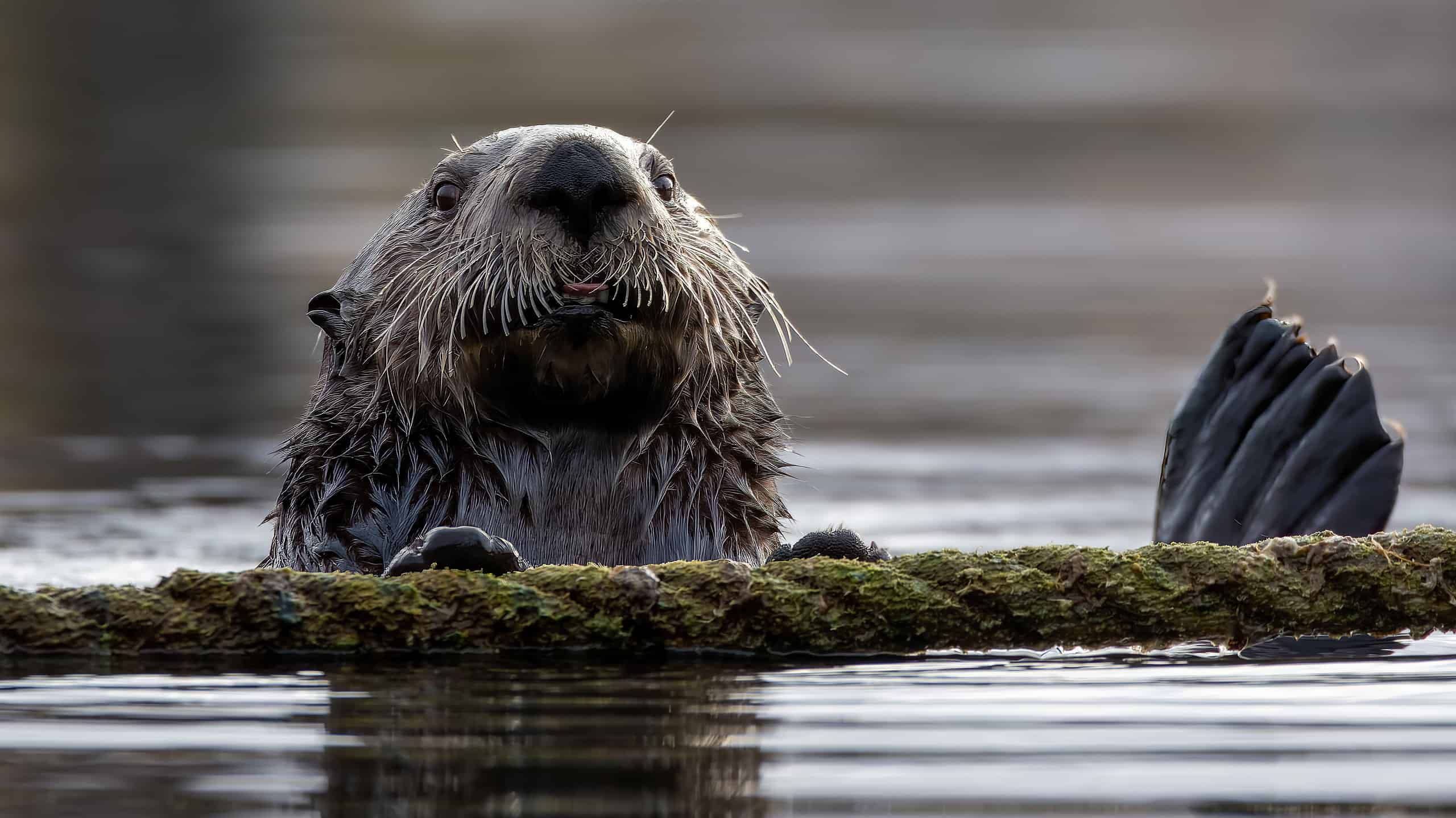
8. Yukon Island Main Site
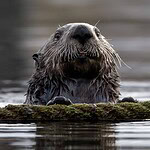
Sea otters can be spotted swimming off the coast of Yukon Island in Kachemak Bay.
Yukon Island is the largest island in Kachemak Bay, and its archaeological record reaches back roughly 4,500 years to around 2500 BCE. Excavations here were especially important to archaeologist Frederica de Laguna, whose work helped define what researchers now call the Kachemak archaeological tradition. The surrounding bay is also rich in wildlife, including sea otters, whales, porpoises, seals, and abundant fish. Harbor seals have even been documented using Yukon Island as a haulout. The island is remote rather than a conventional tourist attraction, but the private Yukon Island Center for Research and Education says it can accommodate day groups of roughly 50 to 60 people by arrangement.
9. Skagway Historic District and White Pass
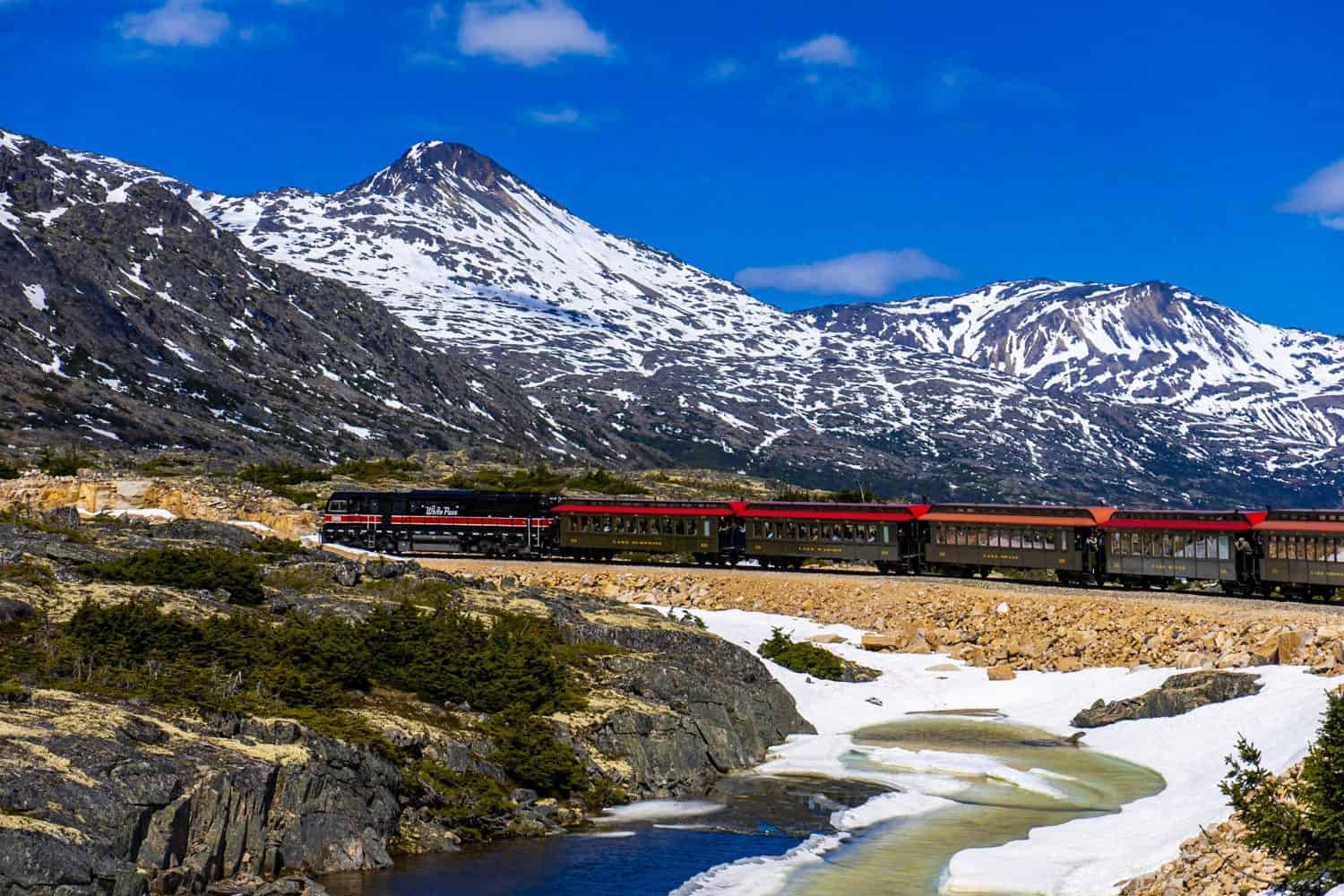
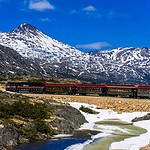
Travelers can ride the historic White Pass & Yukon Route Railroad with a backdrop of gorges, waterfalls, and sparkling rivers.
The Skagway Historic District and White Pass preserve one of the best-known gateways to the Klondike Gold Rush. Almost 100 structures from the Gold Rush era still survive in Skagway, while the historic White Pass Trail heads northeast from town for roughly 19 miles. The trail climbs to nearly 3,000 feet at the crest of White Pass, where it crosses the international boundary into Canada. It was one of the major routes prospectors used to reach the upper Yukon and Klondike goldfields beginning in the late 1890s. Today, downtown Skagway and the surrounding route make it much easier to picture just how chaotic this tiny frontier town must have been at the height of the rush.