© MagnicityTravels/Shutterstock.com
© AnatolEr/iStock via Getty Images
© MagnicityTravels/Shutterstock.com
© dave_valler/iStock via Getty Images
© Americanoid/iStock via Getty Images

© Alextov/iStock via Getty Images
© Kenneth Keifer/Shutterstock.com

© iStock.com/RAUL RODRIGUEZ
© Mathew Benjamin Brady / Public Domain
© Everett Collection/Shutterstock.com
© iStock.com/TraceRouda
© Sundry Photography/iStock via Getty Images

© SevenMaps/Shutterstock.com







Florida’s Most Haunting Abandoned Towns
Florida is best known today for crowded beaches, theme parks, retirement communities, and vacation towns built around sunshine. But long before the state became one of America’s biggest tourist destinations, much of Florida was shaped by railroads, sawmills, citrus groves, phosphate mines, cattle ranches, and small frontier settlements. Some of those communities thrived for a time, drawing workers, families, stores, churches, and schools. Then the jobs disappeared, the trains stopped coming, or disaster struck.
Florida’s abandoned towns tell a different side of the state’s history. Hurricanes, freezes, fires, economic crashes, disease, and changing industries wiped some places off the map almost entirely. Others slowly emptied out until only ruins, cemeteries, old foundations, or overgrown roads remained. There may be no proof that these forgotten places are haunted, but it is easy to see why they inspire ghost stories. A deserted Florida town, swallowed by trees and left to the heat, humidity, and storms, can feel eerie even in broad daylight.
From once-busy mill towns to settlements abandoned after natural disasters, these places offer a glimpse into the Florida that existed before the beaches and amusement parks took over the state’s image. Click through the gallery to explore some of Florida’s most haunting abandoned towns.
1. The Town of Hopewell in Hillsborough County
Originally known as Callsville when it was founded in 1870, Hopewell is one of the abandoned towns in Florida, and in its heyday, it was known for the Turner Plantation, where slaves worked. Since slavery ended and the plantation was split up, this spooky town has had very little activity. Most of the homes were overtaken by vines and trees, and it has gotten so bad that you can’t even enter them. However, there are a few left that daring tourists can go into and explore. Other than that, the only other buildings that are still open for business are Hopewell’s church and cemetery, the Hull House, and the McDonald House.
2. Fort Dade at Egmont Key State Park
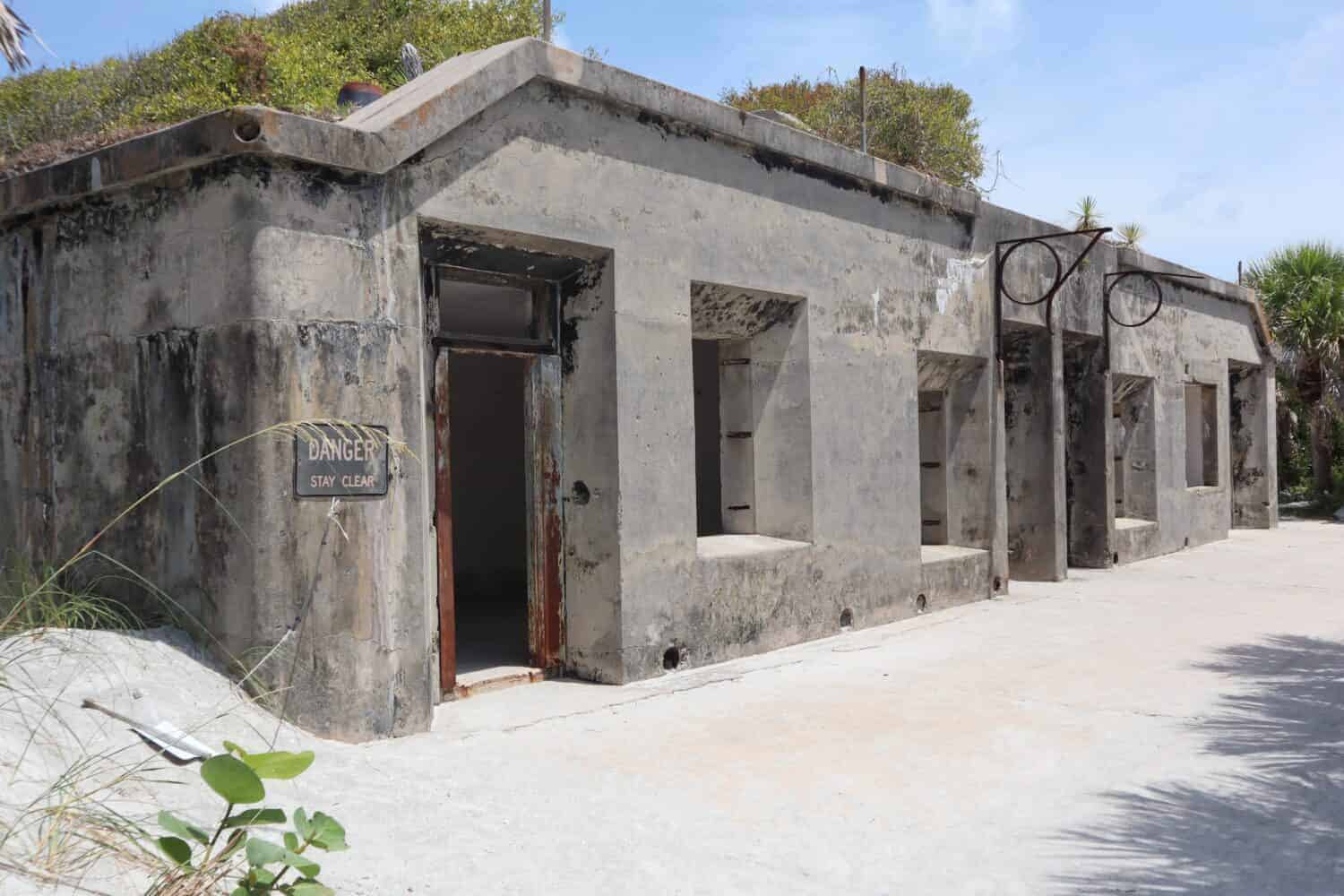
In 1898, Fort Dade, located right at the edge of Tampa Bay, was established in preparation for the upcoming Spanish-American War. When it was complete, Fort Dade had all the plush amenities that the soldiers could want, including a hospital, movie theater, tennis courts, and brick roads. All in all, 300 residents came in and out of the fort until it was deactivated in 1923. Visitors can still visit this historical sight and walk the streets, many of which are lined with brick. Today, there’s also an active lighthouse that is operated by the Coast Guard.
3. The Town of Kismet in Lake County
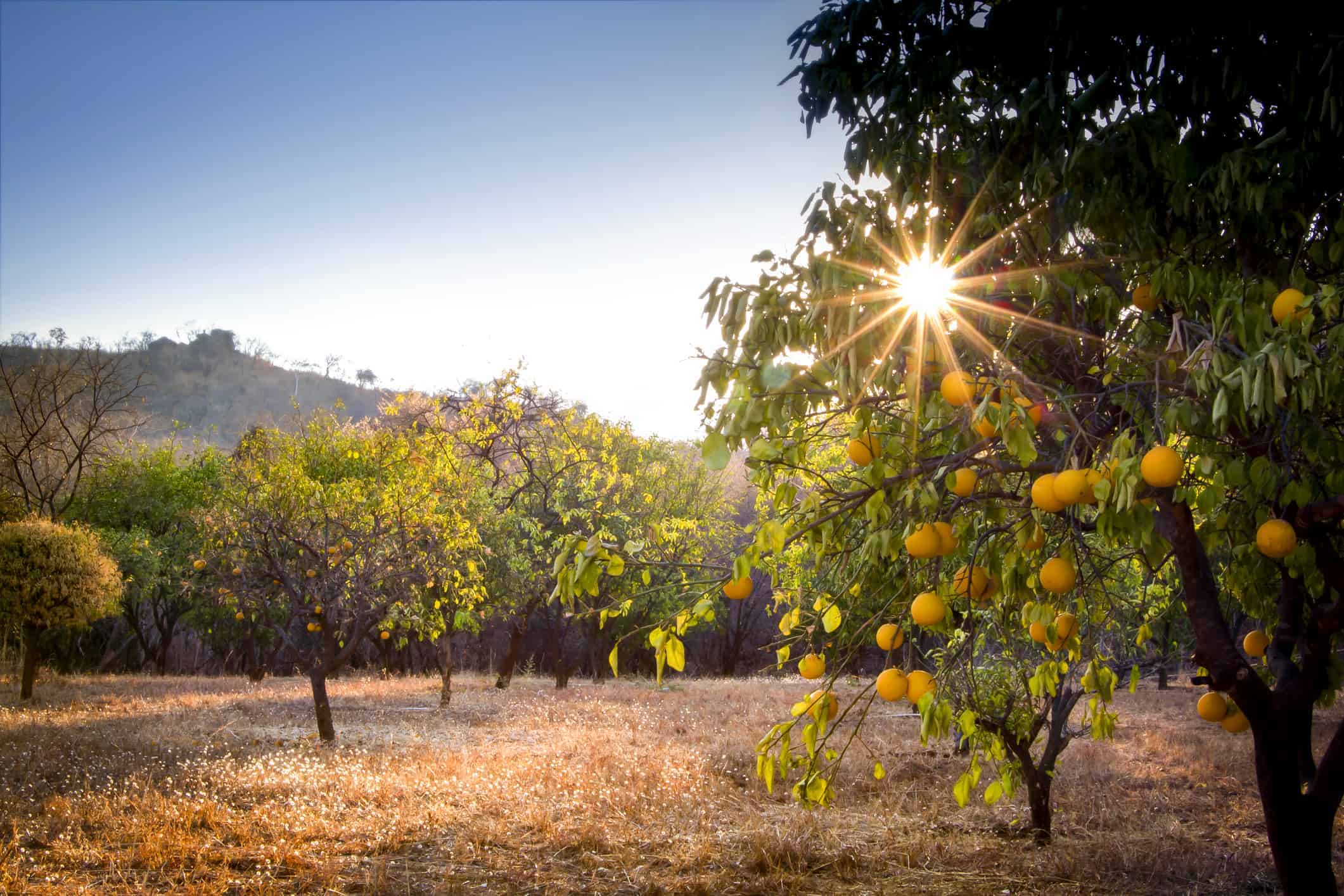
Back in the 1880s, when the citrus industry was alive and well, the town of Kismet (which was founded by the Kismet Land and Improvement Company) was one of the most thriving communities you could visit. During that time, the town was popular with workers and snowbirds, and there was a 50-room hotel where guests could stay. That was until 1889 when a great freeze came and destroyed all of its orange groves. Now, it is just another of the abandoned towns in Florida. Now, as a ghost town, there’s much less to see, and the hotel is no more. As an interesting side fact, Kismet is where Elias Disney and Flora Call, the parents of Walt Disney were married, and down the road, you can visit Walt’s grandparent's gravesite.
4. The Town of White City in Saint Lucie County
The next of the abandoned towns in Florida is White City. This whole location was based on a lie. While White City was actually founded in 1890 by a group of Danish settlers, it was in 1894, when a con man named Colonel Myers came to town and claimed that he could make the place great with the right amount of money. While he was there, he successfully swindled the town's people out of their money by taking down payments for land parcels and convincing them to let him control their life savings in his bank. However, after he tricked many people, he disappeared with their money, never to return again. Some say he still haunts the area to this day!
Already upset with how things were going, the citizens finally called it quits on White City. That was when the great freeze came through in 1984, and their crops were completely destroyed. While most people have left, there are still some structures to visit. There's an antique shop and some remaining homes from the 1900s that are there for brave explorers.
5. The Town of Capps in Jefferson County
Back around 1836, the Tungsten Plantation was a major player in Florida since it was also one of the largest manufacturers of Tung Oil (used in varnish and paint). The town of Capps was where this plantation was headquartered, and it was a bustling metropolis. Now, it is just another of the abandoned towns in Florida. However, there is still plenty to see if you visit today. Tourists can see the plantation and the Asa May House, which was owned by a wealthy cotton planter way back in 1836.
6. The Town of Ellaville in Madison County
The fancy town of Ellaville was quite the spectacle in its glory days in the 1800s. It was once the home to around 1,000 people. There were many successful people in the town, including those who worked at sawmills, logging, built railroad cars, and more. However, it all came to a screeching halt in 1895 when a horrific act took place. Two African-American men were lynched in the town. After that, the townspeople no longer considered it to be safe, and they moved away. The town is abandoned today. However, fans of spooky fun can visit and see the ruins of the sawmill, the post office, and the governor’s mansion.
7. The Town of Rollestown in Putnam County
Established by Englishman Deny Rolles back in 1767, Rollestown was put together by the indentured servants that he brought over from London. He was hoping to use them to start a farm. However, the servants didn't know anything about farming, and so the potential plantation was an immediate failure. Not one to give up, Deny Rolles then brought in more slaves to raise cattle and grow crops. That didn’t work either, and he eventually gave up and abandoned the town in 1783. Rolles returned to England, and all that’s left is another of the abandoned towns in Florida.
8. Fort Drum in Okeechobee County
Located west of the Florida Turnpike, you’ll find Fort Drum. Now one of the abandoned towns in Florida, it used to be a fort that was settled after the Civil War by people looking for jobs in the cattle industry. The fort and the town surrounding it only lasted a number of years before people realized there wasn’t a lot of work, and they moved on. Today, this is a spooky place that tourists can visit while driving through Central Florida. If you want to stop, you can visit the cemetery to see some of the people that were buried there. You can also see the original Fort Drum school, which is now an antiques shop.
9. The Town of Oslo in Indian River County
The town of Oslo was founded, established, and populated over 100 years ago by Scandinavian immigrants. The town was perhaps best known for having over 100,000 pineapple plants, and many of the citizens made a living off of that fact. In 1914, one of the citizens, Mr. Waldo Sexton established a packinghouse and citrus company, and things only got better from there.
The town had a school, post office, and its very own railroad stop. However, after World War I and the Great Depression, the pineapple industry imploded, and all of the local businesses failed, and the people moved out and moved on. One business, the Olso Citrus Growers Association, is still in operation. Still, Oslo is basically a ghost town, and you can visit and see it for yourself.
10. The Town of Yukon in Duval County
Located next to the Naval Air Station in Jacksonville, the town of Yukon was established in the 1800s in the area that is now the Tillie K. Fowler Regional Park. However, it was closed in 1963 after it was declared a flight/safety hazard. This is indeed still a ghost town, and many buildings remain, but they are abandoned. Only a few are still operational, including the Yukon Baptist Church. This is one of the most unique of the abandoned towns in Florida because it’s a dead town that happens to be located right next to the busy and bustling city of Jacksonville.
11. The Town of Hague in Alachua County
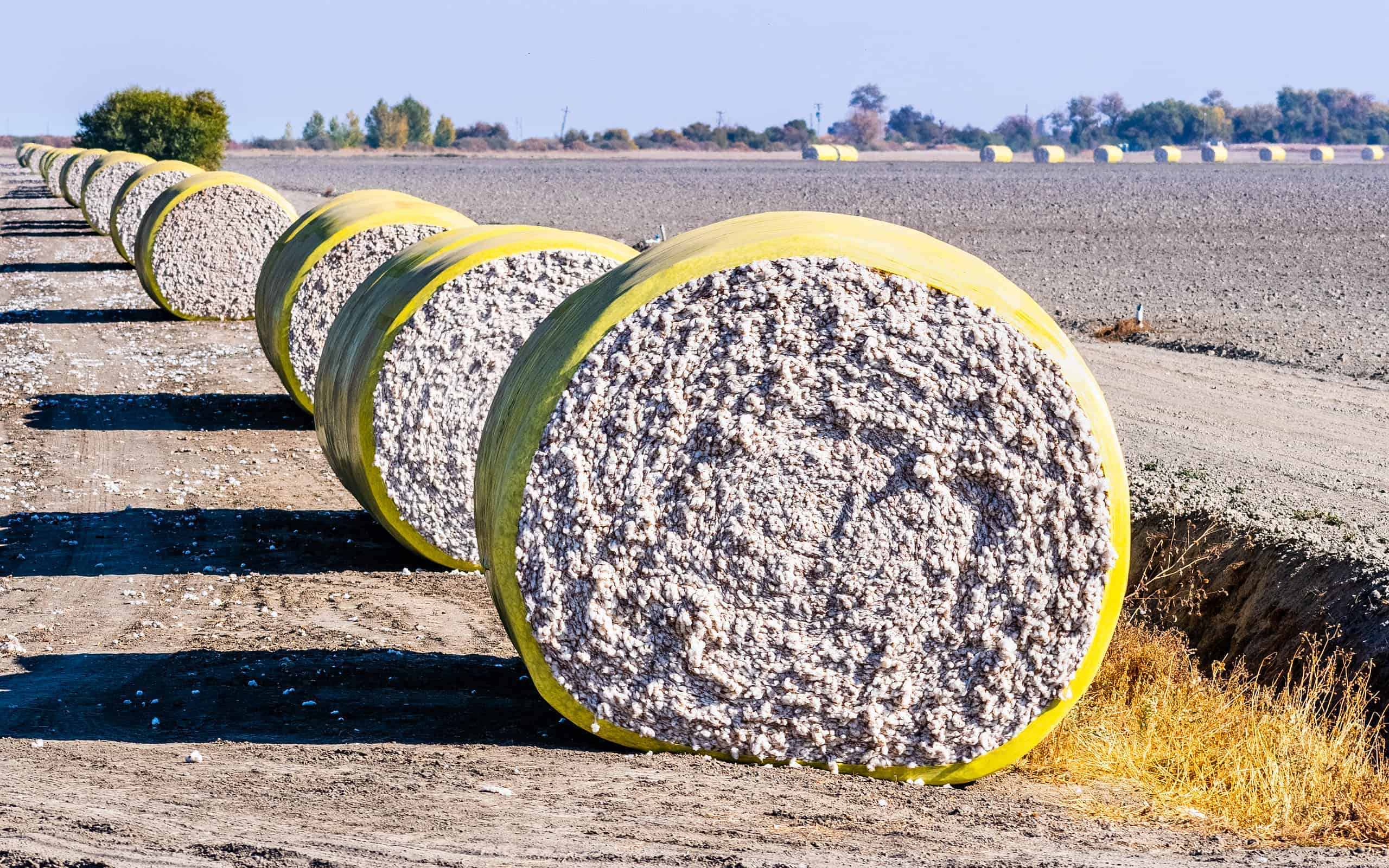
The railroad town of Hague was once a hotspot in Florida during the 1880s because of the timber industries. However, an infestation of boll weevils ruined that industry and it became a ghost town a few years later. The town had everything, including a post office, sawmill, community school, cotton mills, a commissary, and more. There’s also a Methodist church. Visit this place if you want to see what was once a bustling metropolis.
12. The Town of Slavia in Seminole County
As the name hints, this town was settled by immigrants who came from Slovakia. They came here because they wanted their kids to be raised in nice cities on farms that were away from the large, crazy cities. Back then, these attendees of the Holy Trinity Slovak Lutheran Church bought 1,200 acres of land there. However, the settlers seemingly disappeared in 1920, and no one has been back since. Today, some of the shacks they lived in still grace the land for those who visit.