Win McNamee / Getty Images

USAG-Humphreys / BY 2.0

PTPioneer / BY 2.0

Kevin C. Cox / Getty Images Sport via Getty Images

Drazen Zigic / Shutterstock.com
sun dazed / BY-SA 2.0

David Seto from Brooksville, USA / BY-SA 3.0

Jacob Gralton / BY-SA 2.0
Nick Wilson / Getty Images

USAG-Humphreys / BY 2.0
muelo-media / BY-SA 2.0
Keith Allison / BY-SA 2.0





These Star Athletes Join Trump in Reviving the Presidential Fitness Test for America's Youth
Younger generations don't remember that the Presidential Fitness Test was a longstanding national physical‐fitness assessment mandated in U.S. public middle and high schools. Beginning in the mid‑1960s, the test required students to complete multiple exercises, with top performers earning the Presidential Physical Fitness Award. However, this program was retired in 2012–13 under the Obama administration and replaced by a much less competitive program.
Well, all that is about to change. On July 31, 2025, President Trump signed an executive order officially reinstating the Presidential Fitness Test and the associated Presidential Fitness Award. The rollout also reestablished the President’s Council on Sports, Fitness and Nutrition, now overseen by Health and Human Services Secretary Robert F. Kennedy Jr. The move also means high‑profile athletes are involved, with their backing intended as encouragement in the fight against youth obesity. But what athletes are involved in this announcement, and what does this program mean for students in the U.S.?
247 Tempo utilized research and news updates from The Guardian, Associated Press, Time, Axios, and official White House fact sheets to bring you the answers. Declines in children’s health indicators leading to this decision are documented in recent public health studies. Let's look at the facts of this famous fitness test, the star athletes supporting it, and the future of health in American schools.
The Presidential Fitness Test: How it Began
The Presidential Fitness Test, originally started in the 1950s by President Eisenhower and expanded in the 1960s, became a national standard for testing students on strength, endurance, and flexibility. President Obama chose to eliminate the test in 2012-2013 in order to promote less competition and more positive interpretations of health and exercise among America's youth.
What the Test Consists Of
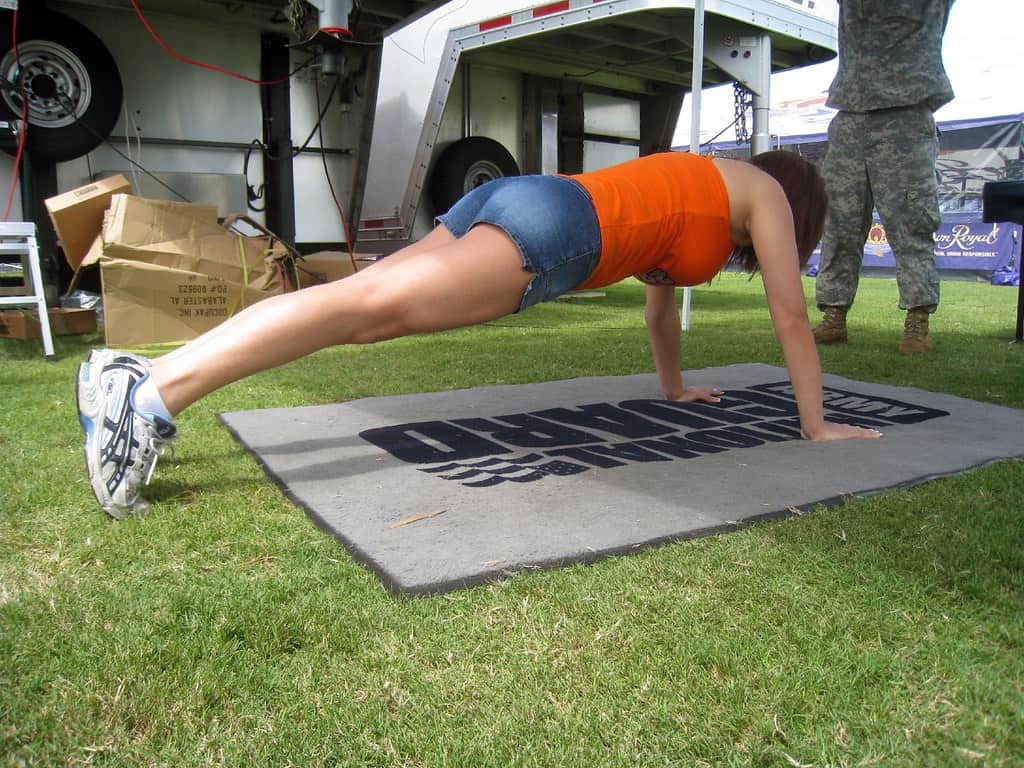
The test includes a timed one‑mile run, sit‑and‑reach flexibility tests, sit‑ups, push‑ups or pull‑ups, and shuttle runs. What's the reward? Students who score above the 85th percentile across all exercises receive a Presidential Physical Fitness Award, something viewed as elitism and inherently competition-building among students.
Trump's Executive Order
President Trump only just signed an executive order declaring the reinstatement of the Presidential Fitness Test and Award. He also reinvigorated the President’s Council on Sports, Fitness, and Nutrition. This council is designed to help guide schools and ease the transition into these more traditional education and health standards.
Concerns from Educators and Parents
Many parties have already raised concerns that the return of a competitive fitness test may lead to body shaming, humiliation, and anxiety in students who aren't confident in physical education settings. Studies performed over the decades have documented multiple negative mental health outcomes tied to comparative fitness programs like this one. Teachers and parents are advocating for support programs or alternatives for students who may find that the test does them more harm than good.
How the Test Will Happen in Schools
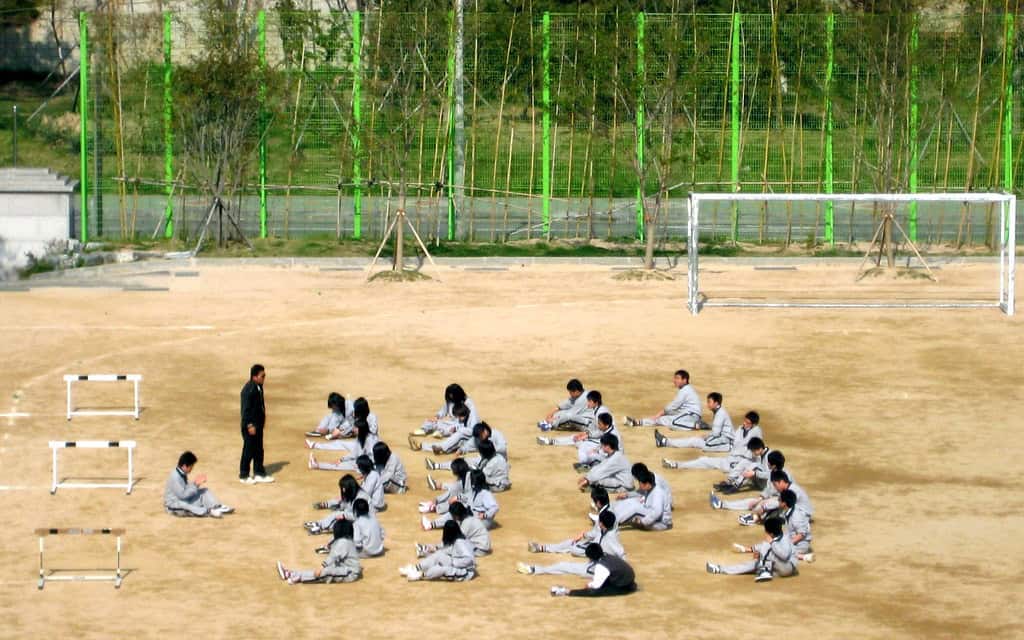
Schools will be required to administer the test at least twice per year in physical education classes. Teachers will collect all data from all students and compare their results to national percentile benchmarks to determine who qualifies for the Presidential Fitness Award.
Athletes Leading the Charge
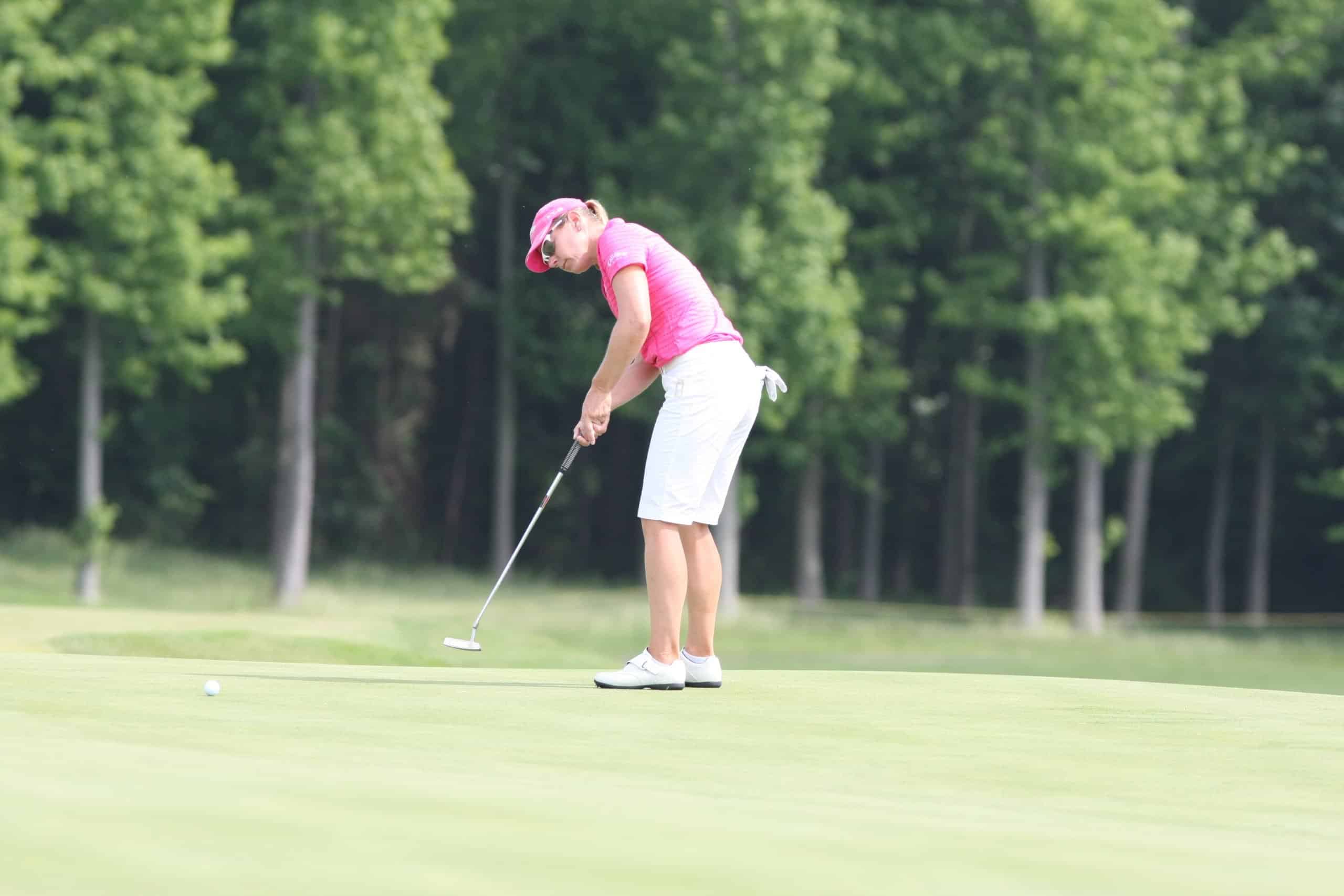
Multiple athletes were present for the announcement, including Bryson DeChambeau, Annika Sörenstam, and Triple H. DeChambeau, a U.S. Open winner, spoke about the importance of building discipline early through physical goals. Annika Sörenstam, a retired golf legend, emphasized how physical habits are ideal for building lifelong health. And Triple H, a WWE executive and wrestler, spoke to students directly about strength, focus, and perseverance, attempting to inspire them.
Why These Athletes Matter
These athletes were requested and ultimately agreed to speak in favor of the test in order to inspire youth. They come from multiple sports, but each one emphasizes training and self-discipline. Their involvement and advocacy prove to students that this test is meant to be the first step in long-term fitness values and goals. These athletes aren't done with this advocacy, either; they will also help promote other national student challenges and multiple media campaigns.
Upcoming National Events Influencing the Decision
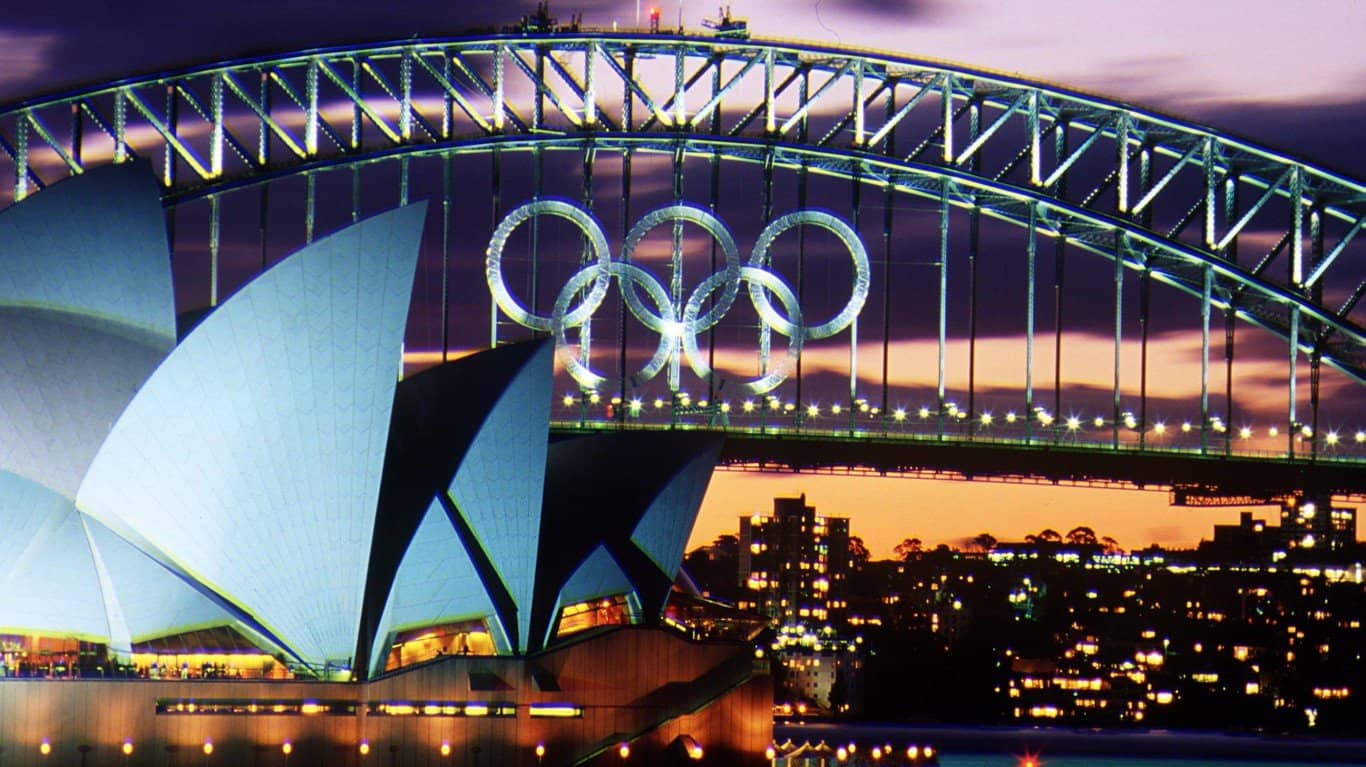
The relaunch coincides with upcoming US-hosted sporting events, including the 2026 FIFA World Cup, the 2028 Olympics, and Ryder and President’s Cup golf tournaments. Many are suggesting that the test, combined with the timing of these events, will inspire youth across the country, showing off the administration’s sports-focused, athletic agenda.
Other Youth Sports Policies
In addition to fitness testing, the administration is pressing for reforms in college athletic programs. They have promoted multiple bans on transgender athletes in sports across all types and age brackets, and schools may face new compliance issues and reporting expectations.
Potential Challenges of the Test for Schools
Currently, there are a number of potential challenges facing the reinstatement of the Presidential Fitness Test. Teachers need specific training to administer tests reliably and sensitively. Schools may also require new funding for gym equipment, athletic tracking software, and professional training for physical fitness categories. The federal government has signaled its support in vague terms, but no specific budget exists yet. It may fall on local school districts to foot the bill.
Final Thoughts on the Policy
Trump’s reinstatement returns schools to a competitive fitness model. It emphasizes national standards, awards, and national pride in physical ability. Its success will depend on teacher training, equity across districts, and safeguarding student wellbeing. The broader context includes larger shifts in sports policy and education standards.