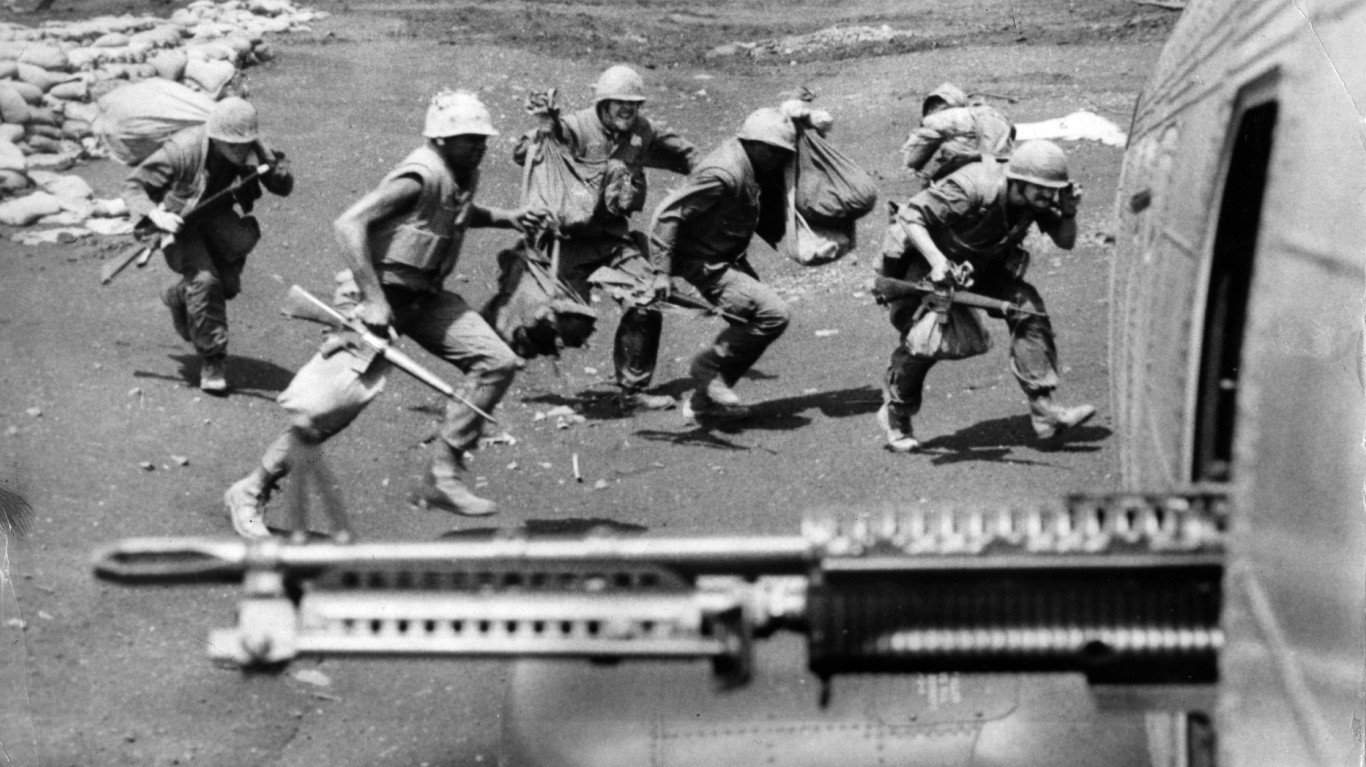
Keystone / Hulton Archive via Getty Images
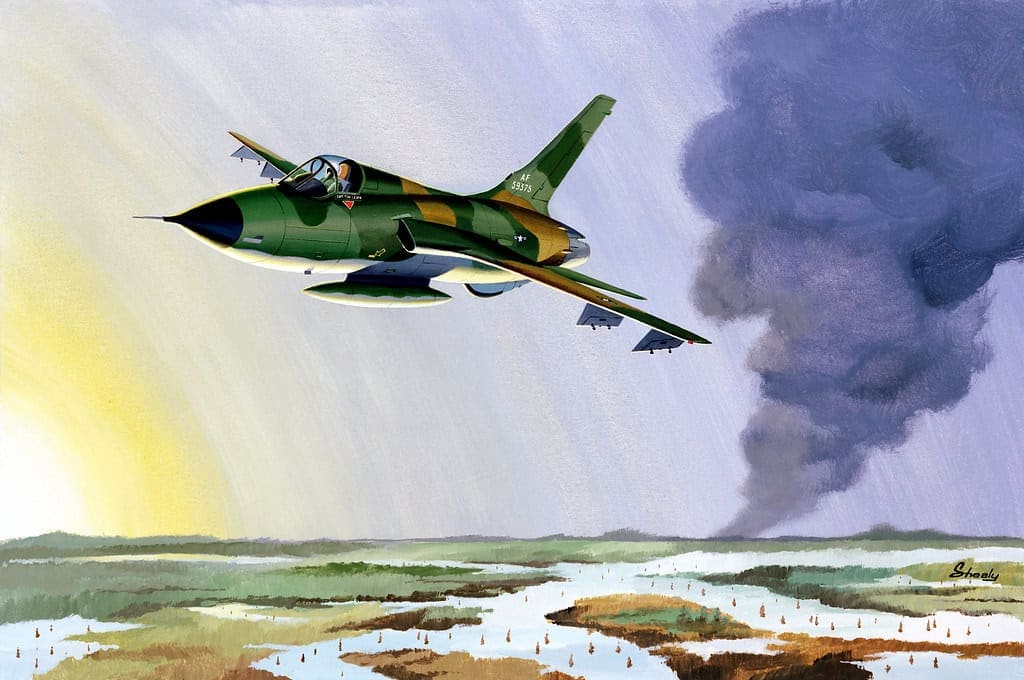
"Vietnam War" by expertinfantry is licensed under BY 2.0.
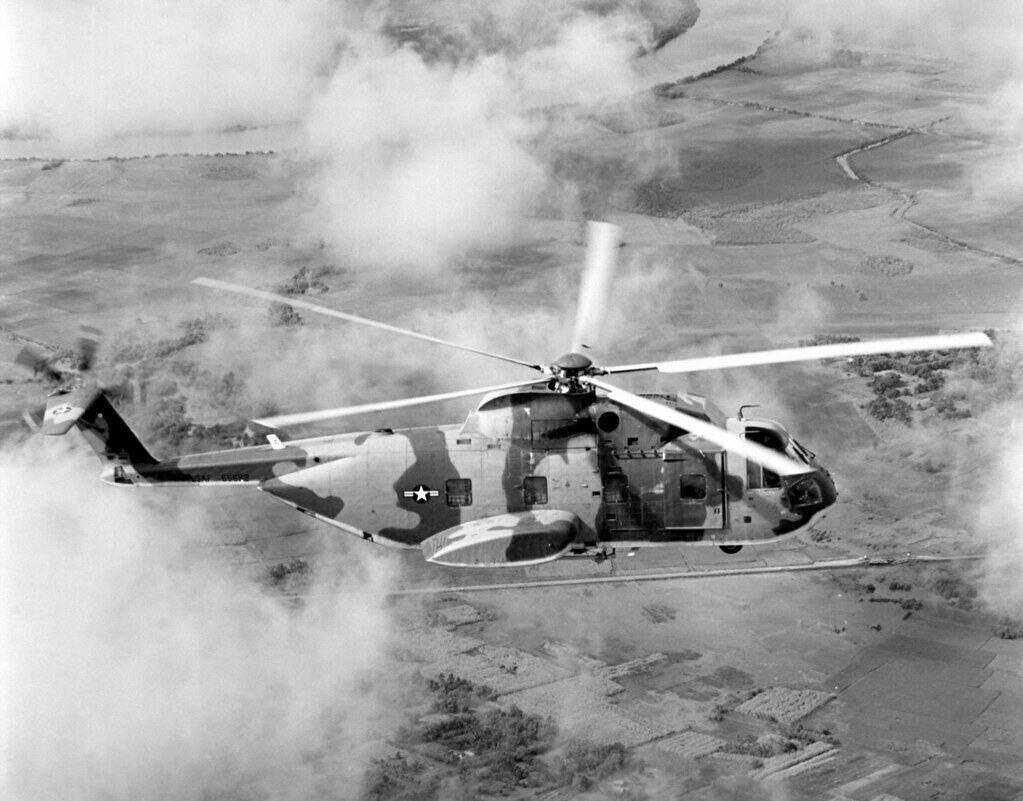
"Vietnam War" by expertinfantry is licensed under BY 2.0.
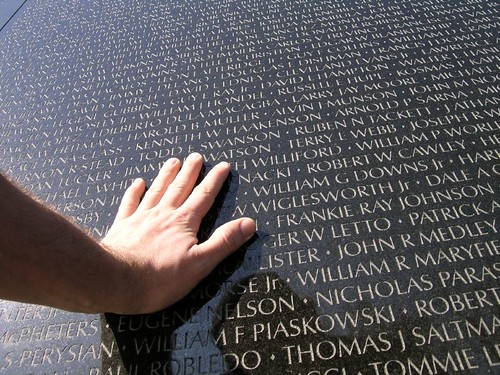
"Vietnam Memorial" by zieak is licensed under BY 2.0.
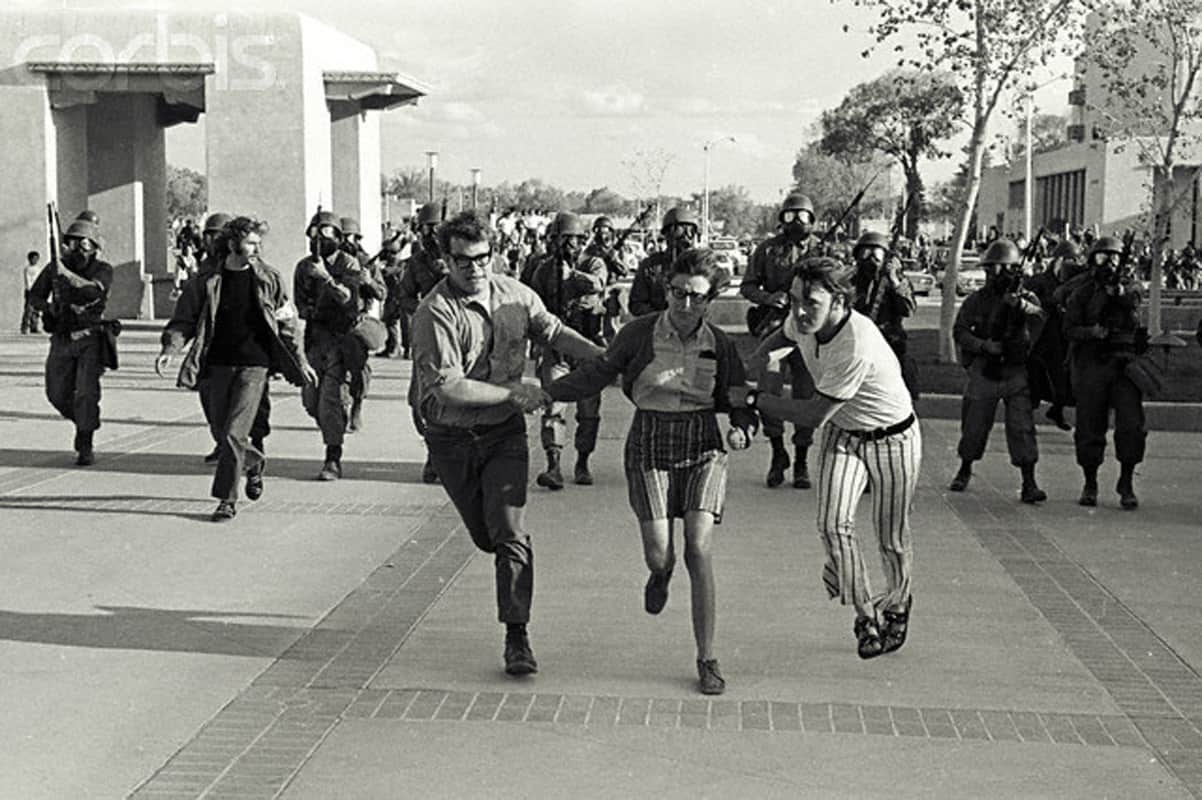
TommyJapan1 / Flickr
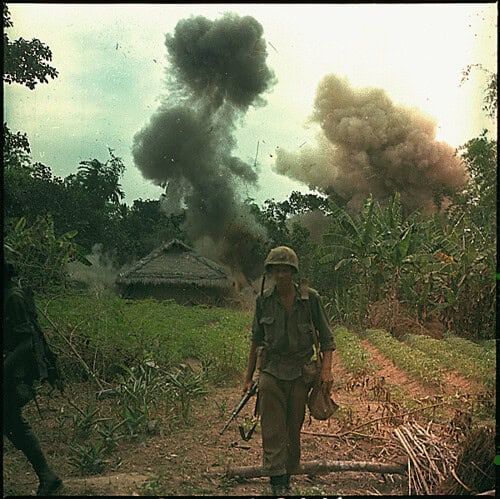
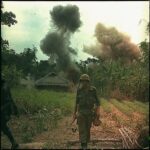
"Operation Georgia - Marines blow up bunkers and tunnels used by the Viet Cong" by expertinfantry is licensed under BY 2.0.
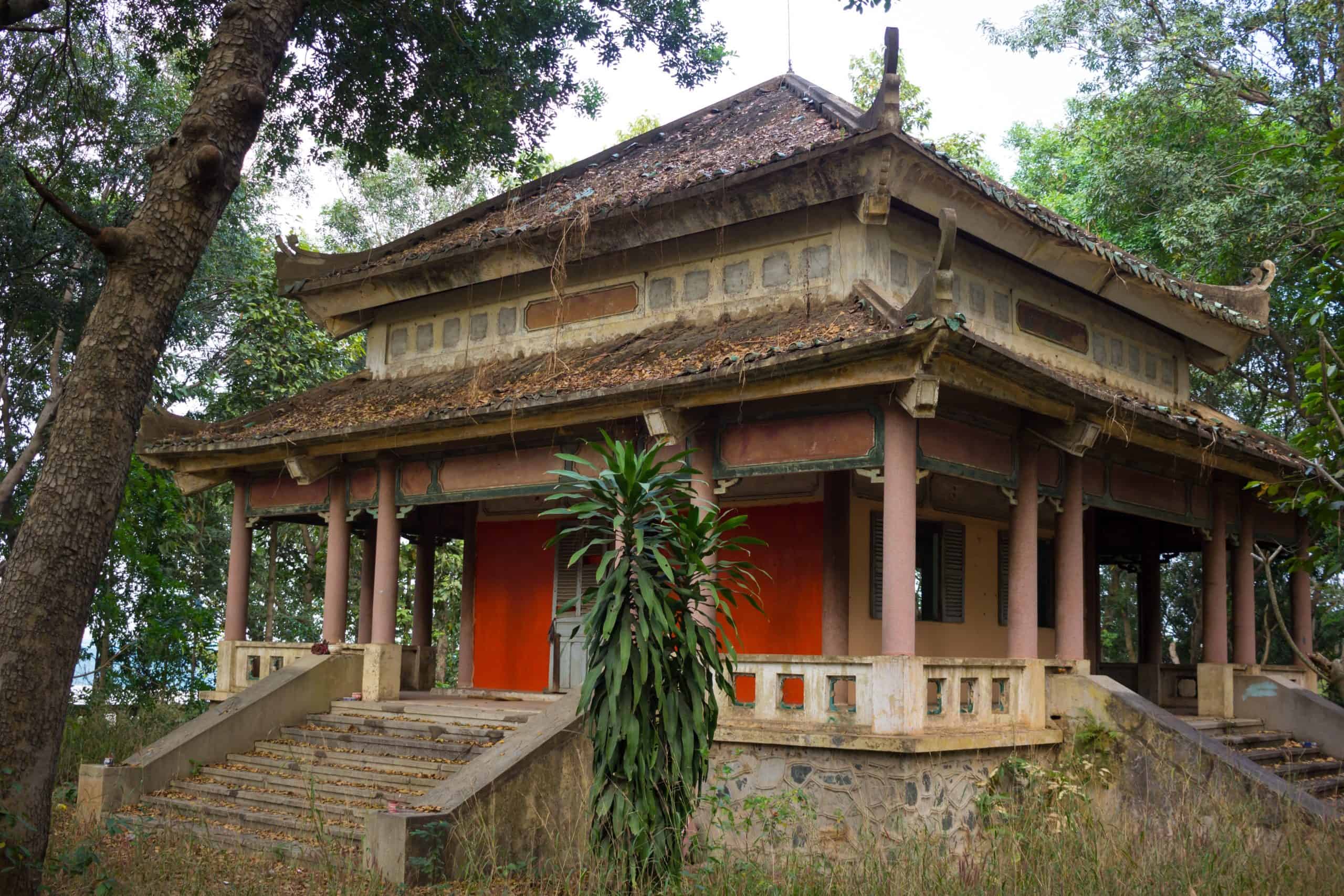
Dan Campbell/Shutterstock.com
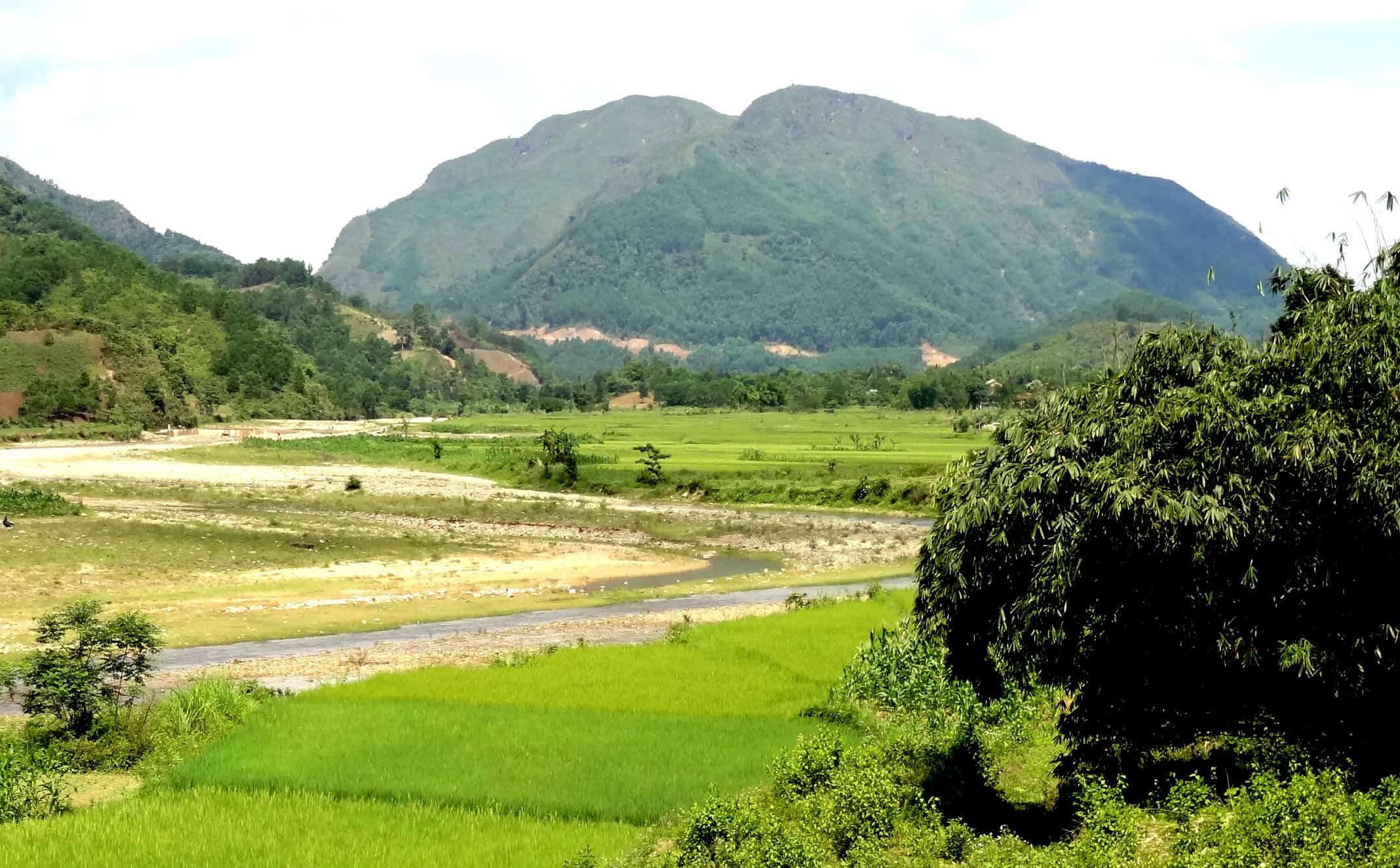
"Hamburger Hill 2" by Bác Trâu is licensed under BY-SA 3.0.
manhhai / flickr
Triff/Shutterstock.com

manhhai / Flickr
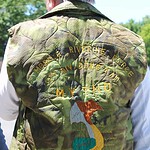
"Vietnam Vet" by sarahstierch is licensed under BY 2.0.
gudi&cris / BY-ND 2.0
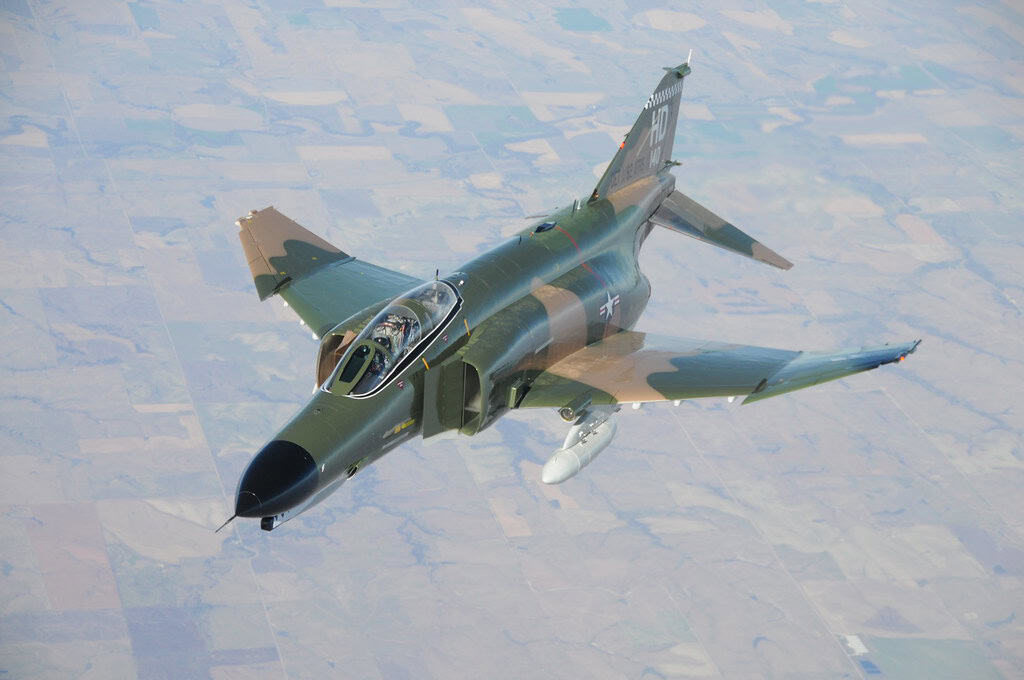
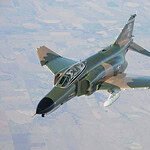
"McDonnell Douglas F-4 'Phantom II'" by aeroman3 is licensed under PDM 1.0.
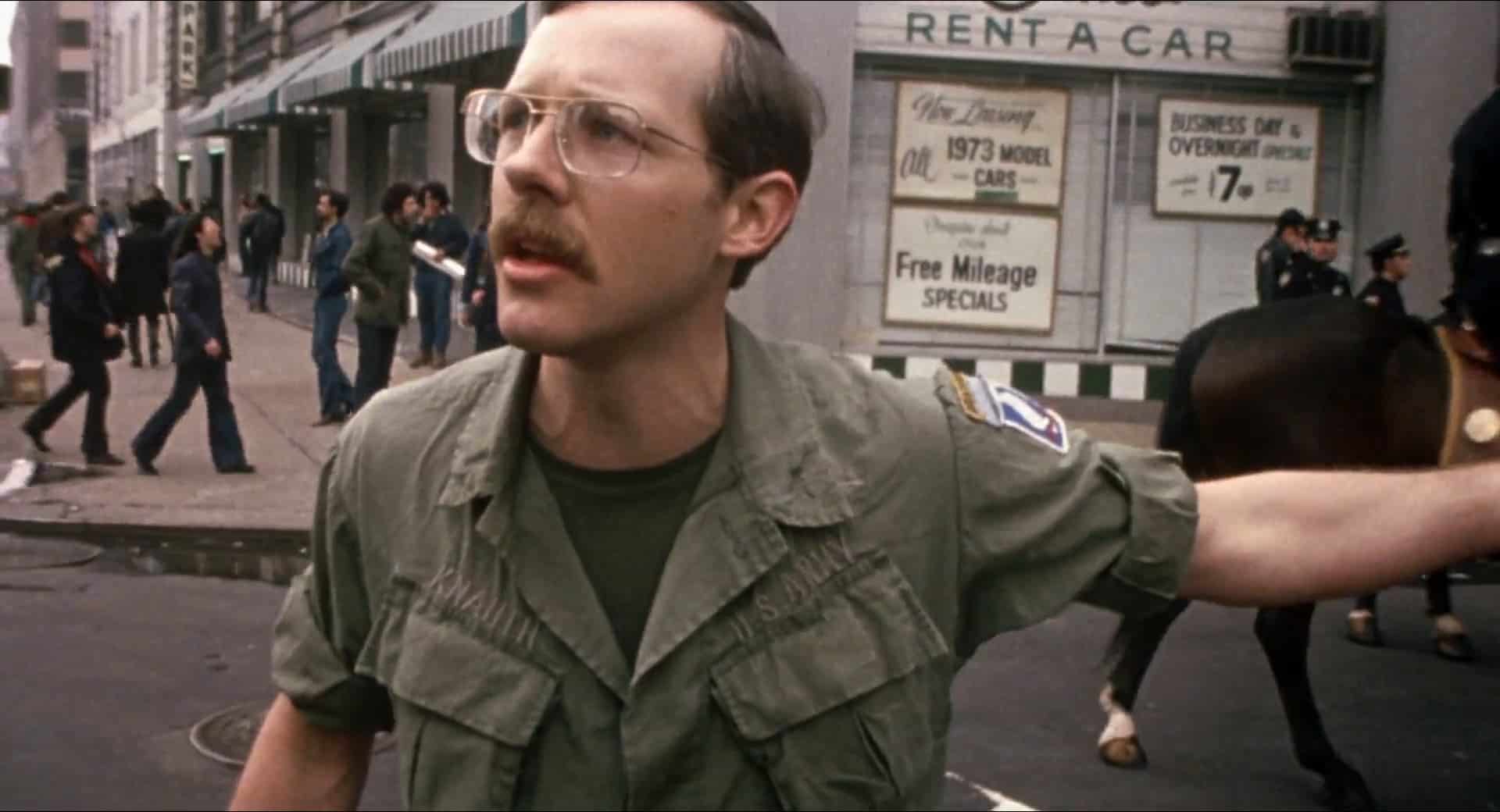
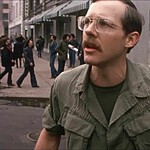
Courtesy of Warner Bros
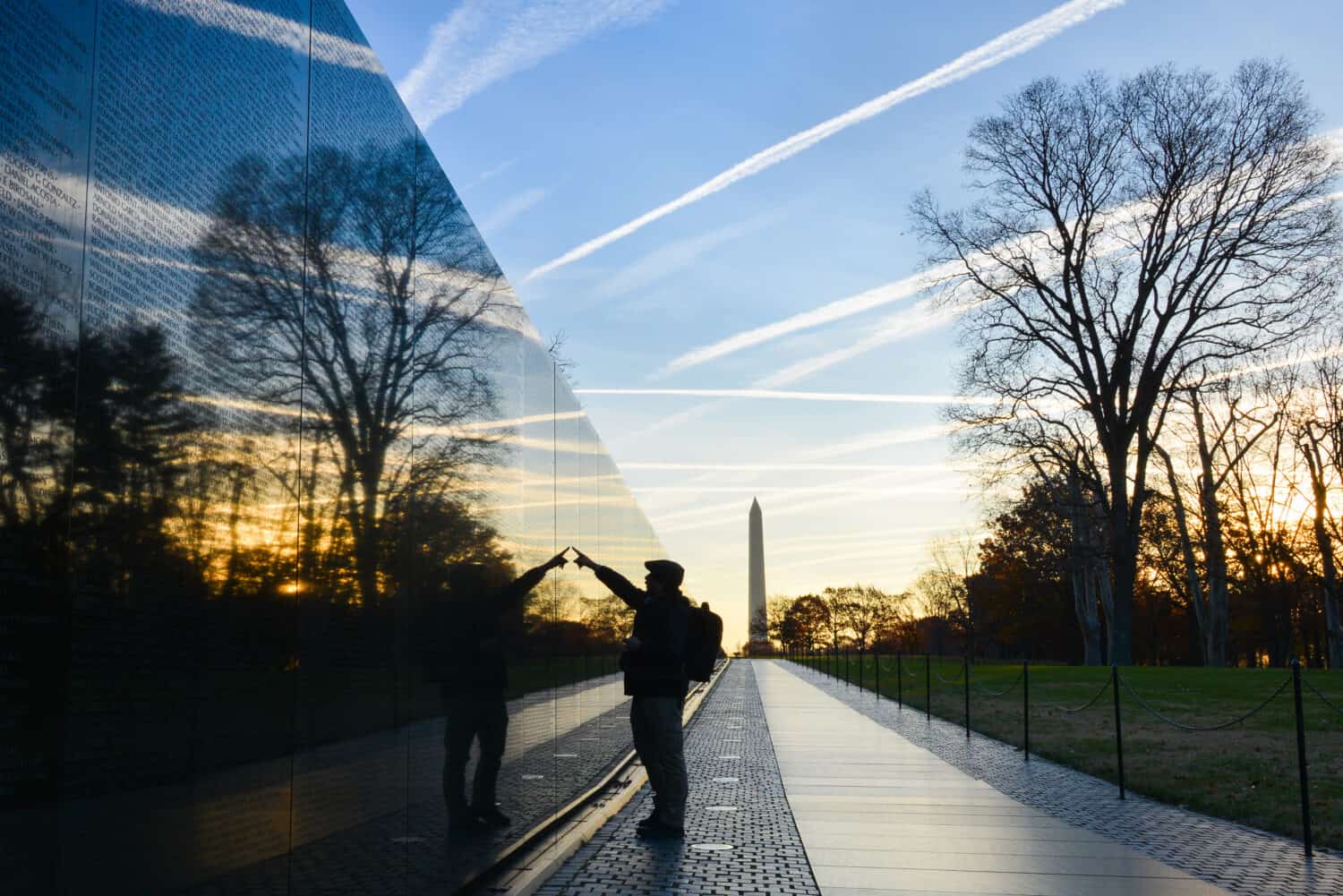
Orhan Cam/Shutterstock.com


15 Vietnam War Myths That Need Clearing Up
More than 50 years after the Vietnam War ended, Americans are still debating what happened, why it happened, and what the United States could have done differently. And while there's nothing wrong with debating history, some of the most familiar stories about Vietnam aren't nearly as straightforward as we've been led to believe.
Movies, protest-era photographs, political arguments, and decades of retelling have helped shape how we remember the conflict. But somewhere along the way, important details have gotten lost. Some popular claims are simply wrong. Others contain a grain of truth that's been stretched so far it barely resembles what actually happened.
From the draft and the average age of American casualties to the fall of Saigon and the treatment of returning veterans, these 15 Vietnam War myths deserve a closer look. The goal isn't to rewrite history or diminish anyone's service. It's to separate what the historical record actually tells us from what popular culture has encouraged us to believe.
1. Most U.S. Troops in Vietnam Were Drafted
When people picture American soldiers fighting in Vietnam, they often imagine young men who were drafted against their will and shipped halfway around the world. The draft certainly played an enormous role in the war, but most U.S. service members who served in Vietnam actually entered the military through enlistment rather than being inducted directly through Selective Service.
That distinction comes with an important catch. Some men enlisted specifically to avoid being drafted, hoping to choose a military occupation or branch of service instead of leaving their future to chance. So while roughly two-thirds of those who served in Vietnam weren't draftees, that doesn't mean every one of them volunteered out of enthusiasm for the war. The draft also disproportionately affected certain communities, and the men sent into frontline combat weren't necessarily representative of the military as a whole.
2. Only Poor and Uneducated Americans Fought
Vietnam-era soldiers are sometimes portrayed as men who had few educational opportunities and even fewer alternatives to military service. That's an oversimplification. Americans from a wide range of educational, economic, and professional backgrounds served in the conflict, including college graduates and men who pursued careers in the military.
But here's where the story gets complicated. The draft wasn't equally burdensome for everyone. College deferments, medical exemptions, and other provisions could make it easier for some young men to avoid induction. Those advantages weren't necessarily available to people from lower-income households. It's therefore inaccurate to suggest that only poor or poorly educated Americans fought, but it's just as misleading to claim that wealth and educational opportunity had nothing to do with who served. Both realities can be true, and understanding the difference matters.
3. The Average American Killed in Vietnam Was 19
The number 19 has become almost inseparable from popular descriptions of the Vietnam War. It captures the tragedy of sending very young Americans into combat, and there's no question that thousands of teenagers died during the conflict. But the widely repeated claim that the average American killed in Vietnam was 19 doesn't match the casualty records.
An analysis of approximately 58,000 fatality records found an average age at death of 23.11 years. Among enlisted personnel who died, the average was about 22.4. Those figures don't make the losses any less devastating. Many of the men were barely beginning their adult lives, while others left behind spouses, children, and established careers. The distinction is simply that the average age of those who died was several years older than the popular 19-year-old figure suggests.
4. The United States Didn't Really Lose the War
Few arguments about Vietnam generate more disagreement than whether the United States actually lost. One familiar explanation is that American troops withdrew in 1973, two years before the fall of Saigon, so the eventual defeat of South Vietnam shouldn't count as an American military loss. But that argument leaves out the larger purpose of U.S. involvement.
The United States committed military forces, equipment, money, and political support to preserve an independent, noncommunist South Vietnam. American forces achieved numerous tactical victories, and the Paris Peace Accords allowed U.S. combat troops to withdraw in 1973. But fighting continued, and North Vietnamese forces captured Saigon on April 30, 1975, bringing an end to the South Vietnamese government. Whether someone describes that outcome as a military defeat, a political failure, or a strategic loss, the central American objective was not achieved. Winning battles and winning a war aren't necessarily the same thing.
5. The Viet Cong Were Just a Small Band of Guerrillas
Hollywood has helped popularize the image of a handful of poorly equipped guerrillas fighting an enormously powerful American military. There were certainly small guerrilla units operating throughout South Vietnam, but the Viet Cong were part of a much larger and more organized communist war effort.
The term Viet Cong generally refers to the communist-led insurgency in South Vietnam, associated with the National Liberation Front and its armed forces. These included local guerrillas, political networks, and larger organized military formations. North Vietnam provided leadership, training, personnel, supplies, and logistical support, while its own regular army fought major battles throughout the conflict. The Soviet Union and China also supplied significant military assistance to North Vietnam. It's important not to confuse the Viet Cong with the North Vietnamese Army, but neither should be dismissed as a loosely organized collection of fighters armed with little more than determination.
6. South Vietnamese Soldiers Were Unwilling to Fight
The Army of the Republic of Vietnam, commonly known as ARVN, hasn't always received a particularly flattering portrayal in American movies and popular histories. It's often depicted as poorly trained, corrupt, or unwilling to fight without American troops doing most of the work. While serious problems existed within the South Vietnamese military, those shortcomings don't tell the whole story.
South Vietnamese troops fought in major battles throughout the war, including the 1968 Tet Offensive and the defense of An Lộc during North Vietnam's 1972 Easter Offensive. At An Lộc, South Vietnamese forces resisted a major North Vietnamese assault with crucial American air support. Some ARVN units performed effectively under extreme pressure, while others struggled with poor leadership, desertion, inadequate supplies, and political interference. The military's collapse in 1975 was real, but it doesn't erase the courage or sacrifices of the South Vietnamese soldiers who fought for years before it happened.
7. The Vietnam War Was Mostly Small-Scale Skirmishes
Because Vietnam is so closely associated with guerrilla warfare, it's easy to imagine a conflict dominated entirely by patrols, ambushes, and brief exchanges of gunfire in the jungle. Those operations were certainly part of the war, but they existed alongside major conventional battles involving thousands of troops, aircraft, artillery, and armored vehicles.
The Battle of Ia Drang in 1965, the fighting around Huế during the 1968 Tet Offensive, and the 1969 assault on Hamburger Hill all demonstrate how intense the ground war could become. North Vietnam's Easter Offensive in 1972 involved large-scale conventional attacks supported by tanks and artillery. However, the claim that every American soldier experienced constant combat is also misleading. Exposure varied enormously depending on a person's assignment, location, and time in Vietnam. The war was brutal, but no single combat statistic can accurately describe every service member's experience.
8. The Fall of Saigon Was a Retreat by the U.S. Army
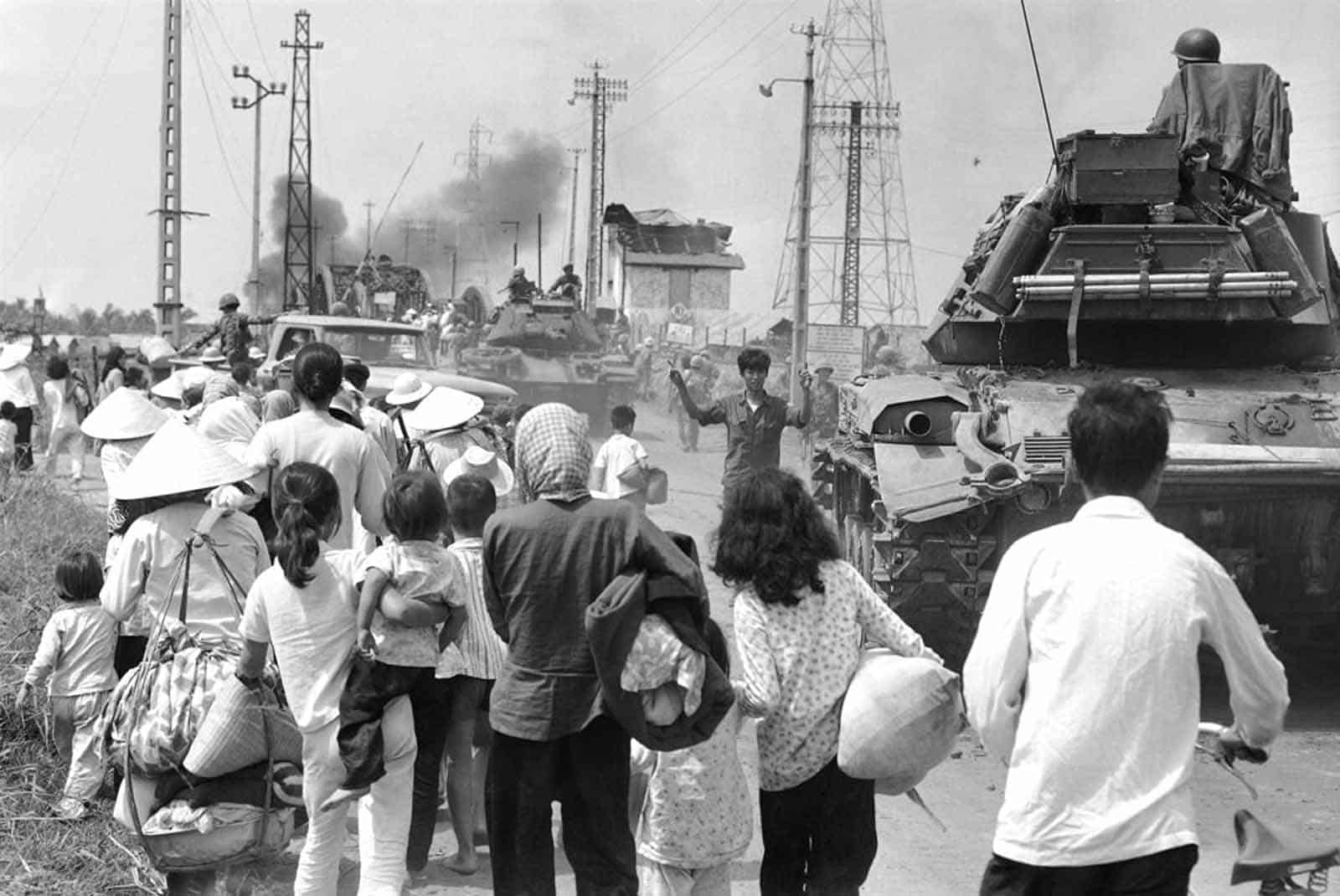
Images of helicopters lifting people from rooftops during the fall of Saigon have become some of the most recognizable photographs of the Vietnam War. They're often treated as scenes of an American army fleeing a battlefield. But the major withdrawal of U.S. combat forces had already taken place following the 1973 Paris Peace Accords.
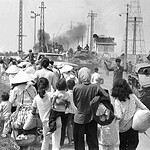
By April 1975, the remaining Americans in Saigon included diplomats, contractors, military security personnel, and other support staff. As North Vietnamese forces approached the capital, the United States launched Operation Frequent Wind, an enormous helicopter evacuation that carried out thousands of Americans, South Vietnamese civilians, and other foreign nationals. U.S. Marines provided security, and several American service members died during the final evacuation period. The operation was dangerous, and many South Vietnamese who wanted to escape were left behind. But it wasn't the retreat of a large American combat army. It was the final, desperate evacuation from a collapsing allied capital.
9. Communism Swept Across All of Southeast Asia
The domino theory was a major influence on American Cold War policy. The basic concern was that if one country fell under communist control, its neighbors might follow. The communist victories in Vietnam, Laos, and Cambodia in 1975 appeared to support at least part of that prediction.
But the rest of Southeast Asia didn't simply follow the same path. Thailand, Malaysia, Singapore, Indonesia, and the Philippines remained outside communist control, although each experienced its own political challenges and regional pressures. Cambodia's subsequent history under the Khmer Rouge was also very different from that of Vietnam or Laos. The lesson isn't that American policymakers were entirely right or wrong about every regional consequence. It's that the political future of Southeast Asia couldn't be explained by a simple line of falling dominoes. Each country had its own history, political movements, and circumstances shaping what happened next.
10. Race Had No Effect on Who Bore the Burden
The Vietnam War unfolded during the civil rights movement, and questions about racial inequality extended into the military. One oversimplified argument suggests that because Black service members didn't account for a majority of American war deaths, concerns about unequal sacrifice must have been exaggerated. That's not how the historical record should be interpreted.
National Archives casualty records identify more than 7,200 Black American service members among the approximately 58,000 U.S. military fatalities associated with the conflict. But looking only at the overall total misses important changes during the war. Congressional research notes that from 1961 through 1966, Black Americans represented approximately 11% of the general population but accounted for nearly one-quarter of enlisted Army personnel losses in Vietnam. Those disparities became part of a much broader debate over military assignments, draft policies, and equal treatment. The numbers require historical context, not a convenient one-sentence explanation.
11. Most Vietnam Veterans Returned Home Addicted to Drugs
Drug use among American troops in Vietnam was a serious problem, particularly during the later years of the war. But the popular image of an entire generation of veterans returning home permanently addicted to heroin doesn't accurately reflect what researchers found.
In a landmark study involving soldiers who returned from Vietnam in 1971, researchers found that narcotic use had been surprisingly common. Approximately 20% of the general sample reported experiencing opiate addiction while serving overseas. However, rates of continued use and addiction dropped sharply after those soldiers returned to the United States. Later research found that only a small fraction became re-addicted to heroin during the first year back. That doesn't minimize the genuine addiction, mental health, and readjustment challenges many veterans faced. It does show why applying the same stereotype to millions of returning service members is both unfair and historically inaccurate.
12. Removing Military Restrictions Would Have Guaranteed Victory
One of the most persistent arguments about Vietnam is that American forces could have won if political leaders had simply allowed the military to fight without restrictions. It's an appealing explanation because it suggests the outcome could have changed with one straightforward decision. Unfortunately, history rarely works that neatly.
American commanders operated under political and military restrictions, including limits intended to reduce the risk of a much larger confrontation with China or the Soviet Union. But the United States also conducted extensive ground operations and enormous bombing campaigns. Additional military force might have changed particular battles or negotiations, but whether it could have delivered a lasting political victory is a counterfactual that historians cannot prove. North Vietnamese determination, South Vietnam's political stability, civilian casualties, and the challenge of maintaining public support all mattered. The war wasn't simply a contest to see which side could drop the most bombs.
13. American Aircraft Dropped the Napalm That Burned Kim Phúc
The photograph of nine-year-old Phan Thị Kim Phúc fleeing a napalm attack is one of the most haunting images of the Vietnam War. Taken near Trảng Bàng on June 8, 1972, it captured the terrible consequences of an airstrike that injured civilians, including children.
But there's an important detail that's frequently misunderstood. The aircraft responsible for the napalm strike belonged to the South Vietnamese Air Force, not the United States military. It was a devastating friendly-fire attack during fighting involving South Vietnamese forces and North Vietnamese troops. That distinction doesn't excuse the tragedy, and it certainly doesn't mean American forces never used napalm during the war. They did. It simply means the specific strike that injured Kim Phúc wasn't carried out by American pilots. Getting that detail right is important, particularly when discussing a photograph that has become such a powerful symbol of the conflict's human cost.
14. Antiwar Protesters Universally Hated Returning Veterans
Few images of the Vietnam era have endured quite like the story of a returning American soldier being insulted or spat upon by an angry antiwar protester. Some veterans have described hostile encounters after returning home, and the divisions surrounding the war were certainly real. But the familiar depiction of an antiwar movement united in its hatred of service members doesn't hold up to closer examination.
Opposition to the war came from students, religious leaders, civil rights activists, military families, and veterans themselves. Organizations such as Vietnam Veterans Against the War became prominent voices in the protest movement. Historians have also challenged the evidence behind the often-repeated narrative of organized crowds spitting on returning troops at airports. That doesn't mean every negative encounter can be dismissed or that returning veterans always received the support they deserved. It means opposition to a war and hostility toward the people who fought it were not automatically the same thing.
15. Missing American Service Members Were All Secretly Held as POWs
The fate of Americans who never returned from the Vietnam War remains one of its most painful and complicated legacies. During Operation Homecoming in 1973, 591 American prisoners of war were returned to U.S. control. But thousands of other service members remained unaccounted for, leading to decades of questions about whether some prisoners had been left behind.
A Senate investigation completed in 1993 found no compelling evidence establishing that Americans remained alive in captivity in Southeast Asia, although it acknowledged unresolved cases and the possibility that some prisoners had survived beyond the expected repatriation period. The committee also identified serious shortcomings in the government's handling of missing-personnel investigations. Today, more than 1,500 Americans associated with the Vietnam War remain unaccounted for, according to the Defense POW/MIA Accounting Agency. But missing or unaccounted for doesn't automatically mean someone survived as a prisoner. The search for answers continues, and for the families involved, the distinction is far more than a matter of historical debate.