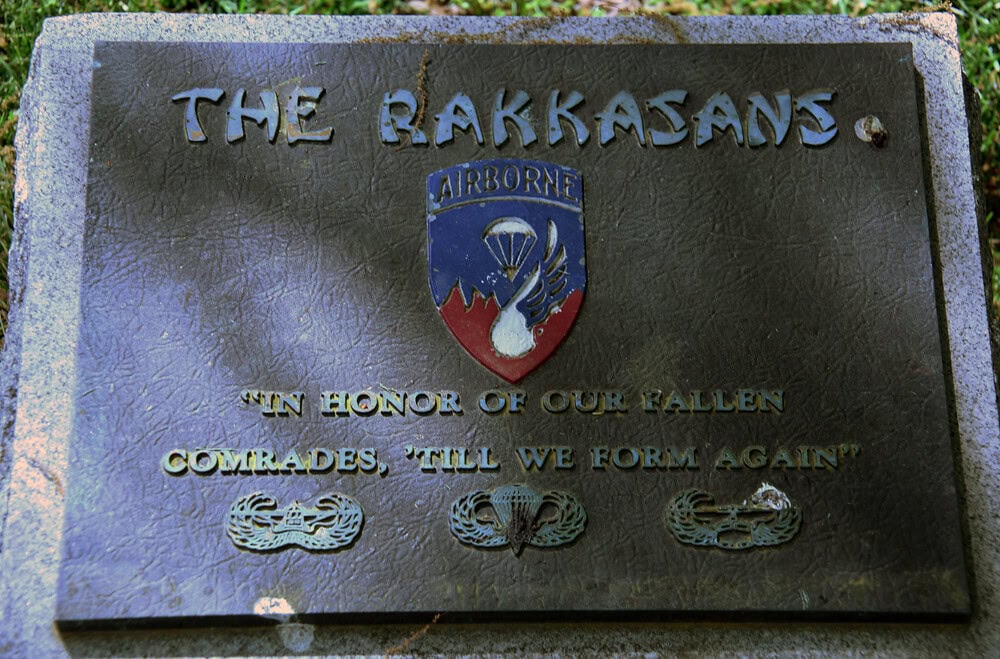
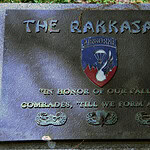
"Rakkasans memorial - Arlington National Cemetery - 2012" by Tim Evanson is licensed under BY-SA 2.0.

"Commemorative plate Ghost Army Bettembourg 2024-05" by Zinneke is licensed under BY-SA 4.0.

"Monuments Men, Neuschwanstein Castle, Germany, 1945" by BM . is licensed under BY-SA 4.0.
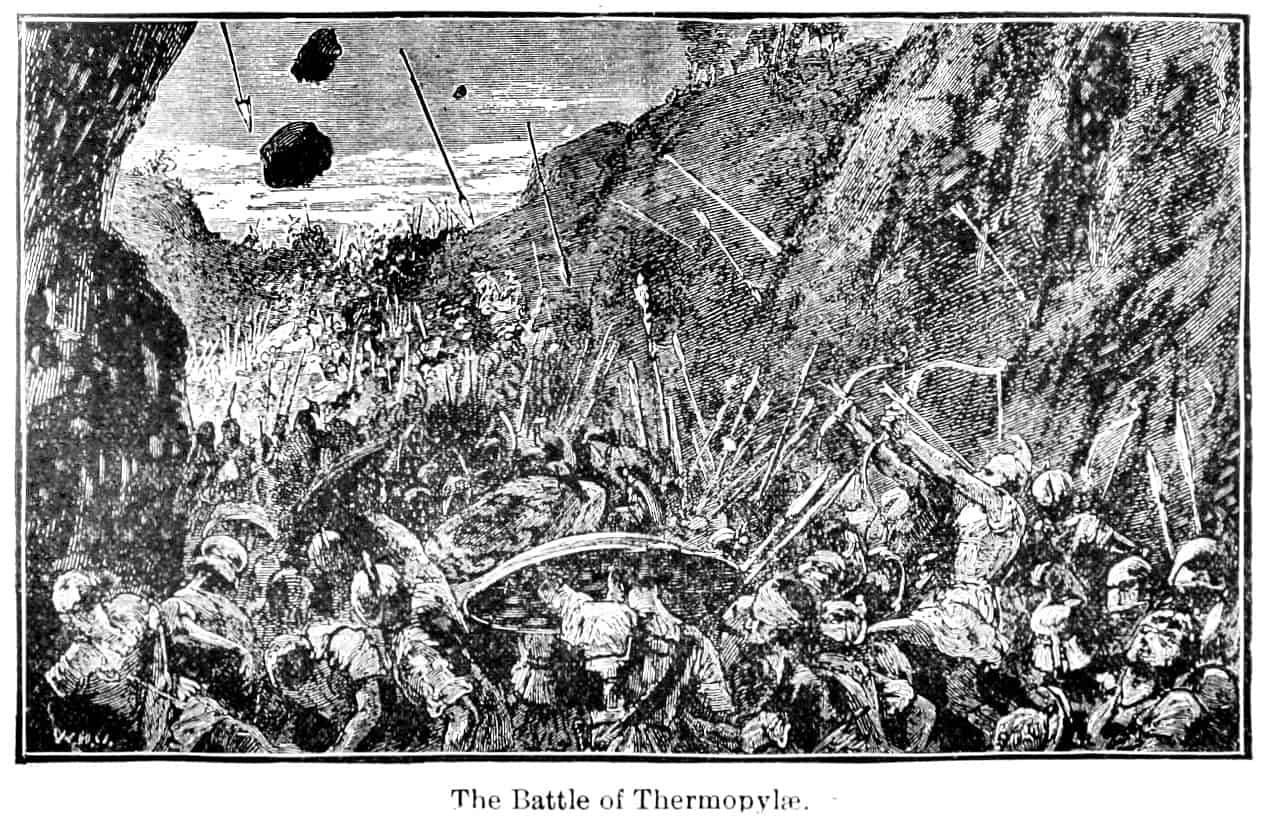
Jacob Abbott / Public domain

"Monument to king Frederick William IV of Prussia (1840-1861 )" by Vitold Muratov is licensed under BY-SA 4.0.
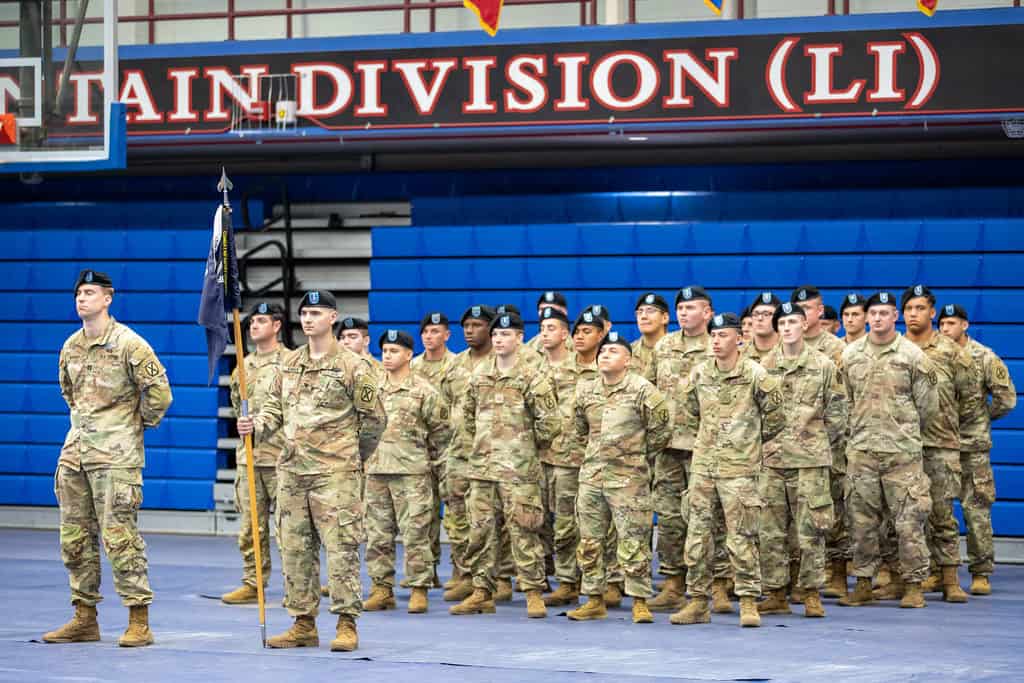
"4th Battalion, 31st Infantry Regiment Change of Responsibility & Change of Command" by Fort Drum & 10th Mountain Division (LI) is licensed under PDM 1.0.
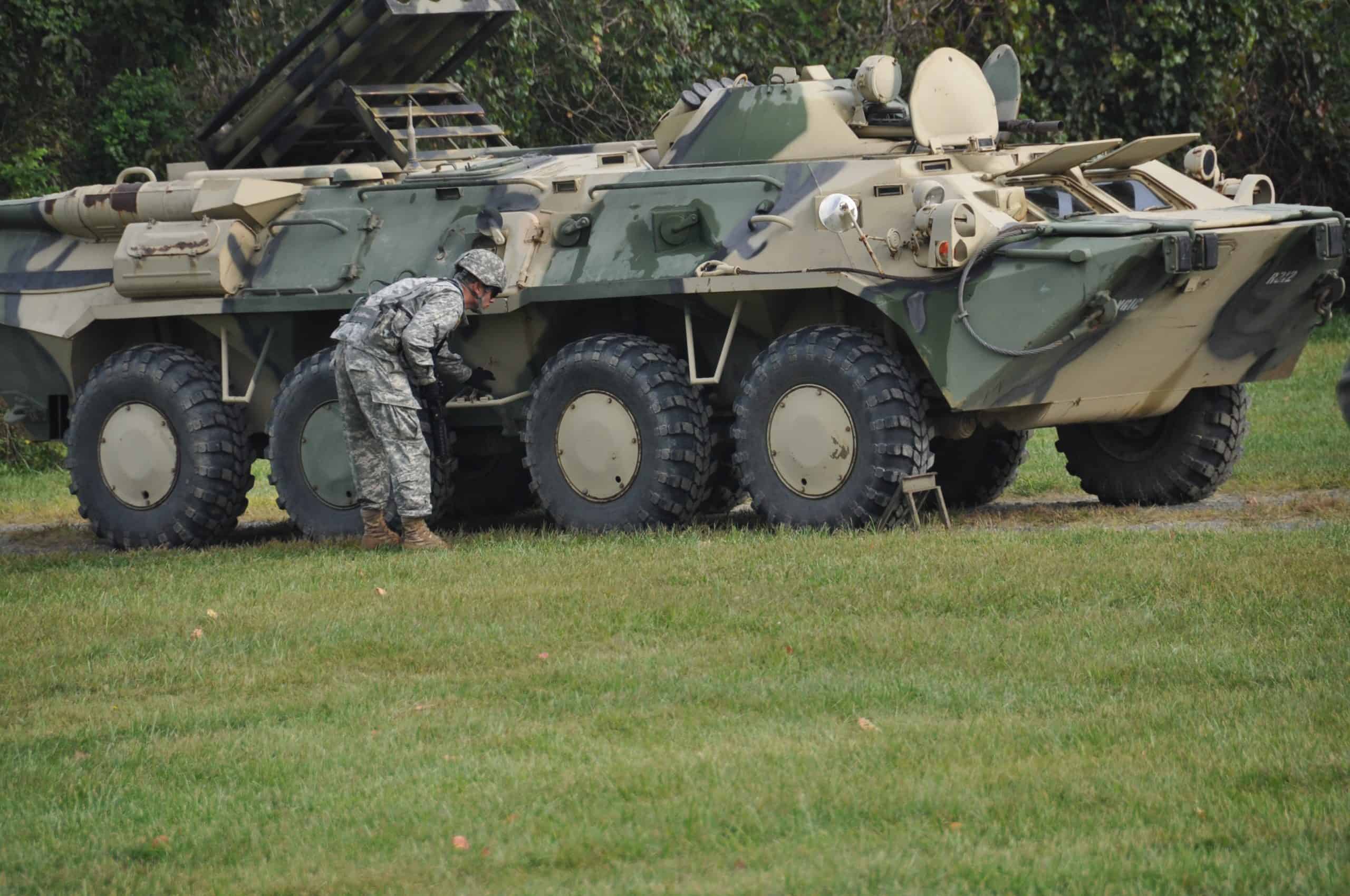
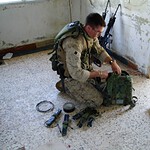
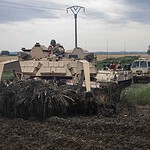
"203rd MI BN BTR 80" by Aberdeen Proving Ground is licensed under BY 2.0.
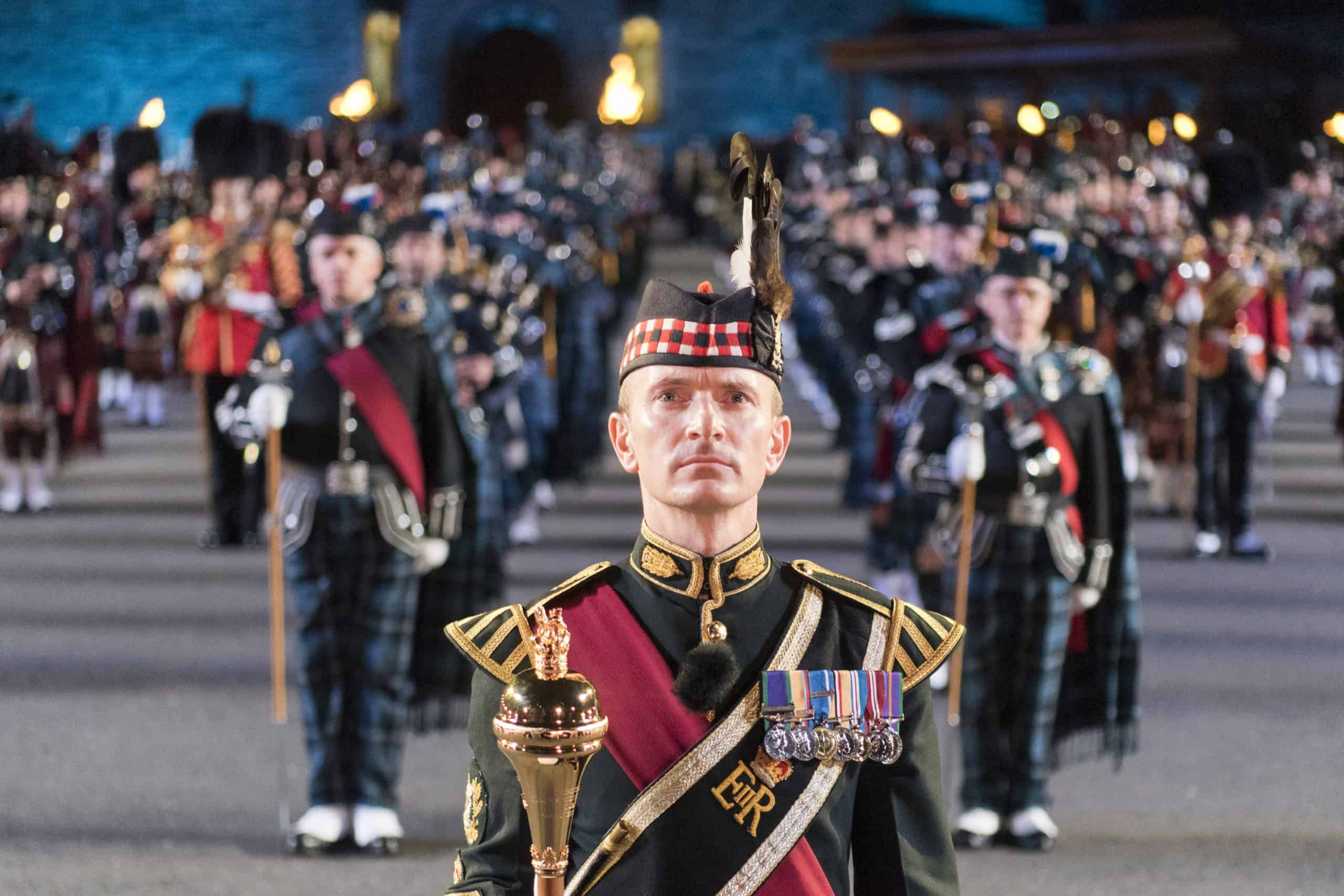
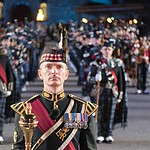
"The 1st Battalion Scots Guard Pipes and Drums, along with the Royal Highland Fusiliers, 2nd Battalion the Royal Regiment of Scotland await for the first salute from Marine Corps" by Chairman of the Joint Chiefs of Staff is licensed under BY 2.0.
"Rakkasans memorial - Arlington National Cemetery - 2012" by Tim Evanson is licensed under BY-SA 2.0.
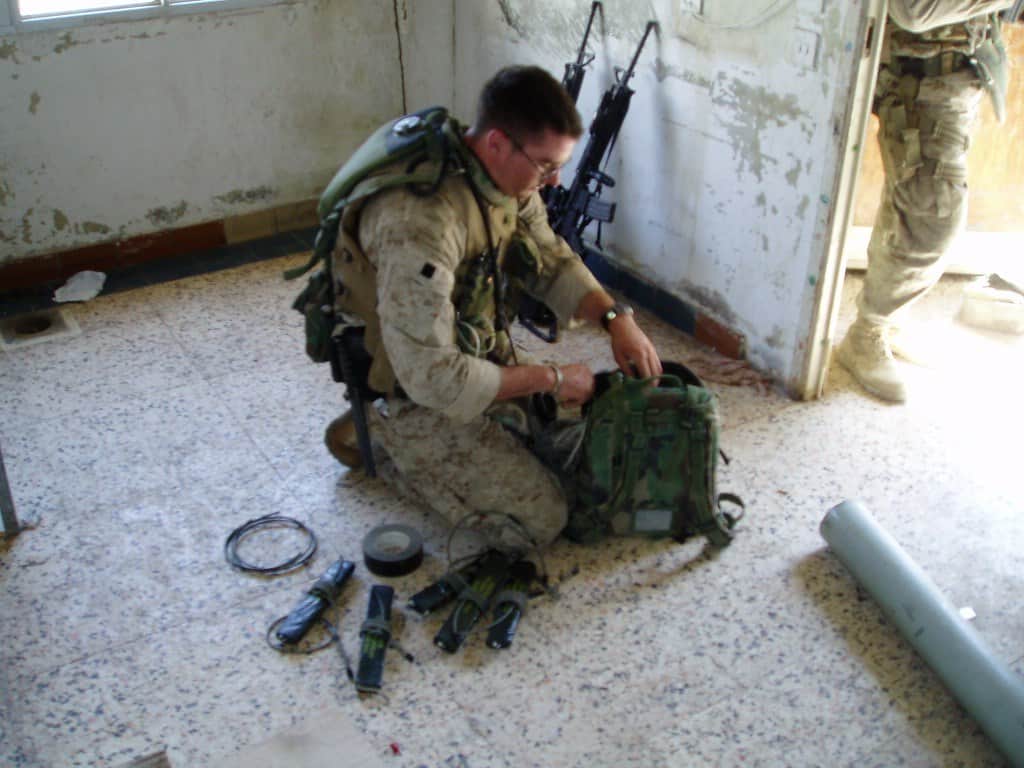
"Combat Engineers" by Bonesaw 0311 is licensed under BY 2.0.
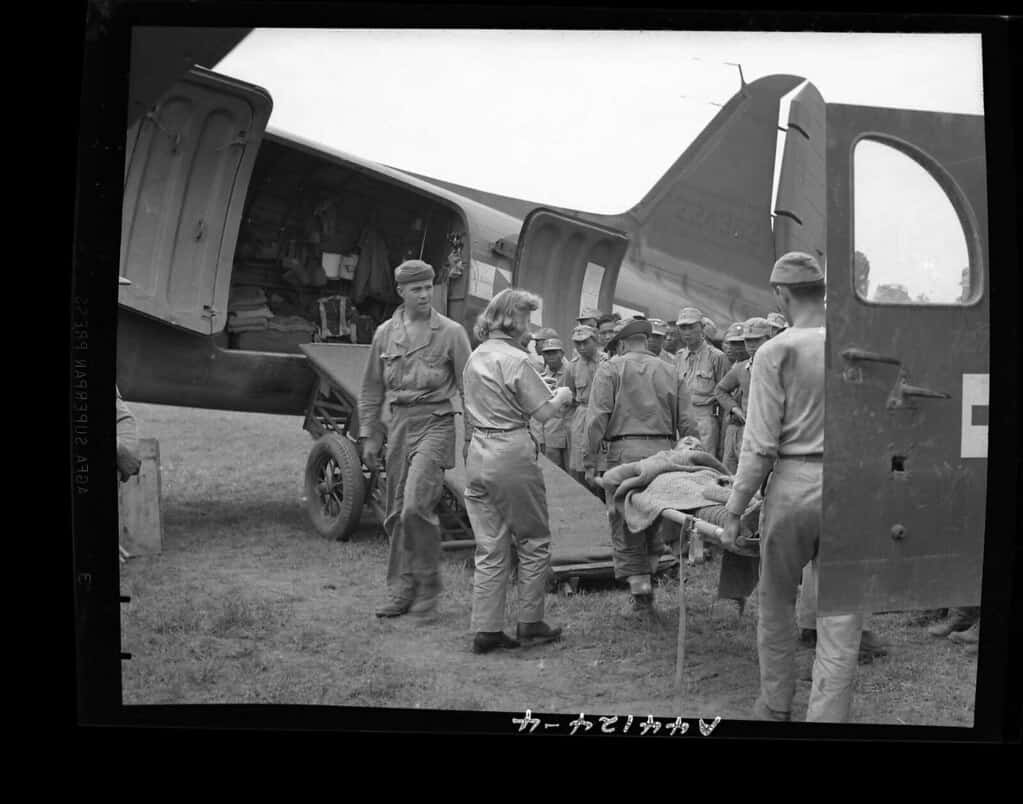
"A44-124-4" by otisarchives4 is licensed under BY 2.0.
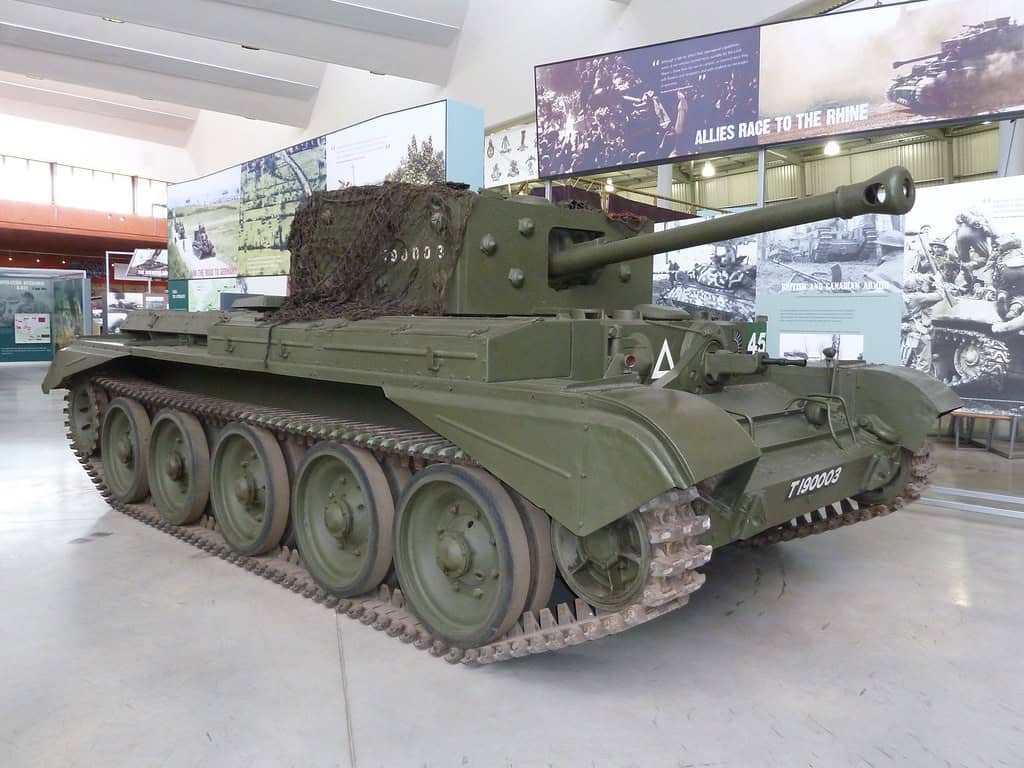
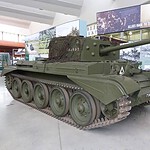
"Tank Cruiser Mark VII A27M, Cromwell IV" by Nigel_Brown is licensed under BY 2.0.
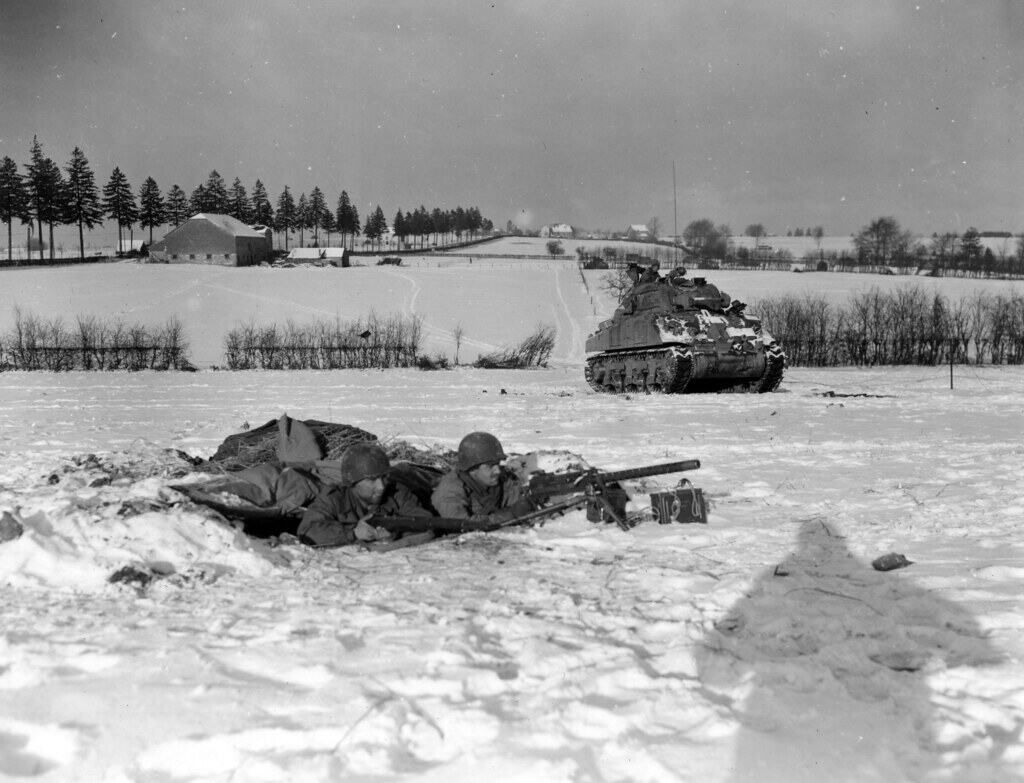
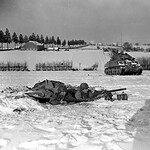
"SC 364310 - Machine gunners of the 4th Armored Division* covers tank crossing snow-covered field in the Bastogne corridor. 3 January, 1945." by Signal Corps Archive is licensed under PDM 1.0.
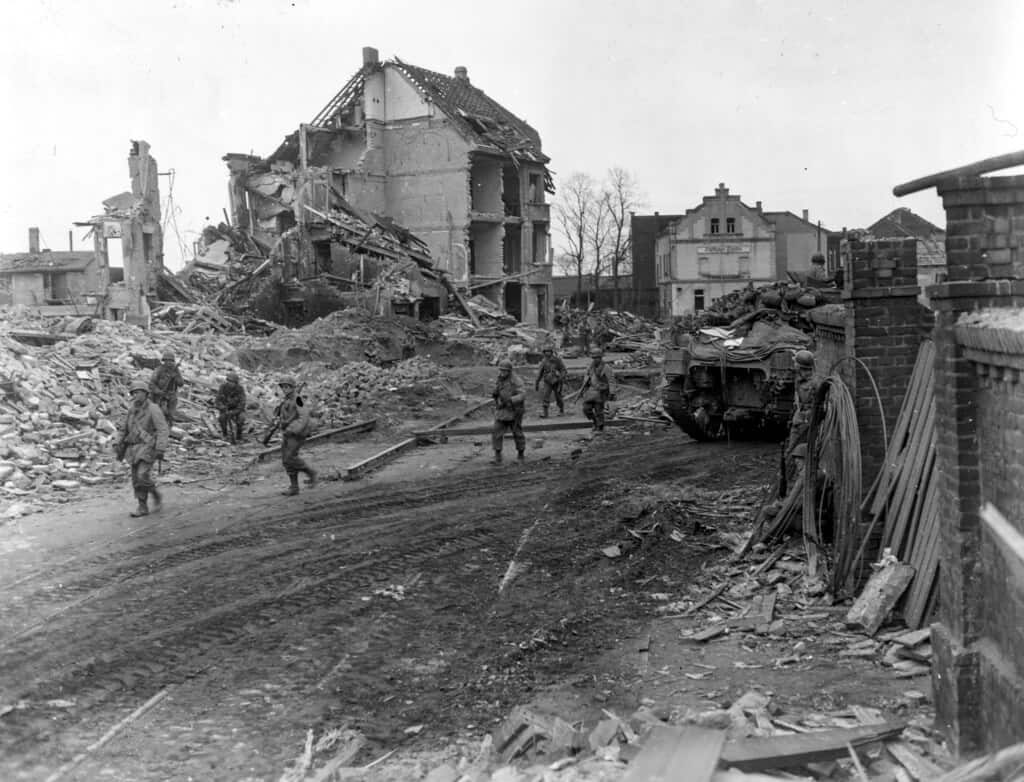
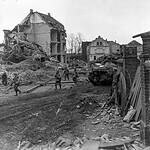
"SC 334984 - Troops of the 95th Division move through the wrecked town of Krefeld, Germany, as the Ninth U.S. Army drive continues towards the Rhine. 3 March, 1945." by Signal Corps Archive is licensed under PDM 1.0.
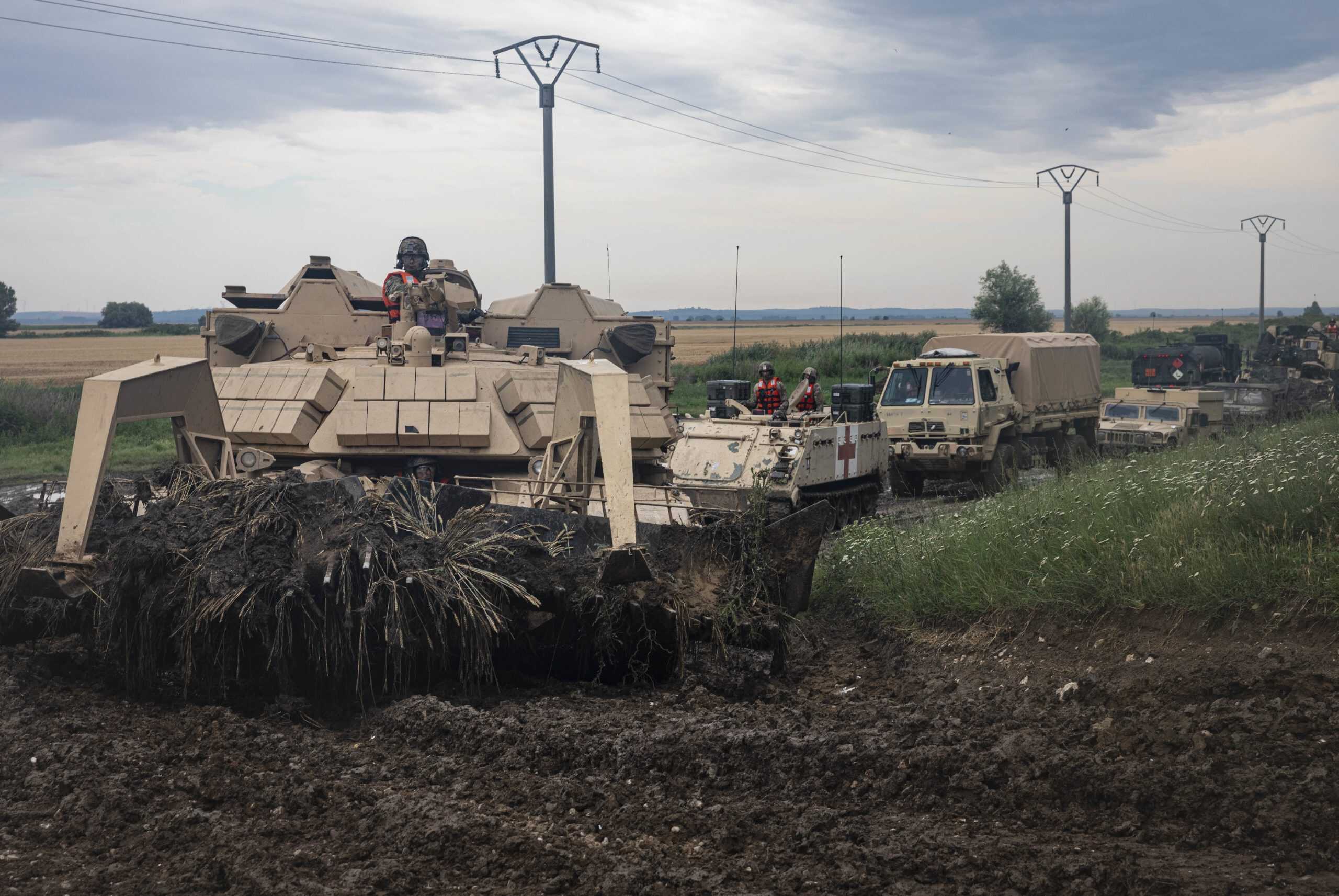
"Devil's Brigade" by The U.S. Army is licensed under BY 2.0.
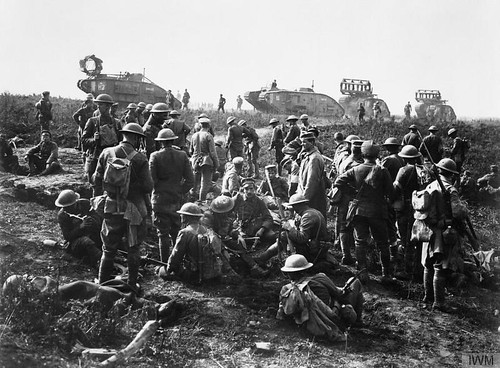
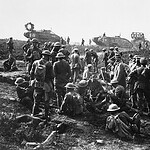
"Men of the American 30th Infantry Division with German prisoners following the capture of Bellicourt on 29 September 1918" by Basin St. Blue is licensed under PDM 1.0.



15 Wild Military Unit Nicknames With Real Stories Behind Them
Military units have been collecting nicknames for centuries, and some of the best ones sound like they were invented for a movie. A few came from enemies who encountered the units in battle. Others grew out of uniforms, unusual missions, local languages, or inside jokes that somehow became permanent.
Not every nickname below was an official military designation, and a few survive mostly through unit lore and wartime accounts. Still, each has a real connection to the soldiers who carried it, from a World War II deception force armed with inflatable tanks to a Prussian regiment recruited almost entirely for height.
15. The Ghost Army
The Ghost Army might have had one of the strangest assignments of World War II: convince the Germans that thousands of troops, tanks, trucks, and artillery pieces existed where they actually did not. The roughly 1,100 members of the 23rd Headquarters Special Troops staged more than 20 deception operations in Europe using inflatable vehicles, powerful sound systems, fake radio traffic, and carefully scripted impersonations of real American units.
Their work remained secret for decades. In March 2024, Congress formally presented the Ghost Army, including the 23rd and the separate 3133rd Signal Service Company Special, with the Congressional Gold Medal for their wartime deception operations.
14. The Monuments Men
The "Monuments Men" were not a conventional combat unit. The nickname refers to members of the Allied Monuments, Fine Arts, and Archives program, a multinational group that included museum curators, architects, art historians, archivists, and military personnel. During and after World War II, they worked to protect culturally important buildings and collections from wartime destruction.
The job became even larger as Allied forces moved across Europe. Monuments personnel helped locate enormous caches of art and cultural property stolen by the Nazis, including works hidden in castles, tunnels, and salt mines, and assisted in returning recovered objects to their countries or rightful owners.
13. The 10,000 Immortals
Ancient Greek historian Herodotus described an elite corps of 10,000 Persian infantry serving under Xerxes during the invasion of Greece in 480 B.C. He called them the "Immortals" because whenever a soldier died or became too sick to serve, a replacement was supposedly appointed immediately, keeping the unit at exactly 10,000 men.
The Immortals fought at Thermopylae, but the popular version of the story needs some cleanup. They did not simply overwhelm the Spartans in a frontal attack. Persian forces struggled to break the Greek position until a local named Ephialtes revealed a mountain route that allowed troops to move around the defenders. Even the name "Immortals" comes to us through Greek sources, and scholars do not know what the Persians themselves called the corps.
12. The Potsdam Giants
Frederick William I of Prussia had an unusual obsession: extremely tall soldiers. During his reign from 1713 to 1740, the king filled his prized infantry regiment with unusually tall men who became popularly remembered as the Potsdam Giants and were also known as the Lange Kerls, or "Long Fellows."
The regiment itself predated Frederick William's reign, but he dramatically expanded its collection of tall soldiers. Foreign rulers sometimes sent exceptionally tall men to Prussia as diplomatic gifts, while other recruits reportedly had considerably less choice in the matter. Despite the king's intense military interests, the regiment became famous primarily as a prestige and parade unit rather than for battlefield exploits.
11. The Polar Bears
The U.S. Army's 31st Infantry Regiment was organized in the Philippines in 1916, but its famous "Polar Bears" nickname came from a very different assignment. In 1918, the regiment deployed to Siberia as part of the American intervention during the Russian Civil War, guarding rail lines, warehouses, and military supplies around Vladivostok.
The original article went a little too far by suggesting the soldiers actually had to "battle the polar bear." Army histories instead say the nickname grew from their Siberian service and encounters with the region's fearsome wildlife. The Polar Bear identity remains part of the regiment today, including 4th Battalion, 31st Infantry at Fort Drum.
10. Wizards of War
"Wizards of War" is the special designation associated with the Army Reserve's 203rd Military Intelligence Battalion, a highly specialized technical-intelligence unit. Its job is less about secret-agent movie stuff and more about getting hold of foreign or captured equipment and figuring out exactly what it can do.
That mission is still very much alive. During Northern Strike in August 2026, 203rd soldiers operated a captured-materiel exploitation center where they examined simulated enemy communications equipment, computers, weapons, unmanned systems, and vehicles. The goal is to turn unfamiliar enemy hardware into useful intelligence for commanders and help prevent technological surprises on the battlefield.
9. The Black Watch
The Black Watch traces its origins to Highland companies raised in the 1720s to police parts of Scotland following the Jacobite rising of 1715. Those companies were brought together as a regular regiment in 1739, beginning a military lineage that would fight in conflicts around the world.
The exact origin of the "Black Watch" name is not quite as simple as saying the soldiers wore black uniforms. Regimental tradition connects "Black" with the dark tartan and "Watch" with the companies' policing role, although historians have noted that the nickname appears in records before the later standardized dark government tartan was issued. Today, The Black Watch survives as 3rd Battalion, The Royal Regiment of Scotland.
8. The Rakkasans
The 187th Infantry Regiment earned one of the Army's most distinctive nicknames while serving in occupied Japan after World War II. Japanese observers watching the Americans conduct airborne training reportedly referred to them with a term the Army loosely translates as "falling umbrella men."
That became "Rakkasans," and the name followed the regiment through Korea, Vietnam, Iraq, Afghanistan, and beyond. The original claim that the nickname came from being the first unit to parachute onto Japanese soil is not quite right. The 187th entered Japan by aircraft as part of the occupation and earned the nickname later while conducting parachute training there.
7. The Little Seahorse Division
The 36th Engineer Regiment was built for amphibious operations during World War II and participated in landings in North Africa, Sicily, Italy, and southern France. Its distinctive insignia featured a seahorse, an especially appropriate symbol for engineers repeatedly moving from sea to land.
At Anzio, however, the engineers ended up performing an infantry mission. For 45 days they held roughly seven miles of the front line. Army history says German troops began referring to them as the "Little Seahorse Division," partly because of their unusual seahorse insignia. The unit's lineage continues today through the 36th Engineer Brigade.
6. The Mars Men
The 124th Cavalry Regiment's official Army special designation is "Mars Men," and this one really does come from the Mars Task Force rather than the planet. During World War II, the dismounted Texas cavalry regiment joined the 475th Infantry, which included veterans of Merrill's Marauders, and other units in the 5332nd Brigade Provisional.
Better known as the MARS Task Force, the brigade conducted long-range operations in Burma during 1944 and 1945. Its troops moved through difficult mountain and jungle terrain and threatened Japanese positions along the Burma Road as Allied forces worked to reopen the vital land route into China.
5. The Desert Rats
The British 7th Armoured Division became forever associated with the North African desert during World War II. Its emblem was a jerboa, a small jumping desert rodent that resembles a long-legged mouse or rat. According to the National Army Museum, the animal was adopted after the wife of divisional commander Maj. Gen. Michael O'Moore Creagh saw a jerboa at the Cairo Zoo and made a sketch of it.
Because the division was fighting in the Western Desert and its emblem looked like a tiny rat, "Desert Rats" was an easy nickname to make stick. The 7th Armoured Division was disbanded in 1953, but its famous identity and jerboa insignia were carried forward by the 7th Armoured Brigade.
4. Roosevelt's Butchers
The U.S. 4th Armored Division became one of Patton's most aggressive formations as it raced across France, helped break the siege of Bastogne, and continued deep into Germany. Contemporary U.S. Army material listed several names Germans used for the division, including the much less flattering "Roosevelt's Highest Paid Butchers."
That was Nazi propaganda rather than a nickname the Americans embraced. In fact, the 4th Armored Division famously resisted adopting any permanent nickname of its own. Its soldiers preferred the idea that "Fourth Armored" was name enough.
3. The Iron Men of Metz
The 95th Infantry Division arrived in Europe in 1944 and soon found itself fighting for the heavily fortified French city of Metz. The battle involved brutal fighting through forts, urban positions, and German defensive lines before Metz fell to the Americans in November 1944.
Army accounts say the Germans began calling the division's soldiers the "Iron Men of Metz" because of the determination they showed during the battle. Unlike some of the more questionable enemy-attributed nicknames from World War II, this one became firmly associated with the 95th and remains central to the division's historical identity.
2. The Devil's Brigade
The First Special Service Force was an elite American-Canadian commando formation organized in 1942. Its troops trained in parachuting, demolitions, mountaineering, close combat, amphibious operations, and winter warfare before fighting in the Aleutians, Italy, and southern France.
Its aggressive nighttime patrols at Anzio helped produce the nickname "Devil's Brigade," with Army accounts also recording the German description Die schwarzen Teufel, or "Black Devils." The force was disbanded in December 1944, but both U.S. and Canadian special operations organizations continue to honor its legacy.
1. The Disputed "Roosevelt's SS"
The 30th Infantry Division's actual and much better established nickname was "Old Hickory," honoring President Andrew Jackson. During World War II, however, another far more provocative name entered division lore: "Roosevelt's SS." A recent U.S. Army account says Axis Sally used the phrase while discussing the division during the Battle of the Bulge, reflecting the Germans' view of the unit as a particularly dangerous opponent.
There is a catch. Military historians have questioned whether "Roosevelt's SS" was really a widely used German battlefield nickname or whether later retellings gave the phrase more importance than it originally had. What is not disputed is the 30th's combat record. The division fought from Normandy into Germany and helped stop Kampfgruppe Peiper during the Battle of the Bulge.