
Jerry Markland / Getty Images Sport via Getty Images

Courtesy of Warner Bros.

Courtesy of Universal Pictures

Hulton Archive / Getty Images

Courtesy of American Broadcasting Company (ABC)

Public domain / Wikimedia Commons

Courtesy of Universal Pictures
Courtesy of Twentieth Century Fox

Pictorial Parade / Getty Images

Archive Photos / Archive Photos via Getty Images

Getty Images / Archive Photos via Getty Images

Courtesy of Warner Bros.

McCarthy / Getty Images

Courtesy of United Artists

Jemal Countess / Getty Images Entertainment via Getty Images

Frazer Harrison / Getty Images Entertainment via Getty Images

Courtesy of Paramount Pictures

Getty Images / Getty Images Entertainment via Getty Images

Matthew Eisman / Getty Images

Courtesy of Orion Pictures
Jerry Markland / Getty Images Sport via Getty Images

Keystone / Getty Images

Courtesy of Home Box Office (HBO)

Courtesy of CBS

Courtesy of National Broadcasting Company

Courtesy of American Broadcasting Company (ABC)

Courtesy of Netflix

Courtesy of Sony Pictures Entertainment

Michael Loccisano / Getty Images






28 Hollywood Stars Who Served in the U.S. Military
Before they became household names, some of Hollywood's biggest stars had very different jobs. Jimmy Stewart flew bombing missions over Europe. Bea Arthur drove trucks for the Marine Corps. Mel Brooks helped clear land mines during World War II. Even Elvis Presley swapped concert stages for Army duty in Germany. These weren't roles they played on screen; they were real chapters of their lives.
The names span generations, from silent-era and classic Hollywood stars to actors familiar from modern movies and television. Some volunteered during wartime, others were drafted, and several served during peacetime. Their assignments ranged from aircraft crews and infantry units to intelligence work, communications, engineering and medical support. Not everyone saw combat, but each spent time in uniform.
For 24/7 Tempo, we've revisited 28 actors and entertainers who served in the U.S. military, correcting the dates and details that tend to get muddled in retellings. Here's what they did before, or sometimes during, their careers in show business.
Humphrey Bogart
Before becoming the face of films like Casablanca and The Maltese Falcon, Humphrey Bogart enlisted in the U.S. Navy in 1918 at just 18 years old. Following the World War I armistice, he served aboard the troop transport USS Leviathan, which brought American service members home from Europe. In 1944, he volunteered for the Coast Guard Temporary Reserve and patrolled the California coast aboard his own yacht. The man who played tough, world-weary characters had already spent time in uniform long before Hollywood made him famous.
James “Jimmy” Stewart
Jimmy Stewart was already a movie star when he entered the Army Air Corps in 1941, but he wanted more than a publicity assignment. During World War II, he flew B-24 bombers on 20 combat missions over Europe and rose to the rank of colonel. He continued serving in the Air Force Reserve after the war and eventually retired as a brigadier general in 1968. It's quite a contrast with the gentle, small-town characters he played in It's a Wonderful Life and Mr. Smith Goes to Washington.
Clark Gable
Clark Gable was past normal draft age when he volunteered for the Army Air Forces in 1942. The Gone with the Wind star trained as an aerial gunner and traveled to England to help film Combat America, a documentary about bomber crews. He didn't just stay behind a camera, either. Gable flew aboard B-17 bombers on combat missions over Nazi-occupied Europe. His wartime service was real, even if most audiences knew him for romantic leads rather than military aviation.
Henry Fonda
Henry Fonda had already made The Grapes of Wrath when he enlisted in the Navy in 1942. He trained as a quartermaster, served aboard the destroyer USS Satterlee and later became an officer working in air combat intelligence in the Pacific. Fonda received a Bronze Star for his wartime service. Years later, he would play military officers and other figures of authority on screen, but his own Navy career was no Hollywood production.
Bea Arthur
Long before audiences knew her as Dorothy on The Golden Girls or the outspoken title character on Maude, Bea Arthur was a Marine. She enlisted in the Marine Corps Women's Reserve in February 1943, among the earliest women to join the program. After working as a typist, she trained in motor transport and served as a truck driver and dispatcher in North Carolina. Arthur left the Marines in 1945 with the rank of staff sergeant. That famous no-nonsense attitude apparently had some history behind it.
Kirk Douglas
Kirk Douglas joined the Navy in 1941 and served in the Pacific aboard a submarine chaser, handling gunnery and communications duties. In 1943, an accidentally released depth charge exploded near his ship and injured him. He was discharged in 1944 after health problems complicated his recovery. The future star of Spartacus and Paths of Glory knew something about life in uniform before becoming one of Hollywood's most recognizable leading men.
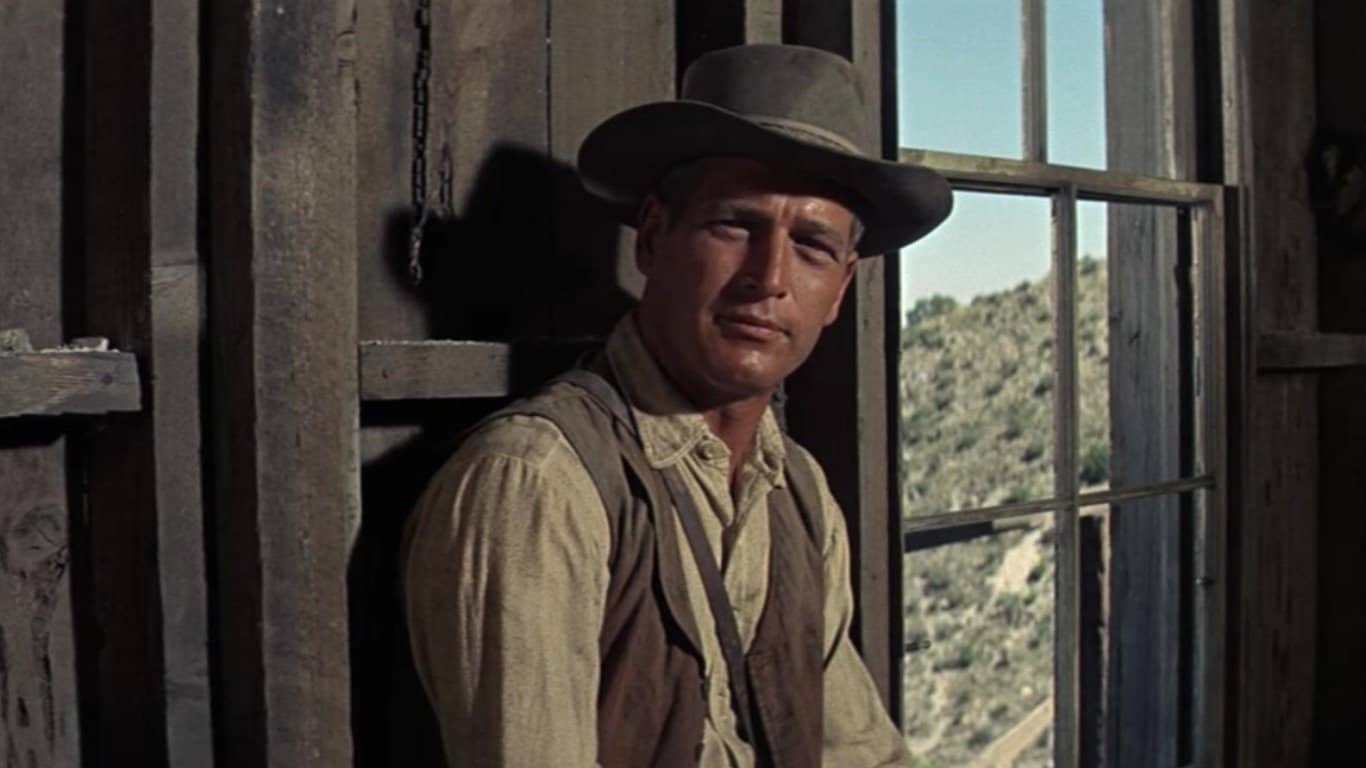
Paul Newman
Paul Newman hoped to become a Navy pilot when he entered military service in 1943, but a medical exam revealed that he was color-blind. Instead, he trained as an aviation radioman and rear gunner, serving with torpedo-bomber units in the Pacific. Years before Cool Hand Luke, The Hustler and Butch Cassidy and the Sundance Kid made him a star, Newman was part of the wartime aviation effort. His famously blue eyes may have helped his movie career, but they didn't get him into the pilot's seat.
Harry Belafonte
Harry Belafonte's career would eventually span music, film and civil rights activism, but he first served in the Navy during World War II. He enlisted in 1944 and was assigned to Port Chicago, California, where Black sailors worked in segregated units loading ships bound for the Pacific. His military service ended in 1945, years before hits like Day-O and films such as Carmen Jones made him an international name. It was an early chapter in a life devoted to much more than entertainment.
Mel Brooks
Before he was making audiences laugh with The Producers, Blazing Saddles and Young Frankenstein, Mel Brooks was dealing with a considerably less funny situation. Drafted into the Army in 1944, he served in Europe as a combat engineer during World War II. His work included helping clear German land mines so Allied troops could advance. Brooks later became one of comedy's great irreverent voices, but there's nothing exaggerated about the danger involved in his wartime job.
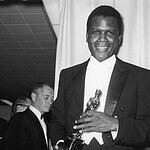
Sidney Poitier
Sidney Poitier was just 16 when he lied about his age and joined the Army in 1943. He worked with psychiatric patients at a military hospital on Long Island, an experience that exposed him to the difficult realities of wartime care. After leaving the Army, he pursued acting and went on to become the first Black man to win the Academy Award for Best Actor, for Lilies of the Field. His military service came years before the performances that changed Hollywood.
Gene Hackman
Gene Hackman joined the Marine Corps in 1947 after lying about his age; he was only 16. He served as a field radio operator and later worked in broadcasting, with assignments that included China. It was an unlikely beginning for the future star of The French Connection, The Conversation and Unforgiven. Long before Hollywood recognized his commanding screen presence, Hackman had already learned how to work under pressure and communicate in some demanding circumstances.
Steve McQueen
Steve McQueen's reputation as Hollywood's coolest rebel had a real-life preview in the Marine Corps. He enlisted in 1947 at age 17 and served until 1950, but discipline wasn't always his strong suit. National Archives records document unauthorized absences in 1949, including a 30-day confinement after one incident. The details are less dramatic than some legends about his military record, but they fit the star who later made The Great Escape, Bullitt and Papillon famous.
Clint Eastwood
Clint Eastwood was drafted into the Army in 1951 during the Korean War, although he didn't serve in combat overseas. Instead, he worked as a swimming instructor at Fort Ord in California. He also survived a military aircraft crash off the California coast while traveling as a passenger. After leaving the service, Eastwood went on to become one of Hollywood's defining Western and action stars, from The Good, the Bad and the Ugly to Dirty Harry and Unforgiven.
James Earl Jones
That unmistakable voice belonged to an Army officer before it belonged to Darth Vader or Mufasa. James Earl Jones was commissioned as a second lieutenant in 1953 after completing ROTC at the University of Michigan. He attended Ranger School and helped establish a cold-weather training operation near Camp Hale in Colorado. Jones left the service as a first lieutenant and later built a remarkable career on stage and screen. His military experience was far removed from the roles that made his voice famous.
Robert Duvall
Robert Duvall grew up in a Navy family but chose the Army for his own service. He enlisted in 1953, just after the Korean War ended, and spent roughly two years stationed at Camp Gordon in Georgia. He left with the rank of private first class and used GI Bill benefits to study acting in New York. That's quite a path to films like The Godfather, Apocalypse Now and Tender Mercies. His real military experience came well before his famous portrayal of a cavalry officer in Apocalypse Now.
Moses Gunn
Before appearing in Shaft, Ragtime and the groundbreaking television miniseries Roots, Moses Gunn spent three years in the U.S. Army, from 1954 to 1957. He later resumed his education, studied theater and became an accomplished stage performer. Gunn also helped found the influential Negro Ensemble Company. His military service is one part of a career that doesn't always get the attention it deserves, especially given the range of roles he brought to life on stage and screen.
Morgan Freeman
Morgan Freeman could have gone straight into theater after high school, but he chose the Air Force instead. He enlisted in 1955 and trained as an automatic-tracking radar repairman, serving four years before leaving as an airman first class in 1959. Acting came afterward, eventually bringing him roles in Driving Miss Daisy, The Shawshank Redemption and Million Dollar Baby. Before that distinctive voice became familiar to movie audiences everywhere, Freeman's day job involved military radar equipment.
Alan Alda
Alan Alda's connection to military life didn't begin with M*A*S*H. After graduating from Fordham University in 1956, he received an Army Reserve commission and served as an artillery gunnery officer, including a six-month assignment in South Korea. That was after the Korean War's 1953 armistice, not during the fighting depicted on his famous television series. Alda later credited his experience and the veterans he met with helping shape his portrayal of wisecracking Army surgeon Hawkeye Pierce.
Gene Wilder
The actor who gave us Willy Wonka and Young Frankenstein had a far more serious job in the Army. Gene Wilder was drafted in 1956 and assigned to the medical corps. After training, he worked as a paramedic in the psychiatry and neurology department at Valley Forge Army Hospital in Pennsylvania. He was honorably discharged in 1958, and his acting career took off in the years that followed. The difference between his military work and his wonderfully eccentric screen characters is pretty striking.
Chuck Norris
Chuck Norris was learning martial arts long before Walker, Texas Ranger became a television favorite. He enlisted in the Air Force in 1958 and served as an air policeman, including an assignment at Osan Air Base in South Korea. That's where he began studying Korean martial arts, setting the stage for a career as a champion fighter and action star. Norris left the Air Force in 1962, but his time overseas helped launch the skill set that eventually made him famous.
Elvis Presley
Elvis Presley was already one of the biggest entertainers in America when he was drafted into the Army in 1958. Rather than spending his service entertaining troops, he trained with armored units and served with the 3rd Armored Division in West Germany. He eventually reached the rank of sergeant before returning home in 1960. For two years, the man known as the King of Rock and Roll traded packed concert halls for military duties, field exercises and life as a soldier.
Kris Kristofferson
Kris Kristofferson was a Rhodes Scholar before he became an Army officer, helicopter pilot and Ranger School graduate. He joined the Army in 1960 and served in West Germany, eventually reaching the rank of captain. A teaching assignment at West Point was waiting for him, but after visiting Nashville, he decided to leave the military in 1965 and pursue songwriting instead. That gamble eventually led to classics like Me and Bobby McGee and an acting career that included A Star Is Born.
Tom Selleck
Before the mustache, the Hawaiian shirts and Magnum, P.I., Tom Selleck served in the California Army National Guard. He joined in 1967, trained as an infantry soldier with the 160th Infantry Regiment and served until 1973. His service included six months of active duty, though he was not deployed to Vietnam. He later became known for Three Men and a Baby and Blue Bloods, but military service was part of his life before either television stardom or movie success.
Ice-T
There's an interesting twist to Ice-T's career: the rapper who spent decades playing an NYPD detective on Law & Order: Special Victims Unit was once an Army infantryman. He joined in 1977 and served four years with the 25th Infantry Division, including time as a squad leader in Hawaii. After the military, he built a groundbreaking rap career before moving into acting with projects such as New Jack City. His years in uniform came well before either music or television made him a household name.
Rob Riggle
Rob Riggle may be best known for The Daily Show, The Hangover and a long list of comedy roles, but his Marine Corps career was no punchline. He began serving in 1990, later became a commissioned officer and deployed to places including Kosovo, Liberia and Afghanistan. Riggle spent 23 years in the Marines and Marine Corps Reserve, retiring as a lieutenant colonel in 2013. He was developing his comedy career while still serving, which makes his résumé unusually varied even by Hollywood standards.
Jennifer Marshall
Viewers may recognize Jennifer Marshall from Stranger Things, but she had already spent years in the Navy before stepping in front of the camera. Beginning in the late 1990s, she worked in aviation logistics and aboard the aircraft carrier USS Theodore Roosevelt, including a deployment supporting Operation Iraqi Freedom. Her jobs ranged from aircraft support to shipboard security duties. She later pursued acting and also received a commission in the California State Guard in 2020, adding another chapter to her service background.
Adam Driver
Long before becoming Kylo Ren in Star Wars or earning acclaim for Marriage Story, Adam Driver enlisted in the Marine Corps after the September 11 attacks. He trained as an 81mm mortarman with the 1st Battalion, 1st Marines at Camp Pendleton. A mountain-biking injury fractured his sternum and eventually led to a medical discharge before he could deploy to Iraq with his unit. Driver has spoken openly about how difficult that separation was and how his military experience shaped his approach to acting.
J.R. Martinez
J.R. Martinez joined the Army in 2002 and served with the 101st Airborne Division during the Iraq War. In April 2003, the Humvee he was driving struck a roadside bomb, leaving him with severe burns and a long recovery ahead. He eventually turned that experience into a career as an advocate, speaker and actor, appearing on All My Children and later winning Dancing with the Stars. His story isn't just about a celebrity who served; his military service is central to the life he built afterward.