IMDB
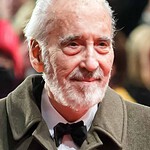
"Christopher Lee at the Berlin International Film Festival 2013" by Avda is licensed under BY-SA 3.0.
NBC Television / Public domain

Steven D Starr / Corbis Historical via Getty Images
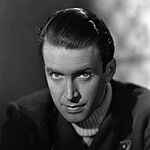
"James Stewart" by twm1340 is licensed under BY-SA 2.0.
IMDB
Herald American / Public domain
IMDB
NBC Television / Public domain
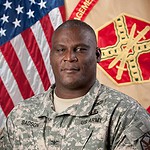
US Army / Public Domain
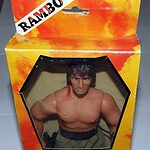
"Vintage Rambo Part 2 First Blood Action Doll, Made in Taiwan" by France1978 is licensed under BY-SA 2.0.
IMDB
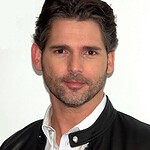
"Eric Bana at the 2009 Tribeca Film Festival" by David Shankbone is licensed under BY 3.0.
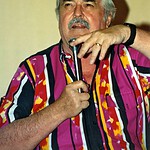
"img188" by MadMarlin is licensed under BY 2.0.

13 Real Life Soldiers Inspired Some of Cinema's Biggest Heroes
Hollywood is very good at manufacturing tough guys. Every once in a while, though, the person on screen already has a backstory the stunt department could not improve on. Some famous actors actually served in combat before they ever became household names. Other soldiers eventually played themselves, inspired fictional characters, or watched Hollywood turn pieces of their real experiences into movie history.
That does not mean every great war story floating around Hollywood is true. A few have grown considerably in the retelling. These are the real military stories behind actors and characters ranging from James Stewart and Charles Bronson to Rambo and Black Hawk Down's Hoot.
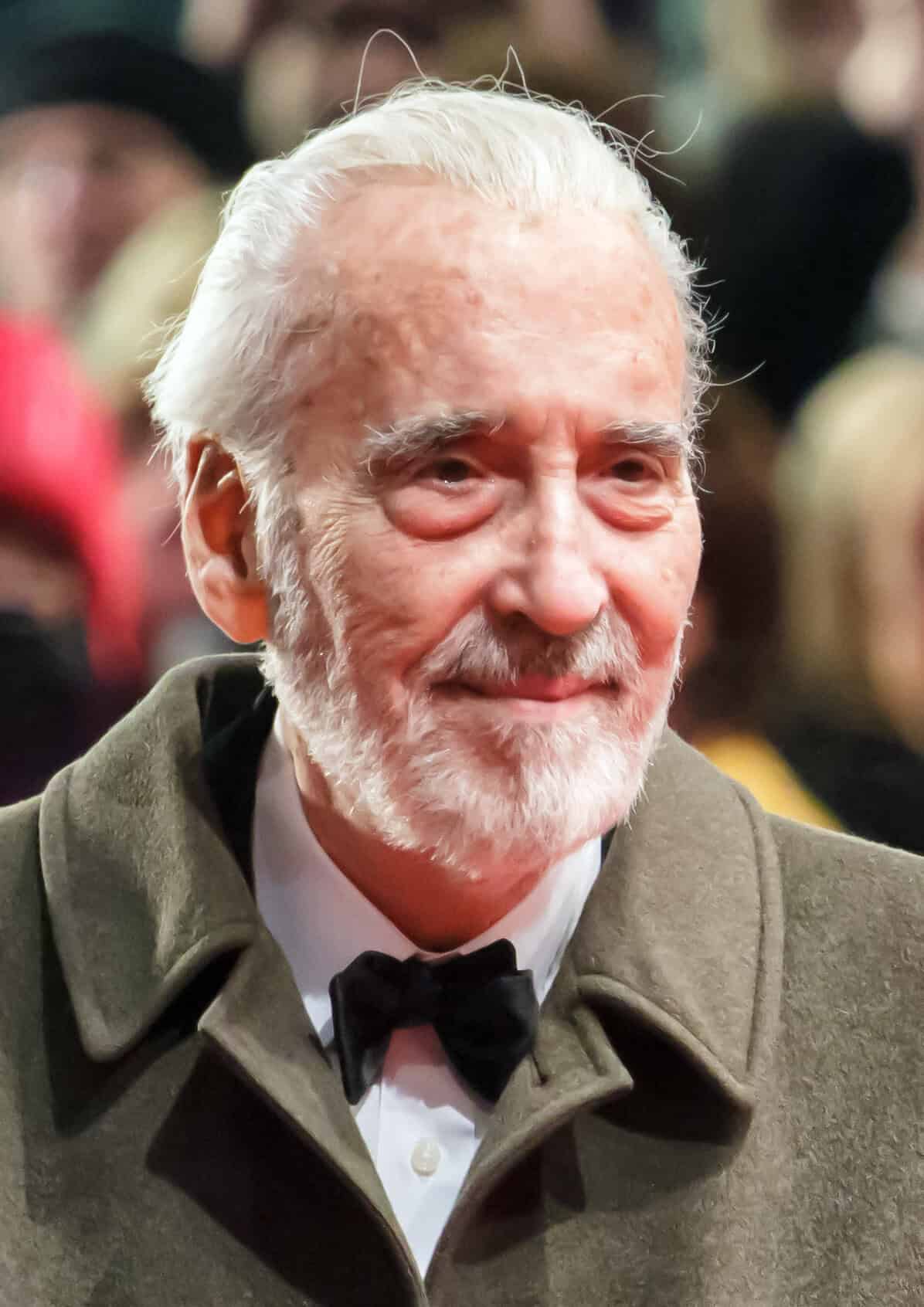
Christopher Lee
Christopher Lee played enough intimidating villains for several lifetimes, including Dracula, Count Dooku, Saruman and Bond villain Francisco Scaramanga. Long before that, he served during World War II. Lee joined the Royal Air Force and ultimately worked as an intelligence officer, serving in North Africa and Italy. Near the end of the war, he was also involved with efforts investigating suspected Nazi war criminals. His military history later accumulated plenty of internet mythology, including stories that he secretly inspired James Bond or spent the war conducting movie-style commando assassinations. The documented story is impressive enough without any of that. Lee genuinely served in wartime intelligence before becoming one of cinema's most convincing screen villains.
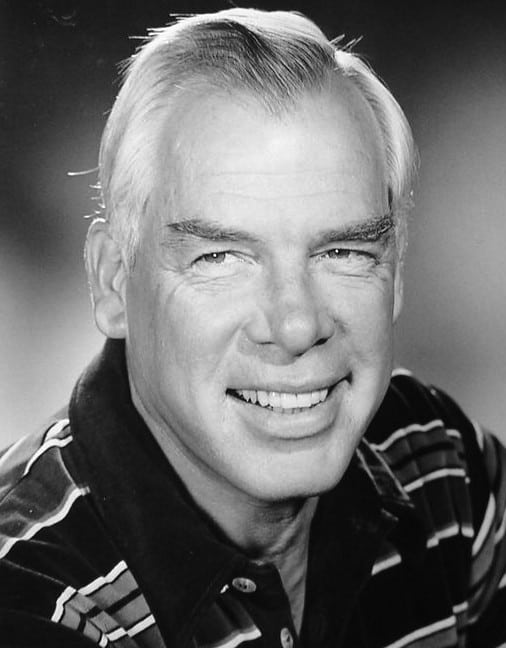
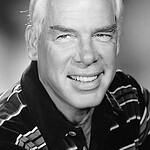
Lee Marvin
Lee Marvin did not have to dig very deep to understand the kind of men he played in movies like The Dirty Dozen. He enlisted in the Marine Corps during World War II and served as a scout sniper with the 4th Marine Division in the Pacific. Marvin participated in the assaults on Eniwetok and Saipan-Tinian before being seriously wounded during the Battle of Saipan in 1944. He spent more than a year recovering in naval hospitals, received the Purple Heart and was medically discharged as a private first class. Years later, Marvin became one of Hollywood's definitive hard-edged actors. That does not mean every grizzled character he played was autobiographical, but unlike plenty of movie tough guys, Marvin knew firsthand what combat actually looked and felt like.
Gene Hackman
Gene Hackman, who died in 2025 at age 95, had already spent years in uniform before his acting career even began. He lied about his age and enlisted in the Marine Corps at 16, serving from 1947 to 1952. Hackman trained as a field radio operator and later worked in military broadcasting. His assignments included China, Hawaii and Japan, with his time in China overlapping the final years of Operation Beleaguer as U.S. forces withdrew from the country. Hackman was not a World War II combat veteran, as some retellings can make it sound, and there is no reason to claim his famous screen temperament came directly from his military service. Still, the future star of The French Connection, Crimson Tide and Behind Enemy Lines had five years of genuine Marine experience before Hollywood knew his name.
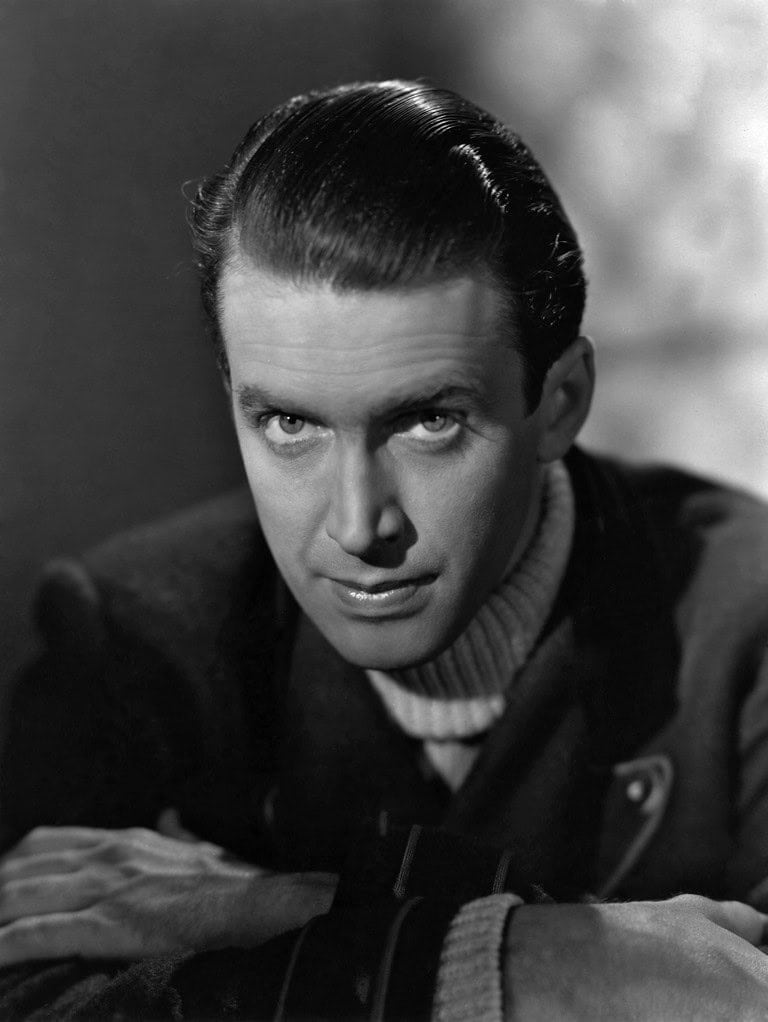
James Stewart
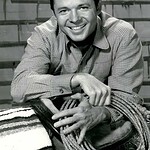
James Stewart's easygoing screen persona makes his wartime résumé even more surprising. Already a major Hollywood star, Stewart entered the Army Air Corps in 1941 and eventually became a B-24 bomber pilot and squadron commander in Europe. He flew 20 combat missions during World War II before taking increasingly senior operations assignments. Stewart stayed in the military after returning to Hollywood, serving for decades in the Air Force Reserve and eventually reaching the rank of brigadier general. His decorations included the Distinguished Flying Cross and Air Medal. Claims sometimes go further and call him the most decorated actor in American military history, but there is no useful official ranking for that. What is beyond dispute is that Stewart's service went far beyond celebrity appearances and training films.
Marcus Luttrell
Mark Wahlberg's role in Lone Survivor was based on former Navy SEAL Marcus Luttrell, whose experience during Operation Red Wings in Afghanistan became one of the best-known American military stories of the 21st century. On June 28, 2005, Luttrell joined Lt. Michael Murphy, Danny Dietz, and Matthew Axelson on a four-man reconnaissance mission in the mountains of Afghanistan. After their position was compromised, the team became trapped in a fierce firefight against a much larger enemy force. Murphy, Dietz, and Axelson were killed, leaving Luttrell as the sole survivor of the four-man reconnaissance team.
Luttrell was badly wounded, knocked unconscious by an explosion, and later made his way down the mountain while trying to avoid enemy fighters. Afghan villagers eventually found him and protected him despite repeated demands that they surrender him. One villager carried a message from Luttrell to a nearby American outpost, and U.S. forces rescued him on July 2. Luttrell later told the story in his book Lone Survivor, which became the basis for the 2013 film. Wahlberg was playing a Hollywood version of the events, but the man at the center of the story was very real.
Charles Bronson
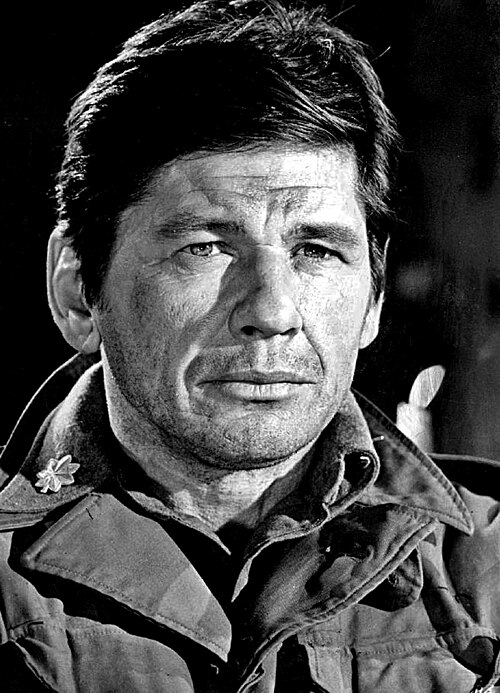
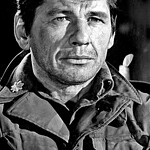
Charles Bronson looked like Hollywood had designed him specifically to play men who had seen some things. In reality, life got there first. Born Charles Buchinsky, he grew up in extreme poverty in a Pennsylvania coal-mining town and was working in the mines as a teenager. During World War II, he entered the Army and trained as an aerial gunner. Bronson eventually joined the 61st Bombardment Squadron of the 39th Bombardment Group on Guam and flew 25 missions aboard B-29 Superfortress bombers, including missions over Japan. He also received a Purple Heart for combat wounds. Years later, movies including The Magnificent Seven, The Great Escape, The Dirty Dozen and Death Wish turned him into an international tough-guy icon. The real résumé was plenty tough on its own.
Chris Kyle
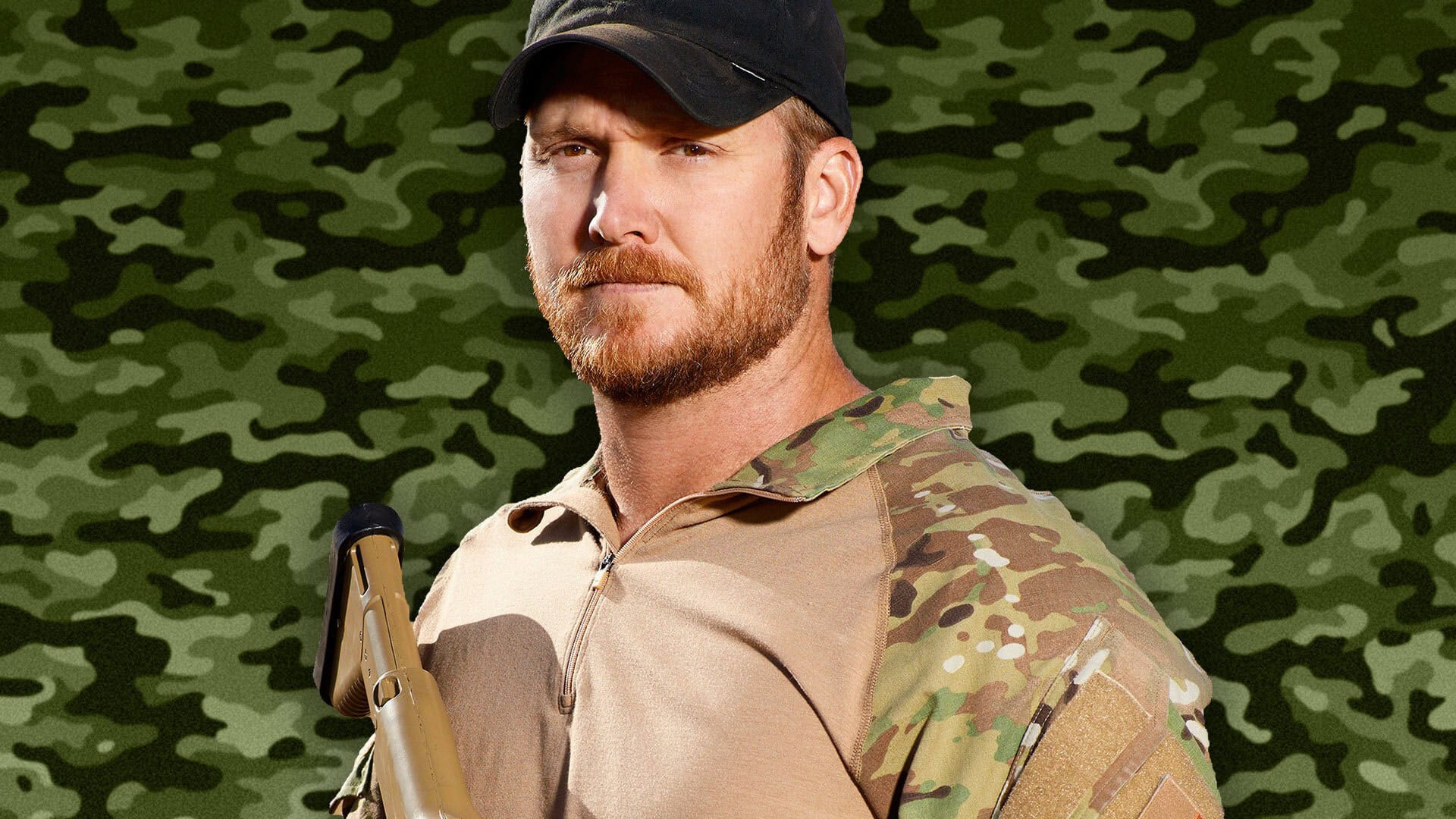
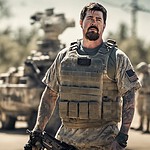
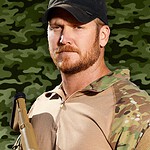
Bradley Cooper's performance in American Sniper was based on Navy SEAL Chris Kyle, whose military career was considerably more intense than anything Hollywood needed to invent. Kyle joined the Navy in 1999 and eventually served four combat deployments to Iraq with SEAL Team 3. He operated as a sniper during some of the war's fiercest fighting, including campaigns in Fallujah and Ramadi, protecting American troops as they moved through urban combat zones. Widely cited Pentagon figures credit Kyle with more than 160 confirmed kills, although the movie understandably condenses years of deployments, people, and events into a single narrative.
Kyle left the Navy in 2009 after roughly a decade of service and published his memoir, American Sniper, in 2012. The book became the foundation for Clint Eastwood's 2014 film, with Cooper physically transforming himself for the role and portraying both Kyle's combat deployments and the difficulty of returning to family life afterward. Kyle never lived to see the finished movie. In February 2013, he and his friend Chad Littlefield were shot and killed at a Texas shooting range by a troubled Marine veteran they had taken there in an effort to help him. The film turned Kyle into a household name, but the story audiences watched began with a very real SEAL and four deployments to Iraq.
Audie Murphy
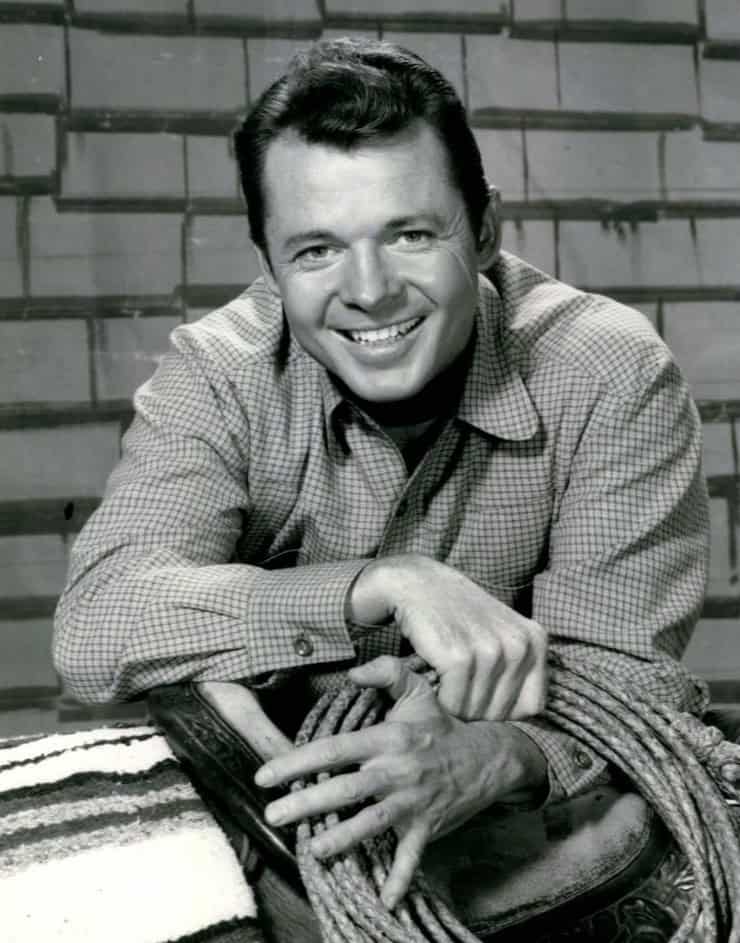
Audie Murphy is the rare case where Hollywood actually had to tone down parts of the real story because audiences might not have believed them. Murphy became the most decorated U.S. combat soldier of World War II, earning the Medal of Honor along with the Distinguished Service Cross, two Silver Stars, three Purple Hearts and numerous other American and foreign decorations. His Medal of Honor citation describes him climbing onto a burning tank destroyer near Holtzwihr, France, and using its .50-caliber machine gun to hold off attacking German troops while exposed to fire from three sides. After the war, Murphy became a successful actor and eventually played himself in the 1955 film To Hell and Back. In this case, the movie hero and the real-life war hero were literally the same person.
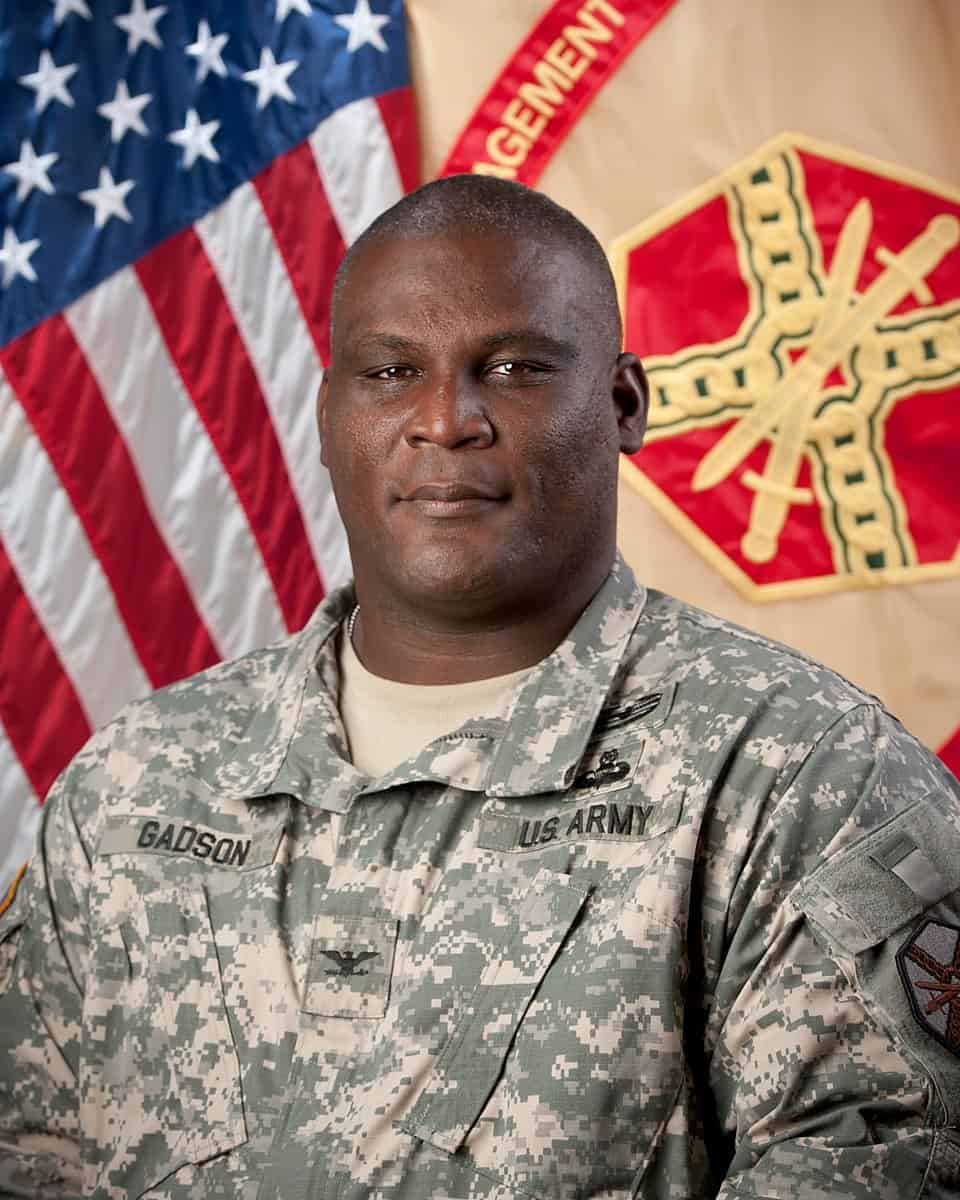
Gregory Gadson
Gregory Gadson did things in the opposite order from most people on this list. He had already built a long Army career before Hollywood came calling. A West Point graduate, Gadson was serving in Iraq in 2007 when his vehicle was struck by an improvised explosive device while he was returning from a memorial service for two soldiers. He lost both legs above the knee and badly injured his right arm, but asked to remain on active duty. In 2012, he became the first Army double amputee to command a major installation when he took command of Fort Belvoir. That same year he made his feature-film debut in Battleship, playing Lt. Col. Mick Canales. Gadson was not pretending to understand resilience for the camera. He had spent years living it before ever stepping onto a movie set.
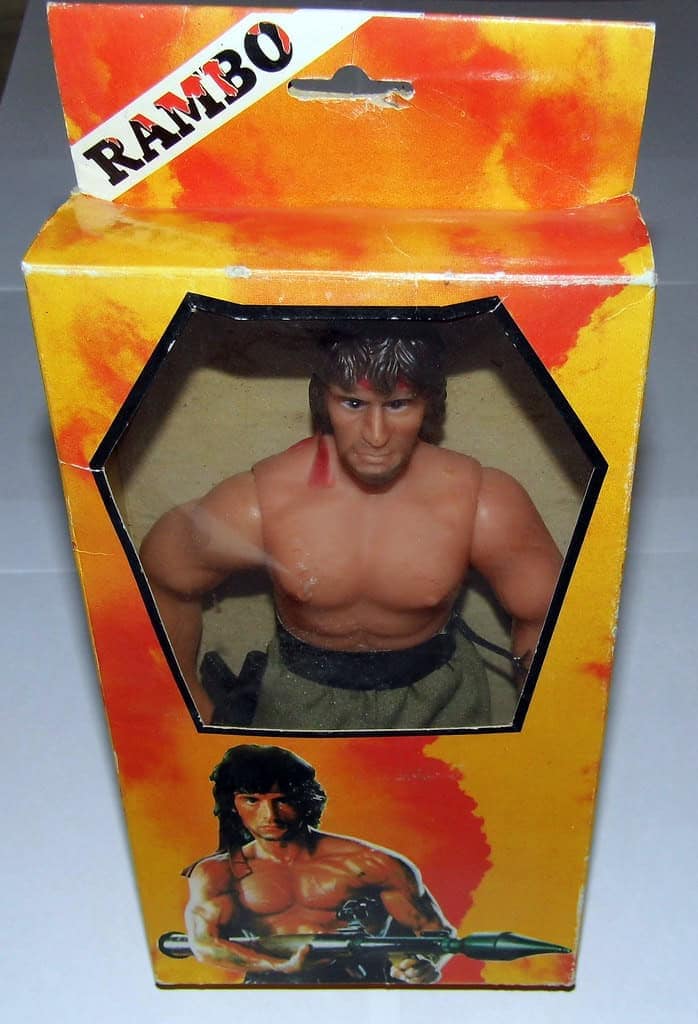
The Real-Life Roots of Rambo
John Rambo became the poster child for the seemingly indestructible movie commando, but the character was not based on an Army Green Beret named Jack S. O'Connell. Author David Morrell created Rambo for his 1972 novel First Blood, and Morrell has specifically identified Audie Murphy as one of the models behind the character. Murphy's story mattered not just because of his extraordinary World War II heroism, but because of the psychological struggles he endured after coming home. Morrell was also influenced by Vietnam veterans returning to a deeply divided America and by the social unrest of the late 1960s. Rambo was therefore never a one-to-one portrait of a single soldier, but one of his most important real-life influences was already sitting a few slides back on this list.
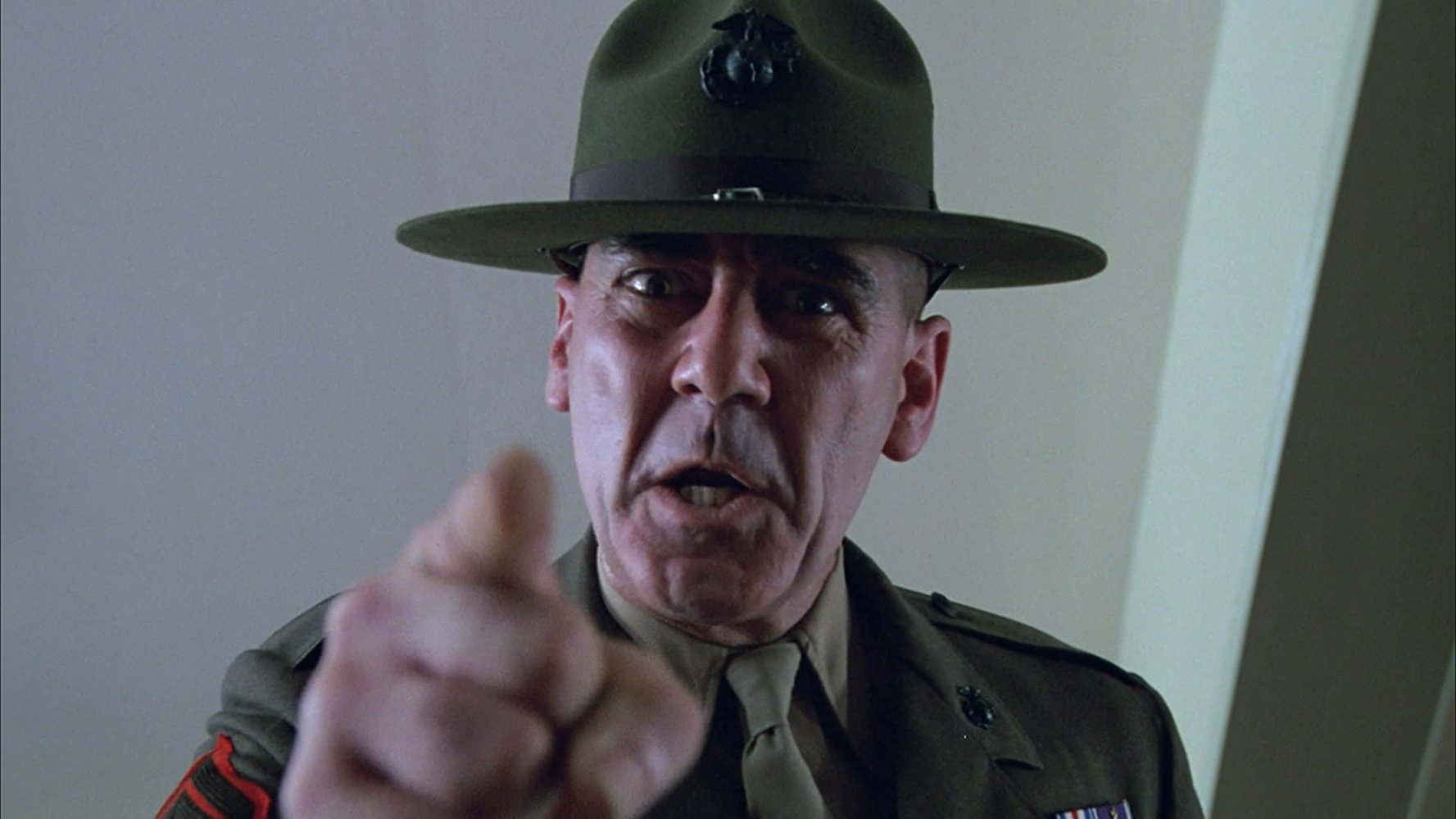
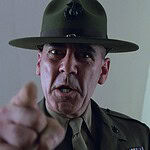
R. Lee Ermey
R. Lee Ermey may be the ultimate example of Hollywood realizing the real guy was better than the actor they planned to hire. Ermey spent nearly 11 years in the Marine Corps, including about three years as a drill instructor, and served in Vietnam before being medically retired. By the time Stanley Kubrick began making Full Metal Jacket, Ermey had already worked around movies as both an actor and military technical adviser. He was originally brought onto the film to help make the Marine boot-camp scenes believable, not necessarily to play Gunnery Sgt. Hartman.
Then Ermey demonstrated exactly what a real drill instructor could do. According to the Marine Corps, he recorded a roughly 15-minute audition in which he unloaded a nonstop stream of insults without repeating himself. Kubrick was impressed enough to cast him as Hartman, and the director later said Ermey's improvised drill-instructor material generated hundreds of pages of transcript that helped shape the script. The result became one of the most recognizable military performances in movie history. Unlike most actors playing intimidating sergeants, Ermey was not trying to imagine how a Marine drill instructor might sound. He had actually been one.
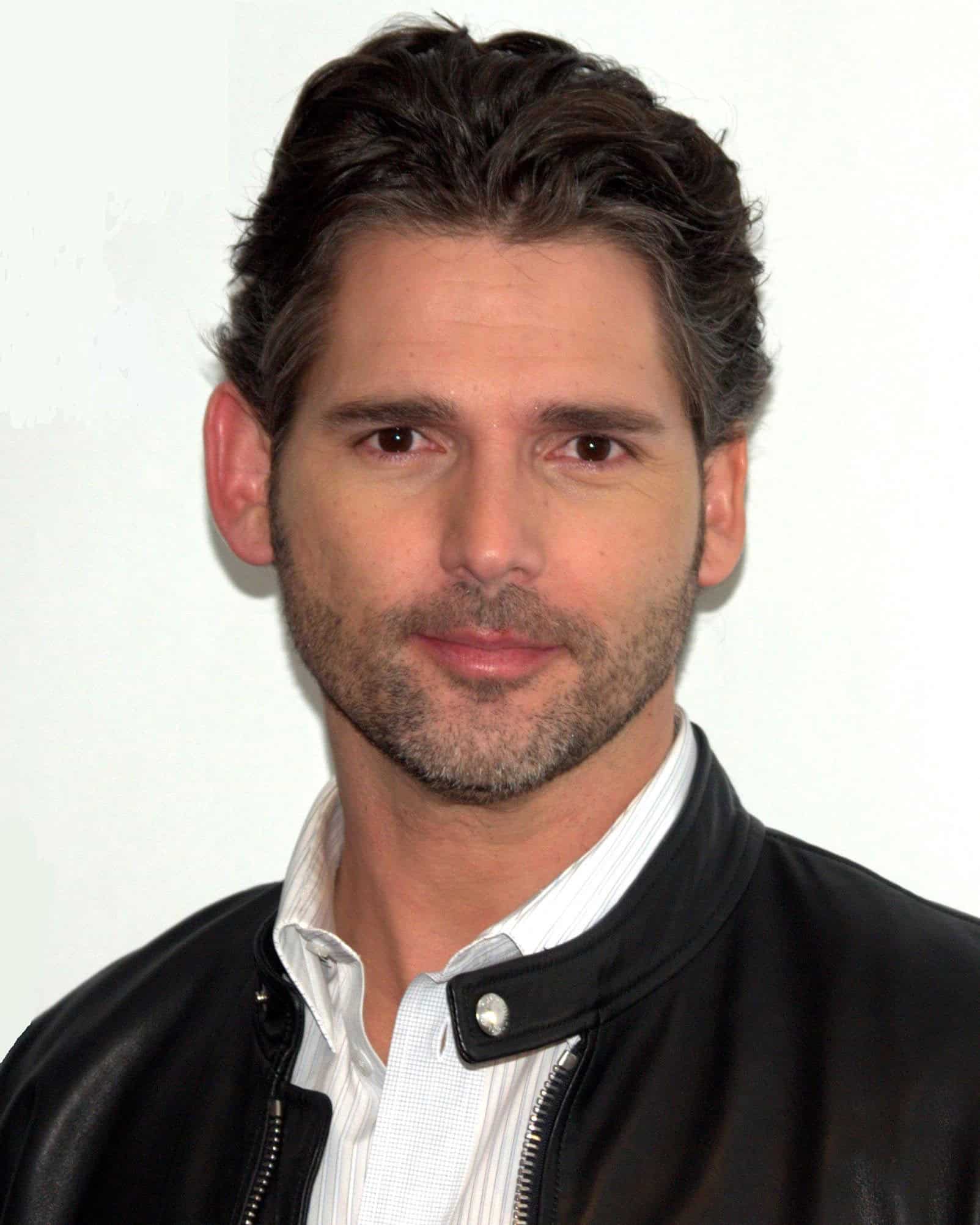
Norm Hooten
Eric Bana's effortlessly cool "Hoot" in Black Hawk Down was based on a very real Delta Force operator named Norm Hooten. Hooten served with Task Force Ranger during the 1993 Battle of Mogadishu and later retired from the Army as a master sergeant after roughly two decades of service. Hollywood naturally changed and combined events, but some of the movie's most memorable material came surprisingly close to the source. Hooten later explained that his famous speech about fighting for the men beside you grew out of a real conversation he had with members of the cast during their military training before filming. Even the movie's "This is my safety" scene was assembled from real incidents Hooten described. Bana was playing a character, but the attitude behind Hoot came straight from the man himself.
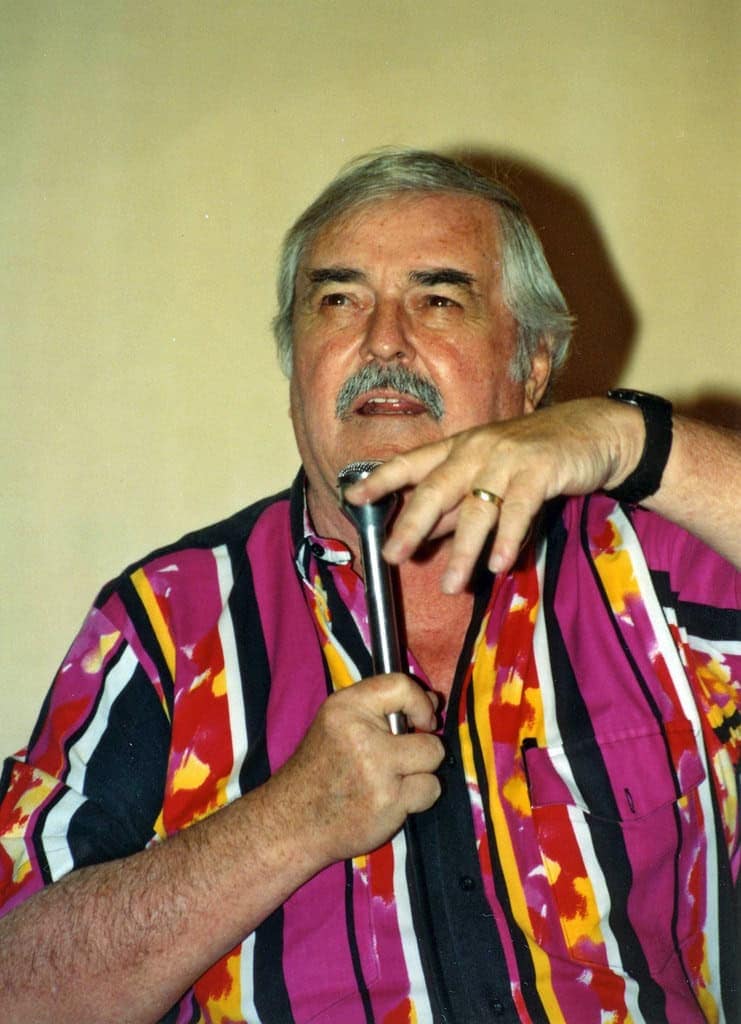
James Doohan
Star Trek's Montgomery Scott could fix almost anything aboard the Enterprise, but James Doohan had already survived a very different kind of emergency long before anyone asked him to beam up Captain Kirk. The Canadian actor served in the Royal Canadian Artillery during World War II and landed at Juno Beach during the D-Day invasion on June 6, 1944. Late that night, Doohan was accidentally struck by machine-gun fire from a Canadian sentry. Four rounds hit his leg, another struck his chest but was stopped by a cigarette case, and one damaged his right middle finger so badly that it was ultimately amputated. Doohan later became a pilot before beginning the acting career that made Scotty one of science fiction's most beloved characters. The missing finger was occasionally visible on Star Trek, although camera angles usually concealed it.