WIkimedia

J.Thasit/Shutterstock.com
cybermagician/Shutterstock.com
"Federal COINTELPRO document" by CIRonline is licensed under BY 2.0.
"Public Domain: Photograph of Participant in the Tuskegee Syphilis Study (NARA)" by pingnews.com is licensed under PDM 1.0.
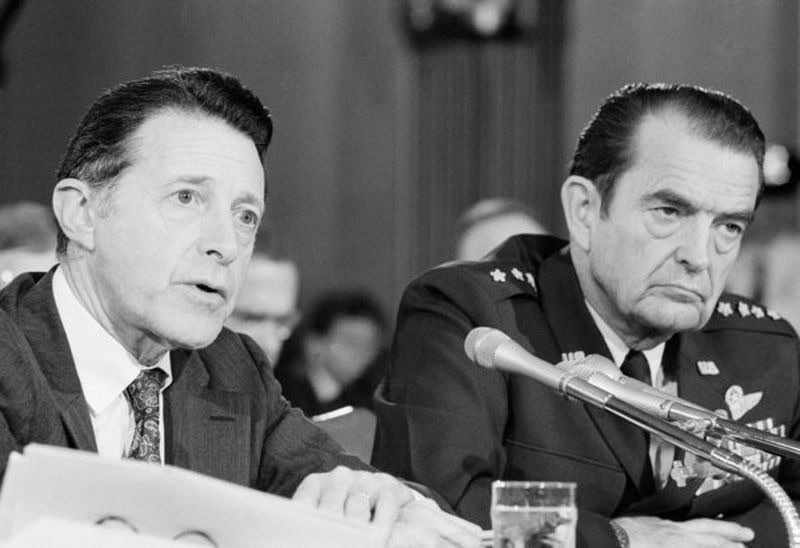
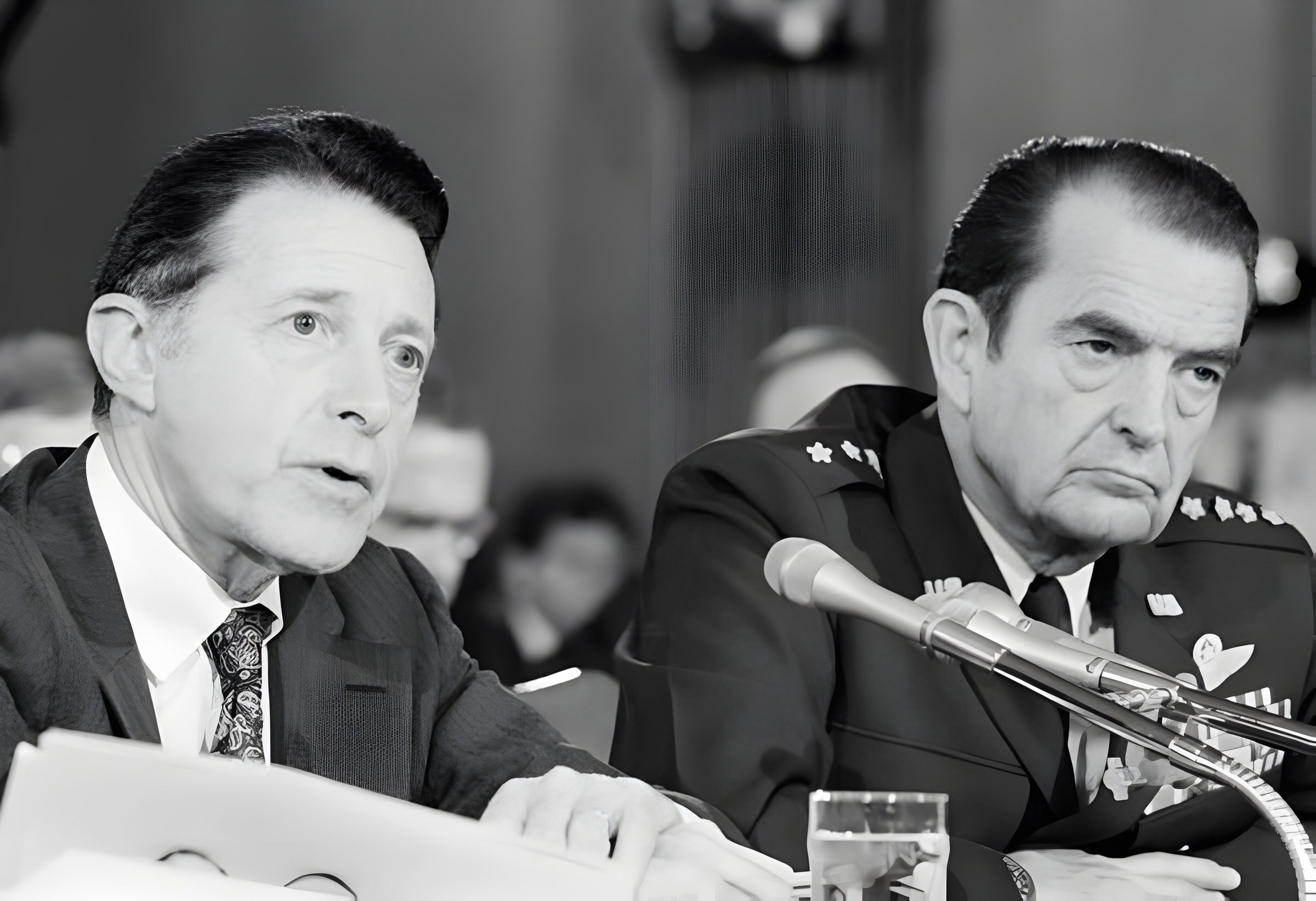
"U.S. Secretary of Defense Caspar Weinberger with Chairman of The Joint Chiefs of Staff General David C. Jones" by U.S. Department of Defense Archive is licensed under BY-SA 4.0.
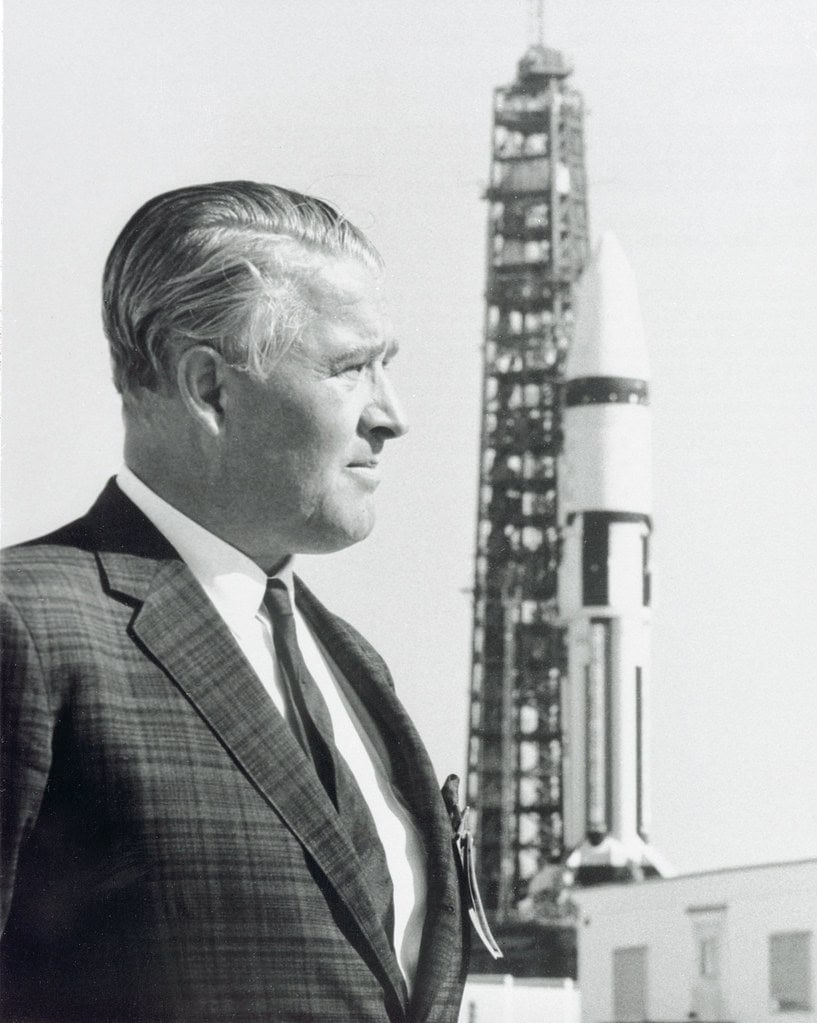
"GPN-2000-000045" by NASA Remix Man is licensed under BY 2.0.
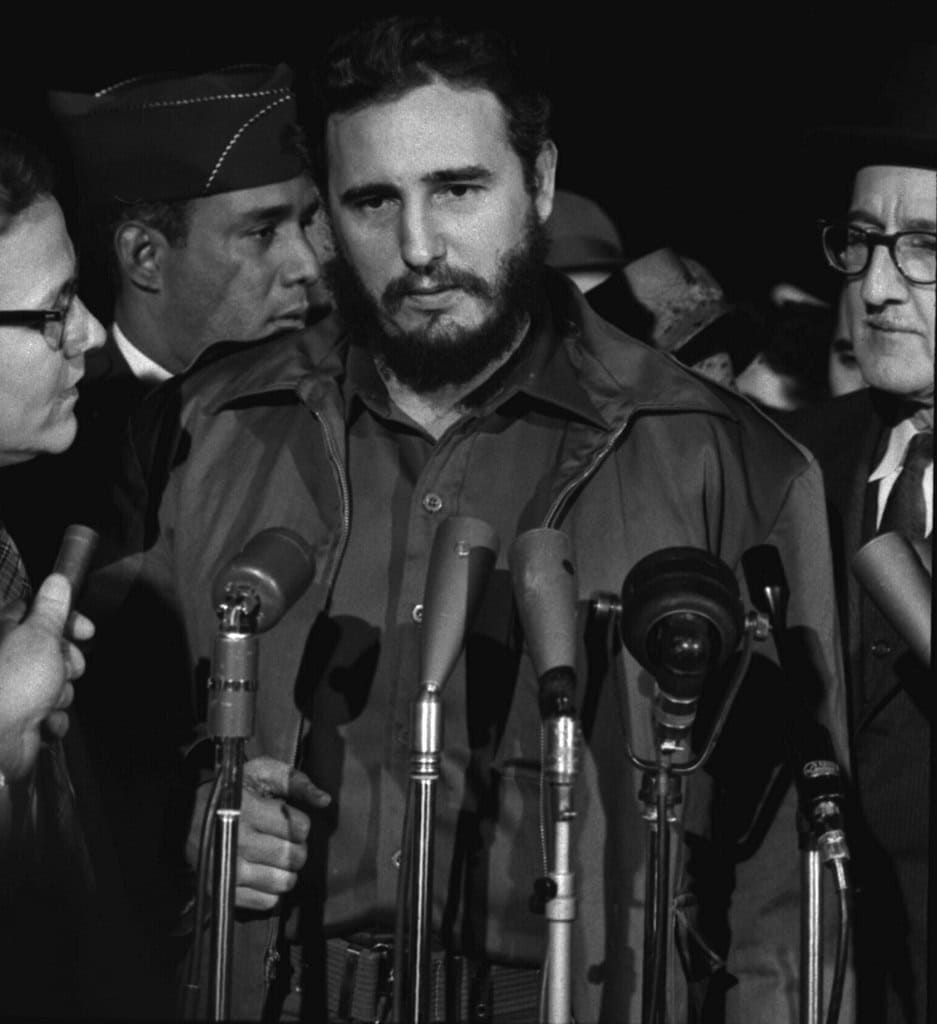
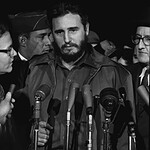
"No Known Restrictions: Fidel Castro Arrives in Washington, D.C. by Warren K. Leffler, 1959 (LOC)" by pingnews.com is licensed under PDM 1.0.
Devonyu/ via Getty Images
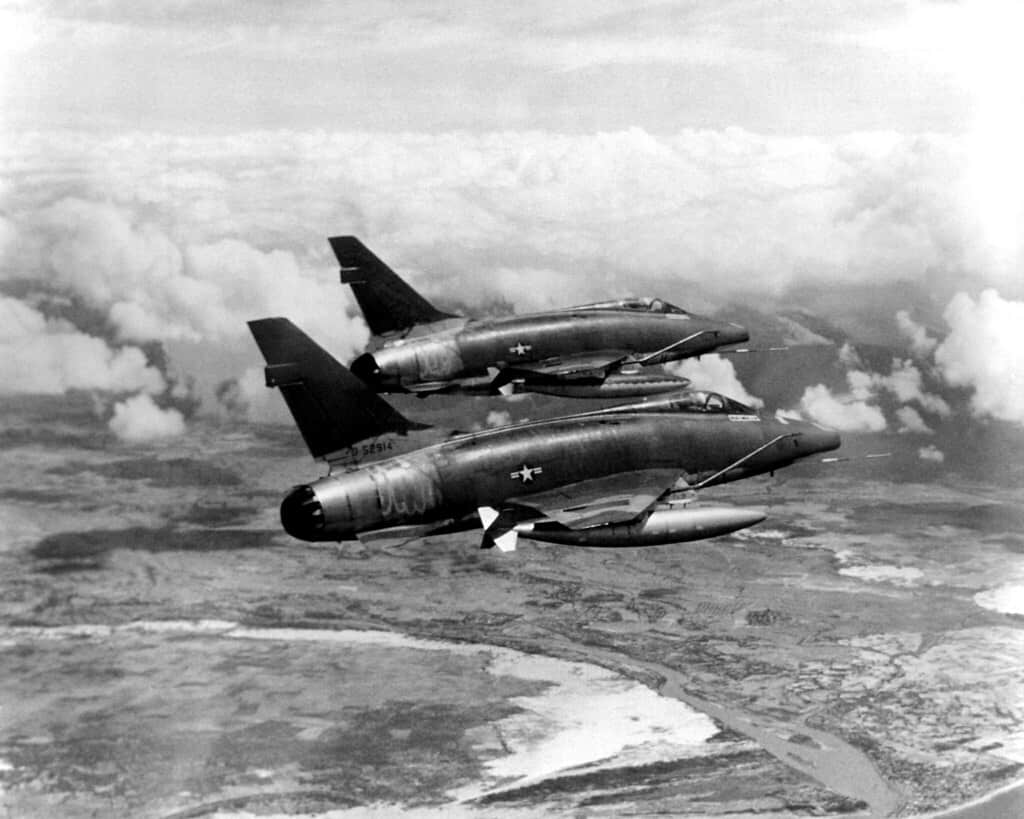
"Vietnam War" by expertinfantry is licensed under BY 2.0.
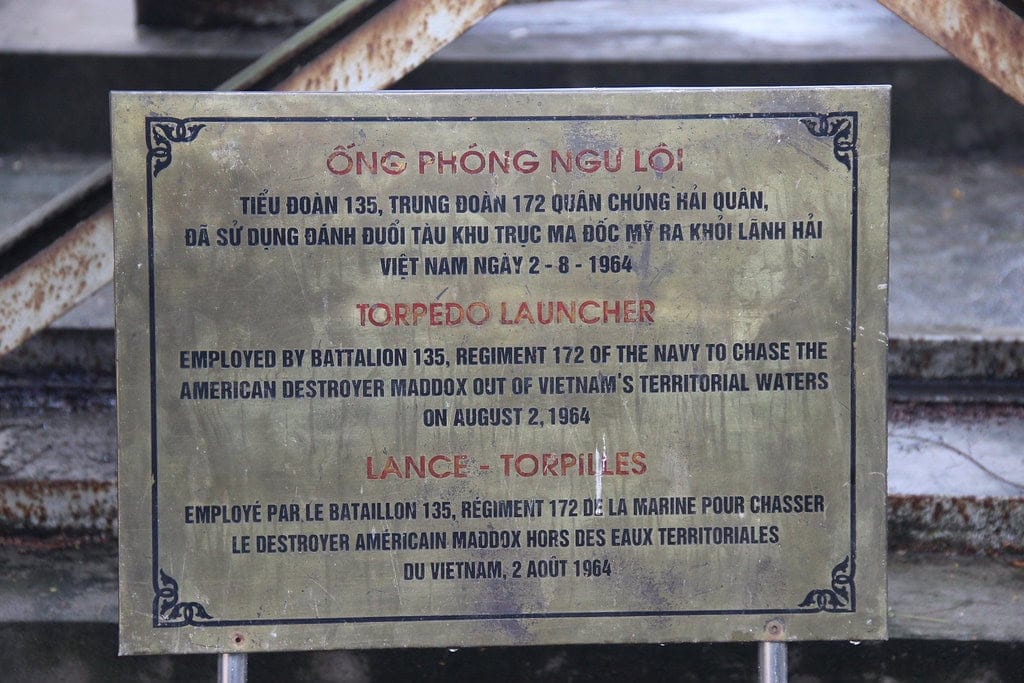
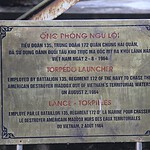
"Torpedo Launchers from Gunboat in Gulf of Tonkin Incident, 1964" by Gary Lee Todd, Ph.D. is licensed under CC0 1.0.


10 Government Programs and Controversies, Explained
Some of the strangest chapters in American history aren't based on rumors. They're documented in government files, congressional investigations, and official reports. That doesn't make every conspiracy theory credible, of course. But it does mean a few once-secret operations and questionable decisions have become established parts of the historical record.
The details matter. There's a difference between a program that actually operated, a proposal that never went forward, and an allegation investigators still dispute. Operation Northwoods, for example, was proposed but never carried out. Other episodes, including the U.S. Public Health Service's syphilis study at Tuskegee, caused lasting harm to people who were not told the full truth.
Here are 10 government programs, incidents, and controversies that drew public scrutiny after documents emerged or investigations exposed what happened. Some were controversial at the time; others stayed out of the spotlight for years. We'll stick to what the evidence supports, because the actual history is compelling enough without stretching it.
Operation CHAOS
During the Vietnam War era, the CIA collected information about Americans while looking for evidence that foreign governments were influencing domestic protest movements. The effort, known as Operation CHAOS, began in 1967 and continued into 1974. According to the agency's own historical account, it accumulated files on more than 7,000 U.S. citizens and 6,000 political organizations. The investigation found no credible evidence of the foreign direction officials were looking for, yet surveillance and infiltration continued. Congress later scrutinized the operation as part of its investigation into intelligence-agency abuses. The surveillance was real, but the original claim that 300,000 Americans were directly monitored isn't supported by those documented figures.
MKUltra
The CIA launched MKULTRA in 1953 to investigate drugs and other techniques that might influence behavior or help with interrogation. Some experiments involved giving LSD to people without their knowledge or consent. Others explored methods such as hypnosis and sensory deprivation. The program has become shorthand for "mind control," but the documented experiments do not establish that the CIA developed a reliable way to control someone's thoughts. What they do establish is that people were put at serious risk without proper safeguards. Many records were destroyed in 1973, and congressional investigations in the 1970s exposed the program's abuses and the gaps in what investigators could recover.
COINTELPRO
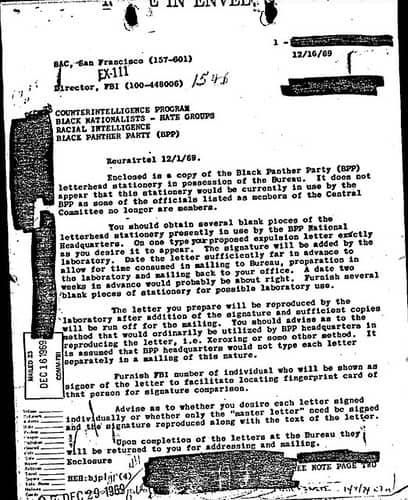
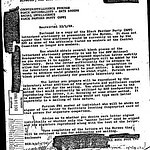
From 1956 to 1971, the FBI ran COINTELPRO, a collection of covert efforts to monitor, disrupt, and discredit organizations it considered threats. Targets eventually included civil rights activists, Black political groups, antiwar organizers, and even the Ku Klux Klan. The tactics went beyond gathering intelligence: agents infiltrated organizations, encouraged internal disputes, and tried to undermine people whose activities were sometimes entirely lawful. The program began coming to light after activists broke into an FBI office in Media, Pennsylvania, in 1971 and shared documents with the press. The Senate's Church Committee later examined the wider pattern of misconduct. It was a real abuse of federal power, not simply a rumor about surveillance.
Tuskegee Syphilis Study
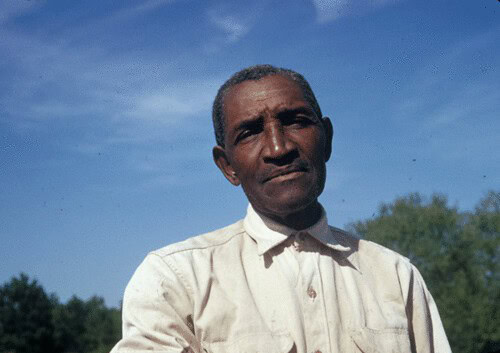
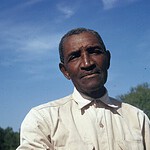
Between 1932 and 1972, the U.S. Public Health Service followed 600 Black men in Alabama: 399 who already had syphilis and 201 who did not. The men were not deliberately infected for the study, a detail that is often repeated incorrectly. The actual wrongdoing was serious enough. Researchers did not obtain informed consent and failed to provide effective treatment after penicillin became available. Participants were told they were being treated for "bad blood" while the study continued for decades. News coverage in 1972 led to an official review and the study's termination. In 1997, President Bill Clinton formally apologized on behalf of the federal government.
Iran-Contra Affair
During the mid-1980s, officials in the Reagan administration secretly arranged arms sales involving Iran, partly connected to efforts to win the release of American hostages in Lebanon. Money from the deals was diverted to Contra rebels fighting Nicaragua's Sandinista government, circumventing congressional restrictions on military assistance. The arrangement became public in 1986 and set off investigations, testimony, and criminal proceedings. The central facts are well documented, though investigators did not establish the same degree of knowledge or responsibility for every senior official. The scandal showed how far a covert foreign-policy effort could move outside normal oversight before the public learned what was happening.
Project Paperclip
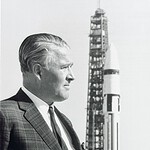
After World War II, the United States recruited German scientists, engineers, and technicians to work on military and technical projects. Project Paperclip and related programs brought more than 1,500 specialists into the country, according to National Archives records. Some had ties to Nazi organizations, and archival investigations have identified individuals connected to wartime abuses and forced labor. One prominent recruit, rocket engineer Wernher von Braun, later played a major role in America's space program. It's misleading to describe every recruit as a convicted war criminal, but it's equally misleading to ignore the troubling backgrounds that U.S. authorities sometimes accepted or downplayed in the race for technical expertise.
Operation Northwoods
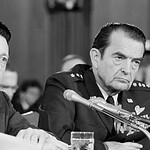
In 1962, the U.S. Joint Chiefs of Staff put forward a proposal for manufactured incidents that could be blamed on Fidel Castro's government and used to justify military action against Cuba. The plan, known as Operation Northwoods, outlined possible staged provocations and deceptive accounts of attacks. It sounds extreme because the actual declassified memo is extreme. But one distinction is essential: Northwoods was a proposal, not an operation that was carried out. The suggested scenarios were not implemented. Its existence is established by official records released years later, making the documented planning itself the story rather than proof that the proposed attacks happened.
Operation Gladio
During the Cold War, Western European countries maintained secret "stay-behind" networks intended to organize resistance if Soviet forces occupied their territory. Italy's network was known as Gladio. Its existence became public in 1990, when Prime Minister Giulio Andreotti acknowledged it. That much is documented. Claims that Gladio itself organized terrorist attacks or false-flag violence are a separate matter and remain disputed; the available historical record does not justify treating all of those allegations as established fact. The operation is a useful reminder that confirming a covert network existed is not the same as proving every accusation subsequently made about it.
The Phoenix Program
The Phoenix Program was a U.S.-supported South Vietnamese campaign during the Vietnam War, principally active from 1968 to 1972, aimed at dismantling the Viet Cong's political and support networks. It relied on intelligence, arrests, defections, and military operations, and it drew serious criticism over abuses, mistaken identifications, and treatment of detainees. A U.S. Army historical account cites 81,740 people classified as "neutralized," including 26,369 killed. That label also covered people captured or persuaded to defect; it did not mean everyone was killed. Nor does the death figure mean 26,369 people were executed. Even contemporary intelligence reports warned that the counting methods could be unreliable.
Gulf of Tonkin Incident
An actual clash took place in the Gulf of Tonkin on August 2, 1964, when North Vietnamese boats engaged the USS Maddox. Two days later, U.S. officials reported another attack, but the evidence for that second encounter quickly became uncertain. Later intelligence analysis concluded that the August 4 attack did not occur. Congress nevertheless passed the Gulf of Tonkin Resolution on August 7, giving President Lyndon Johnson broad authority to expand U.S. military involvement in Vietnam. The first clash and the disputed second report should not be lumped together. The historical controversy concerns the evidence presented for the second attack and how it helped justify a much larger war.