Wikimedia Commons
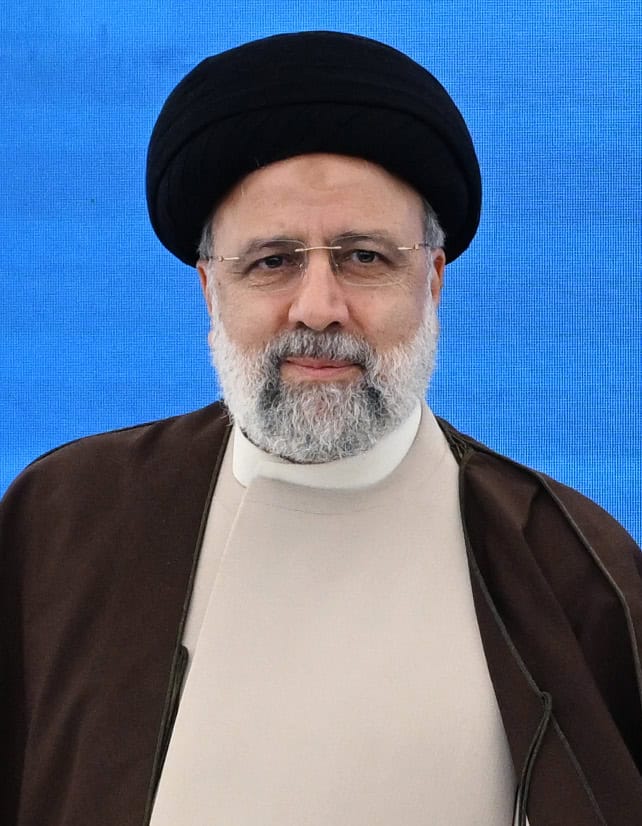
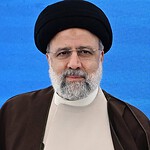
"Ebrahim Raisi (19.05.2024) (cropped)" by Press Service of the President of the Republic of Azerbaijan is licensed under BY 4.0.
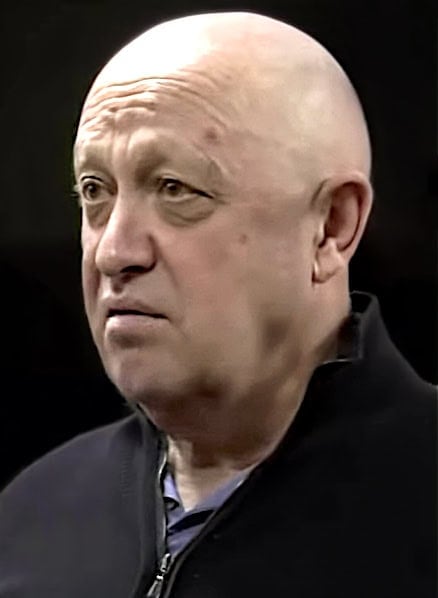
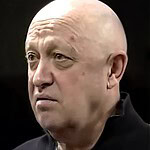
"Yevgeny Prigozhin (13-06-2023)" by УлПравда ТВ is licensed under BY 3.0.
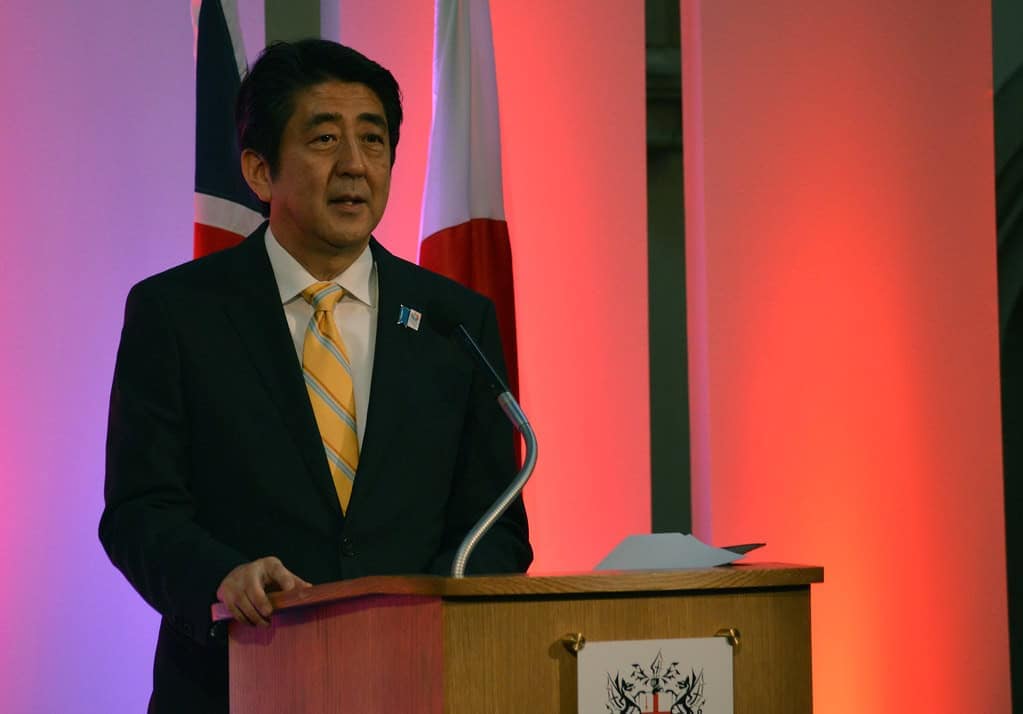
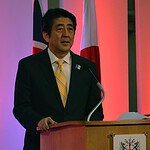
"Shinzo Abe" by theglobalpanorama is licensed under BY-SA 2.0.
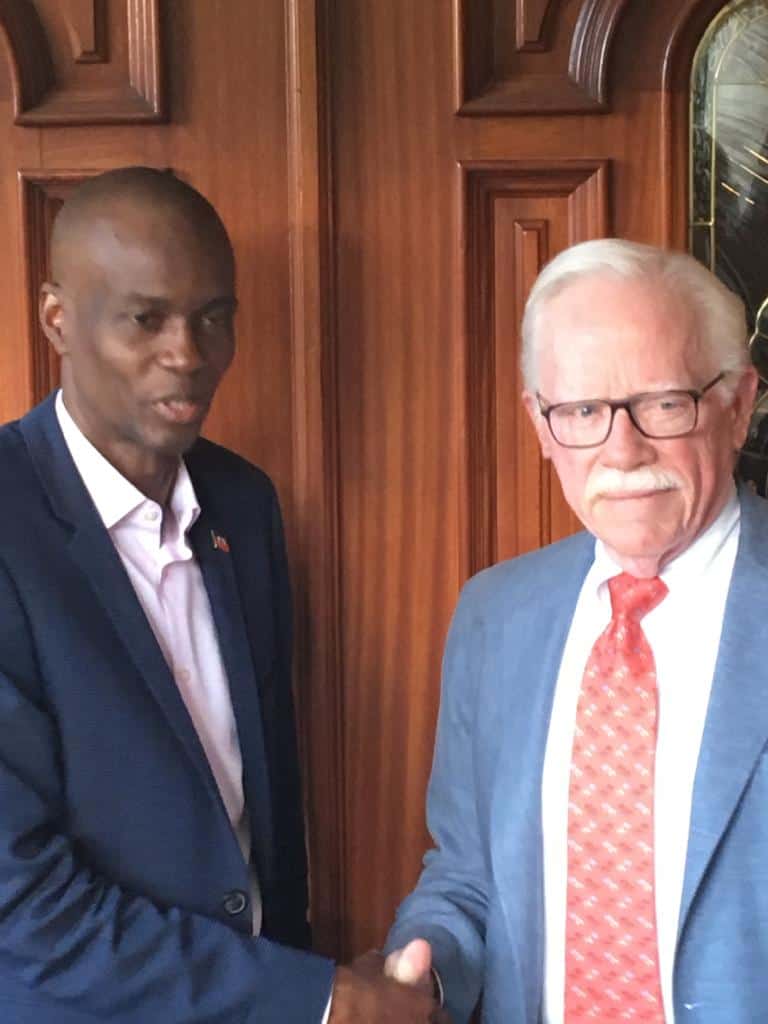
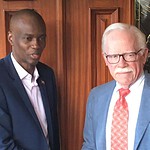
"Congressman Bob Barr meets with Haitian President Jovenel Moise" by Lynngarrison9221 is licensed under BY-SA 4.0.
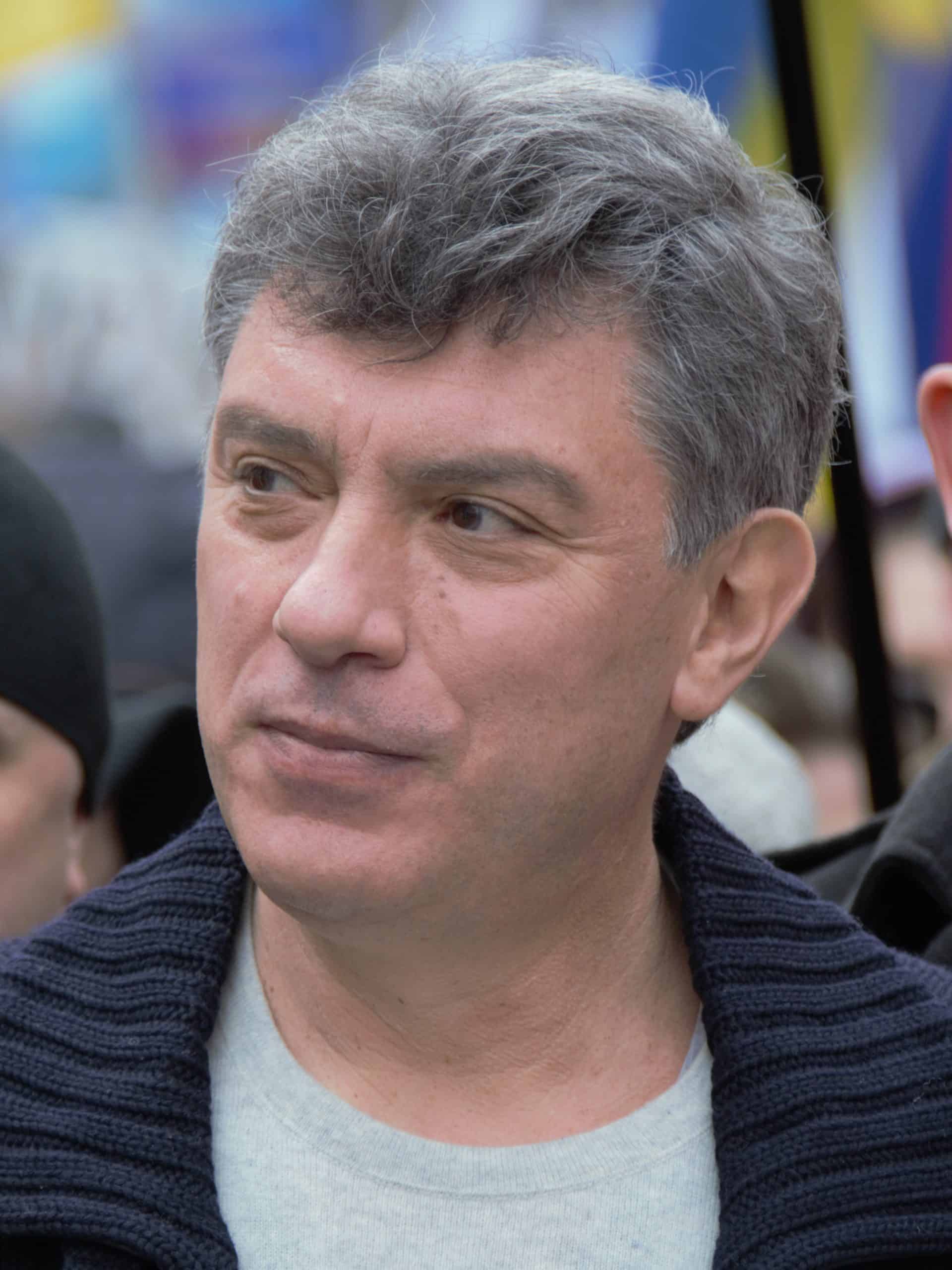
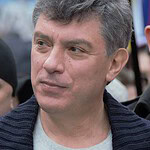
"Boris Nemtsov 2014" by Dhārmikatva is licensed under BY-SA 3.0.
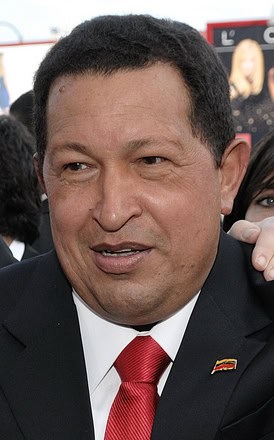
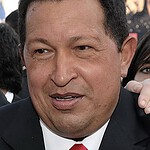
"Hugo Chavez, Oliver Stone 66ème Festival de Venise (Mostra) 8 (cropped)" by nicolas genin from Paris, France is licensed under BY-SA 2.0.
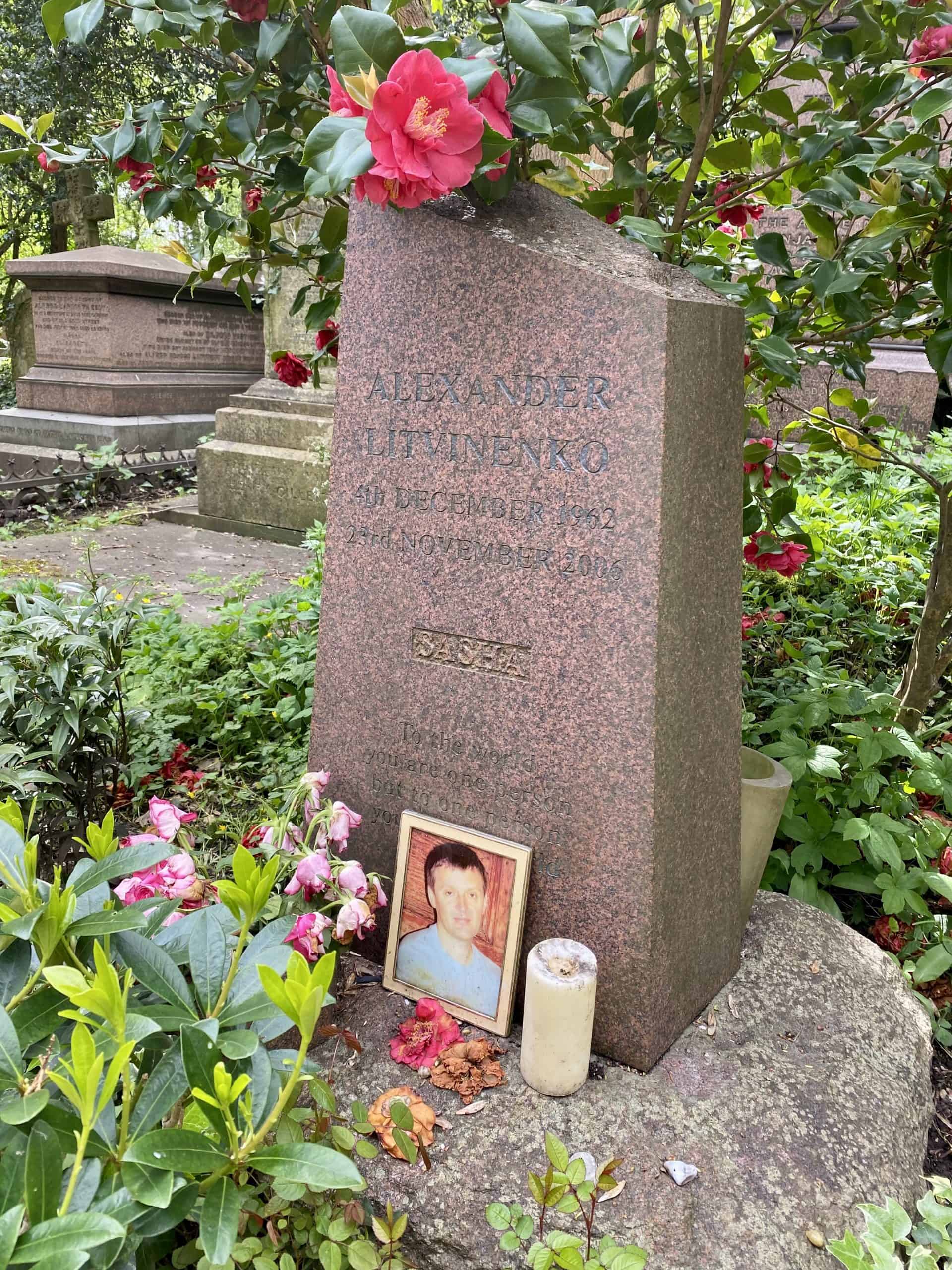
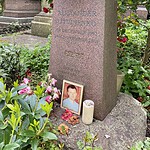
"Grave of Alexander Litvinenko, Highgate Cemetery, April 2024" by No Swan So Fine is licensed under BY-SA 4.0.
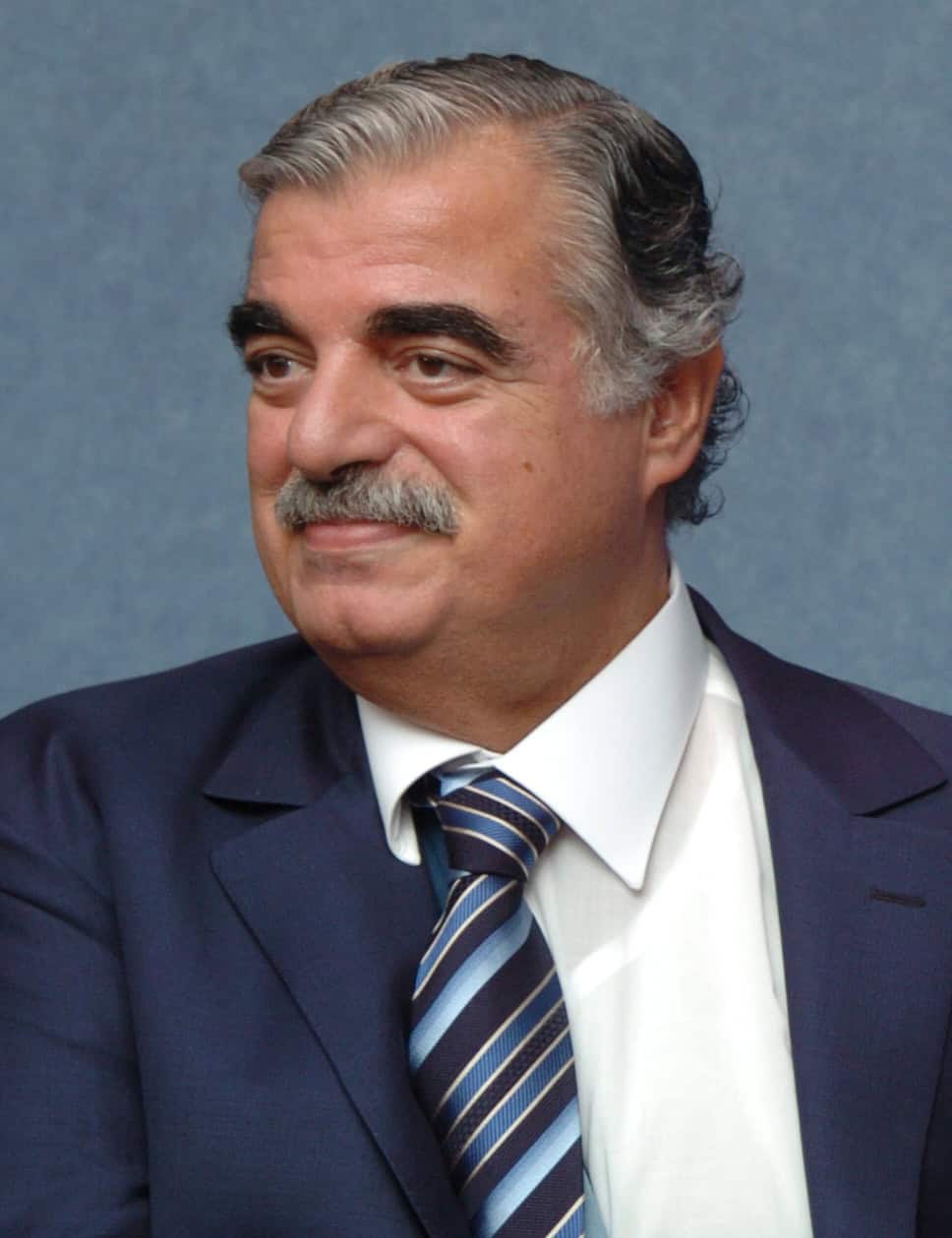
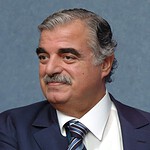
"Visit of Rafic Hariri, Lebanese Prime Minister, to the EC P010848002H (cropped)" by European Commission - Christian Lambiotte is licensed under BY 4.0.
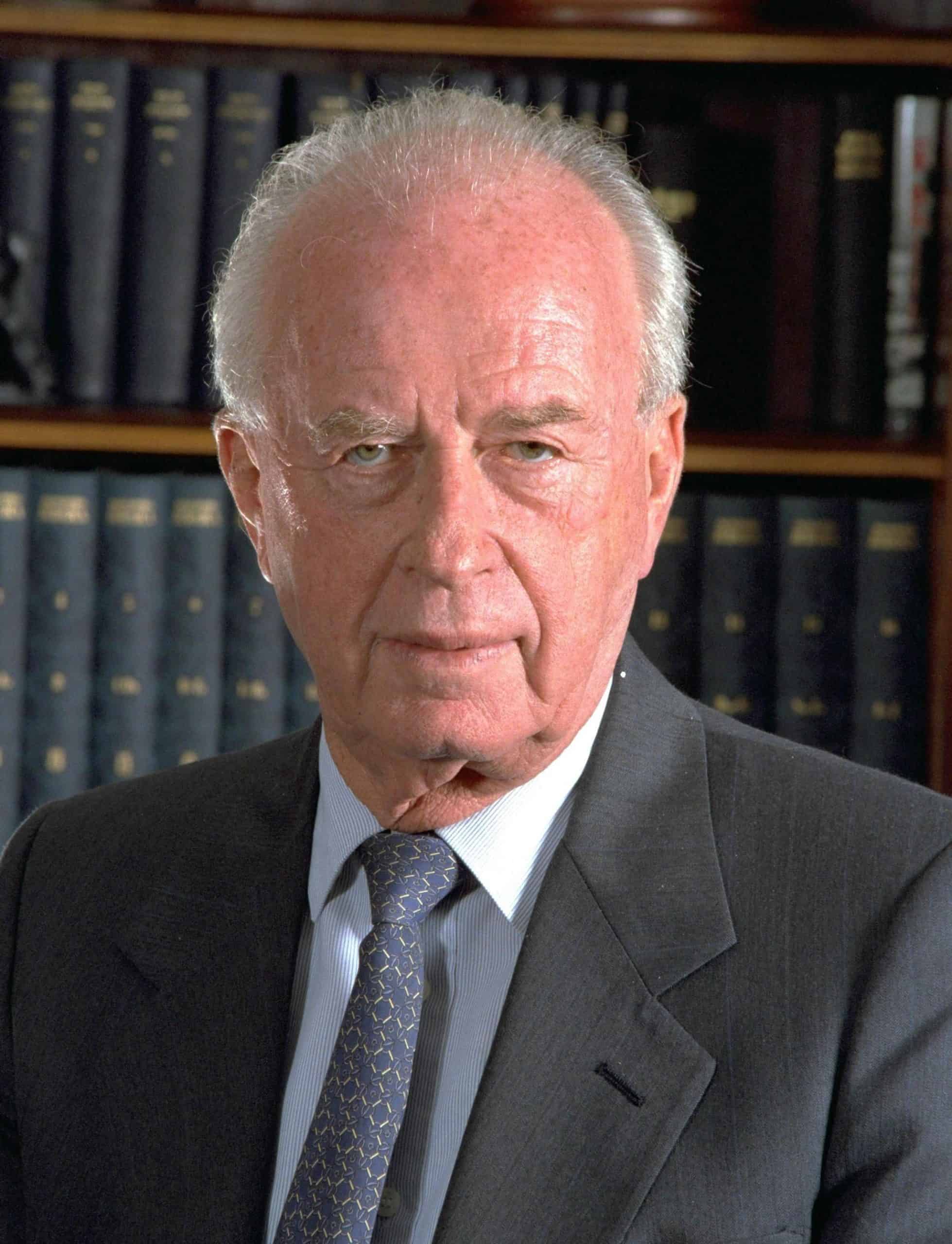
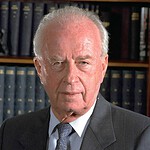
"Flickr - Israel Defense Forces - Life of Lt. Gen. Yitzhak Rabin, 7th IDF Chief of Staff (cropped)" by Yaakov Saar is licensed under BY-SA 3.0.
"Cyprien Ntaryamira at a FRODEBU rally" by RTNB (Burundi National Radio and Television) is licensed under BY 3.0.
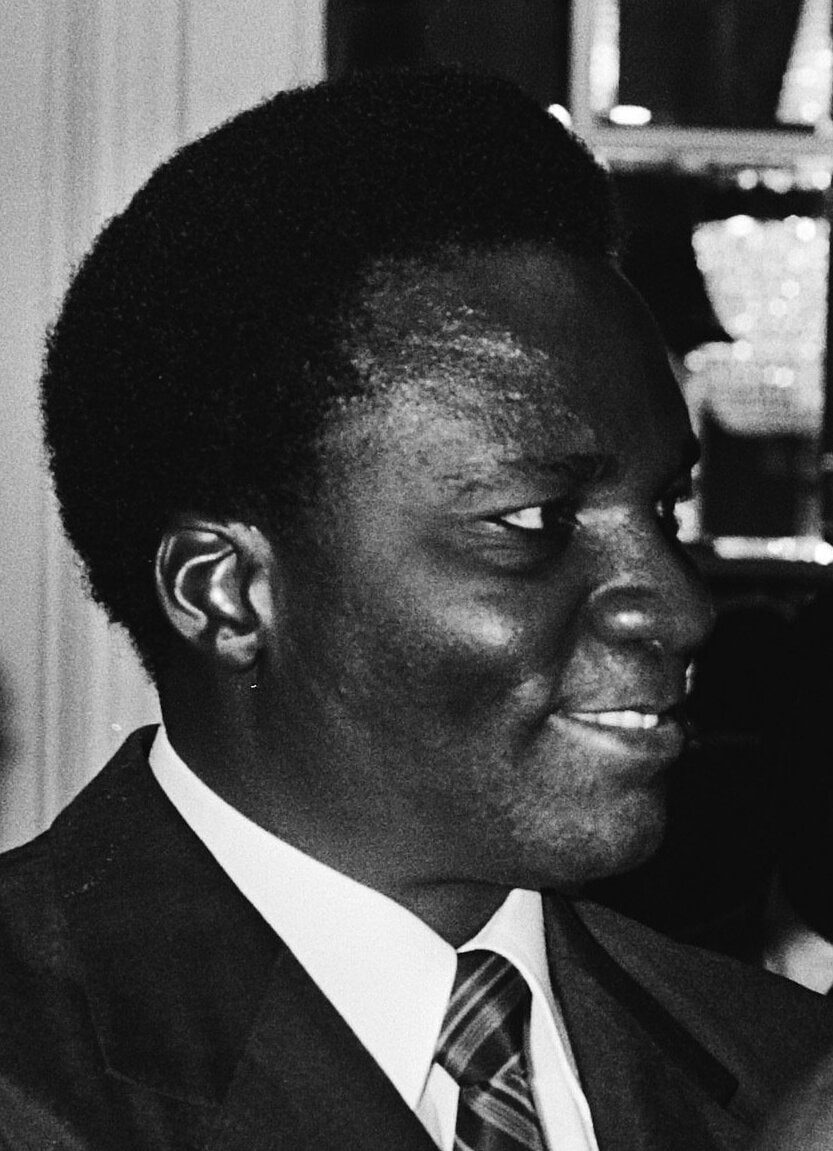
"Habyarimanna-VanAgt (cropped)" by Koen Suyk (ANEFO) is licensed under CC0 1.0.
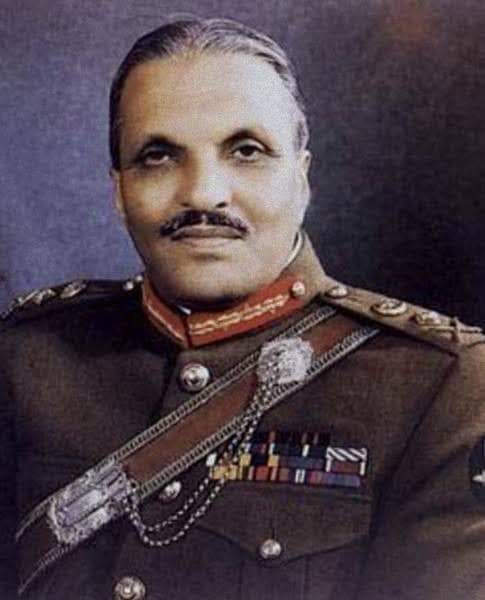
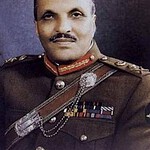
"General Muhammad Zia-Ul-Haq" by Pakistan Army is licensed under BY-SA 4.0.
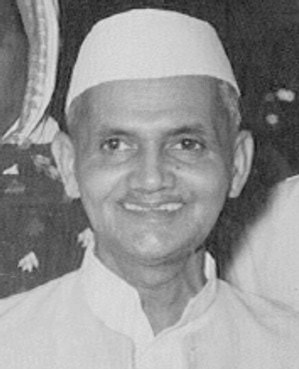
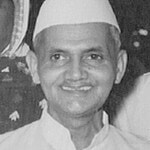
"Lal Bahadur Shastri (cropped)" by Viksb is licensed under BY-SA 3.0.
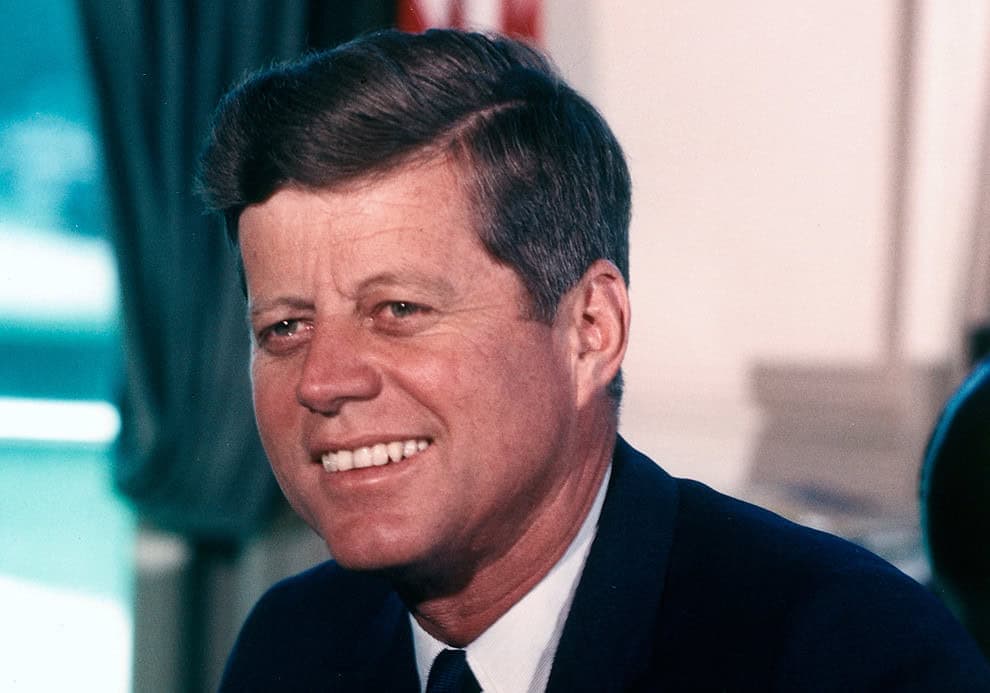
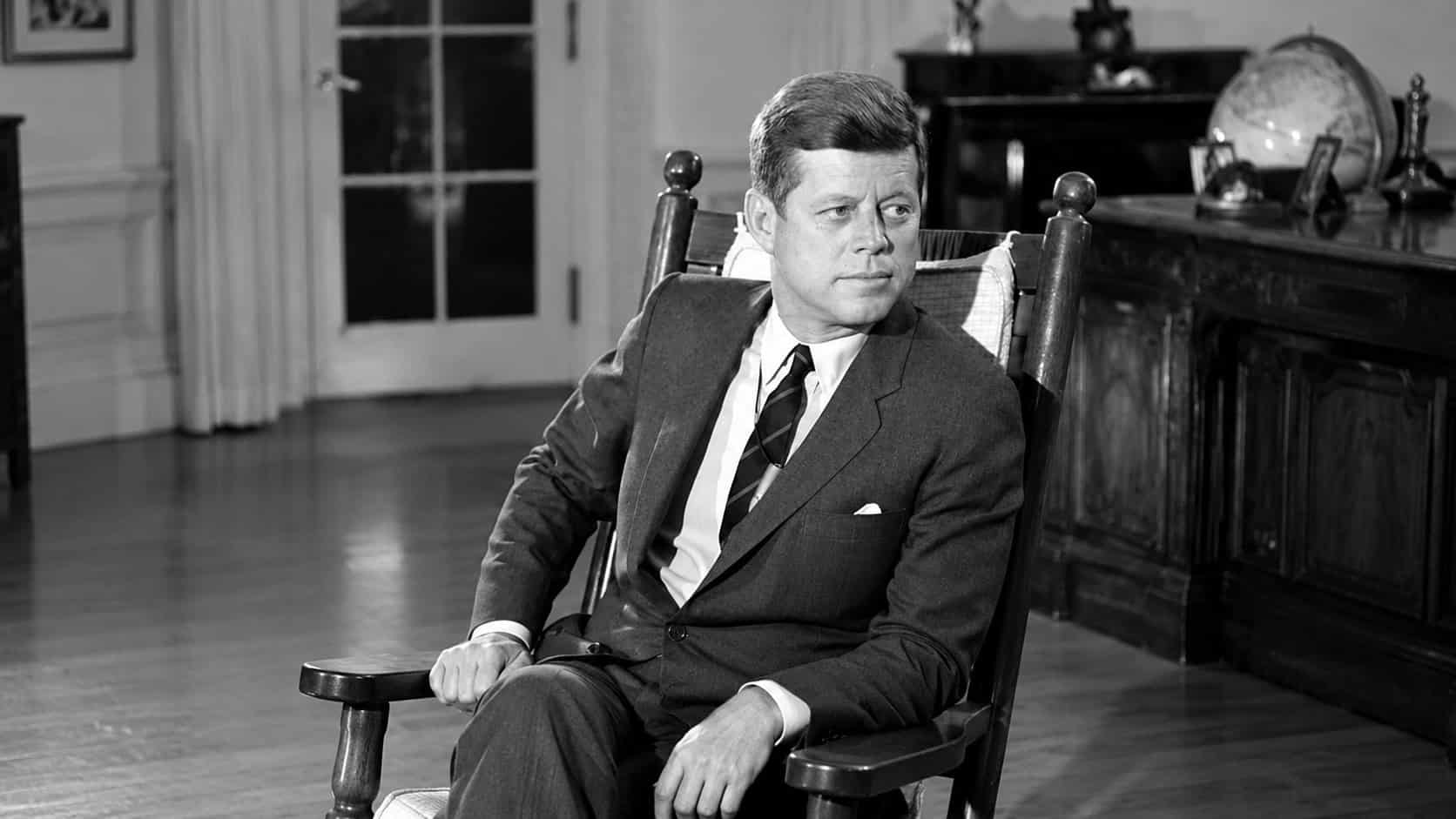
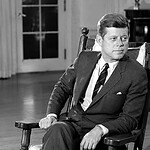
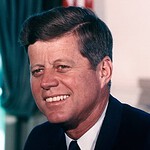
"President John F. Kennedy" by U.S. Embassy New Delhi is licensed under BY-ND 2.0.
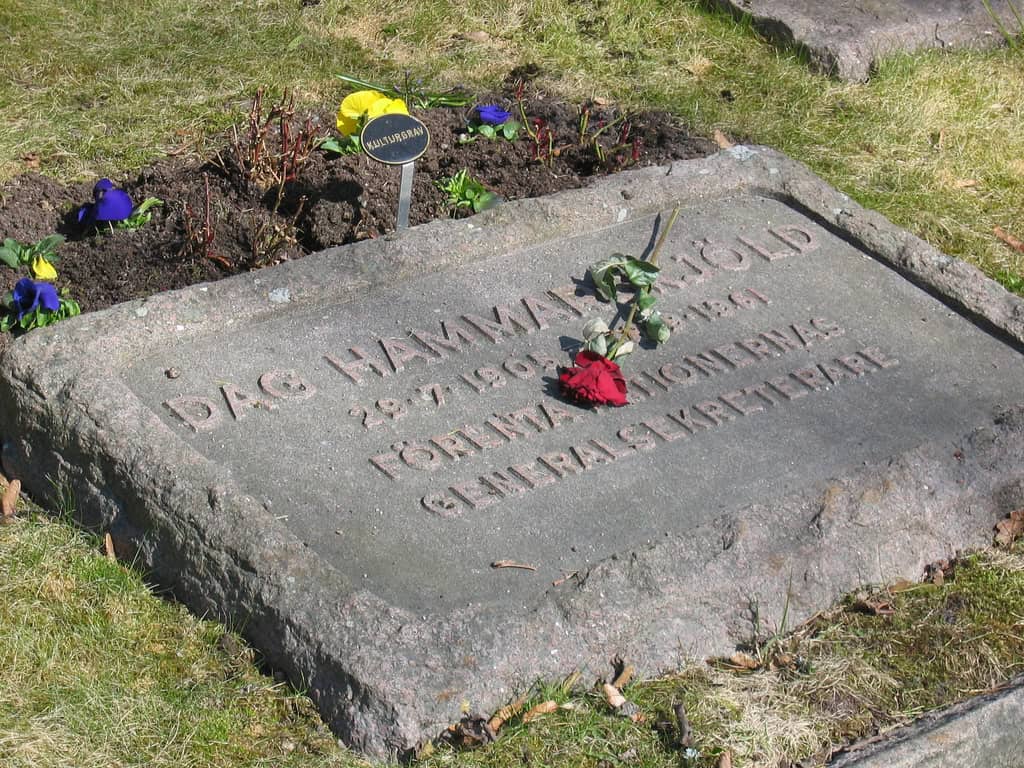
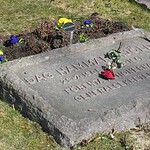
"Dag Hammarskjöld's grave" by eimoberg from Changwon, South Korea is licensed under BY 2.0.
15 Political Deaths That Fueled Conspiracy Theories
When a major political figure dies suddenly, the questions usually begin before the funeral does. Sometimes those questions are justified by genuine gaps in the evidence. Other times investigators reach a fairly clear conclusion, yet conspiracy theories keep circulating for decades.
That distinction matters with the people on this list. Some of these deaths remain genuinely unresolved. In other cases, we know who pulled the trigger or what investigators determined caused the crash, but unanswered questions about motive, responsibility, or political involvement have kept speculation alive. Here are 15 political deaths that generated some of the biggest questions and conspiracy theories of the modern era.
Ebrahim Raisi
Ebrahim Raisi served as president of Iran from 2021 until his death on May 19, 2024. Raisi, Foreign Minister Hossein Amir-Abdollahian, and six others were killed when their Bell 212 helicopter crashed in a mountainous area of northwestern Iran while returning from an event near the Azerbaijani border. The deaths immediately generated speculation about sabotage, particularly given the political tensions surrounding Iran. Iran's final military investigation, however, attributed the crash to difficult weather conditions and a sudden mass of dense fog that caused the helicopter to strike the mountainside. Investigators said they found no evidence that the aircraft had been sabotaged or attacked. In other words, the speculation was real, but the available investigation does not support the more dramatic theories.
Yevgeny Prigozhin
Few deaths on this list generated suspicion as quickly as Yevgeny Prigozhin's. The Wagner mercenary chief led a brief armed mutiny against Russia's military leadership in June 2023, creating the most serious challenge to Vladimir Putin's authority in years. Roughly two months later, on August 23, the private jet carrying Prigozhin and several senior Wagner figures crashed northwest of Moscow, killing all 10 people aboard. Putin later said investigators had found grenade fragments in victims' bodies and no evidence of an external strike. A preliminary U.S. intelligence assessment separately concluded that an intentional explosion brought down the aircraft. Russia has denied suggestions that the Kremlin ordered Prigozhin's death, and no publicly established account has fully resolved how the explosion occurred or who, if anyone, ordered it.
Shinzo Abe
Shinzo Abe was Japan's longest-serving prime minister, holding the office briefly from 2006 to 2007 and again from 2012 until his resignation in 2020. On July 8, 2022, while campaigning for another candidate in Nara, Abe was fatally shot with a homemade firearm by Tetsuya Yamagami. This is not an unresolved assassination. Yamagami admitted killing Abe and was sentenced to life in prison in January 2026. What made the case politically explosive was his stated motive. Yamagami blamed the Unification Church for his family's financial ruin and targeted Abe because of what he saw as Abe's connections to the organization. The killing triggered intense scrutiny of ties between the church and politicians in Japan, but there is no serious evidentiary mystery over who killed Abe.
Jovenel Moïse
Haitian President Jovenel Moïse was assassinated inside his private residence near Port-au-Prince on July 7, 2021. His wife, Martine Moïse, was seriously wounded but survived. Early reporting left enormous questions about who had organized the heavily armed attack and why. The picture has become considerably clearer since then. U.S. prosecutors say conspirators based partly in South Florida initially developed plans to kidnap or remove Moïse before ultimately deciding to have mercenaries kill him. Several participants pleaded guilty, and in May 2026 a federal jury convicted four additional defendants for their roles in the conspiracy. The case exposed a plot driven by political ambition and the prospect of lucrative government contracts, although Haiti's broader political turmoil ensured that theories surrounding the assassination persisted long after the attack.
Boris Nemtsov
Boris Nemtsov was a former Russian deputy prime minister who became one of Vladimir Putin's most prominent political opponents. On February 27, 2015, Nemtsov was shot and killed while walking across a bridge near the Kremlin in central Moscow. The woman accompanying him was not injured. Five men were later convicted for carrying out the assassination, including the man prosecutors identified as the gunman. That answered one major part of the case, but not necessarily the biggest one. Nemtsov's family and political allies have long argued that investigators failed to establish who ordered the contract killing. The court itself treated the murder as a hired assassination, leaving the identity and motives of whoever commissioned it at the center of the continuing controversy.
Hugo Chávez
Venezuelan President Hugo Chávez died on March 5, 2013, after a lengthy battle with cancer. There is no credible evidence that he secretly died months earlier, as some rumors claimed at the time. The more notable conspiracy theory came from Chávez's own political allies. Nicolás Maduro, then Venezuela's acting president, suggested that foreign enemies might somehow have caused Chávez's cancer and said the government would investigate the possibility. No evidence ever emerged establishing that Chávez had been poisoned or deliberately made ill. His declining health had been the subject of intense secrecy and speculation before his death, which helped the rumors spread, but the claim that a foreign government caused his cancer remains unsupported.
Alexander Litvinenko
Alexander Litvinenko was a former officer in Russia's FSB security service who became an outspoken critic of Vladimir Putin after leaving Russia and settling in Britain. In November 2006, Litvinenko became violently ill and died after being poisoned with radioactive polonium-210. The bizarre method initially made the case feel like something out of a spy novel, but a lengthy British public inquiry eventually reached unusually strong conclusions. It found that Andrei Lugovoy and Dmitry Kovtun deliberately poisoned Litvinenko and that there was a strong probability they were acting under the direction of Russia's FSB. The inquiry further concluded that the operation was probably approved by FSB chief Nikolai Patrushev and Putin. Russia has rejected accusations of state responsibility.
Rafik Hariri
Rafik Hariri served twice as Lebanon's prime minister and played a major role in the country's postwar reconstruction. On February 14, 2005, a suicide bomber driving a truck packed with explosives detonated beside Hariri's convoy in Beirut, killing Hariri and 21 other people. The assassination became a major political crisis and eventually led to the creation of the UN-backed Special Tribunal for Lebanon. By the time the tribunal closed in 2023, Salim Ayyash, Hassan Merhi, and Hussein Oneissi had been convicted in absentia for their roles in the attack and sentenced to life imprisonment. All three were associated with Hezbollah, but the tribunal specifically found no evidence that Hezbollah's leadership had directed the murder and no direct evidence that the Syrian government was involved. Questions about who ultimately ordered the assassination therefore remained.
Yitzhak Rabin
Yitzhak Rabin served two terms as prime minister of Israel, first from 1974 to 1977 and again from 1992 until his death. On November 4, 1995, Rabin was assassinated after attending a peace rally in Tel Aviv. The killer, Yigal Amir, was an Israeli Jewish extremist who opposed Rabin's peace efforts with the Palestinians and was arrested immediately after the shooting. Amir was convicted and sentenced to life in prison. As with the assassination of Shinzo Abe, the basic facts of Rabin's murder are well established. Claims that Amir was part of a larger plot have circulated for years, but they have not displaced the official finding that Amir carried out the assassination. The persistence of those theories, rather than uncertainty over the gunman's identity, is what puts Rabin's death on this list.
Cyprien Ntaryamira
Cyprien Ntaryamira became president of Burundi on February 5, 1994, succeeding Melchior Ndadaye, whose assassination the previous October had helped plunge Burundi into civil war. Ntaryamira's presidency lasted only two months. On April 6, 1994, he was aboard the aircraft carrying Rwandan President Juvénal Habyarimana back to Kigali from a regional meeting in Tanzania when the plane went down near the airport, killing everyone aboard. The aircraft is widely understood to have been attacked, but responsibility for bringing it down has never been conclusively established. One thing the original timeline often gets wrong is Burundi's civil war: it had already begun before Ntaryamira took office, rather than being caused by his death in the crash.
Juvénal Habyarimana
Juvénal Habyarimana ruled Rwanda from 1973 until April 6, 1994, when he died aboard the same aircraft as Burundian President Cyprien Ntaryamira. The plane crashed while approaching Kigali, and responsibility for the attack remains disputed. The consequences were catastrophic. Habyarimana's death became the immediate trigger used by Hutu extremists to launch mass killings of Tutsis and moderate Hutus. It is important, however, not to describe the genocide as a spontaneous reaction to the crash. United Nations investigations found overwhelming evidence that the extermination campaign had been planned in advance. Who brought down the presidential plane remains one of the most contested questions surrounding the beginning of the Rwandan genocide.
Muhammad Zia-ul-Haq
General Muhammad Zia-ul-Haq ruled Pakistan from 1977 and served as president from 1978 until his death on August 17, 1988. Zia and roughly 30 others, including U.S. Ambassador Arnold Raphel and several senior Pakistani military officials, were killed when their C-130 transport plane crashed shortly after taking off from Bahawalpur. The Pakistani board investigating the disaster found no convincing technical explanation and concluded in its released findings that a criminal act or sabotage was the remaining probable explanation. Traces of unusual chemicals and explosives were among the findings that attracted attention, but investigators never established who might have sabotaged the aircraft or exactly how it was done. Decades later, the crash remains one of South Asia's most enduring political mysteries.
Lal Bahadur Shastri
Indian Prime Minister Lal Bahadur Shastri died in Tashkent on January 11, 1966, only hours after signing the Tashkent Declaration with Pakistan following the 1965 war. The official cause of death was a heart attack, and Shastri had a history of heart trouble. Even so, questions have lingered for decades, in part because no postmortem examination was conducted in the Soviet Union. Members of Shastri's family later questioned the official explanation and called for more information about the circumstances of his death, helping fuel theories that he had been poisoned. No conclusive evidence has established that Shastri was murdered, however. The combination of his sudden death abroad, the absence of an autopsy, and incomplete public records has kept speculation alive long after the official medical conclusion.
John F. Kennedy
More than six decades after President John F. Kennedy was assassinated in Dallas on November 22, 1963, arguments over the case have never completely disappeared. The Warren Commission concluded that Lee Harvey Oswald fired the shots that killed Kennedy and acted alone. Oswald himself was killed by Jack Ruby two days after the assassination, meaning he never stood trial. The story became more complicated in 1979 when the House Select Committee on Assassinations agreed that Oswald fired the fatal shots but concluded Kennedy was probably killed as the result of a conspiracy, largely because of acoustic evidence suggesting another gunman. The committee could not identify that person or determine the extent of any conspiracy. Decades of released government records have provided enormous amounts of additional material, but no universally accepted alternative account has replaced the basic finding that Oswald shot Kennedy.
Dag Hammarskjöld
Dag Hammarskjöld, the second secretary-general of the United Nations, died during the night of September 17 to 18, 1961, when his aircraft crashed near Ndola in Northern Rhodesia, now Zambia. He had been traveling on a peace mission connected to the Congo Crisis. Early investigations did not establish a definitive cause, and the possibility that the plane had been attacked never completely disappeared. Later UN investigations uncovered additional witness accounts and information about the military and intelligence activity in the area. In its most recent assessment, the United Nations said it remains plausible that an external attack or threat caused the crash, while sabotage and unintentional human error also remain possible. More than six decades later, Hammarskjöld's death is one of the rare cases here where the central mystery is still genuinely unresolved.