
aruba200 / Getty Images
WPA Pool / Getty Images
U.S. Navy
Roger Fenton / Hulton Royals Collection via Getty Images

Getty Images / Getty Images
doe-oakridge, Public domain, via Wikimedia Commons
Sergey Lvovich Levitsky, Public domain, via Wikimedia Commons
Keystone / Hulton Archive via Getty Images
Bettmann / Contributor / Getty Images
The original uploader was J.J. at English Wikipedia. (see en:Wikipedia:Upload log archive/April 2003); Tonysmith at zh.wikipedia, Public domain, via Wikimedia Commons
Keystone / Getty Images


In the past two months, there have been two attempts on the life of former President Donald Trump. The two would-be assassins were apprehended – one with a tragic ending – and while their exact motives are unknown, whatever their grievances, violence is never the answer. This brings to the forefront how hazardous it can be for Heads of State, former leaders, and political candidates, and how imperative is it to have adequate security measures in place.
Average citizens don't experience the level of danger that these world leaders face. According to the FBI. only 0.002682% of the U.S. population experienced an aggravated assault in 2022. Compare that to these leaders who not only had multiple attempts on their lives but who had the most attempts on their lives in history. This list isn't definitive as not every assassination attempt is recorded. Documenting an attempt on the life of a person in power can lead to increased danger by exposing security flaws.
We typically are informed of assassination attempts once a leader has passed or is no longer in power. However, some sources give us a peek into more modern and historical leaders. To comprise this list of leaders who survived multiple assassination plots, we consulted published lists to determine which leaders had the most assassination attempts and whether they were currently dead or alive.
The list was organized into a descending list of assassination attempts by number. Then, we researched those assassination attempts in-depth, using first-party sources wherever possible. (Also See The Most Famous Assassinations in American History)
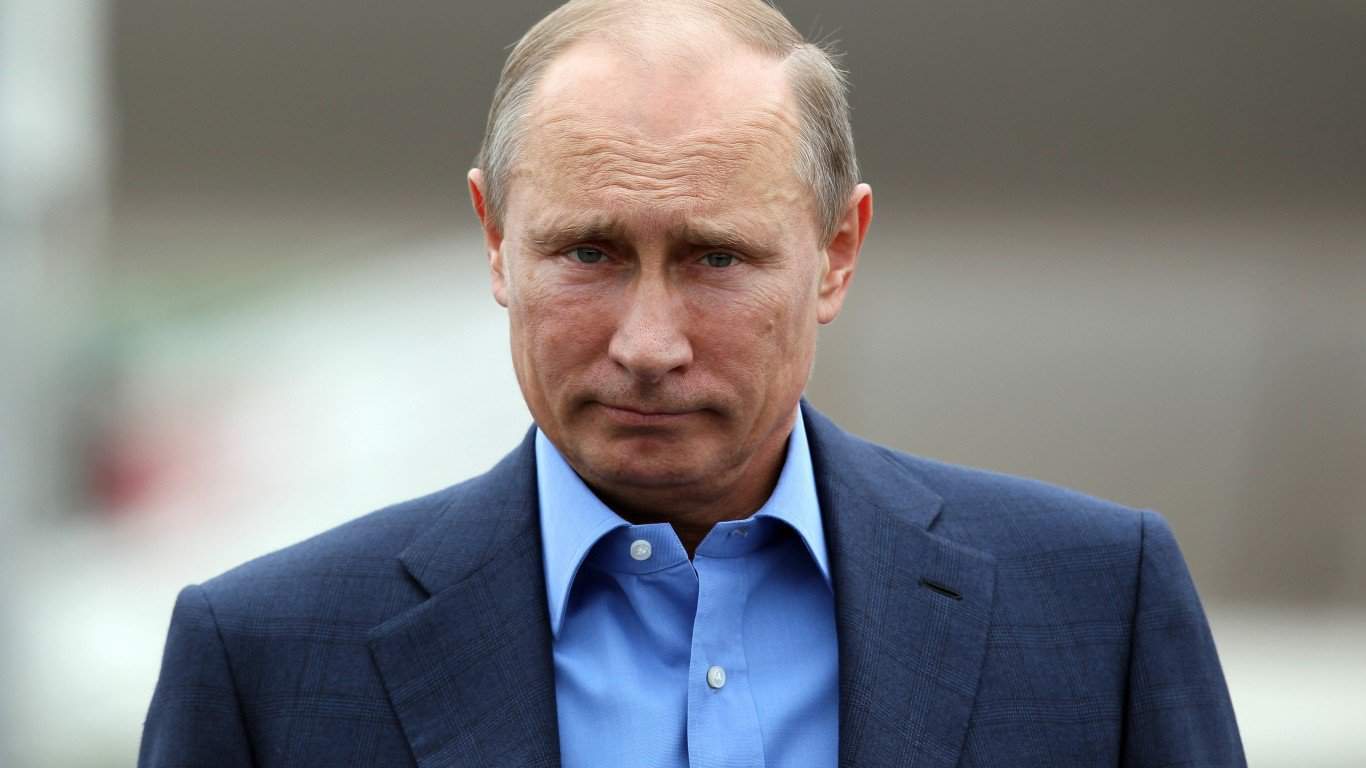
10. Vladimir Putin
Vladimir Putin is not a very popular Head of State outside of Russia and has enemies within the country as well. However, given how difficult it is to obtain information about the workings of the Russian government, it is not easy to establish exactly how many attempts on his life have been made. Nevertheless, the major assassination attempts have been reported in the international media.
One notable attempt was in 2002 when Putin was preparing to visit Azerbaijan. Ten days before he was due to leave it was discovered and averted. One of the things that gave it away was a huge shipment of explosives entering the country. The perpetrator was a man called Kyanan Rostam.
Ten years later, there was another attempt just before the Russian presidential elections. Two suspects were arrested by officials in Russia and Ukraine. A serious attempt was made to kill Putin in 2016. A Mercedes veered across lanes and collided with his car – but he was not in it. A car switch had been made at the last minute. Sadly, his favorite driver was killed in the incident.
Sources report that there were six major assassination attempts against Putin that we know of. However, the Kremlin is typically pretty tight-lipped about the affairs of the Russian President. There may have been other serious attempts that we don't know about. Most countries don't like to appear weak. Thus, they're less likely to report an assassination attempt, especially if it was nearly successful.
9. Muammar al-Qaddafi
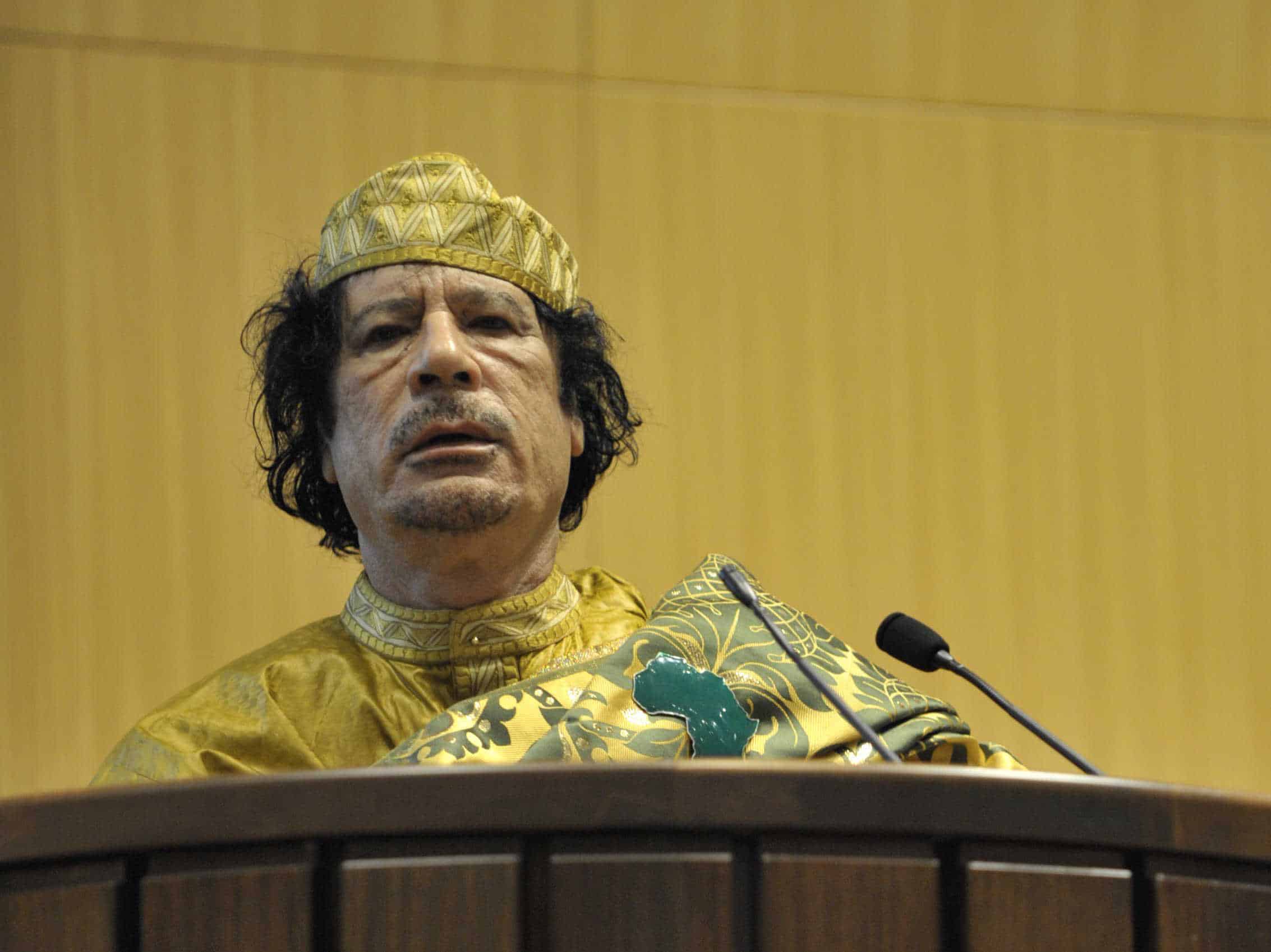
Muammar Qaddafi, the Libyan chief of state, gives his first speech as Chairperson of the African Union in the Plenary Hall of the United Nations building in Addis Ababa, Ethiopia, during the 12th African Union Summit Feb. 2, 2009. The assembly elected Qaddafi to replace Kikwete as chair of the organization. (U.S. Navy photo by Mass Communication Specialist 2nd Class Jesse B. Awalt/Released)
Known for his erratic behavior and impassioned speeches, Muammar al-Qaddafi served as the autocratic leader of Libya following his coup against King Idris I of Libya. Qaddafi was a talented student who graduated from the Libyan military academy in 1965. From there he continued to be promoted through the military and he began plotting a coup against the king with his fellow military officers.
During his 41-year rule over Libya, Qaddafi made many enemies both domestically and internationally. Most notably, he came to blows with the United States government when he began to challenge the U.S. "Petrodollar", which stipulates that countries must accept payments for oil and natural gas in U.S. dollars. These contracts artificially inflate the value of the U.S. dollar.
They force foreign nations to have huge reserves of U.S. currency to purchase oil from oil-rich nations. Qaddafi planned to challenge the Petrodollar and only accept payments for Libya's natural resources in Dinar. Rejecting a petrodollar contract would make the U.S. dollar weaker on an international level. Further, it would empower other oil-rich nations to challenge the petrodollar.
In 1986, the U.S. military bombed Qaddafi's compound in an unsuccessful attempt to kill him. Then, in 1993, 2000 Libyan soldiers from the Wafalla tribe plotted to kill Qaddafi. They felt that their tribe lacked representation in the government and military. There were so many assassination attempts between 1987 and 1998 that Qaddafi created a whole special force to sniff out insurgents. (He was eventually assassinated in 2011.)
8. Queen Victoria
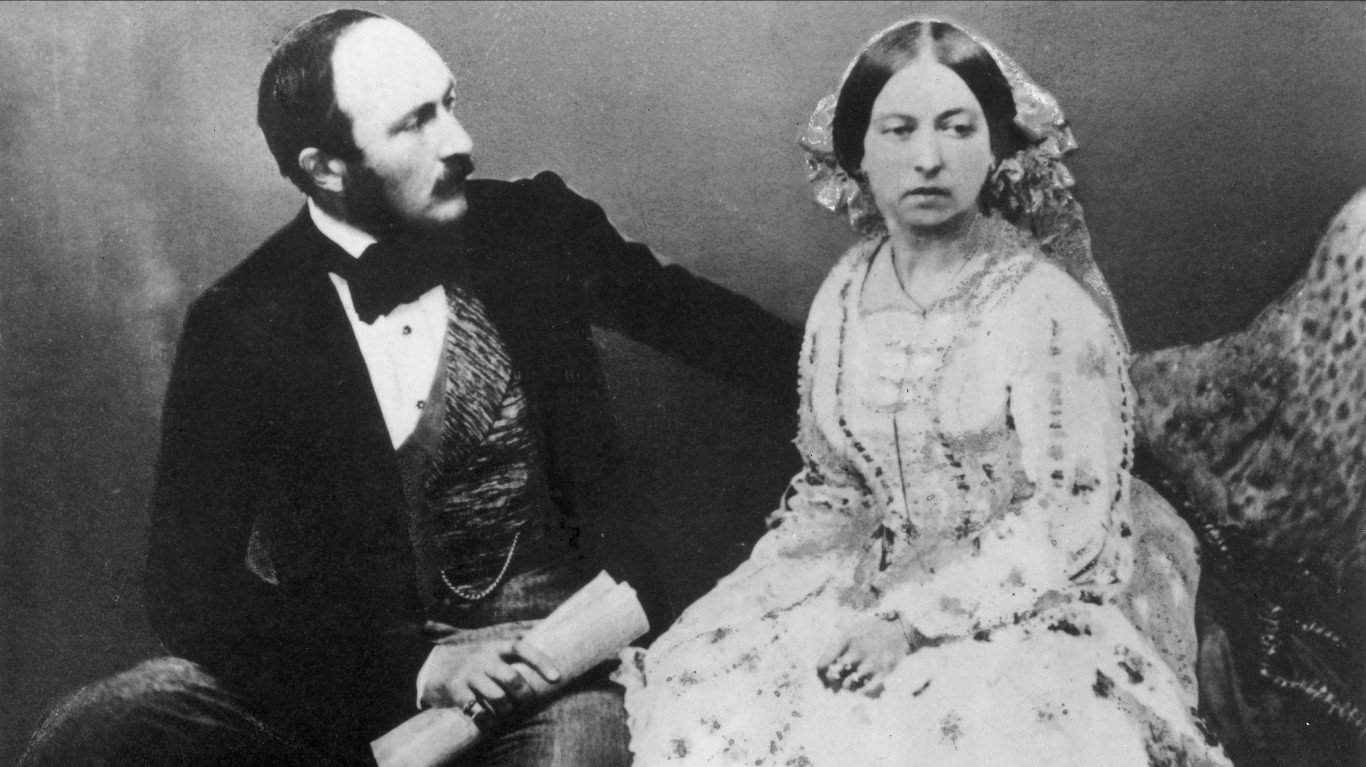
Queen Victoria may seem an unlikely target for an assassination attempt but the English Queen was targeted several times. She reigned as queen for 63 years and she survived around eight assassination attempts during that time. She took each attempt as best she could, and used her power to change English law to better protect herself and others from people who wished to harm them.
Some of the assassination attempts took place because she was a woman in a position of power. That was not acceptable to some men at the time and there were few laws to protect a woman's safety. The first attempt came shortly after she took the throne. A man rushed her carriage with a gun, claiming he was the rightful king of England. The attempt was unsuccessful and he was sent to an asylum.
Shortly after the first attempt, a waiter opened fire on the then-pregnant Queen Victoria and Prince Albert. The waiter refused to live in an England ruled by a woman. After his capture, he was also sent to an asylum to live out the rest of his life. In 1842, a man fired on Queen Victoria as she returned from church. He was unable to kill her but escaped capture only to return and fire on her again. Victoria insisted she be used as bait to lure out the assassin. He was subsequently arrested and sentenced to death.
7. Yasser Arafat
While the Israeli propagandists will have you believe that Yasser Arafat was nothing more than a terrorist, he was a decorated hero to the Palestinian people. Arafat was the chairman of the Palestinian Liberation Organization and President of the Palestinian National Authority. Many people believe that Arafat's death was the work of the Israeli government.
A lot of the Palestinian people believe that the Israeli Institute for Intelligence and Special Operations is behind most of the assassination attempts against Arafat. Arafat himself accused Ariel Sharon, an Israeli general and former Prime Minister, of at least 13 attempts on his life. Sharon has never given an exact number of assassination attempts he orchestrated. However, he has been clear that the Israeli government had ambitions of a successful hit on Arafat.
In 2004, Arafat, then aged 75 years old, suddenly became very ill and died in a French hospital. Investigation of his personal belongings showed that they had a high concentration of radioactive materials. Further investigation found moderate evidence that his death had been a poisoning rather than natural causes. Thus, most Palestinians believe that he was murdered by the Israeli government.
The international community can't come to a consensus on whether Arafat's death was intentional or accidental. However, most empirical evidence does seem to suggest that there was some level of foul play involved in his passing. The presence of high radioactivity in his belongings is definitely suspect and the evidence of poisoning is not insignificant. Additionally, Israeli officials were fairly open about their intention to put him in the ground, and Israeli officials have a documented history of being involved in the deaths of high-profile Palestinians.
6. Hussein bin Talal
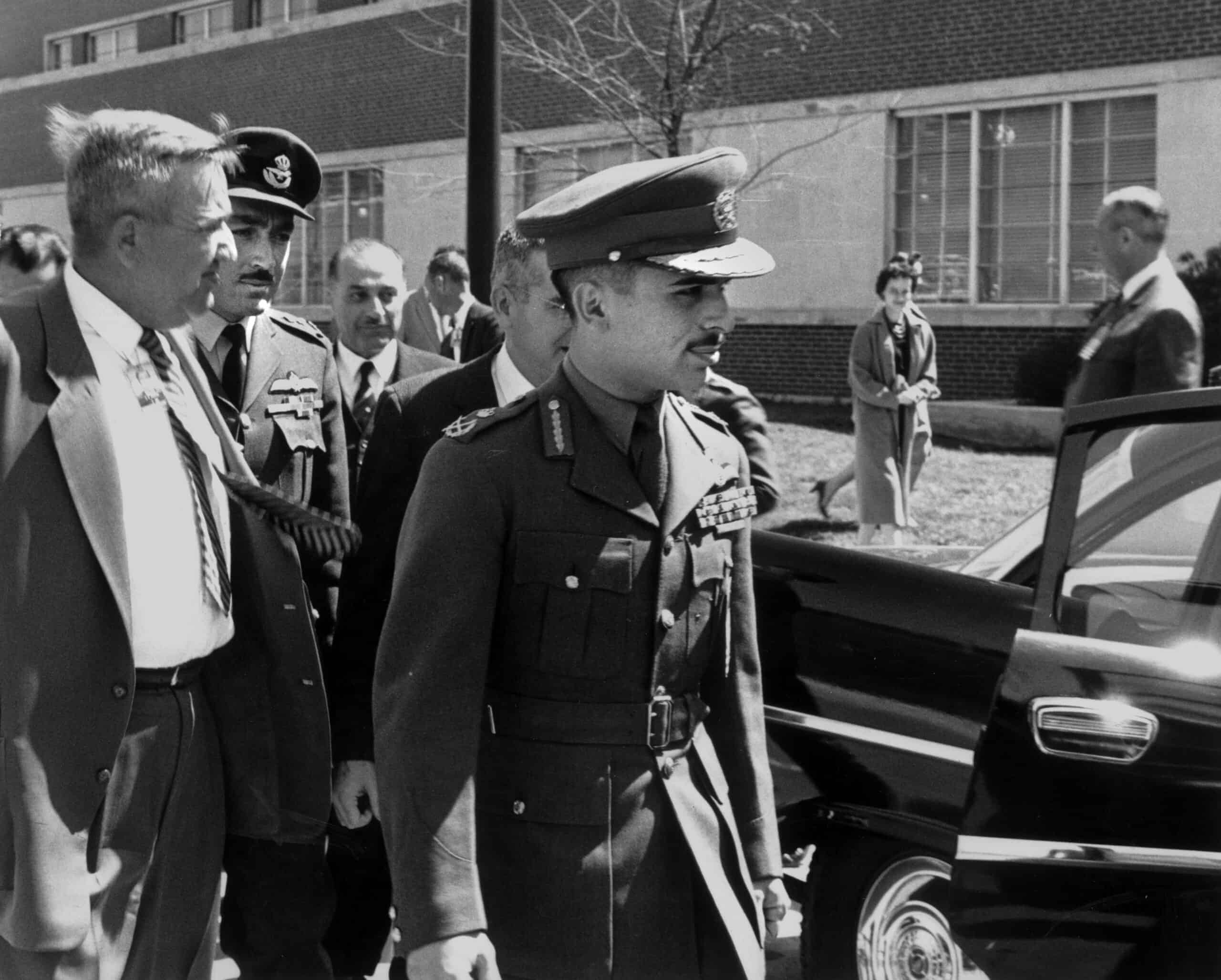
From the mid-1900s until the late 1900s, Hussein bin Talal served as Jordan's king. During his time as king, Hussein survived several assassination attempts from various sources, including domestic and foreign threats. The first assassination attempt he would encounter occurred when he was just 15.
He was walking with his grandfather when a man opened fire on them. His grandfather was murdered in this attempt but Hussein was unharmed. He followed the gunman, causing the gunman to fire at him directly. A medal he was wearing—a gift from his grandfather—deflected the bullet, saving his life. This attempt would be the first of many that he endured throughout his lifetime as king of Jordan.
Hussein would be plagued with assassination attempts from within his own country and outside of it, leaving him with fewer loyal cabinet members and troops than the average royal. In 1957, a royal advisor attempted a coup with financial backing from Egypt.
In 1958, two Syrian Mig-17s boarded his plane and attempted to force him to land at Damascus. Someone attempted to put poison in his food. The poison was found out when the food was fed to the palace cats. Another attempt came when someone put poison in his nose drops. There was also a bomb planted in his office, which ultimately killed the Jordanian prime minister instead.
5. Alexander II of Russia
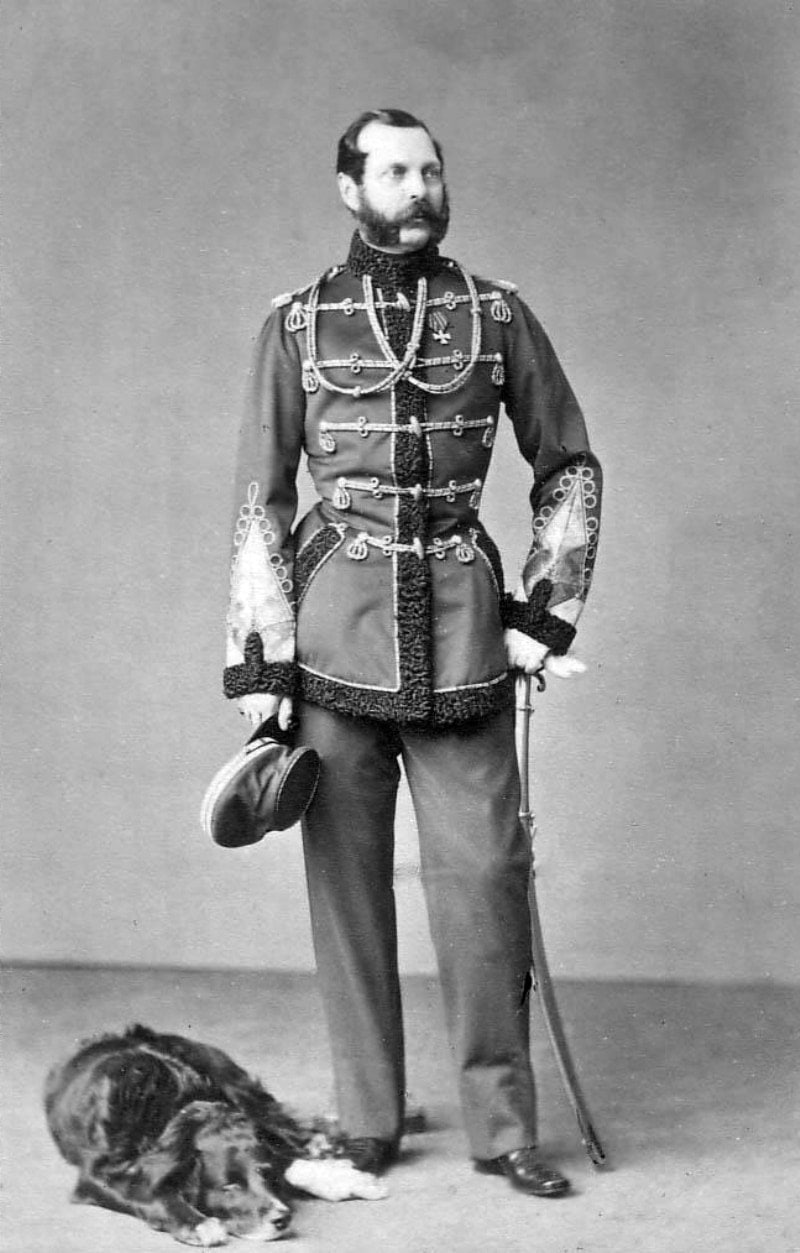
Czar Alexander II of Russia is a unique entry on this list because, while he survived several assassination attempts, he was eventually assassinated. Alexander was the pioneer of many reforms in Russia, including freeing the serfs, promoting university-level education, and abolishing corporal punishment. However, he also ended some of the privileges enjoyed by the nobility, which made him less popular with the nobles of Russia.
In April 1866, a member of the Russian nobility attempted to shoot Alexander as he left his summer garden. A peasant who witnessed the attack rushed the shooter and threw off his aim, saving the Czar. The following year a Polish citizen who had participated in the Polish Uprising attempted to shoot Alexander. However, the gun malfunctioned and the shot went wide as well as injuring the shooter's hand.
In 1881, the People's Will, a terrorist organization attempting to overthrow the Czarist autocracy, finally succeeded in assassinating Czar Alexander II. A bomb thrown by a People's Will rebel detonated, killing the Czar in the streets of St. Petersburg, Russia on March 13th, 1881. While Alexander II did a lot to liberalize and modernize Russia, he faced great opposition due to his heavy hand with political reform.
On the day of his assassination, he signed the Loris-Melikov constitution into law, creating two political branches made up of indirectly elected representatives. His son, Alexander III, succeeded him and rejected the Loris-Melikov constitution. However, he did a lot to suppress the People's Will until Vladimir Lenin's Bolshevik revolutionaries realized the peasant revolution that the People's Will advocated for.
4. Adolf Hitler
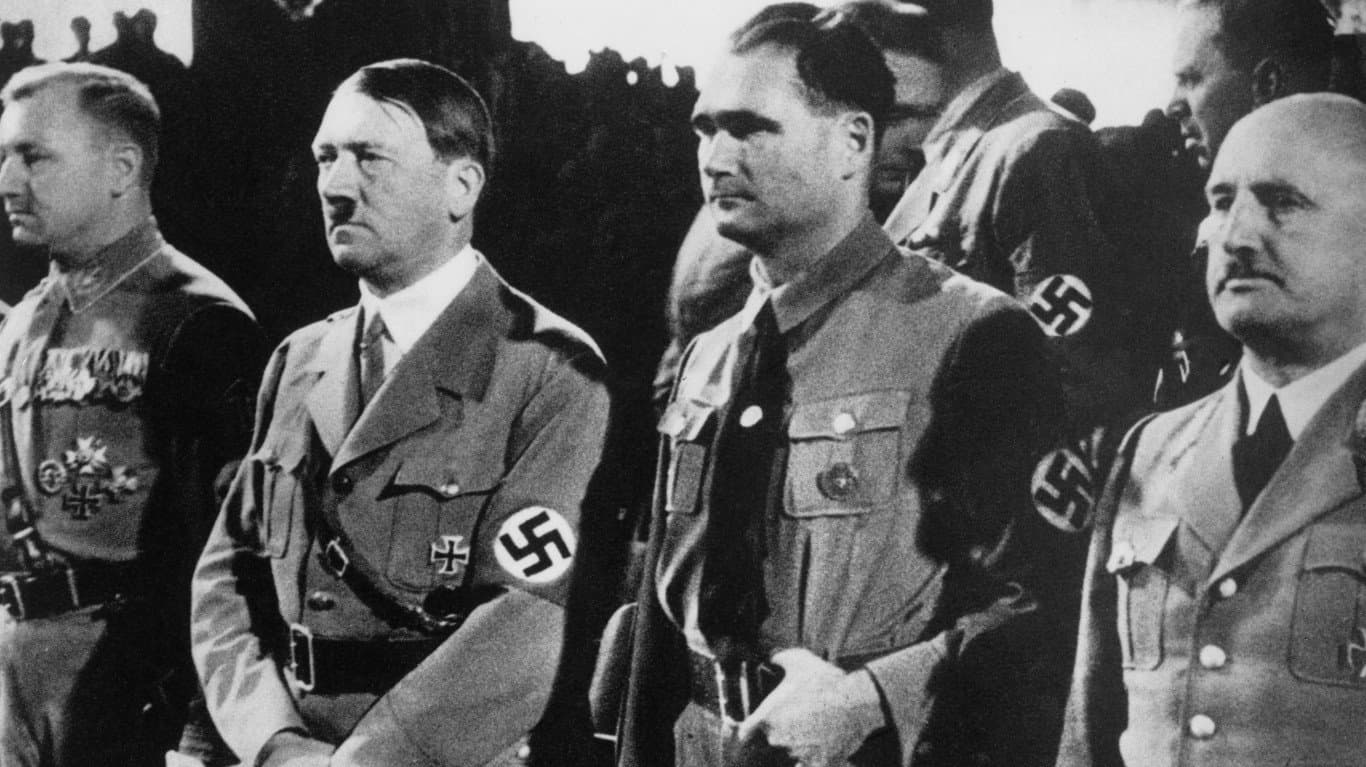
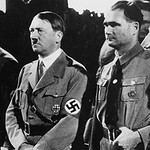
Adolf Hitler was not as universally popular in Germany as you may have thought. In fact, there were dozens of assassination attempts against Adolf Hitler. Then, of course, there were the foreign government authorities who wished to remove the Nazi regime and killing Hitler seemed a good way to do this. As know, none of the attempts were successful.
Experts tend to agree that there were 23 attempts or series of attempts but sometimes one group could be behind several attempts. The first was in 1932 and the final failed attempt was in July 1944. After this Hitler became increasingly reclusive and was rarely seen in public leading up to his eventual suicide.
However, attempts on Hitler's life pre-date the war. The first was in 1921. As a young radical political figure he made a speech at Munich's Hofbräuhaus beer hall. At the time he had with him several members of the newly formed Nazi party. Things got out of hand and soon the political meeting descended into a drunken brawl.
Unknown assailants ended up drawing guns and firing several shots at the speaker's podium where Hitler was speaking. However, the shots missed and Hitler continued to rant, unharmed, for 20 more minutes before the police arrived to get a handle on the violent crowd.
3. Charles de Gaulle
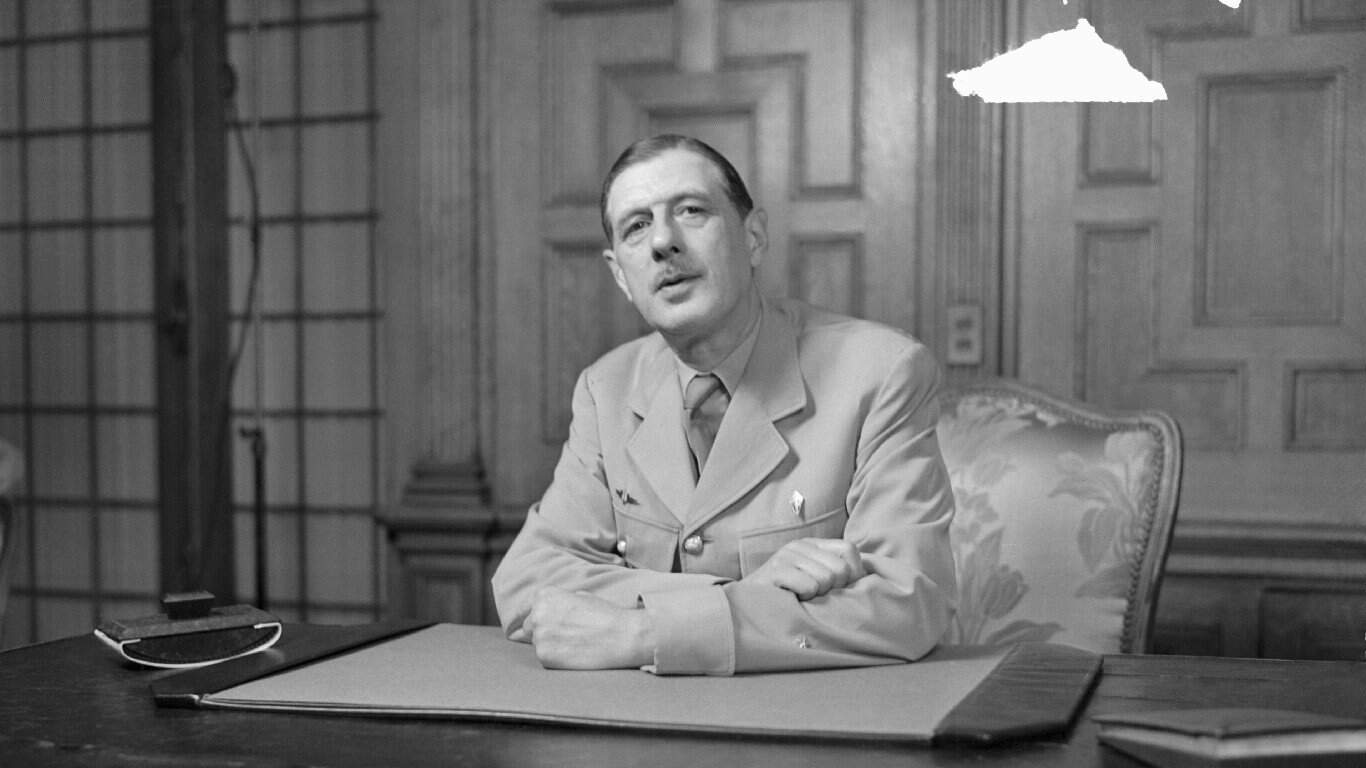
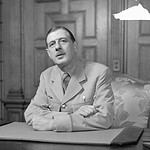
Charles de Gaulle served as a French general and president in the mid-1900s. From 1944 until 1966, he experienced 31 recorded assassination attempts. There was even a terrorist group formed with the sole purpose of bringing an end to his presidency. One would-be assassin even came as close as shooting a hole through his hat during the attempt. However, despite there being a huge number of attempts—several of which were quite close to killing him—he managed to survive all 31 recorded assassination attempts.
Attempts on de Gaulle's life plagued the war hero's presidency. Despite the severity of some of the attempts, he kept in good spirits, joking about how bad the people who were trying to kill him were at shooting. His candor, bravery, and ability to avoid death are still remembered by the French populous today.
The most serious of the 31 attempts occurred on August 22nd, 1962. De Gaulle and his wife were returning to their country home, halfway between Paris and Strasbourg in the eastern part of France. As they were riding through a Paris suburb on the way to the military airport, a hit squad armed with machine guns opened fire on their caravan.
De Gaulle and his wife ducked into their car as bullets flew overhead and managed to escape physical harm even though their car was hit multiple times and several bullets flew through the windows, narrowly missing their heads. Then 71-year-old de Gaulle joked about how terrible his would-be assassins were at shooting in a later interview.
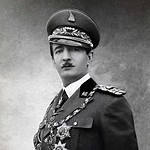
2. Zog I of Albania
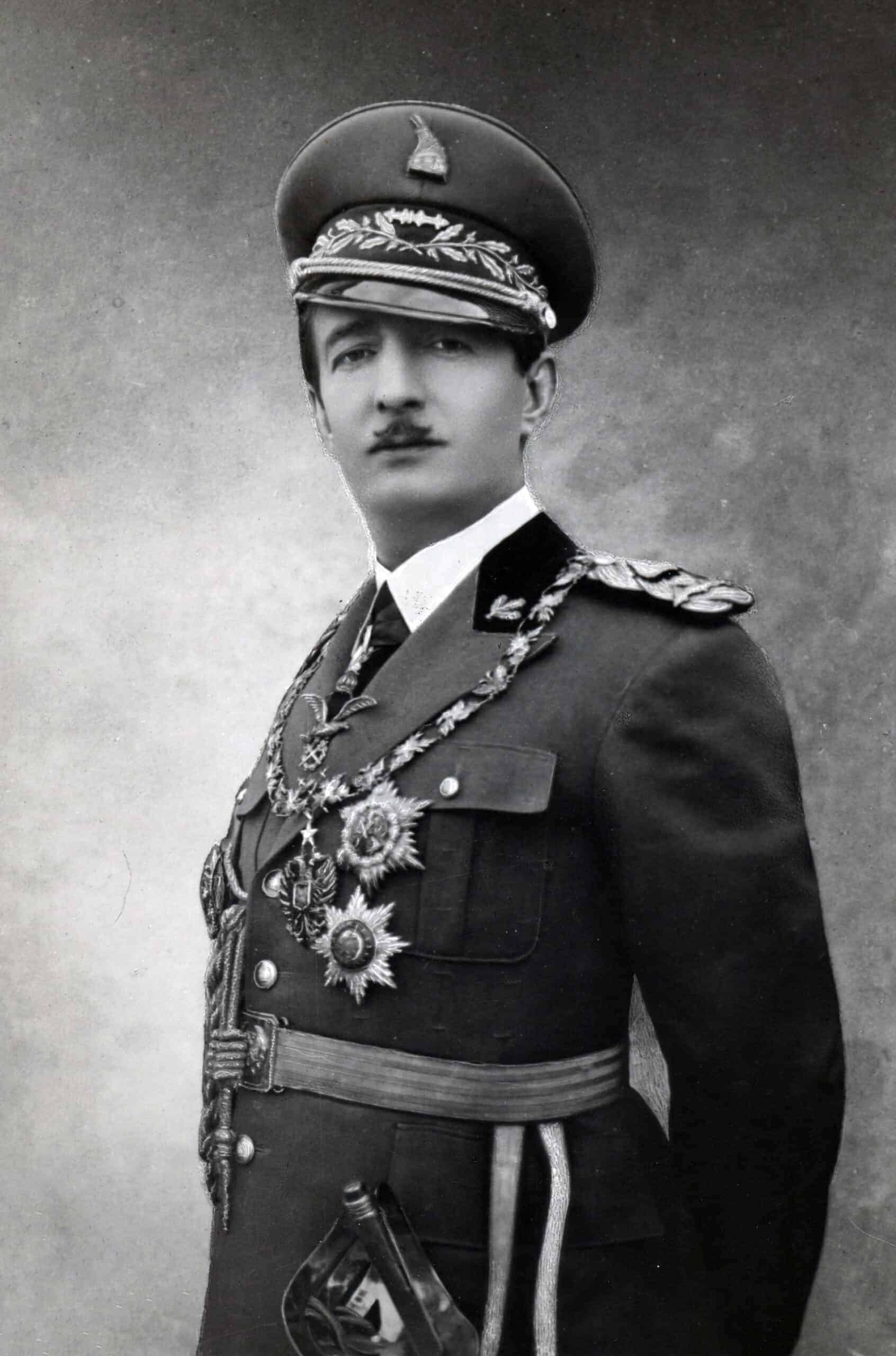
Another dictator with a lot of enemies, Zog I of Albania reportedly survived over 50 assassination attempts during his rule. Ahmed Bey Zog, originally born Ahmed Bey Zogolli, was the son of northern Albania's most powerful Muslim chieftain, head of the Mati tribe.
He received three years of formal Ottoman education, first at Galata-Serail Lyceum and then at a military school in Bitola. Afterward, he moved to Constantinople before being called back to Albania to lead troops in a rebellion of the authority of the Young Turks. Then he fought against the Serbian army when they invaded Albania, one of the first distinguishing marks in his career. He was one of the eighty-something notable Albanians present when Albania declared its independence in the marketplace of Vlorë in November 1912.
After taking a position of power, Zog I created a huge number of enemies, in large part because of his dictatorial leadership and the fact that he designed the Albanian constitution to give him power over all of Albania's affairs. It's said that Zog I had over 600 blood feuds during his reign that led to numerous assassination attempts.
He became Prime Minister in 1922 and an assassination attempt in 1924 had him resign from premiership. However, he built a shadow government of his cronies and continued to rule from the background. Under his rule, Albania was declared a hereditary monarchy and Zog became Zog I, King of the Albanians. Many more attempts on his life would happen before his ultimate death in 1961.
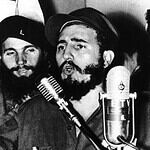
1. Fidel Castro
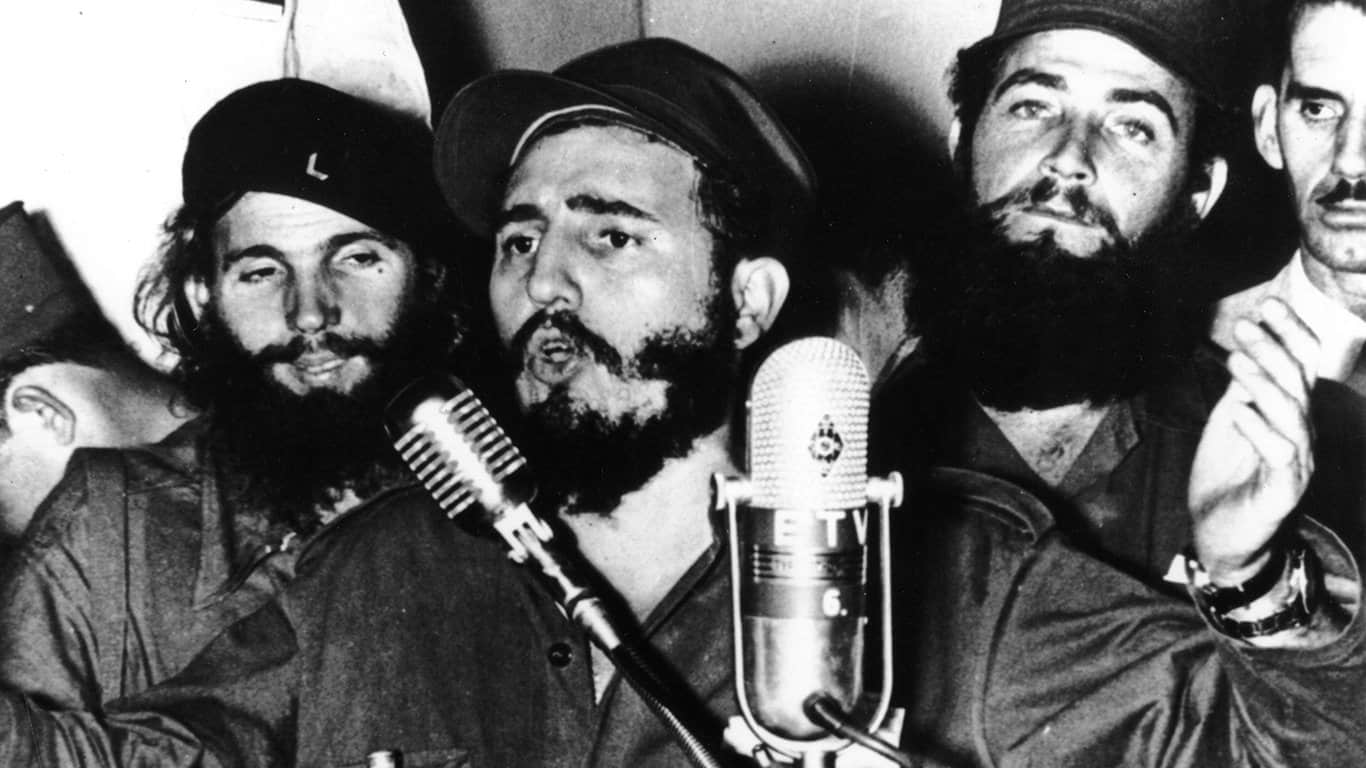
We don't have a definitive number of assassination attempts on Fidel Castro. However, a top aide from Castro's cabinet has estimated that the Cuban leader faced over 600 assassination attempts during his fifty years in power. Castro was a revolutionary who overthrew the military dictatorship installed in Cuba by Fulgencio Batista.
He came into power after overthrowing Batista in 1959 and stayed in power until he handed the reigns to his brother in 2008. He passed in 2016. A large reason why Castro experienced so many assassination attempts was that he was a target for the CIA, which is well-documented for assassinating world leaders the U.S. disagrees with. The former Cuban chief of intelligence, Fabian Escalante, estimated that the U.S. tried to kill Fidel Castro 634 times over 40 years, with some presidents trying to end his life over a hundred times during their presidencies.
Escalante was even able to give a numerical estimate of how many times the CIA tried to kill Castro per president. He estimates that Eisenhower attempted 38 assassinations on Castro, 42 for Kennedy, 72 for Johnson, 184 for Nixon, 64 for Carter, 197 for Reagan, 16 for Bush Sr., and 21 attempts under Clinton. There were also numerous plots that the CIA floated but never executed against Castro.
Despite the massive effort to bring Castro down, none of the 634 attempts recorded by Escalante were successful and Castro died of natural causes at the age of 90 in 2016. Castro has, by far, the most assassination attempts against him on this list.