Movies make spying look glamorous. Real espionage is usually less James Bond and more stolen records, secret payments, and decisions that can end with a very long prison sentence. Some of these cases ran for years. Others were stopped before sensitive information could reach a foreign government.
Not everyone below was convicted of the same offense. Some pleaded guilty to espionage conspiracies, others were caught trying to sell defense information, and a few were prosecuted for operating as foreign agents or illegally exporting controlled technology. Those distinctions matter, even if the consequences were serious across the board.
Using records from the FBI and U.S. Department of Justice, along with later reporting, 24/7 Tempo revisits 12 cases involving 14 people. The prison terms reflect the sentences imposed by courts, not a claim that every person remains incarcerated at a particular facility today.
Aldrich Ames

- Profession: Former CIA counterintelligence officer
- Offense: Espionage for the Soviet Union and Russia
- Plea or conviction: Pleaded guilty April 28, 1994
- Sentence: Life in prison without parole
Aldrich Ames spent years inside the CIA while secretly selling information to Soviet and later Russian intelligence. From 1985 until his arrest in 1994, he exposed sensitive operations and the identities of agents working for the United States and its allies. Some of those sources were subsequently executed. Investigators found that he had received millions of dollars for his betrayal, making the case one of the CIA’s most damaging espionage scandals. Ames pleaded guilty in 1994 and received life without parole. He died January 5, 2026, at age 84 while serving that sentence at a federal prison in Maryland.
Harold James Nicholson
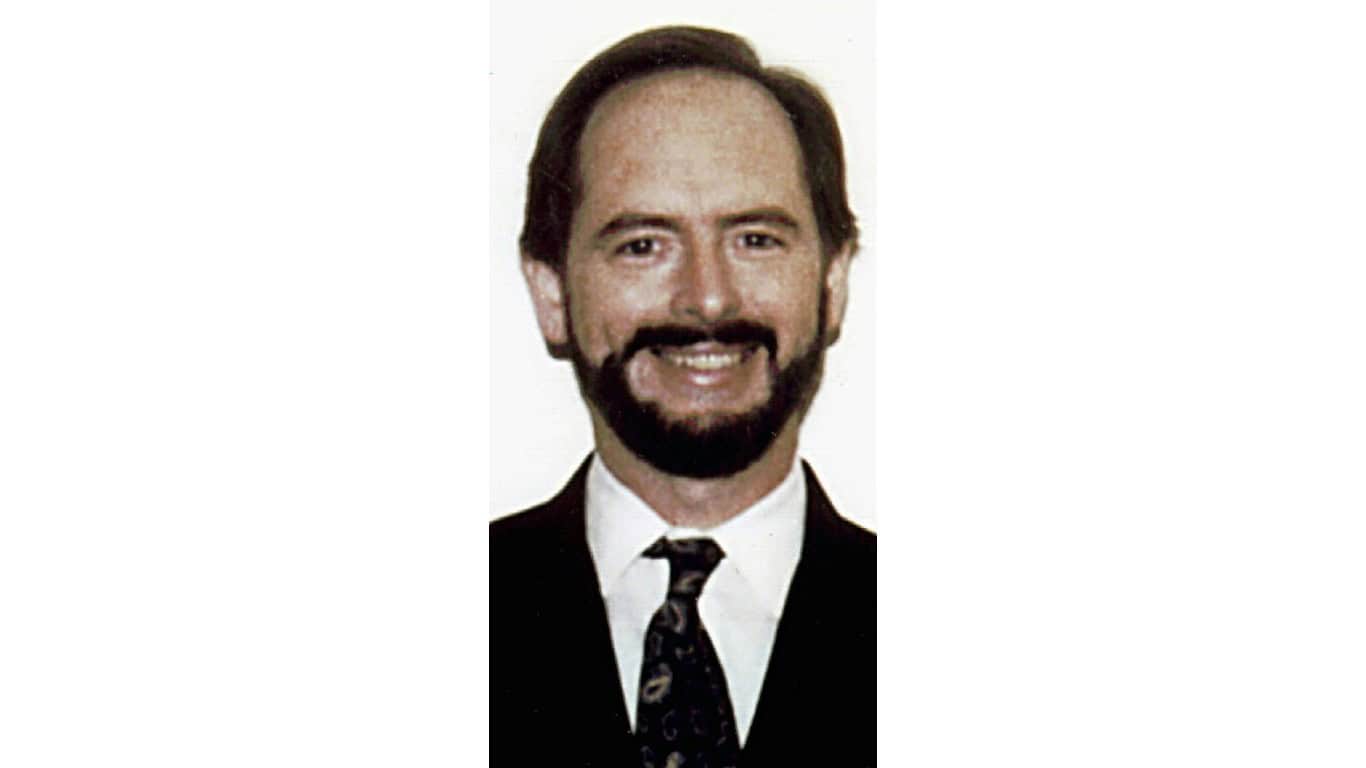
- Profession: Former CIA officer
- Offense: Espionage for Russia; later foreign-agent and money-laundering conspiracies
- Plea or conviction: Espionage conviction in 1997; additional guilty pleas in 2010
- Sentence: 23 years and 7 months, followed by an additional 8 years
Harold James Nicholson sold classified information about CIA personnel and operations to Russian intelligence during the 1990s. His original espionage conviction brought a 283-month prison sentence, or 23 years and seven months. But the story did not end there. While already behind bars, Nicholson arranged for his son to travel overseas and collect money from Russian contacts. That scheme led to additional guilty pleas, and in January 2011 a federal judge imposed another eight years to run after the first sentence. That extra time was ordered to begin only after he finished his original sentence.
Brian Patrick Regan
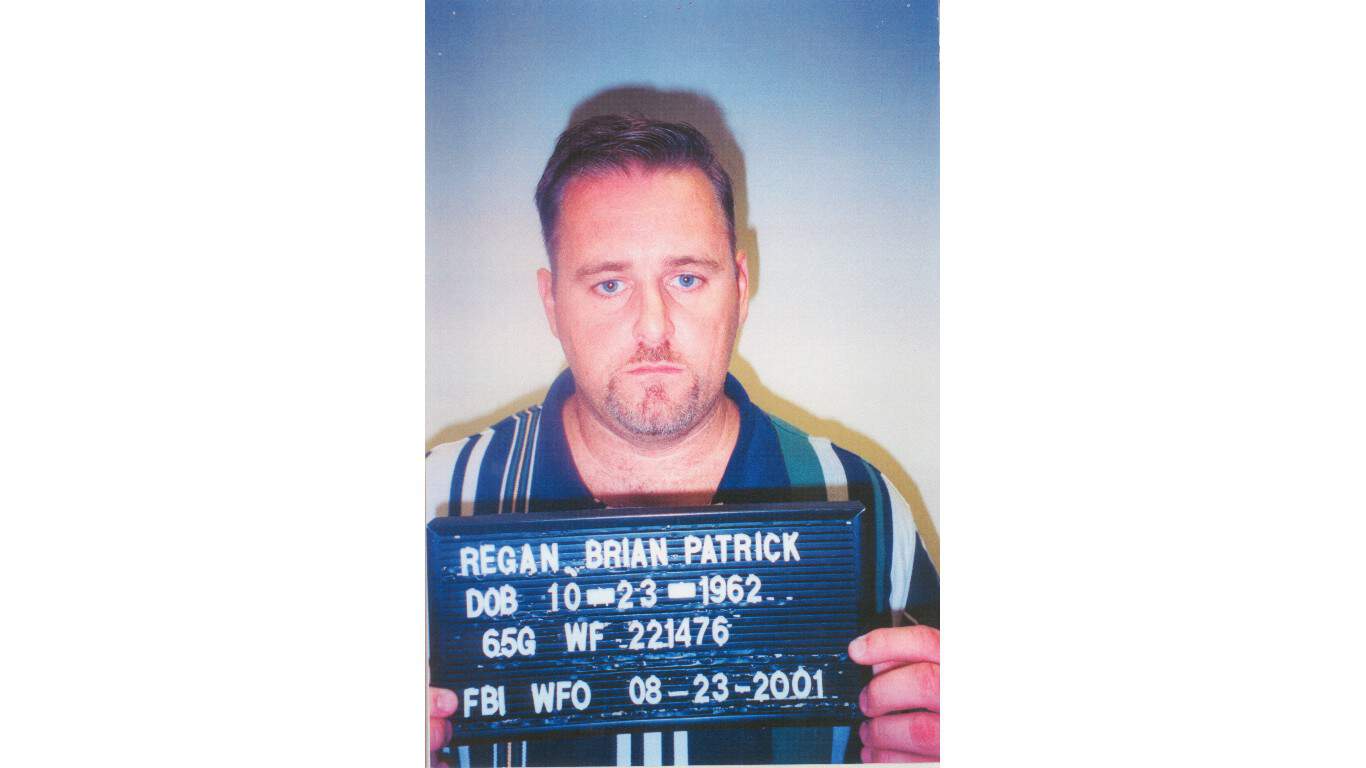
- Profession: Former U.S. Air Force intelligence officer
- Offense: Attempted espionage and unlawful gathering of national defense information
- Plea or conviction: Convicted by a jury in February 2003
- Sentence: Life in prison without parole, imposed March 20, 2003
Brian Patrick Regan was carrying plenty of debt when he decided classified intelligence might be his way out. While working with information from the National Reconnaissance Office, he took thousands of pages of restricted material, hid them in buried caches, and explored selling the secrets to foreign governments. The FBI arrested him at Dulles International Airport in August 2001. Investigators eventually recovered roughly 20,000 pages of classified records and other materials. The important distinction is that prosecutors proved attempted espionage, not a completed sale of the documents. Regan was convicted in February 2003 and sentenced the following month to life without parole.
Kendall and Gwendolyn Myers
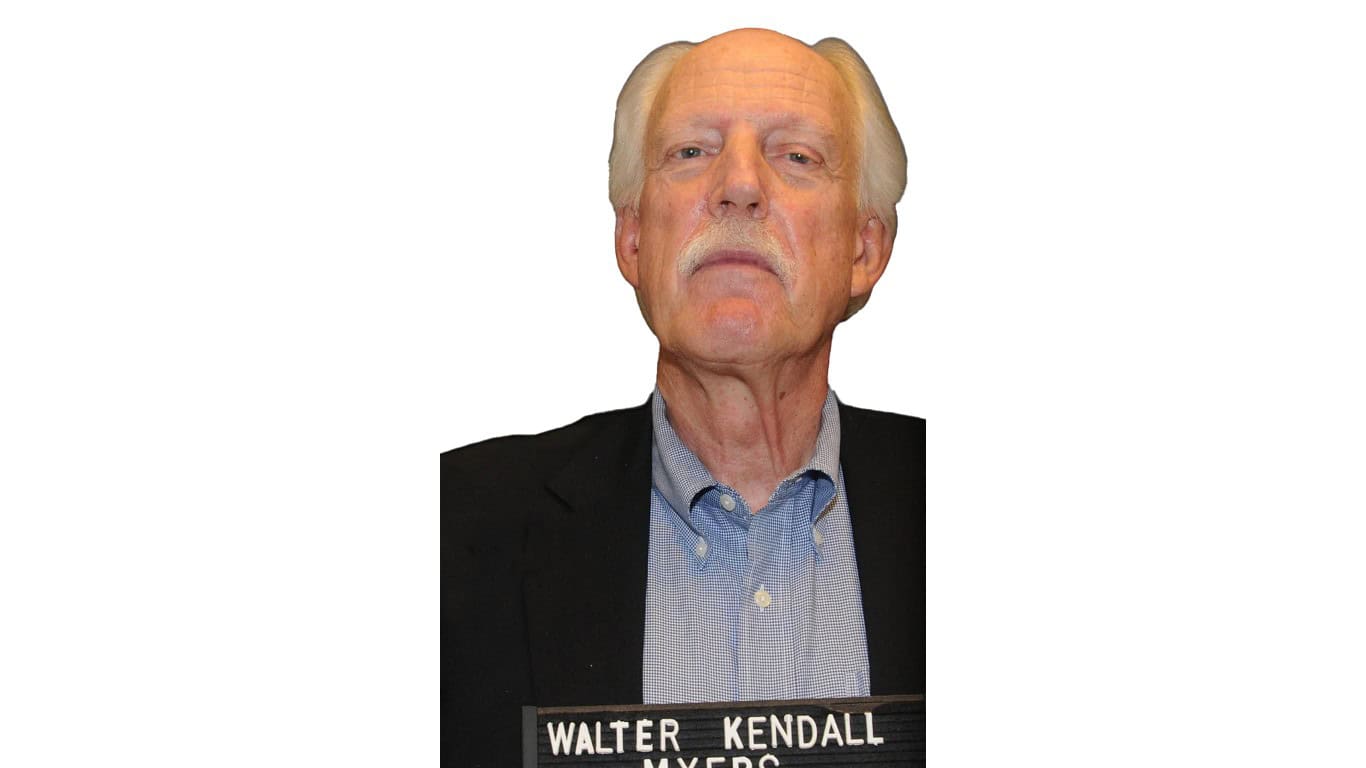
- Profession: Former State Department official and his wife
- Offense: Conspiracy to provide U.S. defense information to Cuba
- Plea or conviction: Both pleaded guilty November 20, 2009
- Sentence: Kendall: life without parole; Gwendolyn: 81 months (sentenced July 16, 2010)
Kendall Myers had access to sensitive State Department information, and he and his wife Gwendolyn secretly worked with Cuban intelligence for nearly three decades. According to federal investigators, the couple passed information through meetings, coded communications, and carefully arranged exchanges. Their motives were rooted largely in sympathy for the Cuban government rather than a conventional get-rich-quick scheme. Both pleaded guilty in 2009. Kendall received life without parole, while Gwendolyn was sentenced to 81 months. Gwendolyn died in 2015, and Kendall died in March 2026 at age 88 while serving his sentence.
Noshir Gowadia
- Profession: Aerospace engineer and former Northrop employee
- Offense: Providing classified defense information and restricted technical assistance to China, along with other offenses
- Plea or conviction: Convicted by a jury August 9, 2010
- Sentence: 32 years in prison, imposed January 24, 2011
Noshir Gowadia worked on sensitive aircraft technology, including the B-2 bomber program, before he was accused of using his expertise to help China. Federal prosecutors said he provided information and technical assistance connected to a low-signature cruise missile exhaust system designed to make the weapon harder to detect with infrared sensors. The case also involved unauthorized exports, money laundering, and tax violations. A federal jury convicted Gowadia in August 2010, and he received a 32-year sentence in January 2011. The case showed how specialized military engineering knowledge could be valuable to a foreign defense program, even without transferring an entire weapons system.
Alexander Fishenko
- Profession: Businessman and U.S.-Russian dual citizen
- Offense: Acting as an unregistered Russian agent and illegally exporting controlled technology, among other charges
- Plea or conviction: Pleaded guilty September 9, 2015
- Sentence: 10 years in prison, imposed July 21, 2016
Alexander Fishenko’s case was less about a spy handing over a classified file and more about building a supply chain Russia was not supposed to have. Through a business that sold electronic components, he helped obtain and illegally ship controlled microelectronics to Russian military and intelligence end users. Federal authorities also charged him with acting as an unregistered agent of the Russian government, money laundering, and obstruction. Fishenko pleaded guilty in September 2015 and received a 10-year federal prison sentence in July 2016, along with an order to forfeit more than $500,000. That distinction matters: the conviction involved export-control and foreign-agent offenses, not a traditional classified-document leak.
Ron Rockwell Hansen

- Profession: Former Army officer and Defense Intelligence Agency officer
- Offense: Attempting to transmit U.S. national defense information to China
- Plea or conviction: Pleaded guilty March 15, 2019
- Sentence: 10 years in prison, imposed September 24, 2019
Ron Rockwell Hansen once worked in U.S. military and intelligence circles, but federal authorities said he later developed a paid relationship with Chinese intelligence agents. He accepted large sums of money and tried to obtain sensitive defense information that he could pass along. FBI agents arrested him in June 2018 as he headed toward Seattle-Tacoma International Airport for a flight to China. Hansen pleaded guilty to attempted espionage in March 2019 and received a 10-year sentence that September. Prosecutors said the material he sought concerned U.S. military readiness, and investigators intervened before his planned trip could go forward.
Jerry Chun Shing Lee
- Profession: Former CIA case officer
- Offense: Conspiracy to communicate national defense information to China
- Plea or conviction: Pleaded guilty May 1, 2019
- Sentence: 19 years in prison, imposed November 22, 2019
After leaving the CIA, Jerry Chun Shing Lee was approached by Chinese intelligence officers who offered him money in exchange for information from his former career. Court records describe secret communications, assigned tasks, and payments linked to that relationship. Lee eventually pleaded guilty to conspiring to communicate national defense information to China. He received a 19-year prison sentence in November 2019. His conviction was for the conspiracy, a serious offense even without treating every suspected intelligence leak as an established fact.
Kevin Mallory
- Profession: Former CIA case officer and intelligence contractor
- Offense: Espionage involving classified information for a Chinese intelligence officer
- Plea or conviction: Convicted by a jury June 8, 2018
- Sentence: 20 years in prison, imposed May 17, 2019
Kevin Mallory’s knowledge of Mandarin and experience in the intelligence community made him a valuable target for Chinese intelligence. Prosecutors showed that he communicated with a Chinese officer and transmitted classified U.S. information. A federal jury convicted him in June 2018 on espionage-related charges, and a judge sentenced him to 20 years in May 2019. The verdict followed an investigation into his communications with a Chinese intelligence contact and his handling of classified material. His sentencing came nearly a year later.
Peter Rafael Debbins
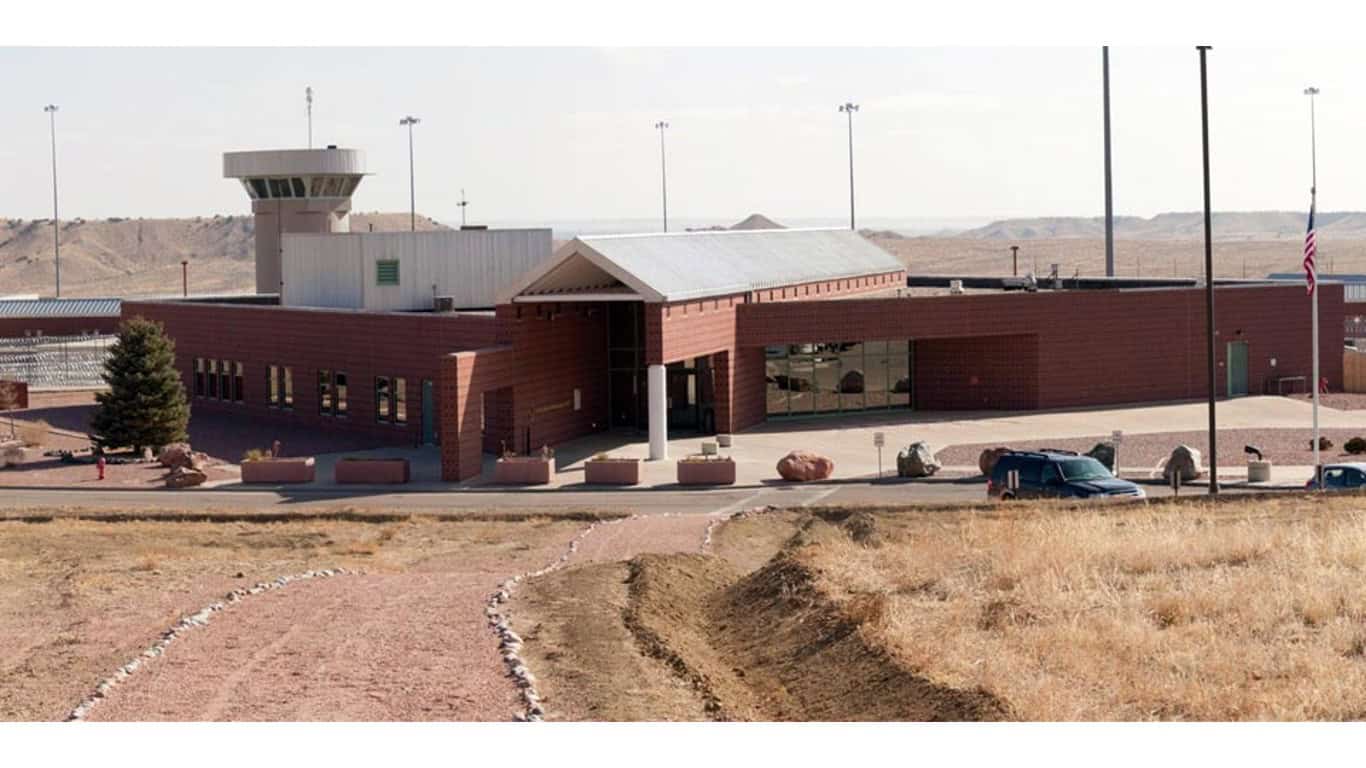
- Profession: Former U.S. Army Special Forces officer
- Offense: Conspiracy to provide U.S. national defense information to Russian intelligence
- Plea or conviction: Pleaded guilty November 18, 2020
- Sentence: 188 months (15 years and 8 months), imposed May 14, 2021
Peter Rafael Dzibinski Debbins served in the U.S. Army and Special Forces while maintaining contacts with Russian intelligence officers over a span of years. Prosecutors said he disclosed information about military units and fellow service members, putting people he served with at risk. Debbins admitted to the conspiracy in November 2020 and was sentenced in May 2021 to 188 months, or 15 years and eight months. His sentence was longer than a straight 15-year term. In September 2026, a federal appeals court also affirmed a lower court ruling that had rejected several requests connected to a new trial or sentence reduction.
Ji Chaoqun
- Profession: Engineer and former U.S. Army reservist
- Offense: Acting as an unregistered Chinese government agent and lying to the U.S. Army
- Plea or conviction: Convicted by a jury September 26, 2022
- Sentence: 8 years in prison, imposed January 25, 2023
Ji Chaoqun was a Chinese national studying engineering in the United States who also joined the U.S. Army Reserve. Federal prosecutors said he worked for Chinese intelligence, collecting background information on U.S.-based scientists and engineers, including people connected to defense contractors. He also concealed the relationship when dealing with the Army. A jury convicted Ji in September 2022 of acting as an unregistered foreign agent and making a false statement, and he received an eight-year sentence in January 2023. The case centered on illegal intelligence work and false statements, rather than a jury finding that Ji had stolen classified documents.
Jonathan and Diana Toebbe
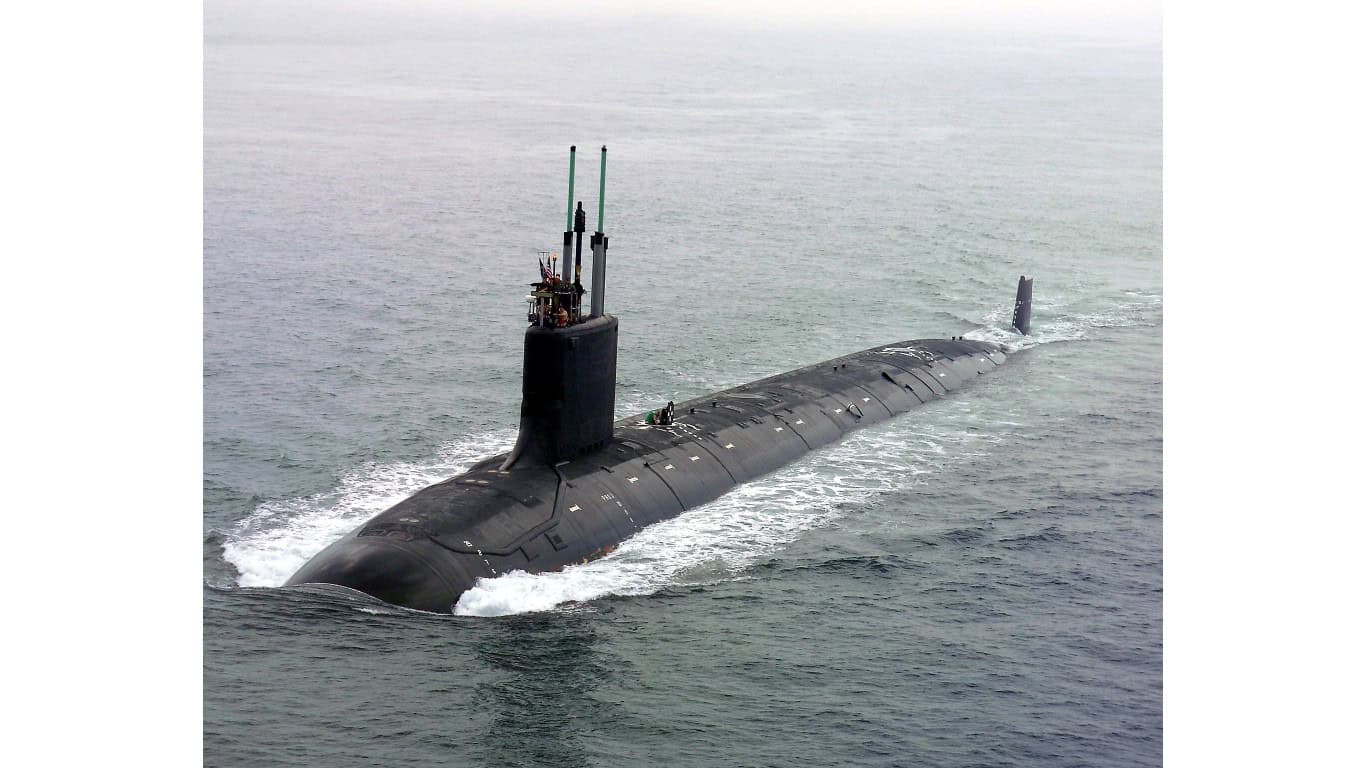
- Profession: Navy nuclear engineer and his wife
- Offense: Conspiracy to communicate restricted nuclear-submarine information
- Plea or conviction: Both pleaded guilty in August 2022
- Sentence: Jonathan: 19 years and 4 months; Diana: 21 years and 10 months (November 9, 2022)
Jonathan Toebbe tried to sell restricted information about nuclear-powered warships to someone he believed represented a foreign government. The approach was reported to U.S. authorities, and the person responding to him was actually an undercover FBI agent. At one arranged drop, Toebbe hid an SD card containing sensitive data inside a peanut butter sandwich; his wife Diana helped with parts of the operation. Both pleaded guilty in 2022. Jonathan was sentenced to 232 months, or 19 years and four months, while Diana received 262 months, or 21 years and 10 months. The planned buyer was never a foreign intelligence officer at all, an important detail in a case involving some of America’s most sensitive military technology.