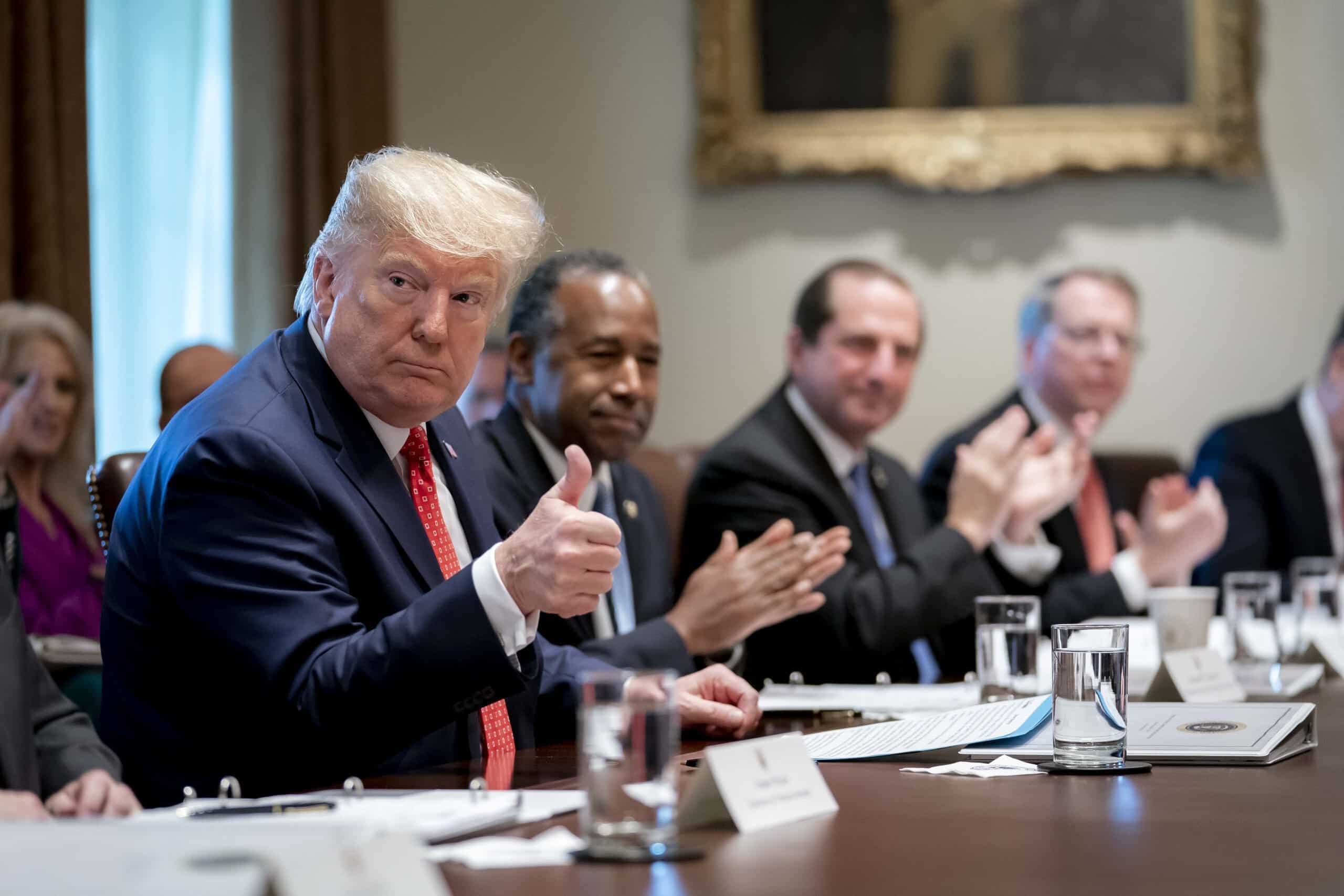
Public Domain / Wikimedia Commons
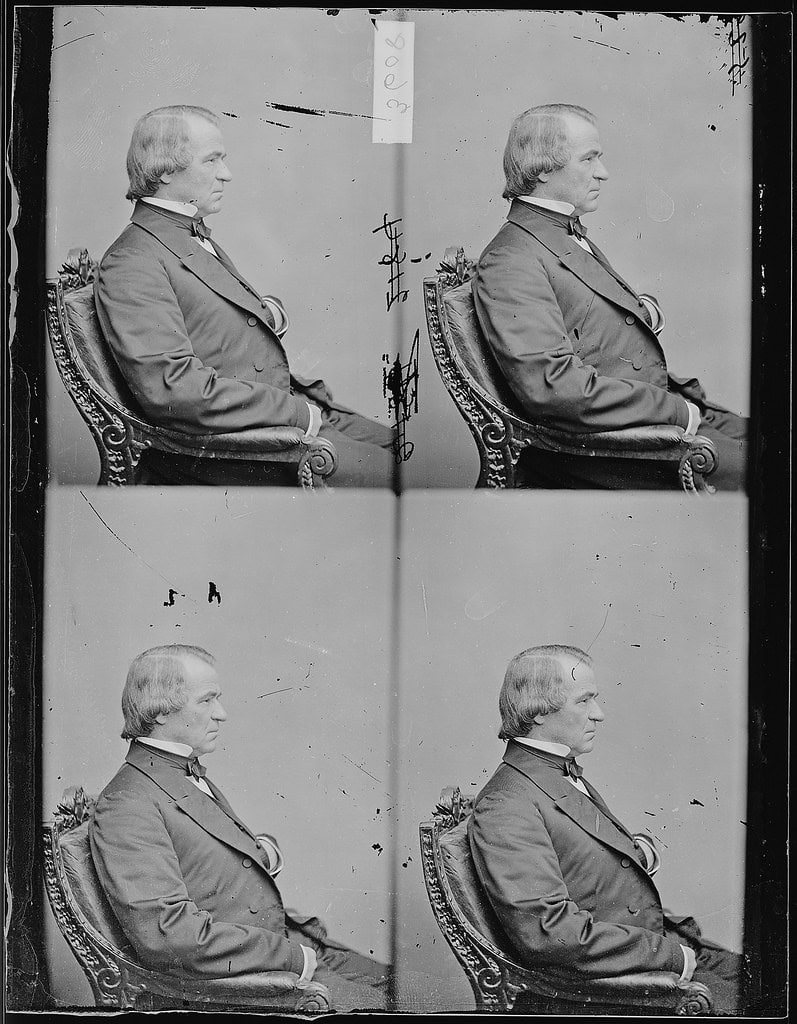
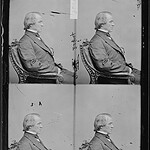
"Hon. Andrew Johnson, Tenn. President U.S." by expertinfantry is licensed under BY 2.0.
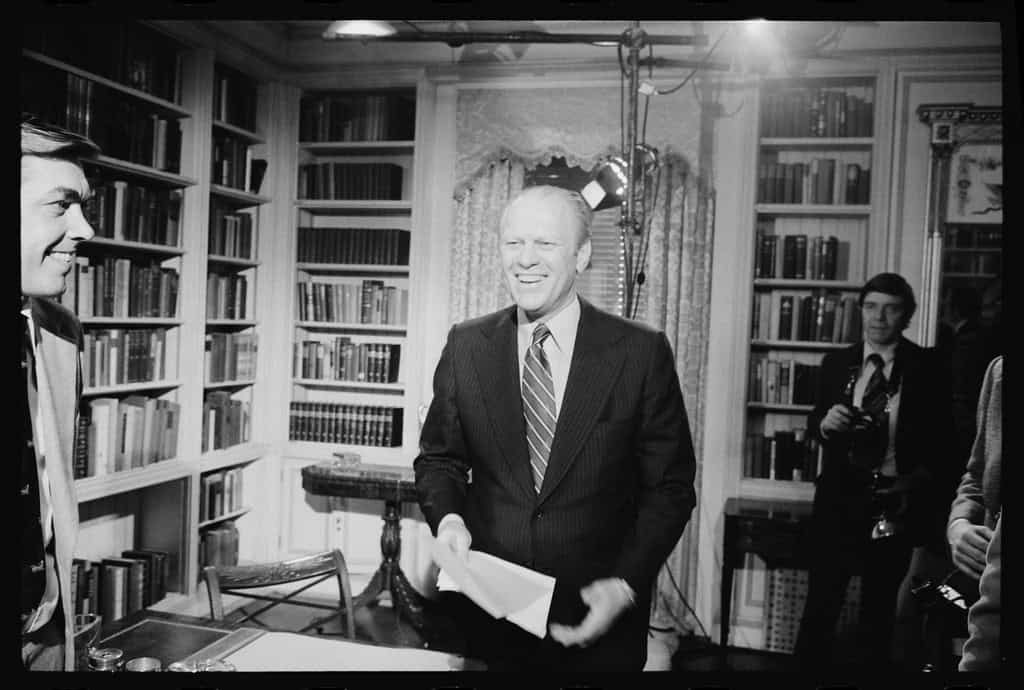
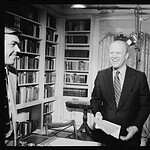
"No Known Restrictions: President Gerald Ford After Giving a Television Speech at the White House, Washington, D.C by Marion S. Trikosko, 1975 (LOC)" by pingnews.com is licensed under PDM 1.0.
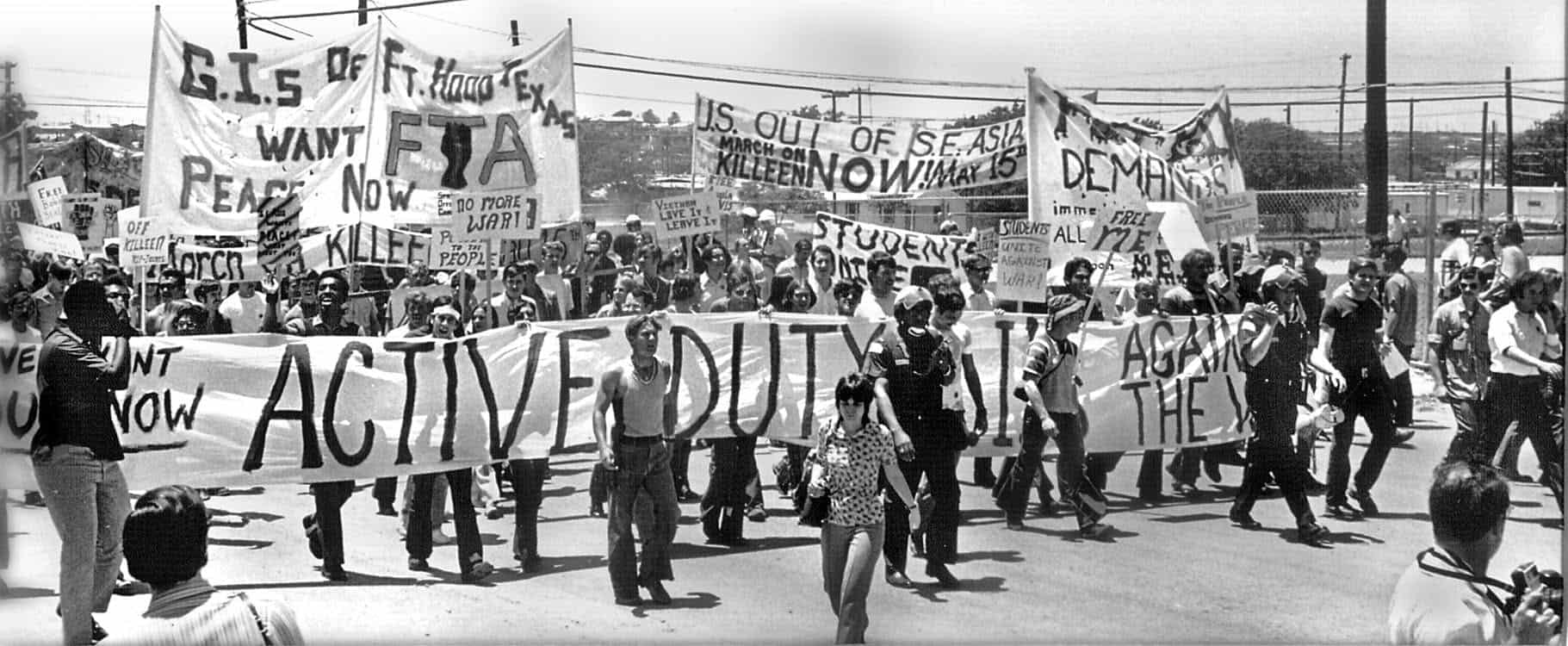
Unknown Author / https://en.wikipedia.org/wiki/public_domain
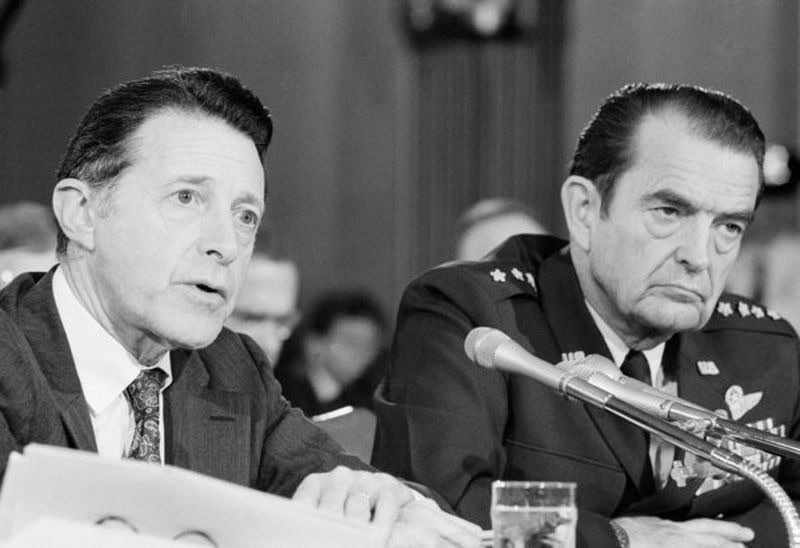
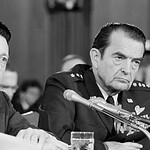
"U.S. Secretary of Defense Caspar Weinberger with Chairman of The Joint Chiefs of Staff General David C. Jones" by U.S. Department of Defense Archive is licensed under BY-SA 4.0.
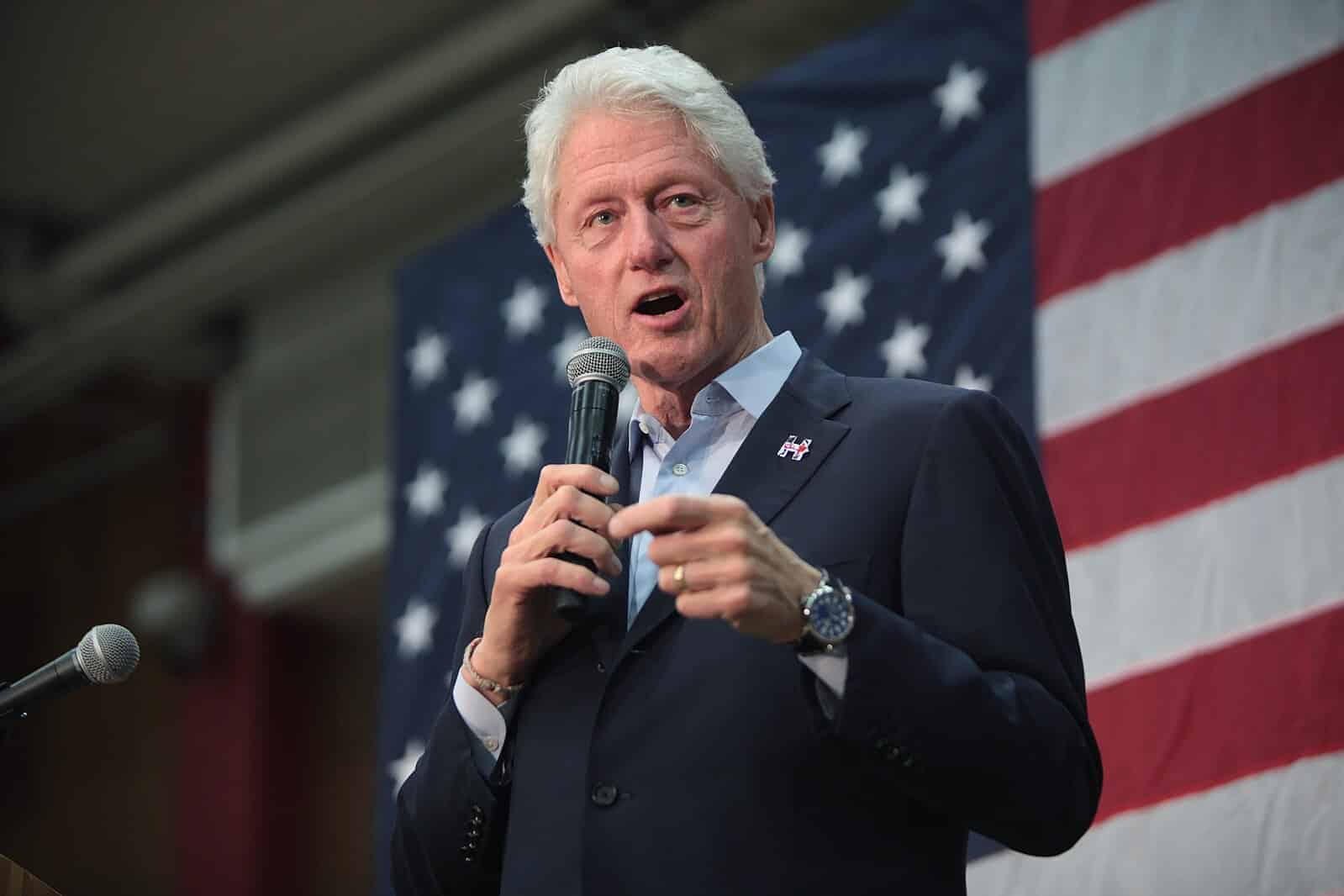
Gage Skidmore, CC BY-SA 3.0
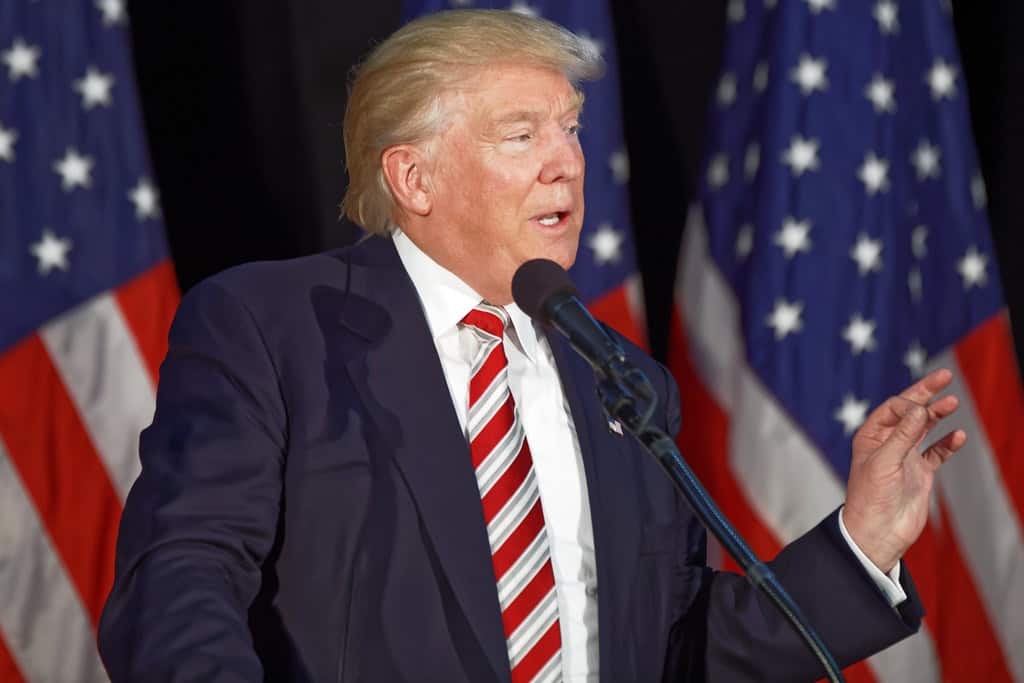
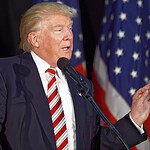
"Donald Trump at Aston, PA September 13th" by Michael Vadon is licensed under BY 2.0.
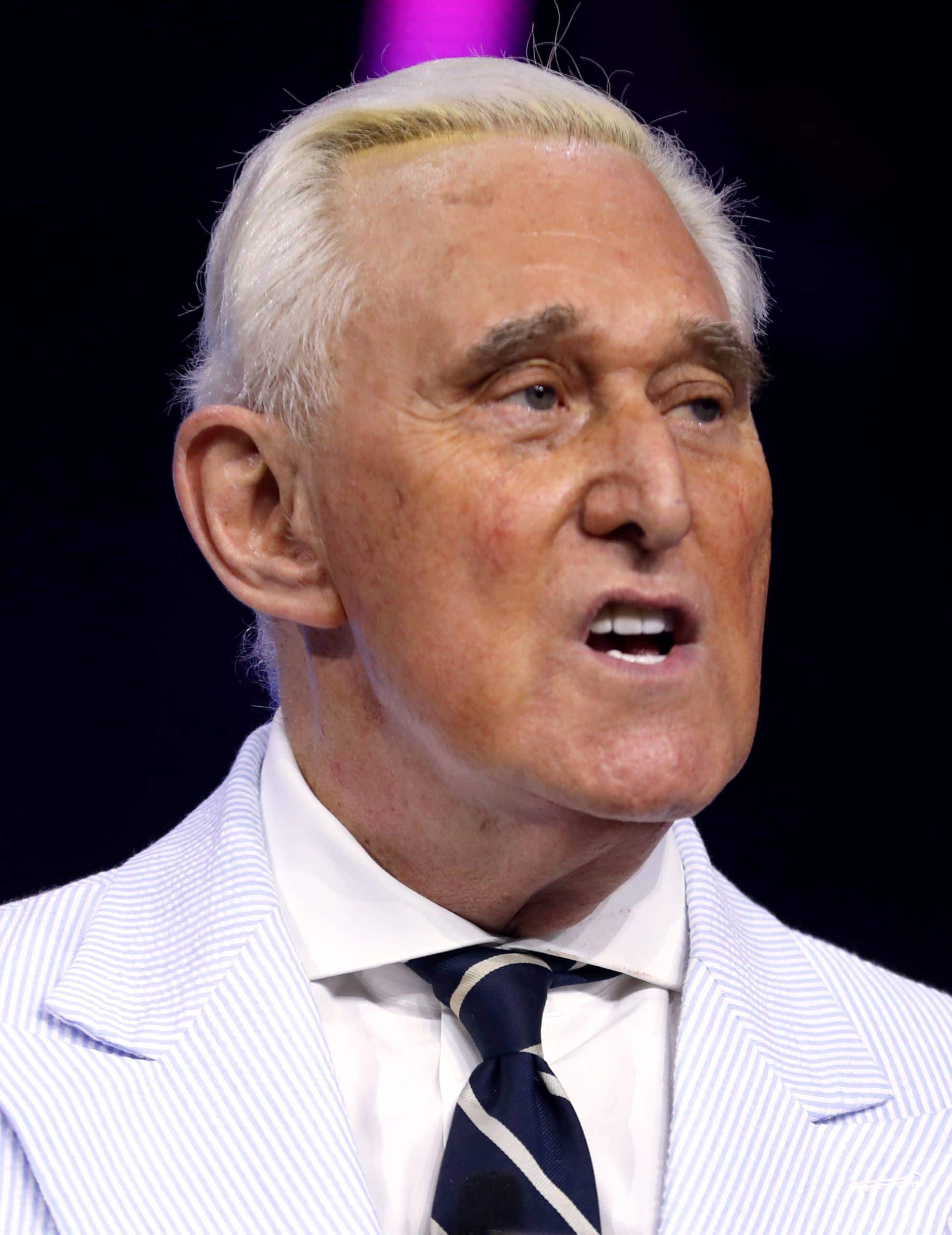
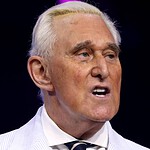
"Roger Stone (53808854606) (cropped)" by Gage Skidmore from Surprise, AZ, United States of America is licensed under BY-SA 2.0.
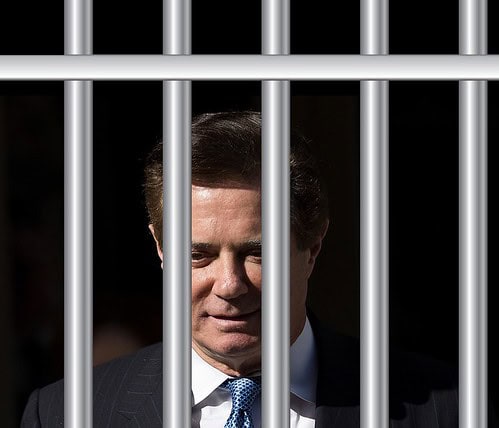
"Paul Manafort, updated LinkedIn photo" by Mike Licht, NotionsCapital.com is licensed under BY 2.0.
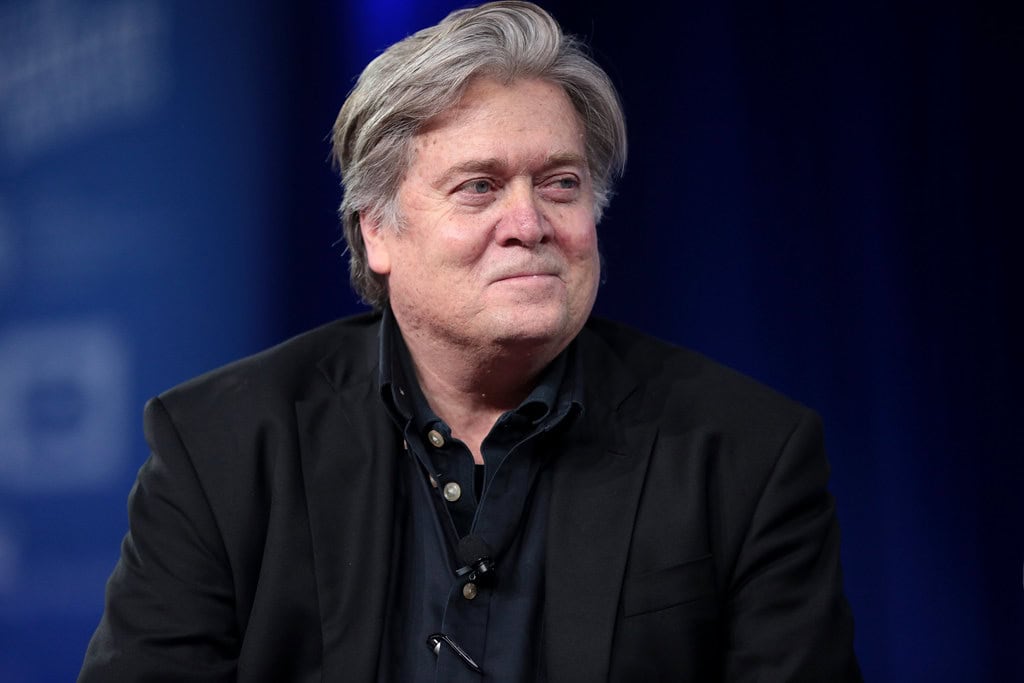
"Steve Bannon" by Gage Skidmore is licensed under BY-SA 2.0.
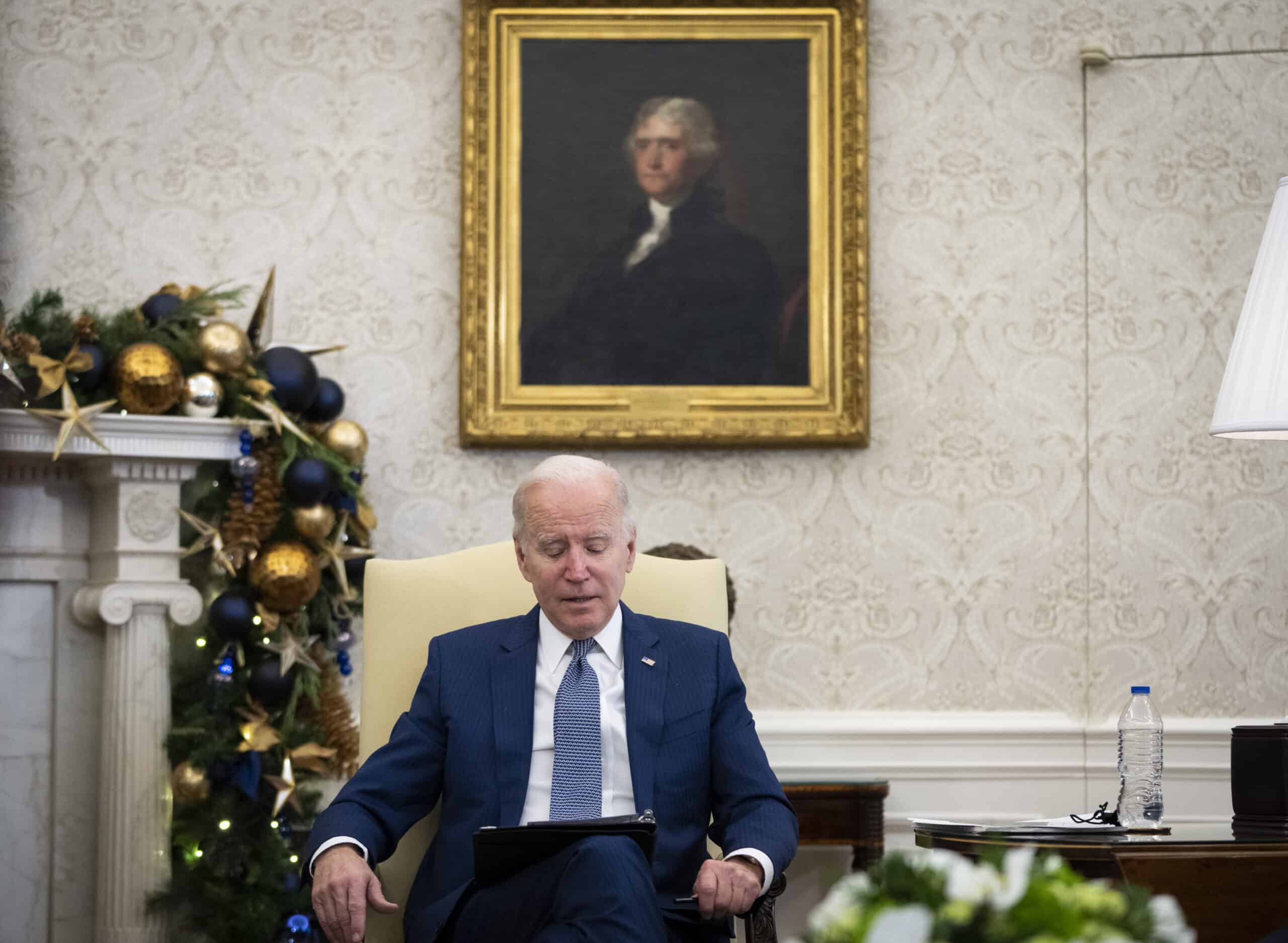
Drew Angerer/Getty Images
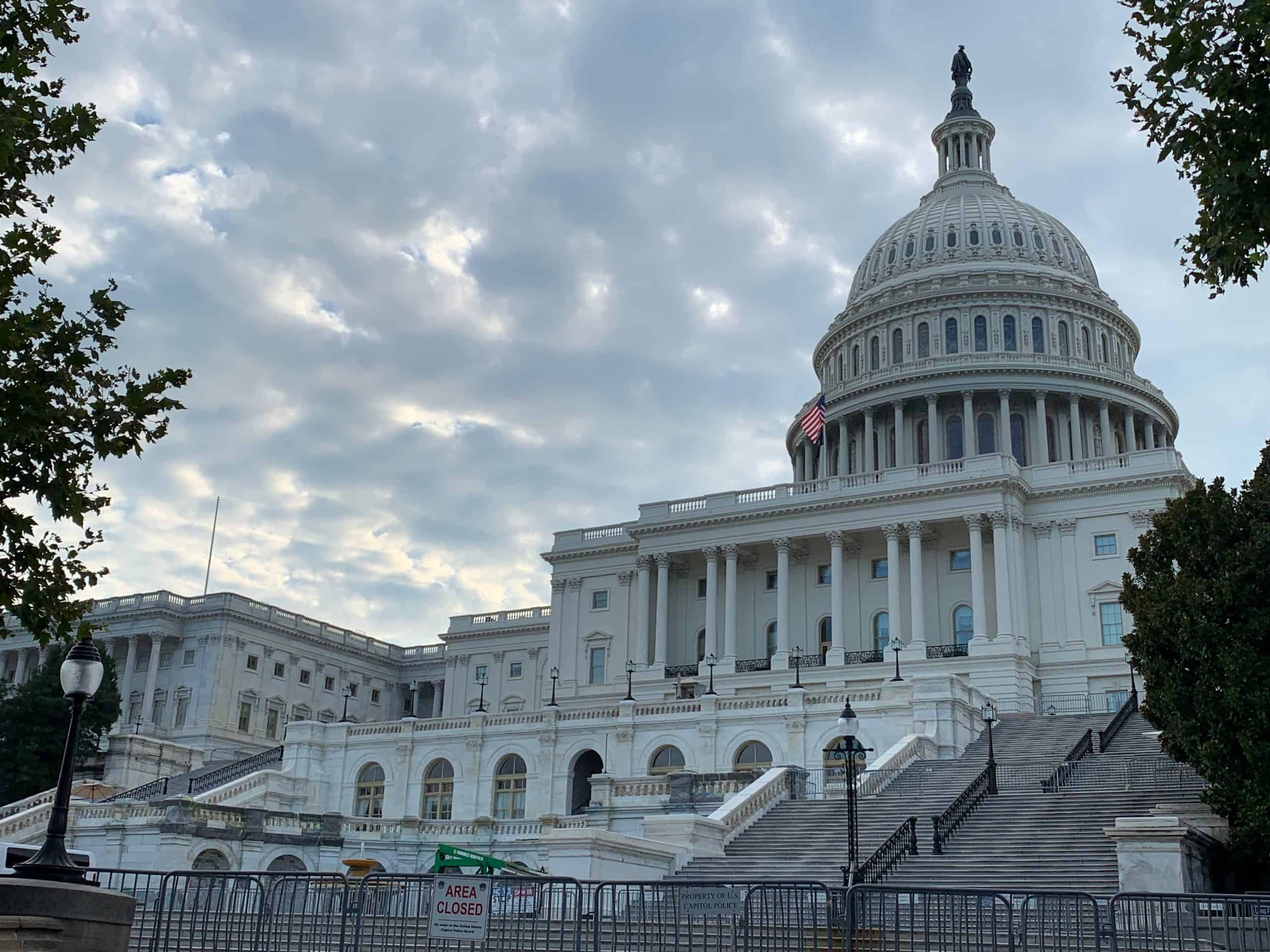
heartsease san diego/Shutterstock.com

2024 Getty Images / Getty Images News via Getty Images
Public Domain / Wikimedia Commons

13 Presidential Pardons That Sparked Fierce Backlash
Few presidential powers are as sweeping as the ability to grant clemency. Under the Constitution, a president can pardon federal offenses before or after a conviction and can even act before charges are filed. There are limits, though. Presidents cannot pardon state crimes or undo an impeachment, and a pardon does not simply erase a conviction from someone's record.
That enormous discretion has produced some of the most controversial decisions in White House history. Presidents from both parties have faced backlash for pardoning former enemies, political allies, relatives, government officials, and people whose cases were already at the center of national political fights.
Andrew Johnson's Confederate Amnesty
Andrew Johnson spent much of his presidency fighting with Congress over how the former Confederate states should be brought back into the Union. Clemency became a major part of that conflict. Johnson issued more than 13,000 individual pardons to former Confederates during his administration while also issuing several broader amnesty proclamations.
His most sweeping move came on Christmas Day 1868, when Johnson granted an unconditional pardon and amnesty to people who had participated in the rebellion, including former Confederate President Jefferson Davis. The decision fit Johnson's relatively lenient approach to Reconstruction and deepened his already bitter conflict with Republicans in Congress, who favored stronger federal protections for formerly enslaved Americans and tougher terms for restoring former Confederate leadership to political power.
Gerald Ford Pardons Richard Nixon
Richard Nixon had been out of office for only a month when President Gerald Ford granted him a full pardon on September 8, 1974. It covered any federal offenses Nixon had committed or may have committed during his presidency, effectively ending the possibility that the former president would face a federal criminal trial over Watergate.
Ford argued that continuing the case would keep the country trapped in Watergate. A lot of Americans were not convinced. Contemporary polling showed a majority opposed pardoning Nixon, Ford's approval rating fell sharply in the weeks that followed, and the White House was flooded with messages criticizing the decision. Public opinion softened decades later, but at the time it was political dynamite.
Jimmy Carter Pardons Vietnam-Era Draft Evaders
On his first full day in office in January 1977, Jimmy Carter granted a pardon to people who had violated the Military Selective Service Act during the Vietnam era. The order covered qualifying offenses committed from August 4, 1964, through March 28, 1973.
The pardon was broad, but not nearly as broad as the original article suggested. It did not simply pardon everyone who avoided military service, and it did not cover military deserters. Veterans groups and other opponents argued Carter was excusing people who refused to serve, while some anti-war and amnesty advocates criticized him from the opposite direction for not going far enough. Few presidential pardons managed to anger people on both sides quite so efficiently.
George H.W. Bush's Iran-Contra Pardons
George H.W. Bush did not pardon only former Defense Secretary Caspar Weinberger. On December 24, 1992, he granted clemency to six people connected to the Iran-Contra investigation, including Weinberger, Elliott Abrams, Duane Clarridge, Alan Fiers, Clair George, and Robert McFarlane.
Weinberger's pardon was particularly controversial because he was awaiting trial on felony charges stemming from statements about Iran-Contra and his handling of notes related to the affair. Independent Counsel Lawrence Walsh blasted the decision, arguing that it undermined the principle that powerful officials should still be accountable under the law. Bush defended the pardons and argued that the years-long prosecutions had gone too far.
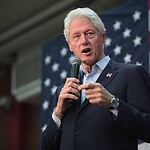
Bill Clinton Pardons Marc Rich
Bill Clinton issued the pardon that would dominate coverage of his final hours in office. Financier Marc Rich had been a fugitive since the 1980s after being indicted on federal charges including tax evasion, wire and mail fraud, racketeering, and trading with Iran in violation of a U.S. embargo. Clinton pardoned him on January 20, 2001.
The controversy grew because Rich's former wife, Denise Rich, had donated heavily to Democratic causes and contributed $450,000 to Clinton's presidential library fund. Congressional hearings and a federal investigation followed. Clinton denied that donations influenced his decision and maintained that he believed there were legitimate legal and foreign-policy arguments for the pardon. No finding established that the pardon had been purchased, but the circumstances made it one of the most scrutinized clemency decisions of the modern presidency.
Donald Trump Pardons Charles Kushner
Charles Kushner, the father of Trump's son-in-law Jared Kushner, pleaded guilty in 2004 to 18 federal counts: 16 counts involving false tax returns, one count of retaliating against a cooperating witness, and one count of making false statements to the Federal Election Commission.
The witness-retaliation scheme was particularly notorious. Kushner admitted arranging for a prostitute to seduce his brother-in-law, having the encounter secretly recorded, and sending the recording to his own sister. Kushner served prison time before Trump granted him a full pardon on December 23, 2020. The close family connection immediately made the decision a focus of criticism surrounding Trump's late-term clemency grants.
Donald Trump Pardons Roger Stone
Longtime Trump associate Roger Stone was convicted in November 2019 of seven federal felonies: obstruction of a congressional investigation, five counts of making false statements to Congress, and witness tampering. He was sentenced to 40 months in prison.
Trump first commuted Stone's prison sentence in July 2020, days before Stone was supposed to report to prison, then granted him a full pardon in December. Because Stone's prosecution grew out of the investigation into Russian interference in the 2016 election and involved a longtime political associate of the president, both acts of clemency drew intense scrutiny.
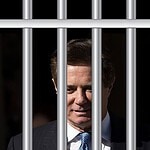
Donald Trump Pardons Paul Manafort
Former Trump campaign chairman Paul Manafort was convicted in Virginia of tax and bank fraud offenses and separately pleaded guilty in Washington to conspiracy charges. The two federal sentences amounted to roughly seven and a half years in prison, although portions ran concurrently.
Manafort was moved to home confinement in 2020 amid concerns surrounding the COVID-19 pandemic. Trump then pardoned him on December 23, 2020, the same day he pardoned Roger Stone and Charles Kushner. The cluster of clemency grants drew criticism because several recipients had personal, political, or family connections to the president.
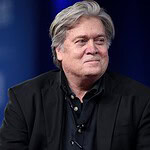
Donald Trump Pardons Steve Bannon Before Trial
This one needed a major correction. Steve Bannon was not convicted of the federal We Build the Wall fraud charges in 2020. Federal prosecutors charged Bannon and three other men with conspiracy to commit wire fraud and conspiracy to commit money laundering, alleging that donors to the crowdfunding campaign had been misled about how their money would be used.
Bannon pleaded not guilty, and the federal case against him never reached trial. Trump pardoned his former chief strategist on January 20, 2021, during his final hours in office. Bannon's later conviction for contempt of Congress was a completely separate case and was not covered by this pardon.
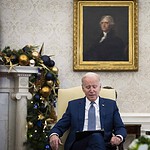
Joe Biden's Final-Month Pardons
Joe Biden created one of the biggest pardon controversies of his presidency on December 1, 2024, when he granted his son Hunter a full and unconditional pardon. Hunter Biden had been convicted of three federal firearm felonies and had pleaded guilty to three felony and six misdemeanor tax offenses. The pardon extended beyond those cases to federal offenses he had committed or may have committed between January 1, 2014, and December 1, 2024.
The decision drew criticism from Republicans and some Democrats because Biden had repeatedly said publicly that he would not pardon his son. Biden defended the reversal by arguing Hunter had been selectively prosecuted for political reasons. Then, on his final day in office, Biden issued preemptive pardons to several people he feared could face politically motivated investigations, including Anthony Fauci, retired Gen. Mark Milley, members and staff of the House January 6 committee, officers who testified before it, and five members of Biden's own family. Biden stressed that the pardons were not acknowledgments of wrongdoing.
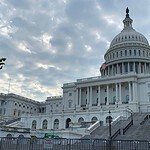
Donald Trump's January 6 Pardons
Hours after returning to office on January 20, 2025, Donald Trump issued sweeping clemency for defendants prosecuted over the January 6, 2021, attack on the U.S. Capitol. By that point, federal prosecutors had charged more than 1,500 people in cases ranging from unlawful entry to assaults on police officers and seditious conspiracy.
Trump granted full pardons to virtually everyone convicted of January 6-related offenses, commuted the sentences of 14 named defendants, and directed the Justice Department to seek dismissal of pending cases. Trump described the prosecutions as a grave injustice. The move was celebrated by supporters but condemned by Democrats, police officers who defended the Capitol, law-enforcement organizations, and some Republican lawmakers, particularly because the relief extended to people convicted of violent crimes.
Trump Pardons Allies Tied to the 2020 Election Fight
Trump made another sweeping election-related use of the pardon power in November 2025. His proclamation granted federal pardons for conduct connected to alternate slates of presidential electors and other efforts surrounding challenges to the 2020 election. The named recipients included Rudy Giuliani, Mark Meadows, Sidney Powell, John Eastman, Jeffrey Clark, and dozens of others.
The practical effect was unusual. Many of the people named had never been federally charged for that conduct, so the pardons operated largely as protection from possible future federal prosecution. They also could not erase or interfere with state charges. Trump described the move as correcting a national injustice and promoting reconciliation, while critics argued that it shielded political allies from potential accountability.
Trump Pardons Former Honduran President Juan Orlando Hernández
One of the most striking pardons of Trump's second term came in December 2025. Former Honduran President Juan Orlando Hernández had been convicted in federal court in New York of conspiring to import cocaine into the United States and related firearms offenses. In 2024, a judge sentenced him to 45 years in federal prison and imposed an $8 million fine.
Trump pardoned Hernández on December 1, 2025, allowing the former president to leave federal prison. Trump said Hernández had been treated harshly and unfairly. The move drew criticism in Washington, including from lawmakers who questioned how freeing a former foreign leader convicted in a major cocaine-trafficking case fit with the administration's public emphasis on combating illegal drugs.