
Gorodenkoff/Shutterstock.com
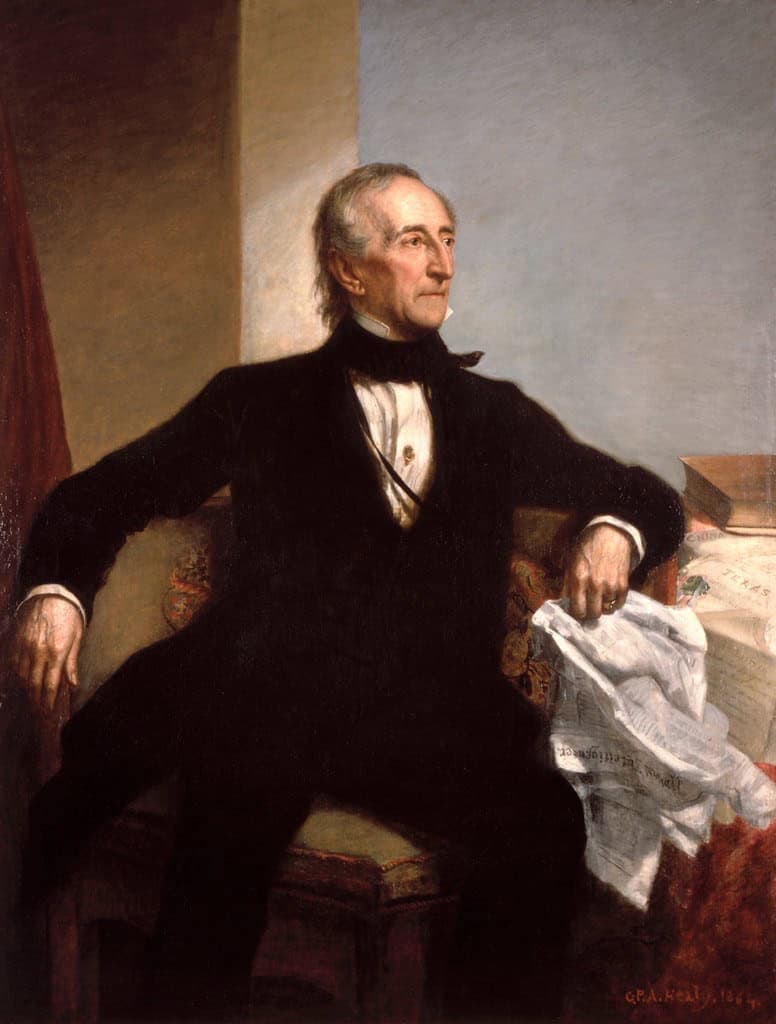
"10 John Tyler" by US Department of State is licensed under PDM 1.0.
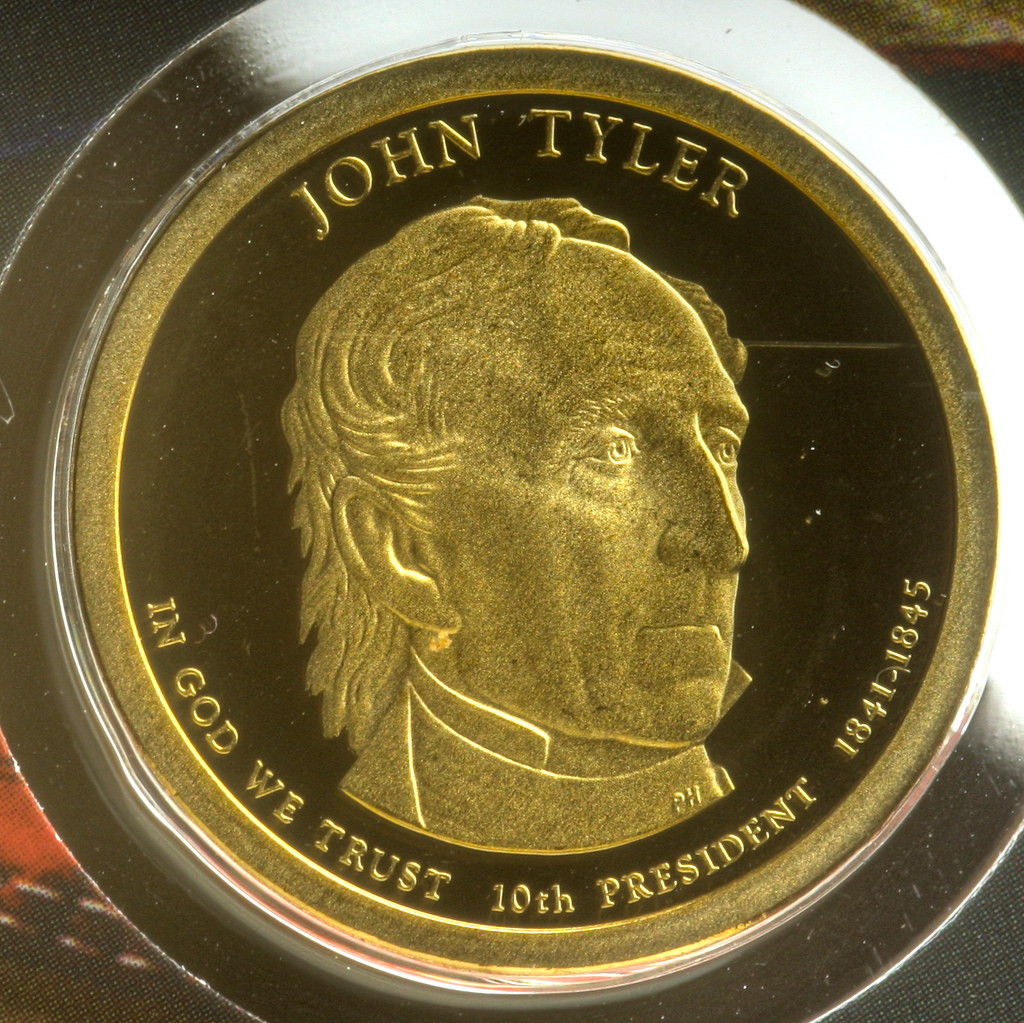
kevin dooley / BY 2.0
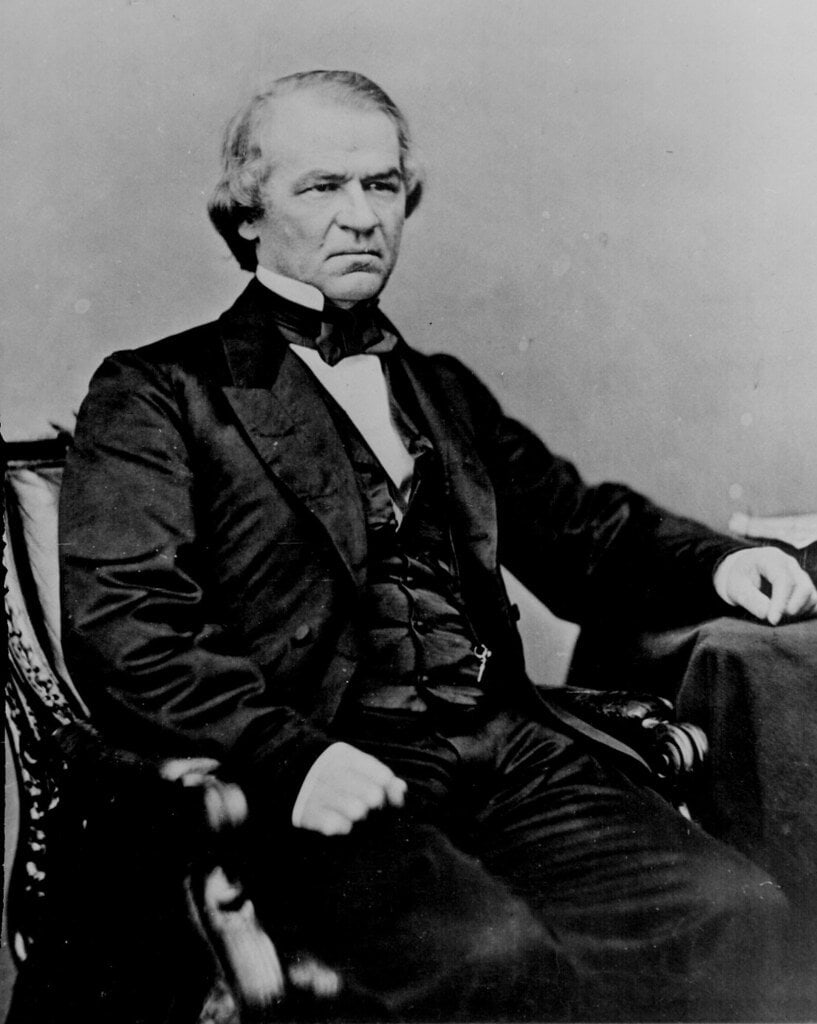
"Andrew Johnson, Vice President and President" by Marion Doss is licensed under BY-SA 2.0.
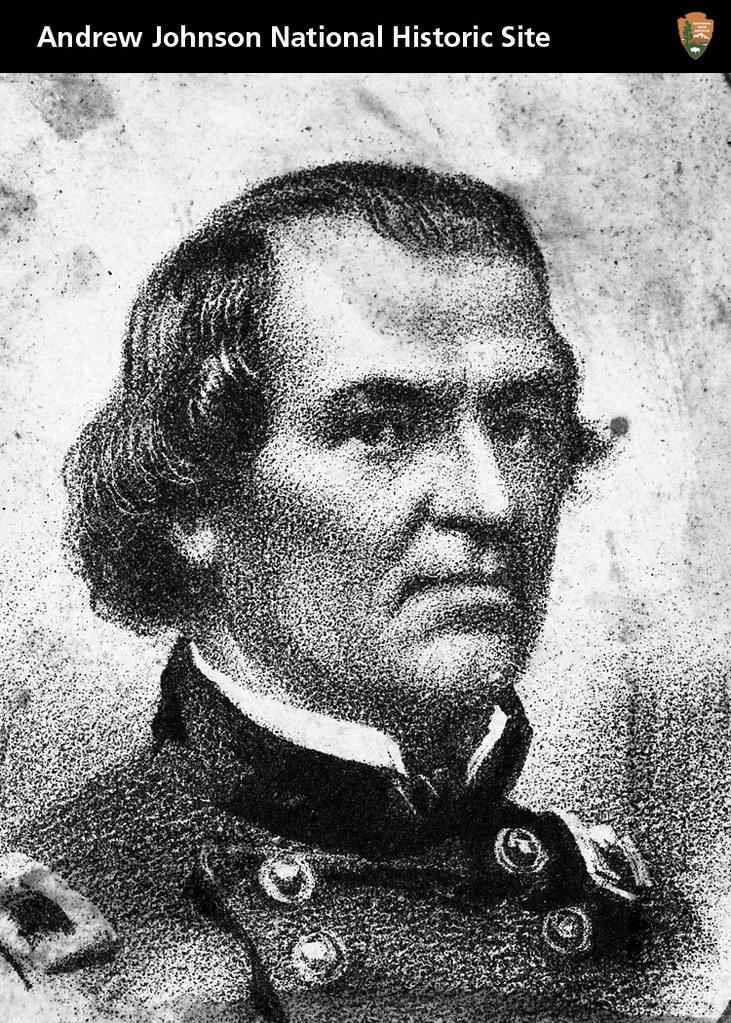
TradingCardsNPS / BY 2.0
wfryer / Flickr
Everett Collection / Shutterstock.com
"Harry-truman" by myglesias is licensed under BY-SA 2.0.
netsign33 / Shutterstock.com
Keystone / Getty Images
Boston City Archives / BY 2.0
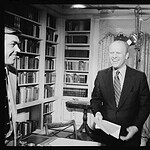
"No Known Restrictions: President Gerald Ford After Giving a Television Speech at the White House, Washington, D.C by Marion S. Trikosko, 1975 (LOC)" by pingnews.com is licensed under PDM 1.0.

MPI / Archive Photos via Getty Images
Lucky-photographer / Shutterstock.com


6 Vice Presidents Who Became President at Pivotal Moments in U.S. History
John Adams, the nation's first vice president, famously complained to Abigail Adams that his country had created for him “the most insignificant office that ever the invention of man contrived or his imagination conceived.” For much of early American history, the job really was limited compared with the modern vice presidency. The Constitution made the vice president president of the Senate, with the power to cast tie-breaking votes, while the executive side of the job developed much more gradually.
There is one responsibility, however, that can change everything in an instant. Nine vice presidents have succeeded to the presidency before the end of a president's term, eight following a death and Gerald Ford following Richard Nixon's resignation. This list looks at six of those transitions, spanning 1841 to 1974, and the very different circumstances the new presidents inherited.
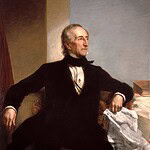
John Tyler
John Tyler became the first vice president forced to answer a question the Constitution had never fully settled. President William Henry Harrison died on April 4, 1841, only 31 days after taking office. Article II said the president's “powers and duties” would devolve on the vice president, but it was unclear whether that meant Tyler became president or simply exercised presidential powers as an acting president.
Tyler chose the broader interpretation. He traveled from his home in Virginia to Washington and took the presidential oath on April 6, insisting that he had inherited the office itself, not merely its duties. Members of Congress initially disagreed over the wording, but Tyler served the remainder of Harrison's term as president. What became known as the Tyler Precedent guided later successions and was eventually written directly into the Constitution through the 25th Amendment in 1967.
John Tyler (continued)
Tyler chose the broader interpretation. He traveled from his home in Virginia to Washington and took the presidential oath on April 6, insisting that he had inherited the office itself, not merely its duties. Members of Congress initially disagreed over the wording, but Tyler served the remainder of Harrison's term as president. What became known as the Tyler Precedent guided later successions and was eventually written directly into the Constitution through the 25th Amendment in 1967.
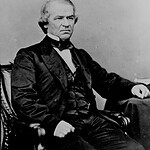
Andrew Johnson
Andrew Johnson's transition came during the final weeks of the Civil War. John Wilkes Booth shot President Abraham Lincoln at Ford's Theatre on April 14, 1865, and Lincoln died the following morning. Johnson was sworn in as the 17th president later on April 15. A Tennessee Democrat who had remained loyal to the Union during the war, Johnson had joined Republican Lincoln on the National Union ticket in the 1864 election.
Andrew Johnson
The presidency immediately put Johnson at the center of the fight over Reconstruction. He favored comparatively lenient terms for restoring former Confederate states and repeatedly clashed with the Republican-controlled Congress over federal policy and the rights of formerly enslaved Americans. Congress overrode several of his vetoes, including his veto of the Civil Rights Act of 1866.
The conflict eventually produced the first presidential impeachment in U.S. history. The House impeached Johnson in February 1868 after his attempt to remove Secretary of War Edwin Stanton in violation of the Tenure of Office Act. Johnson was not removed from office, however. The Senate fell one vote short of the two-thirds majority needed to convict him, and he completed his term in March 1869.
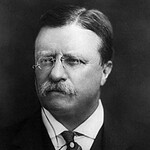
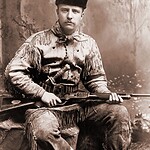
Theodore Roosevelt
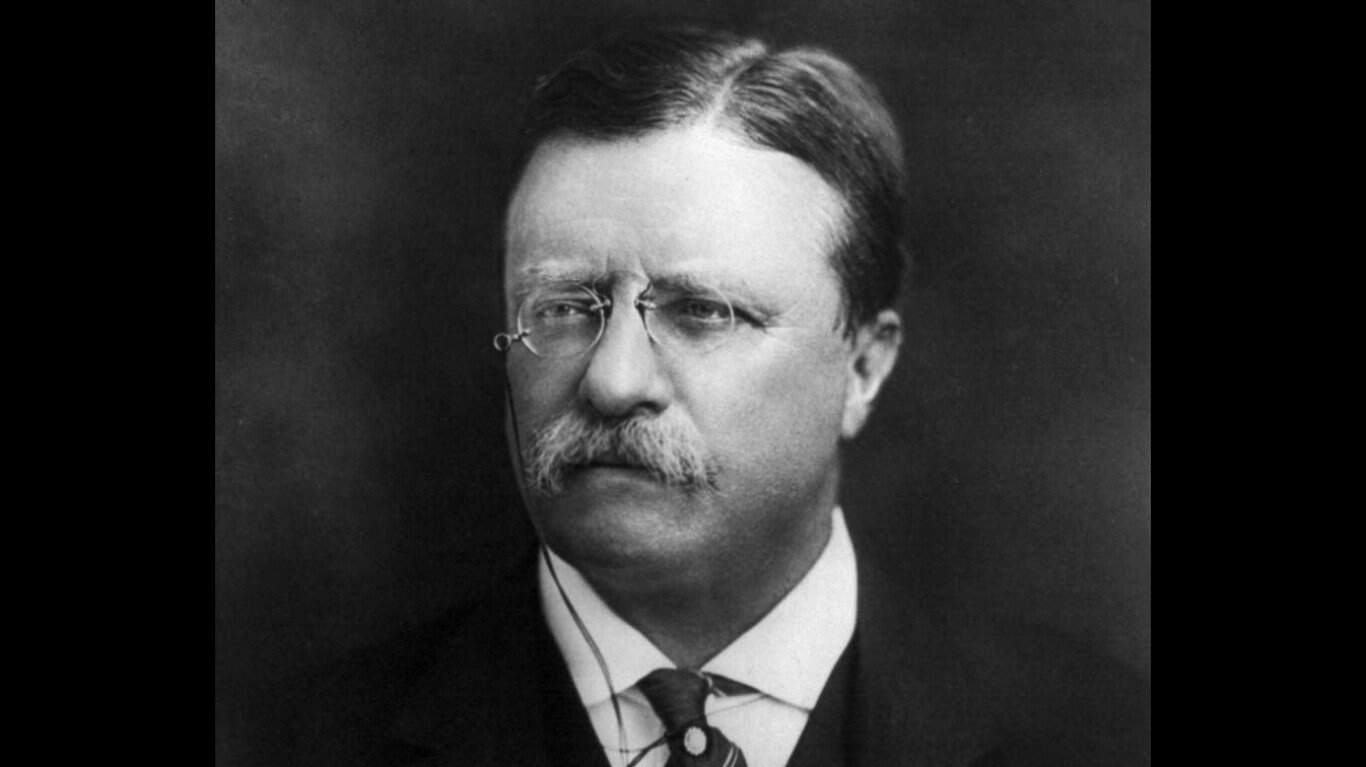
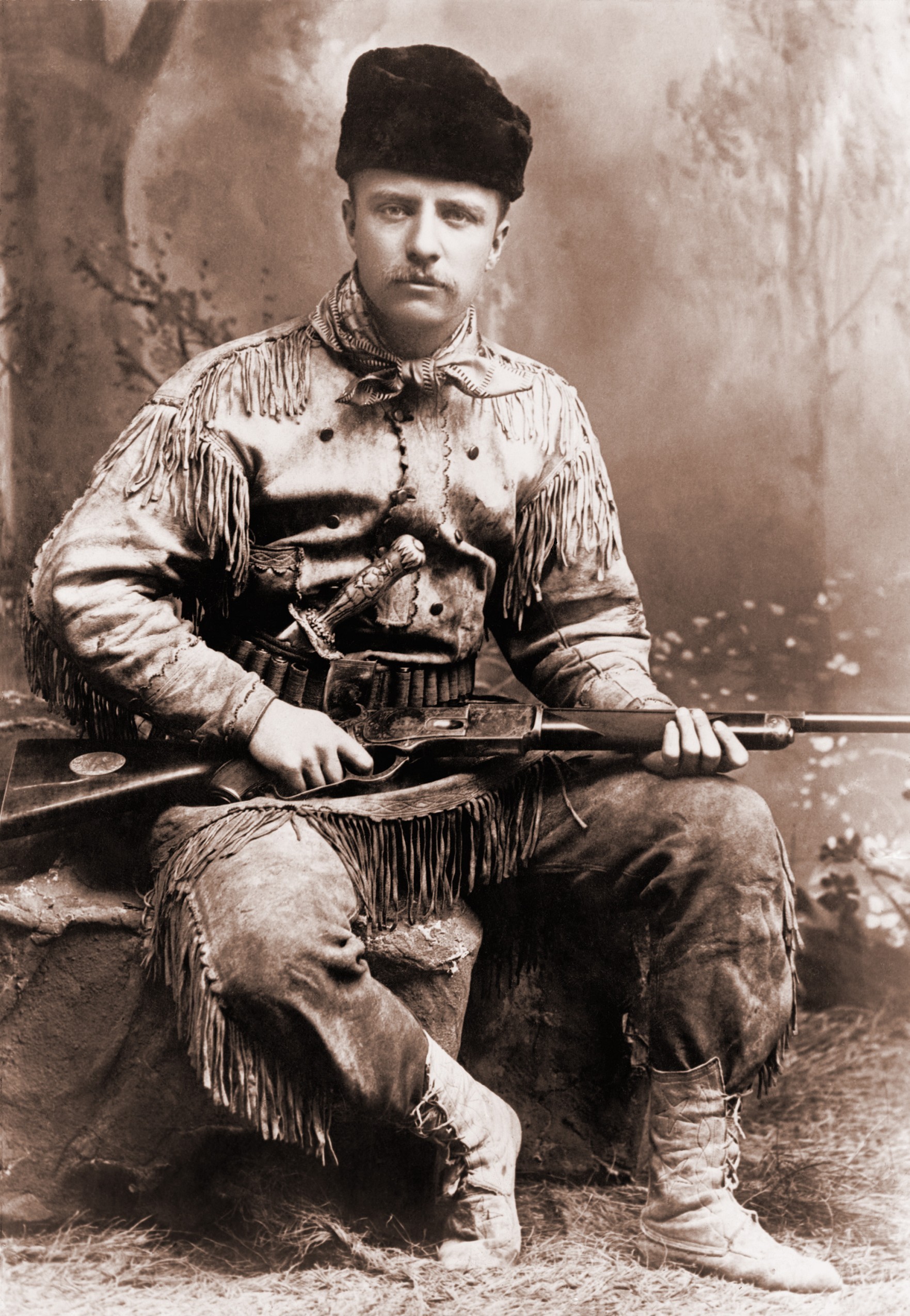
Theodore Roosevelt reached the presidency after another assassination. President William McKinley was shot by Leon Czolgosz at the Pan-American Exposition in Buffalo, New York, on September 6, 1901. McKinley initially appeared to be recovering, but his condition worsened and he died on September 14. Roosevelt was sworn in that same day at age 42, making him the youngest person ever to become president.
There was an unusual political twist to Roosevelt's succession. Roosevelt had been governor of New York, where his reform agenda irritated powerful Republican figures.
Teddy Roosevelt
Party bosses helped push him toward the vice presidency in 1900 partly as a way to move him out of Albany and into what they expected to be a less influential position. McKinley's death produced precisely the outcome some of them had hoped to avoid.
Roosevelt went on to use the presidency aggressively in areas including corporate regulation, conservation, labor disputes, and foreign affairs. The United States was already expanding its international reach under McKinley, particularly after the Spanish-American War, so Roosevelt did not create that shift from scratch. He did, however, continue and broaden an increasingly active federal role at home and abroad before winning a full presidential term in his own right in 1904.
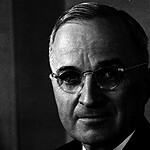
Harry S. Truman
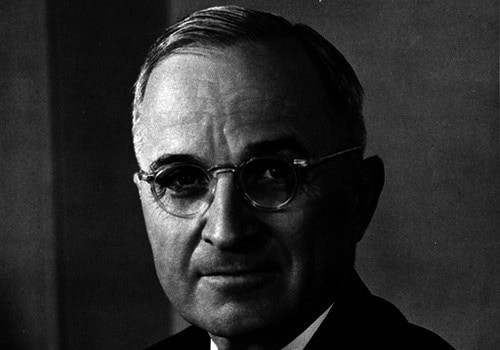
Franklin D. Roosevelt had been elected president an unprecedented four times when he died from a cerebral hemorrhage in Warm Springs, Georgia, on April 12, 1945. Harry S. Truman had been vice president for only 82 days. World War II was still raging in Europe and the Pacific, and Truman had received remarkably little preparation for some of the decisions suddenly landing on his desk. He had not even been fully briefed on the secret Manhattan Project before becoming president.
The next day, Truman told reporters that he felt “like the moon, the stars, and all the planets had fallen on me.” Germany's surrender followed in May. In the Pacific, Truman authorized the use of atomic bombs against Hiroshima on August 6 and Nagasaki on August 9.
Harry S. Truman (continued)
Japan accepted the Allied surrender terms days later, and the formal surrender was signed aboard the USS Missouri on September 2. The decision to use atomic weapons remains one of the most heavily debated decisions of his presidency.
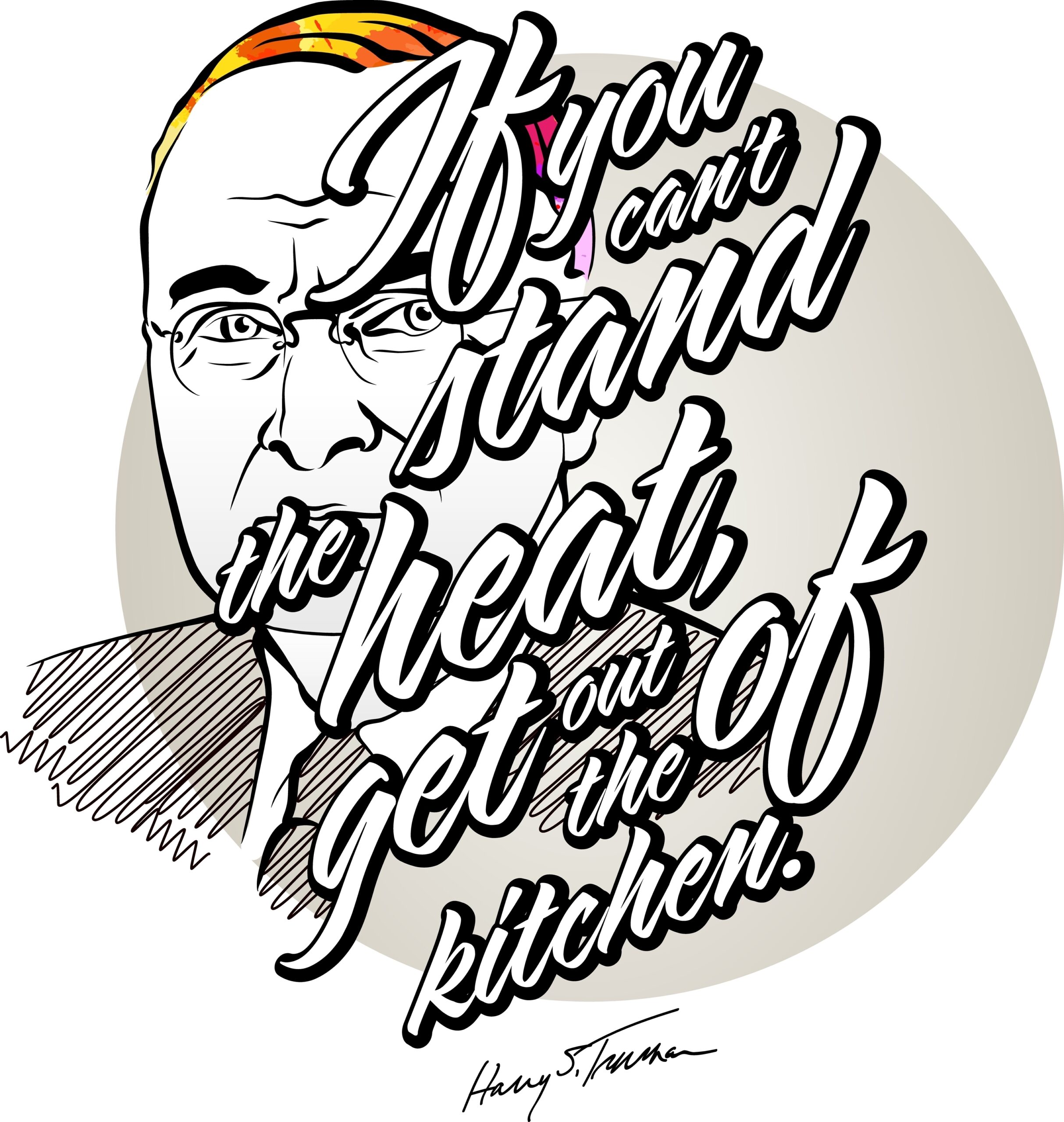
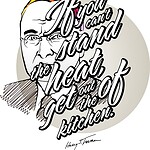
Truman's presidency then moved almost immediately from World War II into the early Cold War. His administration supported the European Recovery Program, better known as the Marshall Plan, to help rebuild Western European economies after the war. The sign that later became synonymous with Truman's approach to presidential responsibility, “The Buck Stops Here,” arrived at the White House in October 1945 and sat on his desk at different points during his presidency.
Lyndon B. Johnson
John F. Kennedy was 43 when he became the youngest person ever elected president. He inherited an existing Cold War space competition and dramatically raised the stakes in May 1961 by committing the United States to landing a man on the Moon before the end of the decade. Kennedy also moved more forcefully on civil rights in 1963, calling for comprehensive legislation after years of activism and pressure from the civil rights movement.
U.S. involvement in Vietnam also predated Kennedy. The Eisenhower administration already had hundreds of American personnel advising South Vietnam when Kennedy entered office. Kennedy substantially expanded that commitment, and by late 1963 roughly 16,000 U.S. military advisers were in the country.
Lyndon B. Johnson
What the United States would ultimately do in Vietnam remained unresolved when Kennedy was assassinated in Dallas on November 22, 1963.
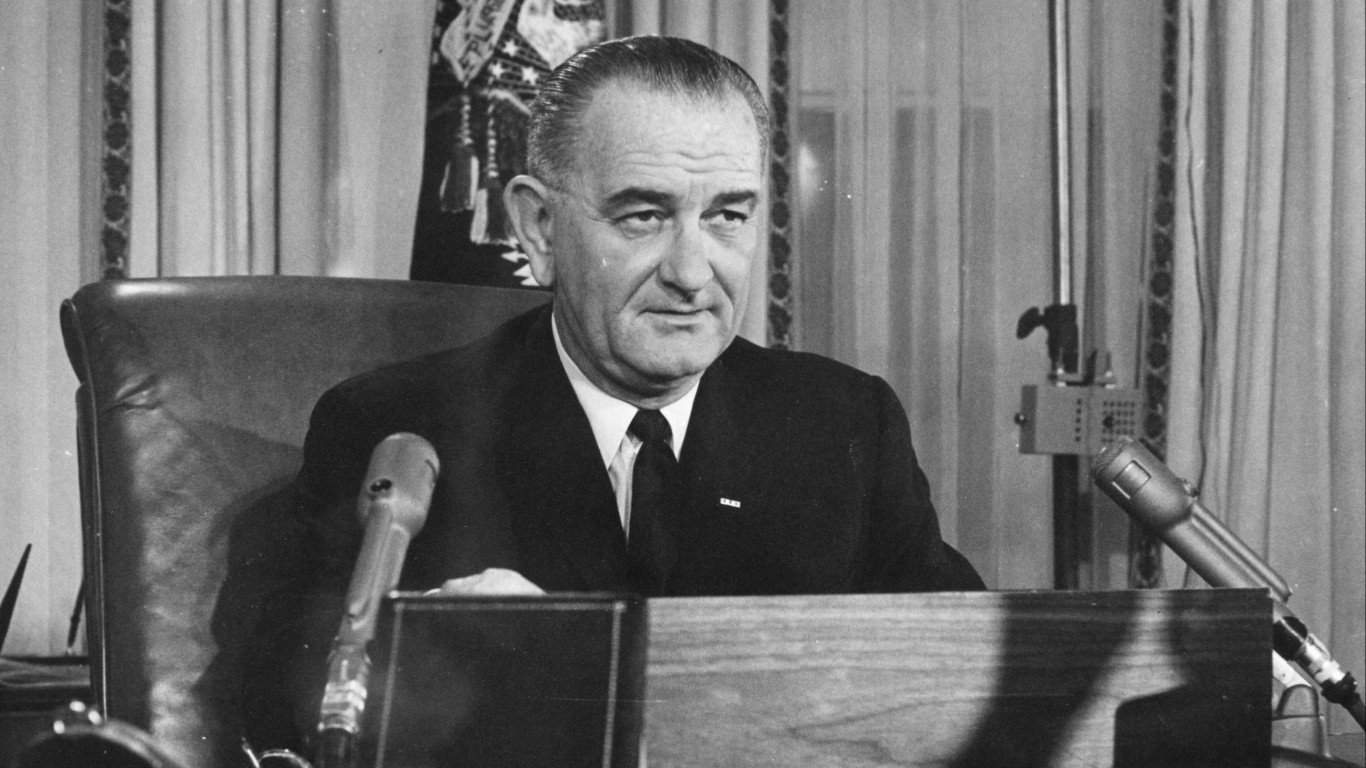
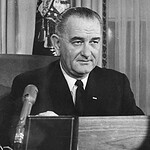
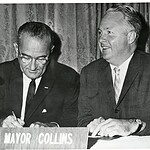
Lyndon B. Johnson took the presidential oath aboard Air Force One at Dallas Love Field at 2:38 p.m. Central Time, before the aircraft departed for Washington. As president, Johnson signed the Civil Rights Act of 1964 and Voting Rights Act of 1965 into law. At the same time, U.S. involvement in Vietnam escalated sharply. Following the Gulf of Tonkin Resolution in 1964, Johnson authorized sustained bombing and the deployment of regular U.S. ground combat forces in 1965, making Vietnam one of the defining issues of his presidency.
Gerald Ford
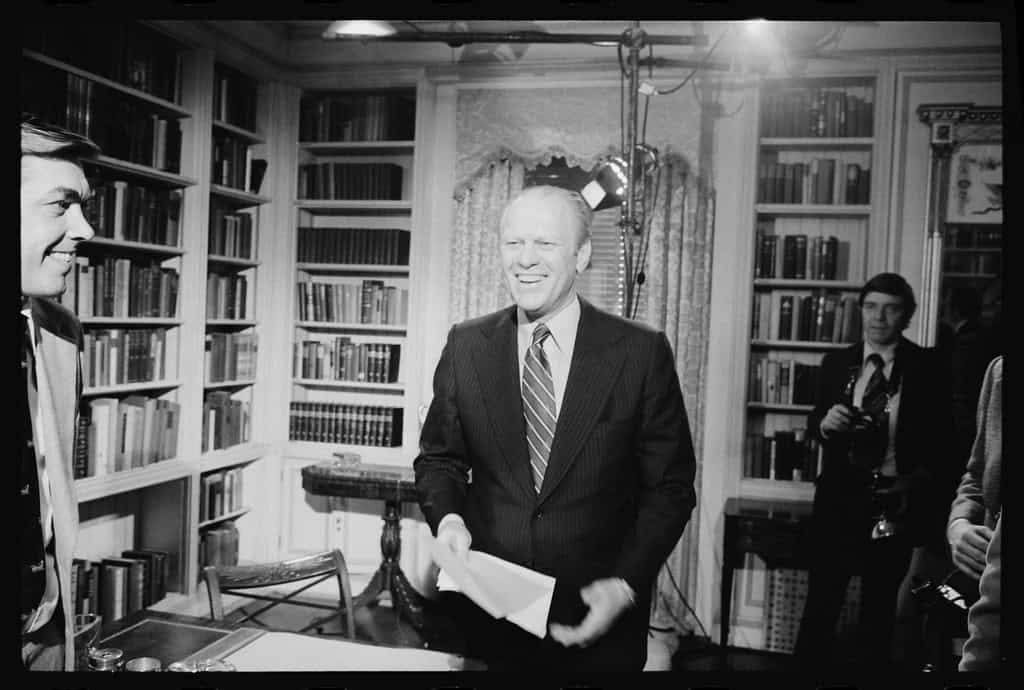
Gerald Ford's path to the presidency was unlike any of the others on this list. Vice President Spiro Agnew resigned on October 10, 1973, after pleading no contest to a federal income-tax-evasion charge. Under the recently ratified 25th Amendment, President Richard Nixon nominated House Minority Leader Gerald Ford to fill the vacancy. Congress confirmed Ford, and he took the vice presidential oath on December 6, 1973.
Eight months later, the Watergate scandal brought another unprecedented transition. With impeachment proceedings advancing in Congress, Nixon announced his resignation and left office on August 9, 1974. Ford was sworn in that day as the 38th president.
Gerald Ford (continued)
He became the first and remains the only person to serve as both vice president and president without first being elected to either office.
Ford told Americans, “Our long national nightmare is over.” One month later, on September 8, he granted Nixon a full pardon for federal offenses Nixon may have committed while president. The decision drew intense criticism at the time. Ford said he believed continuing legal proceedings against Nixon would keep the country consumed by Watergate when the administration also faced major economic and foreign-policy problems. The pardon remained one of the defining and most debated decisions of Ford's presidency.
Conclusion
The vice presidency has changed dramatically since John Adams complained about how little there was to do. Modern vice presidents routinely take on executive assignments, advise presidents, represent administrations abroad, and work with Congress. Yet the succession role remains the one responsibility that can alter the job without warning. Tyler's improvised solution in 1841 eventually became explicit constitutional law, and every transition since has depended on the same basic principle: when the presidency becomes vacant, the vice president becomes president.