Missing attribution
Missing attribution
Missing attribution
Missing attribution
Missing attribution
Missing attribution
Missing attribution
Missing attribution
Missing attribution
Missing attribution
Missing attribution
Missing attribution
Missing attribution
Missing attribution
Missing attribution
Missing attribution
Missing attribution
Missing attribution
Missing attribution
Missing attribution
Missing attribution
Missing attribution
Missing attribution
Missing attribution
Missing attribution
Missing attribution
Missing attribution
Missing attribution
Missing attribution
Missing attribution
Missing attribution
30 of the Best Sega Genesis Games, Ranked
Nintendo may have won the popularity contest in plenty of households, but Sega made the early 1990s a lot more interesting. The Genesis, known as the Mega Drive in most other markets, offered faster arcade-style action, memorable music, and more than a few games that could keep you glued to the television all weekend. If you grew up arguing over whether Sonic or Mario was better, you already know how seriously people took this stuff.
Sega's console story began with the SG-1000 and SC-3000 in Japan, followed by the Mark III and the Master System, which reached North America in 1986. The Mega Drive debuted in Japan in 1988, and the Genesis followed in the United States in 1989. Its 16-bit hardware and aggressive marketing helped turn Sega into Nintendo's most recognizable rival during the console wars, although the games themselves were what made the competition worth watching.
These 30 Genesis favorites cover everything from platformers and role-playing adventures to shooters, sports games, and a couple of genuine oddities. The ranking is an editorial judgment, not a mathematical verdict, and there's plenty of room to disagree. Release years refer to each game's original debut, which sometimes happened in Japan before the U.S. launch. Here are 30 games that help explain why Sega's 16-bit era still has so many fans.
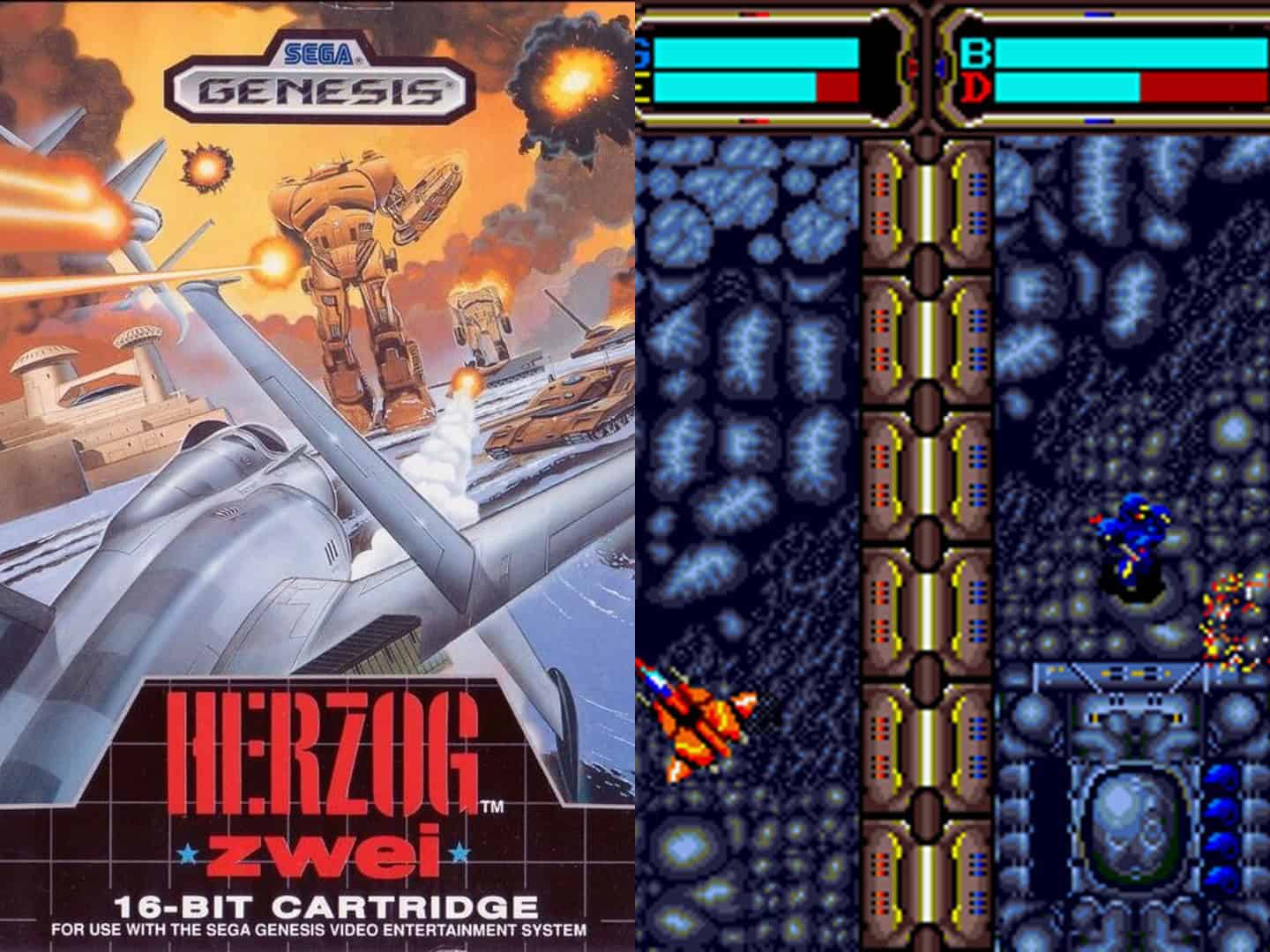
30. Herzog Zwei
Original release: 1989. Publisher/Developer: Sega/Technosoft. Real-time strategy games were never an easy sell on a three-button console controller, which makes Herzog Zwei such an interesting achievement. Technosoft's game puts players in charge of a transforming aircraft that can deliver troops, capture bases, and fight enemy units. The goal is to manage a battlefield while still controlling your own vehicle, a clever blend of action and strategy that arrived years before the genre became a PC staple. It takes some practice to figure out the controls, and it can be unforgiving, but it's also one of the Genesis library's most influential experiments. Anyone curious about the early history of real-time strategy should give it a look.
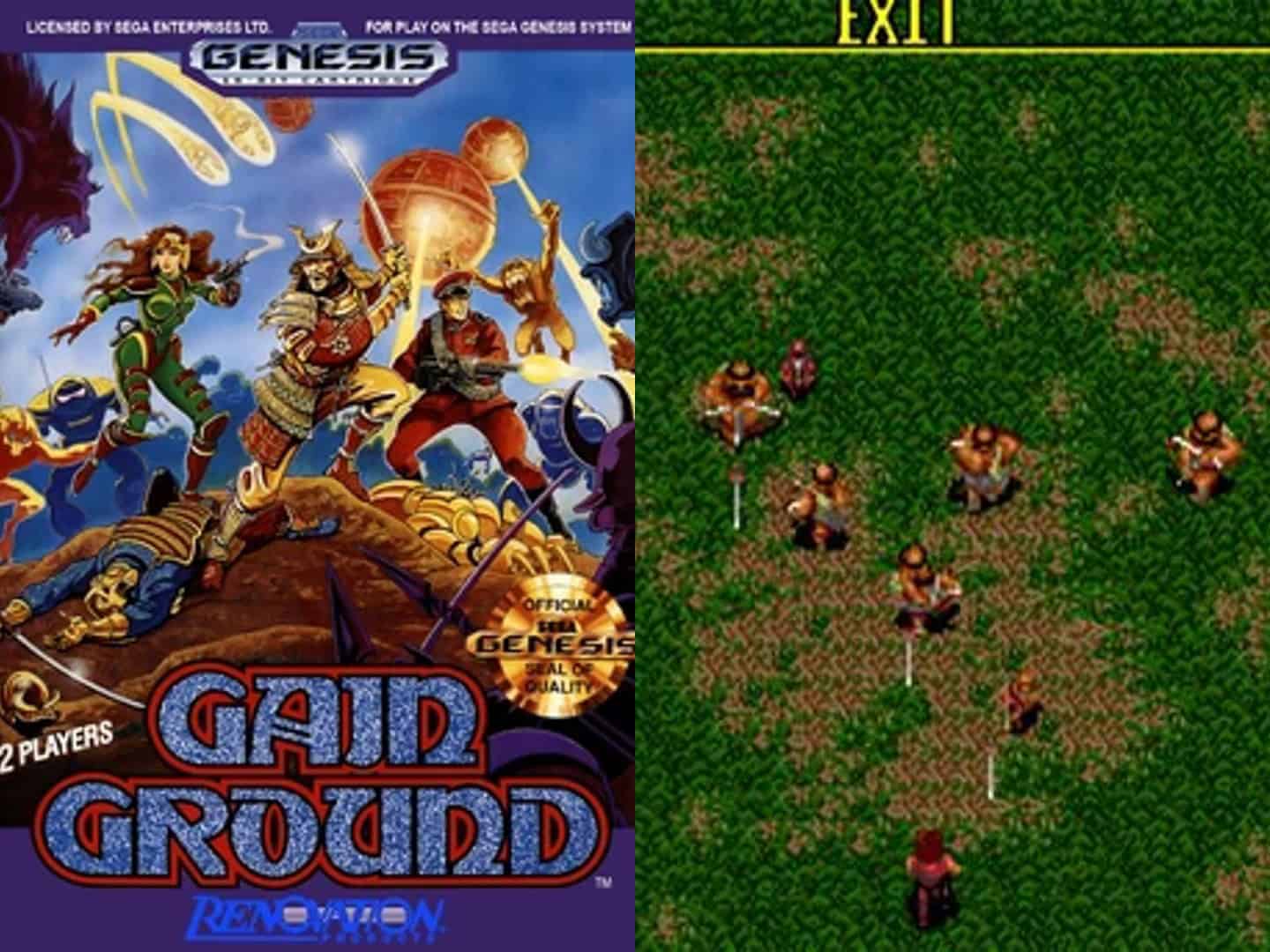
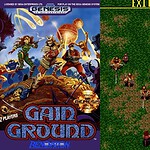
29. Gain Ground
Original release: 1991. Publisher/Developer: Sega/Sega, Sanritsu. Gain Ground began in the arcades before Sega brought its unusual mix of shooting and strategy to the Genesis. Instead of simply blasting through a stage, players select characters with different weapons and abilities, then decide how to rescue allies and reach the exit. That's where the game gets its hooks in you. A character who seems useless in one stage can be exactly what you need in the next, and the challenge steadily ramps up. The Genesis adaptation changes parts of the arcade experience, so calling either version definitively better comes down to taste. But for two players looking for something a little different from the usual run-and-gun game, this one still delivers.
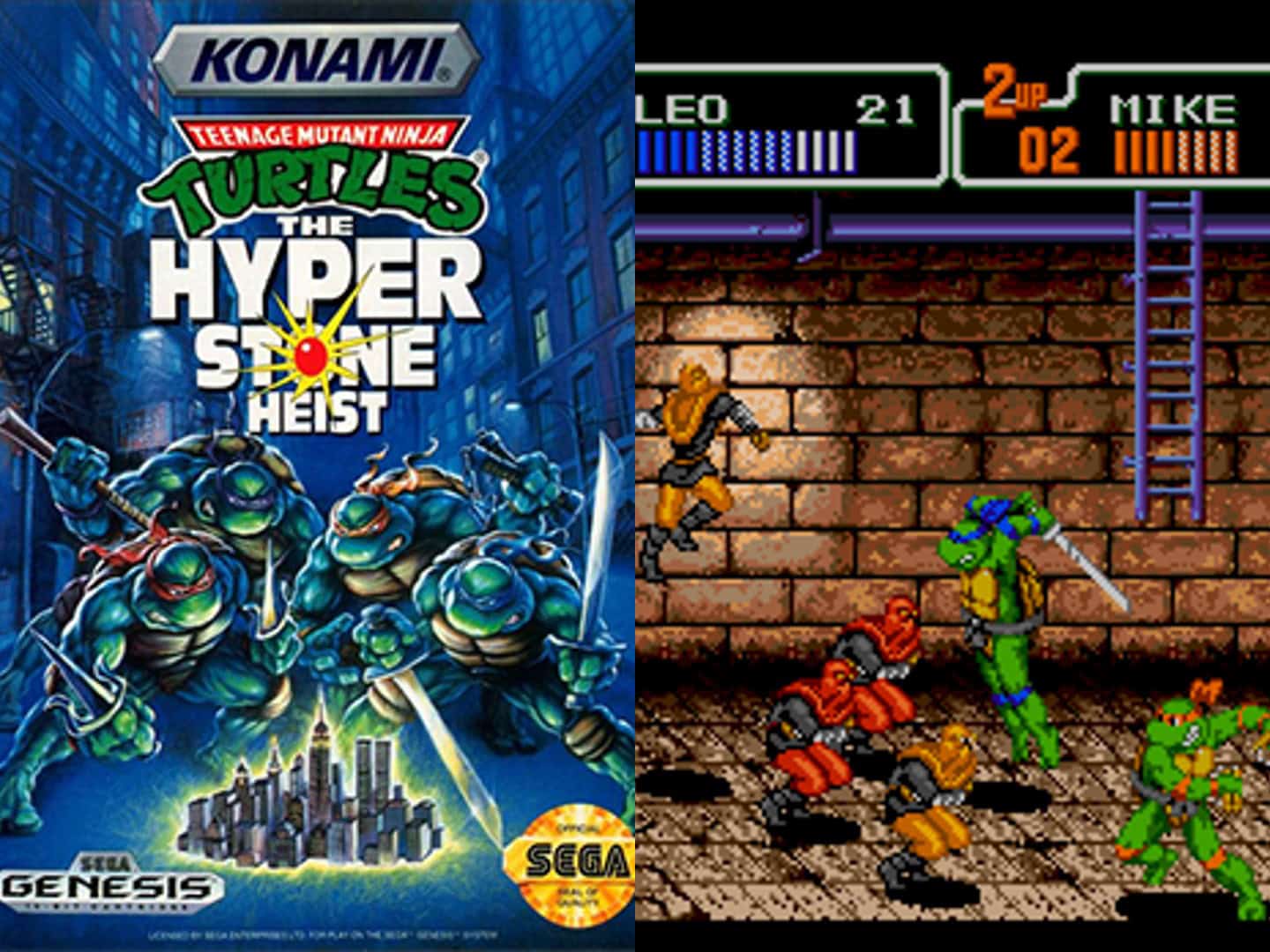
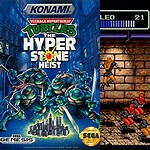
28. Teenage Mutant Ninja Turtles: The Hyperstone Heist
Original release: 1992. Publisher/Developer: Konami/Konami. Genesis owners didn't get a straight port of the Super Nintendo's Turtles in Time. Instead, Konami made The Hyperstone Heist, a separate beat-'em-up that borrows characters, music, and design elements from the arcade and SNES games while telling its own story. There are fewer stages, but they're longer, and a dedicated dash button helps keep the action moving. The familiar four Turtles take on Shredder's Foot Clan in a game that feels immediately recognizable if you spent time with Turtles in Time. Which version is better is still worth arguing about, but the Genesis wasn't stuck with a consolation prize. Hyperstone Heist is an excellent game in its own right.
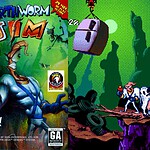
27. Earthworm Jim
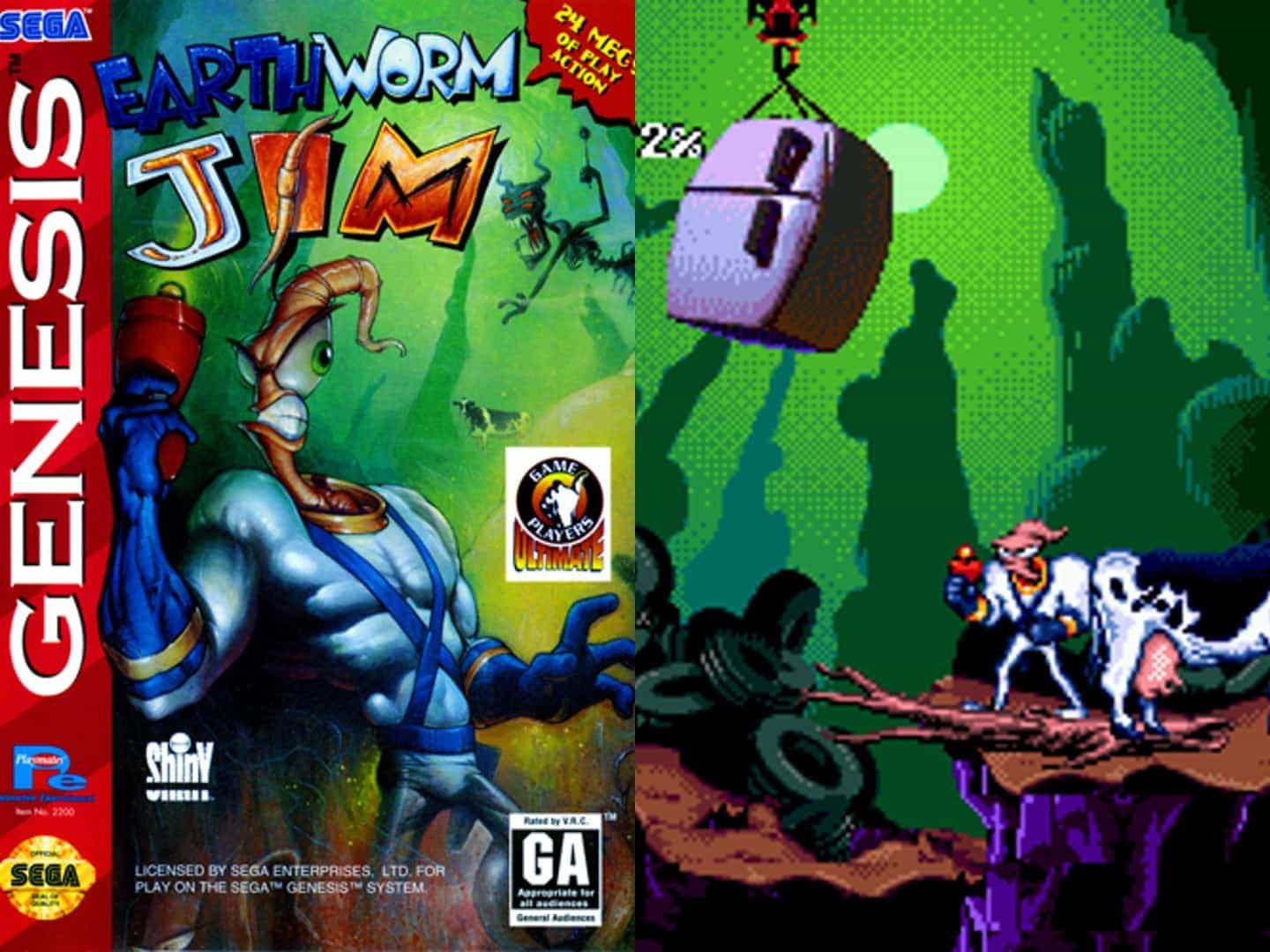
Original release: 1994. Publisher/Developer: Playmates Entertainment/Shiny Entertainment. A worm in a space suit shouldn't be the star of a great action game, yet Earthworm Jim somehow makes it work. Shiny Entertainment mixed bizarre enemies, cartoon-style animation, tricky platforming, and a sense of humor that was unlike almost anything else on the Genesis in 1994. Jim can whip enemies with his own head, blast them with a ray gun, and survive levels that seem designed to test both your reflexes and your patience. The Genesis version arrived before its SNES counterpart, and the two have differences that fans still debate. Whichever one you prefer, the Sega release remains a terrific example of how inventive 16-bit games could be.
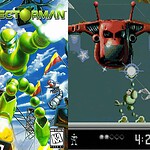
26. Vectorman
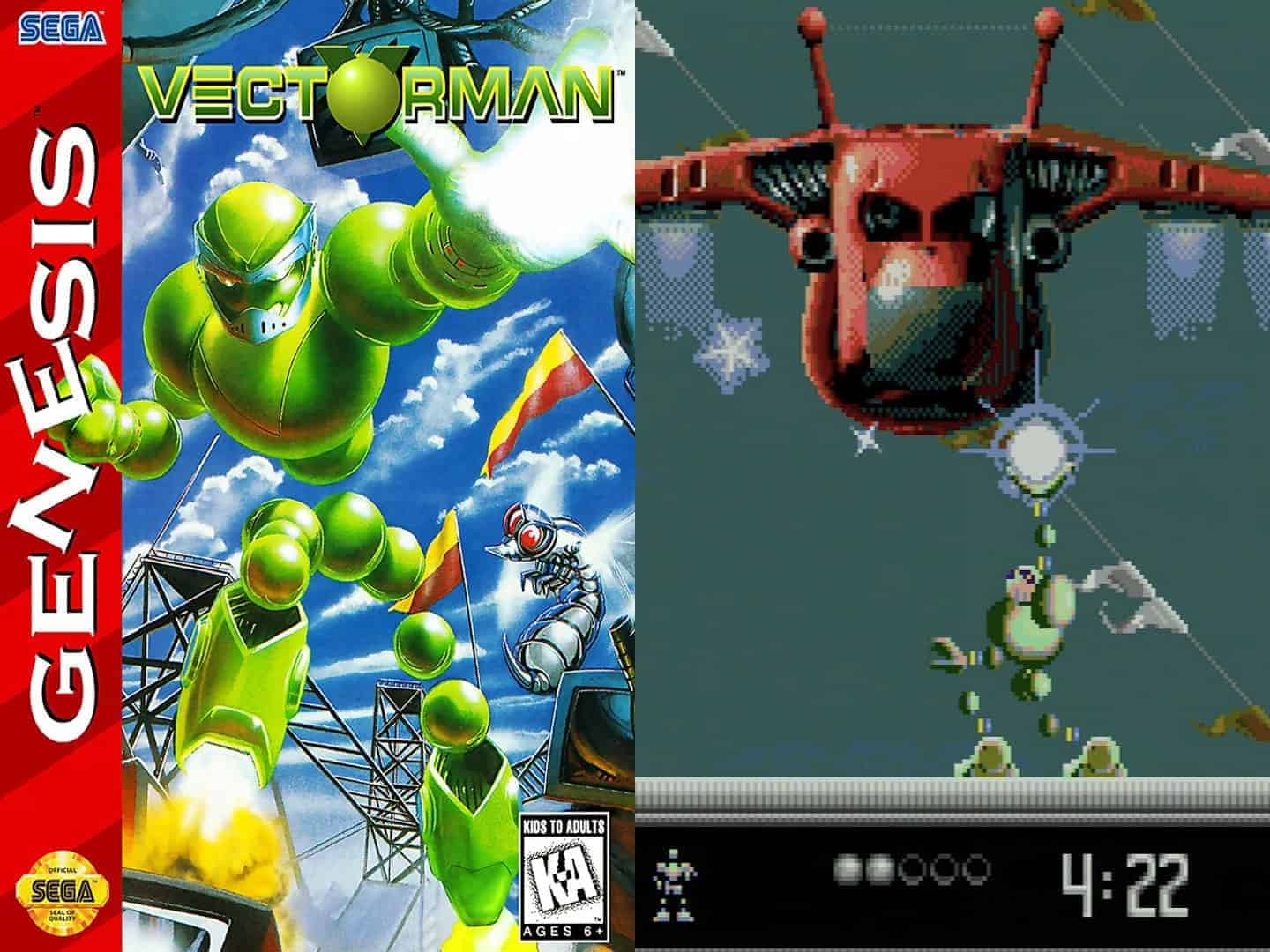
Original release: 1995. Publisher/Developer: Sega/BlueSky Software. By 1995, the PlayStation and Saturn were arriving in North America, but developers were still finding ways to squeeze impressive visuals out of the Genesis. Vectorman was one of Sega's best late-generation examples. Its robot hero is built from animated spheres, giving him a striking look as he runs, jumps, shoots, and transforms through a series of industrial environments. Underneath those graphics is a challenging action-platformer that rewards precise movement and quick reactions. Vectorman didn't reinvent the genre, and some stages can be punishing, but it showed that the Genesis still had a few tricks left even as the industry moved toward the next generation.
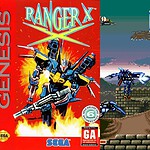
25. Ranger X
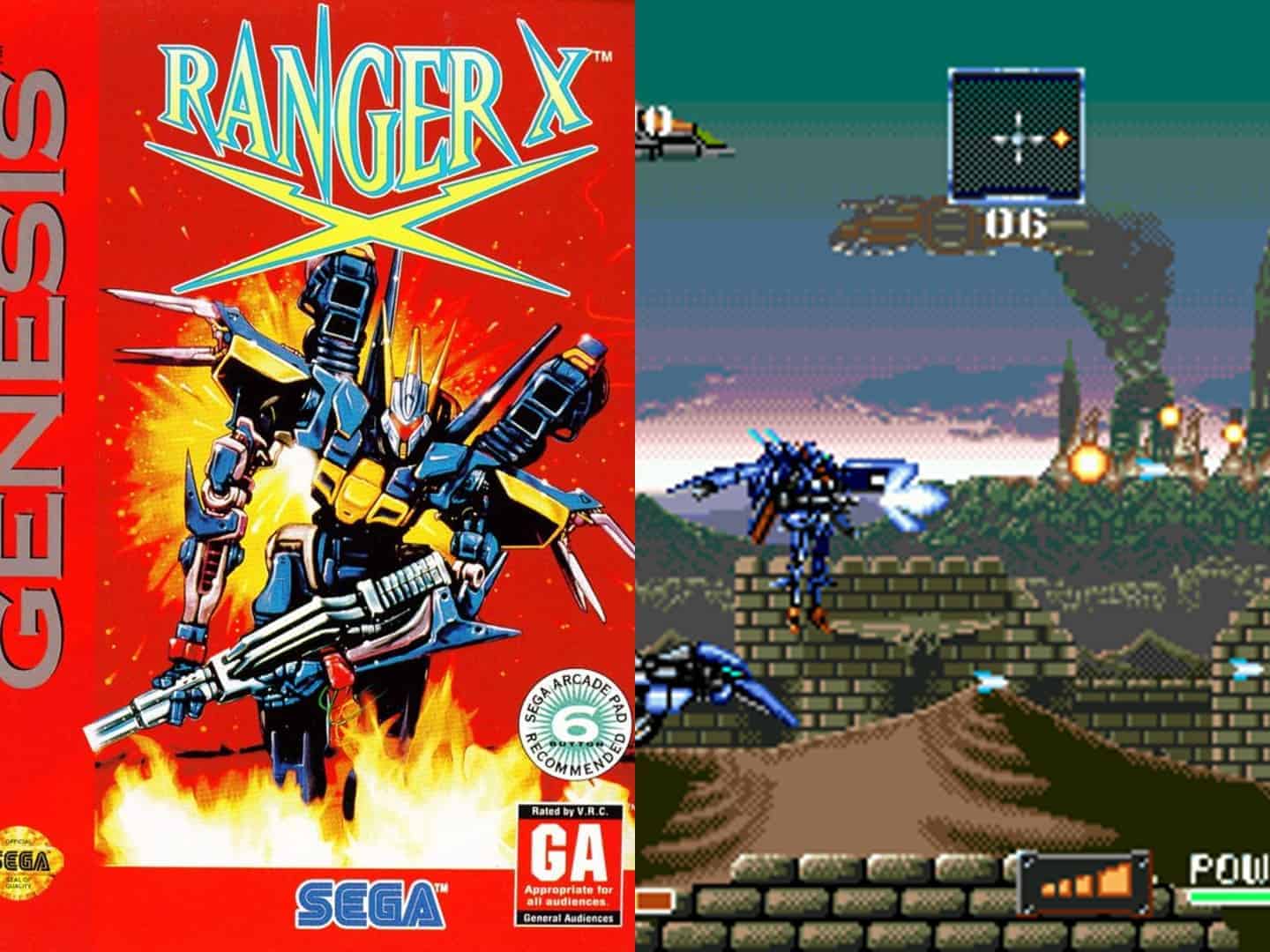
Original release: 1993. Publisher/Developer: Sega/GAU Entertainment. Ranger X doesn't get mentioned nearly as often as Sonic or Streets of Rage, which is a shame. This 1993 action game puts you in control of an armed robot equipped with a jetpack and a smaller motorcycle-like partner. Learning how to use the two together is the key to surviving its tricky stages. You can attack from different directions, hover over hazards, and combine the vehicles for additional options in combat. The controls take some getting used to, especially when the screen gets crowded, but the payoff is worth it. With its detailed backgrounds and unusual movement mechanics, Ranger X is one of the Genesis's more rewarding overlooked games.
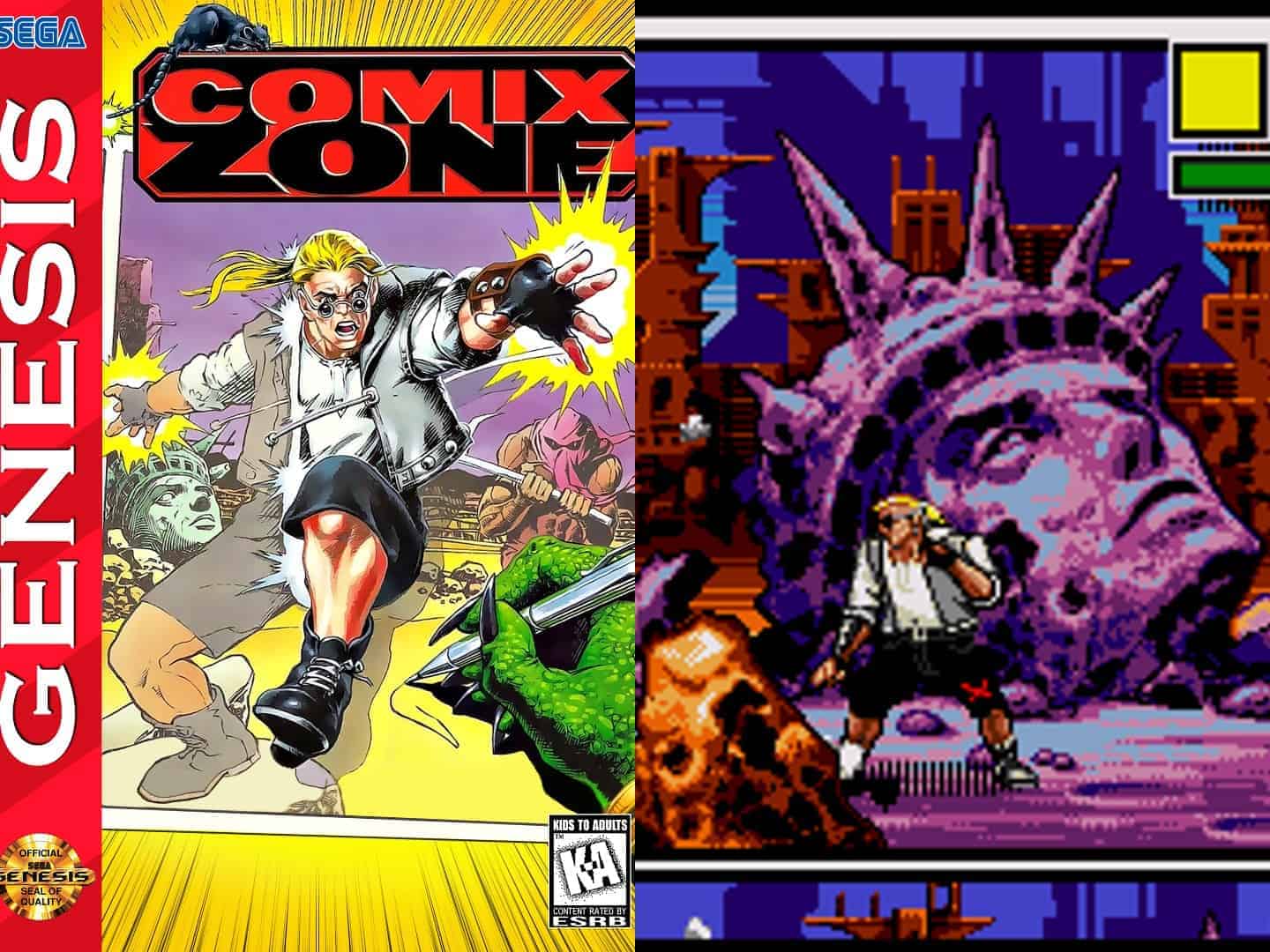
24. Comix Zone
Original release: 1995. Publisher/Developer: Sega/Sega Technical Institute. Comix Zone takes an idea that sounds like a gimmick and turns it into the entire game. Sketch Turner, a comic-book artist, gets trapped inside his own creation and has to fight through its panels, literally moving from one illustrated frame to the next. Enemies can be knocked across the page, and the backgrounds look like a graphic novel brought to life. It's a clever presentation that still stands out decades later. There's a catch, though: the game is brutally difficult, with limited chances to recover and plenty of opportunities to take damage. It may test your patience, but its visual style and comic-book premise make it a Genesis original worth revisiting.
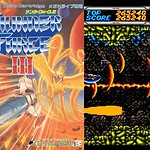
23. Thunder Force III
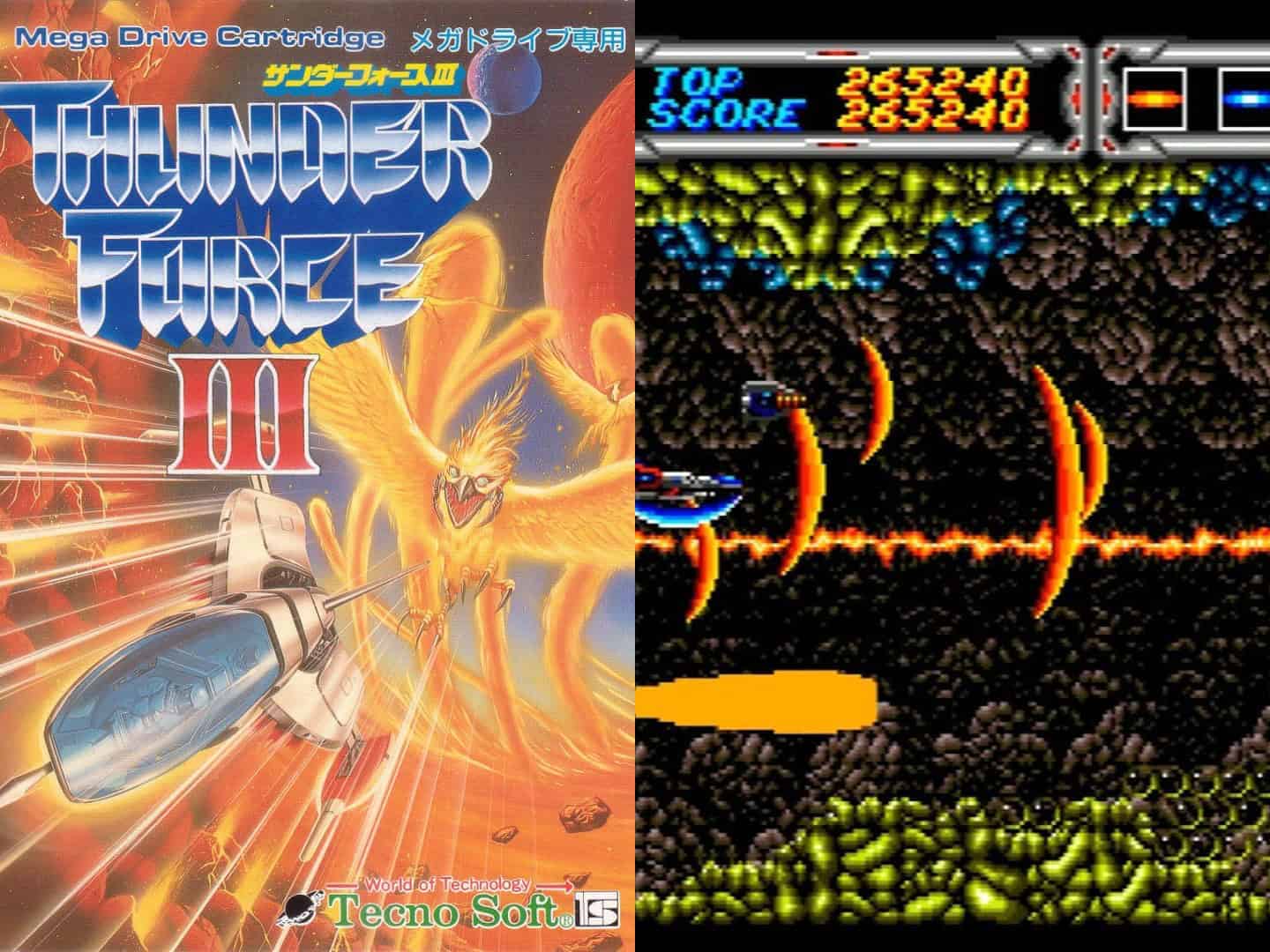
Original release: 1990. Publisher/Developer: Technosoft/Technosoft. Technosoft's Thunder Force III helped establish the Genesis as a serious home for fast, side-scrolling shoot-'em-ups. Players pilot the Fire LEO-03 Styx, a heavily armed fighter sent into hostile territory, choosing among opening stages and switching weapons as the action gets more intense. Unlike Thunder Force II, which mixed overhead and side-view sections, this entry sticks to horizontal scrolling. That's a good choice for a game built around speed, tight enemy patterns, and sudden changes in the environment. It can be merciless, but learning the levels is part of the appeal. The sequel may be flashier, yet Thunder Force III remains one of the system's essential shooters.
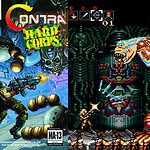
22. Contra: Hard Corps
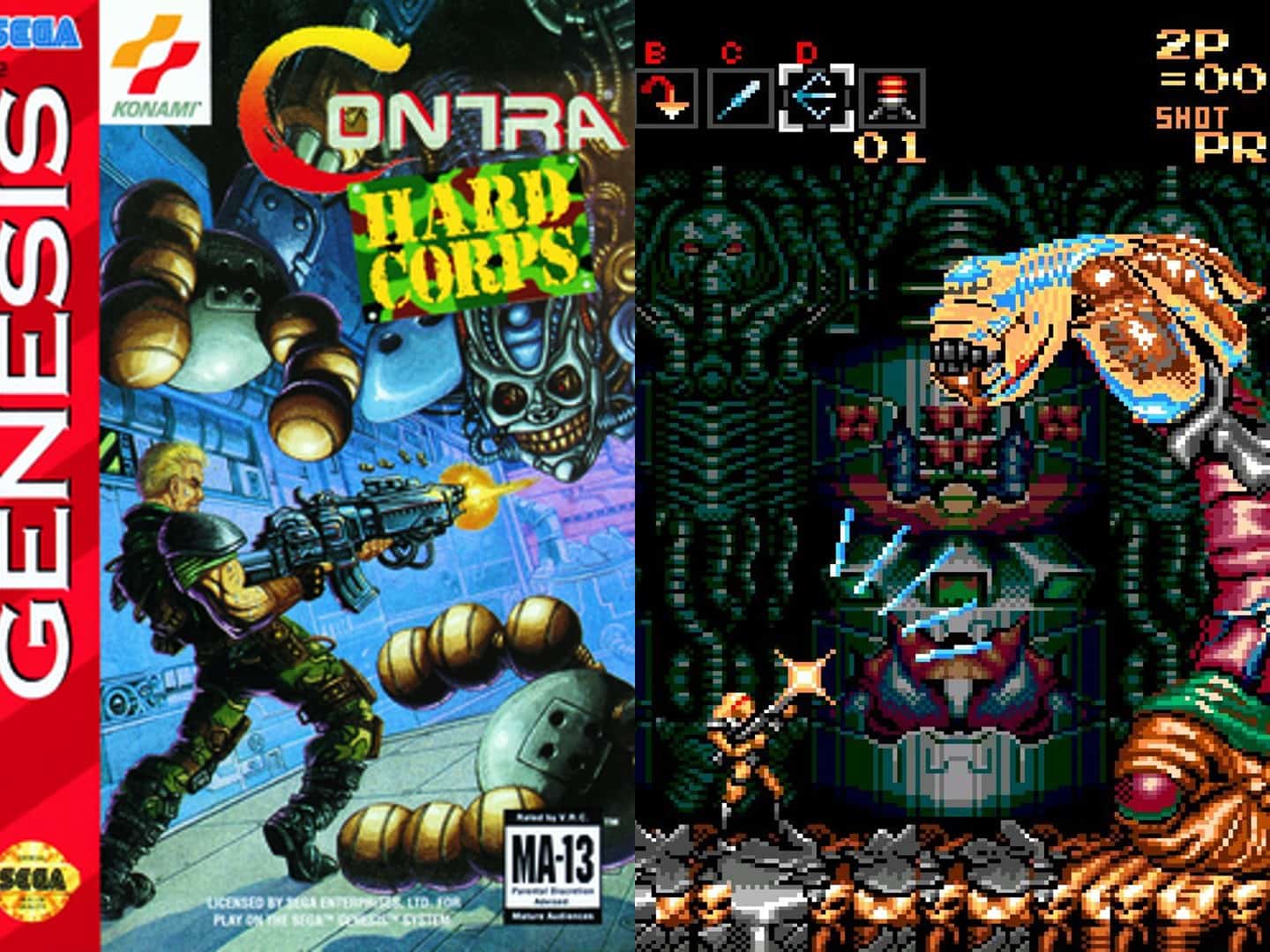
Original release: 1994. Publisher/Developer: Konami/Konami. Konami could have given Genesis owners a version of Contra III and called it a day. Instead, the company made Contra: Hard Corps, a new game designed for Sega's system. Four playable characters, branching paths, and multiple endings give it more variety than you might expect from a run-and-gun shooter. What hasn't changed is the difficulty. Enemies and enormous bosses fill the screen, and a moment of hesitation can end a promising run. Different characters have distinct weapons, so there's a reason to experiment instead of sticking with one favorite. It's tough, sometimes maddeningly so, but when the action clicks, Hard Corps is one of the Genesis's most exciting games.
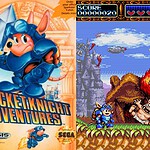
21. Rocket Knight Adventures
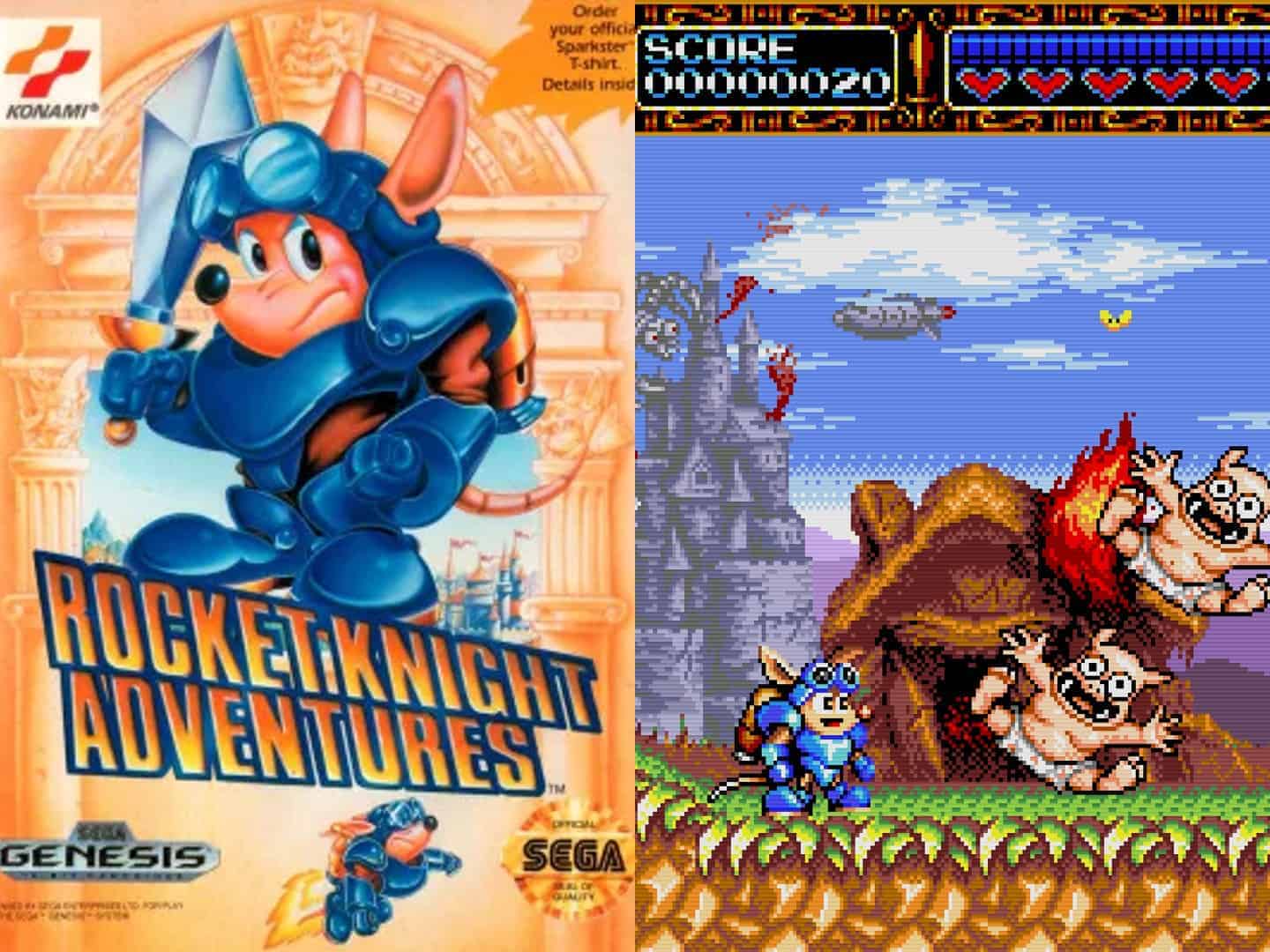
Original release: 1993. Publisher/Developer: Konami/Konami. A sword-wielding opossum with a rocket pack sounds like something the 1990s dreamed up after too much soda. Fortunately, Rocket Knight Adventures is much better than its strange premise might suggest. Konami's platformer follows Sparkster through colorful stages filled with enemies, machinery, and some terrific boss encounters. The real star is the rocket pack, which lets him charge up bursts of movement to cross gaps, reach new areas, and attack. The game also mixes in shooting sequences that break up the platforming. It's an inventive adventure with plenty of personality and a challenge that rewards practice. The Genesis original remains an especially good place to meet Sparkster.
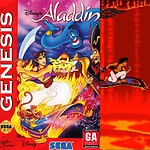
20. Disney’s Aladdin
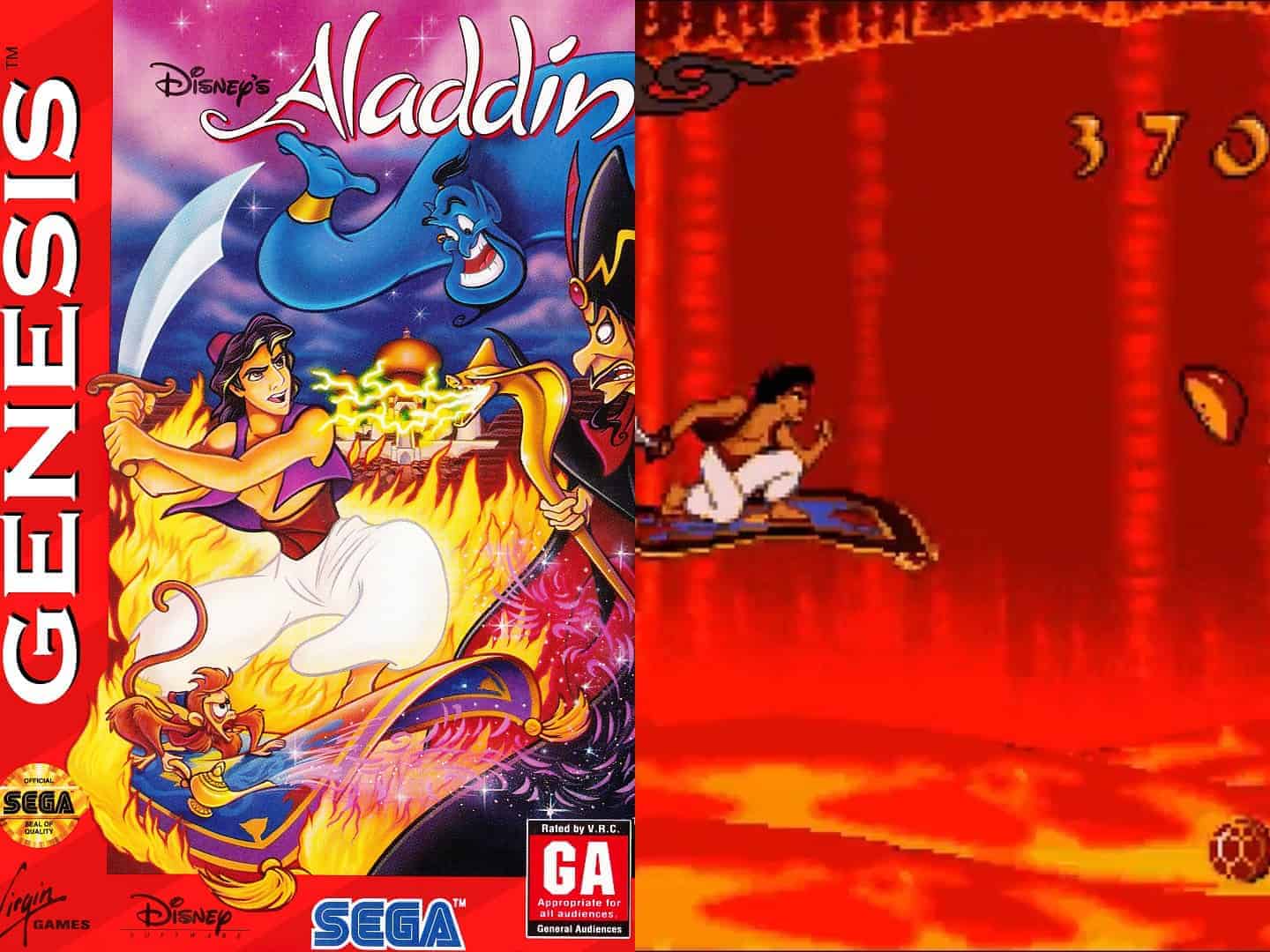
Original release: 1993. Publisher/Developer: Sega/Virgin Games USA. The Genesis and Super Nintendo versions of Disney's Aladdin weren't the same game with different graphics. Capcom developed the SNES release, while Virgin Games created the Genesis version with help from Disney animators. Sega players got expressive character animation, sword-based combat, and some memorable stages drawn from the animated film. The escape from the Cave of Wonders remains a standout, though it can be a little nerve-racking. There are good arguments for both versions, so claiming one is objectively superior misses the point. The Genesis game earned its place on this list through its visual flair, quick action, and the way it captures the movie's look and humor.
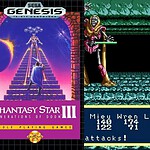
19. Phantasy Star III: Generations of Doom
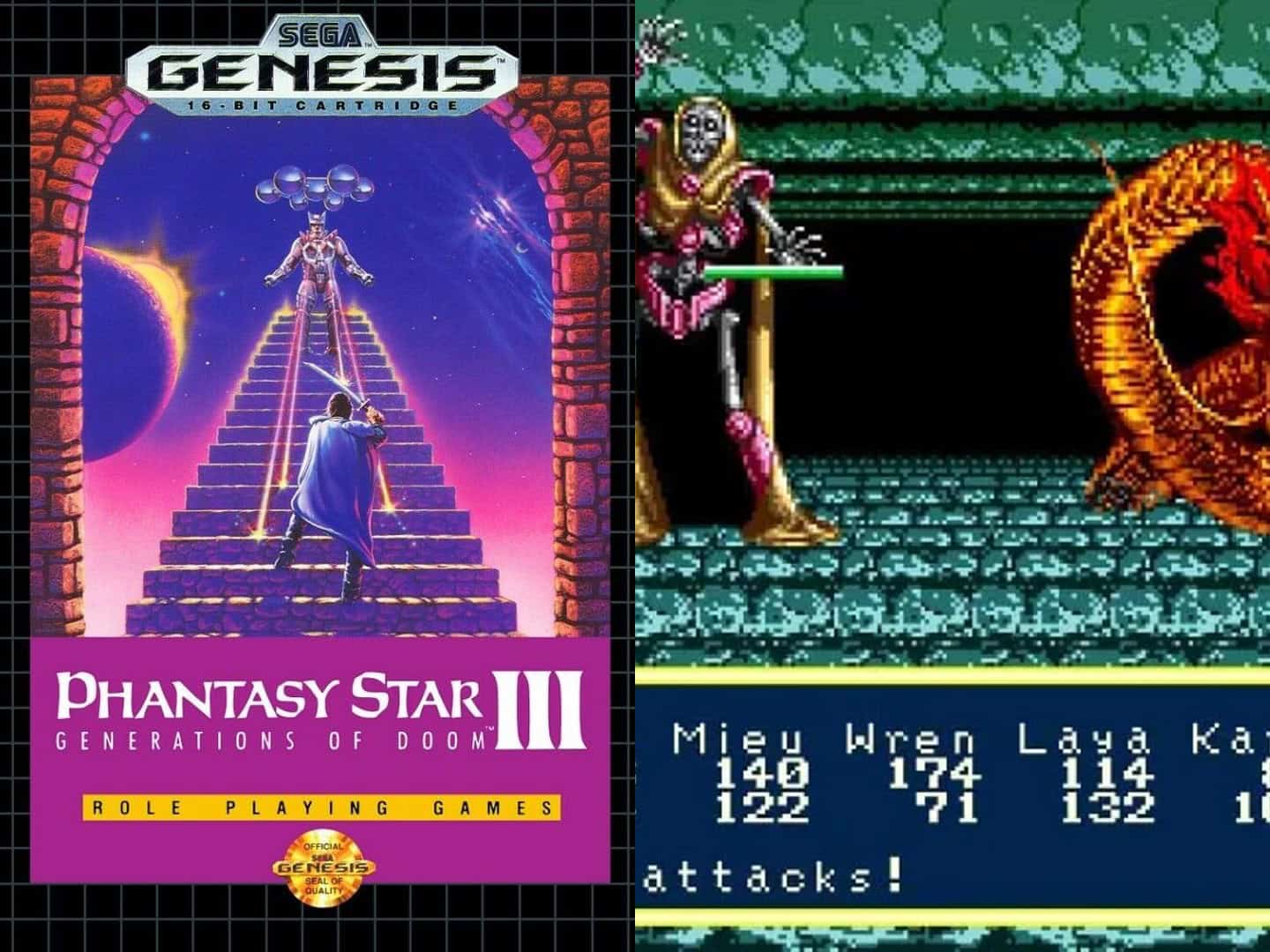
Original release: 1990. Publisher/Developer: Sega/Sega. Phantasy Star III is one of the more divisive entries in Sega's role-playing series, but it's hard to accuse it of lacking ambition. Its story follows multiple generations, and the choices players make about whom to marry help determine how later chapters unfold. That was a remarkable idea for a console RPG in 1990. Not everything works equally well. The pacing, combat, and presentation have received their share of criticism, and plenty of fans prefer the second or fourth games. Still, its branching family story gives Phantasy Star III a distinct identity. It's worth playing for anyone interested in how developers were experimenting with storytelling long before modern choice-driven RPGs became common.
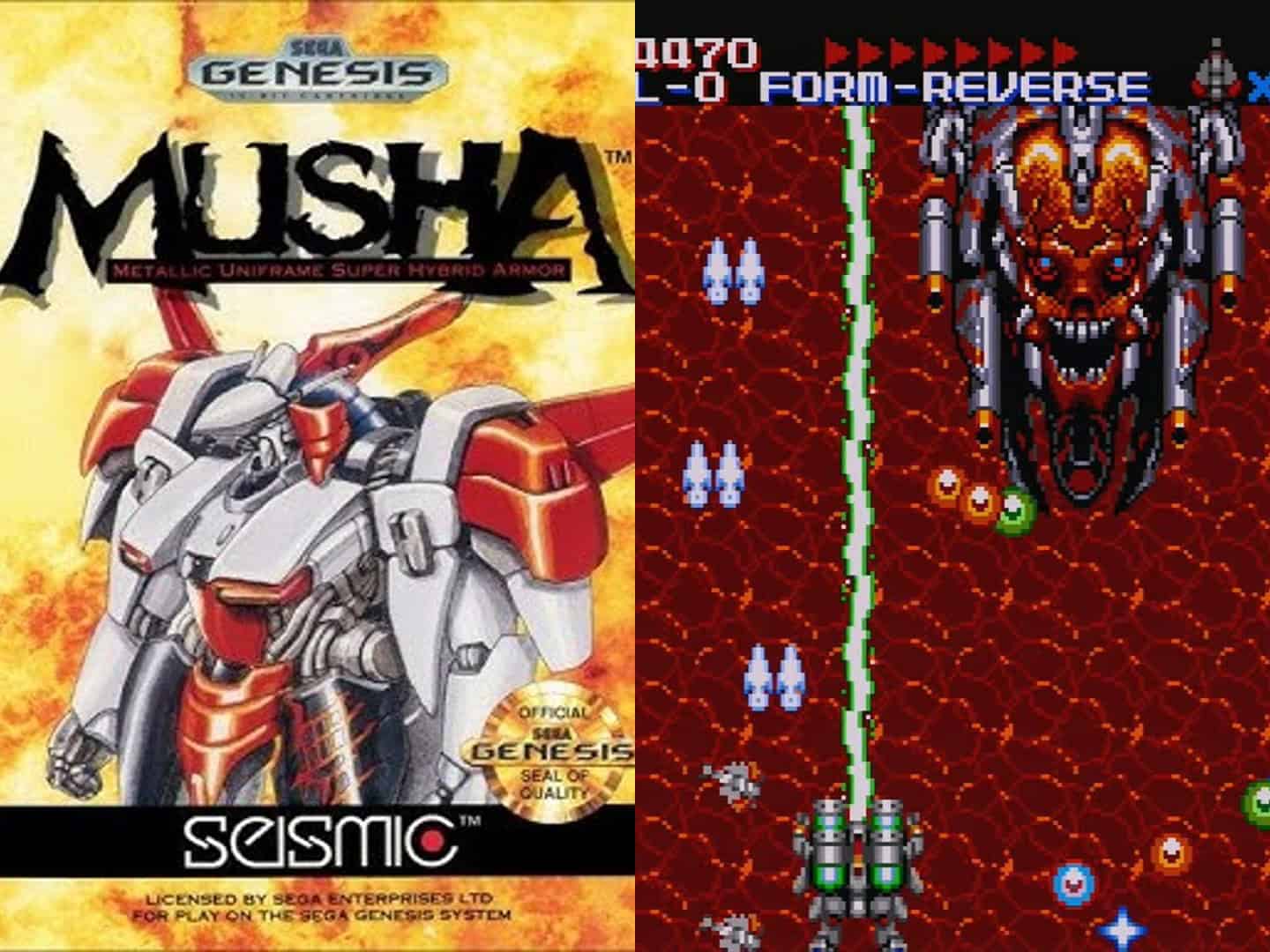
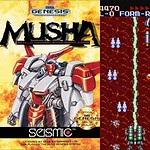
18. M.U.S.H.A.
Original release: 1990. Publisher/Developer: Seismic/Compile. If you like shooters that make you dodge a ridiculous number of projectiles while listening to an excellent soundtrack, M.U.S.H.A. deserves your attention. Developed by Compile as part of the broader Aleste series, this 1990 vertical-scrolling game gives players a futuristic, samurai-inspired craft and a selection of weapons that can change how each encounter plays out. Its detailed enemies, rapid action, and music have helped it develop a devoted following. The Japanese-style science-fiction presentation also gives it a different flavor from more conventional space shooters. It's not an easy game, but it is a particularly memorable one, and original cartridges have become sought-after by collectors.
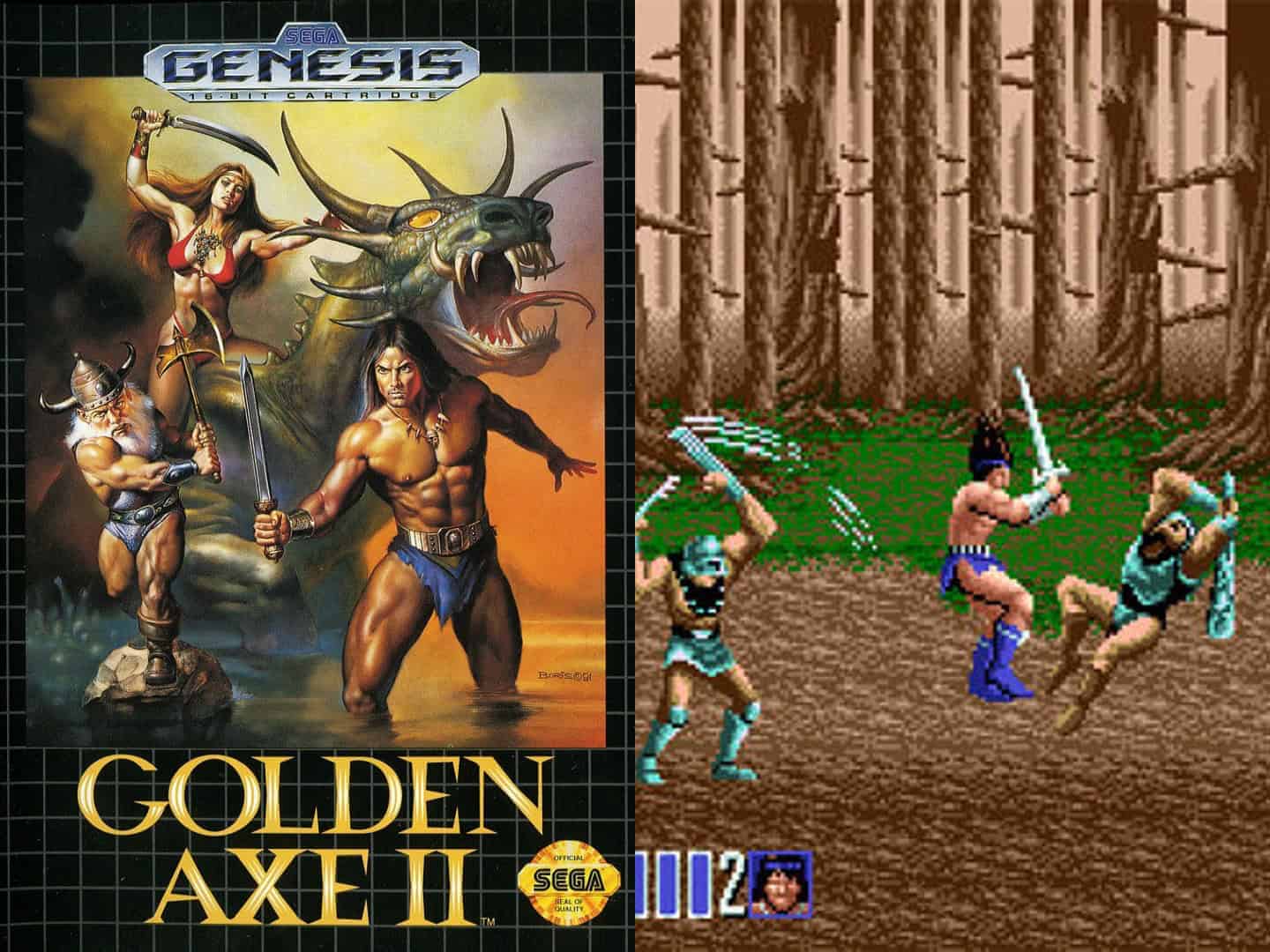
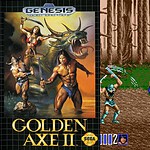
17. Golden Axe II
Original release: 1991. Publisher/Developer: Sega/Sega. Sega went back to its fantasy beat-'em-up formula with Golden Axe II, letting players choose among returning warriors and fight through another round of sword-swinging battles. There's magic to unleash, enemies to throw around, and plenty of opportunities to argue with a friend over who gets the next rideable creature. The sequel keeps much of what worked in the original while tweaking the combat and presentation. Whether it's the best Golden Axe on Genesis is a matter of preference, especially since some fans remain loyal to the first game. But if you want a straightforward two-player brawler with an old-school fantasy atmosphere, Golden Axe II still has plenty to offer.
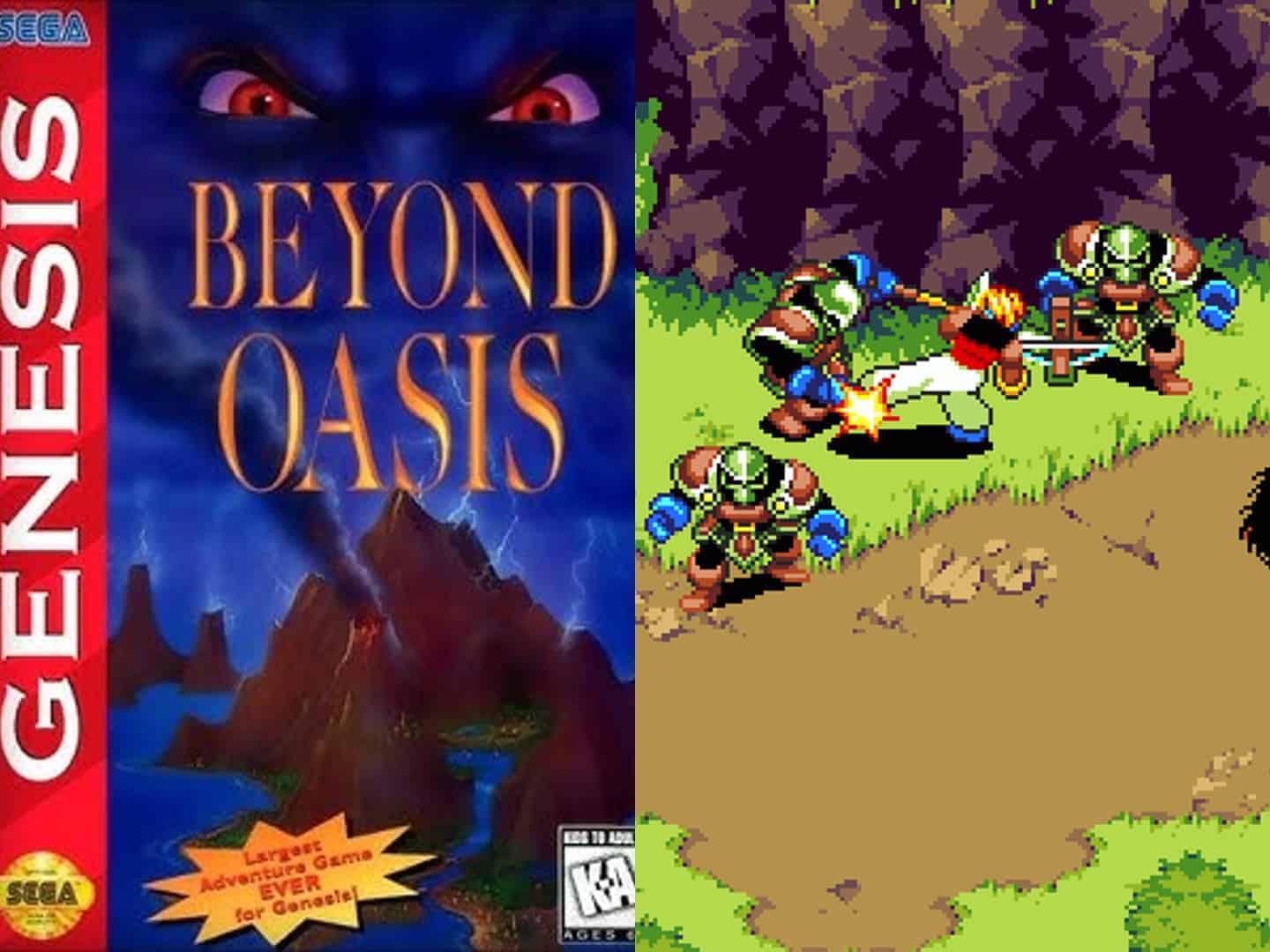
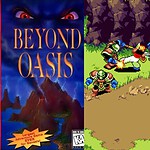
16. Beyond Oasis
Original release: 1994. Publisher/Developer: Sega/Ancient. Before the Genesis reached the end of its commercial life, it still had room for a terrific action RPG. Beyond Oasis, developed by Ancient, sends Prince Ali on an adventure after he discovers a magical armlet that allows him to summon elemental spirits. It looks a little like a traditional top-down fantasy adventure, but its responsive combat and elaborate animation help set it apart. There's more fighting here than in many games that invite comparisons with The Legend of Zelda, and the spirit-summoning mechanics add another layer to the puzzles. Originally released in Japan in 1994 and later in North America, Beyond Oasis remains one of the Genesis's strongest action-adventure games.
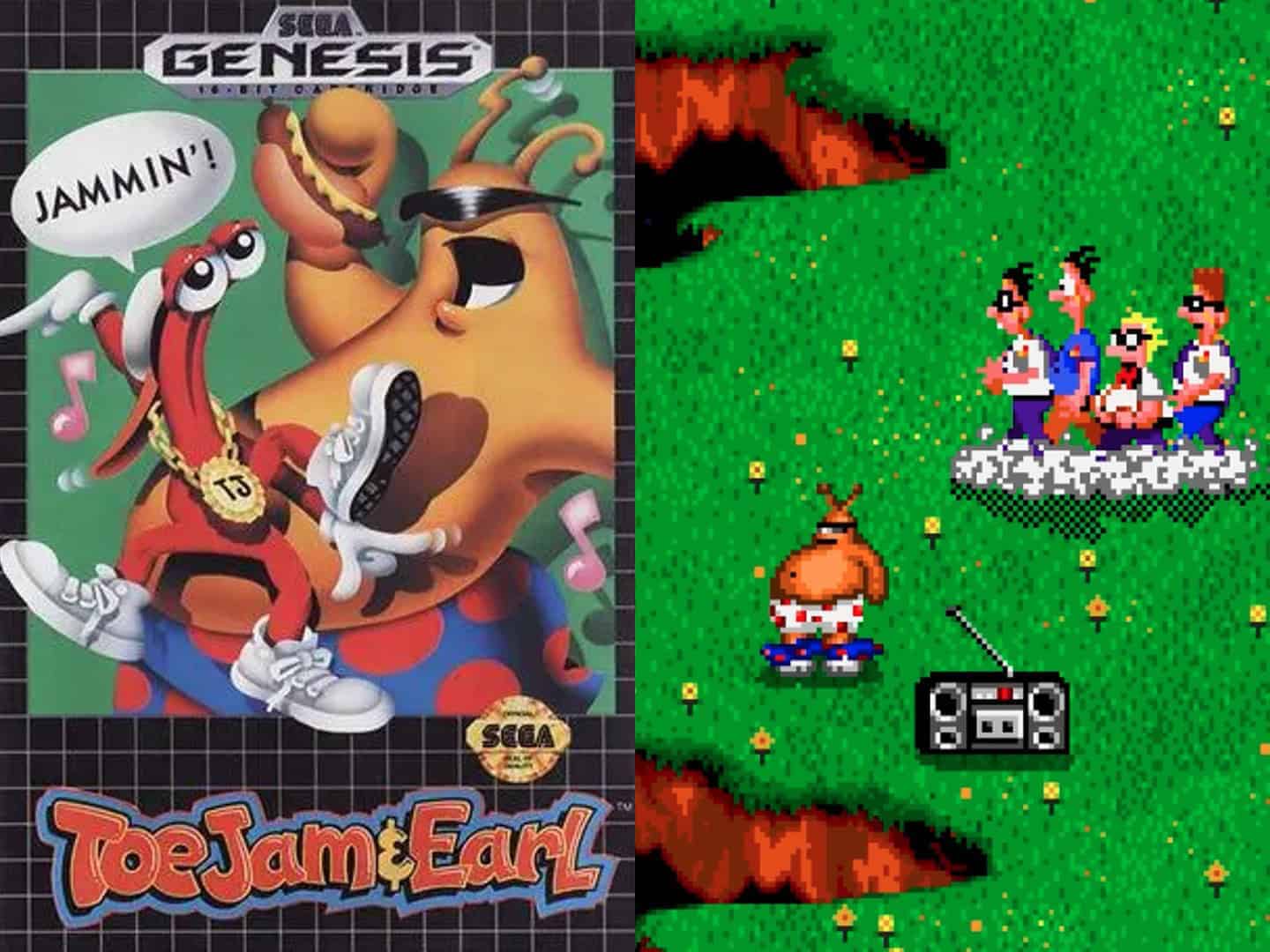
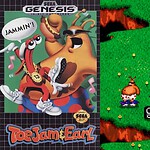
15. ToeJam & Earl
Original release: 1991. Publisher/Developer: Sega/Johnson Voorsanger Productions. Two alien rappers crash on Earth, scatter pieces of their spaceship, and try to find their way home. That's the premise of ToeJam & Earl, a game that couldn't feel much more early-'90s if it tried. Players explore floating, randomly arranged levels, open mysterious presents, avoid bizarre Earthlings, and search for ship parts. Its funky soundtrack and laid-back humor are as important as the gameplay. You can play alone, but the two-player mode is where much of the fun comes from, especially when the aliens split up to explore. It's odd, occasionally frustrating, and completely unlike Sega's faster action games. That's exactly why it deserves a place here.
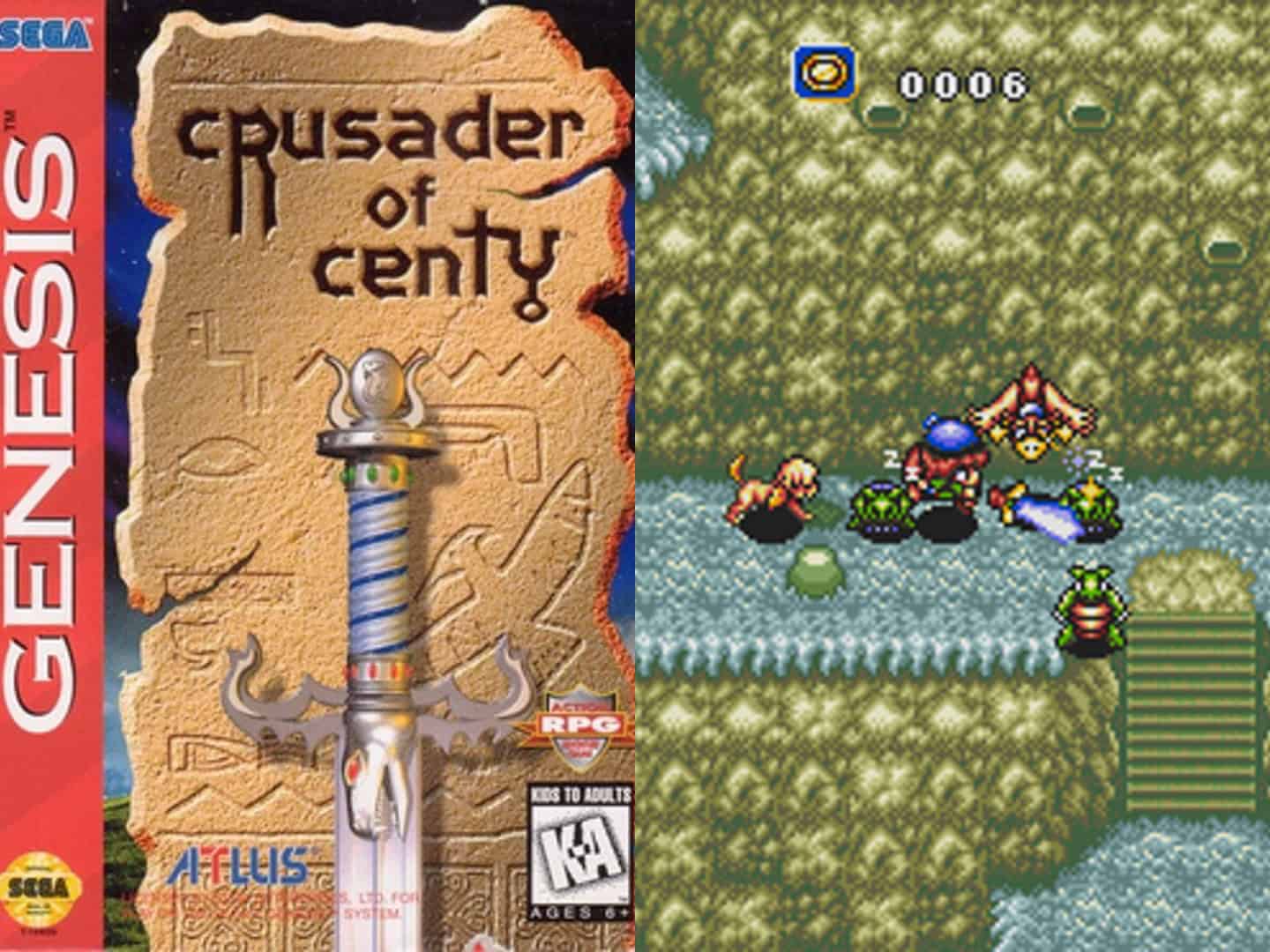
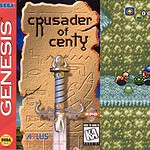
14. Crusader of Centy
Original release: 1994. Publisher/Developer: Atlus/Nextech. Genesis owners who wanted a game in the spirit of The Legend of Zelda had an excellent option in Crusader of Centy. Developed by Nextech, this colorful action adventure follows a young hero whose encounters with animals eventually become central to solving puzzles and navigating the world. The swordplay and overhead perspective feel familiar, but the animal companions give the game its own identity. It first appeared in Japan in 1994, reached North America through Atlus in 1995, and has since been made available through Nintendo Switch Online's Genesis library. Original copies aren't easy to find, but the game is worth discovering for its clever mechanics and unexpectedly thoughtful story.
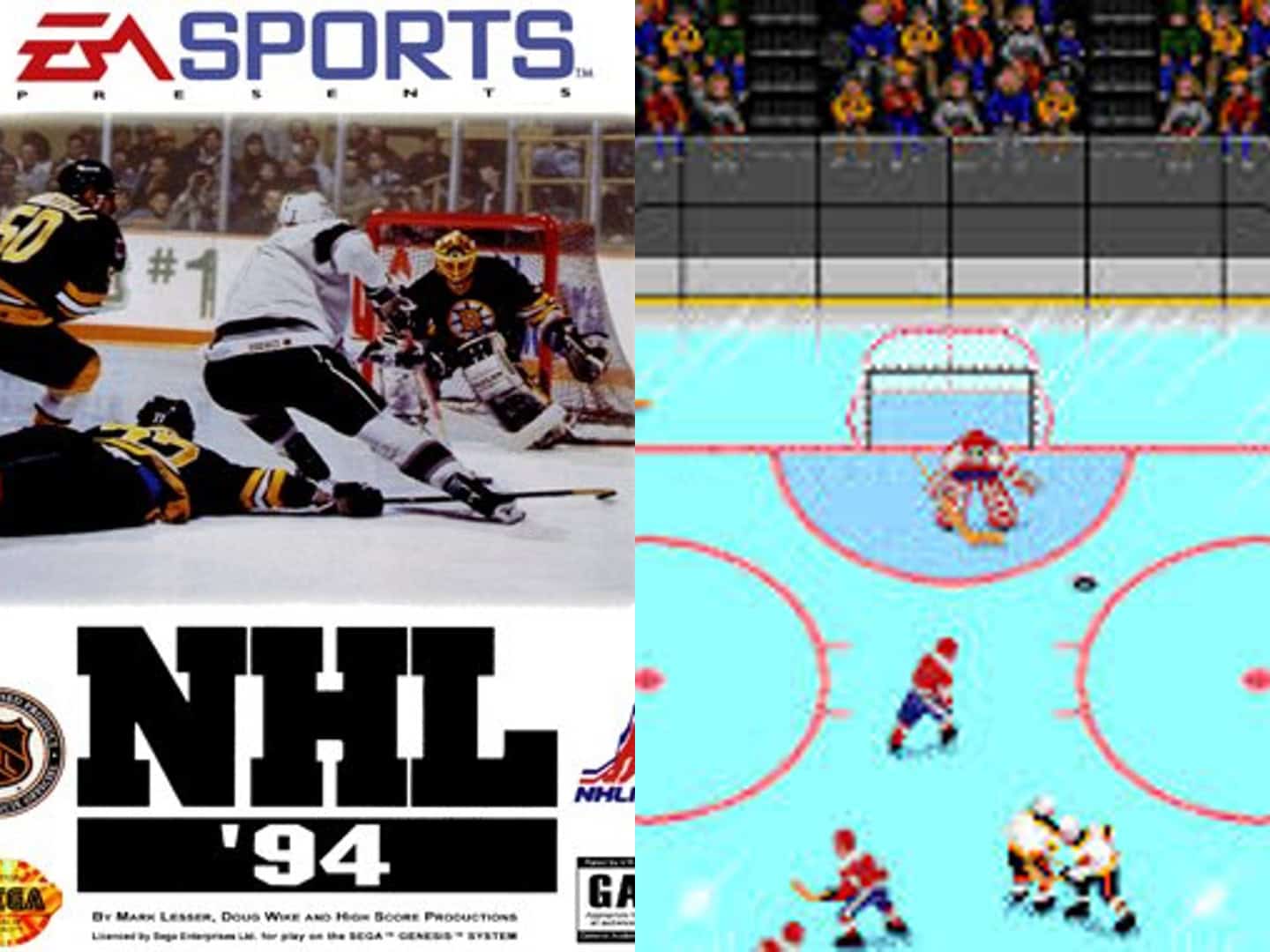
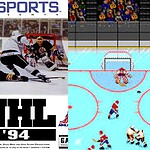
13. NHL ’94
Original release: 1993. Publisher/Developer: EA Sports/High Score Productions. Sports games often show their age faster than other genres, but NHL '94 remains surprisingly easy to enjoy. Electronic Arts found a sweet spot between simple controls and enough hockey strategy to keep matches interesting. It introduced the one-timer to the series, and the two-player games can still get competitive in a hurry. The Genesis version is especially fondly remembered, although the SNES version has its own fans. You won't find modern presentation or every feature of today's hockey games, and some of the old rules and quirks are obvious. What you will find is a terrific pick-up-and-play sports game that explains why this particular installment became a classic.
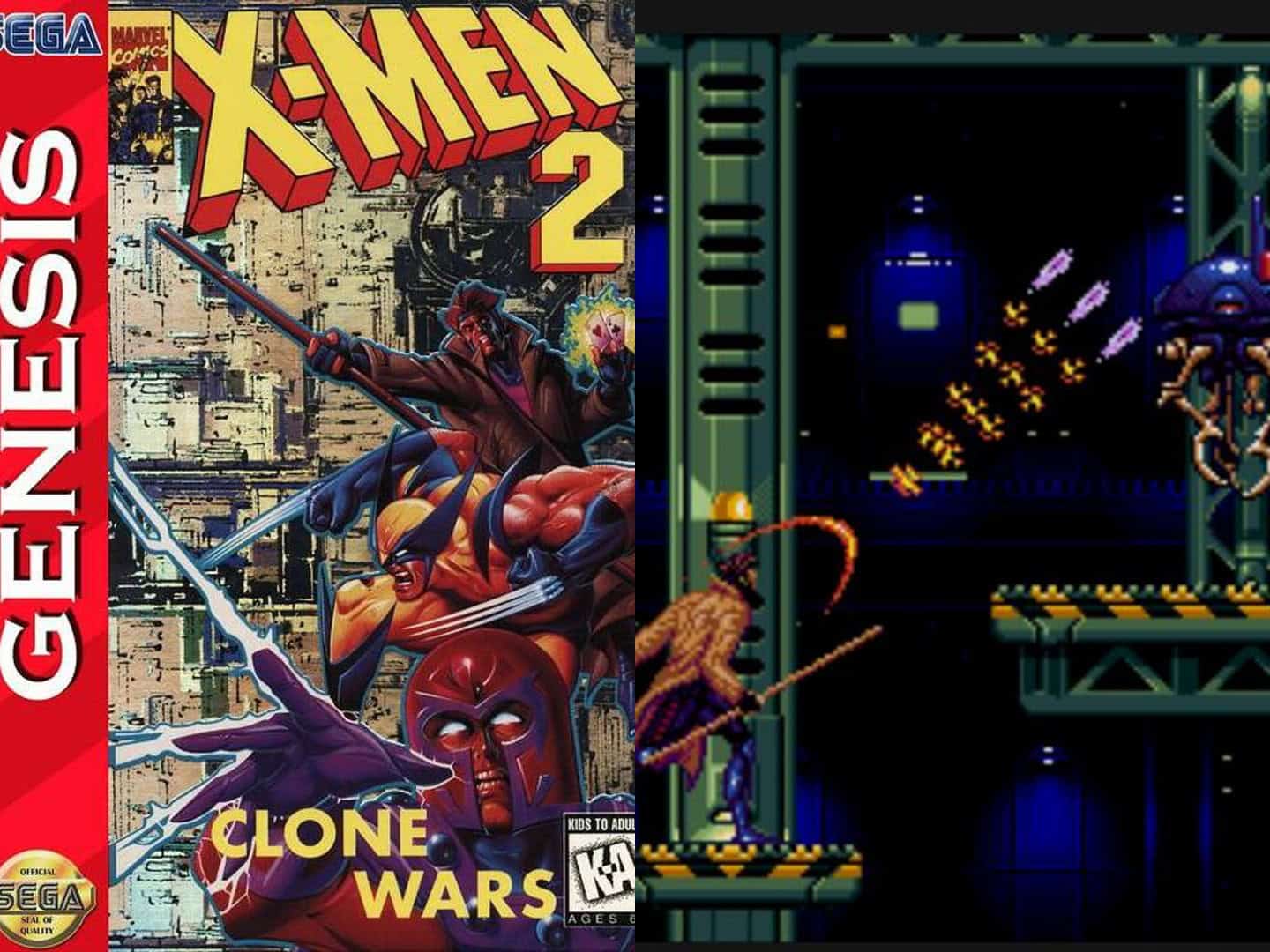
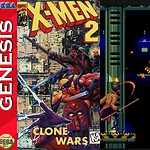
12. X-Men 2: Clone Wars
Original release: 1995. Publisher/Developer: Sega/Headgames. X-Men 2: Clone Wars arrived at a time when comic-book games were often a gamble, but this sequel gave Genesis players a strong action-platformer. Wolverine, Cyclops, Nightcrawler, and other familiar mutants have different abilities, and even Magneto becomes playable. Those differences matter because certain attacks and movement options are better suited to particular challenges. The story draws from the X-Men's conflict with the Phalanx, while the game itself focuses on quick combat and demanding stages. It can still be frustrating in places, and calling it the greatest X-Men game ever is a stretch when there are so many to choose from. As a Genesis exclusive, though, it holds up well.
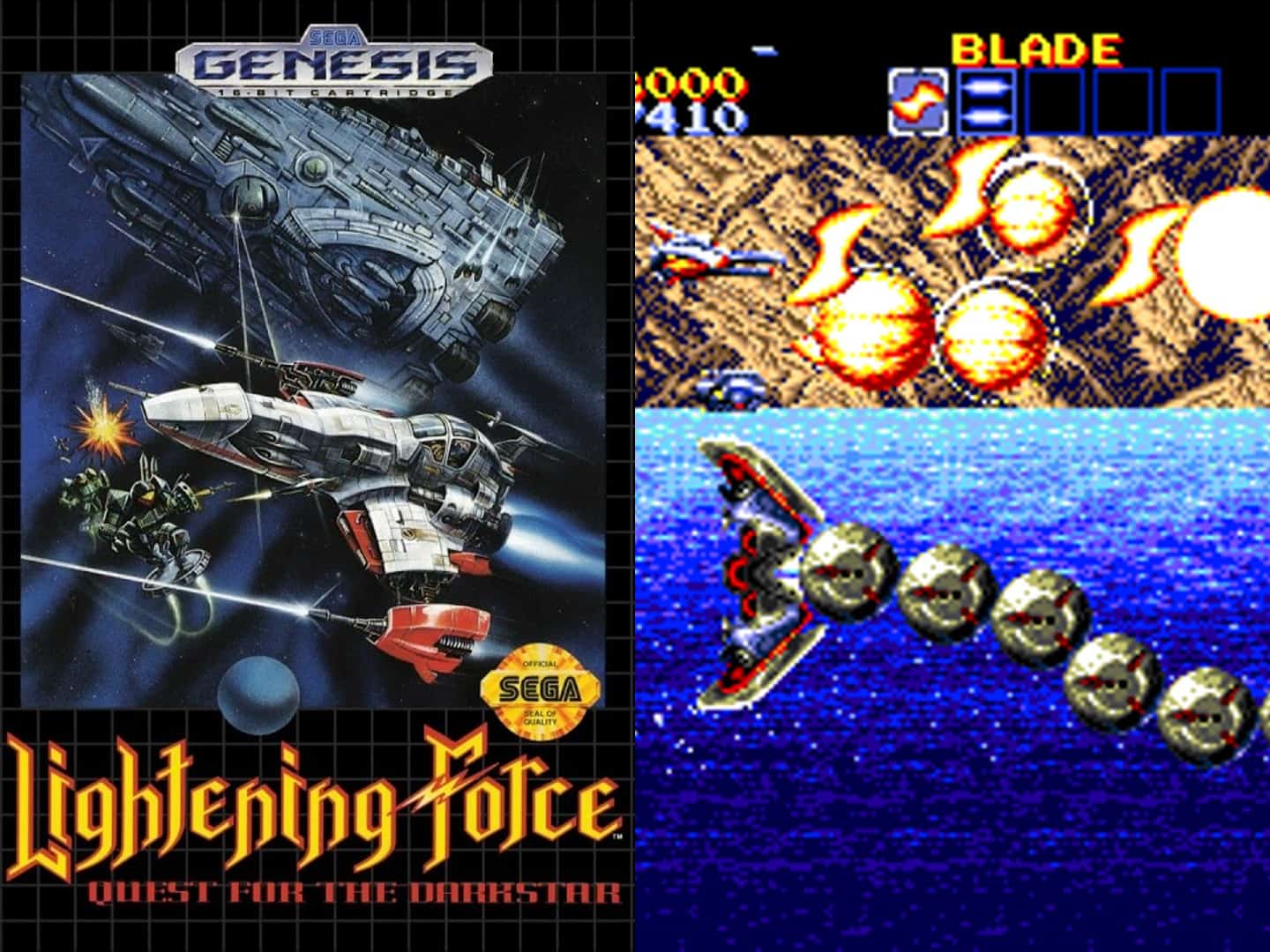
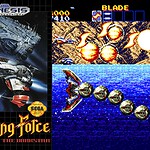
11. Lightening Force (Thunder Force IV)
Original release: 1992. Publisher/Developer: Sega/Technosoft. The American packaging calls it Lightening Force: Quest for the Darkstar, extra e and all, but most fans know this 1992 shooter as Thunder Force IV. Technosoft pushed the Genesis hardware hard here, filling the screen with fast action, enormous bosses, and detailed backgrounds. The soundtrack is another highlight, giving every frantic stage the sort of energy that makes you want to try again after losing. Players can choose the order of the opening stages and switch weapons to handle different threats. It's demanding, but the controls are precise enough that failure usually feels like something you can learn from. Few Genesis shooters make a stronger first impression, or reward practice quite as well.
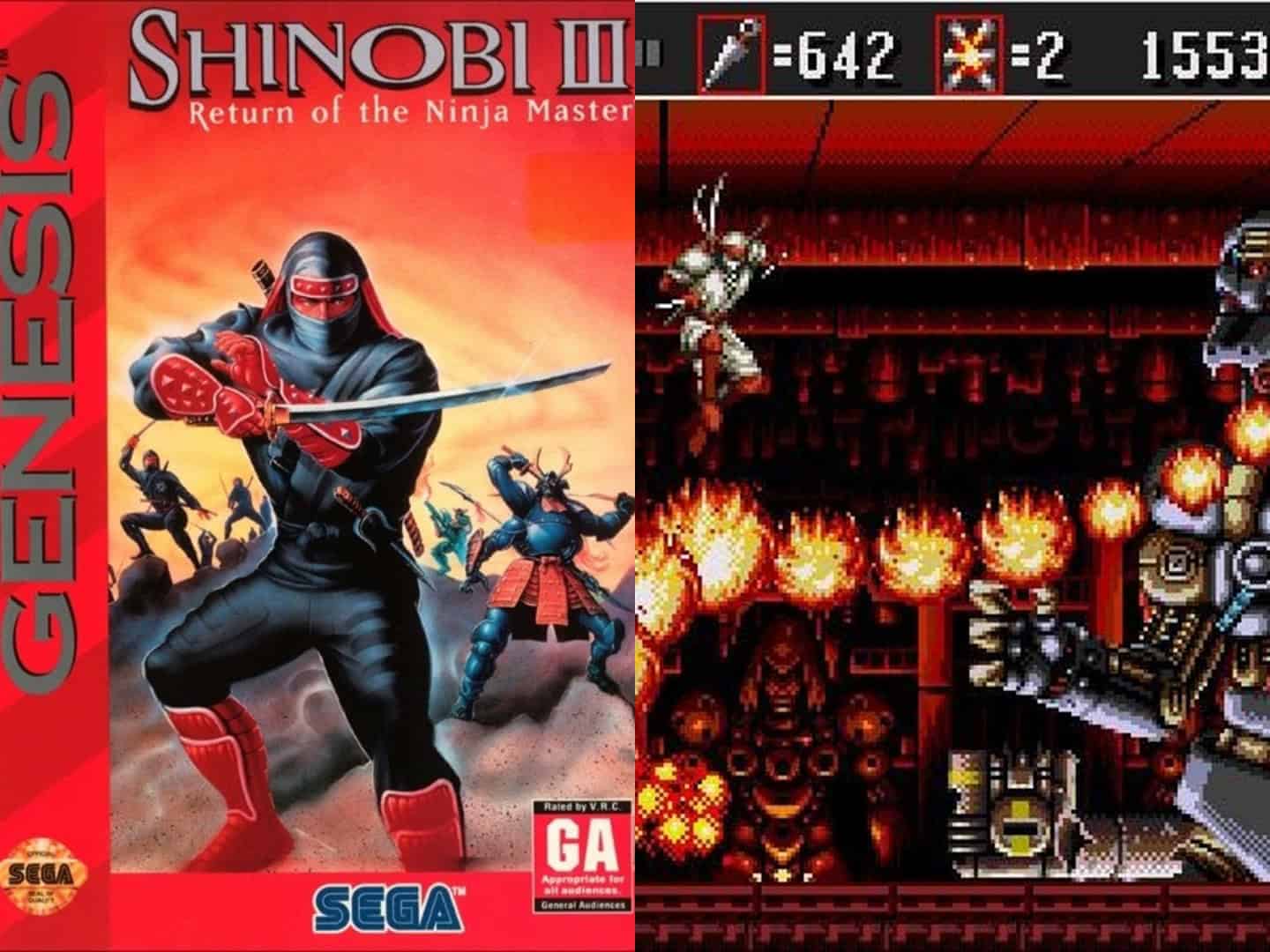
10. Shinobi III: Return of the Ninja Master
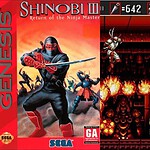
Original release: 1993. Publisher/Developer: Sega/Sega. If The Revenge of Shinobi established Joe Musashi as one of the Genesis's great action heroes, Shinobi III gave him the movement to match. Sega's 1993 sequel makes combat feel faster and smoother, with wall jumps, dashing attacks, and a mix of swordplay and thrown weapons. There are memorable set pieces, including a horseback chase and a sequence involving a surfboard, that keep the pace from settling into the same routine. It's still a challenging ninja game, but its controls make that challenge feel fairer than some earlier entries. For players who remember Sega's 16-bit rivalry with Nintendo, Shinobi III is a good reminder that the Genesis had its own outstanding action series.
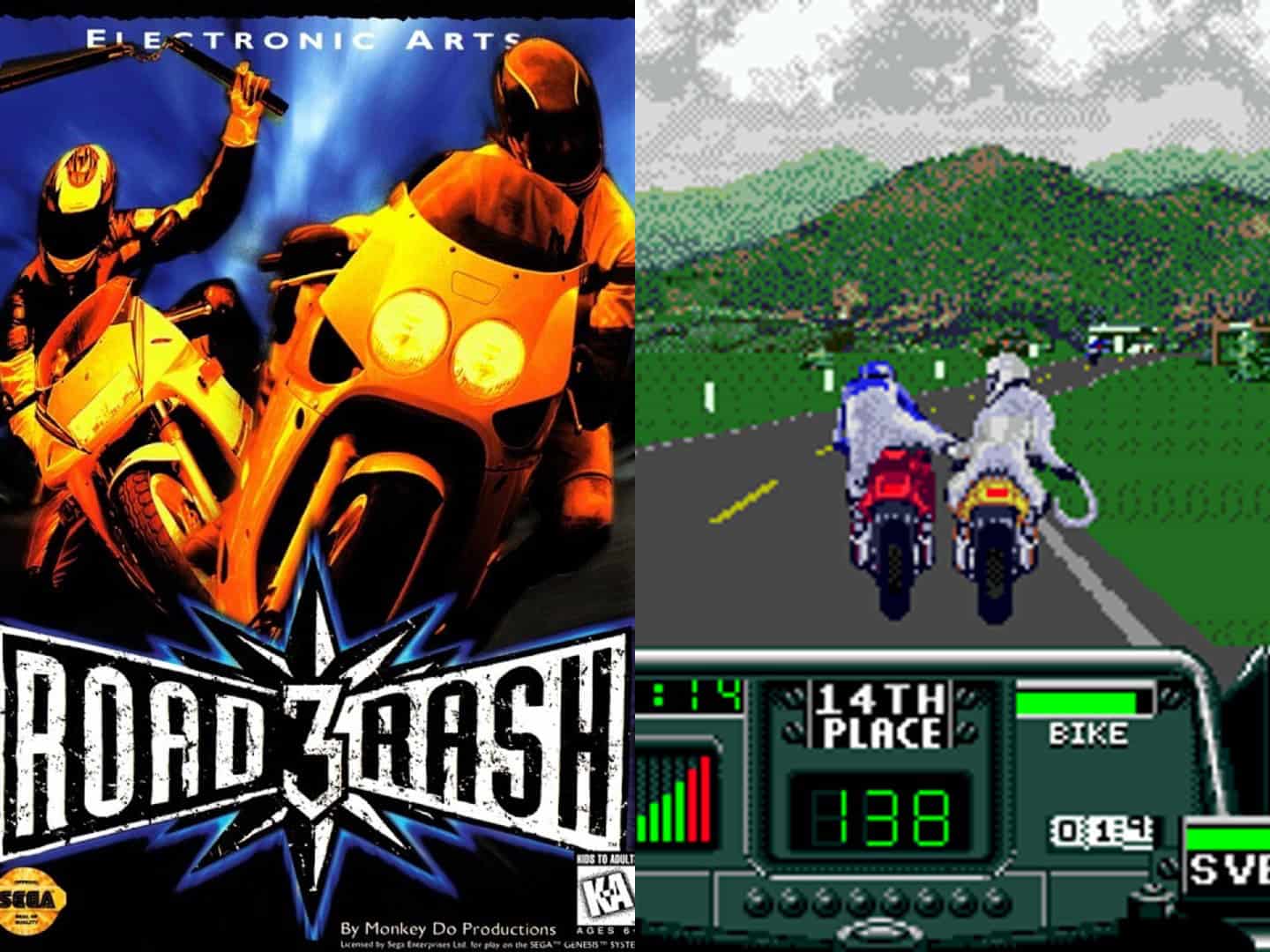
9. Road Rash 3
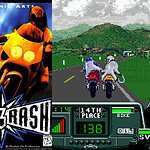
Original release: 1995. Publisher/Developer: Electronic Arts/Electronic Arts. Road Rash 3 takes motorcycle racing and adds something you probably wouldn't want to try on a real highway: swinging weapons at the other riders. This 1995 Genesis installment builds on the earlier games with new locations, more fighting options, and the familiar cycle of winning races, earning money, and buying better bikes. The tracks get tougher as you progress, and rival racers aren't particularly interested in playing fair. The graphics are clearly from another era, but the sense of speed and the satisfaction of pulling off a last-second pass still work. Whether it's your favorite Road Rash game or not, the third entry captures the ridiculous fun that made the series memorable.
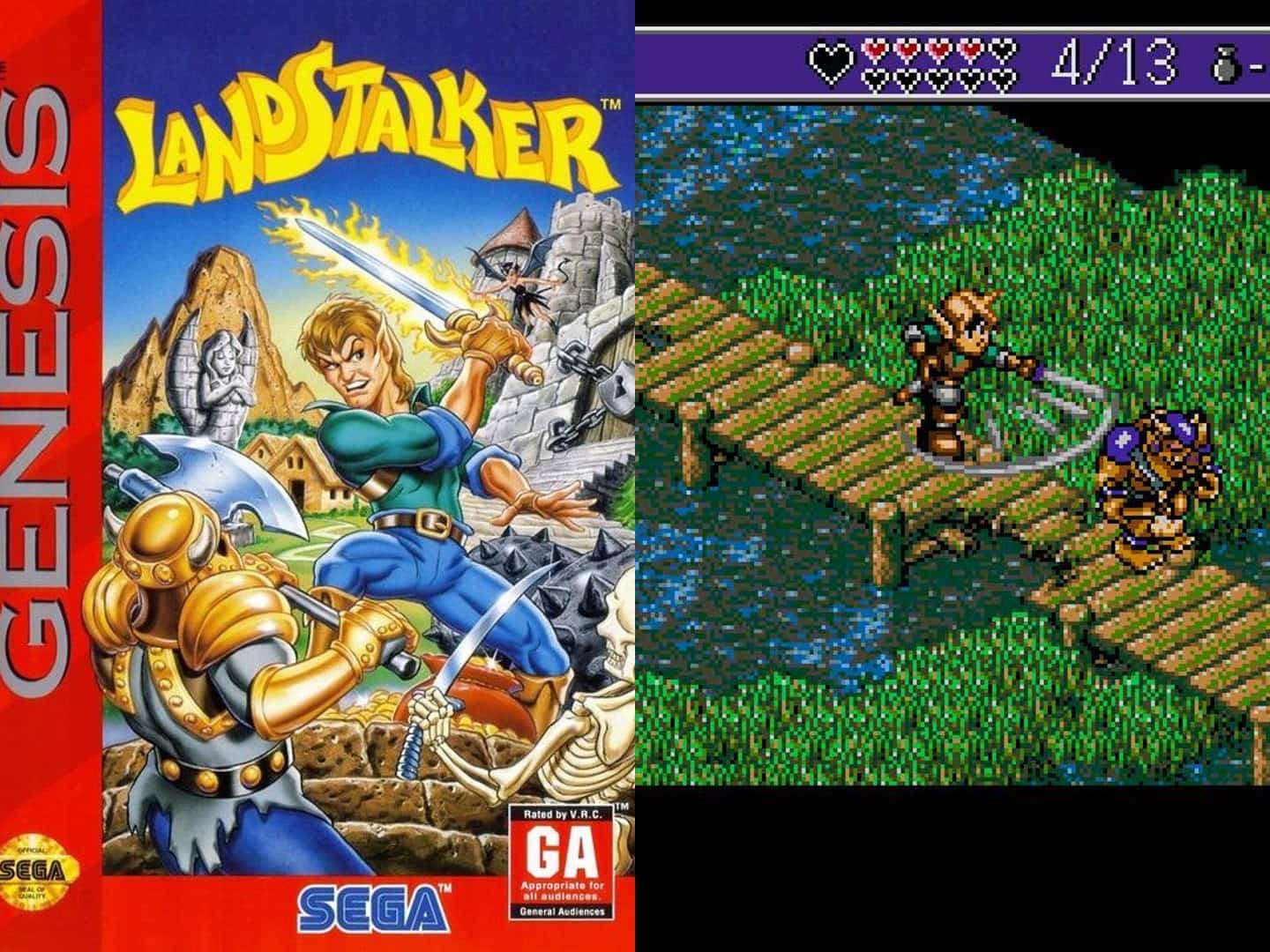
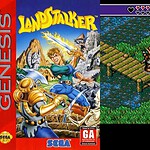
8. Landstalker
Original release: 1992. Publisher/Developer: Sega/Climax Entertainment. Landstalker is the kind of action RPG that can swallow an entire weekend if you let it. Developed by Climax Entertainment, it follows a treasure hunter named Nigel through an isometric world filled with puzzles, hidden passages, enemies, and plenty of platforming. The tilted perspective gives the game a distinctive look, though it can also make judging some jumps a test of patience. The mix of exploration and puzzle-solving helped it stand out from the overhead adventures that dominated the genre. Members of the team later worked on Alundra, which shares some of that design DNA. For players who don't mind an occasional awkward jump, Landstalker remains a rewarding adventure.
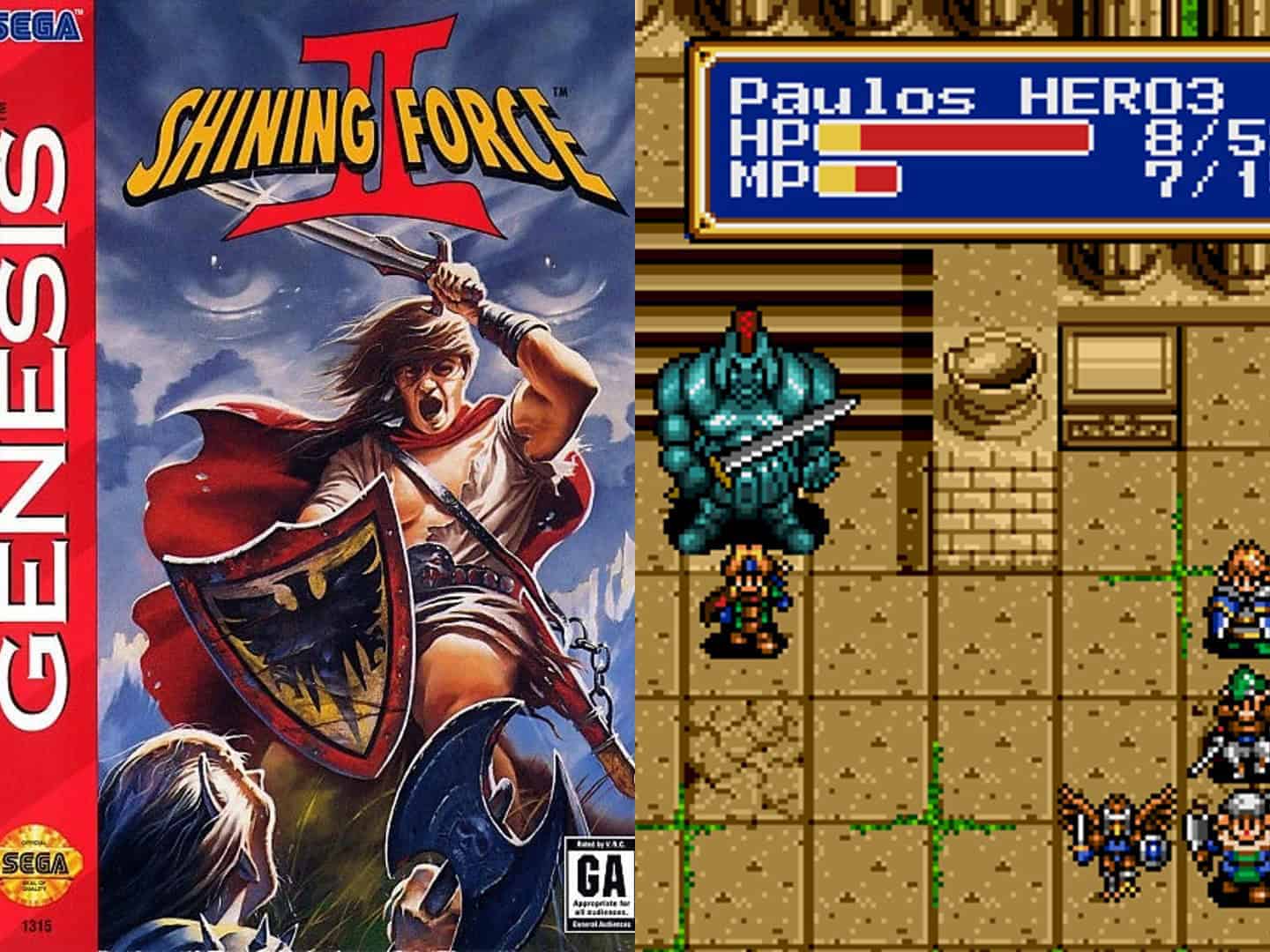
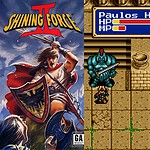
7. Shining Force II
Original release: 1993. Publisher/Developer: Sega/Sonic! Software Planning. Strategy RPGs can be intimidating, but Shining Force II does a good job of making its turn-based battles approachable without stripping away the depth. You lead a growing group of fighters across grid-based encounters, balancing different character classes, equipment, and positioning. Outside combat, there's a world to explore and a story that gives the battles a reason to matter. The sequel expands the first game's formula and offers a more open sense of progression, which helps explain why so many fans still favor it. Japan had Fire Emblem on Nintendo hardware, but Genesis owners got a tactical RPG series of their own. Shining Force II is one of its best entries.
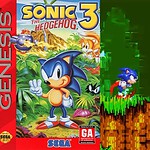
6. Sonic 3 & Sonic & Knuckles
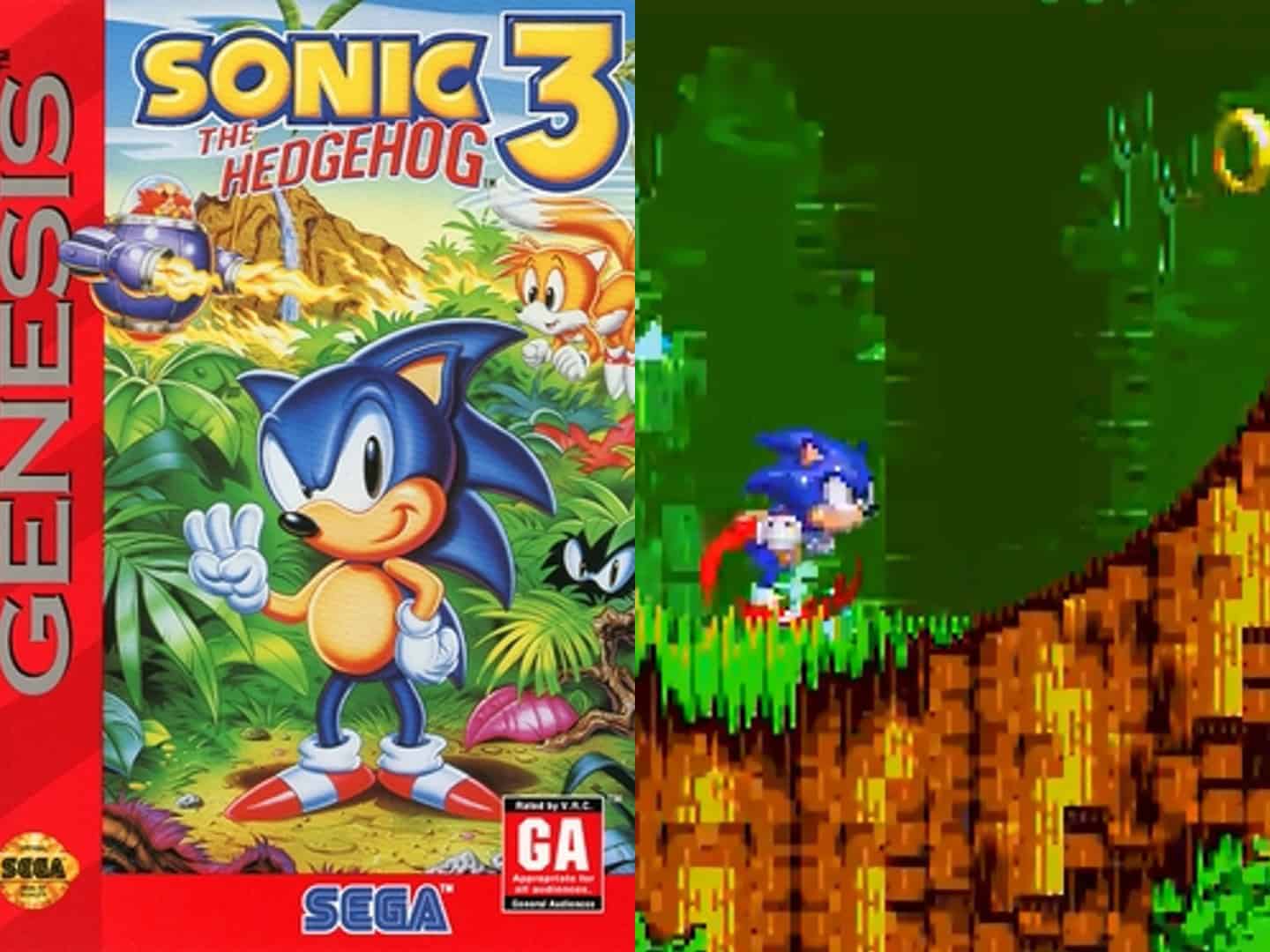
Original release: 1994. Publisher/Developer: Sega/Sega Technical Institute. Sonic the Hedgehog 3 was already a terrific platformer when it arrived in February 1994, but Sega had another trick planned. The separate Sonic & Knuckles cartridge, released later that year, could connect to Sonic 3 through its unusual lock-on design, linking the adventures into a larger game. It also let players use Knuckles in certain earlier Sonic titles. Together, Sonic 3 & Knuckles delivers expansive levels, multiple routes, and a much fuller story than the original cartridge alone. Whether you prefer it over Sonic 2 is an argument for another day, but the two-cartridge design remains one of Sega's most memorable ideas.
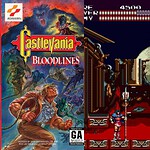
5. Castlevania: Bloodlines
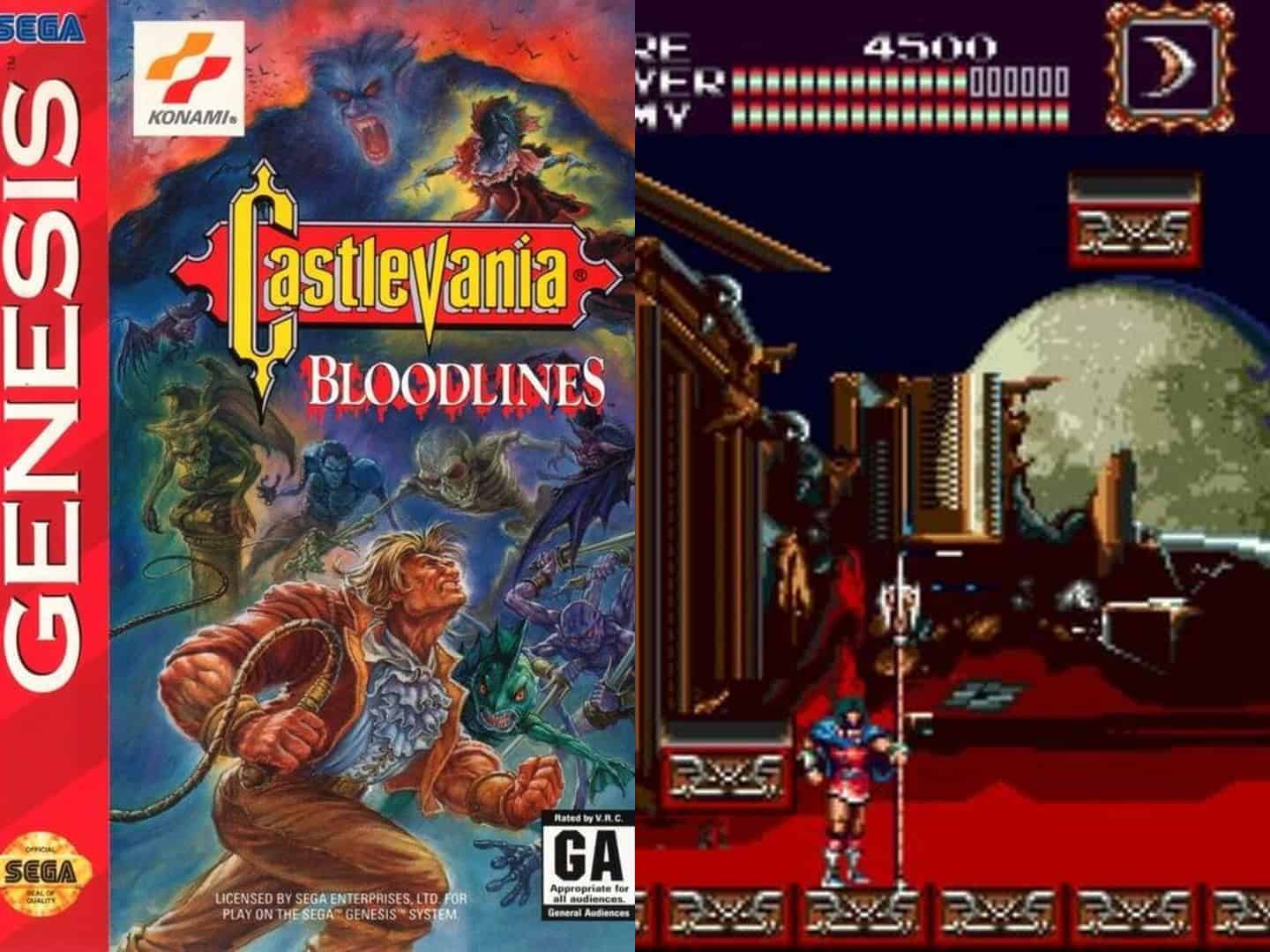
Original release: 1994. Publisher/Developer: Konami/Konami. Castlevania: Bloodlines takes Konami's vampire-hunting series in a different direction. Set in 1917 during World War I, it follows John Morris and Eric Lecarde as they pursue a supernatural threat across Europe. Each hero has a different weapon and approach to movement, giving players a reason to replay the stages. The game also makes impressive use of the Genesis with elaborate effects, memorable bosses, and a tough but rewarding challenge. It wasn't the first Castlevania to feature someone other than Simon Belmont, as the original suggests. What makes Bloodlines stand out is its unusual setting and its ability to deliver the series' familiar action without feeling like a copy of the Nintendo entries.
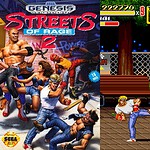
4. Streets of Rage 2
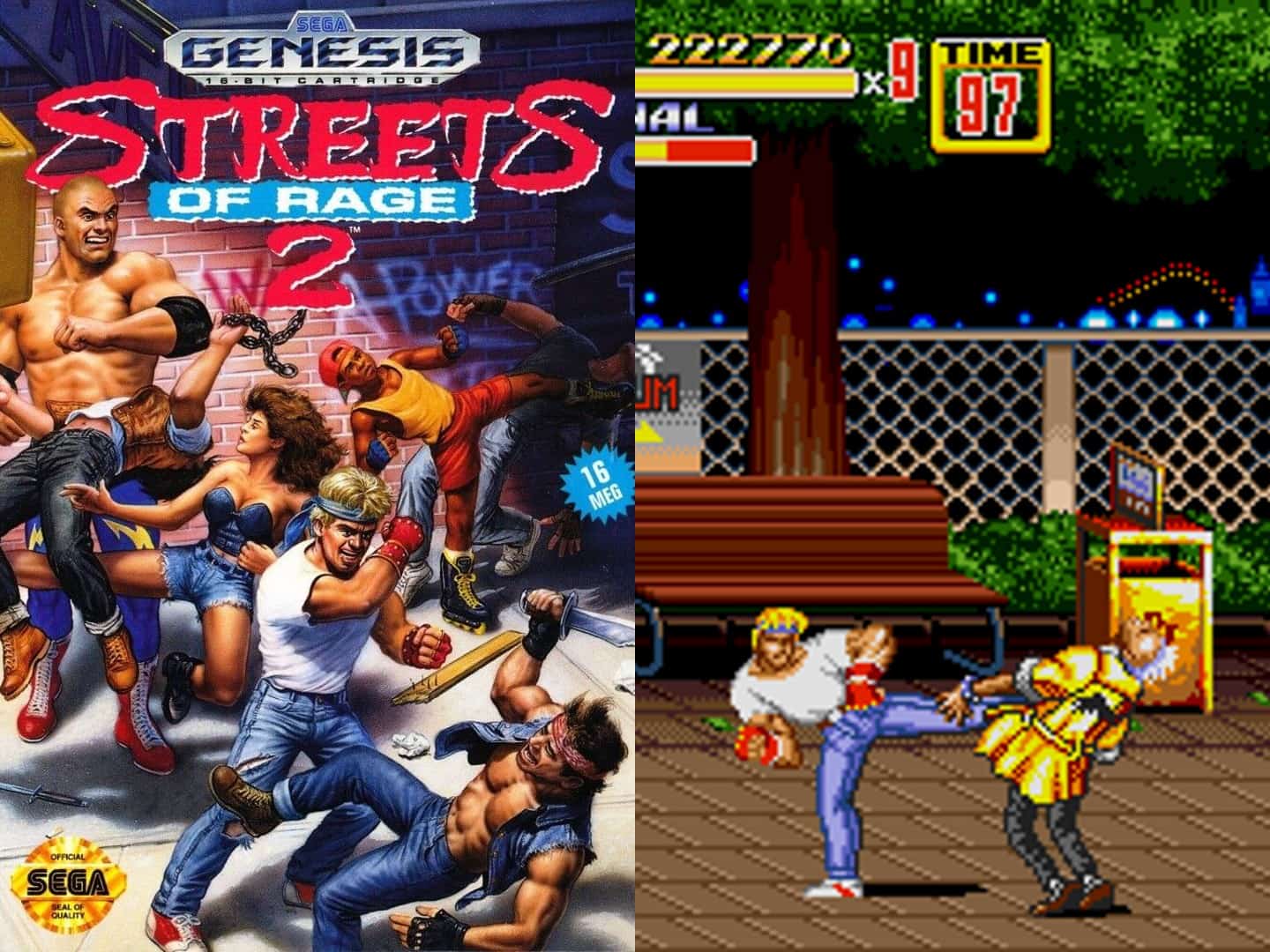
Original release: 1992. Publisher/Developer: Sega/Sega. For a lot of Genesis owners, Streets of Rage 2 was the game you reached for whenever a friend came over. Sega's side-scrolling beat-'em-up gave players four fighters with distinct strengths, introduced new special moves, and backed the action with Yuzo Koshiro's unforgettable electronic soundtrack. The enemies get nastier as the stages progress, but the combat has enough depth to reward more than random button-mashing. Its colorful city environments and cooperative play helped it become one of the defining Genesis releases. There are plenty of later beat-'em-ups with more elaborate mechanics, but Streets of Rage 2 still gets the important things right: satisfying punches, great pacing, and an excuse for one more round.
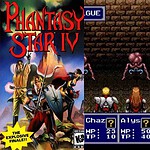
3. Phantasy Star IV
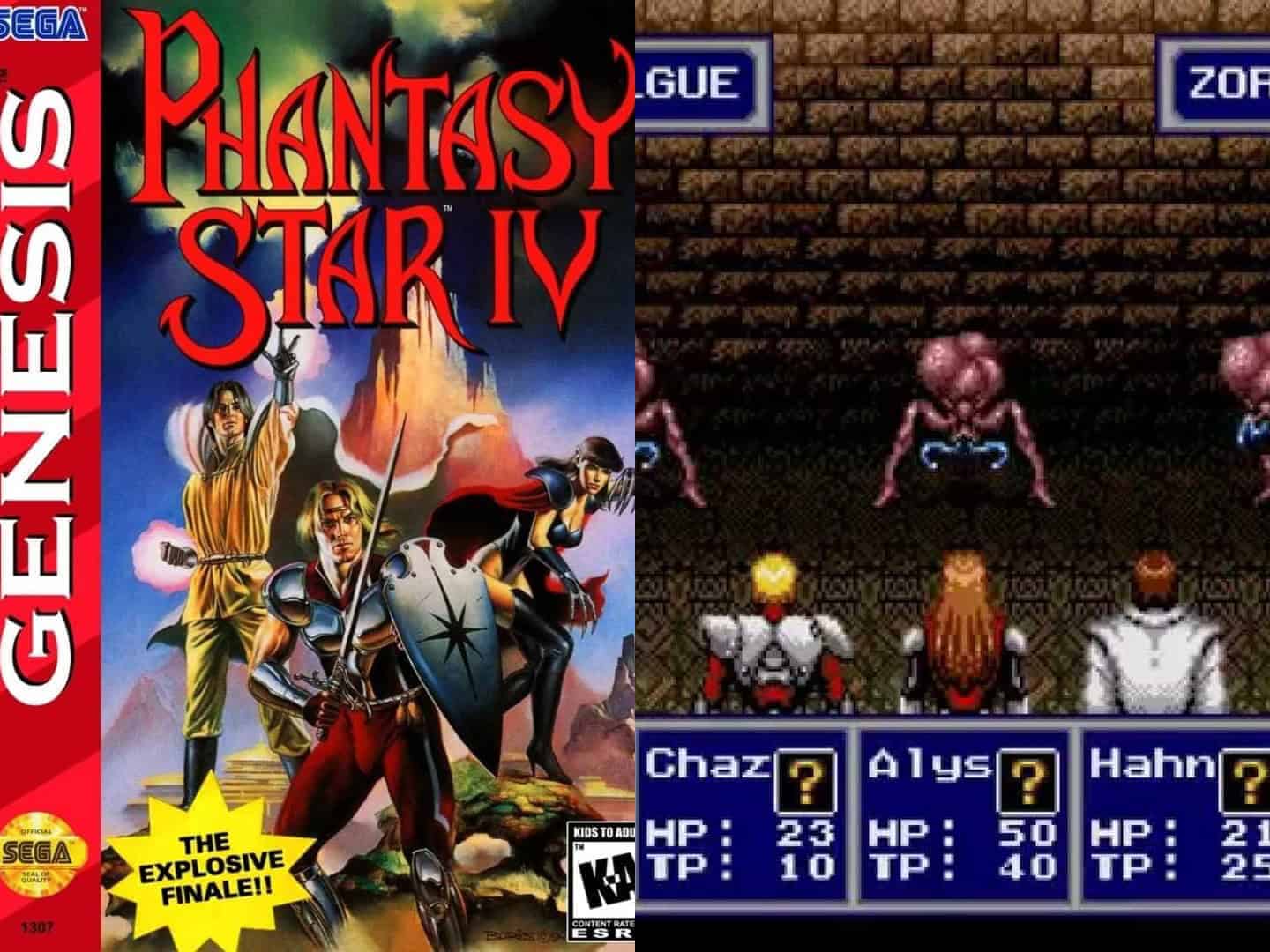
Original release: 1993. Publisher/Developer: Sega/Sega. Phantasy Star IV brought Sega's original science-fiction RPG saga to a satisfying conclusion. Released first in Japan in 1993 and in North America in 1995, it follows a memorable cast through a story told with striking comic-style cutscenes. The turn-based combat is faster and more refined than in earlier entries, and certain techniques can be combined into special attacks when party members act together. Those combinations actually predate the better-known team attacks in Chrono Trigger. There's also a generous adventure here, with plenty of planets, dungeons, and surprises to discover. It wasn't the end of every game bearing the Phantasy Star name, but it was a strong finale for the original storyline.
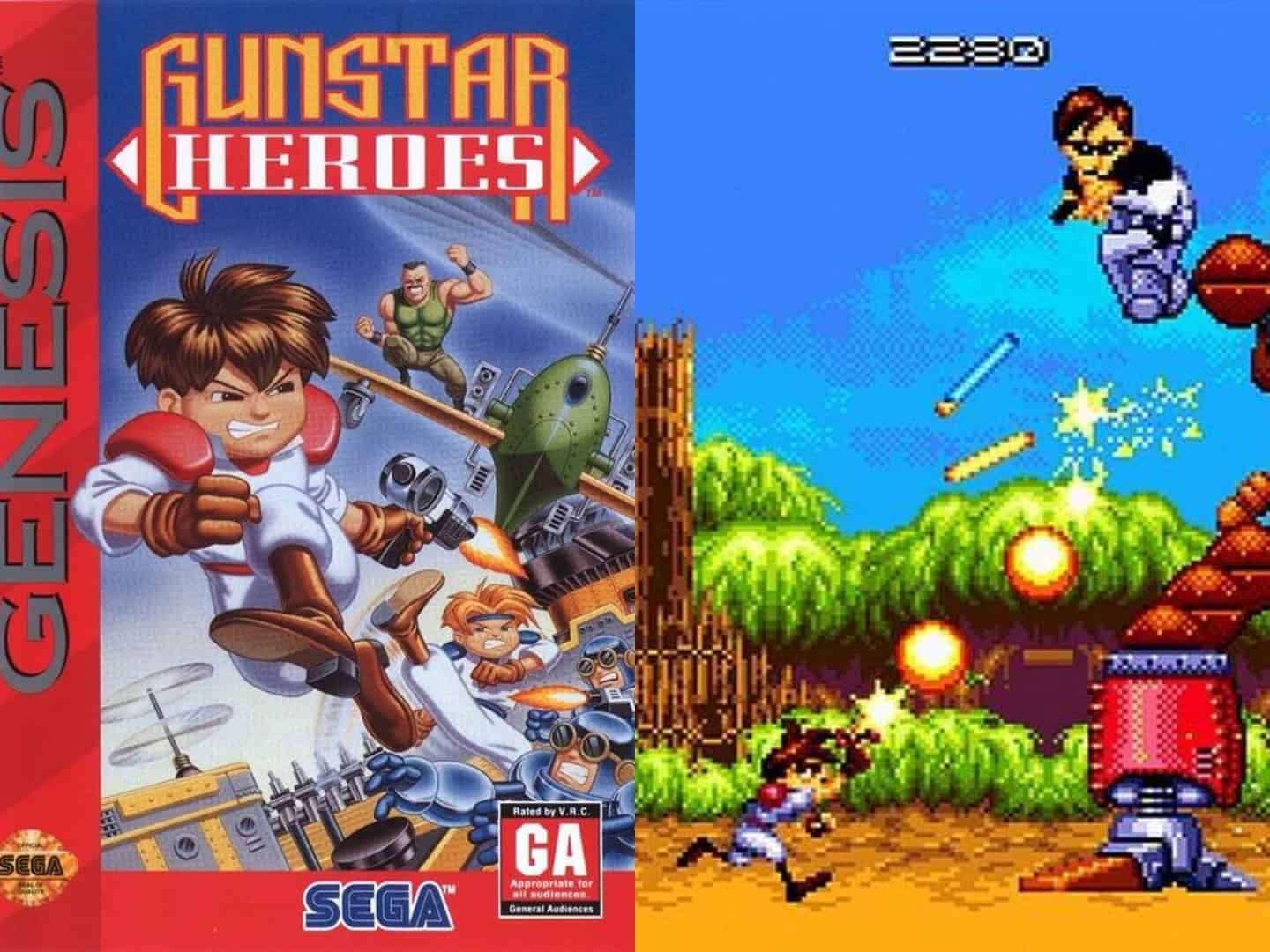
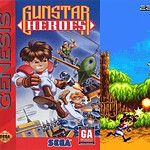
2. Gunstar Heroes
Original release: 1993. Publisher/Developer: Sega/Treasure. Treasure made a spectacular debut with Gunstar Heroes, a run-and-gun action game that seems determined to fill every second with movement. Players can combine four basic weapon types into different attacks, grab enemies, and fight through stages packed with outrageous bosses. The two-player mode makes an already chaotic experience even better. It's the kind of game that looks impossible until you learn its rhythms, then suddenly everything starts to click. There are similarities to Contra, but Gunstar Heroes quickly establishes its own personality through inventive mechanics and constantly changing encounters. Even without the nostalgia factor, it's one of the strongest action games Sega's 16-bit console ever received.
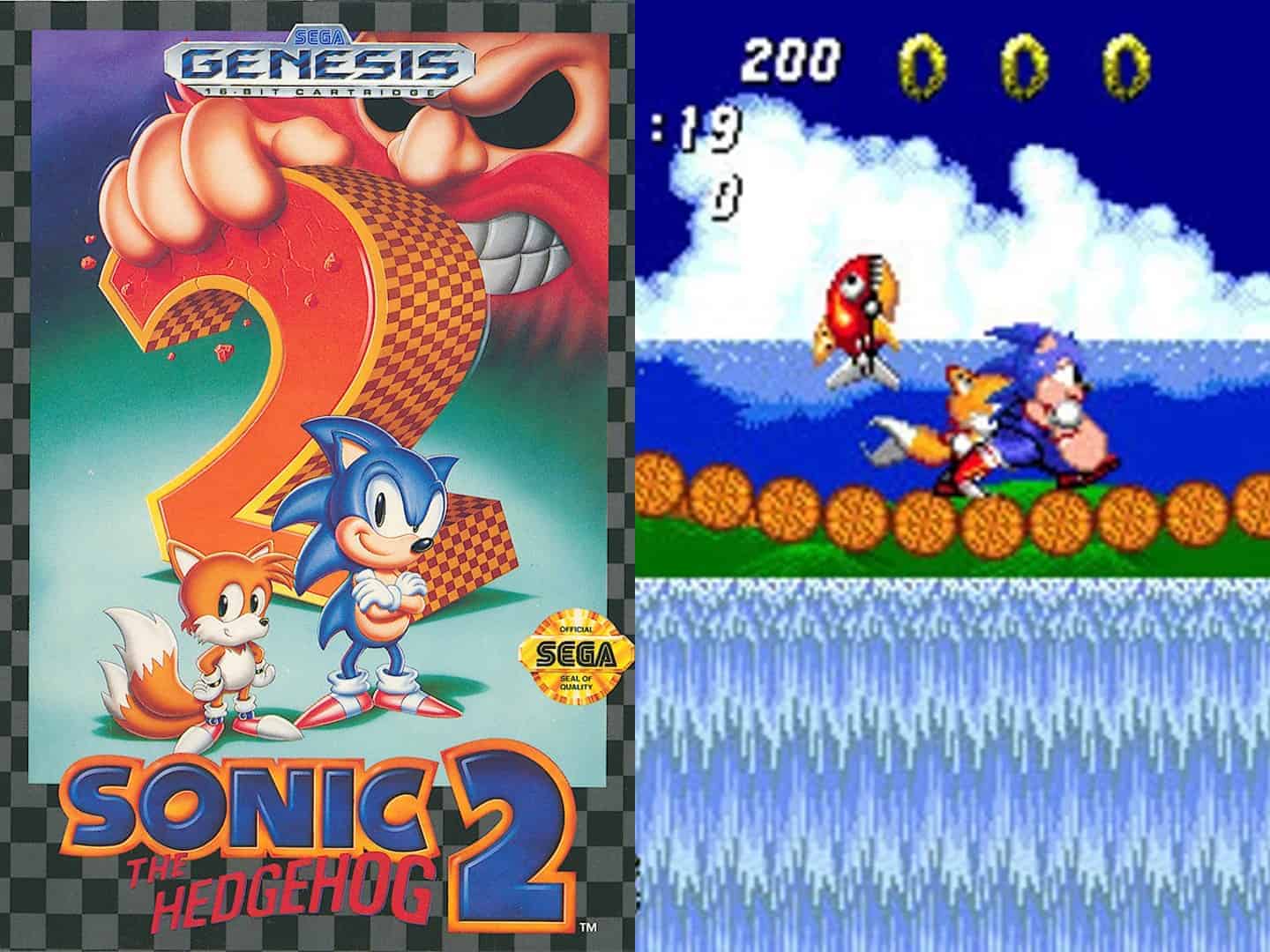
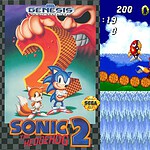
1. Sonic the Hedgehog 2
Original release: 1992. Publisher/Developer: Sega/Sega Technical Institute. When Sonic the Hedgehog 2 arrived in North America on November 24, 1992, Sega turned the launch into a marketing event it called Sonic 2sday. More importantly, the game delivered. It introduced Tails, expanded the original's formula with bigger, faster stages, and made Sonic's Spin Dash a defining part of his moveset. The result felt like a genuine leap over the first game, with levels that rewarded both quick reflexes and a little exploration. Sonic 2 eventually became a Genesis pack-in title and helped define the console for a generation of players. You can make the case for several games at the top of this list, but putting Sonic's second adventure at number one is easy to defend.