Missing attribution
Missing attribution
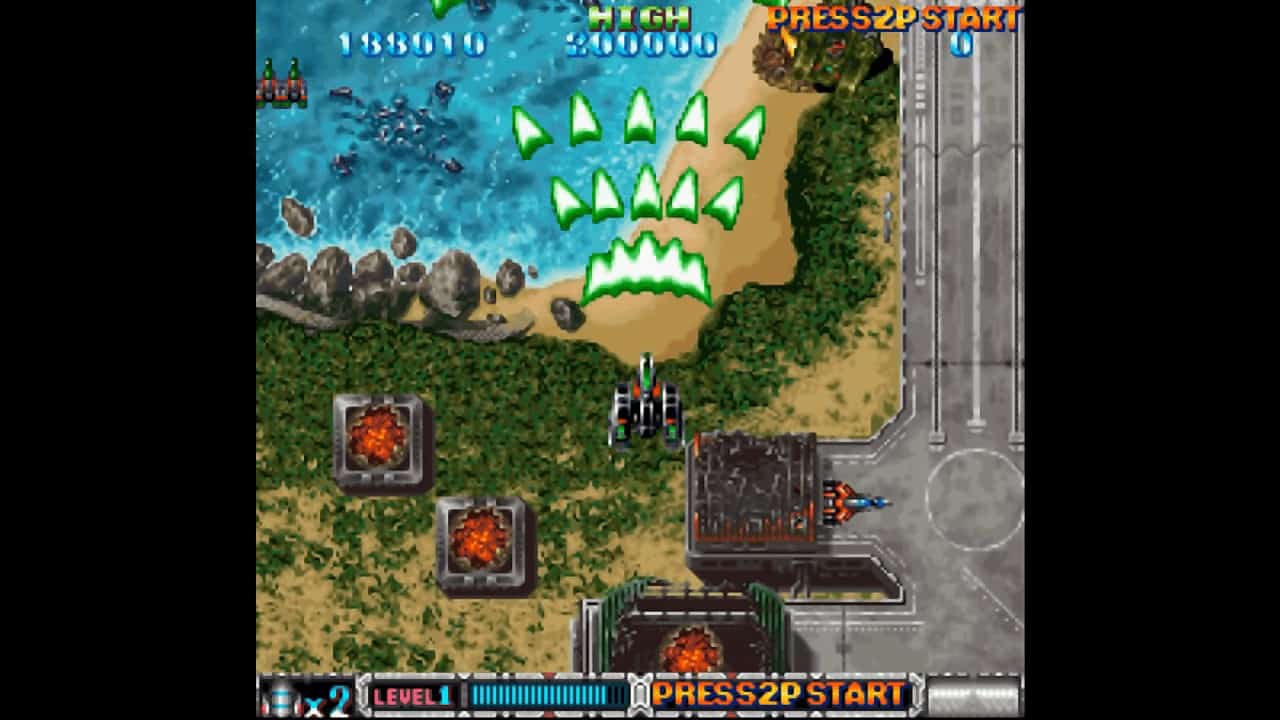
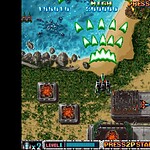
Batsugun gameplay screenshot
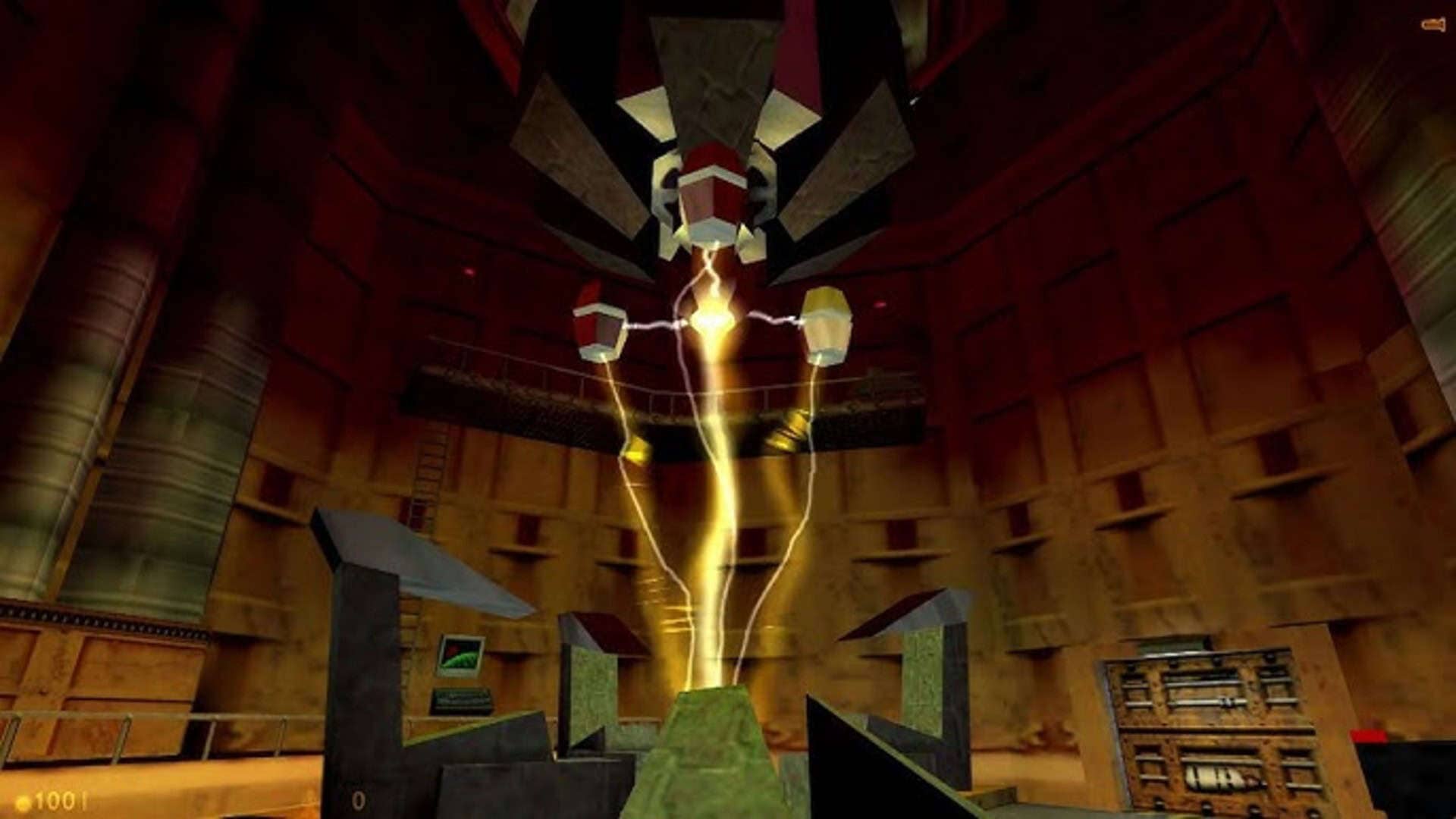
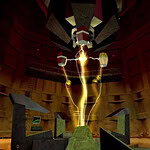
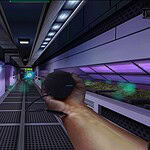
Half-Life gameplay screenshot
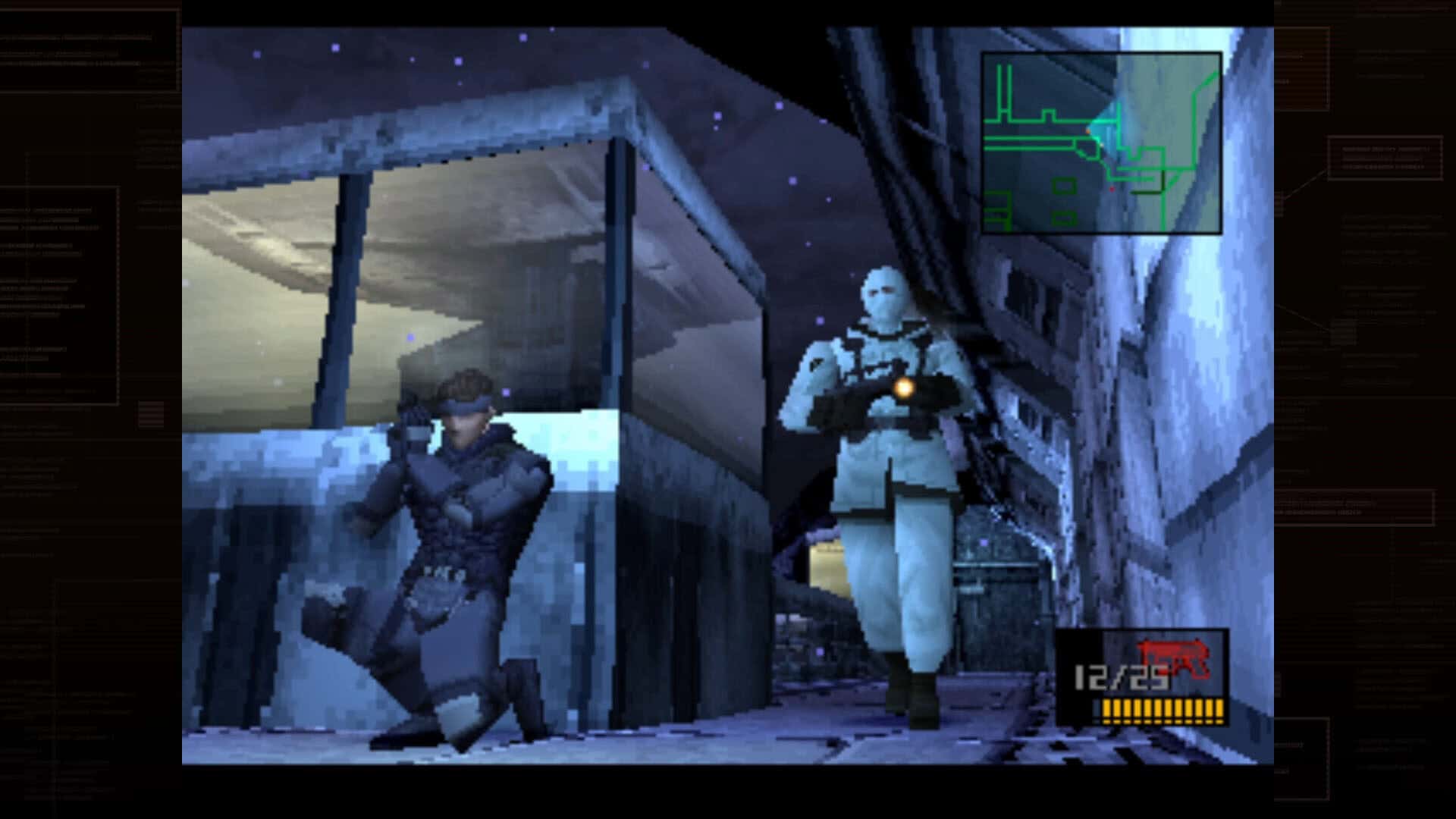
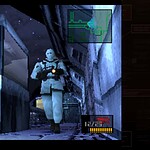
Metal Gear Solid gameplay screenshot
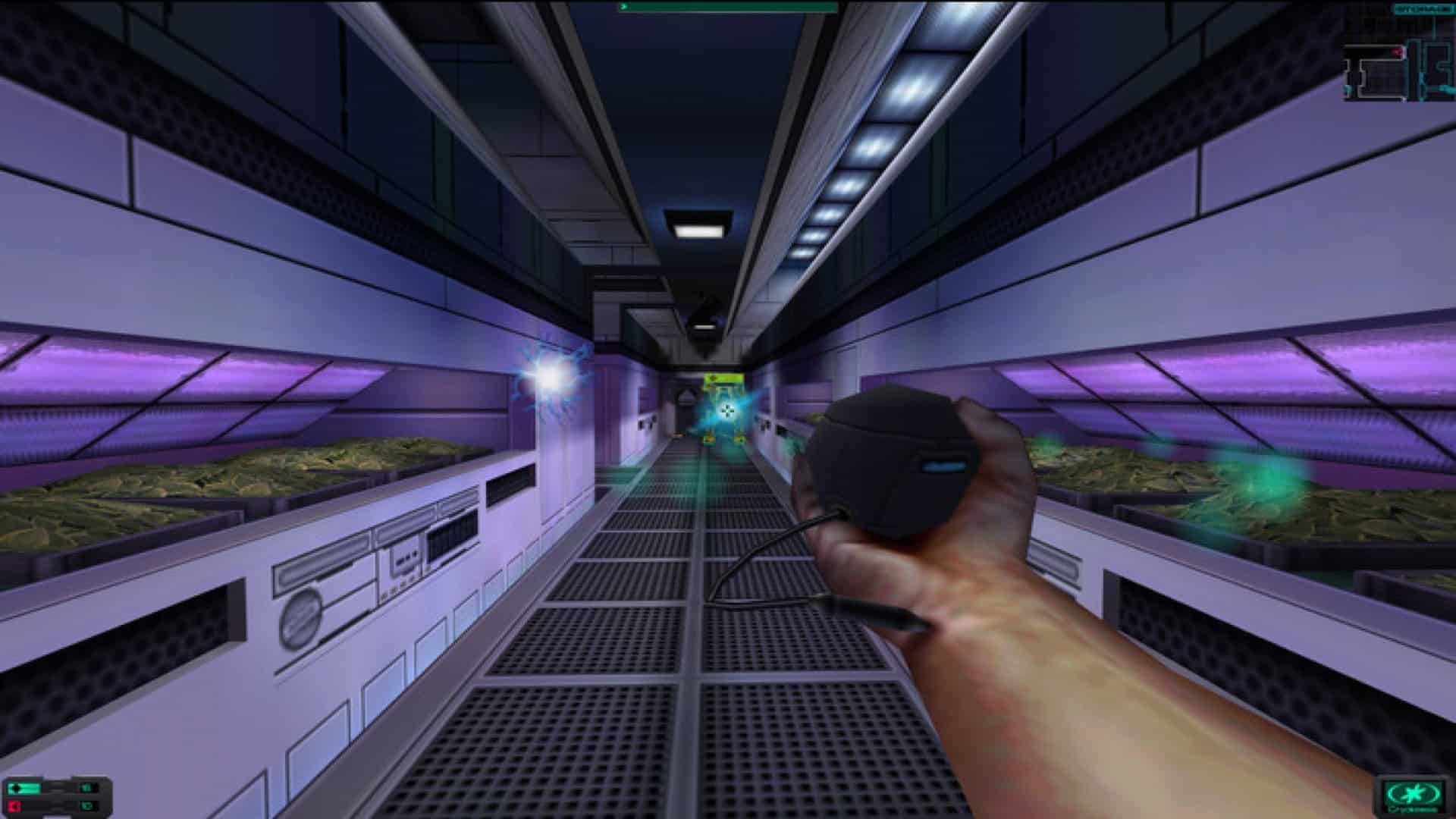
System Shock 2 gameplay screenshot
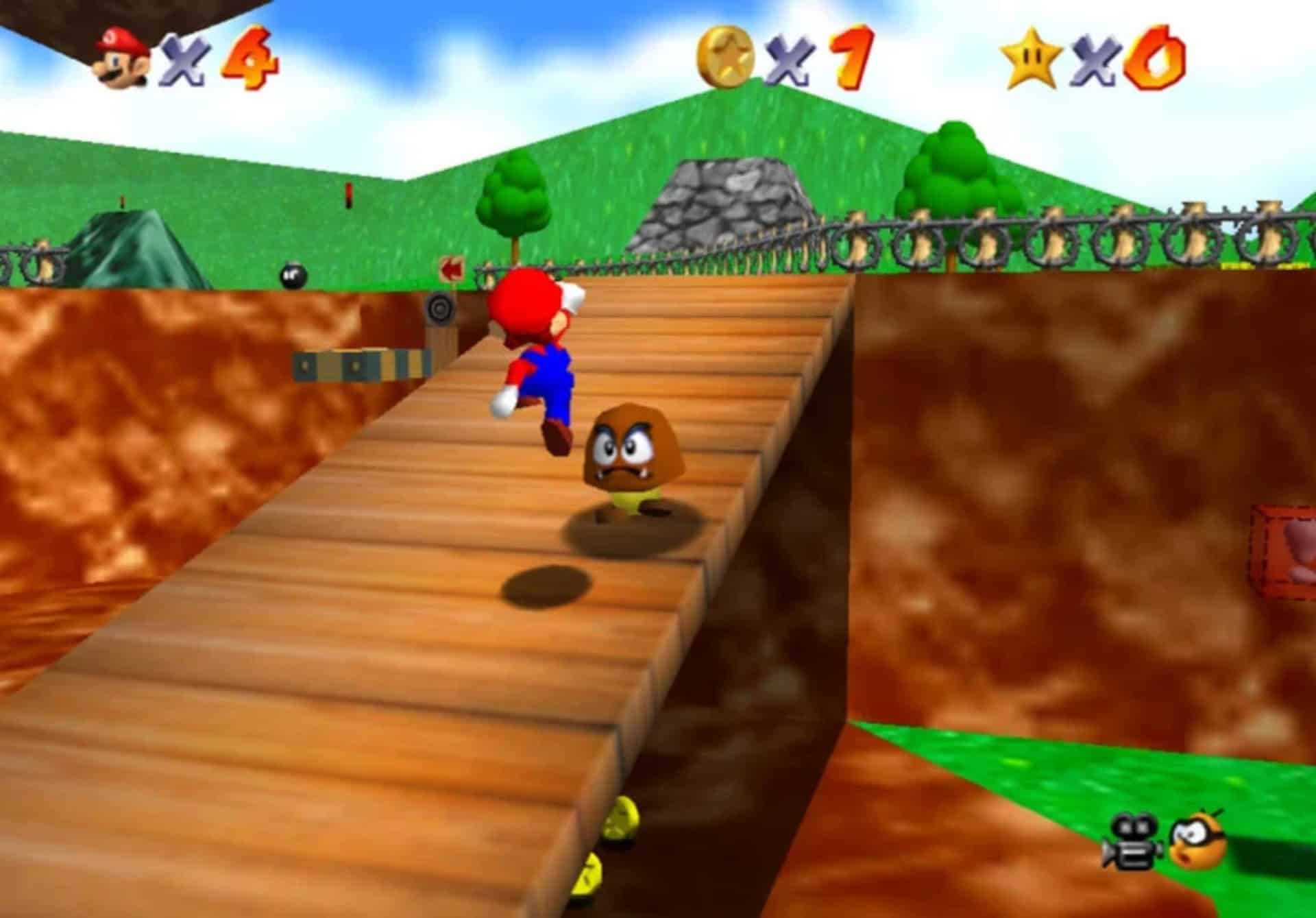
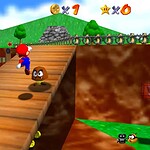
Super Mario 64 gameplay screenshot
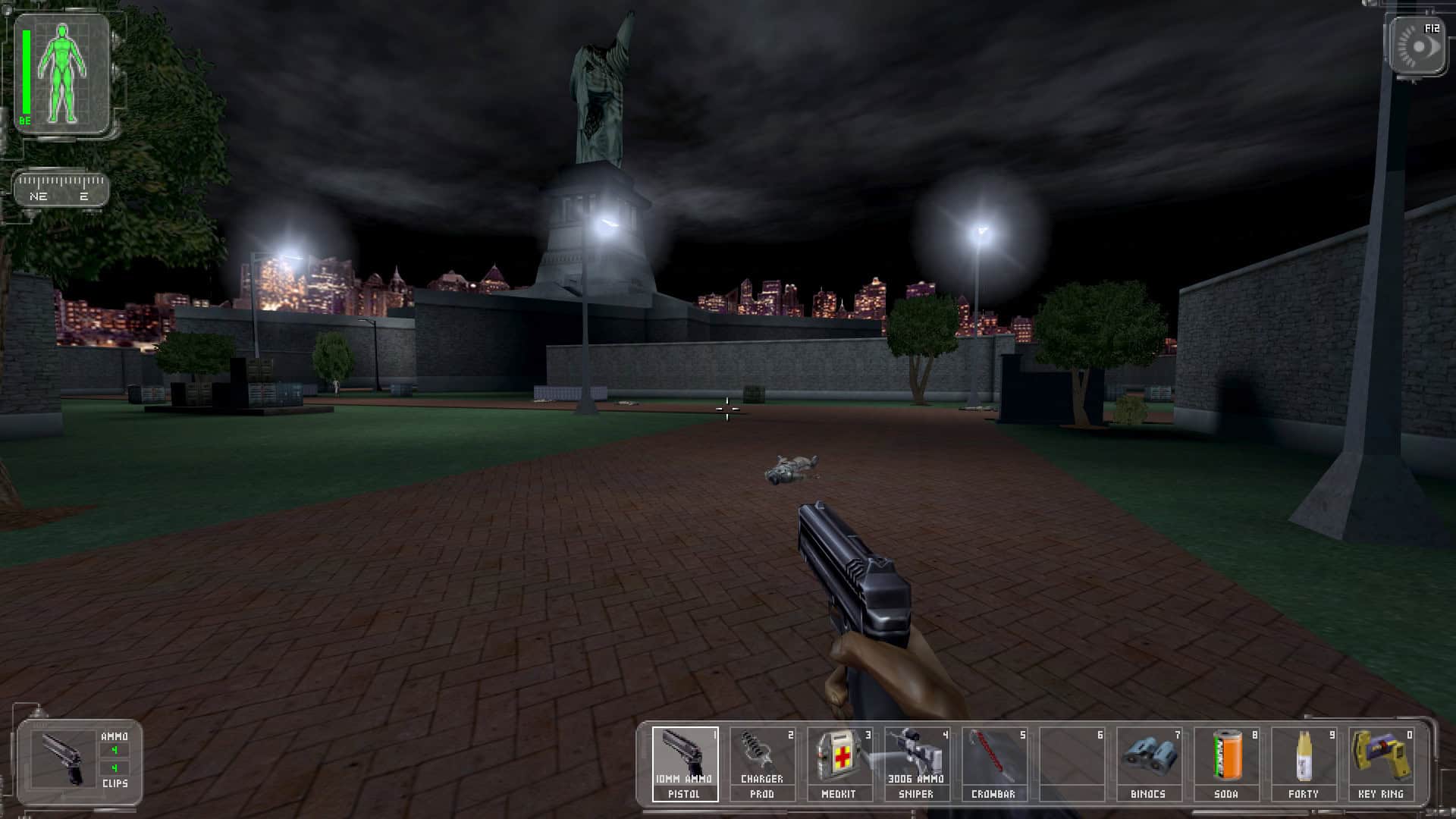
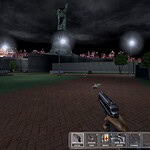
Deus Ex gameplay screenshot
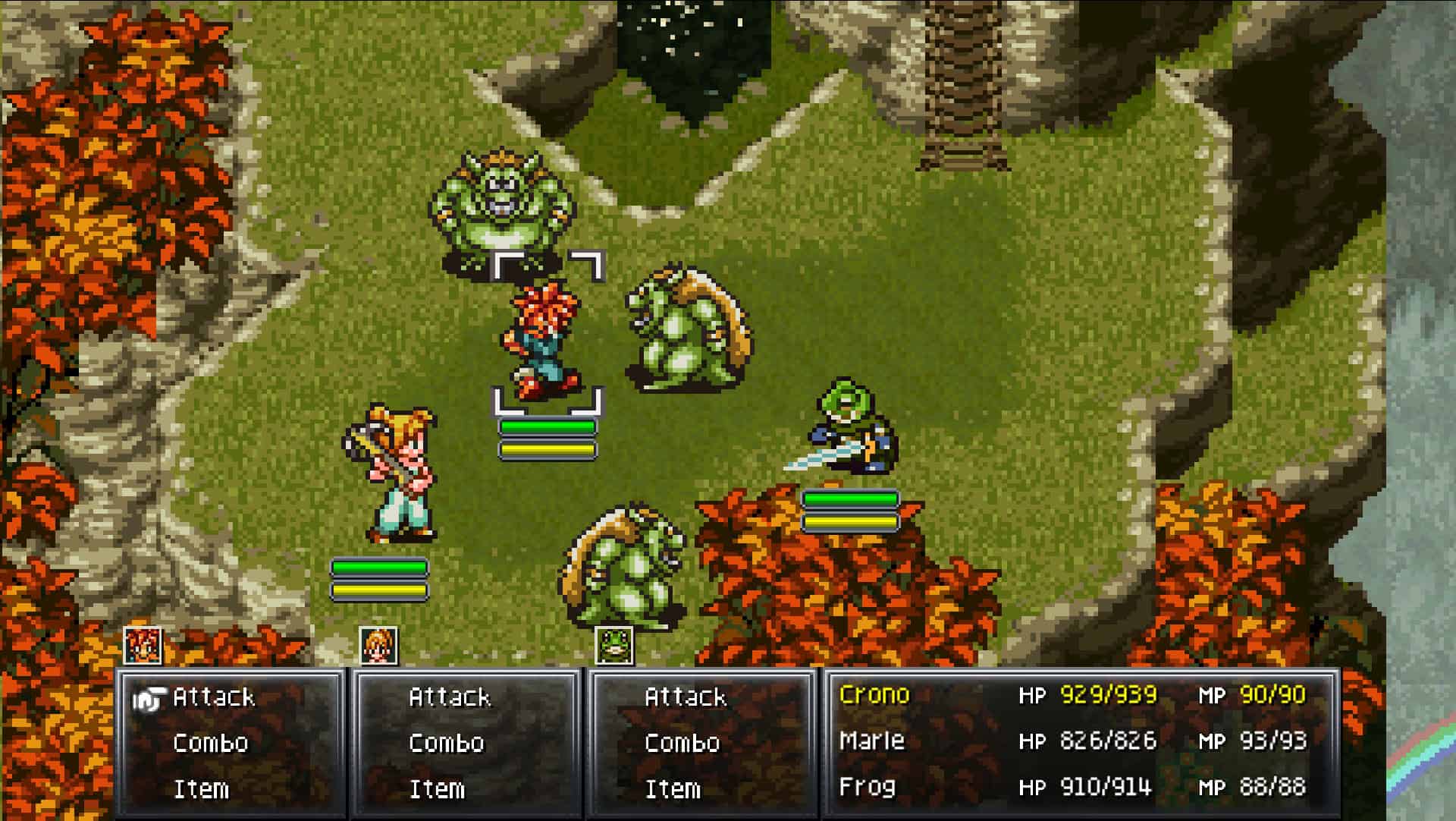
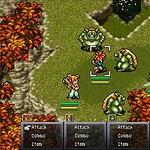
Chrono Trigger gameplay screenshot
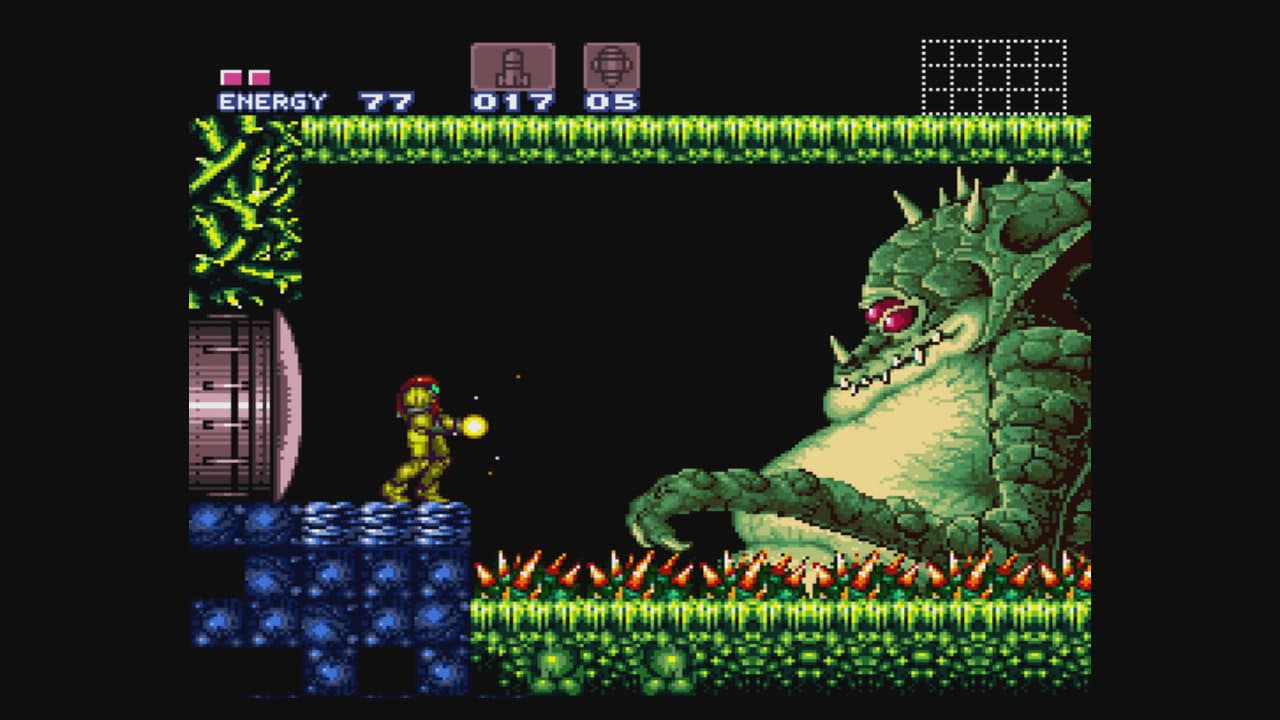
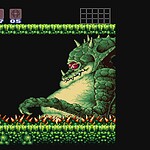
Super Metroid gameplay screenshot
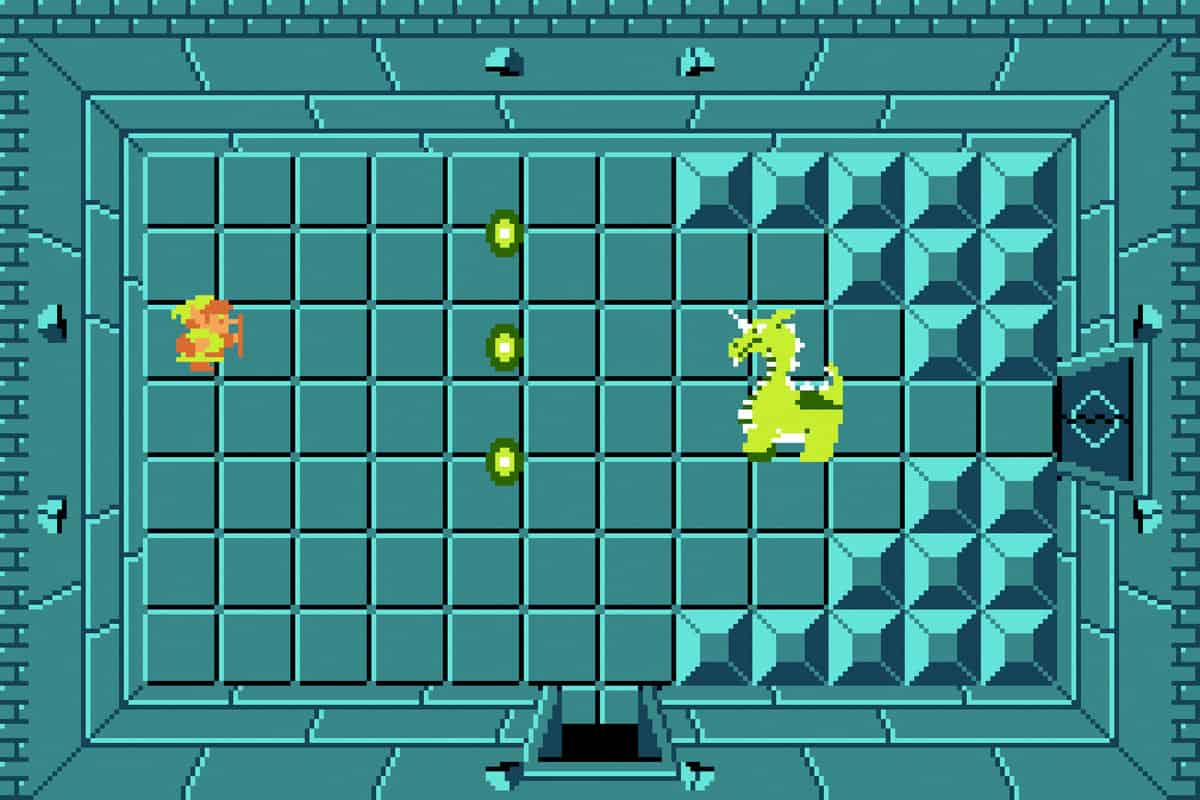
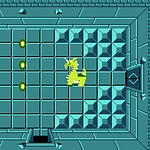
Zelda gameplay screenshot
10 Retro Games That Were Way Ahead of Their Time
Some old games are fun because they are old. Others are startling because you can see pieces of modern gaming hiding inside them decades before those ideas became standard.
The games below did not necessarily invent every mechanic they are associated with, and gaming history is usually a lot messier than any neat "first ever" claim suggests. What they did was push important ideas unusually far for their time. From cinematic storytelling and 3D movement to survival horror, bullet hell shooters, immersive sims, and open-ended exploration, these 10 games helped show the rest of the industry where things were headed.
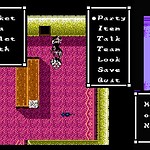
Sweet Home
First release: December 1989 in Japan | Developer: Capcom | Publisher: Capcom | Genre: Horror RPG | Original platform: Famicom
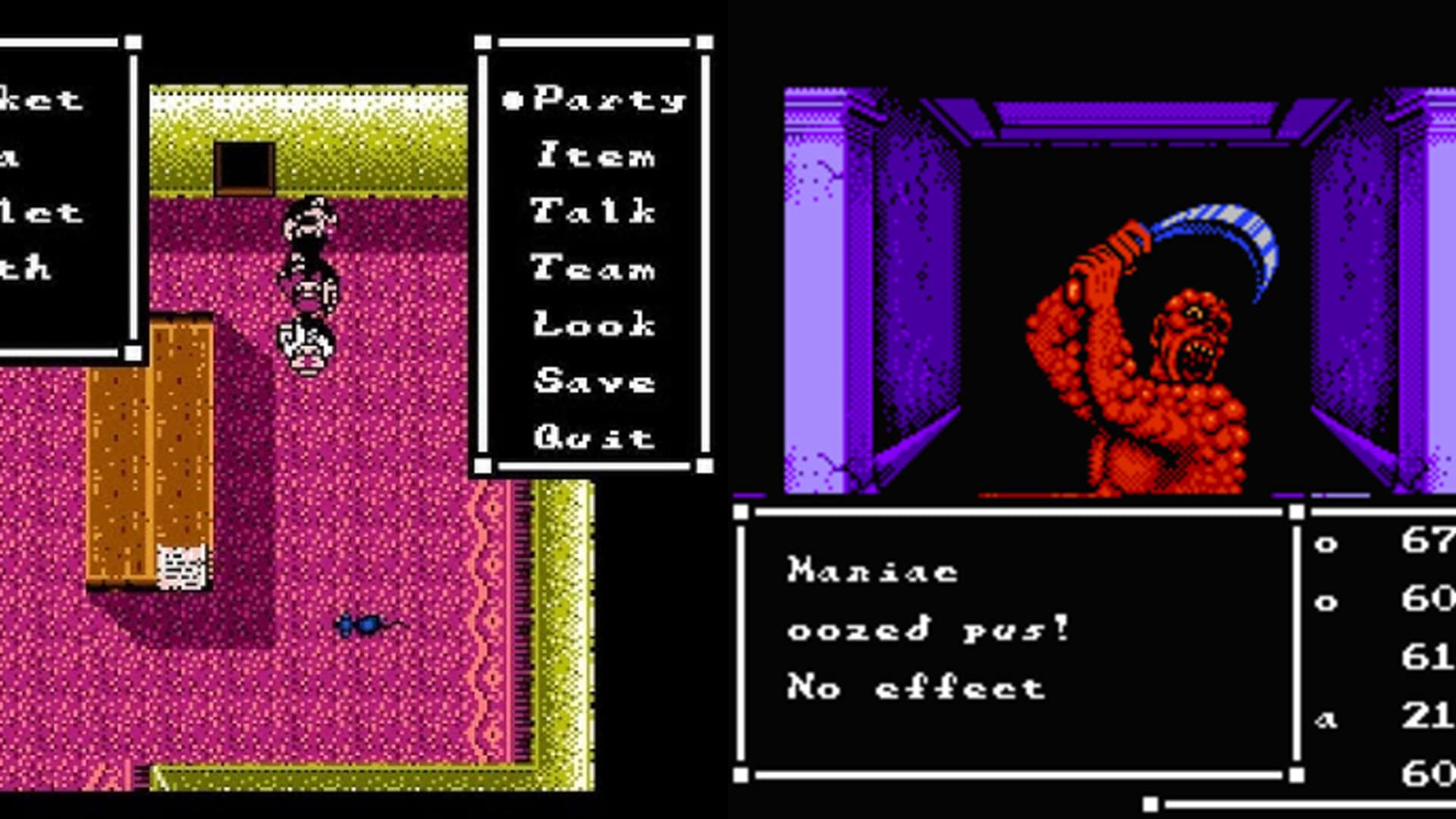
Calling Sweet Home the first survival horror game is a little too tidy, because the genre has roots stretching through several earlier horror and adventure games. Its importance is much easier to defend. Capcom's 1989 Famicom RPG trapped a group of characters inside a haunted mansion and forced players to manage limited inventories, use specific items to solve environmental puzzles, and deal with characters who could die permanently. More importantly, its influence on Resident Evil is not fan speculation. Director Shinji Mikami has said Capcom executive Tokuro Fujiwara asked him to create a new horror game using systems from Sweet Home. The result eventually became Resident Evil. Sweet Home never received an official Western release, but its fingerprints ended up all over one of gaming's biggest horror franchises.
Batsugun
First release: 1993 | Developer: Toaplan | Publisher: Toaplan | Genre: Vertical scrolling shooter | Original platform: Arcade
If modern bullet hell shooters occasionally look like somebody dumped a bucket of glowing projectiles onto the screen, Batsugun deserves part of the credit. Toaplan's final vertically scrolling shooter packed the screen with unusually dense enemy fire and forced players to navigate through narrow openings in increasingly elaborate patterns. It was not the first shooter to throw a ridiculous number of bullets at players, but it is widely recognized as one of the key games that helped define what would become the bullet hell style. That lineage continued after Toaplan collapsed, with several former developers going on to work at Cave, the studio behind genre landmarks such as DoDonPachi. More than 30 years later, the basic formula still looks remarkably familiar.
Half-Life
First release: November 19, 1998 | Developer: Valve | Publisher: Sierra On-Line | Genre: First-person shooter | Original platform: Windows PC
Plenty of first-person shooters existed before Half-Life. What Valve changed was the way an FPS could tell a story. Instead of constantly pulling players out of the action for traditional cutscenes, Half-Life largely kept the camera in Gordon Freeman's eyes while scripted events, conversations, disasters, and enemy encounters unfolded around him. Black Mesa felt less like a collection of disconnected shooting galleries and more like a place experiencing a very bad day in real time. The game also mixed gunfights with exploration, environmental puzzles, platforming, and enemy AI that seemed unusually reactive by 1998 standards. Its influence is hard to miss in the story-driven shooters that followed. Valve did not invent narrative in an FPS, but Half-Life helped rewrite the rulebook for how seamlessly action and storytelling could work together.
Metal Gear Solid
First release: September 3, 1998 in Japan | Developer: Konami Computer Entertainment Japan | Publisher: Konami | Genre: Action, stealth | Original platform: PlayStation
Stealth gaming did not begin with Metal Gear Solid. Hideo Kojima had already been building the idea around avoiding enemies instead of simply mowing them down since the original Metal Gear in the 1980s. What Metal Gear Solid did was bring that concept into 3D with a level of cinematic presentation that felt almost absurdly ambitious for a PlayStation game. Fully voiced dialogue, elaborate cutscenes, dramatic camera work, memorable boss encounters, and fourth-wall-breaking tricks were wrapped around stealth systems that encouraged players to watch patrol routes, create distractions, hide, and think before firing. Games had obviously told serious stories before 1998, but Metal Gear Solid made the case to a massive console audience that a game could borrow heavily from film without surrendering the things that made it interactive.
System Shock 2
First release: August 11, 1999 | Developers: Irrational Games and Looking Glass Studios | Publisher: Electronic Arts | Genre: FPS, RPG, immersive sim | Original platform: Windows PC
System Shock 2 was the kind of game that seemed determined to refuse a simple genre label. It had guns, but it was not just a shooter. It had character stats, skills, inventory management, hacking, psionic abilities, resource scarcity, exploration, and enough horror to make wandering the Von Braun genuinely uncomfortable. Its design built on ideas from the original System Shock and the broader Looking Glass school of immersive games, giving players different tools and character builds instead of insisting on one correct solution. Irrational co-founder Ken Levine later carried much of that design DNA into BioShock. The original may look unmistakably like a 1999 PC game today, but the combination of environmental storytelling, player specialization, horror, and systemic freedom still feels remarkably modern.
Super Mario 64
First release: June 23, 1996 in Japan | Developer: Nintendo EAD | Publisher: Nintendo | Genre: 3D platformer | Original platform: Nintendo 64
Super Mario 64 was not the first 3D platform game, but it was the one that made moving through a 3D world suddenly feel natural. Nintendo built the game around the Nintendo 64 controller's analog stick, giving Mario a range of movement that digital directional pads simply could not match. Players could walk, run, creep, turn smoothly, chain jumps together, and explore large spaces with an unusual degree of precision. The camera was not perfect, something anyone who has wrestled with Lakitu near a wall can confirm, but even giving players meaningful camera control was a major step forward. Nintendo itself describes the game as the first 3D Mario title and credits its analog controls with influencing later games in the series. Countless 3D platformers spent the following years borrowing from the blueprint.
Deus Ex
First release: June 23, 2000 | Developer: Ion Storm | Publisher: Eidos Interactive | Genre: Immersive sim, action RPG, FPS | Original platform: Windows PC
Deus Ex did not invent the immersive sim. Games such as Ultima Underworld, System Shock, and Thief had already established much of that design philosophy. What Warren Spector and Ion Storm did was pull those ideas together into one unusually flexible game. Need to enter a building? You might sneak through a side route, hack security, pick a lock, find another entrance, talk your way forward, or simply start shooting and deal with the consequences. Character upgrades changed which solutions were practical, while decisions could alter conversations and later events. Spector has described the design philosophy as giving players problems rather than puzzles and allowing their preferred play style to matter. More than a quarter-century later, developers are still chasing that same feeling of being handed a toolbox instead of a script.
Chrono Trigger
First release: March 11, 1995 in Japan | Developer: Square | Publisher: Square | Genre: JRPG | Original platform: Super Famicom / SNES
Chrono Trigger came from an almost ridiculous collection of talent. Square's Hironobu Sakaguchi, Dragon Quest creator Yuji Horii, and Dragon Ball creator Akira Toriyama were at the center of the project, backed by a larger Square development team and composers including Yasunori Mitsuda and Nobuo Uematsu. The game then matched that pedigree with unusually forward-thinking design. Enemies were generally visible instead of appearing through constant random encounters, battles unfolded directly in the environments players were exploring, characters could combine abilities through dual and triple Techs, and the time-traveling story supported numerous endings. It also helped popularize the New Game Plus concept. Plenty of JRPGs have become larger and more technically ambitious since 1995. Very few have managed to feel this economical, replayable, and confident.
Super Metroid
First release: March 19, 1994 in Japan | Developers: Nintendo R&D1 and Intelligent Systems | Publisher: Nintendo | Genre: Action-adventure, Metroidvania | Original platform: Super Famicom / SNES
Super Metroid took the exploration and upgrade structure of the earlier Metroid games and polished it into a template designers are still using. Zebes is a connected world rather than a sequence of traditional levels, and new abilities do more than make Samus stronger. They change how players understand the map by opening routes that were visible, but inaccessible, hours earlier. The game also trusted players more than most games of its era, using environmental clues and level design to teach mechanics without constantly stopping to explain them. Castlevania: Symphony of the Night later approached exploration from a similar direction, and the names of the two series eventually fused into "Metroidvania." Today that is an entire genre, and Super Metroid remains one of its clearest blueprints.
The Legend of Zelda
First release: February 21, 1986 in Japan | Developer: Nintendo R&D4 | Publisher: Nintendo | Genre: Action-adventure | Original platform: Famicom Disk System
Nearly everything about the original The Legend of Zelda encouraged players to wander off and figure things out for themselves. Hyrule was open enough to make getting lost part of the experience, secrets were hidden behind suspicious walls and bushes, items opened new possibilities, and dungeons could often be tackled with far more freedom than players were used to seeing in the mid-1980s. Shigeru Miyamoto has repeatedly connected the series' focus on discovery to his childhood experiences exploring the countryside around Kyoto. When the game came to North America on the NES in 1987, its cartridge also used battery-backed memory so players could save a long adventure without passwords. Decades later, Nintendo even built an early 2D prototype based on the original Zelda while developing systems for Breath of the Wild. Forty years later, that first trip through Hyrule still looks less like a historical curiosity and more like a design philosophy the industry never stopped revisiting.