robtek/Shutterstock.com
pxfuel / Creative Commons CC0 1.0 Universal Public Domain Dedication
"SimCity in Game Genie in SNES" by dankeck is licensed under CC0 1.0.

Phoenixns / Shutterstock.com
openretro.org
2015 Getty Images / Getty Images News via Getty Images
Missing attribution

Missing attribution
"Action Replay Amiga500" by Afrank99 is licensed under BY-SA 2.5.

luza studios / Getty Images

Missing attribution

Rockstar Games

Missing attribution
Missing attribution

Flywheel Publishing

PeopleImages.com - Yuri A/Shutterstock.com

Joorkan/Shutterstock.com

salehasanb / Shutterstock.com
















9 Turning Points in the History of Video Game Cheats
There was a time when beating a video game sometimes required more than quick reflexes and a little patience. It also helped to know somebody who had the right cheat code. Before online walkthroughs and YouTube tutorials were a few clicks away, players traded button combinations, scribbled passwords into notebooks, and searched gaming magazines for secrets that could turn an impossible level into a walk in the park.
Some cheats gave players unlimited lives or powerful weapons. Others let them walk through walls, summon ridiculous vehicles, or completely ignore the rules of the game. Over time, those little secrets grew into an industry of cheat devices, gaming websites, and software tools that gave players more control over their favorite games.
Of course, the definition of cheating has changed along with video games themselves. What was once harmless entertainment in a single-player adventure can become a serious problem in an online competition. From the legendary Konami Code to modern gaming exploits, these nine developments show how video game cheats evolved over the decades.
The Konami Code Becomes a Gaming Legend (1986)
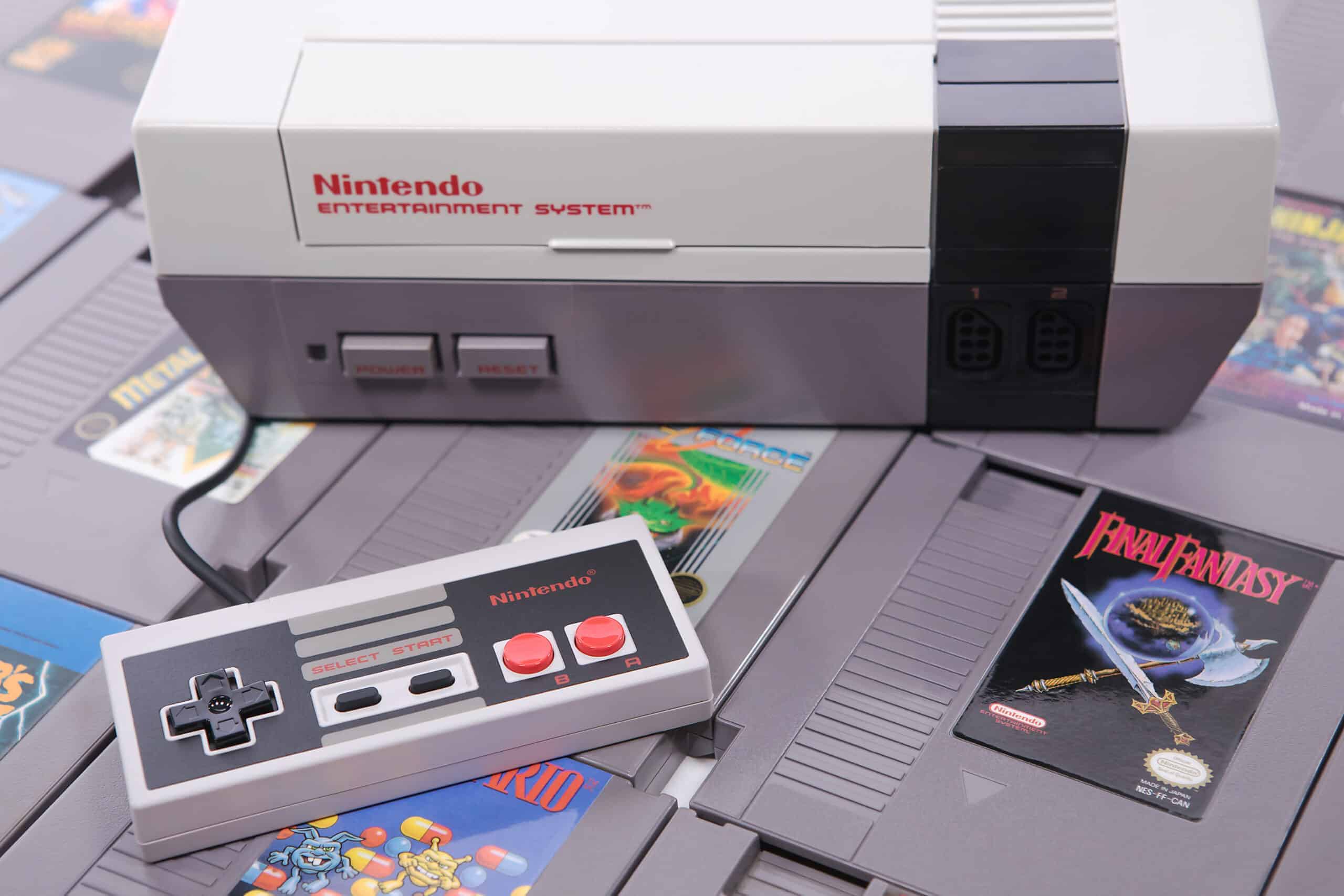
Anyone who grew up playing Nintendo games in the 1980s or 1990s probably remembers at least part of this famous combination: Up, Up, Down, Down, Left, Right, Left, Right, B, A. Known as the Konami Code, it became one of the most recognizable secrets in video game history. Its first appearance came in the 1986 Nintendo Entertainment System version of Gradius, where it helped players obtain power-ups that made the difficult space shooter considerably easier.
The code was created by programmer Kazuhisa Hashimoto during development of the home version of the game. However, it was another Konami title, Contra, that turned the combination into a household gaming legend. Entering the code at the appropriate screen in the NES version gave players 30 lives, a welcome advantage in a game where enemies and projectiles seemed determined to end every attempt within minutes. The combination became so popular that it appeared in numerous other games and eventually found its way into websites, advertisements, and other pop culture references. Decades later, gamers can still recognize those ten button presses.
Game Genie Lets Players Rewrite the Rules (1990)
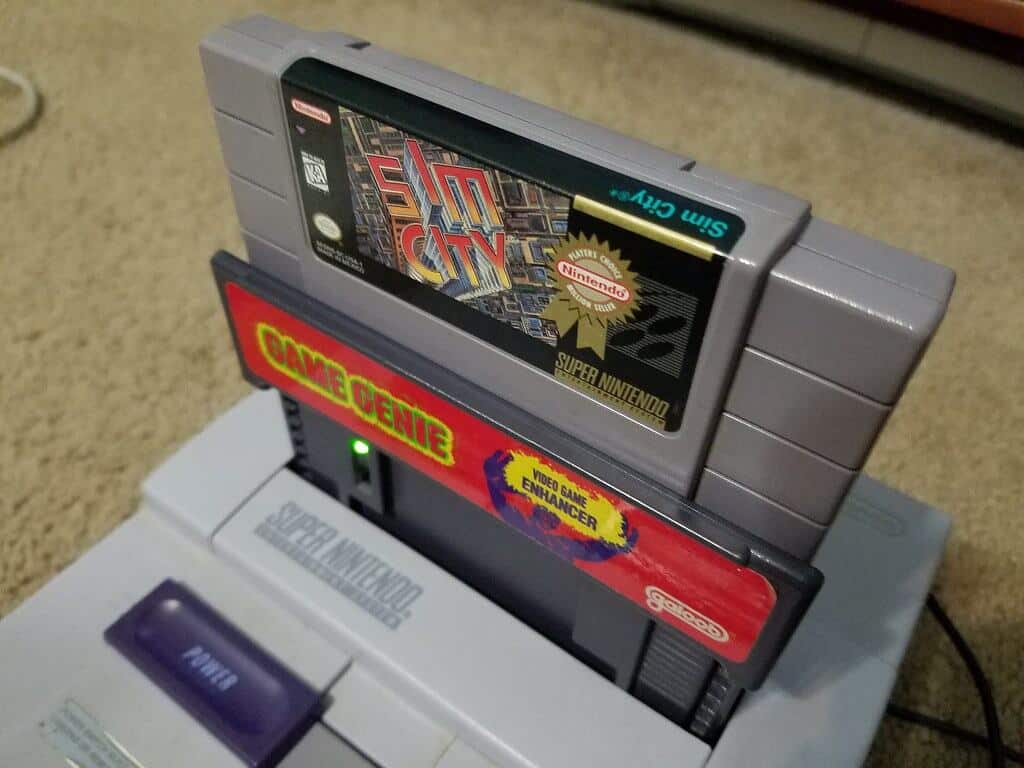
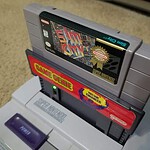
For children who spent hours trying to defeat the same impossible Nintendo level, the Game Genie seemed almost too good to be true. Introduced in 1990, this unusual accessory allowed players to change how compatible video games behaved without needing to know anything about programming. The NES version connected between the console and a game cartridge, allowing users to enter special codes before playing. Depending on the game, those codes could provide extra lives, different starting conditions, unusual character abilities, or other advantages that developers never intended players to have.
Game Genie (continued)
Developed by Codemasters and marketed in North America by Galoob, the Game Genie became a recognizable accessory of the cartridge era. It also created a legal controversy. Nintendo argued that the device infringed its copyrights by changing how its games appeared and operated. Galoob ultimately prevailed in the dispute, with the courts finding that the temporary changes did not constitute copyright infringement under the circumstances of the case. Versions of the device appeared for several systems, including the NES, Super Nintendo, Sega Genesis, Game Boy, and Game Gear. For many players, its greatest appeal was simple: a game that seemed unbeatable could suddenly become enjoyable again.
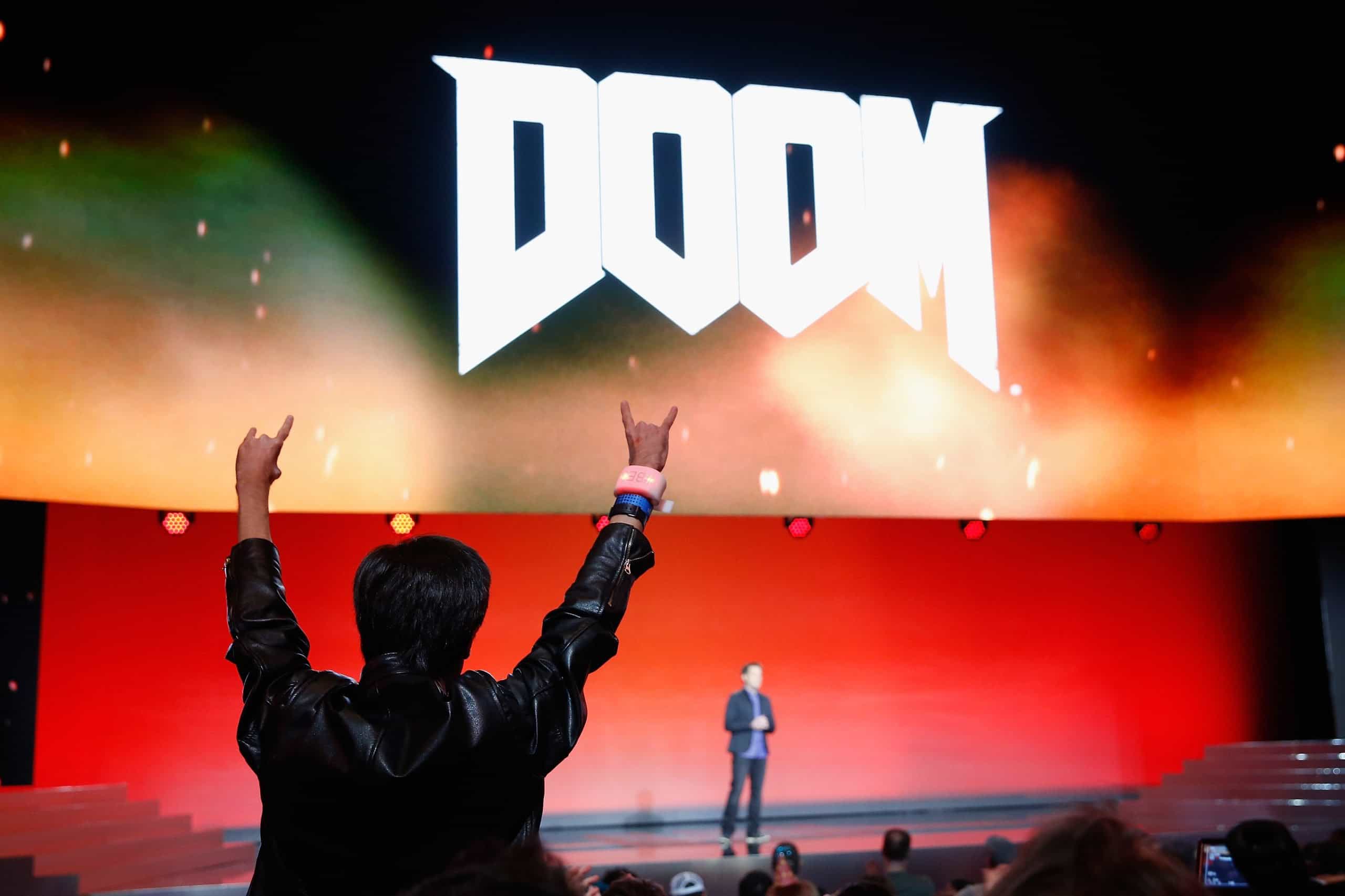
Doom Makes God Mode Famous (1993)
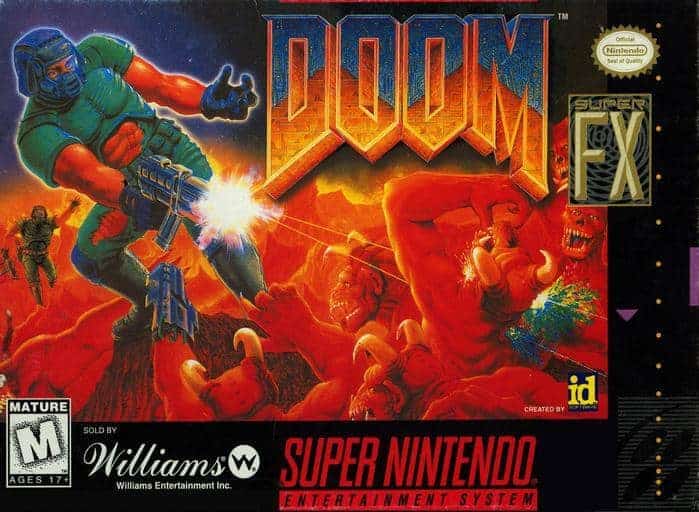
When Doom arrived on personal computers in December 1993, it helped establish the first-person shooter as one of gaming's defining genres. It also introduced countless players to a different kind of cheat code. Rather than connecting an accessory or entering a button combination on a controller, players could type secret commands directly into the game. The most famous was IDDQD, which activated what became widely known as God Mode. With normal enemy damage no longer a threat, players could explore the game's demon-filled environments without constantly worrying about getting killed.
Doom (continued)
Other commands were nearly as memorable. IDKFA provided a complete arsenal, ammunition, keys, and armor, while additional codes could reveal maps, activate special effects, or move players to different levels. These secrets spread through gaming magazines, bulletin boards, and eventually websites devoted to collecting them. For people unfamiliar with computer gaming, it was almost like discovering that a movie had a hidden menu allowing viewers to change the action. The original PC game's cheats also encouraged experimentation, letting players learn level layouts, test weapons, and enjoy the experience without necessarily following the intended challenge. IDDQD remains one of the great pieces of gaming shorthand.
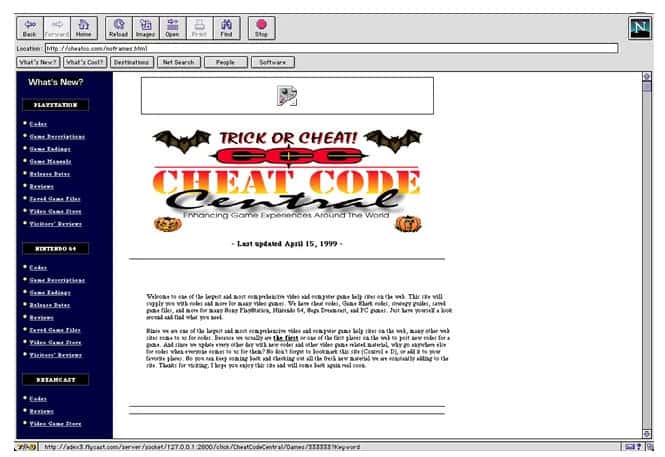
Cheat Code Central Takes Gaming Secrets Online (1997)
Before nearly every gaming question could be answered with a quick online search, finding a reliable cheat code required some effort. Players exchanged secrets with friends, purchased strategy guides, or waited for magazines to publish helpful tips. The rise of the internet changed that process, and Cheat Code Central became one of the better-known destinations for people looking for help. Founded on May 9, 1997, the website began as a hobby project created by a teenager who believed he could build a better collection of gaming cheats than the sites already available.
Cheat Code Central (continued)
Cheat Code Central, commonly called CheatCC, gathered cheat codes, walkthroughs, secrets, and other gaming information across numerous platforms. Players stuck on a difficult level could look for answers without buying another magazine or relying on schoolyard rumors. As games grew more complicated, online guides became useful for much more than obtaining extra lives. They helped people locate hidden items, complete difficult missions, unlock characters, and discover content they might otherwise have missed. CheatCC was part of a larger shift toward searchable gaming knowledge that eventually expanded into fan wikis, video tutorials, and enormous online communities. The website's history also provides a reminder of how quickly the internet transformed everyday entertainment.
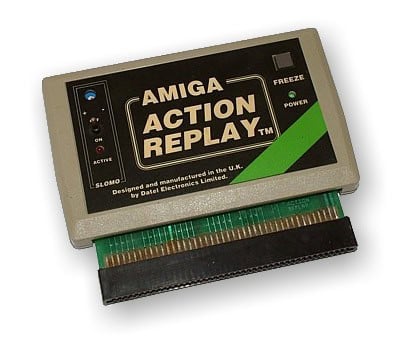
Action Replay Pushes Game Modification Further
Although many players remember Action Replay from its popularity during the 1990s and 2000s, the product family actually dates back to 1986. Developed by British electronics company Datel, early versions were designed for home computers such as the Commodore 64, offering features that included freezing programs and examining or modifying memory. Later versions brought the Action Replay name to additional computers and gaming consoles. Depending on the hardware, players could enter codes that changed game behavior, adjusted character statistics, supplied additional resources, or accessed features that were ordinarily unavailable.
Action Replay (continued)
Action Replay became especially recognizable to later generations of gamers through devices for handheld consoles and systems such as the Nintendo DS. Players could use compatible versions to alter saved data or obtain difficult-to-find items in games, including entries in the Pokémon series. However, manipulating saved data could also create problems. Modified items and characters sometimes entered trading or multiplayer environments, raising questions about fairness and legitimate achievements. The broader appeal of Action Replay went beyond skipping difficult sections. It allowed curious players to experiment with the underlying systems that made their favorite games work, anticipating some of the interests that continue to drive modern game modification communities.
Grand Theft Auto III Turns Cheats Into Entertainment (2001)
Some video game cheats were designed to help players overcome difficult challenges. Others existed because making a game completely ridiculous was part of the fun. When Rockstar Games released Grand Theft Auto III in 2001, its three-dimensional version of Liberty City gave players a large urban environment filled with vehicles, pedestrians, police officers, and opportunities for trouble. The game also included numerous cheat codes that could be activated through controller combinations. Players could obtain weapons, restore health, change the weather, adjust their wanted level, or summon a tank.
Grand Theft Auto (continued)
What made these cheats memorable was how they interacted with the game's open world. A player who had no intention of completing another mission could spend an afternoon creating chaos, experimenting with vehicles, or seeing how the city responded to bizarre changes. Later games in the series expanded on the same tradition. However, not every cheat was harmless to a saved game. Certain pedestrian-related effects in the original GTA III could interfere with normal gameplay if players saved after activating them. Even with those risks, the game's approach helped reinforce an idea that remains popular today: sometimes the most entertaining thing to do in a video game has absolutely nothing to do with completing its objectives.
Mods and Trainers Give Players More Control (2000s and Beyond)
As home computers became more powerful and internet access spread, players gained access to increasingly sophisticated ways of changing video games. Two important examples were trainers and mods, although the terms describe different kinds of software. A trainer typically alters specific aspects of a game, sometimes allowing players to activate effects such as unlimited health, ammunition, or resources. A mod, short for modification, can change or expand a game in much broader ways, including adding new characters, environments, stories, graphics, or gameplay features. These practices existed before the 2000s, but online distribution made them easier for ordinary players to discover and share.
Mods and Trainers (continued)
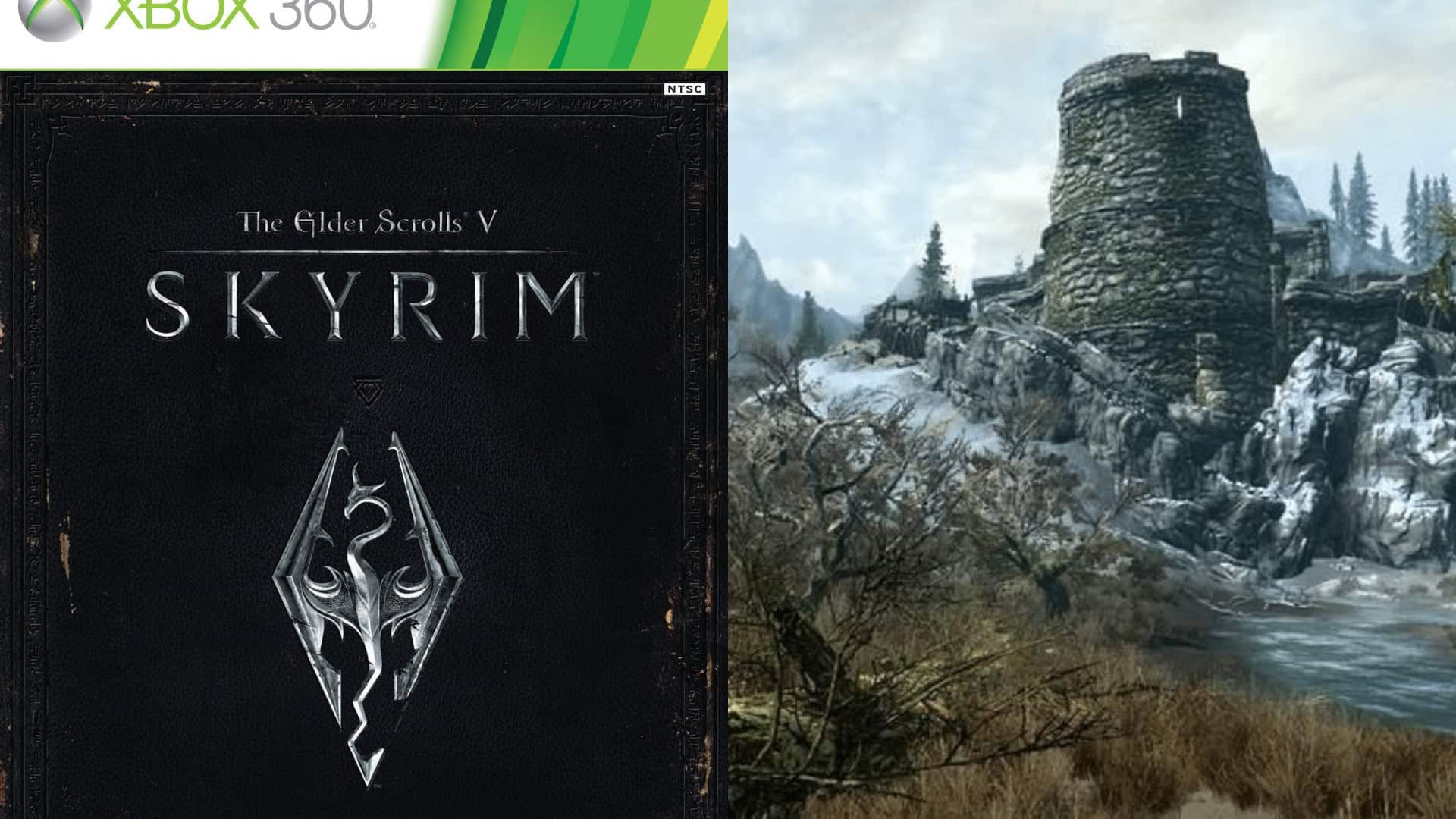
Games such as The Elder Scrolls V: Skyrim and Minecraft eventually became especially well known for their extensive modding communities. Players could customize experiences so dramatically that the results sometimes looked like entirely different games. Importantly, modding is not automatically cheating. Many modifications are creative additions or accessibility improvements, while others deliberately remove challenges. The distinction becomes more serious when software interferes with competitive online games or violates a game's rules. In a single-player adventure, making a character nearly invincible may simply change how someone enjoys the experience. In an online match, using unauthorized tools to gain an unfair advantage affects everyone else playing.
Microtransactions Change the Rules of Progression (2010s)
For much of gaming history, a shortcut was something players discovered through experimentation, a cheat device, or a secret code. The growth of downloadable content and microtransactions introduced another way for some games to offer additional content and faster progression. Depending on the title, players could purchase cosmetic items, extra resources, currency, or other digital benefits. These purchases were not necessarily cheats, and many games sold items that had no effect on competitive gameplay. Nevertheless, the changing business model created new debates about whether certain rewards should be earned through play or made available for an additional fee.
Microtransactions (continued)
During the 2010s, these debates became especially visible as publishers increasingly experimented with free-to-play games, digital storefronts, and ongoing content updates. Some players welcomed the ability to access additional material without spending hours completing repetitive tasks. Others criticized systems that appeared to encourage spending in order to avoid unnecessary grinding or gain an advantage. Traditional cheat codes did not disappear, and microtransactions did not universally replace them. Instead, games became more varied in how they handled progression, customization, and optional purchases. The larger change was that some shortcuts and extras that might once have been hidden within a game could now be part of its business model.
Elden Ring Shows That Players Still Find Shortcuts (2022)
Cheat codes may not be as prominent as they were during the cartridge era, but the desire to find an easier route through a difficult game has hardly disappeared. Consider Elden Ring, the acclaimed action role-playing game released by FromSoftware in 2022. Its challenging bosses and demanding combat encouraged players to experiment with different weapons, character builds, environmental advantages, and enemy behavior. Some strategies became known as "cheese," a gaming term generally used for tactics that make a difficult encounter easier by taking advantage of predictable behavior, unusual positioning, or other weaknesses in the game's design.
Elden Ring (continued)
These tactics are not necessarily cheats in the traditional sense. A player using a powerful weapon combination or luring an enemy into an unfavorable position may be working entirely within the game's available mechanics. Other strategies rely on glitches that developers may later correct through updates. Online communities helped spread these discoveries through videos, guides, and discussions, giving struggling players new approaches to encounters that had previously stopped their progress. The popularity of these techniques illustrates something that has remained consistent throughout gaming history. Whether players are entering an old Nintendo button combination or finding an unexpected weakness in a modern boss battle, they still enjoy discovering ways to make a game behave differently than expected.