KLH49 / Getty Images
Dmitriy Prayzel/Shutterstock.com
anela.k/Shutterstock.com
mac morrison / Creative Commons Attribution 2.0 Generic license
Stephen VanHorn/Shutterstock.com
PitukTV/Shutterstock.com
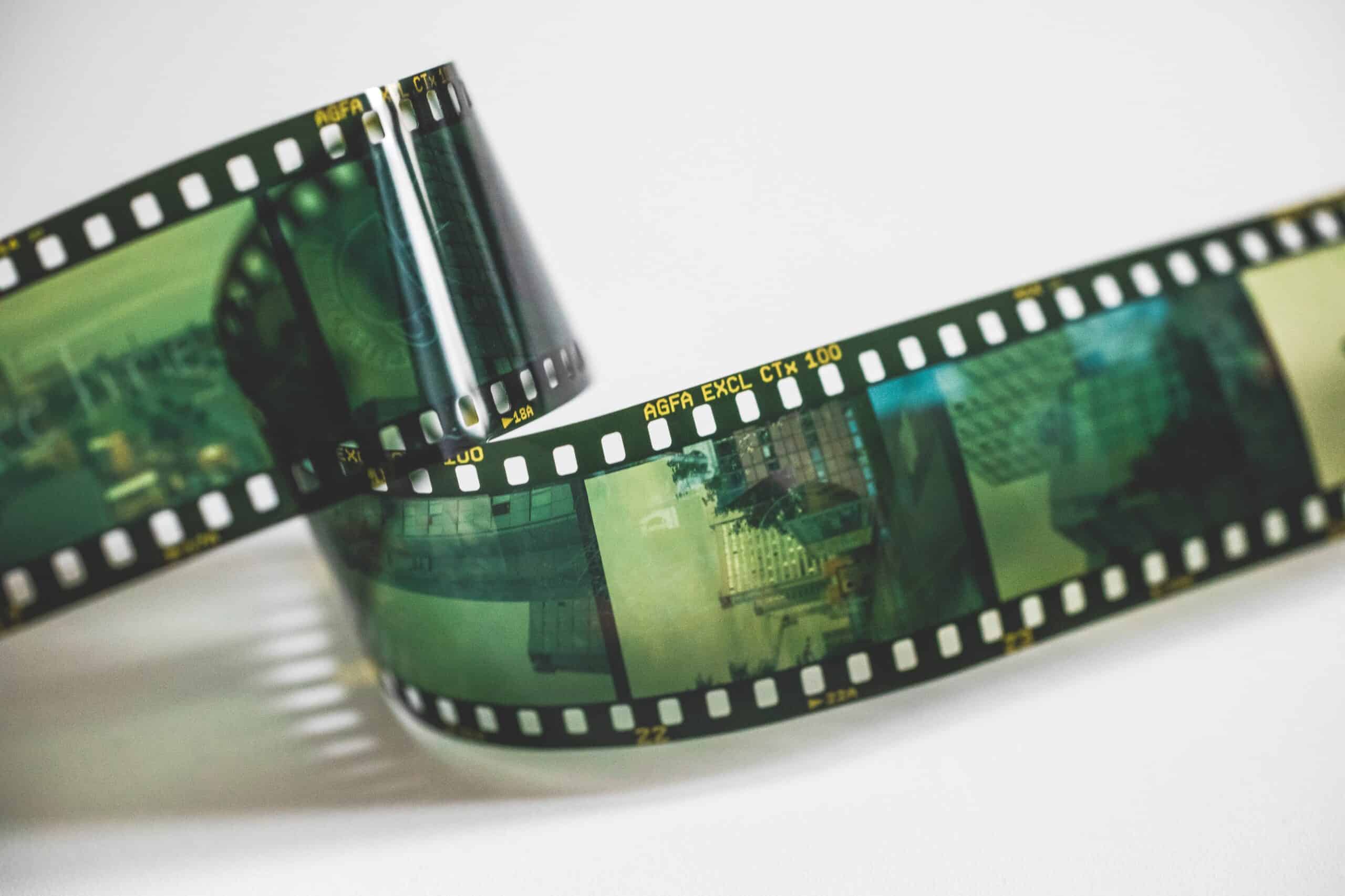
Photo by Markus Spiske on Unsplash
Real_life_photo/Shutterstock.com
Takaeshiro/Shutterstock.com
pxfuel / Creative Commons CC0 1.0 Universal Public Domain Dedication
Uyanik/Shutterstock.com
Umut Çolak, Public domain, via Wikimedia Commons
Klee Oliver / Flickr
LIAL/Shutterstock.com
James West / Flickr
Yuliya Alekseeva/Shutterstock.com

15 Things From the 1980s That Feel Ancient Today
The 1980s sit in a strange spot in technology history. Plenty of things we now take for granted already existed, but almost everything required a little more work. Calling someone meant finding a phone. Watching a movie meant finding a tape. Taking pictures meant waiting to find out whether you had actually taken a good one.
Some of the products below were invented before the decade began, while others arrived during it. Either way, they became familiar parts of 1980s homes, offices, bedrooms, and backpacks. A few survived well into the 1990s. Others disappeared surprisingly fast once newer technology came along.
From pagers and rotary phones to giant early cell phones, here are 15 things closely tied to the 1980s that now look considerably older than they probably feel in your memory.
Pagers
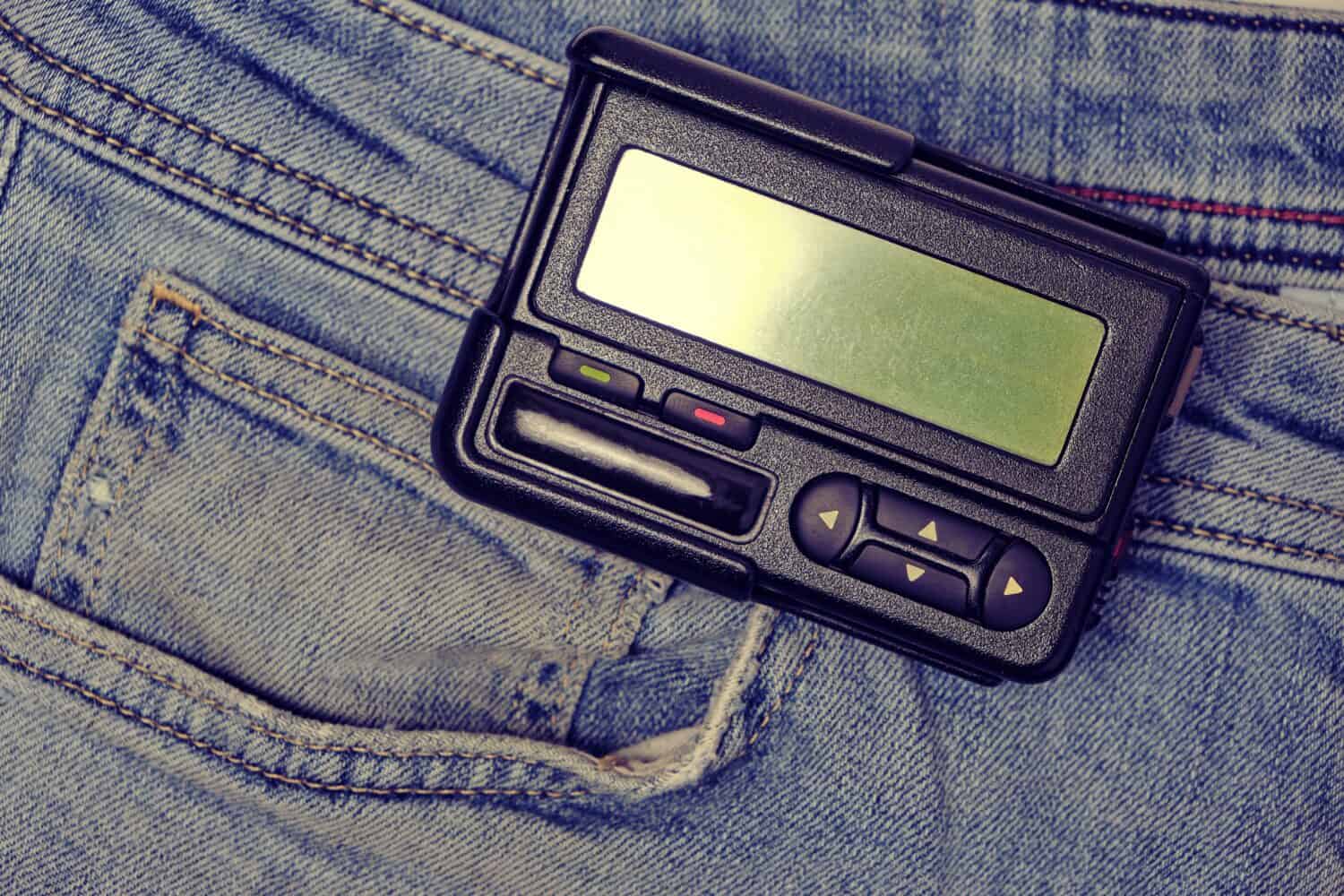
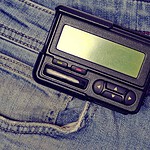
Before a text message could reach practically anyone in seconds, there was the pager. The technology had existed since the 1950s, but pagers became increasingly common during the 1980s. Early models might simply beep to tell you somebody was trying to reach you, while numerical pagers displayed a phone number for you to call back. Later alphanumeric versions could display short messages. The important part was what happened next: you still had to find an actual telephone. The Smithsonian has a Motorola BPR 2000 from around 1982, a good example of the numerical pagers that became familiar during the decade.
Waterbeds
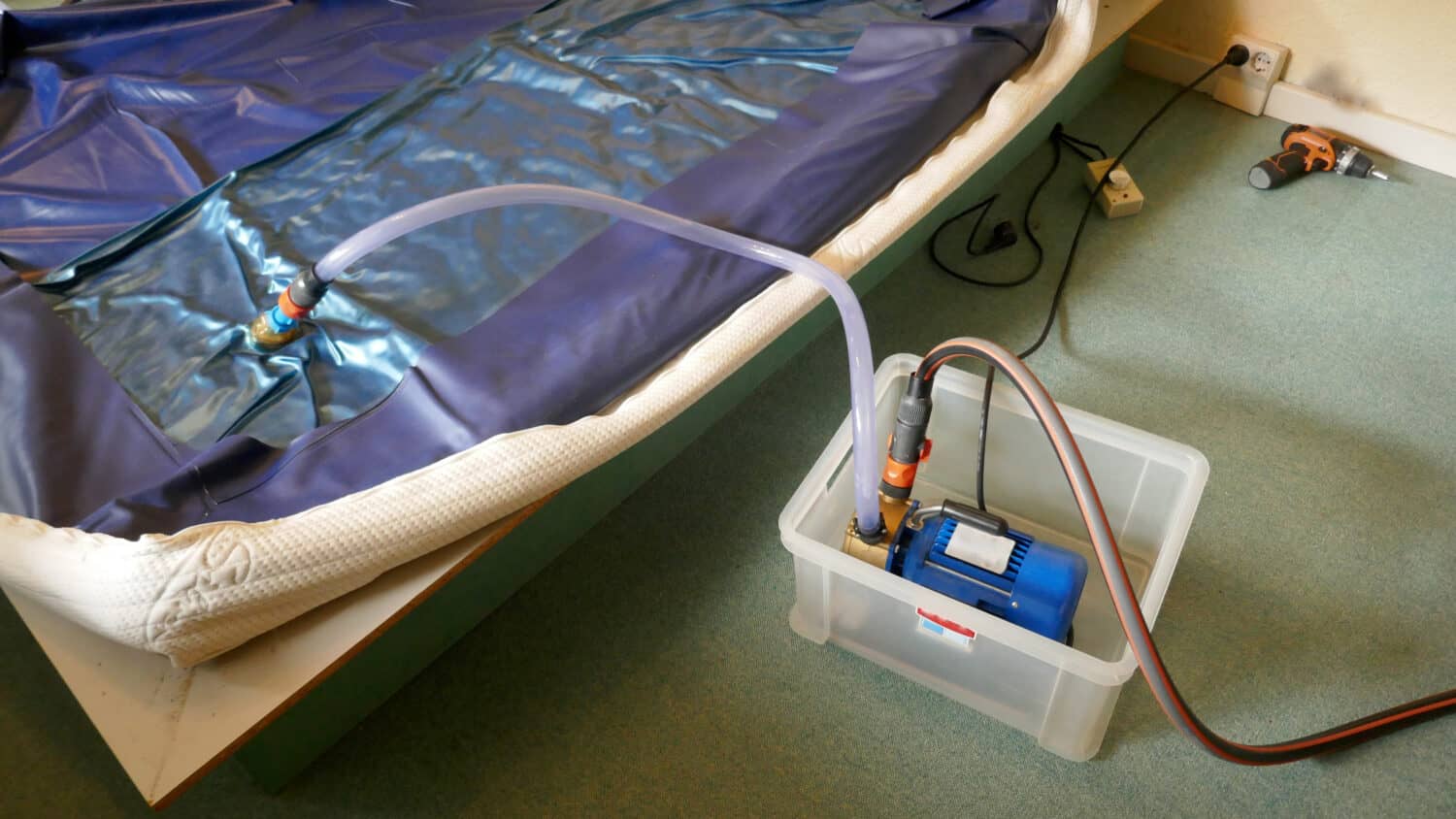
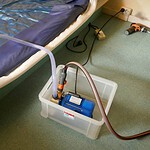
Waterbeds were hardly an obscure novelty by the 1980s. Major bedding companies were marketing their own versions, including a Simmons "Flotation System" documented by the Smithsonian in 1983. Instead of springs or foam, the mattress used water to support the sleeper, usually inside a sturdy frame. The floating sensation had plenty of fans, but ownership came with a few complications. The mattress became extremely heavy once filled, moving it meant draining it, and nobody particularly enjoyed discovering a leak. Waterbeds never disappeared completely, but the days when they looked like the future of sleep are long gone.
Speak & Spell
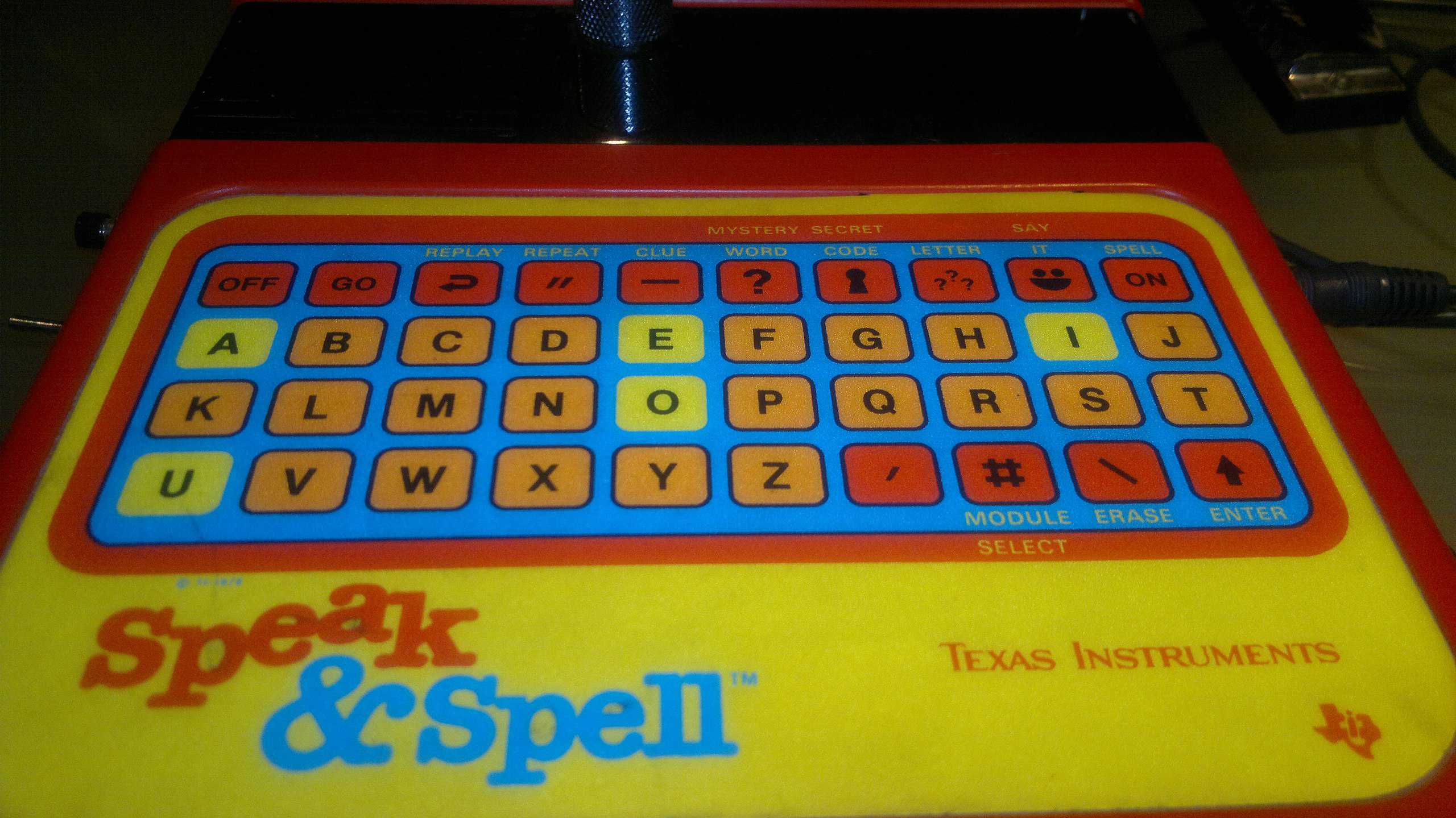
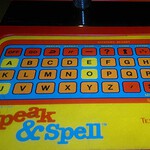
Texas Instruments introduced Speak & Spell in 1978 and continued marketing it until 1992, putting it squarely into the childhood memories of millions of 1980s kids. The educational toy spoke words aloud and asked children to spell them using its keyboard. What looked like a chunky red toy was also surprisingly important technology. Texas Instruments says Speak & Spell used the industry's first chip incorporating digital signal processing logic, allowing electronically synthesized speech to come from a portable consumer device. Today a talking spelling game is ordinary. At the time, hearing a plastic toy actually say words back to you felt a little like magic.
Yellow Pages
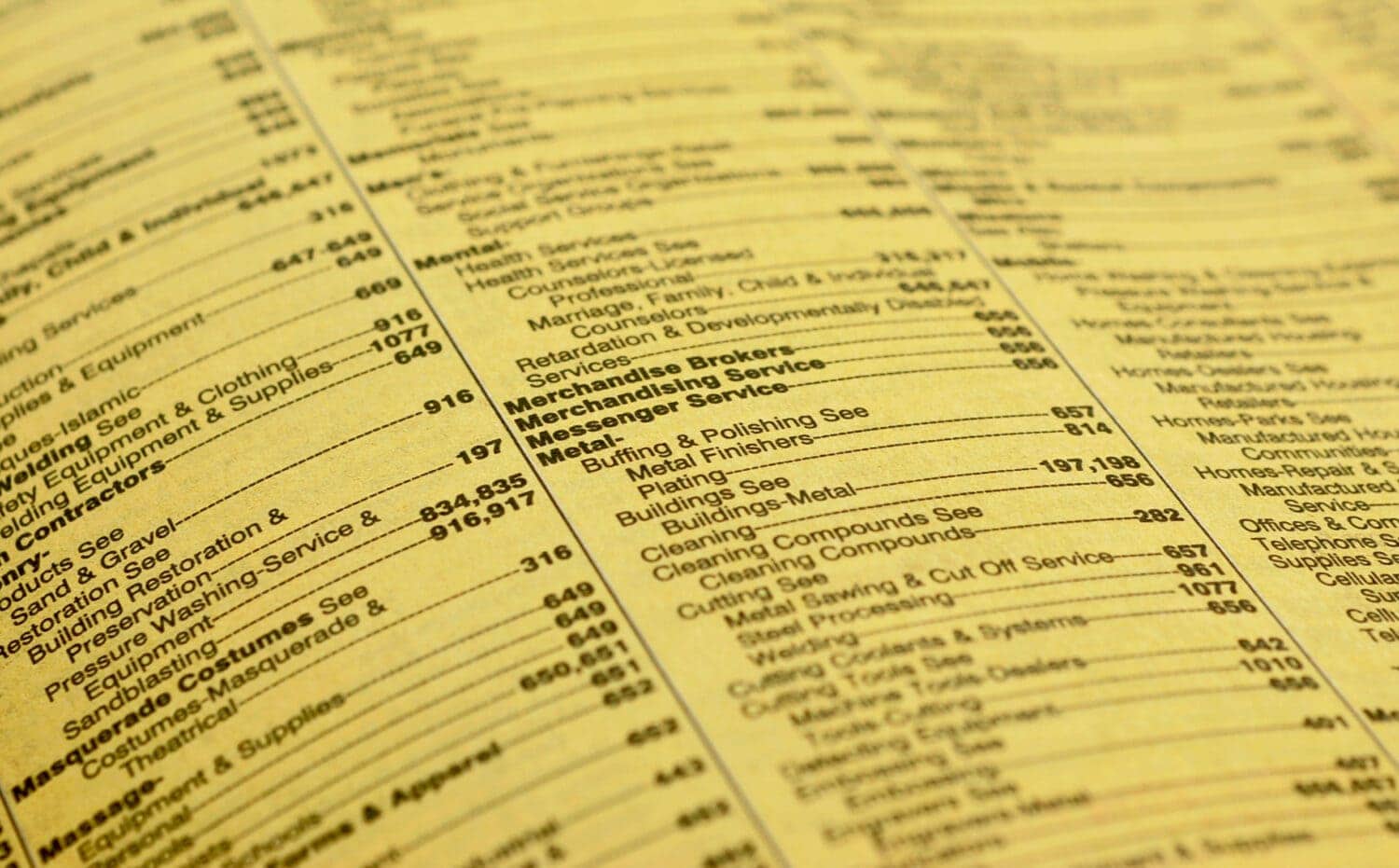
Need a plumber, pizza place, electrician, or locksmith in the 1980s? There was a good chance you reached for a phone book instead of a screen. The Yellow Pages were the classified business portion of telephone directories, typically organizing companies by category and surrounding those listings with advertisements. Residential names and numbers were generally associated with the White Pages, so the two should not be confused. Telephone directories had existed for generations by the 1980s, but before online search they remained one of the simplest ways to find a local business. It was basically Google Maps, minus the map, reviews, photos, directions, and nearly everything else.
Rotary Phones
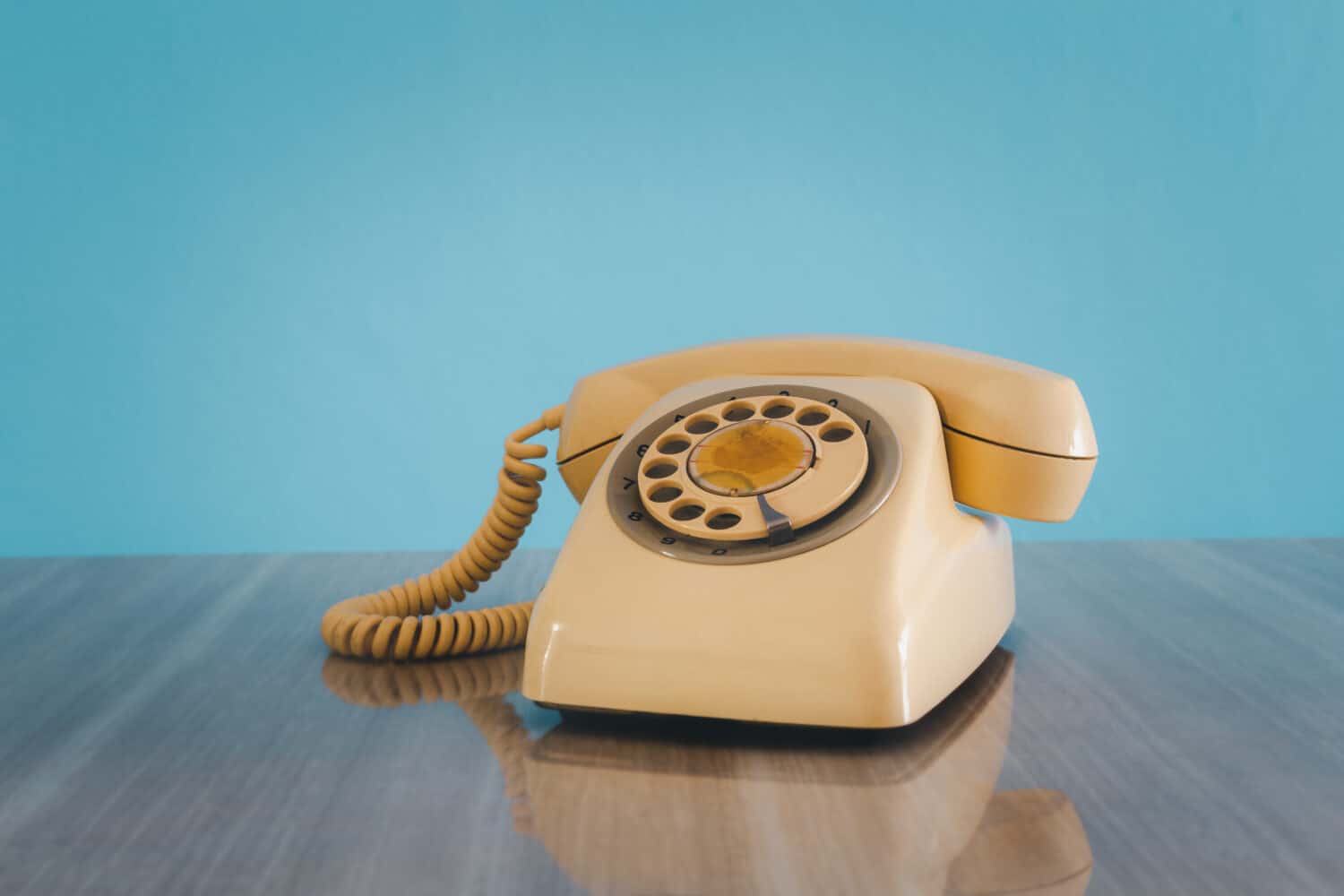
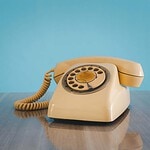
Rotary phones were already old technology by the time the 1980s arrived, but plenty were still hanging around in homes and businesses. Instead of pressing a button, you inserted a finger into the numbered dial, rotated it to a stop, released it, and waited for the dial to return before entering the next number. Touch-tone phones were steadily replacing them, but rotary service did not vanish overnight. The biggest reminder of how different they were comes from dialing a long number. Getting one digit wrong near the end meant there was no backspace button. You simply got to enjoy starting over.
Camera Film
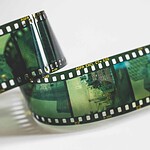
Photography in the 1980s required something smartphones have nearly eliminated: patience. Consumer cameras recorded images onto photographic film, and the pictures usually could not be seen until the film had been processed and prints made. That meant taking the picture, finishing the roll, dropping it off at a photo lab or drugstore, and hoping nobody had blinked. Film came in several formats, and Kodak even introduced its Disc camera system during the decade. Digital photography would eventually turn the entire process upside down. Today we can take 40 versions of the same picture before deciding we hate all of them.
Floppy Disks
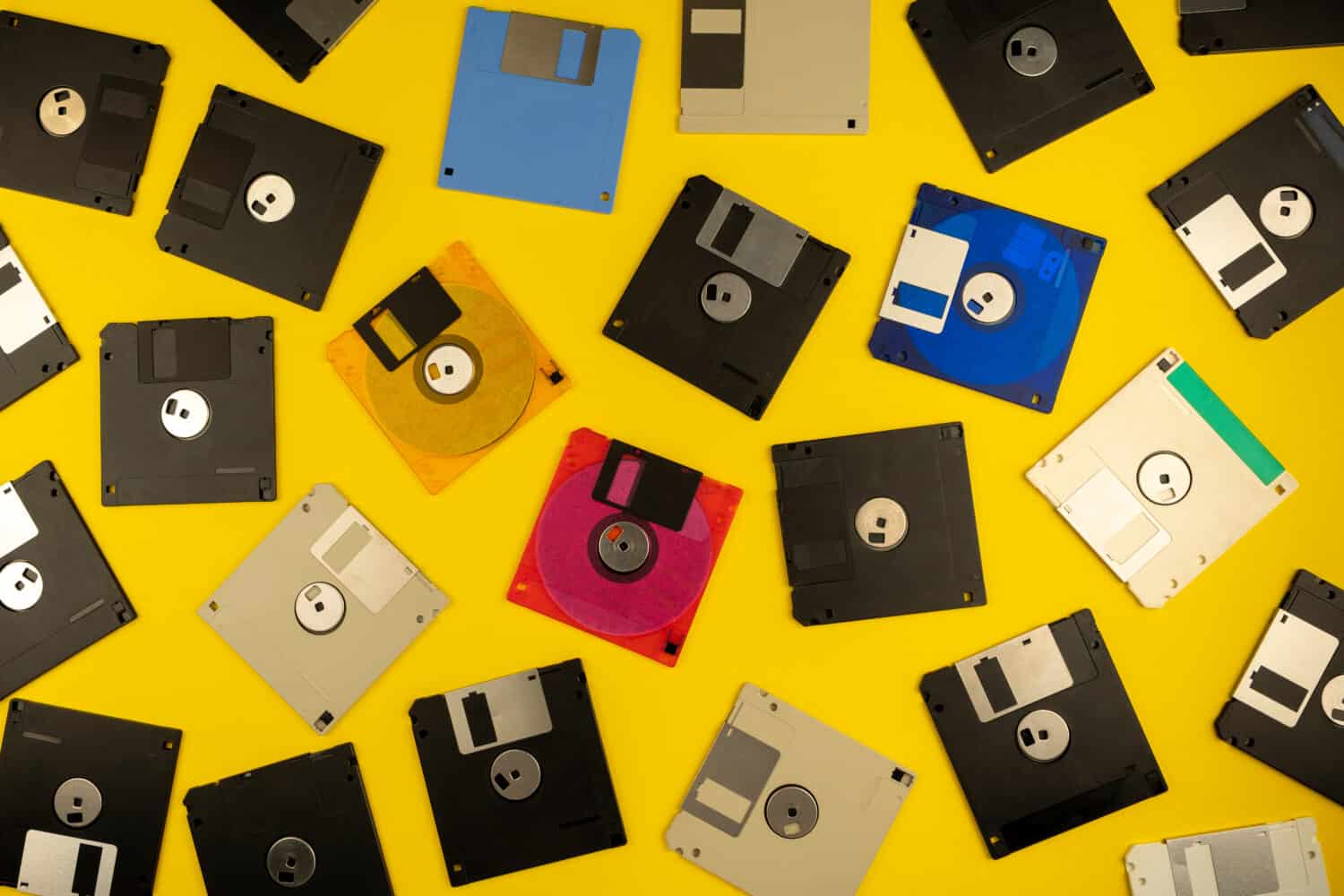
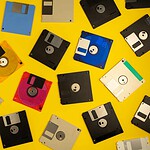
If the floppy disk looks familiar even if you have never used one, there is a good reason: its silhouette survived as the "save" icon long after the hardware disappeared. Sony introduced the 3.5-inch floppy drive and diskette in 1981, and Hewlett-Packard adopted the format the following year, helping it gain momentum. Floppy disks offered removable computer storage at a time when transferring a file was a physical activity. Their capacity seems microscopic now, with common disks eventually holding around a megabyte or two rather than today's gigabytes and terabytes. Back then, however, slipping a document into your pocket on a tiny plastic disk felt wonderfully convenient.
Fax Machines
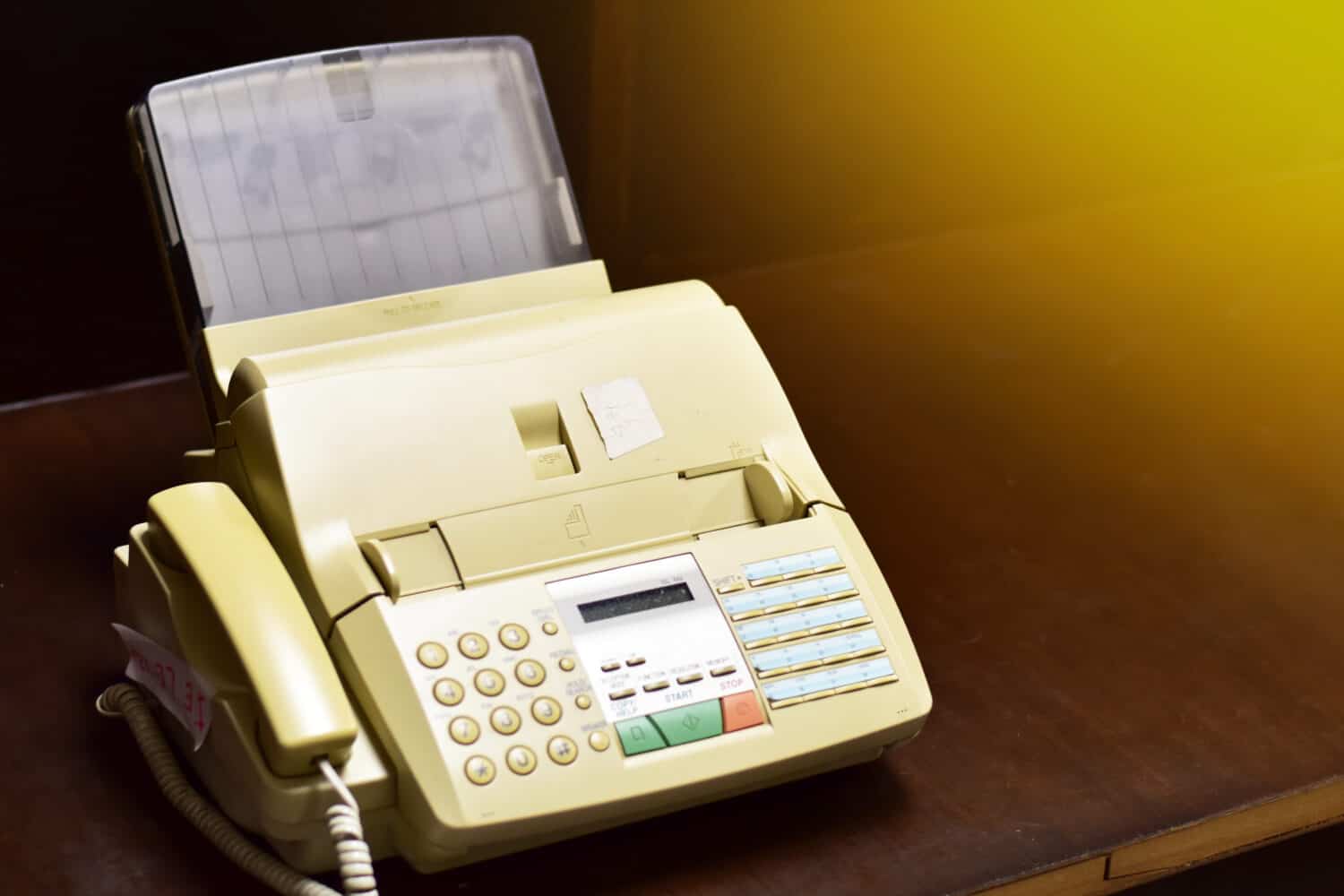
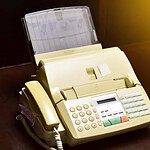
The fax machine solved a problem that email would later make almost disappear. Instead of mailing a physical document across town or across the country, a fax machine scanned it and transmitted a copy over the telephone network. That made faxing enormously useful for offices during the 1980s. The technology was advancing quickly enough that computer-based faxing was already emerging by the middle of the decade. The Smithsonian documents an early GammaFax system from 1985 that allowed a personal computer to communicate with fax machines. Dedicated machines hung around for decades afterward, especially in industries that were slow to give up paper.
Atari 2600
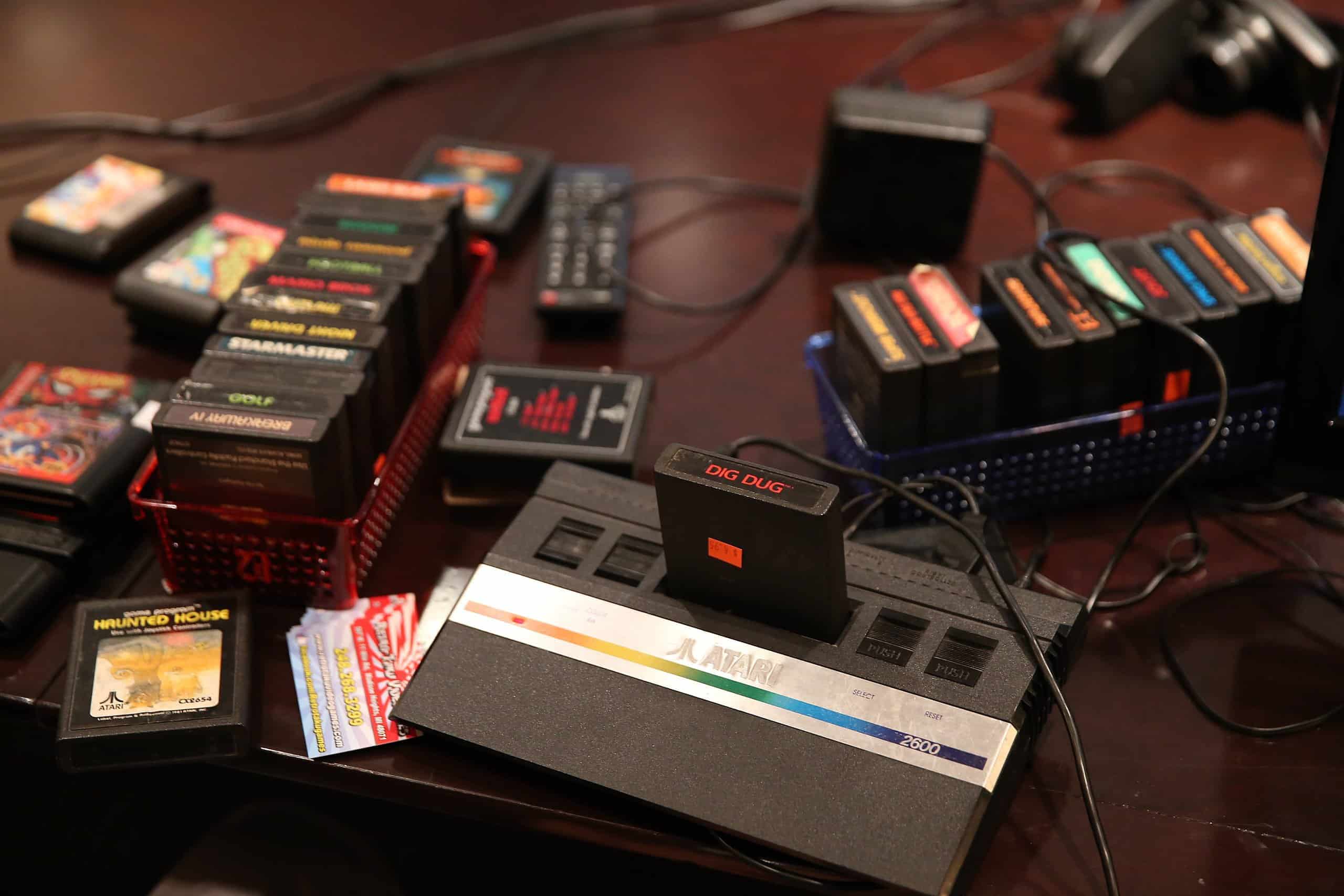
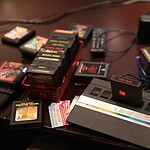
The Atari 2600 technically arrived before the 1980s, launching in 1977 as the Atari Video Computer System. The following decade was when it became one of home gaming's defining machines. According to the Computer History Museum, more than 20 million units were sold during the 1980s. Its interchangeable cartridges let players swap between games instead of buying a machine built around just one title, while its single-button joystick now looks hilariously simple next to a modern controller. Nintendo's NES eventually took over as the dominant U.S. console later in the decade, but the Atari 2600 helped establish what playing video games at home could look like.
Answering Machines
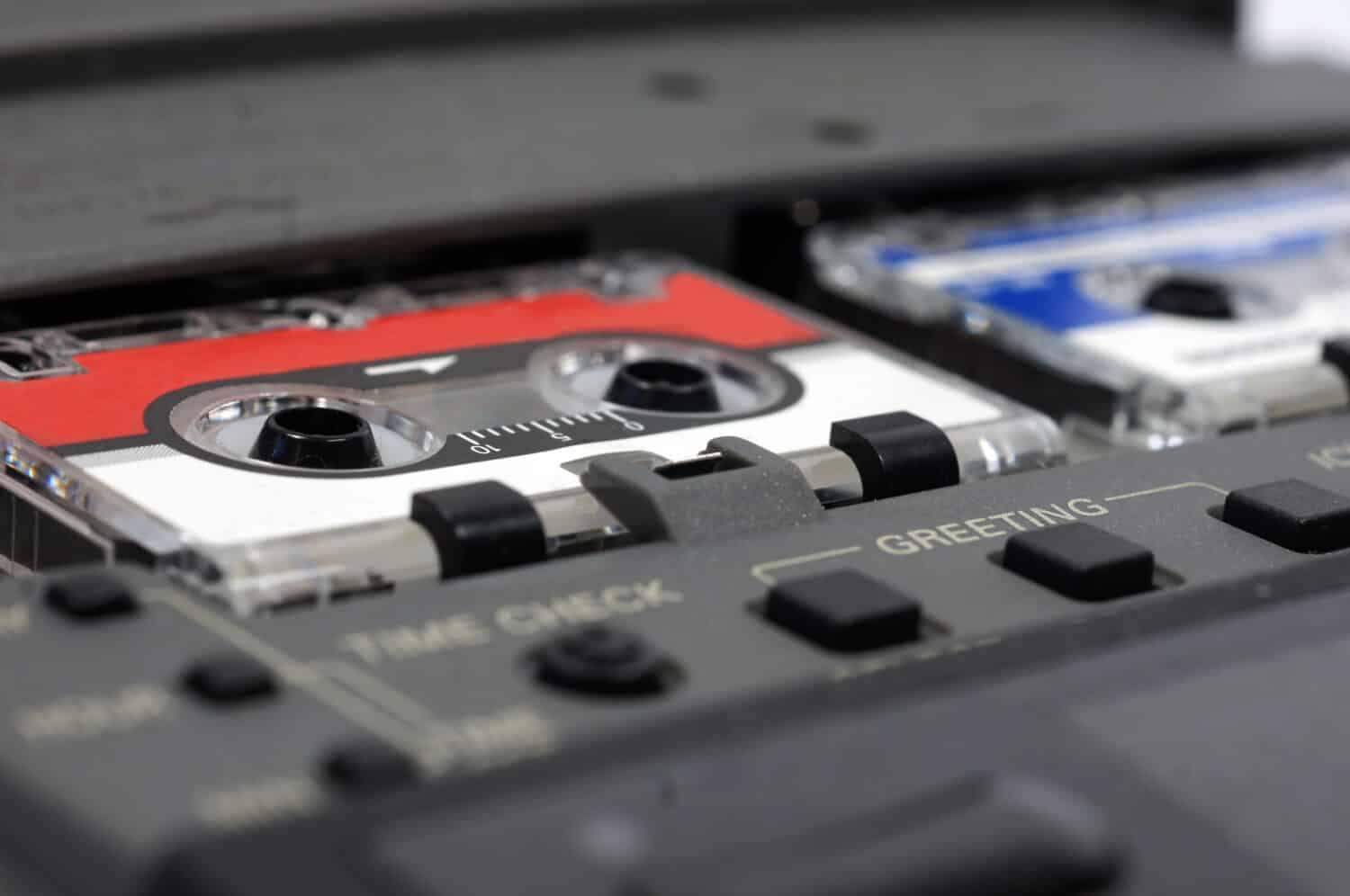
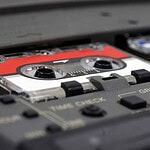
Before voicemail lived invisibly inside the phone system, many homes had a separate machine whose entire job was answering the telephone when nobody was around. The caller heard a recorded greeting and could leave a message on magnetic tape. Smithsonian examples show dedicated Code-a-Phone machines being sold in the early 1980s, while later models began mixing tape recording with digital memory. There was even a brief social adjustment involved. The Smithsonian notes that some callers disliked talking to a machine and simply hung up when the recording started. Eventually we all adapted, and then progressed to the modern tradition of letting calls go to voicemail and never listening to those either.
Early Cell Phones
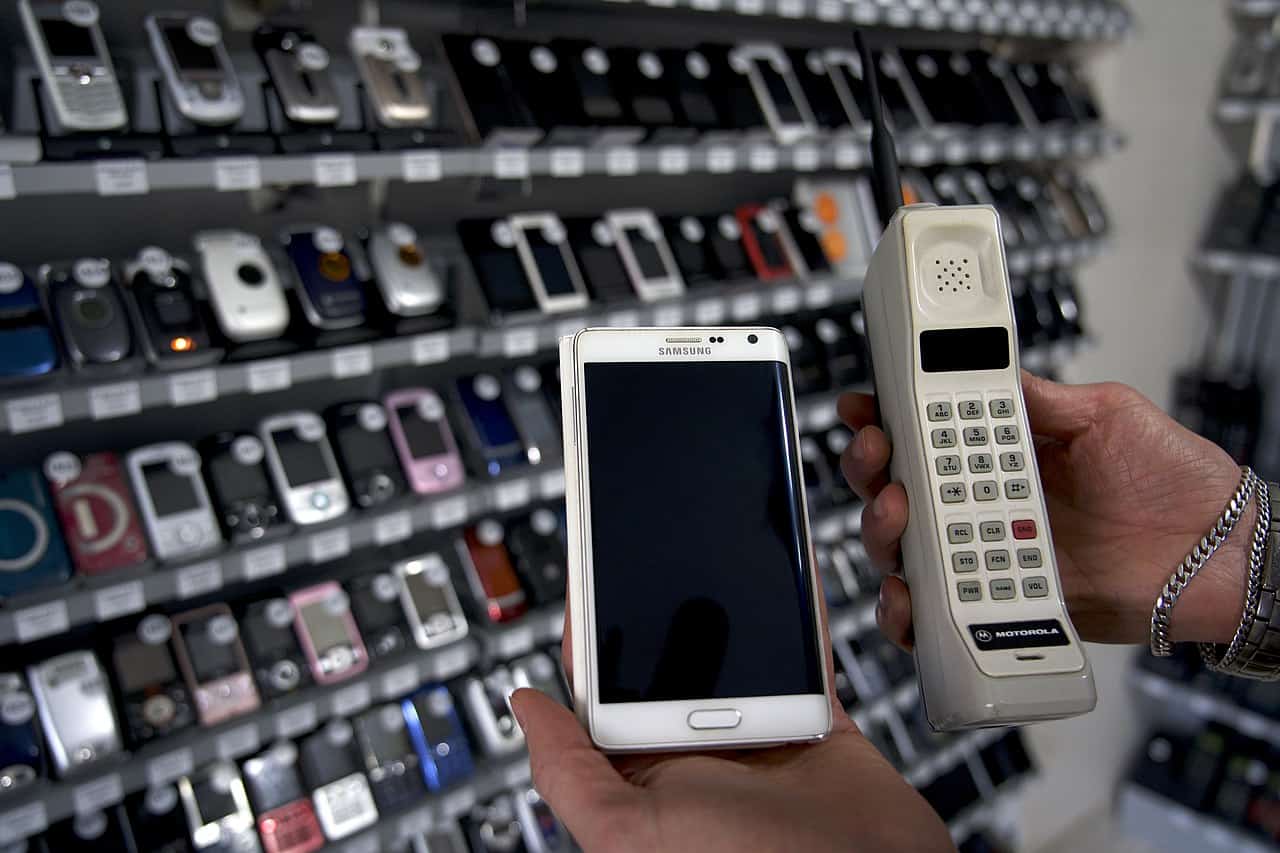
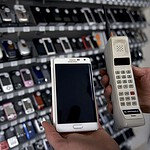
The Motorola DynaTAC makes a modern smartphone look impossibly small. Motorola publicly demonstrated its portable cellular technology in 1973, but the DynaTAC 8000X did not receive FCC approval until September 1983 and became available to consumers in 1984. The handset weighed 28 ounces, or just under two pounds, and came with the giant antenna that helped inspire its famous "brick" nickname. Early cell phones were expensive enough that the first customers were largely business users and people willing to pay heavily for mobility. Even so, by the end of the 1980s the sight of someone making a call away from a landline no longer seemed like science fiction.
Koosh Balls
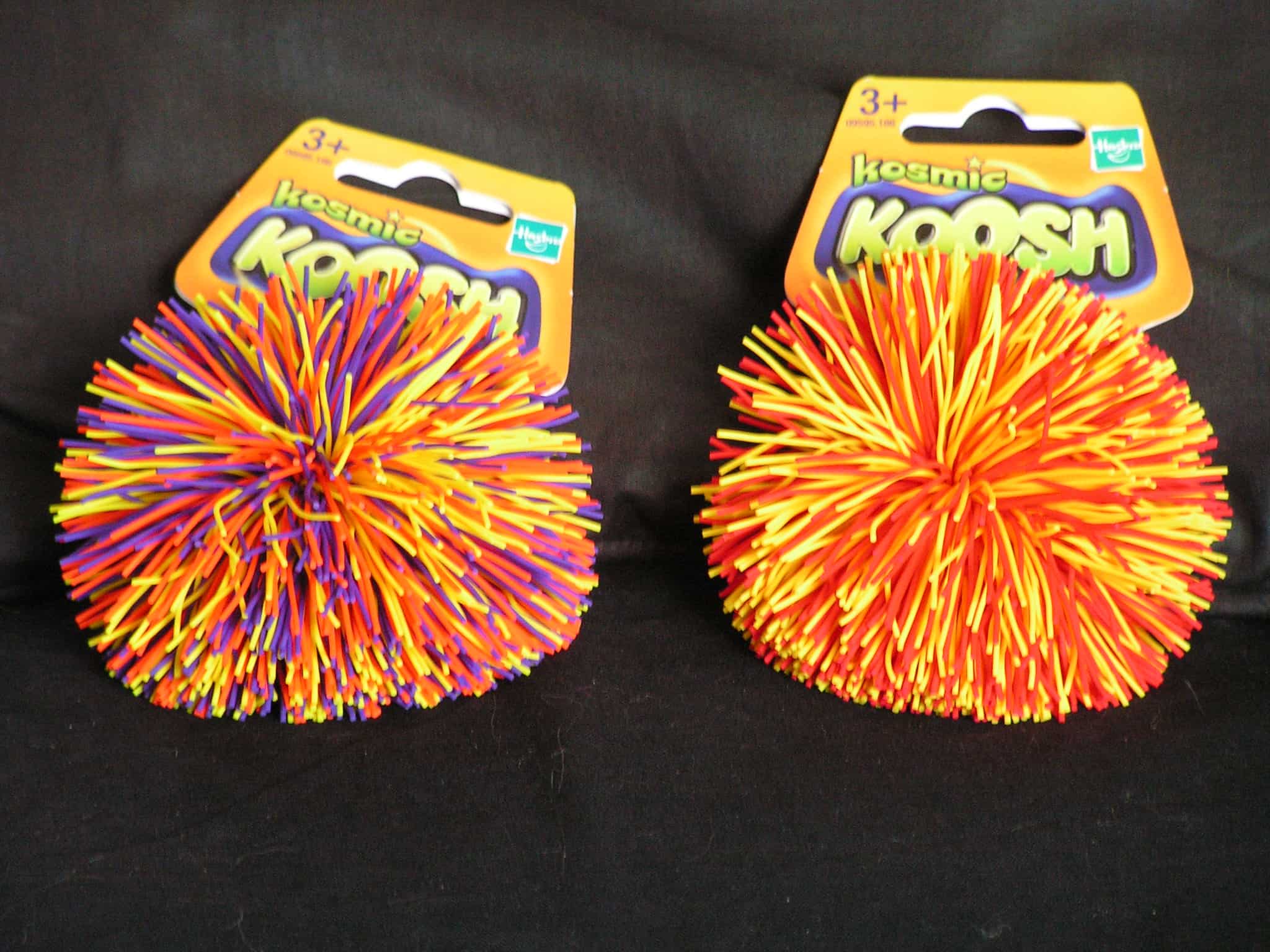
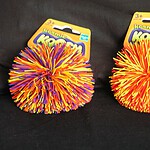
The Koosh Ball looks like somebody started cutting rubber bands and forgot when to stop. Engineer Scott Stillinger designed the toy while trying to give his young children something soft and easy to catch. He and his brother-in-law founded OddzOn Products in 1987 to market it, and the strange rubber-strand ball quickly became a late-1980s hit. Thousands of flexible strands radiated from the center, making the ball soft, grippy, and much less likely to bounce away from small hands. Unlike quite a few items on this list, Koosh never completely vanished. The toy has continued to reappear for new generations, even if its peak cultural moment belongs firmly to the late 1980s and 1990s.
VCRs
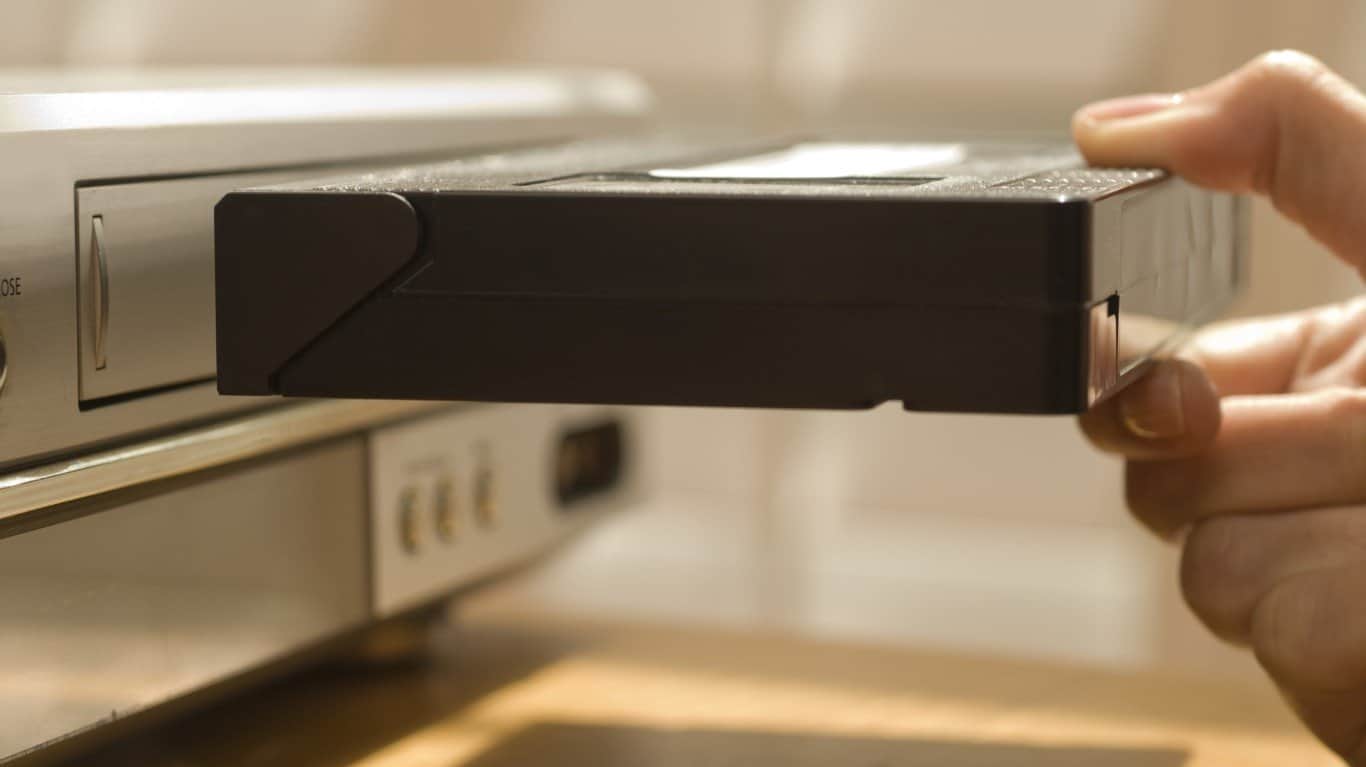
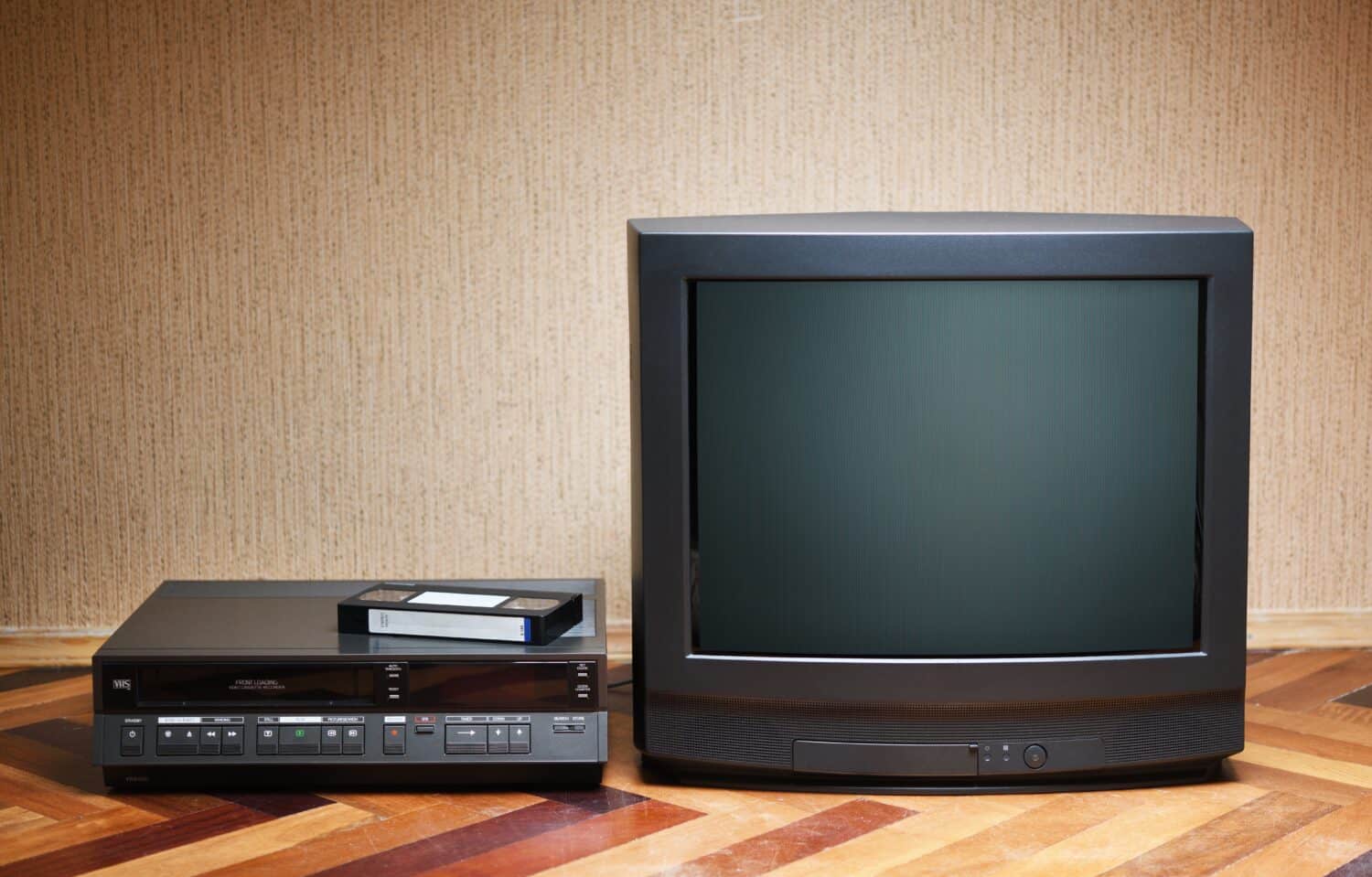
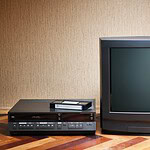
The VCR was not invented in the 1980s, but the decade turned it into a centerpiece of home entertainment. JVC introduced the first VHS home video recorder in 1976, and VHS spent the following years battling Sony's Betamax format for control of the living room. VHS eventually won the marketplace. A VCR let families rent movies, buy prerecorded tapes, and, perhaps most importantly, record television to watch later. That last feature was revolutionary enough to produce a major copyright fight that reached the U.S. Supreme Court. By the 1980s, though, being able to watch a show whenever you wanted was becoming normal. We just had to remember which tape we recorded it on.
LaserDisc
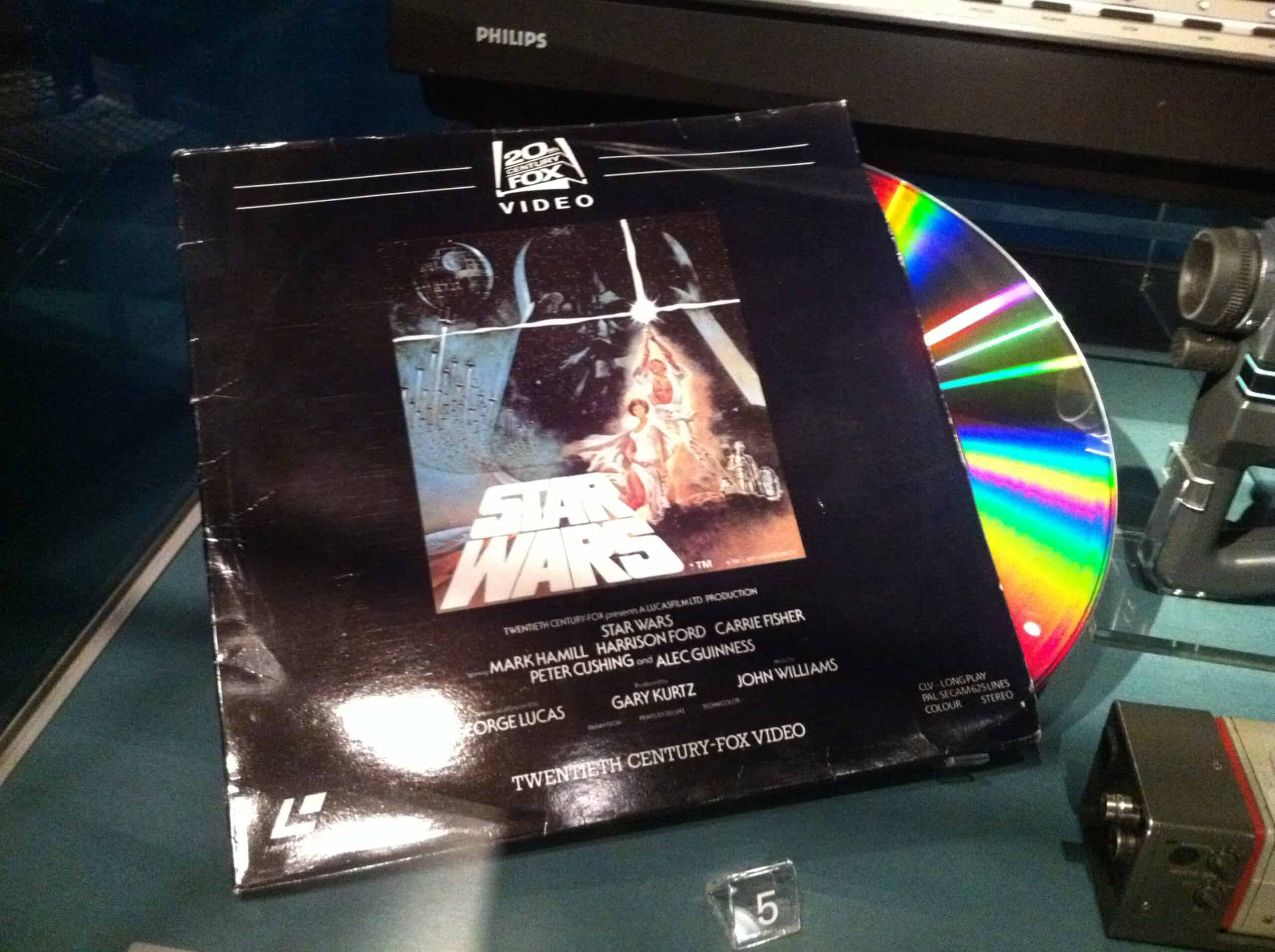
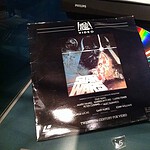
LaserDisc looked futuristic because, compared with a VHS cassette, it was. MCA and Philips introduced the optical format in North America as DiscoVision in 1978, with "Jaws" among the earliest titles available. LaserDisc offered better picture and sound than competing home-video formats, but there was a problem: the players were expensive and the available movie library was relatively limited. The format developed a devoted following among serious movie fans and became more successful in parts of Asia, but it never displaced VHS in the mass U.S. market. Its giant shiny discs now look like someone accidentally manufactured a DVD the size of a dinner plate.
Camcorders
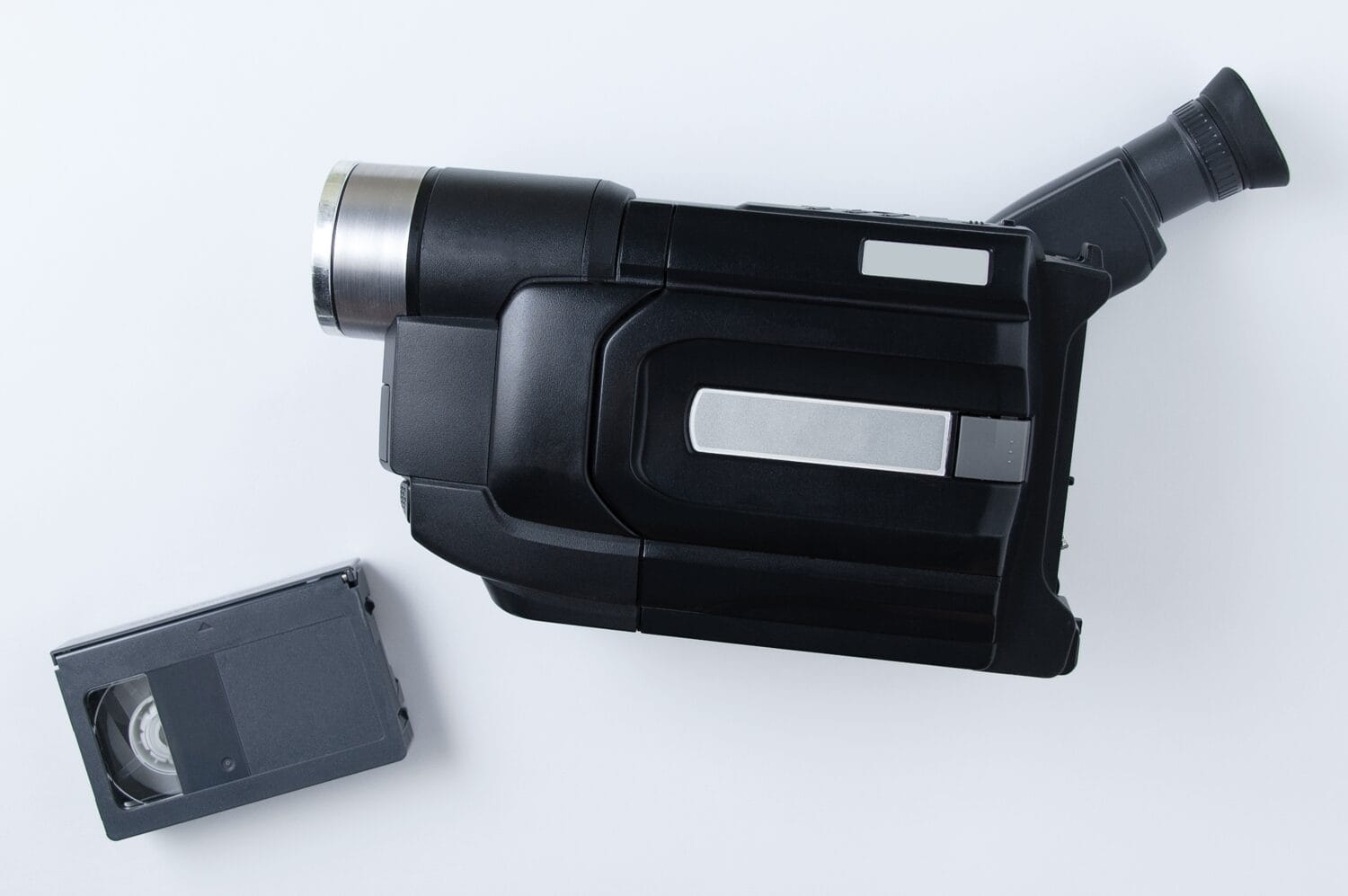
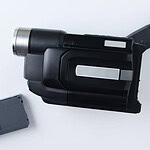
Home video changed dramatically during the 1980s as cameras and videotape recorders were squeezed into increasingly practical consumer devices. Sony began selling its Betamovie in Japan in July 1983 and in the United States that October. The all-in-one camera and recorder used Beta cassettes and weighed about 6.3 pounds with its battery, which suddenly makes today's complaints about a heavy smartphone seem a little less convincing. Other manufacturers followed with VHS and compact VHS-C systems as camcorders became smaller. Birthdays, vacations, Christmas mornings, and school plays could now be recorded at home without hauling around separate professional-style equipment.