Around the World Photos/Shutterstock.com
Nor Gal/Shutterstock.com
Milje Ivan / Shutterstock.com
Grzegorz Czapski/Shutterstock.com
A Guy Named Nyal / BY-SA 2.0
Dwight Ellefsen/FPG/Archive Photos/Getty Images
kirill_makarov / Shutterstock.com
Marcin Wichary / Creative Commons Attribution 2.0 Generic license
Eduardo Y / Shutterstock.com
Soeren Schulz/Shutterstock.com
theilr / BY-SA 2.0
Papaca Go/Shutterstock.com
bigjom jom / Shutterstock.com
12 Things About 1980s Computers That Feel Ancient Today
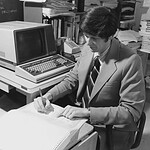
If you used a computer in the 1980s, the experience was a lot more hands-on than opening a laptop and connecting to Wi-Fi. Computers came with bulky displays, removable disks, noisy printers, cryptic commands, and enough cables to make the back of a modern gaming PC look downright organized.
The decade was also when personal computing made an enormous leap from hobbyist curiosity to mainstream tool. IBM entered the PC market, Apple helped popularize the graphical interface and mouse, Commodore and Atari brought computers into homes, and millions of people discovered that a machine could be used for work, games, communication, or all three.
Compared with today's computers, though, some perfectly ordinary parts of the 1980s experience now seem almost prehistoric. Here are 12 things anyone who used a computer back then is likely to remember.
CRT Monitors Took Up Half the Desk
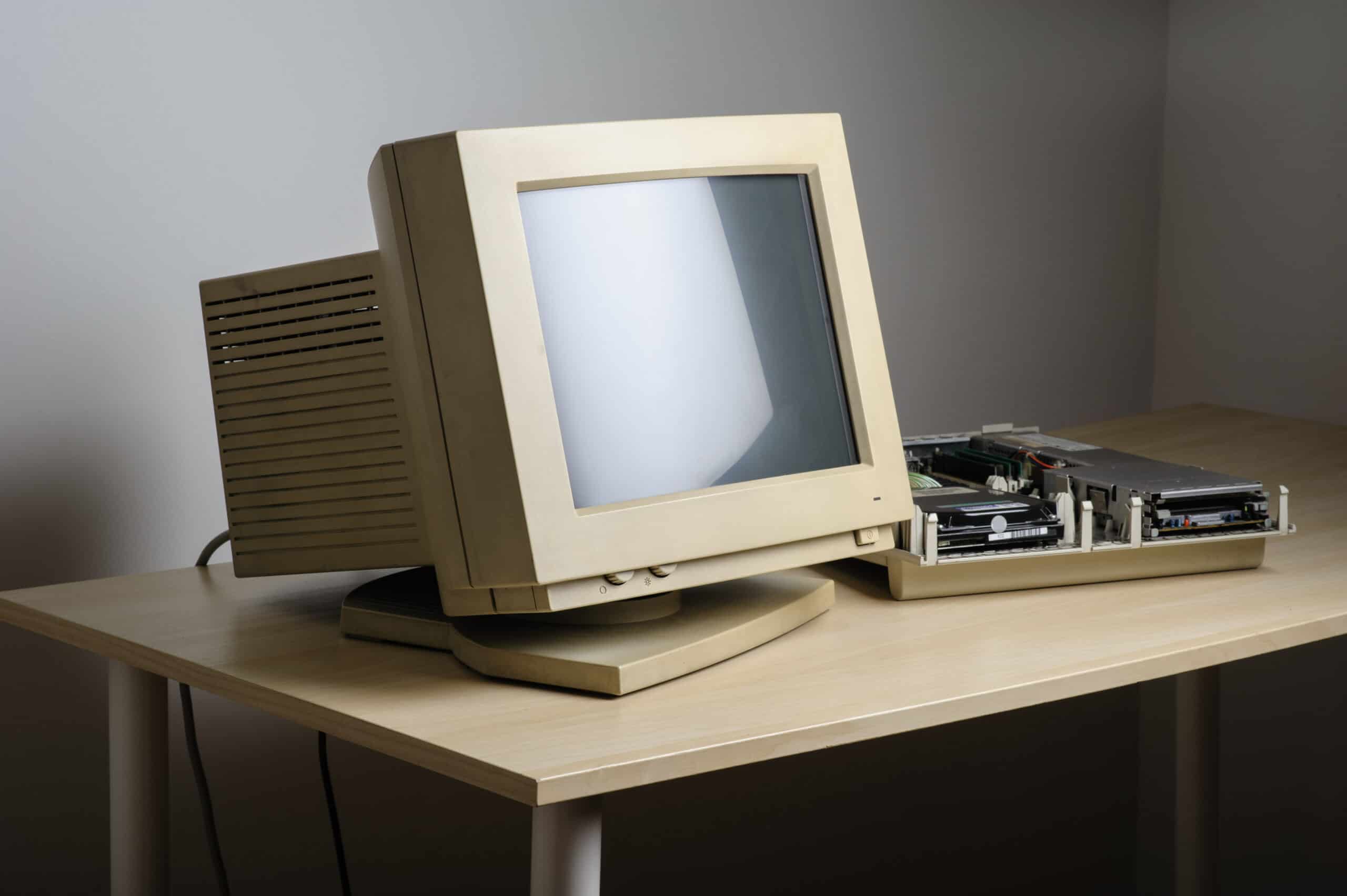
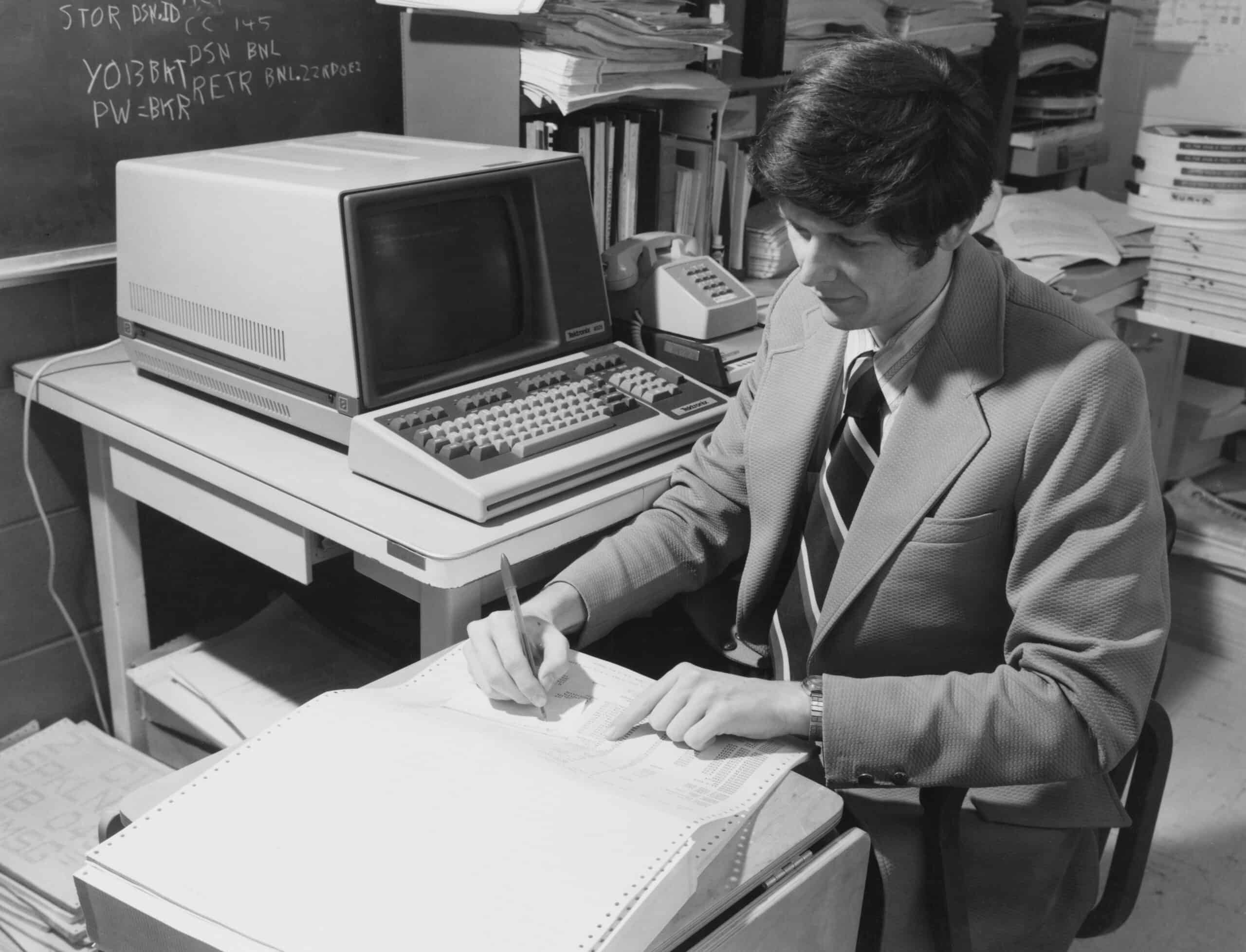
Before flat-panel displays took over, computer screens were dominated by cathode-ray tube technology. CRT monitors used an electron beam inside a large glass tube, which explains the enormous depth and considerable weight. A 12- or 14-inch screen could consume an impressive chunk of desk space.
One thing the original version gets wrong is treating 320×200 as the normal resolution of a CRT. CRT was the display technology, not a resolution. Different computers and graphics adapters supported very different modes. Early IBM PCs, for example, could be paired with monochrome or color displays, while graphics capabilities improved substantially as the decade progressed.
Floppy Disks Were Your Apps, Files, and Backups
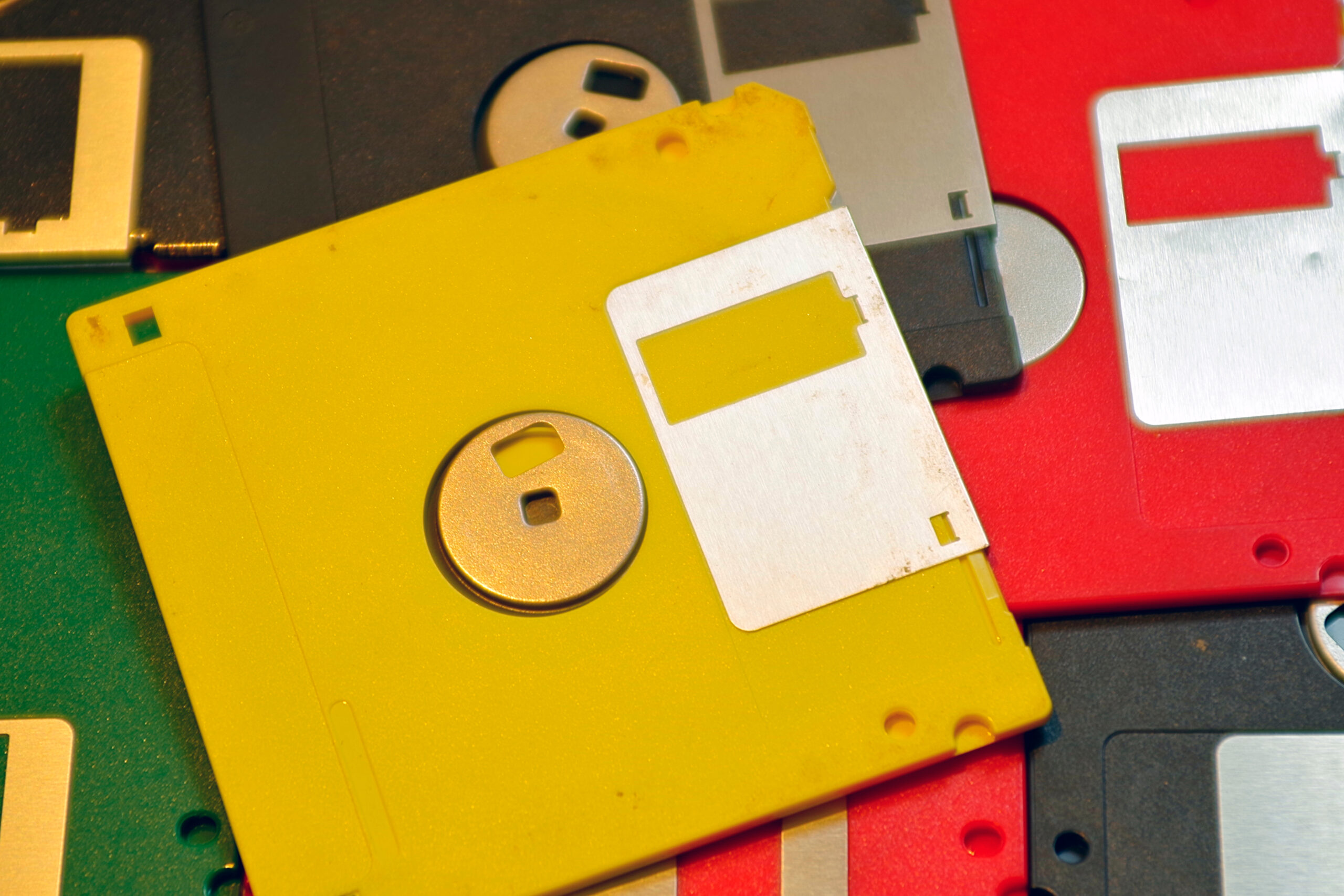
Before cloud storage, USB drives, and even widespread hard drives, the floppy disk was king. The 5.25-inch floppy had already appeared in the 1970s, but it became a defining piece of personal computing during the 1980s. Programs, games, homework, business documents, and backups could all live on separate disks.
Capacity depended on the format. IBM's double-sided 5.25-inch PC disks could hold 360 KB, while the PC/AT later supported 1.2 MB high-density disks. The sturdier 3.5-inch disk also spread during the decade. Today, a single smartphone photo can easily take more storage than an entire stack of those disks.
Keyboards Were Loud, Heavy, and Fantastic
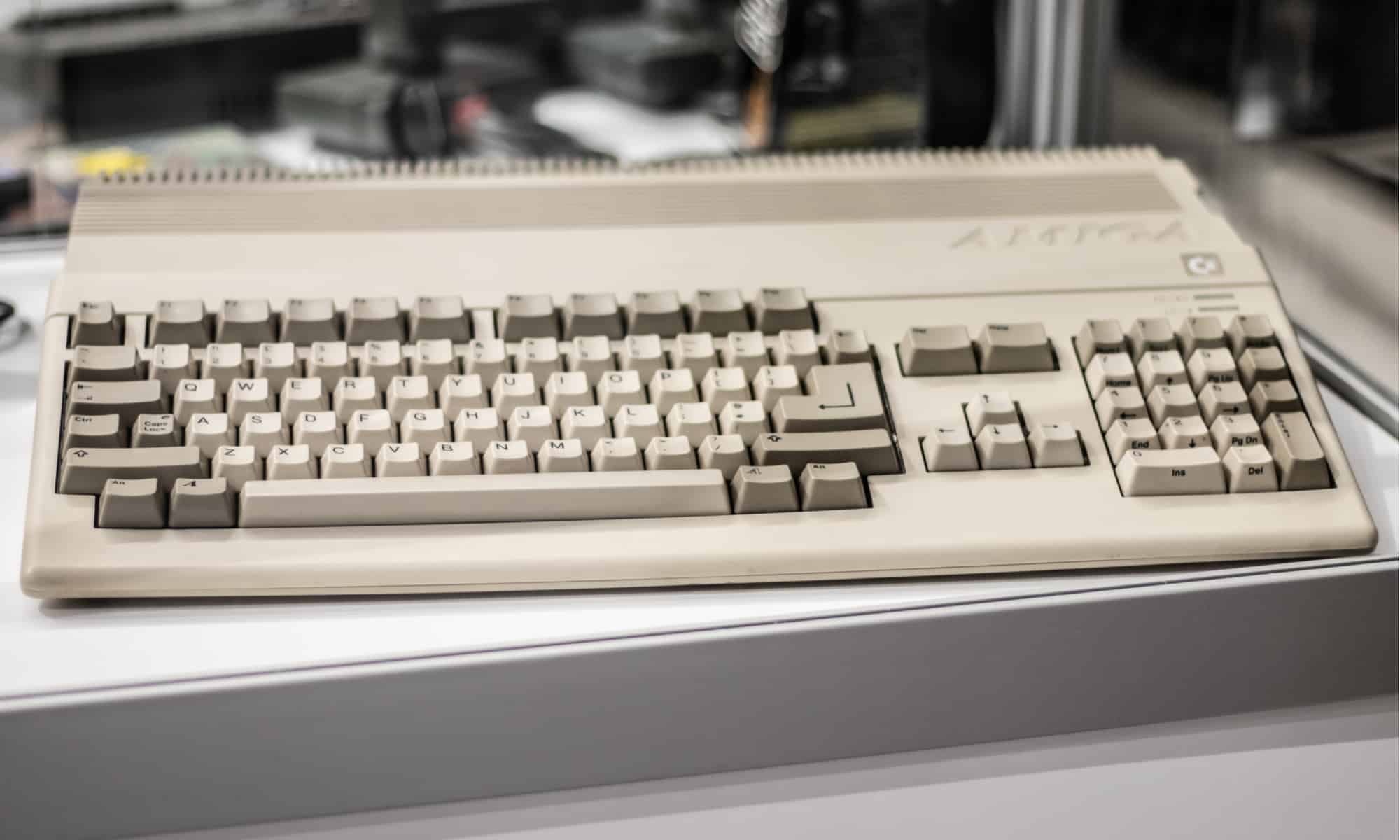
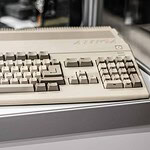
Mechanical keyboards are fashionable again, but the technology did not begin in the 1980s. Mechanical and electromechanical keyboard mechanisms had been around much longer. What the decade did give us was one of the most famous computer keyboards ever made: IBM's Model M, introduced in 1985.
Its buckling-spring keys provided noticeable resistance, tactile feedback, and a wonderfully unapologetic clack. Other machines used different keyboard technologies, so not every 1980s keyboard felt like a Model M. Still, keyboards from the period were often substantial pieces of hardware. Some have survived decades of abuse and are still sought after by collectors today.
You Actually Had to Know Computer Commands
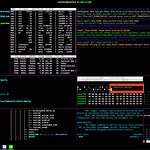
For millions of IBM PC and compatible users, there was no Start menu waiting when the computer booted. MS-DOS presented a text-based command line, and getting around meant learning commands such as DIR to display files and DEL to delete them.
Early MS-DOS was essentially a file manager and program loader. It did not offer the graphical desktop modern users expect, and only one main application could run at a time. Apple's Macintosh made pointing and clicking much more approachable in 1984, but command lines remained a normal part of PC ownership for years. Forget the right command and there was no search box coming to the rescue.
Dot-Matrix Printers Announced Themselves to Everyone
Dot-matrix printers were already around before the 1980s, but the decade put them on desks in homes, schools, and offices everywhere. Instead of spraying ink or using a laser, a print head physically struck an inked ribbon to form characters from patterns of tiny dots.
Epson's hugely influential MX-80 arrived in 1980 and was rated at 80 characters per second. Tractor-feed paper with removable perforated edges completed the experience. The resulting print could be perfectly serviceable, but the sound was unmistakable. Printing a long document was less like quietly sending something to a printer and more like informing the entire building that paperwork was happening.
A 10 MB Hard Drive Felt Enormous
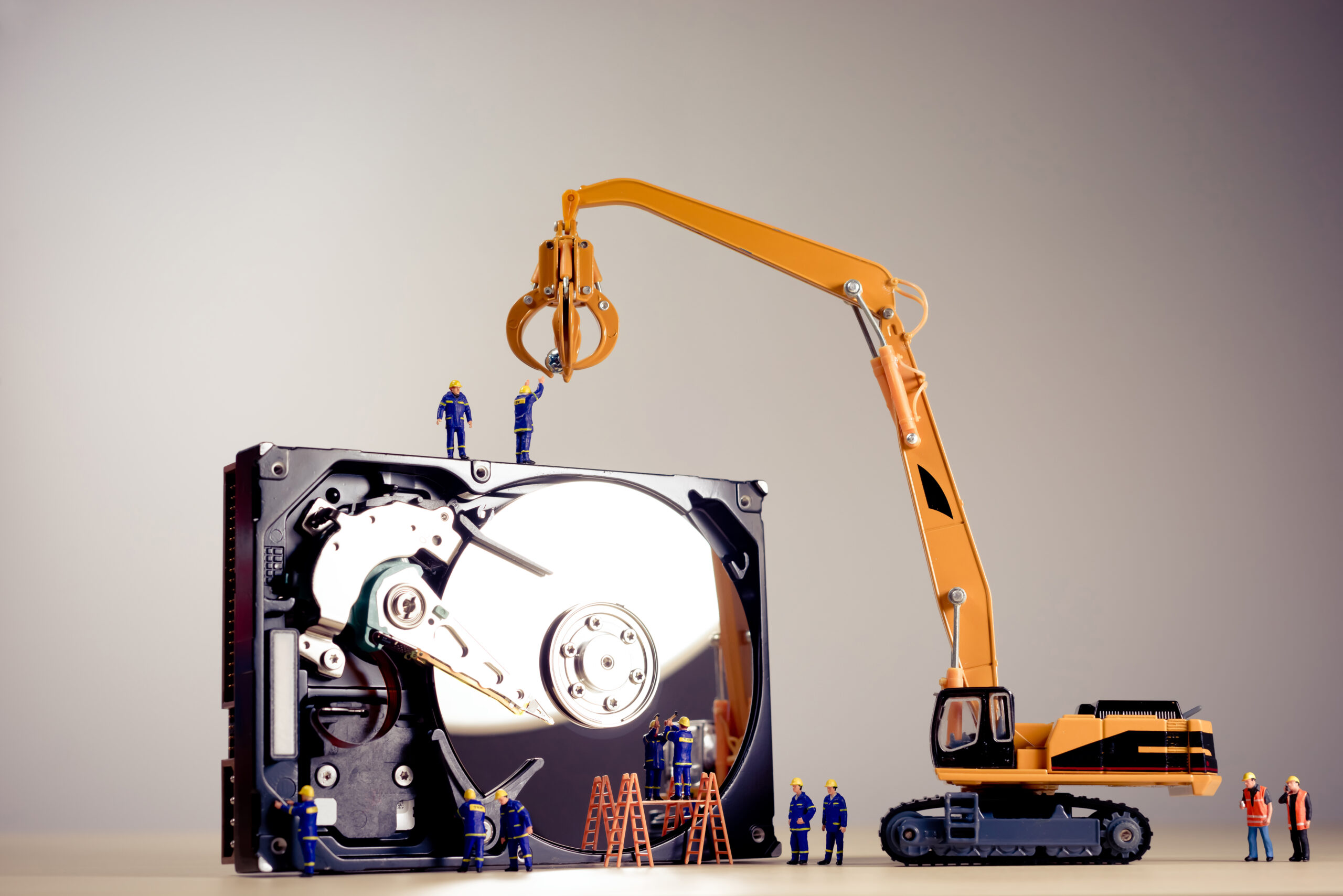
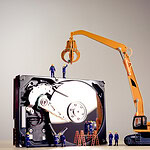
Storage that sounds microscopic today could feel downright luxurious in the 1980s. Seagate's ST-506, introduced in 1980, offered 5 MB of storage and helped establish the 5.25-inch hard-drive form factor in personal computers.
IBM's PC XT took things another step in 1983 by offering a built-in 10 MB hard drive. Suddenly, users could keep operating systems, applications, and files on the computer instead of constantly swapping floppy disks. Hard-drive capacity grew quickly from there, but even a 10 MB drive looked substantial when a typical floppy held only a fraction of that. Today, 10 MB is barely enough to make your phone notice.
The Mouse Suddenly Made Computers Feel Different
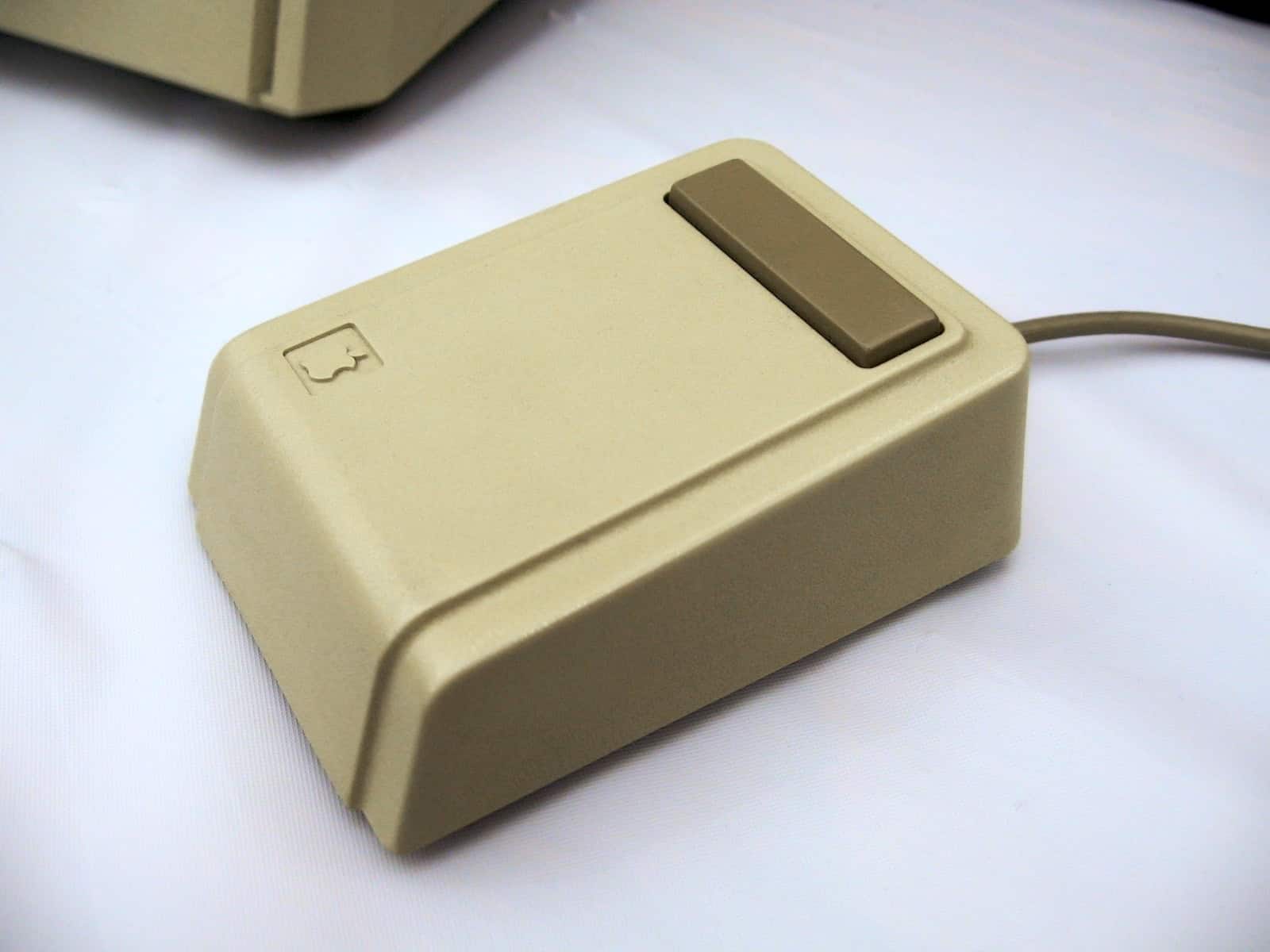
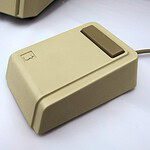
The computer mouse was not invented in the 1980s. Versions of it existed decades earlier, and researchers at Xerox PARC were already experimenting with mouse-driven graphical interfaces before the home-computer boom. What changed in the 1980s was its visibility to ordinary computer buyers.
Apple's Lisa arrived in 1983 with a graphical interface and mouse, followed by the far more successful Macintosh in 1984. Instead of memorizing a command to perform every task, users could point at icons, open windows, and make selections visually. That interaction seems completely ordinary now, but at the time it represented a dramatic change in how people thought a computer should work.
RAM Was Measured in Kilobytes
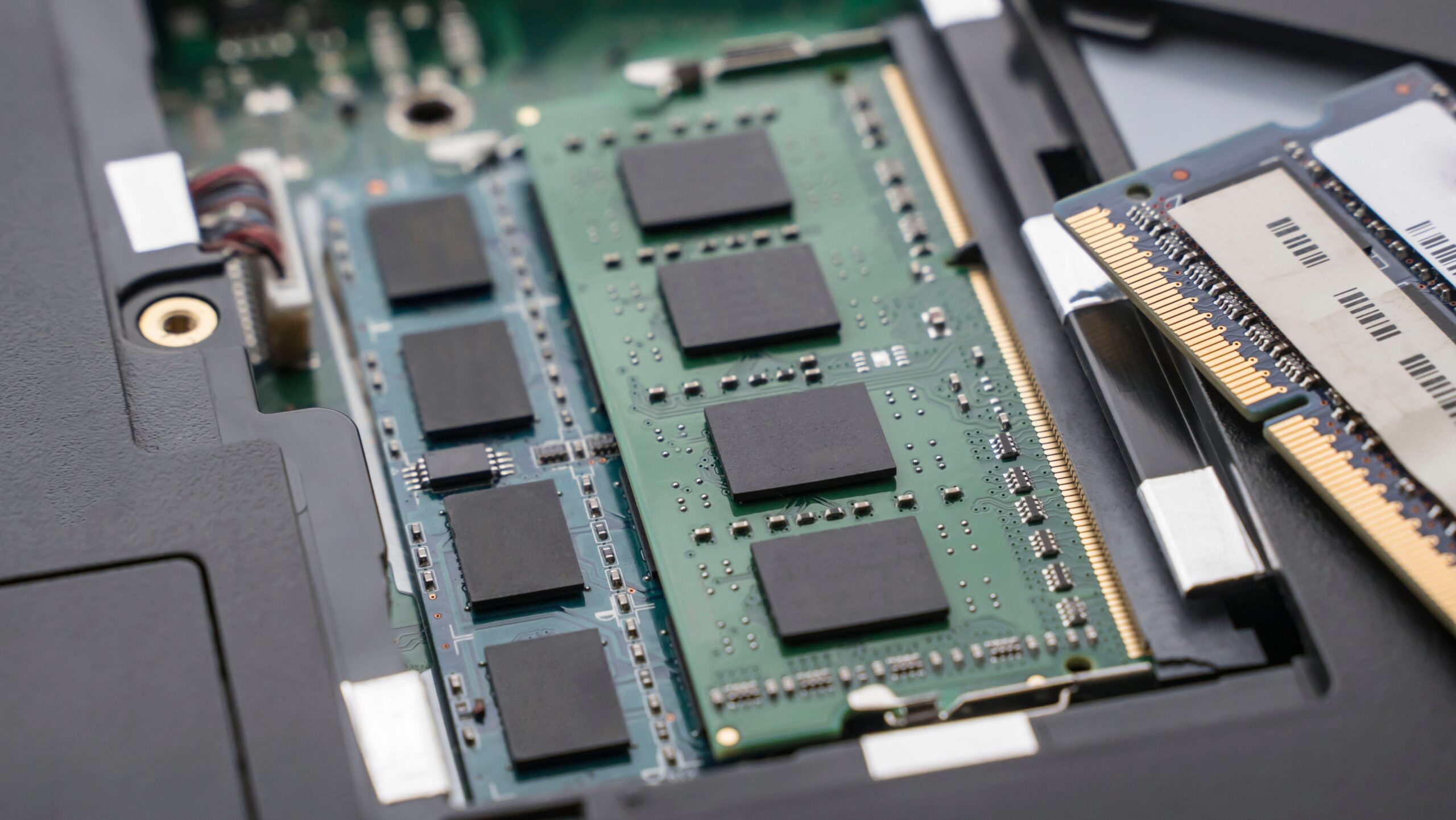
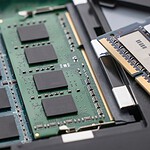
Today's inexpensive computers routinely measure memory in gigabytes. Early in the 1980s, kilobytes were perfectly respectable. The original IBM PC announced in 1981 could be configured with just 16 KB of RAM. Three years later, Apple's original Macintosh came with 128 KB.
Those tiny figures did not mean the computers were useless. Software was designed around severe memory limits, and programmers had little choice but to be economical. As applications became more complicated, memory capacity climbed rapidly. Even so, anyone accustomed to keeping dozens of browser tabs open today would have had to develop a very different relationship with RAM.
Joysticks Turned the Family Computer Into a Game Machine
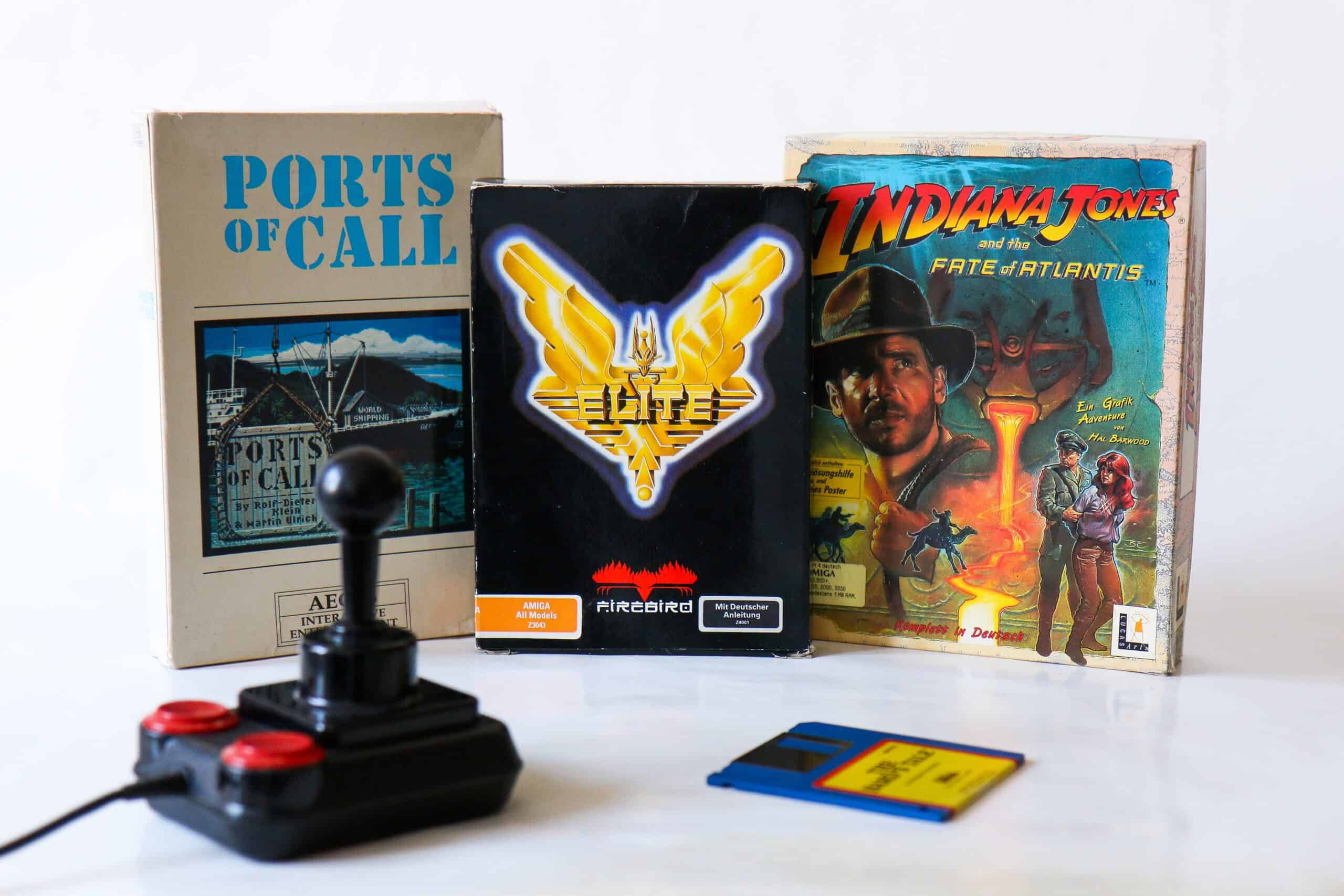
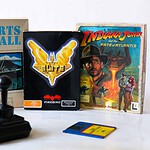
Home computers were supposed to help with homework and maybe teach the family something useful. Naturally, plenty of owners immediately used them to play games. Machines such as the Commodore 64 and Atari's home computers supported joysticks, and the simple stick-and-button controller became inseparable from 1980s computer gaming.
The Commodore 64 had two joystick ports, but joysticks were peripherals rather than something every C64 automatically included in the box. The controls were primitive compared with modern gamepads packed with analog sticks, triggers, vibration, and motion sensors. They also did the job. Sometimes one stick and one big red button were all a game needed.
Some Computers Stored Programs on Cassette Tapes
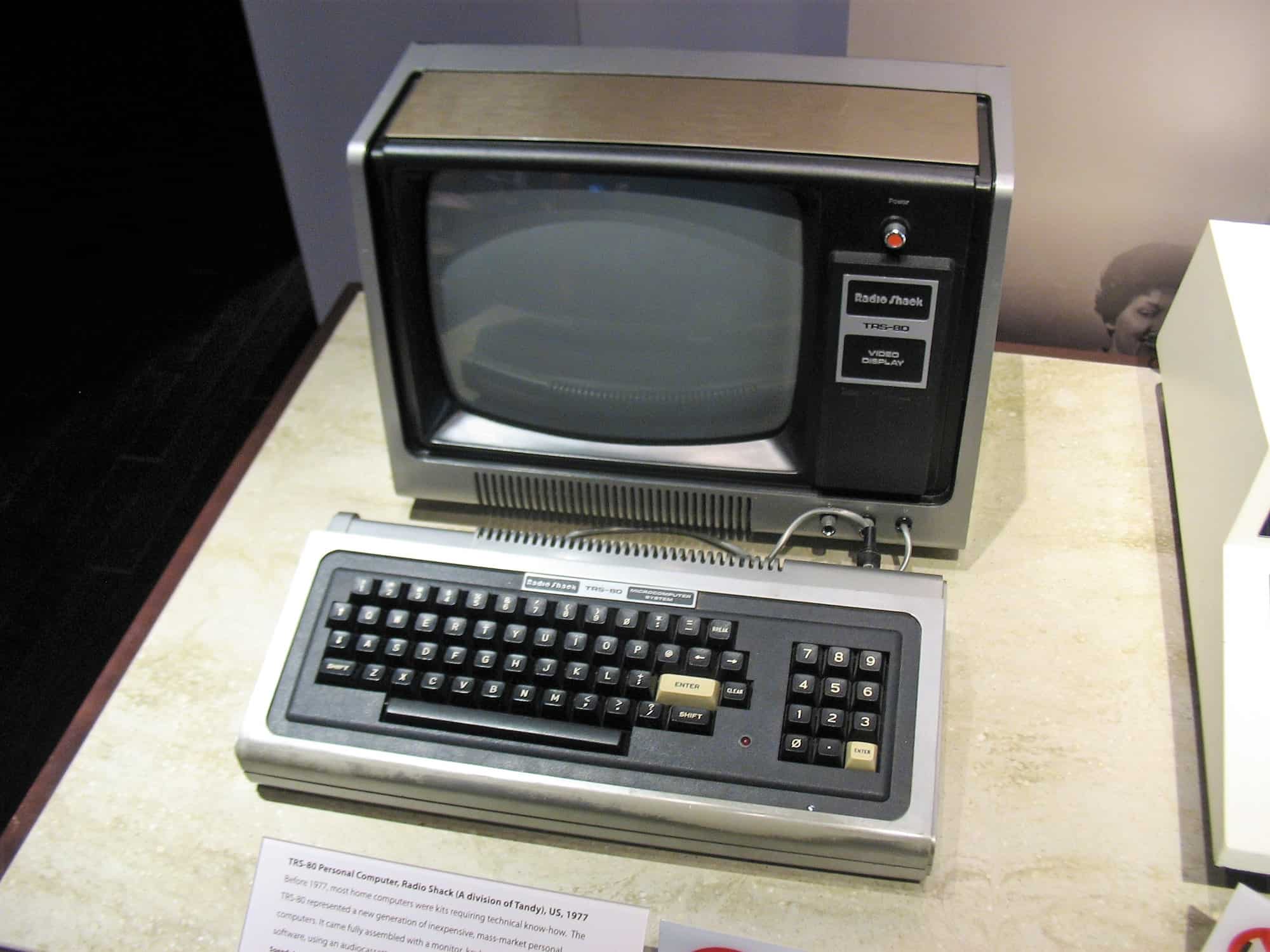
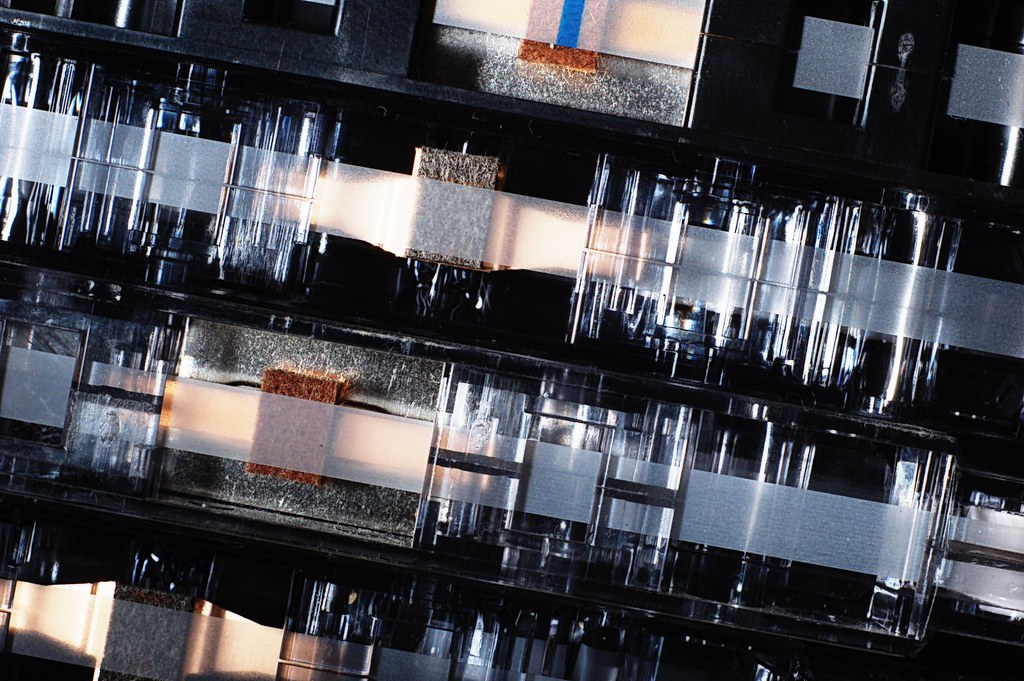
Cassette tape storage sounds like something somebody invented for a retro-computing comedy sketch, but it was real. Machines including the TRS-80, Commodore PET, and Apple II supported cassette-based program storage, and the technology remained familiar to home-computer users into the early 1980s.
Instead of music, the tape stored computer data as audio signals. Loading a program meant playing the cassette and waiting while the computer interpreted those signals. Floppy disks were faster and more convenient, so they increasingly took over as prices fell. Still, there was a period when the humble cassette recorder could legitimately be considered a computer storage device.
Modems Offered a Glimpse of the Online World
The internet was not yet a normal household utility, but computer users were already discovering life online. Hayes introduced its influential Smartmodem in 1981, allowing computers to communicate over ordinary telephone lines. The original model operated at 300 baud, with faster 1,200-baud and later models following.
Modems opened the door to bulletin board systems, commercial services such as CompuServe, file transfers, electronic messages, and online communities. They were usually separate purchases rather than standard equipment in every desktop PC. Connecting could also be temperamental, slow, and accompanied by a memorable series of electronic squeals. By 1990, though, more than two million North Americans were already using online services.
You Needed Expansion Cards for Things Computers Now Include
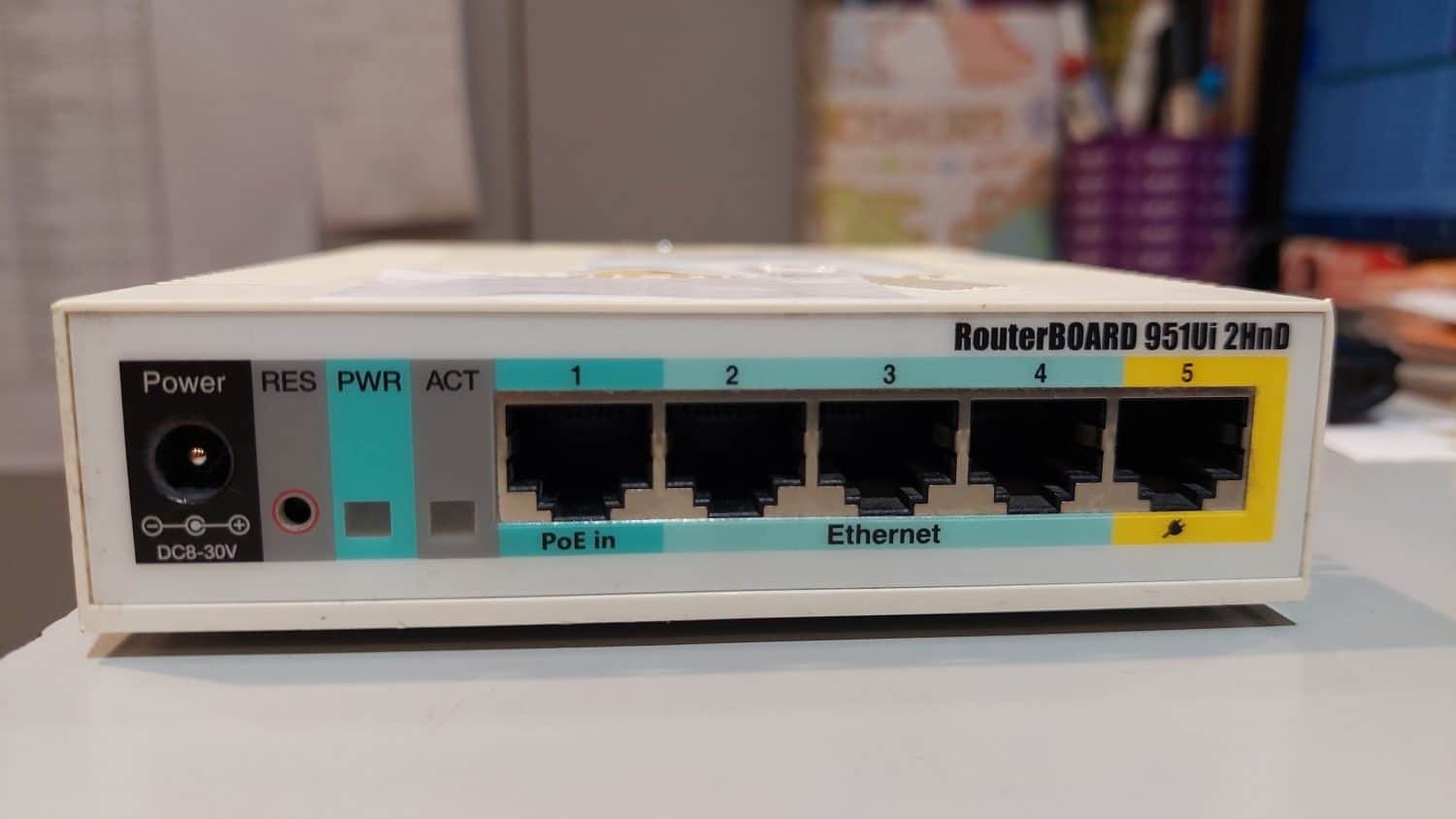
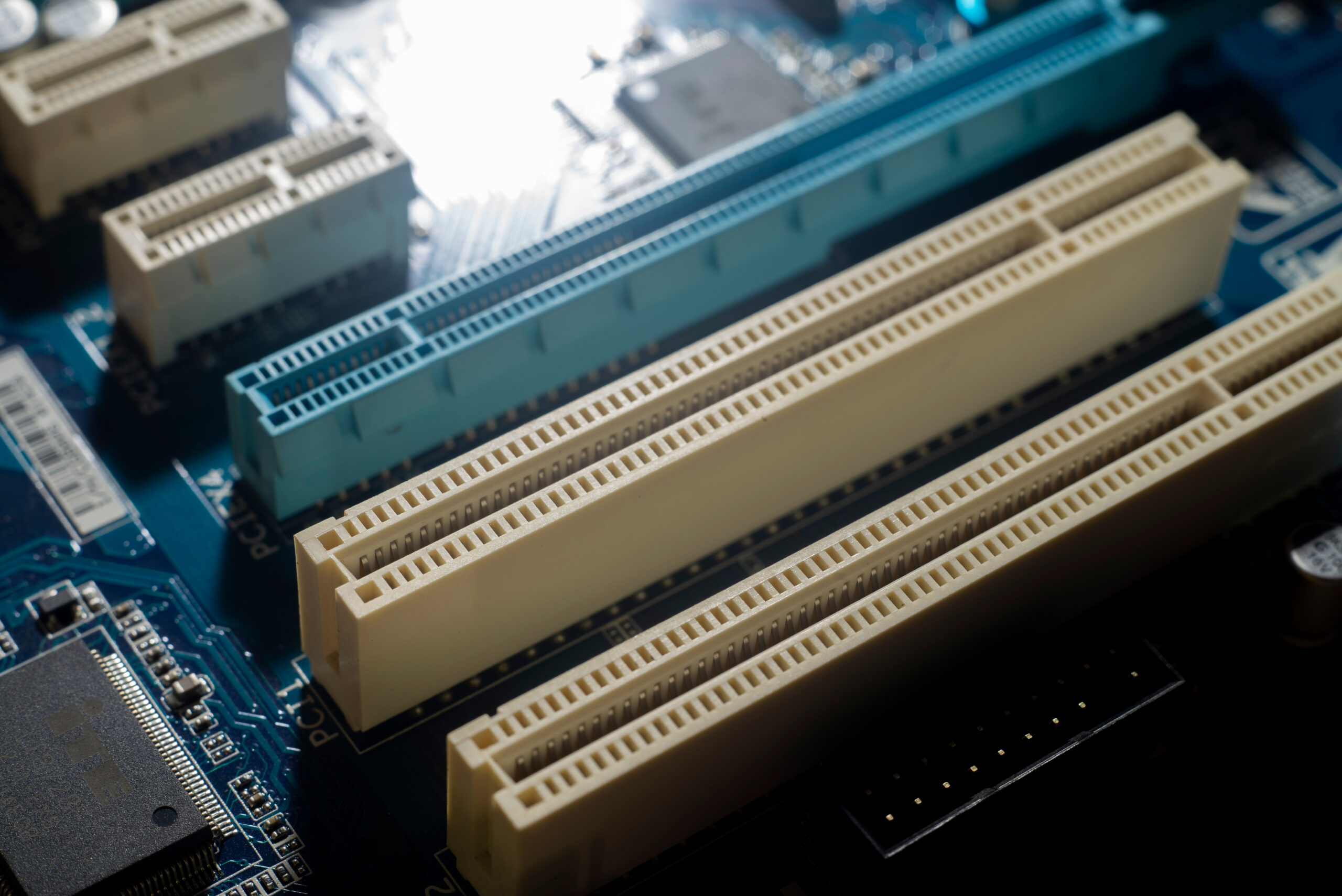
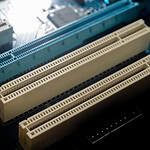
Modern computers integrate an enormous amount of functionality directly onto the motherboard. Early IBM PCs were far more modular. Want different graphics, a printer connection, additional serial communications, or some other capability? There was a good chance that meant opening the computer and installing another expansion card.
The original IBM PC had five expansion slots, and IBM later acknowledged that users relied on those slots for functions such as printing, graphics, and serial communication. That made upgrading a PC surprisingly flexible, but it also meant computer ownership could involve far more tinkering than plugging a device into USB and waiting a few seconds for it to appear.