chaoss / Getty Images
czardases / Getty Images
jirkaejc / Getty Images
Lokal_Profil / Wikimedia Commons
vasiliki / Getty Images
Difydave / Getty Images
Neal McNeil / Getty Images

PeachLoveU / Getty Images
Eureka_89 / Getty Images

anyaberkut / Getty Images
kwanisik / Getty Images
Armastas / Getty Images
IngaNielsen / Getty Images
EduLeite / Getty Images
chaoss / Getty Images
Public Domain / Wikimedia Commons
Artistan / Getty Images
KLH49 / Getty Images
Bilby / Wikimedia Commons




Technology is constantly evolving, with new gadgets and devices introduced regularly. Tech giants like Apple and Samsung give us new versions of smartphones every year, rendering the "old" ones, at only one-year-old, outdated already. Older tech applications from just a few years ago aren't supported with newer versions either, never mind the 90s gadgets, and even if we wanted to keep using them, we are often unable to.
In the past, many devices and gadgets were used for a long time and lasted just as long without needing replacement. But in recent times, the rapid progression of tech devices is fairly standard, and to keep up with the latest, new models and versions are essential. These once-innovative, must-have electronics like the portable CD player, quickly become obsolete, left to collect dust as consumers moved on to the next big thing.
24/7 Tempo has compiled a list of personal and portable devices that were popular two decades ago, those 90s gadgets we used to love but are rarely used anymore. (Fashion is also fickle, like these retro '70s styles that are best left in the past.)
Here are 90s gadgets we used to love:
1. Pager
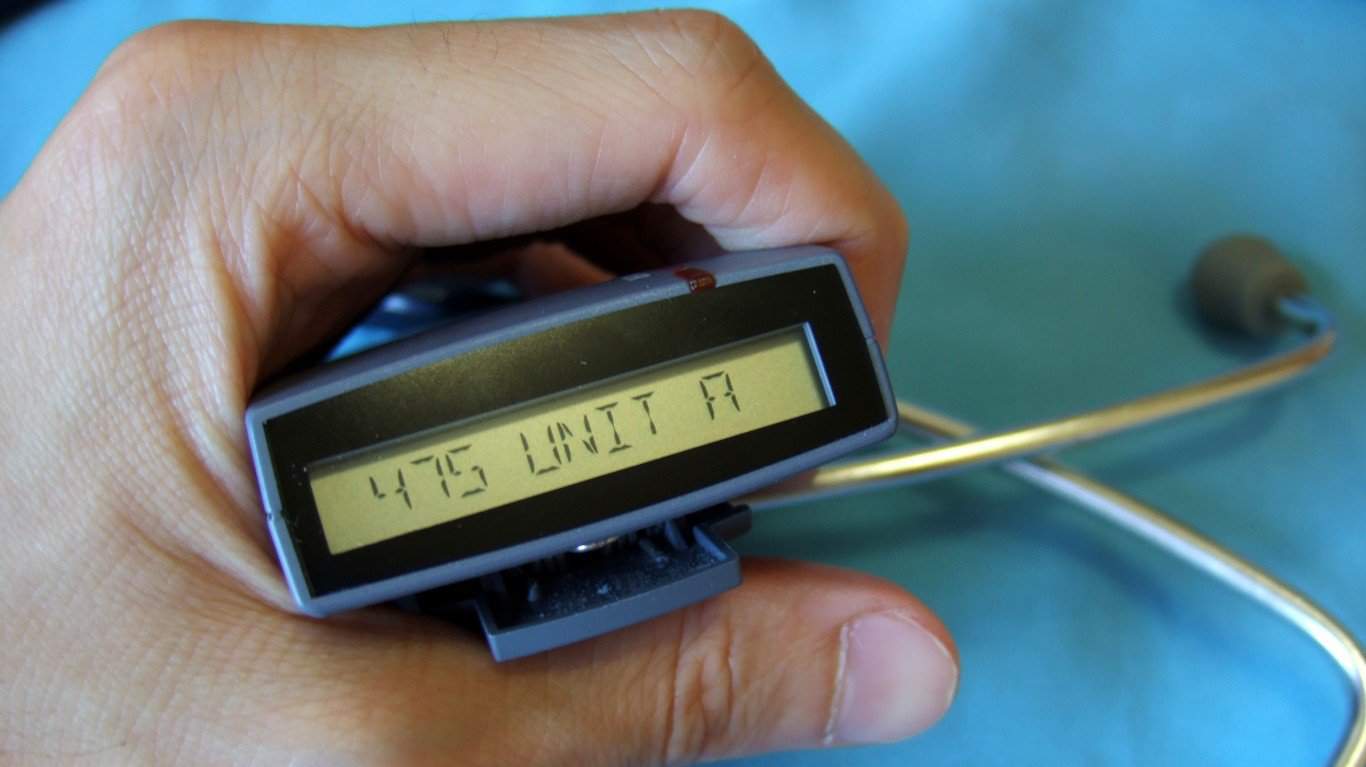
Before cell phones went mainstream, people used pagers, also known as "beepers," to reach someone immediately. If you have ever watched a medical drama, you've likely seen a doctor being paged, checking the mini radio frequency device, and then rushing off.
A call or an email would be forwarded to the pager, which would display a short message with a number to call. Although pagers are rarely used anymore, they remain one of the most reliable forms of communication available and are still used by doctors. Pagers have no delay in delivery, the network doesn't get overloaded, and there are no dead zones.
2. Walkman
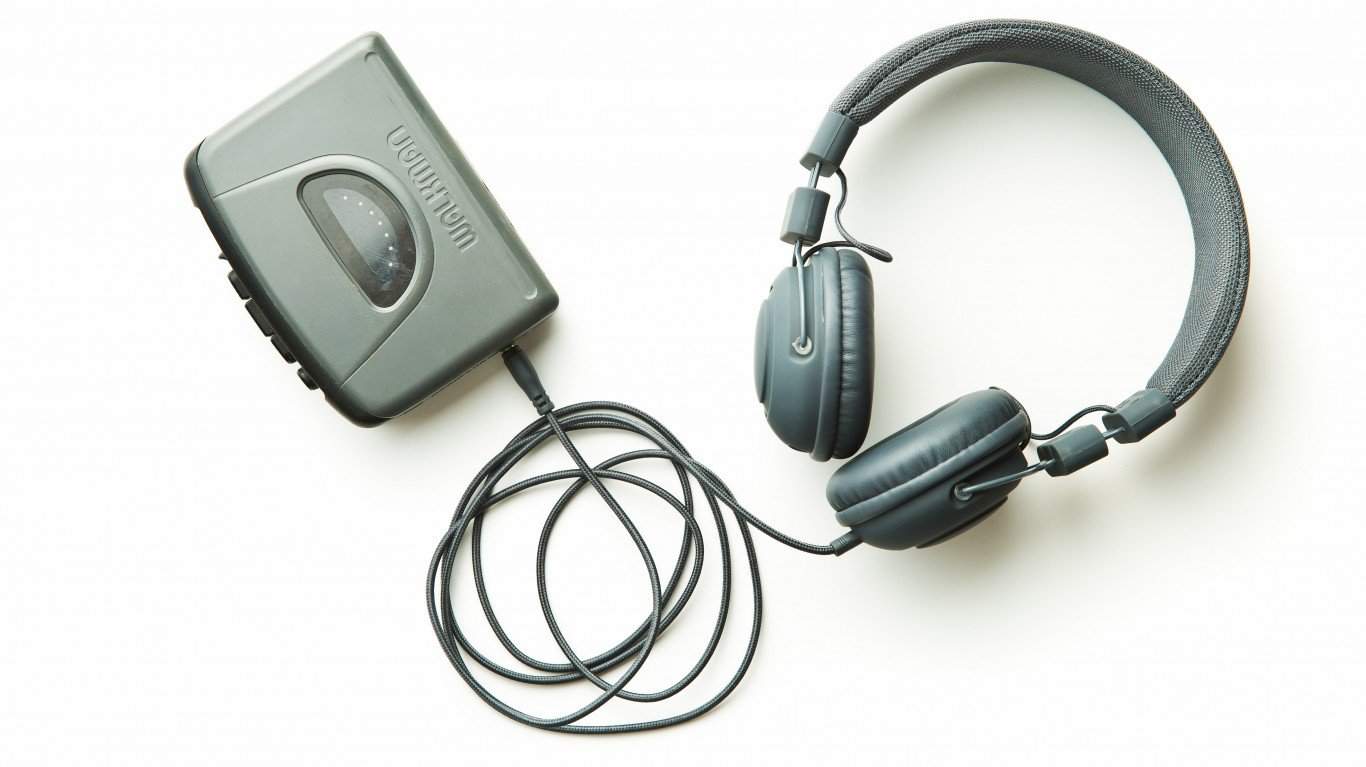
Remember when rewinding and fast-forwarding took longer than an instant? Walkman players were the thing in portable music, selling 400 million devices, way before the iPod. (Kids these days can't handle them at all; they find them hard to operate.)
Cassette tapes, though certainly not as popular as during their heyday in the last century, are not dead. Some people prefer them over downloads, for nostalgic or artistic reasons.
3. MP3 Player
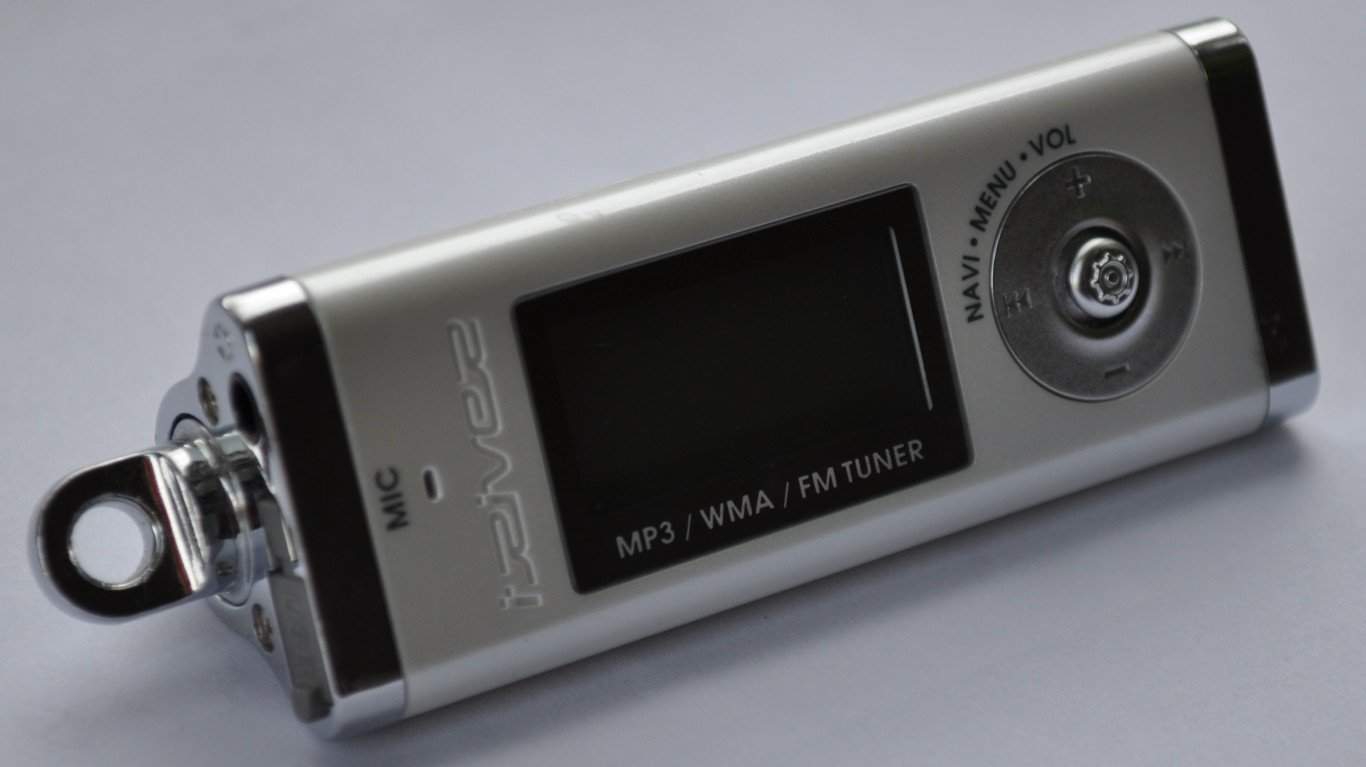
MP3 stands for MPEG Audio Layer III. It is simply an audio compression device that makes a music file small enough to fit in the device without sacrificing sound quality. It took a few years for the device to take off. Invented in the early 1990s, it became very popular around 1997.
It was smaller than a Walkman, and lighter, too. The music device and format are now obsolete, replaced by the cell phone. Even the MP3's creators declared it dead in 2017.
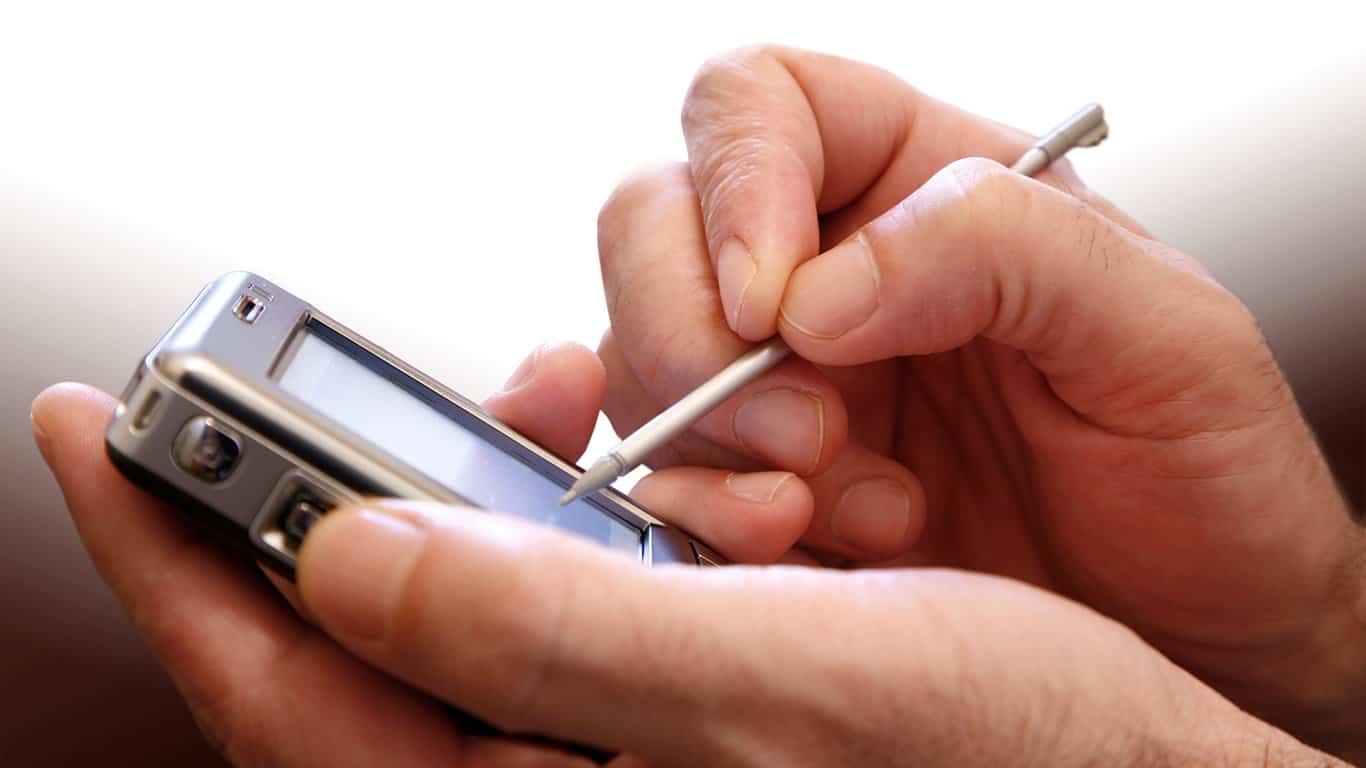
4. Personal Digital Assistant
Before there were apps to remind you of tasks and to manage your days — as well as apps to organize all other apps you have downloaded on your phone — there were PDAs. These handheld PCs or Palms, as PDAs were also known, had it all — WiFi, pen-based keyboards, GPS antennas, even voice recognition. They could even send a fax.
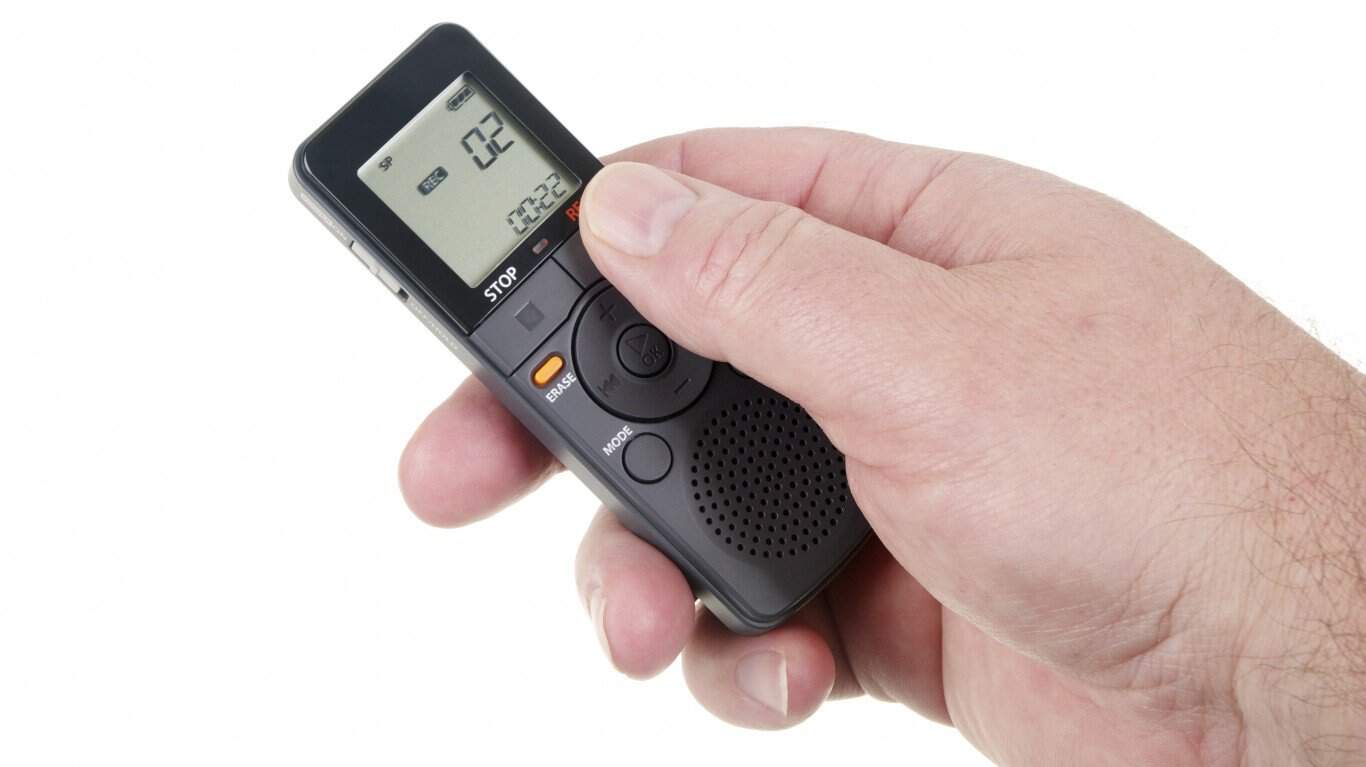
5. Digital Recorder
Digital recorders became very popular in the late 1990s. They were one of the first products of the digital computer age. They were small, compact, light, fast, and had lots of memory. Some could even record for as long as 10 hours.
Better than cassettes, because the sound quality was higher, and the audio could be reproduced without losing quality. Also, when audio is stored in a digital format, it can be enhanced, background noise can be removed, and tone is easier to control. All you needed was a USB plug to transfer the files to a computer.
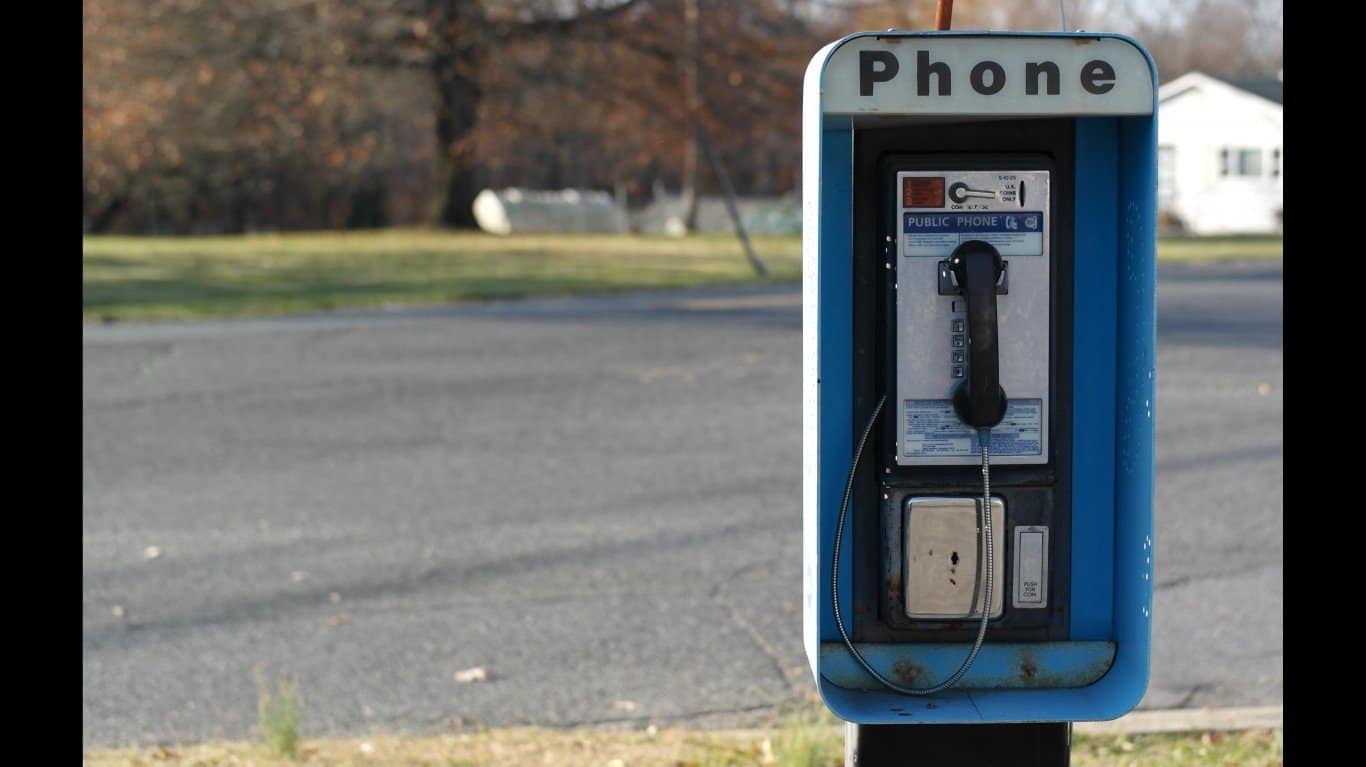
6. Pay Phone
You can still find public phone booths on some streets, but it'll take time. Most telecommunications companies have left the pay phone business because of the abundance and convenience of cell phones. (AT&T officially left it in 2007, and Verizon in 2011.) Not many people need to use a payphone – unless perhaps you forgot your cell phone at home and need to make an important call.
7. Floppy Disk
Long before the Cloud, thumb drives, and other portable memory devices, there was the floppy disk drive. Now practically an antique, it was popular in the 1980s and 1990s. As with most personal computing devices, memory capacity has increased over time.
In 1991, for example, some floppy disks could hold up to 2.8 MB, enough for one or two photo attachments. The official end of the floppy disk came in 2007 when PC World stopped selling it. Just a decade earlier, over 2 billion copies were in use.
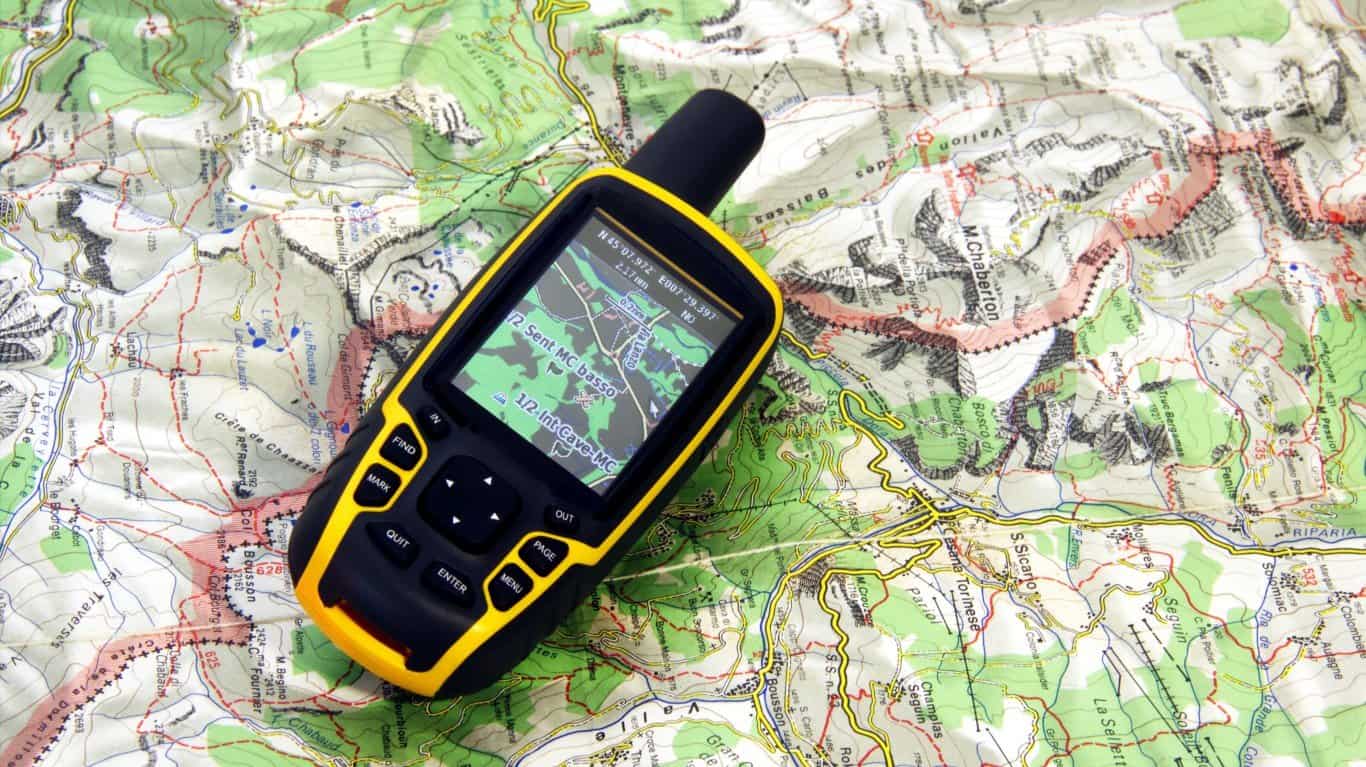
8. GPS Unit
You may still have one in the back of your truck, just in case, but you probably haven't used it in years. GPS, which stands for Global Positioning System, is a satellite-based navigation system owned by the U.S. Government and operated by the U.S. Air Force.
Portable GPS devices became mainstream in the United States in the mid-2000. Before then, personal navigation was more popular in Europe and Asia. Americans preferred maps or printed directions from point A to point B. Smartphones have taken over that function as well.
9. Alarm Clock
The alarm clock is another convenient gadget that went from being widely used to obsolete. It has been replaced by the smartphone, even though that may not be the best idea, healthwise. While strong and consistent evidence linking cell phones to cancer is lacking, cell phones do emit radiofrequency radiation, which parts of the body can absorb. (Some alarm clocks emit less radiation than others, as well as cell phones.)
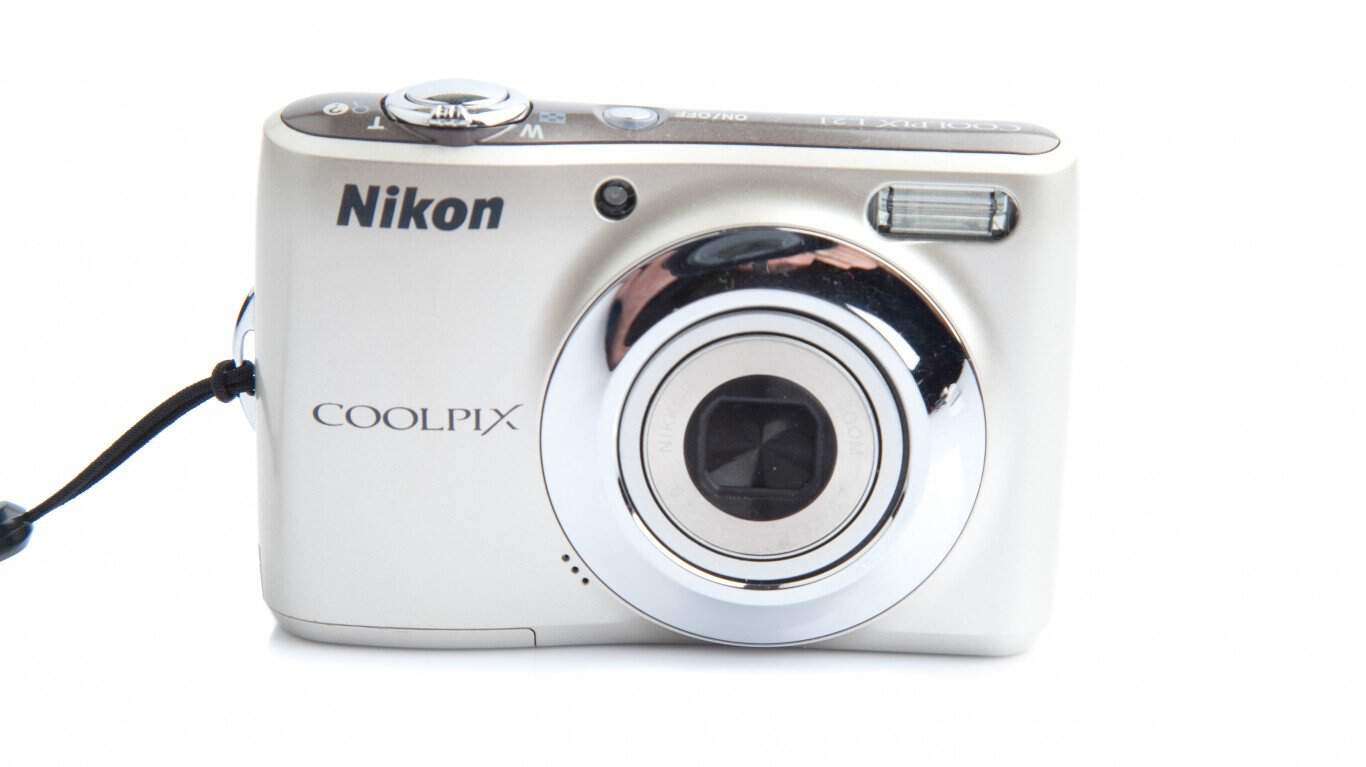
10. Digital Point-and-Shoot Camera
Professional and even amateur photographers still use high-performance digital cameras. But everyone else uses their cell phone. Why spend a lot of money buying a digital point-and-shoot camera when the phone in your pocket will do a good enough job?
Some smartphone cameras nowadays can even shoot 4K videos. You can buy inexpensive point-and-shoot digital cameras, but it seems unnecessary because the quality will not be as good.
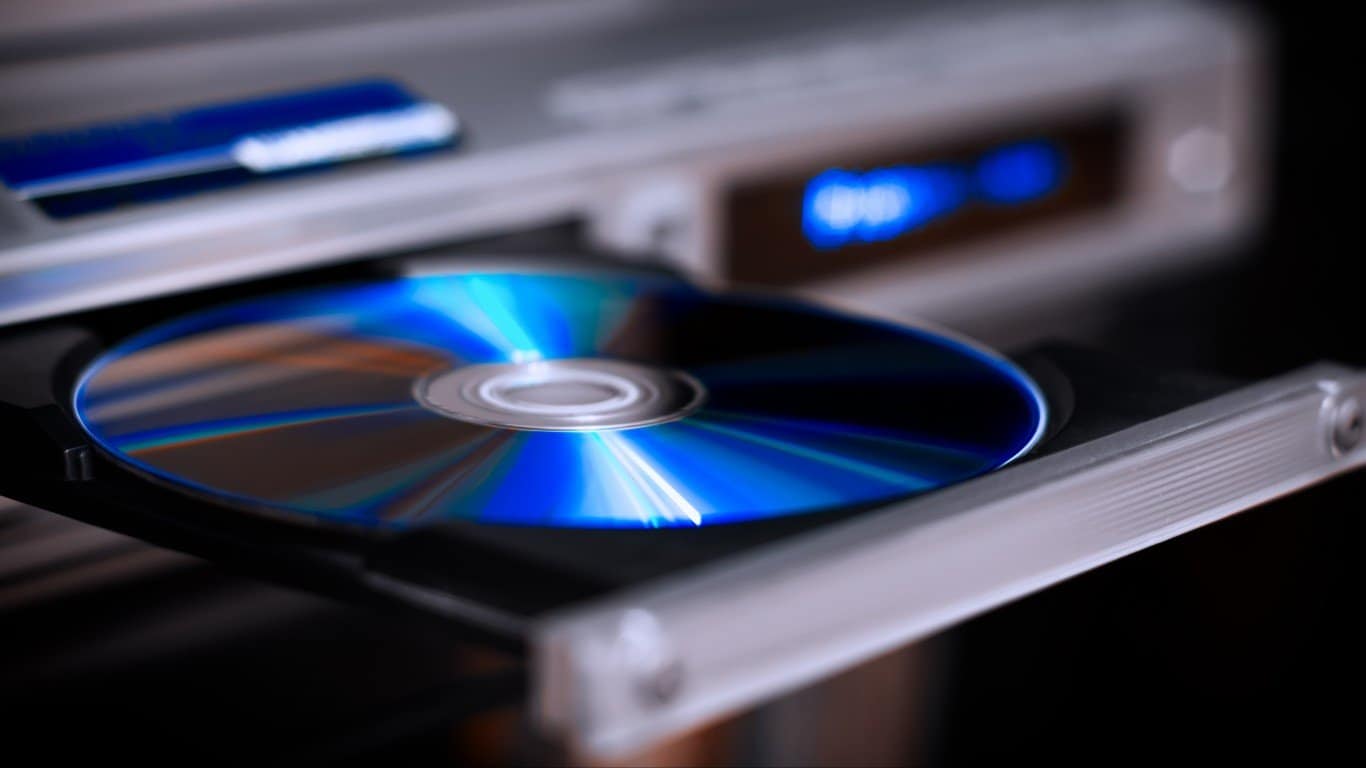
11. DVD Player
Invented in the mid-1900s, DVD players outsold video recorders for the first time in 2002. Almost 20 years later, it's all about online streaming. Some people still have a DVD or Blu-ray player because they bought it a long time ago. You may still be able to use it but it likely won't be repaired or upgraded.
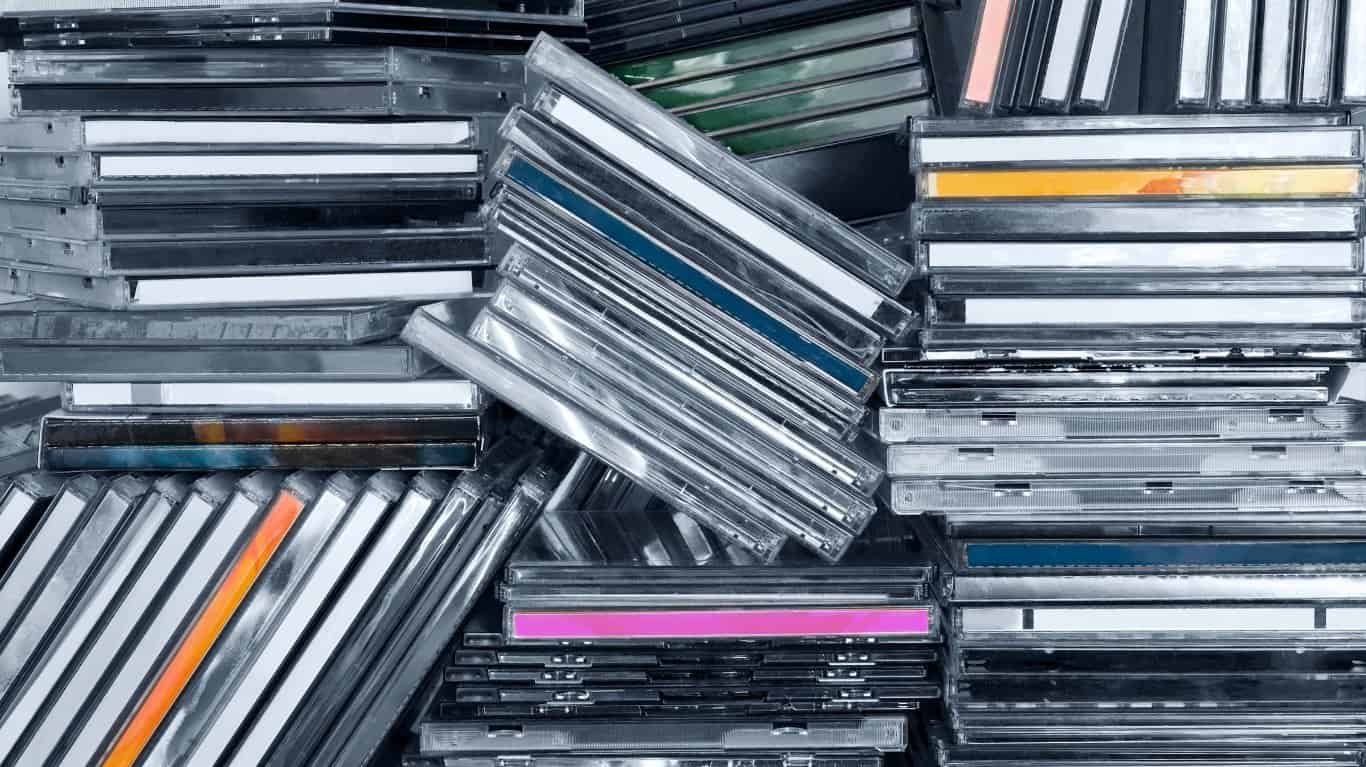
12. CDs
CD album sales in the United States peaked between 1997 and 2001. As music streaming services slowly took over, CD sales declined, and have been on a steady downward trend since 2004. You can still find CDs in some music and tech stores, but they are no longer the norm. Even giants such as BestBuy started pulling them from their stores.
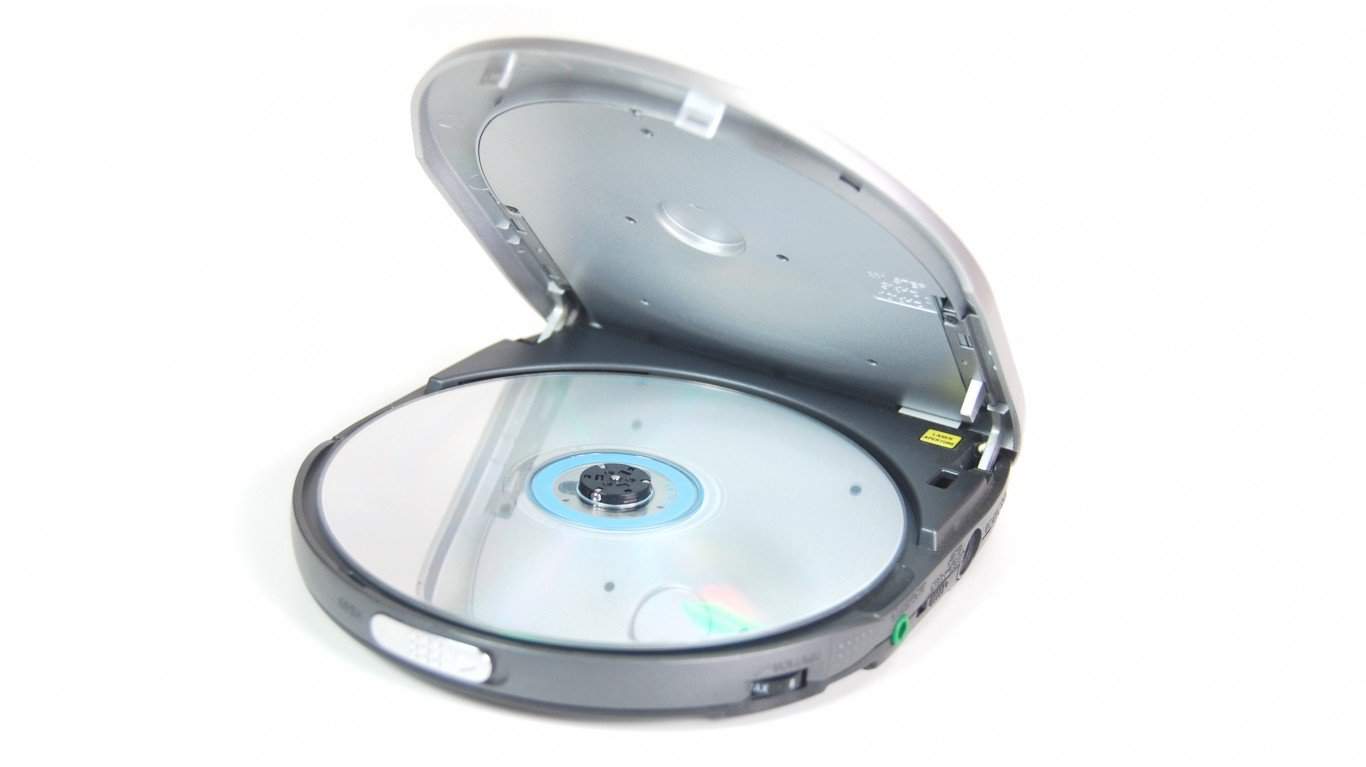
13. Discman Player
Portable CD players were first invented in 1984 by Sony and really took off in the mid-1990s. The Discman was even renamed the CD Walkman. By 1998, Sony had sold about 50 million of the devices. If you liked to listen to music on the go you had one of them.
Compared to what's available today, some may think Discman players were too limited because you had to know what music you wanted to listen to and carry that CD.
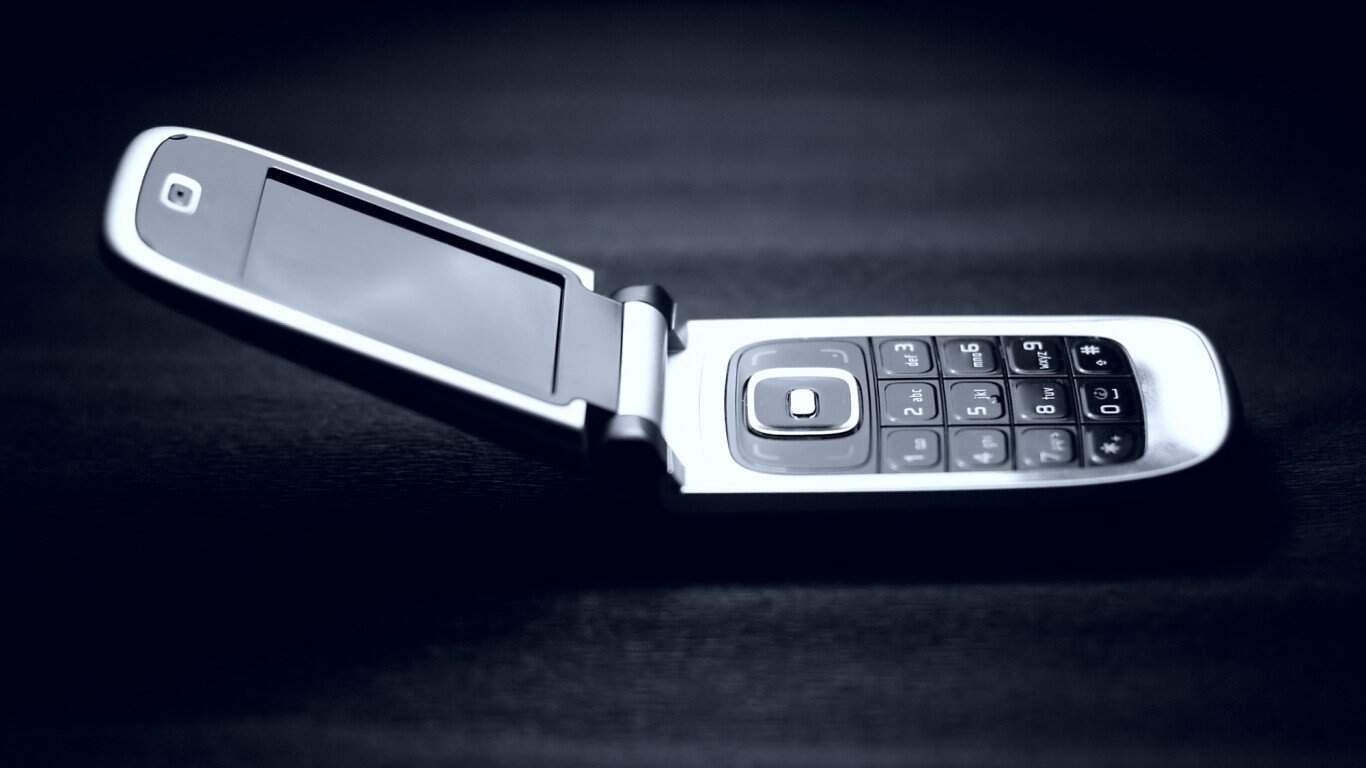
14. Flip Phone
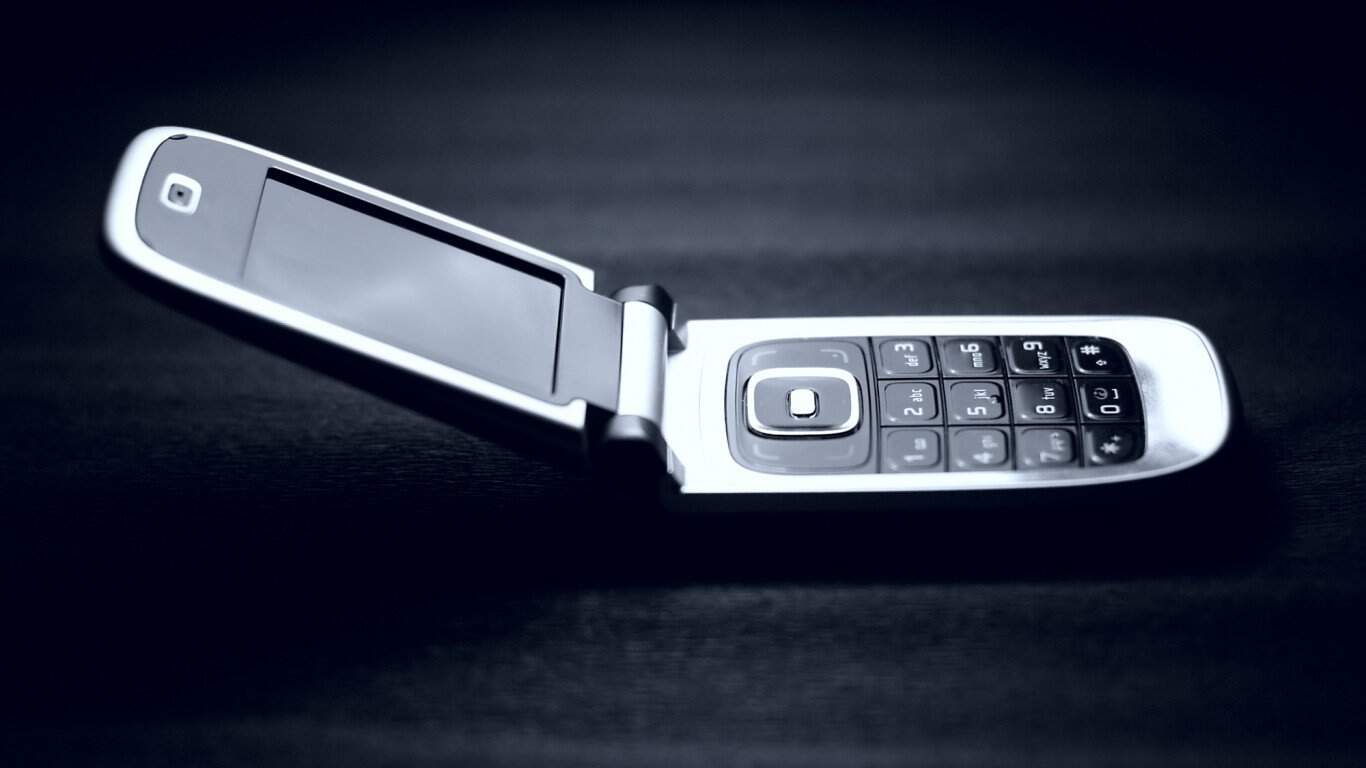
The first flip phone, Motorola's StarTAC, came out in 1996. This kind of cell phone became a hit with consumers until the smartphone came along, and offered a lot more features. But there seems to be a revival of the old trend.
People tired of being swamped with all kinds of information all the time are going old school and getting flip phones again, although the newer versions are smartphones and not the outdated versions they once were.
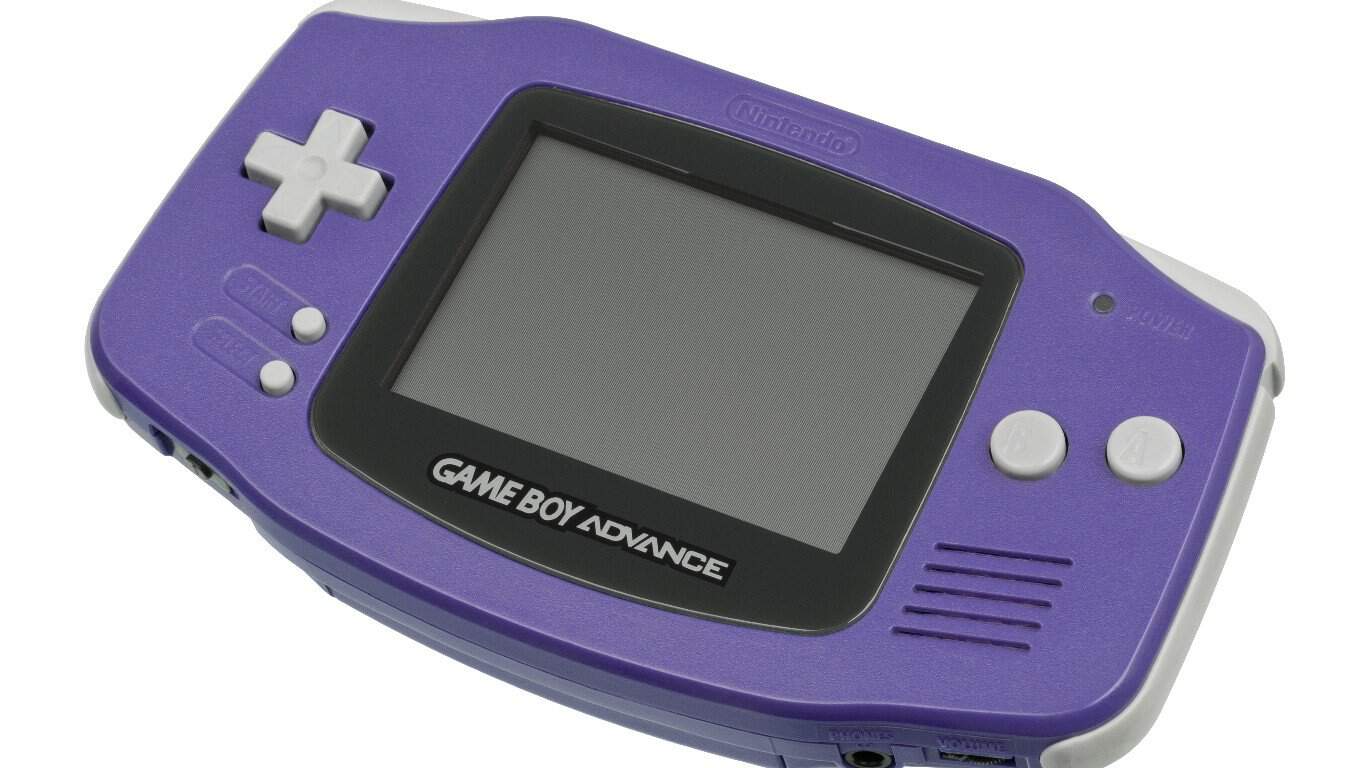
15. Nintendo's Game Boy
Who can forget Super Mario, Tetris, the Pokemon series, and other popular games? The Game Boy allowed users to switch between games. Even though it wasn't the original device to allow people to change cartridges, it was the most popular one. Game Boy and its update, Game Boy Color, sold more than 118 million units until they were discontinued in the 2000s.
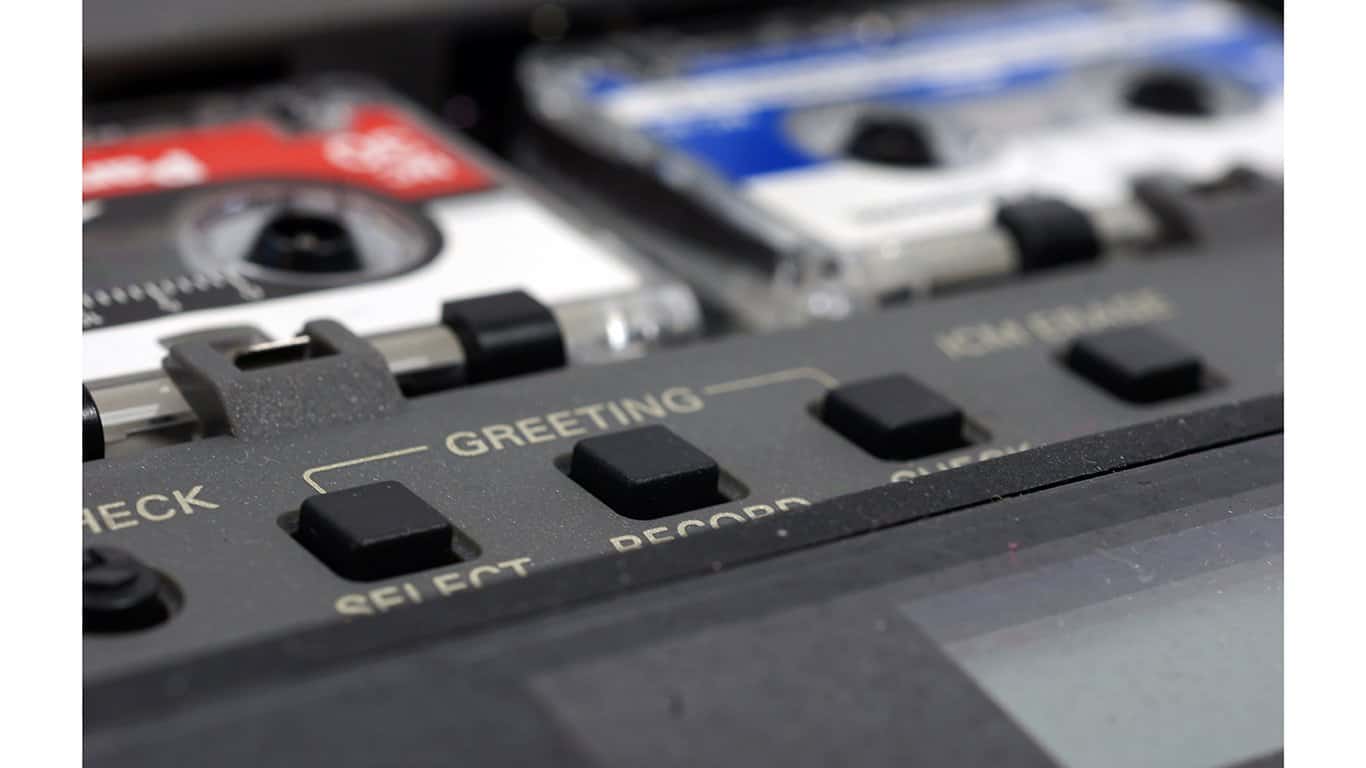
16. Answering Machines
Nowadays you can just leave a voicemail, which, in many cases, is automatically transcribed. You can even send a text by voice. Before cell phones and texting became available, people had little tape recorders that played back messages from people who had tried to reach them. It was convenient, even if it took hours before a person actually heard his or her messages.
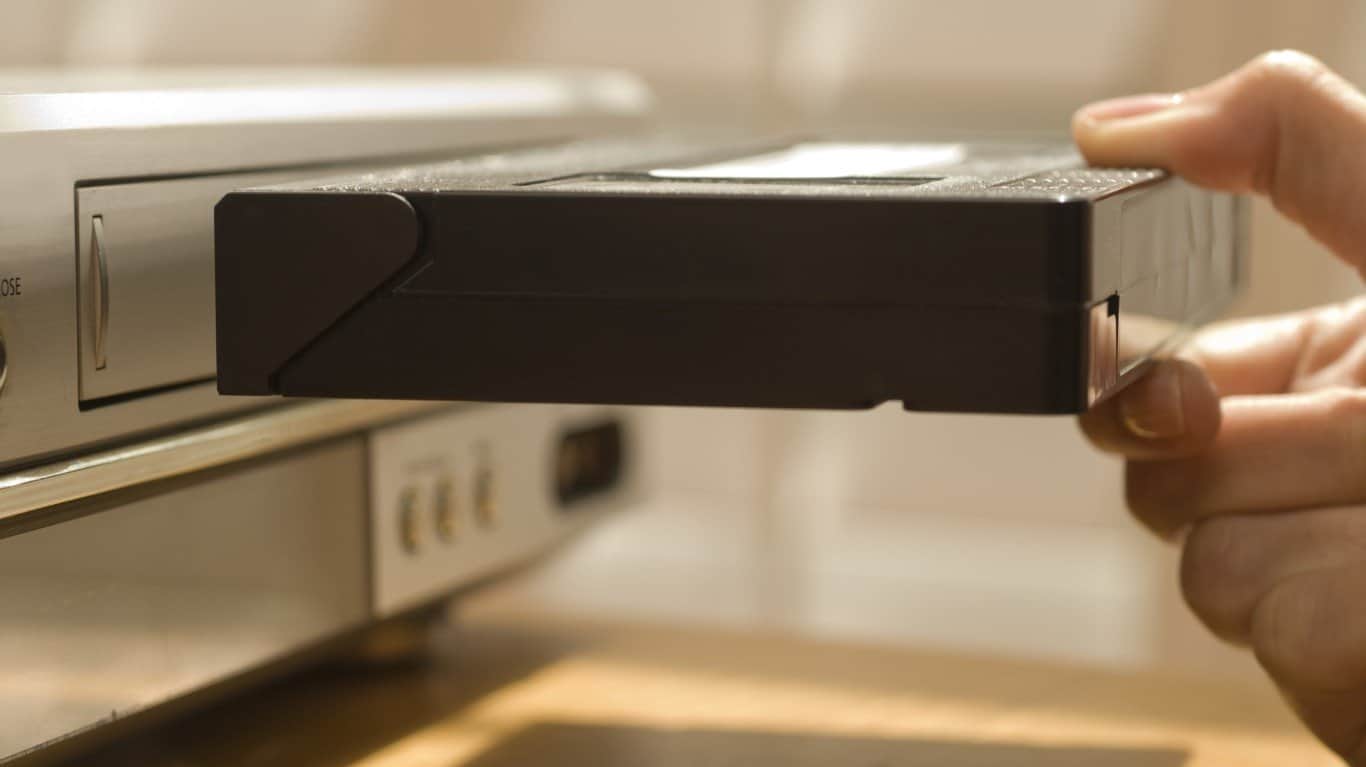
17. VCR
Video cassette recorders became almost obsolete after the emergence of DVD players. The rise of online streaming services killed what was left of them. The world's last VCR was made in July 2016. At their peak in the 1990s, VCRs were selling 15 million units per year.
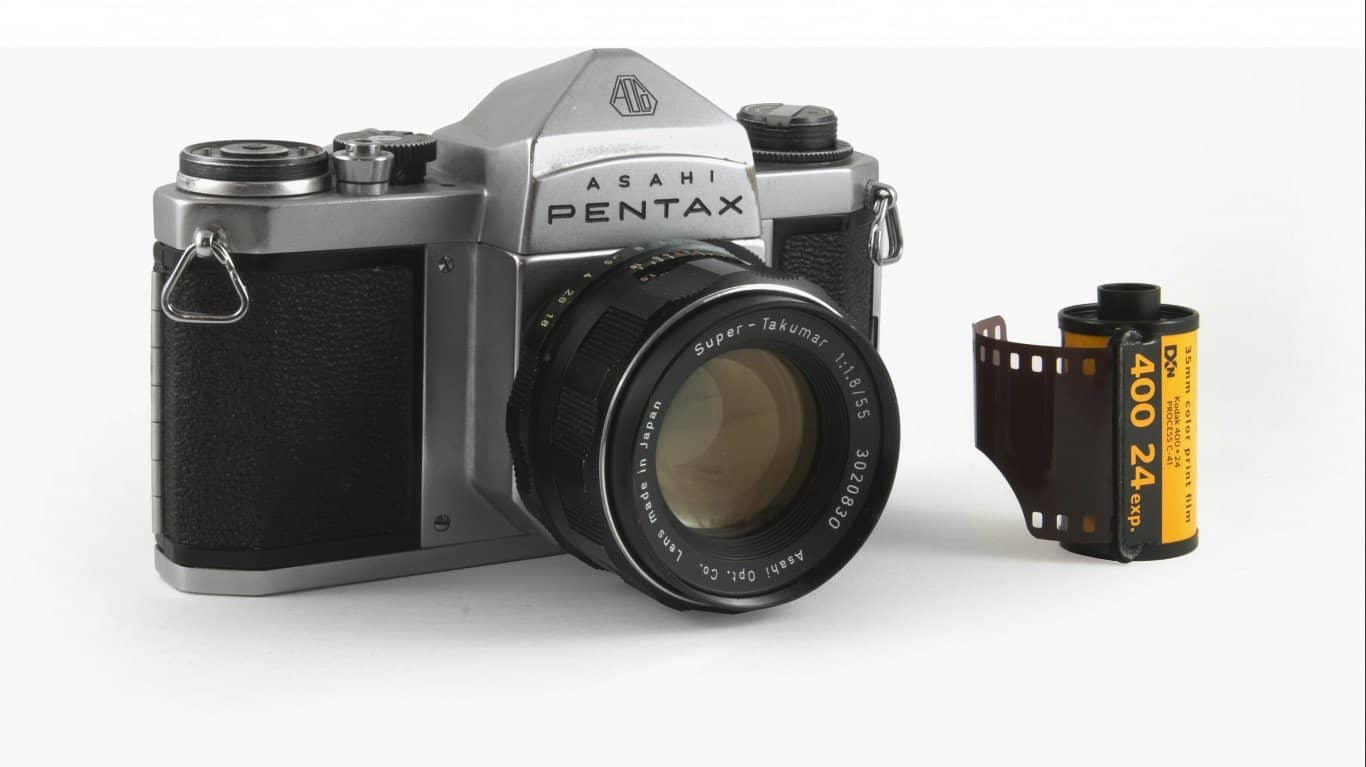
18. Film Cameras
Years ago it took hours, if not days, to see a picture after taking it. Before digital cameras sped up the process, people used film cameras, either automatic or manual. You had to change the film every 36 pictures or so, making it impossible to take multiple shots of the same image.
Perhaps worst of all, you had to wait until you got home to develop your vacation pictures, only to find that some of the images might be blurry.