The 1990s changed video games forever. The decade began with 16-bit favorites on the Super Nintendo and Sega Genesis and ended with 3D adventures on the PlayStation and Nintendo 64. PC gamers were busy too, exploring strange islands, battling demons, and discovering what a CD-ROM could do. Some of the games from that era are a little rough around the edges today, but the good ones remain surprisingly hard to put down.
This list revisits 20 influential and entertaining games from the decade, from Super Mario World and Sonic the Hedgehog 2 to GoldenEye 007 and the original Resident Evil. These are not necessarily the 20 highest-rated games ever made, and plenty of other favorites could have earned a spot. They are classics worth trying whether you remember blowing dust out of a cartridge or you are picking up an old game for the first time.
Release years refer to a game’s original debut unless a regional or platform distinction is specified. Some arrived in Japan before reaching North America, while arcade hits sometimes took another year to appear on consoles. Here is what made each one stand out, and why it is still worth a play.
Super Mario World

- Released: 1990 (Japan); 1991 (U.S.)
- Original platform(s): Super Nintendo
- Genre: Platformer
Super Mario World was one of the games that made the Super Nintendo worth owning, and it still feels great to play. Mario heads to Dinosaur Land, where Bowser has caused trouble and Princess Toadstool needs rescuing. The big addition was Yoshi, the friendly dinosaur who could swallow enemies and change how you tackled a level. The Cape Feather also gave Mario a new way to fly and glide, building on flight mechanics introduced in Super Mario Bros. 3. What keeps this one interesting decades later is how much it hides in plain sight. Secret exits lead to new routes, clever stages reward curiosity, and the Special World offers a serious test for anyone who thinks the regular game is too easy. It looks simple, but there is plenty here to master.
Doom

- Released: 1993
- Original platform(s): MS-DOS PC
- Genre: First-person shooter
Doom did not invent the first-person shooter, but it helped turn the genre into a phenomenon. You play a space marine fighting through military installations overrun by demons, using everything from a shotgun to a rocket launcher to stay alive. The fast movement, maze-like levels, hidden rooms, and memorable monster designs made it hard to put down. Its shareware release also helped the game spread from one PC to another at remarkable speed. Playing the original today is a reminder that you do not need elaborate dialogue or a huge open world to create tension. You just need the right combination of enemies, ammo, and the sinking feeling that something unpleasant is around the next corner. Fair warning: it is violent, even if its graphics now look charmingly dated.
The Legend of Zelda: A Link to the Past

- Released: 1991 (Japan); 1992 (U.S.)
- Original platform(s): Super Nintendo
- Genre: Action-adventure
A Link to the Past took the exploration and puzzle-solving of the original Zelda and made them feel bigger, richer, and more welcoming. Link travels across Hyrule, descends into dungeons, collects memorable equipment, and eventually moves between the Light World and Dark World. Those two connected maps are more than a neat trick: figuring out how a change in one world affects the other becomes part of the challenge. Some puzzles require patience, and the boss fights can still punish a careless player, but the game rarely feels unfair. Its music, colorful pixel art, and sense of discovery have aged especially well. For anyone who has only experienced the newer 3D Zelda adventures, this is a great way to see how many of the series’ favorite ideas came together.
Street Fighter II

- Released: 1991 (arcade); 1992 (Super Nintendo)
- Original platform(s): Arcade; later Super Nintendo
- Genre: Fighting
Street Fighter II is the game that turned competitive fighting into a fixture of arcades and living rooms. The original version offered eight playable fighters, including Ryu, Chun-Li, Guile, and Blanka, each with a distinctive fighting style and special moves. Learning the timing of a fireball or figuring out how to counter a friend’s favorite character could consume an entire afternoon. The game arrived in arcades in 1991 and reached the Super Nintendo the following year, bringing the rivalry home. There have been more polished versions since, but the original still shows why one-on-one fighting games became such a big deal. It rewards practice, and it is much more satisfying when you beat someone who actually knows what they are doing.
Crash Bandicoot

- Released: 1996
- Original platform(s): PlayStation
- Genre: Platformer
Crash Bandicoot helped give the original PlayStation a recognizable mascot and a very different kind of platforming challenge. Instead of running mostly from left to right, Crash moves through narrow 3D environments, dodging traps, smashing crates, and occasionally sprinting toward the camera with a giant boulder in pursuit. The setup sounds straightforward, but the timing gets tricky quickly. Some stages ask for precision rather than speed, while others throw a surprise at you just when you think you have the pattern figured out. The graphics show their age, and the original controls can take a little adjustment, but the basic design still works. It is a good reminder of how creative developers were while everyone was figuring out what 3D games could be.
Donkey Kong Country

- Released: 1994
- Original platform(s): Super Nintendo
- Genre: Platformer
Donkey Kong Country brought Donkey Kong back in spectacular fashion, with pre-rendered character artwork that looked unusually detailed on the Super Nintendo. The appeal goes well beyond its visuals, though. Donkey Kong and Diddy Kong have slightly different strengths, and swapping between them helps you handle the game’s jumps, enemies, and hidden bonus rooms. Mine-cart rides and animal companions add variety, while the soundtrack gives the whole adventure a personality of its own. The difficulty ramps up in later levels, especially if you want to find every collectible and secret area. Still, this is the kind of platformer that makes it easy to say ‘one more level’ long after you planned to quit.
Sonic the Hedgehog 2

- Released: 1992
- Original platform(s): Sega Genesis
- Genre: Platformer
Sonic the Hedgehog 2 doubled down on the speed that made Sega’s blue mascot famous and introduced Miles ‘Tails’ Prower as his sidekick. The zones look terrific, the music is catchy, and stages such as Chemical Plant and Casino Night give you more to think about than simply holding right on the controller. There is a satisfying balance between racing through familiar sections and carefully exploring for rings, hidden paths, and special stages. The game also includes a two-player option, although it is not quite the same as a modern cooperative adventure. Even without the nostalgia factor, its quick pace and sharp level design make it worth revisiting.
Tomb Raider

- Released: 1996
- Original platform(s): Sega Saturn, PlayStation, PC
- Genre: Action-adventure
Before Lara Croft became a household name, the original Tomb Raider was a striking experiment in 3D exploration. Lara searches ancient ruins for pieces of a mysterious artifact, solving environmental puzzles, making careful jumps, and dealing with dangerous wildlife and other enemies along the way. The large spaces felt impressive for 1996, and the game trusted players to figure out where to go instead of constantly pointing them toward the next objective. Tomb Raider was released for Sega Saturn, PlayStation, and PC, so it was not exclusively a Sony success story. Its tank-style controls can be frustrating if you are used to modern games, but once you learn how Lara moves, the exploration remains rewarding. The atmosphere is surprisingly effective, too: long stretches of quiet make each new discovery feel important.
Resident Evil

- Released: 1996
- Original platform(s): PlayStation
- Genre: Survival horror
Resident Evil helped define survival horror on the original PlayStation. Trapped inside a mansion filled with zombies and other monsters, players control either Chris Redfield or Jill Valentine while piecing together what happened and trying to escape. Ammunition is limited, inventory space matters, and even an ordinary hallway can become stressful when you are not sure what is waiting around the next corner. Its pre-rendered backgrounds and cinematic camera angles gave the mansion an eerie personality, although the dialogue and controls have aged less gracefully. Later Resident Evil games became bigger and more action-heavy, but the original is still worth playing for its deliberate pace, puzzle-solving, and sense of dread.
Banjo-Kazooie

- Released: 1998
- Original platform(s): Nintendo 64
- Genre: 3D platformer
Banjo-Kazooie is one of the Nintendo 64’s most charming adventures, even when it is asking you to collect the hundredth musical note. Banjo the bear and Kazooie the bird explore a string of imaginative worlds, gathering puzzle pieces called Jiggies and learning new moves as they go. One minute you are flying over a beach; the next you are navigating a haunted mansion or helping a strange character with an even stranger problem. Rare packed the game with jokes, secrets, and memorable music. It can be a little too enthusiastic about collectibles, but that is part of the appeal if you love exploring every corner. The series later continued with Banjo-Tooie and Banjo-Kazooie: Nuts & Bolts.
Super Mario 64

- Released: 1996
- Original platform(s): Nintendo 64
- Genre: 3D platformer
Super Mario 64 showed what a major Mario adventure could look like in three dimensions. Rather than simply moving toward the end of a side-scrolling stage, Mario explores areas such as Bob-omb Battlefield and Whomp’s Fortress, completing different objectives to earn Power Stars. Princess Peach’s castle is a hub full of surprises, and returning to the same level can reveal an entirely different challenge. The analog movement and camera were a major leap at the time, even if both can feel awkward today. What has not aged nearly as much is the joy of experimenting with Mario’s jumps, dives, and wall kicks. Many 3D platformers followed its example, and it is easy to understand why after spending a little time with the original.
GoldenEye 007

- Released: 1997
- Original platform(s): Nintendo 64
- Genre: First-person shooter
GoldenEye 007 proved that a first-person shooter could be more than a compromised PC imitation on a home console. Its single-player campaign sends James Bond through missions built around objectives, stealth, and firefights rather than simply racing to the exit. That alone would have made it memorable, but the local multiplayer mode is what turned it into a living-room institution. Four people could crowd around one television, choose their favorite characters, and spend hours settling arguments with proximity mines. The one-stick control scheme feels dated now, and the visuals definitely show their age, but the mission design and split-screen chaos are still easy to appreciate. Just be prepared for everyone to have an opinion about which weapons and characters are fair game.
Super Mario Kart

- Released: 1992
- Original platform(s): Super Nintendo
- Genre: Kart racing
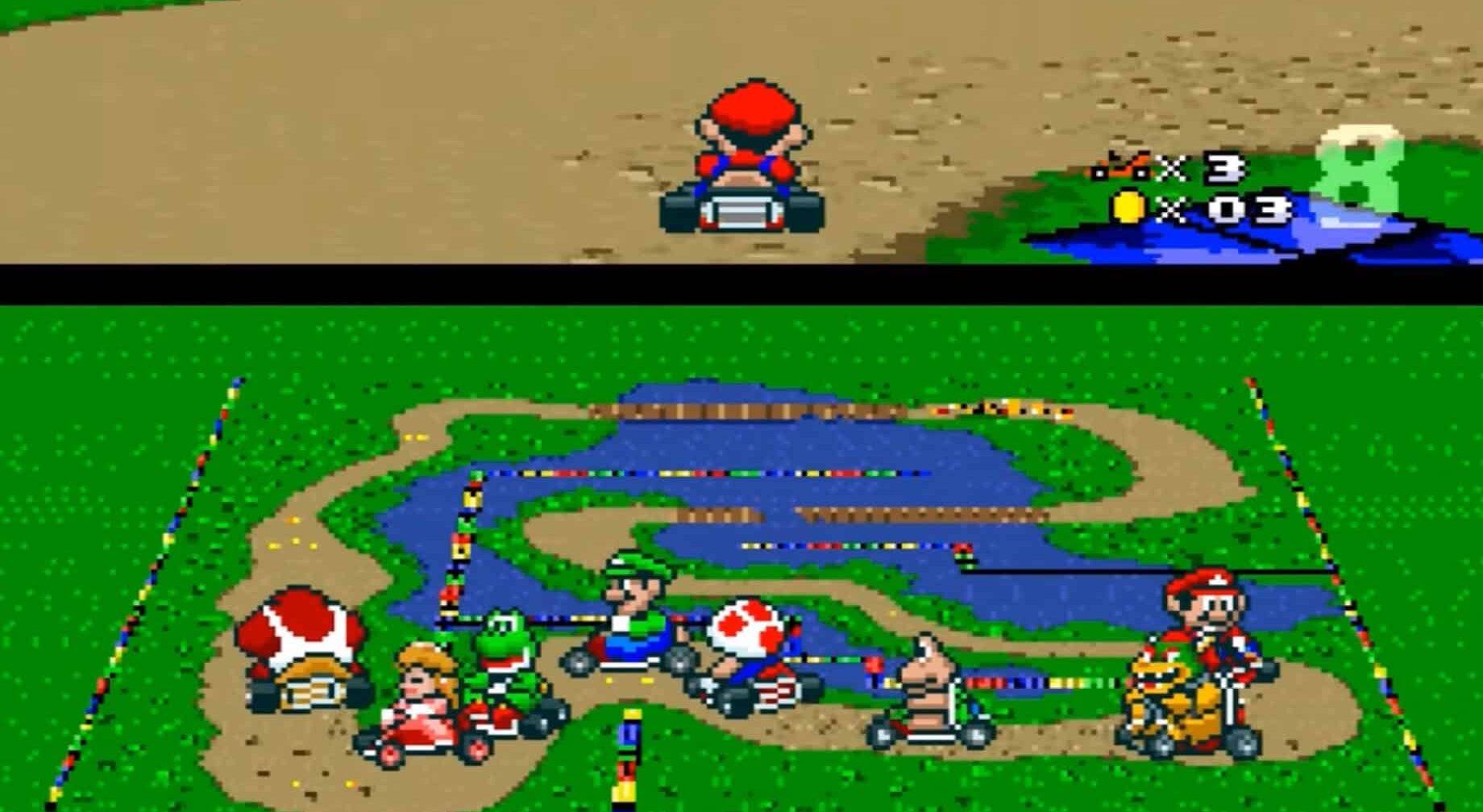
The first Super Mario Kart introduced the formula that has fueled decades of friendly arguments: pick a Nintendo character, race around a colorful track, and use an item at exactly the wrong time for everyone else. Its Mode 7 visuals gave the courses a convincing sense of movement on the Super Nintendo, even though the tracks were much simpler than those in modern games. The handling takes practice, particularly on tighter turns, and choosing a racer changes the way your kart behaves. If you are coming from Mario Kart 8 Deluxe, the original may feel surprisingly unforgiving. Stick with it, though, and you can see just how much of the series’ personality was there from the beginning.
Tony Hawk’s Pro Skater

- Released: 1999
- Original platform(s): PlayStation
- Genre: Arcade sports
Tony Hawk’s Pro Skater turned skateboarding into one of the most addictive score-chasing games of the late 1990s. You choose a real-world pro skater, drop into a compact level, and try to string together tricks while completing objectives before the timer runs out. The controls are accessible enough to learn quickly, but mastering combos takes plenty of practice. There is a great rhythm to it: miss a landing, learn the line, and immediately try again. The soundtrack also helped give the game an identity that extended beyond skateboarding fans. Its sequels expanded the formula, but the first game is still worth revisiting to see why the series caught on so quickly. You do not need to know the difference between a kickflip and a heelflip to enjoy it.
Mortal Kombat

- Released: 1992 (arcade); 1993 (Genesis)
- Original platform(s): Arcade; later Sega Genesis
- Genre: Fighting
Mortal Kombat was the loud, bloody rival to Street Fighter II, and its digitized fighters made it look unlike most other games in the arcade. The first game debuted in 1992, with home versions arriving in 1993, including the much-discussed Sega Genesis release. Its finishing moves, known as Fatalities, became a cultural talking point and helped fuel debates about violent video games. Underneath the controversy is a solid one-on-one fighting game with recognizable characters, different special moves, and a satisfyingly old-school challenge. It is not as smooth or expansive as later entries, but playing it now makes it easier to see why the franchise became such a big part of gaming history. It is definitely one for older players rather than younger kids.
Myst

- Released: 1993 (Macintosh); 1994 (Windows)
- Original platform(s): Macintosh; later Windows PC
- Genre: Puzzle adventure
Myst is not going to satisfy anyone who needs a fight or an explosion every few minutes, and that is exactly the point. You arrive on a mysterious island and explore strange environments, solving puzzles by paying attention to clues scattered throughout the world. It rarely tells you what to do next, so keeping notes and experimenting are part of the experience. Released first for Macintosh in 1993 and then for Windows in 1994, it became one of the defining games of the CD-ROM era. Some puzzles are cryptic, and its original point-and-click presentation feels unusual compared with today’s open worlds. But the quiet atmosphere, sound design, and satisfaction of finally cracking a difficult problem still make it something special.
Super Metroid

- Released: 1994
- Original platform(s): Super Nintendo
- Genre: Action-adventure
Super Metroid places bounty hunter Samus Aran on the planet Zebes, where every new ability gives you a reason to revisit somewhere you have already been. A corridor that seemed like a dead end may lead to a major discovery once you have the right weapon or movement upgrade. That interconnected design, along with the game’s tense atmosphere and brilliant map, helped establish the style later associated with the term Metroidvania. It is also a terrific action game in its own right, with memorable bosses, precise movement, and a strong sense of isolation. Unlike many older games, it does not need much explanation to draw you in. Explore, pay attention, and resist the temptation to look everything up the moment you get stuck.
Donkey Kong 64
- Released: 1999
- Original platform(s): Nintendo 64
- Genre: 3D platformer
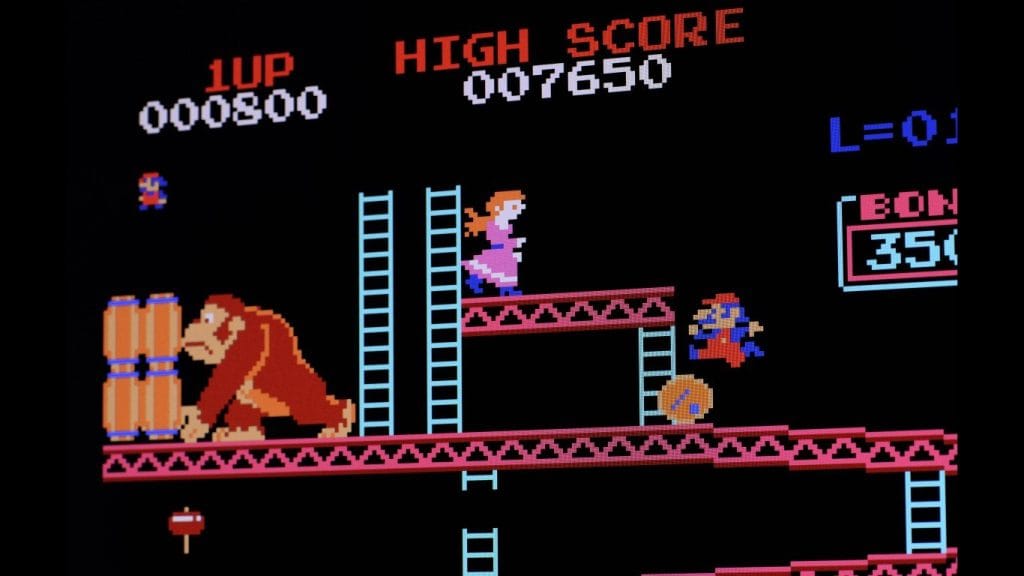
Donkey Kong 64 takes the collectible-heavy style of late-1990s platformers and runs with it. You explore large worlds and unlock five playable Kongs, each with abilities needed to reach particular areas and items. There are bananas, blueprints, coins, and plenty of other things to find, so anyone who enjoys checking every corner will have a lot to do. The trade-off is that repeatedly switching characters can become tedious, especially when the next collectible is just out of reach. This is not a cooperative campaign in which five friends run around together; its core adventure is a single-player game. But the goofy characters, sprawling levels, and sheer scale make it an interesting snapshot of the Nintendo 64 era.
Metal Gear Solid

- Released: 1998
- Original platform(s): PlayStation
- Genre: Stealth action
Metal Gear Solid made sneaking around feel every bit as exciting as charging into a room with a weapon. As Solid Snake, you infiltrate a nuclear weapons facility on Shadow Moses Island, avoiding guards, using gadgets, and uncovering a story that grows more complicated as you progress. The cinematic presentation was unusually ambitious for the original PlayStation, and the game found clever ways to surprise players by playing with their expectations. Some conversations run long, and the controls reflect the era, but the stealth mechanics hold up remarkably well once you get the hang of them. Whether you come for the elaborate story or the challenge of staying unseen, it is easy to see why this became one of the defining PlayStation games of the decade.
Pokémon Red and Blue

- Released: 1998 (North America)
- Original platform(s): Game Boy
- Genre: Role-playing game
Pokémon Red and Blue made collecting creatures an obsession for an entire generation of Game Boy owners. You explore the Kanto region, catch and train Pokémon, challenge Gym Leaders, and trade or battle with friends through a link cable. The two versions have some different available creatures, giving players a reason to swap with one another. There is an important release-date distinction: the original Pokémon Red and Green launched in Japan in 1996, but the Red and Blue versions familiar to North American players arrived in 1998. The graphics are basic and managing your collection is less convenient than in newer games, but the sense of discovery is still there. Few games from the decade capture the fun of comparing notes with friends quite like these do.