Keystone / Hulton Archive via Getty Images
"10 John Tyler" by US Department of State is licensed under PDM 1.0.
"Andrew Johnson, Vice President and President" by Marion Doss is licensed under BY-SA 2.0.

Hulton Archive / Getty Images
wfryer / Flickr
Hulton Archive / Hulton Archive via Getty Images
"Harry-truman" by myglesias is licensed under BY-SA 2.0.
Hulton Archive / Getty Images
Keystone / Getty Images
Mineco2, CC BY-SA 4.0
"No Known Restrictions: President Gerald Ford After Giving a Television Speech at the White House, Washington, D.C by Marion S. Trikosko, 1975 (LOC)" by pingnews.com is licensed under PDM 1.0.

MPI / Archive Photos via Getty Images


6 Vice Presidents Who Became President Without Winning a Presidential Election
John Adams, the first vice president in American history, once complained that his country had given him “the most insignificant office that ever the invention of man contrived or his imagination conceived.” For much of early American history, the job could certainly feel limited. The Constitution made the vice president president of the Senate, with the power to cast a vote when senators are evenly divided. But the office has always carried another responsibility that can suddenly become the only one that matters: being next in line to the presidency.
The six men below all became president in the middle of a term rather than by first winning a presidential election. Four succeeded presidents who died in office, including two who were assassinated, another took over after an assassination, and Gerald Ford became president after Richard Nixon resigned. Each transition tested the country's rules, traditions, and confidence in its government, sometimes exposing constitutional questions that had never been answered before.
John Tyler
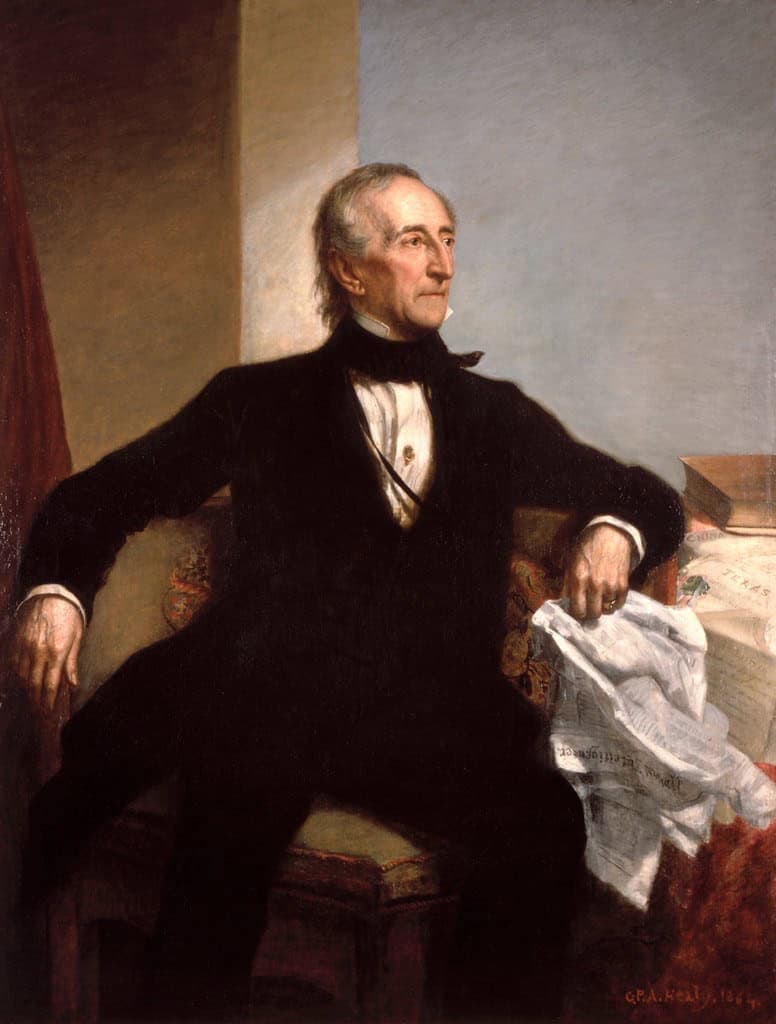
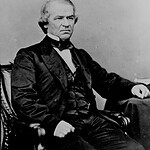
The first time a vice president had to take over after a president died came just over 50 years after the Constitution went into effect. President William Henry Harrison died on April 4, 1841, only 31 days after taking office. That immediately raised a question the country had never had to answer: Did Vice President John Tyler actually become president, or did he simply perform the president's duties as an acting president?
Tyler was at his home in Williamsburg, Virginia, when word of Harrison's death reached him on April 5. He arrived in Washington early the next morning and firmly asserted that he was now the President of the United States. Although Tyler believed his vice-presidential oath was enough, he took the presidential oath as well. Political opponents continued calling him the “Acting President,” and Tyler reportedly returned letters addressed to him that way unopened.
Tyler's position ultimately prevailed. On June 1, 1841, Congress approved resolutions recognizing him as president, and every later vice president who succeeded a president followed the precedent he established. More than a century later, the Twenty-Fifth Amendment, ratified in 1967, put the rule directly into the Constitution: when a president dies, resigns, or is removed from office, the vice president becomes president.
Andrew Johnson
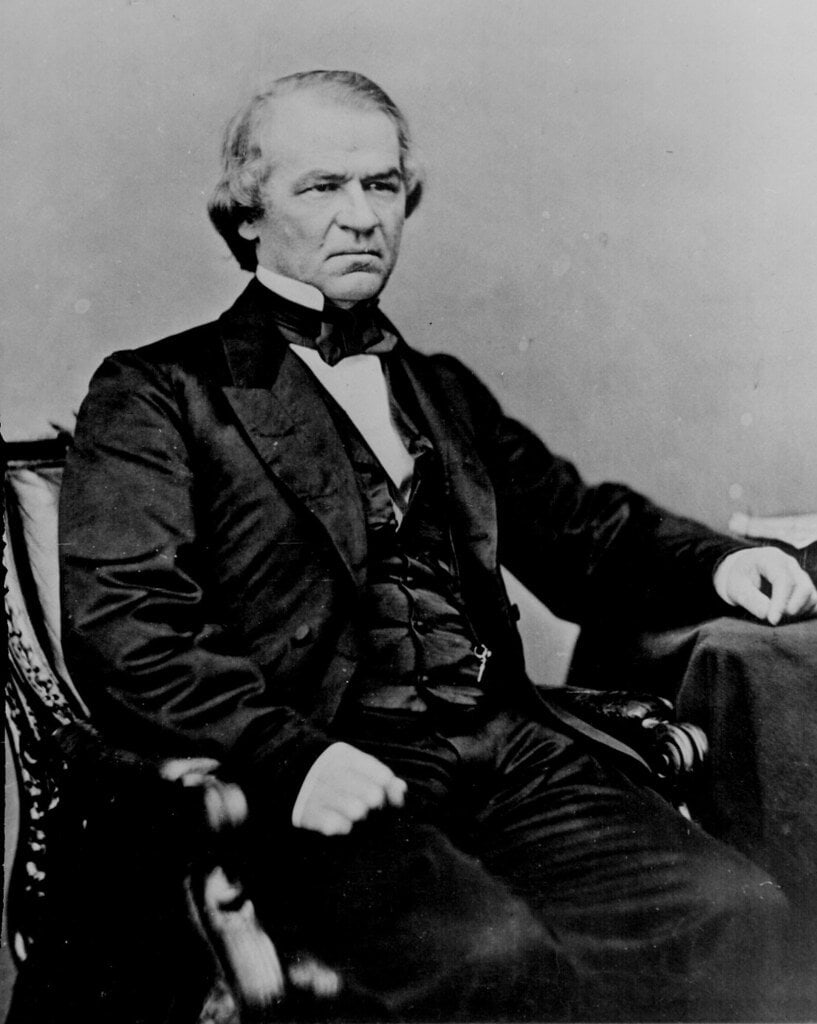
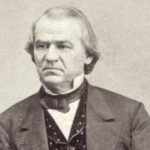
The Civil War was nearing its end when the presidency changed hands again. Confederate General Robert E. Lee surrendered the Army of Northern Virginia to Ulysses S. Grant at Appomattox Court House on April 9, 1865, although other Confederate forces remained in the field. Five days later, John Wilkes Booth shot President Abraham Lincoln at Ford's Theatre in Washington. Lincoln died the following morning, leaving Andrew Johnson to inherit a country still emerging from the bloodiest conflict in American history.
Johnson was an unusual choice for Lincoln's second-term running mate. A War Democrat from Tennessee, he had remained loyal to the Union when his state seceded and later served as military governor of Tennessee. In 1864, he joined Republican Lincoln on the National Union ticket in an attempt to broaden the coalition supporting the war effort.
Andrew Johnson (continued)
Once president, however, Johnson's lenient approach to Reconstruction quickly put him at odds with the Republican-controlled Congress, particularly over protections and political rights for formerly enslaved Americans.
The conflict became so bitter that the House of Representatives impeached Johnson on February 24, 1868, making him the first U.S. president to be impeached. He was not removed from office. In the Senate trial, 35 senators voted to convict him on three of the articles considered, while 19 voted not guilty. Conviction required 36 votes, so Johnson survived by a single vote and completed his term on March 4, 1869.
Theodore Roosevelt
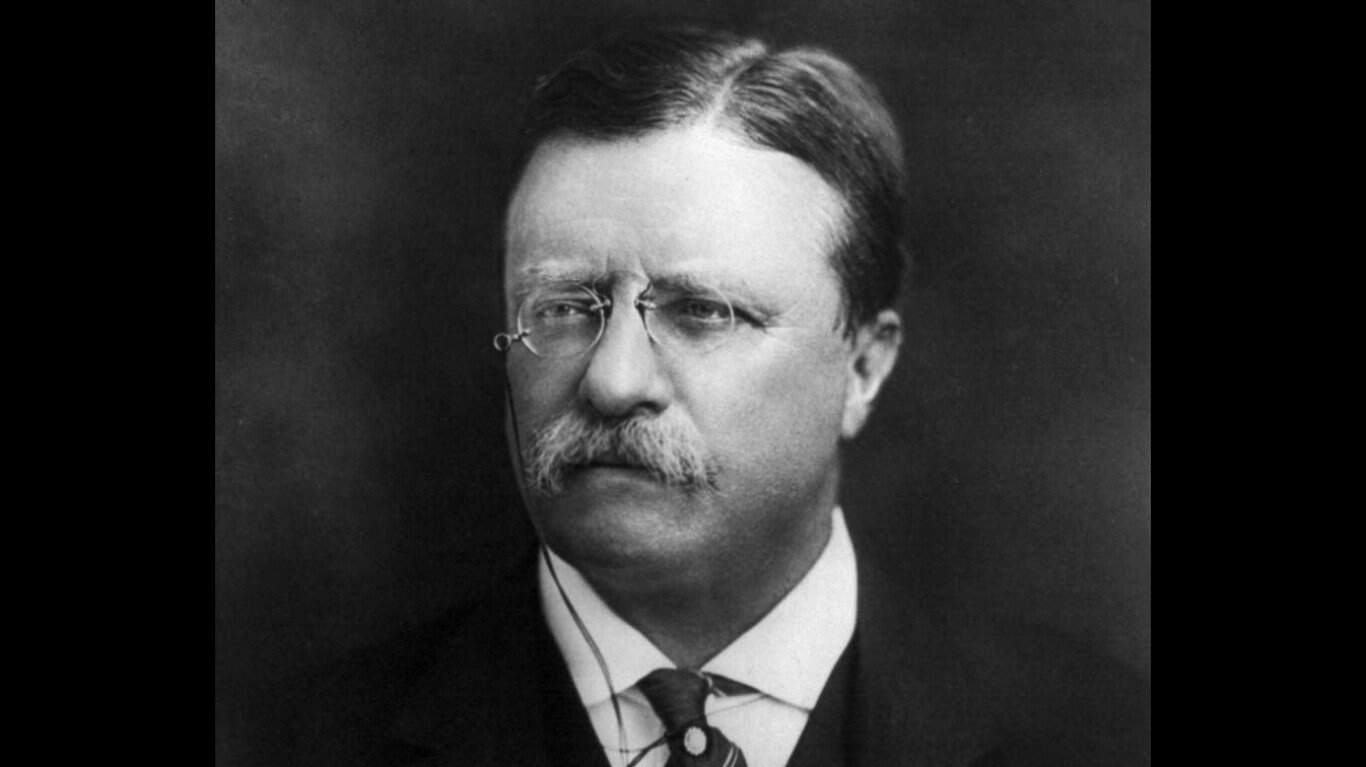
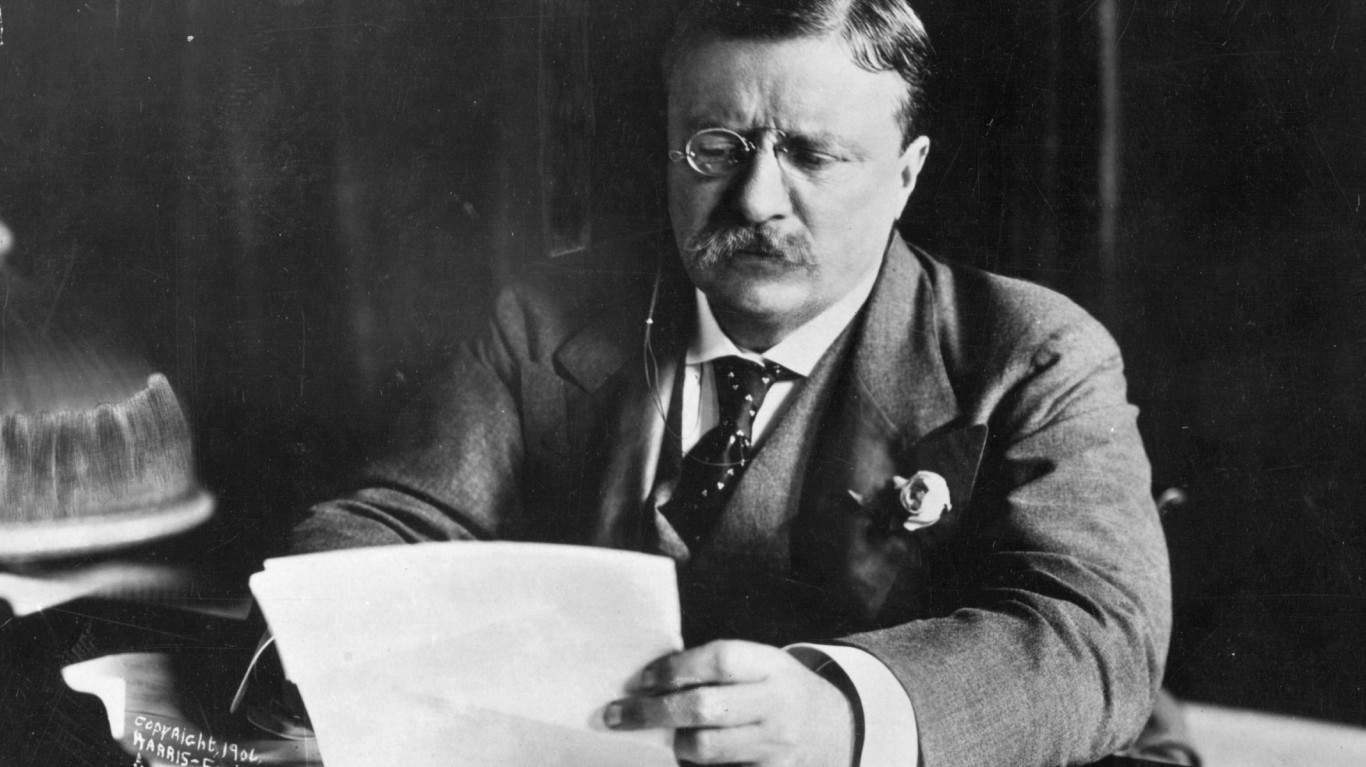
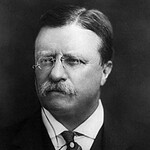
The next transition came after another assassination. President William McKinley was shot by Leon Czolgosz at the Pan-American Exposition in Buffalo, New York, on September 6, 1901. McKinley initially appeared to be recovering but died from his wounds on September 14. That put Theodore Roosevelt in the White House only about six months after he had become vice president.
There was a twist to Roosevelt's rise. As governor of New York, his reform-minded politics had irritated powerful figures in his own party. Some New York Republican bosses supported moving him into the vice presidency partly as a way to get him out of the governor's office, while Republican national chairman Mark Hanna worried about putting Roosevelt only one heartbeat from the presidency.
Theodore Roosevelt (continued)
McKinley's death produced exactly the outcome some party leaders had hoped to avoid.
At 42, Roosevelt became the youngest person ever to serve as president, a distinction he still holds. The Progressive Era was already underway, but Roosevelt became one of its defining political figures. He used the presidency aggressively in areas ranging from antitrust enforcement and consumer protection to conservation. The United States had already emerged as a growing world power before he took office, particularly after the Spanish-American War, but Roosevelt expanded that role through an assertive foreign policy, the Panama Canal project, and his mediation of the Russo-Japanese War.
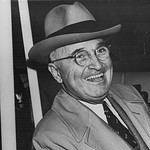
Harry S. Truman
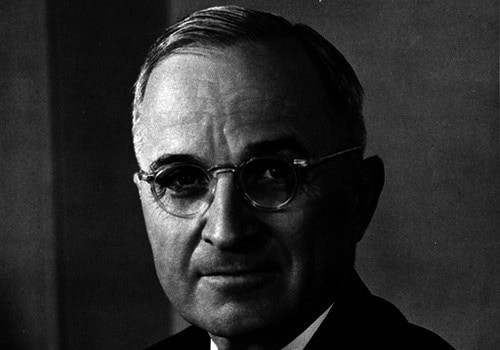
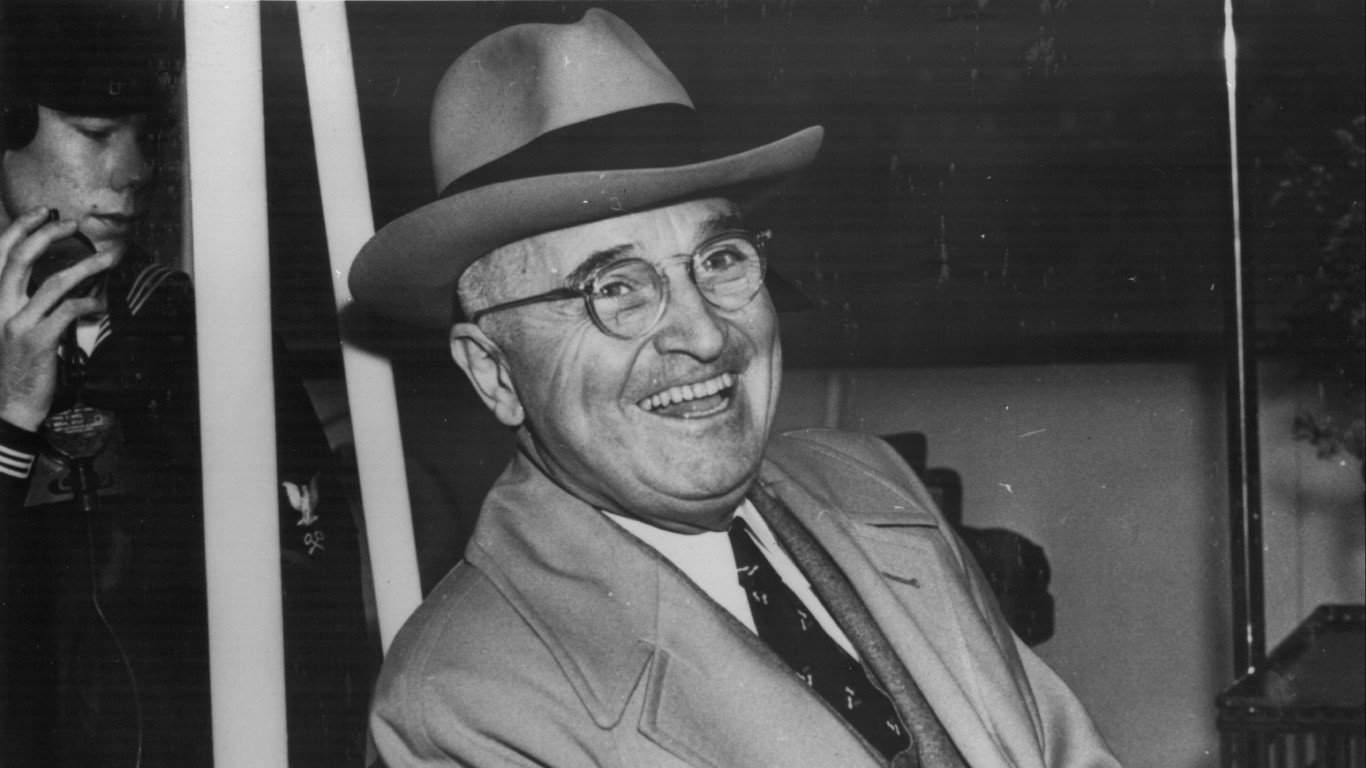
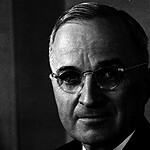
Franklin D. Roosevelt was the only president in U.S. history elected to four terms, leading the country through most of the Great Depression and nearly all of America's involvement in World War II. When Roosevelt died suddenly at Warm Springs, Georgia, on April 12, 1945, Vice President Harry S. Truman had been in the job for only 82 days. He had not been briefed on the Manhattan Project while serving as vice president and received a detailed explanation of the secret atomic-bomb program after becoming president.
The weight of the transition hit Truman immediately. The day after Roosevelt died, he told reporters, “I felt like the moon, the stars, and all the planets had fallen on me.” The war in Europe was almost over, but the war against Japan continued. Truman authorized the use of atomic bombs against Hiroshima on August 6 and Nagasaki on August 9.
Harry S. Truman (continued)
The Soviet Union also entered the war against Japan in August, and Japan accepted the Allied surrender terms on August 14 before formally signing the Instrument of Surrender on September 2nd. Historians continue to debate the necessity of the atomic bombings and the relative importance of the different pressures that produced Japan's surrender.
Truman's presidency would extend far beyond the end of World War II. His administration backed the Marshall Plan that helped rebuild Western European economies, confronted the Soviet Union during the Berlin blockade, and helped establish NATO in 1949. He also became closely associated with the phrase “The Buck Stops Here,” which appeared on a sign kept on his White House desk and summed up his belief that the president ultimately had to accept responsibility for the decisions reaching the Oval Office.
Lyndon B. Johnson
John F. Kennedy made history in 1960 when, at 43, he became the youngest person ever elected president. The Space Race had already begun with the Soviet launch of Sputnik in 1957, but Kennedy dramatically increased America's commitment to it, calling in 1961 for the United States to land a man on the moon before the end of the decade. His record on civil rights evolved during his presidency as well. After initially moving cautiously, Kennedy called racial discrimination a moral crisis in June 1963 and submitted comprehensive civil rights legislation to Congress.
American involvement in Vietnam also predated Kennedy. President Dwight Eisenhower had hundreds of U.S. military personnel in South Vietnam before Kennedy entered office. Kennedy dramatically expanded that commitment, increasing the number of American military advisers to more than 16,000 by 1963, although he stopped short of sending conventional U.S. ground combat units.
Lyndon B. Johnson (continued)
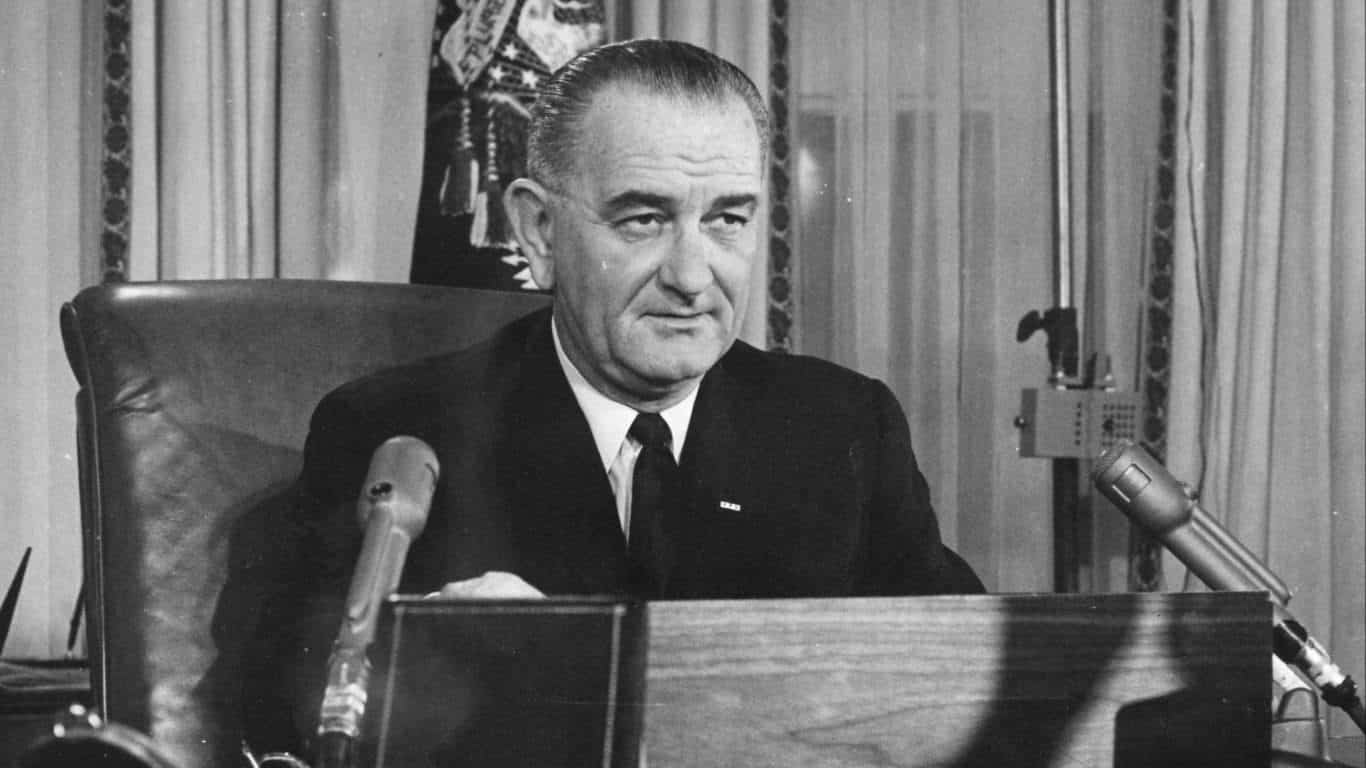
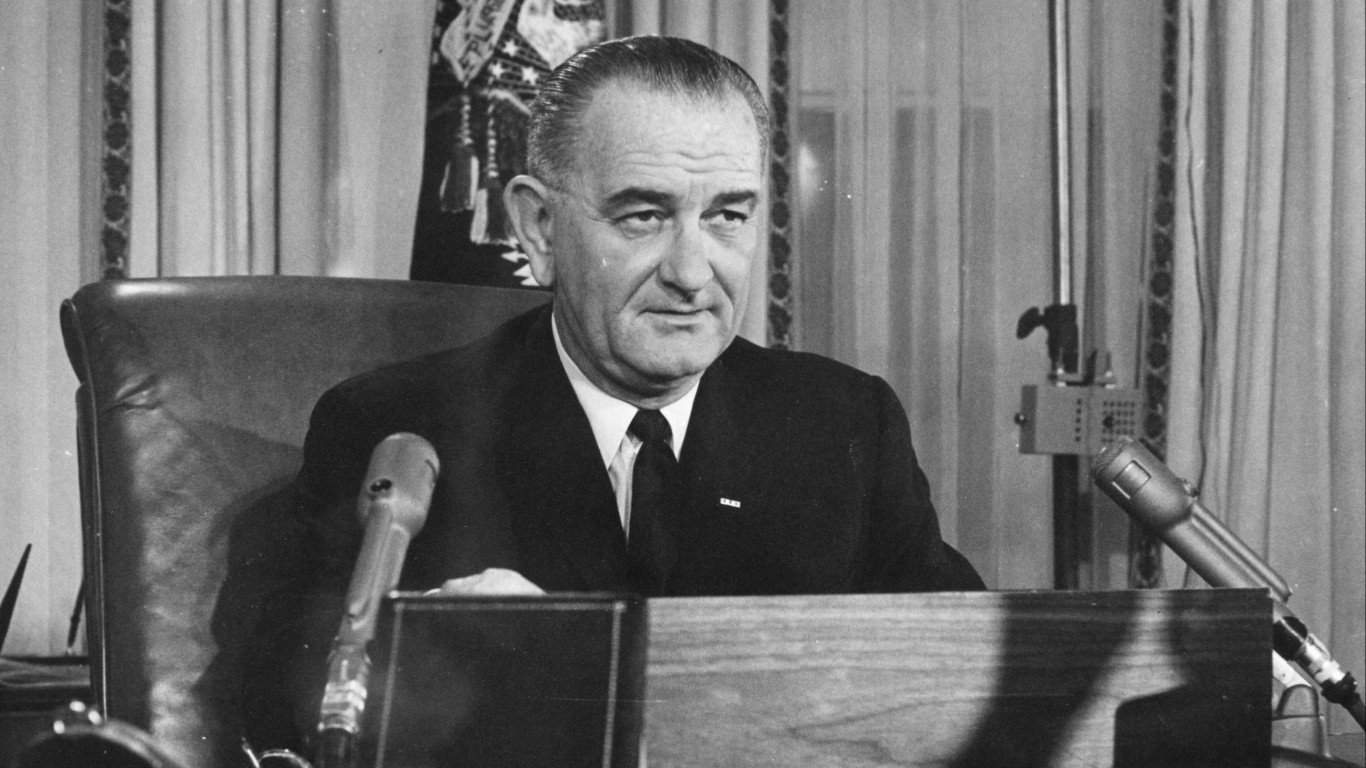
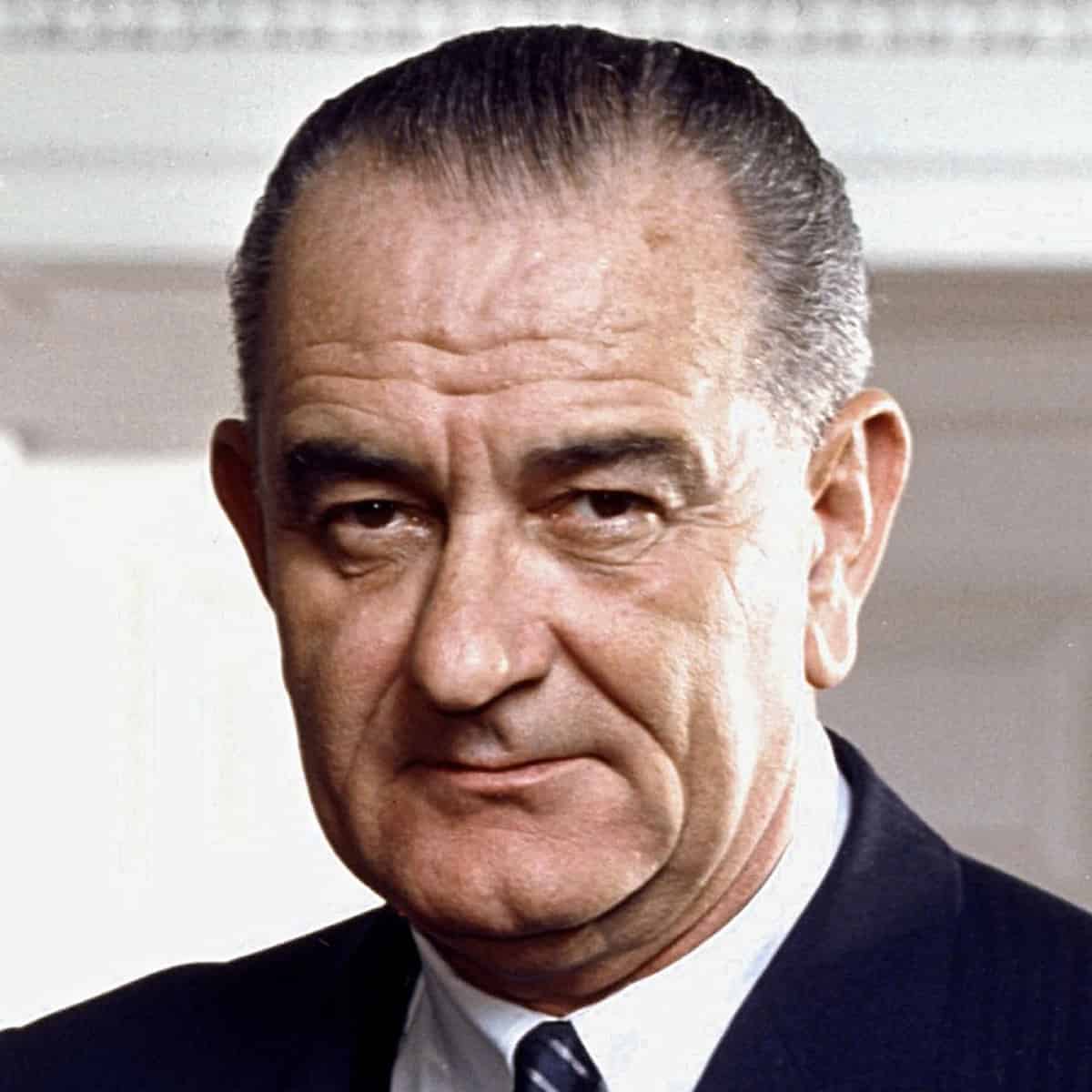
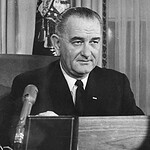
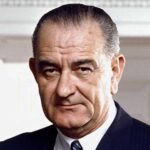
Tragedy struck on November 22, 1963, when Kennedy was assassinated in Dallas, Texas. With Kennedy's casket aboard Air Force One at Love Field, Vice President Lyndon B. Johnson took the presidential oath before the aircraft returned to Washington. The murder occurred in the middle of the Cold War, leaving the government eager to demonstrate that presidential authority and U.S. policy remained intact even after the sudden loss of the commander in chief.
Johnson used his considerable legislative skills to push major domestic laws through Congress, including the Civil Rights Act of 1964 and Voting Rights Act of 1965. At the same time, he dramatically escalated the war in Vietnam, with large numbers of American combat troops deployed beginning in 1965. The conflict eventually claimed the lives of more than 58,000 U.S. service members and became the dominant political burden of Johnson's presidency. His record remains defined by that contrast: landmark civil rights and social legislation at home alongside an increasingly costly and unpopular war abroad.
Gerald Ford
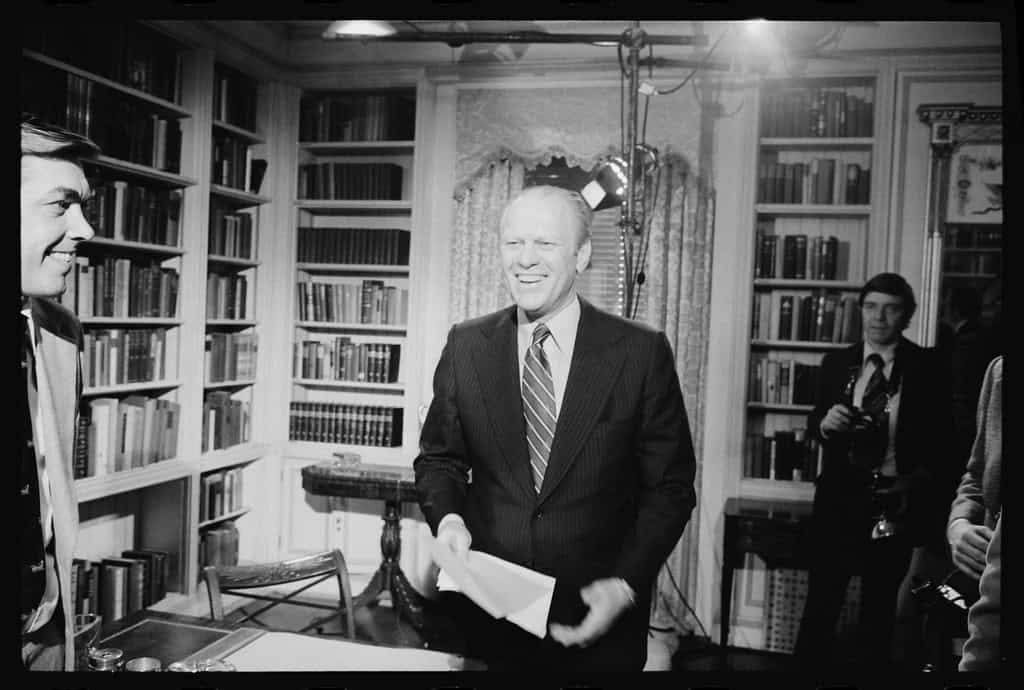
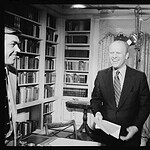
The final transition on this list did not follow a president's death. Gerald Ford reached the White House during the constitutional and political crisis created by Watergate. Vice President Spiro Agnew had resigned on October 10, 1973, after pleading no contest to a federal charge of tax evasion. President Richard Nixon then nominated Ford to fill the vacancy under the Twenty-Fifth Amendment, and Congress confirmed him. Ford took office as vice president on December 6, 1973.
Only eight months later, Nixon became the first president in American history to resign. The Watergate investigation had reached the White House, the House Judiciary Committee had approved articles of impeachment, and Nixon's remaining support in Congress was collapsing. He resigned on August 9, 1974, and Ford was sworn in as the 38th president.
Gerald Ford (continued)
In his first remarks afterward, Ford delivered one of the most memorable lines of his career: “Our long national nightmare is over.” Ford remains the only person to serve as both vice president and president without being elected by voters to either office. His decision on September 8, 1974, to grant Nixon a full pardon was immediately controversial and drew an overwhelmingly negative public response.
Ford argued that continuing Nixon's legal ordeal would keep the country trapped in Watergate. The decision remains debated, but it has also undergone considerable historical reassessment. In 2001, the John F. Kennedy Library Foundation gave Ford its Profile in Courage Award, specifically recognizing the political risk he took in pardoning Nixon.