Evan El-Amin / Shutterstock.com
chrisdorney/Shutterstock.com
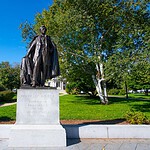
"Ulysses S. Grant Memorial -- West Front of the U.S. Capitol Washington (DC) 2015" by Ron Cogswell is licensed under BY 2.0.
National Archives and Records Administration / Public Domain
Hulton Archive / Hulton Archive via Getty Images
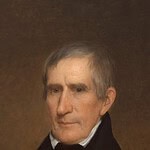
Albert Gallatin Hoit / Public domain
Wirestock Creators/Shutterstock.com
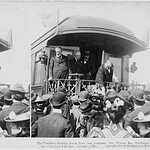
"No Known Restrictions: President William McKinley on Train, 1900 (LOC)" by pingnews.com is licensed under PDM 1.0.
Wangkun Jia/Shutterstock.com
Everett Collection/Shutterstock.com
"Public Domain: Ronald Reagan at Durenberger Rally by Michael Evans, 1982 (NARA/Reagan Library)" by pingnews.com is licensed under PDM 1.0.
Everett Collection/Shutterstock.com
Prachaya Roekdeethaweesab/Shutterstock.com
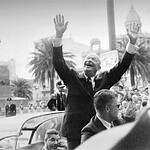
"Eisenhower en Uruguay" by U.S. Embassy Montevideo is licensed under PDM 1.0.
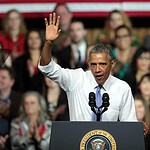
"Barack Obama" by Gage Skidmore is licensed under BY-SA 2.0.
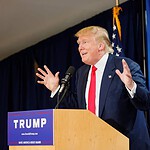
"Donald Trump Laconia Rally, Laconia, NH by Michael Vadon July 16 2015" by Michael Vadon is licensed under BY-SA 2.0.

15 Presidential Campaign Phrases That Made History
Long before campaigns had social media hashtags and viral clips, presidential candidates were trying to squeeze an entire political message into a few memorable words. Some succeeded so well that the phrase outlived not only the campaign, but sometimes the candidate.
Not everything on this list was technically an official campaign slogan. Some were songs, advertising lines, rally chants, or memorable remarks that became inseparable from an election. Together, though, they show that political branding is hardly a modern invention.
From a 19th-century rhyme about "Tippecanoe" to Barack Obama's "Yes We Can" and Donald Trump's "Make America Great Again," here are 15 presidential campaign phrases that became part of American political history.
A Time for Greatness
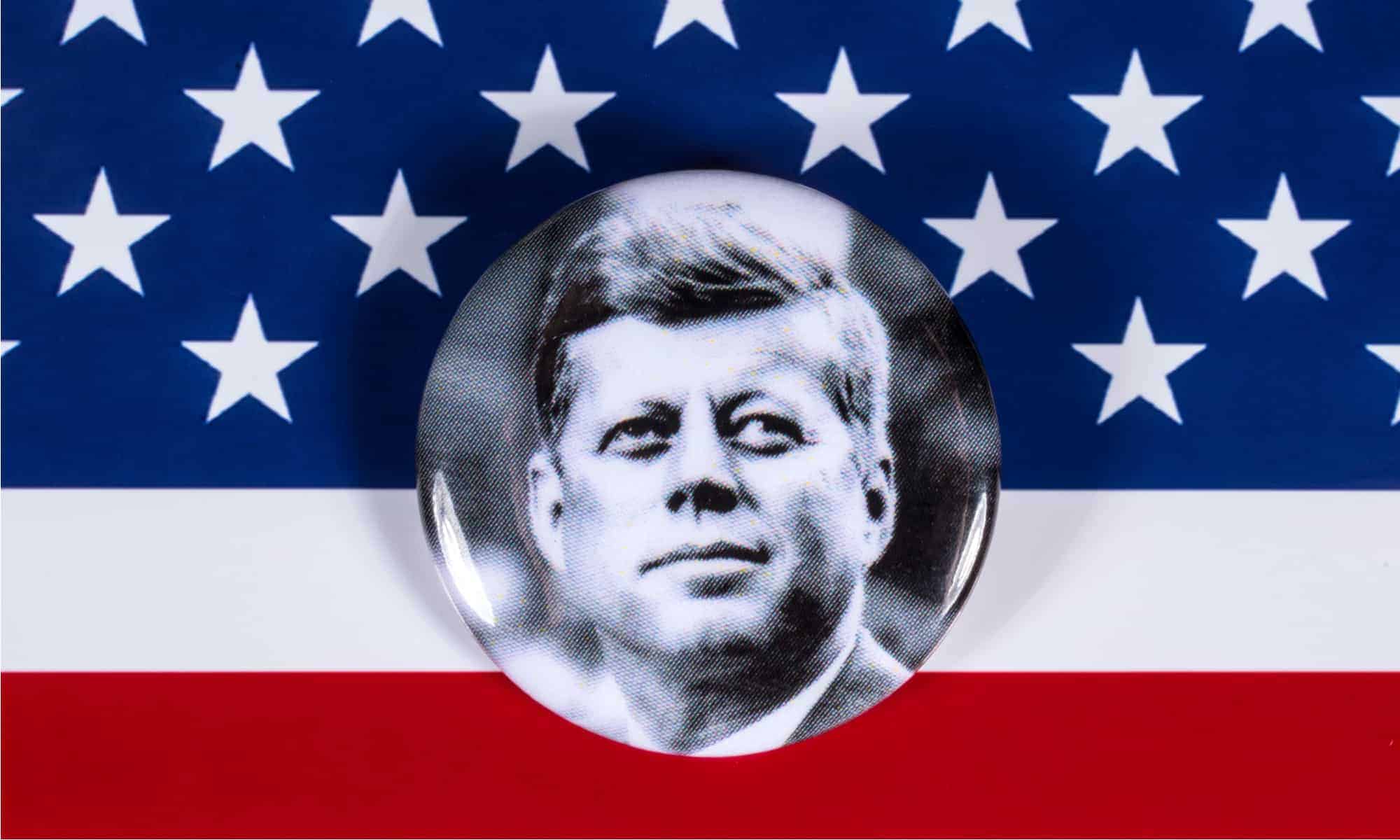
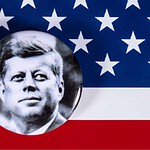
Year: 1960 | Candidate: John F. Kennedy. "A Time for Greatness" appeared in Kennedy campaign advertising as he presented the 1960 election as a turning point requiring younger and more energetic leadership. The message fit neatly alongside Kennedy's better-known "New Frontier" theme and his argument that the United States needed to move forward during a tense period of Cold War competition.
Grant Us Another Term
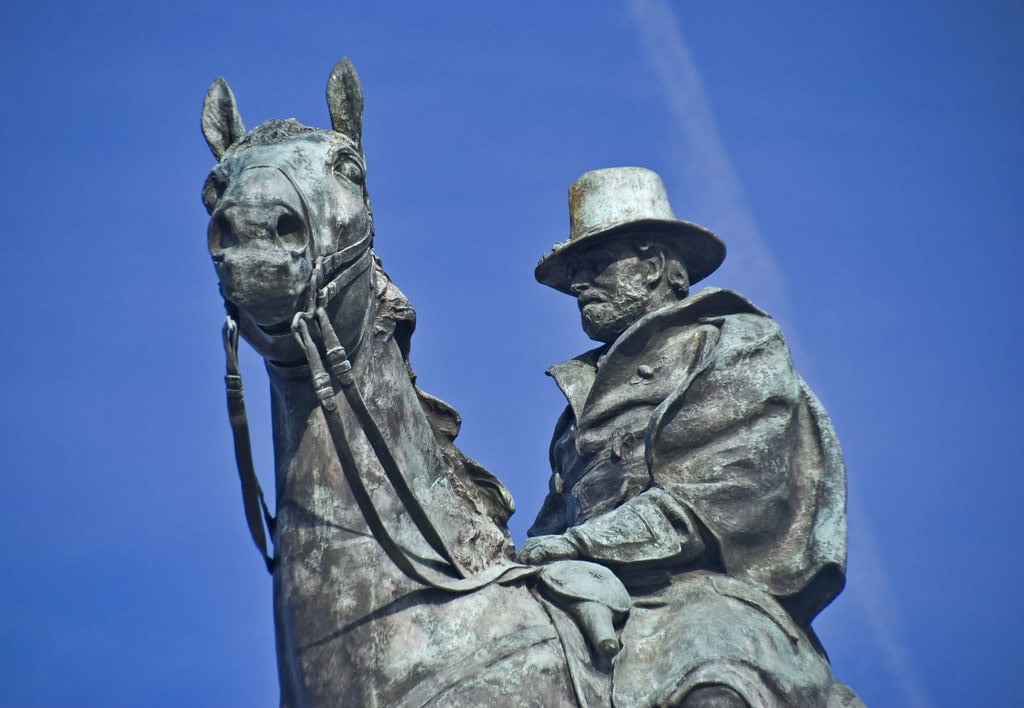
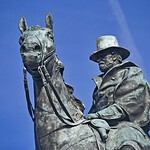
Year: 1872 | Candidate: Ulysses S. Grant. Presidential campaign humor was alive and well in the 19th century. "Grant Us Another Term" was the title of an 1872 pro-Grant campaign song, turning the president's surname into an easy reelection pitch. Grant ultimately defeated Liberal Republican and Democratic nominee Horace Greeley and won a second term.
Happy Days Are Here Again
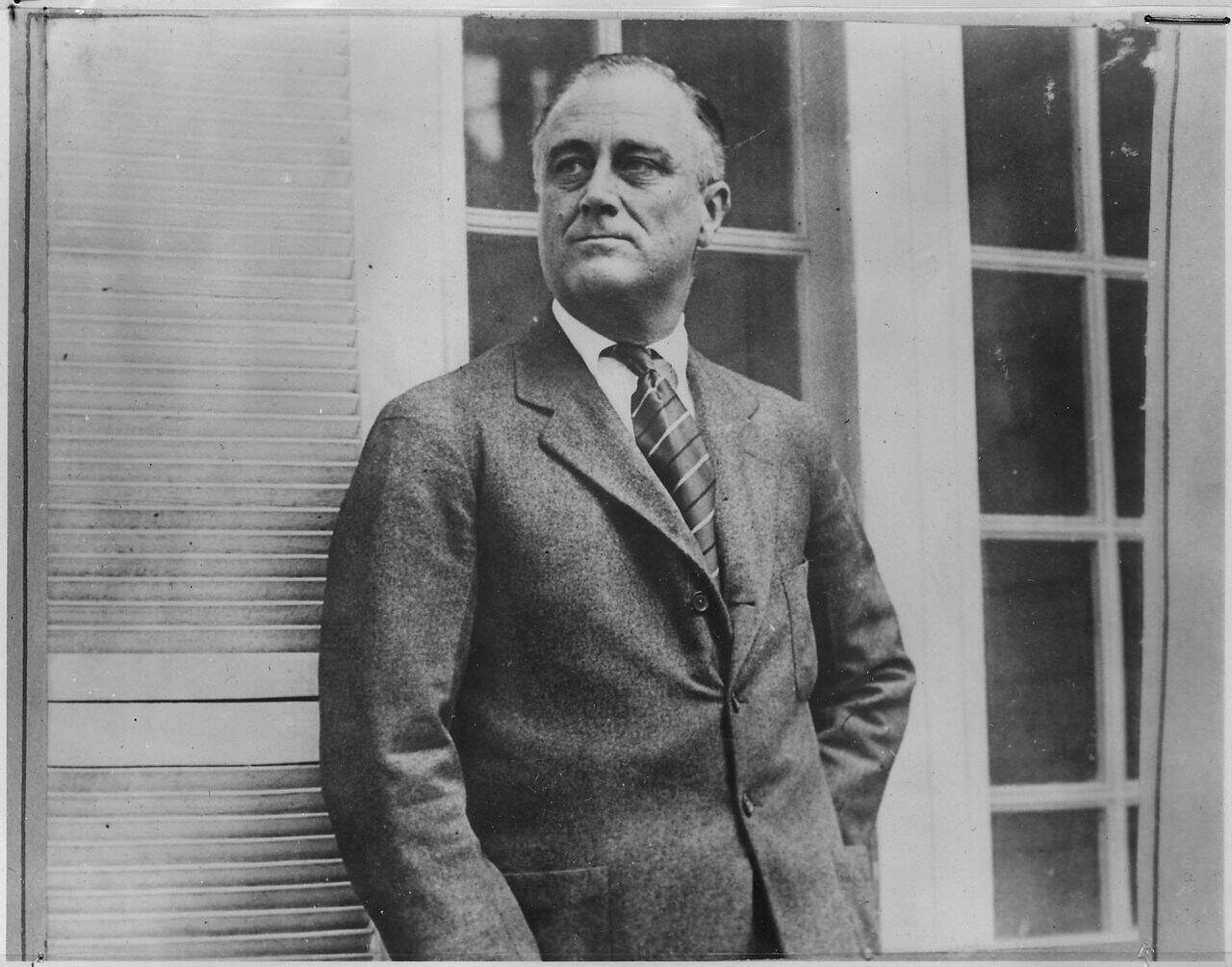
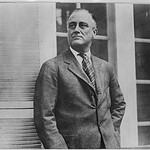
Year: 1932 | Candidate: Franklin D. Roosevelt. This was actually a popular song before it became political. "Happy Days Are Here Again" was played at the 1932 Democratic National Convention and became Roosevelt's campaign theme song. With the country deep in the Great Depression, its upbeat promise of better times fit Roosevelt's campaign almost suspiciously well.
Not Just Peanuts
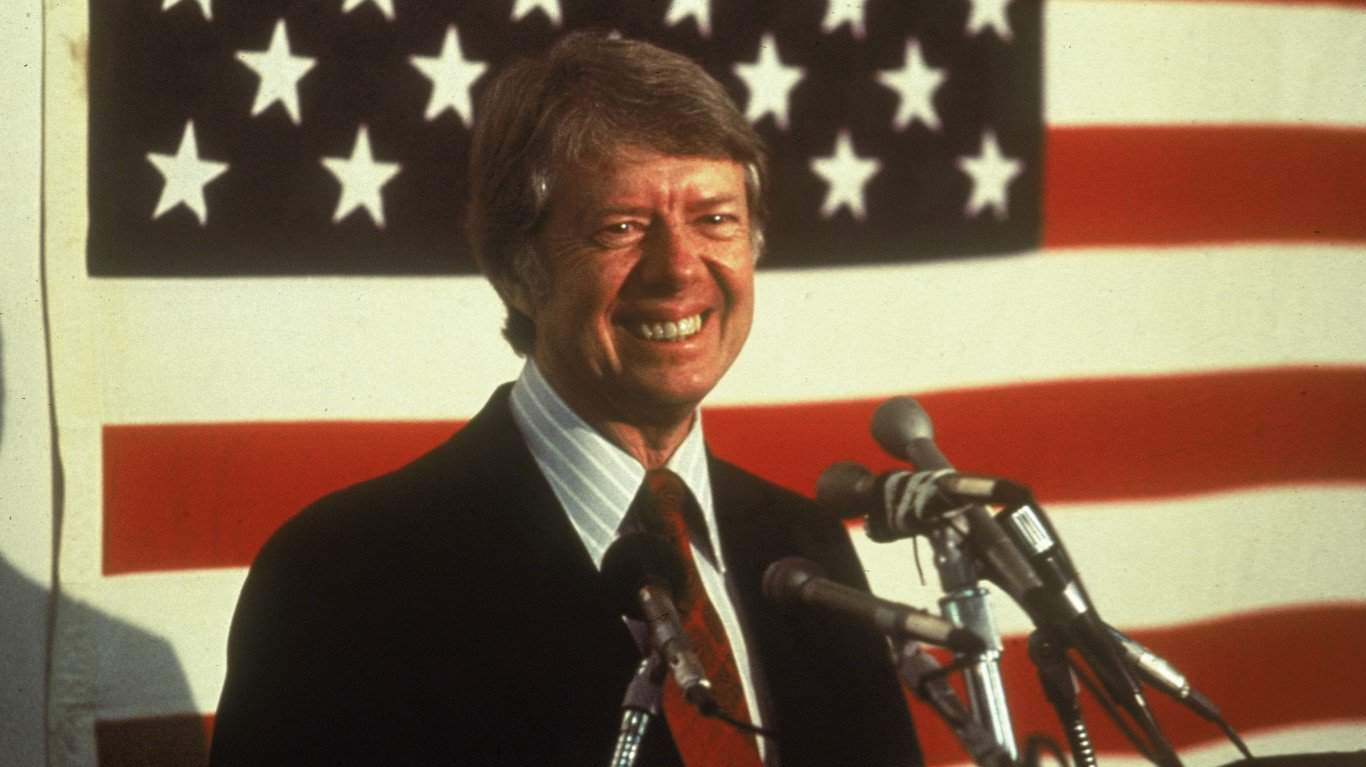
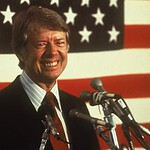
Year: 1976 | Candidate: Jimmy Carter. Carter's background as a Georgia peanut farmer was impossible to miss, so his supporters leaned into it. "Not Just Peanuts" became one of the phrases associated with his outsider campaign, reminding voters that the relatively little-known former governor had more to offer than the folksy biography. Carter went on to narrowly defeat incumbent President Gerald Ford.
Tippecanoe and Tyler Too!
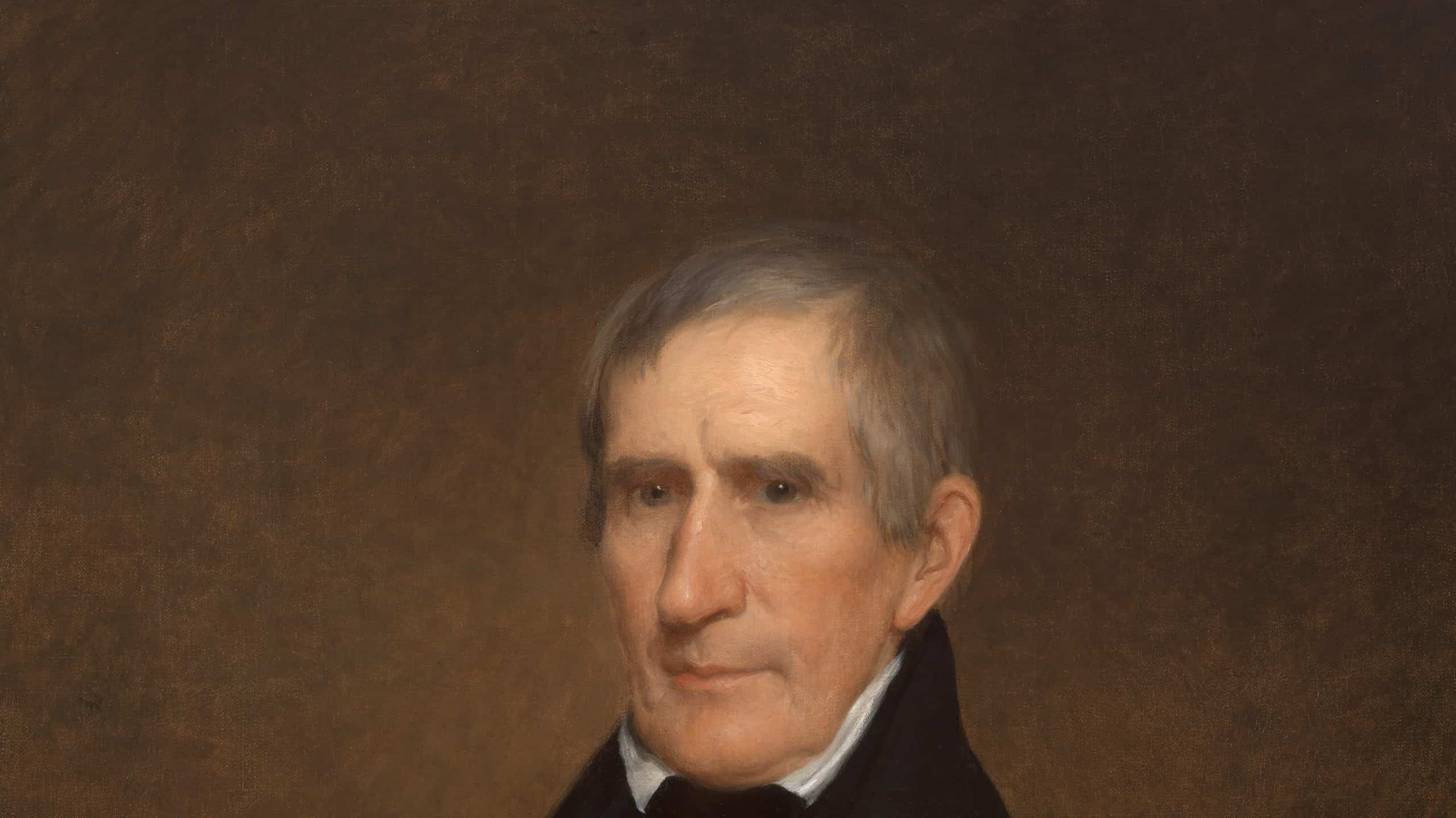
Year: 1840 | Candidate: William Henry Harrison. This may be the gold standard for old-school campaign slogans. "Tippecanoe" referenced Harrison's connection to the 1811 Battle of Tippecanoe, while "Tyler Too" brought running mate John Tyler into the rhyme. The phrase appeared in campaign songs and became one of the best-remembered features of an election famous for rallies, log-cabin imagery, and mass political merchandising.
He Kept Us Out of War
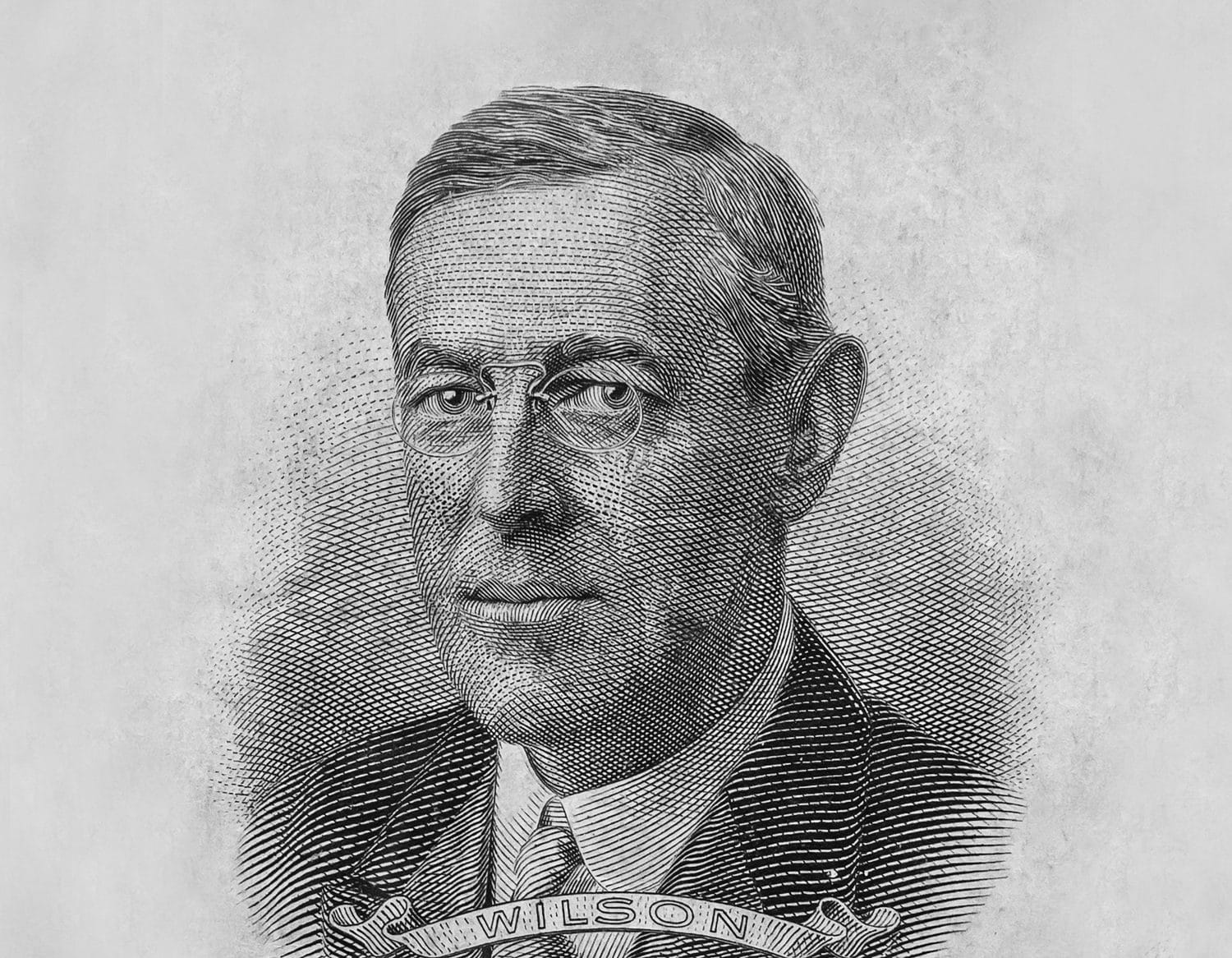
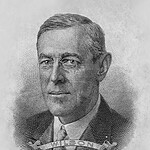
Year: 1916 | Candidate: Woodrow Wilson. With World War I already devastating Europe, Wilson's supporters emphasized that the United States had remained outside the conflict. "He Kept Us Out of War" became one of the defining messages of his narrow reelection victory. The promise did not last long. After Germany resumed unrestricted submarine warfare and the Zimmermann Telegram became public, Wilson asked Congress for a declaration of war on April 2, 1917. Congress declared war on Germany four days later.
Four More Years of a Full Dinner Pail
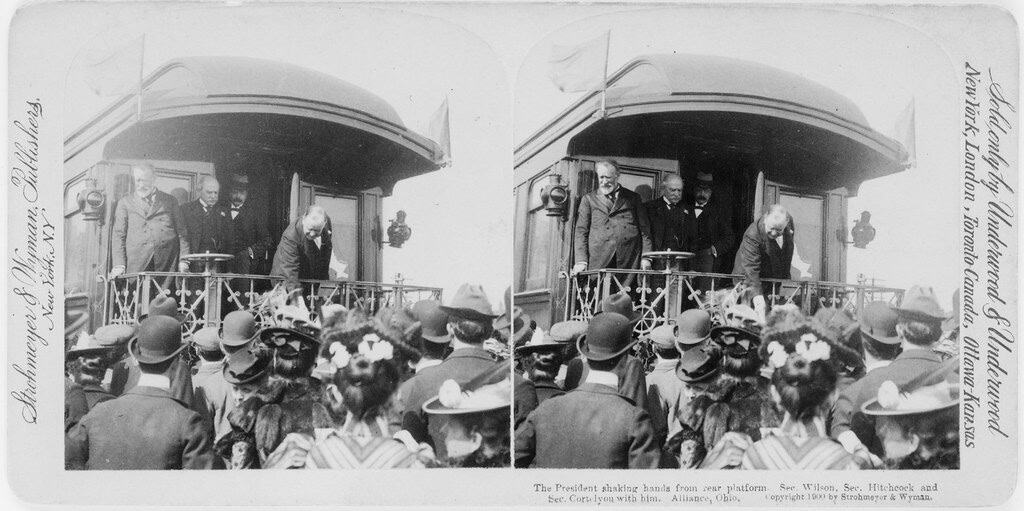
Year: 1900 | Candidate: William McKinley. McKinley had used the image of a "full dinner pail" during his first presidential run in 1896. By 1900, the reelection version became "Four More Years of a Full Dinner Pail." Workers commonly carried metal dinner pails, so the message was straightforward: another McKinley term meant continued jobs and prosperity.
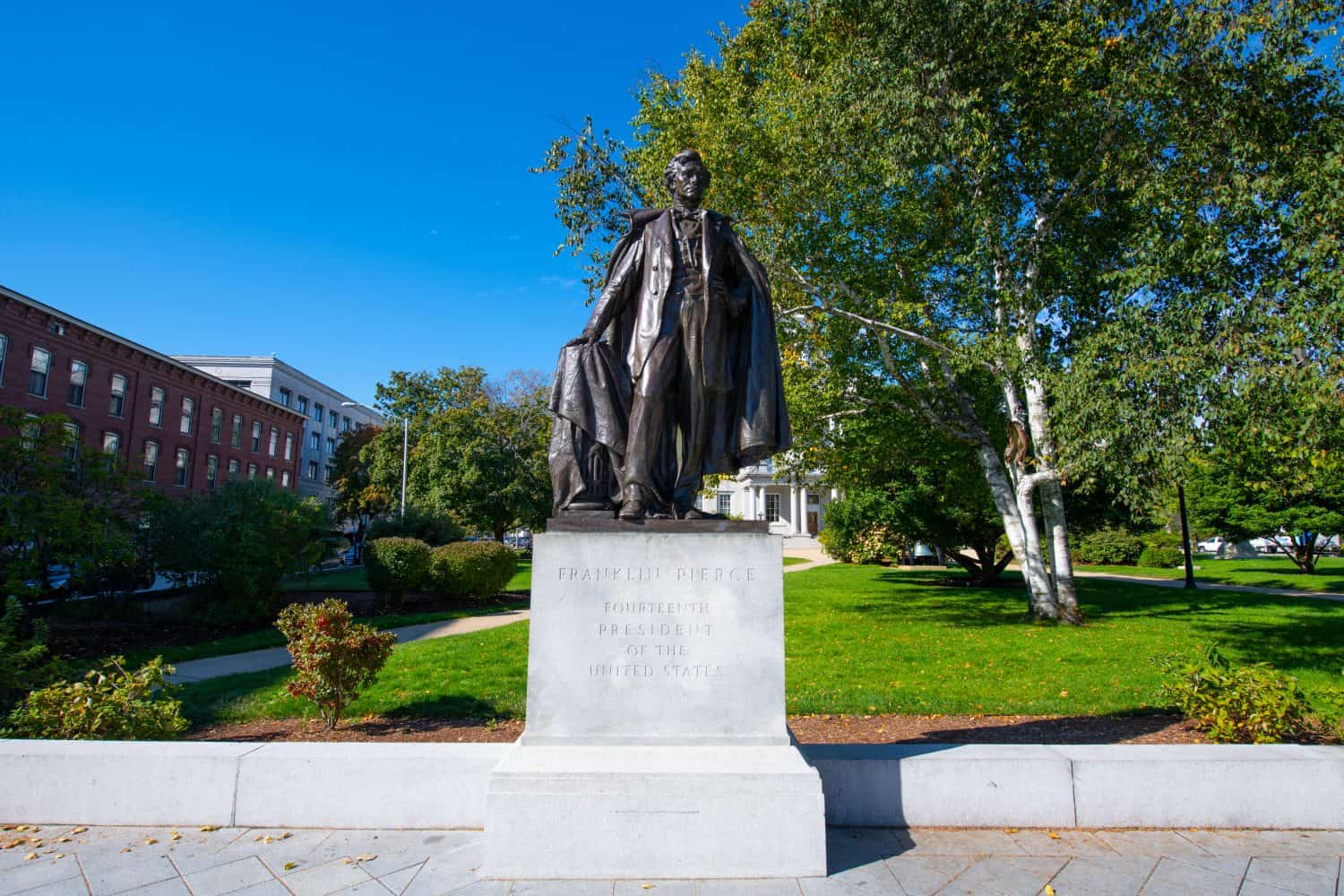
We Polked You in '44, We Shall Pierce You in '52
Year: 1852 | Candidate: Franklin Pierce. Apparently political dad jokes were alive and thriving in 1852. Democrats linked the relatively obscure Pierce to James K. Polk, another dark-horse Democrat who had won the presidency in 1844. The slogan turned both surnames into verbs: Democrats had "Polked" their opponents in 1844 and planned to "Pierce" them eight years later. Pierce did, in fact, win decisively.
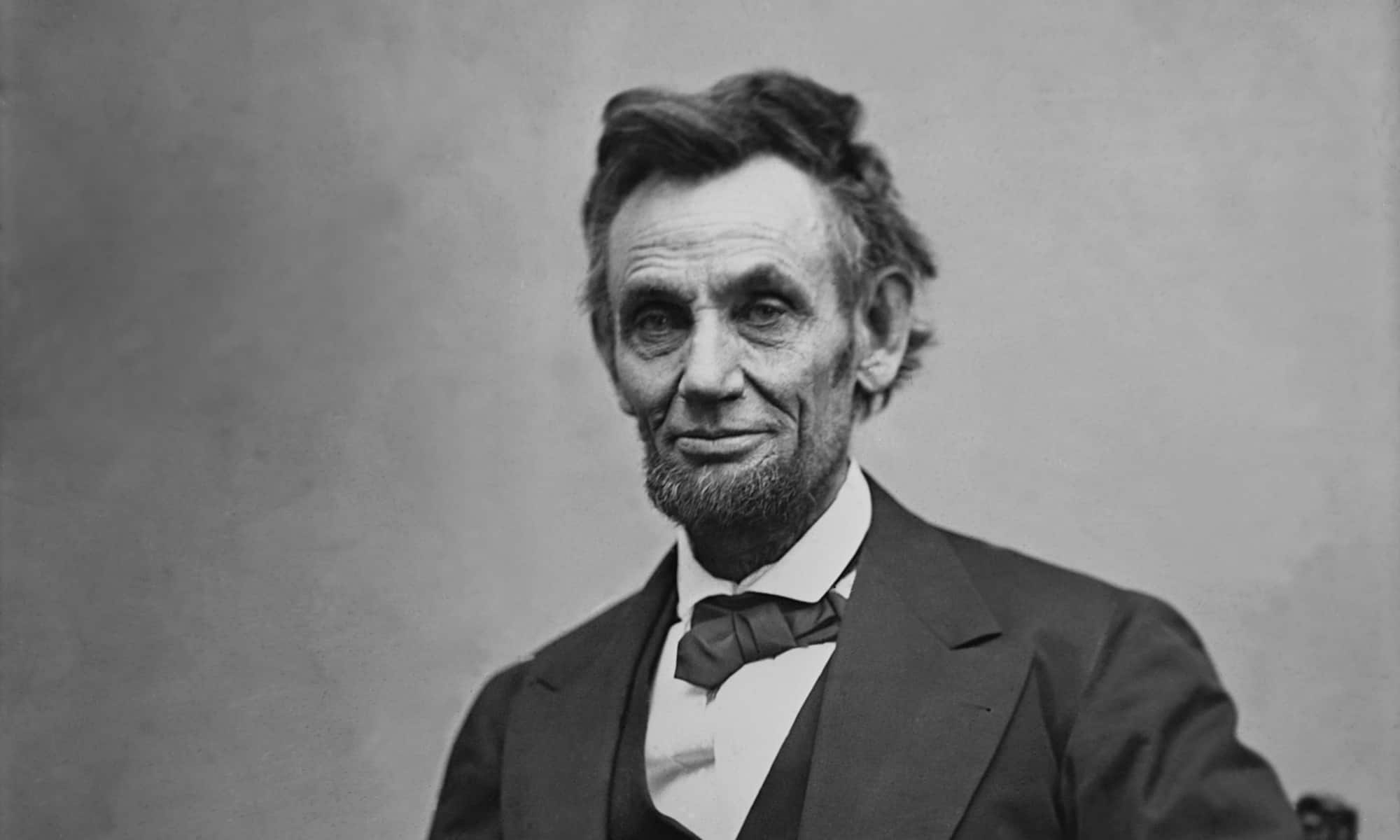
Don't Swap Horses in the Middle of the Stream
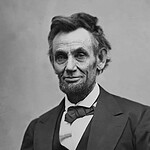
Year: 1864 | Candidate: Abraham Lincoln. Lincoln was seeking reelection while the Civil War was still raging, so the argument against changing leadership practically wrote itself. Variations on "don't swap horses while crossing the stream" became associated with his campaign, urging voters to stick with the incumbent until the country made it through the crisis. Lincoln defeated former Union general George B. McClellan in November.
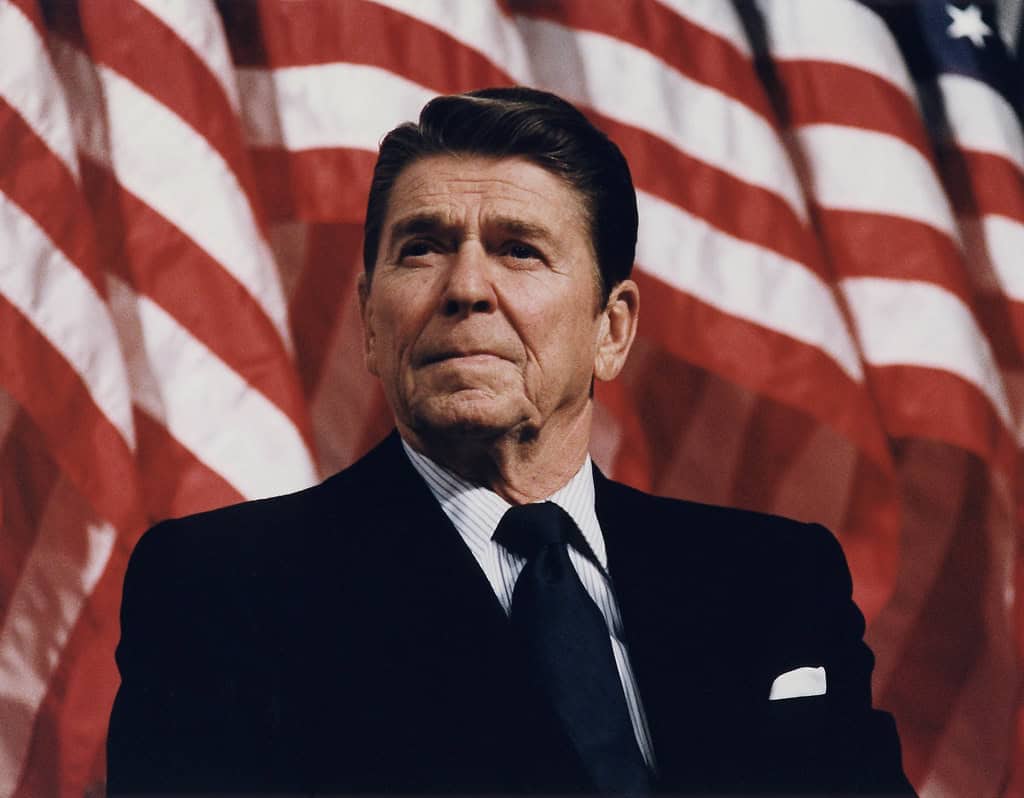
Are You Better Off Than You Were Four Years Ago?
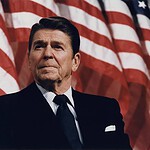
Year: 1980 | Candidate: Ronald Reagan. Reagan delivered this question during his closing statement in the only 1980 general-election debate between himself and President Jimmy Carter. It distilled his economic argument into something any voter could answer personally. With inflation, high interest rates, economic anxiety, and the Iran hostage crisis hanging over the election, the line became one of the most enduring political questions ever asked on a debate stage.
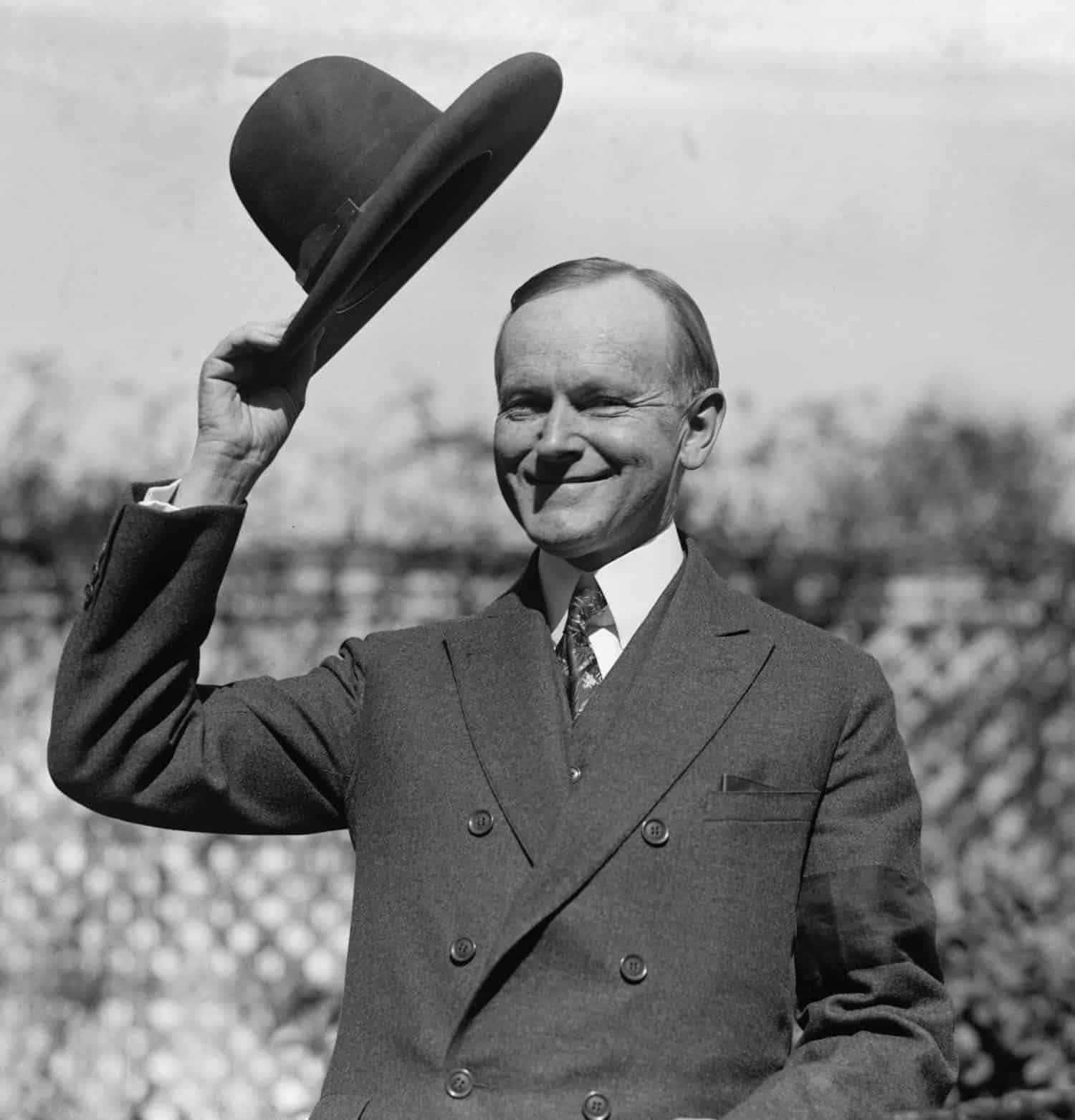
Keep Cool With Coolidge
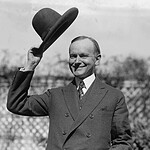
Year: 1924 | Candidate: Calvin Coolidge. Coolidge became president after Warren G. Harding died in 1923 and ran for a full term of his own the following year. "Keep Cool With Coolidge" played perfectly off both his name and his restrained public image. Entertainer Al Jolson even performed a campaign song built around the phrase. Coolidge easily won the three-way presidential contest.
A Chicken in Every Pot and a Car in Every Garage
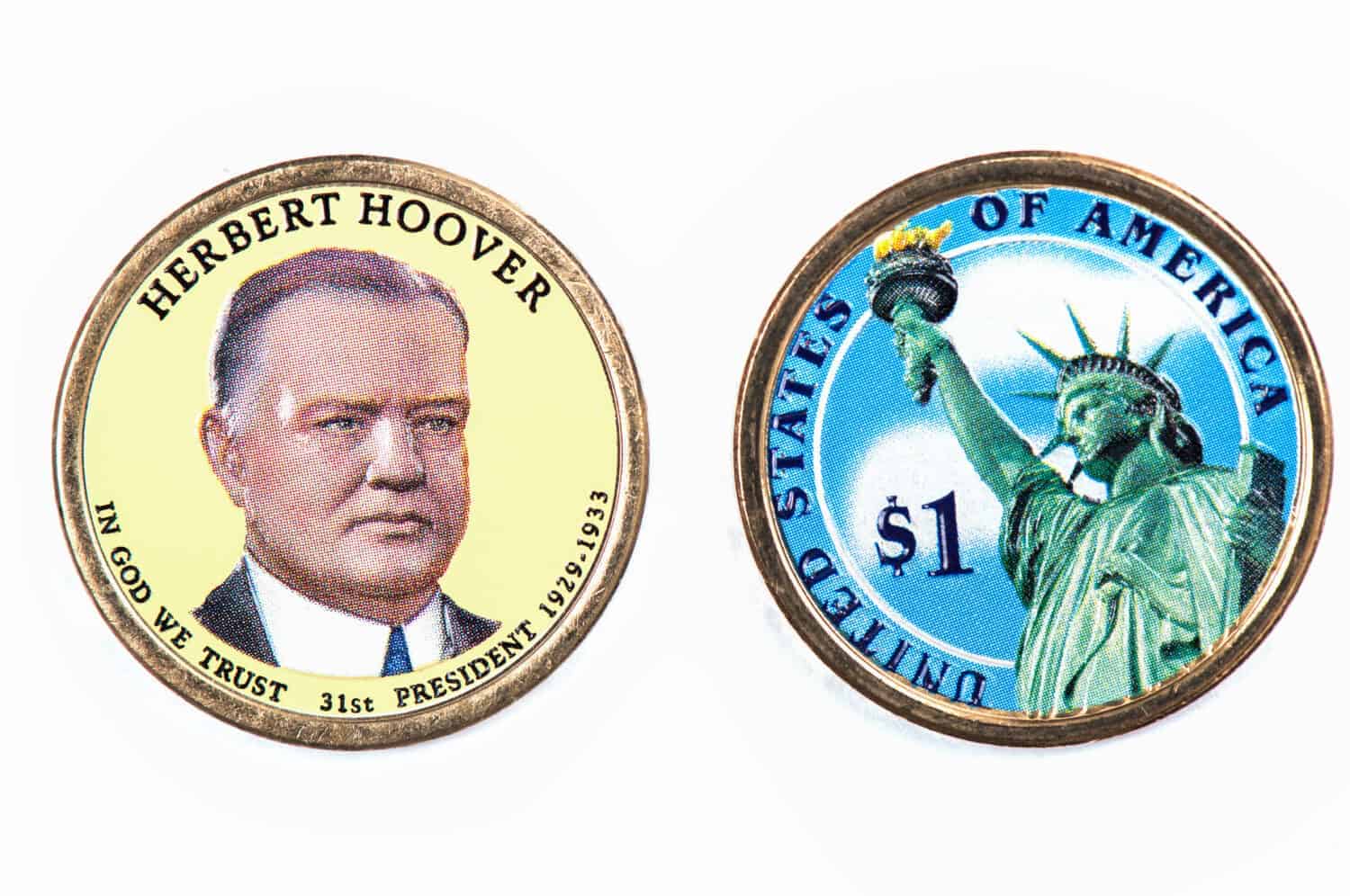
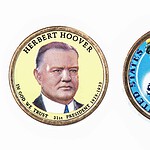
Year: 1928 | Candidate: Herbert Hoover. Hoover is still routinely credited with personally promising Americans "a chicken in every pot and a car in every garage," but that is not quite what happened. The memorable phrase appeared in pro-Hoover advertising produced by Republican supporters. It reflected the prosperity argument behind his campaign at the end of the 1920s, although history gave the line some brutal irony after the stock market crashed in 1929 and the Great Depression followed.
I Like Ike
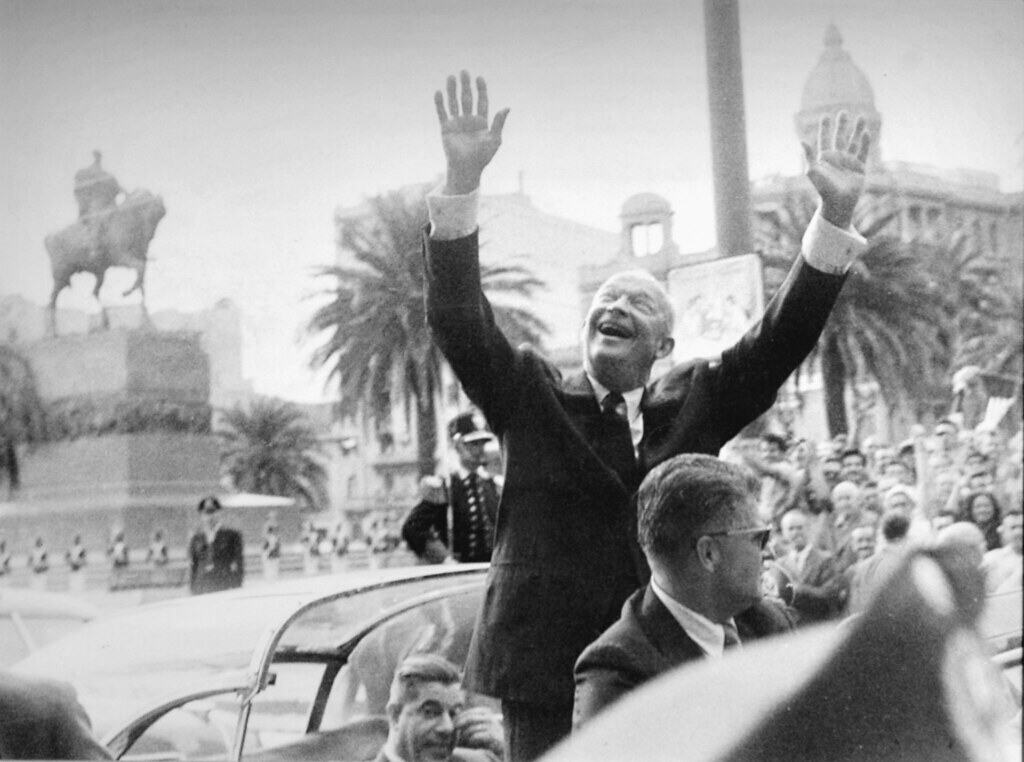
Year: 1952 | Candidate: Dwight D. Eisenhower. It is difficult to make a political pitch much simpler than "I Like Ike." Songwriter Irving Berlin adapted "They Like Ike," a song from his musical "Call Me Madam," into "I Like Ike" for Eisenhower's 1952 campaign. The catchy phrase, paired with animated campaign advertising and Eisenhower's enormous popularity as a World War II commander, became one of the most recognizable political slogans in American history.
Yes We Can
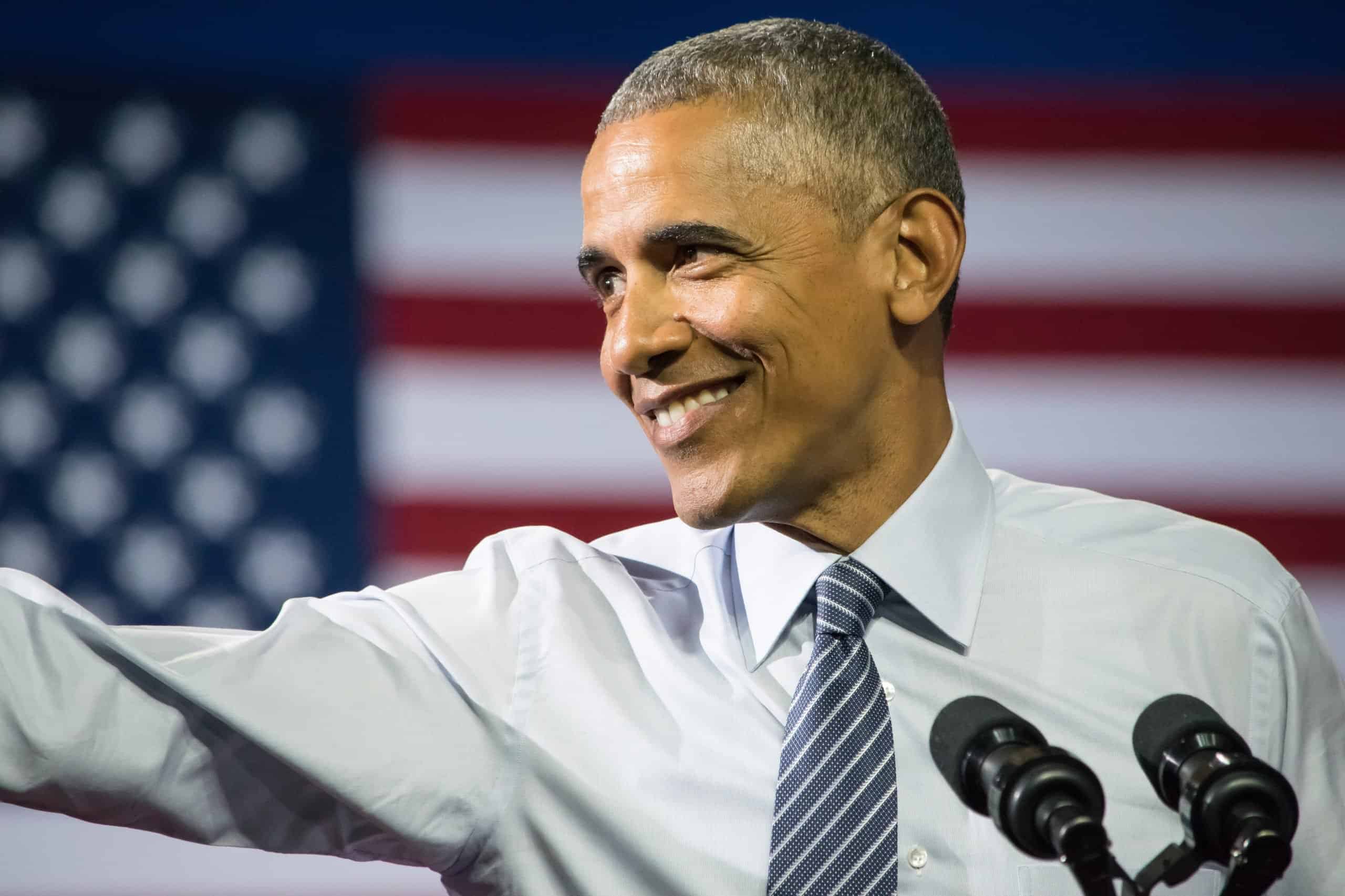
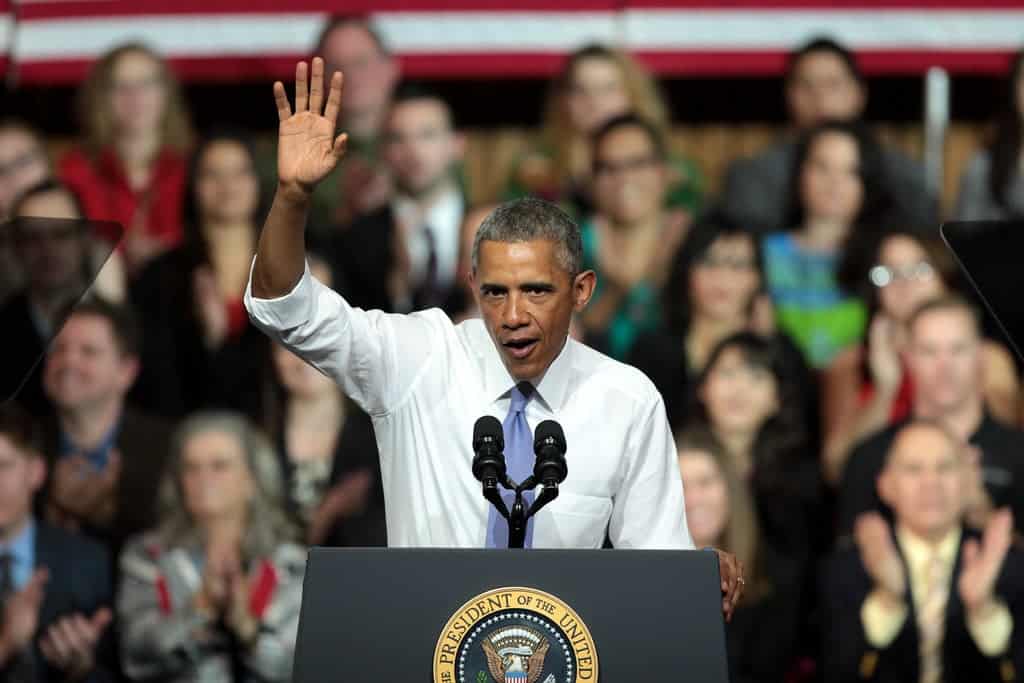
Year: 2008 | Candidate: Barack Obama. "Yes We Can" became both a campaign slogan and a rally chant during Obama's rise from first-term U.S. senator to Democratic nominee and eventually president. Obama later described the phrase himself as words that summed up his 2008 campaign. Combined with the campaign's broader message of "Change We Can Believe In," it became shorthand for the grassroots enthusiasm surrounding his candidacy.
Make America Great Again
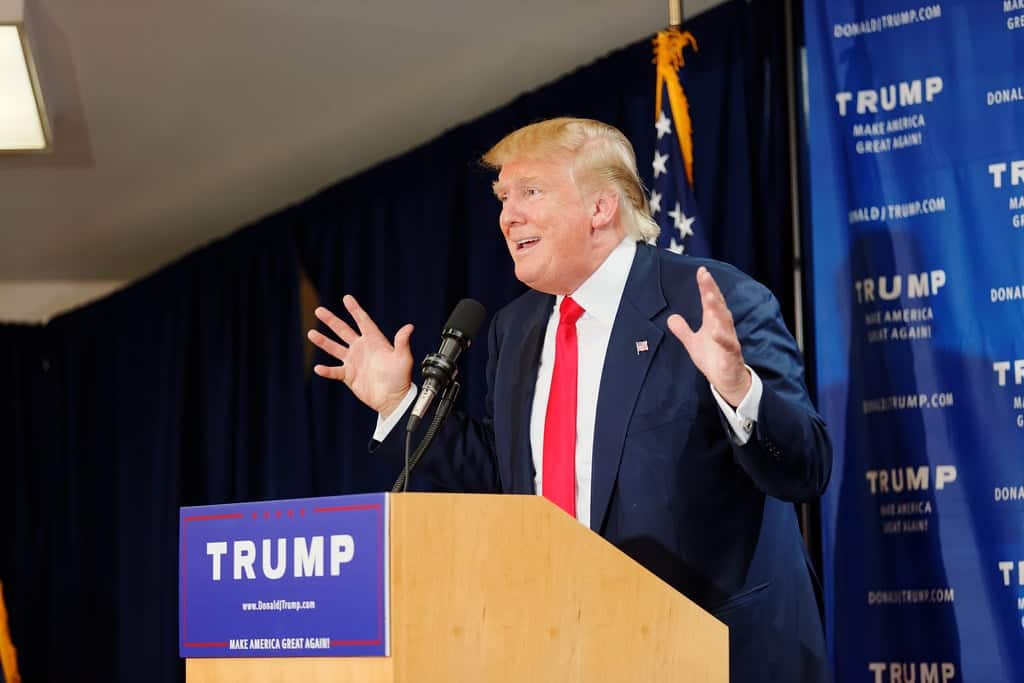
Years: 2016, 2020, and 2024 | Candidate: Donald Trump. Few modern political slogans have become as inseparable from a candidate, movement, and political identity as "Make America Great Again." Trump applied to trademark the phrase in 2012, and it became the centerpiece of his successful 2016 presidential campaign before remaining central to his 2020 and 2024 campaigns. The wording itself was not entirely new. Ronald Reagan used "Let's Make America Great Again" during his 1980 campaign, and Bill Clinton had also used similar language. Trump, however, transformed the four words and the acronym "MAGA" into a political brand that remained prominent well beyond a single election. He returned to the White House as the 47th president in January 2025.