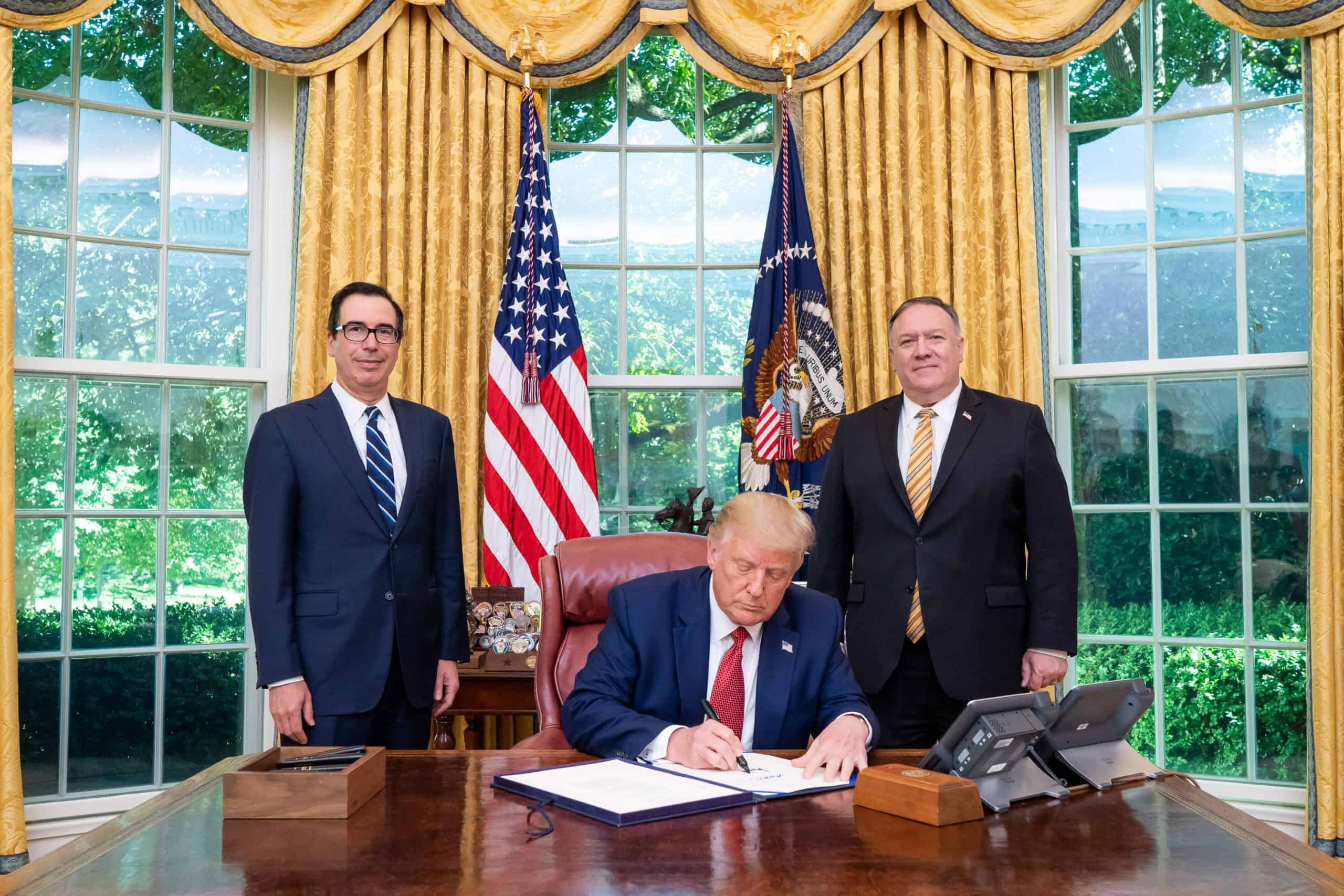
The White House / https://en.wikipedia.org/wiki/Public_domain
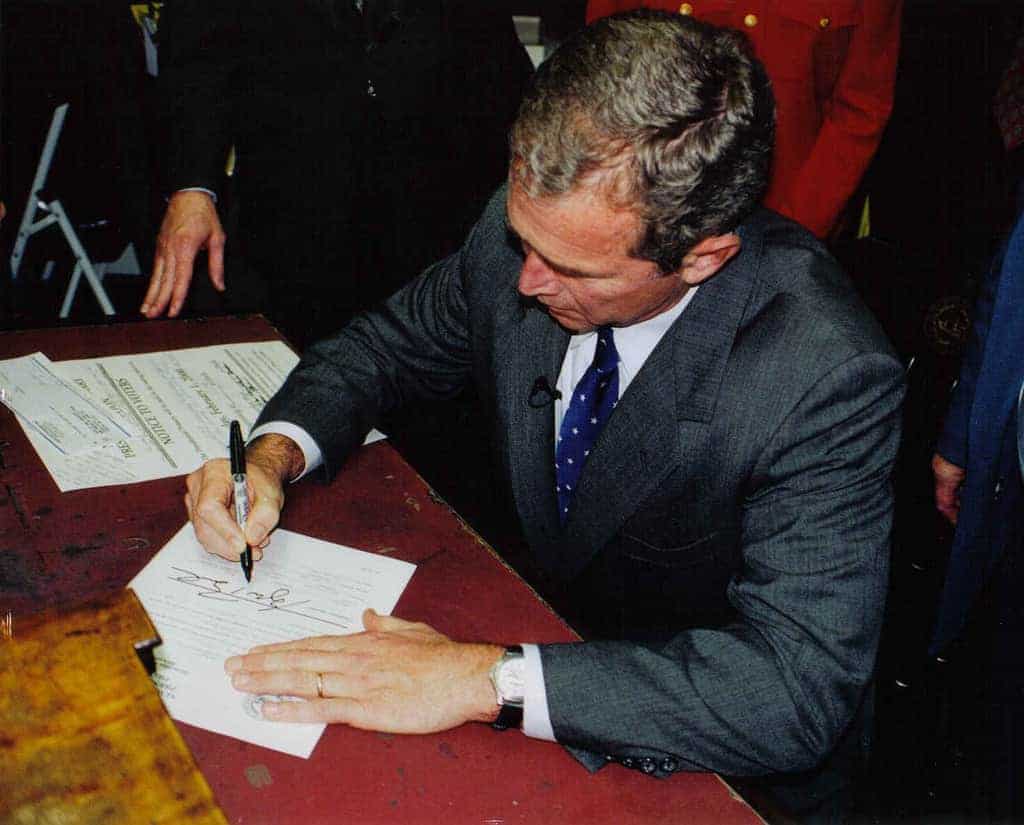
Craig Michaud at English Wikipedia, CC BY 3.0
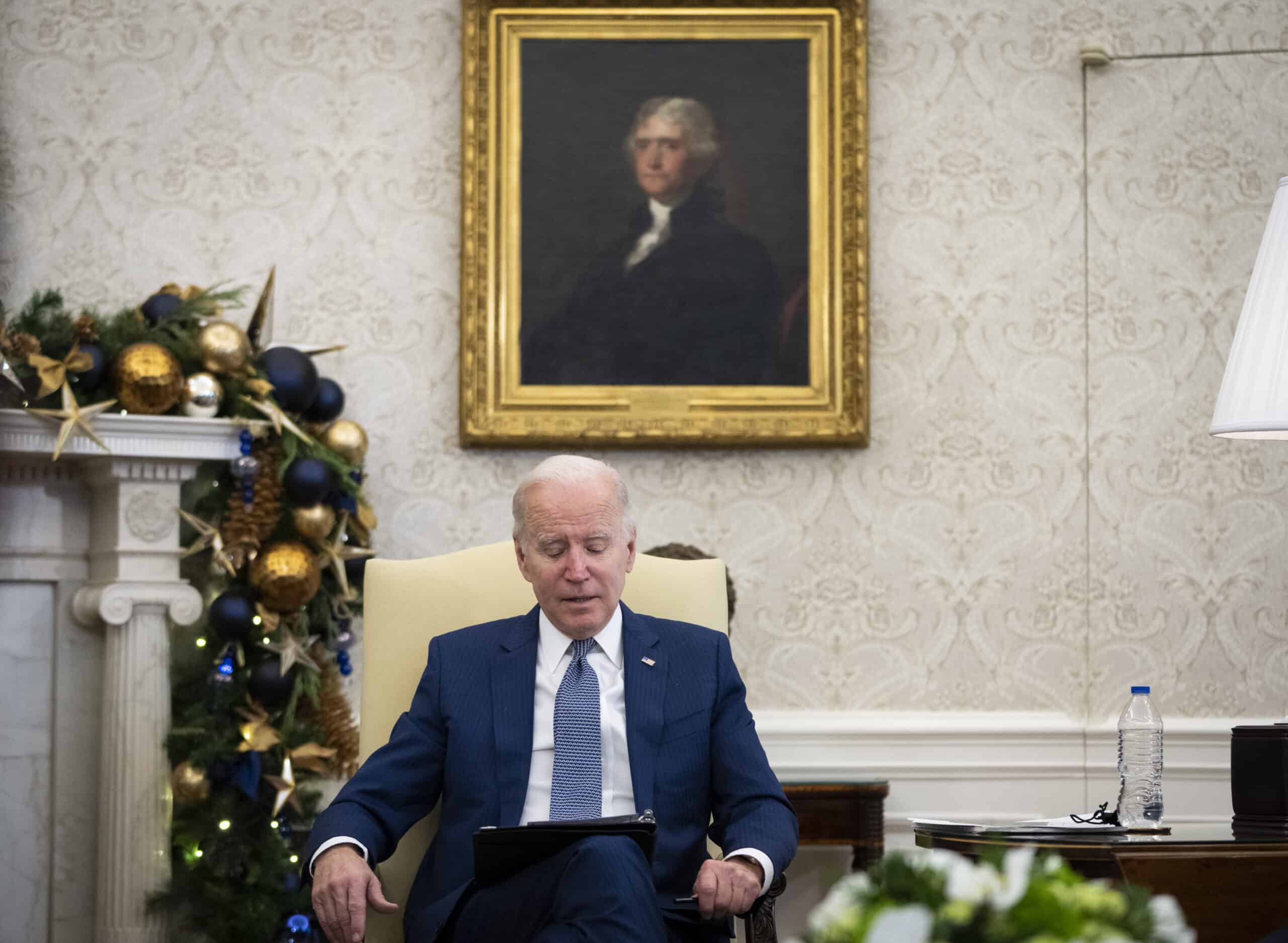
Drew Angerer/Getty Images
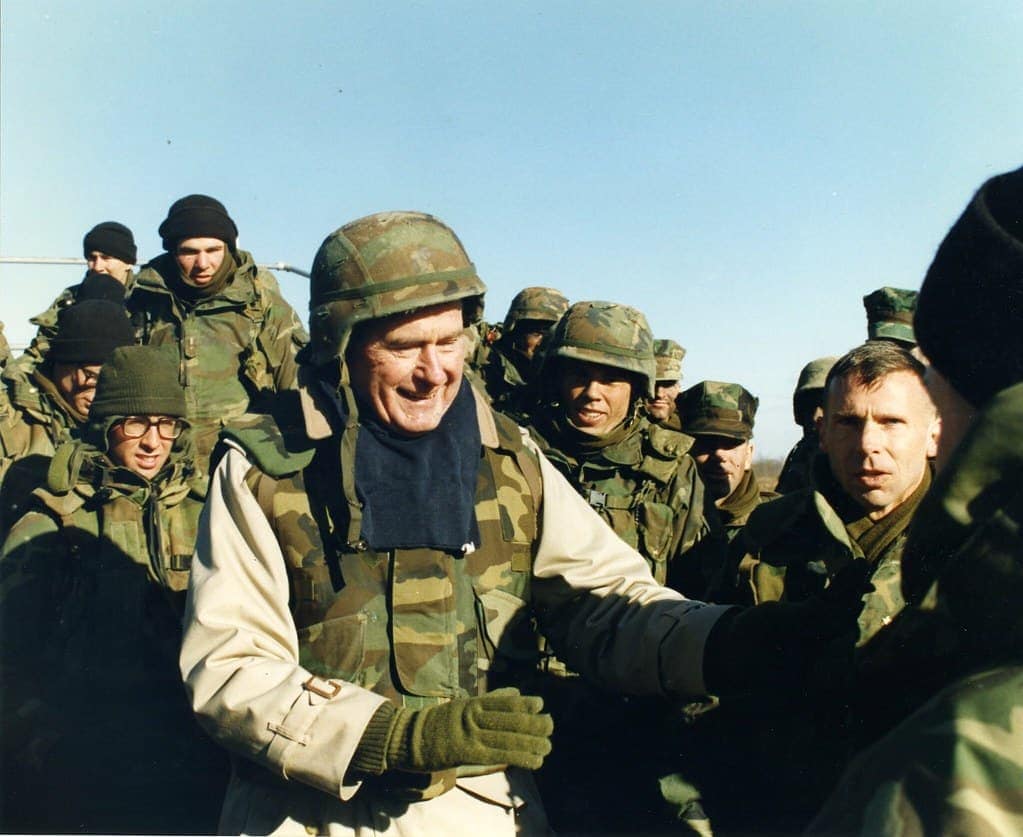
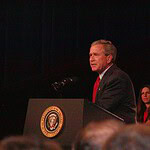
"George H.W. Bush Visiting Quantico, January 1997" by Archives Branch, USMC History Division is licensed under BY 2.0.
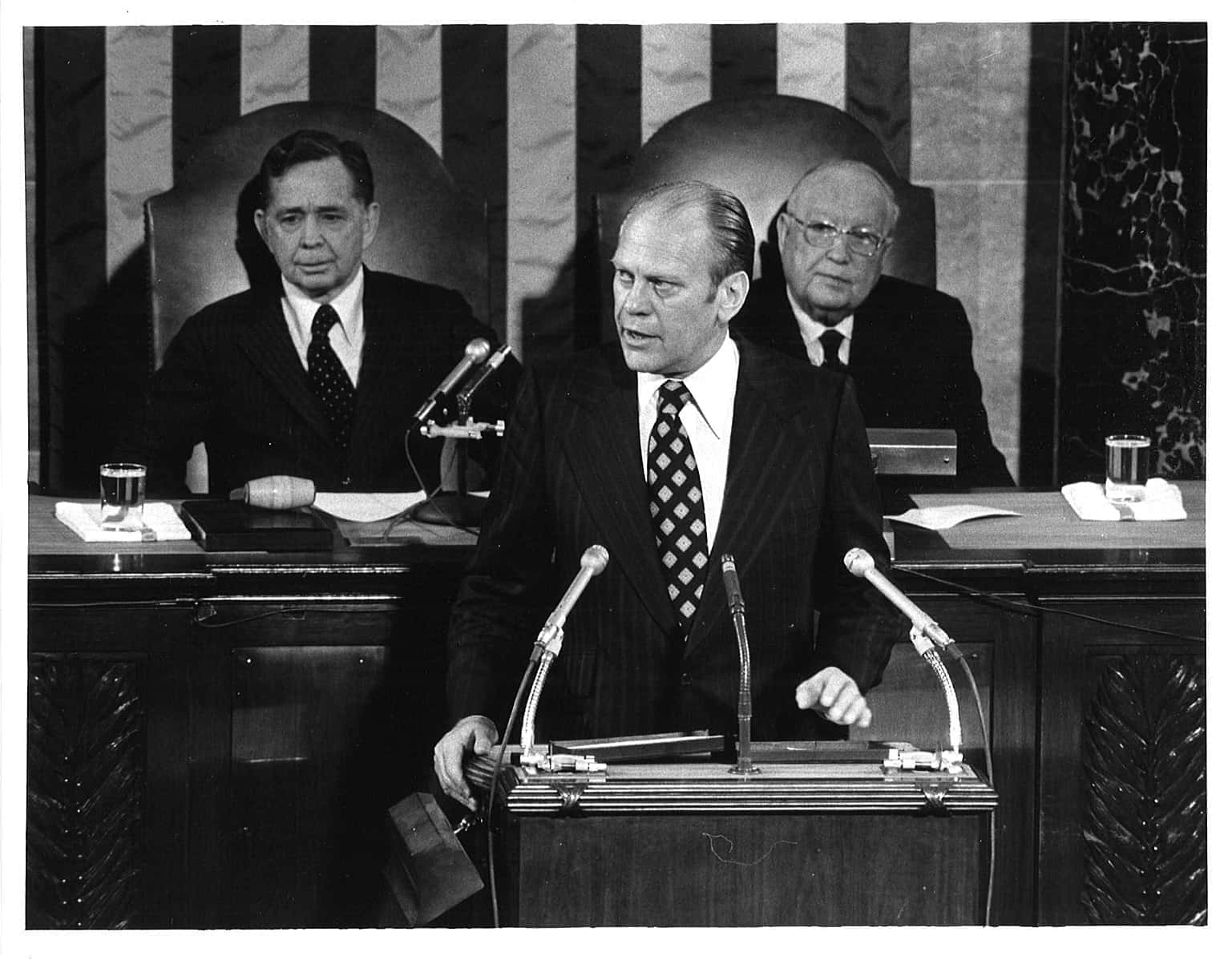
Carl Albert Research and Studies Center, Congressional Collection, CC BY-SA 4.0
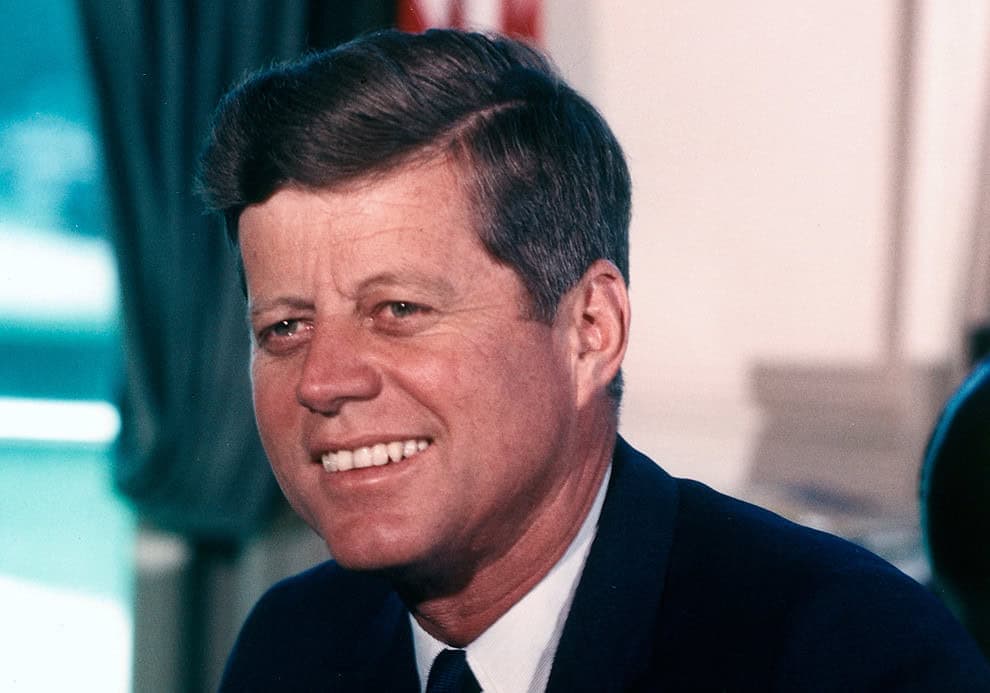
"President John F. Kennedy" by U.S. Embassy New Delhi is licensed under BY-ND 2.0.
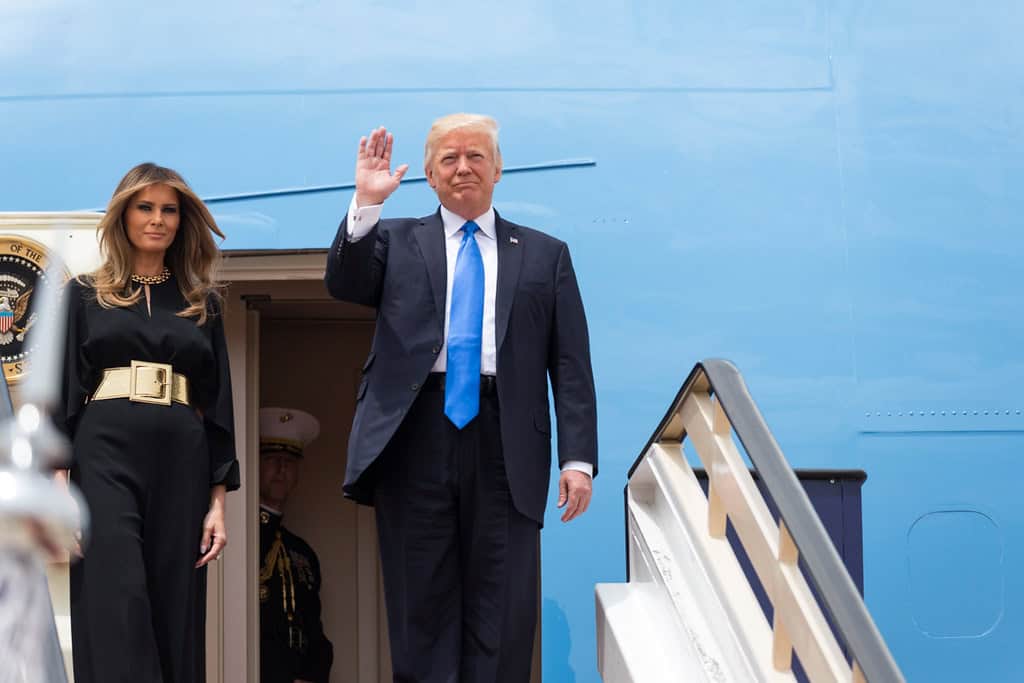
"President Trump's Trip Abroad" by The White House is licensed under PDM 1.0.
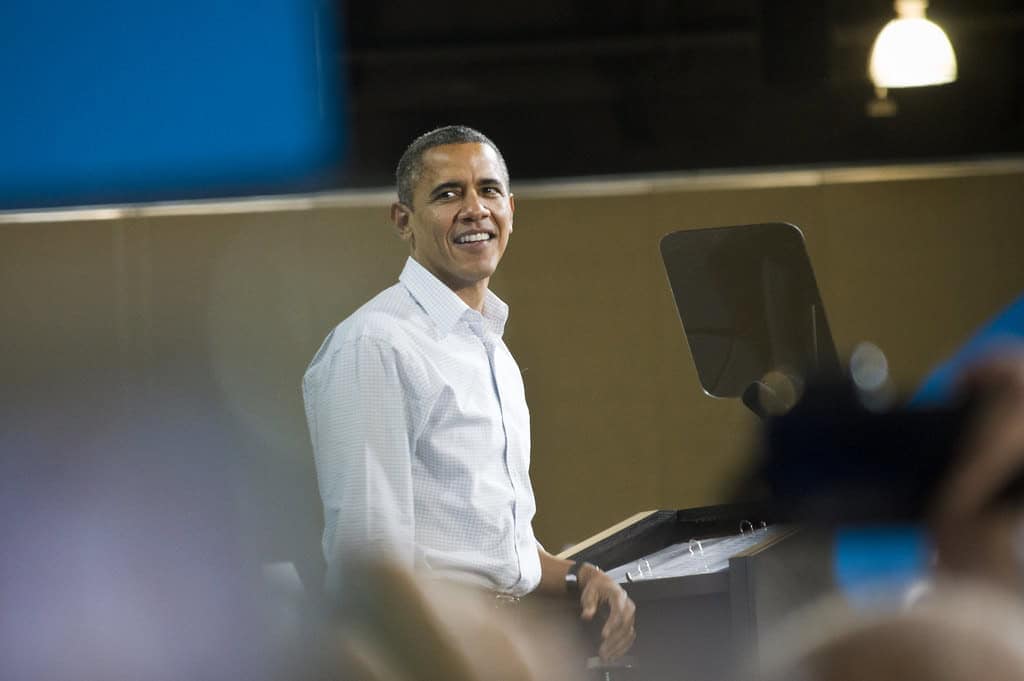
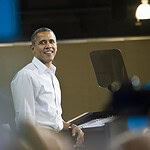
"President Obama" by Pete Prodoehl is licensed under BY 2.0.
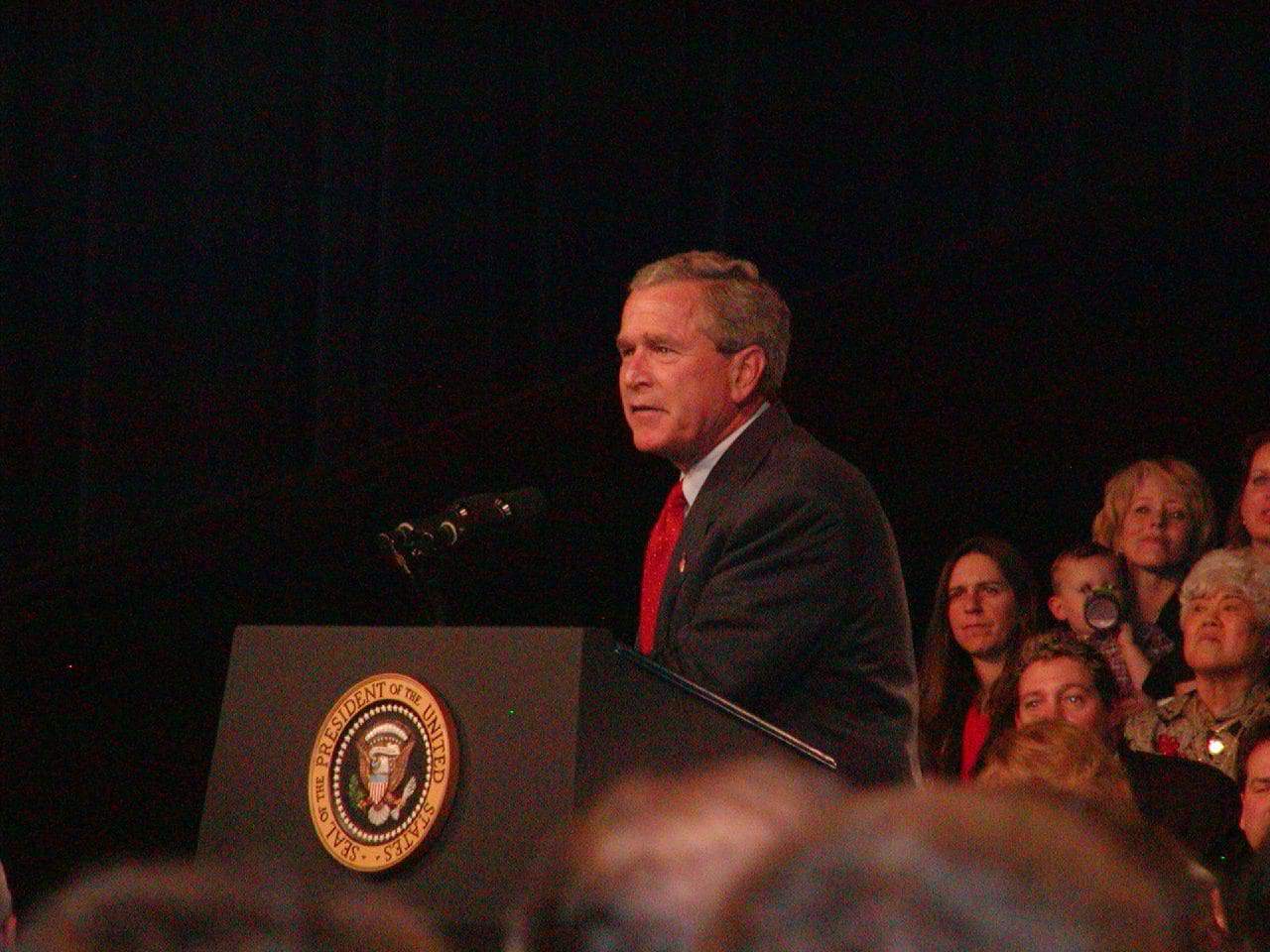
Ken Lund from Reno, Nevada, USA, CC BY-SA 2.0
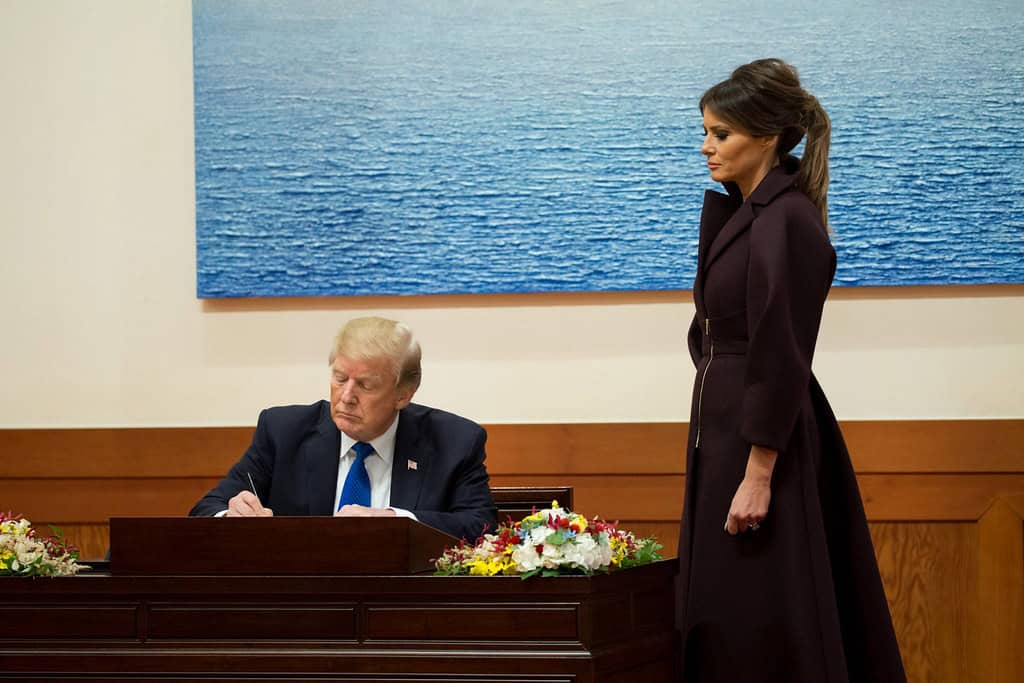
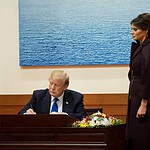
"President Trump's Trip to Asia" by The White House is licensed under PDM 1.0.
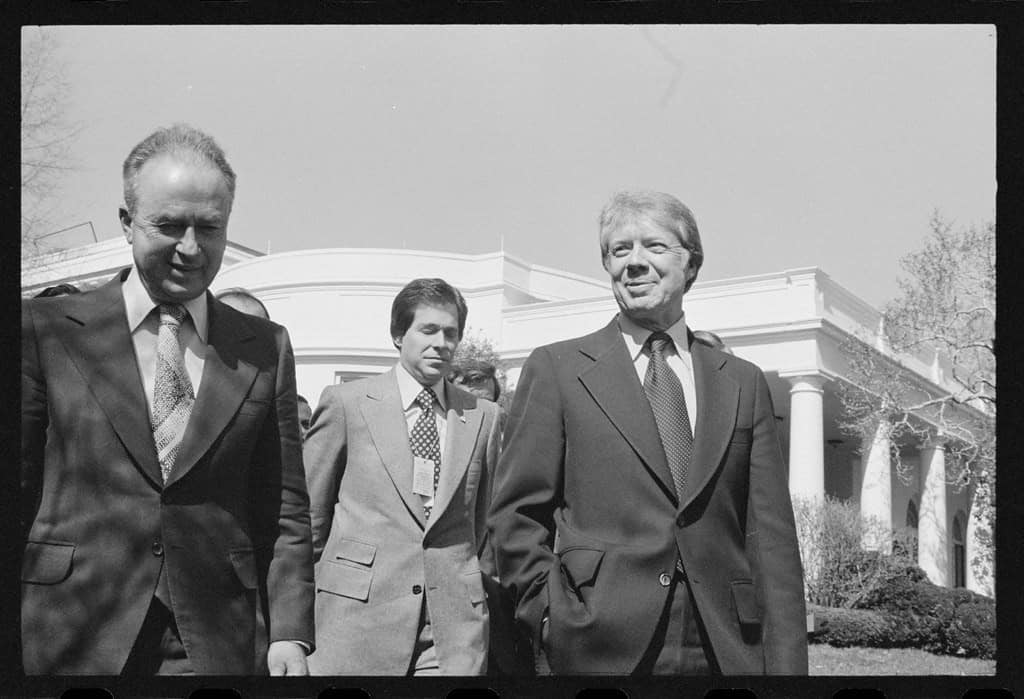
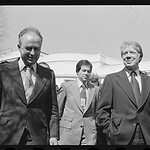
"No Known Restrictions: President Jimmy Carter and Israeli Prime Minister Yitzhak Rabin by Marion S. Trikosko, 1977 (LOC)" by pingnews.com is licensed under PDM 1.0.
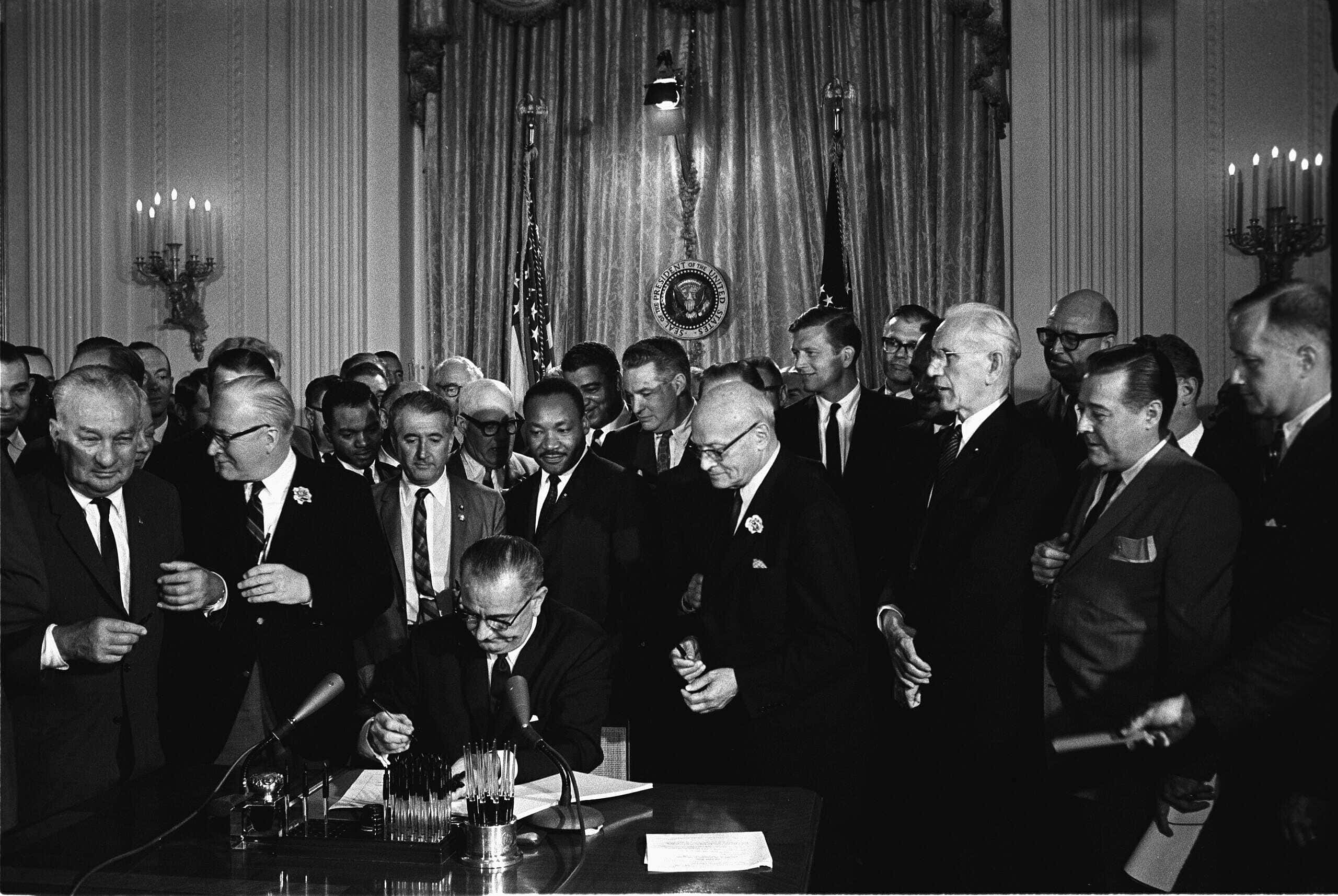
Cecil Stoughton / Public Domain
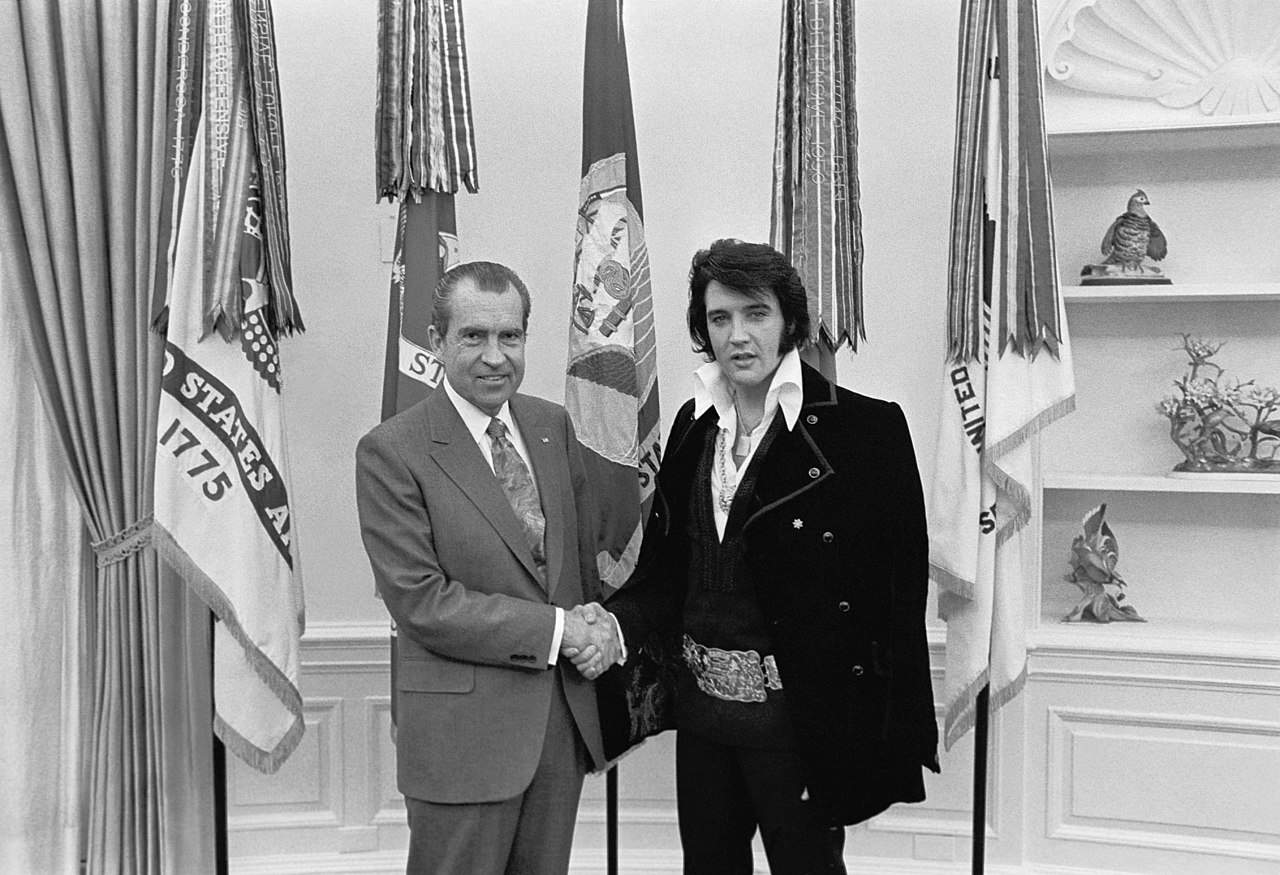
Ollie Atkins / Public Domain
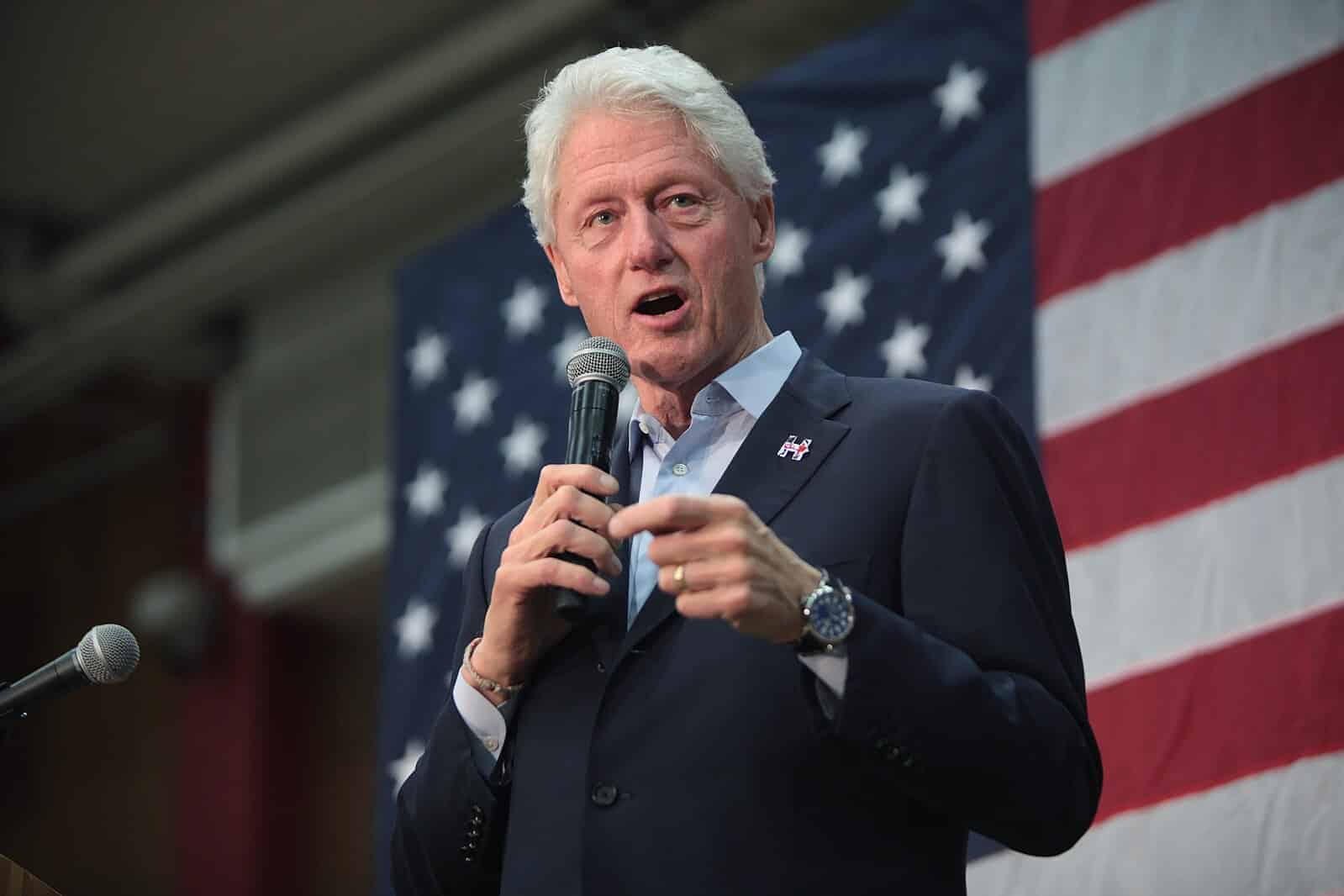
Gage Skidmore, CC BY-SA 3.0
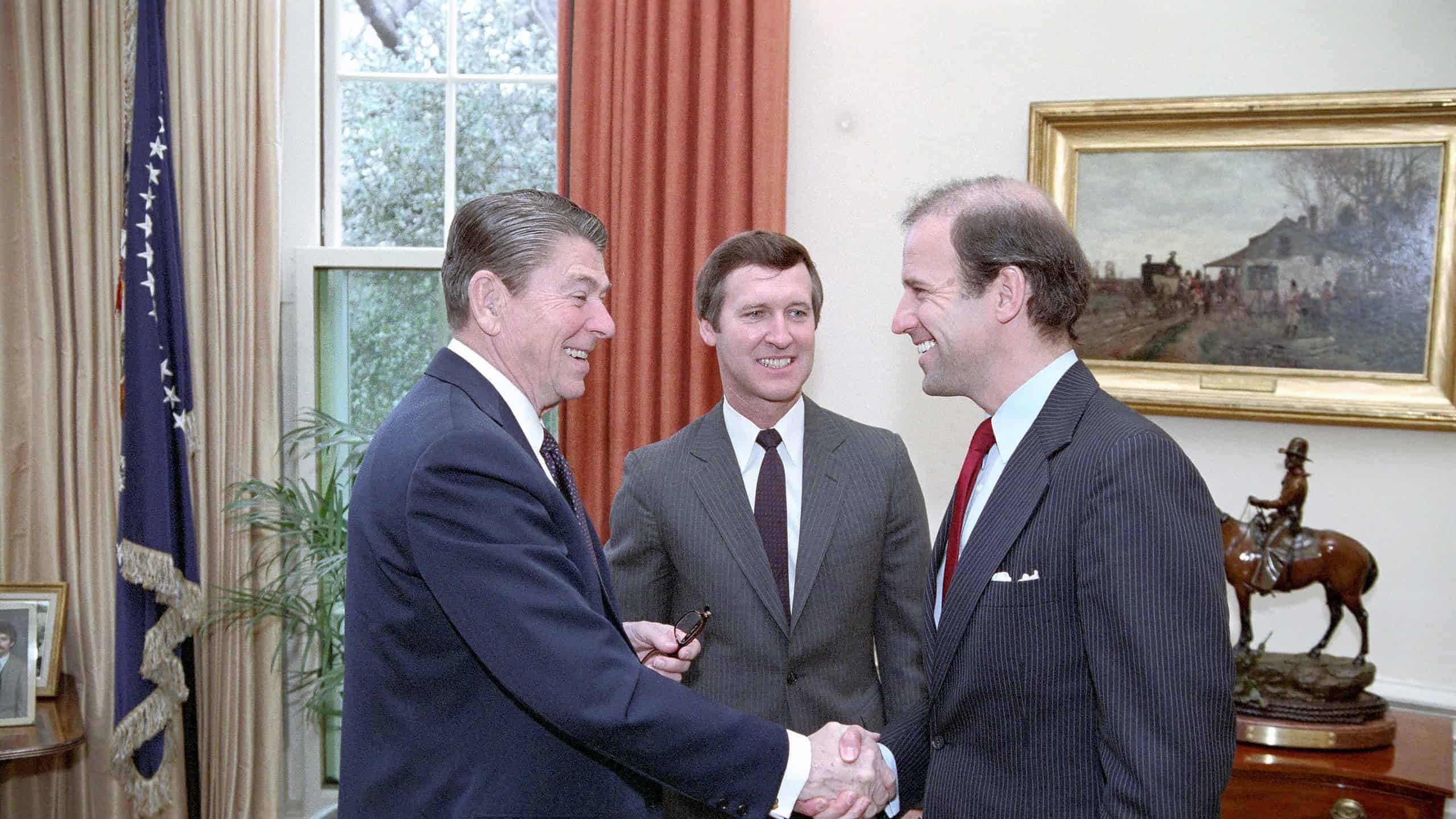
Series: Reagan White House Photographs, 1/20/1981 - 1/20/1989Collection: White House Photographic Collection, 1/20/1981 - 1/20/1989 / Public domain
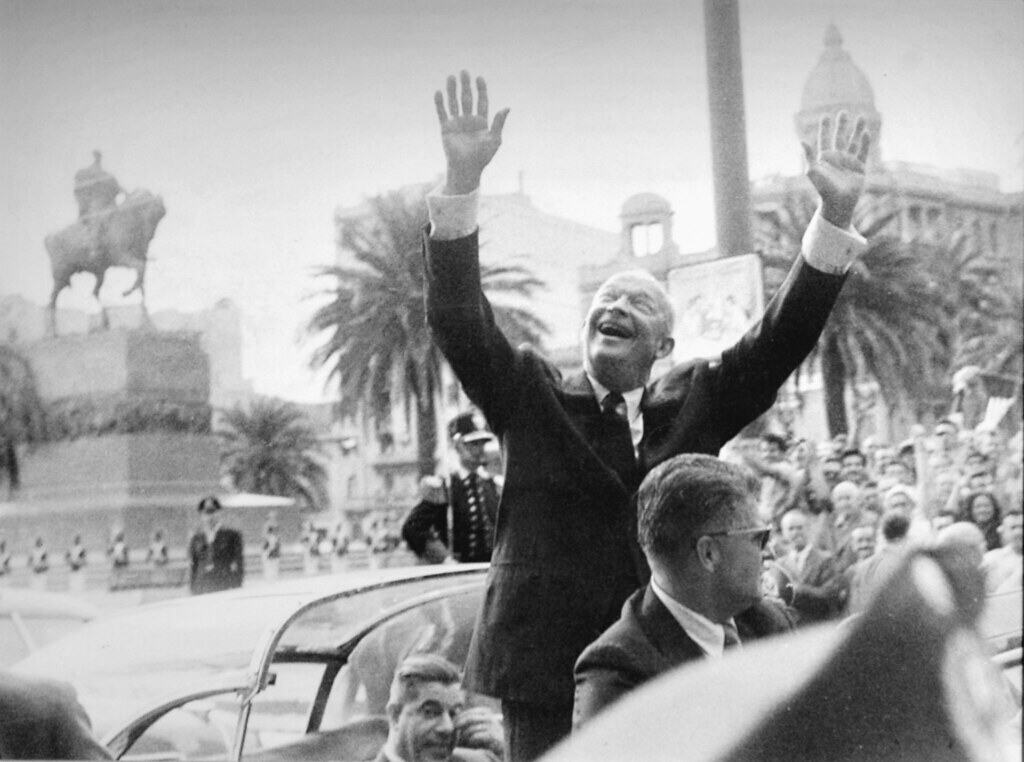
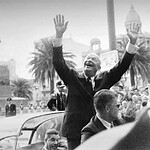
"Eisenhower en Uruguay" by U.S. Embassy Montevideo is licensed under PDM 1.0.
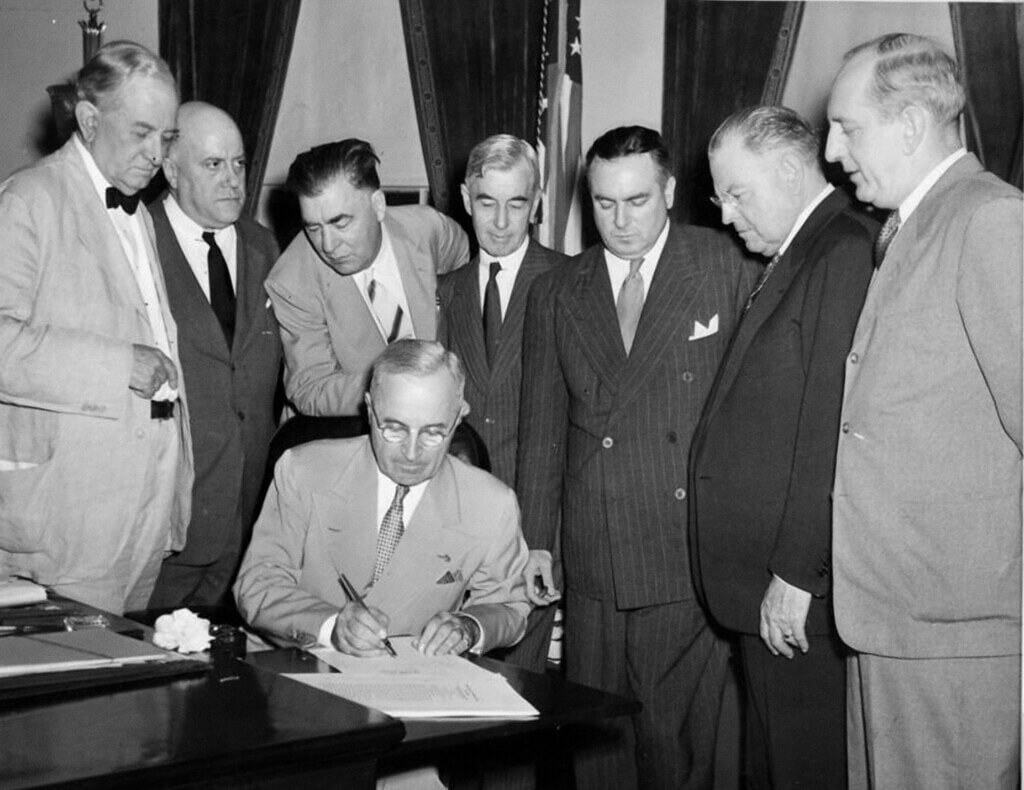
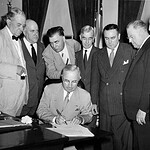
"President Truman signs the Atomic Energy Act of 1946" by NRCgov is licensed under BY 2.0.
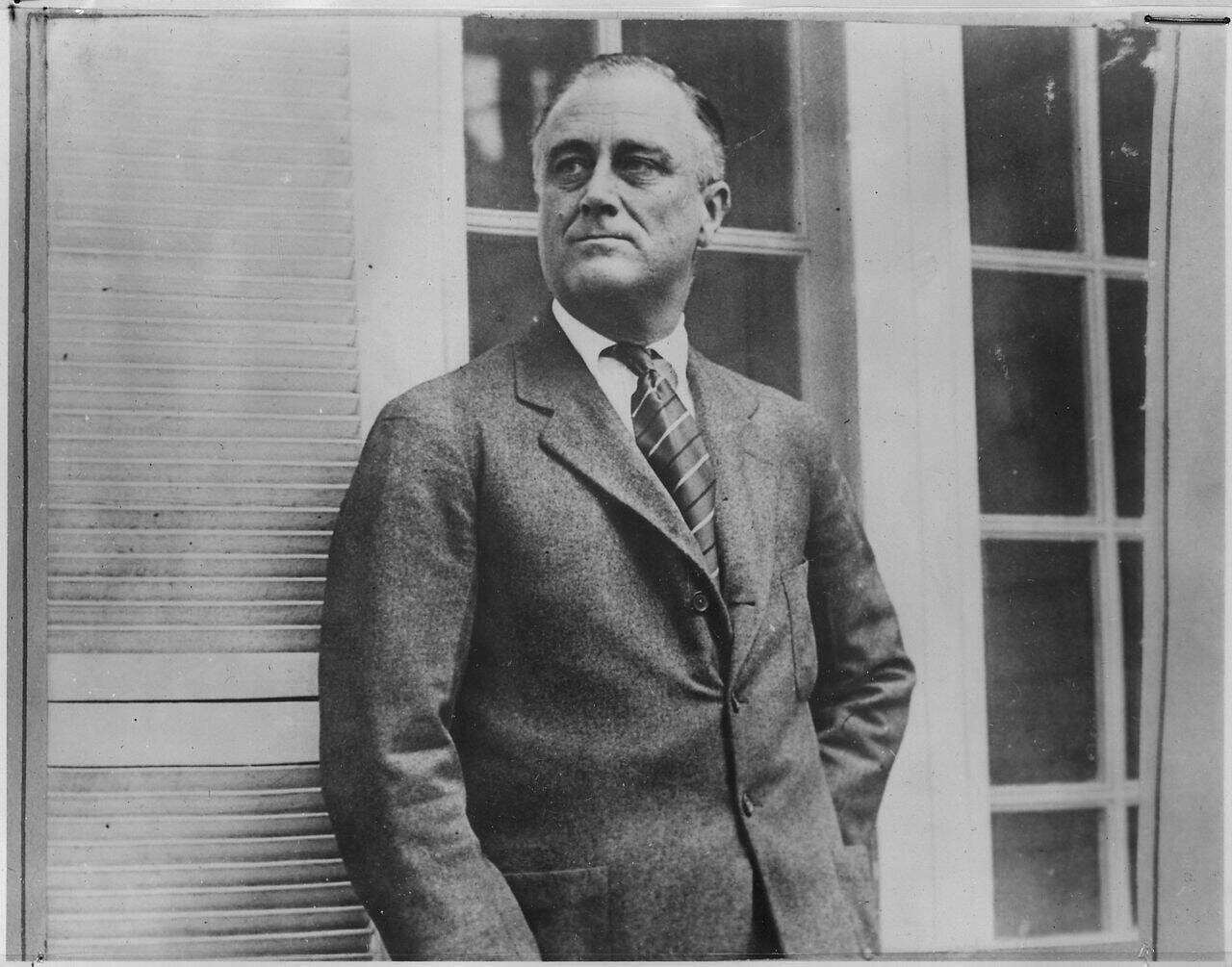
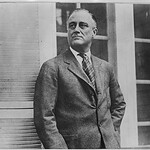
National Archives and Records Administration / Public Domain

The Executive Orders by U.S. Presidents Since FDR
It can seem like every new president spends their first few days in the White House signing stacks of executive orders. Some reverse policies from the previous administration, others direct federal agencies to take action, and a few end up becoming major turning points in American history. But executive orders aren't anything new, and presidents have been using them for generations.
Donald Trump's second term has brought renewed attention to the practice. As of November 4, 2026, he had issued 292 executive orders since returning to office, already exceeding the 220 he signed during his first presidency. That's a considerable number, especially compared with some recent presidents. But historical records show that several earlier administrations relied on executive orders far more frequently.
So how do the presidents compare? Using figures from the American Presidency Project, we've compiled the executive order totals for every presidential administration since Franklin D. Roosevelt took office in 1933. The figures cover executive orders, not presidential proclamations, memoranda, or laws passed by Congress. Trump's two presidencies are listed separately because they are nonconsecutive, and his second-term total remains subject to change. We'll start with a quick explanation of how executive orders work before looking at each administration, from the smallest total to the largest.
What Can Executive Orders Actually Do?
Executive orders are official presidential directives used to manage the federal government and carry out responsibilities under existing laws. They can tell executive agencies how to implement policies, establish administrative procedures, or change how certain government operations are handled. But there's an important distinction: an executive order isn't the same as a law passed by Congress. Presidents cannot simply give themselves new constitutional powers or override existing federal statutes by signing a document. Executive orders must rest on authority provided by the Constitution or federal law, and courts can review whether a president has exceeded those limits. Congress can also pass legislation affecting the policies involved, while future presidents can revoke or amend earlier orders. That helps explain why executive orders can be both influential and controversial. The National Archives maintains information about how these directives are numbered, published, and tracked.
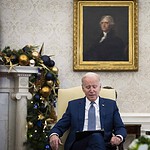
Joe Biden (2021-2025): 162 Executive Orders
President Joe Biden signed 162 executive orders during his four years in office, the lowest total among the administrations covered here. He began his presidency by reversing several policies established during Trump's first term, particularly those involving immigration, climate change, and federal government operations. Executive Order 13985, signed on his first day in office, directed federal agencies to examine barriers to racial equity and underserved communities. Another early order, Executive Order 14008, established a government-wide approach to addressing climate change. Biden also issued directives concerning federal workers, cybersecurity, and artificial intelligence. One important distinction involves TikTok. Although Biden signed legislation in 2024 requiring its Chinese parent company to divest or face restrictions, that requirement came from an act of Congress rather than an executive order. His administration illustrates how presidents use different legal tools to advance policy, even when executive orders receive much of the public attention.
George H.W. Bush (1989-1993): 166 Executive Orders
George H.W. Bush issued 166 executive orders during his single four-year term, addressing everything from federal management to international affairs. One notable example came in April 1990, when he signed Executive Order 12711 following the Chinese government's violent crackdown on pro-democracy demonstrations in 1989. The order provided temporary protection from enforced departure for certain Chinese nationals already living in the United States. Bush also focused on energy conservation within the federal government. His 1991 Executive Order 12759 directed agencies to establish plans for reducing energy use in federal buildings and improving efficiency. Other orders addressed government administration, national security, and economic issues. Although Bush's total was relatively modest compared with many earlier presidents, those directives still affected federal operations and specific groups of people. His presidency is a reminder that the significance of an executive order isn't necessarily reflected by how many a president signs.
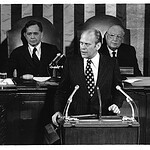
Gerald Ford (1974-1977): 169 Executive Orders
Gerald Ford entered the White House in August 1974 following Richard Nixon's resignation, inheriting a country dealing with inflation, economic uncertainty, and the aftermath of Watergate. Although Ford served for less than two and a half years, he signed 169 executive orders. One of his earliest was Executive Order 11808, issued in September 1974, which established the President's Economic Policy Board to help coordinate the administration's response to economic problems. Ford also issued orders involving federal workplace safety, government operations, and energy policy. The original version of this article incorrectly identified the Energy Policy and Conservation Act as one of his executive orders. In reality, it was legislation signed into law in December 1975. Ford's relatively short presidency is also a good example of why annual averages can tell a different story from raw totals. Serving fewer years naturally gives a president less time to accumulate executive orders.
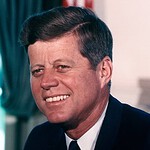
John F. Kennedy (1961-1963): 214 Executive Orders
John F. Kennedy's presidency lasted less than three years, but he signed 214 executive orders before his assassination in November 1963. Several addressed civil rights and equal employment opportunities. Executive Order 10925, signed in March 1961, established the President's Committee on Equal Employment Opportunity and required federal contractors to take affirmative action to ensure applicants and employees were treated without discrimination based on race, creed, color, or national origin. Kennedy also signed Executive Order 11063 in 1962, prohibiting discrimination in certain federally owned, operated, or assisted housing. These actions helped advance civil rights through the federal government's existing administrative authority, although they did not replace the need for broader legislation. Kennedy's administration also issued executive orders involving national security, international affairs, and government management during a particularly tense period of the Cold War. His total is notable considering how much shorter his presidency was than those of most other presidents on this list.
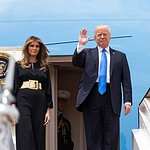
Donald Trump, First Term (2017-2021): 220 Executive Orders
Donald Trump signed 220 executive orders during his first four years in office, using them to advance policies involving immigration, federal regulations, trade, and national security. One of the most controversial was Executive Order 13769, issued in January 2017, which temporarily restricted entry into the United States by nationals of several predominantly Muslim countries. The original order faced extensive legal challenges and was replaced by revised policies. Trump also used executive orders to reconsider federal regulations, change environmental policies, and direct agencies during the COVID-19 pandemic. In May 2020, Executive Order 13924 directed federal agencies to consider regulatory relief intended to support economic recovery during the public health emergency. Several of his first-term directives were subsequently revoked or modified by the Biden administration. His 220-order total became an important comparison point when he returned to the presidency in January 2025 and began issuing new orders at a considerably faster pace.
Barack Obama (2009-2017): 276 Executive Orders
Barack Obama issued 276 executive orders during his eight years in office, fewer than several presidents who served considerably shorter terms. His directives covered federal employment, government regulations, national security, and other administrative matters. One notable example was Executive Order 13672, signed in 2014, which added sexual orientation and gender identity protections to certain federal employment and contractor nondiscrimination requirements. Obama also issued orders aimed at improving regulatory review and coordinating federal agencies. There's an important correction to make regarding DACA, the Deferred Action for Childhood Arrivals program. Although the program was established during Obama's presidency in 2012, it originated through a Department of Homeland Security memorandum rather than a presidential executive order. That distinction matters because executive orders aren't the only way presidents and their administrations exercise executive authority. Obama's record illustrates how looking exclusively at the number of executive orders can leave out other important presidential actions.
George W. Bush (2001-2009): 291 Executive Orders
George W. Bush signed 291 executive orders during his eight years as president, many of which addressed national security and the federal government's response to terrorism. Following the September 11, 2001, attacks, Bush issued Executive Order 13228, creating the Office of Homeland Security within the White House and establishing the Homeland Security Council. The cabinet-level Department of Homeland Security came later through legislation passed by Congress. Bush also signed Executive Order 13354 in 2004, which established the National Counterterrorism Center to improve coordination and information sharing among agencies involved in counterterrorism. His administration issued additional directives concerning emergency preparedness, federal employment, intelligence, and other government responsibilities. The September 11 attacks dramatically changed the priorities of Bush's presidency, and his executive orders reflect that shift. His 291-order total was also just below the number Trump had already issued during his second term by November 2026.
Donald Trump, Second Term (2025-Present): 292 Executive Orders
Donald Trump returned to the White House on January 20, 2025, and immediately began issuing executive orders at a pace that exceeded his first administration. As of November 4, 2026, the published total stood at 292, compared with 220 during his entire first term. His early orders included directives beginning the process of withdrawing the United States from the World Health Organization and the Paris climate agreement. Executive Order 14158 also reorganized the United States Digital Service under the administration's Department of Government Efficiency initiative, commonly known as DOGE. Other orders addressed immigration, federal employment, energy policy, and government regulations. Some have faced legal challenges, illustrating that signing an executive order doesn't automatically guarantee that every provision can be implemented as written. Because Trump's presidency is ongoing, this number is a snapshot rather than a final total. Updated counts are available through the Federal Register.
Jimmy Carter (1977-1981): 320 Executive Orders
Jimmy Carter signed 320 executive orders during his four-year presidency, with many focused on government management, regulations, energy conservation, and federal employment. In March 1978, Carter issued Executive Order 12044, which established procedures intended to make federal regulations more understandable, efficient, and responsive to public input. The order reflected his administration's broader efforts to improve the regulatory process. Carter also signed Executive Order 12196 in February 1980, strengthening occupational safety and health programs for federal employees. Energy policy was another major priority during his presidency, although his National Energy Plan involved legislative proposals and other government actions rather than one executive order creating the entire program. Carter's total was relatively high compared with several later presidents, even though he served only one term. His record provides an example of how executive orders are frequently used for the less glamorous but important work of managing federal agencies and implementing existing laws.
Lyndon B. Johnson (1963-1969): 325 Executive Orders
Lyndon B. Johnson issued 325 executive orders after assuming the presidency following John F. Kennedy's assassination in November 1963. Among his earliest was Executive Order 11130, which established the Warren Commission to investigate Kennedy's assassination. Johnson also used executive orders to advance civil rights and address discrimination in federal employment and contracting. Executive Order 11246, signed in 1965, established equal employment opportunity requirements affecting federal contractors. In 1967, Johnson signed Executive Order 11375, adding sex to the order's protected categories. These administrative actions complemented major legislation such as the Civil Rights Act of 1964, which was passed by Congress and signed into law by Johnson rather than enacted through executive order. His administration also issued directives involving economic policy, government management, and the expanding responsibilities of federal agencies. Johnson's record demonstrates how executive orders and congressional legislation can work alongside one another to implement a president's priorities.
Richard Nixon (1969-1974): 346 Executive Orders
Richard Nixon signed 346 executive orders during his presidency, which ended with his resignation in August 1974. His administration relied on executive directives for a variety of economic and administrative policies, including efforts to respond to inflation. In August 1971, Nixon signed Executive Order 11615, which established a temporary freeze on wages and prices as part of his administration's economic stabilization program. Nixon also signed orders addressing equal employment opportunities within the federal government. One common misconception concerns the Environmental Protection Agency. Although Nixon was responsible for establishing the EPA in 1970, it was created through Reorganization Plan No. 3, not an executive order. The plan reorganized existing federal environmental responsibilities into a new agency. Nixon's presidency is a useful reminder that presidents have several ways to reorganize government operations, and those actions don't always show up in a simple executive order count.
Bill Clinton (1993-2001): 364 Executive Orders
Bill Clinton issued 364 executive orders during his eight years in office, addressing federal regulations, employment policies, environmental matters, and government administration. One significant example was Executive Order 13087, signed in May 1998, which expanded federal civilian employment nondiscrimination protections to include sexual orientation. The order applied to most federal civilian employees but did not establish a nationwide requirement for every private employer. Clinton also signed Executive Order 13107 later that year, directing federal agencies to consider the implementation of certain international human rights treaty obligations within their existing authority. Another important directive, Executive Order 12958, addressed the classification and declassification of national security information. His record shows how presidents can use executive orders to change internal government policy and administrative practices without necessarily creating new legislation. Clinton's total also exceeded those of several presidents who occupied the White House before and after him.
Ronald Reagan (1981-1989): 381 Executive Orders
Ronald Reagan signed 381 executive orders across his two terms, using presidential directives to shape federal regulations, national security policy, and government employment practices. Executive Order 12333, signed in December 1981, established a framework for the responsibilities and activities of American intelligence agencies. The directive became an important part of the federal government's intelligence structure and has been amended by subsequent administrations. Reagan also signed Executive Order 12564 in 1986, establishing a drug-free federal workplace policy and requiring drug testing programs for employees in certain sensitive positions. His administration's executive orders also reflected an emphasis on reviewing federal regulations and changing how government agencies operated. Although Reagan frequently spoke about limiting the size and reach of government, he continued to use executive authority to implement his policy agenda. That distinction is worth remembering when comparing presidents: support for smaller government doesn't necessarily translate into fewer executive orders.
Dwight D. Eisenhower (1953-1961): 484 Executive Orders
Dwight D. Eisenhower signed 484 executive orders during his eight years in office, many involving federal administration, national security, and government personnel. One of his most historically significant actions came during the Little Rock school desegregation crisis in 1957. After Arkansas authorities resisted court-ordered integration at Central High School, Eisenhower issued Executive Order 10730. The order placed the Arkansas National Guard under federal authority and allowed the use of federal troops to enforce the court's desegregation orders and protect the nine Black students attempting to attend the school. Eisenhower had also signed Executive Order 10450 in 1953, establishing security requirements for federal employment, a policy later criticized for contributing to discriminatory investigations and dismissals. These examples demonstrate the wide range of issues addressed through executive orders, from enforcing constitutional rights to setting government personnel standards. Eisenhower issued substantially more orders than most recent presidents, although fewer than some of his predecessors.
Harry S. Truman (1945-1953): 907 Executive Orders
Harry S. Truman signed 907 executive orders after becoming president following Franklin D. Roosevelt's death in April 1945. His administration faced the end of World War II, the beginning of the Cold War, and major changes in American society. Many executive orders during his presidency dealt with military administration and the transition from wartime operations to peacetime government. Among his most consequential actions was Executive Order 9981, signed in July 1948, which established a policy of equal treatment and opportunity in the armed forces regardless of race, color, religion, or national origin. The directive became a major step toward military desegregation, although implementing the policy took time. Truman had also issued Executive Order 9808 in 1946, establishing the President's Committee on Civil Rights. With more than 900 orders during nearly eight years in office, Truman recorded one of the highest totals of any president since the beginning of the New Deal era.
Franklin D. Roosevelt (1933-1945): 3,726 Executive Orders
Franklin D. Roosevelt holds the record for the most executive orders issued by a United States president, with approximately 3,726 during his more than 12 years in office. His presidency spanned the Great Depression and most of World War II, two extraordinary periods that dramatically expanded the federal government's responsibilities. Roosevelt used executive orders to organize federal programs, direct government agencies, and manage wartime operations. Executive Order 7034, issued in 1935, helped establish the Works Progress Administration, which provided employment through public projects during the Depression. But not all of his executive actions are remembered positively. Executive Order 9066, signed in February 1942, authorized military exclusion zones that led to the forced removal and incarceration of approximately 120,000 people of Japanese ancestry, most of them American citizens. Roosevelt's unusually long presidency and the extraordinary circumstances of his time help explain his enormous total, but the number alone cannot capture the lasting consequences of his decisions.