
With recent announcements from RFK and the United States’s Health and Human Services division, questions about COVID-19 vaccines continue to circulate. Who should continue to get vaccinated and what is the government telling the American public when it comes to this notorious disease?
To put updated mandates and rulings into perspective, 247 Tempo has taken a look at the history of COVID-19 in the U.S., including an overview of past mandates and requirements. Here’s everything you need to know about the history of this virus, including plans for the future of the American public.
December 2019 – First Cases Identified in Wuhan

What it was: Chinese officials reported a cluster of pneumonia cases of unknown cause in Wuhan, Hubei Province.
When it occurred: December 31, 2019.
Additional details:
- The World Health Organization (WHO) was notified of the outbreak.
- The virus was later identified as a novel coronavirus, SARS-CoV-2.
January 2020 – First U.S. Case Reported

What it was: The first confirmed case of COVID-19 in the United States.
When it occurred: January 21, 2020.
Additional details:
- A man in Washington state tested positive after returning from Wuhan.
- This marked the beginning of the virus’s spread in the U.S.
March 2020 – WHO Declares Global Pandemic
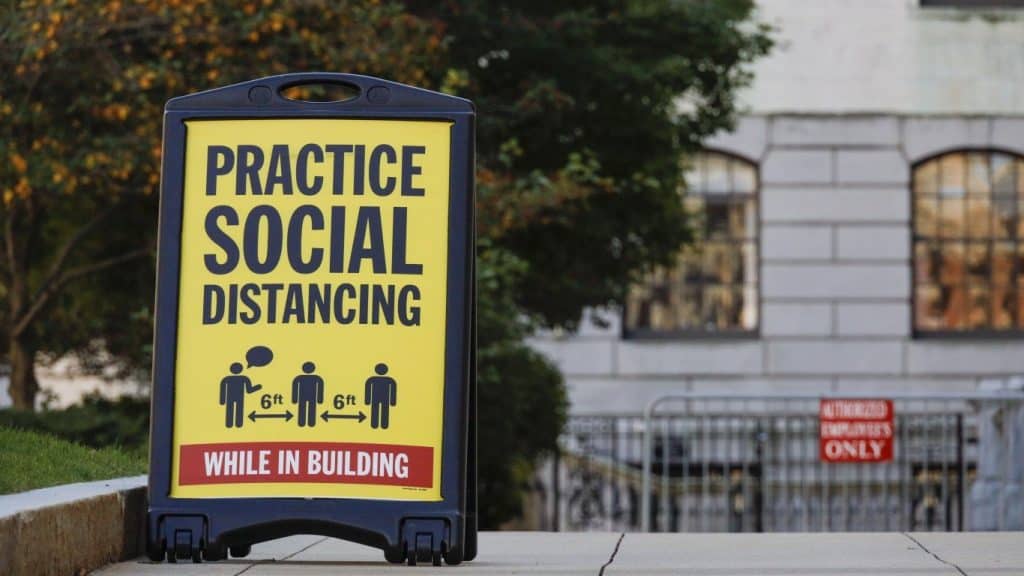
What it was: The World Health Organization declared COVID-19 a global pandemic.
When it occurred: March 11, 2020.
Additional details:
- The declaration came as the virus spread rapidly worldwide.
- Countries began implementing lockdowns and travel restrictions.
March 2020 – U.S. Declares National Emergency
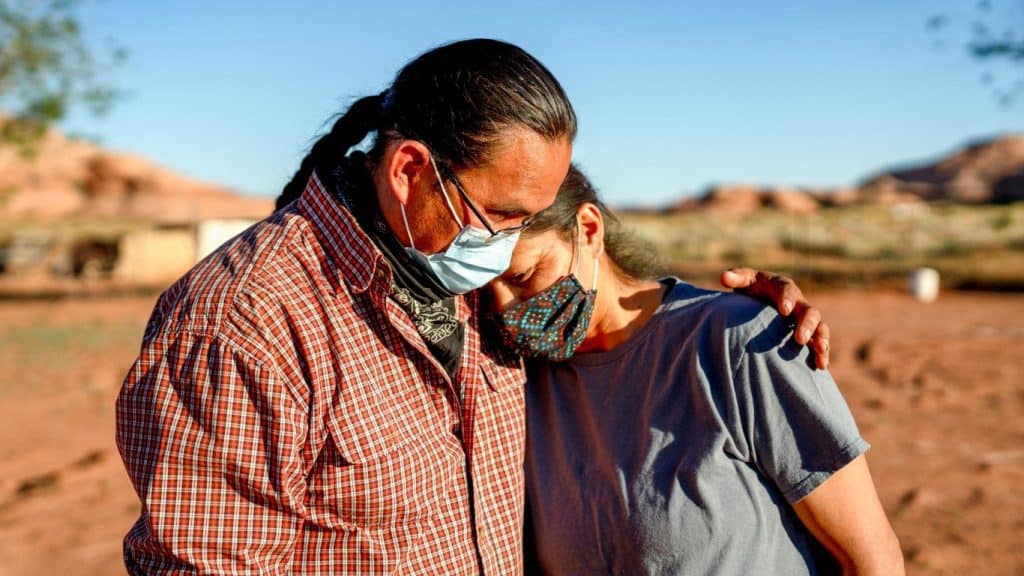
What it was: President Donald Trump declared a national emergency in response to the pandemic.
When it occurred: March 13, 2020.
Additional details:
April 2020 – Families First Coronavirus Response Act Implemented

What it was: The Families First Coronavirus Response Act (FFCRA) was enacted to provide economic relief.
When it occurred: Effective April 2, 2020.
Additional details:
- Mandated paid sick leave and expanded family and medical leave for employees affected by COVID-19.
- Provided free COVID-19 testing and expanded food assistance programs.
- Allocated additional funding to states for unemployment benefits and other essential services.
December 2020 – First COVID-19 Vaccines Authorized

What it was: The U.S. Food and Drug Administration (FDA) granted Emergency Use Authorization for the first COVID-19 vaccines.
When it occurred: December 2020.
Additional details:
- Pfizer-BioNTech and Moderna vaccines were the first to receive authorization.
- Vaccination campaigns began shortly after, prioritizing healthcare workers and vulnerable populations.
January 2021 – Executive Order 13991: Mask Mandate on Federal Property
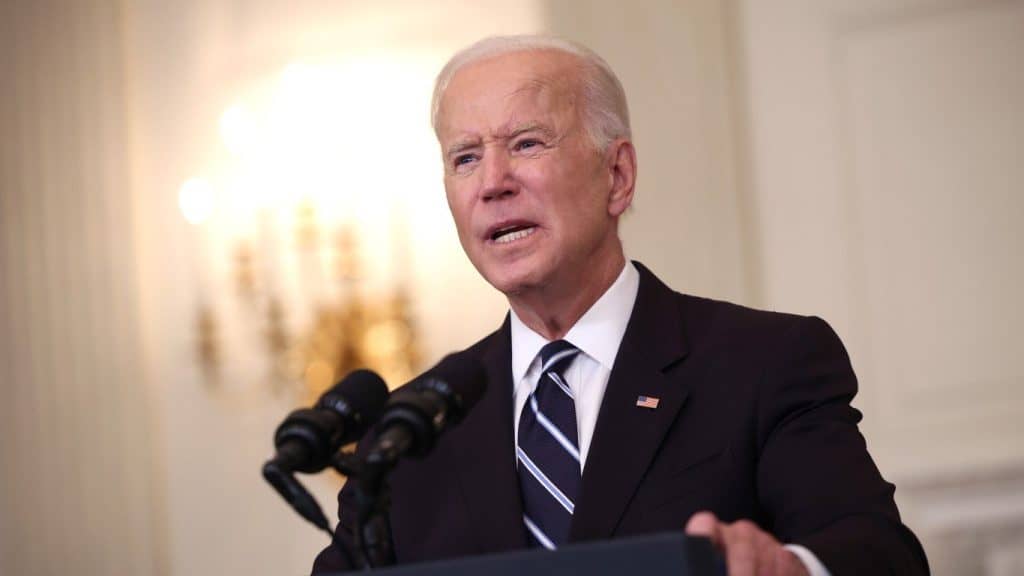
What it was: President Joe Biden signed an executive order requiring mask-wearing on federal lands and in federal buildings.
When it occurred: January 20, 2021.
Additional details:
September 2021 – Biden Administration Announces Comprehensive Vaccine Mandates
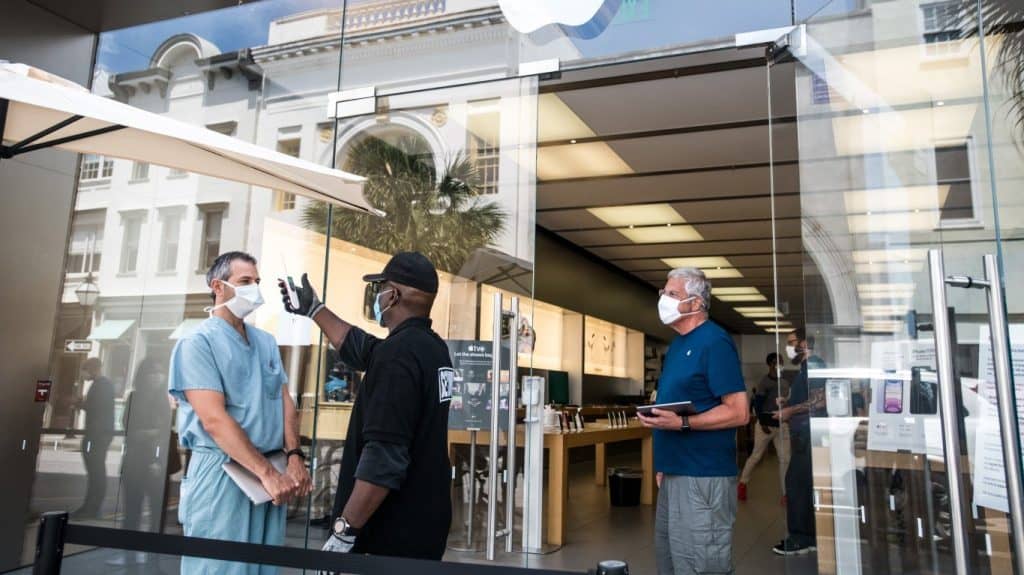
What it was: The Biden administration unveiled a six-point plan to increase COVID-19 vaccinations among American workers.
When it occurred: Announced on September 9, 2021.
Additional details:
- Mandated vaccinations for all federal employees and contractors.
- Required healthcare workers at Medicare and Medicaid-funded facilities to be vaccinated.
- Directed the Occupational Safety and Health Administration (OSHA) to develop a rule requiring businesses with 100 or more employees to ensure their workers are vaccinated or tested weekly.
January 2022 – Supreme Court Blocks OSHA Vaccine Mandate for Large Employers

What it was: The U.S. Supreme Court issued a ruling on federal vaccine mandates.
When it occurred: January 13, 2022.
Additional details:
May 2023 – WHO Ends Public Health Emergency
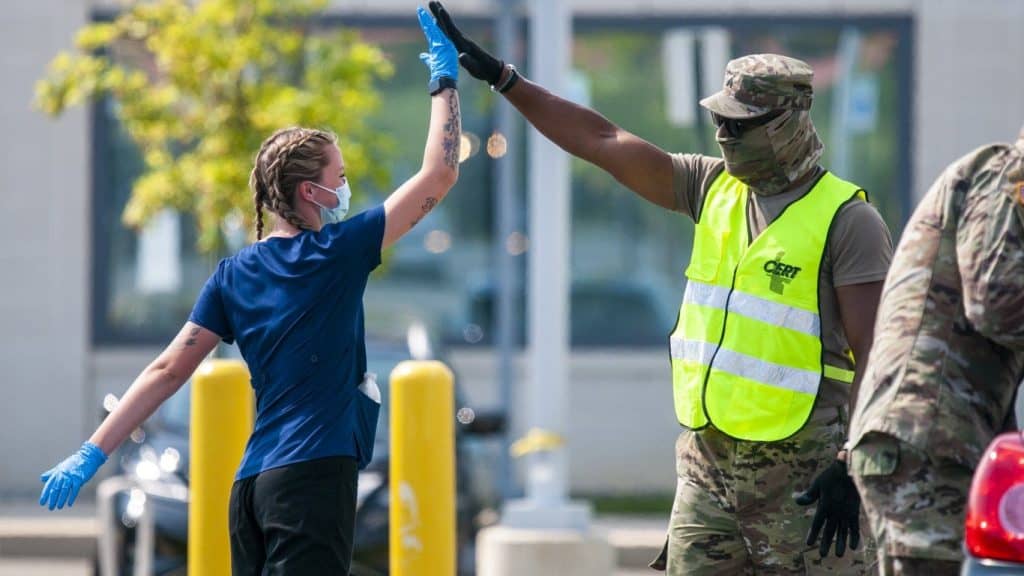
What it was: The World Health Organization declared an end to the COVID-19 public health emergency of international concern.
When it occurred: May 5, 2023.
Additional details:
May 27, 2025 – RFK Jr. Announces Policy Change on COVID-19 Vaccines for Children and Pregnant Women
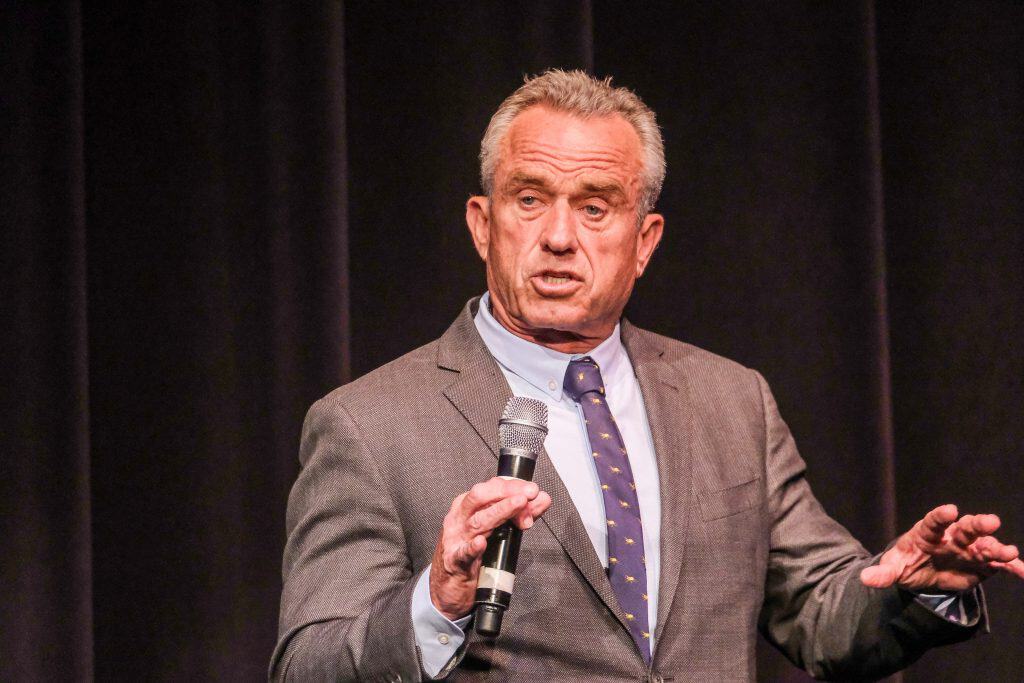
What it was: Health and Human Services Secretary Robert F. Kennedy Jr. announced that the Centers for Disease Control and Prevention (CDC) would no longer recommend COVID-19 vaccinations for healthy children and pregnant women.
When it occurred: May 27, 2025.
Additional details:
- The announcement was made via a video posted on social media, featuring Kennedy alongside FDA Commissioner Dr. Marty Makary and NIH Director Dr. Jay Bhattacharya.
- Kennedy cited a lack of clinical data supporting repeat booster shots in these groups as the rationale for the change.
May 27, 2025 – RFK Jr. Announces Policy Change on COVID-19 Vaccines for Children and Pregnant Women

Additional details:
- The decision bypassed the standard advisory process typically involving the CDC’s Advisory Committee on Immunization Practices.
- Public health experts expressed concern over the move, highlighting that COVID-19 poses significant risks during pregnancy and early childhood, and that the science supporting vaccination in these populations remains unchanged.
- The policy shift could impact insurance coverage and access to vaccines for these groups, as CDC recommendations often influence such determinations.