Andrew Clemente
Public Domain / Wikimedia Commons
mysiann / Flickr
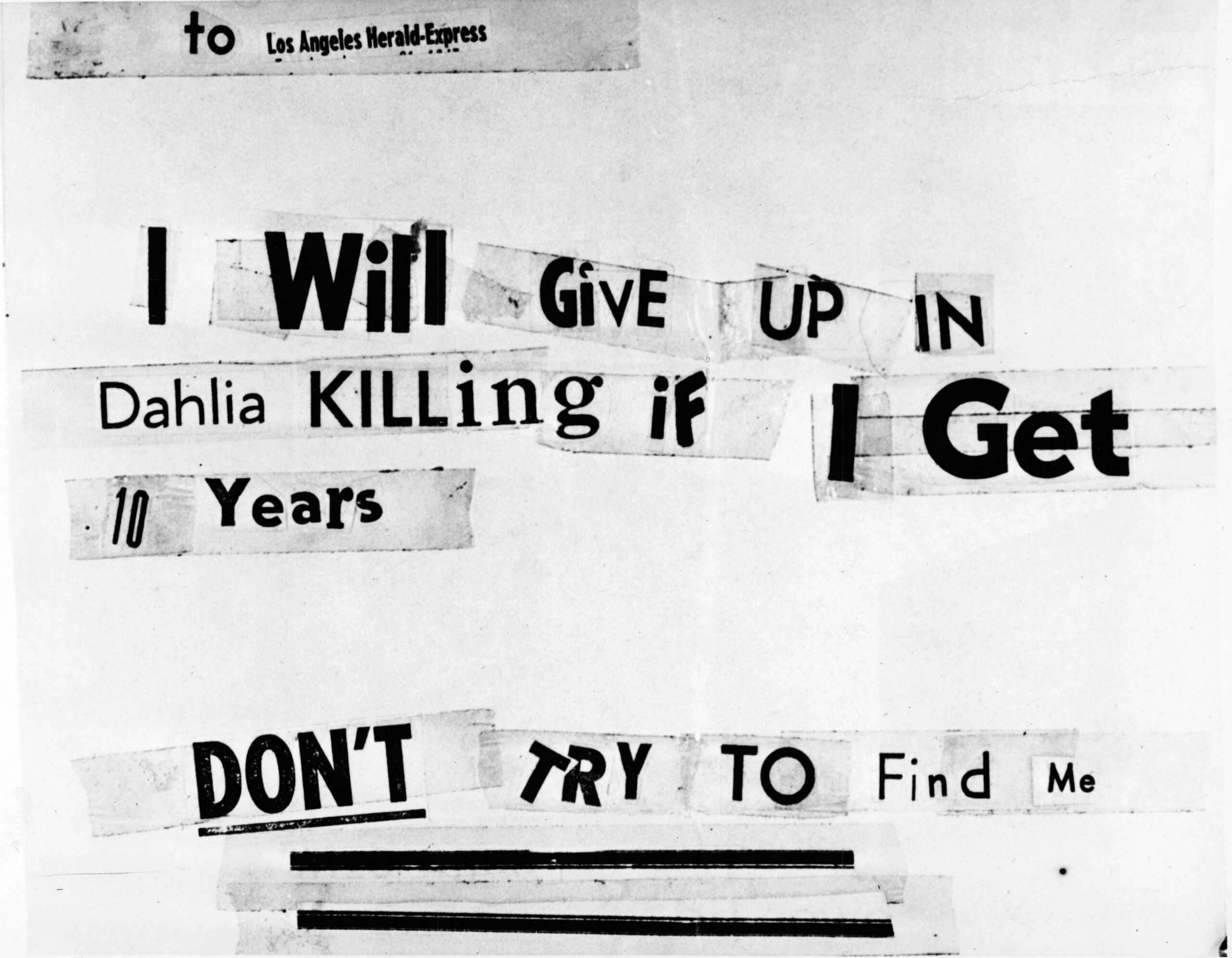
Photo by INTERNATIONAL NEWS PHOTO/Getty Images
chicagocrimescenes / Flickr
yalelawlibrary / Flickr
fbi / Flickr
fbi / Flickr
Public Domain / Wikimedia Commons
Public Domain / Wikimedia Commons

Public Domain / Wikimedia Commons
Courtesy of the FBI

Courtesy of FBI / No known restrictions / FBI Media
Wikimedia Commons / Public Domain
Public Domain / Wikimedia Commons

Courtesy of the FBI / No known copyright restrictions / FBI Media
Nancy Wong / Wikimedia Commons

Courtesy of the FBI / No known copyright restrictions / FBI Media
Courtesy of the FBI / No known copyright restrictions / FBI Media
Joe Raedle / Getty Images
Keystone / Hulton Archive via Getty Images
Public Domain / Wikimedia Commons
Public Domain / Wikimedia Commons
Public Domain / Wikimedia Commons
Stephen J. Dubner / Contributor / Getty Images
Public Domain / Wikimedia Commons
DenisTangneyJr / iStock via Getty Images
Public Domain / flickr
usacetulsa / Flickr
tonythemisfit / Flickr
Public Domain / Wikimedia Commons
Public Domain / Wikimedia Commons
frederic prochasson/iStock via Getty Images
Mario Tama / Getty Images







33 Notorious Criminal Cases That Changed American Law Enforcement Forever
The federal investigative agency now known as the FBI began in 1908, when Attorney General Charles J. Bonaparte created a special agent force within the Department of Justice. It became the Bureau of Investigation in 1909. J. Edgar Hoover took charge in 1924, and the agency officially became the Federal Bureau of Investigation in 1935. As federal criminal laws expanded, the Bureau's jurisdiction and role in national investigations grew with them.
Over more than a century, the FBI and its federal, state, local, tribal, and international partners have investigated crimes ranging from kidnappings and bank robberies to espionage, terrorism, civil rights killings, and attacks on federal officials. Some of these cases exposed gaps in federal authority or investigative practice. Others pushed advances in forensic science, training, information sharing, tactical response, or interagency cooperation.
24/7 Tempo reviewed FBI case histories, Department of Justice records, presidential records, and other authoritative sources to revisit major cases that helped shape American federal law enforcement. Some were solved quickly, some took decades, and a few remain unresolved.
Rosenberg Espionage
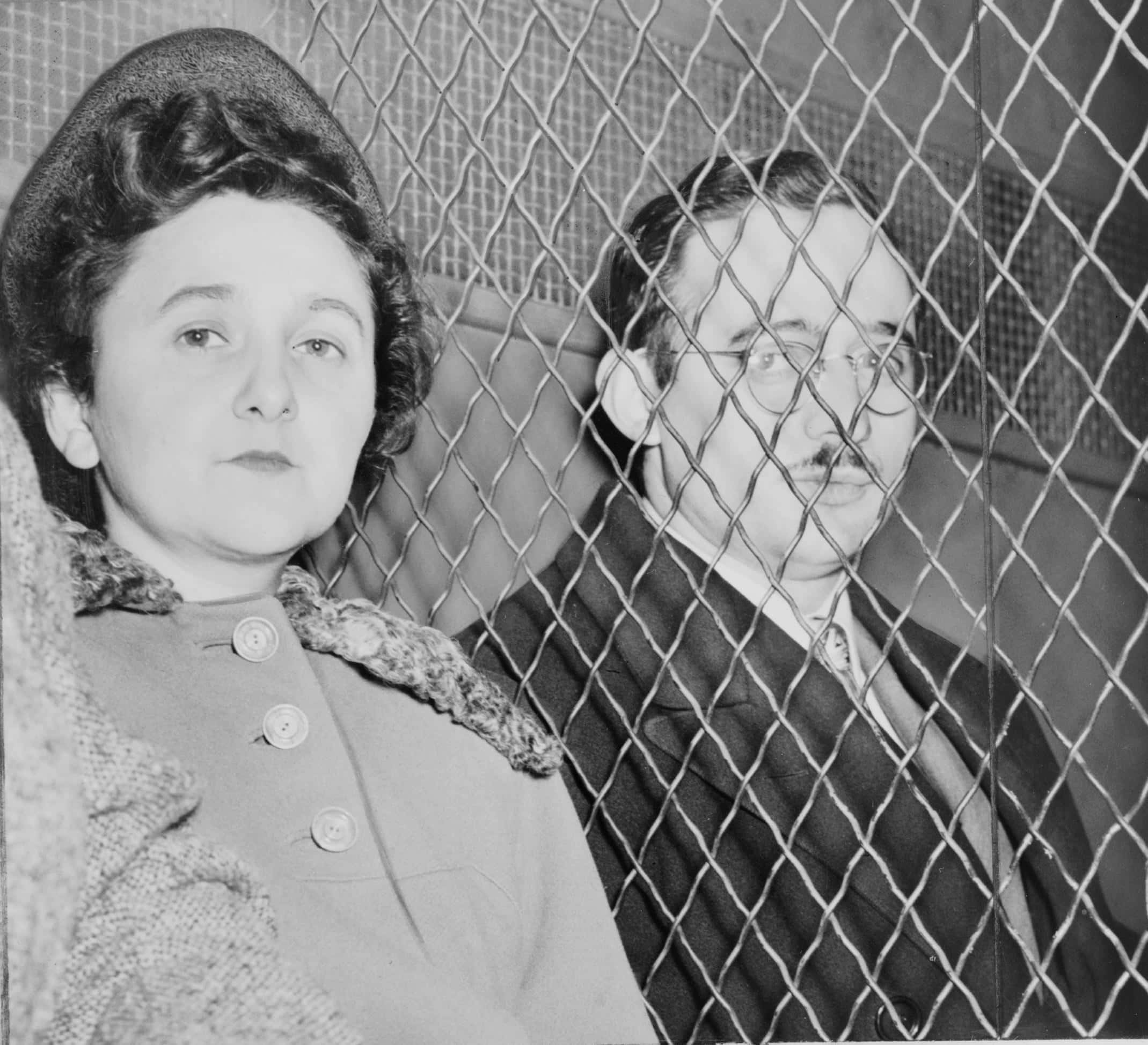
During the early Cold War, an FBI investigation into Soviet espionage led to the arrests of Julius Rosenberg, Ethel Rosenberg, and others. Julius and Ethel Rosenberg were tried in federal court and convicted in 1951 of conspiracy to commit espionage. They were sentenced to death and executed on June 19, 1953.
Outcome: Julius and Ethel Rosenberg were executed in 1953
Alcatraz Escape
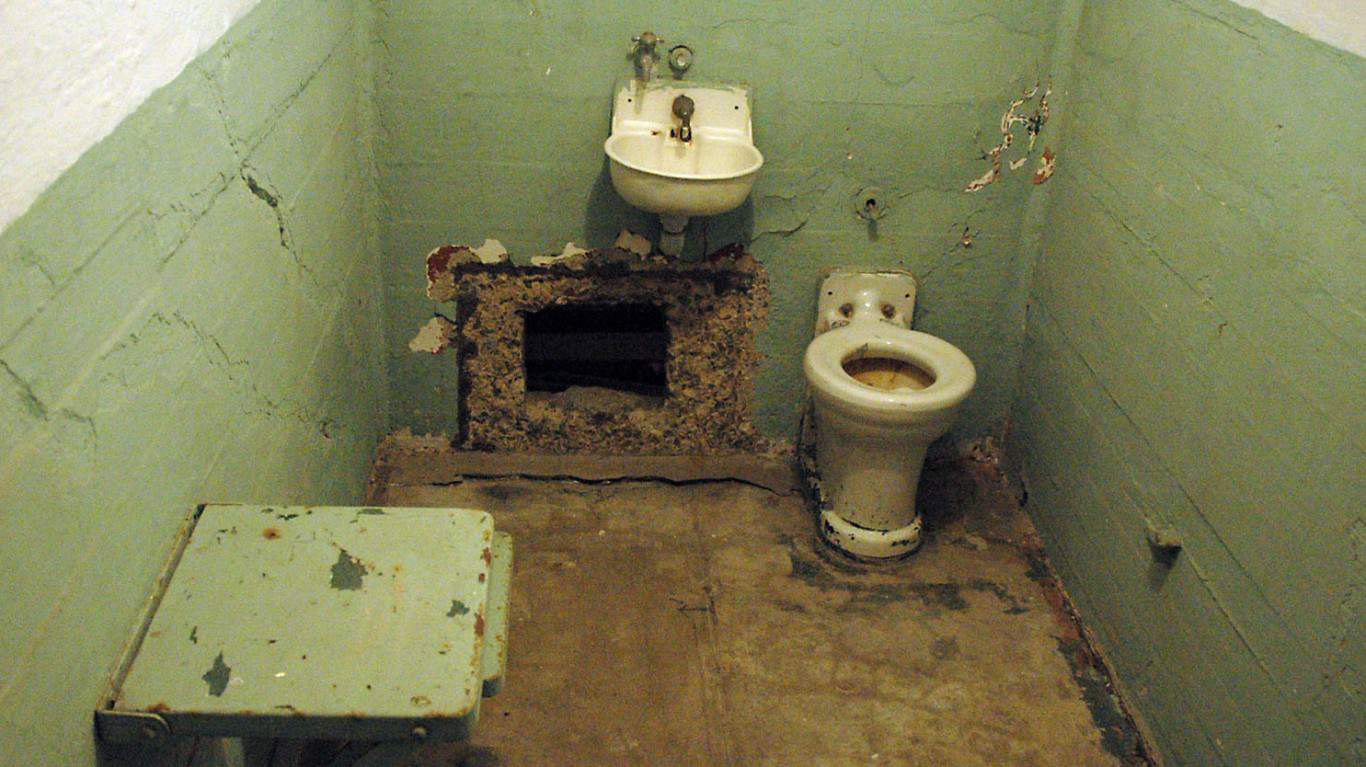
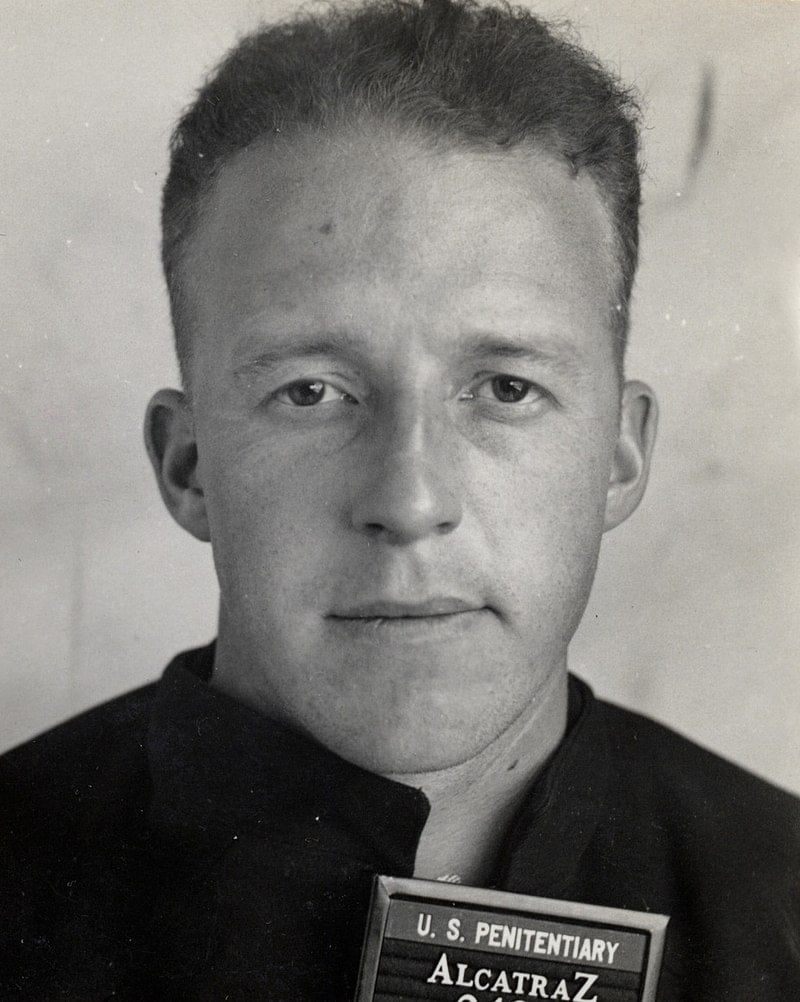
During the routine early-morning bed check at Alcatraz on June 12, 1962, guards discovered that Frank Morris and brothers John and Clarence Anglin were missing. In their beds were dummy heads made from plaster, flesh-tone paint, and real human hair. The men had slipped out the night before and used a homemade raft and flotation gear to leave the island. The FBI closed its active investigation in 1979 and turned the matter over to the U.S. Marshals Service, but no conclusive evidence has established whether the three men survived.
Outcome: The fate of the three escapees remains unknown
Black Dahlia Murder
On the morning of Jan. 15, 1947, a mother walking with her child in Los Angeles found the body of a young woman who had been cut in half at the waist. There was no blood at the scene, indicating that she had been killed elsewhere. The victim was 22-year-old Elizabeth Short, later dubbed the "Black Dahlia" by the press. The Los Angeles Police Department led the investigation, while the FBI quickly identified Short through fingerprints and assisted with records checks and interviews. The murder remains unsolved.
Outcome: Unsolved
Brink's Robbery
On the evening of Jan. 17, 1950, employees of Brink's, Inc., in Boston were returning cash, checks, and other material to the company safe when five masked men entered shortly before 7:30 p.m. The robbers bound the employees and stole more than $1.2 million in cash and another $1.5 million in checks and other securities, making it the largest U.S. robbery at the time. The FBI joined Boston police in a years-long investigation. Eight defendants were ultimately found guilty, while Joseph O'Keefe, whose cooperation helped break the case, pleaded guilty separately.
Outcome: Eight defendants were found guilty; another participant pleaded guilty separately
Charles Ross Kidnapping
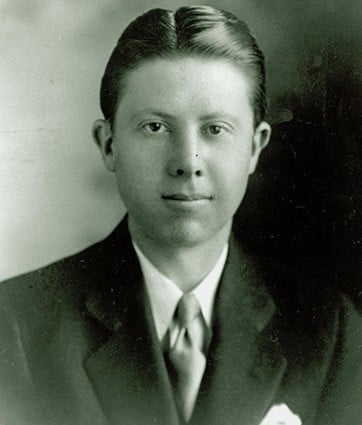
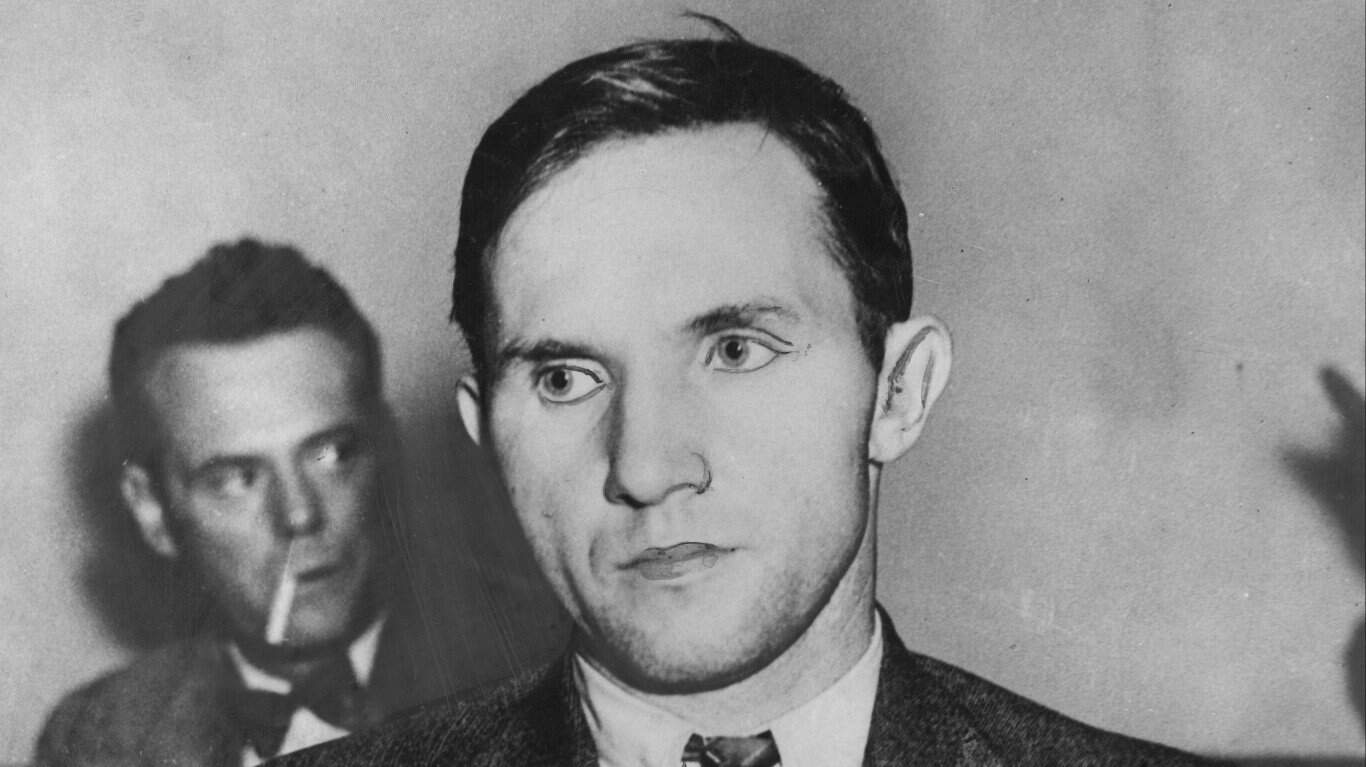
On Sept. 25, 1937, 72-year-old Charles Sherman Ross, the retired president of a Chicago greeting-card company, was kidnapped at gunpoint near Franklin Park, Illinois, by John Henry Seadlund and James Atwood Gray. A $50,000 ransom was paid, but on Oct. 10 Seadlund killed both Ross and Gray in Wisconsin. FBI agents tracked ransom bills across the country and arrested Seadlund at California's Santa Anita Race Track on Jan. 14, 1938. He confessed and was executed that July.
Outcome: John Henry Seadlund confessed, was convicted, and was executed in 1938
D.B. Cooper Hijacking
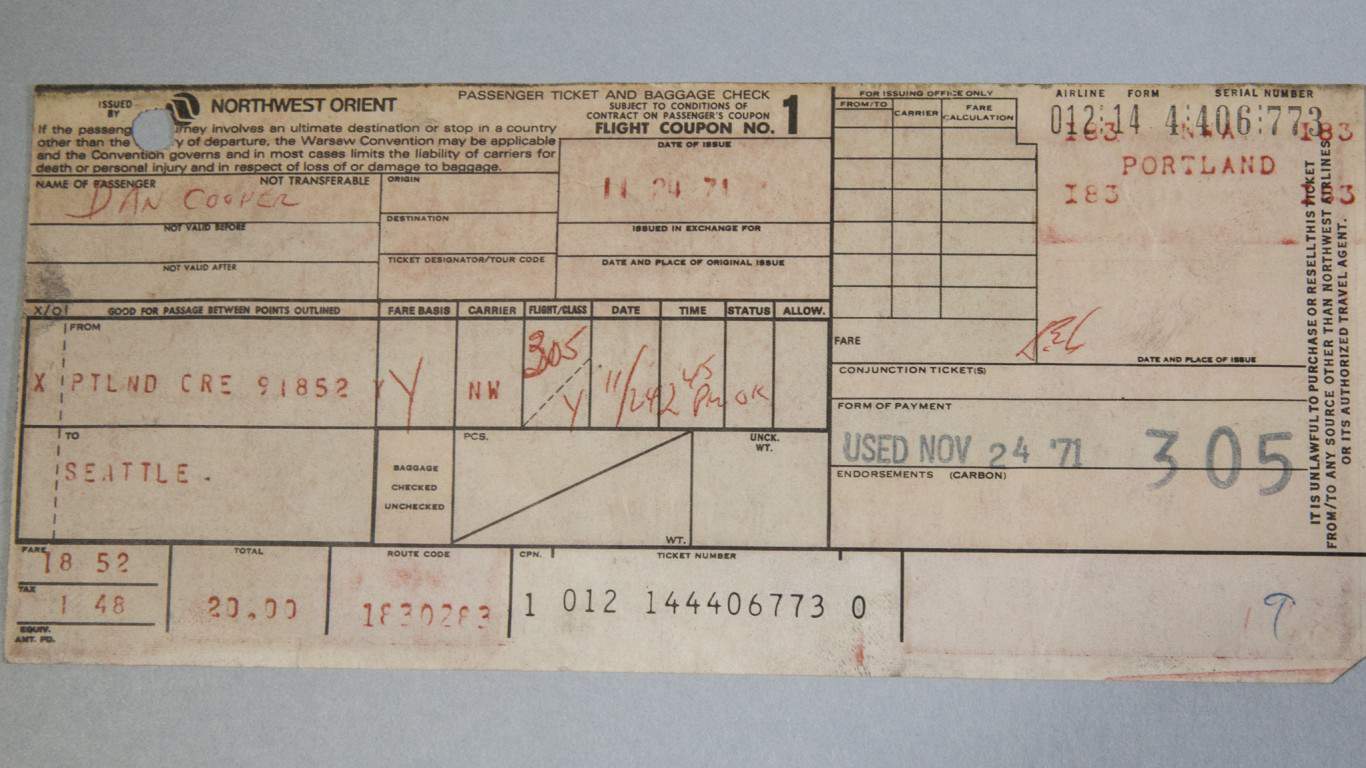
On Nov. 24, 1971, a man calling himself Dan Cooper bought a ticket for Northwest Orient Flight 305 from Portland, Oregon, to Seattle. After takeoff, he claimed to have a bomb and demanded four parachutes and $200,000 in cash. The money and parachutes were delivered in Seattle, and the plane departed again toward Mexico City. Shortly after 8 p.m., somewhere between Seattle and Reno, Cooper parachuted from the rear of the aircraft and disappeared. The case became known as the D.B. Cooper hijacking because of an early media error. The FBI redirected resources from the long-running investigation in 2016, and Cooper's identity and fate remain unknown.
Outcome: Unsolved; the FBI redirected active investigative resources in 2016
Murder of Special Agent Edwin C. Shanahan
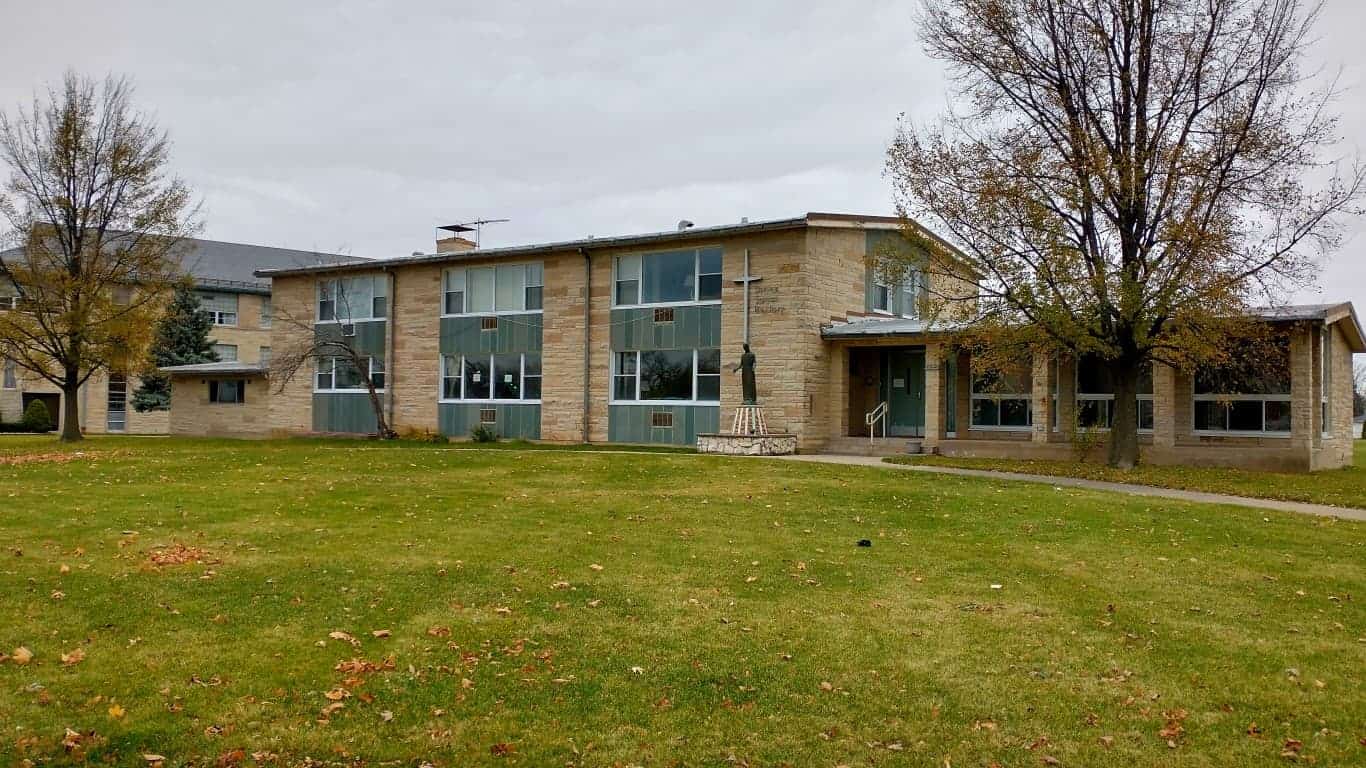
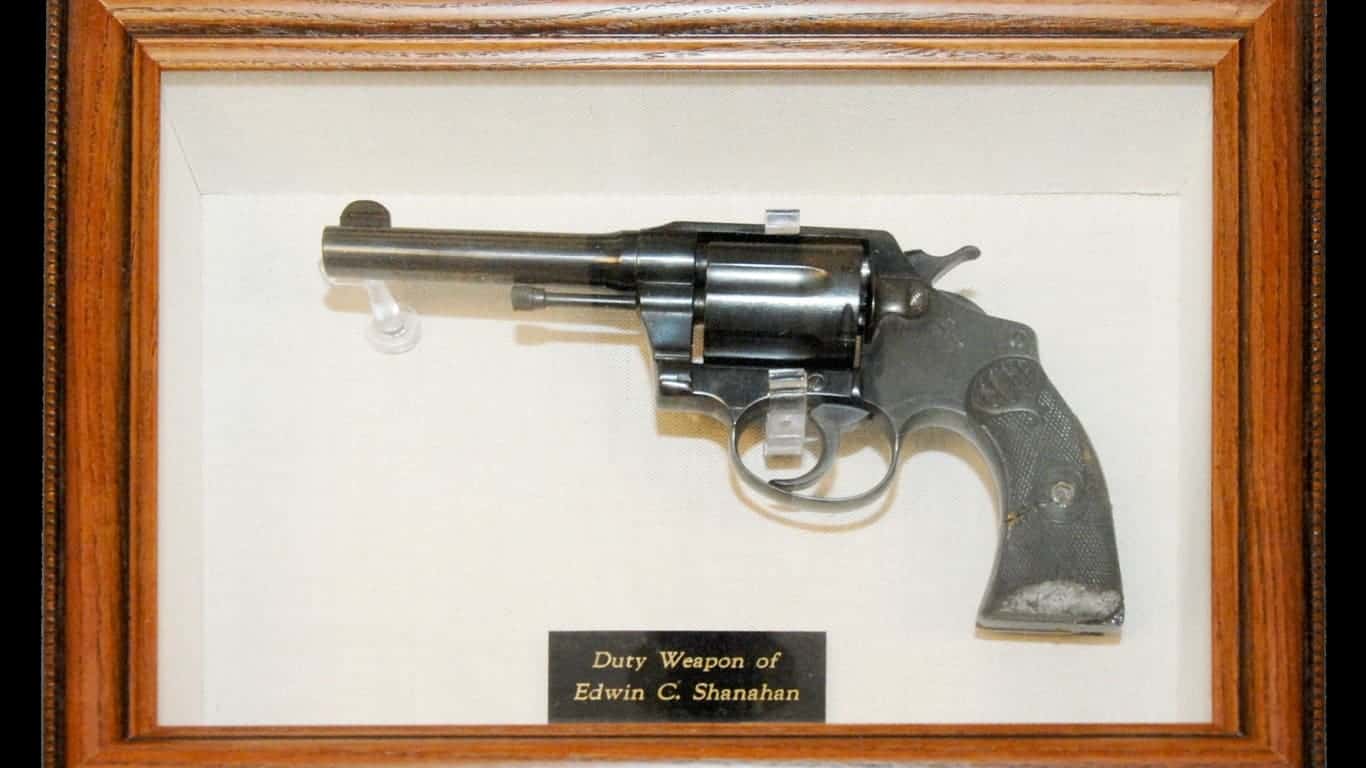
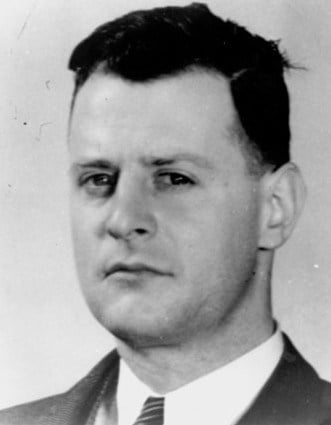
On Oct. 11, 1925, Special Agent Edwin C. Shanahan tried to arrest automobile thief Martin James Durkin in Chicago for violating the National Motor Vehicle Theft Act. Durkin shot and killed Shanahan, making him the first Bureau agent slain in the line of duty. Durkin was captured in January 1926 and later received state and federal prison sentences. He was released in 1954. Congress did not make killing or assaulting certain federal officers a federal offense until 1934.
Outcome: Martin James Durkin was convicted on state and federal charges and released in 1954
Frank Sinatra, Jr., Kidnapping
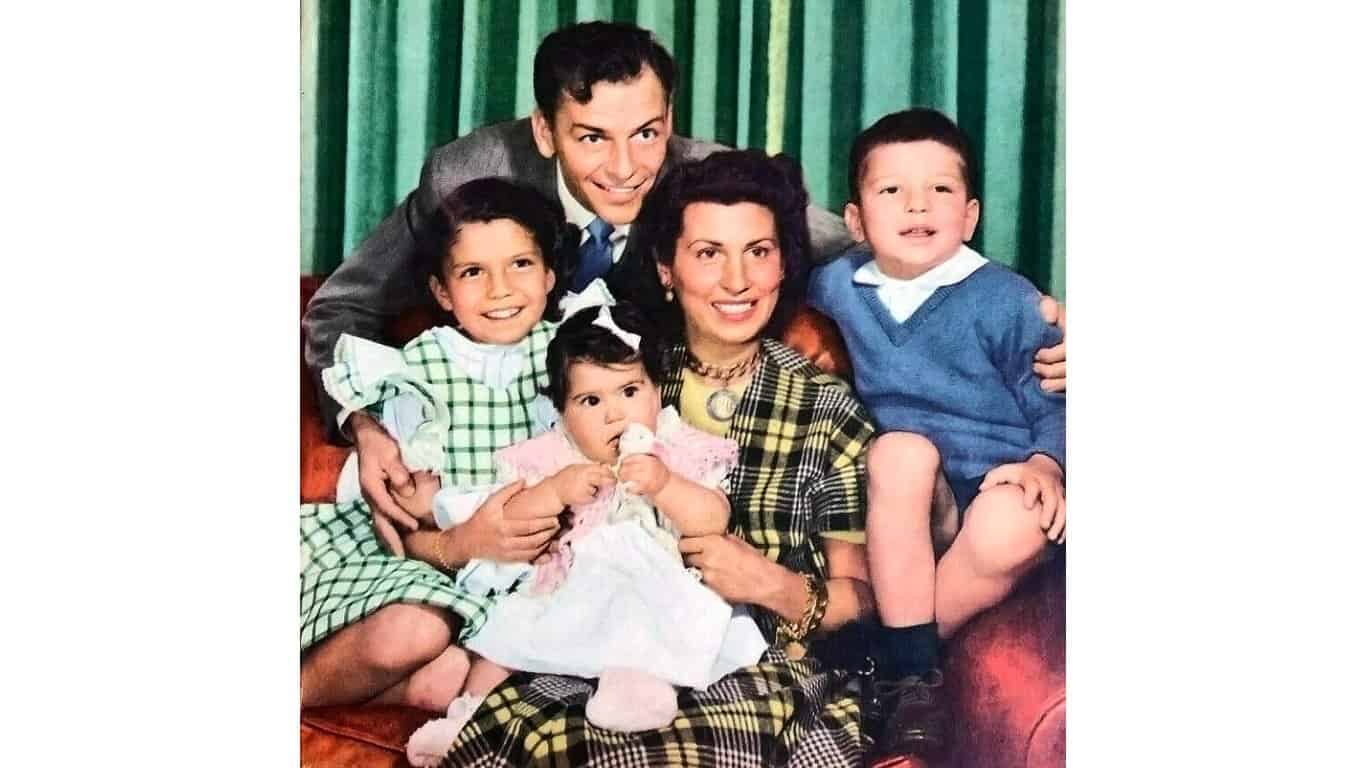
Frank Sinatra, Jr., was kidnapped on Dec. 8, 1963, while performing at Harrah's Club Lodge at Lake Tahoe, on the California-Nevada border. Barry Keenan and Joe Amsler abducted the 19-year-old singer, and a third man, John Irwin, became involved in the plot. The kidnappers demanded $240,000. Sinatra was released unharmed after the ransom was paid, and the FBI tracked the money and other evidence to the three men. Keenan, Amsler, and Irwin were all convicted.
Outcome: Frank Sinatra, Jr., was released unharmed; all three kidnappers were convicted
Pine Ridge Reservation Murders
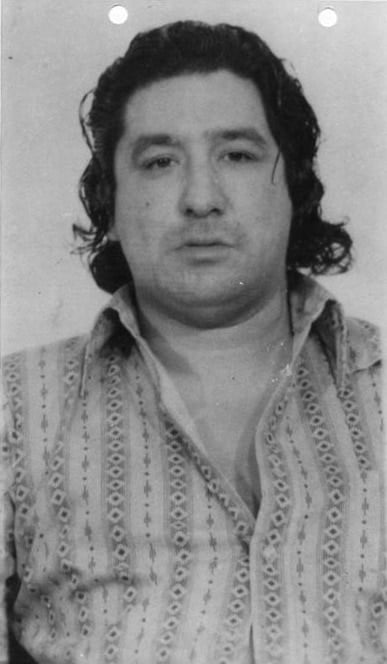
FBI Special Agents Jack Coler and Ronald Williams were shot and killed on June 26, 1975, while investigating on the Pine Ridge Indian Reservation in South Dakota. Leonard Peltier was convicted in federal court in 1977 of two counts of first-degree murder and received two consecutive life sentences. Peltier has long maintained his innocence, but his convictions were not vacated. On Jan. 20, 2025, President Joe Biden commuted his life sentence so that he would serve the remainder in home confinement; the commutation was not a pardon.
Outcome: Leonard Peltier's convictions remain in place; his remaining sentence was commuted to home confinement in 2025
United Airlines Flight 629 Bombing
On Nov. 1, 1955, United Air Lines Flight 629 exploded after departing Denver, killing all 39 passengers and five crew members. The aircraft crashed on farmland north of Denver. The FBI investigation determined that Jack Gilbert Graham had placed a dynamite bomb in luggage belonging to his mother, Daisie King, after purchasing flight insurance policies on her life. Graham was convicted of murder in Colorado and executed in 1957.
Outcome: Jack Gilbert Graham was convicted of murder and executed
Army Deserters Kill FBI Agent
On March 13, 1942, Army deserters Charles J. Lovett and James Edward Testerman shot FBI Special Agent Hubert J. Treacy, Jr., in a restaurant in Abingdon, Virginia. Treacy was killed and another agent was seriously wounded. The two fugitives were captured after a gun battle several hours later. Both were convicted of first-degree murder and sentenced to life imprisonment.
Outcome: James Edward Testerman and Charles J. Lovett were convicted and sentenced to life imprisonment
Greenlease Kidnapping
Six-year-old Bobby Greenlease, the son of Kansas City automobile dealer Robert Greenlease, was abducted from school on Sept. 28, 1953, by Bonnie Heady. Heady and Carl Hall killed the child soon after the kidnapping, then demanded and received a record $600,000 ransom from his family. Hall and Heady were arrested in October, pleaded guilty to federal kidnapping charges, and were executed together in Missouri's gas chamber on Dec. 18, 1953.
Outcome: Carl Hall and Bonnie Heady were convicted and executed
JFK Assassination
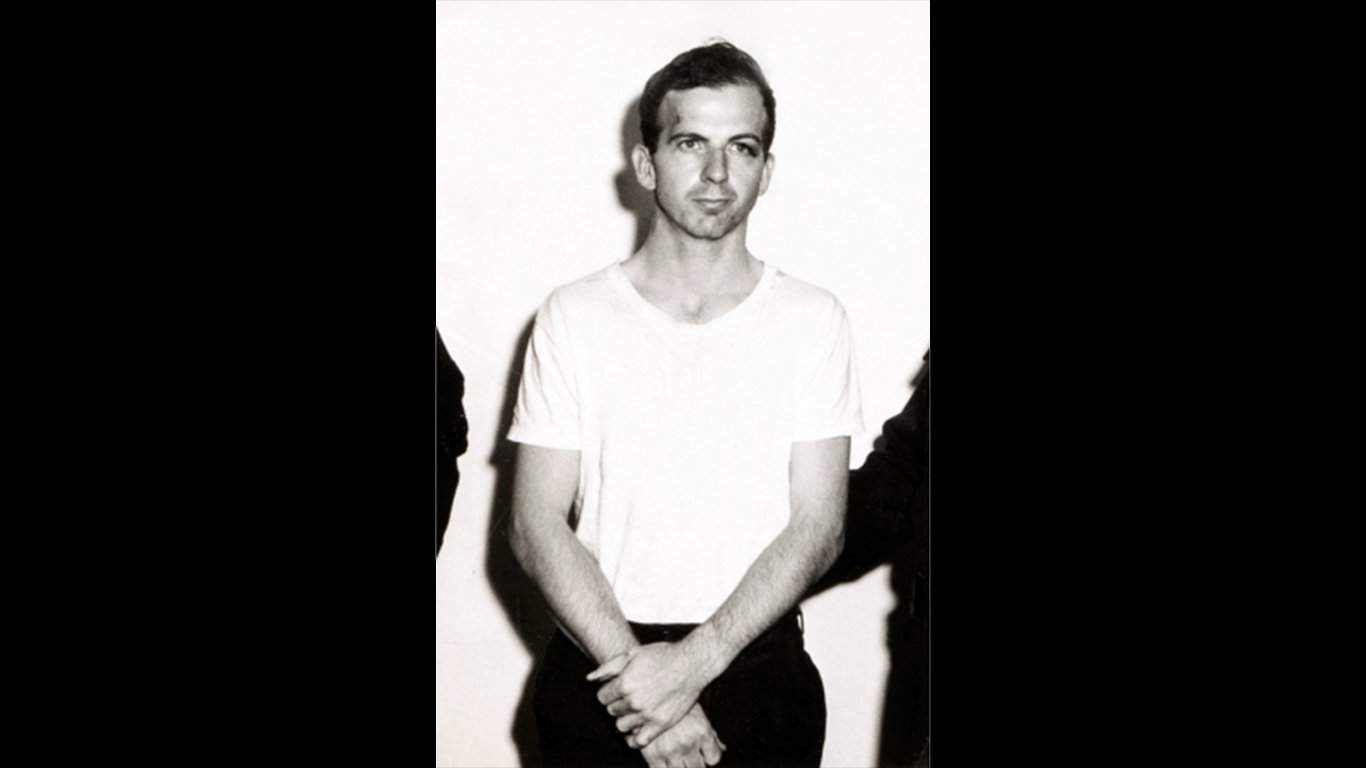
President John F. Kennedy was assassinated in Dallas on Nov. 22, 1963. President Lyndon B. Johnson directed the FBI to investigate even though, at the time, the Bureau had no specific statutory authority over presidential assassinations. The FBI conducted tens of thousands of interviews and pursued a vast number of leads, concluding that Lee Harvey Oswald acted alone in shooting Kennedy. Oswald was killed by Jack Ruby on Nov. 24 before he could be tried, and the case exposed jurisdictional confusion among federal, state, and local authorities.
Outcome: Lee Harvey Oswald was killed by Jack Ruby before he could be tried
Weyerhaeuser Kidnapping
On May 24, 1935, nine-year-old George Weyerhaeuser, son of Tacoma lumber executive J.P. Weyerhaeuser, was kidnapped while walking home from school. His abductors demanded $200,000, which the family paid. George was released alive on June 1. FBI agents and partner agencies captured the three principal kidnappers and ultimately recovered $157,319.47 of the ransom money.
Outcome: Three kidnappers were captured and convicted
Special Agent J. Brady Murphy Slain
On Sept. 25, 1953, Special Agents J. Brady Murphy and Ray Fox confronted wanted murderer and career criminal John Elgin Johnson inside a Baltimore movie theater. Johnson opened fire, wounding both agents. They returned fire and killed him. Murphy was critically wounded and died the following day.
Outcome: John Elgin Johnson was killed in the shootout; Special Agent J. Brady Murphy died the next day
Jonestown Mass Murder-Suicide
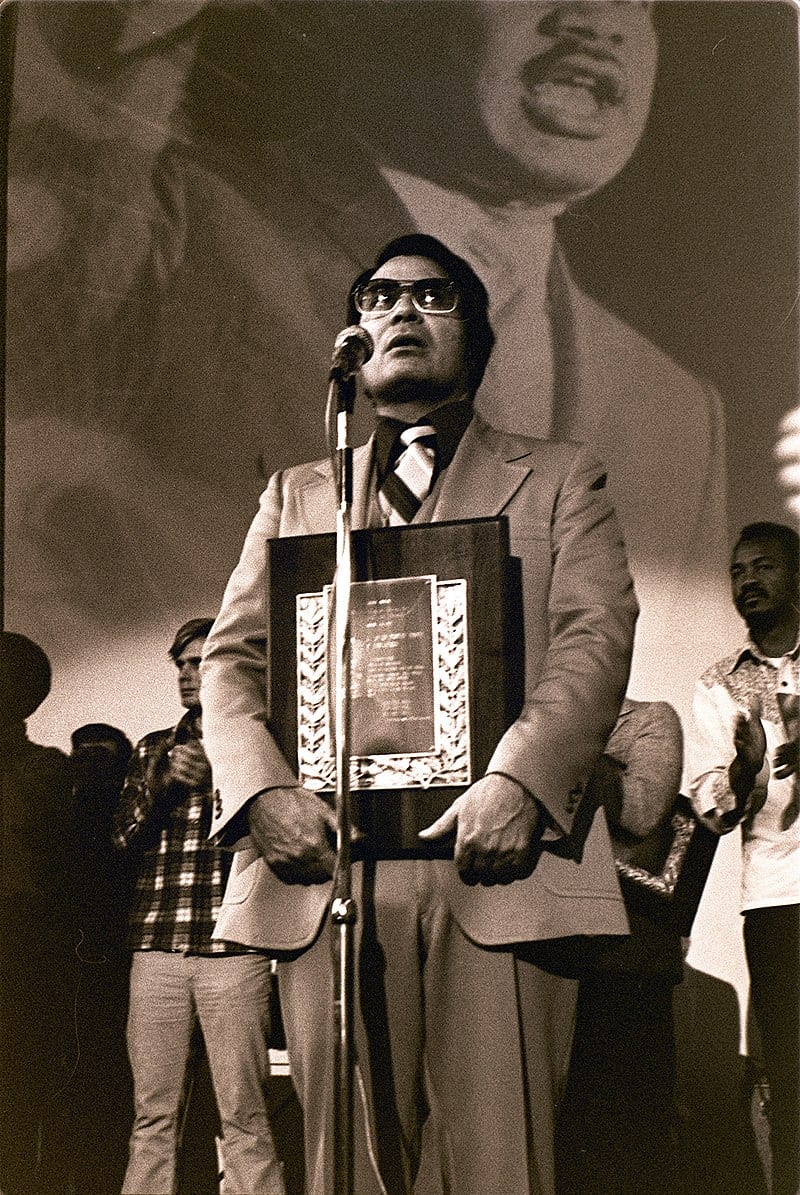
California Congressman Leo Ryan traveled to Guyana on Nov. 14, 1978, to investigate allegations of abuse at the Peoples Temple settlement known as Jonestown. On Nov. 18, members of the group attacked Ryan's party at the Port Kaituma airstrip, killing Ryan and four others. Back at Jonestown, Jim Jones ordered followers to consume a cyanide-laced drink. More than 900 people died, including more than 200 children, in what the FBI describes as a mass murder-suicide. The FBI worked with Guyanese authorities and later built a federal case against Larry Layton, who was convicted for his role in the airstrip attack.
Outcome: Larry Layton was convicted in the United States and sentenced to life in prison
Krupp Diamond Theft
On April 10, 1959, three men robbed Vera Krupp at her Spring Mountain Ranch about 26 miles southwest of Las Vegas. They stole her diamond ring, valued at about $275,000 at the time, along with roughly $700,000 in cash and other property. The ring's center stone weighed more than 33 carats. FBI agents tracked the thieves across the country and recovered all three diamonds. The ring was rebuilt and later became famous after Richard Burton bought it for Elizabeth Taylor at auction in 1968 for $307,000, then a record auction price for a jewel.
Outcome: The stolen diamonds were recovered and the robbers were convicted
Special Agent William R. Ramsey Murder
Special Agent William R. Ramsey died on May 3, 1938, from gunshot wounds suffered the previous day while helping arrest suspects in a December 1937 bank burglary in Lapel, Indiana. At a farmhouse in Penfield, Illinois, officers arrested suspect John Hulett. Joe Earlywine then shot Ramsey several times. Ramsey returned fire and killed Earlywine before succumbing to his wounds the next morning. A third suspect, Fred Steffler, was also sought in the case.
Outcome: Joe Earlywine was killed in the gunfight; other burglary suspects were taken into custody
Judge Robert Vance Bombing
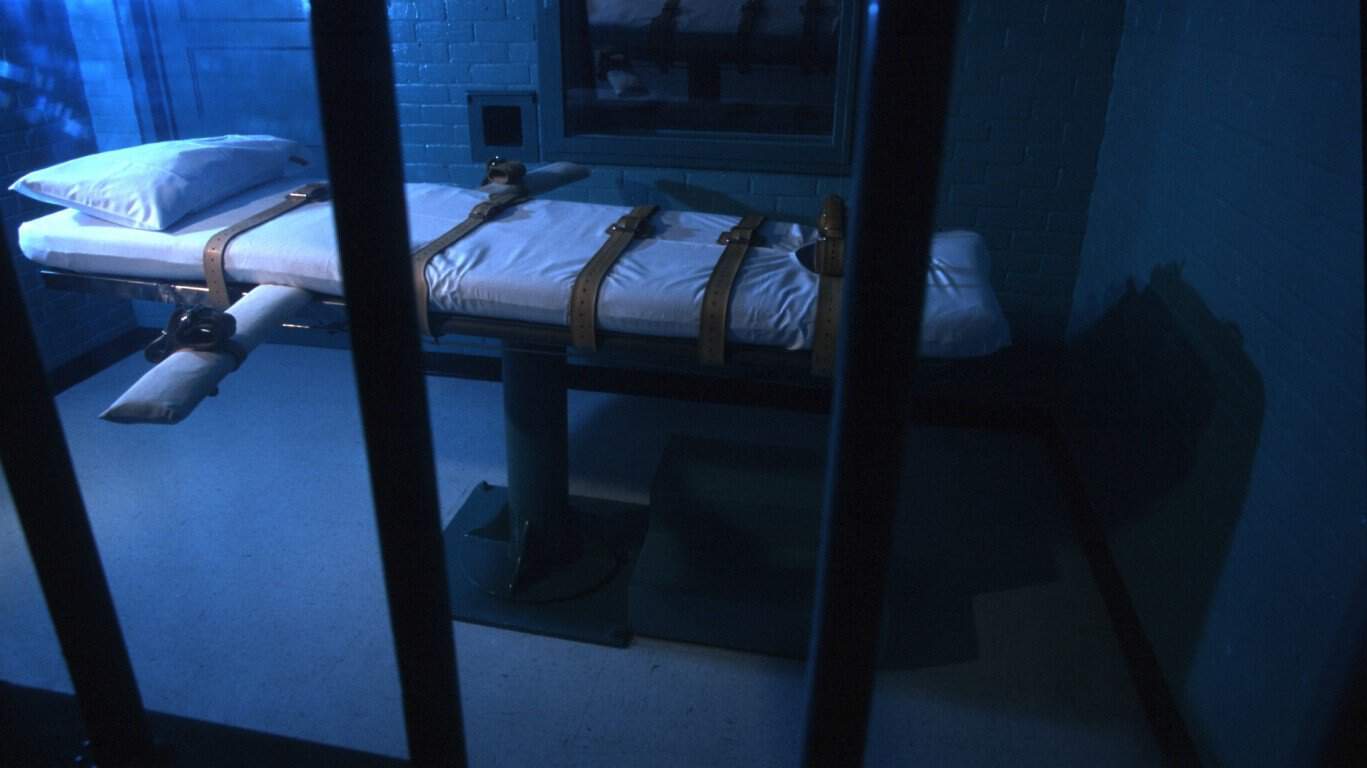
In December 1989, a series of mail bombs targeted people and institutions across the South. A parcel bomb killed federal appeals Judge Robert Vance at his Alabama home on Dec. 16 and seriously injured his wife. Two days later, a similar bomb killed Atlanta attorney Robert Robertson. Two more devices, addressed to the federal courthouse in Atlanta and the Jacksonville office of the NAACP, were intercepted. Investigators linked the bombs to Walter Leroy Moody, whose resentment of the federal court system grew from an earlier bombing conviction and failed appeals. Moody was convicted in federal and state courts and was executed in Alabama in 2018.
Outcome: Walter Leroy Moody was convicted and executed in Alabama in 2018
Lindbergh Kidnapping
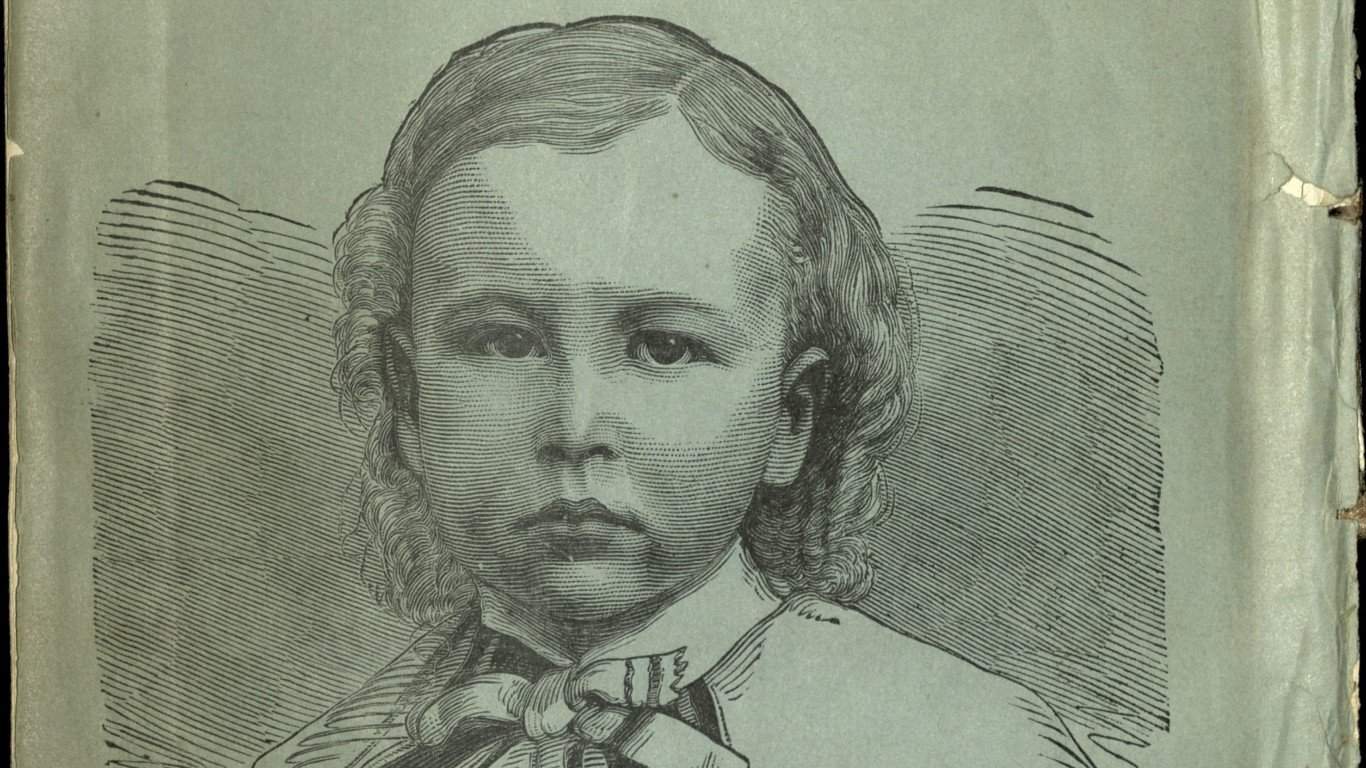
Twenty-month-old Charles Augustus Lindbergh, Jr., was kidnapped from the second-floor nursery of the Lindbergh family home near Hopewell, New Jersey, on March 1, 1932. His body was found on May 12 a few miles from the home. At the time, the Bureau had no federal jurisdiction over the kidnapping itself and assisted New Jersey authorities. Congress passed the Federal Kidnapping Act in June 1932, giving the Bureau authority in interstate kidnappings. Bruno Richard Hauptmann was arrested in 1934, convicted of the child's murder, and executed in 1936.
Outcome: Bruno Richard Hauptmann was convicted and executed in 1936
Nussbaum and Wilcoxson Robbery Spree
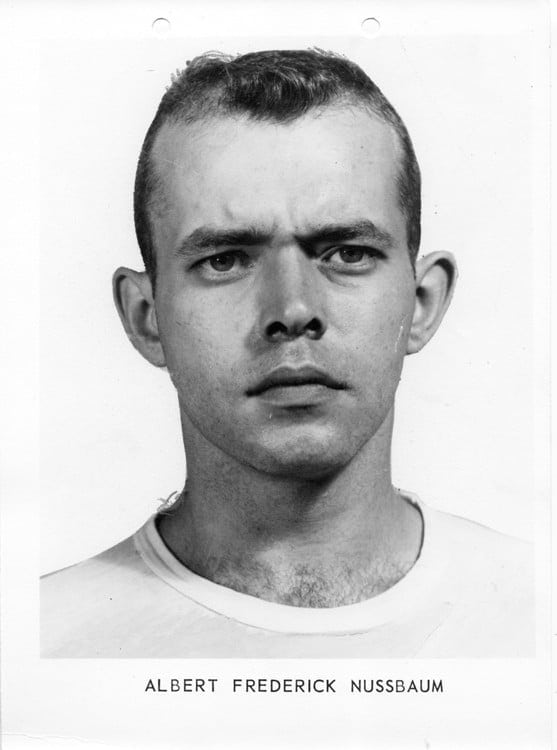
Albert Nussbaum and Bobby Wilcoxson met in an Ohio prison and went on a violent crime spree from 1960 to 1962. According to the FBI, they robbed eight banks, accumulated a large weapons cache, killed a bank guard, and planted several bombs in Washington, D.C. A bomb that failed to detonate yielded Nussbaum's fingerprints. Both men were eventually captured, pleaded guilty to federal charges, and received life sentences.
Outcome: Albert Nussbaum and Bobby Wilcoxson were captured and sentenced to life in prison
Osage Murders Case
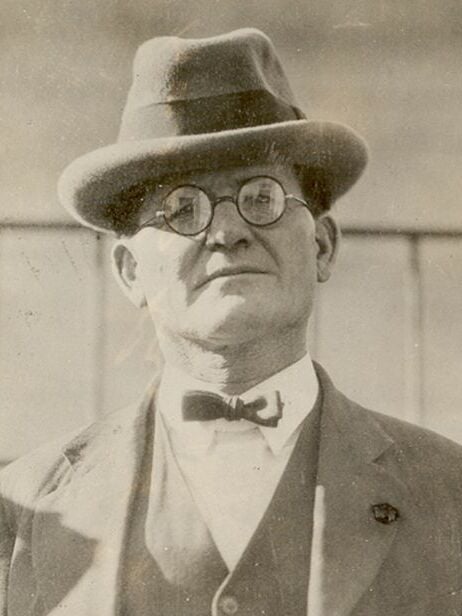
Beginning in the early 1920s, members of the Osage Nation and others in Osage County, Oklahoma, were murdered amid a campaign to seize oil wealth and valuable headrights. At least two dozen deaths were associated with the period known as the Reign of Terror. After the Osage Tribal Council asked the federal government for help in 1923, the Bureau of Investigation sent agents and eventually uncovered a conspiracy centered on cattleman William Hale. Hale and other conspirators were convicted and imprisoned. The case later inspired the book and film "Killers of the Flower Moon."
Outcome: William Hale and other conspirators were convicted and sentenced to prison
Patty Hearst Abduction
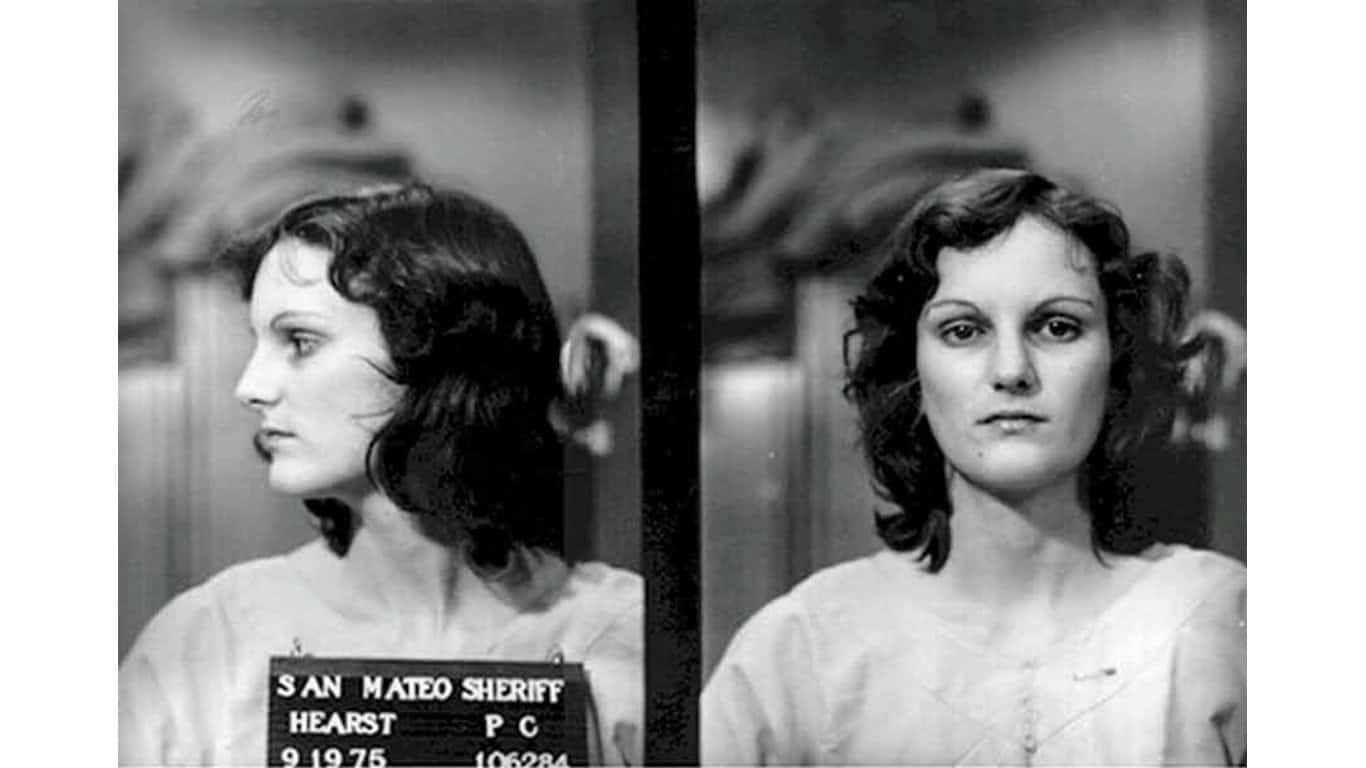
Patty Hearst, the 19-year-old granddaughter of newspaper publisher William Randolph Hearst, was kidnapped from her Berkeley, California, apartment on Feb. 4, 1974, by members of the Symbionese Liberation Army. The SLA released recordings demanding money and food and later a tape in which Hearst said she had joined the group. She was photographed participating in an SLA bank robbery. FBI agents arrested Hearst on Sept. 18, 1975, and she was convicted of bank robbery and sentenced to seven years. President Jimmy Carter commuted her sentence after she had served about two years, and President Bill Clinton pardoned her in 2001.
Outcome: Patty Hearst was convicted; President Carter commuted her sentence and President Clinton later pardoned her
Unabomber Attacks
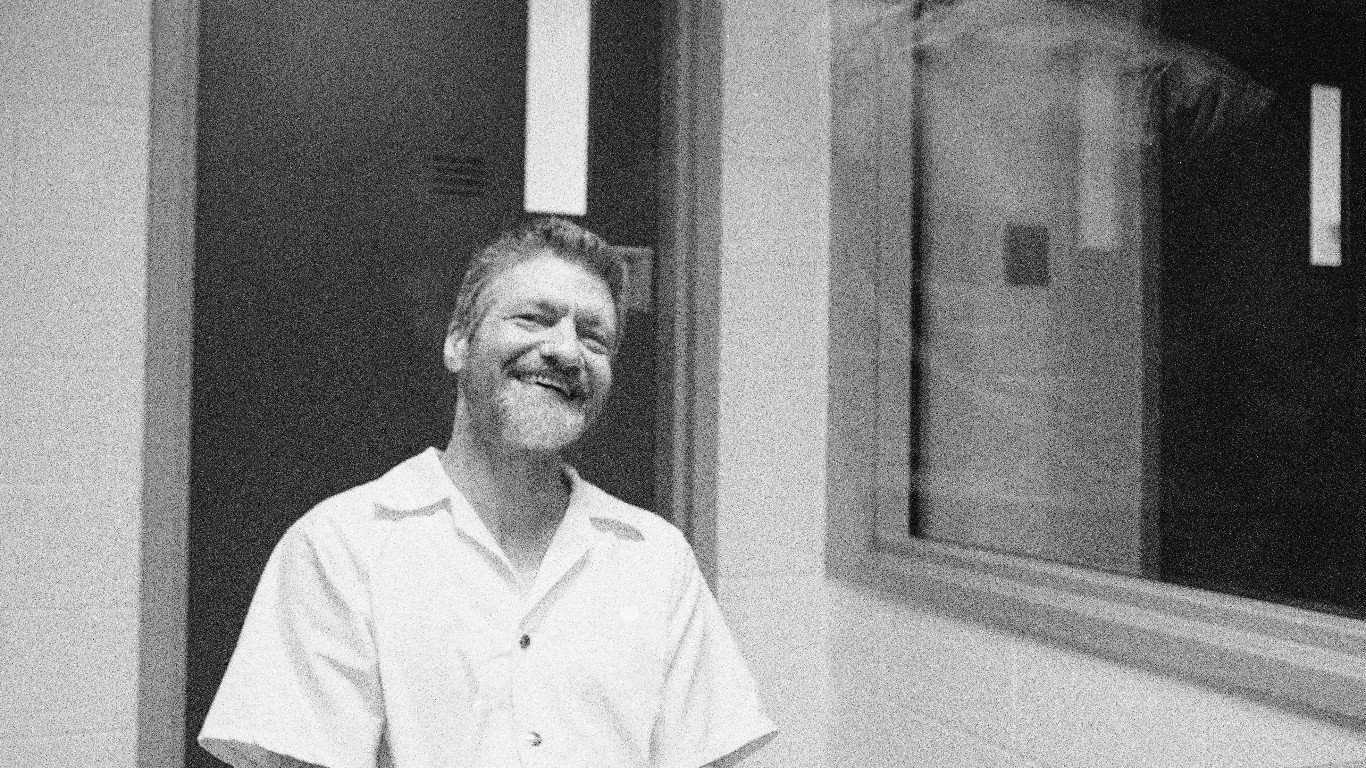
From 1978 through 1995, Theodore Kaczynski mailed or delivered a series of increasingly sophisticated bombs that killed three people and injured nearly two dozen. The targets included universities, airlines, and people connected with technology and industry. In 1995, Kaczynski sent a roughly 35,000-word essay explaining his views. FBI Director Louis Freeh and Attorney General Janet Reno approved its publication in hopes someone would recognize the writing. David Kaczynski and his family saw simthat ilarities to Theodore's writing, helping investigators obtain a search warrant for his Montana cabin. Kaczynski was arrested in 1996, pleaded guilty in 1998, and died in federal custody in 2023.
Outcome: Theodore Kaczynski pleaded guilty in 1998 and died in federal custody in 2023
United Airlines Flight 855 Hijacking
On April 7, 1972, a man armed with a hand grenade and pistol hijacked United Airlines Flight 855 after it departed Denver on the Newark-to-Los Angeles route. He demanded $500,000 and parachuted from the Boeing 727 over Utah. FBI investigators identified Richard Floyd McCoy, Jr., through evidence that included handwriting and recovered parachute equipment. Agents found $499,970 in cash when they searched his home. McCoy was convicted of air piracy and sentenced to 45 years. He escaped from federal prison in 1974 and was killed in a shootout with law enforcement after the escape.
Outcome: Richard Floyd McCoy, Jr., was sentenced to 45 years and was killed after escaping prison in 1974
Murder of Anne Marie Fahey
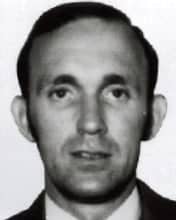
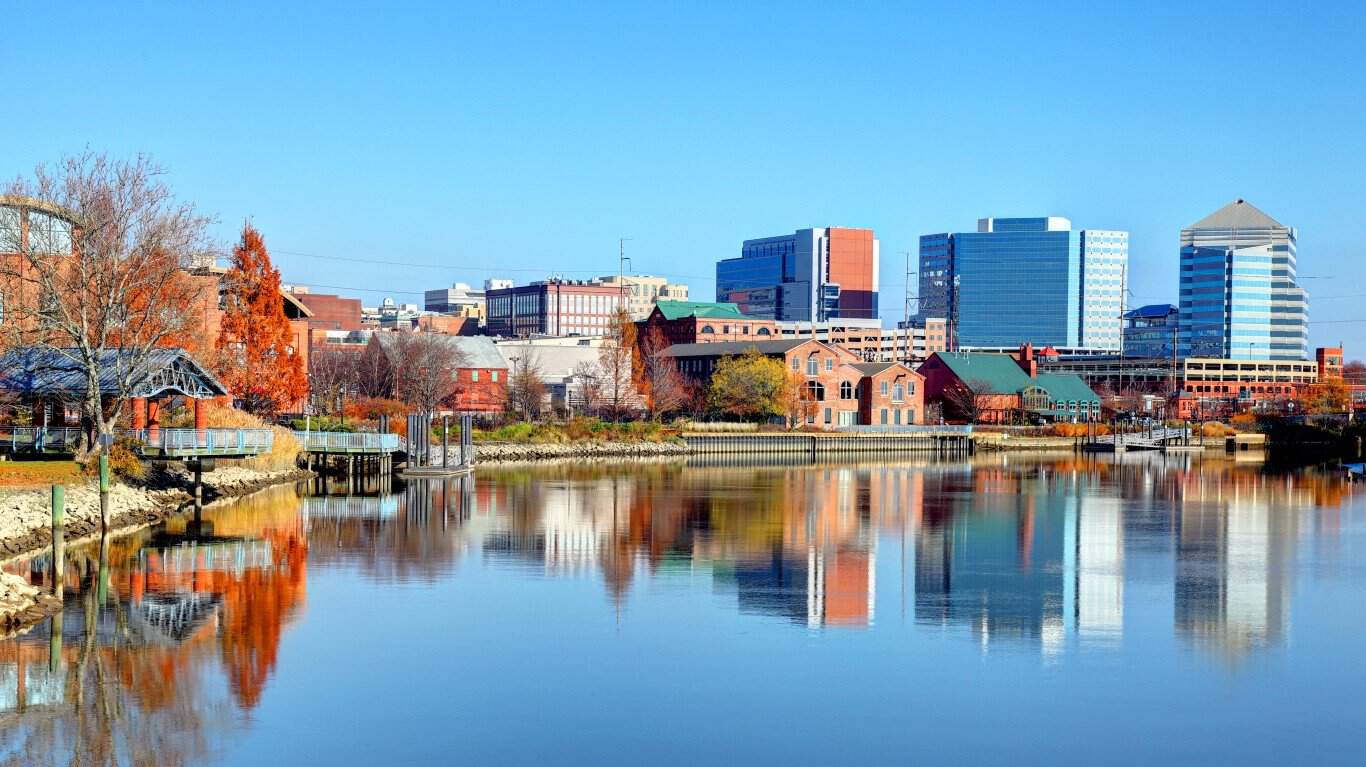
Anne Marie Fahey, scheduling secretary to Delaware Gov. Thomas Carper, was last seen on June 27, 1996, after dining in Philadelphia with attorney Thomas Capano, with whom she had previously been involved. Her family reported her missing two days later. The FBI took a leading role in a multi-agency investigation with Wilmington police and other federal partners. Capano was arrested in November 1997, and a Delaware jury convicted him of first-degree murder on Jan. 17, 1999. His death sentence was later changed to life without parole. Capano died in prison in 2011, and Fahey's body has never been found.
Outcome: Thomas Capano was convicted of first-degree murder in 1999
Sentence: His death sentence was later changed to life in prison without parole
Status: Capano died in prison in 2011; Anne Marie Fahey's body was never found
Joanne Chesimard / Assata Shakur Case
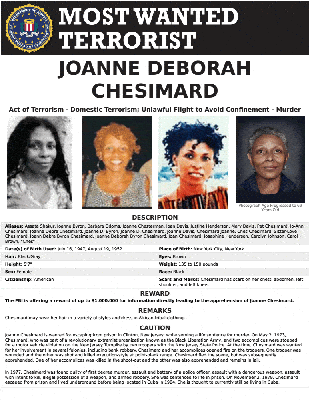
Joanne Chesimard, later known as Assata Shakur, was convicted in New Jersey in 1977 of first-degree murder and other crimes in the 1973 killing of State Trooper Werner Foerster. She escaped from prison in 1979 and resurfaced in Cuba in 1984, where she received political asylum. In 2013, the FBI made her the first woman added to its Most Wanted Terrorists list. Cuba's Ministry of Foreign Affairs announced that Shakur died in Havana on Sept. 25, 2025, at age 78.
Outcome: Convicted murderer Joanne Chesimard escaped prison in 1979; she died in Cuba in 2025
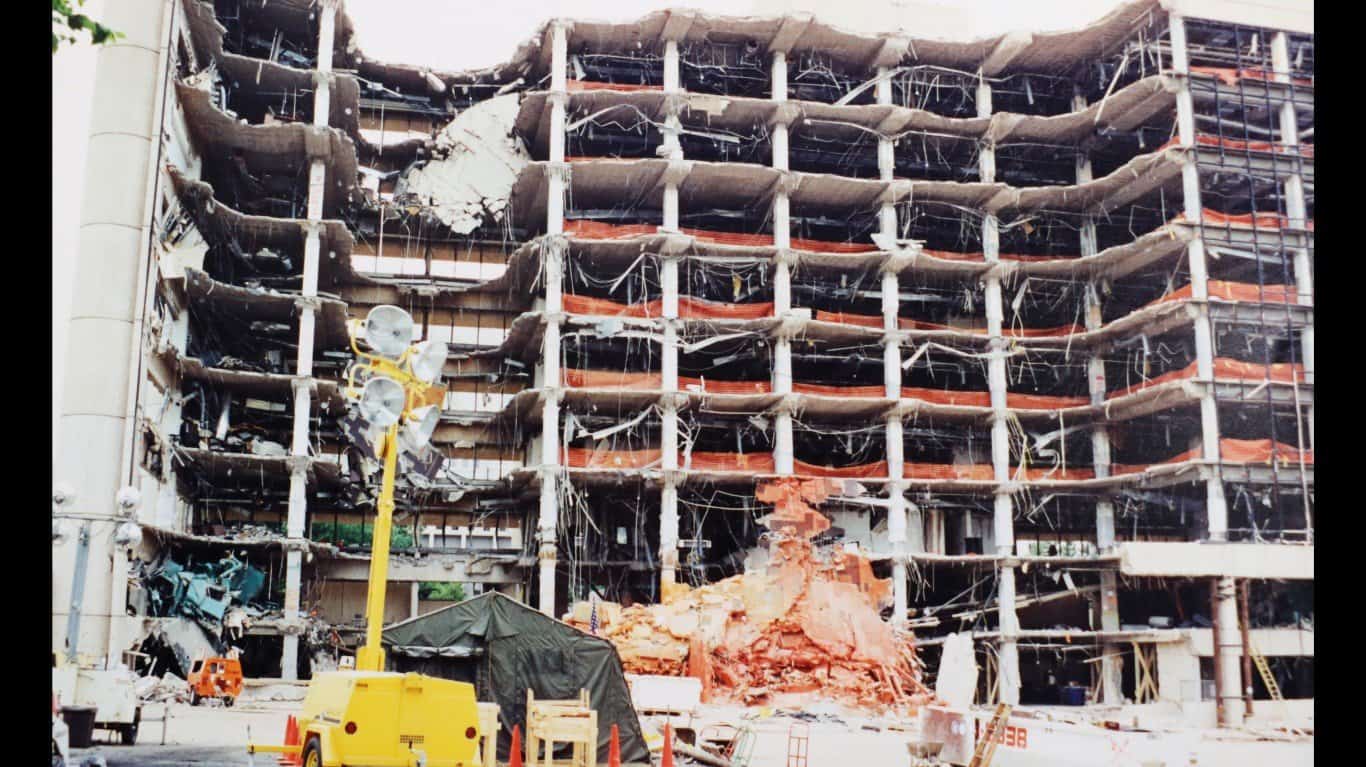
Oklahoma City Bombing
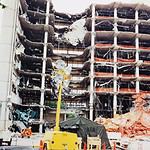
At 9:02 a.m. on April 19, 1995, a truck bomb exploded outside the Alfred P. Murrah Federal Building in Oklahoma City. The attack killed 168 people, including 19 children, and injured hundreds more. President Bill Clinton designated the FBI as the lead law enforcement agency, and federal, state, and local partners mounted the massive OKBOMB investigation. Timothy McVeigh was convicted and executed, Terry Nichols received a life sentence, and Michael Fortier received 12 years for failing to report the plot and lying to the FBI. The bombing drove major changes in the FBI's approach to domestic terrorism, partnerships, bomb-response training, and Joint Terrorism Task Forces.
Outcome: Timothy McVeigh was executed; Terry Nichols received life in prison; Michael Fortier received a 12-year sentence
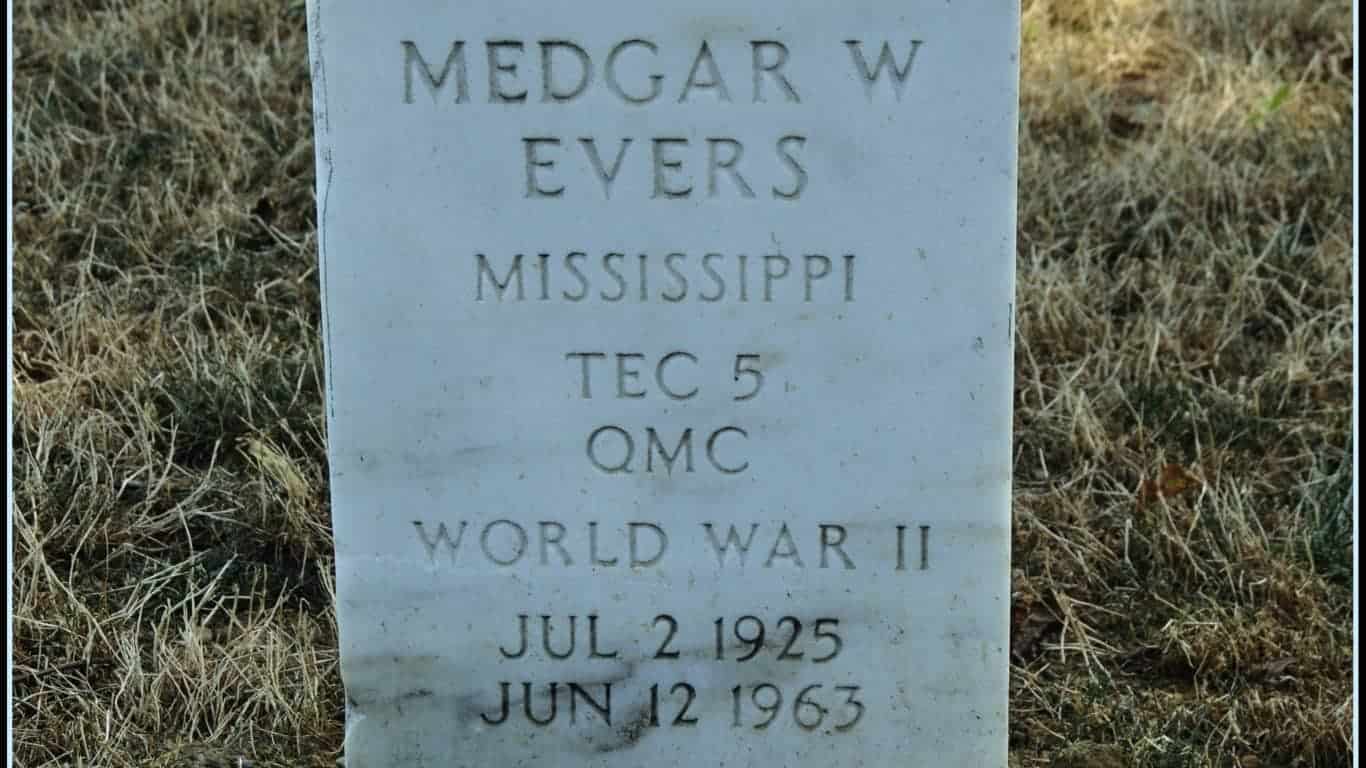
Murder of Medgar Evers
Civil rights leader Medgar Evers was shot outside his home in Jackson, Mississippi, shortly after midnight on June 12, 1963. Local police recovered the rifle, and the FBI matched a fingerprint on its scope to white supremacist Byron De La Beckwith. Two all-white juries failed to reach verdicts in 1964. Decades later, Evers' widow, Myrlie Evers-Williams, asked local prosecutors to reopen the case, and the FBI again assisted. De La Beckwith was convicted of murder in 1994 and died in prison in 2001.
Outcome: Byron De La Beckwith was convicted of murder in 1994
German Spies and Saboteurs
Two major FBI cases involving Nazi Germany are often discussed together. On June 28, 1941, before the United States entered World War II, agents arrested Frederick Joubert "Fritz" Duquesne and 32 other members of a German espionage ring after a two-year investigation. In June 1942, eight German saboteurs landed in two teams on Long Island, New York, and near Ponte Vedra Beach, Florida, with plans to attack U.S. targets. One leader, George Dasch, contacted the FBI, and agents captured all eight before they carried out their sabotage plans.
Outcome: The Duquesne spy ring was broken up, and all eight 1942 German saboteurs were captured
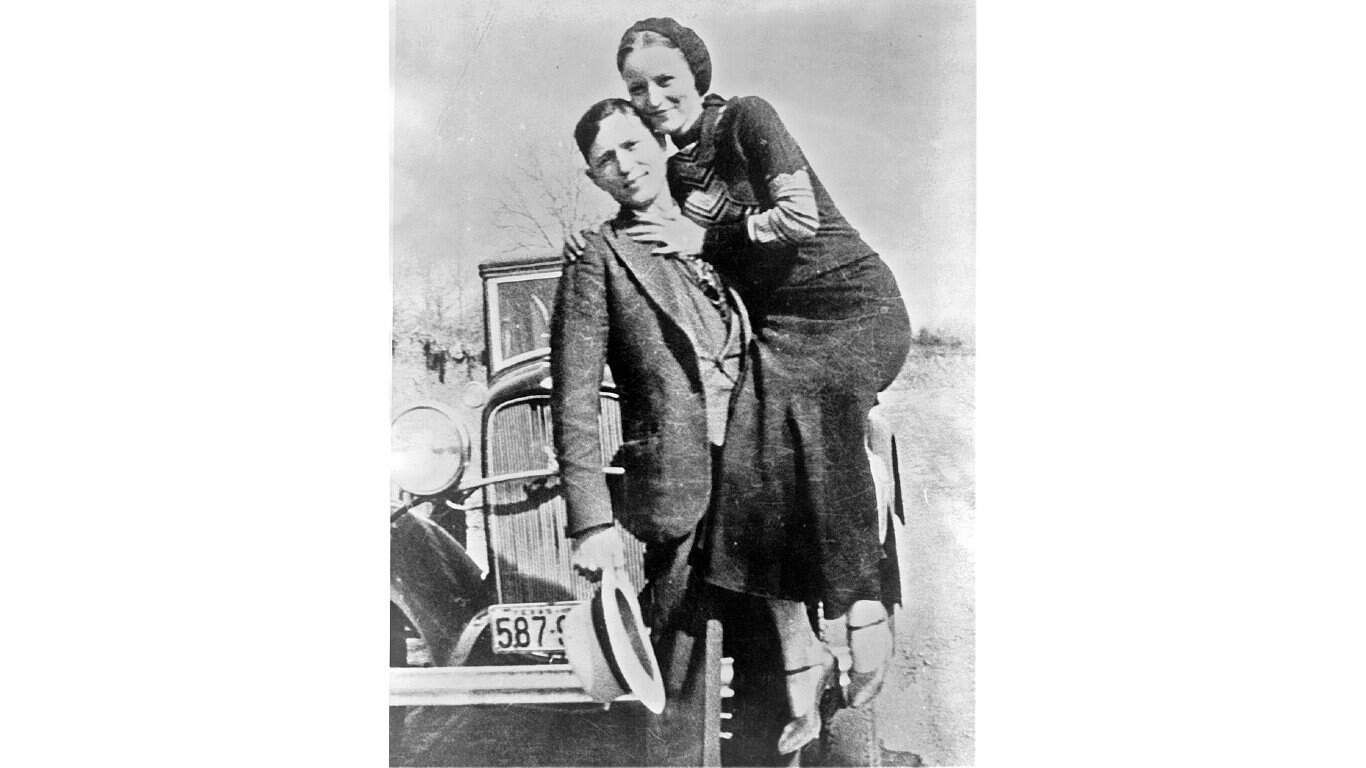
Gangster-Era Manhunts
Depression-era gangsters forced federal, state, and local authorities to work across jurisdictional lines. The Bureau of Investigation joined the hunt for Bonnie Parker and Clyde Barrow after developing interstate auto-theft charges, but the pair were killed on May 23, 1934, in Louisiana by a posse of state and local officers. Two months later, on July 22, Bureau agents confronted John Dillinger outside Chicago's Biograph Theater. Dillinger drew a gun while trying to flee and was shot and killed by the agents.
Outcome: Bonnie Parker and Clyde Barrow were killed by a state and local posse; John Dillinger was killed by Bureau agents
1986 Miami FBI Shootout
On April 11, 1986, eight FBI agents confronted violent robbery suspects Michael Lee Platt and William Russell Matix in southwest Miami. Special Agents Benjamin Grogan and Jerry Dove were killed, five other agents were wounded, and both suspects died in the gun battle. The Bureau's review found that the suspects' firepower exposed serious weaknesses in the handguns and body armor then commonly issued to agents. The shooting led the FBI to improve agent firepower, body armor, tactical training, and incident-response procedures.
Outcome: Two FBI agents and both robbery suspects were killed; five agents were wounded
September 11 Attacks and PENTTBOM Investigation
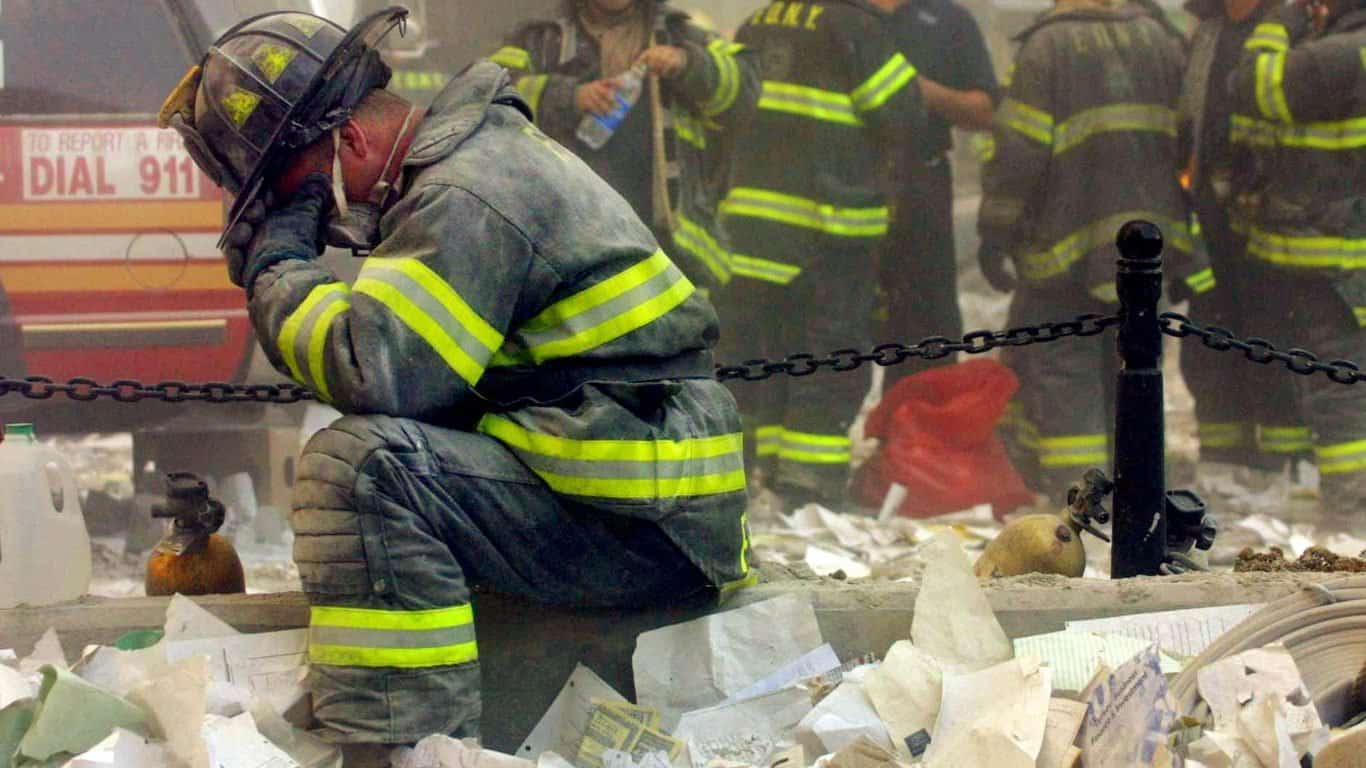
On Sept. 11, 2001, 19 terrorists hijacked four airliners, crashing two into the World Trade Center, one into the Pentagon, and one in rural Pennsylvania after passengers and crew fought back. Nearly 3,000 people were killed. The FBI investigation, code-named PENTTBOM, became the largest case in Bureau history. At its peak, more than half of all FBI agents were assigned to identify the hijackers, their sponsors, and possible additional threats, and investigators followed more than half a million leads. The attacks transformed the FBI into a more intelligence-driven national security organization and greatly expanded counterterrorism coordination with domestic and international partners.
Outcome: The largest FBI investigation in history led to major counterterrorism and intelligence reforms