Getty Images / Getty Images News via Getty Images
Public domain / Wikimedia Commons
Getty Images / Getty Images News via Getty Images
Public domain / Wikimedia Commons
Public domain / Wikimedia Commons
Public domain / Wikimedia Commons

Photo by John Moore/Getty Images
Michael Ochs Archives / Michael Ochs Archives via Getty Images
Public domain / Wikimedia Commons
Public domain / Wikimedia Commons
Public domain / Wikimedia Commons


10 Unusual Presidential Candidates Who Made U.S. Election History
The Constitution does not let literally anyone become president. Article II requires a president to be a natural-born U.S. citizen, at least 35 years old, and a U.S. resident for at least 14 years. Within those limits, though, American presidential politics has produced candidates from far outside the two major parties, including activists, entertainers, ideological outsiders, and people whose campaigns were deliberately satirical.
Some of the candidates below mounted serious campaigns built around unconventional political movements. Others treated a presidential run as performance art or satire. A few became historically notable less for how many votes they received than for the circumstances surrounding their campaigns. Here are 10 presidential candidacies that stand out in American political history.
To compile and update this list, 24/7 Tempo reviewed historical records, election results, government documents, archival material, and biographical sources covering the candidates and their campaigns.
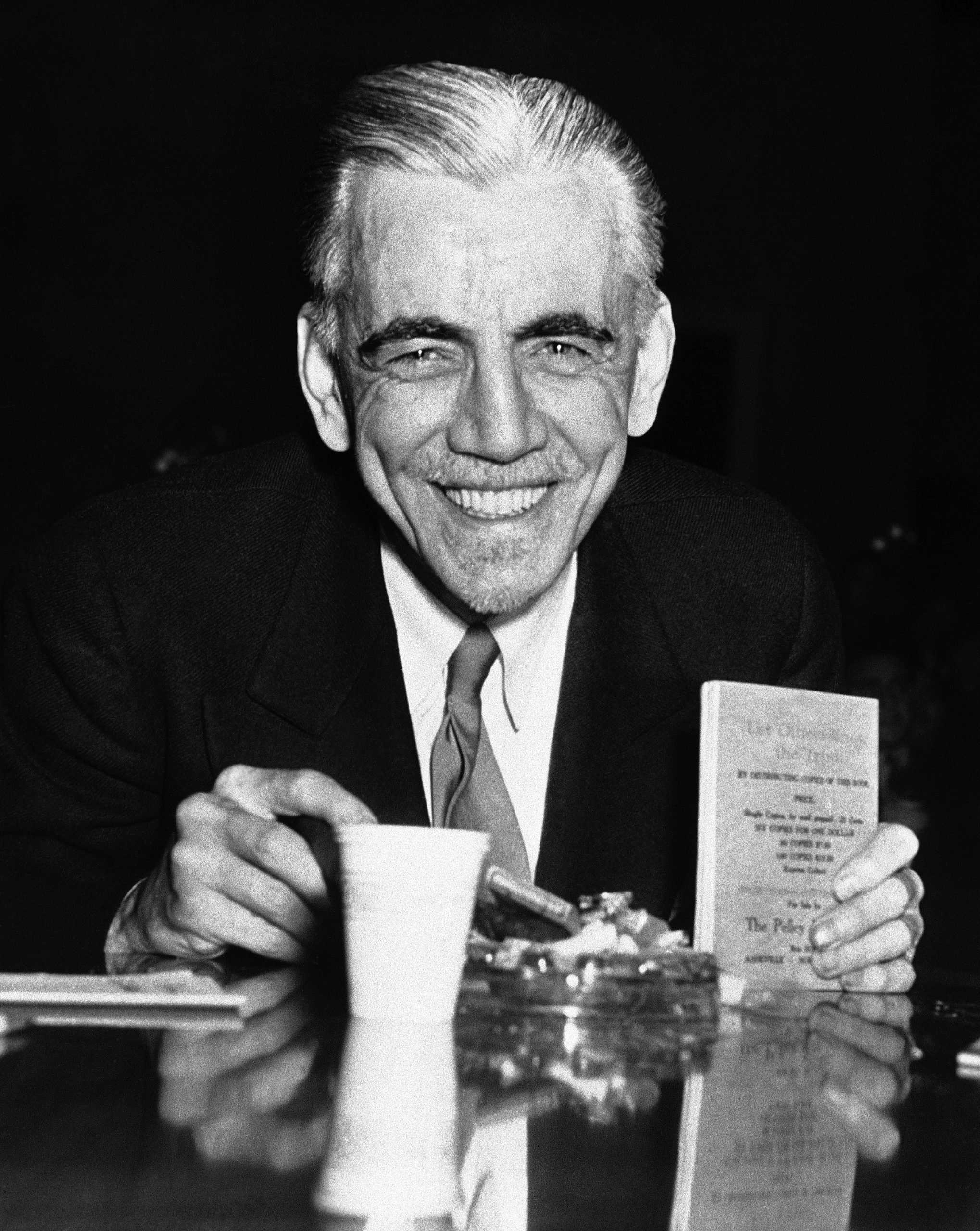
William Dudley Pelley
Before entering politics, William Dudley Pelley built a career as a writer and screenwriter. His work included stories adapted for films starring Lon Chaney, and he won recognition for his fiction. His life took a much darker political turn during the 1930s.
Pelley embraced antisemitism and fascism and founded the Silver Legion of America in 1933. The group, commonly known as the Silver Shirts, borrowed heavily from European fascist movements of the period. He later created the Christian Party as the political arm of his movement.
Pelley ran for president in 1936 with Willard Kemp as his running mate. His party appeared on the ballot only in Washington state and received 1,598 votes. Pelley's proposed “Christian Commonwealth” envisioned reorganizing the nation's economy into a giant corporate structure, while his political program openly discriminated against Jewish Americans. During World War II, the federal government prosecuted him on sedition-related charges. He was convicted in 1942 and sentenced to 15 years in prison.
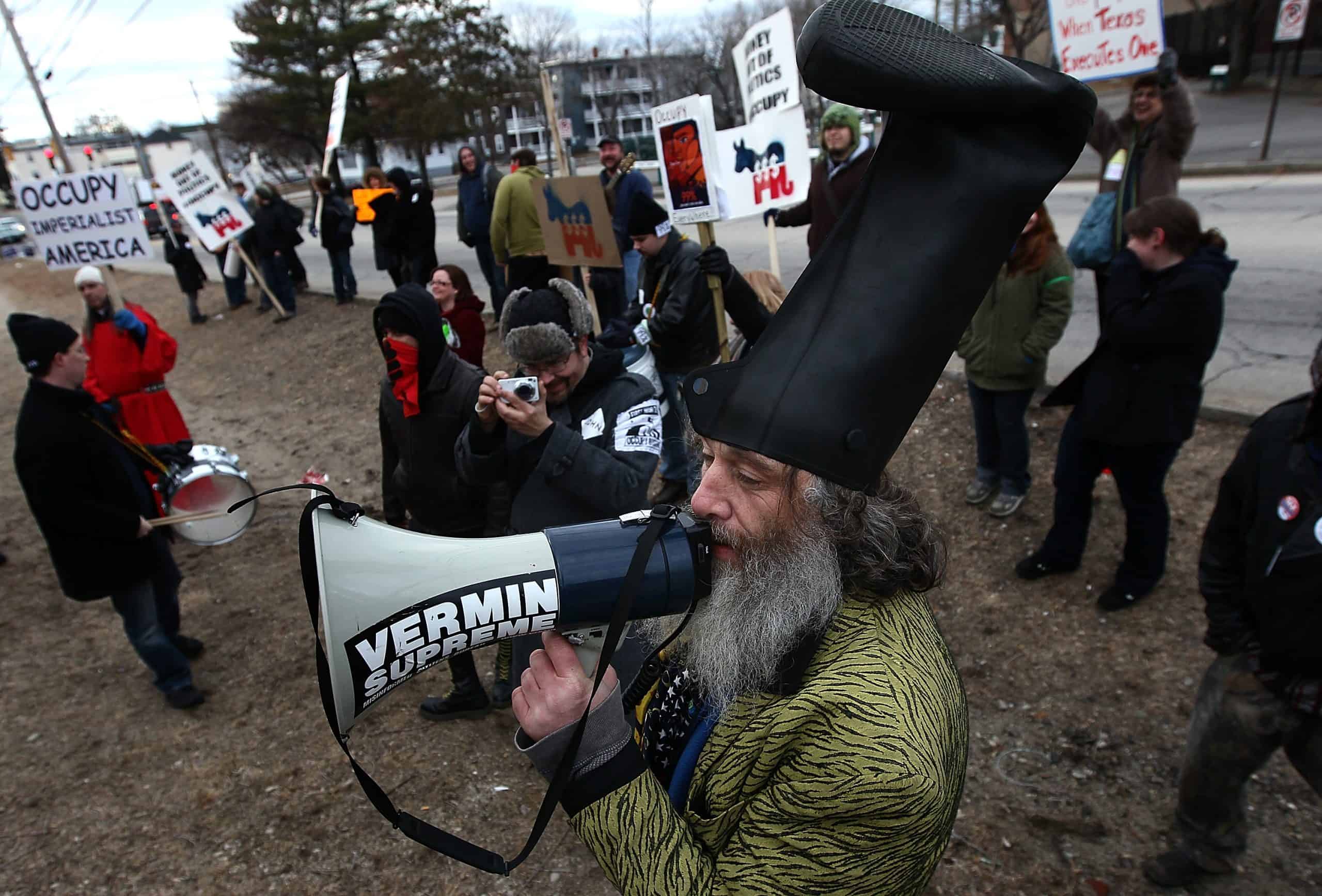
Vermin Supreme
Vermin Supreme is a performance artist, activist, and perennial candidate whose political persona is intentionally absurd. He is easy to identify on the campaign trail because he frequently wears a large boot on his head and carries an oversized toothbrush.
His satirical platforms have included mandatory toothbrushing, government-funded time-travel research, zombie preparedness, and a free pony for every American. The comedy is part of the point: Supreme has used presidential campaigns for decades to parody campaign promises, political theater, and the way candidates interact with voters and the media.
His 2020 campaign went considerably further than a sidewalk gag. Supreme sought the Libertarian Party presidential nomination and survived through the fourth ballot at the party's national convention. He finished third with 206 of 1,026 votes on the final presidential ballot, behind eventual nominee Jo Jorgensen and Jacob Hornberger.
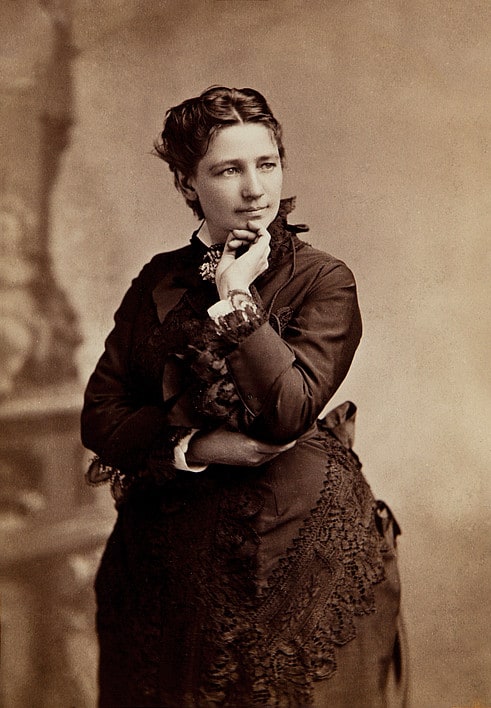
Victoria Woodhull
Victoria Woodhull was a suffragist, spiritualist, newspaper publisher, and advocate of what she called “free love,” which in her political writings included greater freedom for women to enter or leave marriages without restrictive laws. Long before women had the constitutional right to vote nationwide, Woodhull pushed directly into politics.
Woodhull and her sister, Tennessee Claflin, opened Woodhull, Claflin & Company in New York in 1870, widely recognized as the first woman-run brokerage firm on Wall Street. They also published Woodhull & Claflin's Weekly, which championed women's suffrage and other political and social reforms.
In 1872, the Equal Rights Party nominated Woodhull for president and Frederick Douglass for vice president. Douglass did not campaign with her and did not acknowledge the nomination. Woodhull also faced a constitutional problem: she would have been only 34 on Inauguration Day, short of the required age of 35. Days before the election, federal authorities arrested Woodhull and Claflin over the mailing of a newspaper issue discussing the Henry Ward Beecher scandal, and Woodhull spent Election Day in jail.
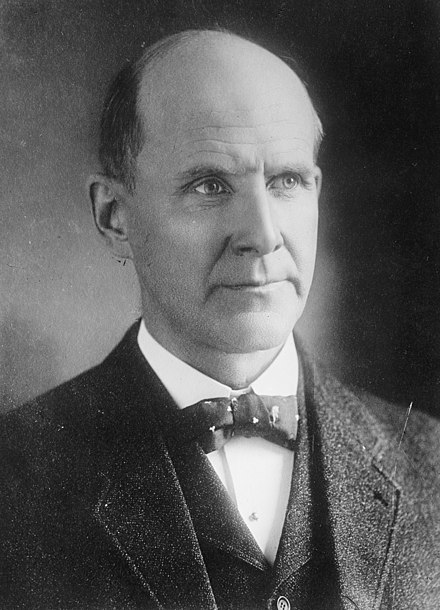
Eugene V. Debs
Eugene V. Debs was one of the country's best-known labor organizers and socialist politicians during the late 19th and early 20th centuries. He helped organize the American Railway Union and later became a founding member of the Industrial Workers of the World.
Debs played a central role in the nationwide railroad boycott that grew out of the 1894 Pullman Strike. After a federal court issued an injunction against the boycott, Debs was jailed for contempt. His experience in prison helped deepen his interest in socialist and Marxist ideas.
Debs ultimately ran for president five times as a Socialist, in 1900, 1904, 1908, 1912, and 1920. His strongest percentage came in 1912, when he received nearly 6% of the popular vote. His final campaign was even more unusual: Debs ran in 1920 while serving a federal prison sentence stemming from an antiwar speech he gave during World War I. President Warren G. Harding commuted that sentence in December 1921. Debs died in 1926.
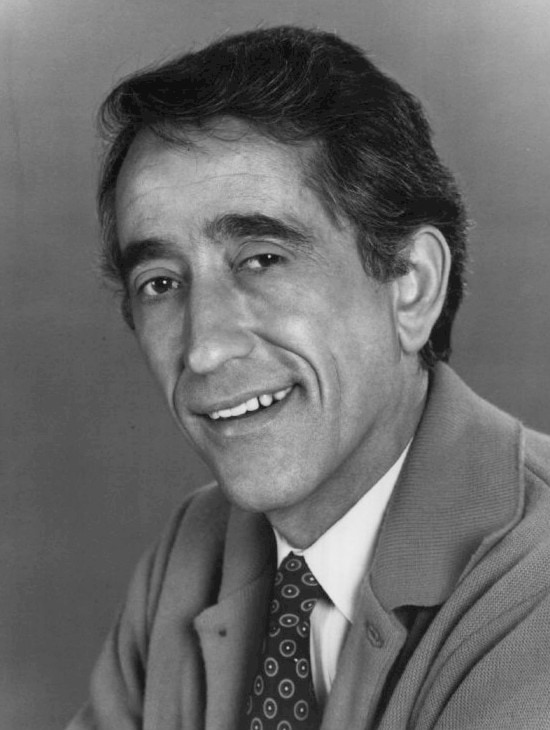
Pat Paulsen
Comedian Pat Paulsen became nationally known through “The Smothers Brothers Comedy Hour,” then turned running for president into one of his longest-running comedy routines. His first satirical campaign came during the 1968 election and poked fun at campaign advertising, political doublespeak, and candidates who somehow manage to answer a question without actually answering it.
Paulsen kept returning to the campaign trail for years. His slogans included “United We Sit” and “We've upped our standards, now up yours.” Unlike many fictional comedy candidates, though, Paulsen actually appeared on presidential primary ballots and received real votes.
In the 1992 North Dakota Republican primary, Paulsen received 4,093 votes and finished second to incumbent President George H.W. Bush. Four years later, Paulsen received 1,007 votes in New Hampshire's Democratic presidential primary. Bill Clinton won overwhelmingly, but Paulsen still finished ahead of numerous other names on the ballot.
Jonathon Sharkey
Jonathon Sharkey, who has also used the name “The Impaler,” combined perennial political candidacies with a self-described vampire persona and a background in professional wrestling. Federal court records from 2007 identify him as the presidential candidate of the Vampires, Witches and Pagans Party and note that he described himself as a vampire.
Sharkey filed paperwork connected with presidential campaigns in multiple election cycles, including independent bids and a later attempt to seek the Republican nomination. His campaigns mixed conventional issues with deliberately extreme rhetoric. A federal judge summarizing Sharkey's own stated 2008 platform noted that it addressed topics such as education and the Iraq War but also included a pledge to impale the party's enemies.
His political activity also overlapped with serious legal trouble. In Indiana, Sharkey pleaded guilty in 2009 to felony intimidation after making threats against Marion Superior Court Judge David Certo and members of the judge's family. He was sentenced to 886 days in jail.
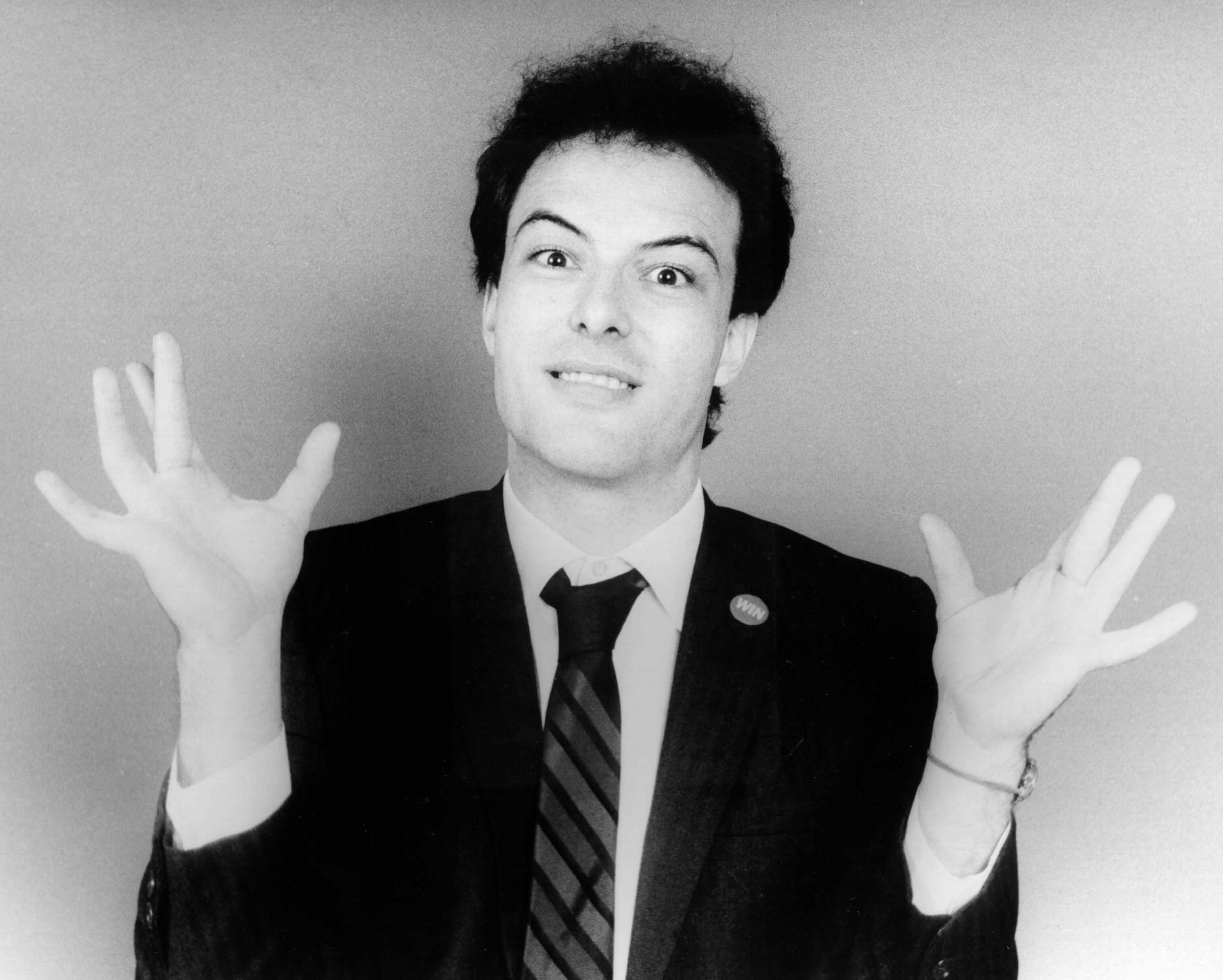
Jello Biafra
Jello Biafra is best known as the former lead singer of the punk band Dead Kennedys, but electoral politics have been part of his public life almost from the beginning of his music career. In 1979, he ran for mayor of San Francisco while still in his early 20s.
His platform mixed satire with genuine policy proposals. The most famous idea called for businessmen to wear clown suits during working hours, while more conventional proposals dealt with housing, policing, and development. Biafra finished fourth in the race with 6,591 votes, about 3.8% of the total.
Biafra later sought the Green Party's presidential nomination in 2000 and said he would choose activist and death-row prisoner Mumia Abu-Jamal as his running mate if nominated. Ralph Nader easily won the convention. Biafra received 10 of the 319 votes cast for the presidential nomination, the same number as fellow candidate Stephen Gaskin.
George Lincoln Rockwell
George Lincoln Rockwell served in the U.S. Navy during World War II and the Korean War before becoming one of the country's most prominent neo-Nazi activists. He founded the American Nazi Party in 1959 and openly praised Adolf Hitler while promoting antisemitic and racist policies.
Rockwell attempted to enter presidential politics in 1964. He failed to become a major ballot candidate but received 212 write-in votes in Virginia's presidential election, according to official federal election statistics. He followed that with a campaign for governor of Virginia in 1965, receiving 5,730 votes, about 1% of the total.
Rockwell was killed in Arlington, Virginia, on Aug. 25, 1967, after leaving a laundromat. Police arrested John Patler, a former member of Rockwell's organization whom Rockwell had expelled months earlier. Patler was later convicted of the murder.
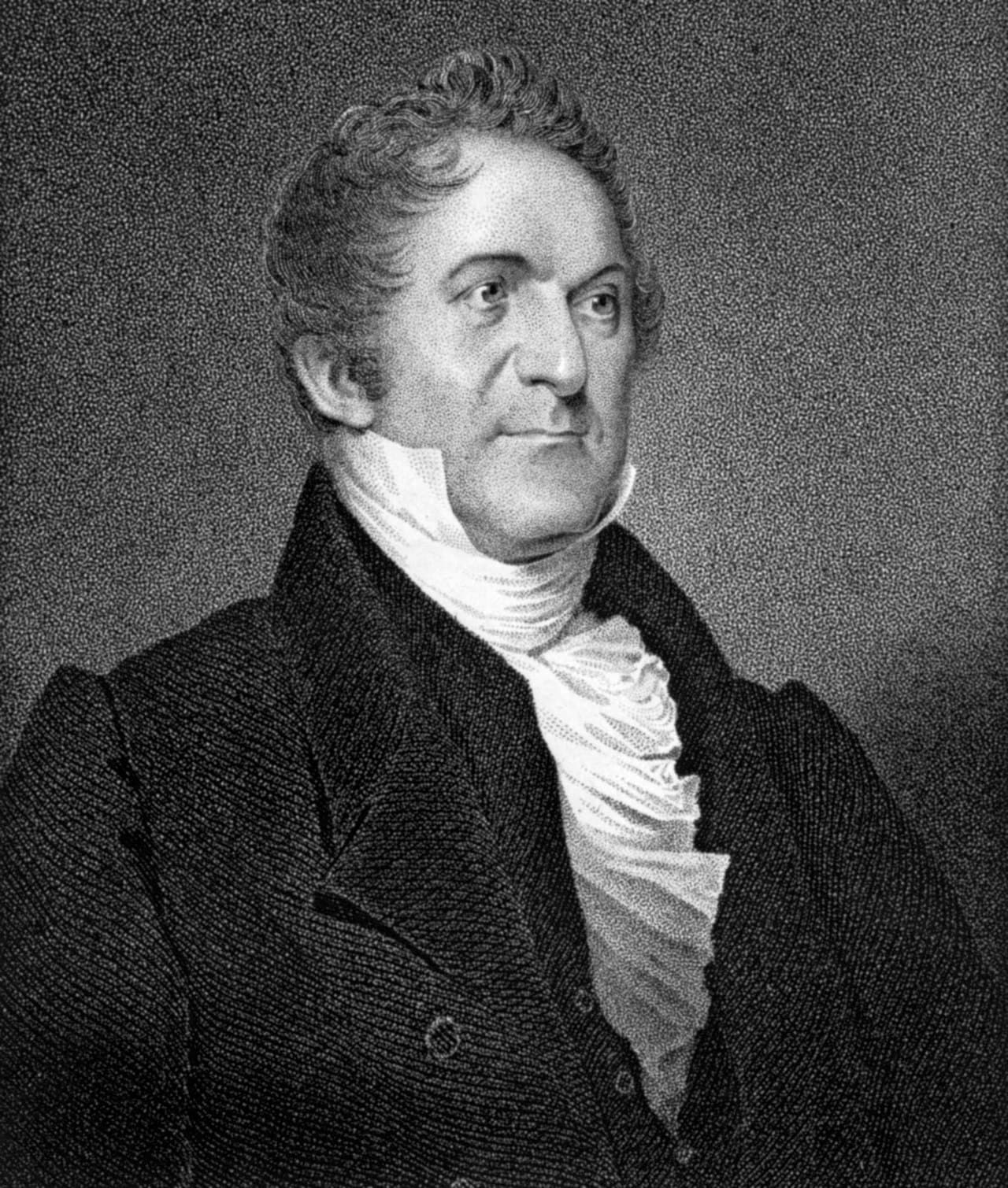
William Wirt
William Wirt looks very different from most of the candidates on this list. He was an accomplished lawyer and statesman who served as U.S. attorney general from 1817 to 1829 under Presidents James Monroe and John Quincy Adams.
His presidential campaign became unusual because of the party that nominated him. The Anti-Masonic Party selected Wirt for president in 1831 even though Wirt himself had been a Freemason and spoke favorably about many of the Masons he had known. He accepted the nomination reluctantly and did little active campaigning.
The strange pairing worked better than anyone might expect today. In the 1832 election, Wirt and running mate Amos Ellmaker received 100,715 popular votes and carried Vermont, giving them seven electoral votes. Vermont was the only state Wirt won, but his ticket remains one of the more unusual third-party successes of the 19th century.
Earl Browder
Earl Browder became one of the most visible leaders of the Communist Party USA during the 1930s and 1940s. He rose to the party's top leadership and became its presidential nominee in both 1936 and 1940, with James W. Ford as his running mate.
Browder received roughly 80,000 votes in the 1936 presidential election. His national political career later collided with federal law. He was convicted of passport fraud in 1940, and the U.S. Supreme Court upheld his conviction the following year. President Franklin D. Roosevelt commuted his prison sentence in 1942 after Browder had served about 14 months.
Browder was expelled from the Communist Party in 1946 after disputes over the party's direction. Declassified Venona material and later FBI and U.S. intelligence histories also document Browder's contacts with Soviet intelligence and his involvement in connecting Soviet operatives with people inside the American Communist movement. He was never prosecuted for espionage.