Throughout history, many disasters led people to notice serious flaws in buildings, transportation, workplaces, and public safety systems. While these tragedies caused the loss of many lives, the silver lining is that they also forced industries to reevaluate unsafe practices. Governments and engineers rethought how they protected people. Many of our current safety measures were created due to past disasters. Here are eight terrible occurrences that resulted in major changes.
Triangle Shirtwaist Factory Fire (1911)
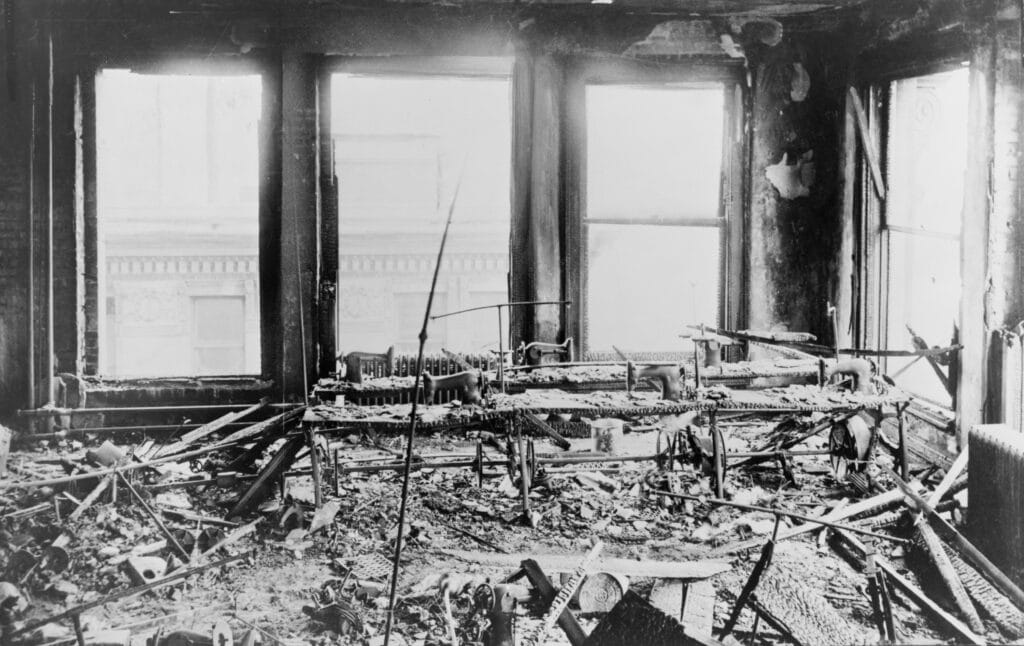
The Triangle Shirtwaist Factory fire in New York City became one of the deadliest workplace tragedies in the U.S. Up to 146 garment workers died after a fire trapped employees inside the building. Employees were unable to escape due to locked doors and inadequate exits. Ultimately, the building didn’t have proper fire safety measures. Public outrage over the incident led to major reforms in workplace laws. Employers were forced to improve fire exits, add sprinklers, and undergo periodic inspections. The fire also helped the labor movement because it drew attention to dangerous working conditions faced by industrial workers.
Titanic Sinking (1912)
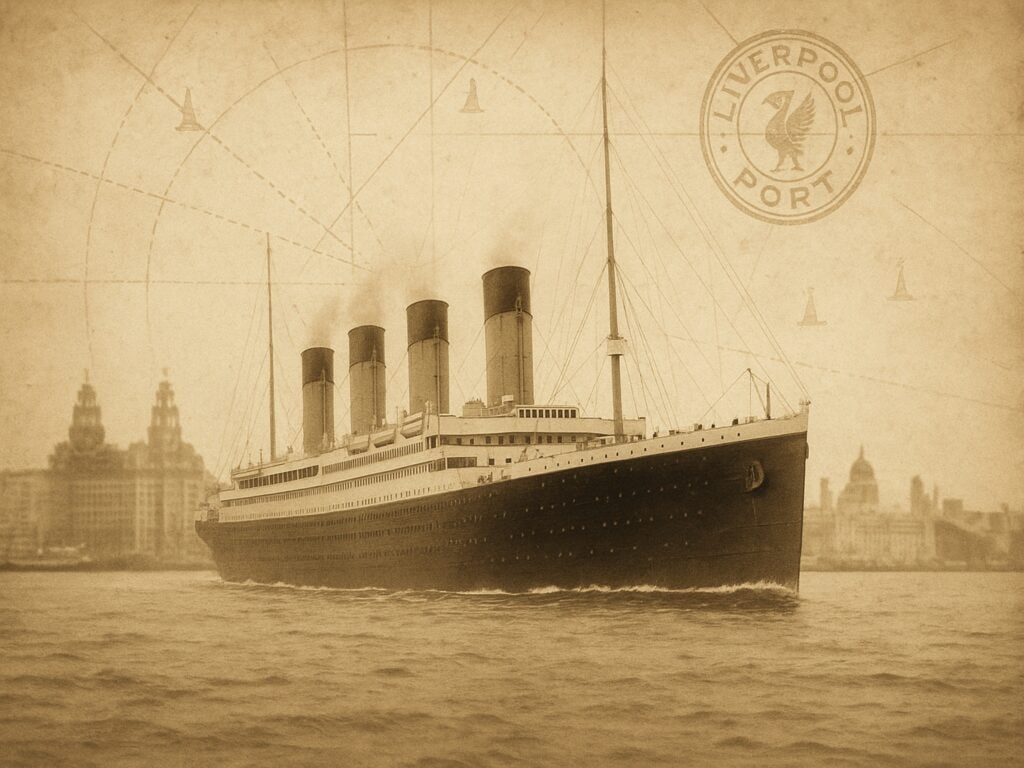
When the RMS Titanic sank after hitting an iceberg, more than 1,500 people died. The infamous shipwreck revealed serious failures in cruise regulations. The public soon realized that the ship didn’t have enough lifeboats for everyone onboard and that major communication problems delayed rescue. Changes were put in place, not just in the U.S. and Britain but internationally. New rules stated ships must carry enough lifeboat space for all passengers and crew. It also led to the creation of more organized emergency responses at sea.
Cocoanut Grove Nightclub Fire (1942)
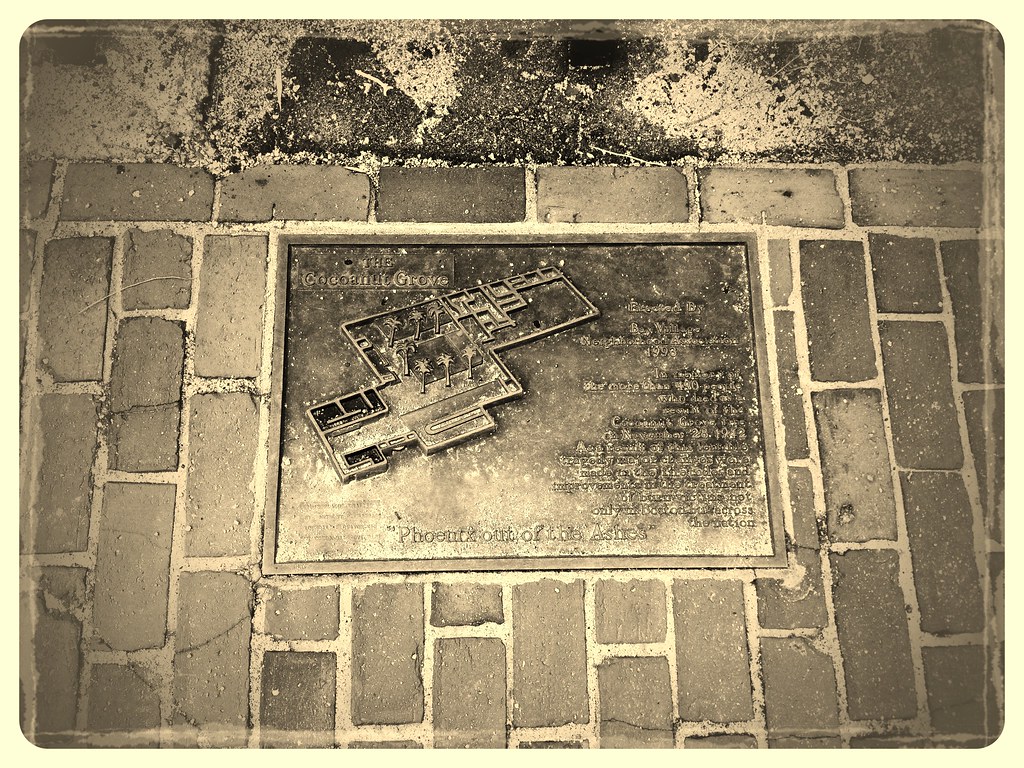
The Cocoanut Grove fire in Boston killed a horrifying number of people, with the victim count reaching 492 people. It became a turning point in fire safety regulations. Investigators found that the popular nightclub suffered from overcrowding and blocked exits. They also found that flammable decorations and subpar emergency planning contributed to the high death toll. Major changes to national building codes swept the country, as businesses were made to improve exits and cities began heavily enforcing fire safety rules in public spaces. Many safety laws regarding bars and restaurants today can be traced back to this awful fire.
Great Smog of London (1952)
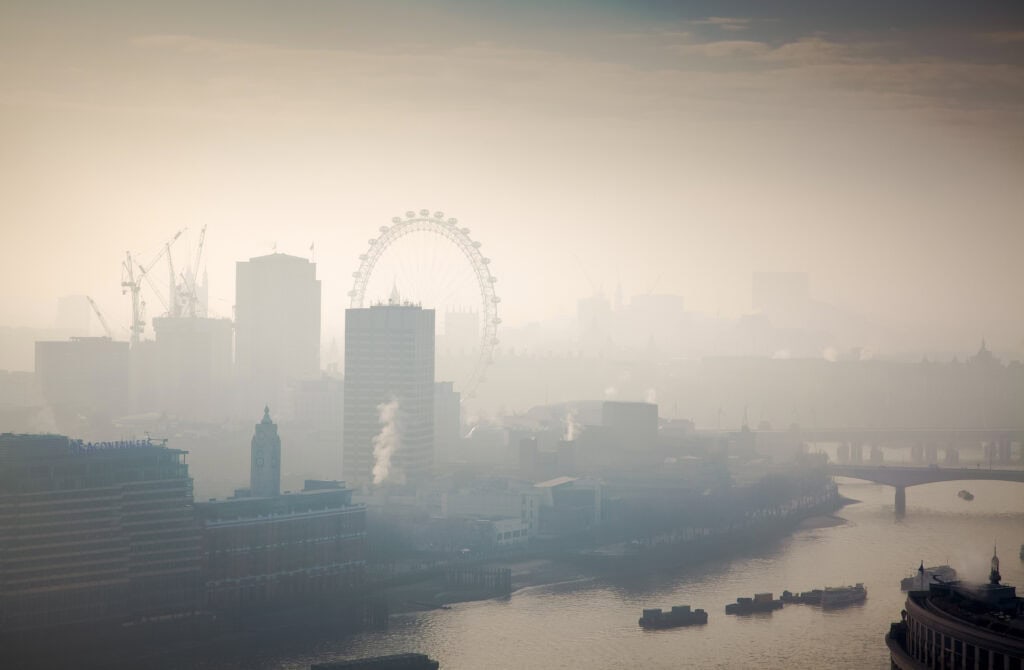
The Great Smog of London killed thousands of unsuspecting locals after a thick layer of pollution covered the city for several days. People were forced to breathe harmful chemicals from coal smoke that were trapped in the air. No one had previously realized the extent of how immediate and harmful pollution could be. The disaster pushed the British government to take environmental action surrounding pollution. It led to the Clean Air Act of 1956, which enforced restrictions on coal burning. It also encouraged cleaner energy sources. This disaster helped contribute to modern air quality regulations.
Aberfan Disaster (1966)
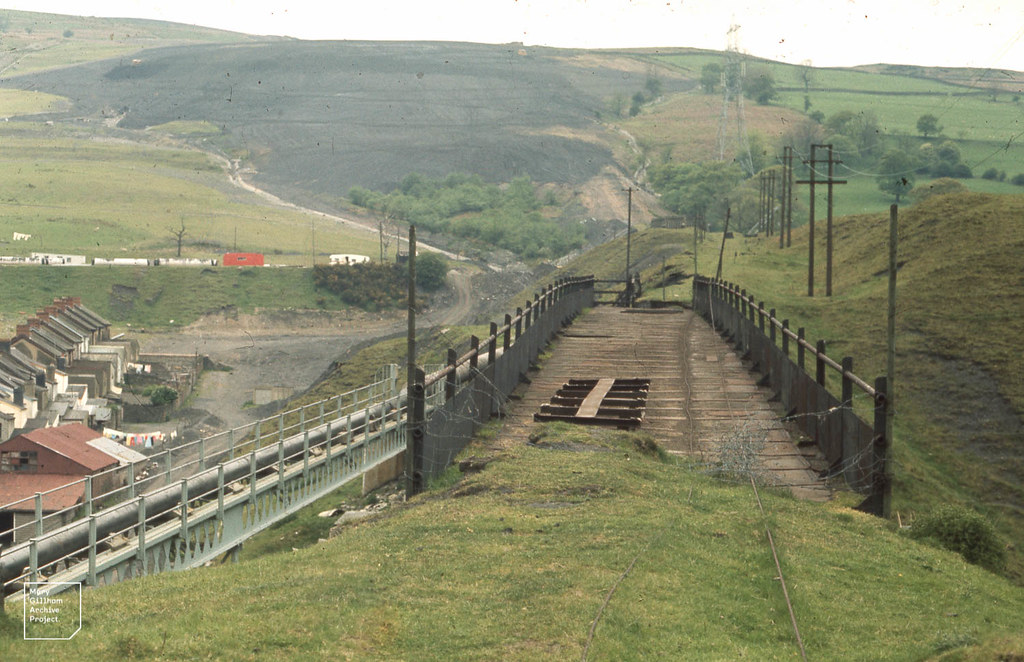
In the Welsh village of Aberfan, a coal waste pile collapsed. Had it fallen into rural land, it might not have made the news, but it happened to bury an elementary school. The disaster killed 144 people, most of them children. Suddenly, the implications of poorly managed industrial waste were brought to light. Things were made worse because authorities failed to respond to known risks. Regulations regarding mine waste disposal were strengthened. Companies realized they were ultimately responsible for monitoring dangerous sites and any failures would mean consequences.
Hyatt Regency Walkway Collapse (1981)
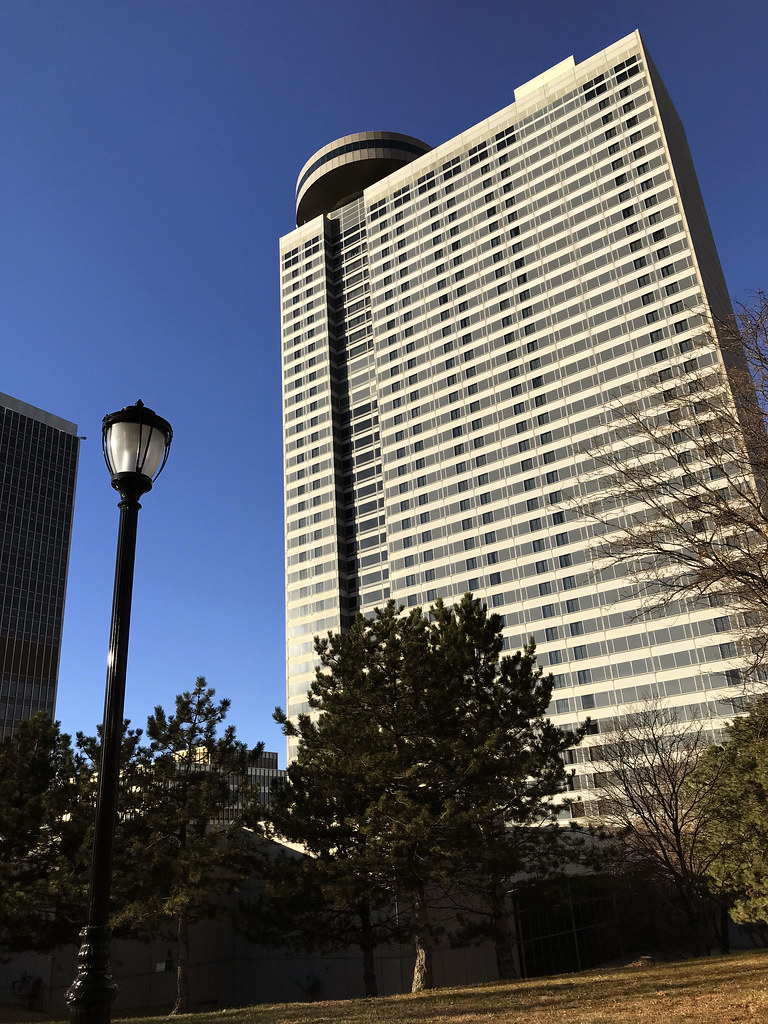
The collapse of two suspended walkways inside the Hyatt Regency Hotel in Kansas City killed 114 people and injured hundreds of additional victims. Investigators found that the walkway was not properly supported due to a design change during construction. Afterwards, engineering practices changed. Laws included stricter design reviews, better documentation, and more oversight during the construction process. The incident marks one of the deadliest structural failures in U.S. history.
Chernobyl Nuclear Disaster (1986)
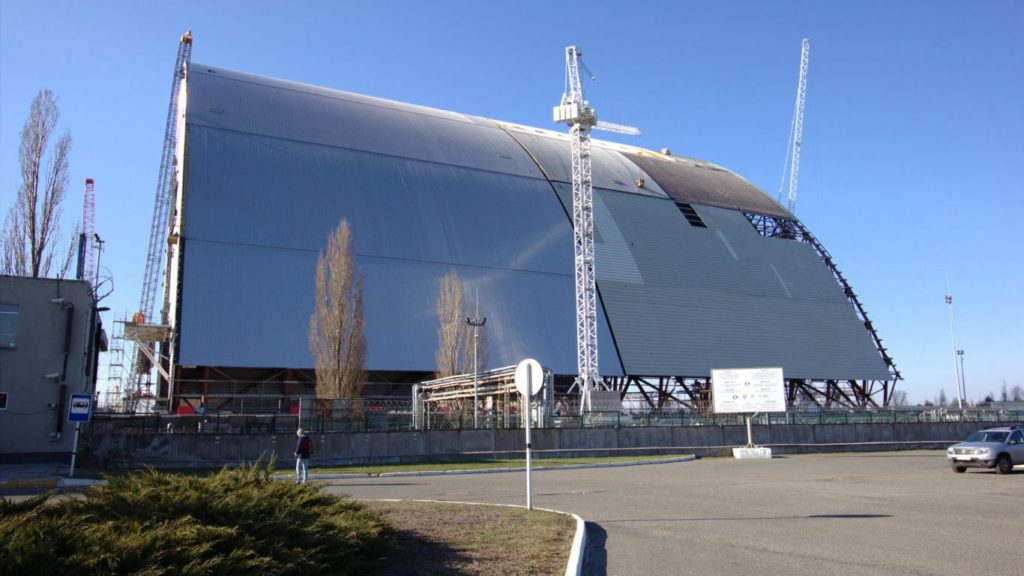
The Chernobyl nuclear accident in Ukraine became perhaps the most horrific disaster in modern history. Massive amounts of radioactive material were released. Investigations later found that the explosion was the result of both reactor design issues and human errors. Nuclear safety worldwide became a major talking point. Engineers developed safer reactor designs and strict monitoring procedures were put in place. These changes were implemented on a global scale, as authorities realized one incident could have far-reaching environmental effects. The occurrence also changed how governments communicate danger to residents during disasters.
Station Nightclub Fire (2003)
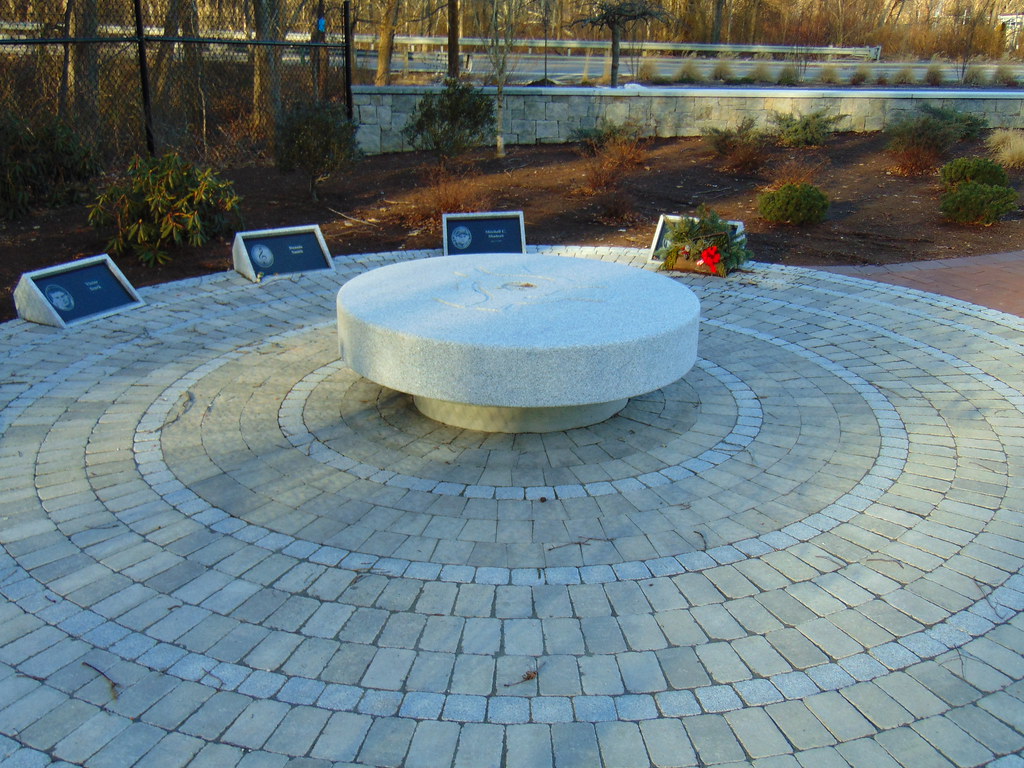
This is the second nightclub fire on our list, but the flames didn’t start by any ordinary means. The Station nightclub fire in Rhode Island was the result of pyrotechnics used inside a building with flammable soundproofing foam. The situation was worsened due to limited exits and overcrowding. This combination of factors led to the deaths of 100 people. Many people believed a tragedy like this couldn’t happen in the modern era, making the disaster even more shocking. The deaths brought overlooked safety issues to light. Across the nation, fire codes and crowd capacity limits were strictly enforced. Nightclubs became highly aware of the dangers of pyrotechnics. It stands as one of the most important recent examples of why all public venues need adequate and planned emergency exits.