When we think about expensive materials, gold or diamonds usually come to mind. But some substances make those price tags look almost ordinary. A few exist only in microscopic quantities, some decay so quickly that keeping a macroscopic sample is unrealistic, and others are tightly regulated or produced only through specialized facilities. The dollar figures attached to them are not always ordinary retail prices. Some are production-cost estimates or published valuations for materials that barely have a market at all. These ten materials put ‘wealth’ into a very different perspective.
Antimatter
Antimatter leads the pack, but its price is an estimate rather than a market quote. Guinness World Records listed antimatter at an estimated $59.8 trillion per gram in April 2025, while a 1999 NASA study famously estimated $62.5 trillion per gram for antiproton production. CERN does produce antimatter for research, but only in microscopic quantities. Matter and antimatter annihilate when they meet, so keeping antiparticles around requires an extreme vacuum and electromagnetic or magnetic traps.
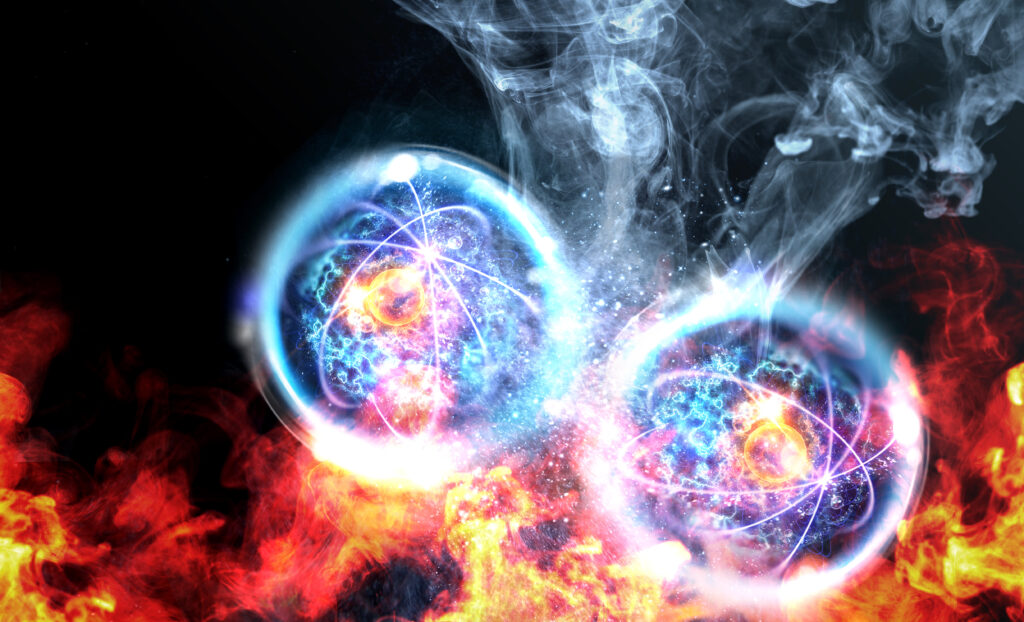
CERN’s Antimatter Factory delivers about 400 million antiprotons per hour when operating, and experiments capture only about 10% of them. CERN says that even if the facility ran nonstop for a year and every delivered antiproton could be saved, the total would amount to only about 3 x 10^-16 kilograms. That is why trillion-dollar-per-gram figures are better understood as production-cost estimates than prices anyone could realistically pay for a gram of antimatter.
Endohedral Fullerenes
Guinness World Records lists nitrogen atom-based endohedral fullerenes at an estimated $134 million per gram, making them one of the most valuable substances on its current list. The chemistry is real: endohedral fullerenes are cage-like carbon molecules that trap atoms or clusters inside. One well-studied example is N@C60, with a nitrogen atom enclosed by a 60-carbon fullerene cage.
Oxford’s Carbon Nanomaterials Group has studied these exotic fullerenes for years and spun out Designer Carbon Materials from its endohedral-fullerene work. Researchers also investigated 15N@C60 as a possible frequency reference for a portable atomic clock. The idea remains experimental, and later Oxford research found significant performance limits compared with existing miniature atomic clocks. For now, the material is far more at home in a research lab than inside a phone.
Californium-252
Californium-252 is made at Oak Ridge National Laboratory in Tennessee by irradiating curium targets in the High Flux Isotope Reactor and then chemically processing the irradiated material. ORNL, a U.S. Department of Energy laboratory, is the only producer of Cf-252 in the Western world and says it produces more than 70% of the world’s supply. Guinness World Records listed an estimated value of $25.6 million per gram in 2025, but DOE’s National Isotope Development Center does not publish a simple retail price. It lists Cf-252 in microgram quantities and handles purchases by quote.
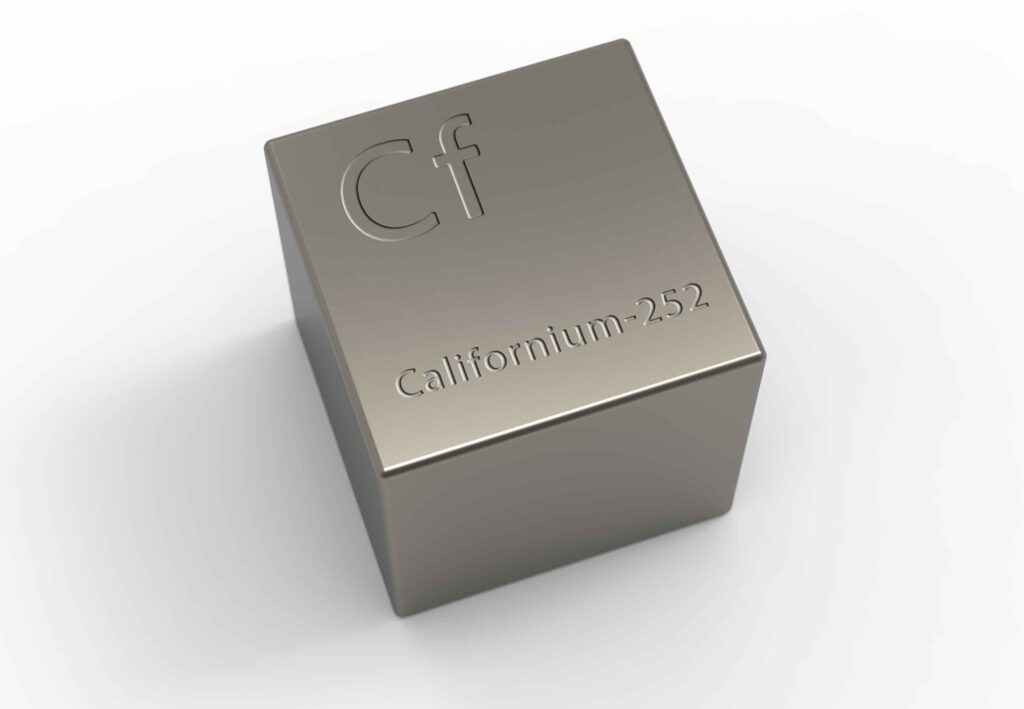
Californium-252 has a half-life of about 2.6 years, and ORNL currently runs a production campaign every two years. It is a strong neutron source used to start nuclear reactors, assay fresh reactor fuel, log oil wells, analyze coal, calibrate instruments, and support national-security work such as fuel-rod scanning and port security. Its scarcity comes from a production chain that requires one of the world’s most specialized research reactors, shielded hot-cell processing, and a material that is continuously decaying.
Francium
Francium is one of the rarest naturally occurring elements on Earth. The American Physical Society has estimated that less than about 30 grams exist on the planet at any one time, appearing atom by atom in natural radioactive decay chains. Its longest-lived isotope, francium-223, has a half-life of only about 22 minutes. That makes anything resembling a macroscopic sample essentially out of the question.
Researchers can still make and trap francium long enough to study it. In 1996, a SUNY Stony Brook team reported trapping more than 10,000 francium atoms with lasers and a magnetic field, a major achievement for an element with no stable isotopes. Francium has no conventional market price because there is no macroscopic stock available to buy and hold. Researchers produce atoms for experiments and work with them before they decay.
Tritium
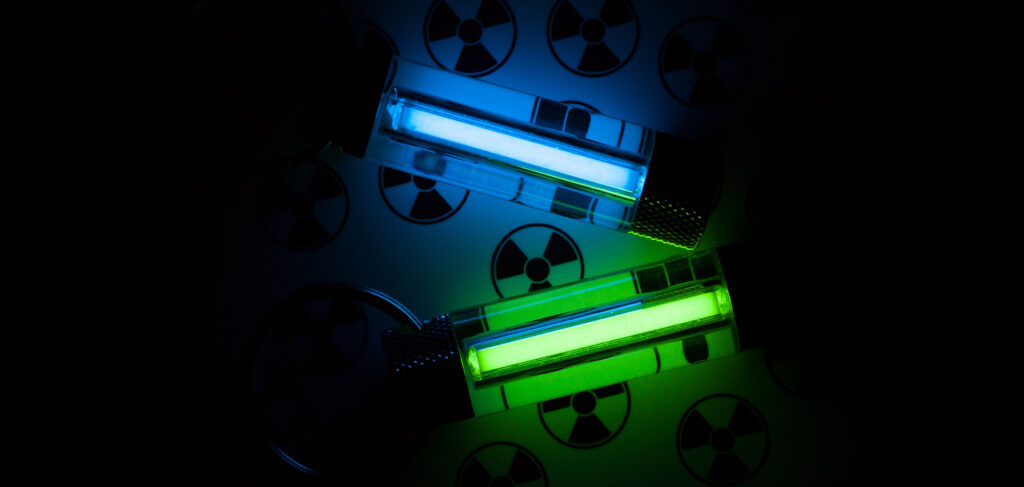
Tritium, or hydrogen-3, is a radioactive isotope of hydrogen with one proton and two neutrons. An Oak Ridge National Laboratory researcher described tritium as costing about $30,000 per gram in 2023, but it does not trade like a normal commodity. In the United States, commercial tritium products are regulated by the Nuclear Regulatory Commission or Agreement States, while the Department of Energy’s National Nuclear Security Administration manages tritium used in the nuclear weapons stockpile. Its 12.3-year half-life means tritium in active warheads has to be replenished over time.
People can also encounter tritium in legal self-luminous products. Some EXIT signs, aircraft dials, gauges, luminous paints, and wristwatches contain tritium, although the products and their distribution are regulated. Tritium emits weak beta particles; in a self-luminous device, that radiation excites a phosphor coating and produces the glow.
Rhodium
Rhodium is one reason catalytic converters can be so expensive. Supply is tiny: Johnson Matthey put global primary rhodium supply at 701,000 troy ounces in 2025, roughly 21.8 metric tons. South Africa accounted for 566,000 ounces of that total, or just over 80%. Rhodium is generally recovered alongside other platinum-group metals rather than mined as a stand-alone product, which makes supply difficult to ramp up quickly.
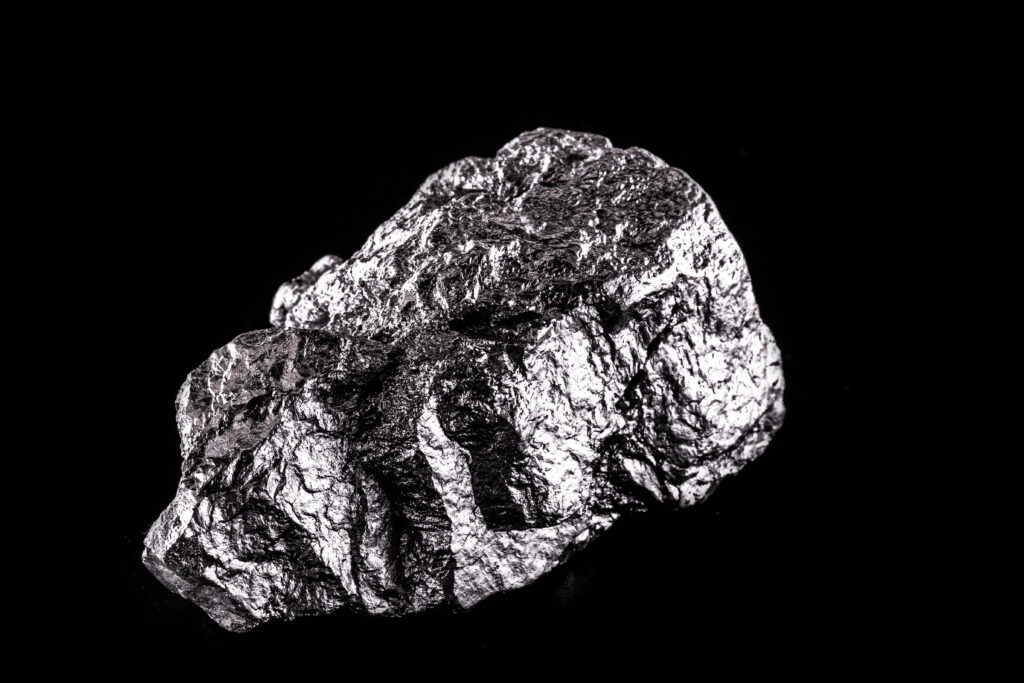
The price of rhodium also moves dramatically. Johnson Matthey reported that it climbed above $9,000 per troy ounce in the final days of 2025, peaked at a three-year high of $12,000 in late February 2026, and retreated toward $10,000 in March. Its largest use is automotive emissions control, especially in gasoline vehicles, where rhodium is highly effective at controlling nitrogen oxide emissions. Tiny supply and heavy industrial demand make for a volatile combination.
Plutonium
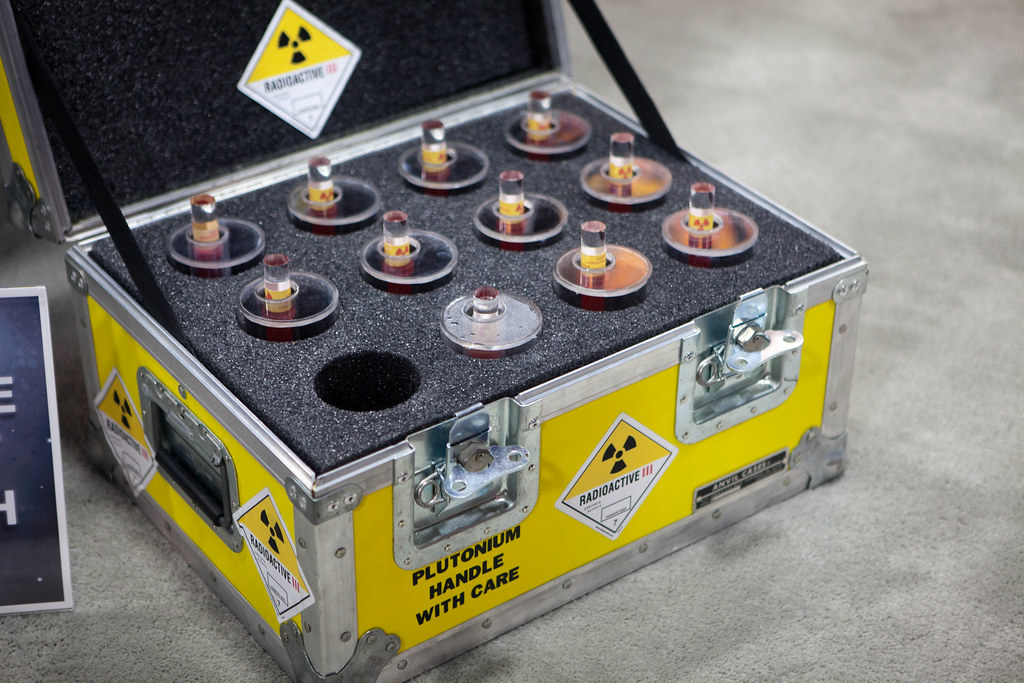
Plutonium does not have a normal retail market price, so neat per-gram figures are misleading. In the United States it is regulated as special nuclear material. Federal rules allow a person to receive title to and own special nuclear material under a general license, but actually acquiring, possessing, using, or transferring plutonium requires specific authorization. Its peaceful side is easier to see in space: NASA’s Voyager 1, launched in 1977, gets electrical power from three radioisotope thermoelectric generators whose heat source is plutonium-238 oxide.
Plutonium is overwhelmingly a man-made element. Glenn Seaborg and his colleagues first synthesized and identified it at the University of California, Berkeley, on the night of February 23-24, 1941; the isotope in that experiment was plutonium-238. Different plutonium isotopes have very different roles. Plutonium-238 is useful as a long-lived heat source for spacecraft, while plutonium-239 is fissile and has been used in reactors and nuclear weapons.
Painite
Painite spent decades living up to its reputation as one of the world’s rarest minerals. It was first recognized from material from the Mogok area of what is now Myanmar and formally described as a new mineral in 1957. The name honors British gemologist Arthur Charles Davy Pain, who recognized the unusual nature of the original crystal. For years only two crystals were known; a third was identified later, and the picture began to change in 2001 when an 11-gram, 55-carat crystal was confirmed near Mogok.
The big change came in May 2005, when in-situ painite was found at Thurein-taung and the Wetloo mine near Mogok. GIA reported that more than a thousand crystals and fragments were recovered, but only a small percentage of the rough was suitable for faceting. Painite’s accepted formula is CaZrAl9O15(BO3), a calcium-zirconium-aluminum borate. Because the market is so thin, there is no dependable universal per-carat benchmark; value depends heavily on size, color, clarity, and documentation. A fine, verified stone is still an exceptionally rare thing to own.
Taaffeite
Taaffeite has one of gemology’s better origin stories. In October 1945, Dublin gemologist Count Edward Charles Richard Taaffe was examining a collection of cut stones when a small mauve gem caught his attention. It looked much like spinel, but unlike spinel it showed clear double refraction. Further study revealed an entirely new mineral species, later named taaffeite in his honor. At the time, it was the only known mineral species to have been discovered first as an already faceted gemstone.
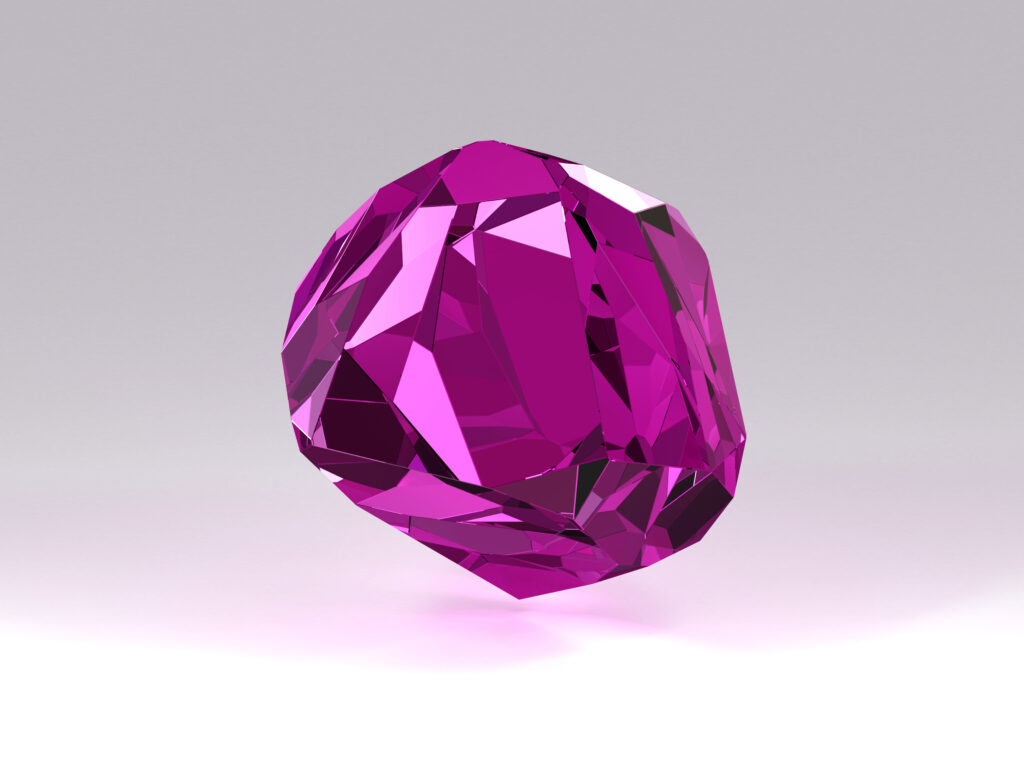
Taaffeite remains genuinely rare and is seldom faceted because suitable starting material is scarce. Documented gem material comes from Sri Lanka and Myanmar, and GIA’s Gübelin collection includes faceted taaffeites weighing more than five carats, including 11.23-carat stones from Sri Lanka. There is no transparent, standardized per-carat market price for taaffeite; value depends heavily on color, clarity, size, and documentation. Even major gem collections treat it as an uncommon prize.
Grandidierite
Grandidierite was first described in 1902 from the cliffs of Andrahomana on Madagascar’s southern coast and named for French naturalist Alfred Grandidier. The original locality was later depleted, but the mineral itself did not disappear; it has been reported from a number of countries. What remained extraordinarily scarce was transparent, facetable material. For decades, gem-quality grandidierite was the part most gemologists were unlikely to encounter in person.
A major new gem-quality deposit was discovered in May 2014 near Tranomaro in southern Madagascar, about 60 kilometers northwest of the original Andrahomana locality. In a GIA study covering production through March 2016, miners had recovered about 800 kilograms of rough specimens, but only around 60 grams were considered eye-clean. Fewer than 10 faceted stones from the deposit weighed more than one carat.

Grandidierite is also trichroic, showing different colors depending on viewing direction. GIA describes pale yellow to colorless, greenish blue, and blue directions, while faceted stones from the Tranomaro deposit appeared light blue to deep greenish blue depending on orientation. That optical behavior alone would make it interesting. Pair it with genuinely scarce gem-quality material, and it becomes something else entirely.