Andrew Clemente
Public Domain / Wikimedia Commons
zef art / Shutterstock.com

Dima Zel/Shutterstock.com

Gorodenkoff/Shutterstock
Senior Airman Curt Beach, Public domain, via Wikimedia Commons
Mike McBey / Wikimedia Commons
soldiersmediacenter / Flickr
Pitris/ via Getty Images
Wikimedia Commons
Mikael Damkier / Shutterstock.com
Artsiom P / Shutterstock.com




11 Times the World Came Uncomfortably Close to Disaster
History remembers disasters all too well. But certain occasions should be remembered not for what they were, but for what they could have been. Times when tragedy was avoided, and the margin between the world we know and one we're afraid to even imagine, turned out to be razor-thin. And it has happened more times than you would think.
Every one of these moments has been documented, though some of the most important details were classified or little known for years. Others unfolded in public but only later became understood as near misses. In each case, the margin between an ordinary day and a much larger disaster was uncomfortably small.
The Soviet Officer Who Helped Stop a Nuclear Torpedo (1962)
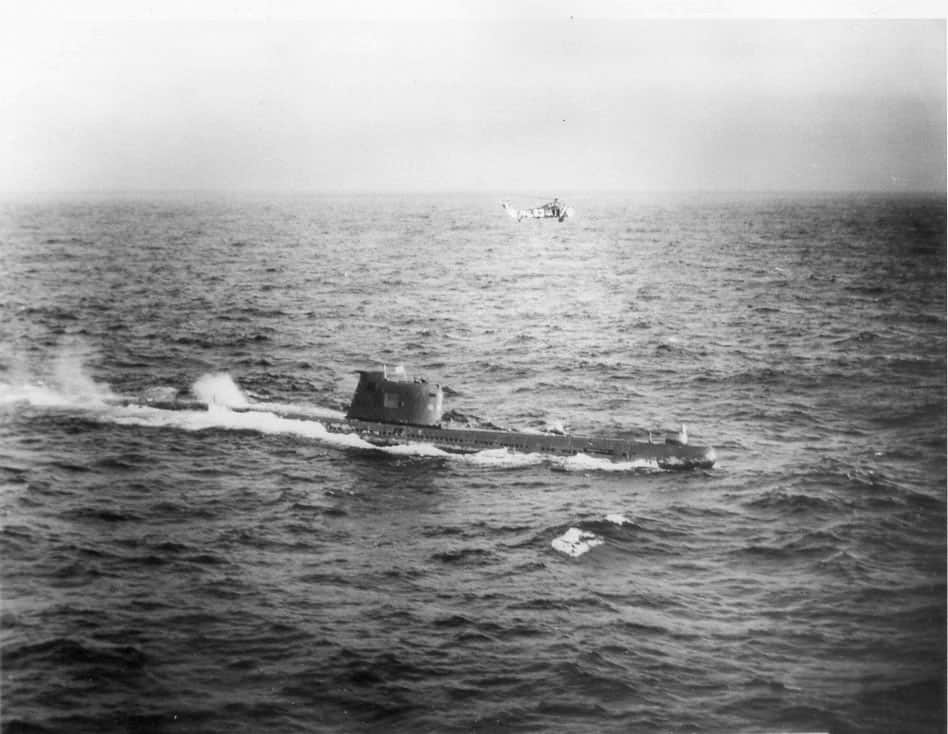
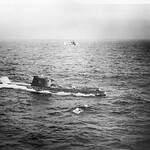
During the Cuban Missile Crisis, Soviet submarine B-59 was being tracked in the Atlantic on October 27, 1962, when U.S. Navy ships used signaling depth charges and other tactics intended to force it to surface. The submarine had been operating without reliable contact with Moscow, and conditions aboard were brutal. The United States had sent notice of its surfacing signals through diplomatic channels, but the Soviet submarine commanders at sea did not receive it.
B-59 carried a nuclear-tipped torpedo. Later Soviet accounts say its captain, Valentin Savitsky, considered using the weapon as American forces pressed the submarine. Vasili Arkhipov, the flotilla chief of staff aboard B-59, opposed escalation and helped persuade Savitsky to surface instead. The torpedo was never fired.
The exact command discussion has been reconstructed from later testimony rather than a complete contemporaneous record, so the familiar account of a formal three-man vote is less certain than it is often presented. What is well supported is that Arkhipov helped defuse a situation in which a Soviet nuclear weapon could have been used. His role became much better known in the West after the 2002 Havana conference on the missile crisis.
The Colonel Who Trusted His Judgment Over the Computer (1983)
On September 26, 1983, Lt. Col. Stanislav Petrov was on duty at the Soviet Serpukhov-15 early-warning center when satellites reported what looked like a U.S. missile launch. The system soon showed five missiles headed toward the Soviet Union.
Petrov did not accept the satellite warning as a confirmed attack. He reasoned that a real American first strike would probably be much larger, and he reported the warning as a false alarm rather than treating it as an actual attack.
He was right. Investigators later traced the false warning to sunlight reflected from high-altitude clouds, which fooled the satellite system. The episode was dangerous because it unfolded during an exceptionally tense period of the Cold War, but Petrov's judgment did not automatically control whether the Soviet Union would launch a counterstrike. It kept a false satellite alert from being passed upward as a confirmed attack.
The Norwegian Weather Rocket (1995)
On January 25, 1995, Norwegian and American researchers launched a Black Brant XII sounding rocket from Andøya, Norway, to study the aurora. Russian early-warning radar detected the rocket and initially treated its trajectory as potentially threatening, including the possibility that it might be a U.S. submarine-launched missile.
The warning reached senior Russian officials, and President Boris Yeltsin's Cheget nuclear command briefcase was activated while military leaders tracked the rocket. Russia had been notified of the scientific launch in advance, but the notice did not reach the relevant early-warning personnel.
Within minutes, Russian officials determined that the rocket was moving away from Russian territory and posed no threat. It later fell into the sea near Svalbard as planned. The incident remains one of the clearest examples of how a legitimate scientific launch could be misread by a nuclear early-warning system.
The Test Scenario That Appeared on Live Warning Screens (1979)
On November 9, 1979, a test scenario simulating a mass Soviet missile attack was inadvertently introduced into NORAD's operational warning system. The false data appeared at U.S. command centers and triggered standard verification procedures. Some air-defense aircraft were scrambled, and the National Emergency Airborne Command Post launched, but no U.S. strategic nuclear force was placed on increased alert.
Real warning sensors showed no incoming missiles, and officials conclusively identified the alert as false in less than six minutes.
On June 3 and June 6, 1980, a different malfunction generated false missile-attack data again. Strategic Air Command alert crews moved to their aircraft and started engines during the June 3 incident, while a Pacific airborne command post launched. A later Government Accountability Office investigation traced the June failures to a faulty component in a NORAD communications processor that wrote erroneous numbers into blank fields in warning messages.
The Bomb That Almost Detonated Over North Carolina (1961)
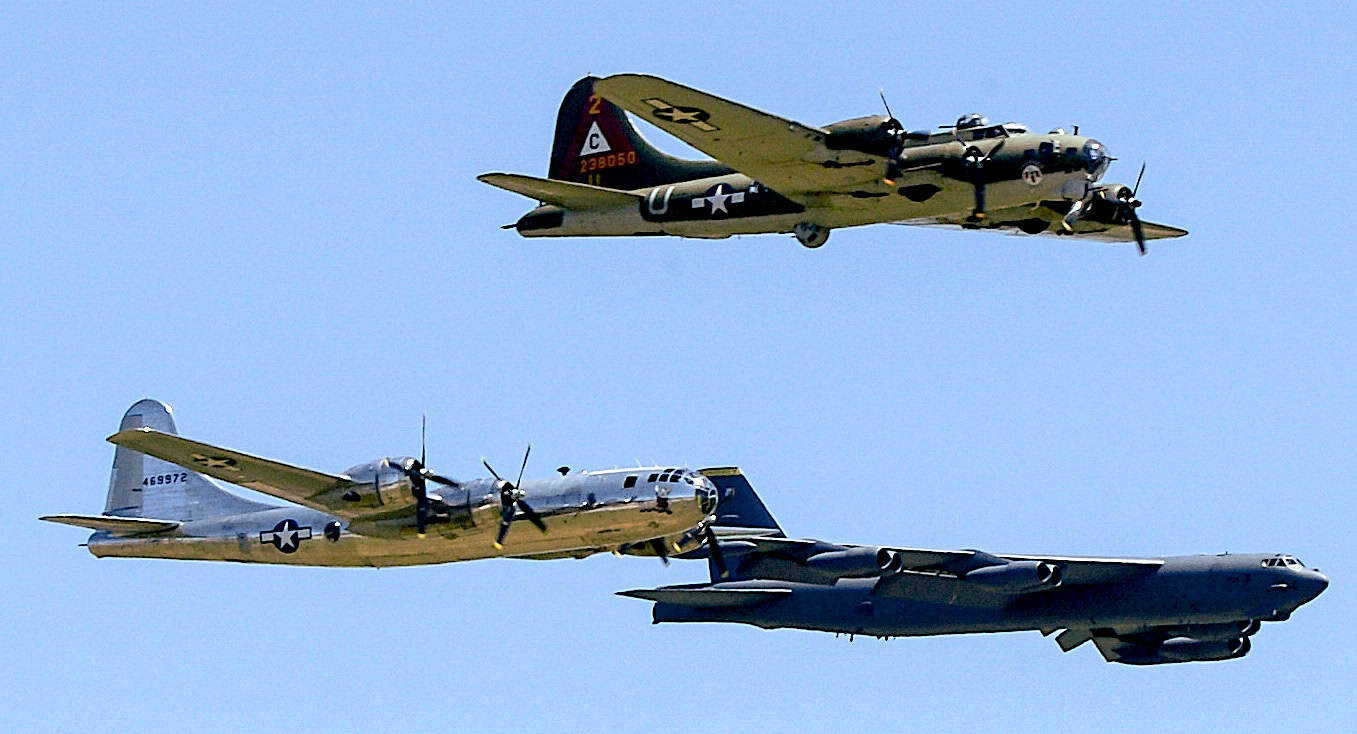
On January 24, 1961, a B-52G broke apart near Faro, North Carolina, about 12 miles north of Seymour Johnson Air Force Base. Two Mark 39 Mod 2 thermonuclear bombs fell from the aircraft. Declassified Sandia analyses say each had an explosive yield of 4 megatons.
One bomb's parachute deployed, and several steps in its normal arming sequence occurred as the aircraft came apart. The weapon's T-249 Arm/Safe switch remained in the Safe position, preventing detonation. The second bomb's parachute did not deploy, and it did not progress as far through the arming sequence.
The Air Force recovered most of the second weapon, but a uranium-bearing component sank deep into waterlogged ground and was not recovered. The Air Force later acquired the land around the buried component, and Seymour Johnson Air Force Base says there is no detectable radiation hazard in or around the area.
The Dropped Socket That Blew Apart a Nuclear Missile Silo (1980)
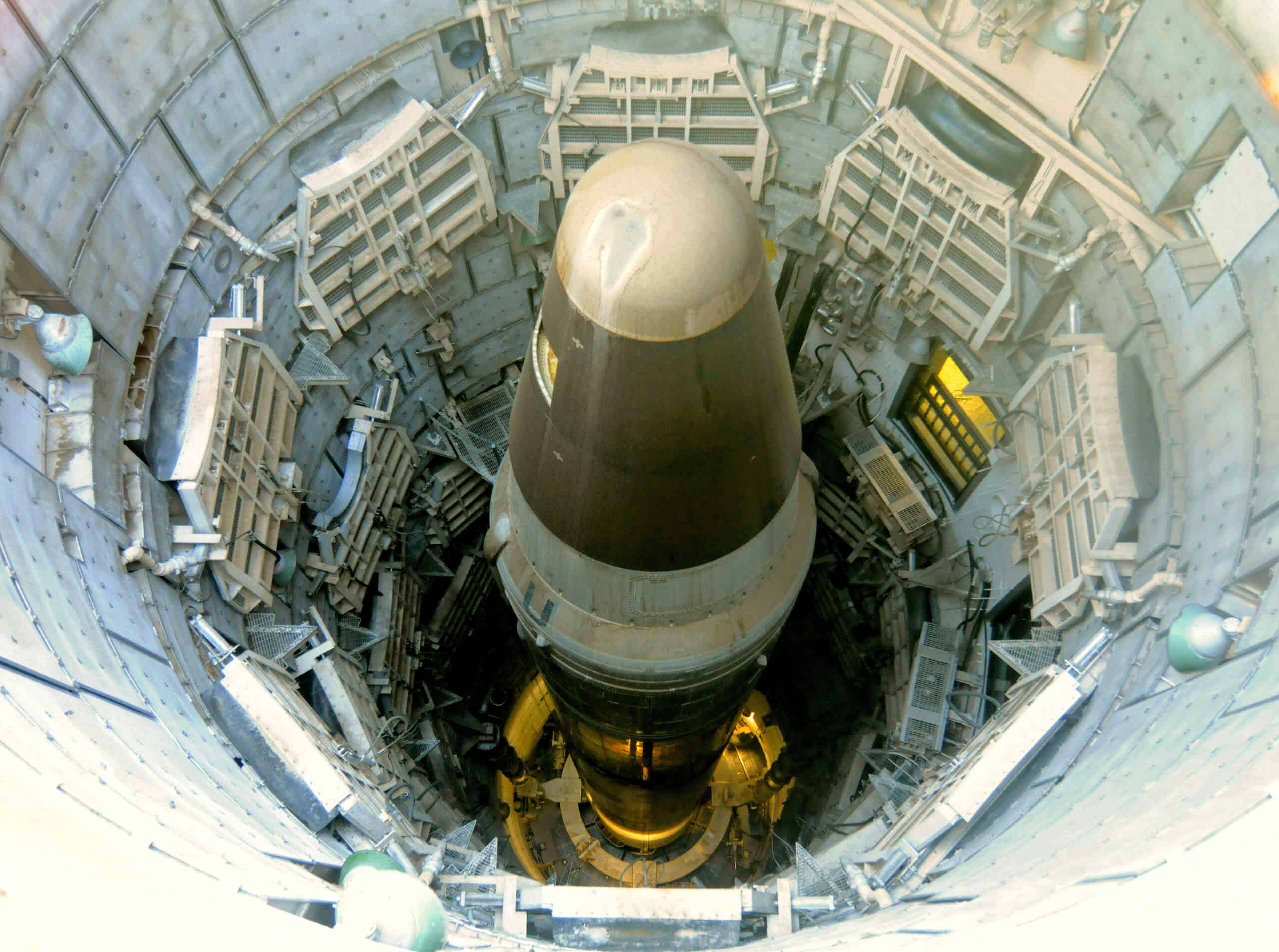
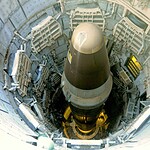
On September 18, 1980, an Air Force maintenance worker at Titan II Launch Complex 374-7 near Damascus, Arkansas, dropped a wrench socket inside the silo. It fell roughly 80 feet and punctured the missile's first-stage fuel tank, causing volatile fuel to leak. Personnel and nearby residents were evacuated as crews tried to manage the emergency.
Early the next morning, the missile exploded. The blast destroyed the launch complex, killed one airman, injured 21 people, and hurled the Titan II's W53 nuclear warhead hundreds of feet from the silo. The warhead did not detonate; its safety systems functioned as designed.
The W53 had a yield of 9 megatons. The National Park Service describes it as the most powerful single nuclear weapon in American history, while the National Museum of the U.S. Air Force notes that the Titan II was, for most of its service life, the largest and most powerful American nuclear-armed missile.
The NATO Exercise That Looked Like the Real Thing (1983)
In early November 1983, NATO conducted Able Archer 83, an annual command-post exercise that rehearsed procedures for a conflict escalating to nuclear use. The exercise used realistic command and communications procedures and took place during an unusually tense period in U.S.-Soviet relations.
Declassified U.S. intelligence records show that Soviet and Warsaw Pact forces reacted in ways officials later described as unprecedented. Air units in East Germany and Poland were placed on heightened readiness, reconnaissance activity increased, and some preparations involved the possible immediate use of nuclear weapons. Soviet intelligence was already searching for signs that NATO might be preparing a surprise attack.
Western officials did not fully understand the scale of the Soviet reaction at the time. Later intelligence, including reporting from KGB officer and British agent Oleg Gordievsky and subsequently declassified U.S. records, showed how seriously Moscow had viewed the exercise. A later U.S. intelligence review concluded that Soviet leaders may have genuinely feared Able Archer was cover for an attack.
The Solar Superstorm Earth Missed by About a Week (2012)
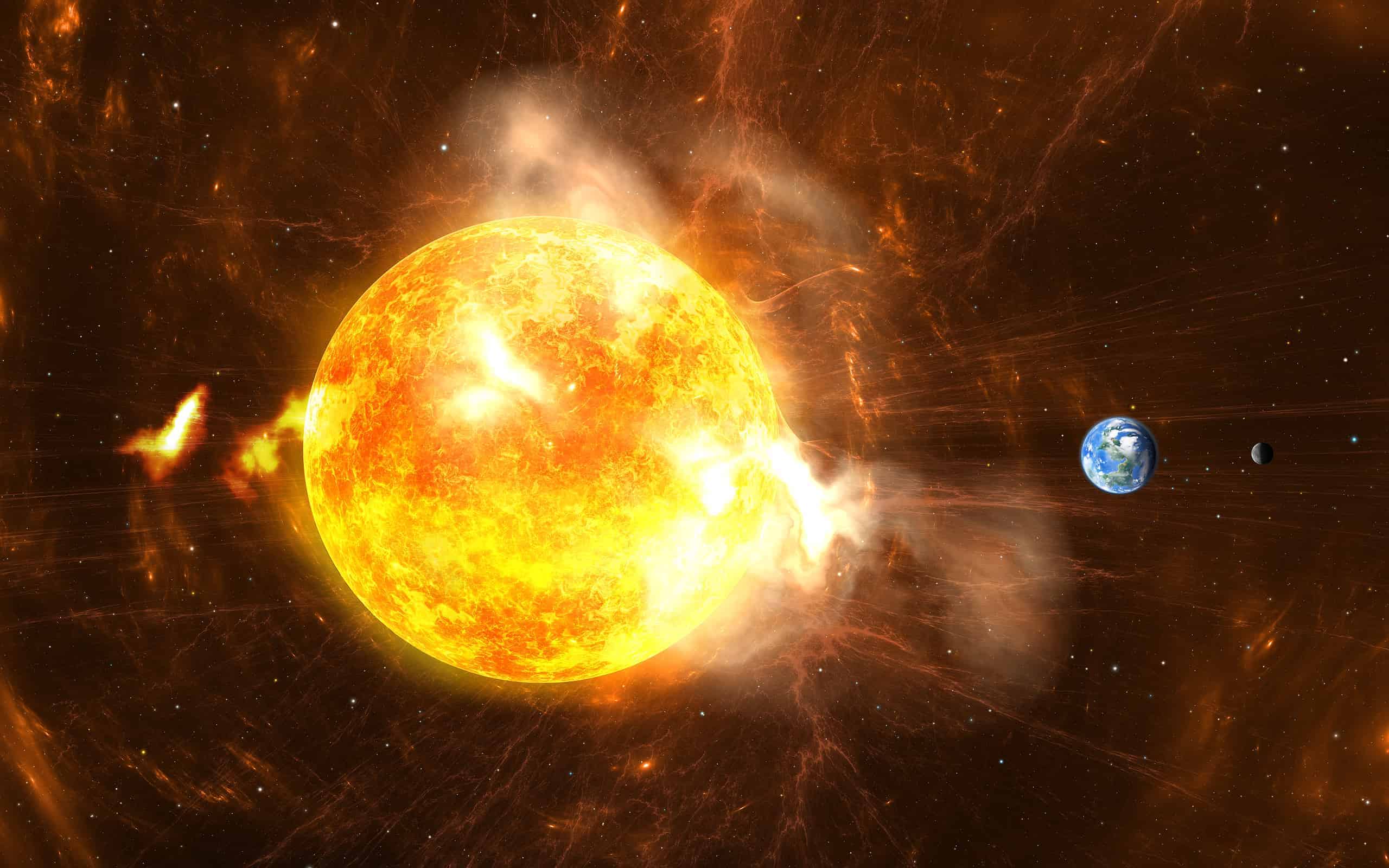
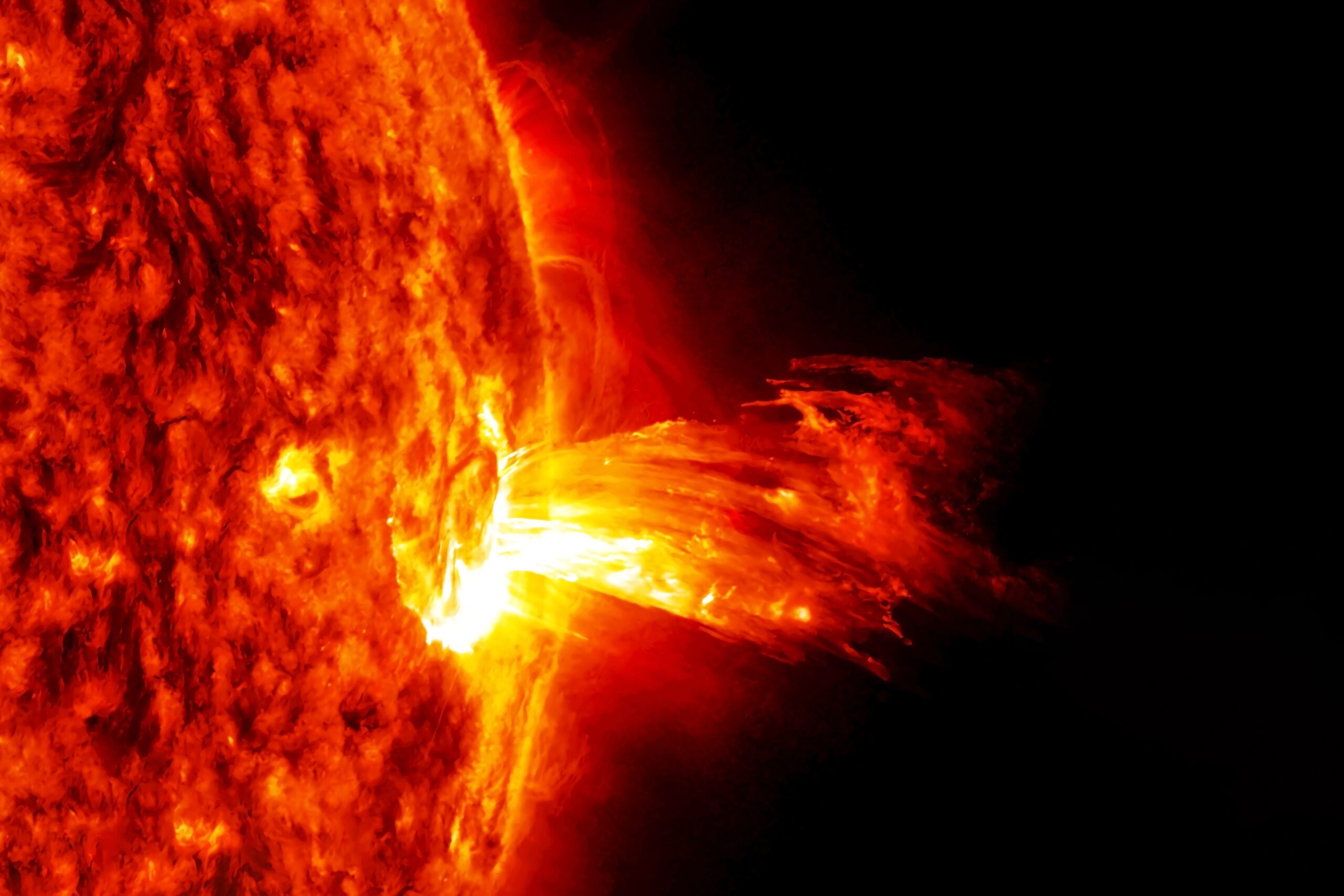
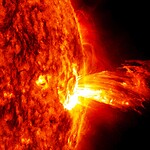
On July 23, 2012, the Sun launched an exceptionally fast coronal mass ejection that tore through Earth's orbit. Earth was not there when it passed. Instead, NASA's STEREO-A spacecraft was in the path and recorded the storm directly.
NASA researchers concluded that the event was at least as powerful as the 1859 Carrington Event. That earlier storm produced auroras far from the poles and induced currents that made telegraph equipment spark and, in some cases, start fires.
NASA said that if the 2012 eruption had occurred about one week earlier, Earth would have been in the line of fire. A National Academy of Sciences study cited by NASA estimated that a comparable extreme storm hitting modern infrastructure could produce an economic impact exceeding $2 trillion, while replacement of some large transformers could take years. That estimate describes a Carrington-scale scenario, not a measured price tag for the 2012 storm itself.
The Workers Who Drained Water Beneath Chornobyl's Reactor (1986)
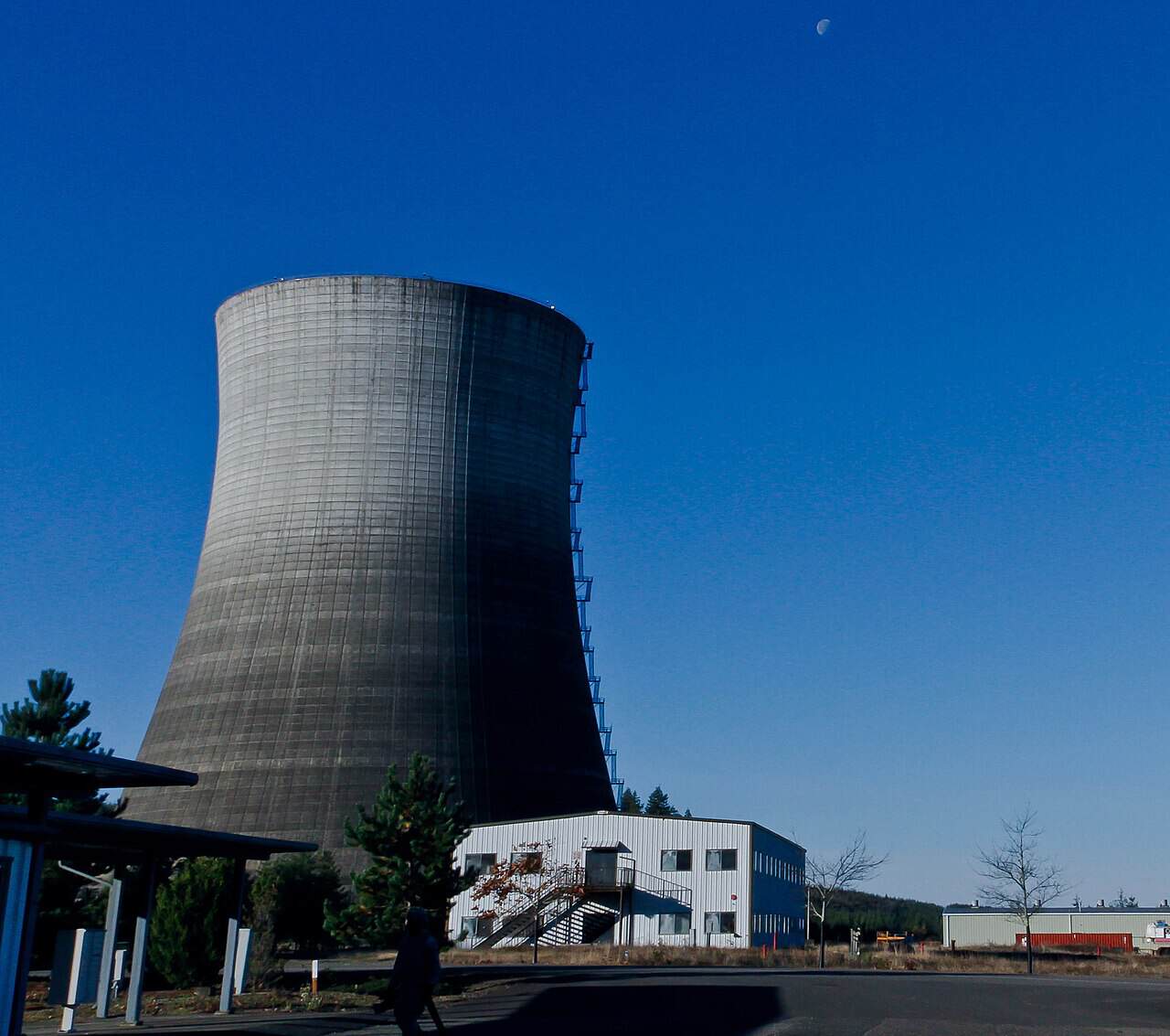
After Reactor 4 at the Chornobyl nuclear power plant exploded on April 26, 1986, officials worried that molten reactor material could reach water in the pressure-suppression pool beneath the damaged unit. United Nations scientific reviews later concluded that steam explosions were a credible concern if the molten core interacted with that water.
Three plant workers, Oleksiy Ananenko, Valeriy Bespalov, and Borys Baranov, went into the area beneath the reactor and opened valves used to drain the pool. Ukraine later awarded all three the title Hero of Ukraine for their actions, describing the operation as preventing molten nuclear material from contacting the pooled water and reducing the risk of another explosion.
All three survived the operation. Ananenko and Bespalov lived for decades after the accident, while Baranov died in 2005.
The Asteroid Nobody Saw Until Hours Before Its Flyby (2019)
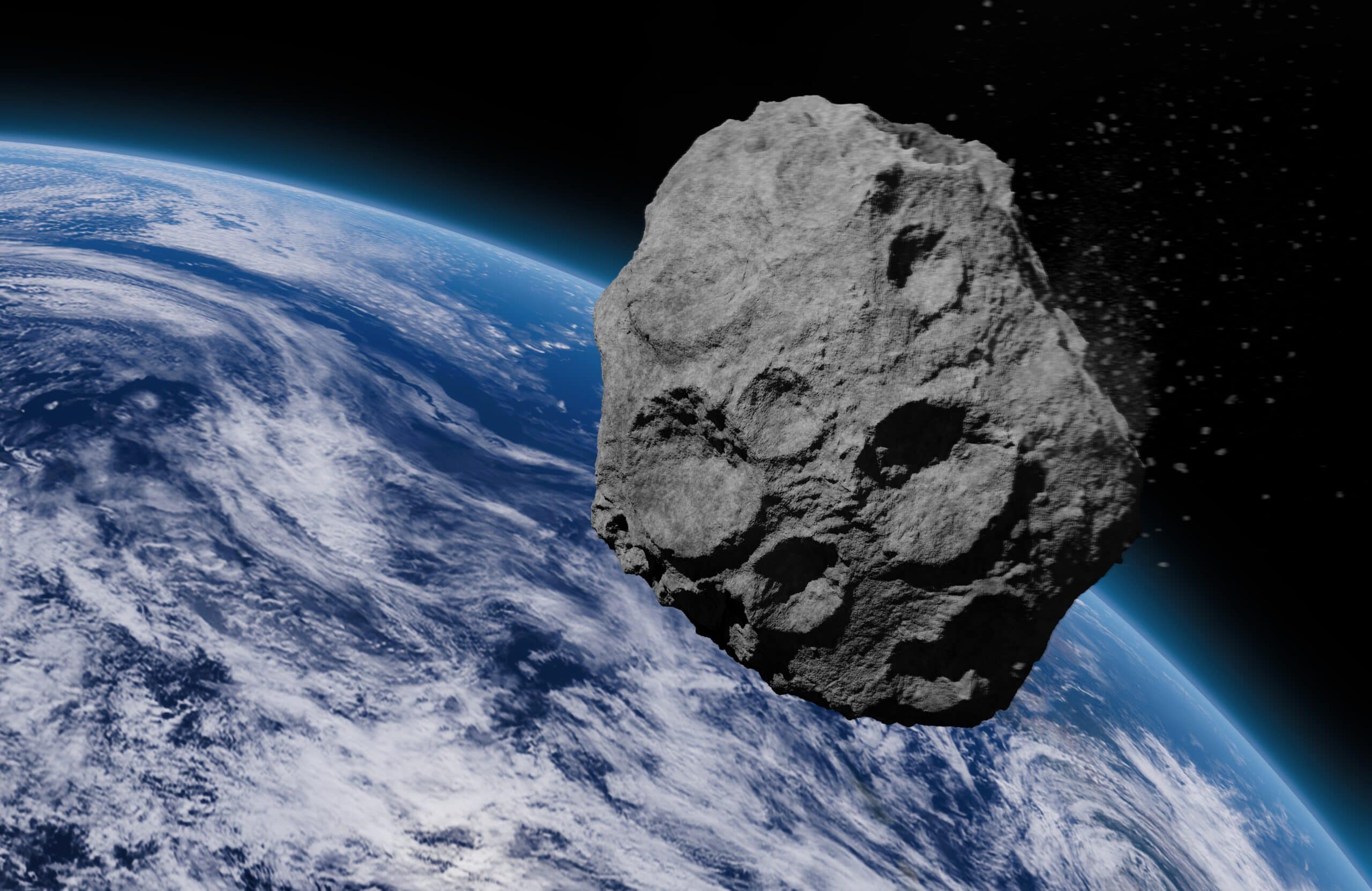
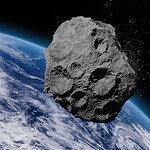
On the evening of July 24, 2019, asteroid 2019 OK made a close pass by Earth. Its closest approach came at about 01:22 UTC on July 25, when it passed roughly 40,400 miles above Earth's surface, about one-fifth the distance to the Moon. NASA estimated the object at 195 to 425 feet across, roughly football-field size.
The Southern Observatory for Near-Earth Asteroids Research in Brazil first reported it earlier that same day. NASA's Jet Propulsion Laboratory later said astronomers had only about five hours' warning before closest approach.
If an object that size had entered the atmosphere over land, NASA estimated that the blast wave could have caused localized devastation across an area roughly 50 miles wide. The near miss also exposed a detection gap: NASA noted that a space-based infrared survey probably would have spotted 2019 OK much earlier.
The Solar Flare Mistaken for Soviet Jamming (1967)
On May 23, 1967, an enormous solar radio burst disrupted three Ballistic Missile Early Warning System radar sites in Alaska, Greenland, and the United Kingdom. The interference arrived during the Cold War, and military personnel initially interpreted the simultaneous radar disruption as possible deliberate jamming.
That mattered because full-scale jamming of early-warning radar could be interpreted as the opening move of an attack. U.S. Air Force solar forecasters were able to tell NORAD that intense solar activity was the likely cause. Strategic Air Command bombers were readied but did not take off, and the alert returned to its normal posture.
A later study involving retired Air Force personnel and NOAA scientists concluded that timely space-weather information helped turn a potentially grave situation into a manageable one. The episode also helped establish space weather as an operational concern for the U.S. military.