













Weapons That Gave Militaries a Strategic Edge in Modern Warfare
Advances in military technology have played a defining role in shaping modern warfare. From precision-guided munitions to drones and long-range missile systems, certain weapons have significantly changed how battles are fought and how quickly outcomes can shift.
In many recent conflicts, these technologies have allowed smaller or less conventional forces to challenge more powerful militaries and disrupt traditional strategies. When a system proves effective in combat, it often influences global military planning, prompting new tactics and countermeasures. In this slideshow, Tempo examines the weapons that have had the greatest impact on modern conflicts and how they continue to reshape the battlefield.
Modern Conflicts Are Often Shaped by Breakthrough Weapons
Modern conflicts are often shaped by weapons systems that deliver advantages in speed, range, precision, or survivability. Over the last several decades, advances in military technology have allowed certain platforms to do far more than support battlefield operations. In some wars, these systems changed the pace of combat, disrupted enemy plans, and helped one side seize momentum at critical moments.
Technology Keeps Changing How Wars Are Fought
Technology continues to change how wars are fought. Precision-guided missiles, advanced drones, modern armored vehicles, and missile defense systems have all expanded what militaries can do on the battlefield. These capabilities often force opponents to adapt quickly, because failing to respond to a new and effective weapon can lead to major losses in personnel, equipment, and strategic position.
Some Weapons Become True Game-Changers in Combat
Some weapons become true game-changers once they are tested in combat. A system that combines long range, accuracy, survivability, or persistent surveillance can give one side a decisive edge. When that happens, the battlefield often shifts around the weapon itself, as commanders adjust tactics to exploit its strengths and adversaries scramble to find ways to counter it.
Real Wars Reveal Which Weapons Truly Matter
Real conflict is the ultimate test of any military technology. Weapons that perform well under actual combat conditions often influence defense planning far beyond the wars where they first gained attention. Once a system proves capable of changing battlefield outcomes, it is often upgraded, exported, or studied closely by other nations looking to gain the same kind of advantage.
These Systems Helped Shift the Momentum of War
The weapons systems on this list represent some of the most influential platforms used in modern conflicts. Each one demonstrated battlefield capabilities that changed tactics, shifted momentum, or forced major strategic adjustments. Together, they show how modern warfare is increasingly shaped by technologies that can alter the course of a conflict in a relatively short period of time.
F-117 Nighthawk
- Country of origin: United States
- Weapon type: Stealth attack aircraft
- Manufacturer or developer: Lockheed Martin
- Year introduced to service: 1983
- Conflict where it proved decisive: Gulf War
- Primary capability: Precision air strike
- Key battlefield advantage: Stealth penetration of air defenses
- Strategic impact: Allowed coalition forces to strike heavily defended Iraqi targets early in the war
The F-117 Nighthawk introduced stealth technology to modern warfare and proved its value during the 1991 Gulf War. By evading Iraqi radar systems, the aircraft was able to strike heavily defended command centers, air defense sites, and infrastructure. Its success demonstrated that stealth aircraft could penetrate sophisticated air defenses and dramatically reshape air campaign strategy.
F-15E Strike Eagle
- Country of origin: United States
- Weapon type: Multirole strike aircraft
- Manufacturer or developer: McDonnell Douglas / Boeing
- Year introduced to service: 1989
- Conflict where it proved decisive: Gulf War / Iraq War
- Primary capability: Deep strike missions
- Key battlefield advantage: Long-range precision strike capability
- Strategic impact: Enabled sustained precision attacks against strategic targets
The F-15E Strike Eagle became one of the most versatile strike aircraft in modern combat. During the Gulf War and later conflicts in Iraq and Afghanistan, it delivered precision-guided weapons against strategic targets deep behind enemy lines. Its combination of range, payload, and advanced targeting systems made it a cornerstone of U.S. precision airpower.
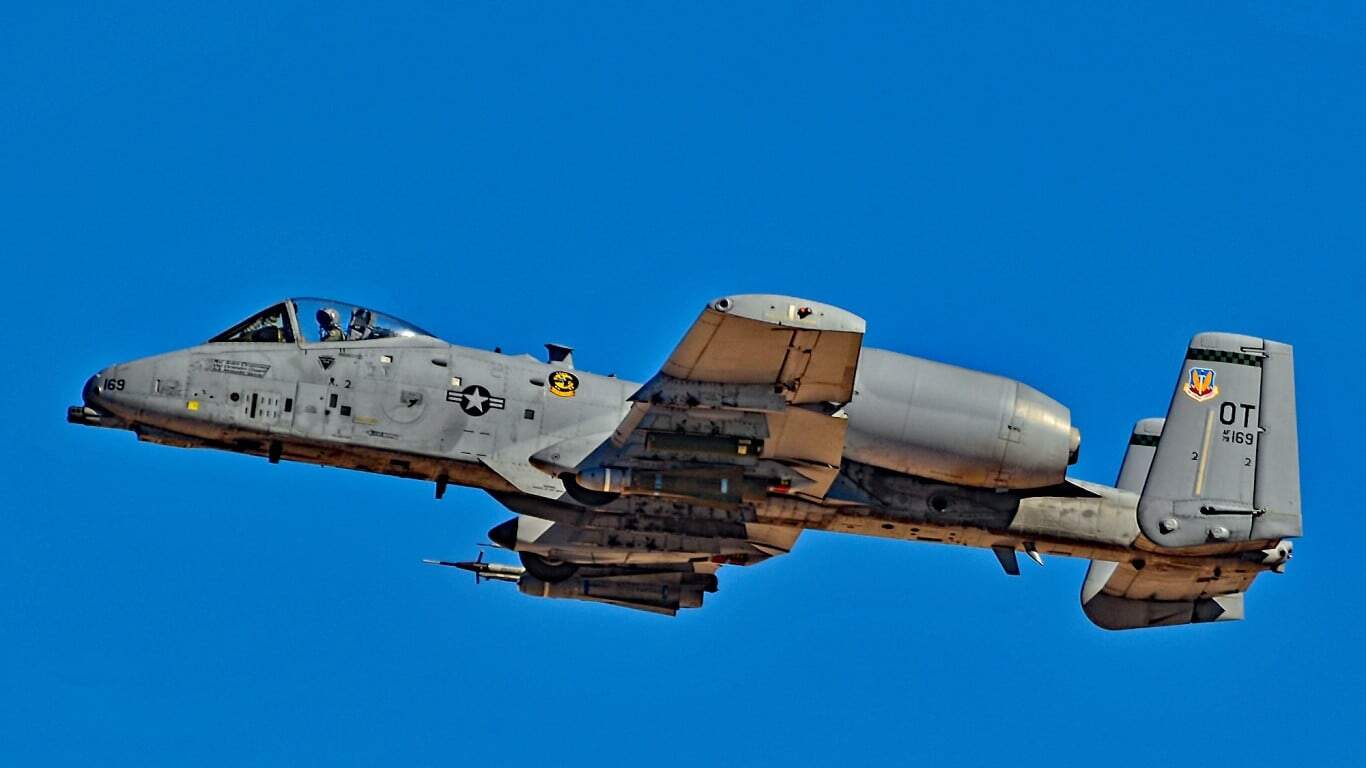
A-10 Thunderbolt II
- Country of origin: United States
- Weapon type: Close air support aircraft
- Manufacturer or developer: Fairchild Republic
- Year introduced to service: 1977
- Conflict where it proved decisive: Gulf War
- Primary capability: Close air support
- Key battlefield advantage: Heavy anti-armor firepower
- Strategic impact: Destroyed large numbers of Iraqi armored vehicles
The A-10 Thunderbolt II proved devastating against armored forces during the Gulf War. Designed specifically for close air support, the aircraft's GAUA8-8 Avenger cannon and durable airframe allowed it to destroy tanks and armored vehicles while operating close to the battlefield. Its ability to support ground troops made it one of the most effective anti-armor aircraft ever deployed.
AC-130 Gunship
- Country of origin: United States
- Weapon type: Close air support aircraft
- Manufacturer or developer: Lockheed Martin
- Year introduced to service: 1968
- Conflict where it proved decisive: Afghanistan / Iraq War
- Primary capability: Precision ground attack
- Key battlefield advantage: Overwhelming firepower at night
- Strategic impact: Provided decisive support for ground troops in urban and insurgent warfare
The AC-130 gunship became a powerful force multiplier in irregular warfare. Equipped with heavy cannons and precision targeting systems, it provided devastating fire support during operations in Afghanistan and Iraq. Operating primarily at night, the aircraft allowed U.S. and coalition forces to overwhelm enemy positions while minimizing risk to friendly troops.
Tomahawk Cruise Missile
- Country of origin: United States
- Weapon type: Cruise missile
- Manufacturer or developer: Raytheon
- Year introduced to service: 1983
- Conflict where it proved decisive: Gulf War / Iraq War
- Primary capability: Long-range precision strike
- Key battlefield advantage: Terrain-following flight
- Strategic impact: Allowed long-distance attacks on high-value targets
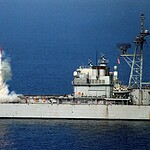
The Tomahawk cruise missile revolutionized long-range precision strike capability. Launched from ships and submarines, it allowed coalition forces during the Gulf War and later conflicts to strike strategic targets without risking aircraft and pilots. Its terrain-following guidance and long range made it one of the most widely used precision strike weapons in modern warfare.
HIMARS
- Country of origin: United States
- Weapon type: Rocket artillery system
- Manufacturer or developer: Lockheed Martin
- Year introduced to service: 2005
- Conflict where it proved decisive: Ukraine War
- Primary capability: Precision rocket artillery
- Key battlefield advantage: Long-range GPS-guided strikes
- Strategic impact: Enabled Ukrainian forces to hit supply depots and command centers far behind front lines
The HIMARS rocket artillery system gained global attention during the war in Ukraine. With GPS-guided rockets capable of striking targets far behind the front line, HIMARS allowed Ukrainian forces to destroy ammunition depots, command centers, and logistics hubs. These strikes disrupted Russian operations and demonstrated the growing importance of long-range precision artillery.
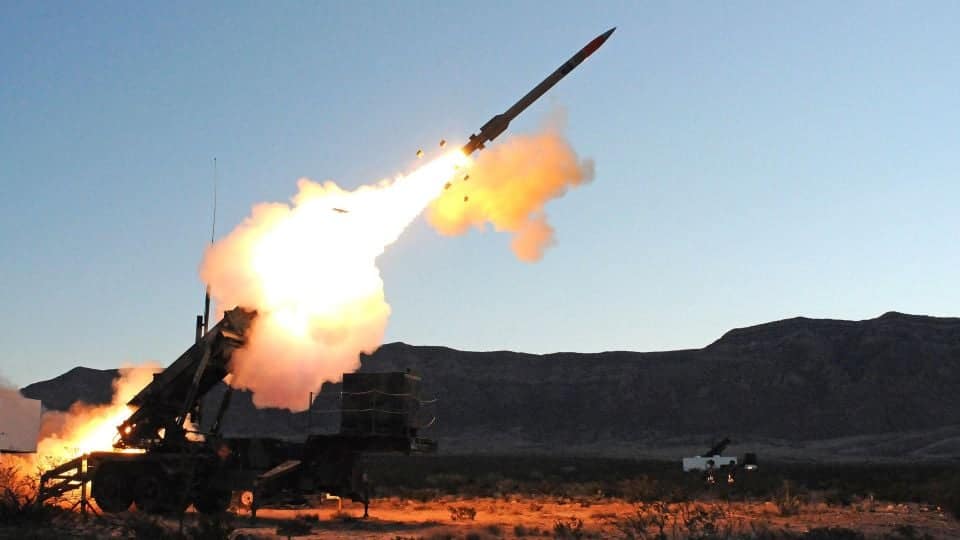
Patriot Missile System
- Country of origin: United States
- Weapon type: Air defense system
- Manufacturer or developer: Raytheon
- Year introduced to service: 1981
- Conflict where it proved decisive: Gulf War
- Primary capability: Missile interception
- Key battlefield advantage: Advanced radar-guided interceptors
- Strategic impact: Provided defense against incoming ballistic missiles
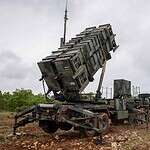
The Patriot missile defense system became a key element of modern air defense during the Gulf War. Designed to intercept incoming ballistic missiles and aircraft, it helped defend coalition forces and allied cities. Continued upgrades have expanded its capabilities, making Patriot one of the most widely deployed missile defense systems in the world.
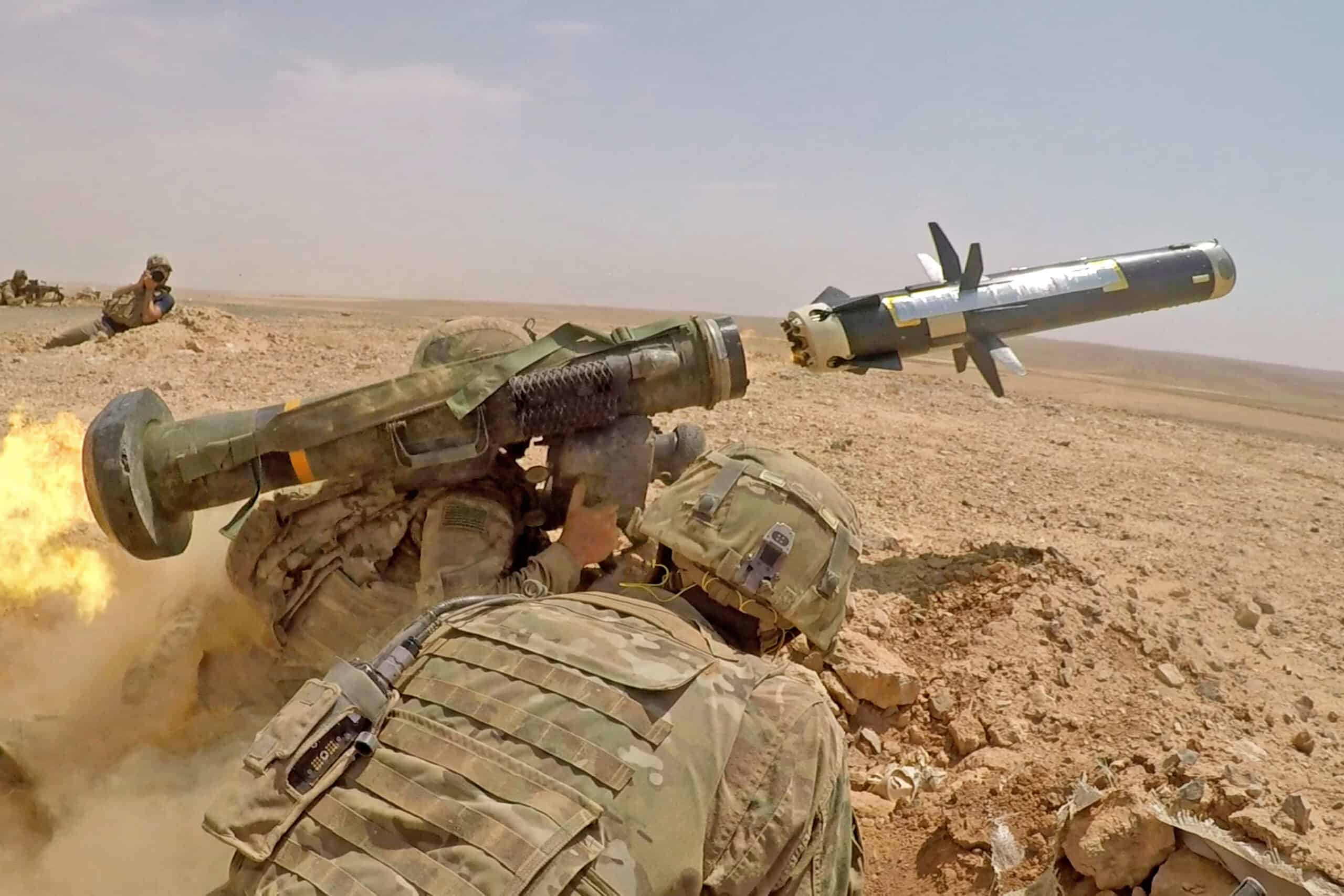
FGM-148 Javelin
- Country of origin: United States
- Weapon type: Anti-tank missile
- Manufacturer or developer: Raytheon / Lockheed Martin
- Year introduced to service: 1996
- Conflict where it proved decisive: Ukraine War
- Primary capability: Anti-tank warfare
- Key battlefield advantage: Fire-and-forget targeting
- Strategic impact: Allowed infantry to destroy armored vehicles with high success rates
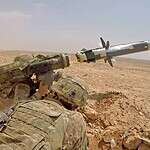
The FGMAD148 Javelin antiADtank missile demonstrated the effectiveness of modern portable antiADarmor weapons during the Ukraine war. Using fireADandADforget guidance and a topADattack profile, it allowed infantry units to destroy heavily armored vehicles from relatively safe positions. Its widespread use showed how advanced missiles can challenge even modern main battle tanks.
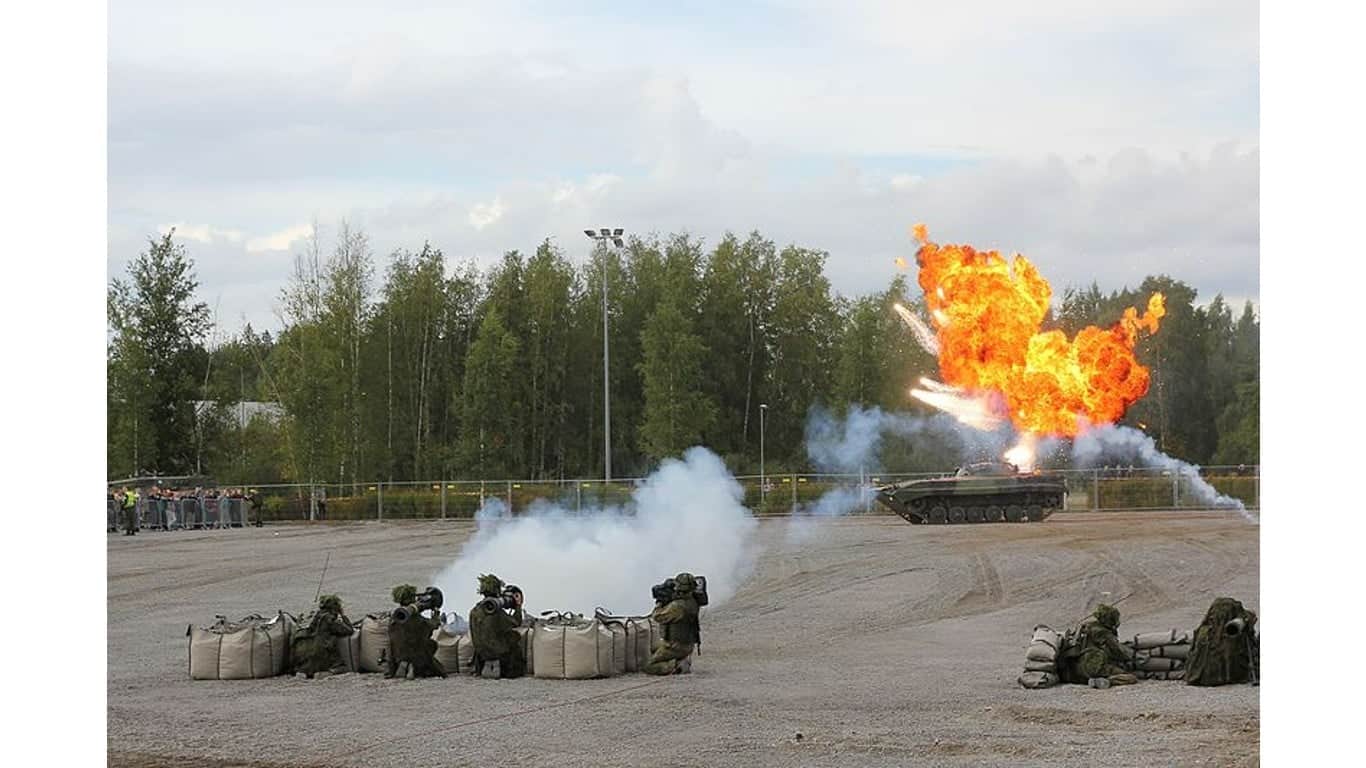
NLAW
- Country of origin: United Kingdom / Sweden
- Weapon type: Anti-tank missile
- Manufacturer or developer: Saab Bofors Dynamics
- Year introduced to service: 2009
- Conflict where it proved decisive: Ukraine War
- Primary capability: Short-range anti-tank attack
- Key battlefield advantage: Top-attack capability
- Strategic impact: Effective in urban combat against armored vehicles
The NLAW antiADtank weapon became one of the most effective portable systems used during the early stages of the Ukraine war. Designed for shortADrange engagements in urban environments, it allowed small infantry teams to ambush armored vehicles with devastating results. Its ease of use and topADattack capability made it particularly effective in close combat.
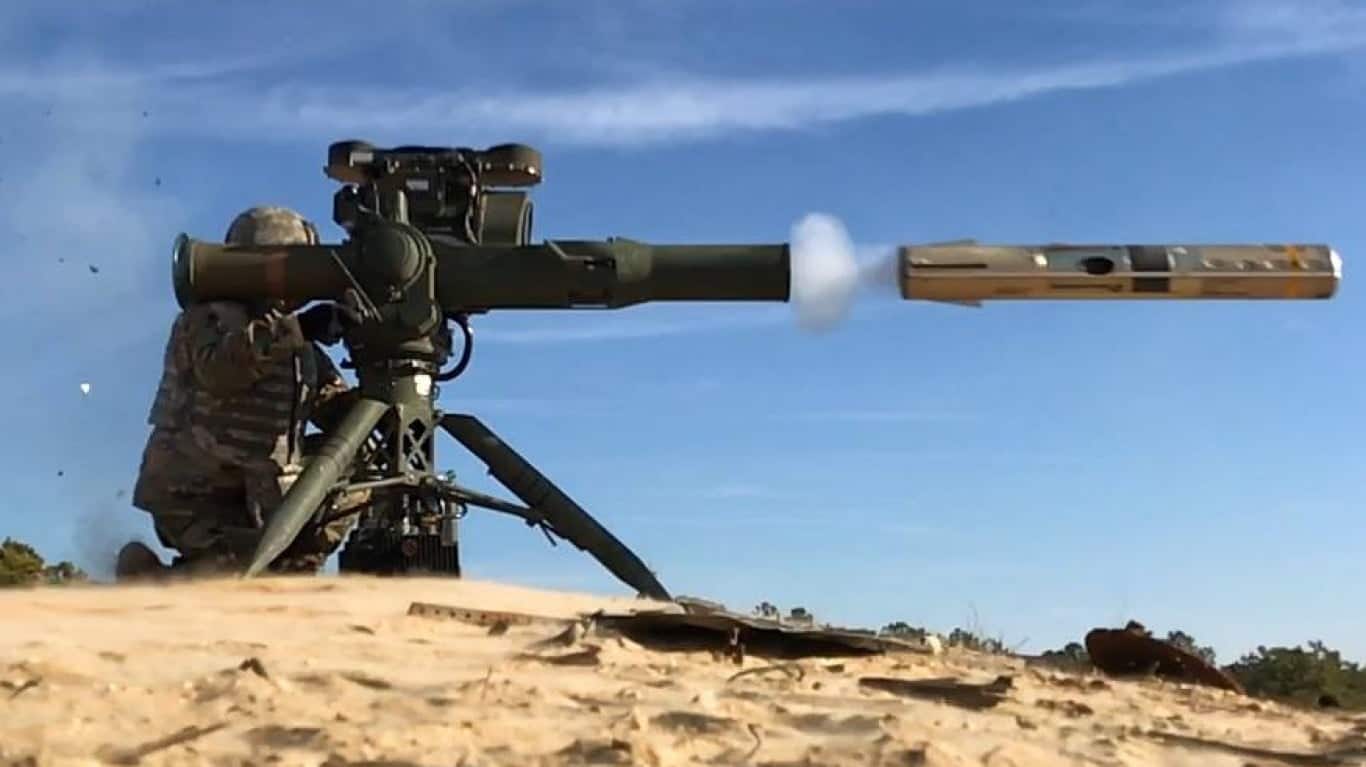
TOW Missile
- Country of origin: United States
- Weapon type: Anti-tank missile
- Manufacturer or developer: Raytheon
- Year introduced to service: 1970
- Conflict where it proved decisive: Iraq War / Syrian conflict
- Primary capability: Anti-armor missile strike
- Key battlefield advantage: Wire-guided precision
- Strategic impact: Destroyed armored vehicles and fortified positions
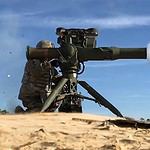
The TOW missile system has remained a widely used antiADtank weapon for decades. During the Iraq War and the Syrian conflict, it was employed against armored vehicles, fortified positions, and other battlefield targets. Its reliability and precision made it one of the most enduring guided missile systems used in modern conflicts.
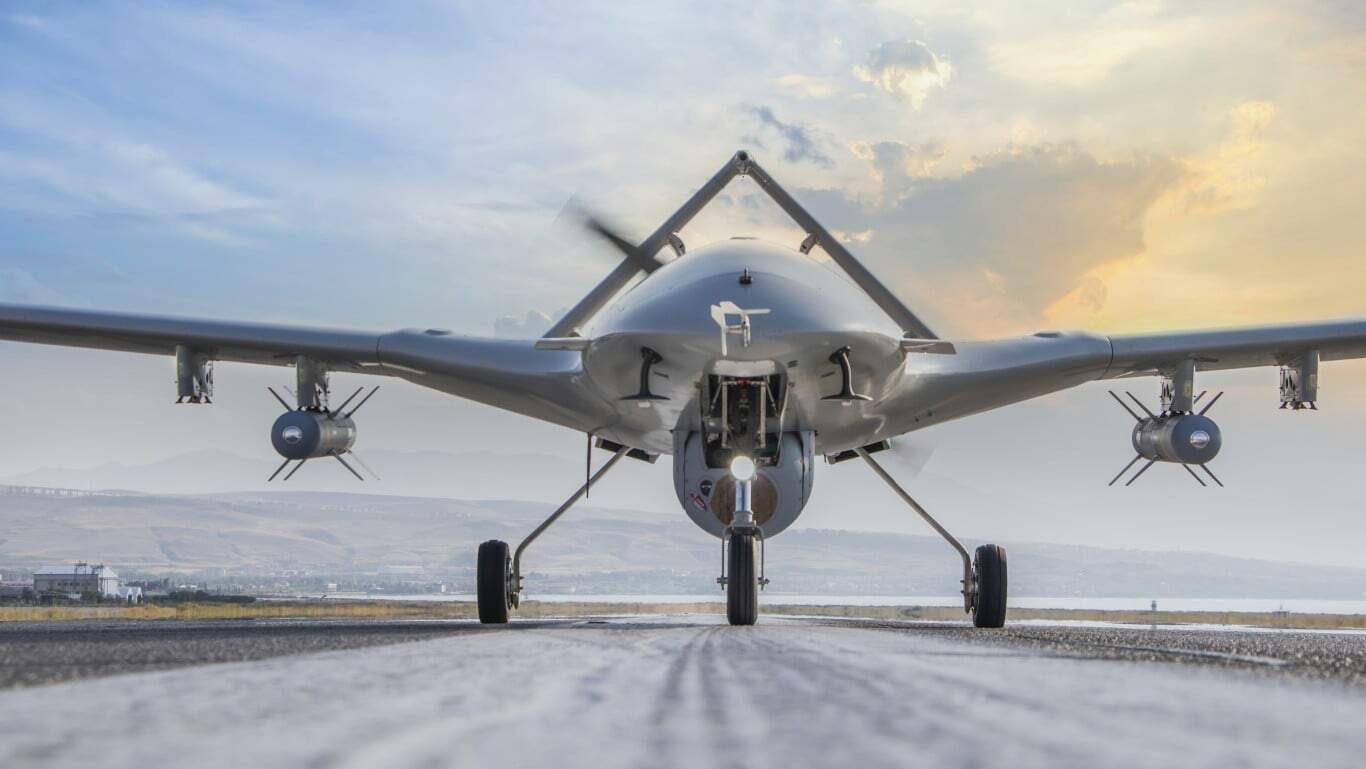
Bayraktar TB2
- Country of origin: Turkey
- Weapon type: Combat drone
- Manufacturer or developer: Baykar
- Year introduced to service: 2014
- Conflict where it proved decisive: Nagorno-Karabakh War / Ukraine War
- Primary capability: Drone strike capability
- Key battlefield advantage: Persistent surveillance and strike ability
- Strategic impact: Neutralized armored vehicles and air defenses
The Bayraktar TB2 drone became a symbol of modern drone warfare during the NagornoADKarabakh conflict and later in Ukraine. Combining surveillance and strike capabilities, the drone allowed forces to identify and destroy tanks, artillery, and air defense systems. Its effectiveness highlighted how relatively lowADcost drones could challenge traditional armored forces.
MQ-9 Reaper
- Country of origin: United States
- Weapon type: Combat drone
- Manufacturer or developer: General Atomics
- Year introduced to service: 2007
- Conflict where it proved decisive: War on Terror
- Primary capability: Precision drone strike
- Key battlefield advantage: Long endurance operations
- Strategic impact: Enabled persistent surveillance and targeted strikes
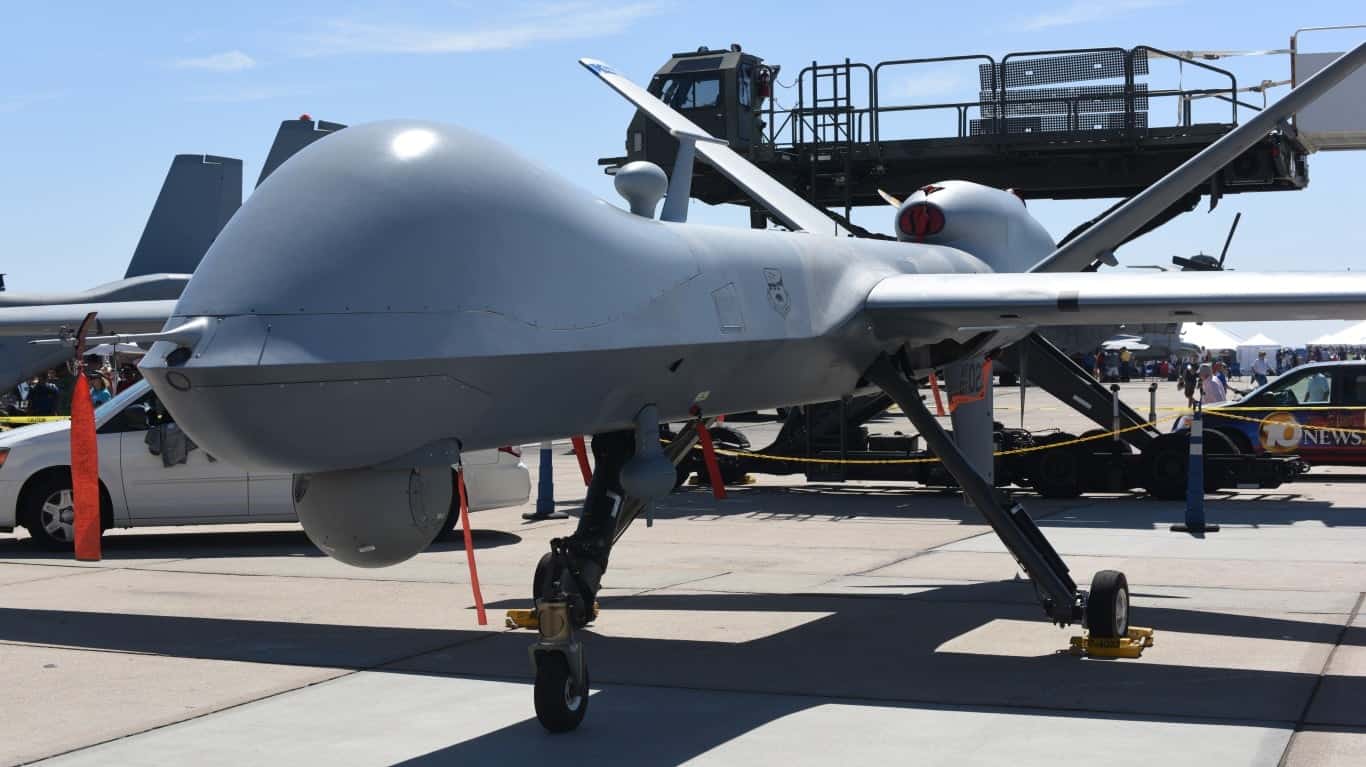
The MQAD9 Reaper drone transformed counterterrorism and precision strike operations. With long endurance and advanced sensors, it allowed operators to monitor targets for extended periods before conducting precise attacks. Its widespread use across multiple theaters demonstrated how remotely piloted aircraft could provide both intelligence and strike capabilities.
Switchblade
- Country of origin: United States
- Weapon type: Loitering munition
- Manufacturer or developer: AeroVironment
- Year introduced to service: 2011
- Conflict where it proved decisive: Ukraine War
- Primary capability: Portable drone strike
- Key battlefield advantage: Loitering attack capability
- Strategic impact: Gave small units precision strike capability
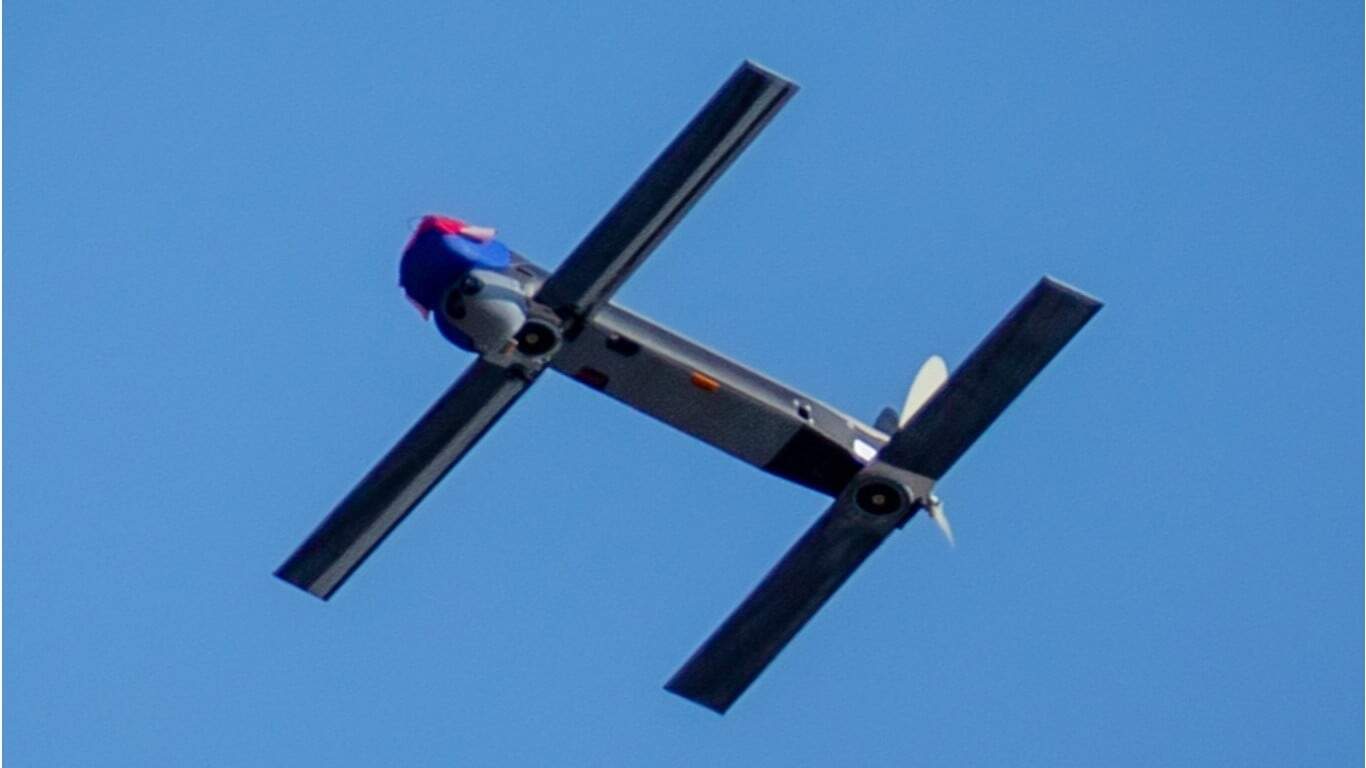
The Switchblade loitering munition introduced a new type of portable precision weapon. Carried by infantry units, the small drone can loiter above the battlefield before striking targets directly. Its deployment in Ukraine highlighted the growing role of compact drone systems that allow small units to deliver precision attacks.
M1A1 Abrams
- Country of origin: United States
- Weapon type: Main battle tank
- Manufacturer or developer: General Dynamics
- Year introduced to service: 1985
- Conflict where it proved decisive: Gulf War
- Primary capability: Armored warfare
- Key battlefield advantage: Advanced armor and fire control
- Strategic impact: Dominated Iraqi armored forces
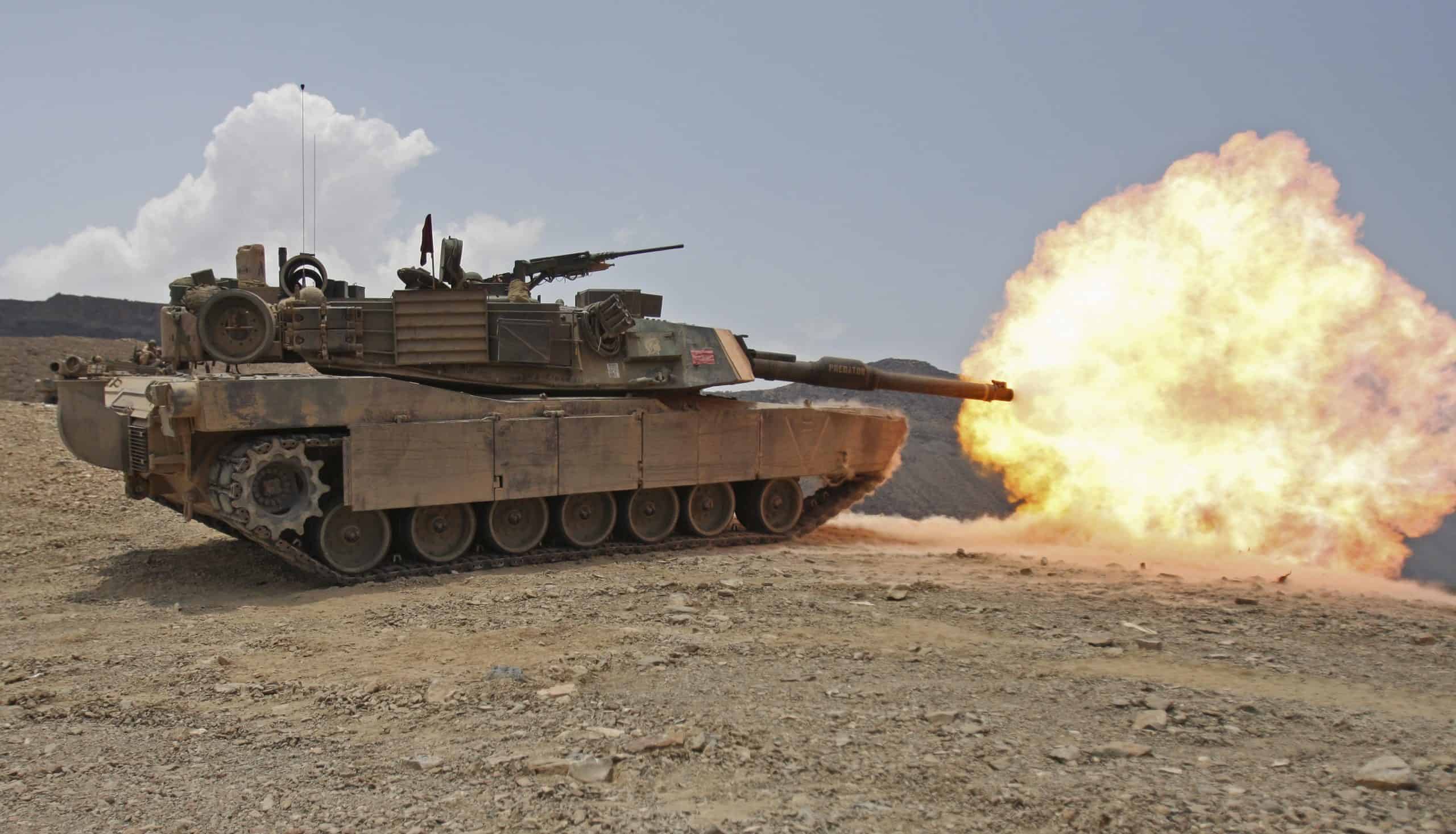
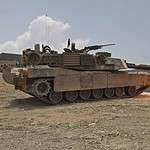
The M1A1 Abrams tank demonstrated overwhelming superiority during the Gulf War. Equipped with advanced armor, powerful fire control systems, and a 120 mm cannon, it consistently outperformed Iraqi armored vehicles. Its battlefield performance reinforced the importance of advanced tank technology in large-scale armored warfare.
Leopard 2
- Country of origin: Germany
- Weapon type: Main battle tank
- Manufacturer or developer: Krauss-Maffei Wegmann
- Year introduced to service: 1979
- Conflict where it proved decisive: Afghanistan / Ukraine War
- Primary capability: Heavy armored combat
- Key battlefield advantage: High survivability and firepower
- Strategic impact: One of the most capable Western tanks in modern warfare
The Leopard 2 tank has become one of the most respected main battle tanks in the world. With advanced armor protection and a powerful main gun, it has been deployed in numerous modern operations. Its introduction to the Ukraine war further highlighted its reputation as one of the most capable Western tanks available.
S-300
- Country of origin: Soviet Union / Russia
- Weapon type: Air defense system
- Manufacturer or developer: Almaz-Antey
- Year introduced to service: 1978
- Conflict where it proved decisive: Ukraine War
- Primary capability: Long-range air defense
- Key battlefield advantage: Advanced radar tracking
- Strategic impact: Challenged enemy air superiority
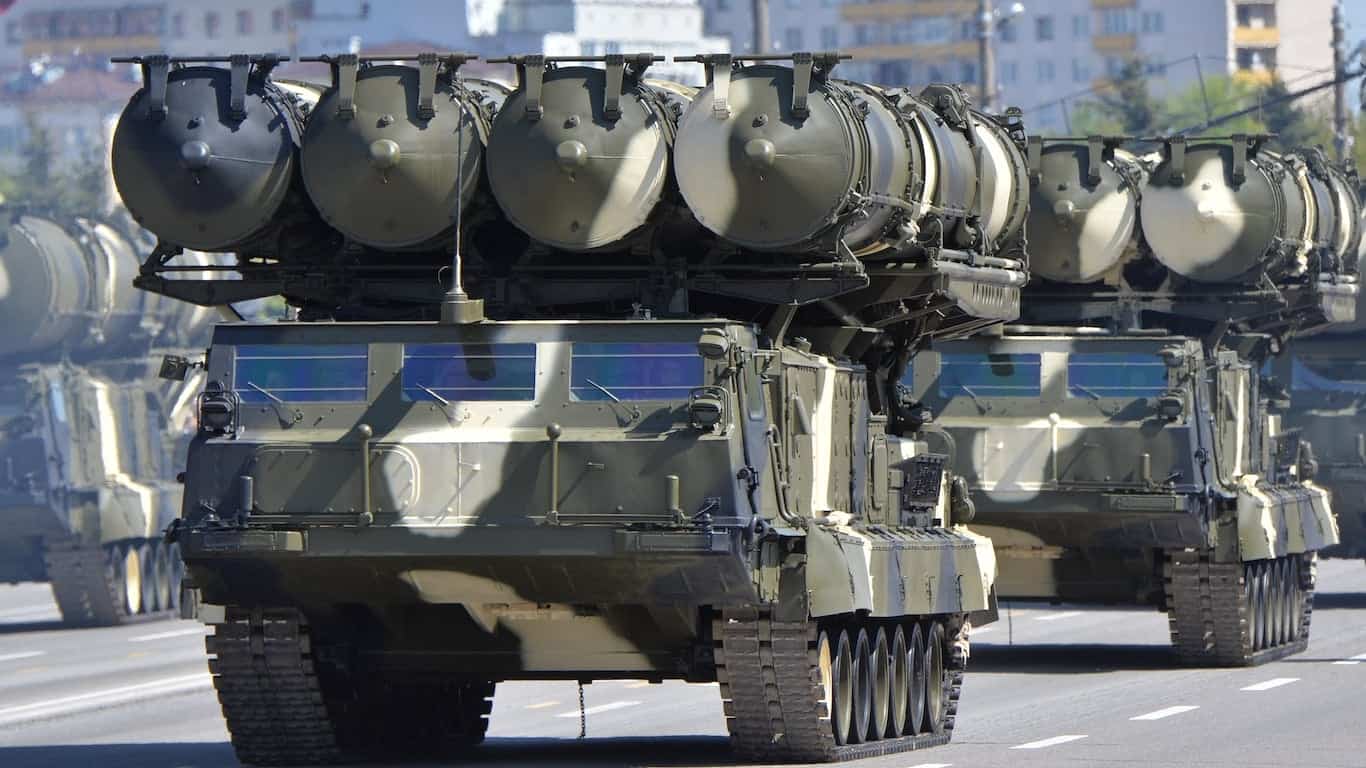
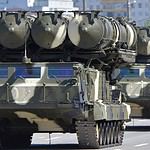
The SAD300 air defense system became one of the most influential surfaceADtoADair missile systems developed during the Cold War. Its ability to track and engage multiple targets at long range made it a serious threat to enemy aircraft. In modern conflicts, it continues to shape air operations by limiting adversary air superiority.
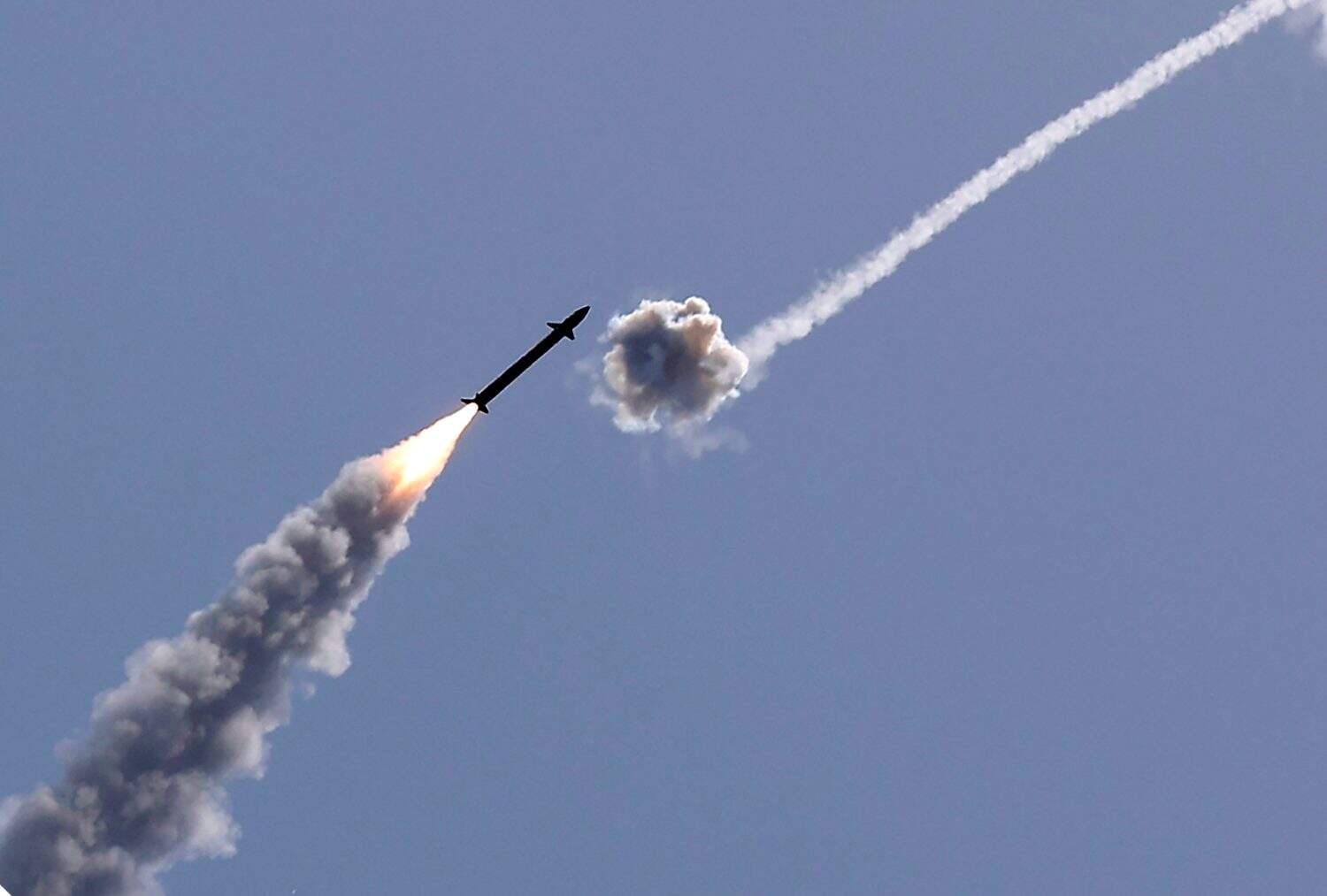
Iron Dome
- Country of origin: Israel
- Weapon type: Missile defense system
- Manufacturer or developer: Rafael Advanced Defense Systems
- Year introduced to service: 2011
- Conflict where it proved decisive: Gaza conflicts
- Primary capability: Rocket interception
- Key battlefield advantage: High interception rate
- Strategic impact: Protected cities from rocket attacks
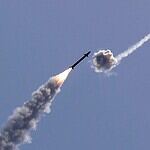
The Iron Dome missile defense system dramatically changed how countries defend against shortADrange rocket attacks. Developed by Israel, the system intercepts incoming rockets before they reach populated areas. Its high interception rate has allowed Israeli cities to remain protected during repeated conflicts in the region.
Harpoon Missile
- Country of origin: United States
- Weapon type: Anti-ship missile
- Manufacturer or developer: Boeing
- Year introduced to service: 1977
- Conflict where it proved decisive: Various naval conflicts
- Primary capability: Naval strike
- Key battlefield advantage: Sea-skimming flight
- Strategic impact: Shaped modern anti-ship missile warfare
The Harpoon antiADship missile became one of the most widely used naval strike weapons in the world. Designed to skim just above the ocean surface before striking enemy ships, it provided navies with a powerful standADoff capability. Its widespread adoption helped shape modern naval missile warfare.
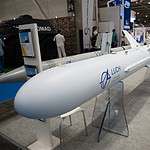
Neptune Missile
- Country of origin: Ukraine
- Weapon type: Anti-ship missile
- Manufacturer or developer: Luch Design Bureau
- Year introduced to service: 2021
- Conflict where it proved decisive: Ukraine War
- Primary capability: Anti-ship strike
- Key battlefield advantage: Coastal defense missile
- Strategic impact: Helped sink the Russian cruiser Moskva
The Neptune antiADship missile gained international attention during the Ukraine war when it was used to sink the Russian cruiser Moskva. Developed by Ukraine, the coastal defense missile demonstrated how landADbased antiADship weapons could threaten even large naval vessels.
Storm Shadow / SCALP
- Country of origin: United Kingdom / France
- Weapon type: Air-launched cruise missile
- Manufacturer or developer: MBDA
- Year introduced to service: 2003
- Conflict where it proved decisive: Ukraine War
- Primary capability: Deep precision strike
- Key battlefield advantage: Long-range stand-off attack
- Strategic impact: Allowed strikes against high-value strategic targets
The Storm Shadow / SCALP cruise missile provided longADrange precision strike capability in modern conflicts. With its ability to penetrate heavily defended targets, it allows aircraft to strike strategic infrastructure from a safe distance. Its use in Ukraine demonstrated the importance of standADoff weapons in modern warfare.